
In this section
Ocean Topics
- Climate & Weather
- How the Ocean Works
- Ocean & Human Lives
- Ocean Life
- Sustainable Ocean
- Ocean Tech

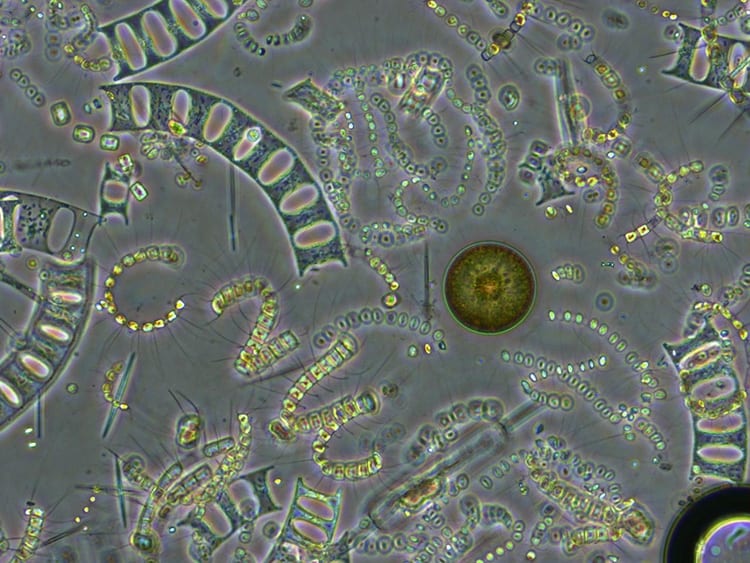
The high diversity of phytoplankton has puzzled biological oceanographers for a long time. There are over 200,000 species of of these tiny marine plants that use sunlight and nutrients to grow and reproduce at the ocean's surface. (Courtesy of Samantha DeCuollo,University of Rhode Island)
Ocean plants have adapted to living in the marine environment and can vary from single cell organisms to thick forests of kelp. These plants are an important food source for invertebrates and fish, they provide oxygen to surrounding marine life, and they support many marine creatures by providing refuge and nursery grounds.
All Topics on Ocean Plants
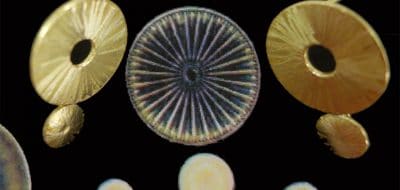
Phytoplankton
Phytoplankton are primary producers of the ocean—the organisms that form the base of the food chain. WHOI explores the microscopic, single-celled organisms.
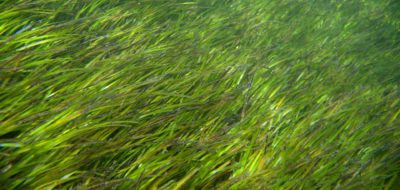
Seagrass Meadows
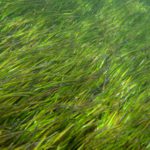
Seagrass meadows are plants adapted to live a completely submerged life in the salty shallows.

Articles Related to Ocean Plants
From Oceanus Magazine
The little big picture
Harnessing the ocean to power transportation
How do you solve a problem like Sargassum?
Seeding the future
The 10,000-foot view
An ocean of opportunity
Five marine living fossils you should know about
A dragnet for toxic algae?
The Living Breathing Ocean
Forecasting Where Ocean Life Thrives
PlankZooka & SUPR-REMUS
Illuminating an Unexplored Undersea Universe
Specks in the Spectrometer
Setting a Watchman for Harmful Algal Blooms
News Releases
New study quantifies sargassum’s multi-million dollar impact to U.S. coastal economies
Fecal samples from bowhead whales link ocean warming to rising algal toxins in Arctic waters
New global efforts to map and monitor kelp forests extend to South Africa and Namibia
Scientists from the Woods Hole Oceanographic Institution identify heat-resistant kelp strain
Swimming crustacean eats unlikely food source in the deep ocean
Study Clearly Identifies Nutrients as a Driver of the Great Atlantic Sargassum Belt
Natural Wax Holds Promise to Replace Petroleum in Cosmetics and Personal Care Products
The Great Atlantic Sargassum Belt
New study uncovers unprecedented declines in iconic kelp forests along Monterey Peninsula, with glimmers of hope in Oregon and Mexico
Heidi Sosik Selected as a Fellow of The Oceanography Society
News & Insights
Valentine’s Day Courtship Tips from the Ocean
Recognizing Massachusetts Right Whale Day
What happens to natural gas in the ocean?
WHOI working to address ocean acidification; protect region’s vital shellfish industry
Unicorns of the Arctic face a new potential threat
For Mark Baumgartner, Whale Safe is the natural evolution of WHOI’s work with passive acoustics
Listening to fish with passive acoustics
Deciphering the Impacts of a Changing Ocean on Scallop Fisheries
Specialized camera system gives unprecedented view of ocean life
Jellyfish larger than blue whales?
Teaming up for right whales
WHOI in the News
NASA’s new PACE observatory searches for clues to humanity’s future
A new satellite could help scientists unravel some of Earth’s mysteries. Here’s how
Falmouth is losing eelgrass. An expert explains why that matters
‘Unprecedented’ decline in kelp forest in Monterey Peninsula
Dean Bumpus: Tracking Ocean Currents
‘The concept looks fairly solid.’ Researchers test new clay process to kill red tide cells
To Understand How Warming is Driving Harmful Algal Blooms, Look to Regional Patterns, Not Global Trends
Long-running plankton study to resume off of Maine
Citizen science vital to cyanobacteria bloom research
Researching phytoplankton 2000 miles from shore aboard the R/V Atlantis
How a Volcanic Eruption Set Off a Phytoplankton Bloom
Features
Seagrass meadows are plants adapted to live a completely submerged life in the salty shallows.
Environmental DNA (eDNA) is essentially DNA collected from the environment. As animals swim through the ocean, they're constantly releasing DNA…
Northern right whales are large baleen whales known for their distinctive callosities and slow-moving nature. Read our FAQ about this…
Seabirds have adapted to life in an ocean environment. There are many species of seabirds, and they vary greatly in…
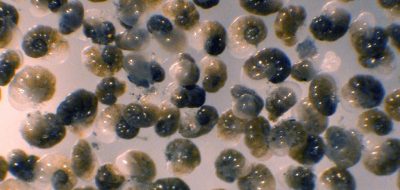
Benthic animals live on the sea floor and are typically invertebrates, such as sea anemones, sponges, corals, sea stars, sea…
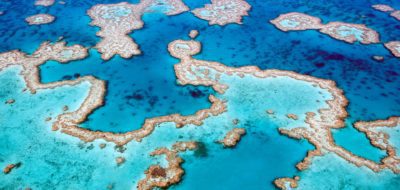
A healthy reef protects coastlines from wave damage, plays a critical role in providing food, boosts the economy, and provides…
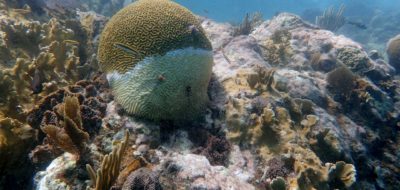
Stressors can affect organisms living on the reef or they can affect the corals, themselves. When corals die, other organisms…
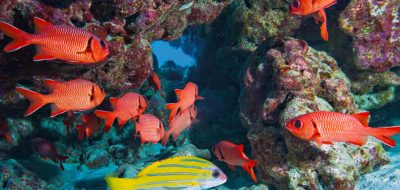
Fish that inhabit a coral reef play essential roles in the reef ecosystem, and reefs without fish struggle to recover…
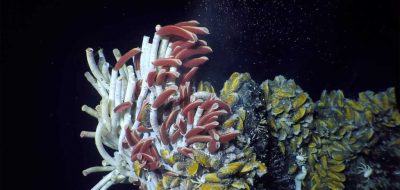
Ocean ecosystems are found in polar regions, coastal waters, coral reefs, hydrothermal vents, the abyssal plain, and at the bottom…
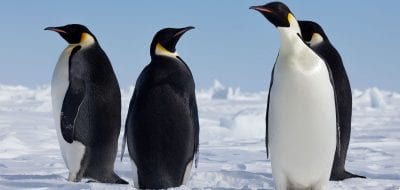
The emperor penguin is the largest living penguin species standing around 115 centimeters tall. Once they have found a partner,…
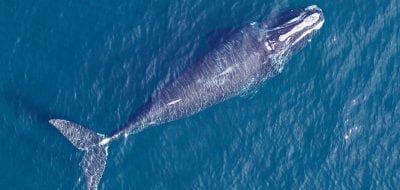
The North Atlantic right whale (Eubalaena glacialis) is one of the most endangered whales in the world—approximately 340 remain—due to…
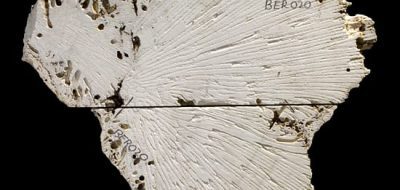
Coral is a useful tool for scientists who want to understand changes in past climate, but recalling that history presents…
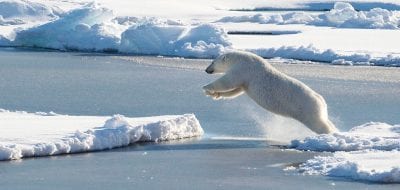
By human standards, they are extreme environments. Yet life not only persists in the poles...it thrives.
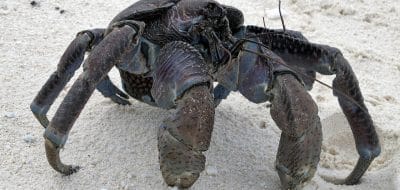
An aquatic animal, such as a mollusk or crustacean, that has a shell or shell-like exoskeleton.
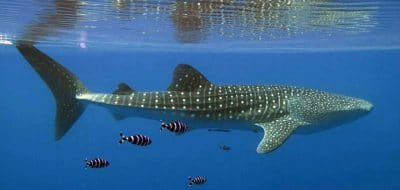
Fish serve important ecological and economic functions. Ecologically, they are both predator and prey, providing food for other animals, and…
 Phytoplankton
  Seagrass Meadows