
News Releases
WHOI Arctic experts present at international climate conference overseas

Experts from WHOI and Woodwell Climate Research Center are on the ground at COP26 in Glasgow, Scotland, sharing critical perspective on the implications of a warming Arctic
Read MoreEmperor penguins, recommended as threatened species under Endangered Species Act
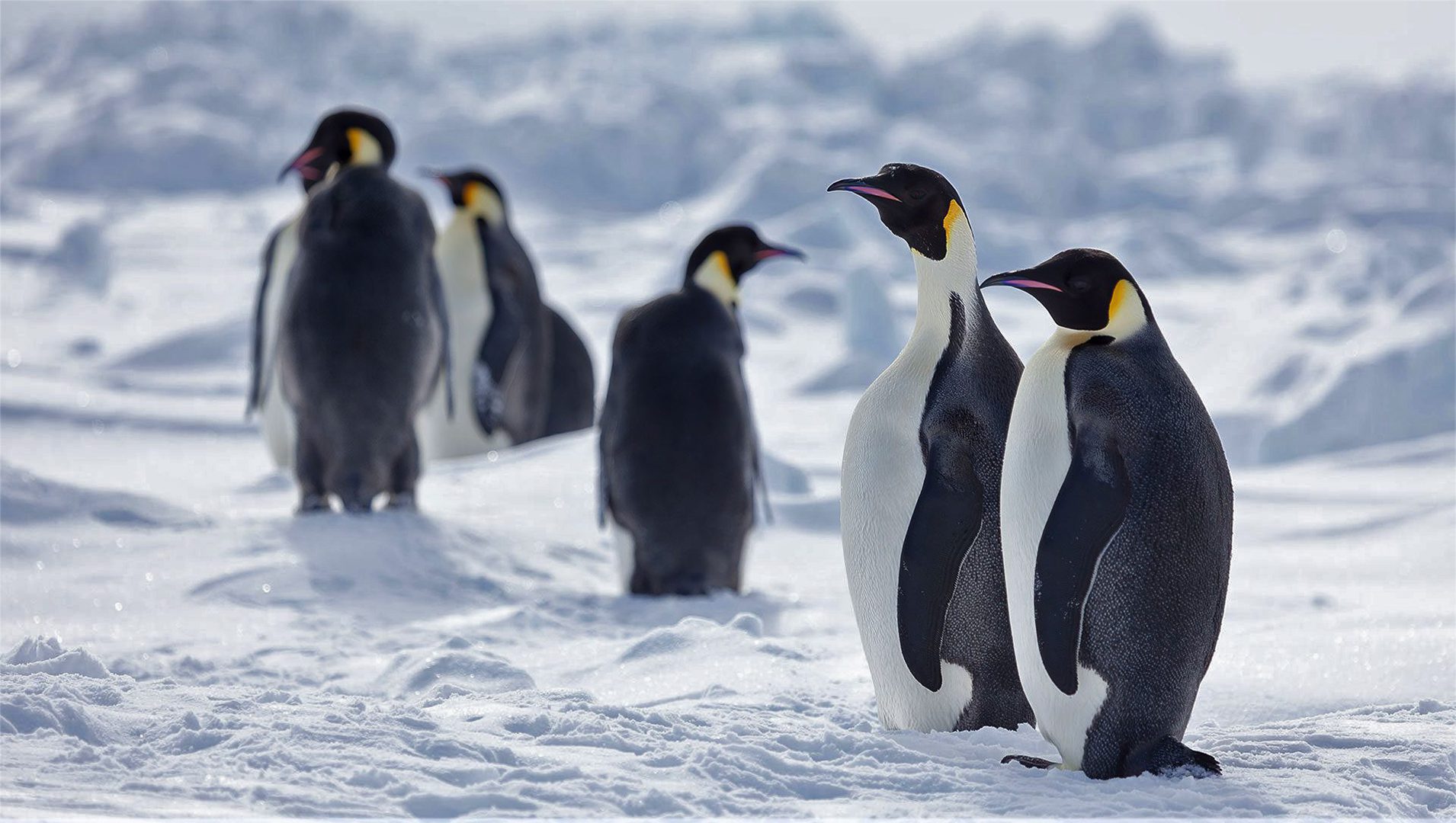
Today, the U.S. Fish and Wildlife Service (USFWS) announced a proposal to list the emperor penguin as a threatened species under the Endangered Species Act.
Read MoreNew Study Finds Emperor Penguins Increasingly Threatened by Climate Change
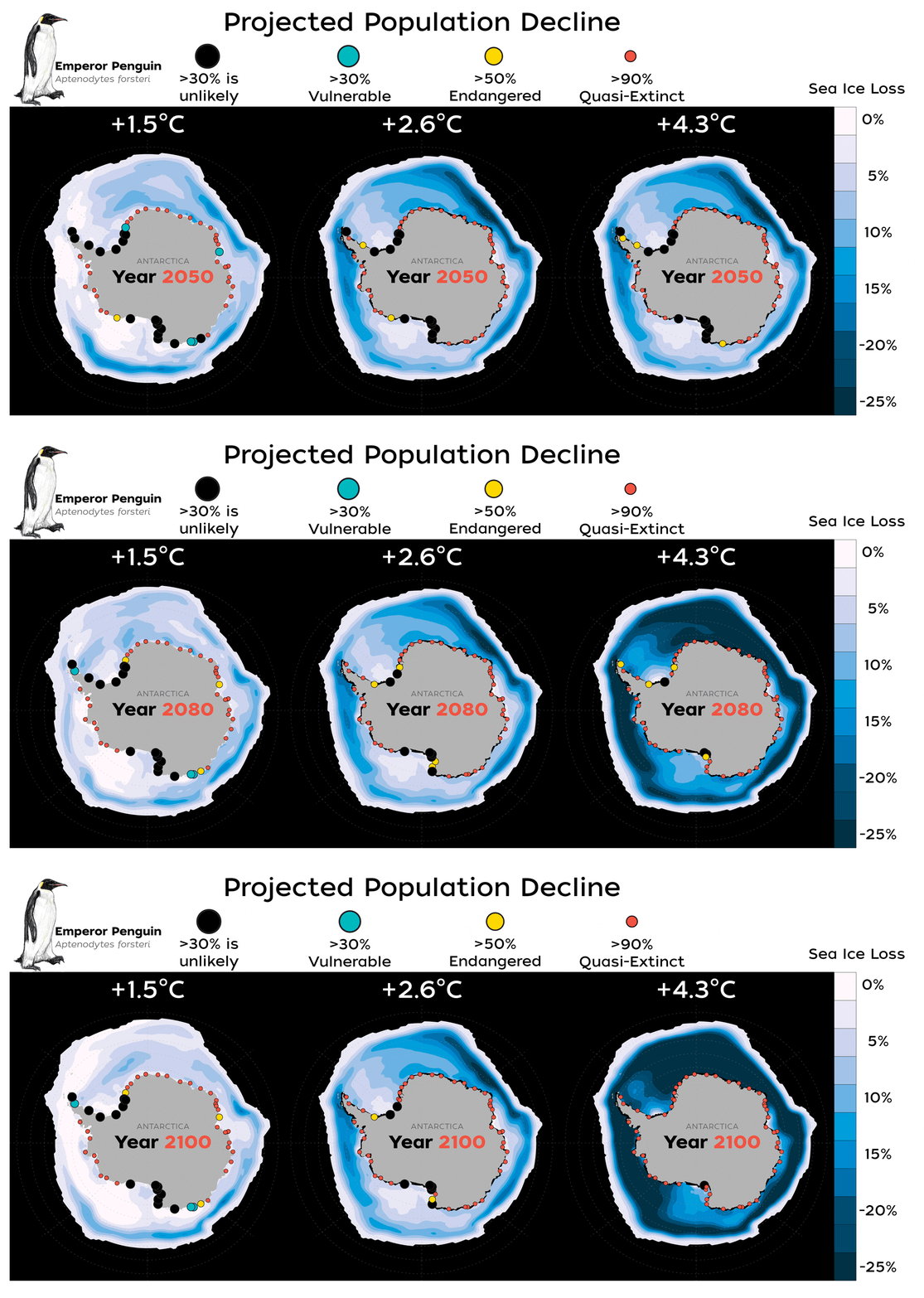
A new study published today in Global Change Biology provides valuable new data that highlights how species extinction risk is accelerating due to rapid climate change and an increase in extreme climate events, such as glacial calving and sea ice loss.
Read MoreEpic Arctic Mission Ends
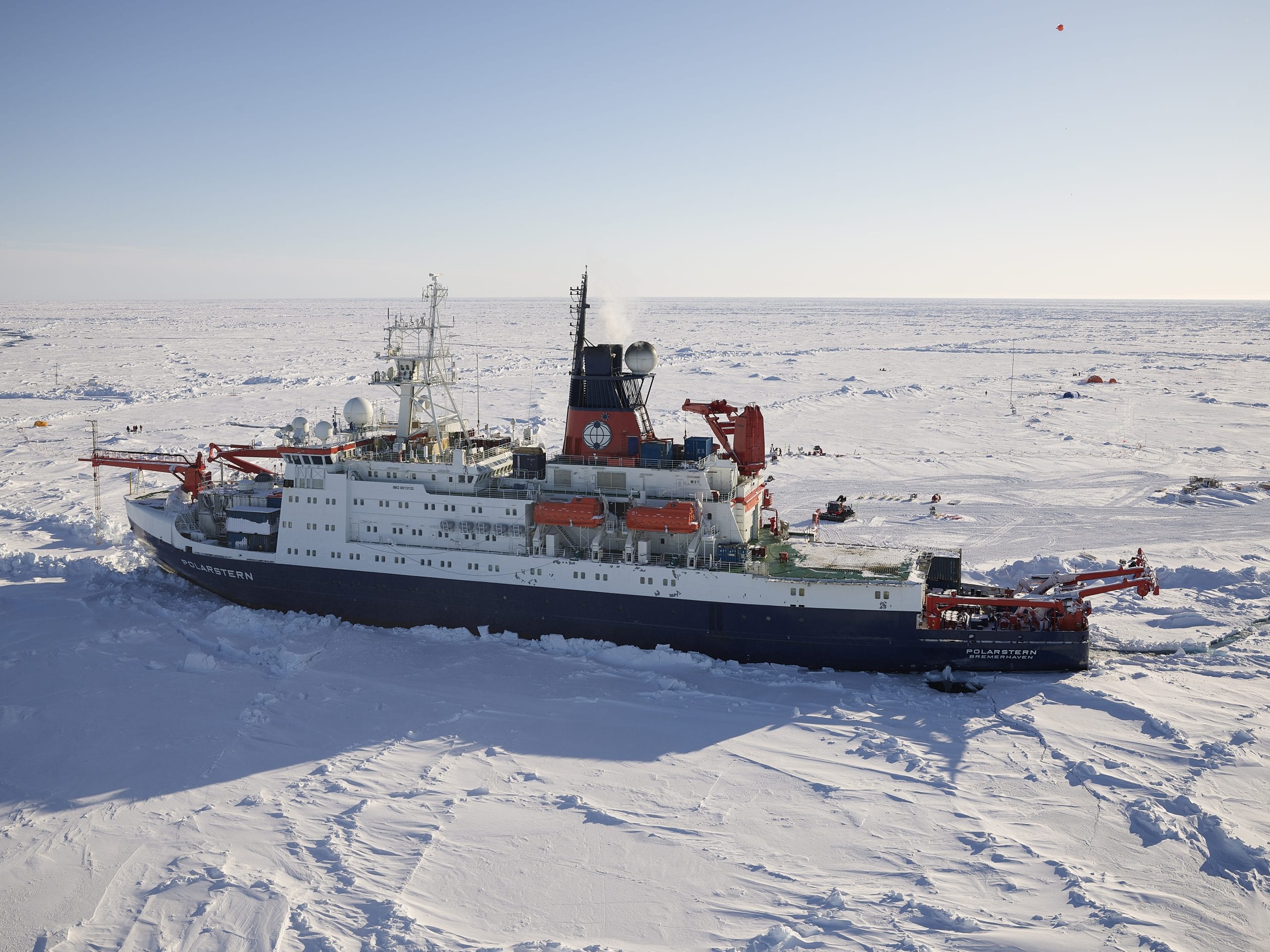
An epic mission ended as the German icebreaker Polarstern returned home Oct. 12, 2020, after being frozen near the top of the world for nearly a year to study all aspects of the Arctic system.
Read MoreAntarctic Ice Sheet Loss Expected to Affect Future Climate Change
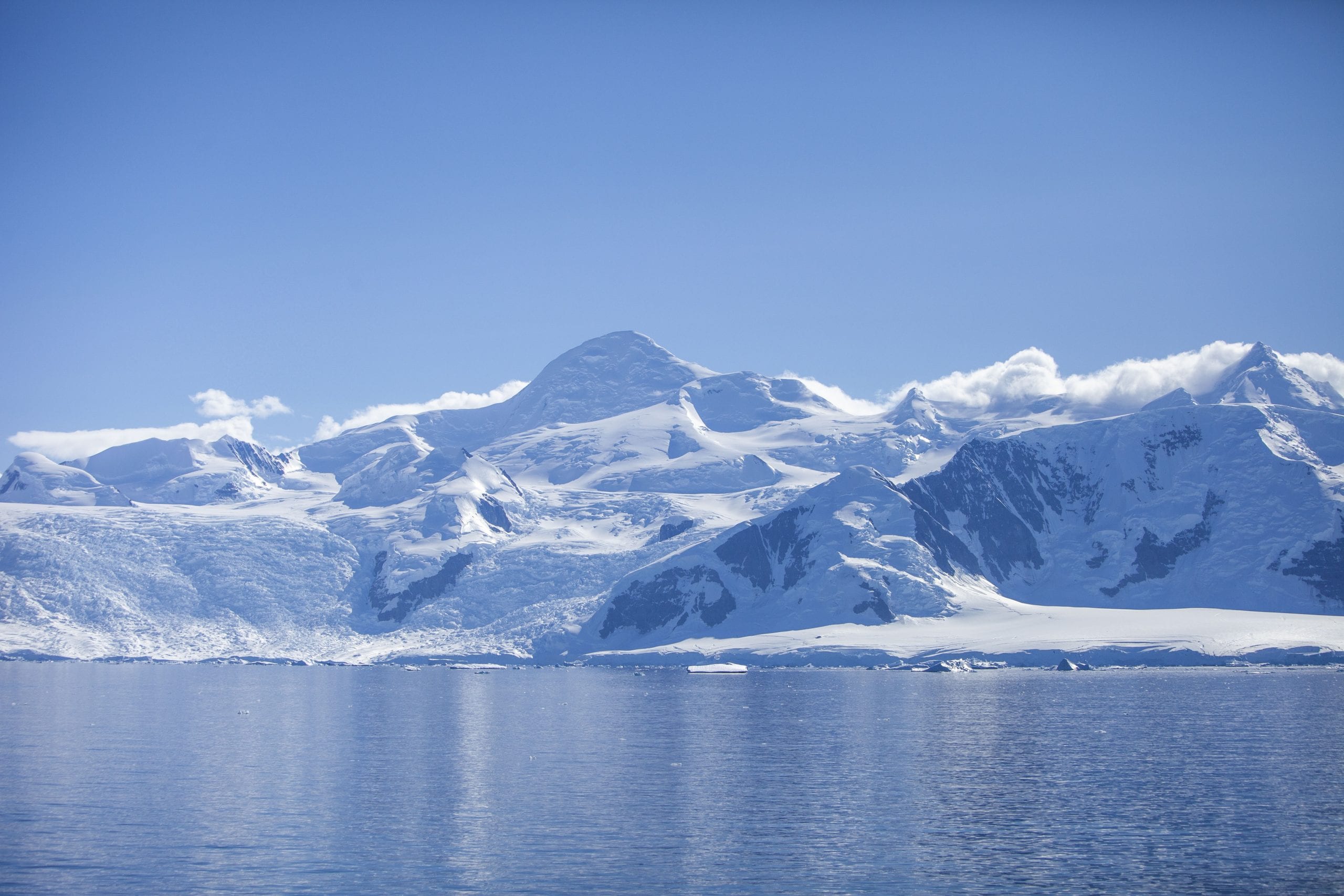
The research team reports that their new models with the added ice melt information reveal important interacting processes and demonstrate a need to accurately account for meltwater input from ice sheets in order to make confident climate predictions.
Read MoreUnless warming is slowed, emperor penguins will be marching towards extinction
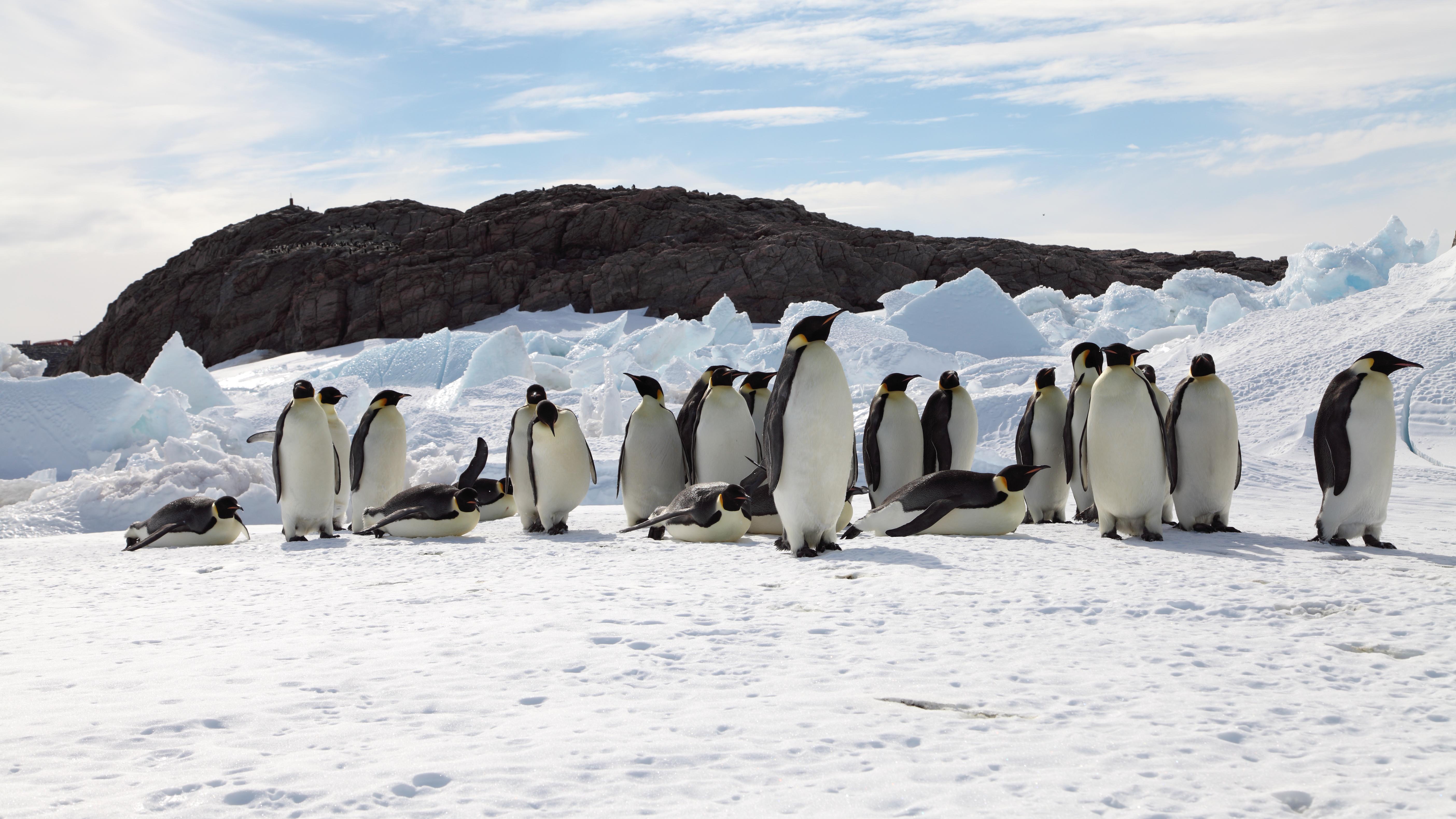
Emperor penguins are some of the most striking and charismatic animals on Earth, but a new study from the Woods Hole Oceanographic Institution has found that a warming climate may render them extinct by the end of this century. The study, which was part of an international collaboration between scientists, published Nov. 7, 2019, in the journal Global Change Biology.
Read MoreAre Emperor Penguins Eating Enough?
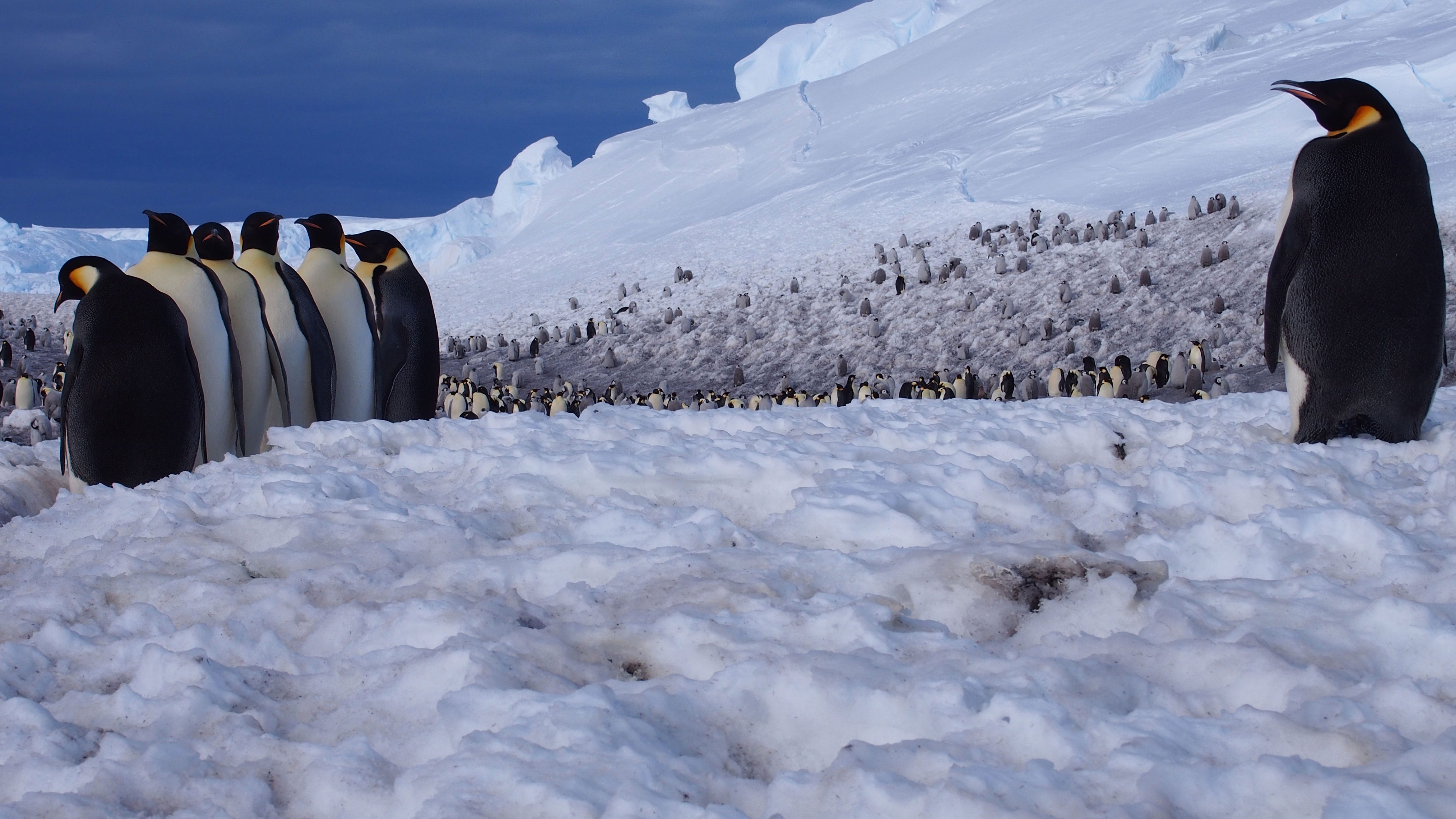
For Emperor penguins waddling around a warming Antarctic, diminishing sea ice means less fish to eat. How the diets of these tuxedoed birds will hold up in the face of…
Read MoreMonitoring Bacteria on Whale Skin
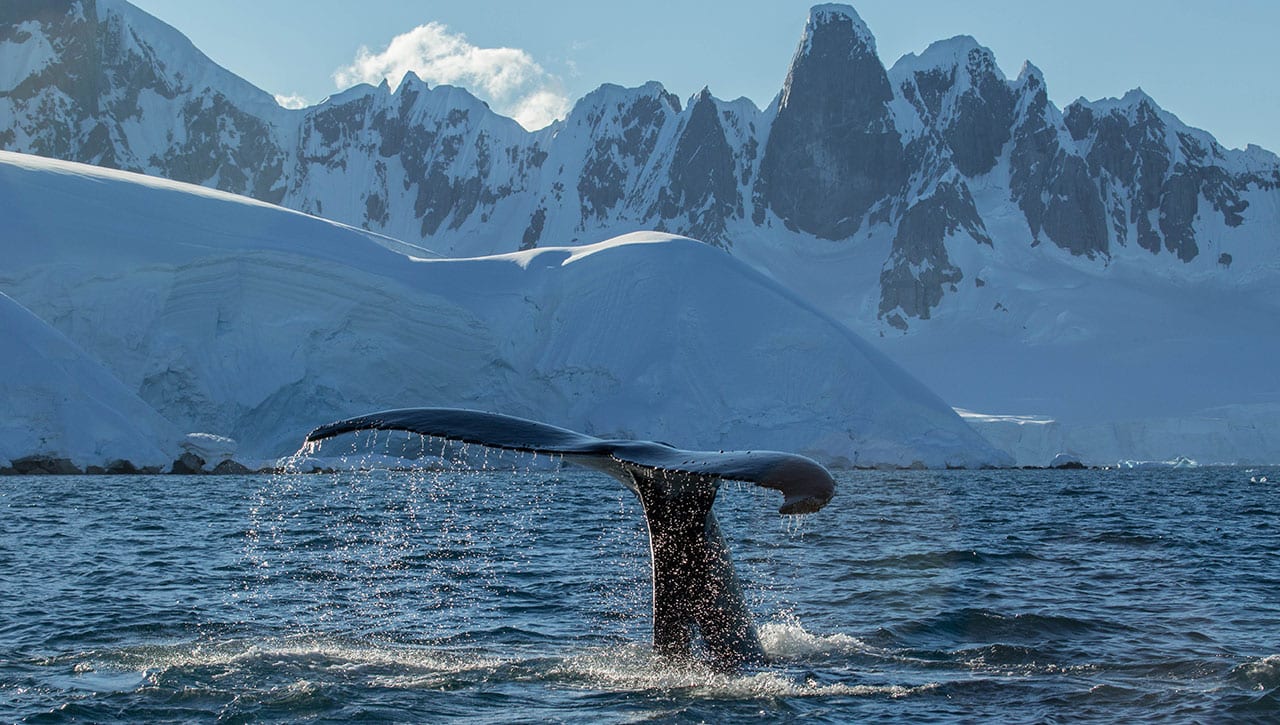
Just like with humans, the skin on marine mammals serves as an important line of defense against pathogens in their environment. A new study sheds light on the skin microbiome – a group of microorganisms that live on skin – in healthy humpback whales, which could aid in future efforts to monitor their health.
Read MoreNereid Under Ice Vehicle: A Powerful New Tool for Polar Science
Scientists studying the harsh and rapidly changing Arctic environment now have a valuable new tool to advance their work—an innovative robot, designed and built at the Woods Hole Oceanographic Institution (WHOI) that is changing the way scientists can interact with and observe the polar environment.
Read MoreUnderwater Robot Sheds New Light on Antarctic Sea Ice
The first detailed, high-resolution 3-D maps of Antarctic sea ice have been developed using an underwater robot. Scientists from the UK, USA and Australia say the new technology provides accurate ice thickness measurements from areas that were previously too difficult to access.
Read MoreMelting Sea Ice Threatens Emperor Penguins, Study Finds
At nearly four feet tall, the Emperor penguin is Antarctica’s largest sea bird—and thanks to films like “March of the Penguins” and “Happy Feet,” it’s also one of the continent’s…
Read MoreScientists Discover Huge Phytoplankton Bloom in Ice Covered Waters
A team of researchers, including scientists from Woods Hole Oceanographic Institution (WHOI), discovered a massive bloom of phytoplankton beneath ice-covered Arctic waters. Until now, sea ice was thought to block…
Read MoreScientists Prepare for a Risky Mission Under the Arctic Ice
Bone-chilling temperatures, biting winds, and rapidly changing sea ice conditions make the Chukchi Sea off Point Barrow, Alaska, a particularly challenging place to work. And then there are the curious…
Read MoreIce-Covered Arctic Lakes May Harbor Signs of Climate Change
Arctic coastal environments are some of the most vulnerable to climate change. A team of WHOI researchers visited Canada’s Mackenzie River Delta in April 2007 to find out just how…
Read MoreResearchers Setting Up Observatories to Examine Arctic Changes from Under the Ice
Researchers from the Woods Hole Oceanographic Institution (WHOI) are venturing this month to the North Pole to deploy instruments that will make year-round observations of the water beneath the Arctic…
Read MoreWalrus Calves Stranded by Melting Sea Ice
Scientists have reported an unprecedented number of unaccompanied and possibly abandoned walrus calves in the Arctic Ocean, where melting sea ice may be forcing mothers to abandon their pups as…
Read More