
News Releases
WHOI Sea Grant supports $1.6 million in critical aquaculture and fisheries research
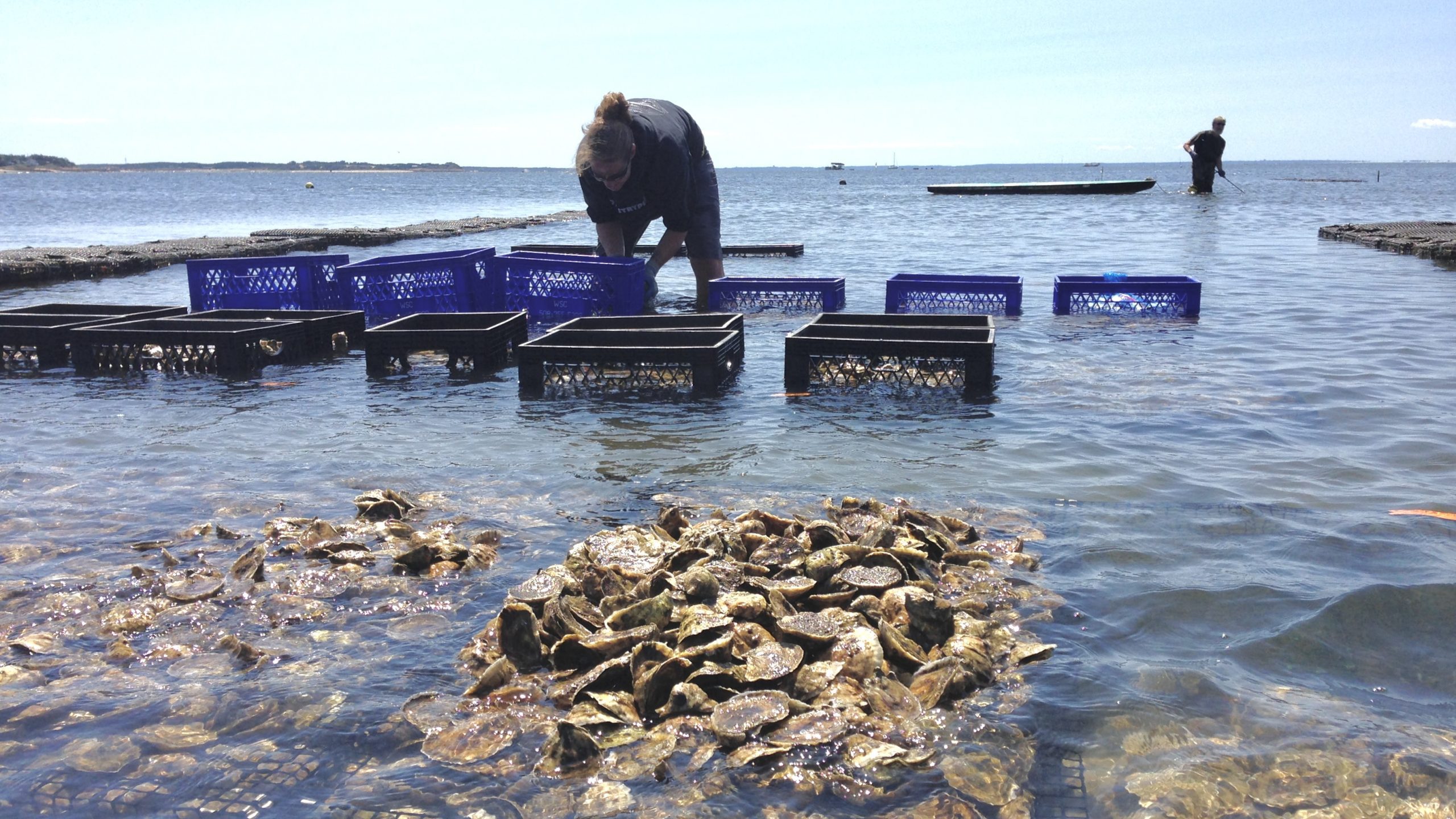
Over the next two years, these projects will generate new tools and data to support species economically and environmentally important to coastal Massachusetts.
Read MoreWoods Hole Oceanographic Institution and collaborators launch world’s largest kelp map
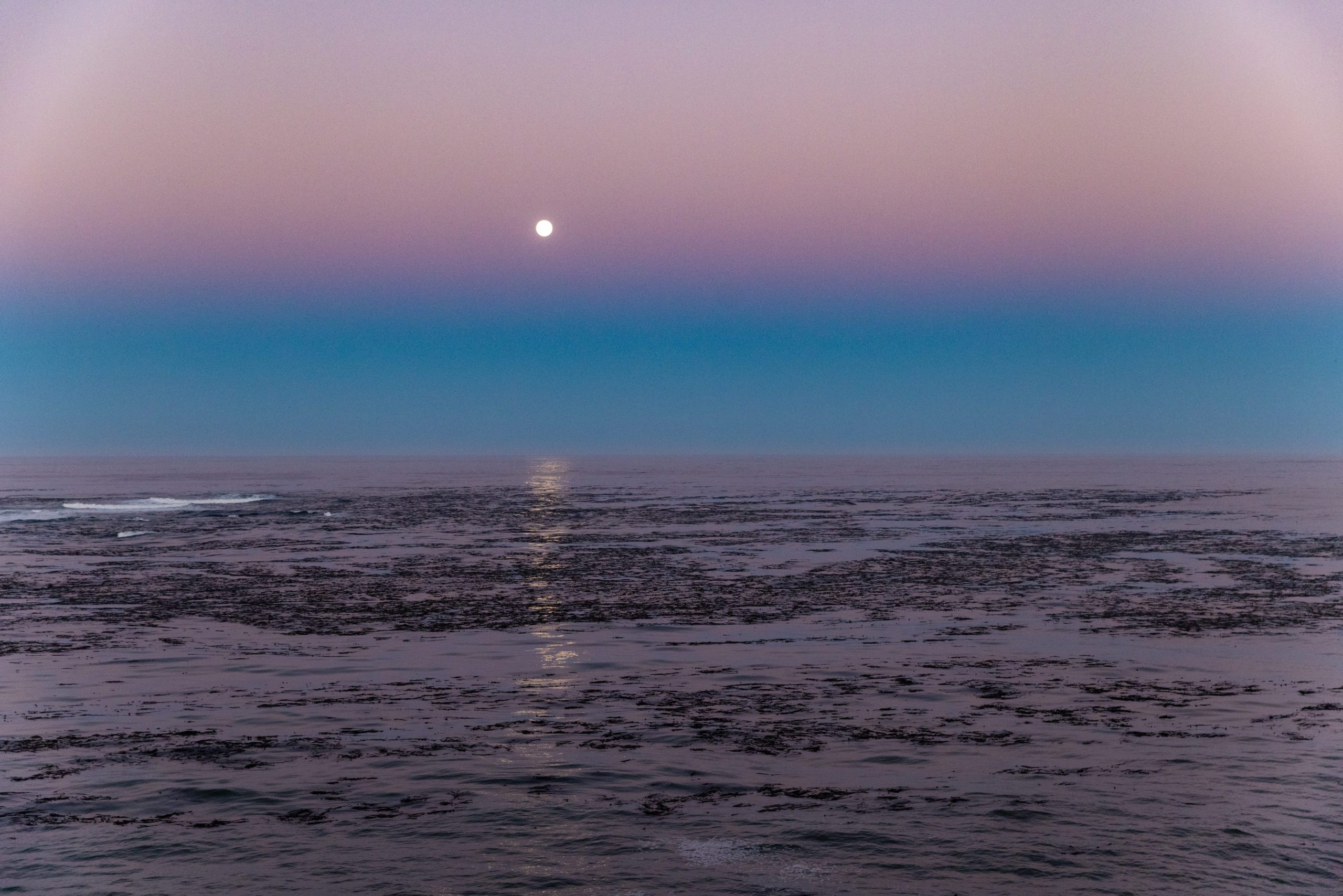
To further investigate and track kelp growth and survival over time, Woods Hole Oceanographic Institution, The Nature Conservancy, University of California Los Angeles, and the University of California Santa Barbara have launched the world’s largest map of kelp forest canopies extending from Baja California, Mexico to the Oregon-Washington border.
Read MoreWHOI advancing a seaweed solution to develop new kelp strains
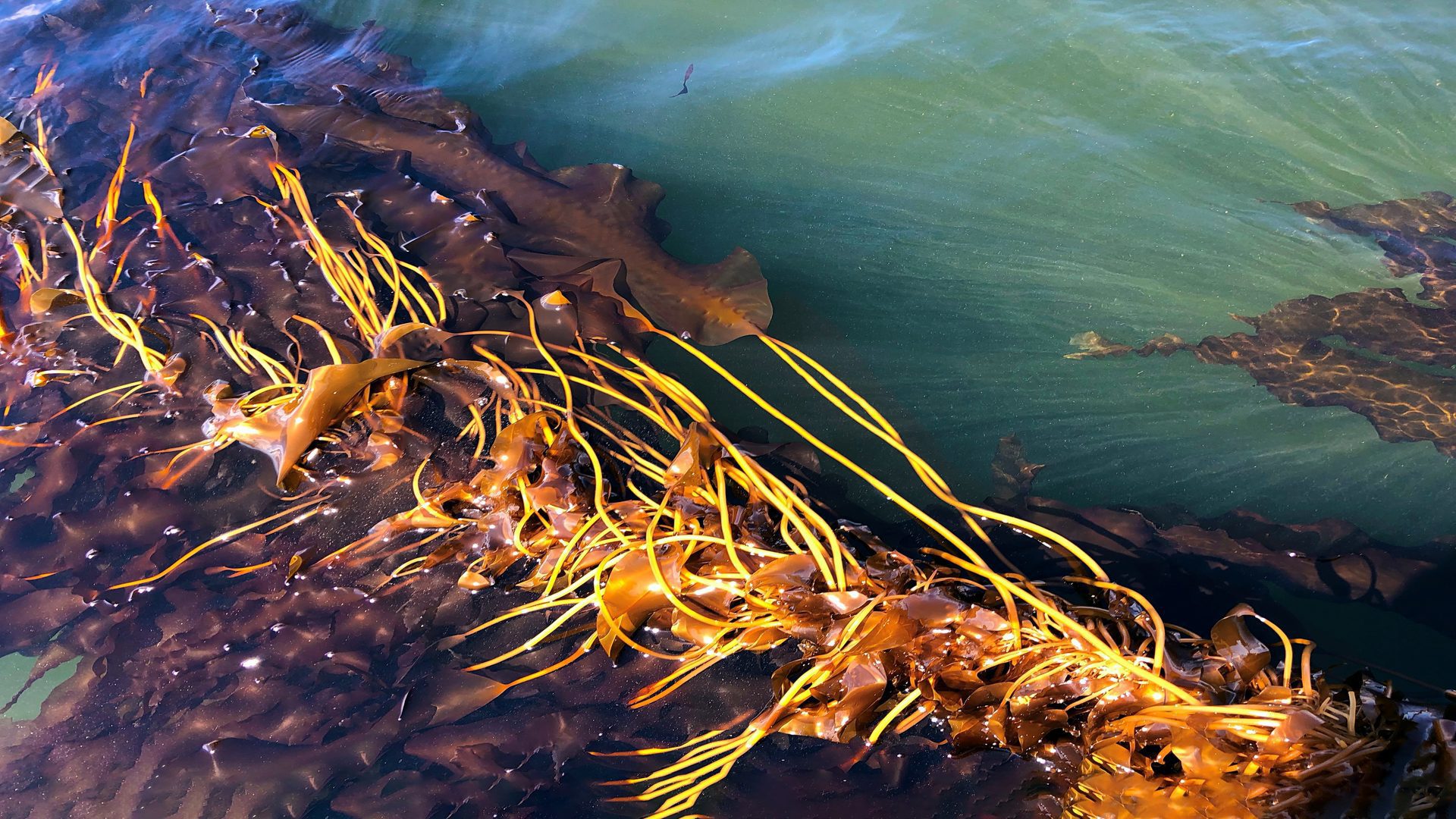
A leader in ocean science, Woods Hole Oceanographic Institution (WHOI) is embarking on a study of how new seaweed strains could further enhance the burgeoning seaweed industry and offer solutions to some of the world’s pressing challenges. This research is funded in part by World Wildlife Fund (WWF) with support from the Bezos Earth Fund.
Read MoreReport reveals ‘unseen’ human benefits from ocean twilight zone
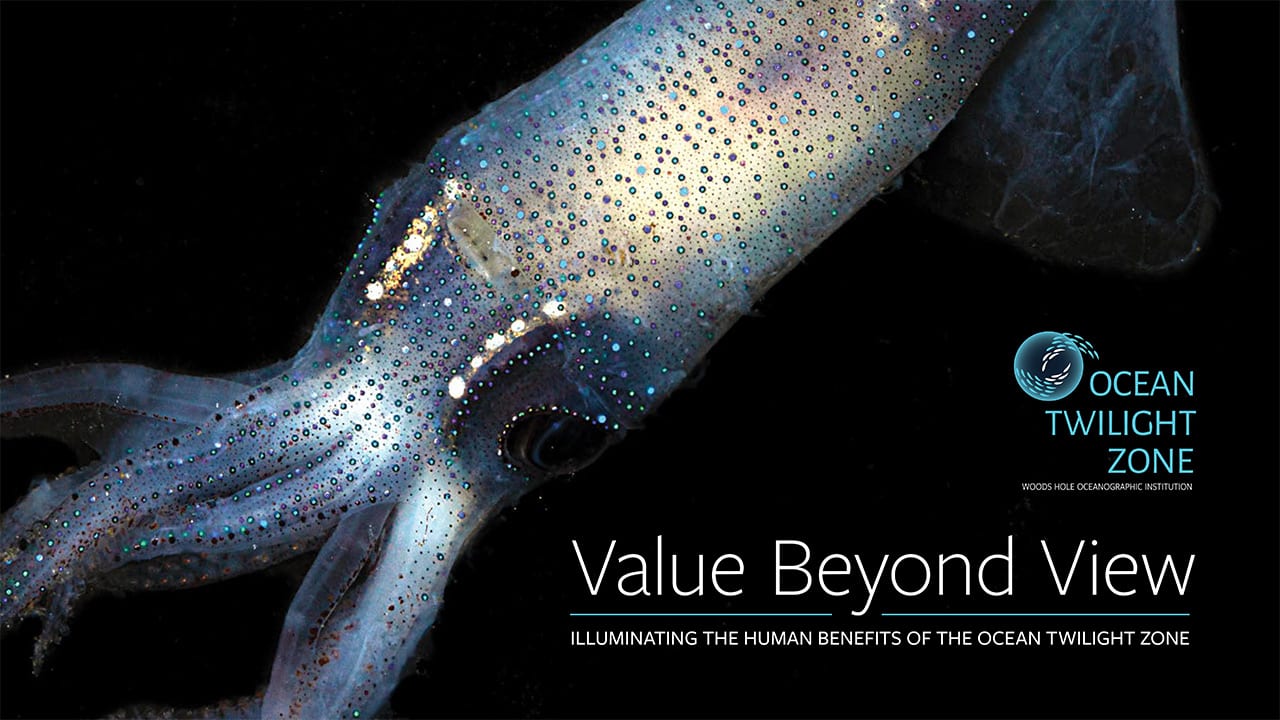
A new report from researchers at Woods Hole Oceanographic Institution (WHOI) reveals for the first time the unseen—and somewhat surprising—benefits that people receive from the ocean’s twilight zone. Also known as the “mesopelagic,” this is the ocean layer just beyond the sunlit surface.
Read MoreBay State Aquaculture Projects Get Green Light from National Sea Grant Program
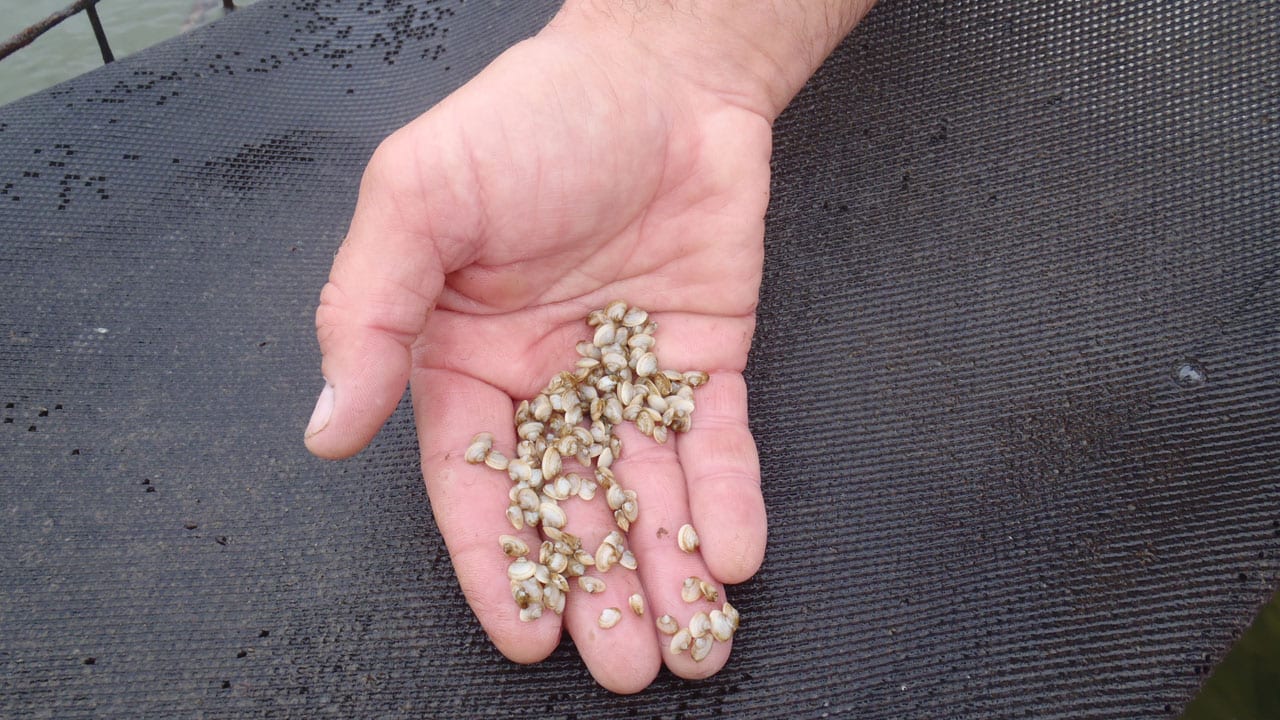
Two new grants to the Woods Hole Sea Grant program totaling more than $650,000 are part of a national strategic investment in aquaculture and will support research aimed at expanding aquaculture production in Massachusetts.
Read MoreFueling the Future
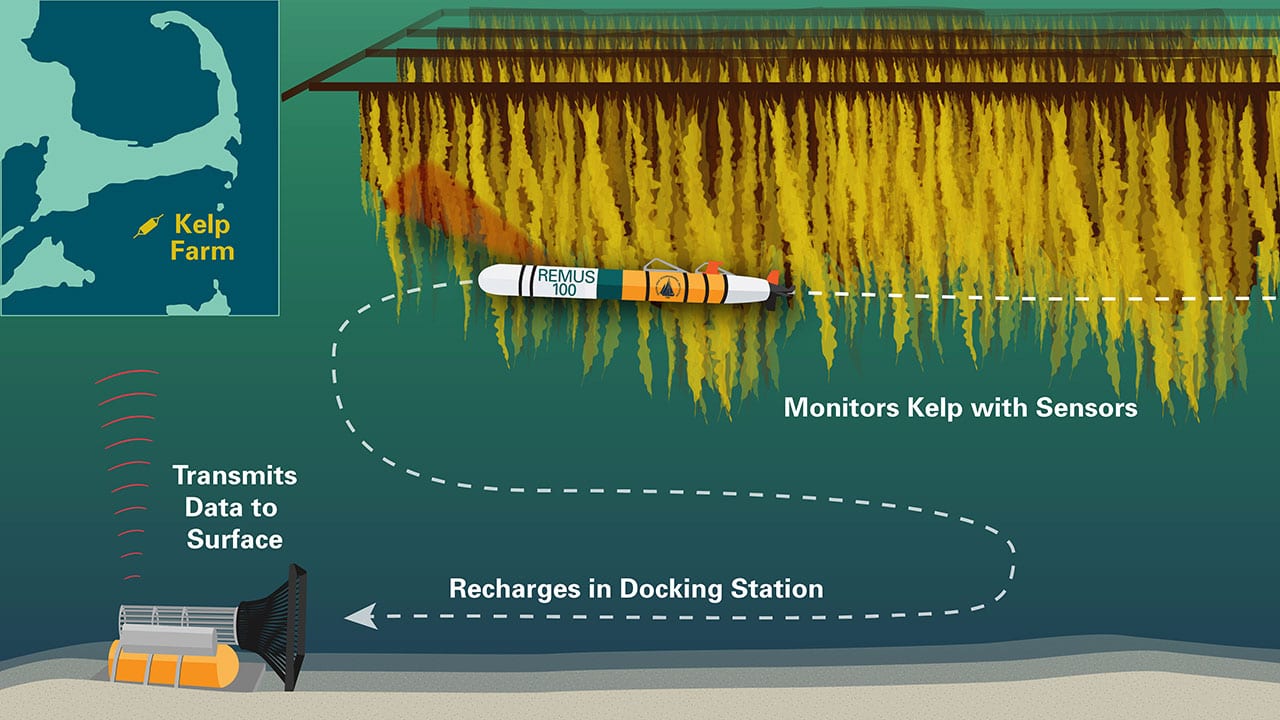
WHOI was awarded $5.7 million from ARPA-E’s Macroalgae Research Inspiring Novel Energy Resources (MARINER) Program for two projects that develop tools and technology to advance the mass production of seaweed for biofuels and bio-based chemicals.
Read MoreRising acidity levels could trigger shellfish revenue declines, job losses
Changes in ocean chemistry — a consequence of increased carbon dioxide (CO2) emissions from human industrial activity — could cause U.S. shellfish revenues to drop significantly in the next 50…
Read MoreIs U.S. Marine Aquaculture Economically Sustainable?
With growing global populations and ever-increasing demands for seafood, fish farms are expected to expand significantly over the next few decades. But is aquaculture economically sustainable? Do the benefits outweigh…
Read MoreIndependent Panel Recommends Strong, Clear Guidelines for Development of Marine Aquaculture in the United States
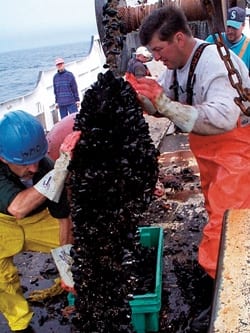
Congress should enact legislation to ensure that strong environmental standards are in place to regulate the siting and conduct of offshore marine aquaculture, according to an independent panel of leaders from scientific, policymaking, business, and conservation institutions. Organized by researchers from the Woods Hole Oceanographic Institution, the Marine Aquaculture Task Force was charged with examining the risks and benefits of marine aquaculture and developing a set of national policy recommendations to guide future development in our oceans.
Read More