
News Releases
Critical Atlantic Ocean currents remained active during the last ice age, according to new study
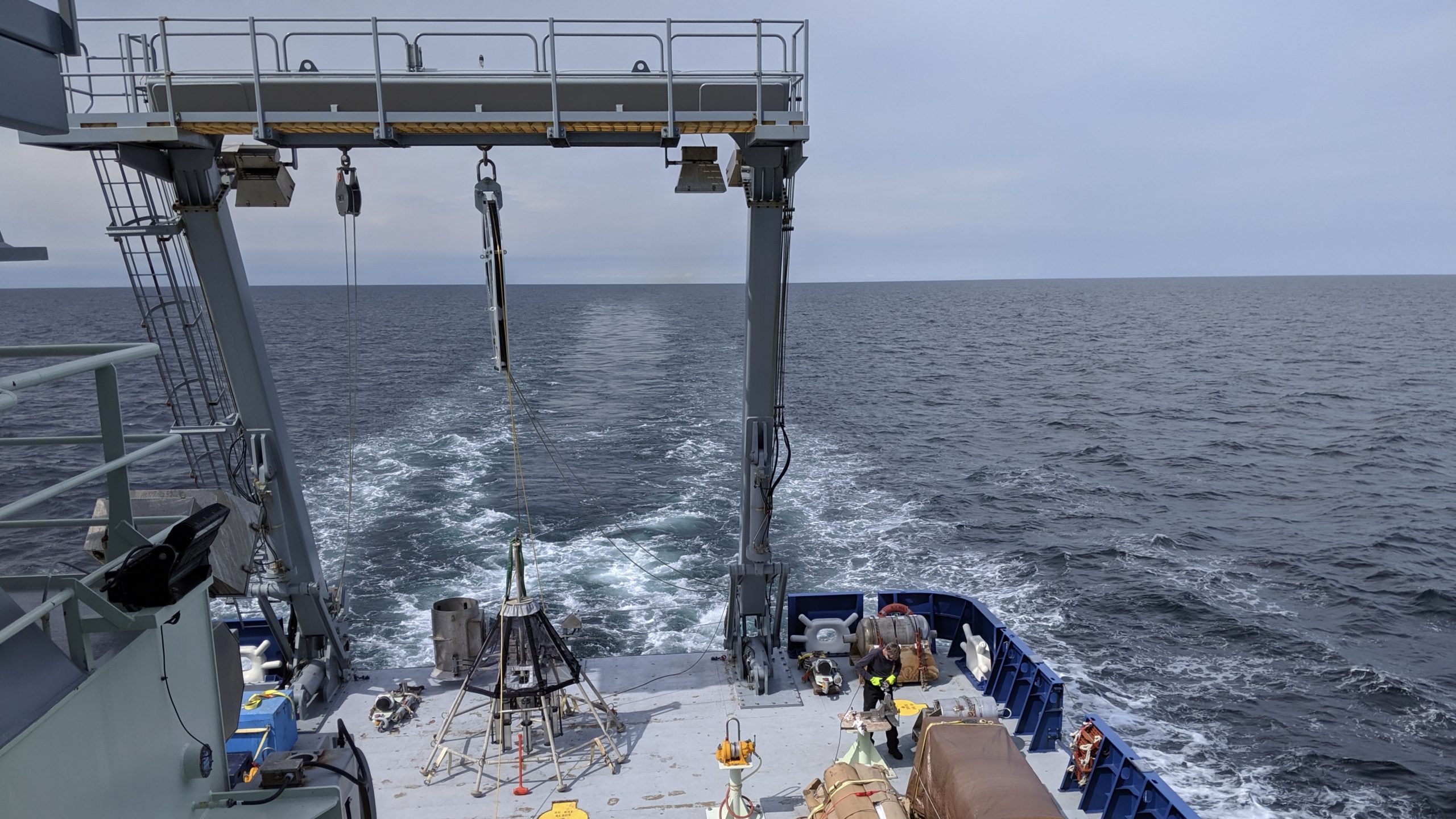
The study shows that deep ocean water in the North Atlantic was much warmer during the last ice age than scientists once believed.
Read MoreNew study finds that critical ocean current has not declined in the last 60 years
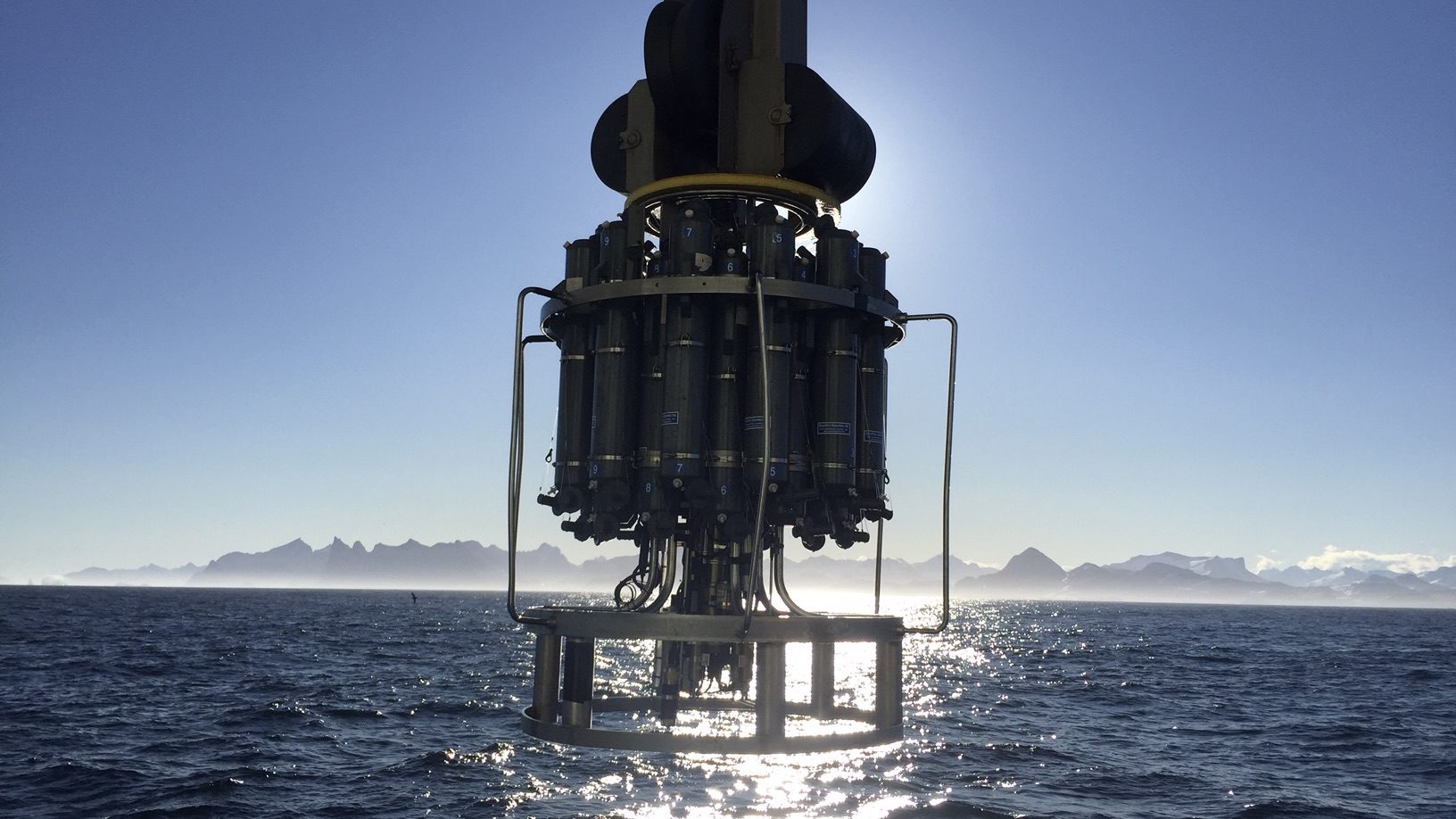
Atlantic Meridional Overturning Circulation (AMOC) helps to regulate the Earth’s climate and weather
Read MoreDeep ocean clues to a million-year-old Ice Age puzzle revealed in new study
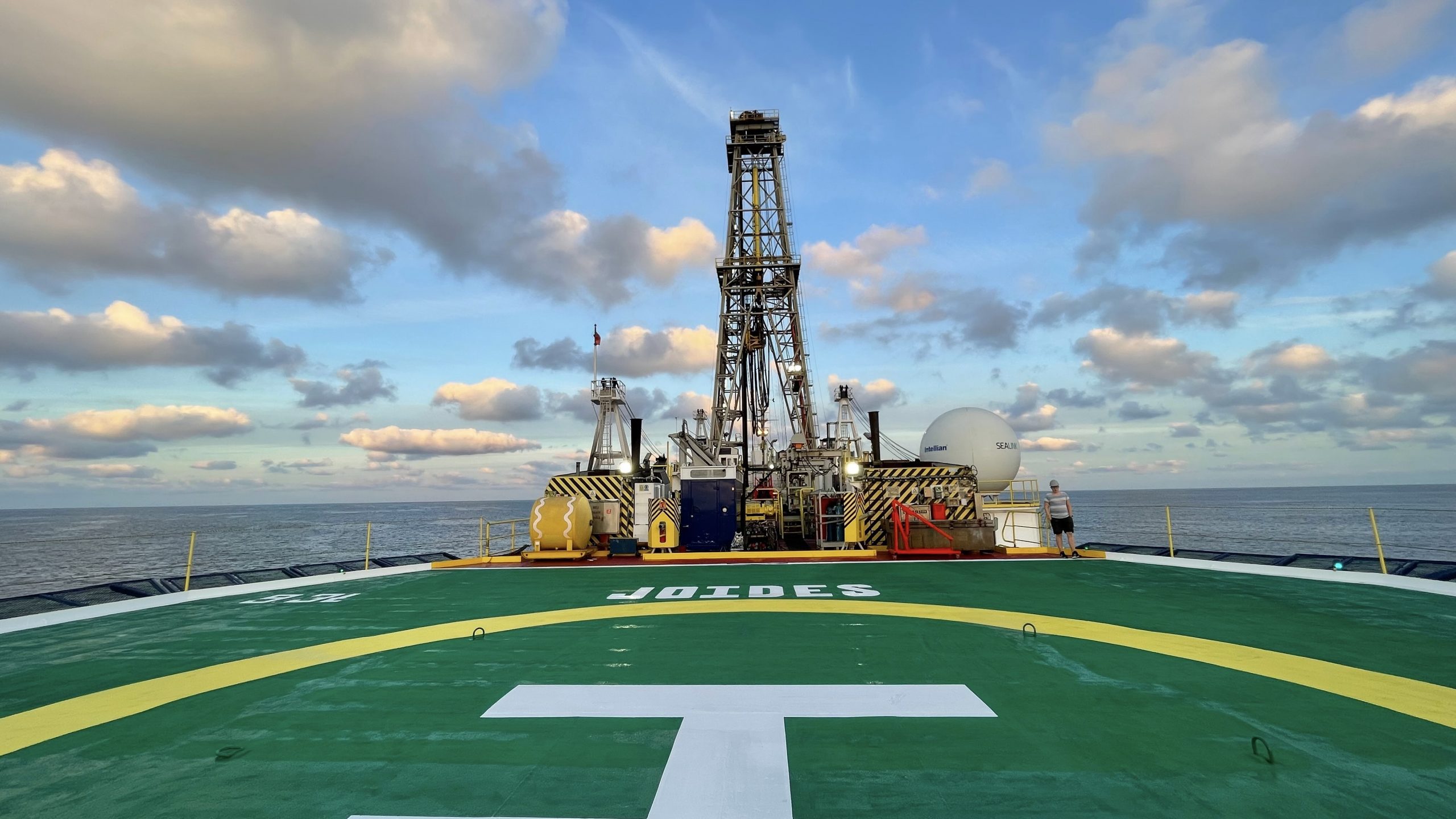
A new WHOI-led study challenges theories regarding the origins of a significant transition through the Earth’s ice ages.
Read MoreFor microscopic organisms, ocean currents act as ‘expressway’ to deeper depths, study finds
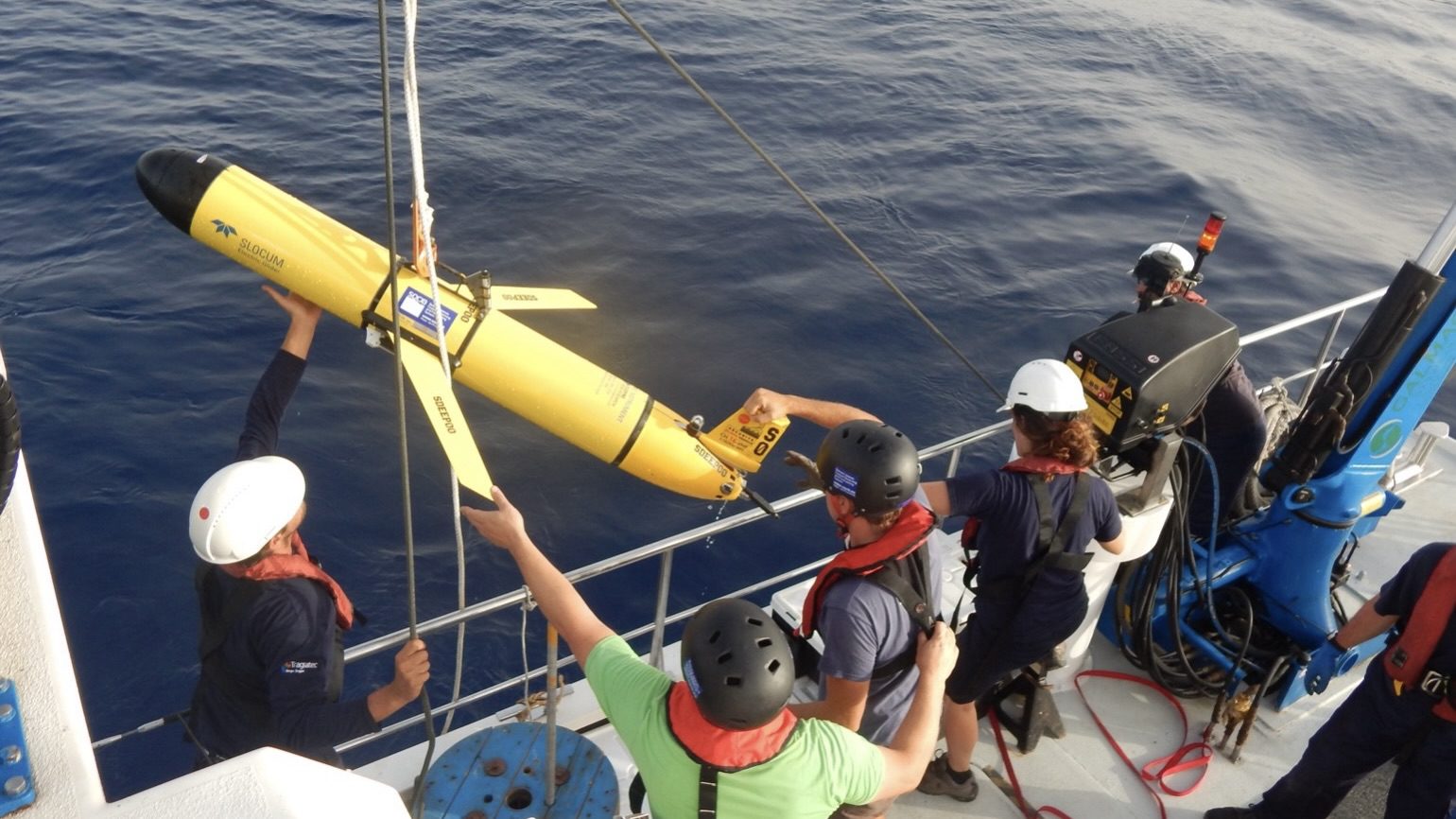
New research shows how tiny plant-like organisms hitch a ride on ocean currents to reach darker and deeper depths, where they impact carbon cycling and microbial dynamics in the subtropical oceans.
Read MoreNew Study Finds That the Gulf Stream is Warming and Shifting Closer to Shore
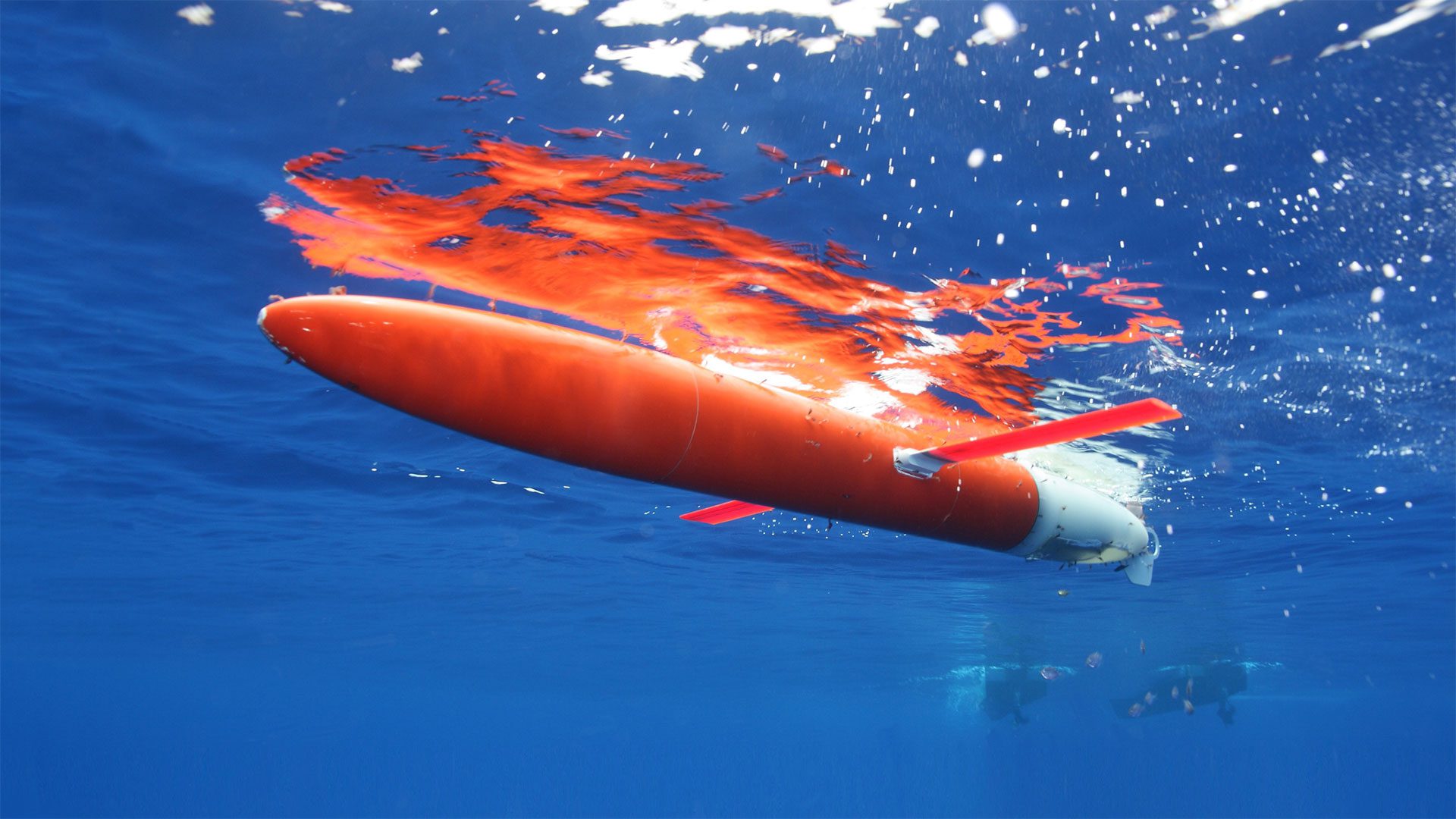
WHOI scientists document changes in the Gulf Stream using two decades of measurements from Argo floats and Spray underwater gliders Woods Hole, MA (Oct. 9, 2023) — The Gulf Stream…
Read MoreNew Study Definitively Confirms Gulf Stream Weakening
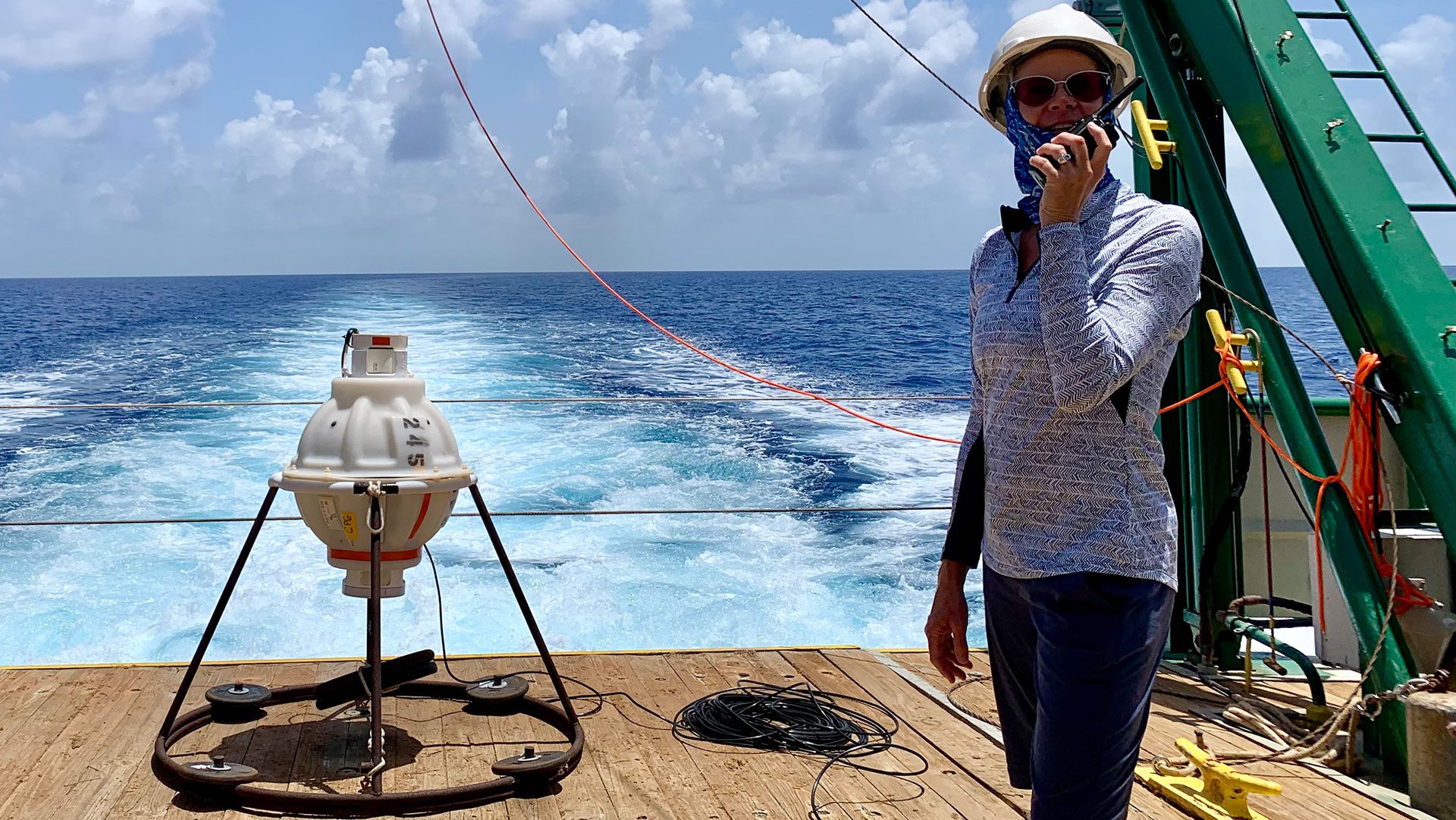
The Gulf Stream – which is a major ocean current off the U.S. East Coast and a part of the North Atlantic Ocean circulation – plays an important role in weather and climate, and a weakening could have significant implications.
Read MoreMapping the potential path of nuclear wastewater
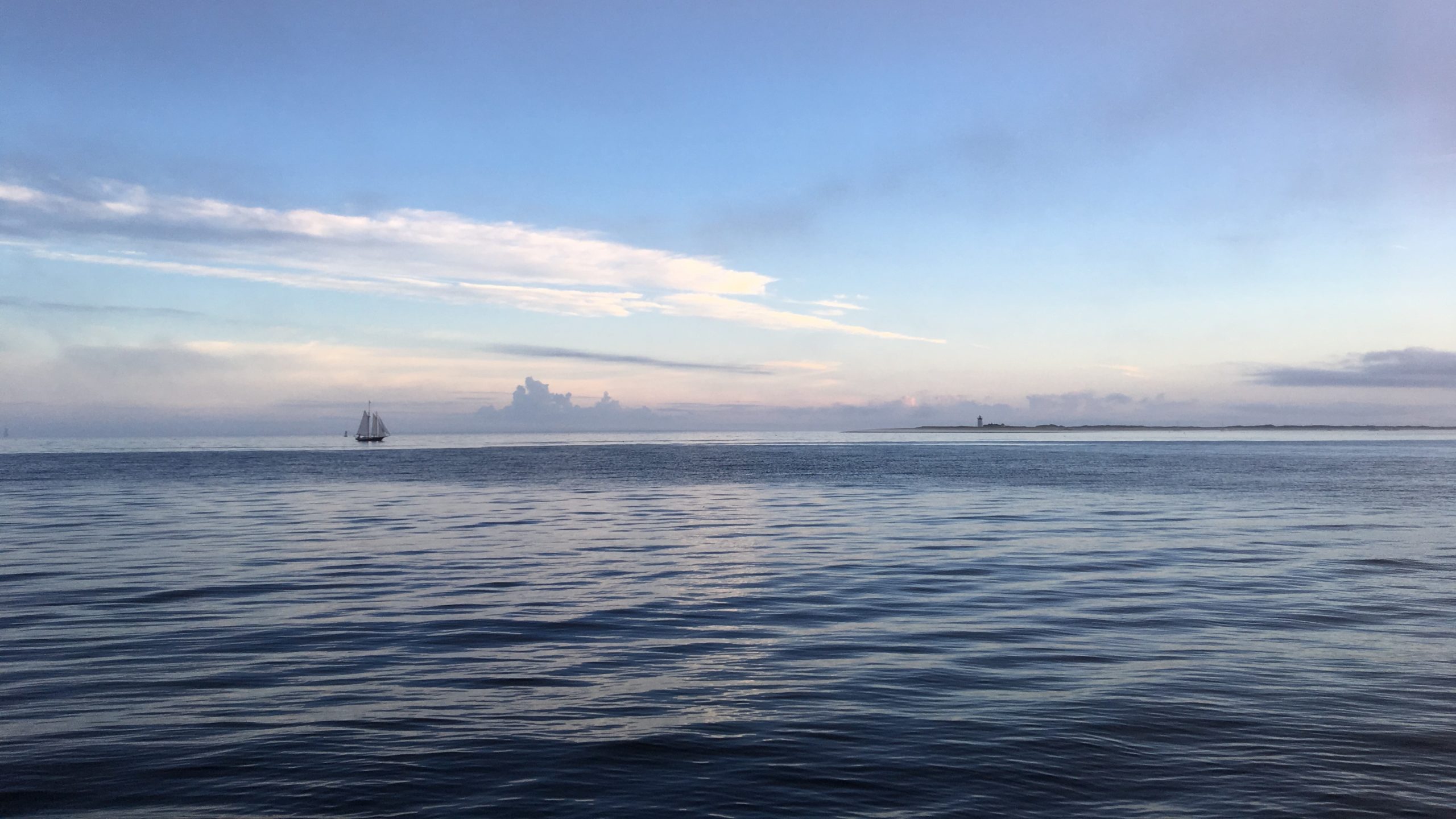
WHOI Sea Grant will study spreading pathways from Pilgrim Nuclear Power Station
Read MoreOleander Project Transfers to WHOI Management
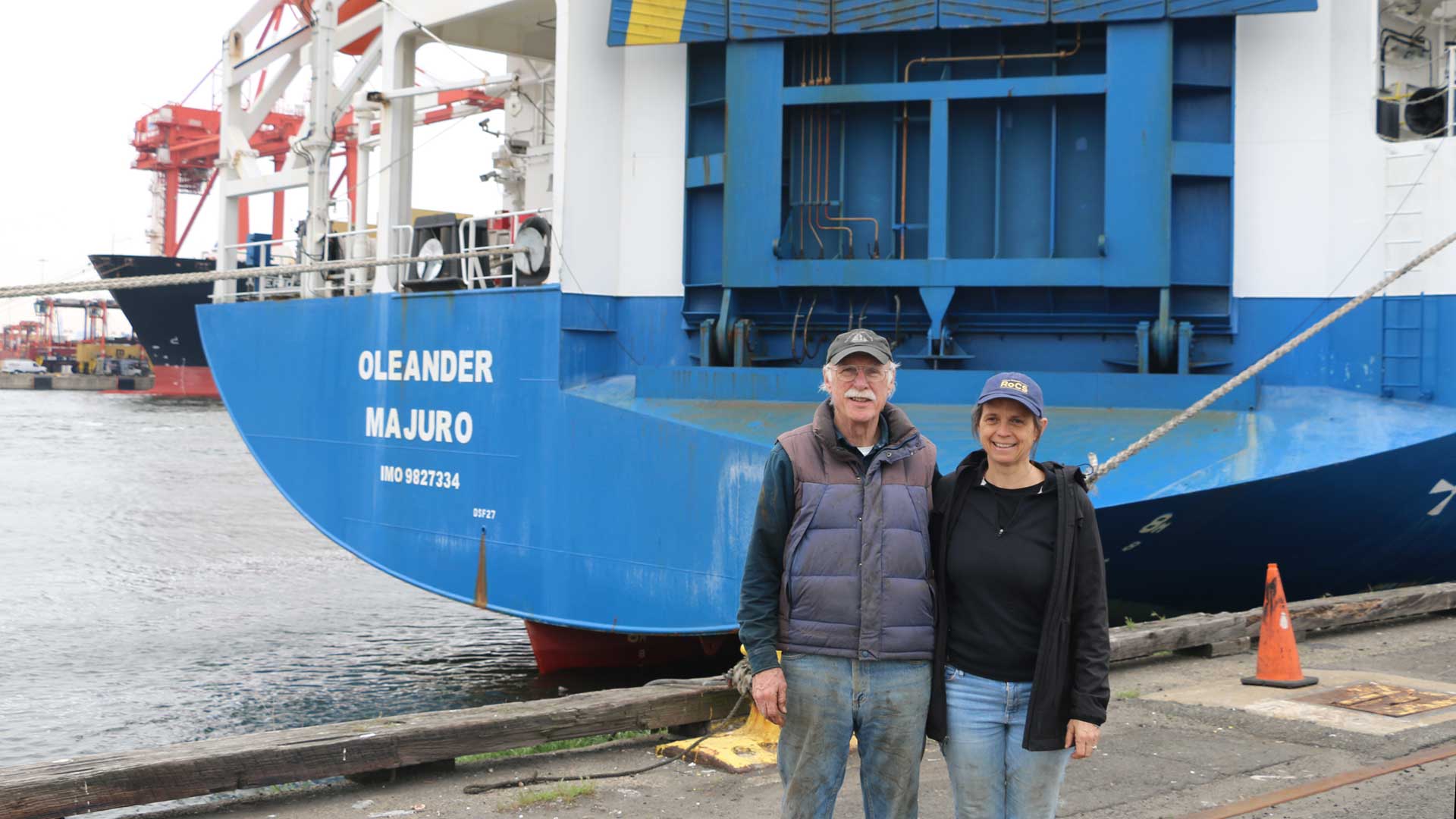
30-year effort to monitor the Gulf Stream and Northwest Atlantic circulation will continue providing crucial data and insights
Read MoreHow marine predators find food hot spots in open ocean “deserts”
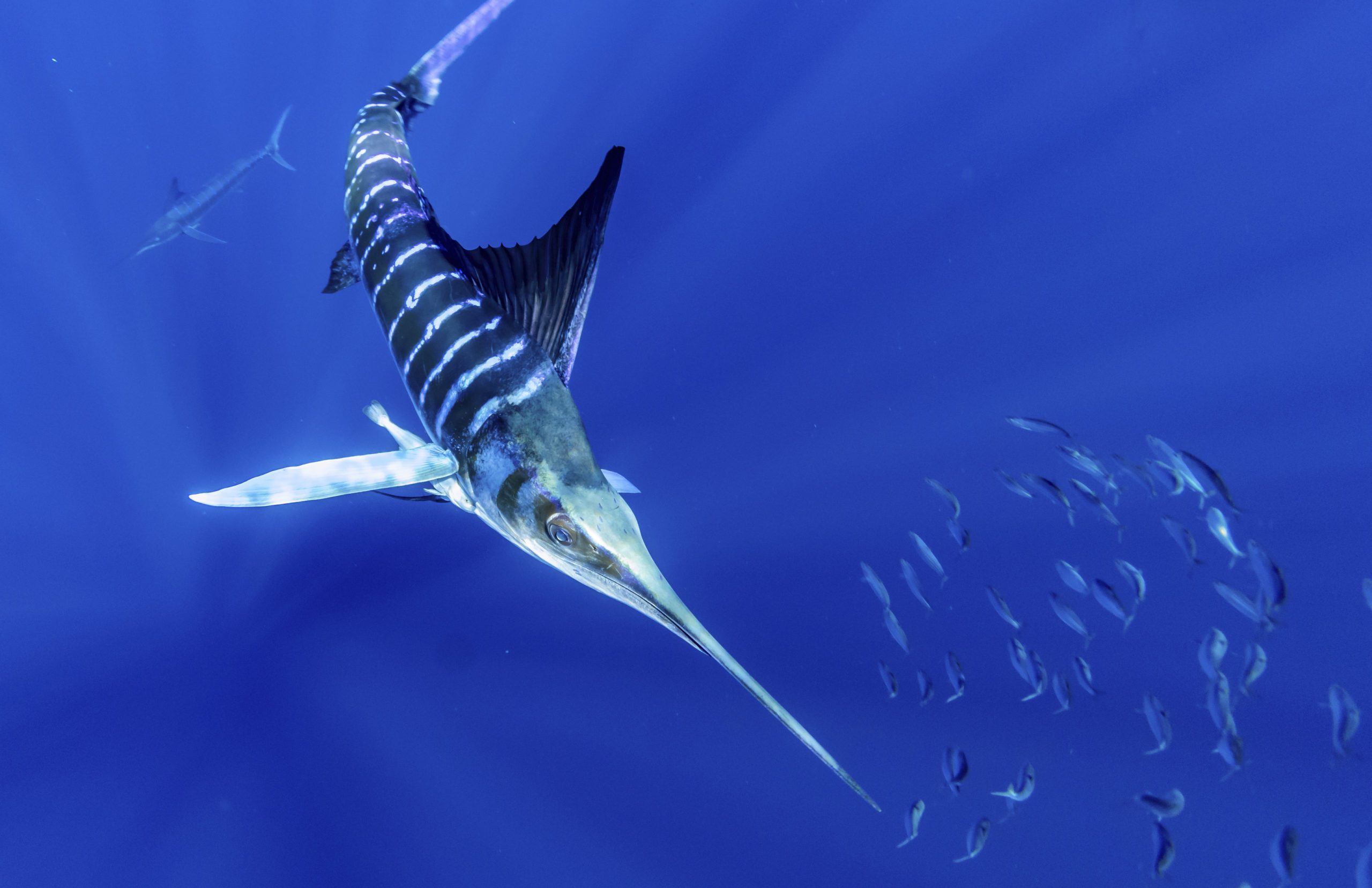
A new study led by scientists at Woods Hole Oceanographic Institution (WHOI) and University of Washington Applied Physics Laboratory (UW APL) finds that marine predators, such as tunas, billfishes and sharks, aggregate in anticyclonic, clockwise-rotating ocean eddies (mobile, coherent bodies of water). As these anticyclonic eddies move throughout the open ocean, the study suggests that the predators are also moving with them, foraging on the high deep-ocean biomass contained within.
Read MoreMid-depth waters off the United States East Coast are getting saltier
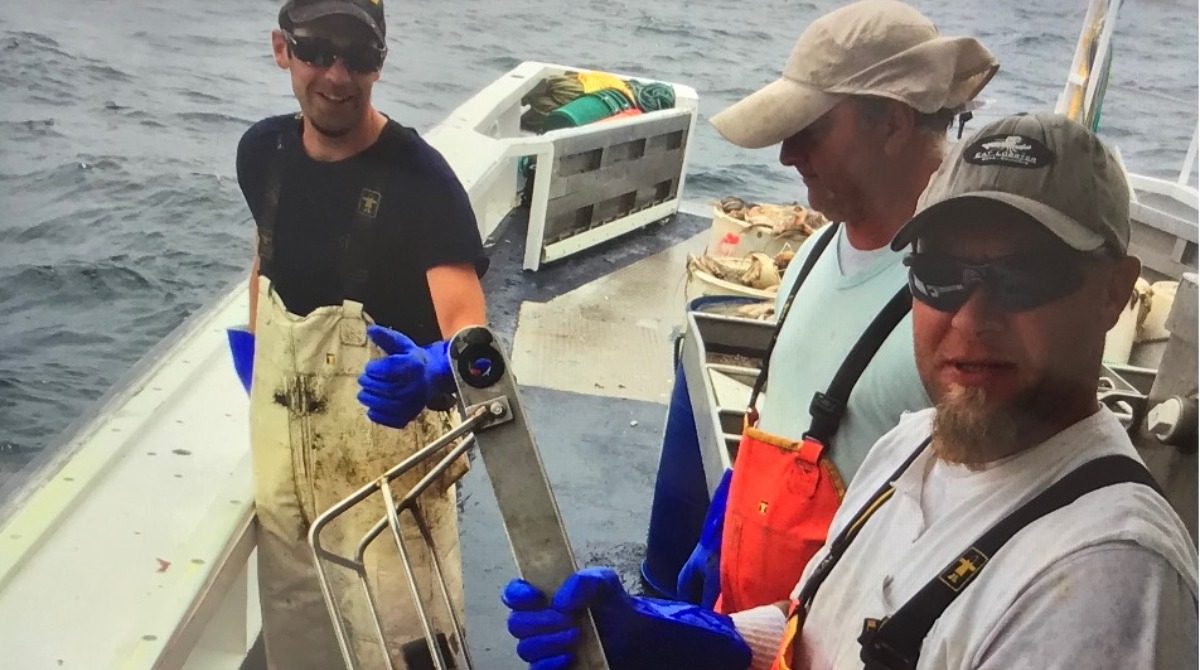
A new study led by Woods Hole Oceanographic Institution (WHOI) shows a significant increase in frequency of warm saltwater intrusions from the deep ocean to the continental shelf along the Middle Atlantic Bight, which extends from the Gulf of Maine to Cape Hatteras, North Carolina.
Read MoreWHOI & Pangaea Logistics Solutions to advance ocean science data acquisition through Science RoCS program
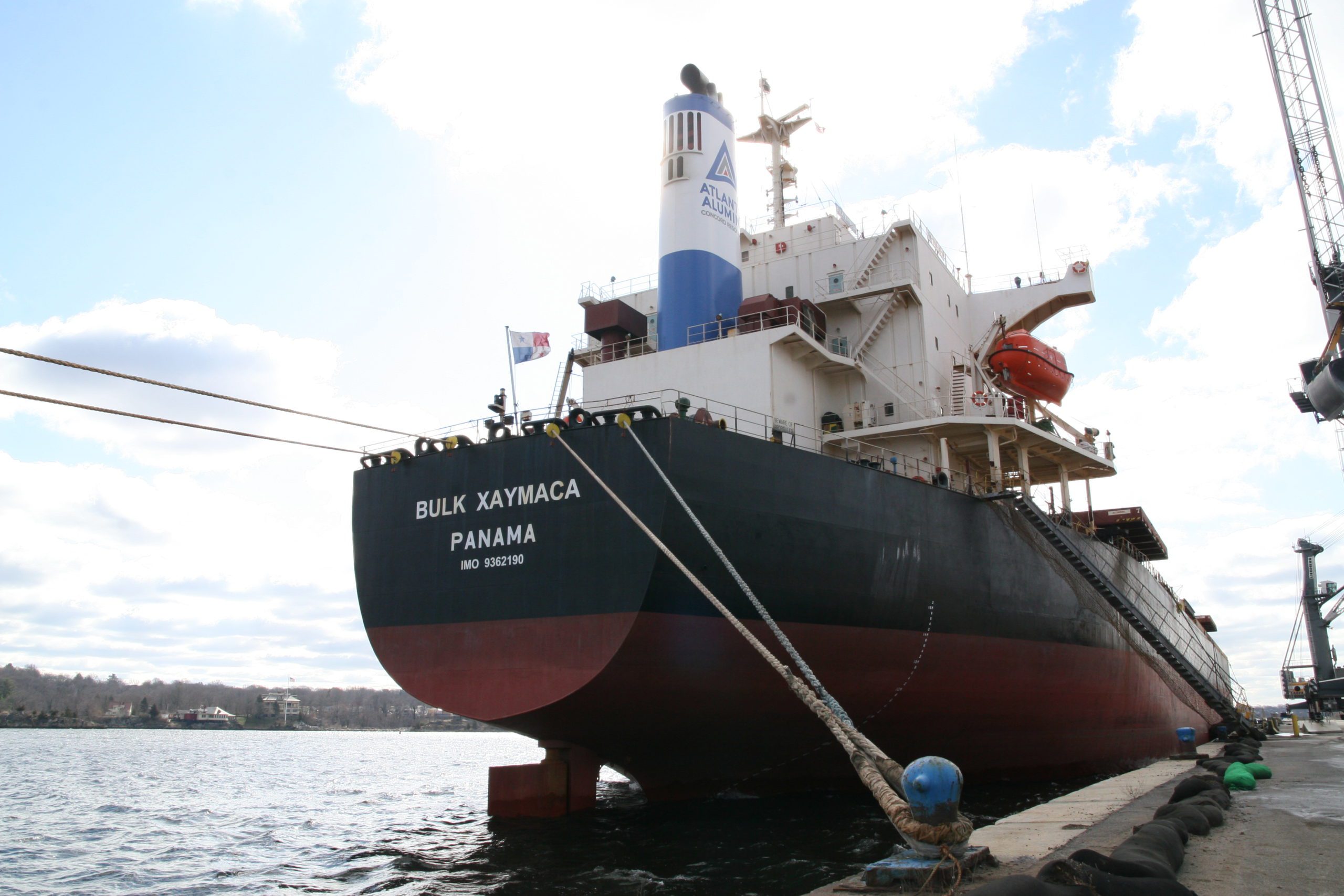
WHOI and Pangaea Logistics Solutions (Pangaea), a U.S. based, international maritime and logistics transportation company, today announced the launch of a new science program aboard Pangaea’s fleet of ships. Science RoCS (Science Research on Commercial Ships) is an innovative program pairing scientists with commercial vessels to regularly monitor the vast and open ocean, particularly along repeat routes in hard-to-reach areas where critical gaps in monitoring exist.
Read MoreWHOI-led team awarded $7.6M to support Gulf of Mexico Loop Current research
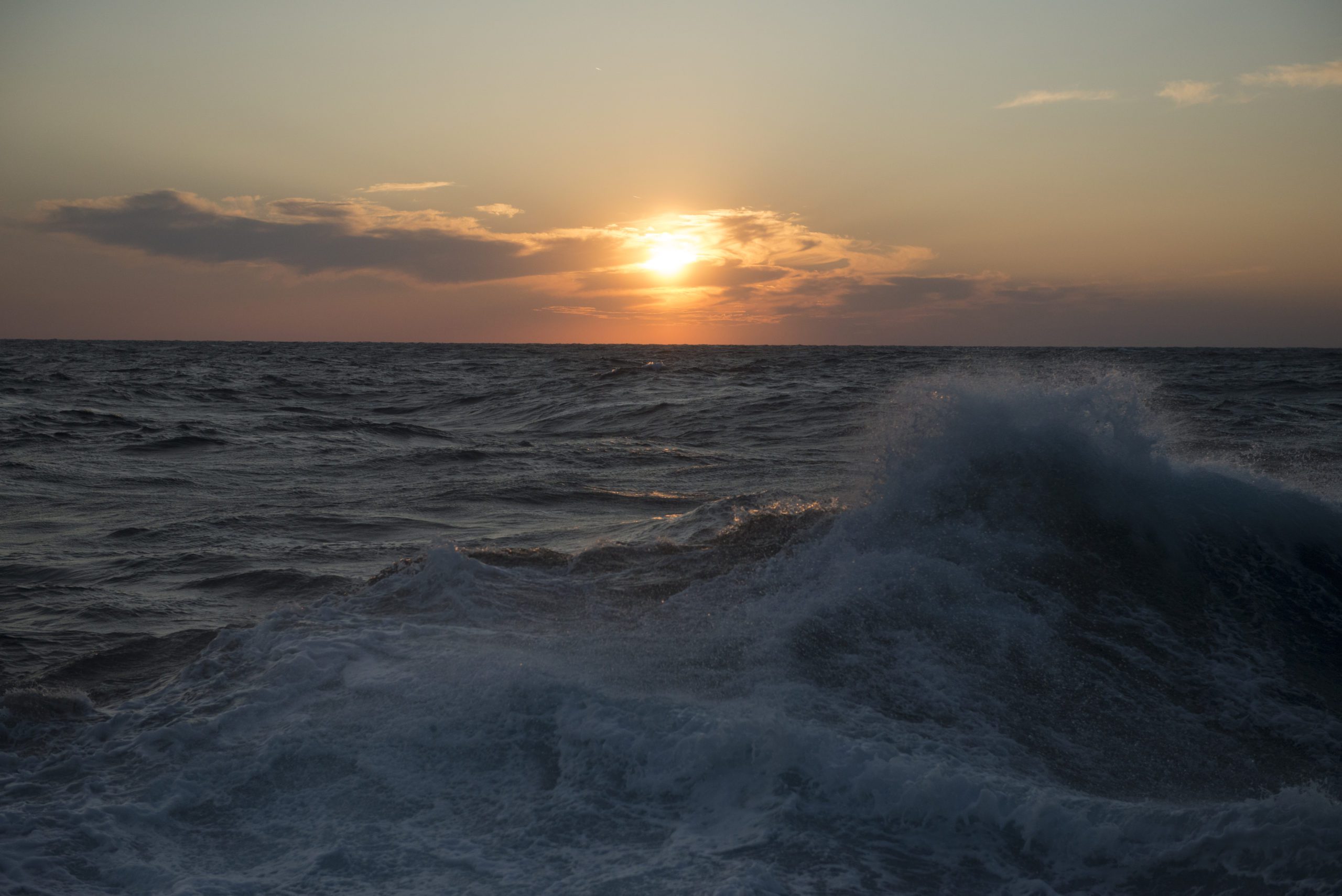
A Woods Hole Oceanographic Institution-led research team has been awarded $7.6 million from the Gulf Research Program (GRP) of the National Academies of Sciences, Engineering, and Medicine (NASEM).
Read MoreTropical fish…up north? How ocean physics play a role in altering water temperature and salinity
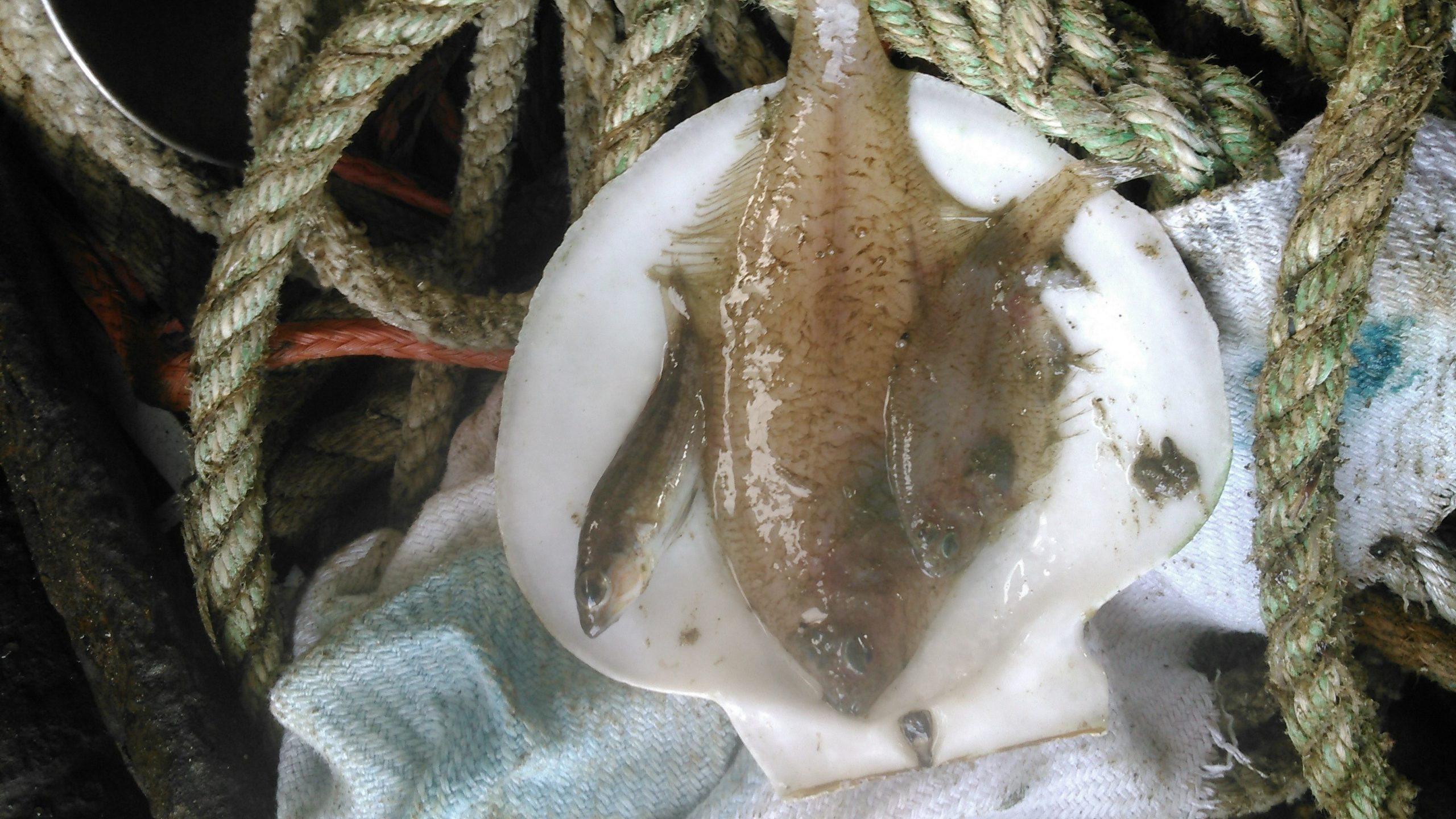
A study led by Woods Hole Oceanographic Institution scientists is explaining why warm and salty water along with warm water fish species, such as the deep-sea dwelling Gulf Stream flounder and Black Sea bass, were found far inshore in New England in the middle of winter 2017. How did this happen? Researchers say it is due to an intrusion of offshore water from the open ocean onto the Northeast U.S. Shelf, caused by eddies (a circular current of water) and wind.
Read MoreModeling our climate future; WHOI to lead ocean current research
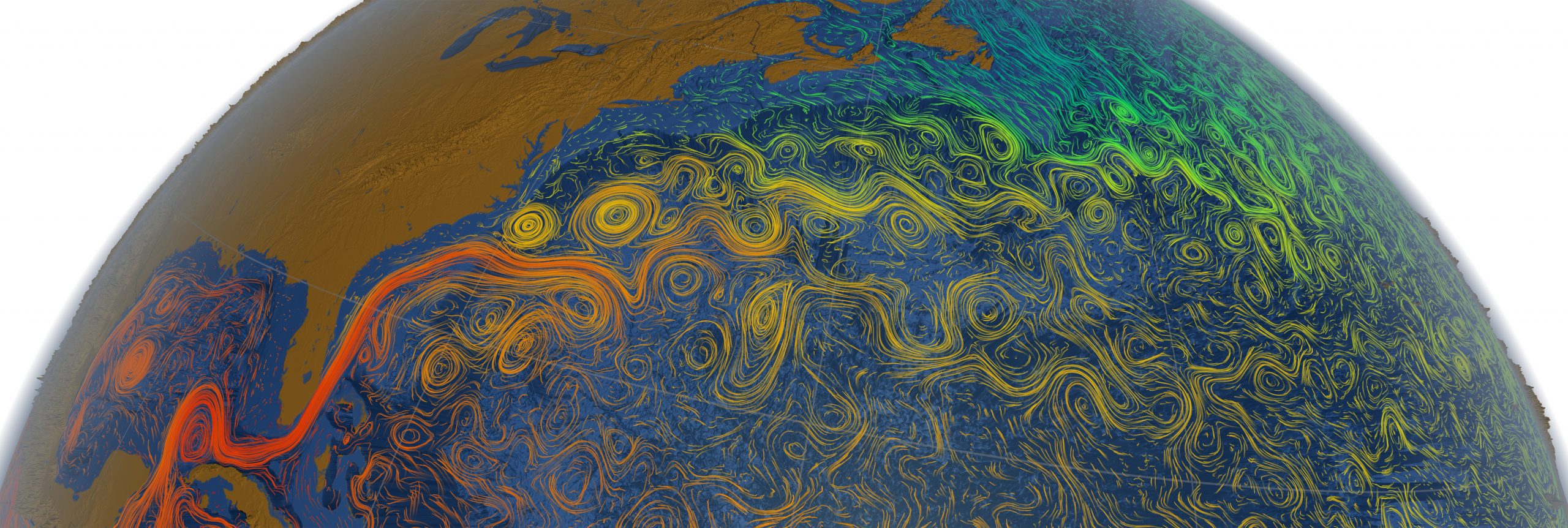
Woods Hole Oceanographic Institution (WHOI) senior scientist of physical oceanography, Dr. Young-Oh Kwon, and WHOI adjunct scientist, Dr. Claude Frankignoul, have received a new research grant from the National Oceanic and Atmospheric Administration (NOAA) Modeling, Analysis, Predictions and Projections (MAPP) Program, funding their research project focusing on western boundary ocean currents and their correspondence with the atmosphere in relation to modern day climate.
Read MoreTwo New Studies Substantially Advance Understanding of Currents that Help Regulate Climate
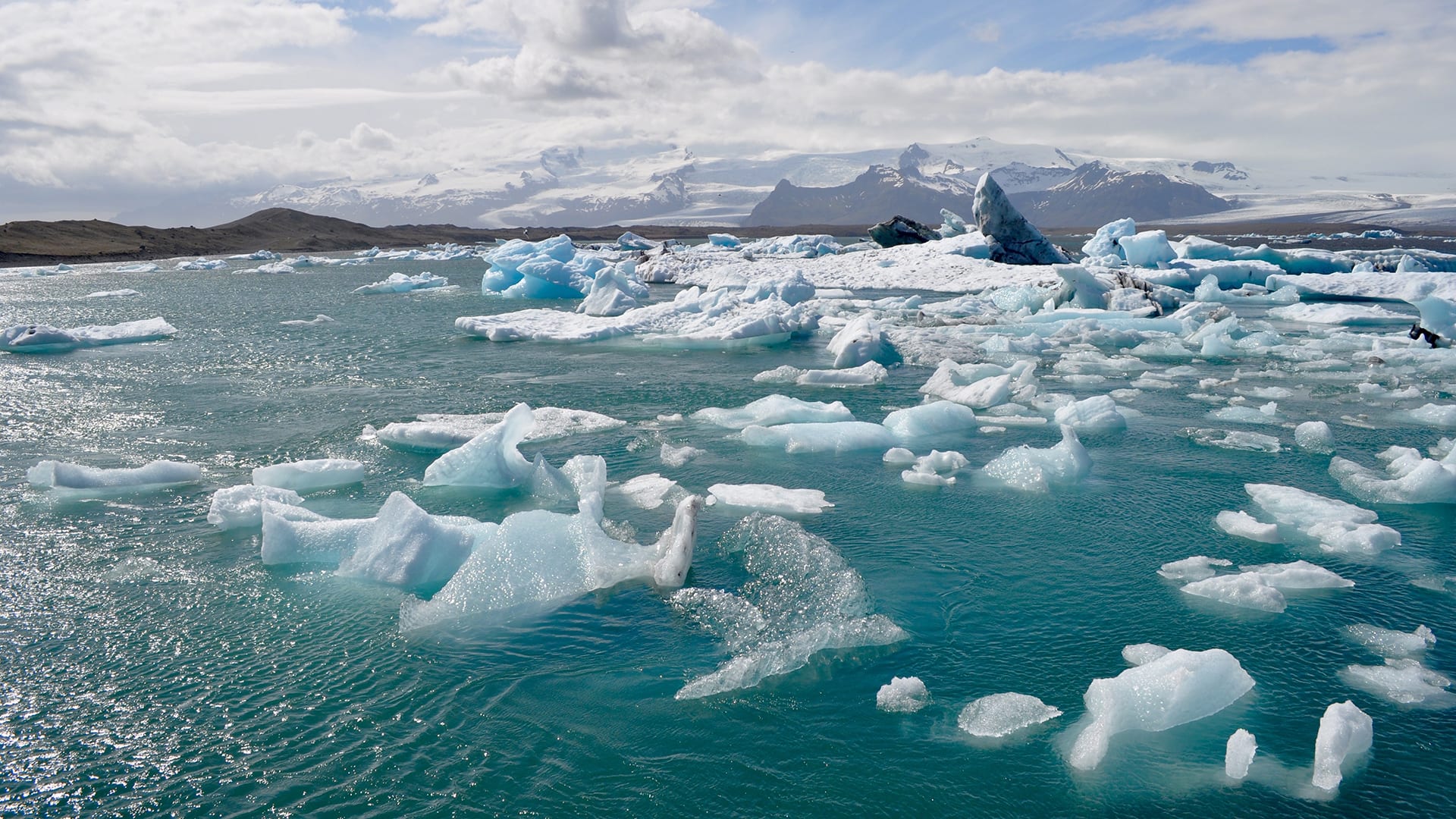
Two studies shed new light on a critical driver of the Atlantic Meridional Overturning Circulation (AMOC) and potential impacts of rising temperatures
Read MoreStudies investigate marine heatwaves, shifting ocean currents
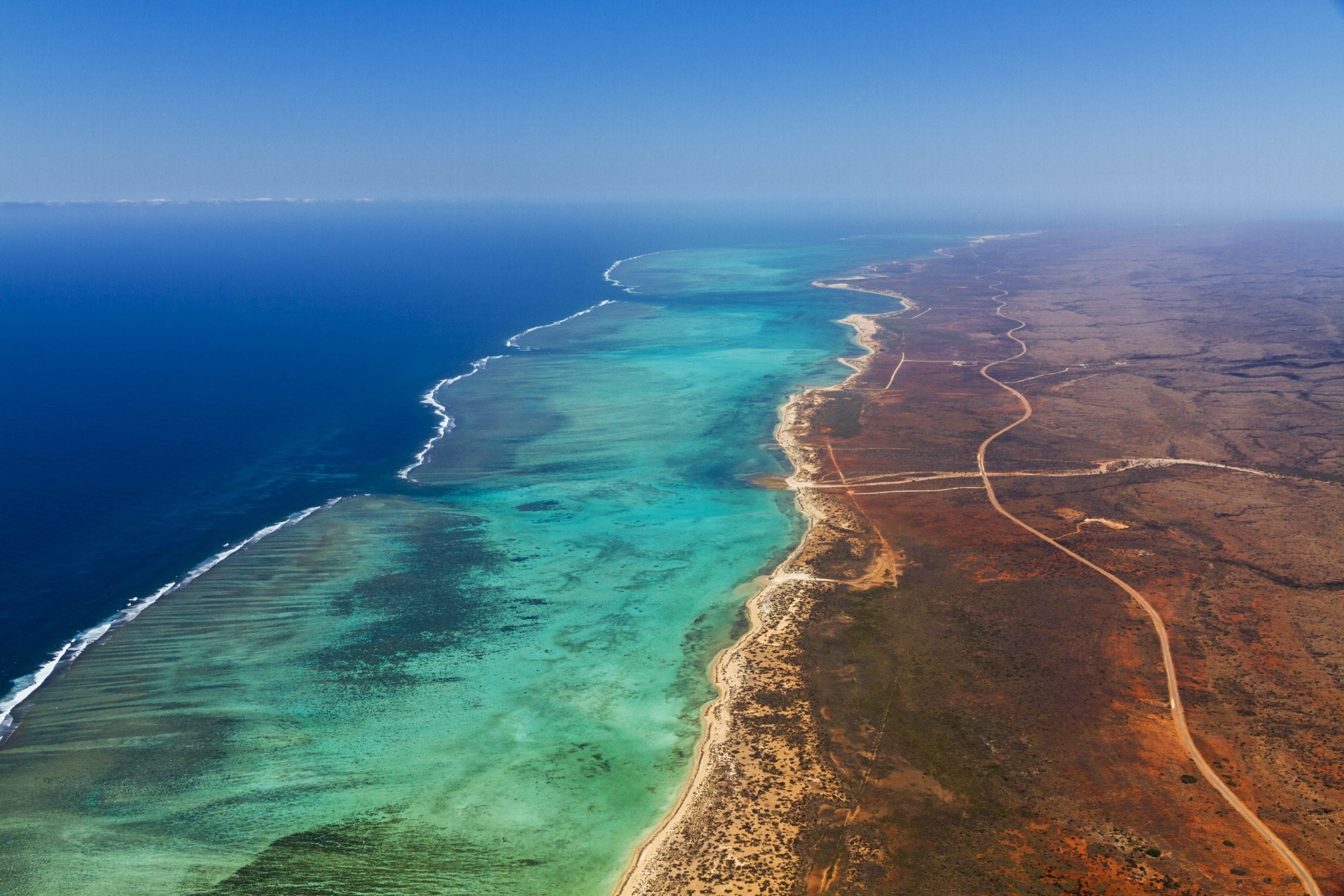
North America experienced a series of dangerous heatwaves during the summer of 2020, breaking records from coast to coast. In the ocean, extreme warming conditions are also becoming more frequent and intense.
Read MoreFlorida Current is Weaker Now Than at Any Point in the Past Century
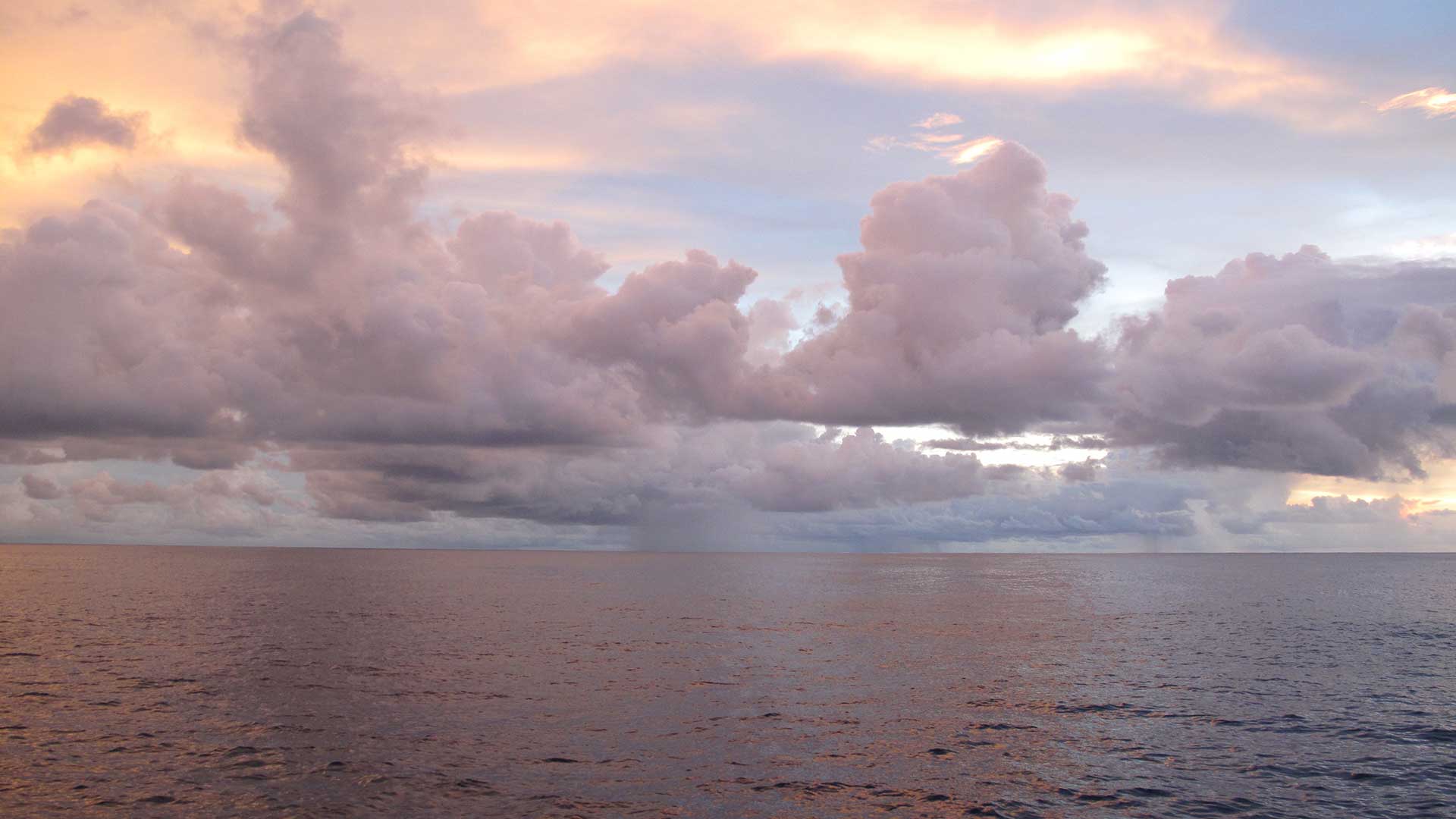
A key component of the Gulf Stream has markedly slowed over the past century—that’s the conclusion of a new research paper in Nature Communications published on August 7. The study…
Read MoreWHOI Scientists Make Woods Hole Film Festival Appearance
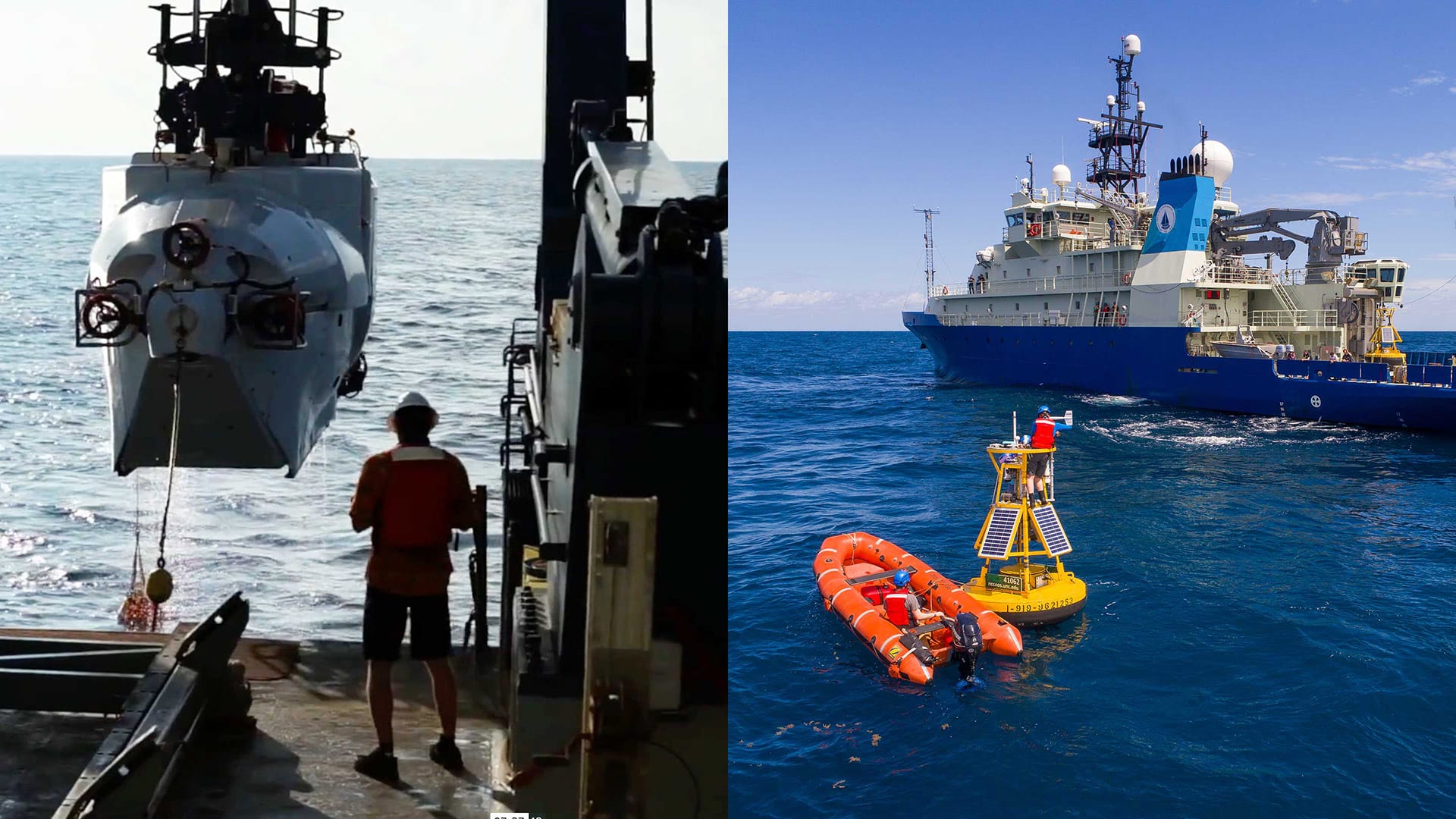
Woods Hole Oceanographic Institution (WHOI) scientists appear in two shorts and a feature film at this year’s Woods Hole Film Festival (WHFF). In addition, scientists will also participate in Q&A…
Read MoreA rapidly changing Arctic
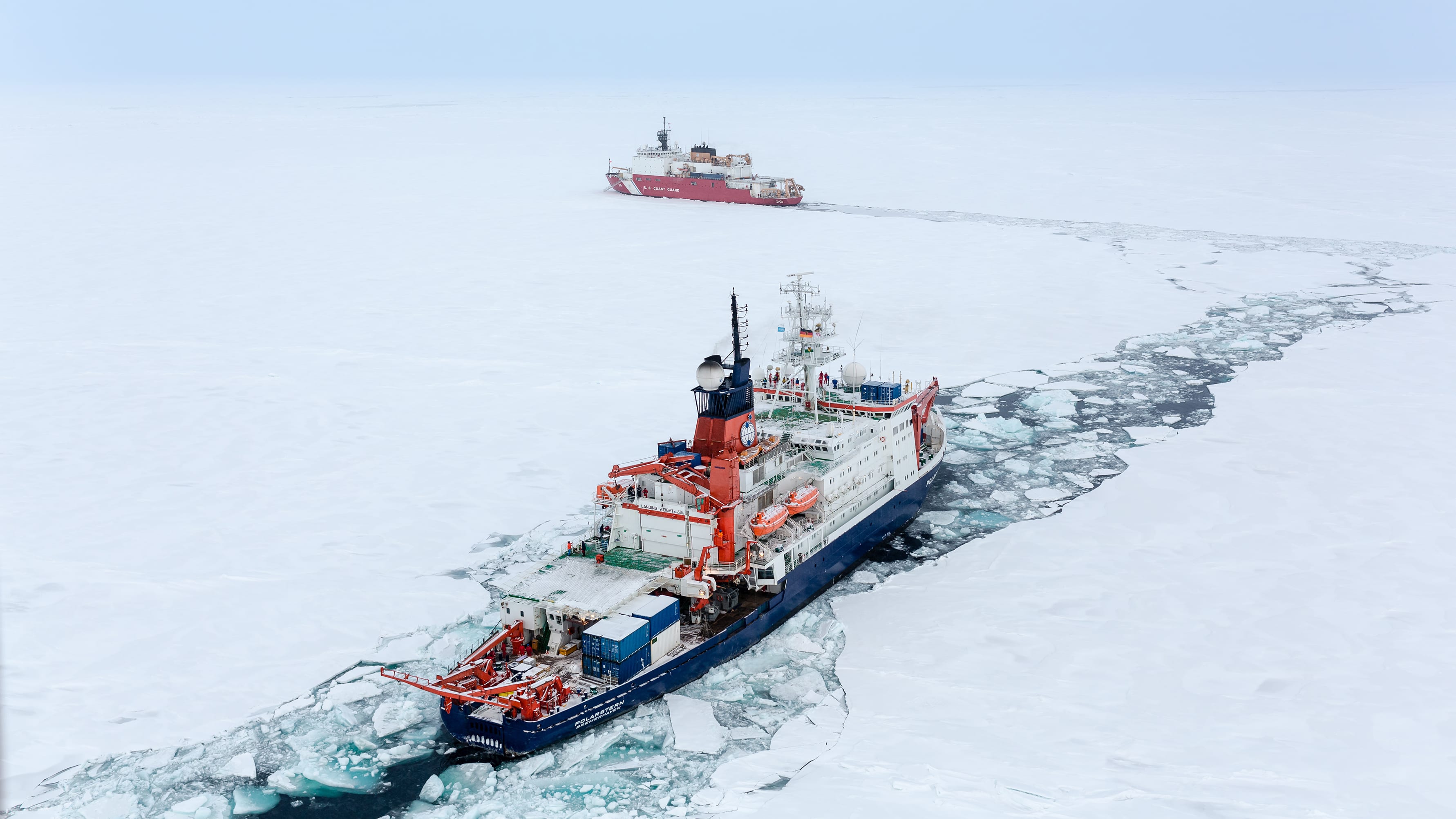
A new study by researchers at Woods Hole Oceanographic Institution (WHOI) and their international colleagues found that freshwater runoff from rivers and continental shelf sediments are bringing significant quantities of carbon and trace elements into parts of the Arctic Ocean via the Transpolar Drift—a major surface current that moves water from Siberia across the North Pole to the North Atlantic Ocean.
Read More$8.3M award to WHOI extends observational record of critical climate research
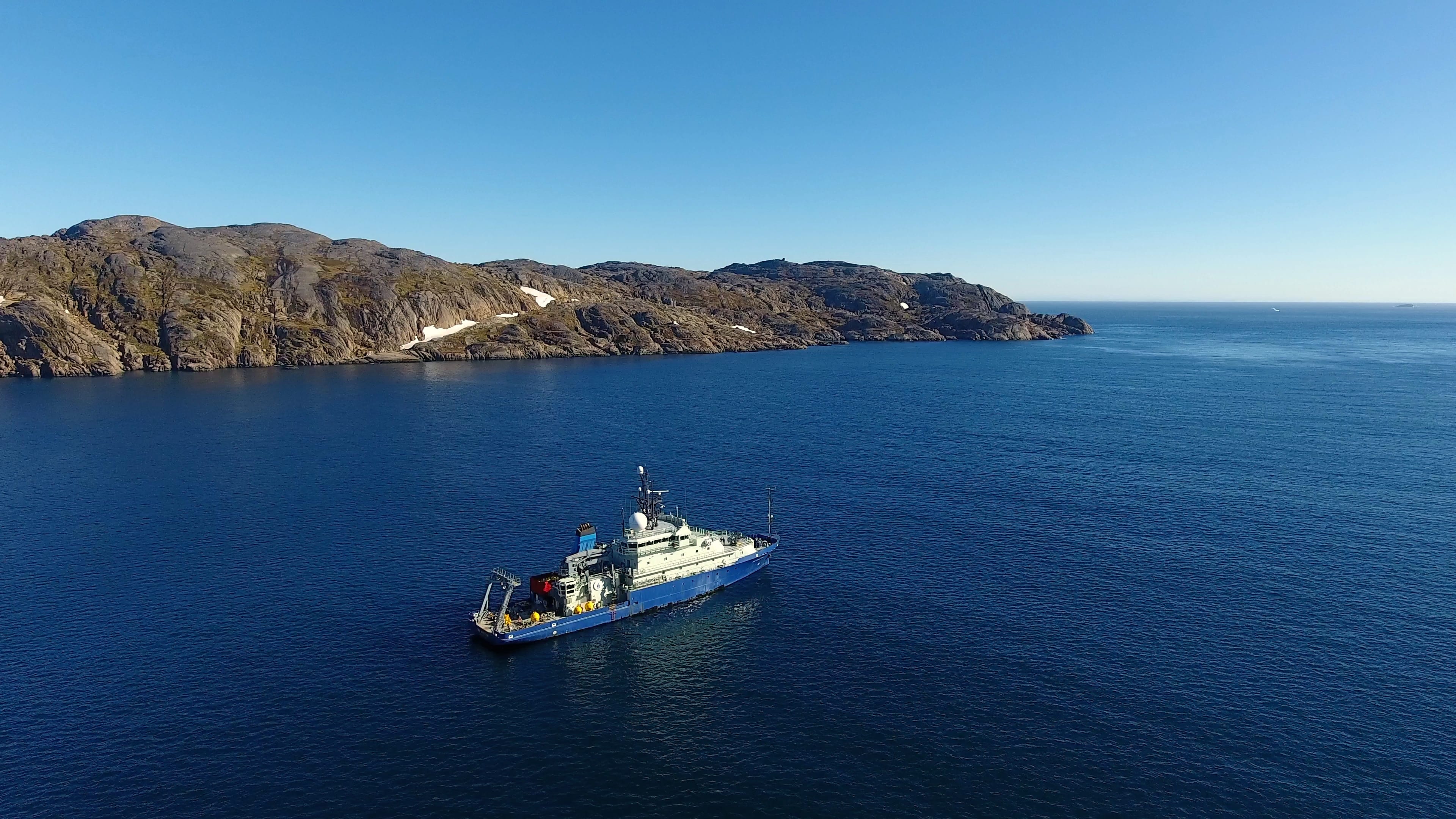
The National Science Foundation (NSF) recently awarded $8.3 million to the Woods Hole Oceanographic Institution (WHOI) to extend the life of the Overturning in the Sub-polar North Atlantic Program (OSNAP) in a key part of Earth’s ocean-climate system.
Read MoreIndian Ocean phenomenon spells climate trouble for Australia
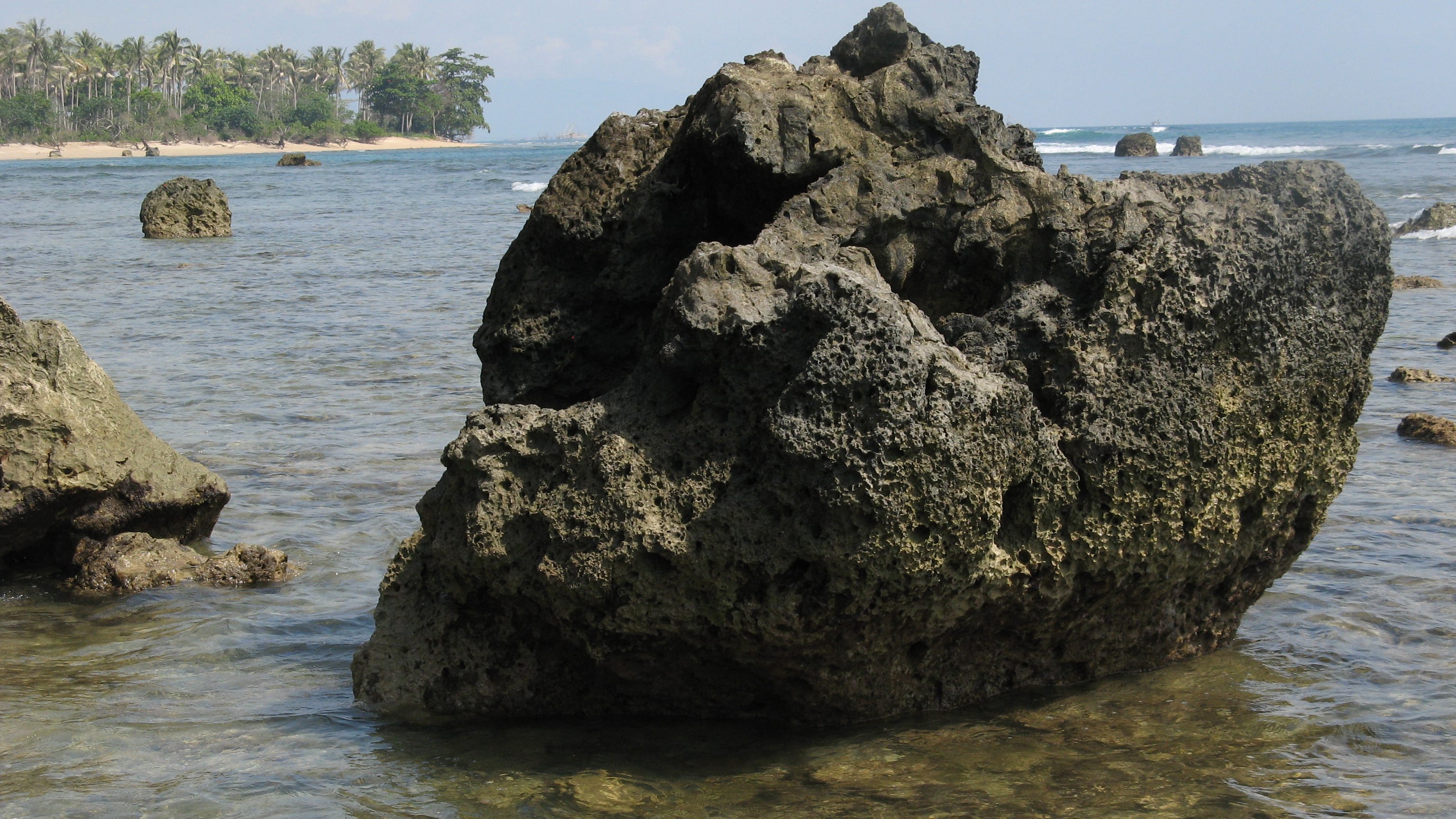
New international research by Woods Hole Oceanographic Institution (WHOI) and colleagues has found a marked change in the Indian Ocean’s surface temperatures that puts southeast Australia on course for increasingly hot and dry conditions.
Read MoreStudy reveals Missoula Floods impact on past abrupt climate changes
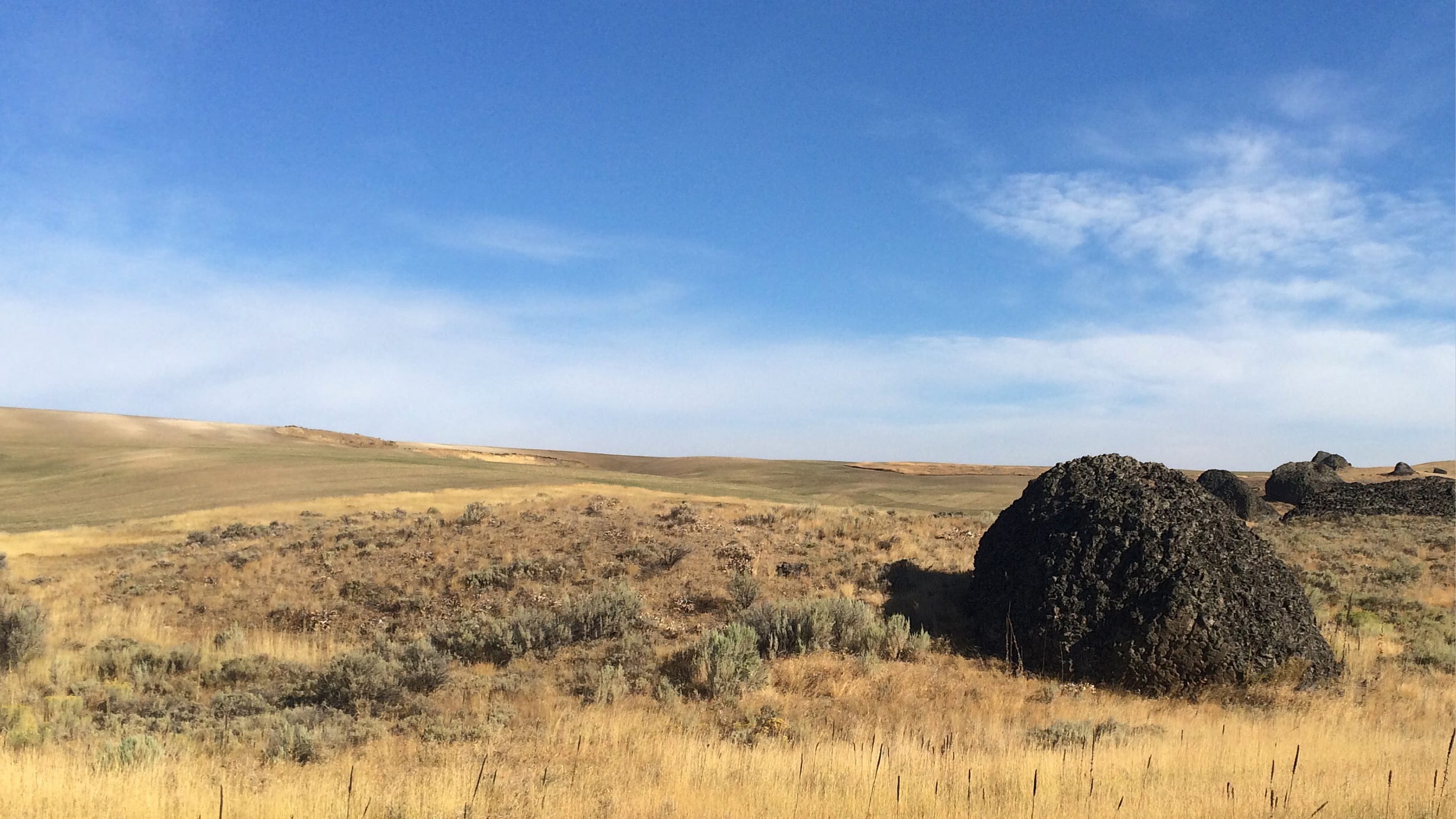
A new study shows for the first time how massive flood events in the eastern North Pacific Ocean—known as the Missoula Floods—may have in part triggered abrupt climate changes in the Northern Hemisphere during the last deglaciation (approximately 19,000–11,700 years ago).
Read MoreStudy Finds No Direct Link Between North Atlantic Ocean Currents, Sea Level Along New England Coast
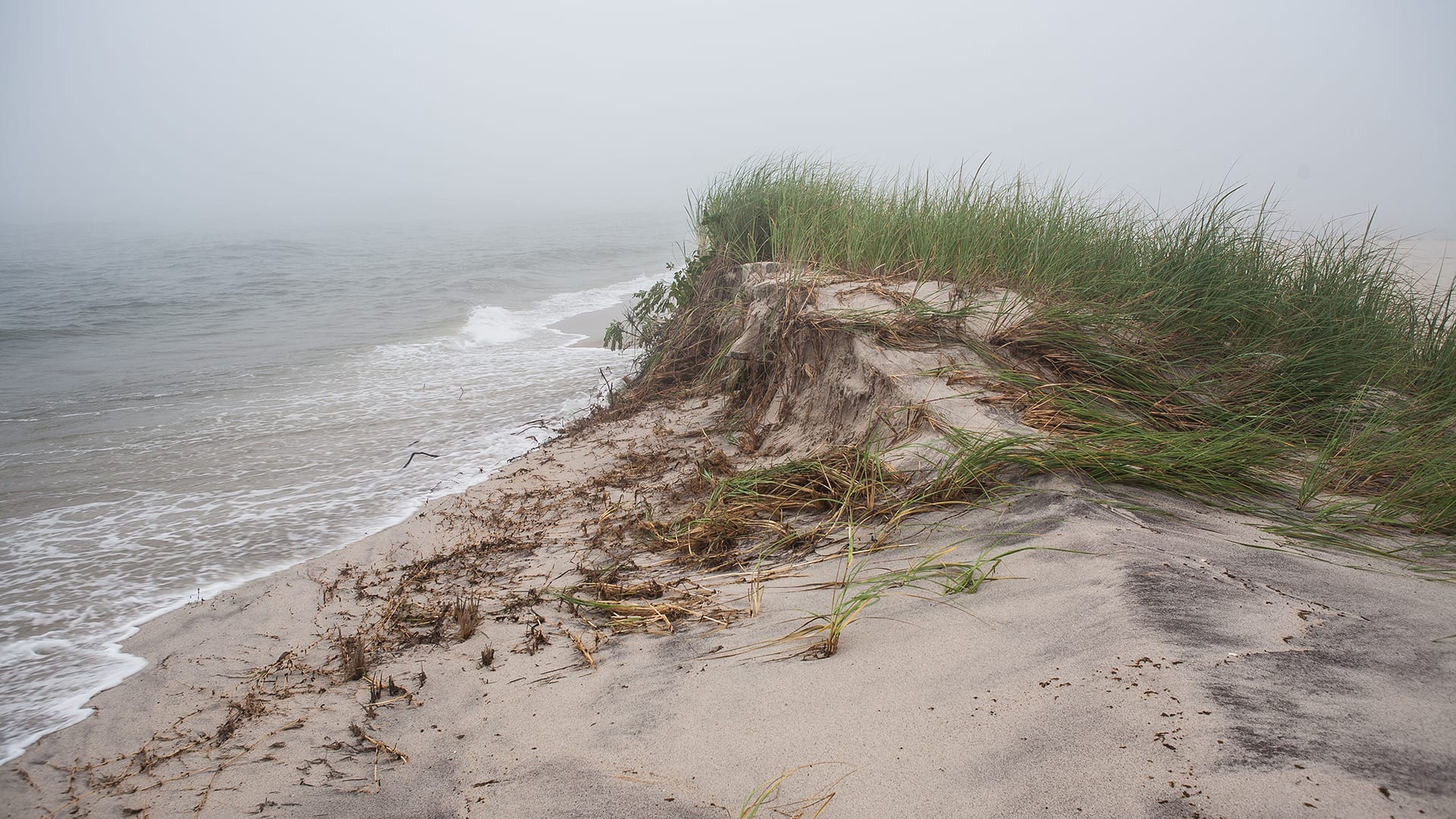
A new study by the Woods Hole Oceanographic Institution (WHOI) clarifies what influence major currents in the North Atlantic have on sea level along the northeastern United States. The study, published June 13 in the journal Geophysical Research Letters, examined both the strength of the Atlantic Meridional Overturning Circulation (AMOC)—a conveyor belt of currents that move warmer waters north and cooler waters south in the Atlantic—and historical records of sea level in coastal New England.
Read MoreWaters West of Europe Drive Ocean Overturning, Key for Regulating Climate
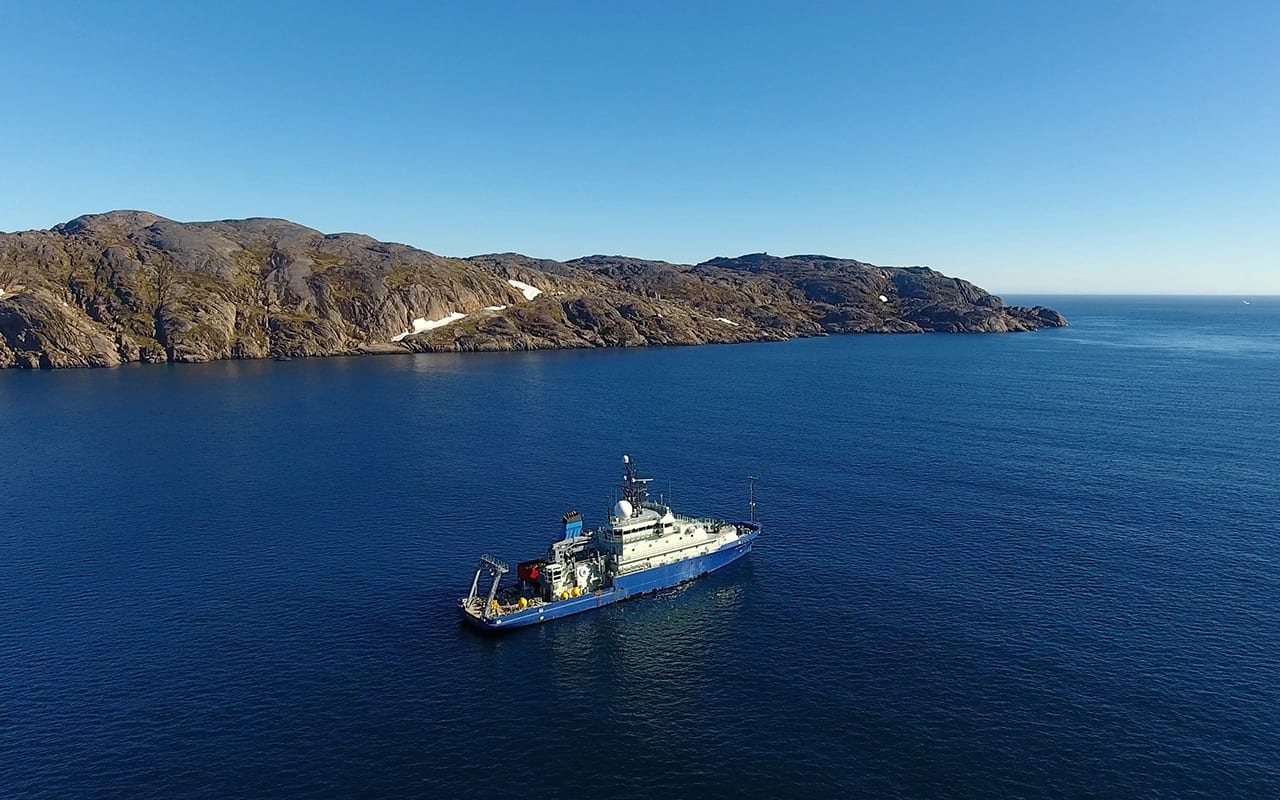
In the Atlantic MOC, warm, salty, shallow waters are carried northward from the tropics by currents and wind, and then converted into colder, fresher, deep waters that return southward through the Iceland and Irminger basins. In a departure from the prevailing scientific view, the study shows that most of the conversion from warm to cold water – or ‘overturning’ and its month-to-month variability – is occurring in regions between Greenland and Scotland, rather than in the Labrador Sea off Canada, as many past modeling studies have suggested.
Read More