
News Releases
A new study reveals how oxygen first reached Earth’s oceans
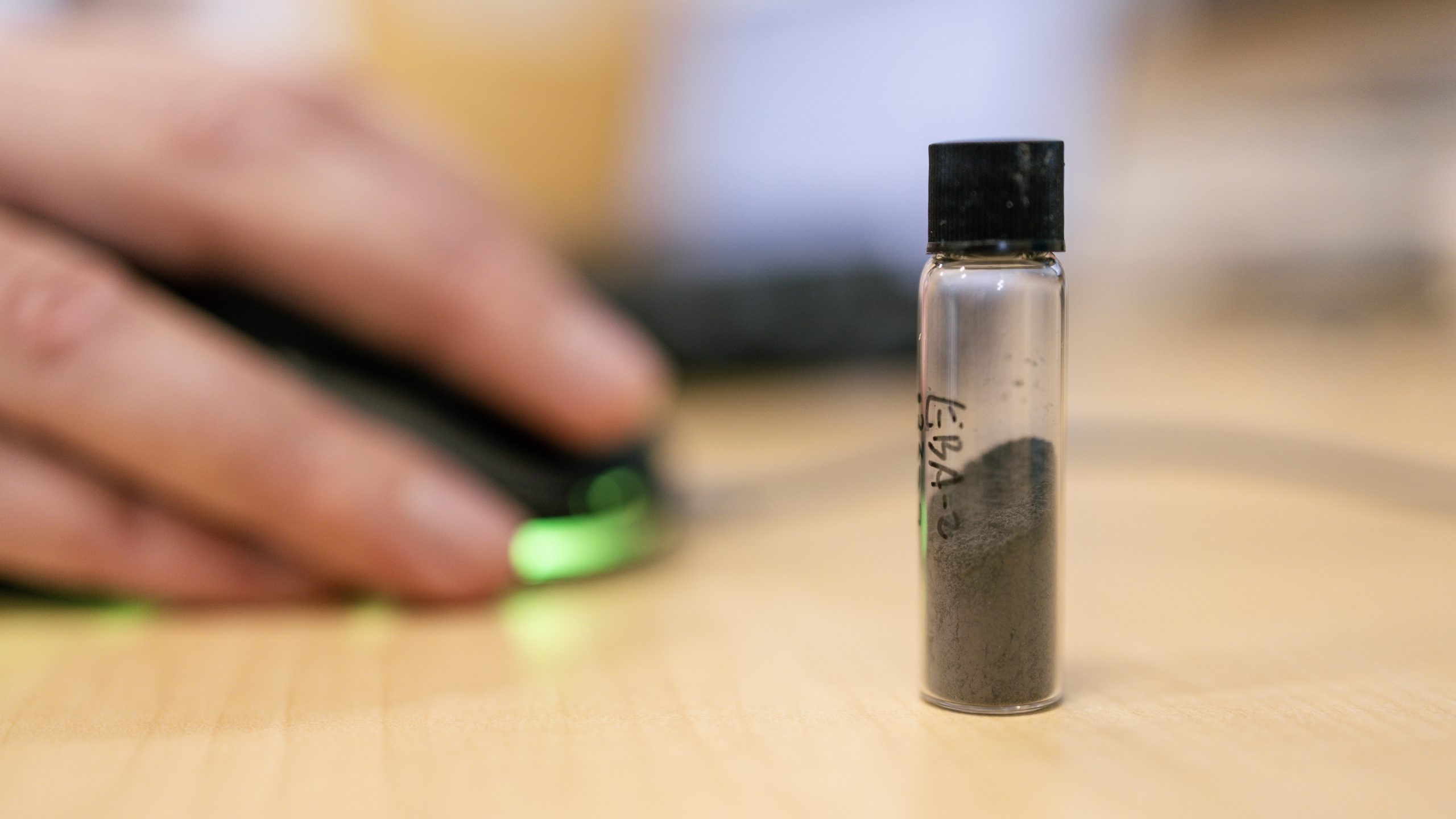
Researchers use vanadium isotopes to track the rise of oxygen in ancient seas
Read MoreHuman Activity Is Causing Toxic Thallium to Enter the Baltic Sea, According to New Study
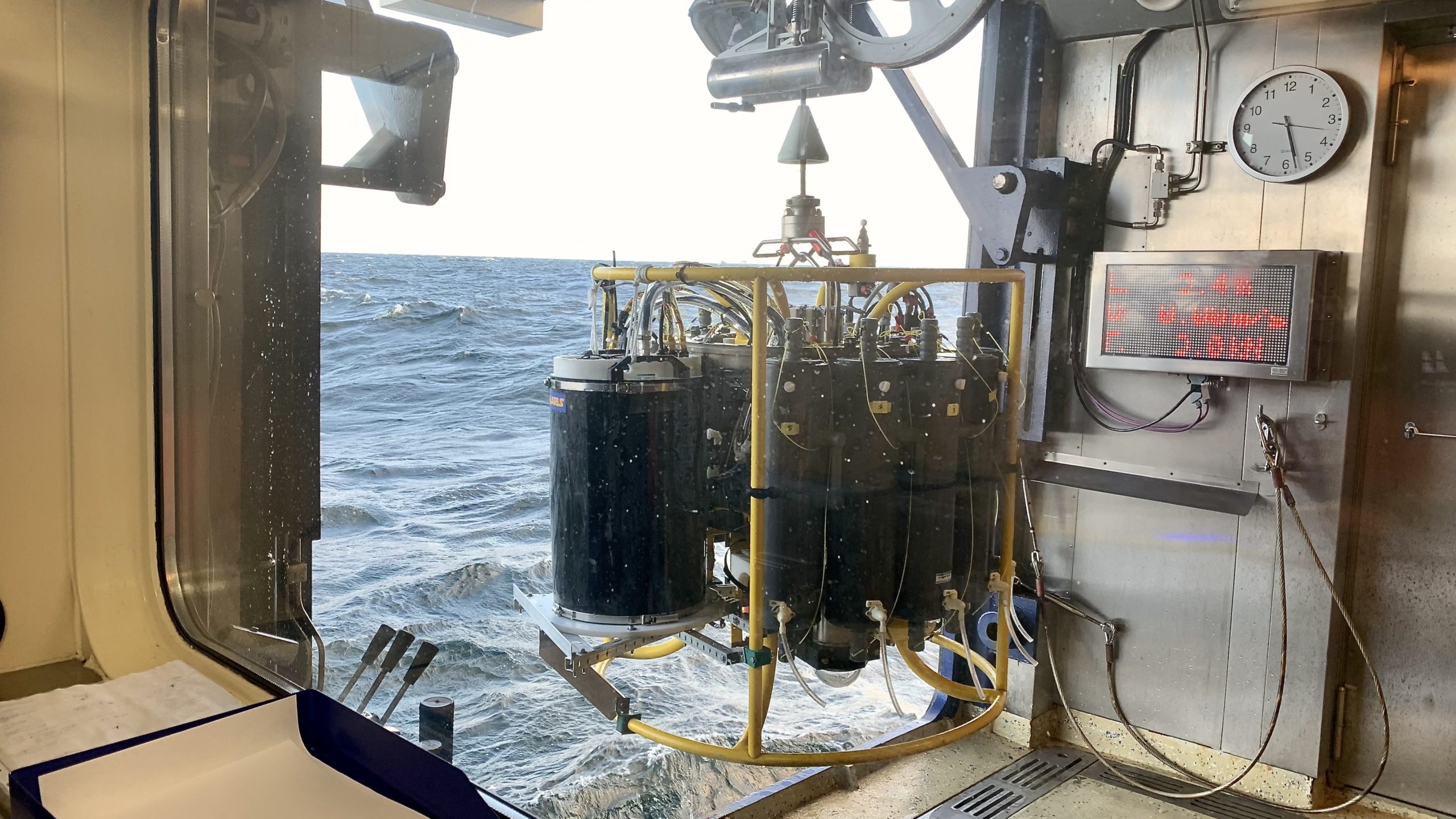
Human activities account for a substantial amount – anywhere from 20% to more than 60% – of toxic thallium that has entered the Baltic Sea over the past 80 years, according to new research by scientists affiliated with WHOI and other institutions.
Read MoreVitamin B12 adaptability in Antarctic algae has implications for climate change
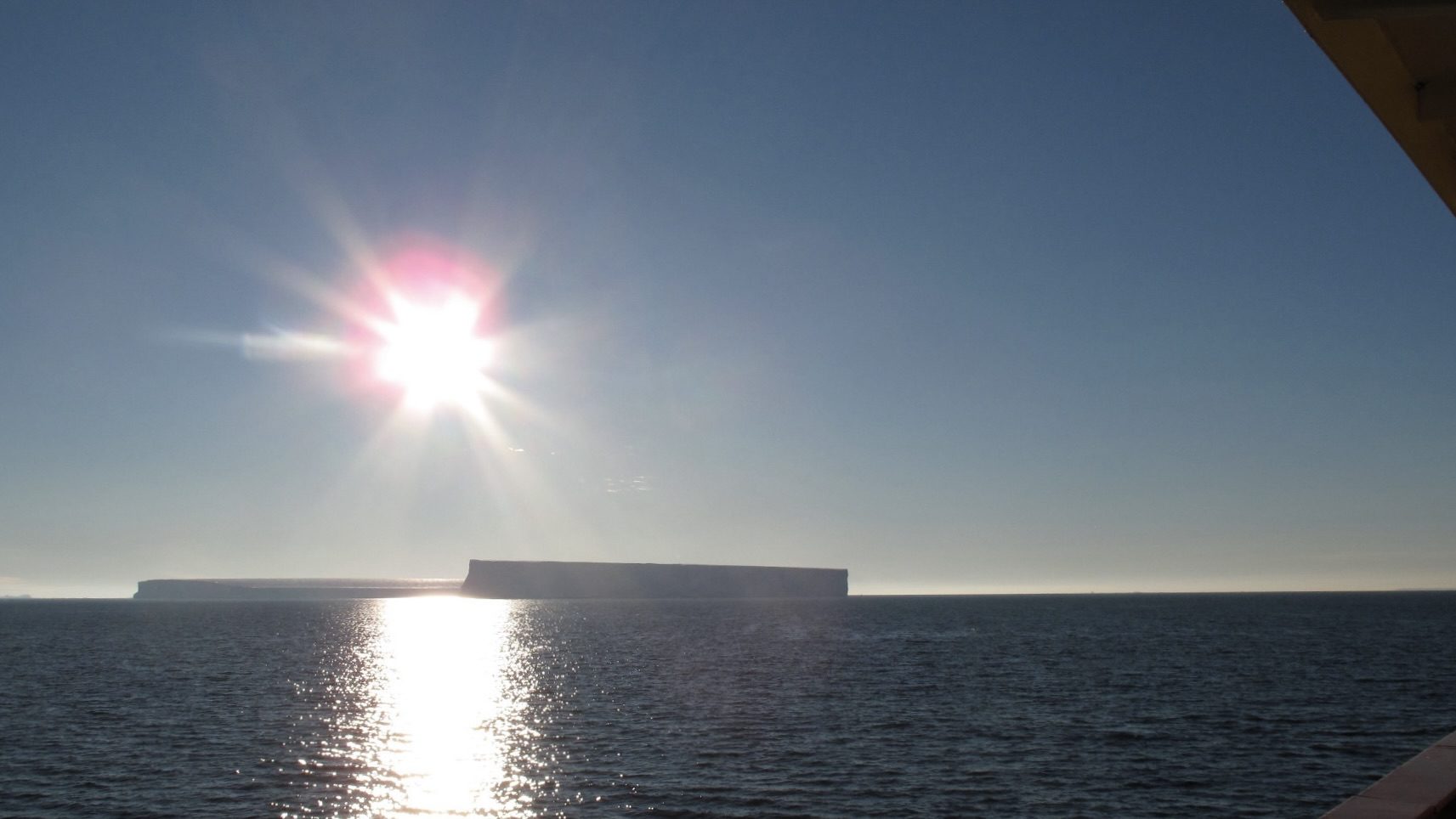
Woods Hole, Mass. — Vitamin B12 deficiency in people can cause a slew of health problems and even become fatal. Until now, the same deficiencies were thought to impact certain…
Read MoreNew Study: Deep Sea Sensor Reveals That Corals Produce Reactive Oxygen Species
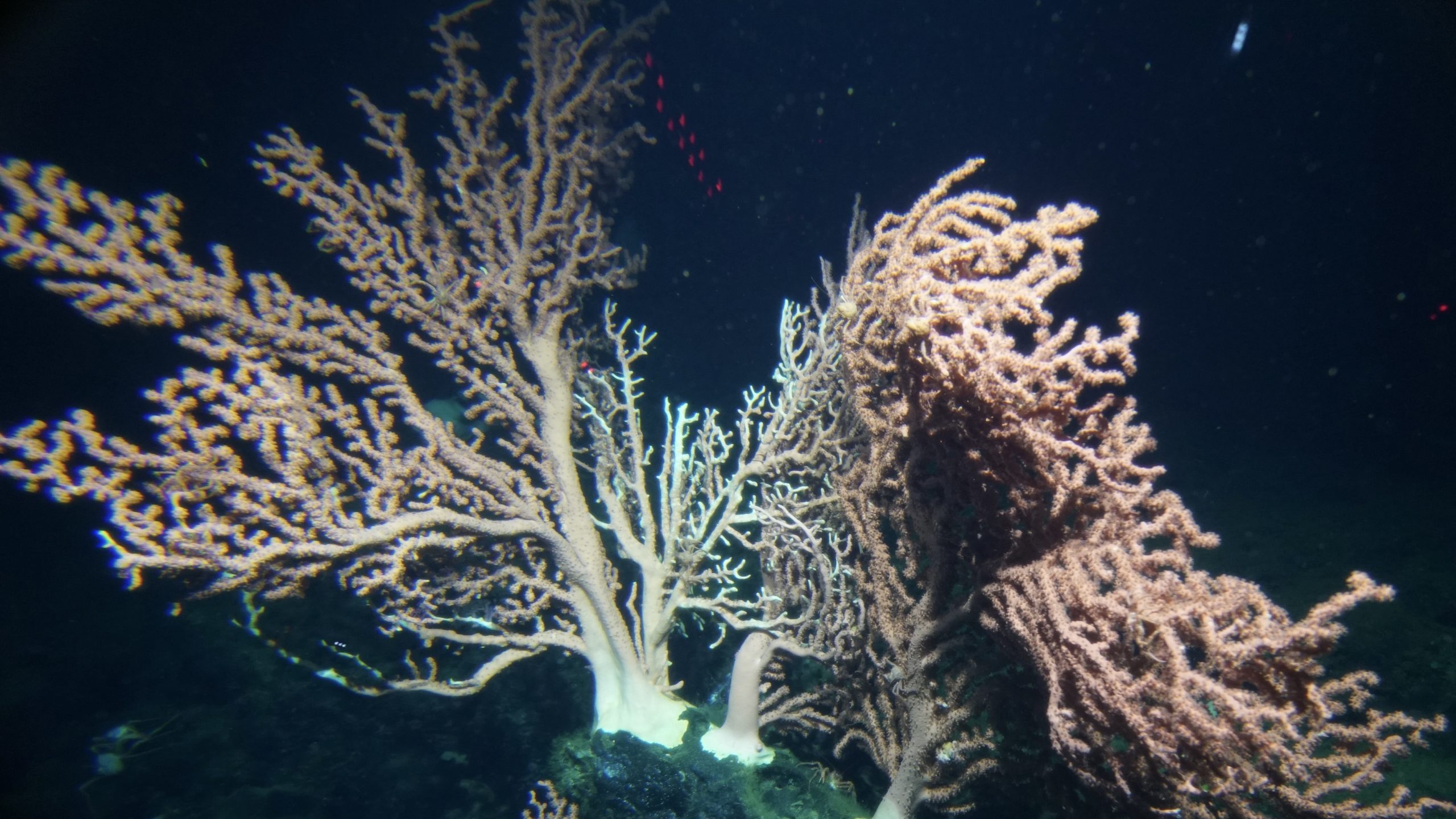
A new sensor on the submersible Alvin discovered reactive oxygen species for the first time in deep-sea corals, broadening our understanding of fundamental coral physiology Woods Hole, MA — Just…
Read MoreA Better Understanding of Gas Exchange Between the Atmosphere and Ocean Can Improve Global Climate Models
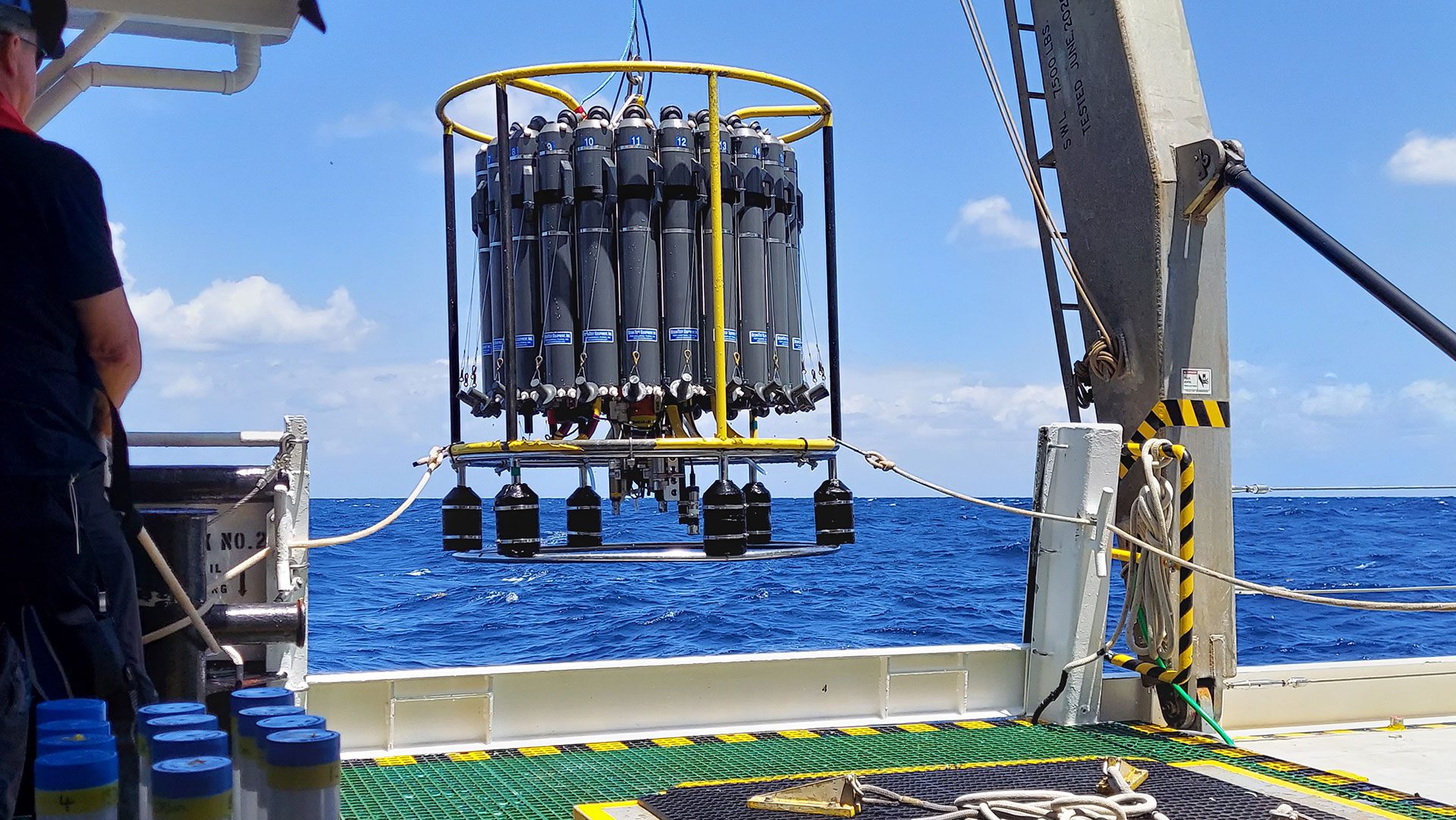
If scientists can improve the way models represent physical processes such as gas exchange, they can have more confidence in future simulations.
Read MoreWHOI scientist elected as Fellow of the American Academy of Microbiology
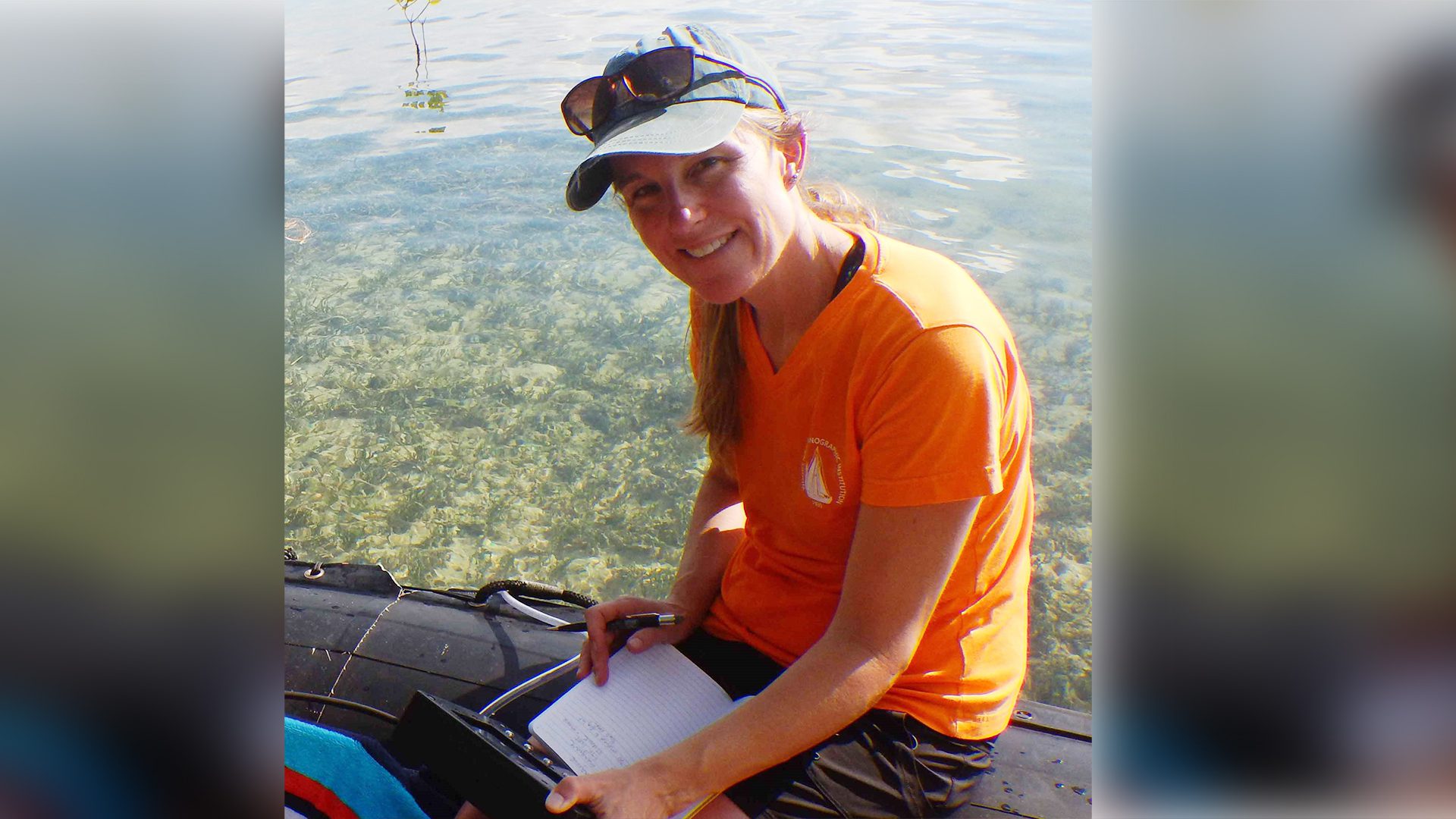
Woods Hole Oceanographic Institution scientist elected as Fellow of the American Academy of Microbiology Colleen Hansel, associate scientist at WHOI, has been elected as a Fellow of the American Academy…
Read MoreDissolving oil in a sunlit sea
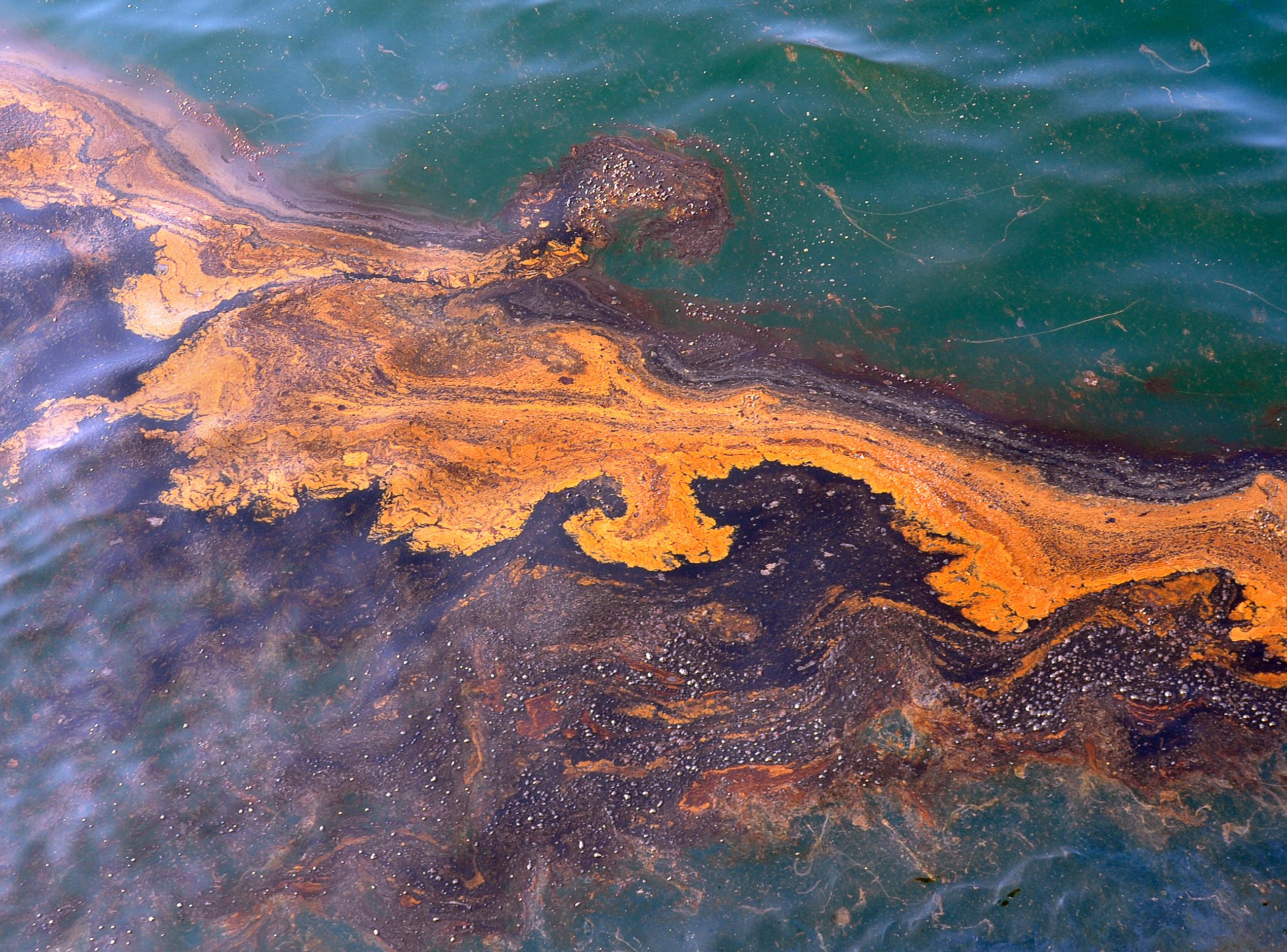
A team of Woods Hole Oceanographic Institution (WHOI) researchers discovered that nearly 10 percent of the oil floating on the Gulf after the Deepwater Horizon disaster was dissolved into seawater by sunlight – a process called “photo-dissolution”. The findings were published today in the paper “Sunlight-driven dissolution is a major fate of oil at sea” in Science Advances.
Read MoreThe ocean twilight zone’s role in climate change
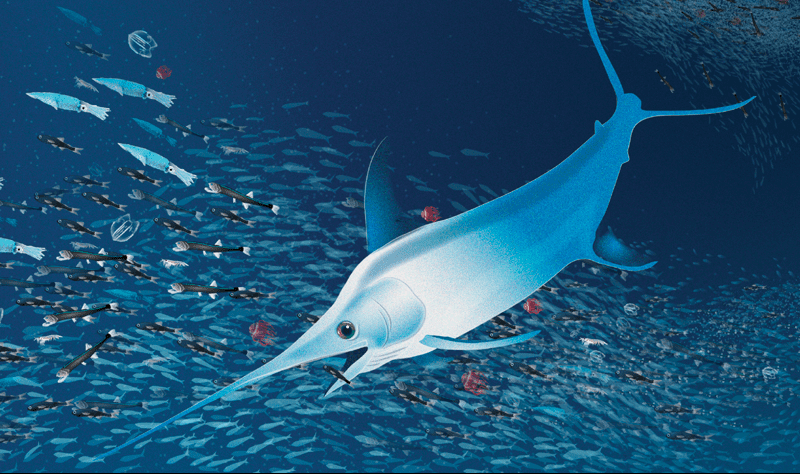
A new report from the Woods Hole Oceanographic Institution Ocean Twilight Zone (OTZ) project team offers a detailed look at the climate-altering processes that take place within the zone, in particular those that are driven by animals that migrate between the twilight zone and the surface each night to feed. This phenomenon is likely the biggest migration on Earth—yet it remains incredibly vulnerable to human exploitation.
Read MoreWHOI’s Ken Buesseler named Geochemistry Fellow
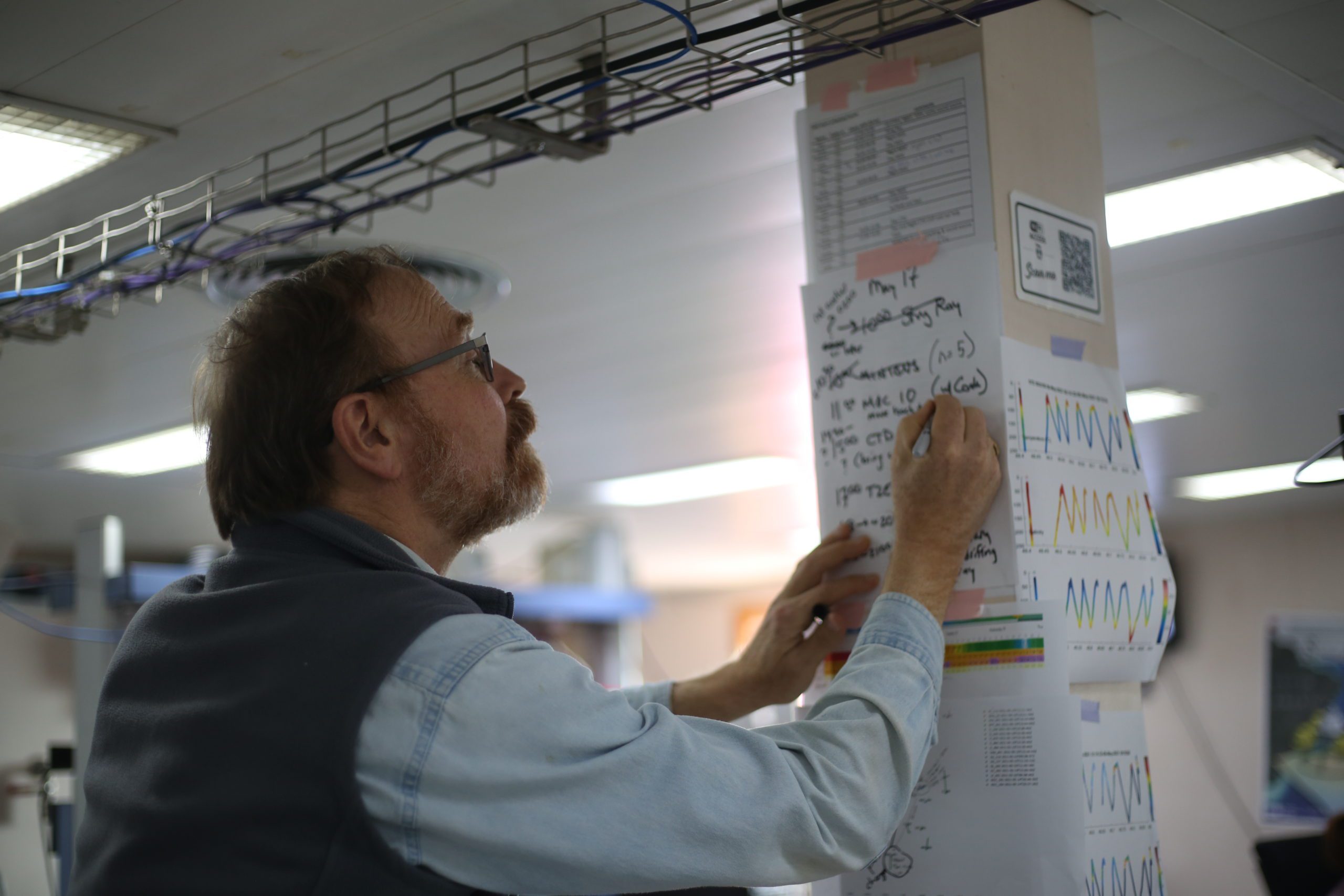
Dr. Ken Buesseler has been selected as a Geochemistry Fellow by the Geochemical Society and the European Association of Geochemistry.
Read MoreBen Van Mooy awarded by Association for the Sciences of Limnology and Oceanography
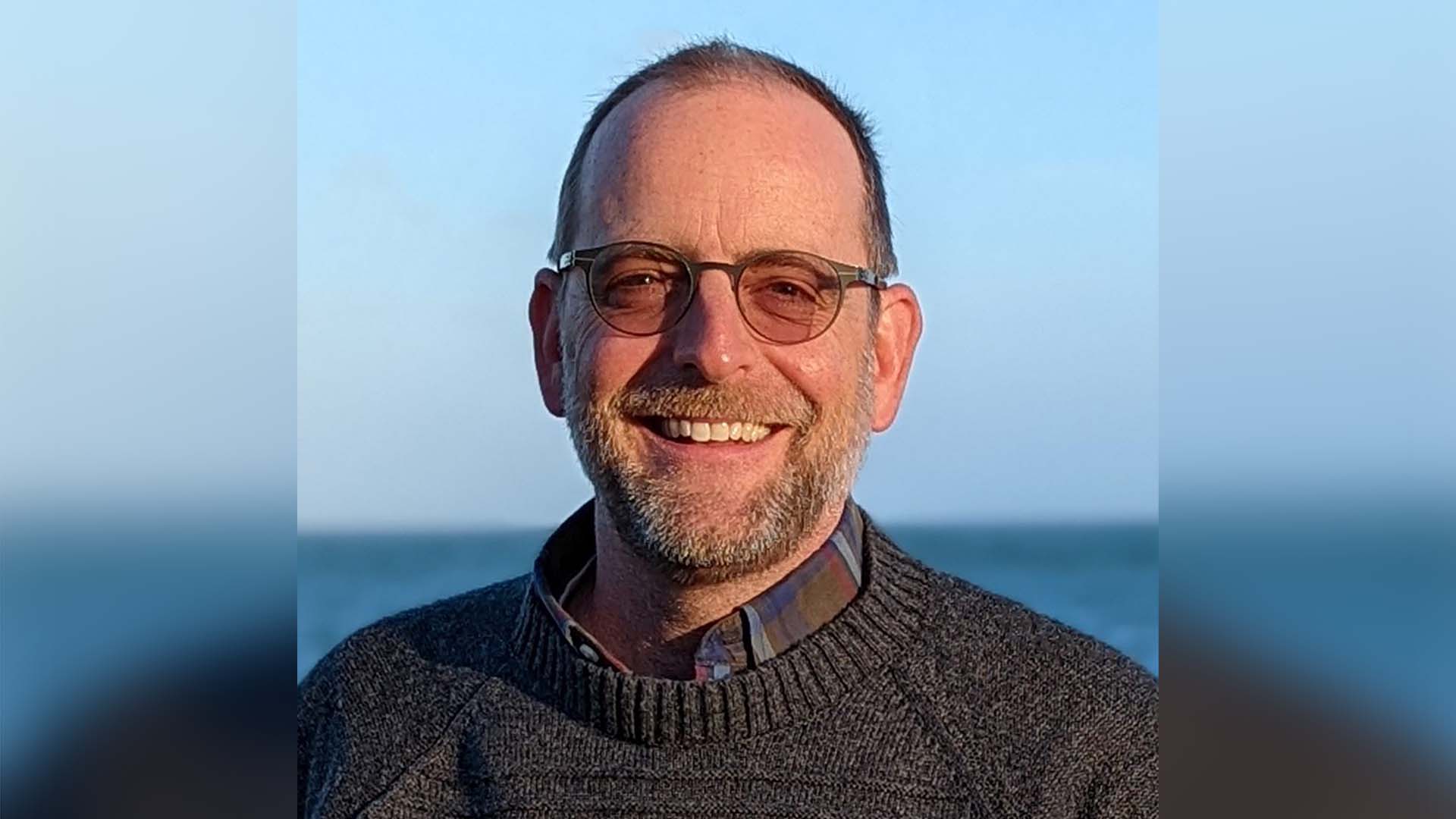
WHOI senior scientist and Dept. Chair honored for phosphorus and lipid cycling research
Read MoreStudy finds bio-based cellulose acetate plastic used in consumer goods disintegrates in ocean much faster than assumed
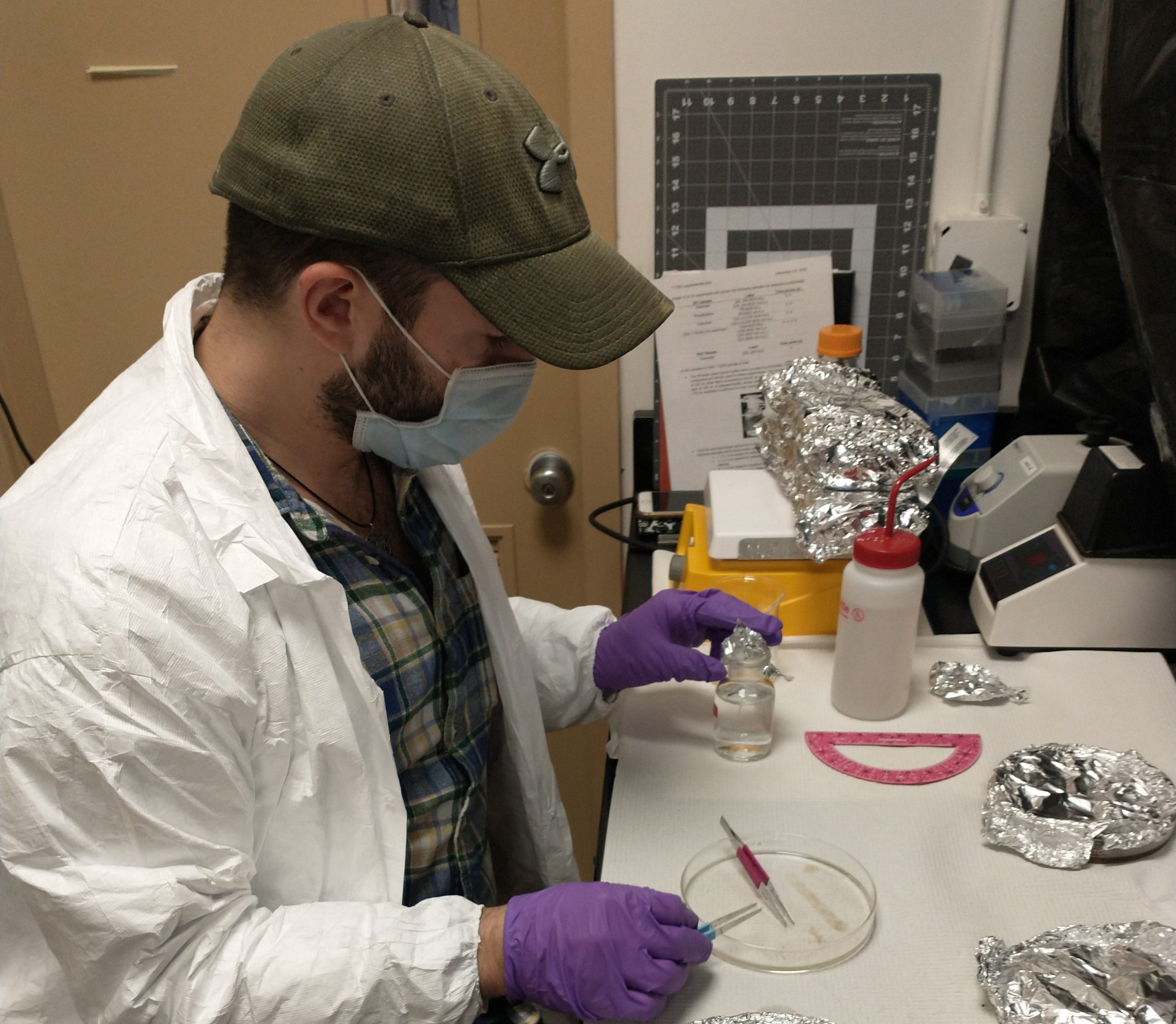
Woods Hole, MA — Cellulose diacetate (CDA), a bio-based plastic widely used in consumer goods, disintegrates, and degrades in the ocean far quicker than previously assumed, according to a new…
Read MoreStudy outlines challenges to ongoing clean-up of burnt and unburnt nurdles along Sri Lanka’s coastline
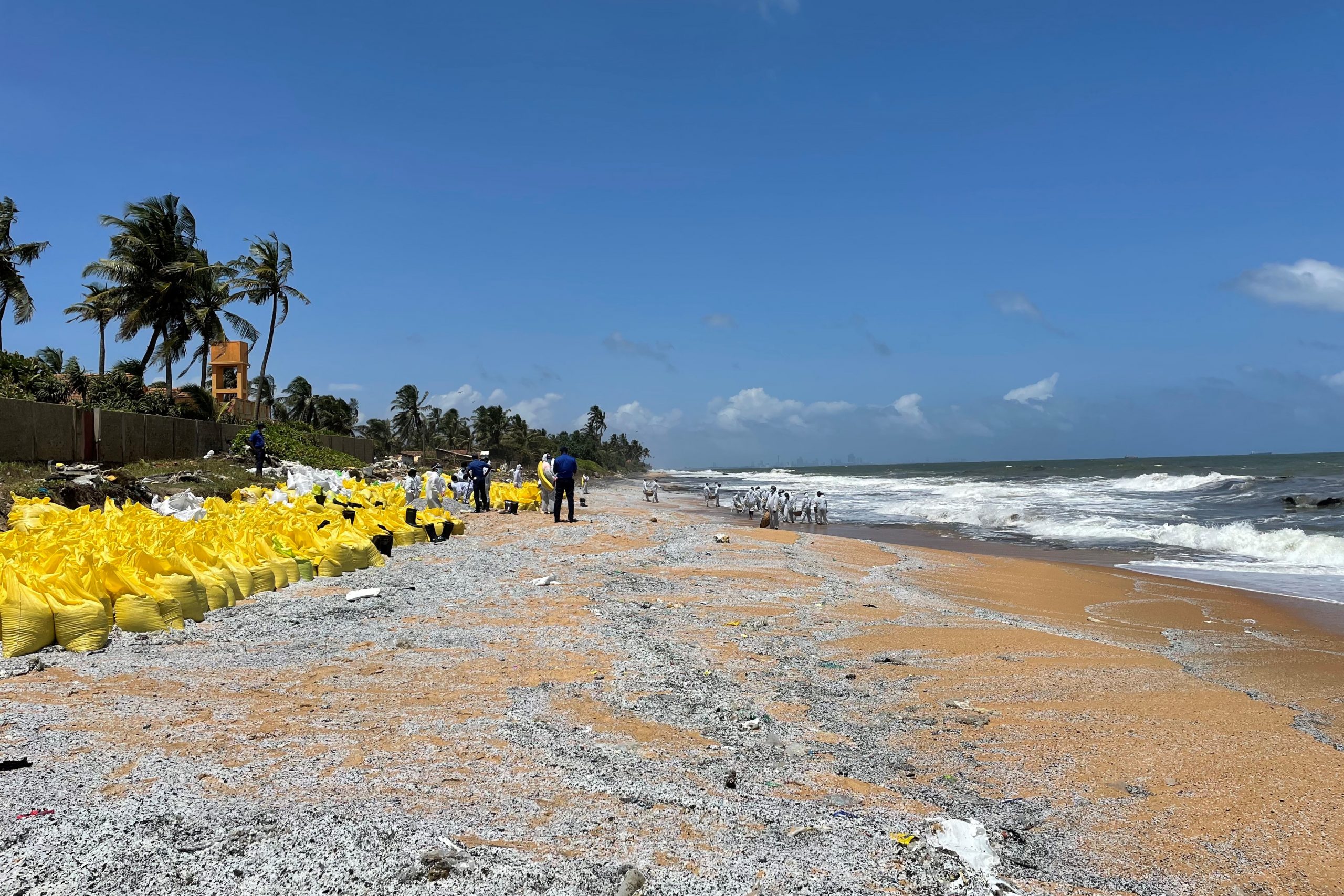
When a fire broke out on the deck of the M/V XPress Pearl cargo ship on May 20, 2021, an estimated 70-75 billion pellets of preproduction plastic material, known as nurdles, spilled into the ocean and along the Sri Lankan coastline. That spill of about 1,500 tons of nurdles, many of which were burnt by the fire, has threatened marine life and poses a complex clean-up challenge. A new peer-reviewed study characterizes how the fire modified the physical and chemical properties of the nurdles and proposes that these properties affected their distribution along the coast.
Read MoreWHOI selected for new NSF science & technology center
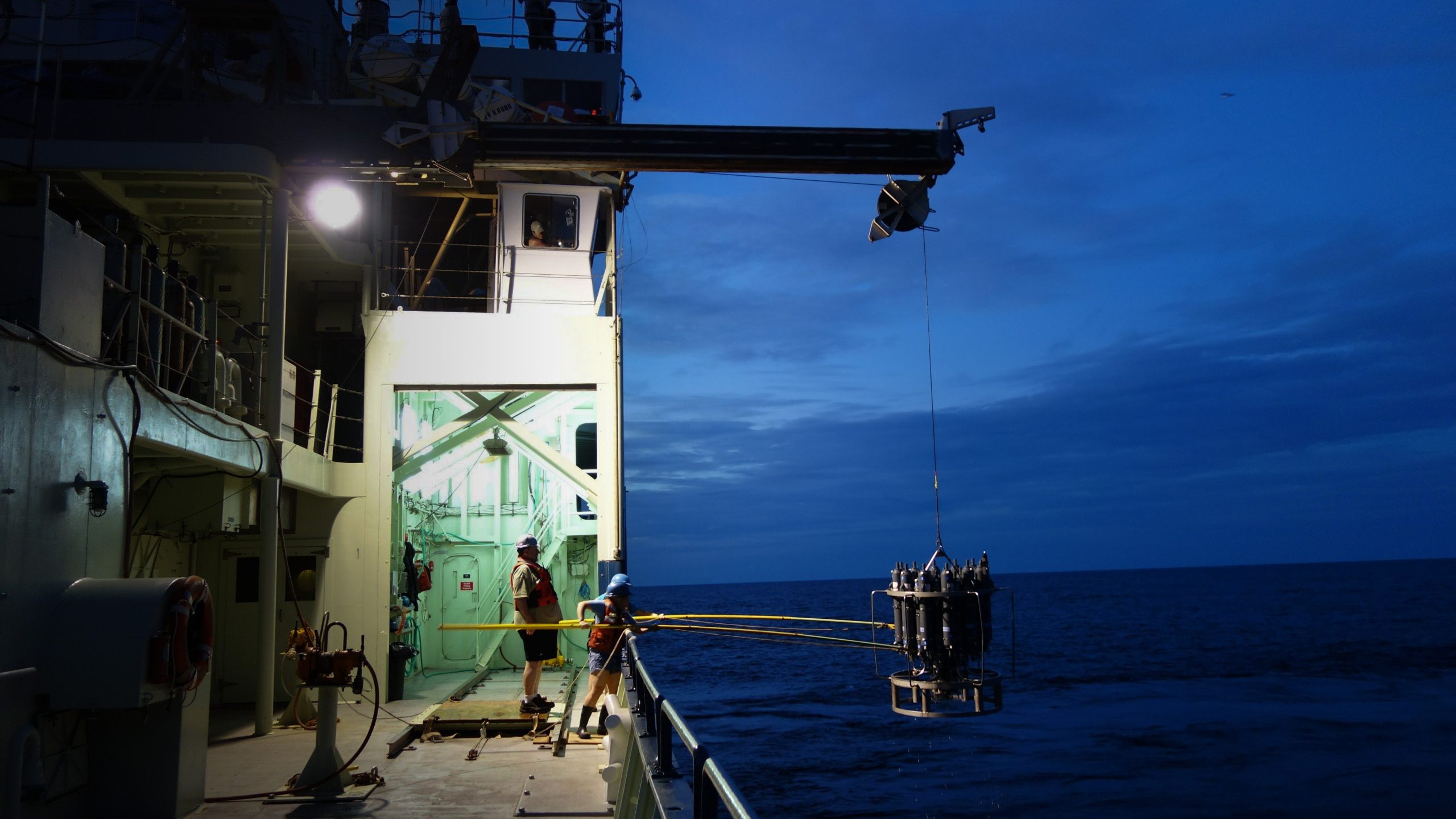
The new Center for Chemical Currencies of a Microbial Planet (C-CoMP) will focus on the chemical processes that underpin ocean ecosystems.
Read MoreSunlight can break down marine plastic into tens of thousands of chemical compounds, study finds
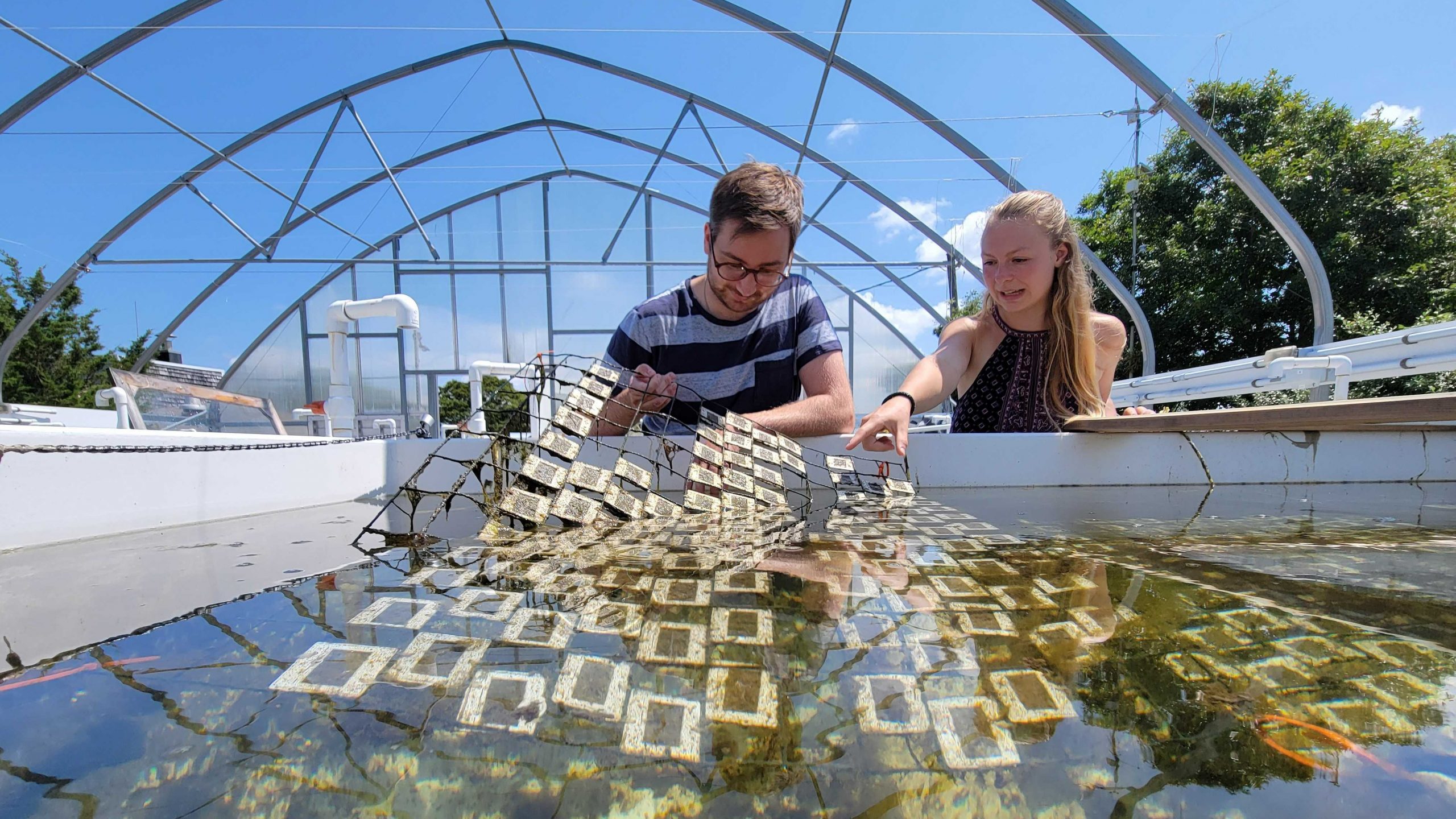
Sunlight was once thought to only fragment plastics in the marine environment into smaller particles that chemically resemble the original material and persist forever. However, scientists more recently have learned that sunlight also chemically transforms plastic into a suite of polymer-, dissolved-, and gas-phased products. Now, a new study finds that this chemical reaction can produce tens of thousands of water-soluble compounds, or formulas.
Read MoreWhat happens to marine life when oxygen is scarce?
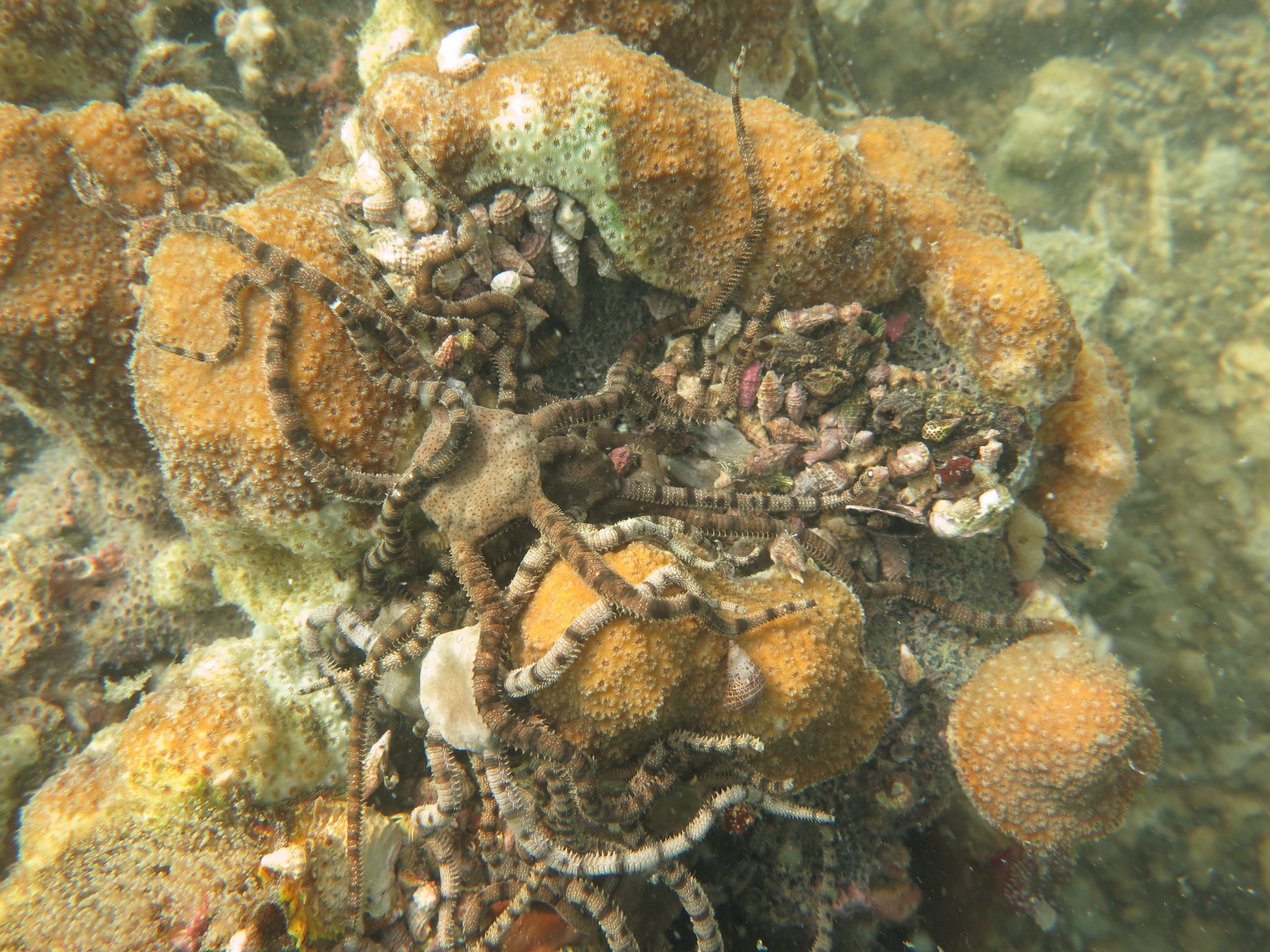
A new study co-led by WHOI postdoctoral scholar Maggie Johnson looks closely at the changes occurring in both coral reef and microbial communities near Bocas del Toro during sudden hypoxic events, which occur when there is little to no oxygen in a given area of water.
Read MorePlate Tectonics Fuels a Vast Underground Ecosystem
The subsurface is among Earth’s largest biomes, but the extent to which microbial communities vary across tectonic plate boundaries or interact with subduction-scale geological processes remains unknown. In a recently published study, scientists compare bacterial community composition with deep-subsurface geochemistry from 21 hot springs across the Costa Rican convergent margin.
Read MoreNorthern Star Coral Study Could Help Protect Tropical Corals
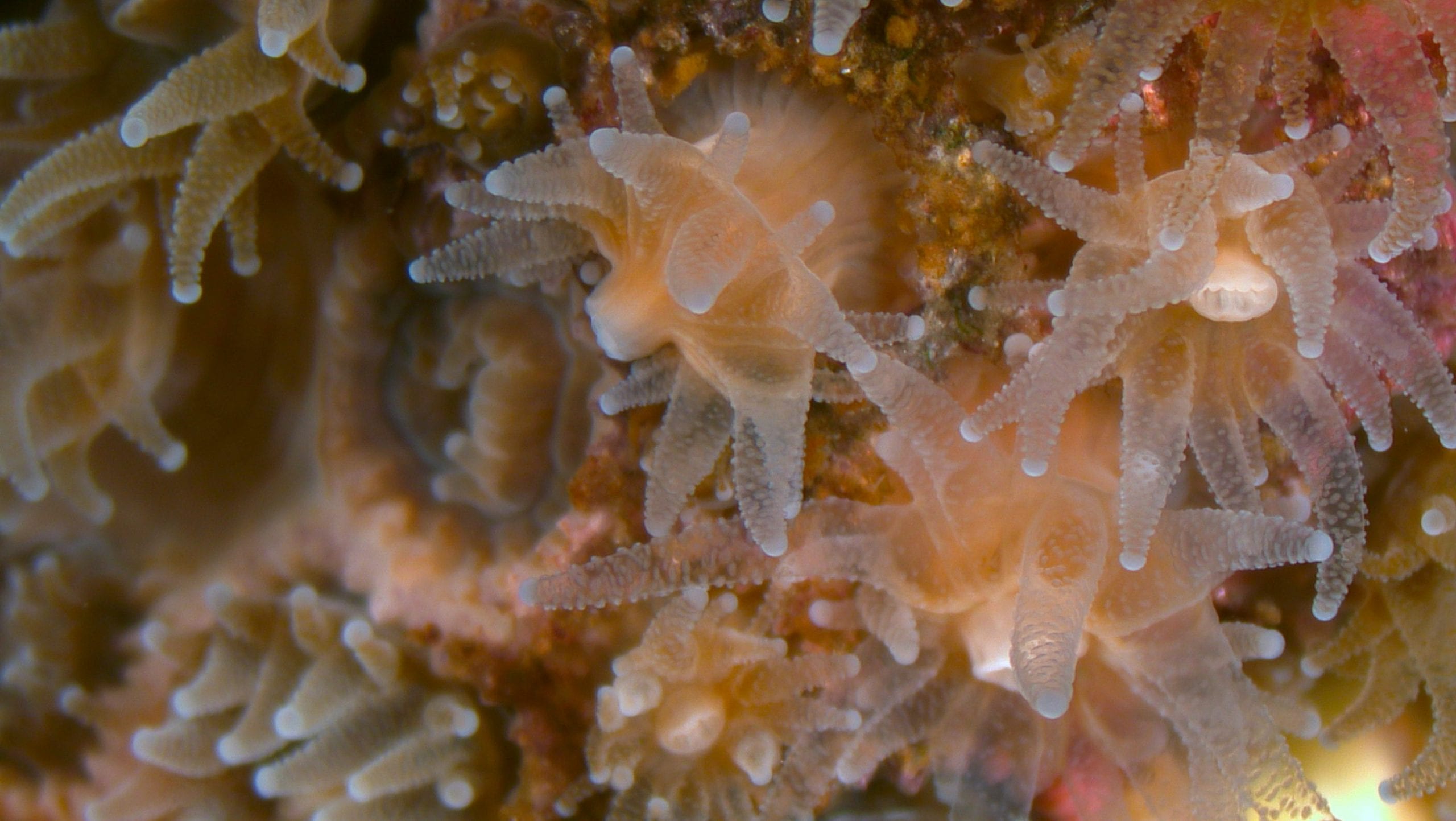
Worldwide, coral reefs are in crisis. Researchers at WHOI and Roger Williams University are finding that studying the recovery of this local New England species from a laboratory induced stressor could help better understand how to protect endangered tropical corals around the world.
Read MoreClimate Change Can Destabilize the Global Soil Carbon Reservoir, New Study Finds

The vast reservoir of carbon that is stored in soils probably is more sensitive to destabilization from climate change than has previously been assumed, according to a new study by…
Read MoreFirst Detailed Oil Sample Analysis Completed from Mauritius Oil Spill
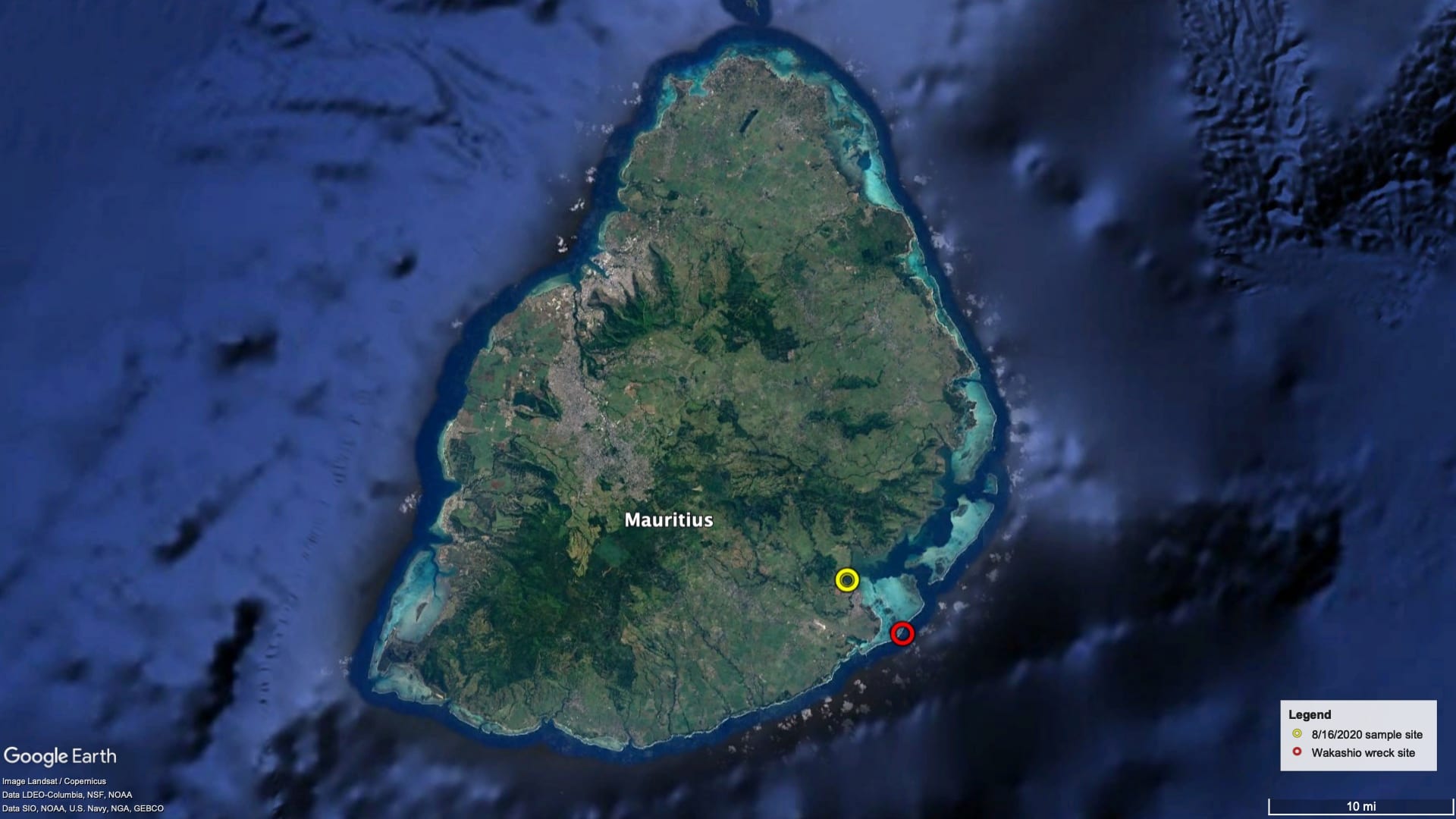
When the Japanese bulk carrier MV Wakashio struck a coral reef off the coast of Mauritius on July 25, 2020, and began leaking fuel oil two weeks later, local residents and the international community sprang into action to protect the pristine habitats that fringe the Indian Ocean nation.
Read MoreThe $500 billion question: what’s the value of studying the ocean’s biological carbon pump?
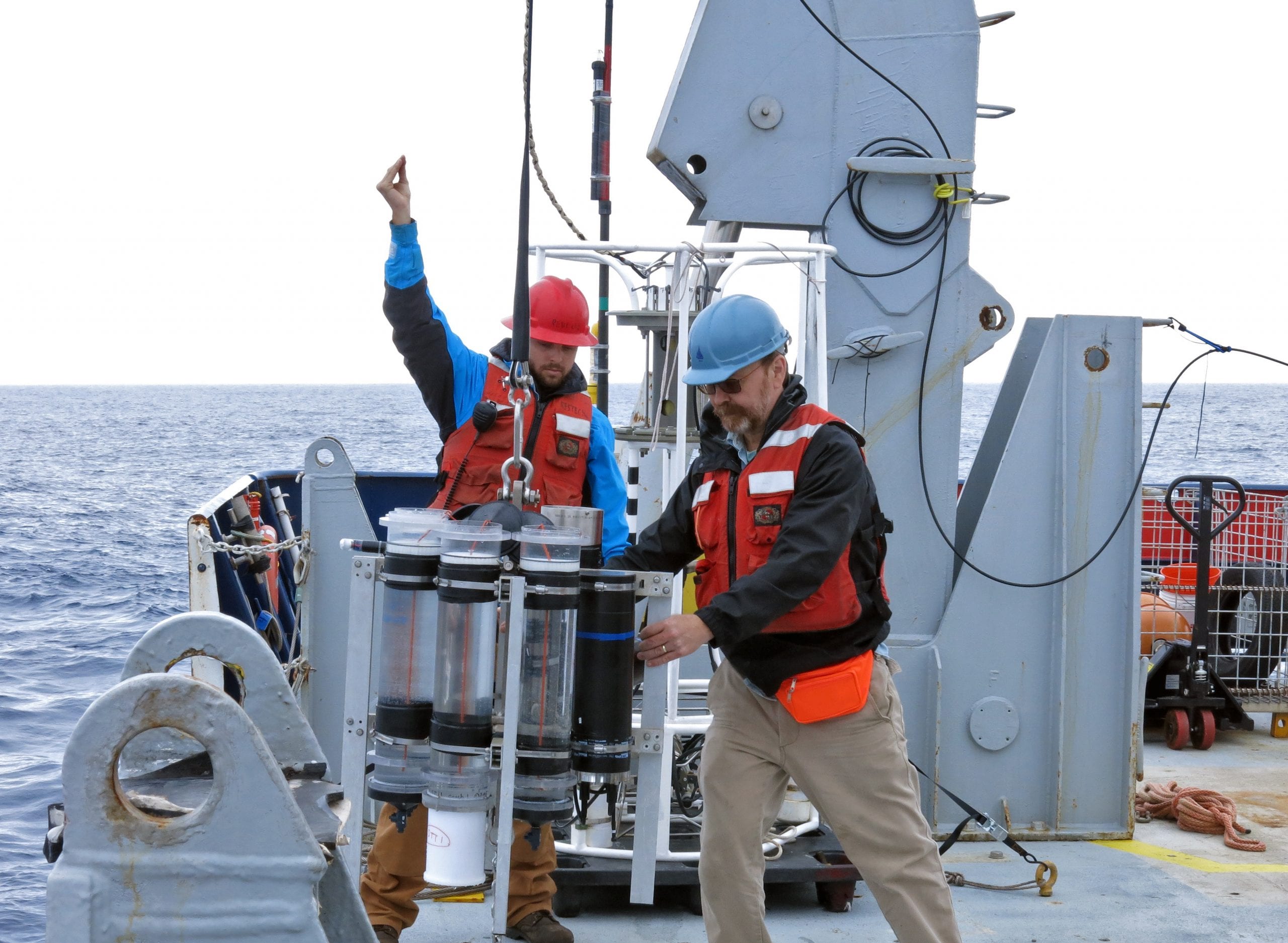
A new study puts an economic value on the benefit of research to improve knowledge of the biological carbon pump and reduce the uncertainty of ocean carbon sequestration estimates.
Read MoreOcean acidification causing coral ‘osteoporosis’ on iconic reefs
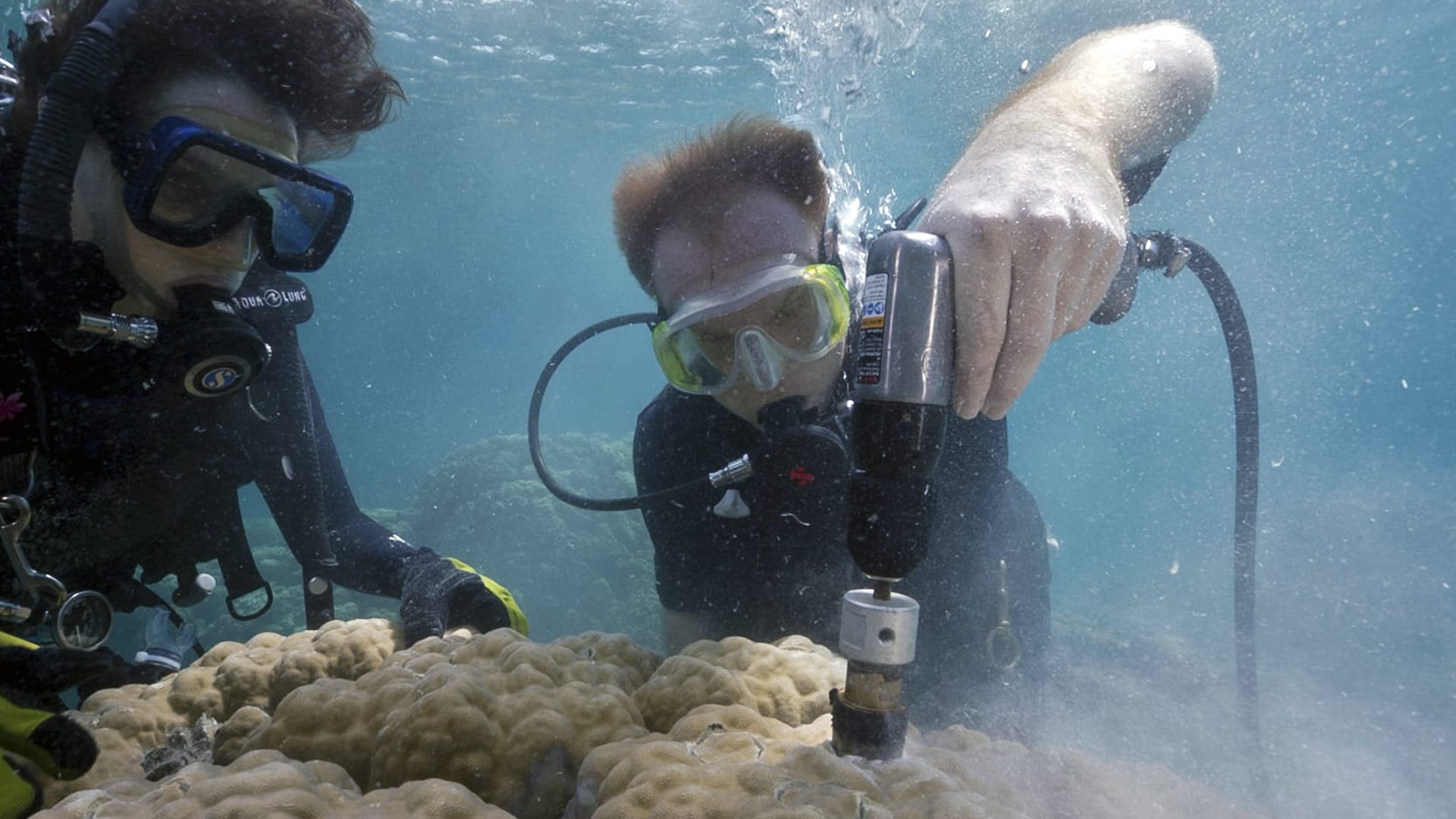
Scientists have long suspected that ocean acidification is affecting corals’ ability to build their skeletons, but it has been challenging to isolate its effect from that of simultaneous warming ocean…
Read MoreWHOI receives $2.7M from Simons Foundation to study nutrients, microbes that fuel ocean food web
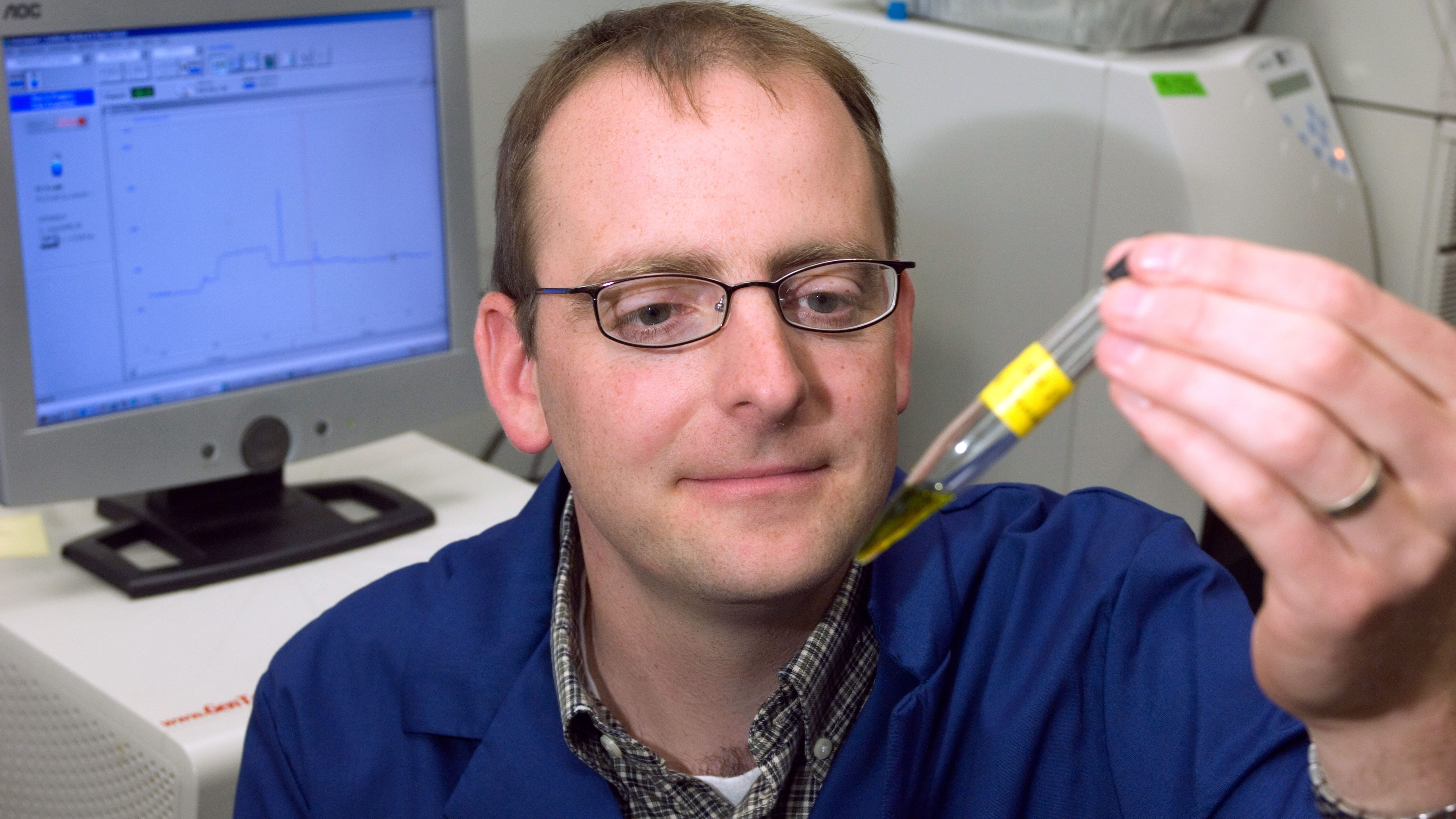
The Simons Foundation has awarded Woods Hole Oceanographic Institution (WHOI) scientists Dan Repeta and Benjamin Van Mooy two grants totaling $2.7 million to study key processes that help fuel the…
Read MoreWHOI Scientists Make Woods Hole Film Festival Appearance
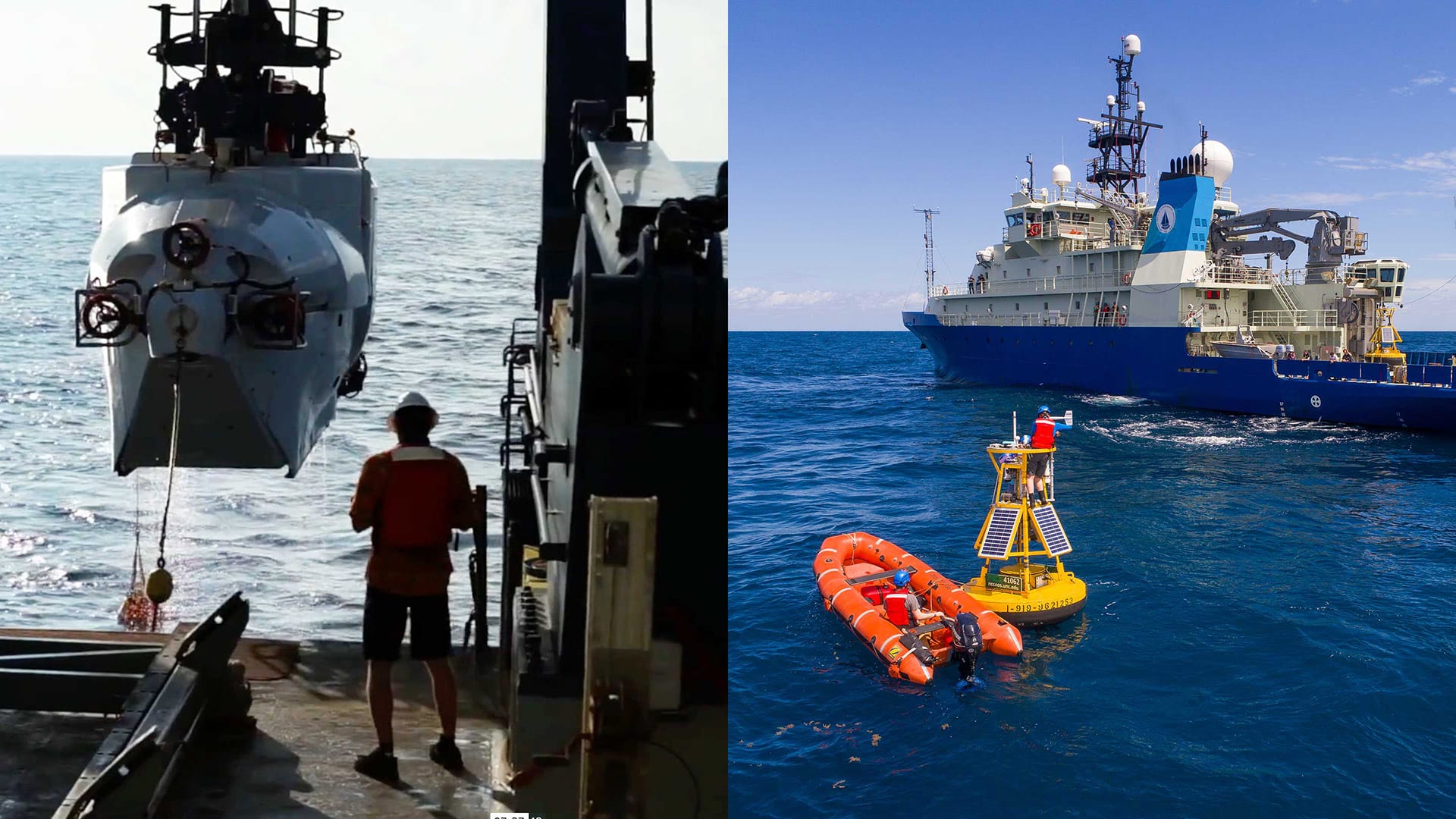
Woods Hole Oceanographic Institution (WHOI) scientists appear in two shorts and a feature film at this year’s Woods Hole Film Festival (WHFF). In addition, scientists will also participate in Q&A…
Read MoreNew geochemical tool reveals origin of Earth’s nitrogen
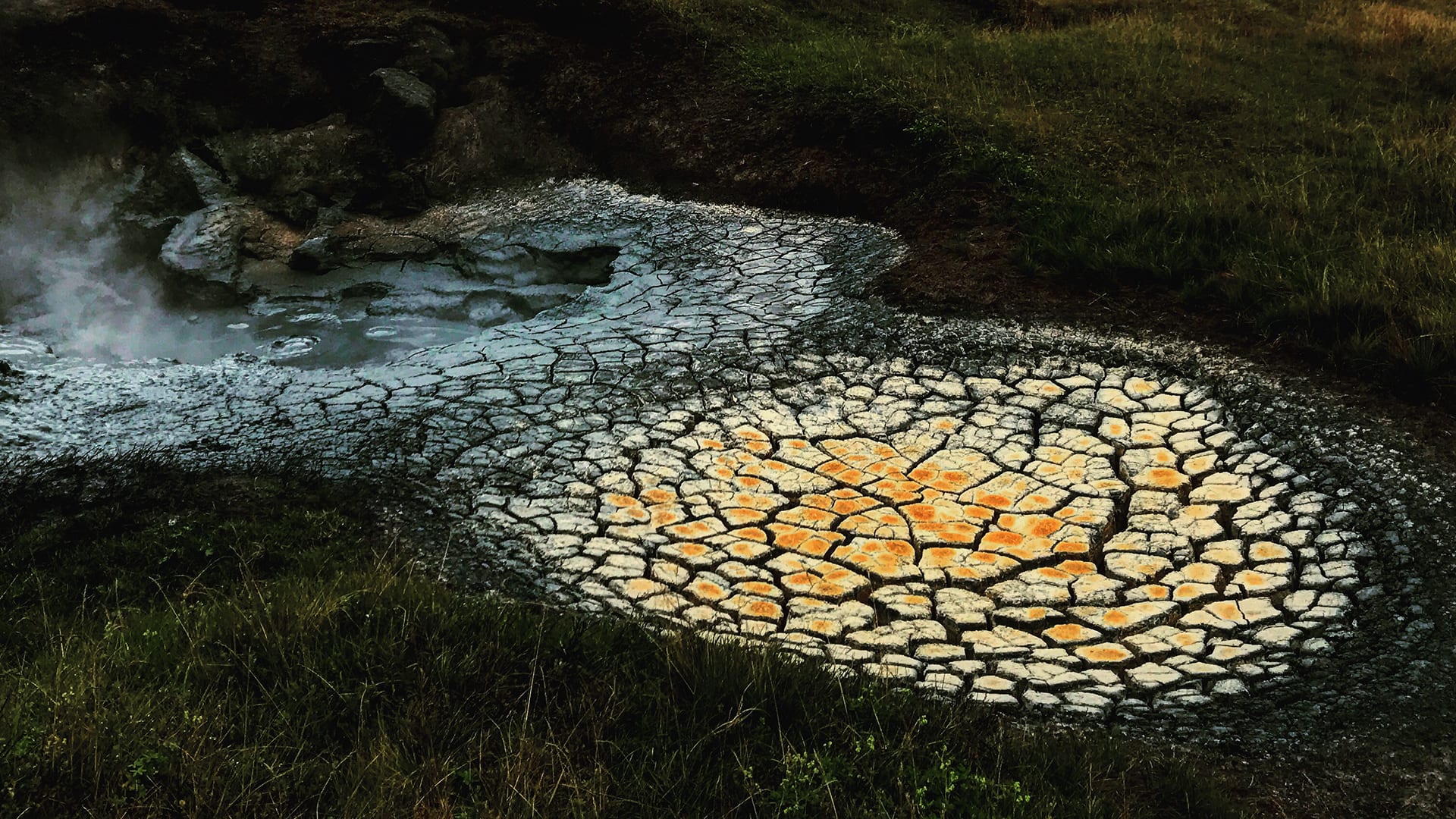
A new geochemical tool sheds light on the origin of nitrogen and other volatile elements on Earth, which may also prove useful as a way to monitor the activity of volcanoes
Read More