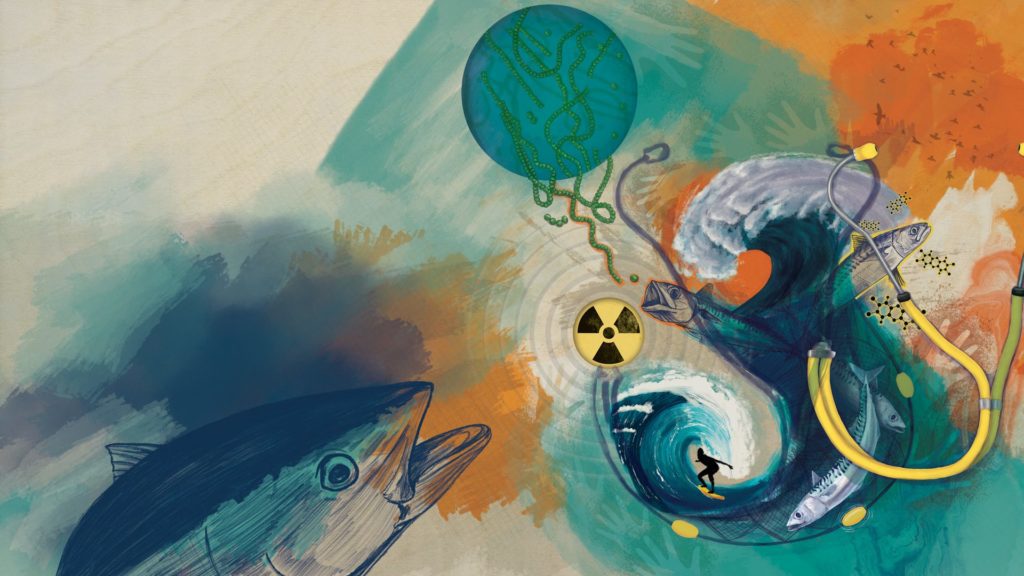
The oceans are critical to human flourishing: they feed and sustain billions of people, and make life as we know it possible.
Study the entwined life of humanity and the sea—the impacts of natural disasters, pollution, and harmful algal blooms. Learn how scientists locate shipwrecks, lost planes, and other human artifacts to unearth a historical record and study how ocean life colonizes these materials.
More topics like this
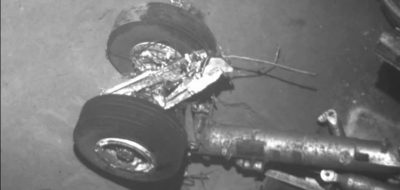
Air France flight 447
On April 4, 2011, a search team led by the Woods Hole Oceanographic Institution (WHOI) located the wreckage of the Airbus jet some 3,900 meters (nearly 2.5 miles) below the surface of the Atlantic Ocean.
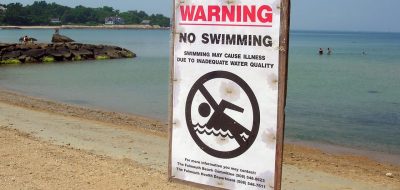
Beach closures
Hundreds of beaches nationwide are closed each year due to the presence of potentially harmful bacteria, viruses, and parasites in the water.
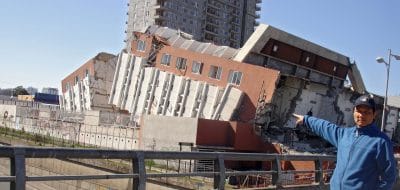
Earthquakes
An earthquake is a shaking of the ground that occurs when two large blocks of Earth's crust slip suddenly past one another.
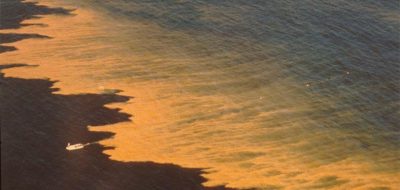
Harmful algae & red tides
Tiny plants pose a potent threat to those who live in and eat from the sea.
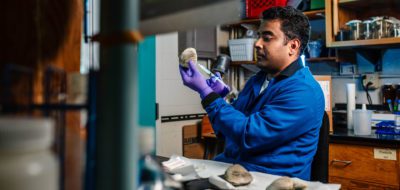
Watch What You Eat
Harmful algal blooms can taint seafood with toxins, causing illness or even death. Learn how blooms affect human health through shellfish and fish poisoning.
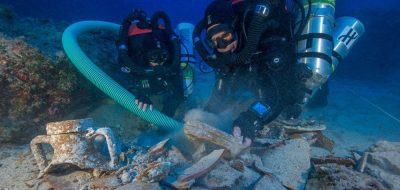
Antikythera shipwreck
The site of the Antikythera Wreck holds the remains of a Greek trading or cargo ship dating from the First Century, BCE. It is located on the east side of the Greek island of Antikythera.
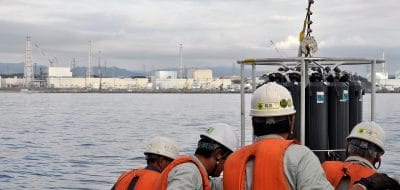
Fukushima radiation
On March 11, 2011, a magnitude 9.0 earthquake 80 miles off the northeast coast of Japan triggered a series of tsunamis that struck nearby shorelines and the Fukushima Daiichi nuclear power plant.
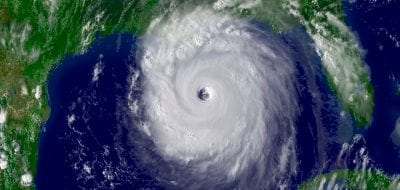
Hurricanes
Hurricanes are large rotating tropical storms with winds in excess of 119 kilometers per hour. They usually form in the Atlantic Ocean but can develop in other oceans as well.
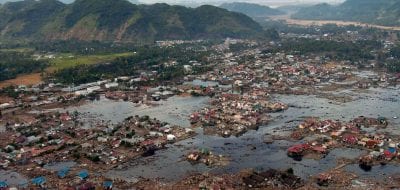
Natural disasters
Our ocean planet is dynamic and constantly changing, sometimes resulting in dramatic threats to humans.
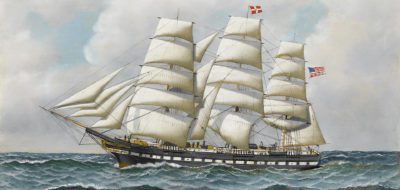
Ocean culture & history
The role of the ocean in human culture is profound, as people experience the sea in many ways, and respond with literature, art, and scientific investigation.
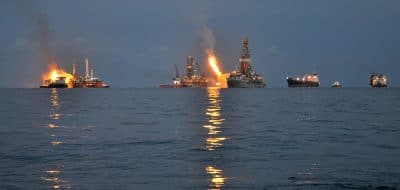
Oil spills
The systematic study of oil in the ocean is relatively new to science, but since the late 1960s it has grown to encompass almost every area of oceanography.
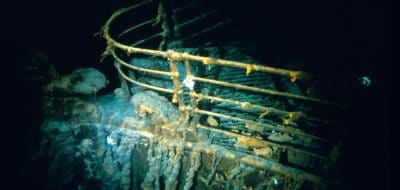
RMS Titanic
The RMS Titanic was a passenger and mail ship that hit an iceberg on its maiden voyage on April 14, 1912. It remains one of the deadliest peacetime maritime disasters in history.
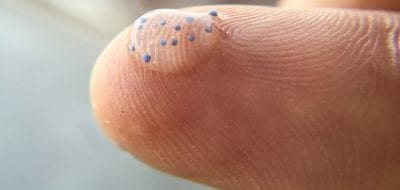
Marine microplastics
Marine microplastics are small fragments of plastic debris that are less than five millimeters long. Some microplastics, known as primary microplastics, are "micro by design
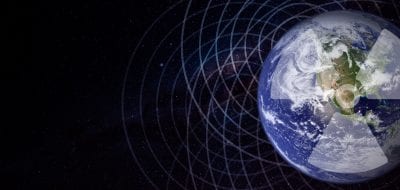
Radiation
The background level of radiation in oceans and seas varies around the globe. Measured in atomic disintegrations per second (Becquerels) of cesium-137 in a cubic meter of water.
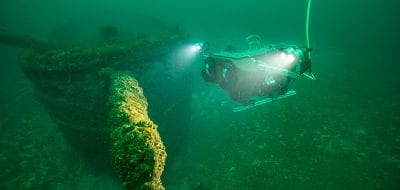
Stellwagen Bank
The shallow waters of the Stellwagen Bank create treacherous conditions that change unexpectedly and have led to numerous shipwrecks that dot the seafloor.
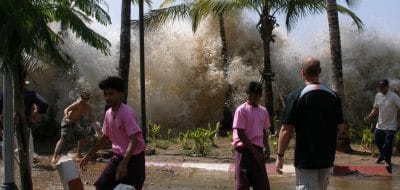
Tsunamis
A tsunami is a massive, fast-moving wave created by an underwater earthquake or landslide. Displaced ocean water creates waves with speeds of up to 500 miles per hour.
Oceanus magazine
[ ALL ]In-depth research on Ocean & human lives

Are big spills the main source of ocean oil?

Reclaiming knowledge from the sea
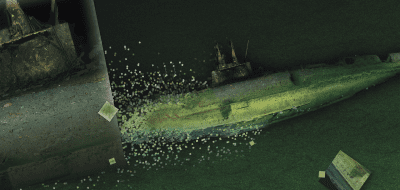
Eyes on the deep
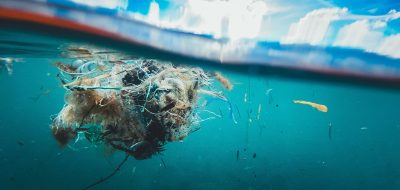
Deep-sea dustbins
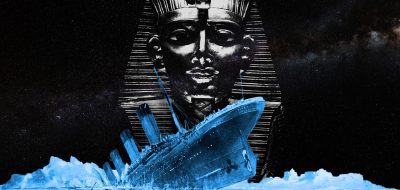
A mummy, a myth, and the Titanic

Inside Room 71: WHOI history in seven artifacts
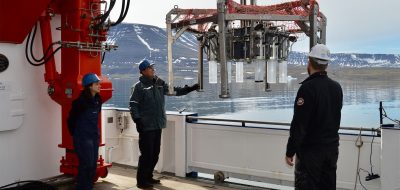
The unseen toll of war on science

Healing on the High Seas
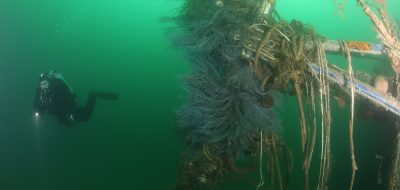
A new underwater robot could help preserve New England’s historic shipwrecks

Breaking down plastics together

Music for the Ocean
Breakthroughs below the surface




WHOI News Room
[ ALL ]Press releases
Researchers help solve mystery of clockwork-like earthquake system deep beneath the Pacific
WHOI discovers the oldest known whale recordings, dating to 1949
Get the ocean in your inbox
Fresh discoveries, research, and stories from WHOI — free, every week.