
News Releases
New WHOI study shows seawater may offer early clues to changing reef health
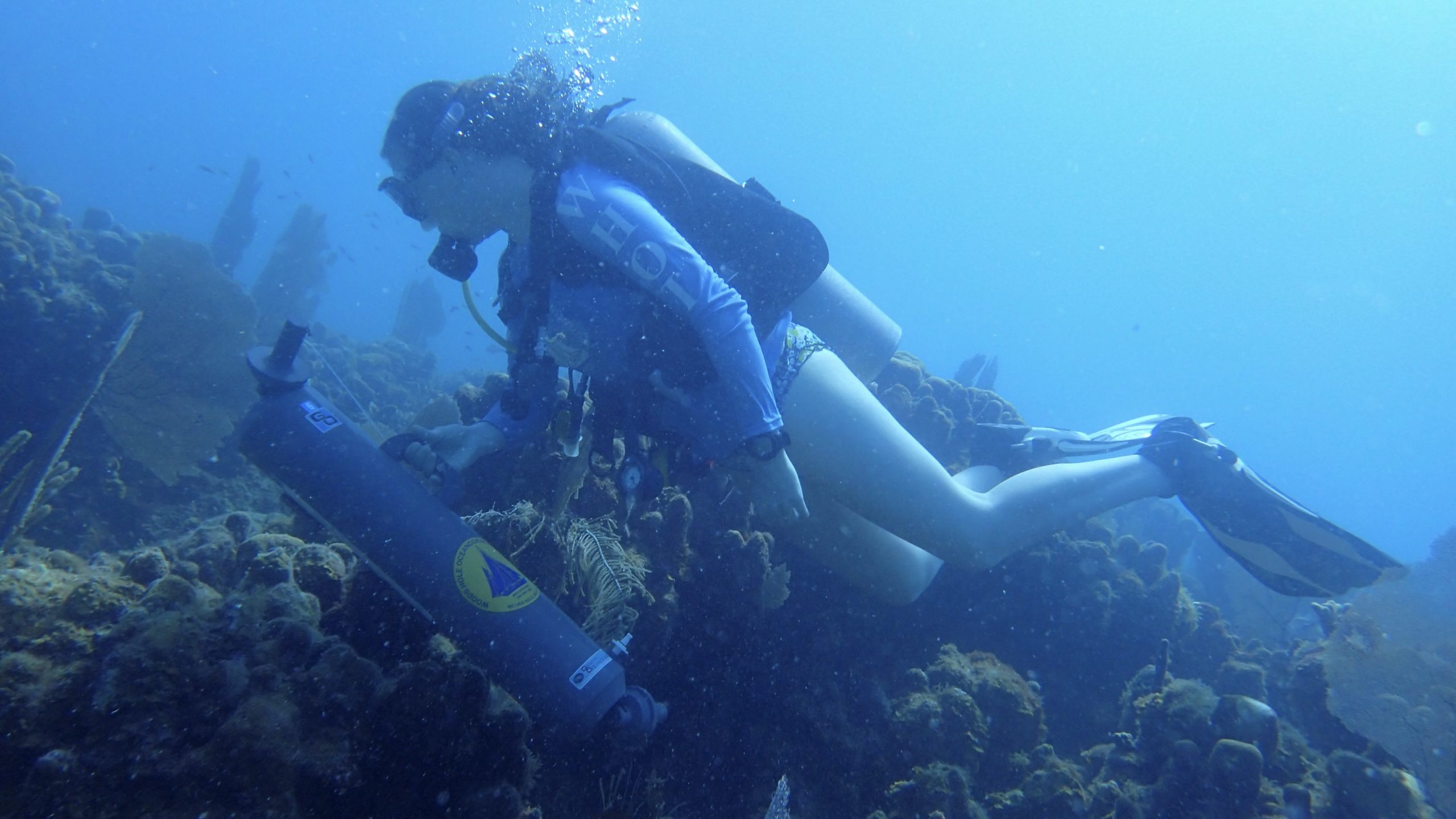
An interdisciplinary approach reveals how chemistry, microbes, and ocean circulation work together to shape reef ecosystems
Read MoreScientists warn of potential global marine invasive species event linked to idle ships in the Strait of Hormuz
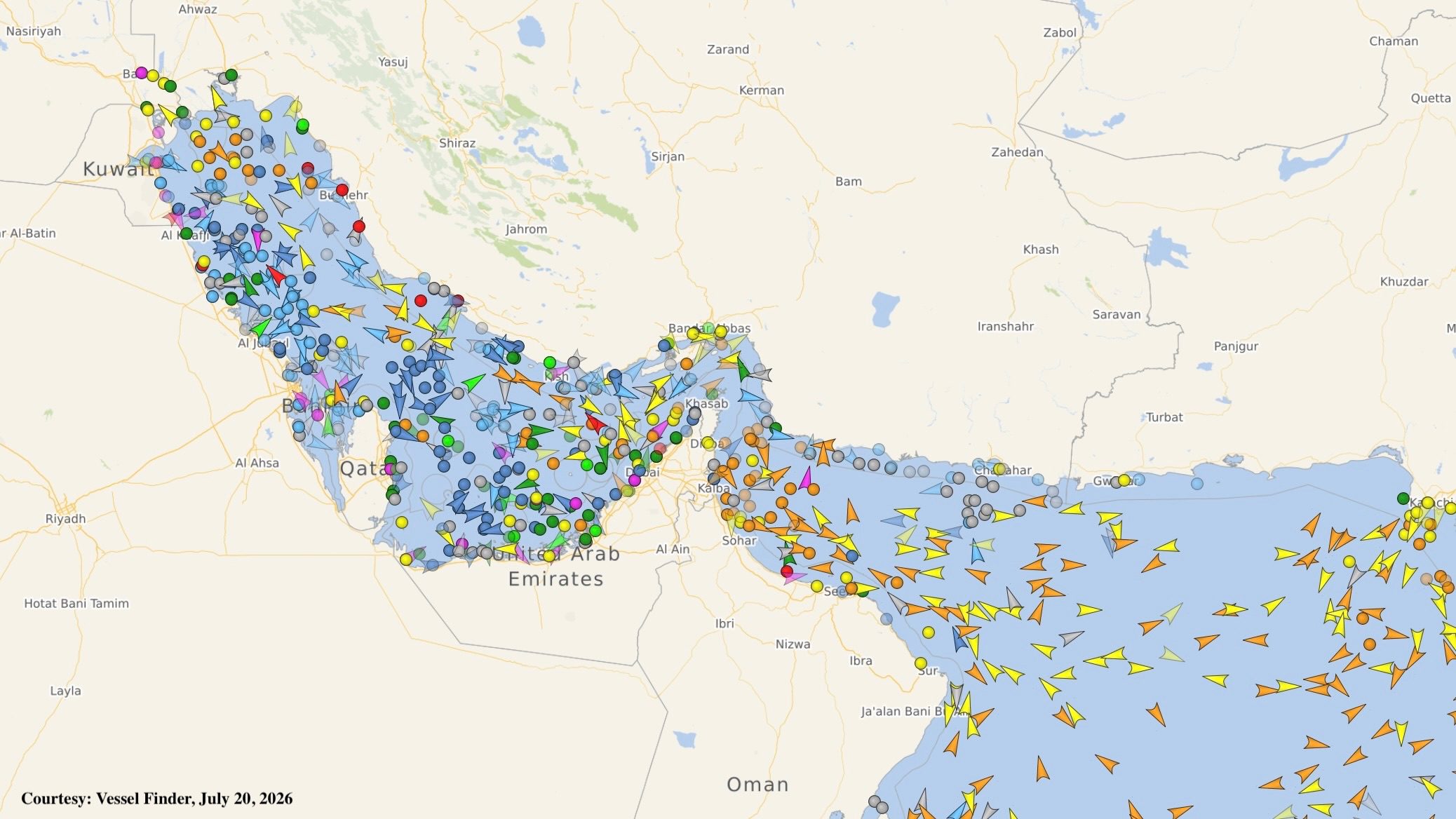
New analysis says thousands of stranded vessels may unintentionally spread invasive marine life worldwide
Read MoreWoods Hole Oceanographic Institution launches the Schiller Center for Reef Solutions

Transformative, $25 million investment will advance cutting-edge science and scalable solutions to protect coral reefs worldwide
Read MoreRetreating glaciers increase iceberg sightings and reshape deep-sea habitats
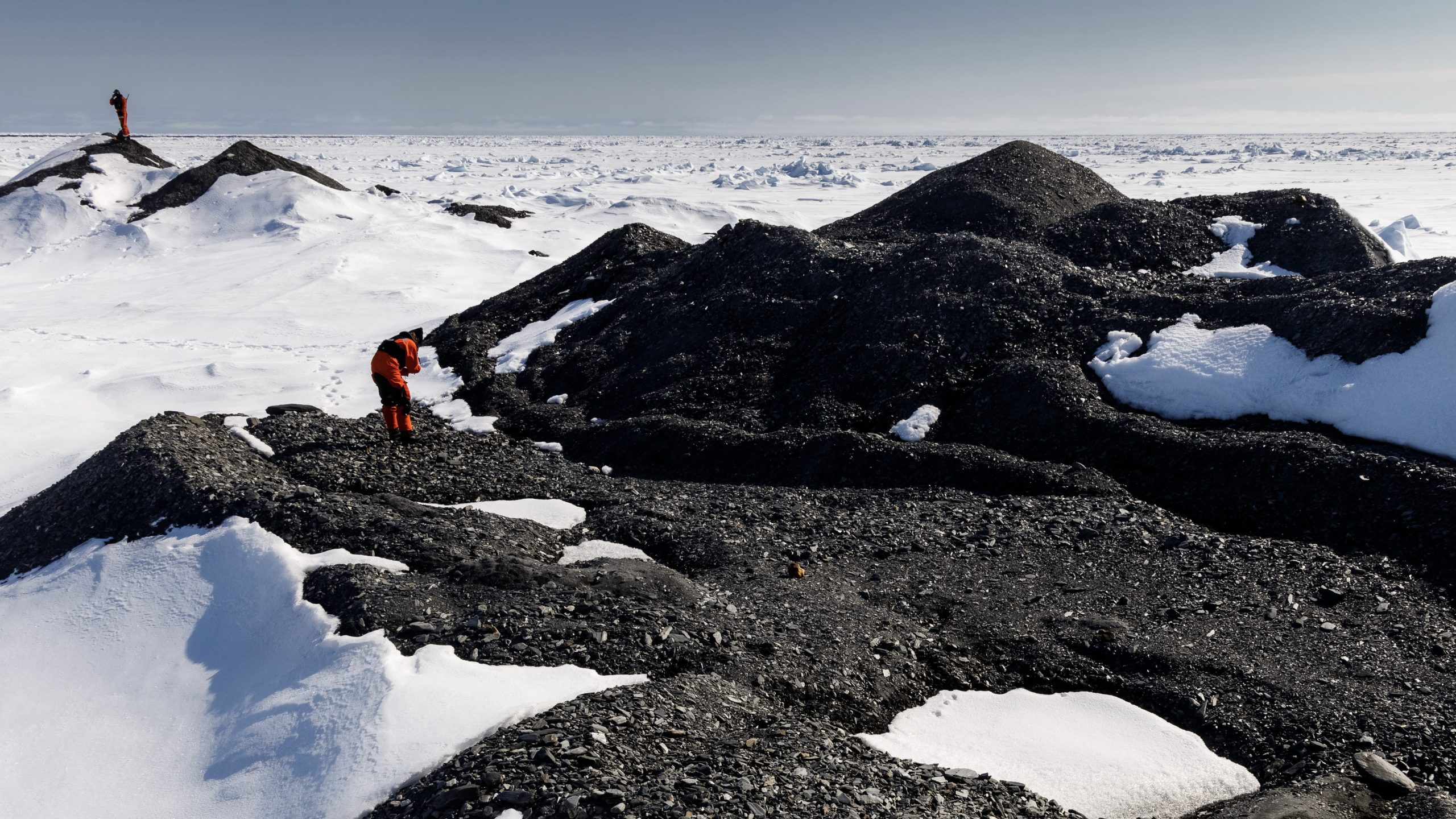
Stones rain down from the melting icebergs, forming new hard-substrate habitats for marine life on the soft seafloor.
Read MoreMassDEP awards $500,000 to support eelgrass restoration
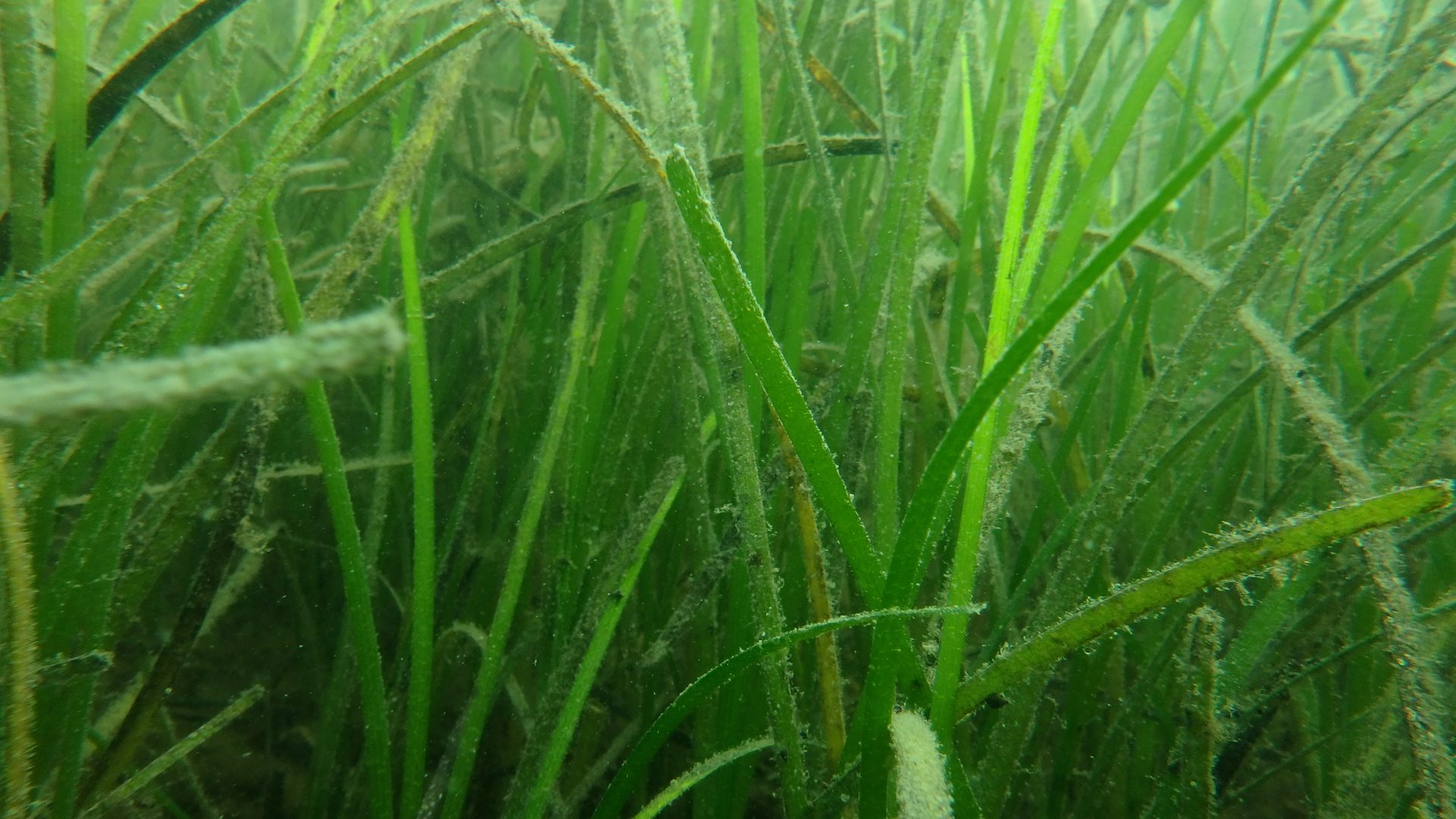
The Massachusetts Department of Environmental Protection is supporting a two-year study to quantify carbon storage in both natural and restored eelgrass meadows in coastal waters.
Read MoreEndangered basking sharks rely on the ocean twilight zone during long-distance migrations
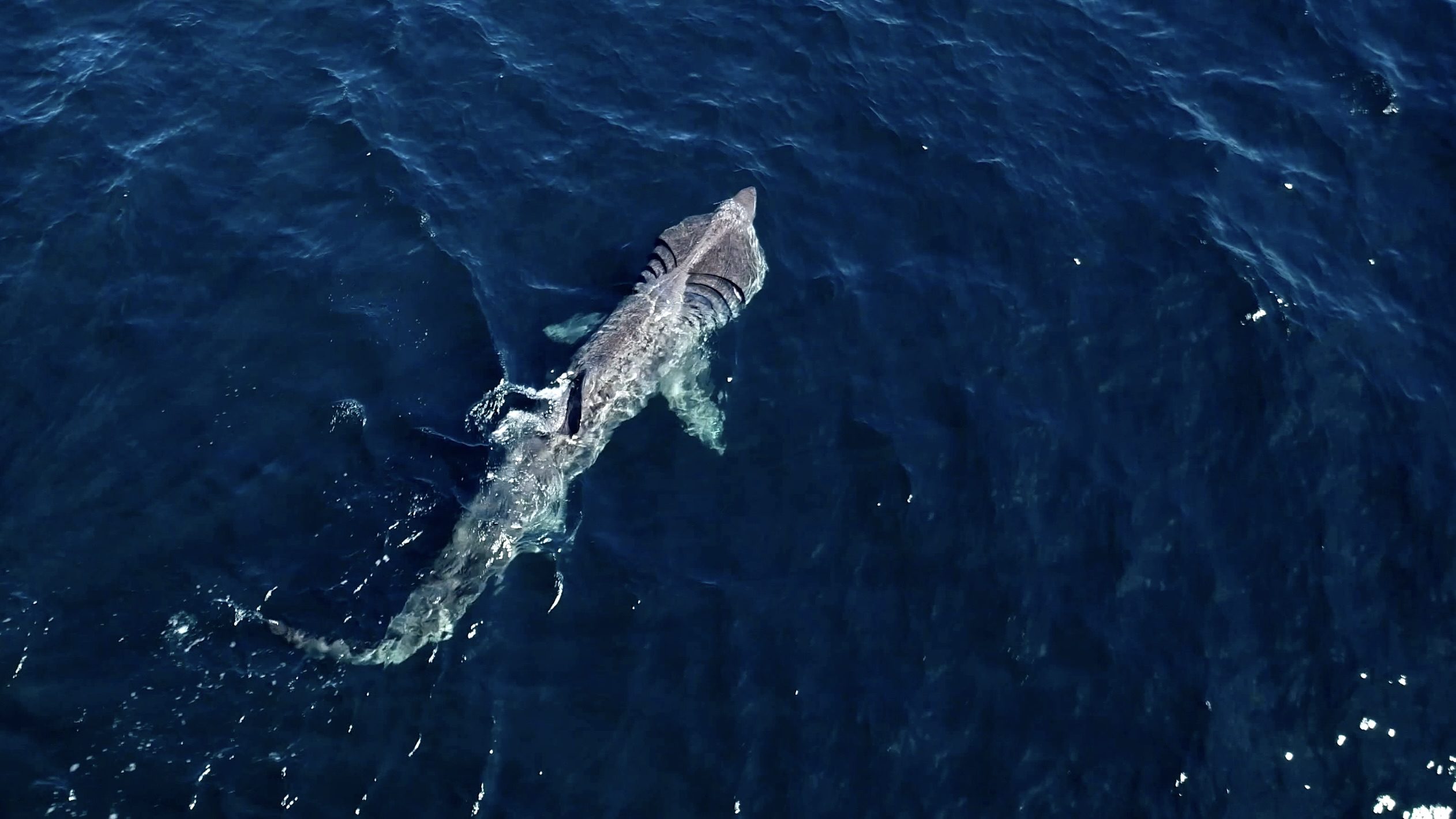
A new WHOI study shows basking sharks dive nearly 1,000 meters deep, likely in search of prey
Read MoreAutonomous underwater robot discovers hidden coral reef “hotspots”
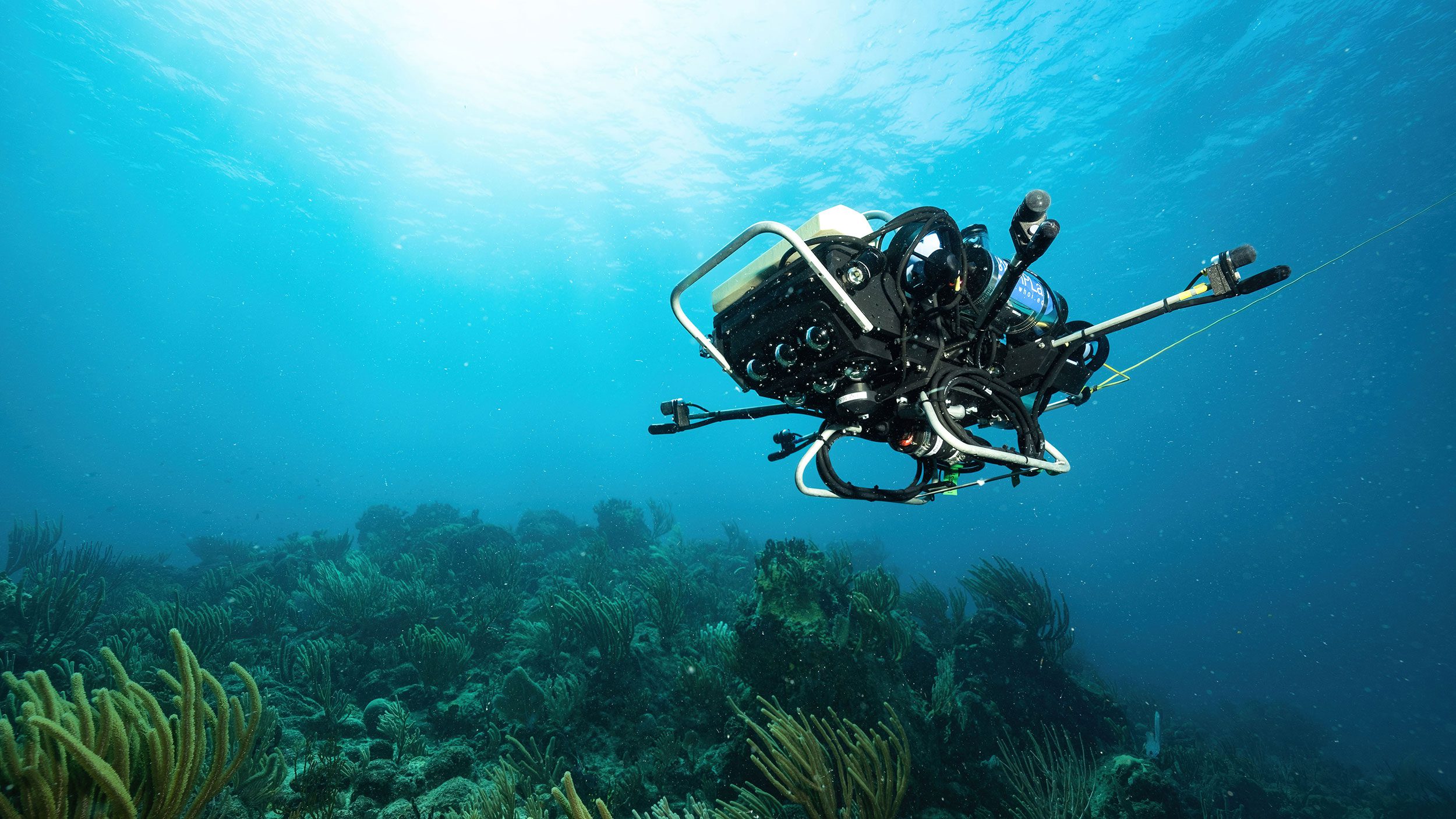
New underwater robot opens new possibilities in coral reef conservation by autonomously identifying biodiversity “hotspots”
Read MoreSmall seabirds rely on crosswinds to navigate the open ocean
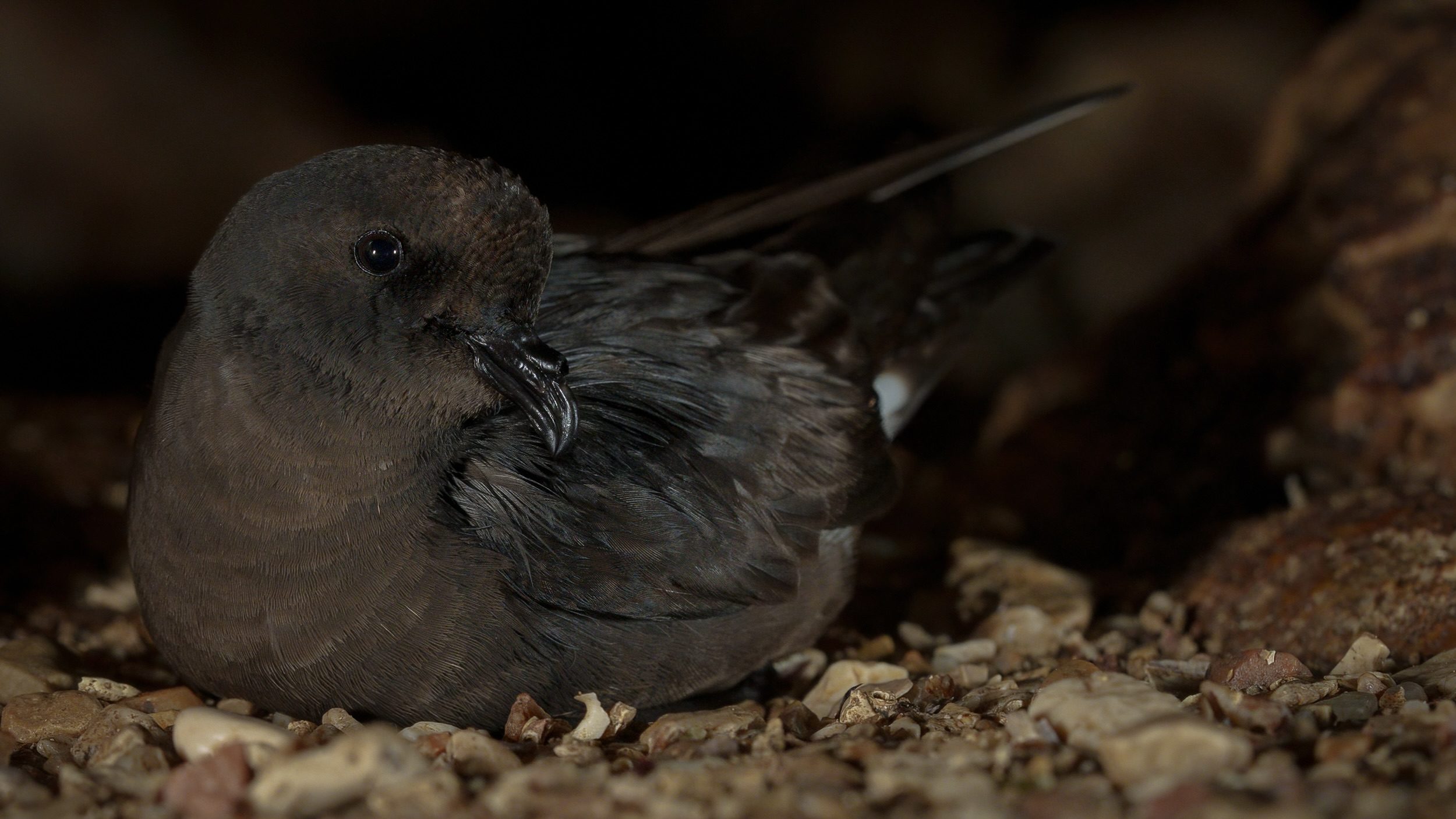
New tracking research reveals Mediterranean storm petrels trade speed for information as they fly hundreds of kilometers across the sea
Read MoreWaves hit different on other planets
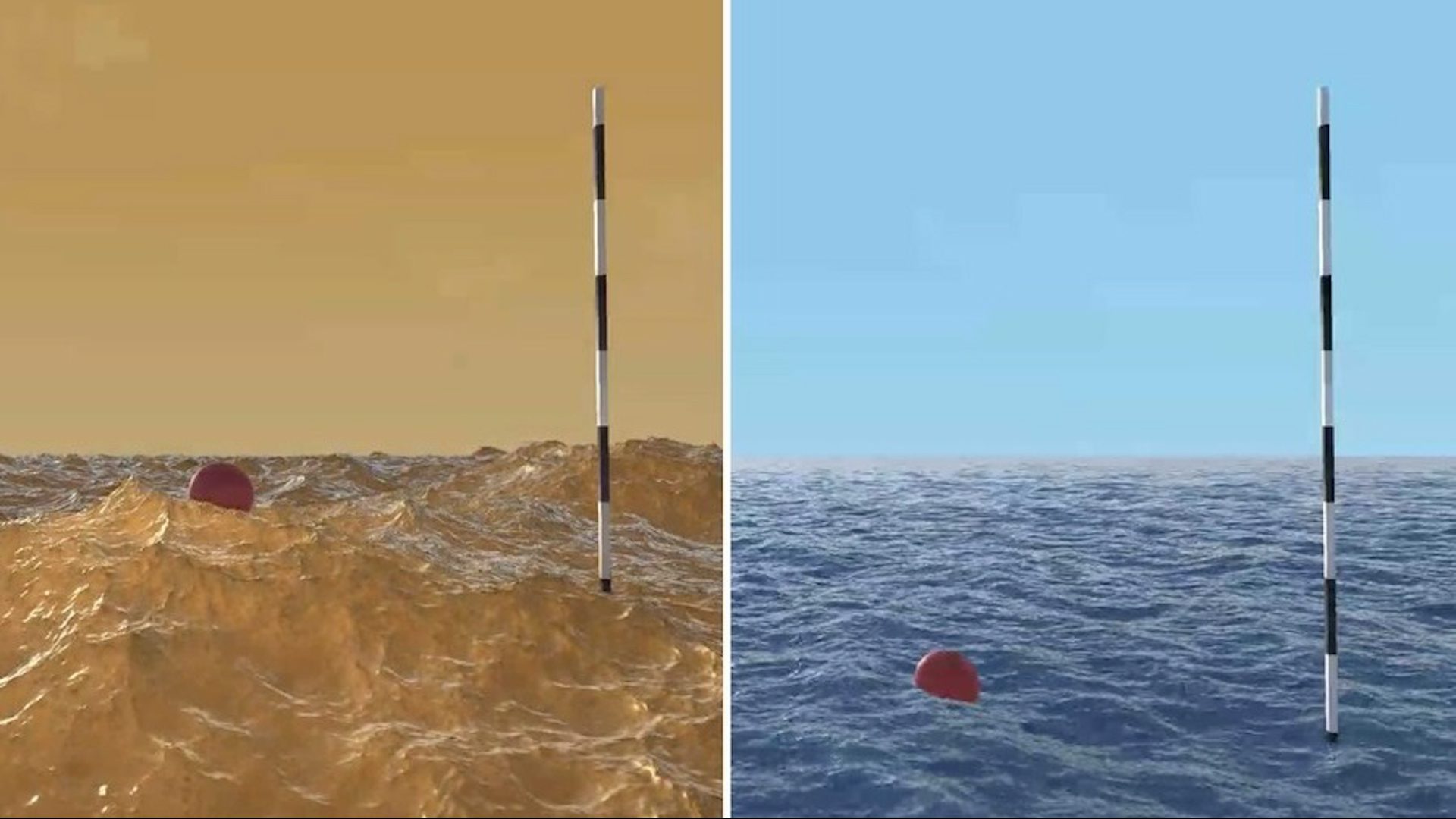
From lazy ripples to towering breakers, waves should vary widely from one planet to another, according to a new model.
Read MoreNew study reveals New York Bight is a key spring habitat for endangered sei whales
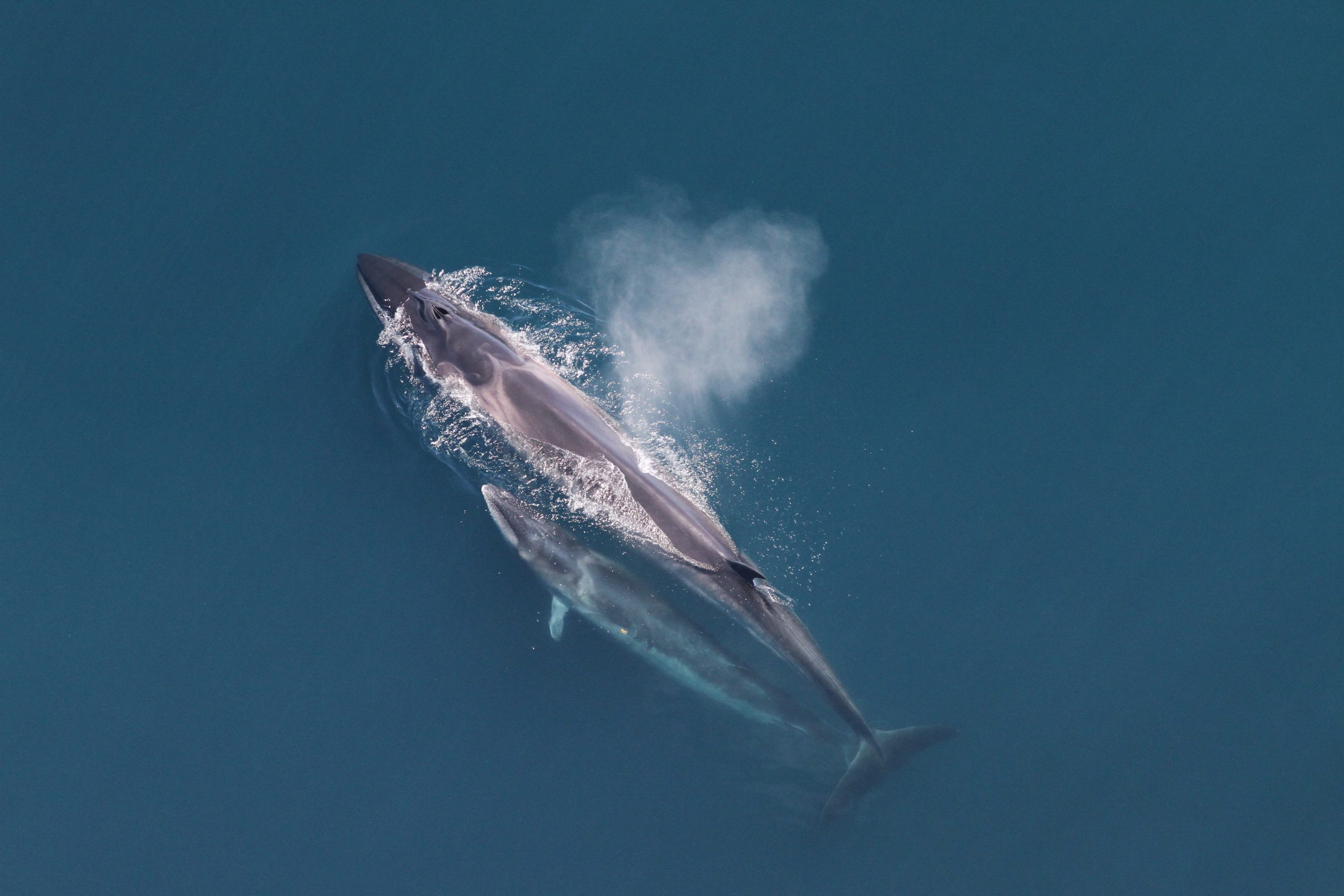
Researchers from WCS and WHOI discover seasonal and daily patterns that could help reduce ship strikes and inform best practices and policies
Read MoreWHOI scientist joins global Tara Coral expedition to unlock secrets of climate-resilient reefs
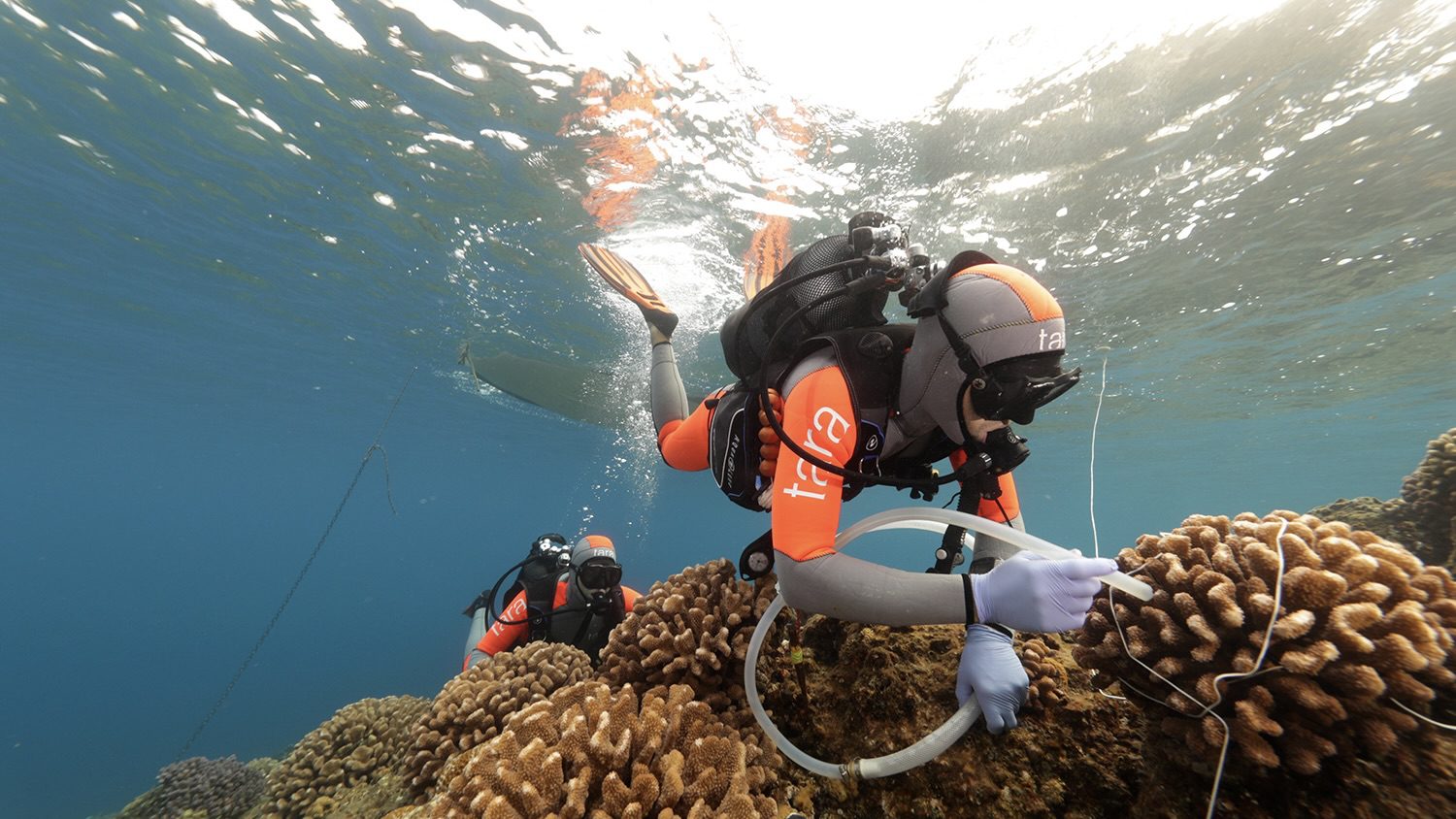
A two-year mission across the Coral Triangle will probe how viruses and reef ecosystems could help some corals withstand rising ocean temperatures.
Read MoreWHOI discovers the oldest known whale recordings, dating to 1949
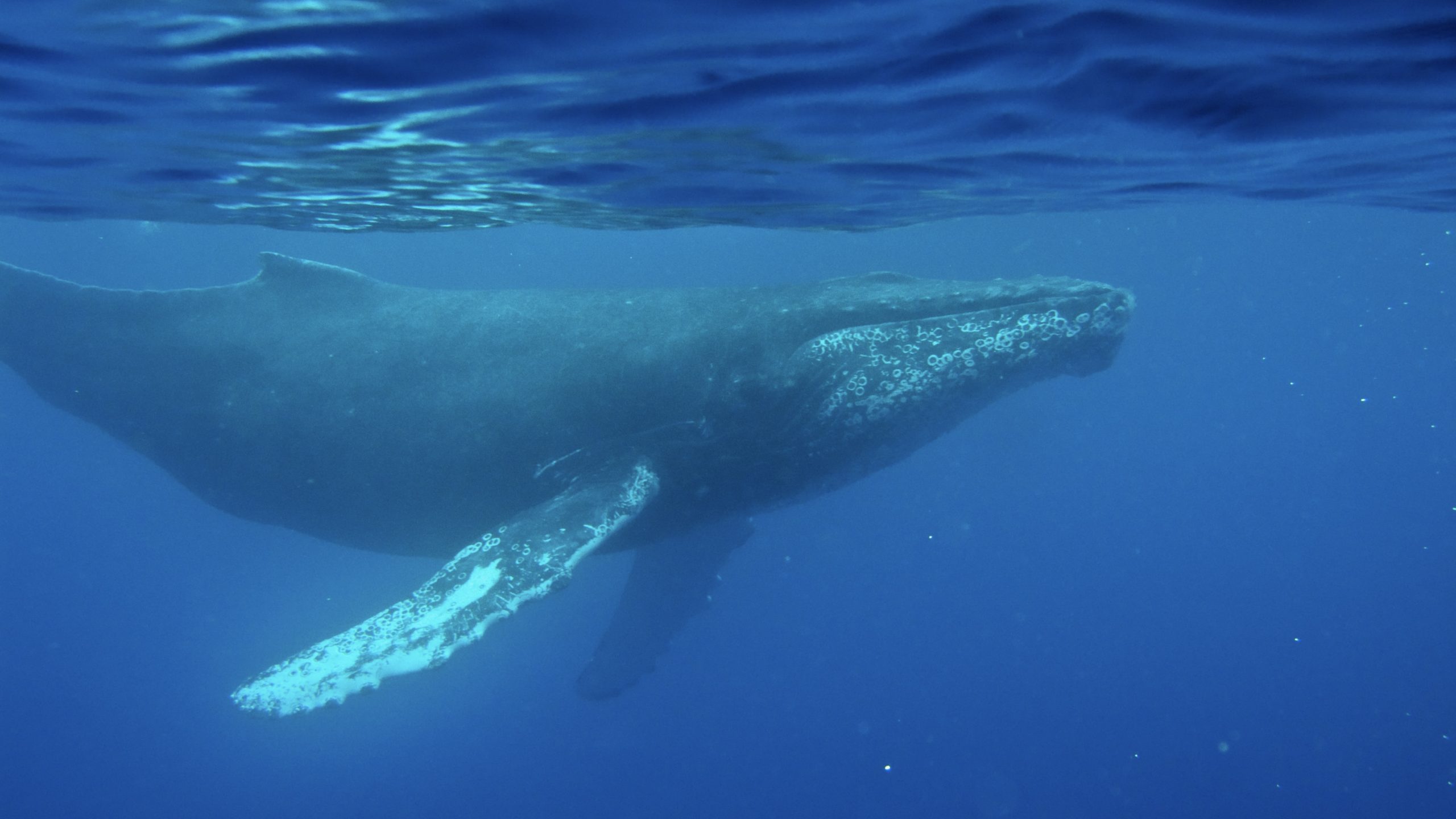
The recording was discovered on a fragile but remarkably well-preserved audograph disc in WHOI’s archival collections.
Read MoreWoods Hole Oceanographic Institution and CMA CGM expand their partnership

CMA CGM, which has long been committed to preserving biodiversity through multiple initiatives in the U.S. and worldwide, will support two key WHOI projects
Read MoreSeawater microbes offer new, non-invasive way to detect coral disease, WHOI-led study finds
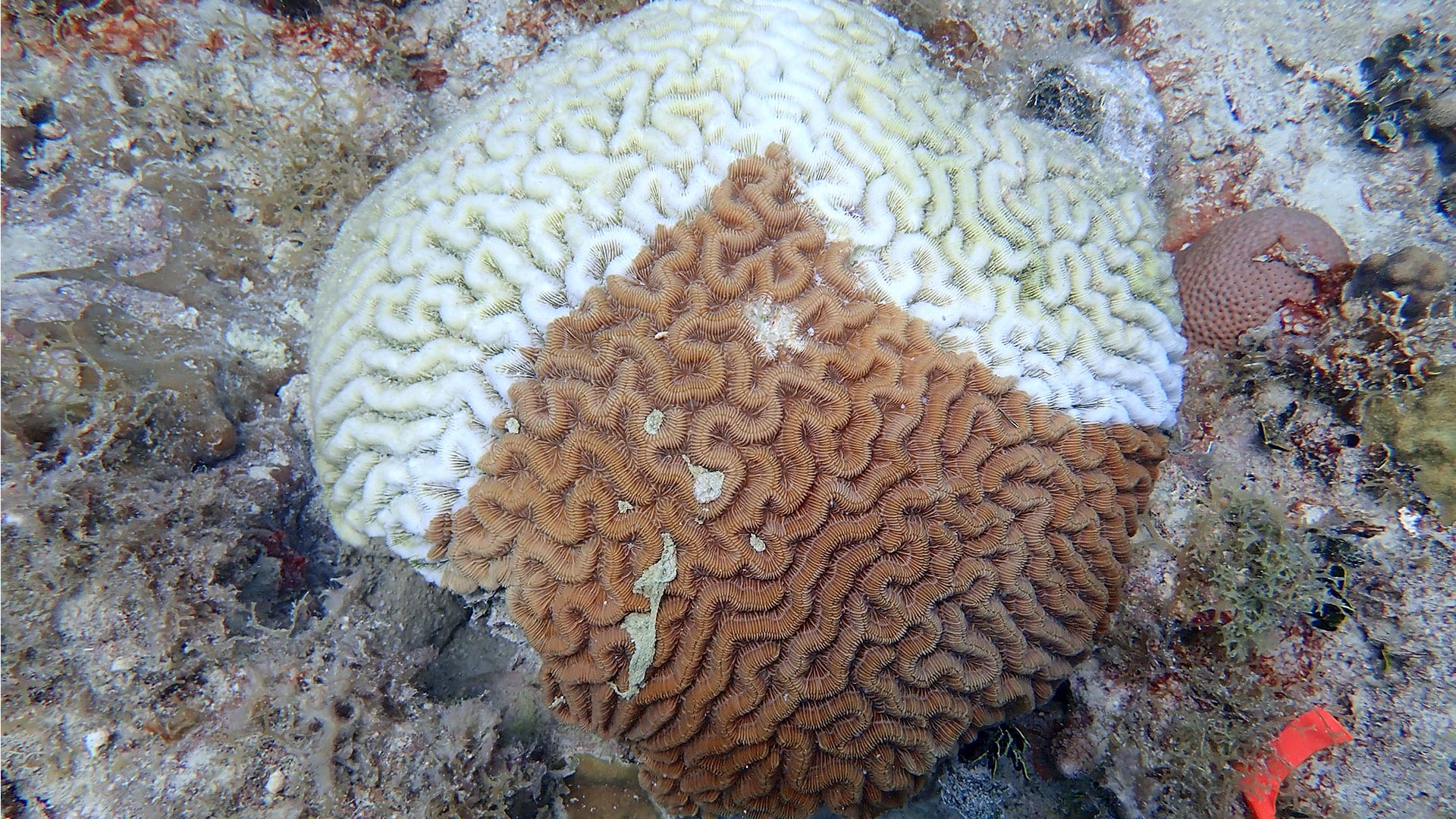
Coral reefs support more than 25 percent of all marine life and underpin the livelihoods of roughly one billion people globally.
Read MoreNew study quantifies sargassum’s multi-million dollar impact to U.S. coastal economies
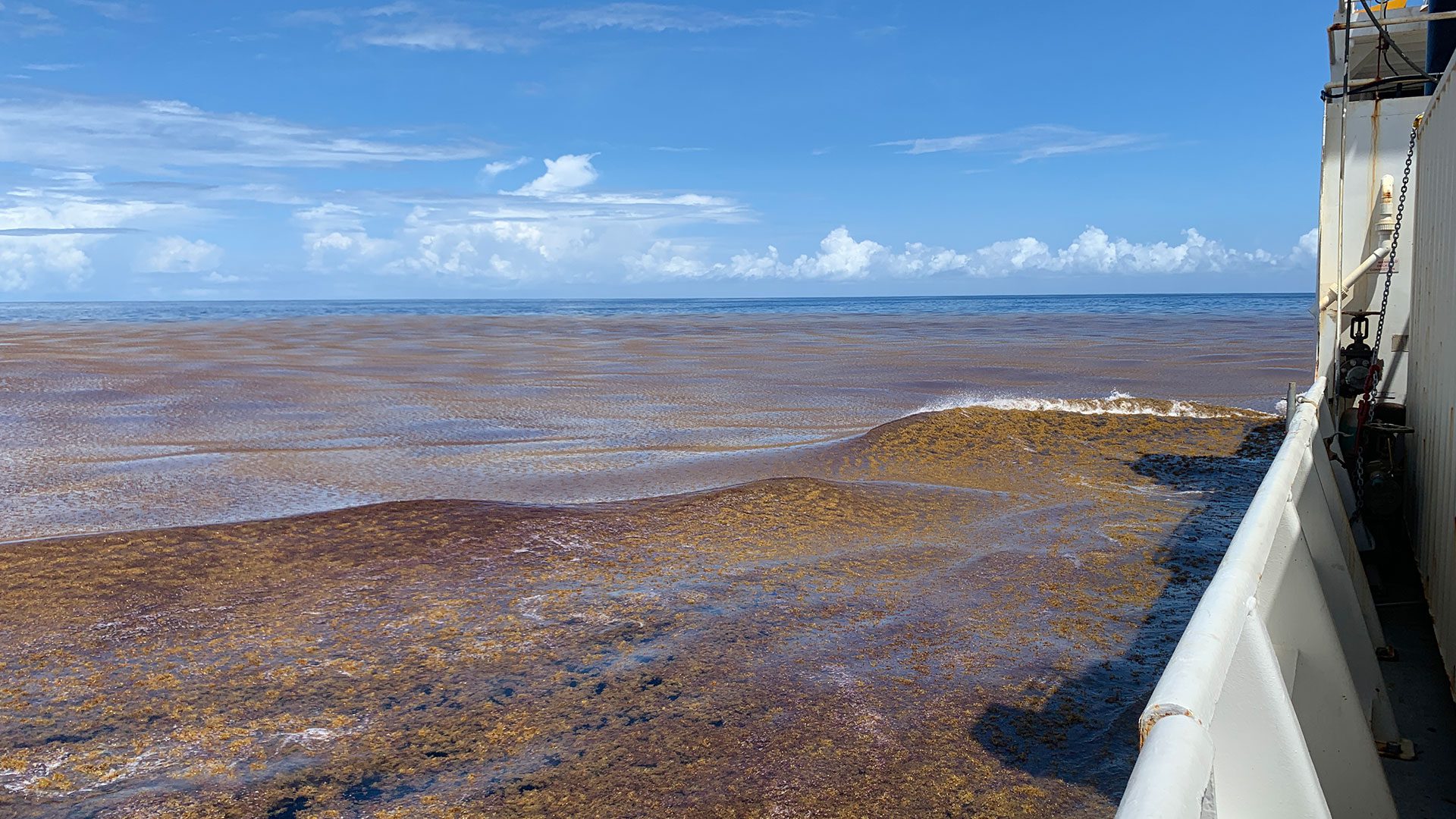
WHOI led the study’s economic modeling and analysis, examining impacts across three sectors central to coastal economies: tourism, recreation, and fisheries.
Read MoreWhat can a whale’s breath tell us? According to a new study, a lot about its health
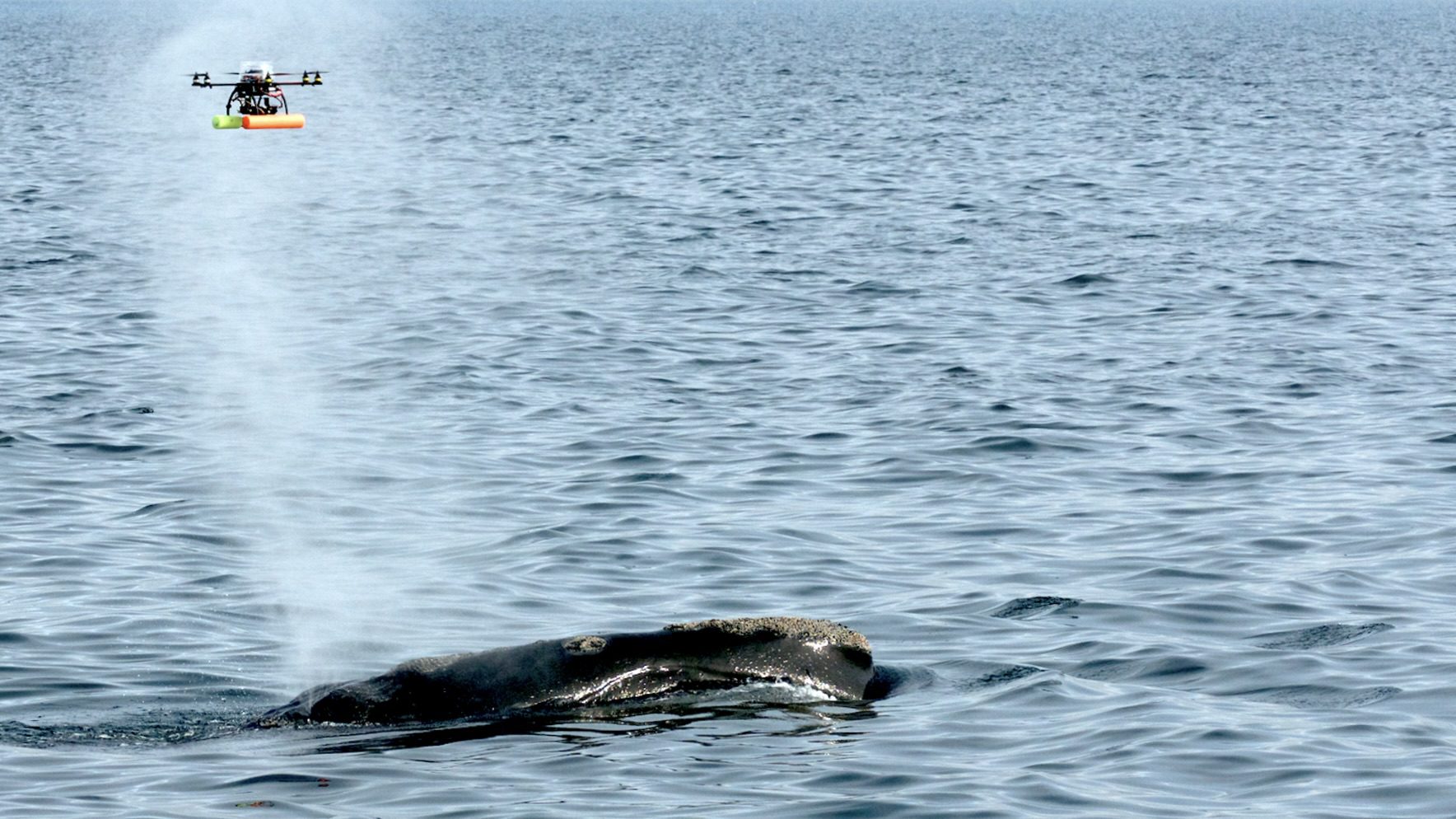
A first of its kind study links drone-collected respiratory microbes with health assessments, offering hope for protecting vulnerable populations
Read MoreWoods Hole Oceanographic Institution’s Julie Huber awarded prestigious Rachel Carson Lecture by the American Geophysical Union

WHOI’s Julie Huber Awarded Prestigious Rachel Carson Lecture by the AGU
Read MoreBigscale pomfret are an ocean enigma

WHOI scientists delve into the elusive fish’s role in the food web
Read MoreFecal samples from bowhead whales link ocean warming to rising algal toxins in Arctic waters

Filter-feeding whales sample the Arctic food web, tracking decades of change
Read MoreGroundbreaking research sheds light on how whales and dolphins use sound
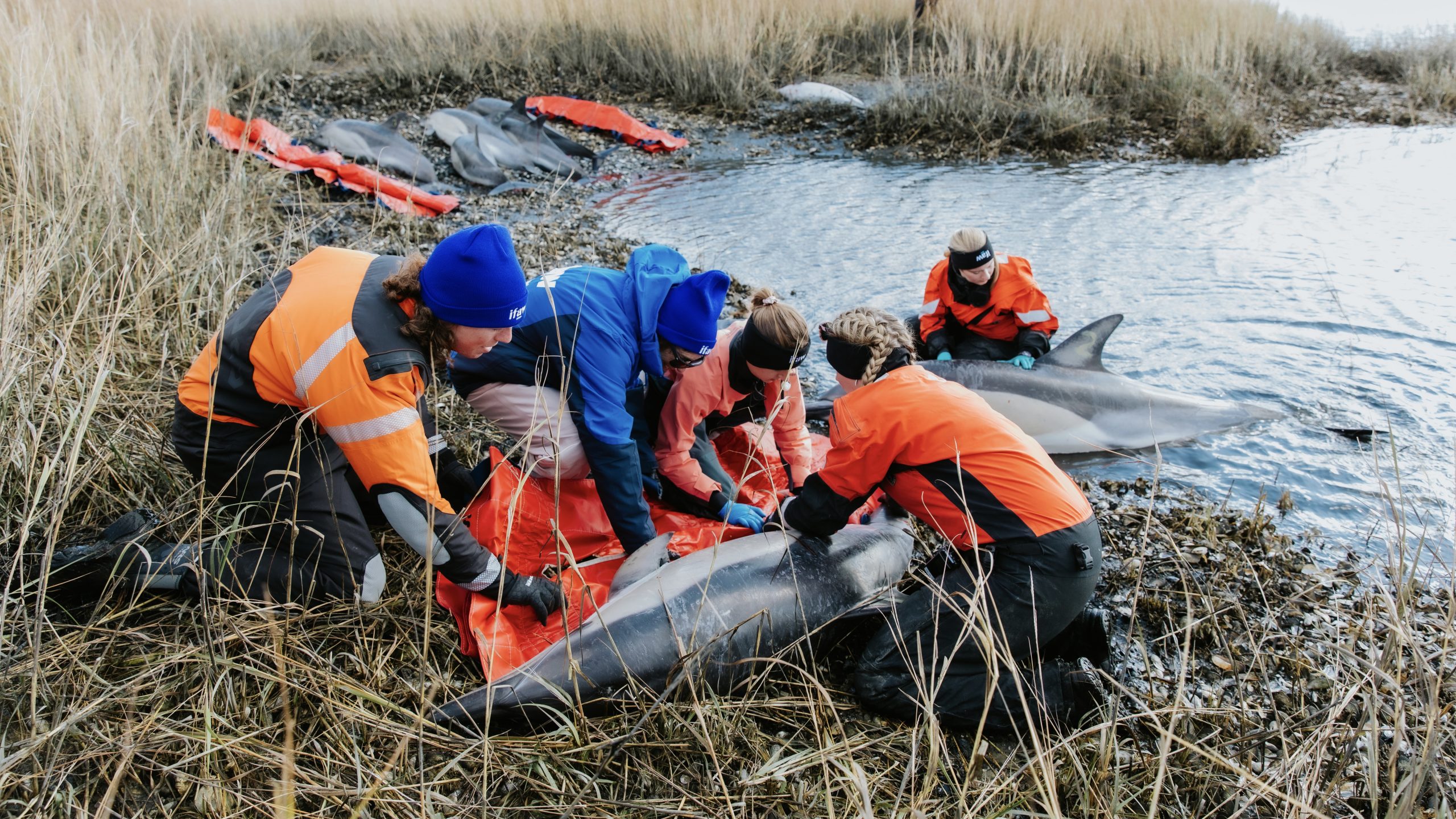
Differences in brain structure between echolocating and non-echolocating marine mammals offers insight into auditory processing
Read MoreUN-backed global research shows benefits of tracking ocean giants for marine conservation
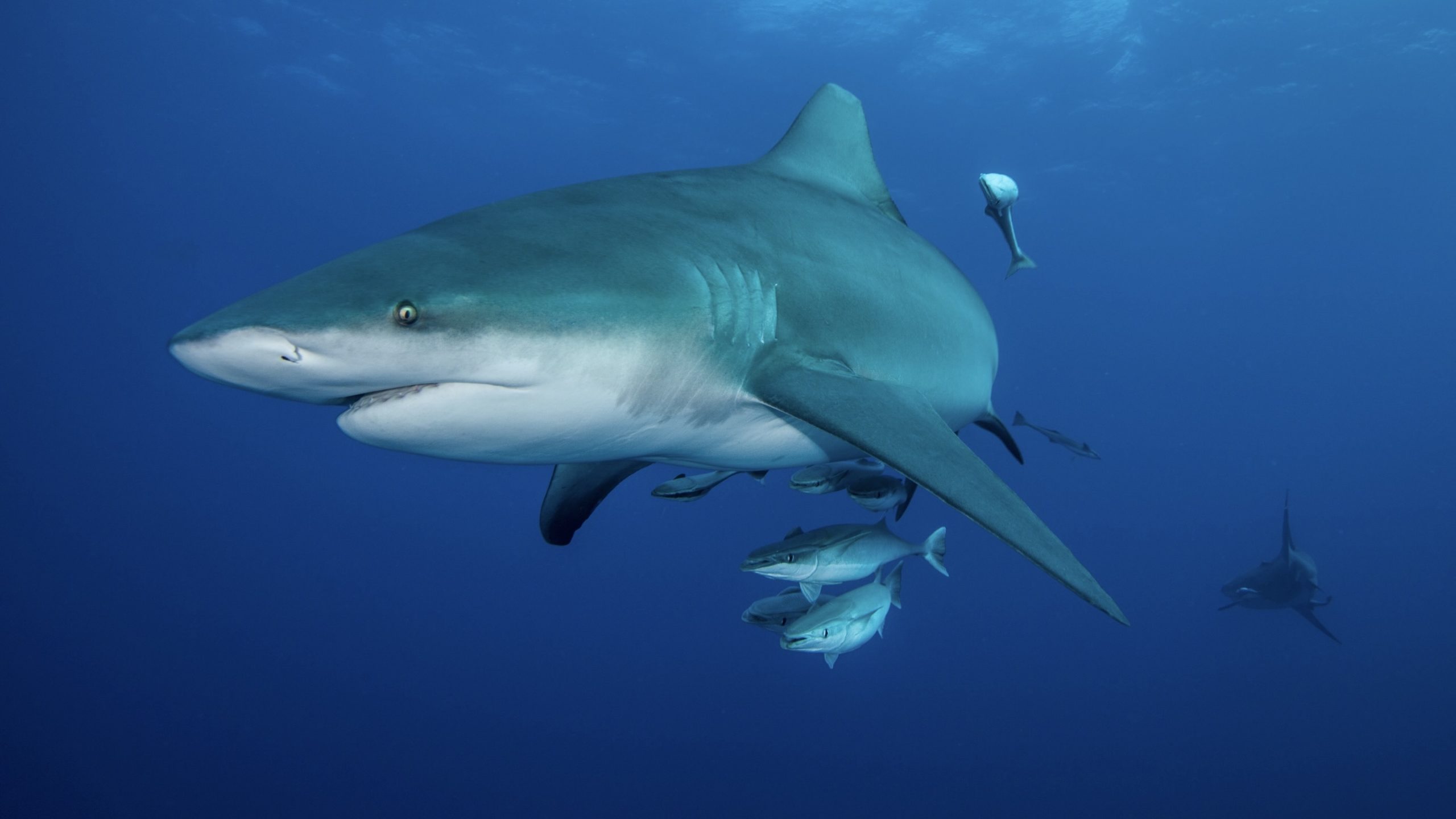
WHOI researchers part of collaborative, international effort to increase Marine Protected Areas and other strategies
Read MoreResearchers awarded for identifying first evidence of possible language-like communication in dolphins
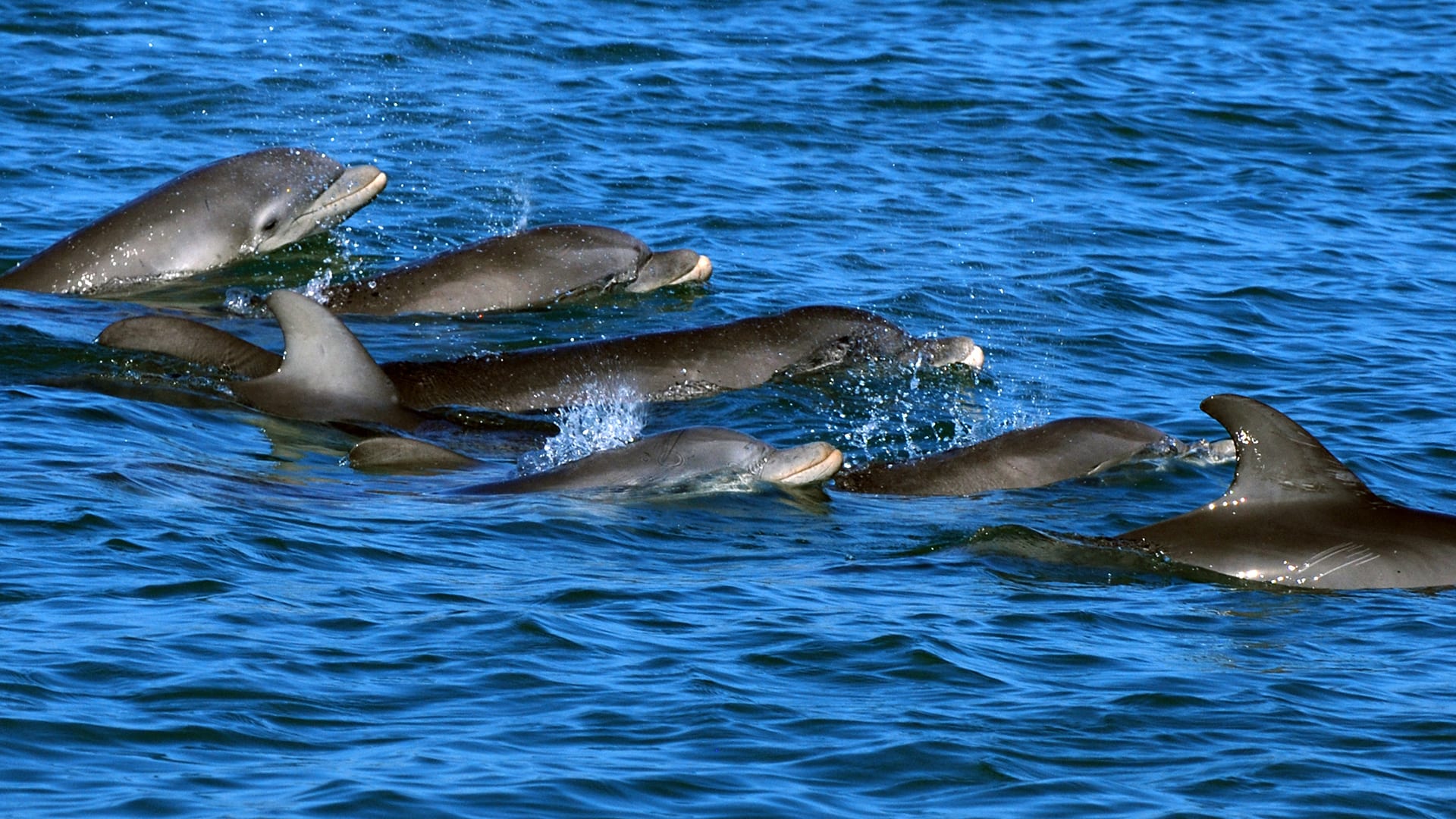
Woods Hole Oceanographic Institution and partners take home prestigious award
Read MoreSeawater microbes are a powerful tool for diagnosing coral reef health and strengthening conservation efforts, according to new paper
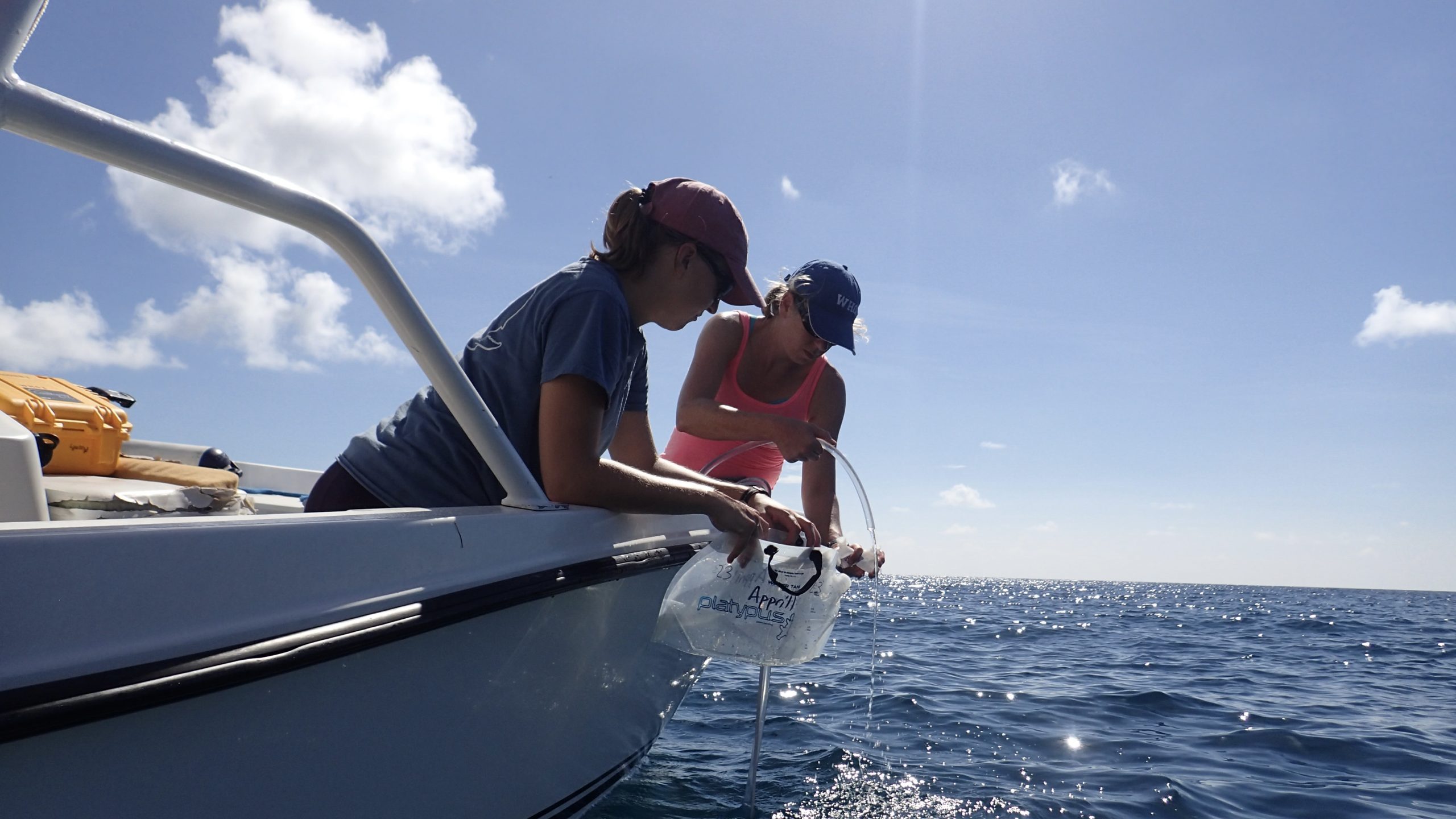
Compared to taking visual observations of reef habitats, analyzing water microbes provides a more immediate picture of health.
Read MoreNew global efforts to map and monitor kelp forests extend to South Africa and Namibia
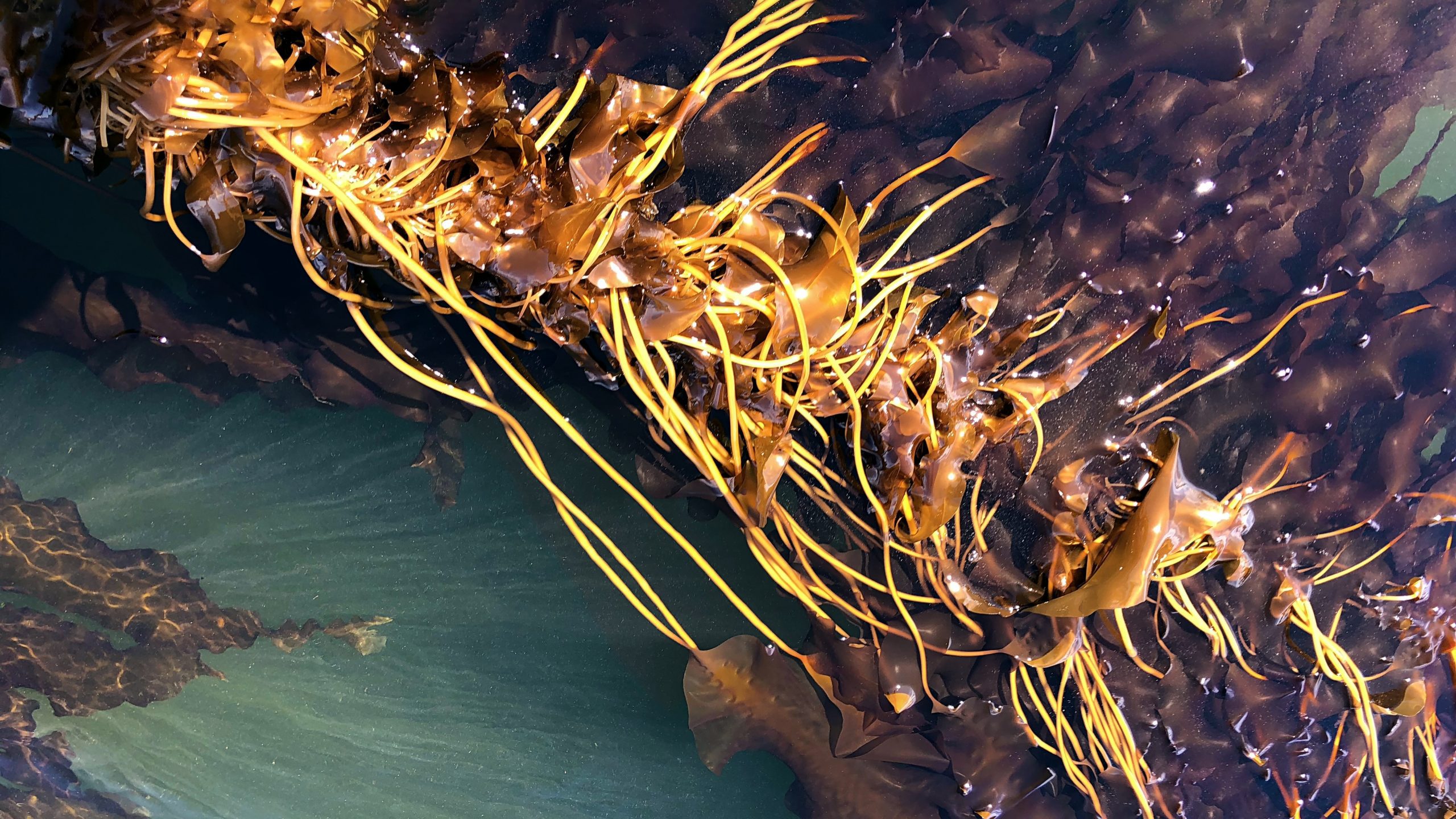
A new expansion of kelpwatch.org, brings over 40 years of satellite-derived kelp canopy data to South Africa and Namibia, offering new insights into these vital underwater forest ecosystems.
Read More