In this section
Ocean Topics
- Climate & Weather
- How the Ocean Works
- Ocean & Human Lives
- Ocean Life
- Sustainable Ocean
- Ocean Tech

What are marine microplastics?
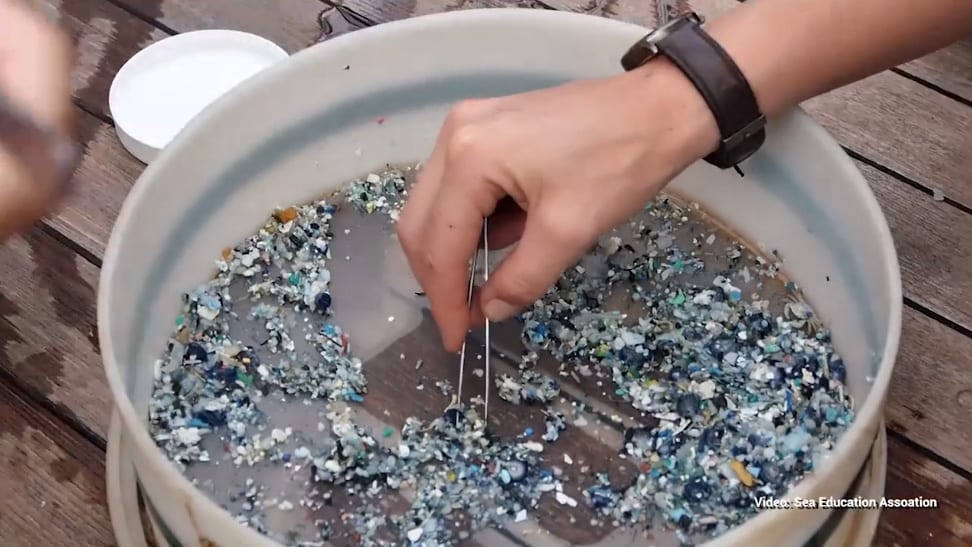
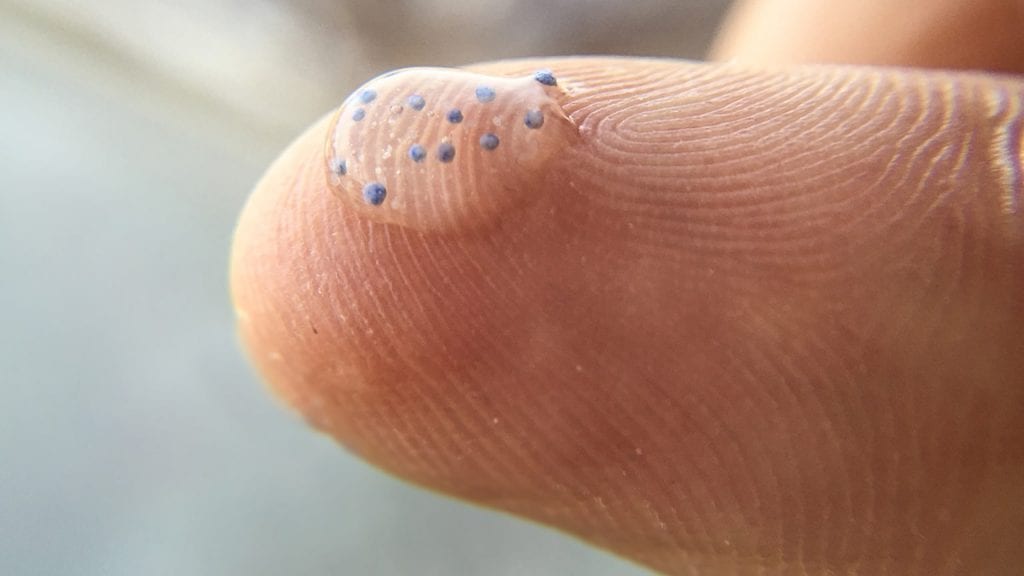
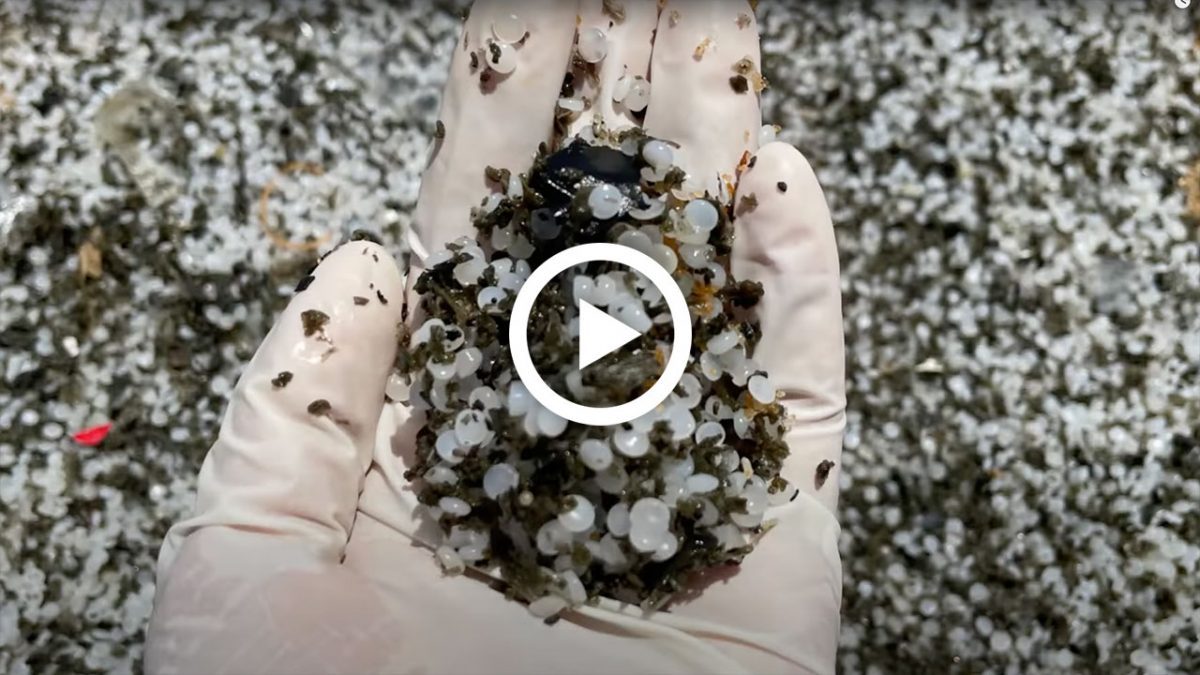
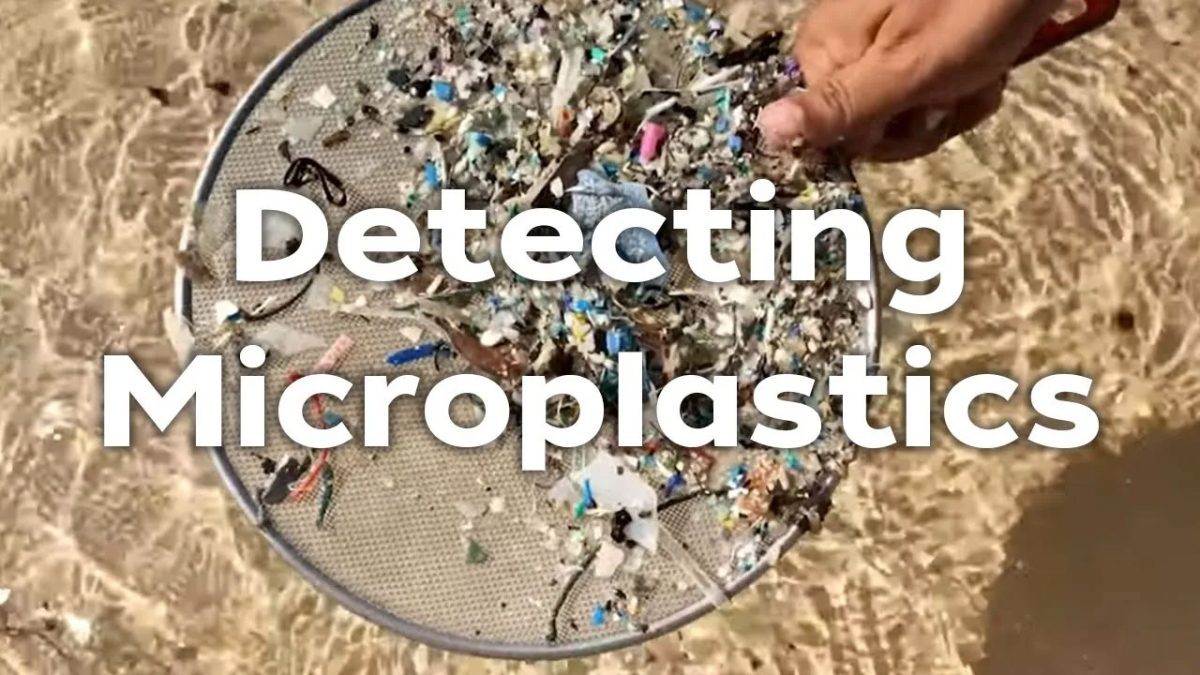
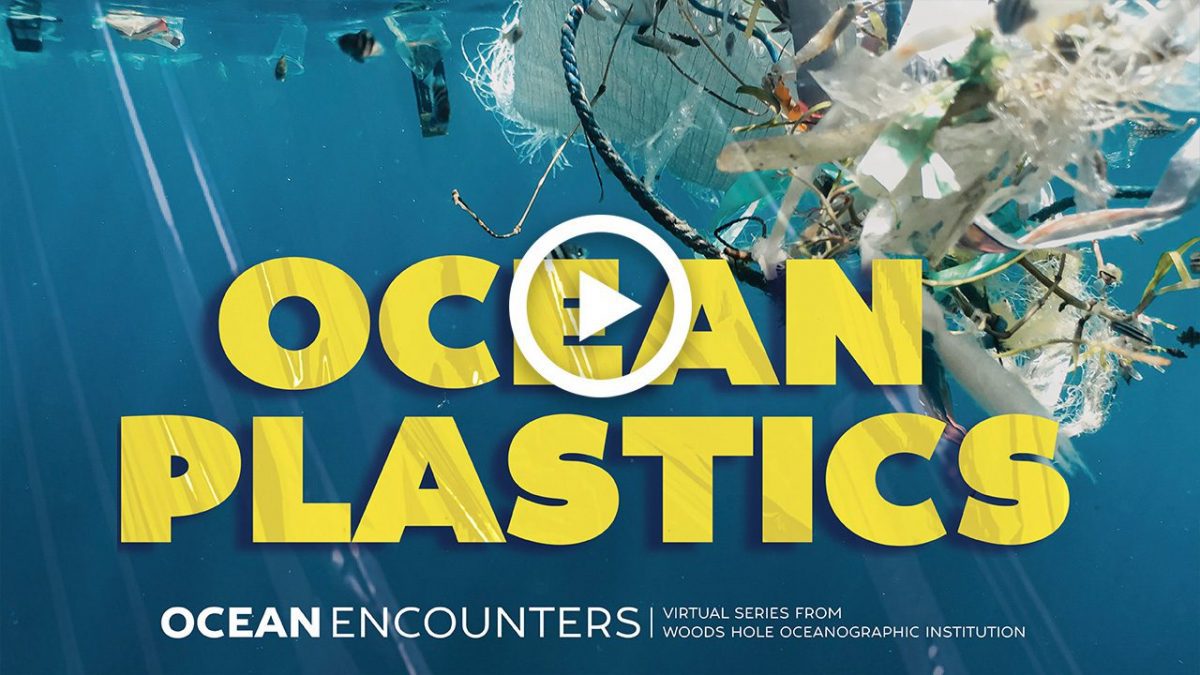
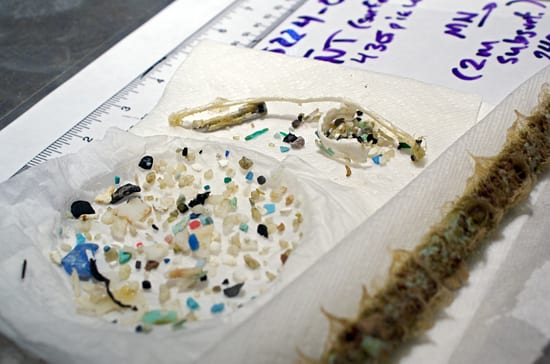
Marine microplastics are small fragments of plastic debris that are less than five millimeters long. Some microplastics, known as primary microplastics, are “micro” by design: Microbeads, for example, are tiny plastic spheres manufacturers add to body washes, toothpastes and other products to give them extra scrubbing power. Lentil-sized pellets known as nurdles, which are used in the manufacture of many common plastic products, are also intentionally small.
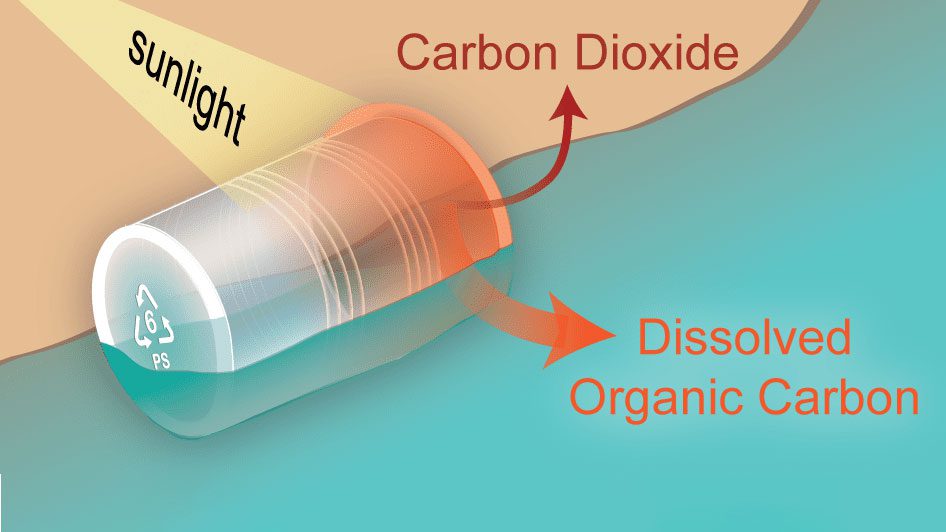
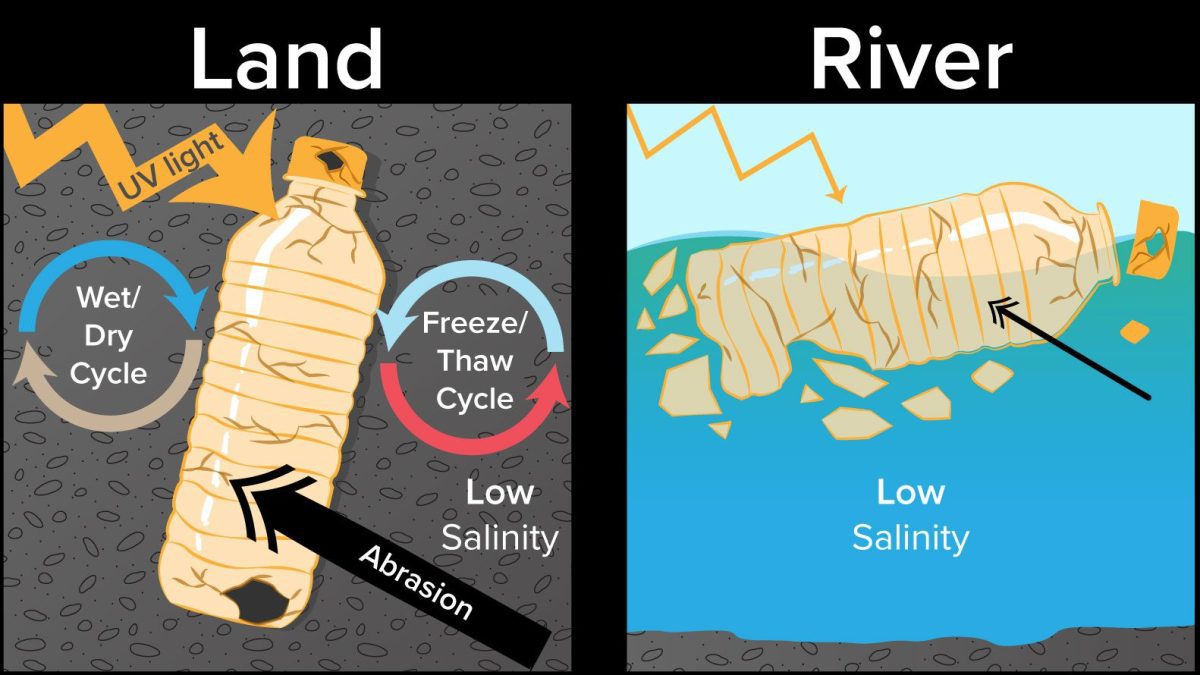
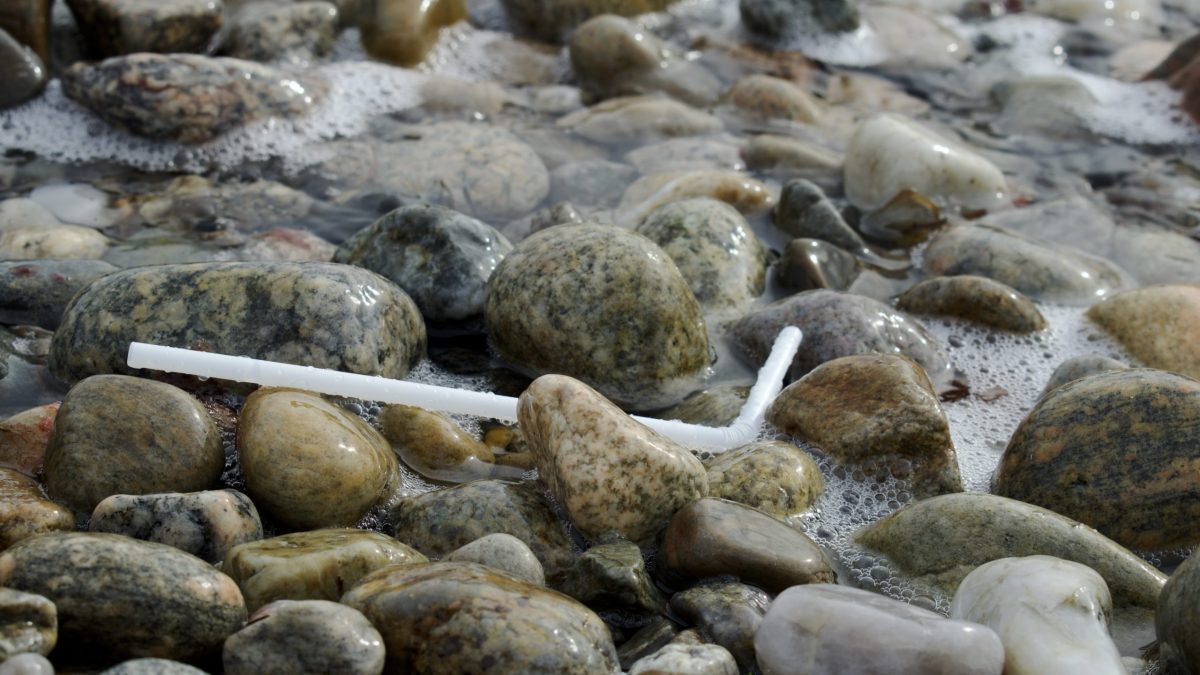
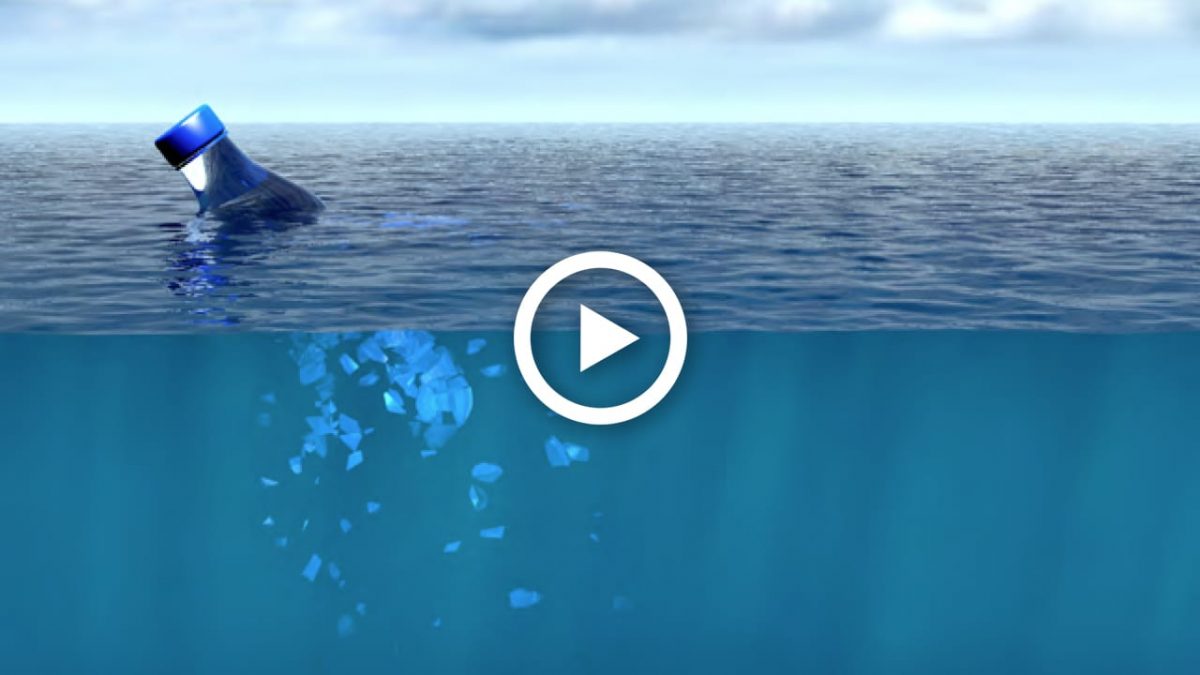
Secondary microplastics are fragmented particles of plastic resulting from the “weathering” of larger pieces of plastic debris, such as water bottles, straws, cups, and car fenders from exposure to sunlight, temperature, and humidity over time. Ocean waves can also degrade larger plastics by repeatedly washing over them and grinding them into the sand.
Where are microplastics found?
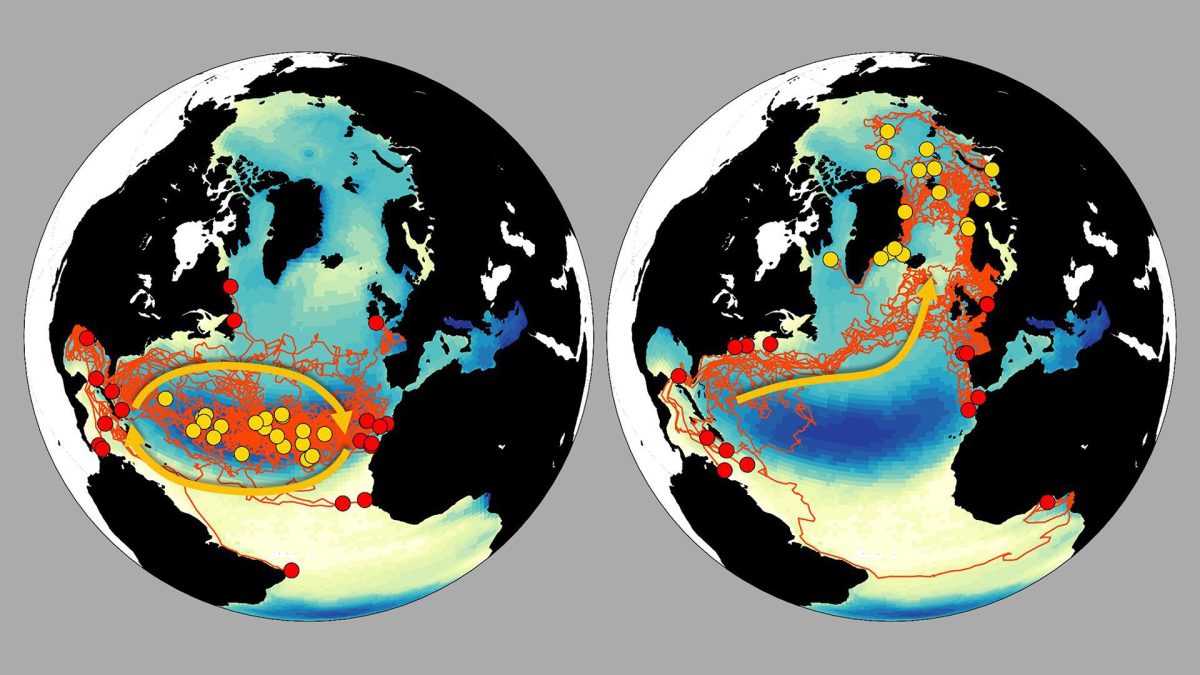
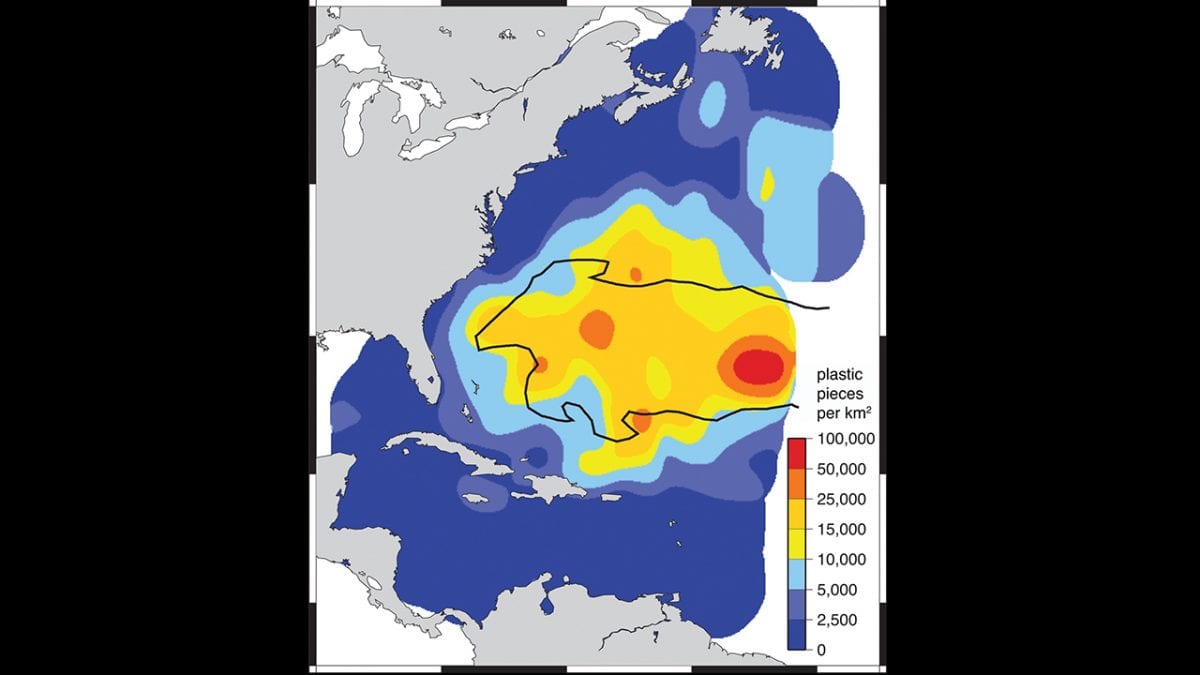
Scientists believe microplastics are present in oceans around the world, but unlike larger plastics which can be seen unaided, microplastics are harder to find. Ocean currents and circulation patterns move microplastics around like confetti, making them difficult to track. Scientists have only recently begun looking for microplastic “hot spots” in the ocean by determining where larger plastics enter the water and creating computer models to predict where the broken-down fragments end up.
Why are marine microplastics important?
A 2015 study estimated that roughly eight million tons of plastics enter the world’s oceans each year, yet only one percent is found floating at the surface in visible form. This suggests that the bulk of plastics in the ocean are likely microplastics suspended in the water or buried in sediments—yet scientists are only beginning to understand where they might be, not to mention their potential impacts on ocean life, ecosystems, and human health.
Do marine microplastics pose a health risk to marine life and people?
Many people have seen photos that demonstrate the impacts larger plastics can have on marine life, whether it’s a sea turtle snarled in a plastic six-pack ring or a dolphin entangled in plastic fishing gear. While the impacts of larger plastics are well understood, far less is known about the health impacts associated with microplastics.
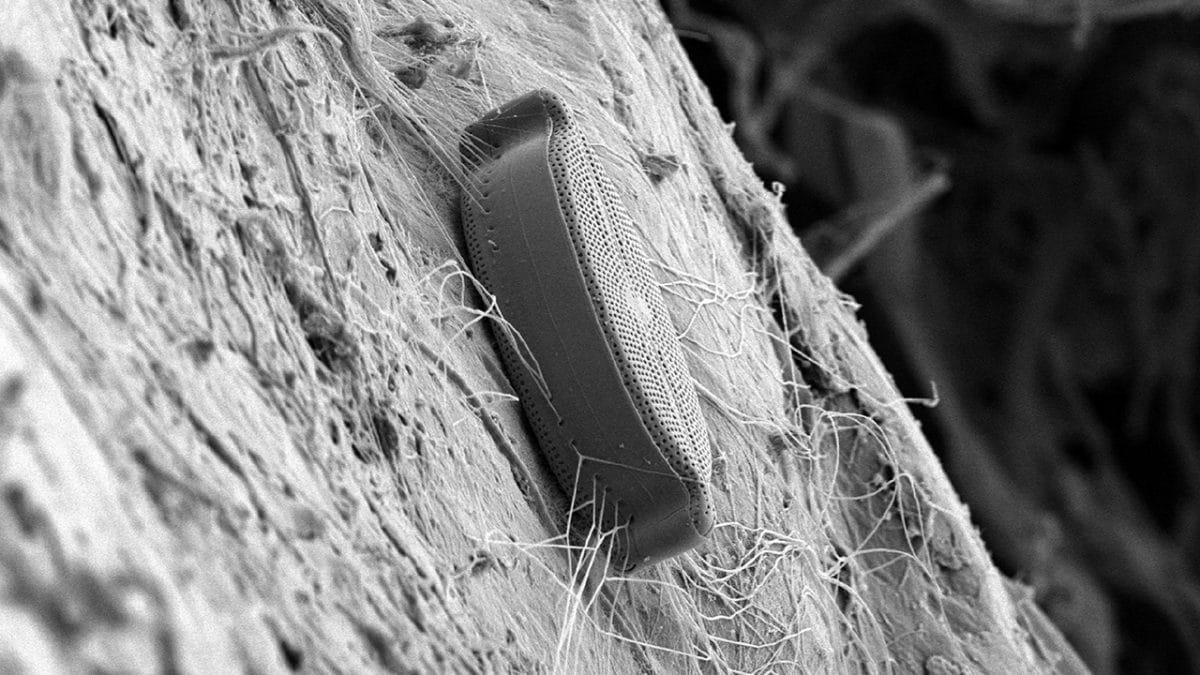
Marine organisms at the base of the food chain including plankton and fish larvae are known to consume microplastics, and filter-feeding animals which humans eat, such as oysters and scallops, ingest the particles as they filter seawater.
Plastics could present a risk to both marine animals and humans since they may contain toxic chemicals like phthalates, bisphenol A and others used in the manufacturing process. These additives can change the properties of plastic items in different ways. For example, they may make water bottles more rigid, and pens more flexible. Plastics can also become toxic by soaking up harmful chemicals from the environment such as polychlorinated biphenyls (PCBs), exposure to which has been directly linked to cancer and other serious human health problems.
Scientists are studying the potential health risks of microplastics to marine life and humans by determining which types appear to be the most toxic and how much of those are being ingested by marine animals.
Articles Related to Marine Microplastics
From Oceanus Magazine
Breaking down plastics together
Secrets from the blue mud
How is human health impacted by marine plastics?
WHOI establishes new fund to accelerate microplastics innovation
Microplastics in the Ocean – Separating Fact from Fiction
Particles on the Move
Do Microplastics in the Ocean Affect Scallops?
Junk Food
Tracking a Snow Globe of Microplastics
Sweat the Small Stuff
From Macroplastic to Microplastic
News Releases
WHOI Scientists Discover Fastest Degrading Bioplastic in Seawater
Some Plastic Straws Degrade Quicker Than Others, New Study Shows
A new way of looking at plastics
WHOI helps lead groundbreaking study on the human and ocean health impacts of ocean plastics
WHOI shares details on microplastic detection project
Study outlines challenges to ongoing clean-up of burnt and unburnt nurdles along Sri Lanka’s coastline
Sunlight can break down marine plastic into tens of thousands of chemical compounds, study finds
Sunlight degrades polystyrene faster than expected
News & Insights
What happens to natural gas in the ocean?
WHOI-assisted study finds ocean dumping of DDT waste was “sloppy”
How Long Does Plastic Persist in the Ocean?
The many lifetimes of plastics
Forged in fire: WHOI recalls the Deepwater Horizon crisis
Summer’s coming: Will Cape Cod beaches be safe?
Fifty years later, the West Falmouth oil spill yields lasting contributions to remediation efforts
Rapid Response at Sea
Putting the ‘nuclear coffin’ in perspective
WHOI in the News
Microplastics Targeted in Surge of Consumer Greenwashing Suits
A simple way to get microplastics out of your water
Paper or plastic? Cape Cod researchers say prototype plastic straw breaks down faster than paper
Some plastic straws degrade faster than others
WHOI Helps Lead Groundbreaking Study on the Human and Ocean Health Impacts of Ocean Plastics
Bacterium may help answer mystery of ‘missing’ plastic in the seas
Grappling with the biggest marine plastic spill in history
United States Contributions to Global Ocean Plastic Waste
Microplastics & The Textile Industry
Features
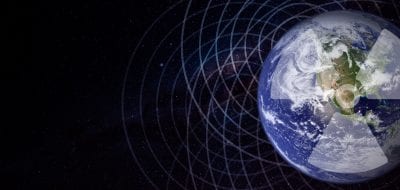
The background level of radiation in oceans and seas varies around the globe. Measured in atomic disintegrations per second (Becquerels)…
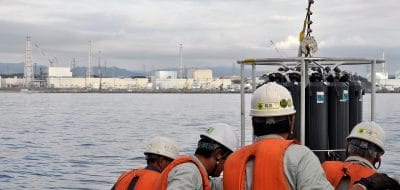
On March 11, 2011, a magnitude 9.0 earthquake 80 miles off the northeast coast of Japan triggered a series of…
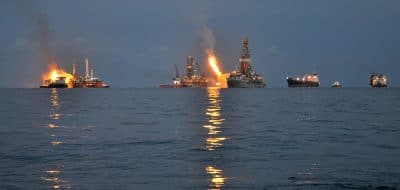
The systematic study of oil in the ocean is relatively new to science, but since the late 1960s it has…
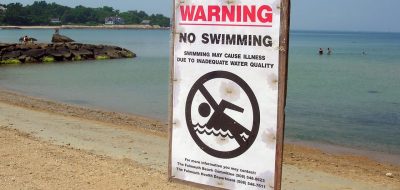
Hundreds of beaches nationwide are closed each year due to the presence of potentially harmful bacteria, viruses, and parasites in…
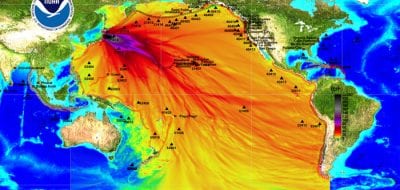
On March 11, 2011, a magnitude 9.0 thrust-fault quake 80 mi east of Honshu, Japan, ruptured the subducting Pacific plate,…

Fukushima's 2011 nuclear accident released radioactive isotopes into the ocean; levels have since decreased but ongoing monitoring continues. Learn more…