
In this section
Ocean Topics
- Climate & Weather
- How the Ocean Works
- Ocean & Human Lives
- Ocean Life
- Sustainable Ocean
- Ocean Tech

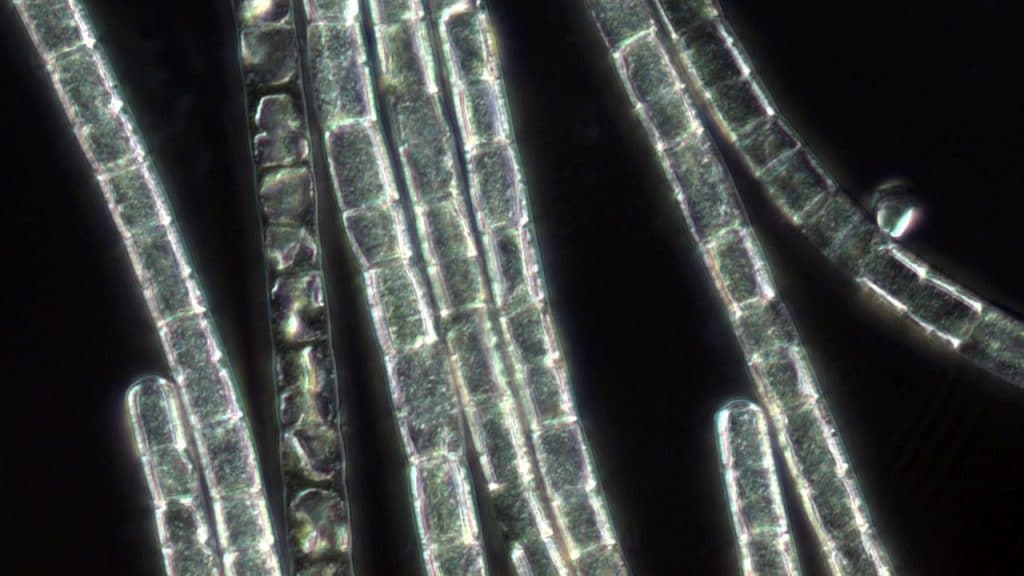
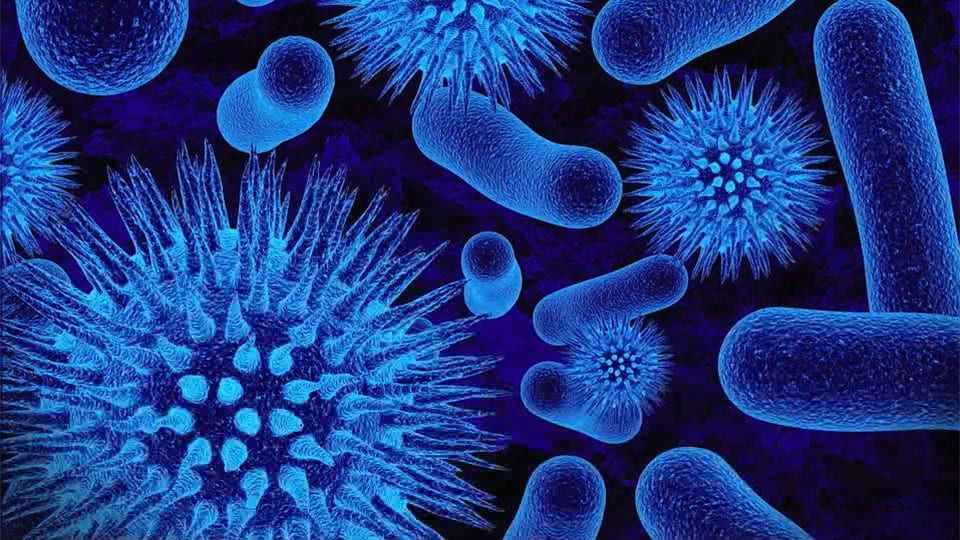
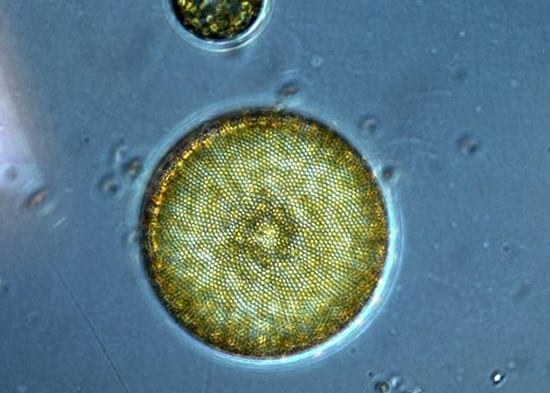
Trichodesmium strain H9-4 isolated from a site near Station ALOHA of the Hawaii Ocean Time Series study. Cyanobacteria such as Trichodesmium fix atmospheric nitrogen into ammonia and are an important source of new nitrogen of the ocean. Here a large number of heterotrophic bacteria are seen to be localized around the filament, suggesting they metabolize organic matter released by the cyanobacterium. (Photo by Annette Hynes, Woods Hole Oceanographic Institution)
What is Biogeochemistry?
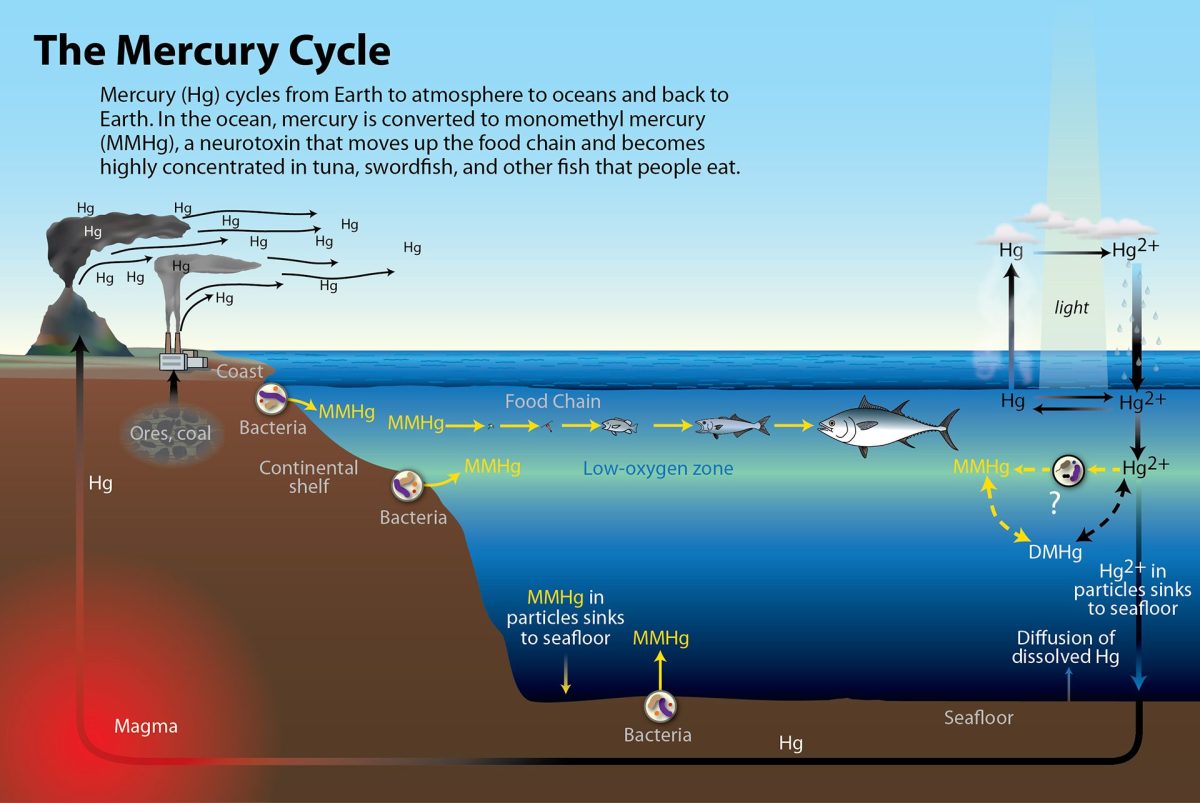
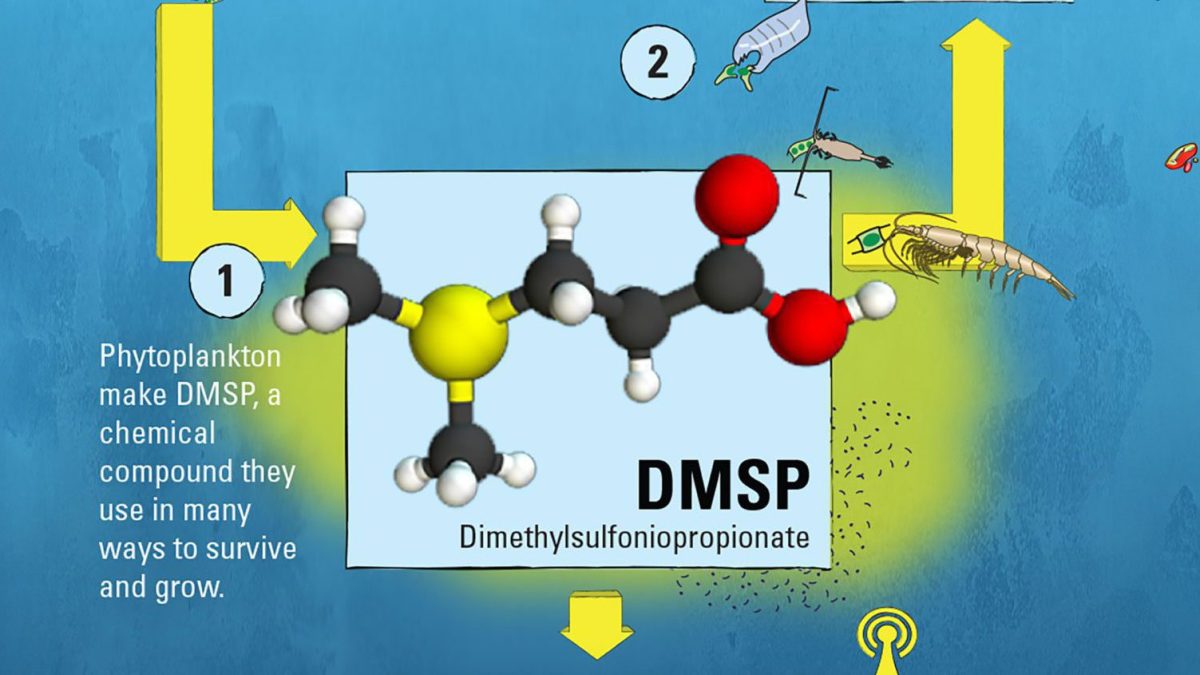
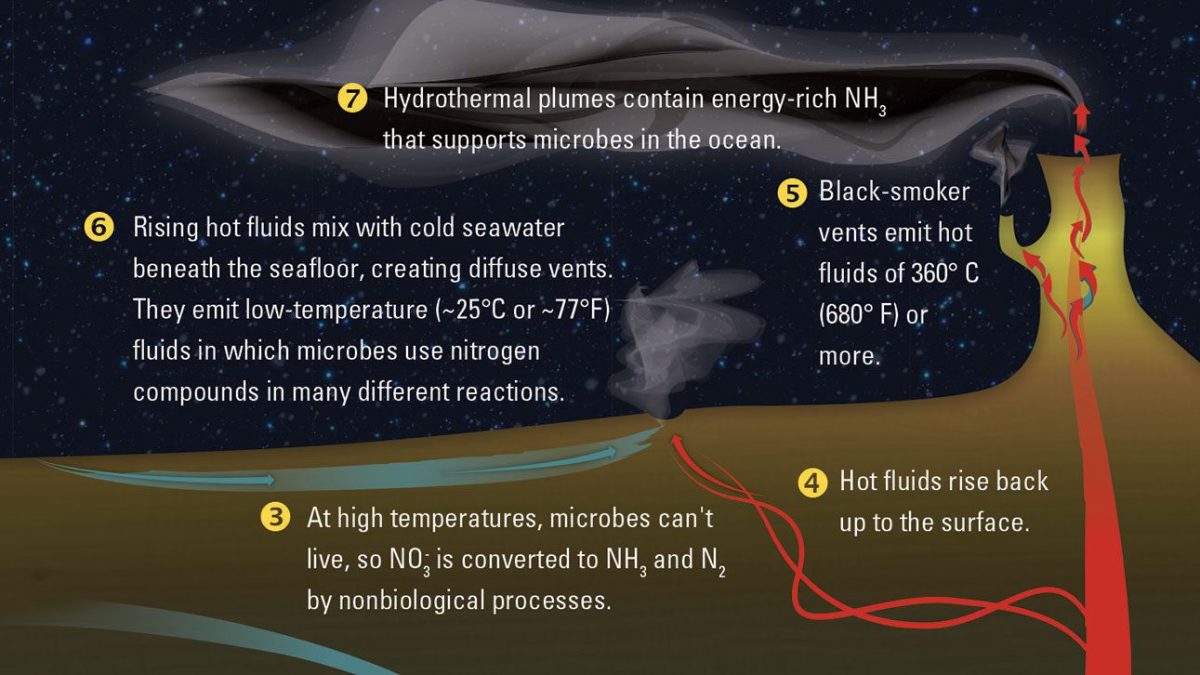
Biogeochemistry is a relatively new scientific discipline that explores the physical, chemical, biological, and geological processes and reactions that govern the composition of and changes to the natural environment. In particular, biogeochemistry studies the cycles of crucial elements, such as carbon and nitrogen, and their interactions with other substances and organisms as they move through Earth’s atmosphere, hydrosphere (water and ice), biosphere (life), and lithosphere (rock). The field focuses especially on the diverse and interlinked chemical cycles that are either driven by or have an impact on biological activity, in particular carbon, nitrogen, sulfur, and phosphorus.
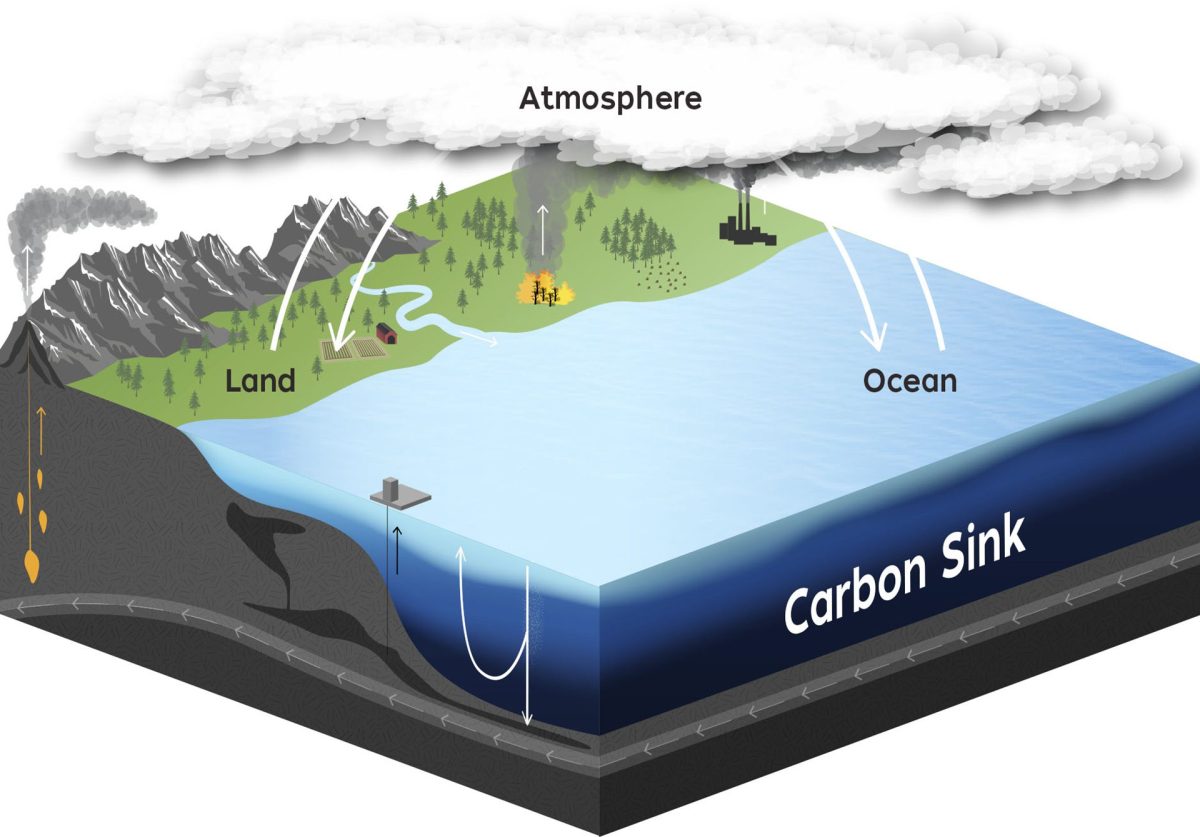
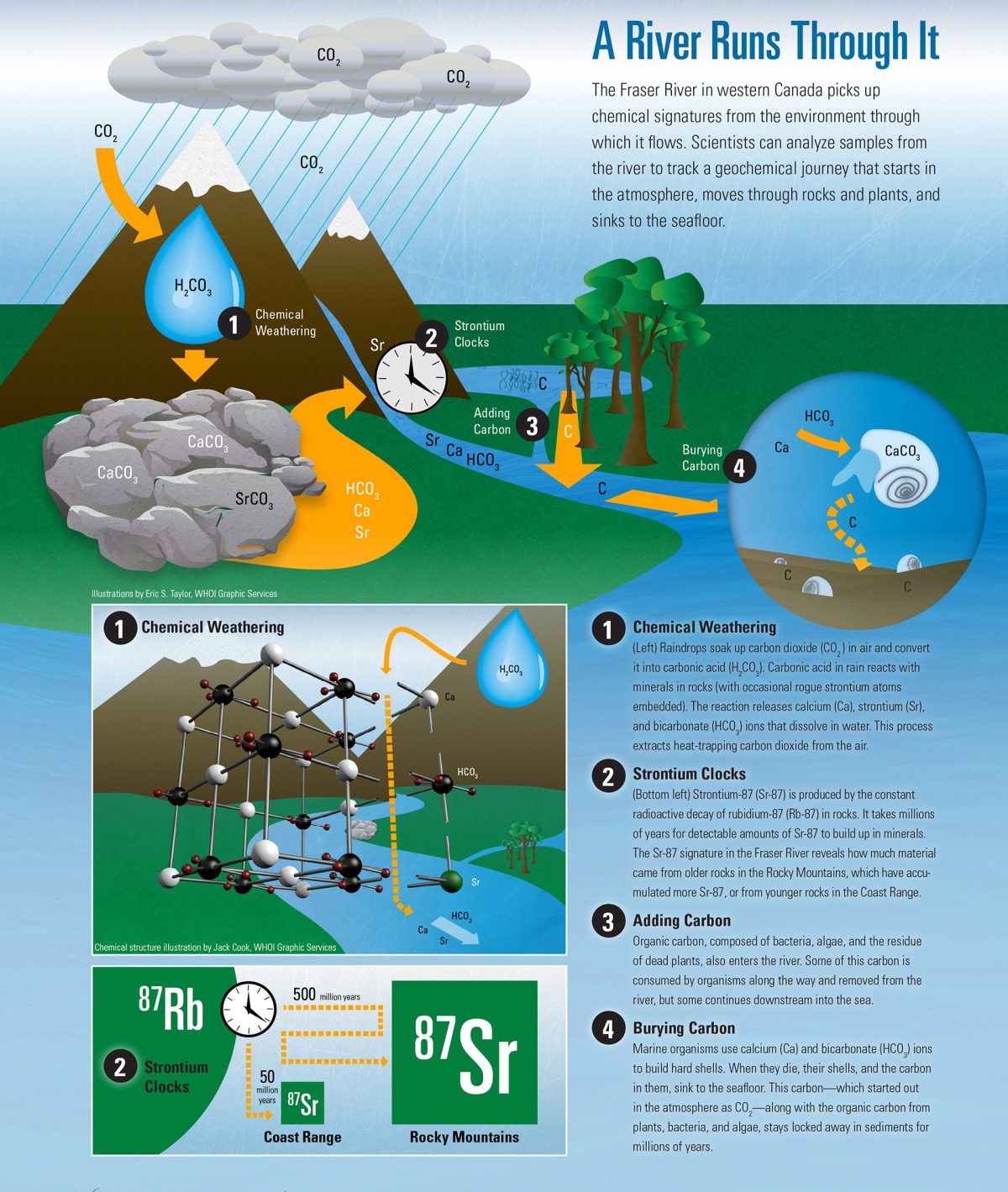
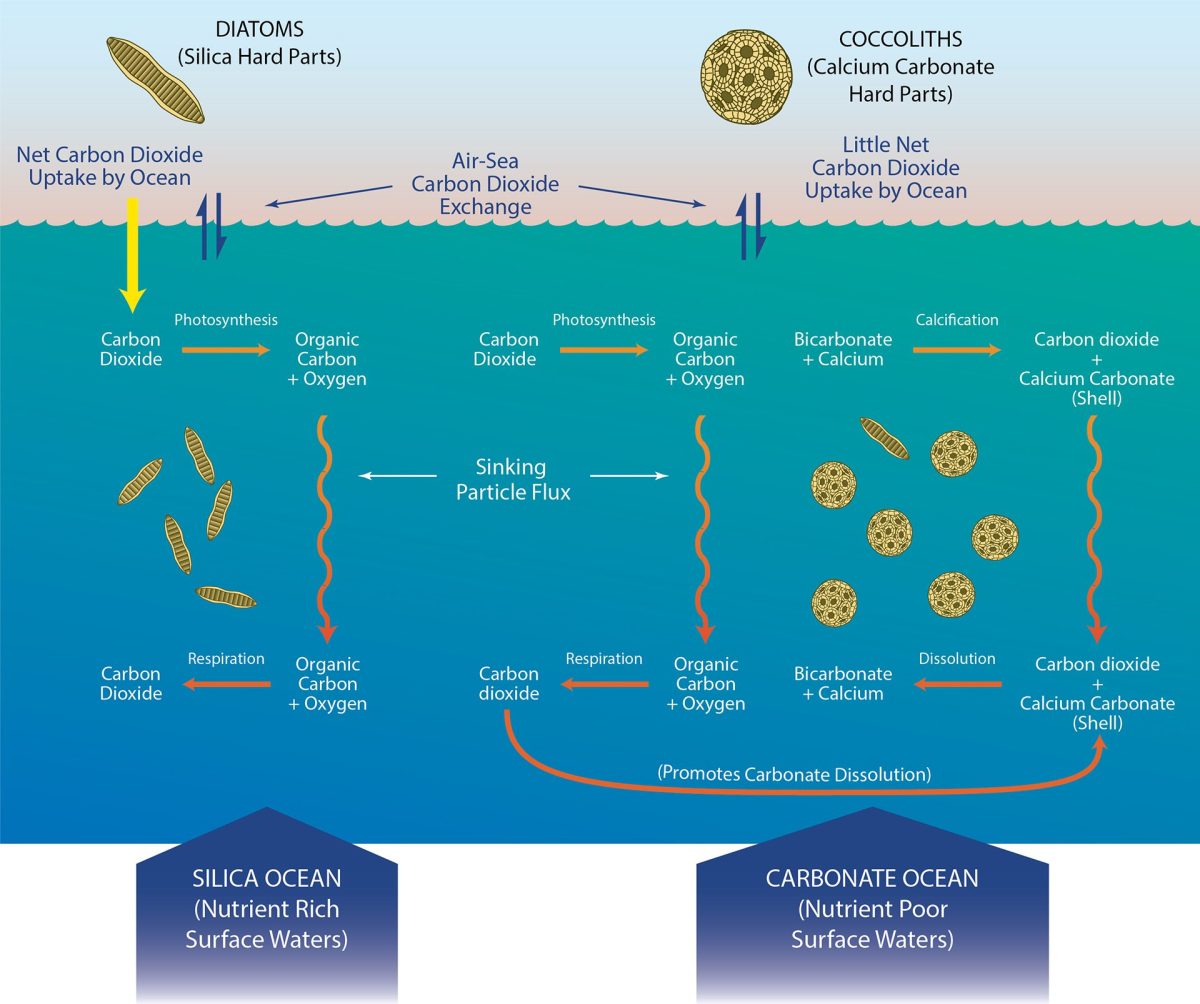
A prime example is carbon, the building block of life on Earth, and the planet-encompassing carbon cycle. Photosynthetic plants on land and sea take carbon dioxide (a form of inorganic carbon) from the atmosphere and convert it into the organic forms of carbon they need to live and grow. Animals that consume the plants incorporate the organic carbon into their own bodies.
Microbes eventually decompose dead plants and animals, and their carbon is recycled into soils and groundwater or swept into the oceans, where it becomes available to microbes and phytoplankton at the base of the marine food chain or it sinks and is buried in seafloor sediments. Over millions of years, carbon that is buried on land or at the bottom of the ocean becomes incorporated into rocks or hydrocarbons, where it might remain for tens to hundreds of millions of years. Ultimately, volcanoes return some of this carbon to the air as gas, where its heat-trapping properties affect Earth’s climate, or else the rocks containing carbon are uplifted onto continents and gradually weathered, releasing their carbon back to the environment and making it available to organisms once again.
Why is it Important?
In a sense, chemicals are like currency, and biogeochemistry is the study of the nearly limitless “transactions” that drive the entire planetary system, including life on Earth. Understanding these fundamental processes provides crucial insights into how life formed, has evolved, is sustained, and is threatened on our planet, and how the various chemical cycles govern and regulate Earth’s climate and environment.
Such knowledge enhances our ability to find ways to adapt to climate change and its impacts, enhance agriculture and food production, manage fisheries, mitigate pollution, develop alternative and renewable energy, prevent diseases and create new drugs, and spur innovations that can drive economic prosperity and improve our quality of life.
Articles Related to Biogeochemistry
From Oceanus Magazine
4 Potential Solutions for Corals in Crisis
An ocean of opportunity
Putting the ‘nuclear coffin’ in perspective
Chasing Ocean ‘Snowflakes’
Journey to the Bottom of the Sea
Life at the Edge
The Discovery of Hydrothermal Vents
Mission to the Ocean Twilight Zone
What Happened to Deepwater Horizon Oil?
New Device Reveals What Ocean Microbes Do
Minerals Made by Microbes
A Mighty Mysterious Molecule
Earth’s Riverine Bloodstream
Short-circuiting the Biological Pump
News Releases
Plate Tectonics Fuels a Vast Underground Ecosystem
New geochemical tool reveals origin of Earth’s nitrogen
New Studies Take a Second Look at Coral Bleaching Culprit
Where Iron and Water Mix
Scientists Apply Biomedical Technique to Reveal Changes Within the Body of the Ocean
WHOI Scientist Receives Gordon and Betty Moore Foundation Marine Microbiology Initiative Investigator Award
Researchers from WHOI and MBL Receive $1.2 Million Grant for Collaborative Salt-Marsh Study
Phytoplankton Cell Membranes Challenge Fundamentals of Biochemistry
News & Insights
WHOI working to address ocean acidification; protect region’s vital shellfish industry
Working from Home: Mallory Ringham
Kalina Grabb studies some of the ocean’s most reactive chemicals
The oceans are losing oxygen, and faster than we thought
Falling in love with foraminifera
Putting the ‘nuclear coffin’ in perspective
WHOI in the News
New Report Details How NASA Could Land on Europa
Fossils Show How Ancient Seafloor Gave Rise to Life
Revealing the ocean’s hidden fertilizer
Features
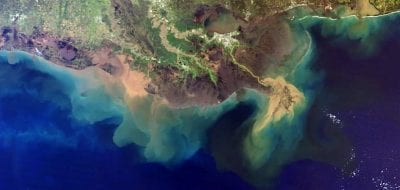
Dead zones occur when the water lacks oxygen. Like us, marine animals require oxygen to breathe, and when oxygen levels…
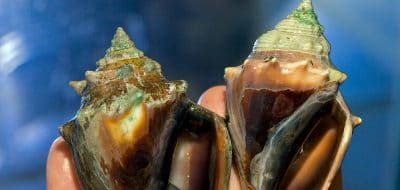
Ocean acidification is a reduction in the pH of the ocean over an extended period of time, caused primarily by…
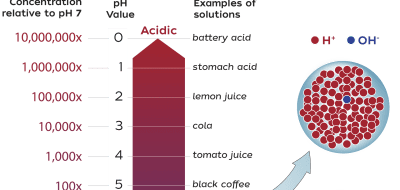
pH is a measure of the concentration of hydrogen ions in a solution. The more hydrogen ions that are present,…

When carbon dioxide mixes with seawater it has the effect of reducing the availability of carbonate ions, which many marine…
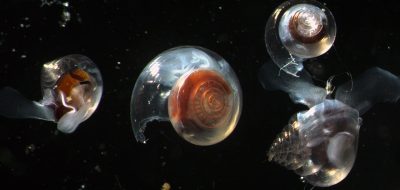
These questions were widely distributed to the research community with the request to draft concise replies summarizing current knowledge with…
Related Links
The Daily Bucket Online
September 3 to October 5, 2010
Follow a cruise examining how carbon cycles through the Northwest Atlantic.
Quorum Sensing Cruise
July 13 to 23, 2010
Follow researchers in the North Pacific as they study bacteria involved in the marine carbon cycle.