More topics like this
Acoustics
A strong understanding of how sound behaves in different conditions in the ocean helps scientists answer fundamental questions about the planet, the ocean, and marine life.
Imaging
Underwater imaging continues to advance in technology, allowing research to be conducted in the pressure-filled, extreme environments of the ocean.
Moorings & buoys
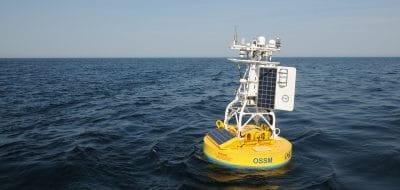
An oceanographic mooring consists of a long cable with an anchor at one end, a float at the other, and instruments attached to the line in between or to a float.
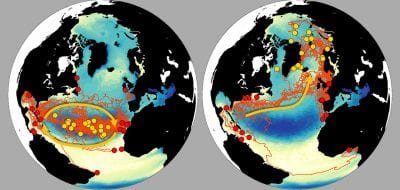
Ocean modeling
Ocean models are mathematical models of ocean properties and circulation, which helps us to better understand the ocean's influence on weather and climate.
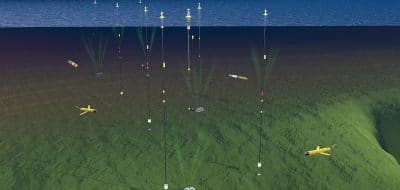
Ocean observatories
Ocean observatories have suites of instruments and sensors with long-term power supplies and permanent communications links that feed data in real-time.
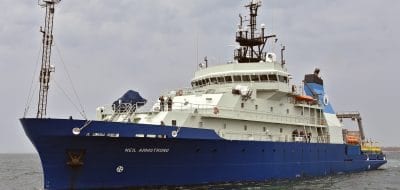
Ships
Oceanographers rely on sophisticated ships to get a firsthand look at the ocean environment and to carry their tools and instruments into it.
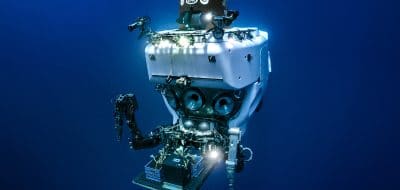
Underwater vehicles
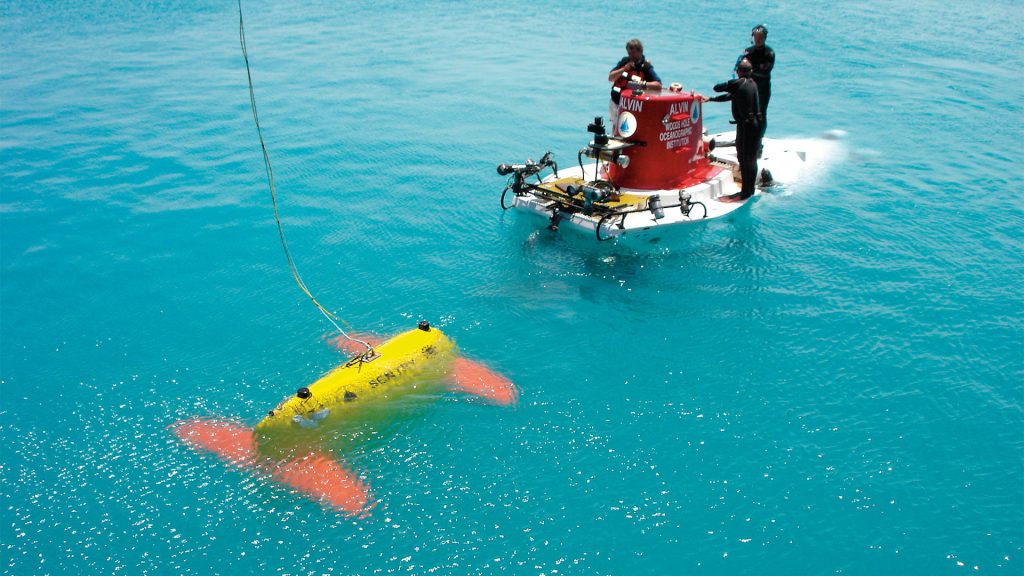
Oceanographic observing tools has grown to include human-occupied submersibles, remote-controlled vehicles, and autonomous robots.
Oceanus magazine
[ ALL ]In-depth research on Ocean tech

Sampling Gulf Stream plankton, one teaspoon at a time
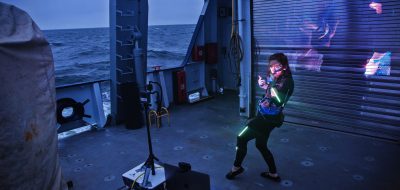
Lux in abyssum
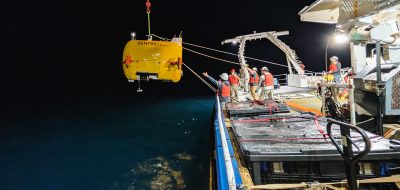
Exploring Atlantic seeps

A once-in-a-generation dive into polar history
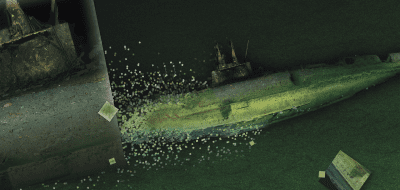
Eyes on the deep

Answers from the abyss

A hadal zone mystery solved

Turning motion into power: Wave energy converters for sustainable ocean monitoring







WHOI News Room
[ ALL ]Press releases
Tiny oyster larvae rely on gravity to feed
Get the ocean in your inbox
Fresh discoveries, research, and stories from WHOI — free, every week.