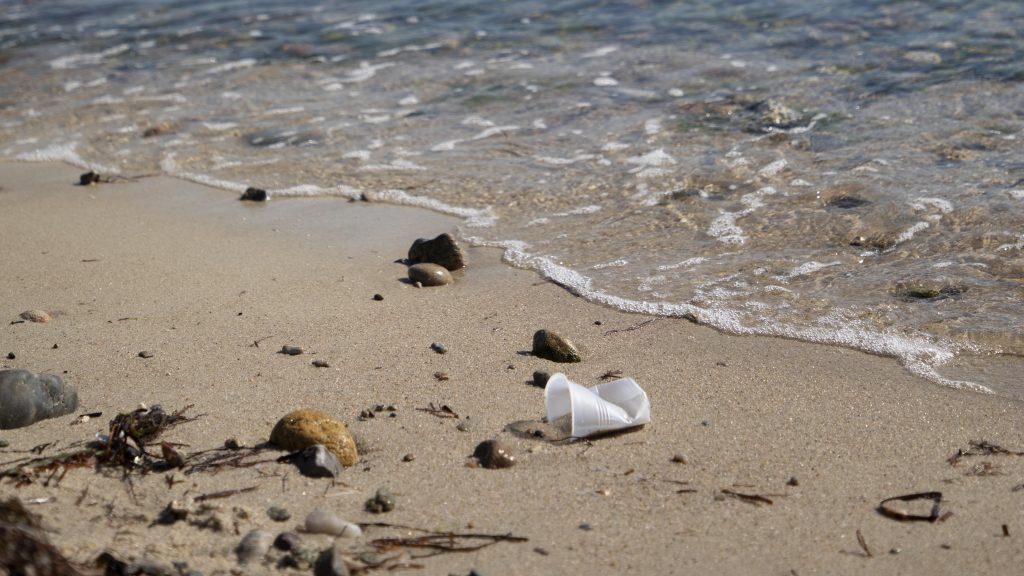
Ocean pollution includes a wide range of substances and sources that harm marine ecosystems, wildlife, and human health. From coastlines to the deep sea, pollution takes many forms - chemical, biological, radioactive, and plastic - and can enter the ocean through direct dumping, river runoff, atmospheric transport, or accidents at sea.
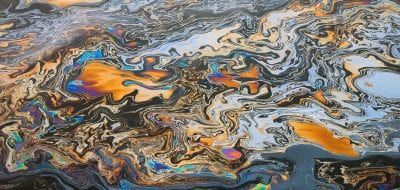
Some forms of pollution, like harmful microbes, can result in beach closures and pose risks to swimmers and coastal communities. Oil spills, though often dramatic and highly visible, are just one part of a broader challenge. Scientists now study how oil behaves in seawater, how it spreads, and how marine organisms respond - from microscopic plankton to deep-sea ecosystems.
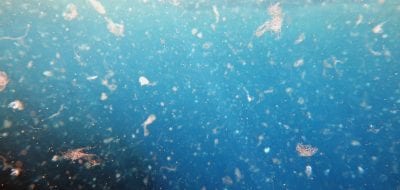
Another growing concern is microplastic pollution; tiny plastic fragments from products or packaging are found in every part of the ocean. These specks can be mistaken for food by marine life, and their long-term effects are still unknown. Some areas of the ocean also contain trace amounts of radiation, whether from natural sources or past events like the Fukushima nuclear accident.
More topics like this
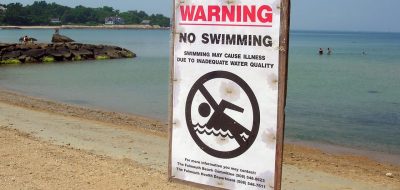
Beach closures
Hundreds of beaches nationwide are closed each year due to the presence of potentially harmful bacteria, viruses, and parasites in the water.
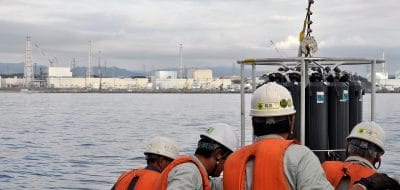
Fukushima radiation
On March 11, 2011, a magnitude 9.0 earthquake 80 miles off the northeast coast of Japan triggered a series of tsunamis that struck nearby shorelines and the Fukushima Daiichi nuclear power plant.
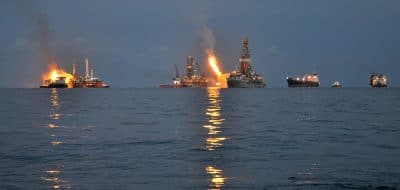
Oil spills
The systematic study of oil in the ocean is relatively new to science, but since the late 1960s it has grown to encompass almost every area of oceanography.
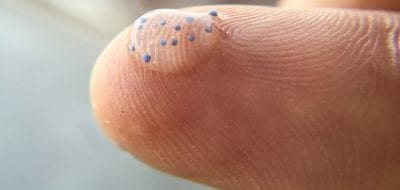
Marine microplastics
Marine microplastics are small fragments of plastic debris that are less than five millimeters long. Some microplastics, known as primary microplastics, are "micro by design
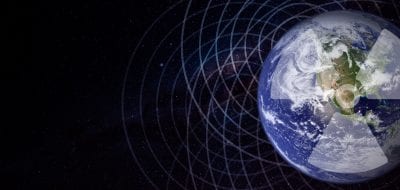
Radiation
The background level of radiation in oceans and seas varies around the globe. Measured in atomic disintegrations per second (Becquerels) of cesium-137 in a cubic meter of water.
Oceanus magazine
[ ALL ]In-depth research on Pollution

Are big spills the main source of ocean oil?
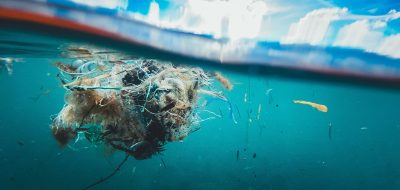
Deep-sea dustbins

Breaking down plastics together

Secrets from the blue mud

Gold mining’s toxic legacy

How do you solve a problem like Sargassum?
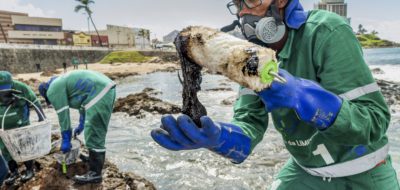
The ocean currents behind Brazil’s pollution problem

How is human health impacted by marine plastics?
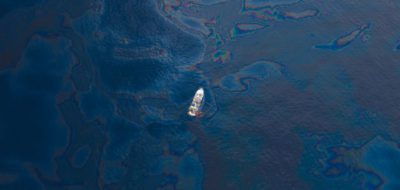
Sunlight and the fate of oil at sea
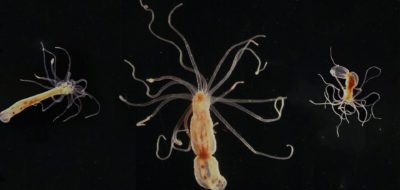
A toxic double whammy for sea anemones
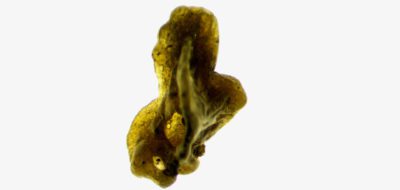
WHOI scientists discuss the chemistry behind Sri Lanka’s flaming plastic spill

Oil spill response beneath the ice





WHOI News Room
[ ALL ]Press releases
USS Arizona provides blueprint for addressing oil leakage at thousands of WWII shipwrecks
A new look at an old pollutant
Get the ocean in your inbox
Fresh discoveries, research, and stories from WHOI — free, every week.