
What is an MPA?
A marine protected area (MPA) refers to any part of the ocean that receives some level of protection under international, federal, state, local, or tribal law. There are many different types of MPAs, including national marine sanctuaries, monuments, parks, wildlife refuges, and tribal heritage areas.
The level of protection among these sites varies, from strict no-take zones, where fisheries, mining, coastal development, and other industries are prohibited, to mixed-management areas, where some level of commercial or recreational activity (such as ecotourism or line fishing) is still permitted.
Why are they important?
MPAs can have more than one objective, including the preservation of natural features and cultural heritage, supporting the sustainable production of marine resources, or providing refuge to endangered species, such as turtles, dolphins, and polar bears, as well as protecting threatened habitats, such as mangroves and coral reefs.
MPAs can also promote economic prosperity in surrounding locations. Over time, well-managed marine sanctuaries and national parks can create a spillover effect where rebounding populations of fish migrate into adjacent regions, supplying coastal communities with food and stimulating local fishery businesses.

How much of the ocean is protected space?
Determining how much of our ocean is protected depends on how we define adequate conservation measures within an MPA. While some organizations say 8% of the global ocean receives some kind of protection under an MPA, more conservative estimates place the percentage closer to 3%, based on the number of MPAs that enforce strict no-take policies.
In the U.S., there are more than 1,700 marine protected areas, covering roughly 41% of domestic waters with reserves, refuges, and sanctuaries. Only about 3% of U.S. waters are listed as no-take zones and prohibit extraction or damage to the resources they contain.
Some of the largest MPAs include the Papahānaumokuākea Marine National Monument in the U.S., which covers 582,578 square miles (1,508,870 square kilometers)—an area nearly the size of Alaska— and Tainui Atea in French Polynesia, which was created in 2025 and spans almost 2 million square miles (4.8 million square kilometers)—an area roughly equal in size to Mexico.
How does science influence the creation of MPAs?
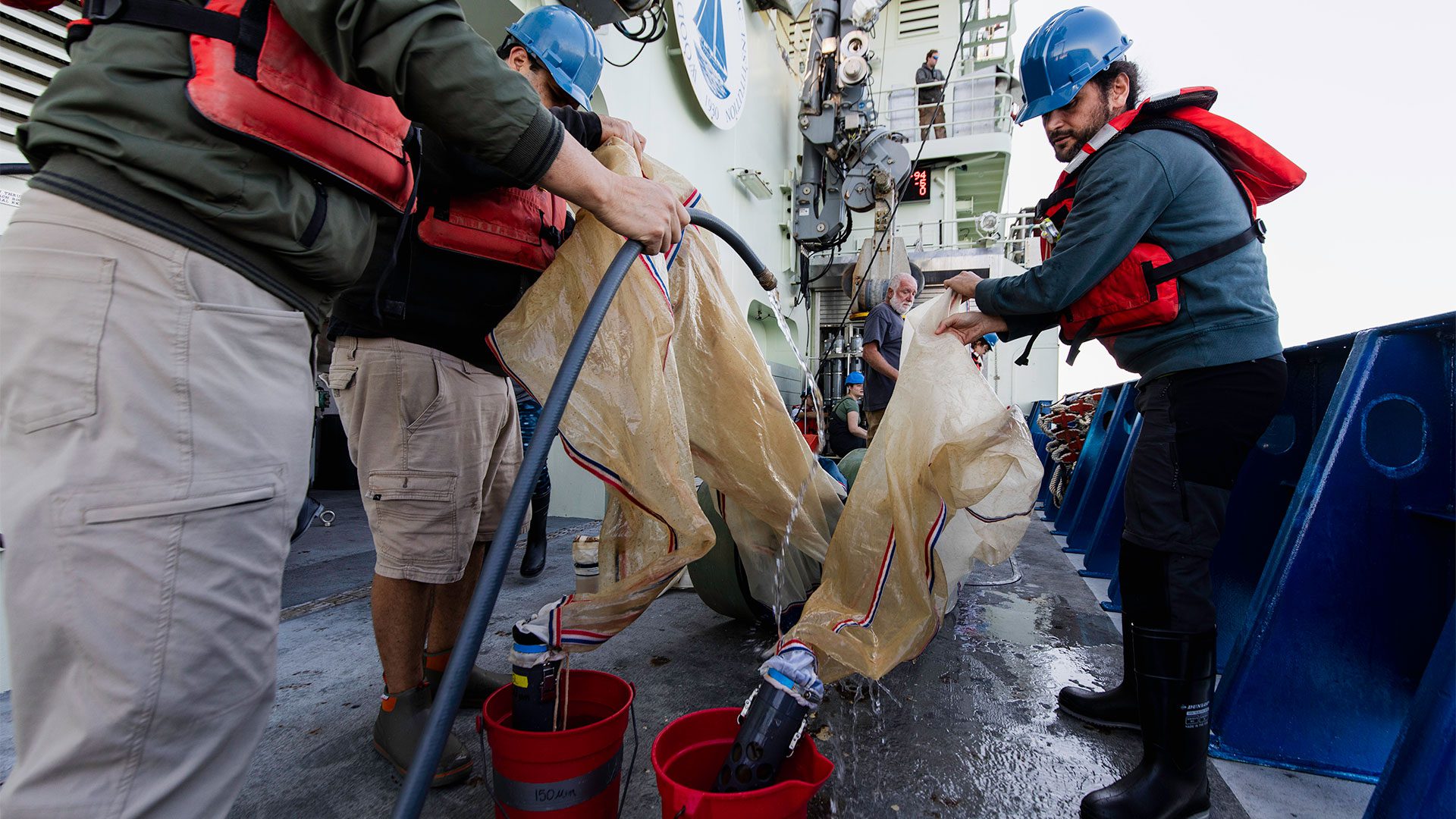
Ocean scientists collect and share data that can help national, state, and local governments determine optimal locations for marine protected areas.
Oceanographers, for example, can help identify how regional ocean physics influence animal migration and the transportation of food. The Northeast Canyons and Seamounts Marine National Monument off the coast of New England (created in 2016) was established, in part, because scientists identified deepwater currents that collide with underwater features, forcing nutrient-rich waters to the surface—a process called upwelling. These waters support a diverse bounty of ocean life from tiny zooplankton to massive humpback whales, and more. The U.S. Northeast Shelf Long-Term Ecological Research (NESLTER) is just one multi-disciplinary program through which scientists continue to study the productive waters in this region.
Marine ecologists and biologists can identify habitats that are critical to sheltering species at important life stages. For this reason, thousands of protected areas around the globe contain mangroves, a critical fish nursery for countless species.
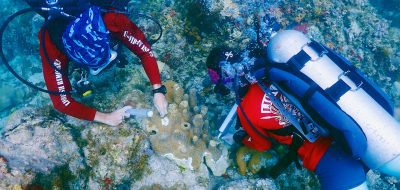
Ocean scientists can benefit from MPAs, too. These spaces can serve as untouched natural laboratories, from which researchers can study ecosystems that are unaffected by direct human influence or activities, like pollution or overfishing. Newly created MPAs can also serve as helpful case studies in how marine ecosystems recover from years of exploitation. Finally, scientific research in these sanctuaries can encourage cross-disciplinary studies in ocean science, conservation, and public outreach that underscore the shared, international nature of the global ocean and its resources.
Do MPAs make a difference to ocean health?
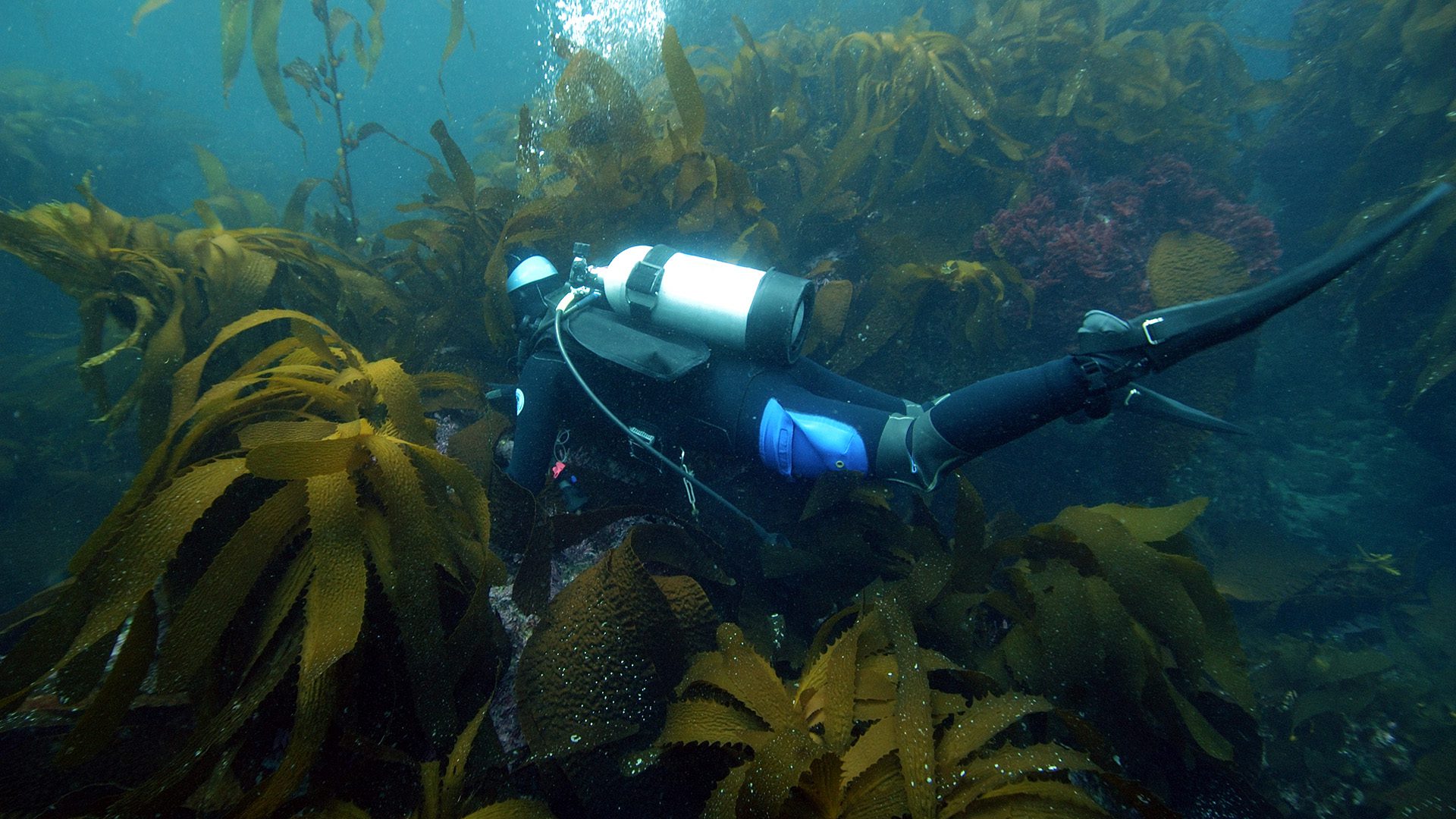
Marine protected areas can have a huge positive impact on the health and productivity of ocean ecosystems, as well as the blue economy. The Channel Islands Marine Protected Area, a patchwork of no-take areas off the coast of California, is one of the best examples of the impact MPAs can have.
Since its establishment in 2003, it has seen a remarkable increase in biodiversity, from whales to California sea lions and red sea urchins. A 2021 study from scientists at UC Santa Barbara and the University of Washington found that the density of species was 81% higher inside the MPA than outside it. What’s more, reduced fishing pressure inside the park led to a 225% increase in the catch of spiny lobster by nearby harvesters just six years after the MPA’s inception.
References
Expedition to the Phoenix Islands Protected Area
September 11 to September 26, 2009
More topics like this
Aquaculture
Aquaculture is the farming in fresh and saltwater environments of aquatic animals or plants principally for food. Fish, mollusks, crustaceans, and kelp are a few examples.
Fisheries
Overfishing and environmental issues have led to a decline in fish populations, creating uncertainty worldwide and threatening global economic and food security.
Offshore wind
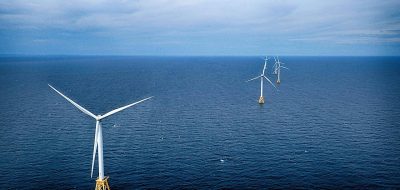
Offshore wind energy generates electricity through wind farms along inshore water areas such as lakes, fjords and sheltered coastal areas, as well as deeper-water areas.
Seafloor mining
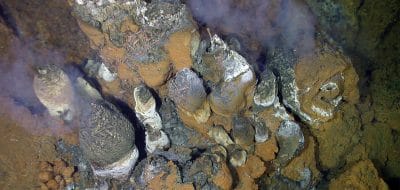
The ocean contains a complex combination of processes that sometimes result in commercially viable forms of a wide range of minerals.
Oceanus magazine
[ ALL ]In-depth research on Marine protected areas



WHOI News Room
[ ALL ]Press releases
Get the ocean in your inbox
Fresh discoveries, research, and stories from WHOI — free, every week.