Skip to content

Arctic ocean circulation

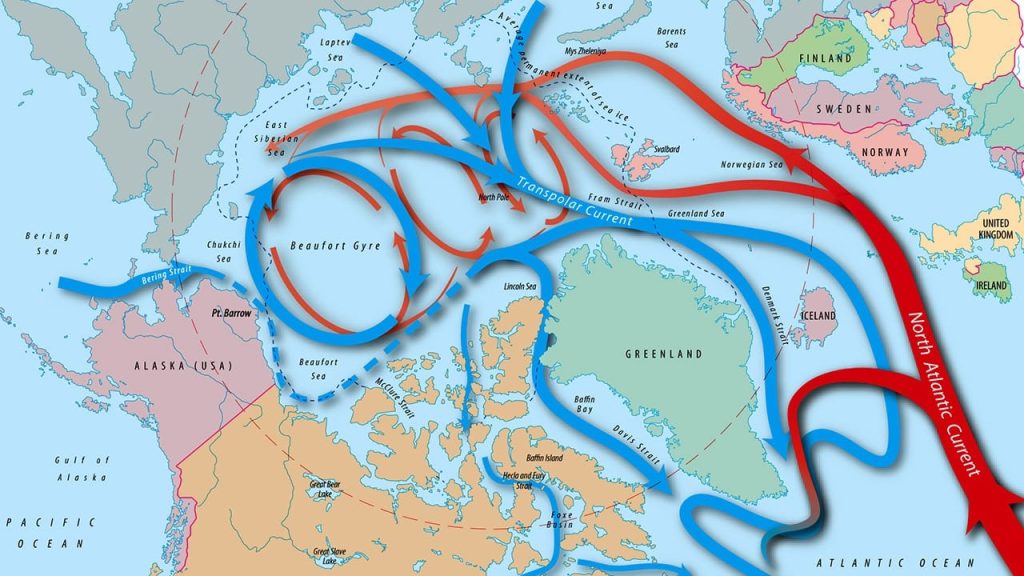
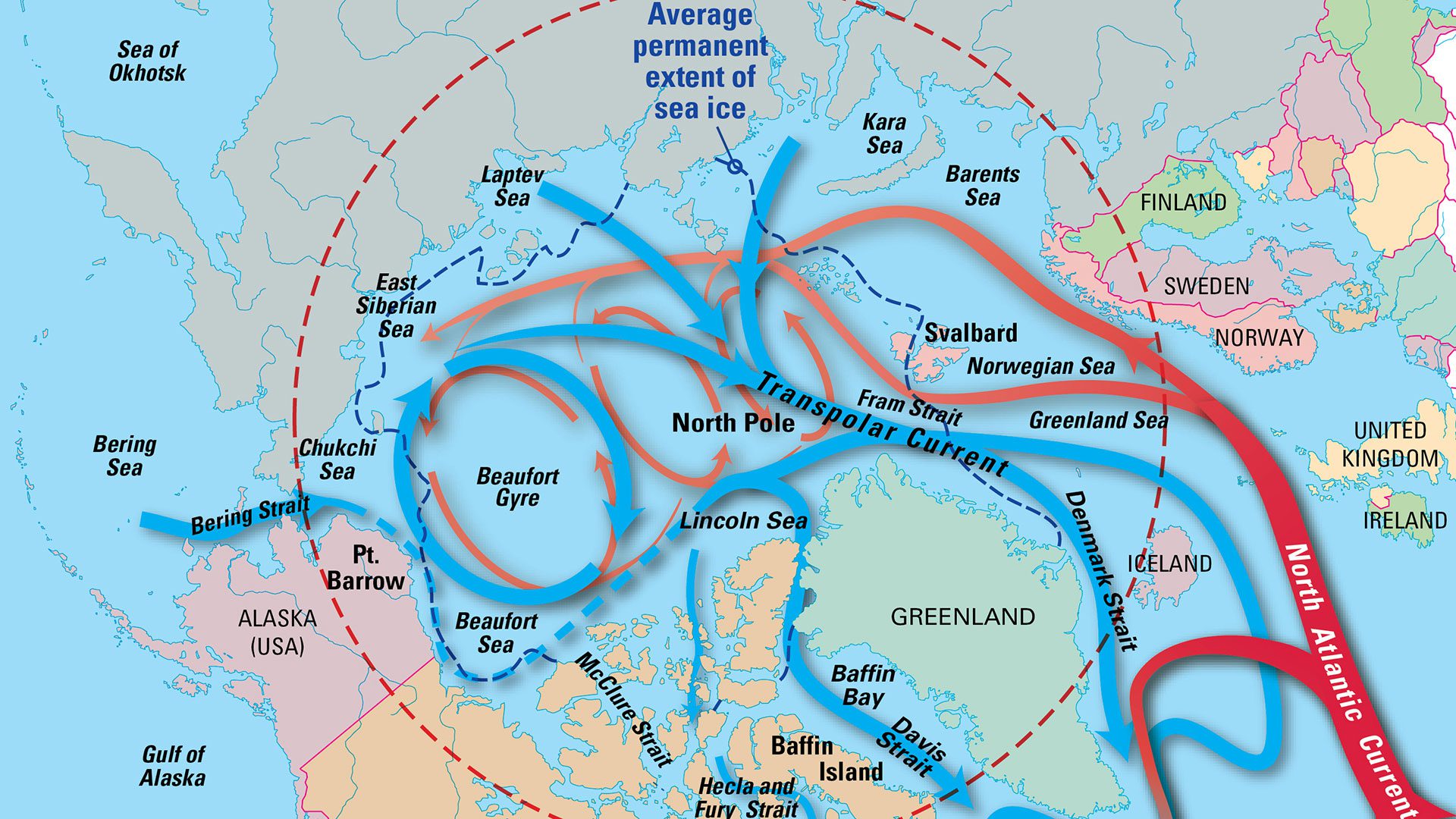
The complex ocean circulation system in the Arctic — which impacts the entire food web — is in a delicate balance.

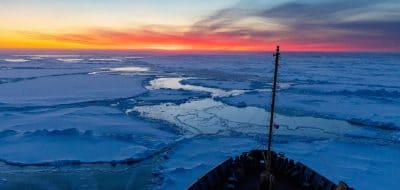
This complex circulation system in the Arctic — which impacts the entire food web— is in a delicate balance. In recent years, scientists have documented changes in the Arctic system, including a dramatic reduction in sea ice cover and a weakening of the Beaufort Gyre circulation system, which are attributed to climate change. The Arctic Ocean affects the way of life of not only the Arctic native peoples, but also those of us living "downstream," in Europe and North America. As such, the Arctic Ocean, and the effect of changes that are taking place there, are the focus of intense study by oceanographers of all disciplines.

Interactive

The Arctic: Ocean Circulation

Follow the journey of water through the Arctic Ocean. Click the numbers to explore how Arctic Ocean circulation shapes this unique environment.
Arctic Circulation

References

To the Denmark Strait
August 21 to September 28, 2011
Searching for the origins of a mysterious current.

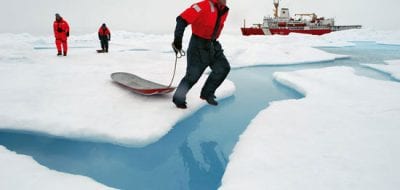
Vanishing Arctic
August 28 to September 23, 2010
Follow researchers on an icebreaker study the effects of warming and climate change in the Arctic.

Irminger Sea
October 4 to 29, 2008
Join researchers as they travel to one of the stormiest places on earth to collect information about the water and atmosphere.

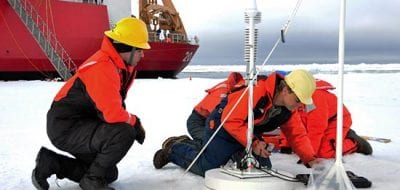
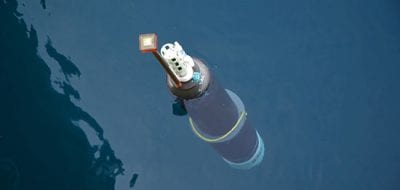
Ice-Tethered Profiler
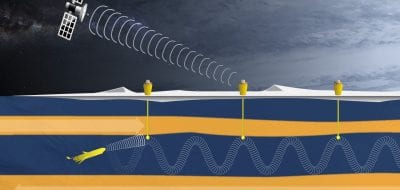
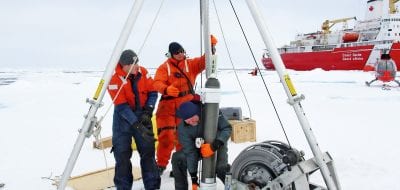
Repeatedly sampling properties of the ice-covered Arctic Ocean.

More topics like this
Currents, gyres, & eddies

At the surface and beneath, currents, gyres and eddies physically shape the coasts and ocean bottom.

Biogeochemistry

Biogeochemistry studies the cycles of crucial elements, such as carbon and nitrogen, and their interactions with other substances and organisms as they move through Earth's atmosphere, hydrosphere, biosphere, and lithosphere.

Diagram tracing carbon from phytoplankton up the food web, then sinking as marine snow below 500 meters into the deep ocean. (Illustration by Charin Park, © Woods Hole Oceanographic Institution)

Biological carbon pump

Every day, microscopic phytoplankton pull carbon dioxide from surface waters and send it sinking into the deep sea—where the ocean's biological carbon pump can lock it away for hundreds to thousands of years, quietly shaping Earth's climate.

Changing shorelines & erosion

Waves, currents, wind, storms, and tides form complex interactions over time to cause erosion along some stretches of shoreline and growth in others.

Black plume rises from a deep-sea hydrothermal vent chimney ringed by orange mineral deposits and pale vent shrimp.

Hydrothermal vents

In the sunless deep, hydrothermal vents gush superheated, mineral-rich fluid from the seafloor, building towering mineral chimneys. Around them thrives one of Earth's strangest ecosystems—tubeworms, shrimp, and microbes that live on chemistry instead of sunlight, powered by the planet's inner heat.

Coral Coring

Sunlit zone

The upper layer of the ocean is known as the sunlit, or euphotic, zone. Because water strongly absorbs light, sunlight penetrates only to depths of about 200 meters (656 feet).

Carbon cycle

Carbon is the building block of life on Earth and has a powerful impact on the planet’s climate.

Cycles

Oceanic cycles — chemical, physical, and biological — are related to cyclic processes in the Earth's atmosphere, such as the seasons, El Niño events, and long-term climate changes.

Glaciers & ice sheets

Glaciers are large ice masses created by snowfall that has transformed into ice and compressed over the course of many years. An ice sheet is a mass of glacial land ice extending more than 20,000 square miles.

Mid-ocean ridges

The mid-ocean ridge occurs along boundaries where plates are spreading apart.

A montage of animals from squid to fish to krill dwell in the mesopelagic zone, or the twilight zone. Scientists estimate the twilight zone may contain more fish biomass than all the rest of the ocean combined. (Paul Caiger, ©Woods Hole Oceanographic Institution)

Twilight zone

The ocean twilight zone is a layer of water that stretches around the globe. It lies 200 to 1,000 meters below the ocean surface, just beyond the reach of sunlight.

Frozen ocean

The polar regions are experiencing unprecedented environmental changes that have significant potential impacts on global climate, ecosystems, and society.

WHOI Assistant Scientist Julia Guimond conducts groundwater sampling at the Wells National Estuarine Research Reserve in Wells, Maine.

Groundwater

Groundwater is water that exists underground in the spaces between grains of sand or gravel or in the cracks and fractures in solid rock—part of the global water cycle.

dragonfish

Midnight zone

The midnight zone, or bathypelagic, extends to about 4,000 meters (about 13,100 feet), which reaches the ocean floor in many places is in perpetual darkness.

Natural oil seeps

As much as one half of the oil that enters the coastal environment comes from natural seeps of oil and natural gas.

Ocean acidification

Ocean acidification is a reduction in the pH of the ocean over an extended period of time, caused primarily by an increase of carbon dioxide from the atmosphere.

Low-oxygen “dead zones” and phytoplankton blooms

Oxygen dead zones

Dead zones occur when the water lacks oxygen. Like us, marine animals require oxygen to breathe, and when oxygen levels drop too low they can suffocate.

Rivers, estuaries, & deltas

Rivers, estuaries, and deltas are key to understanding the chemical structure of seawater, and are home to some of the world's most diverse ecosystems.

The U.S. Coast Guard icebreaker Healy moves through pancake ice in the Arctic's Chukchi Sea.

Sea ice

Sea ice is frozen seawater floating on the surface of the ocean. Sea ice is formed entirely in the ocean, unlike icebergs, which originate from land-based sources like glaciers and ice sheets.

A-Z Listing of Topics

Scroll To Top