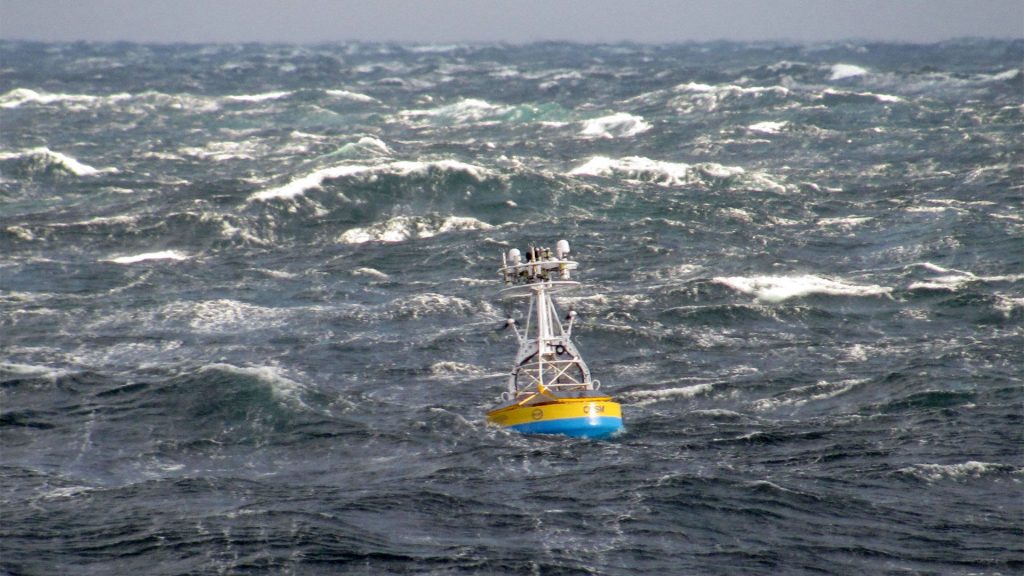
The ocean plays a central role in global climate and regional weather patterns.
Explore how the ocean regulates climate by absorbing carbon, the ways a warming ocean impacts the intensity of storms and the height of the sea, and how scientists study the ocean’s climate history.
More topics like this
Abrupt climate change
Earth's changing climate is raising concerns that it could respond in abrupt and unexpected ways, making it difficult for human society to adapt.
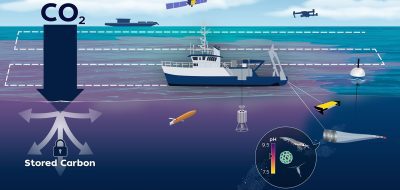
Ocean-based climate solutions
Ocean-based, clean energy technologies hold great potential for ocean-based climate solutions, such as blue carbon, biofuels, and carbon dioxide removal systems.
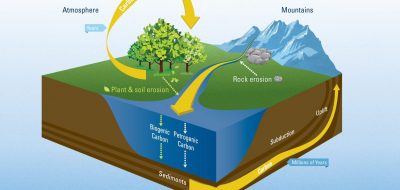
Coastal restoration & blue carbon
Blue carbon refers to atmospheric carbon captured and stored by the ocean, which mitigates the effects of climate change by storing carbon for long periods of time.
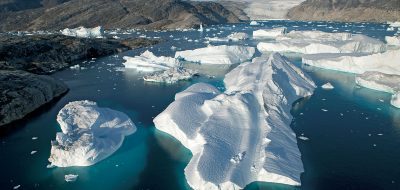
Climate change
Scientific observation has shown that the atmosphere near the Earth's surface is warming.
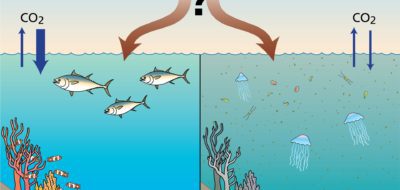
Iron fertilization
Iron fertilization is a technique that would artificially add iron to the ocean's surface, triggering massive blooms of phytoplankton that could remove substantial amounts of carbon dioxide from the atmosphere.
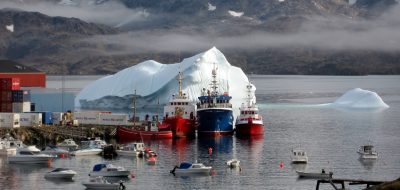
Ocean warming
Increasing ocean heat is closely linked to increases in atmospheric greenhouse gas concentrations, making the ocean an excellent indicator of how much Earth is warming.

Ocean alkalinity
When alkalinity reacts with carbon dioxide in the ocean, it converts it to a form that can't readily return to the atmosphere as carbon dioxide gas.

Paleoclimatology
Understanding how climate naturally varied over thousands and millions of years teaches us how Earth's climate system works and sheds light on current, human-induced changes.
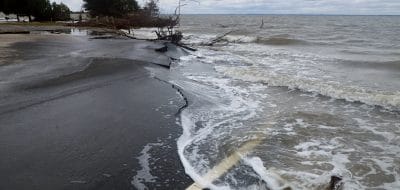
Sea level rise
Sea level rise is expected to continue for centuries and may impact human and the natural environment.

Seaweed culture
When seaweed removes carbon dioxide from seawater, it alters the balance of carbon dioxide between water and air, causing the gas to move from the atmosphere into the ocean.
Oceanus magazine
[ ALL ]In-depth research on Climate & weather

Ships in the Strait of Hormuz are becoming invasive species breeding grounds

Is the ocean carbon sink at risk of faltering?

Campaign for Our Ocean Planet

The world’s most abundant fish once thrived in an extreme climate

Luxury cruises with a side of climate science

The human cost of Brazil’s floods

Remembering Tatiana Schlossberg, a voice for the ocean
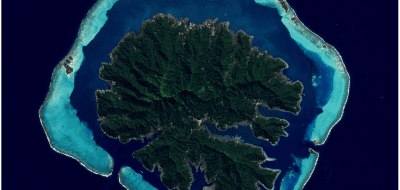
How an MIT-WHOI student used Google Earth to uncover a river–coral reef connection

The ocean weather nexus, explained

Fires, floods, and forgotten places

Harnessing the ocean to power transportation

Ancient seas, future insights







WHOI News Room
[ ALL ]Press releases
New international coalition establishes shared principles for responsible research into ocean iron-based carbon removal
Get the ocean in your inbox
Fresh discoveries, research, and stories from WHOI — free, every week.