
Applied Ocean Physics & Engineering
7 Places and Things Alvin Can Explore Now
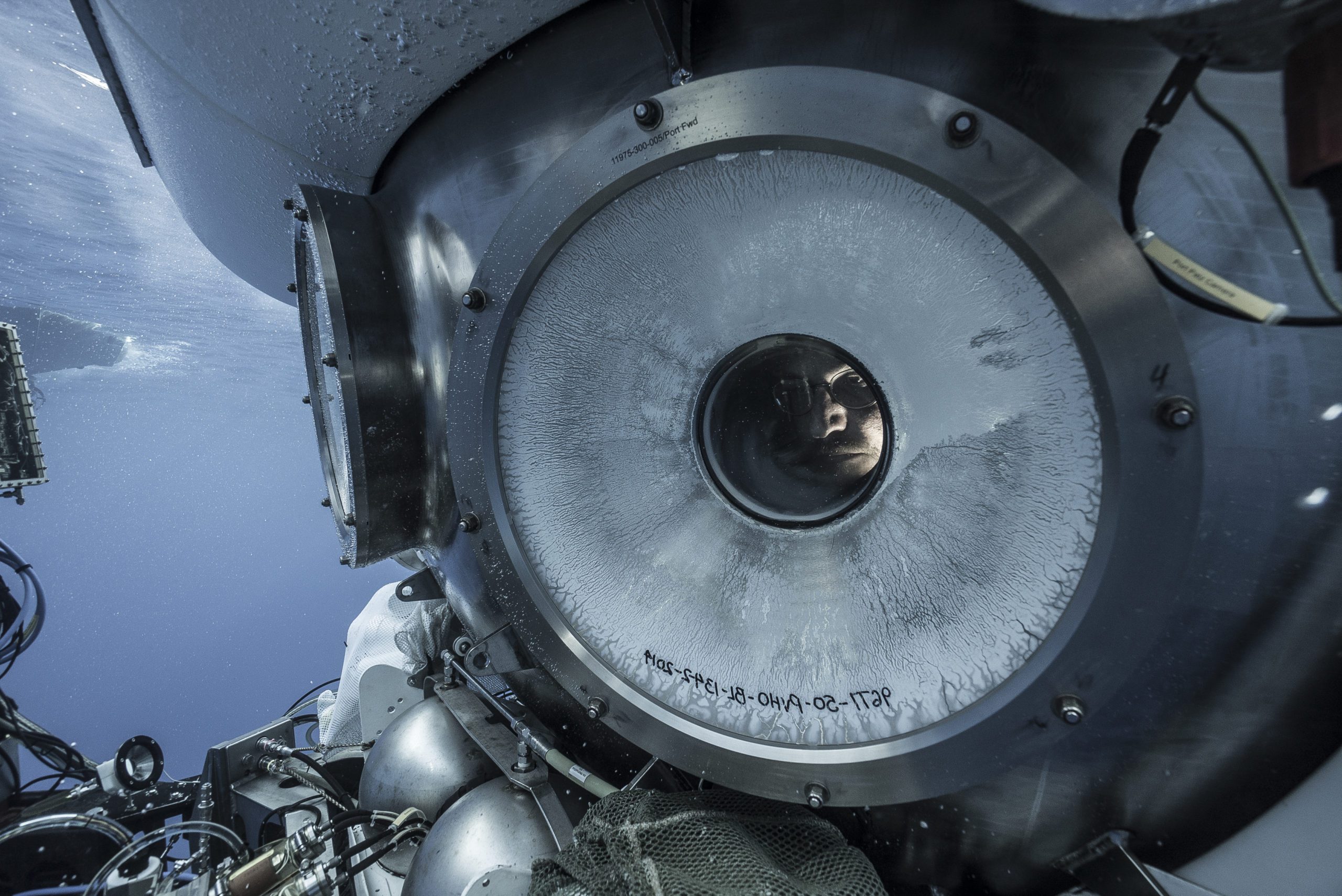
With its new depth rating of 6500 meters (4 miles), WHOI’s human-occupied vehicle (HOV) Alvin is set to take scientists places they’ve never explored in person
Read MoreOn the crumbling edge
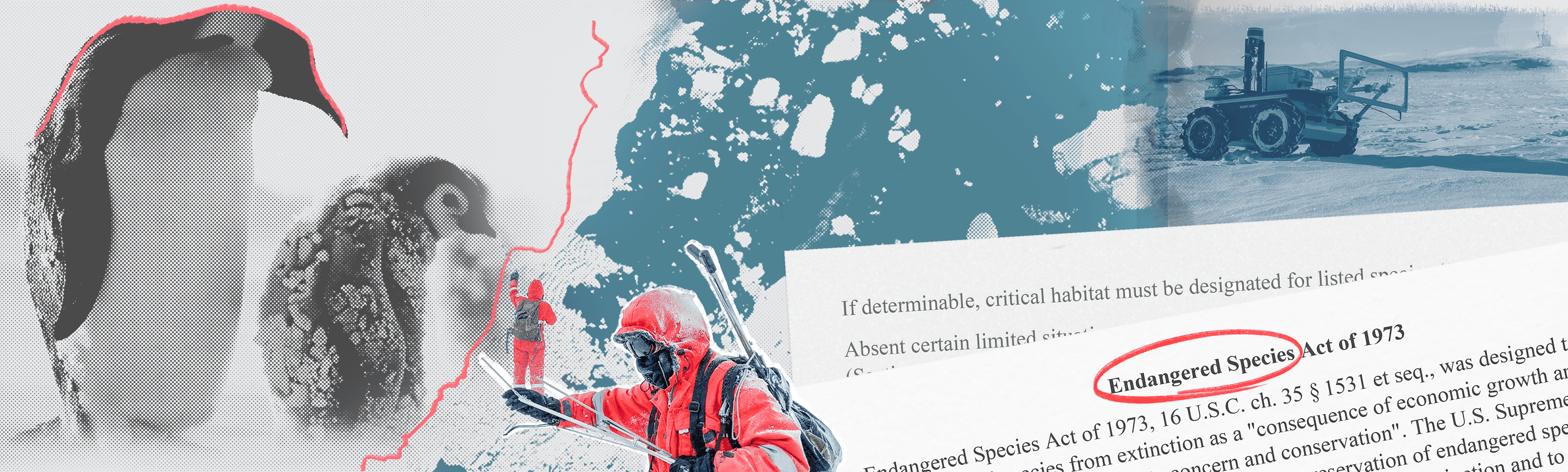
The race to ensure protection for the emperor penguin across the world
Read MoreDeepest sediment core collected in the Atlantic Ocean
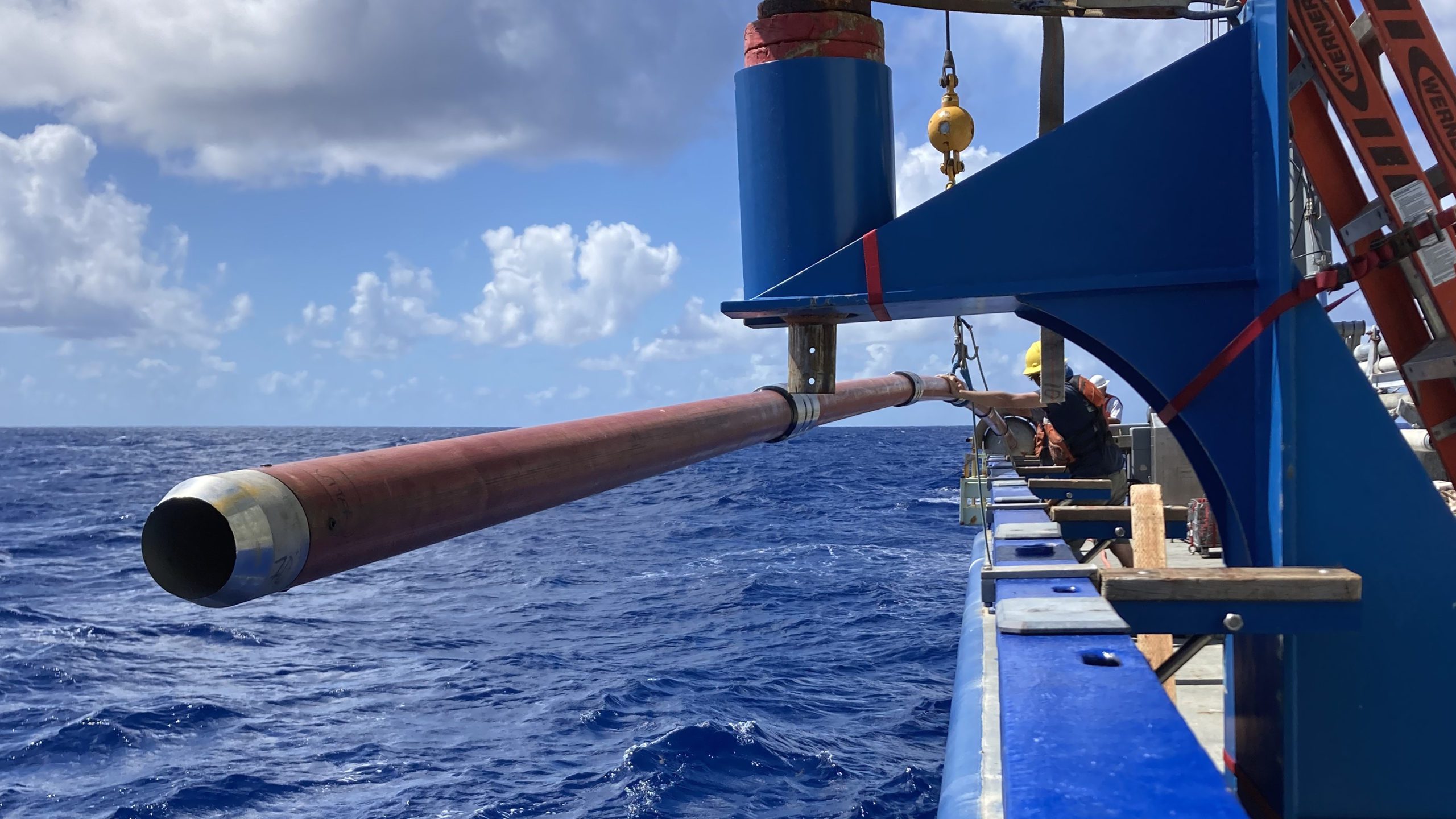
A team of scientists, engineers, and ship’s crew on the research vessel Neil Armstrong operated by the Woods Hole Oceanographic Institution (WHOI) recently collected a 38-foot-long cylindrical sediment sample from the deepest part of the Puerto Rico Trench, nearly 5 miles below the surface.
Read MoreScientists report complete collapse of East Antarctica’s Conger Ice Shelf
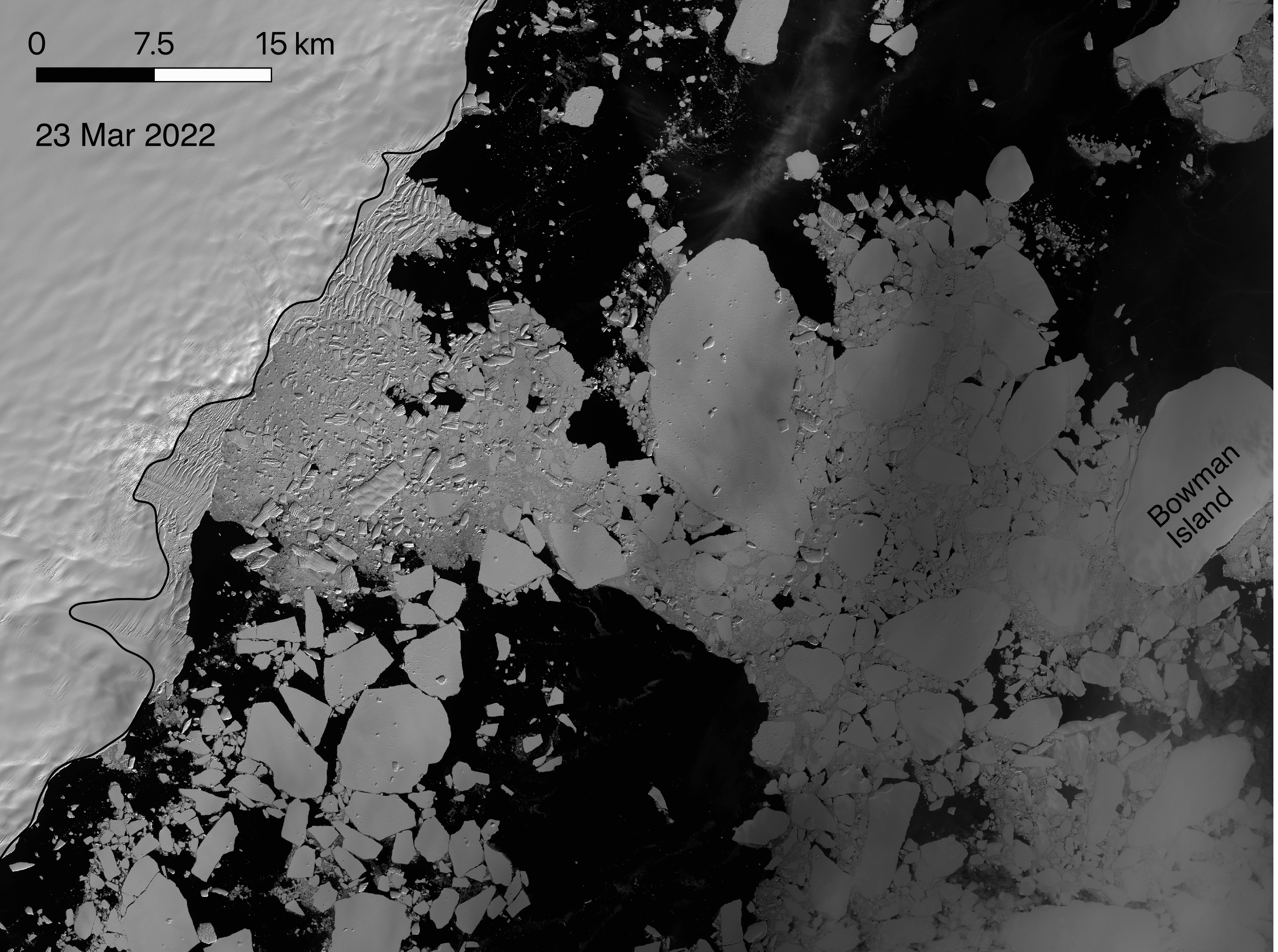
Satellite data has confirmed that an ice shelf about the size of Manhattan has completely collapsed in East Antarctica within days of record high temperatures. The Conger ice shelf, which had an approximate surface area of 1,200 sq km, collapsed around 15 March, scientists confirmed today.
Read MoreOCIA: Accelerating the pace of ocean-climate research
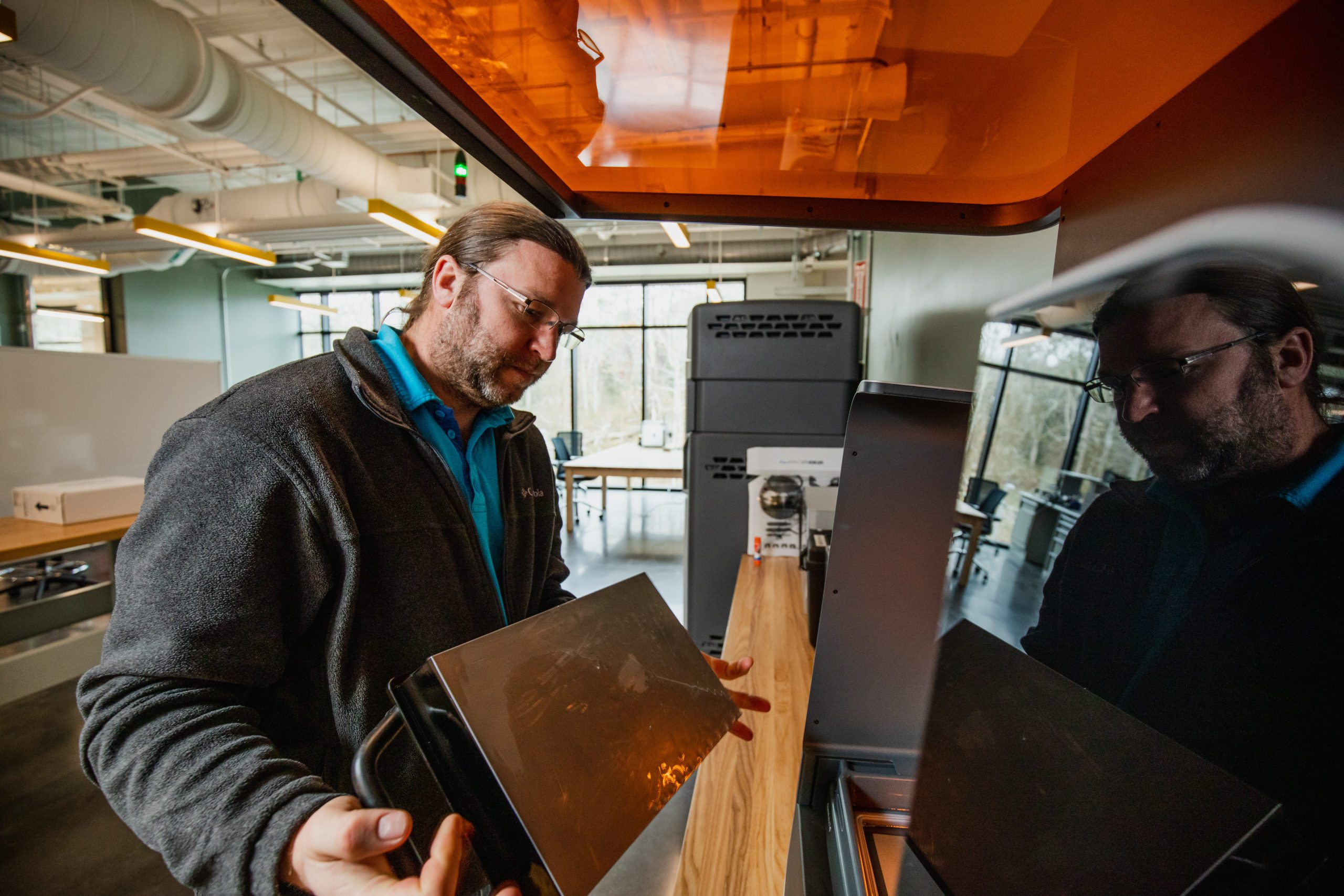
The first five projects funded by the Ocean Climate Innovation Accelerator (OCIA) are set to advance research at the intersection of oceans and climate.
Read MoreWith worsening storms, can the Outer Banks protect its shoreline?
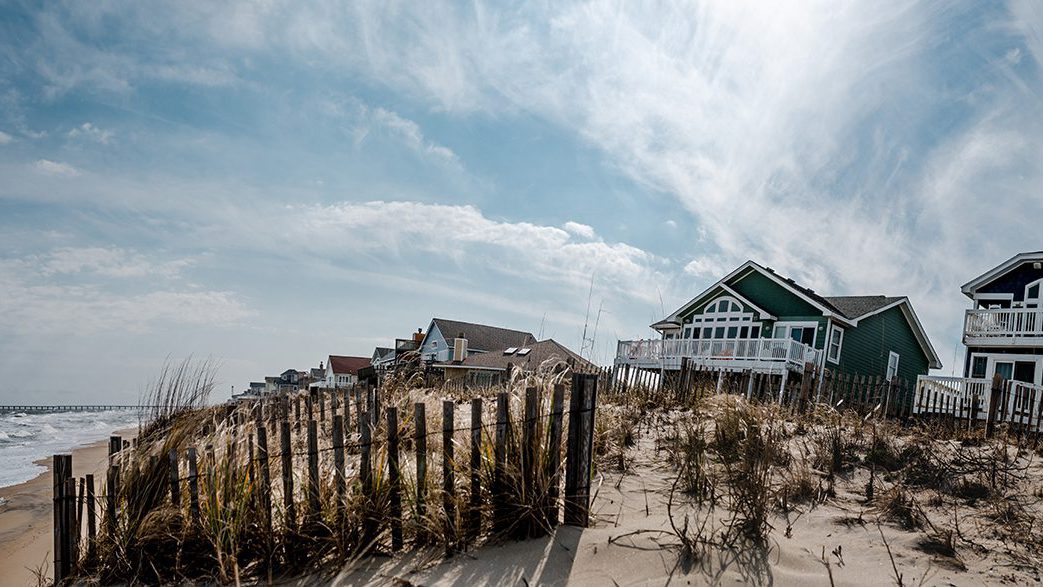
The double-whammy of more intense storms and a COVID-era real estate boom has scientists and planners focused on resiliency
Read MoreMeet the Jason Team: Mario Fernandez
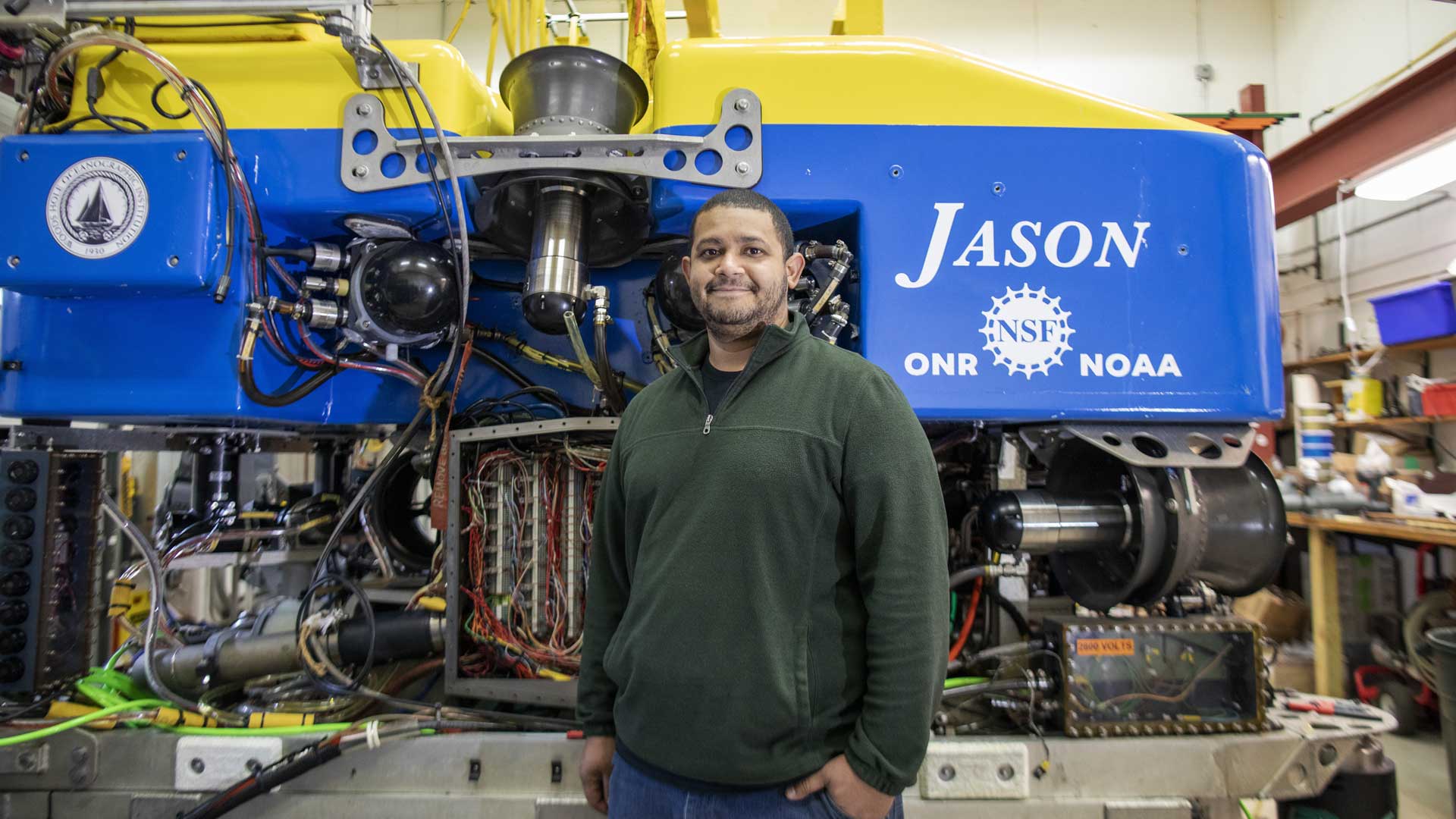
A mechanical engineer, pilot, and expedition leader on vehicle design and adventures at sea
Read MoreMeet the Sentry Team: Amanda Sutherland
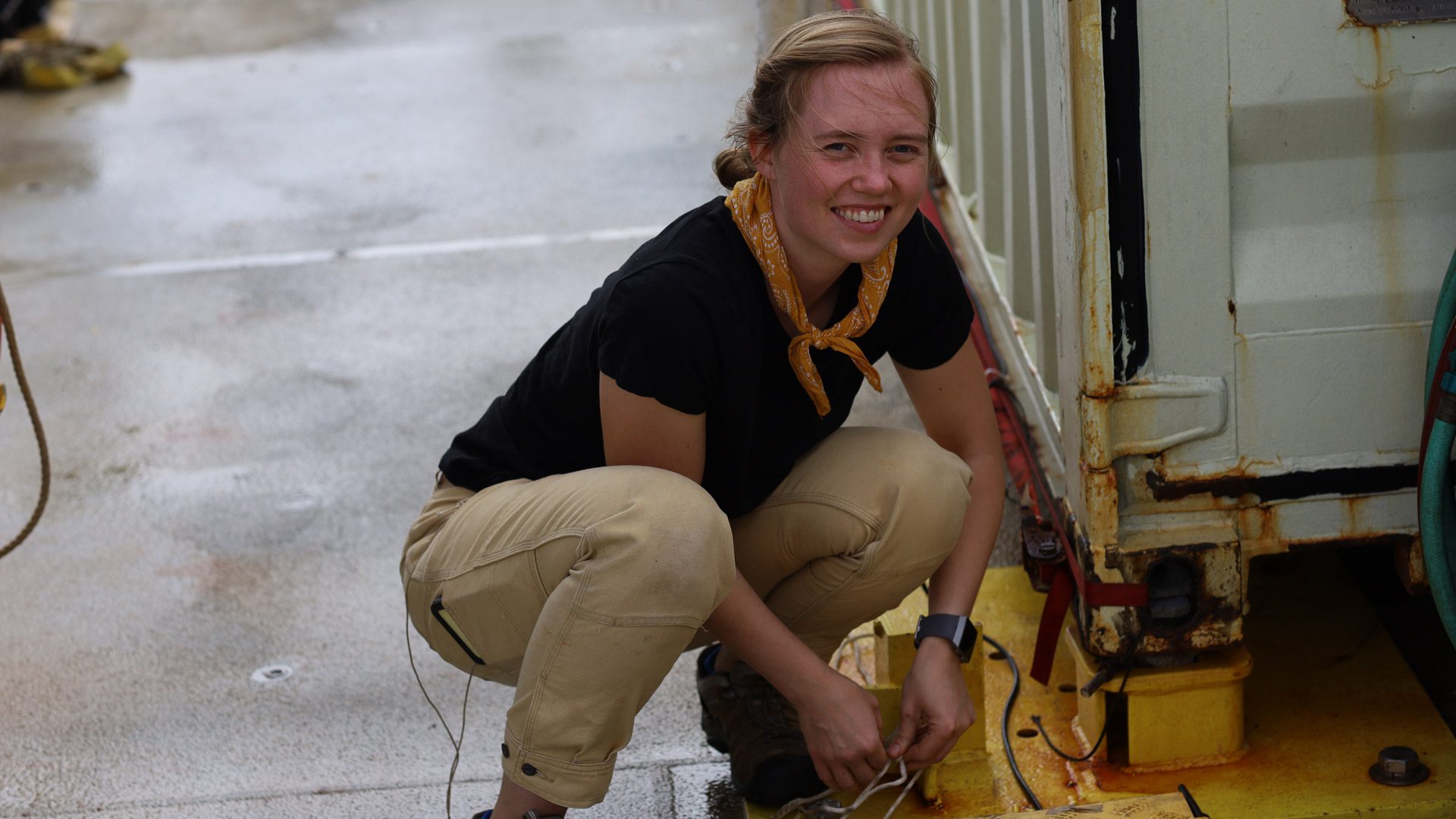
A Mechanical engineer on independent workflow and collaboration
Read MoreSniffing out methane in the deep sea
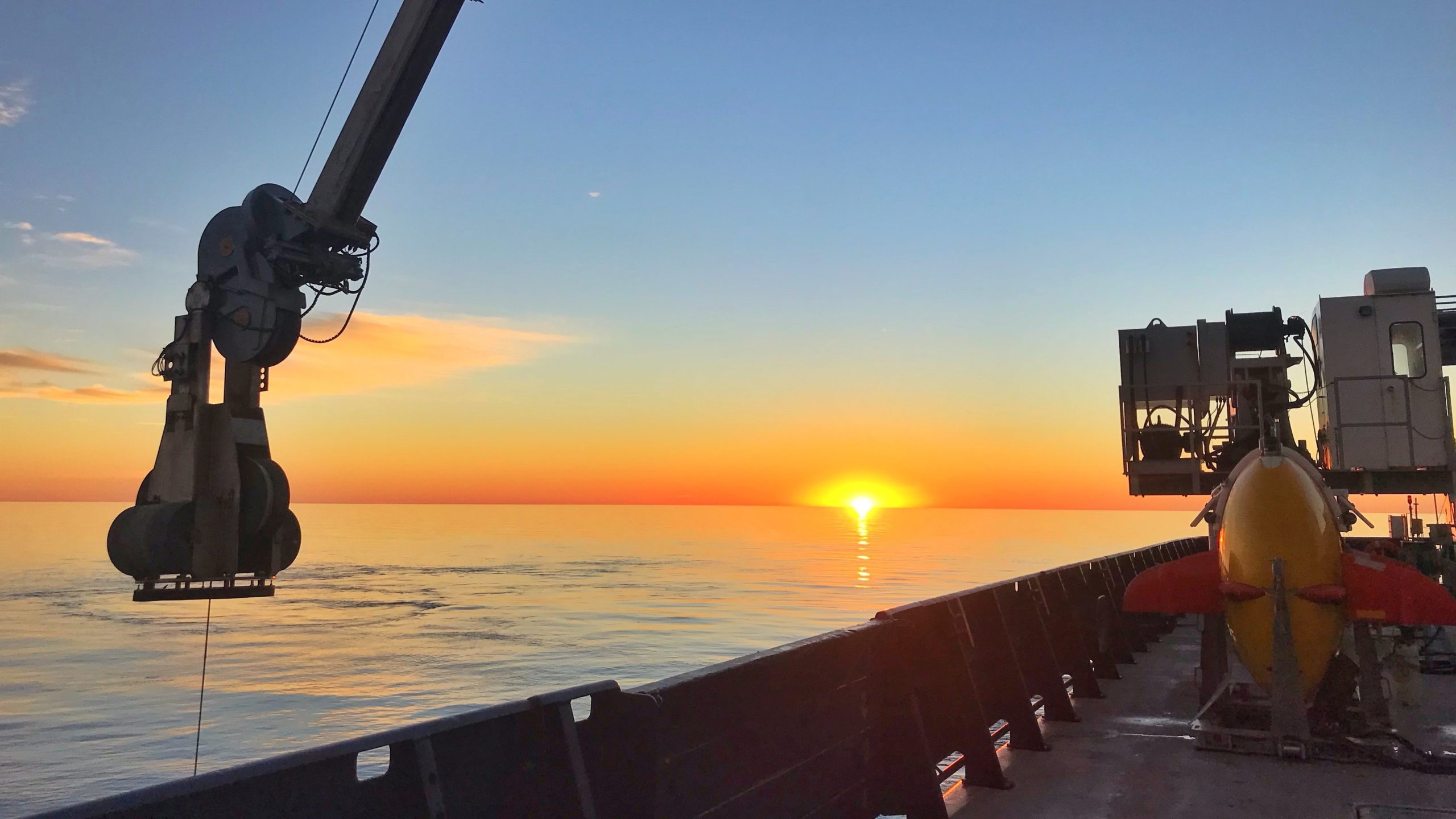
Scientists cruise the Gulf of California’s Guaymas Basin to test out new tech for detecting and measuring methane in the deep
Read MoreWoods Hole Oceanographic Institution co-produces Emmy award-winning program

Woods Hole Oceanographic Institution has been awarded an Emmy as a co-producer, along with South Florida PBS (WPBT & WXEL) for Changing Seas: “Alvin: Pioneer of the Deep” . The 2021 Suncoast Chapter of the National Academy of Television Arts & Sciences Emmy Awards announced the honor in December, for the category “Environment/Science – Long Form Content.”
Read MoreDune buggies and diving:
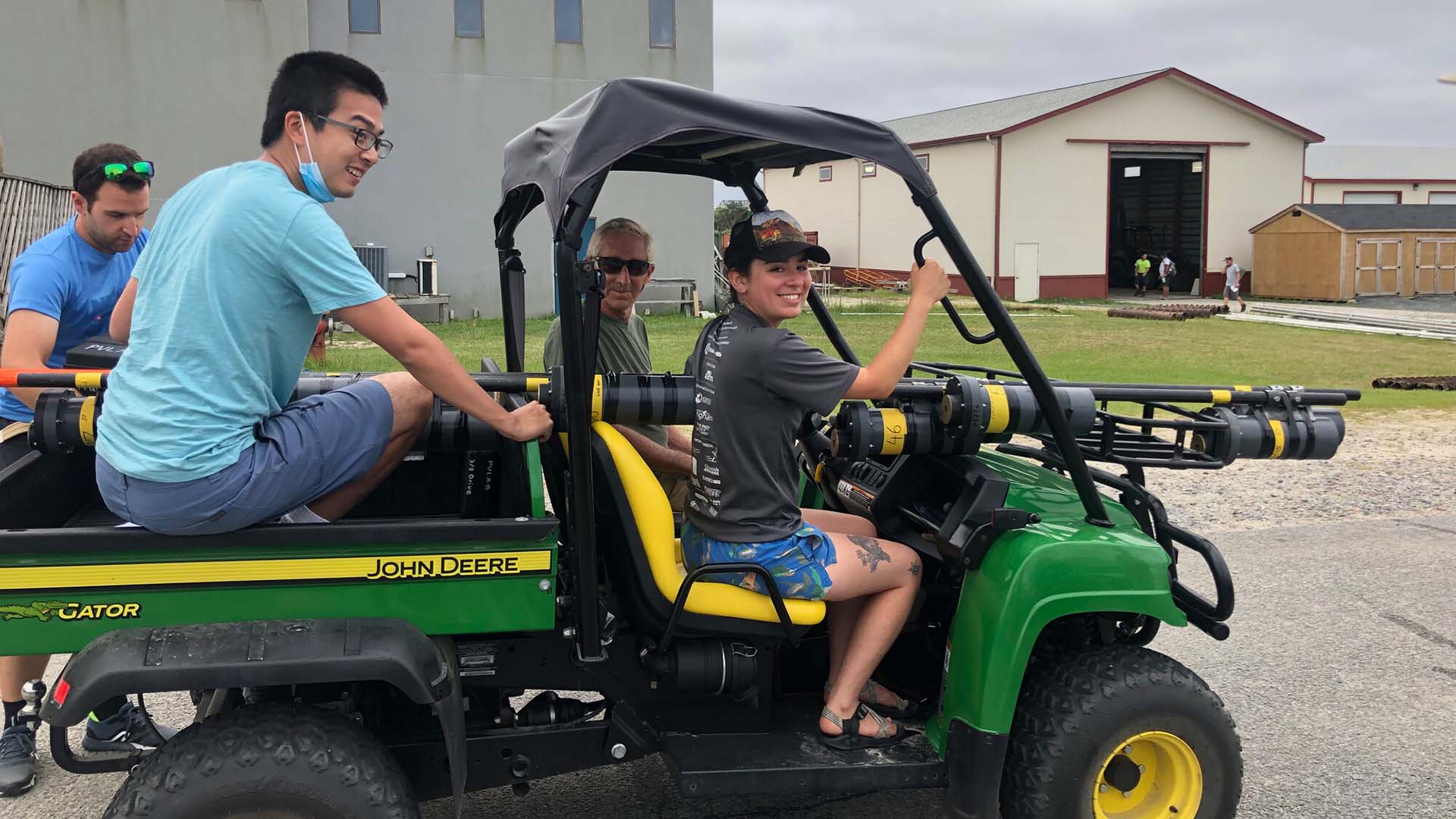
PhD student Ciara Dooley talks about coastal research with the DUNEX Program
Read MoreWHOI shares details on microplastic detection project
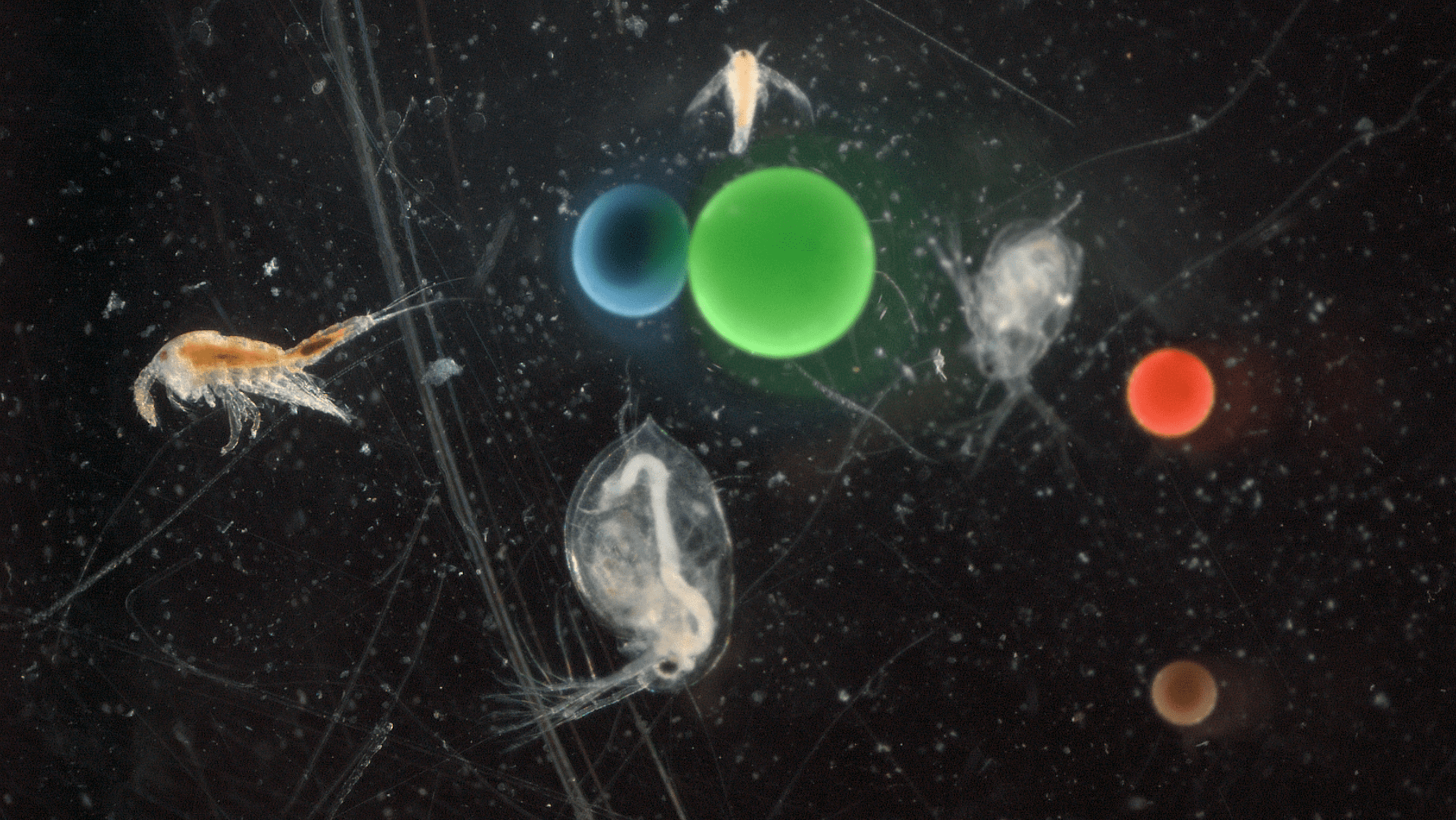
A project led by Woods Hole Oceanographic Institution’s Chemical Sensors Lab is moving researchers closer to an in-field microplastics sensor that measures the amount of plastic particles in water.
Read MoreResearch suggests giant kelp has different factors that bear on its growth dynamics
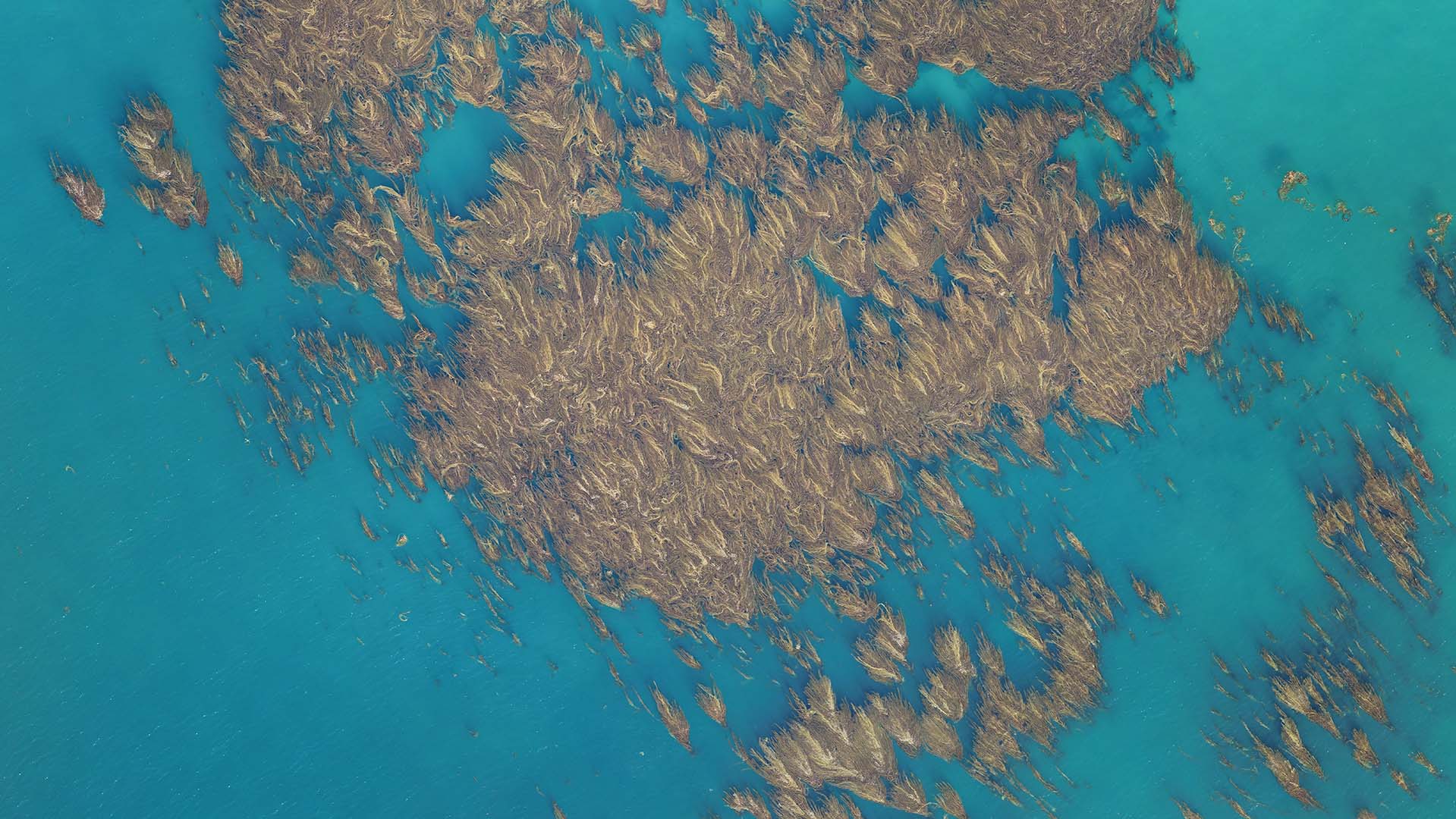
The macroalga giant kelp, which is an iconic and important ecosystem-structuring species found off the coast of California and many other coastlines, can grow 100-feet long within 1-2 years. Now, researchers using novel remote sensing observations have found that different factors may bear on the spatial growth dynamics of the Macrocystis pyrifera kelp, which is the largest species of algae in the world.
Read MoreFrom the sound: A future powered by the sea

These two WHOI scientists discuss the promise of offshore wind and wave as renewable energy, and why WHOI is uniquely poised to make these safe and efficient forms of power
Read MoreAn ocean of opportunity
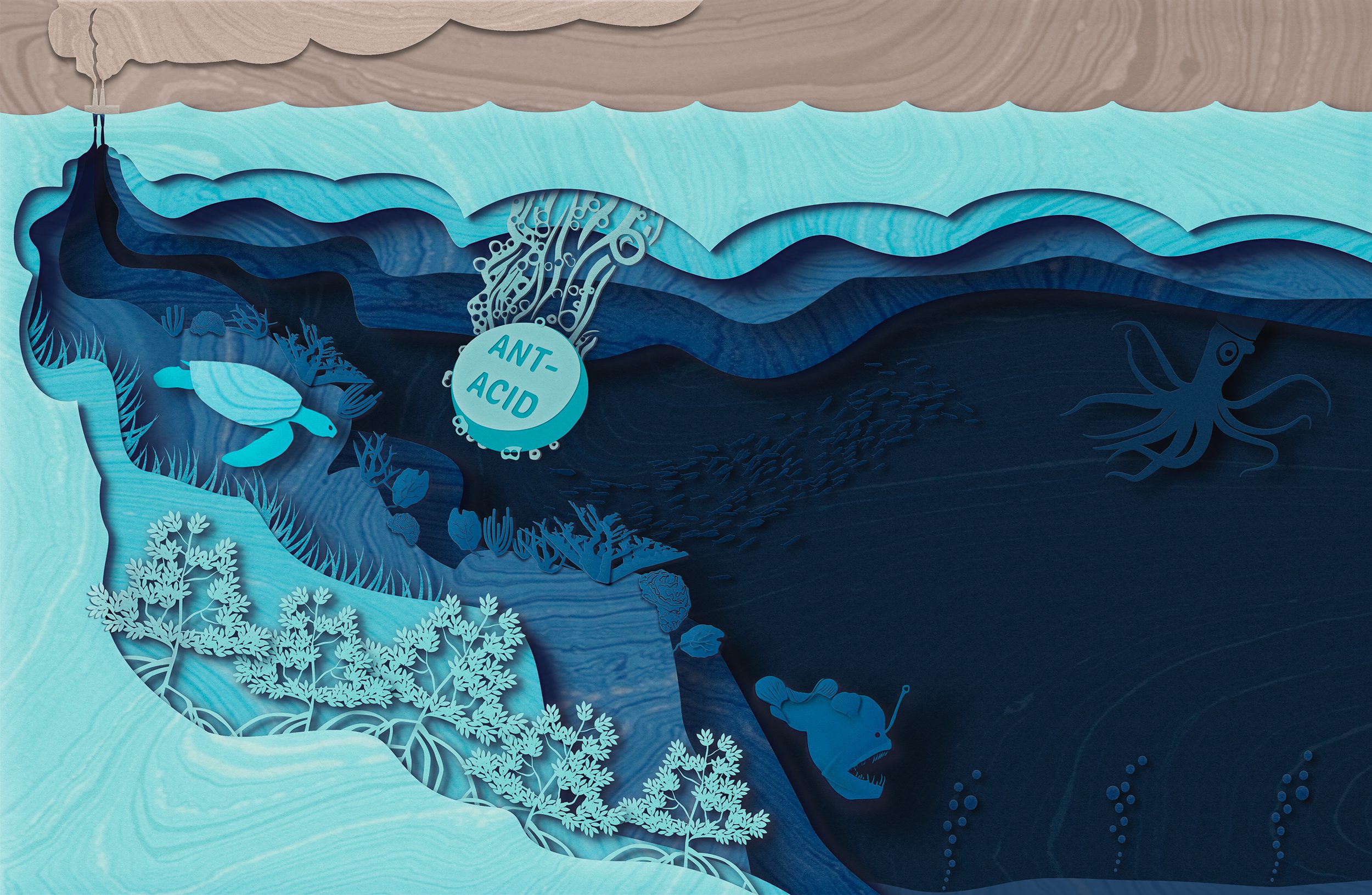
Ocean experts explore the potential risks and rewards of ocean-based solutions to climate change
Read MoreA curious robot is poised to rapidly expand reef research
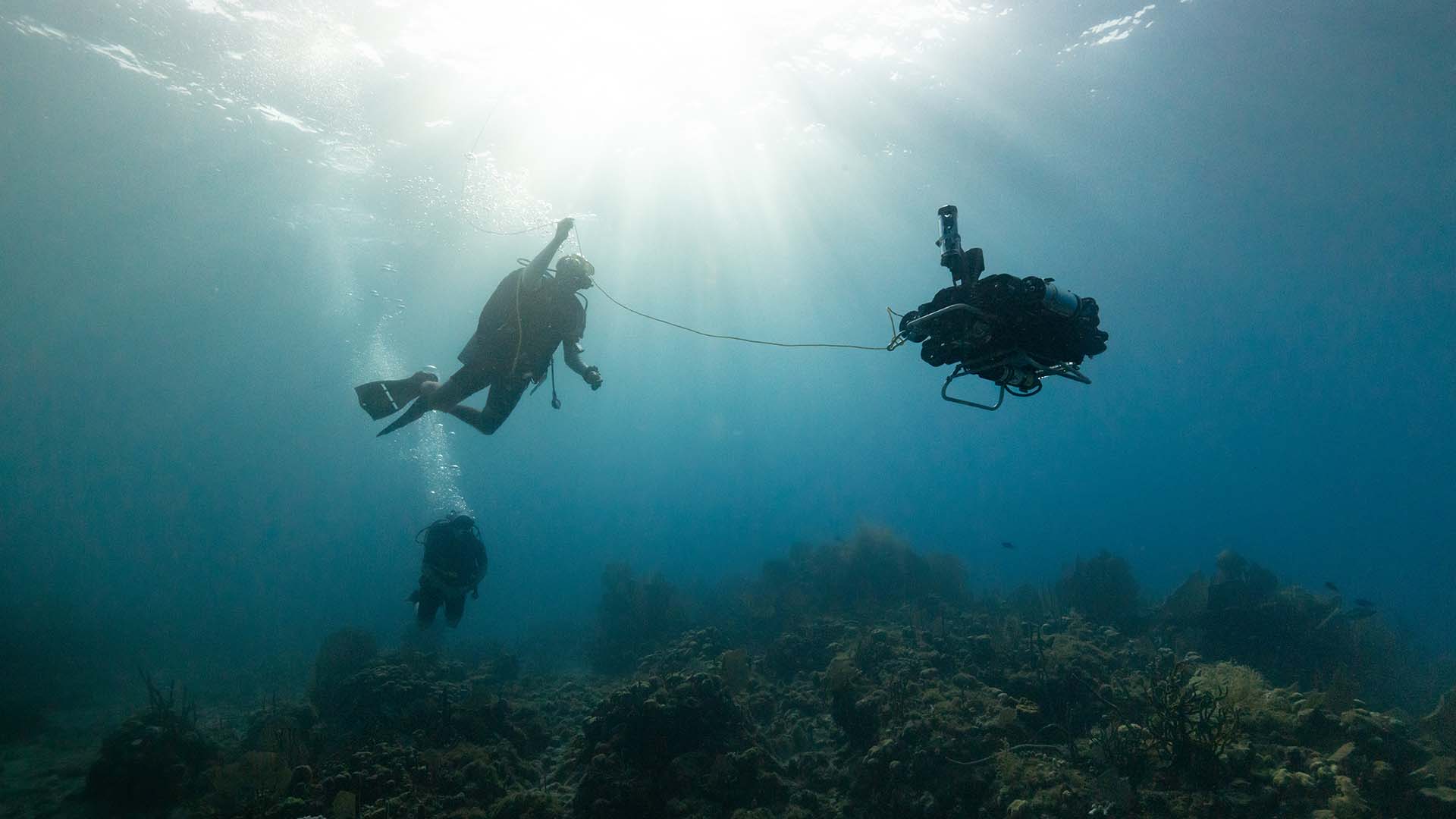
WHOI scientists with the Coral Catalyst Team are leveraging a new, artificially intelligent robot to automate coral reef health assessments
Read MoreAdapt or retreat:
No solution is off the table to prepare for sea level rise in Woods Hole
Read MoreThe story of “Little Alvin” and the lost H-bomb
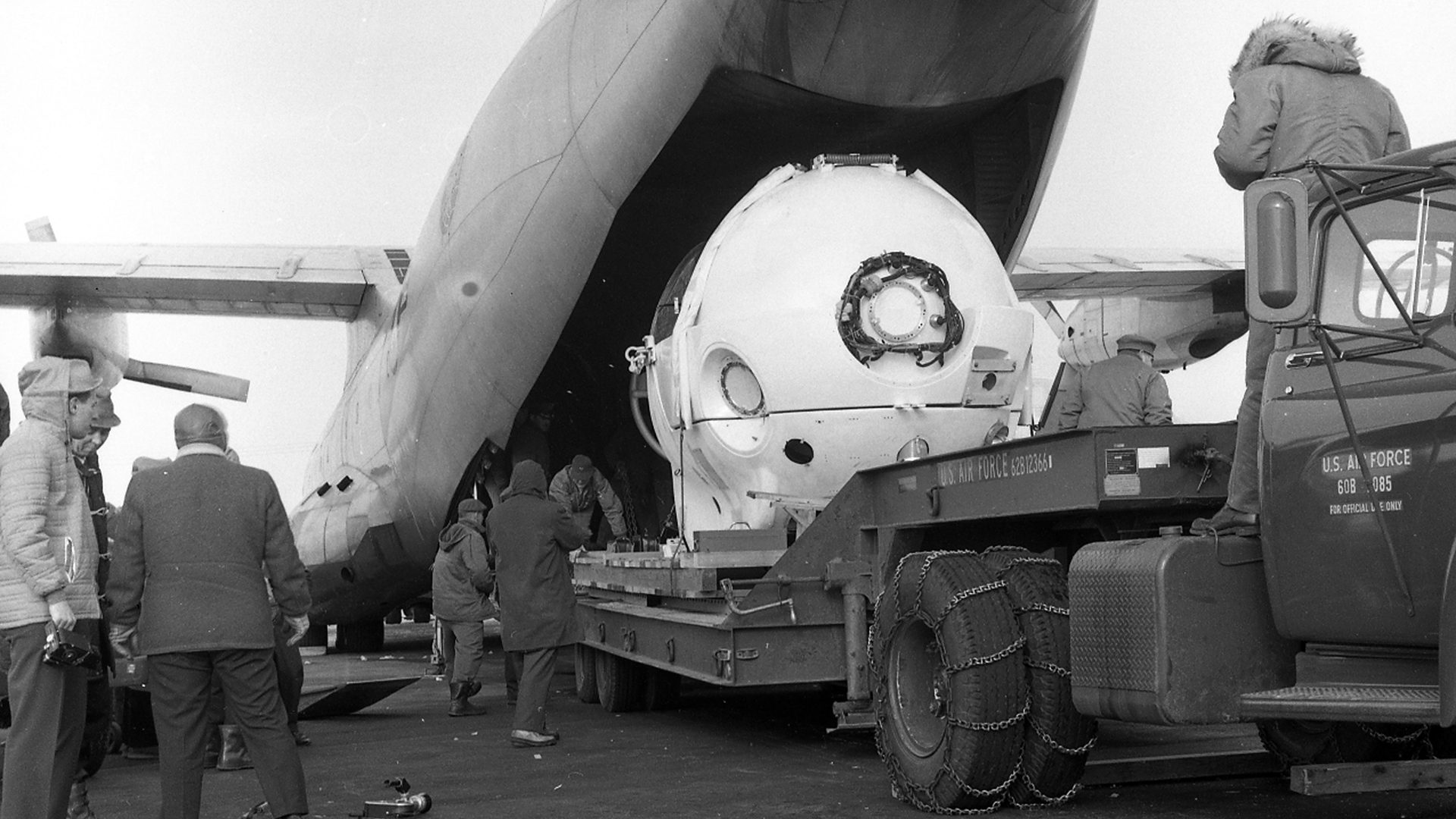
How the famed submersible found a lost hydrogen bomb in the Mediterranean Sea during the height of the Cold War
Read MoreDOE Funding will Support WHOI Research to Support Sustainable Development of Offshore Wind
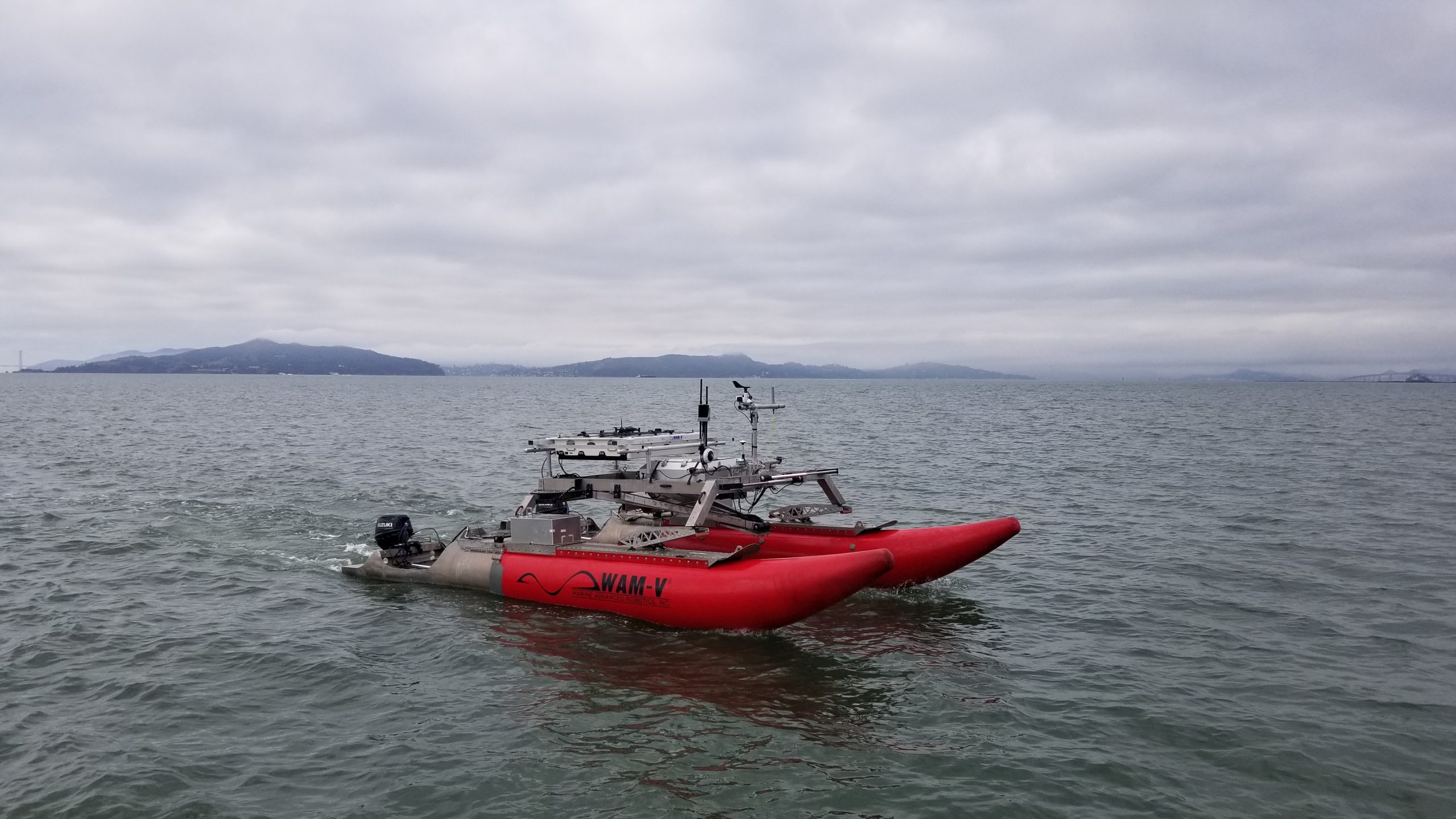
Woods Hole, MA — The Woods Hole Oceanographic Institution (WHOI) has received $750,000 in funding from the U.S. Department of Energy (DOE) to develop next‐generation autonomous robotic technology for environmental…
Read MoreHOV Alvin temporarily halts engineering test dives
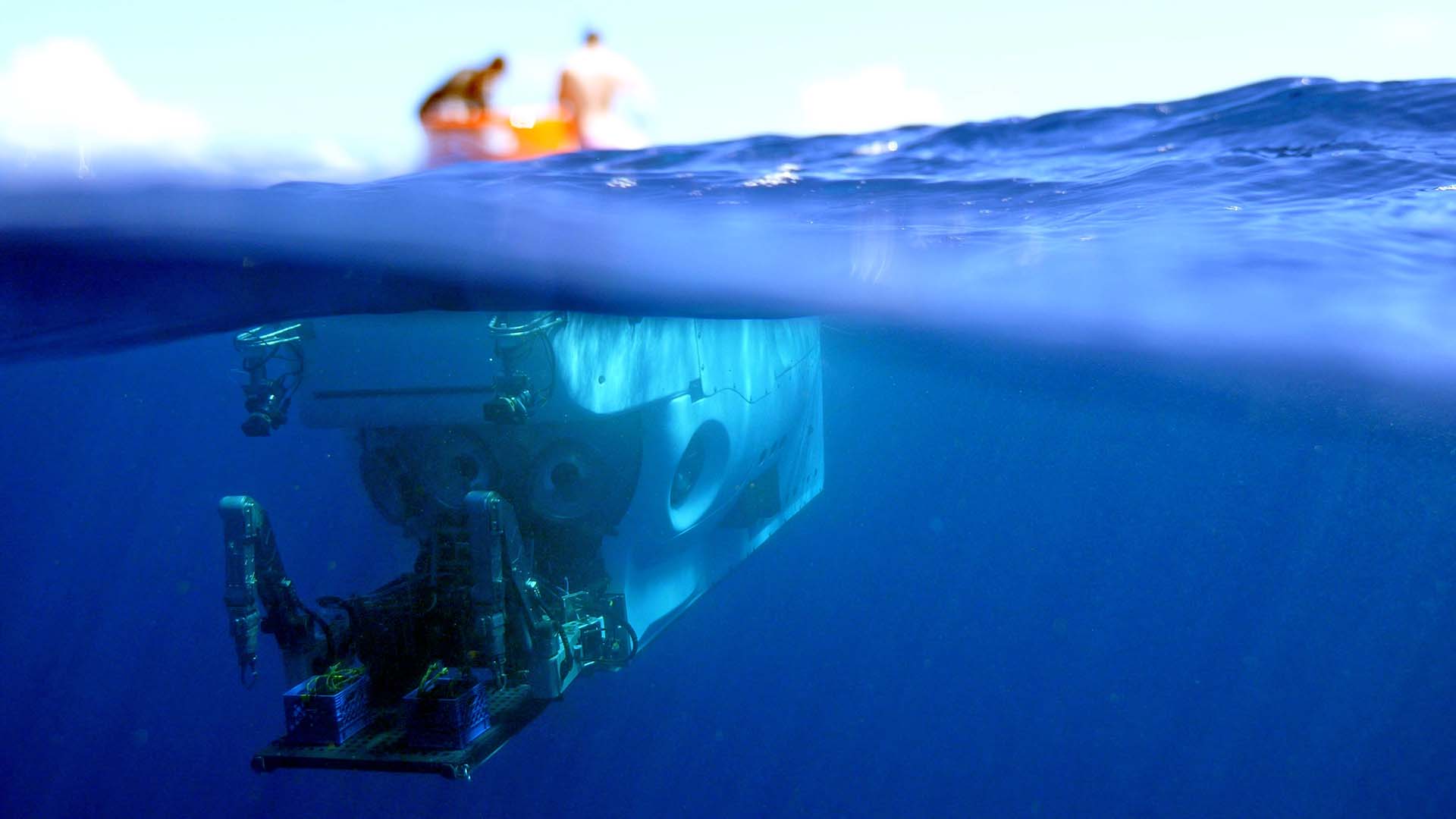
Test dives for Alvin’s 6500 meter certification have been postponed, a day after the sub reached a record 5338 meters (17,513 feet)
Read MoreDevelopment of a curious robot to study coral reef ecosystems awarded $1.5 million by the National Science Foundation
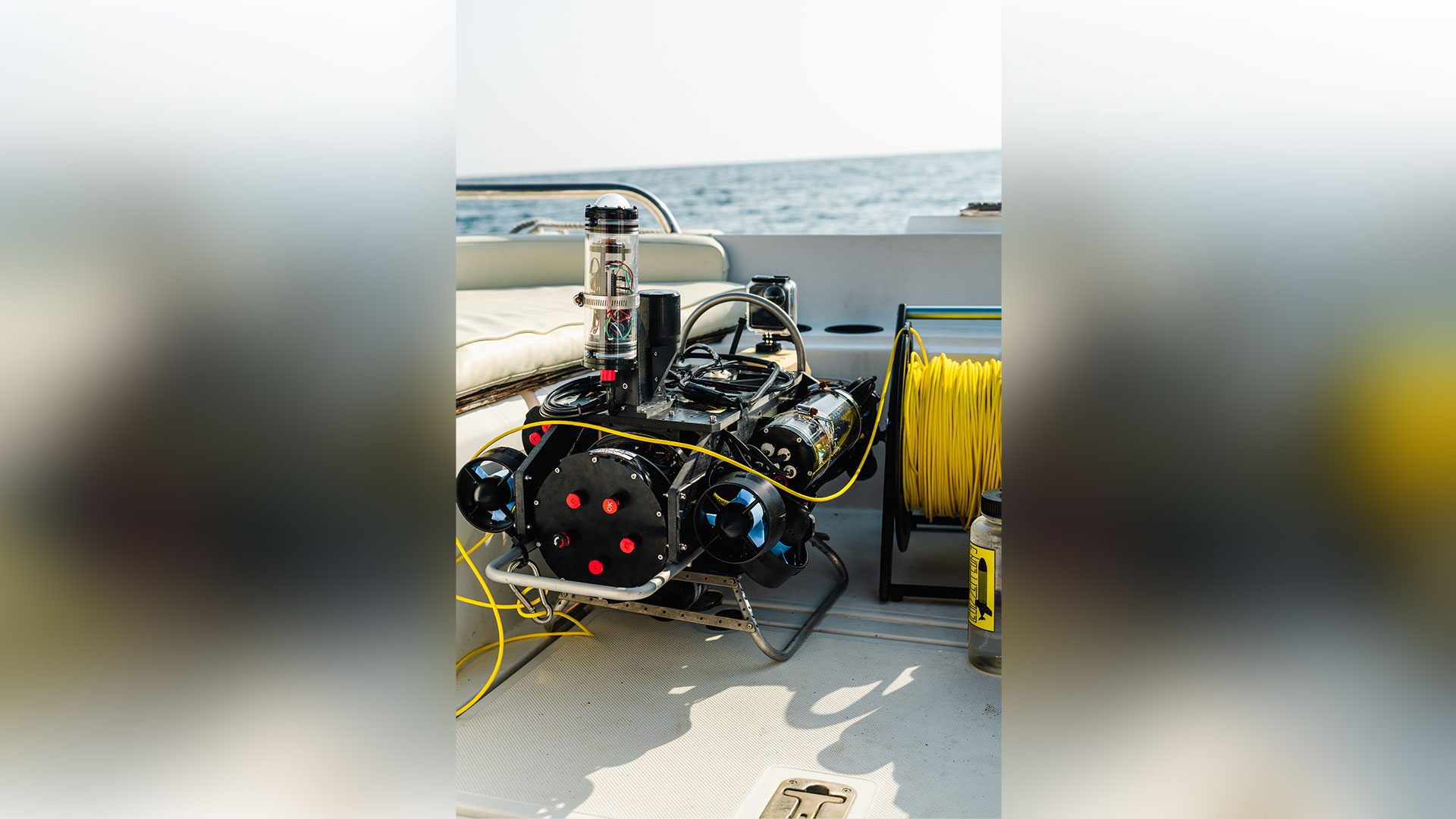
A prototype of an autonomous underwater vehicle capable of navigating complex underwater environments and of collecting data adaptively over long periods of time. Daniel Hentz / ©Woods Hole Oceanographic Institution…
Read MoreMeet the Alvin 6500 Team: Lisa Smith
Alvin Certification Coordinator Lisa Smith on working with Naval Sea Systems Command (NAVSEA) to get HOV Alvin cleared for diving.
Read MoreSummer with Sentry: Intern Renee Gruner-Mitchell
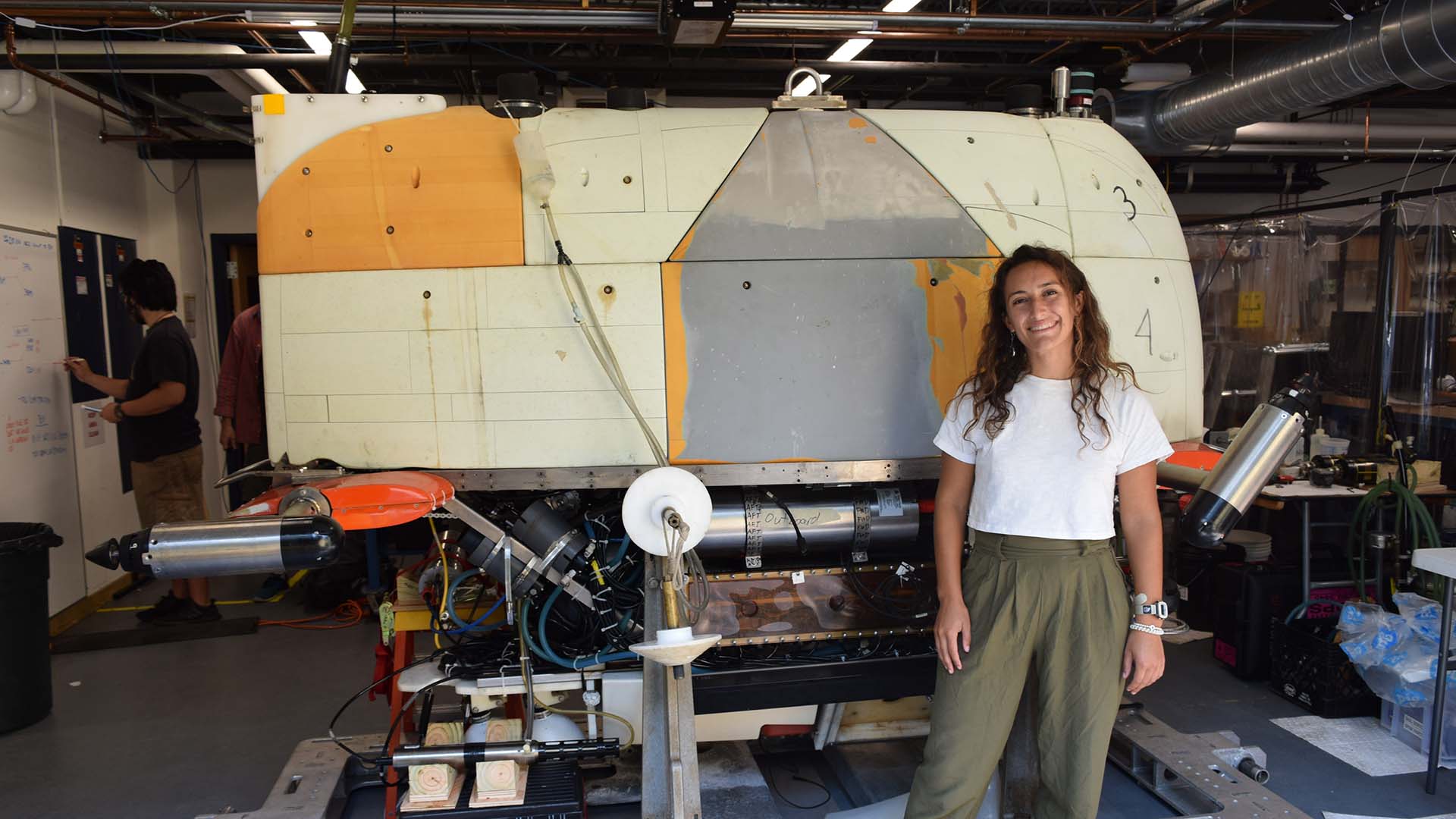
Renee Gruner-Mitchell on her internship working on AUV Sentry at the National Deep Submergence Facility during the summer of 2021.
Read MoreROV Jason helps recover two other underwater vehicles
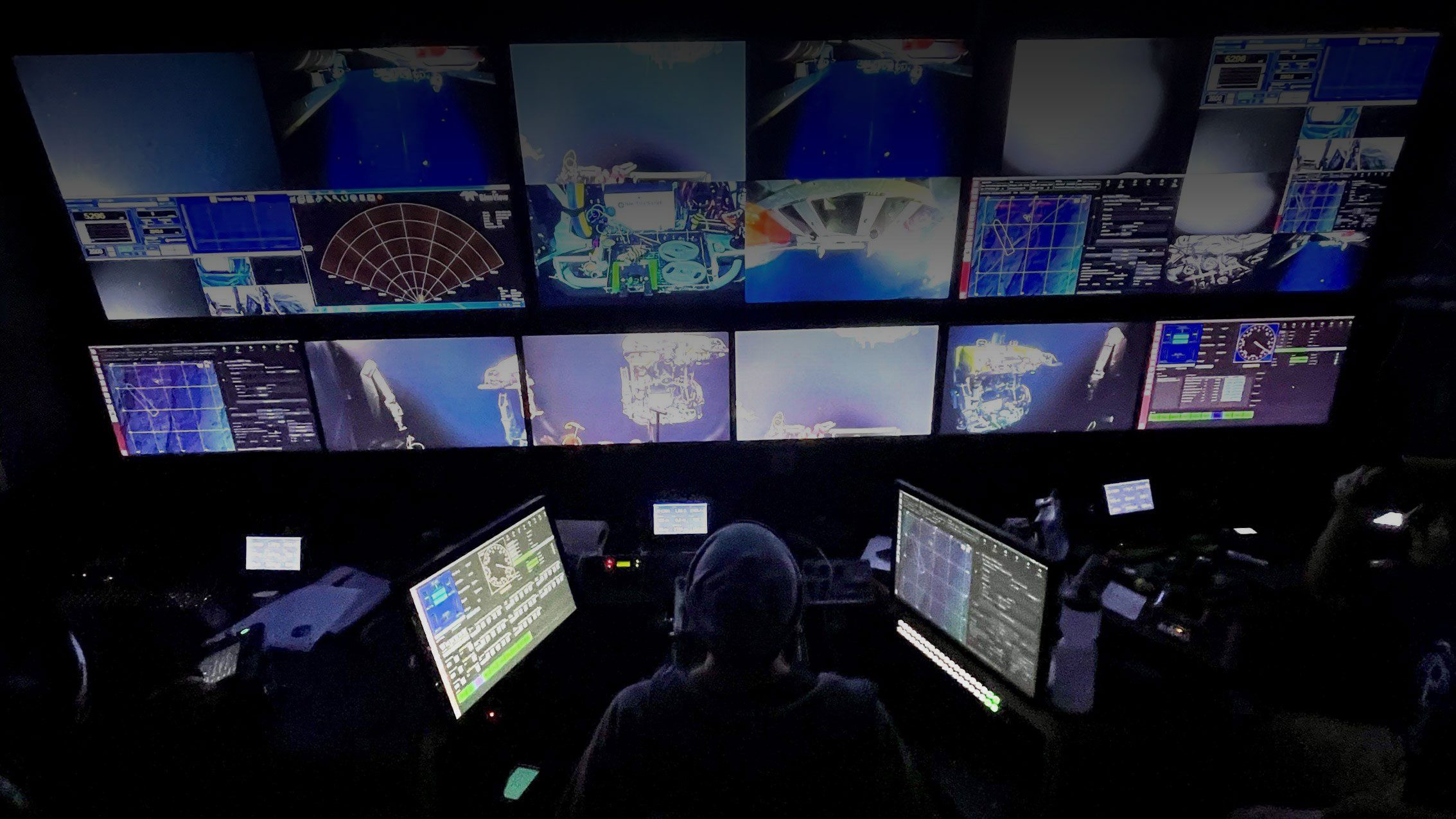
On September 2, the remotely operated vehicle (ROV) Jason aided in the recovery of two underwater vehicles, ROV Hercules and Argus, that were stranded on the seafloor near British Columbia
Read More