
Applied Ocean Physics & Engineering
New technology expected to play a key role in shark research
In November, Skomal and the Atlantic White Shark Conservancy fitted two sharks with new satellite positioning tags developed by a team at Woods Hole Oceanographic Institution that can be fastened…
Read MoreMeet the Alvin 6500 Team: Lane Abrams
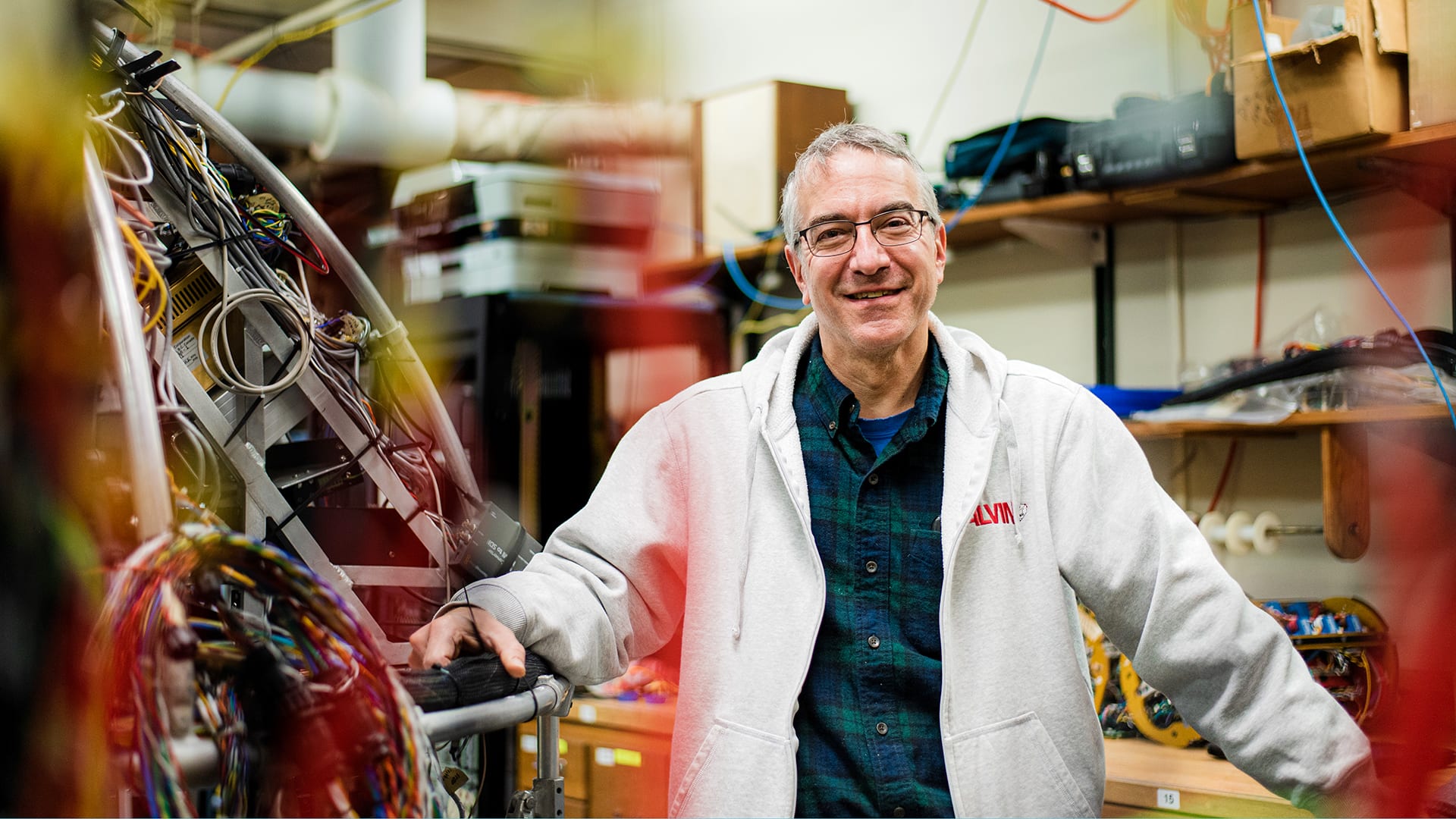
Lane Abrams talks about designing electronics for the bottom of the ocean and project management of Alvin’s electrical updates for the 6500 meter overhaul.
Read MoreThe Water Below
Drawing on 90 years of leadership in ocean discovery and exploration, Woods Hole Oceanographic Institution (WHOI) scientists are engaged in an array of research projects using autonomous systems to advance their understanding of marine environments.
Read MoreHumans Created More Than Half of the Hudson River Tidal Marshes Unintentionally
In new research of tidal marsh resilience to rise in sea level, researchers observed that Hudson River Estuary marshes are developing upward at a rate twice or thrice times quicker…
Read MoreResearchers tag free-swimming sharks off Cape Cod using minimally invasive device
Researchers and scientists were recently able to use fin-mounted location tracking tags on free-swimming sharks off of Cape Cod while using a device that allowed them to tag the sharks without capturing them.
Read MoreHumpback whale songs provide insight to population changes
Following reports of unusually low whale numbers that began in 2015-16, researchers at the University of Hawaii in collaboration with the Hawaiian Islands Humpback Whale National Marine Sanctuary, Oceanwide Science…
Read MoreSmart cameras keep lookout for endangered whales
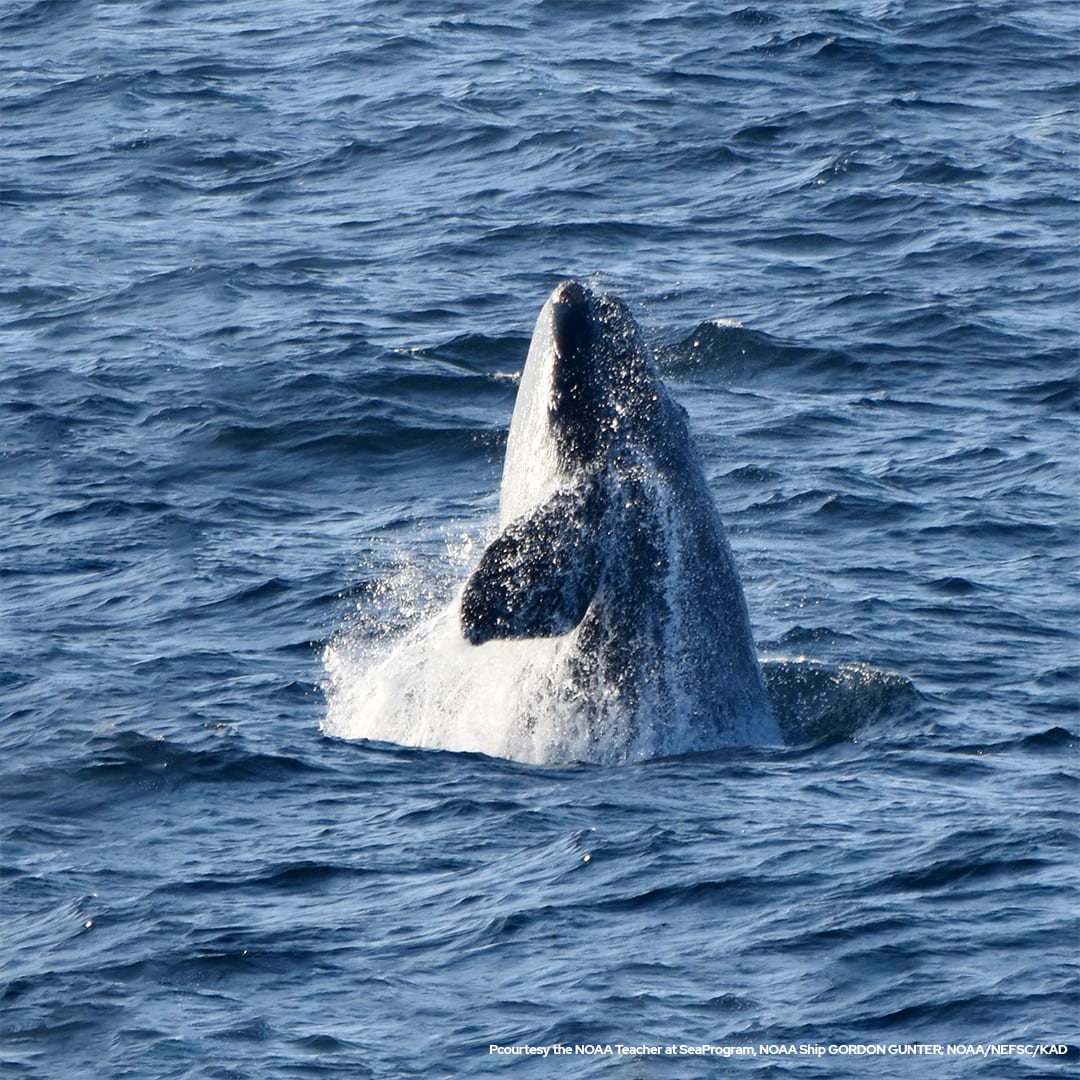
A ship-mounted thermal imaging system provides real-time detection of whales, which could reduce the number of endangered marine mammals killed by vessels each year.
Read MoreMeet the Alvin 6500 Team: Francis Elder
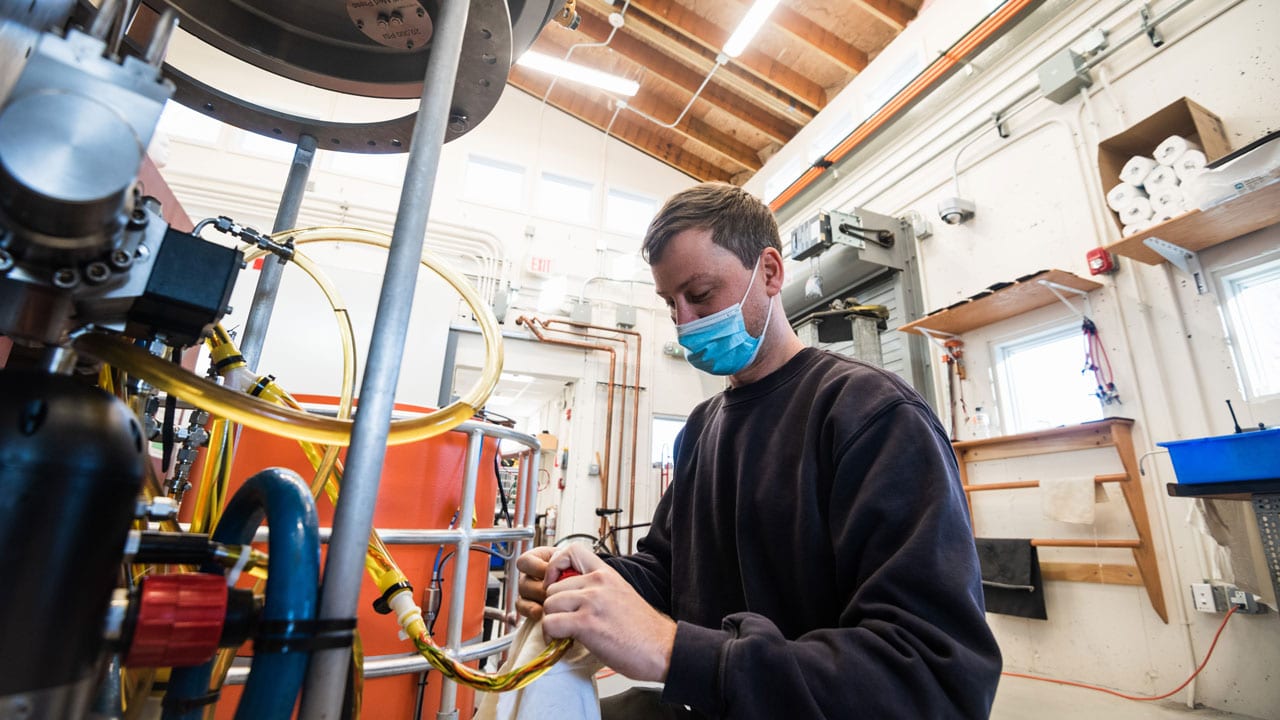
An interview with Francis Elder, lead mechanical engineer for the Alvin Group. Find out how the team has designed a new pump to take Alvin to 6,500 meters.
Read MoreUVM commissions $3.9 million hybrid electric/diesel vessel for Lake Champlain research
The winch is operated using a single wireless joystick developed by engineers at the Woods Hole Oceanographic Institution. The UVM boat will be the first in the world to use this technology.
Read MoreWHOI Reveals Upgrades to Iconic Submersible Alvin
Increased depth range and the ability to explore 99% of the ocean floor, including the abyssal region—one of the least understood areas of the deep sea—are just some of the…
Read MoreWHOI reveals upgrades to iconic submersible Alvin
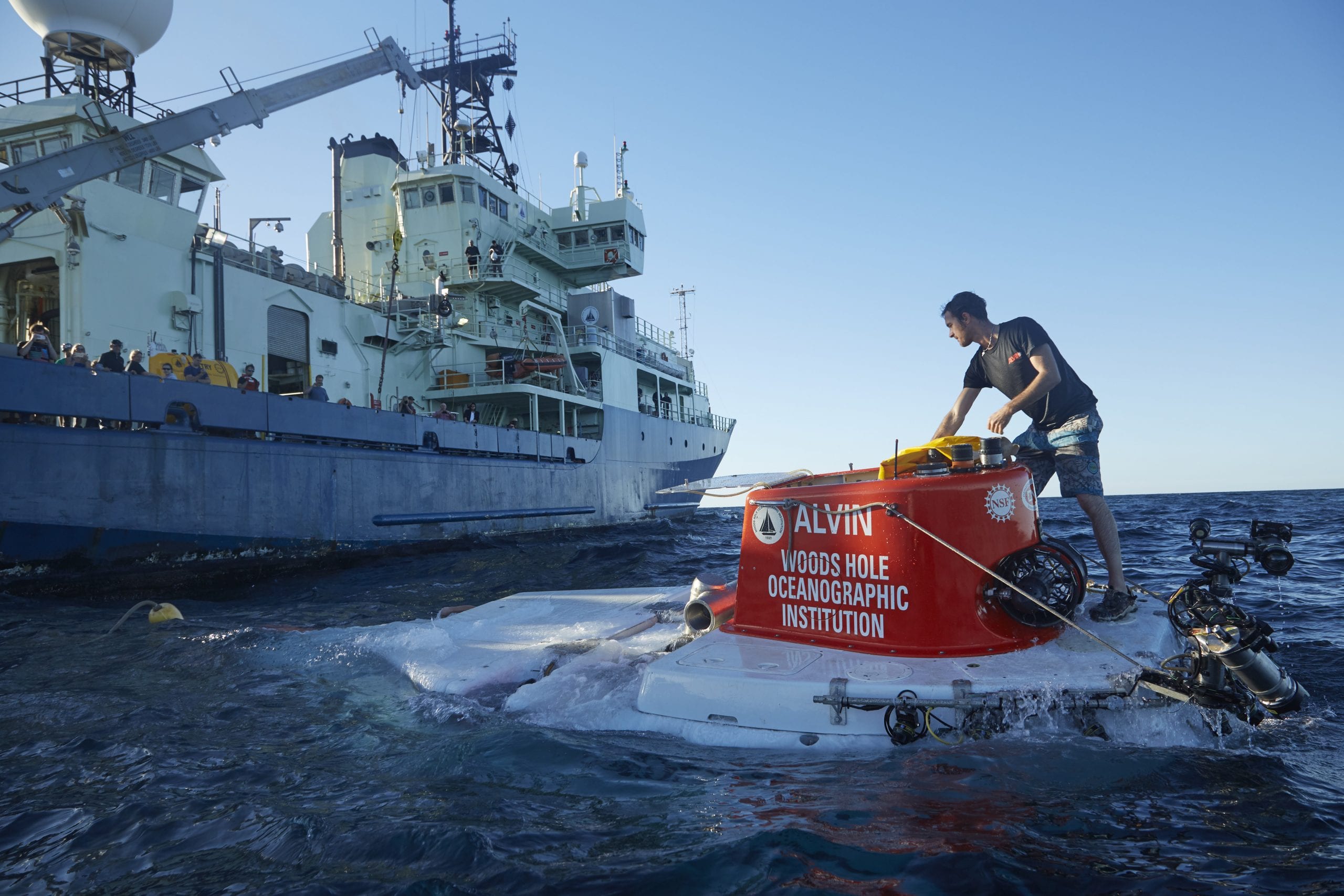
One of the world’s most prolific research submersibles will put 99% of the ocean floor within reach of science community when it relaunches in 2021
Read MoreSea Ahead

The game-changing technologies that will transform our ability to understand and manage Earth’s last great frontier. Monitoring instruments—and ocean technologies in general—have come a long way. We now have Artificial…
Read MoreScientists call for decade of concerted effort to enhance understanding of the deep seas
An international team of scientists, spanning 45 institutions in 17 countries, has called for a dedicated decade-long program of research to greatly advance discovery in these remote regions.
Read MoreAcoustics of the deep sea tell us about biodiversity
Some researchers are working to improve current listening technology. At WHOI, Ying-Tsong Lin is building a starfish-shaped contraption of hydrophones that can tune into certain sounds hundreds of miles away, like a telescope for sound.
Read MoreCould listening to the deep sea help save it?
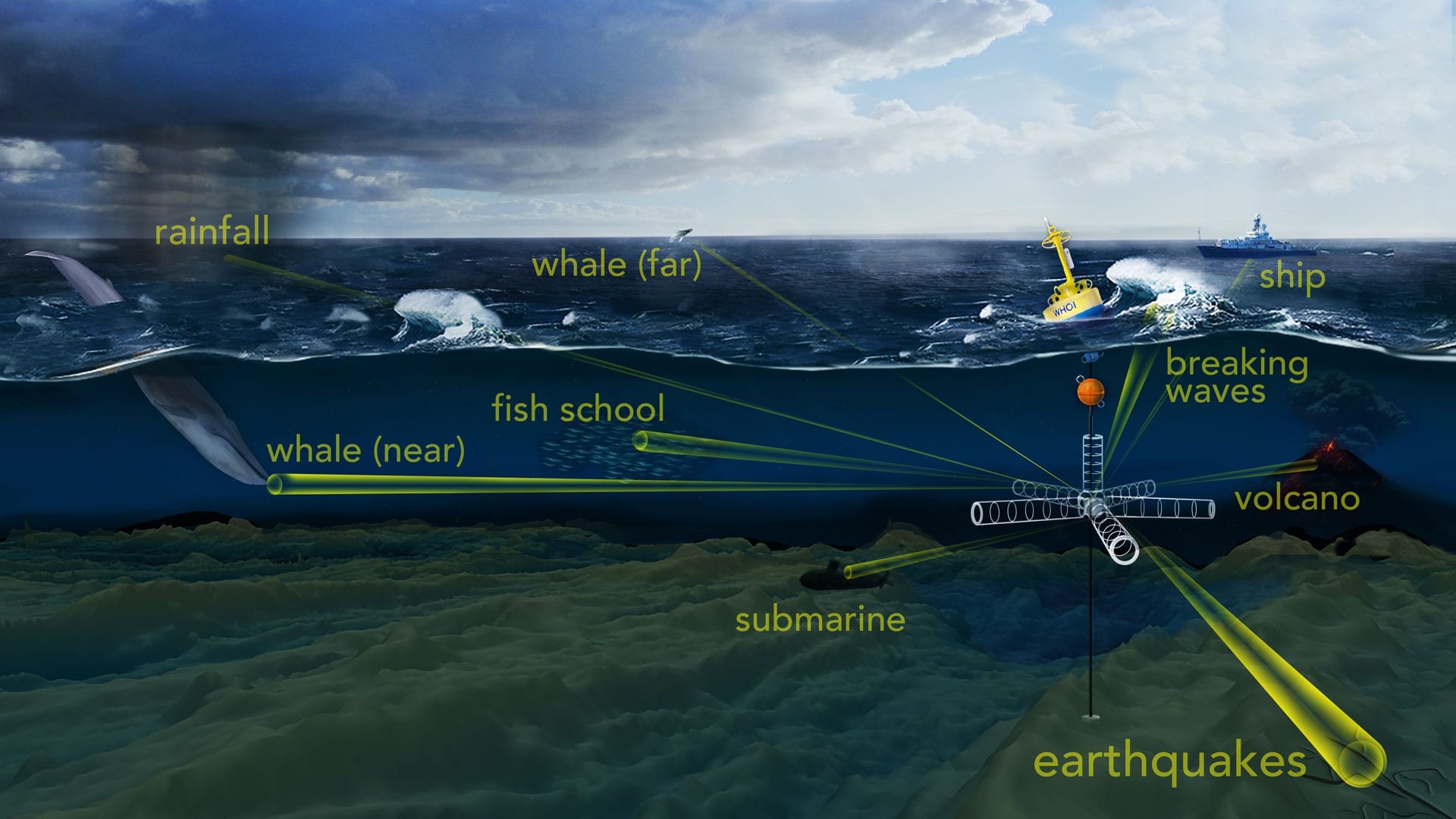
A recent New York Times article about sound in the deep ocean briefly mentions the work by Woods Hole Oceanographic Institution (WHOI) acoustic scientist Ying-Tsong “YT” Lin and his work developing an “acoustic telescope.”
Read MoreWave Glider provides gateway to remote exploration
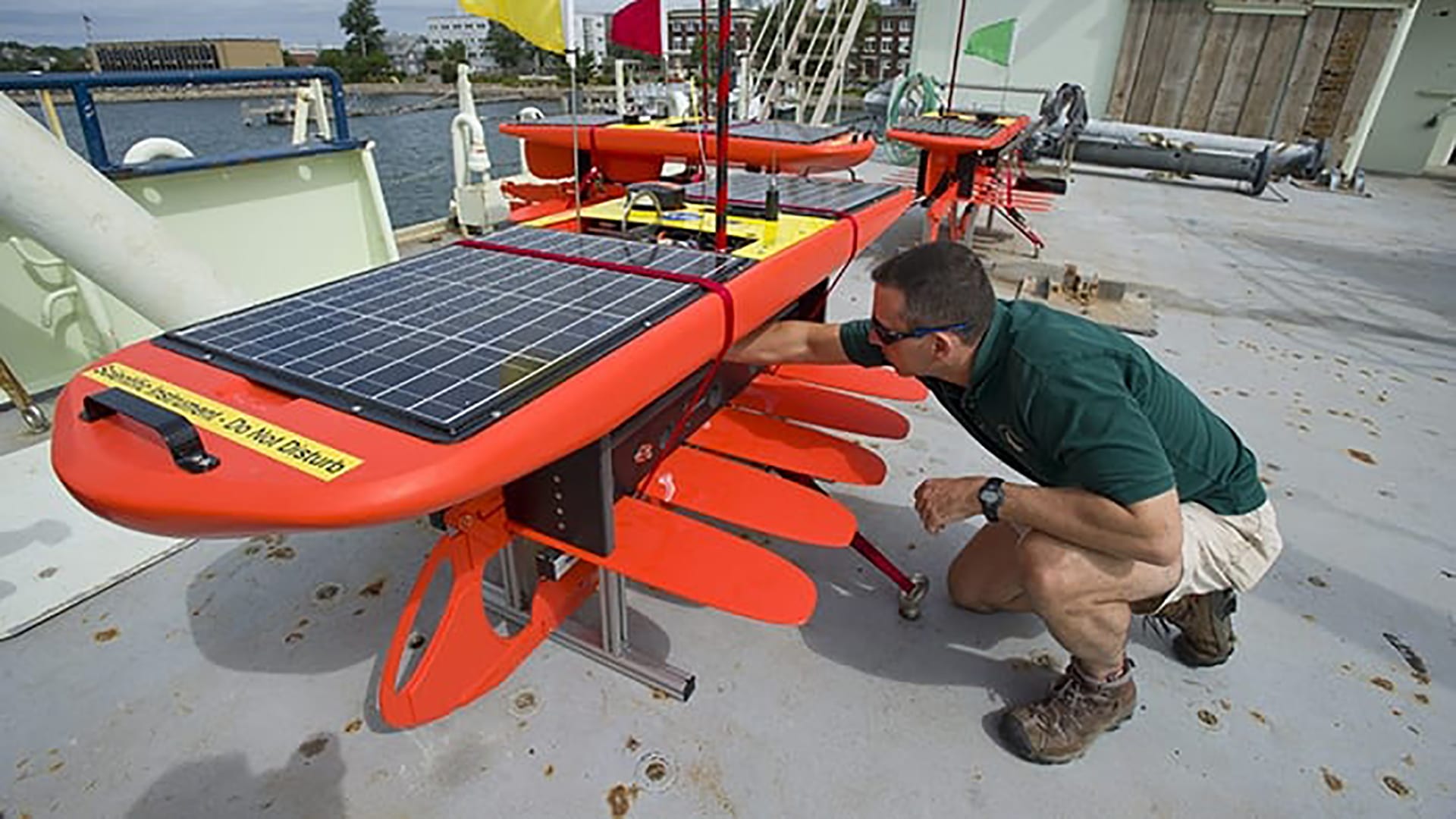
WHOI geochemist Chris German pairs an autonomous surface vehicle (ASV) called a Wave Glider with other vehicles to expand research here and on other Ocean Worlds
Read MoreCould Listening to the Deep Help Save it?

Some researchers are working to improve listening technology. At WHOI, Ying-Tsong Lin is building a starfish-shaped contraption of hydrophones that can tune into certain sounds hundreds of miles away, like a…
Read MoreGift enables new investments in ocean technologies
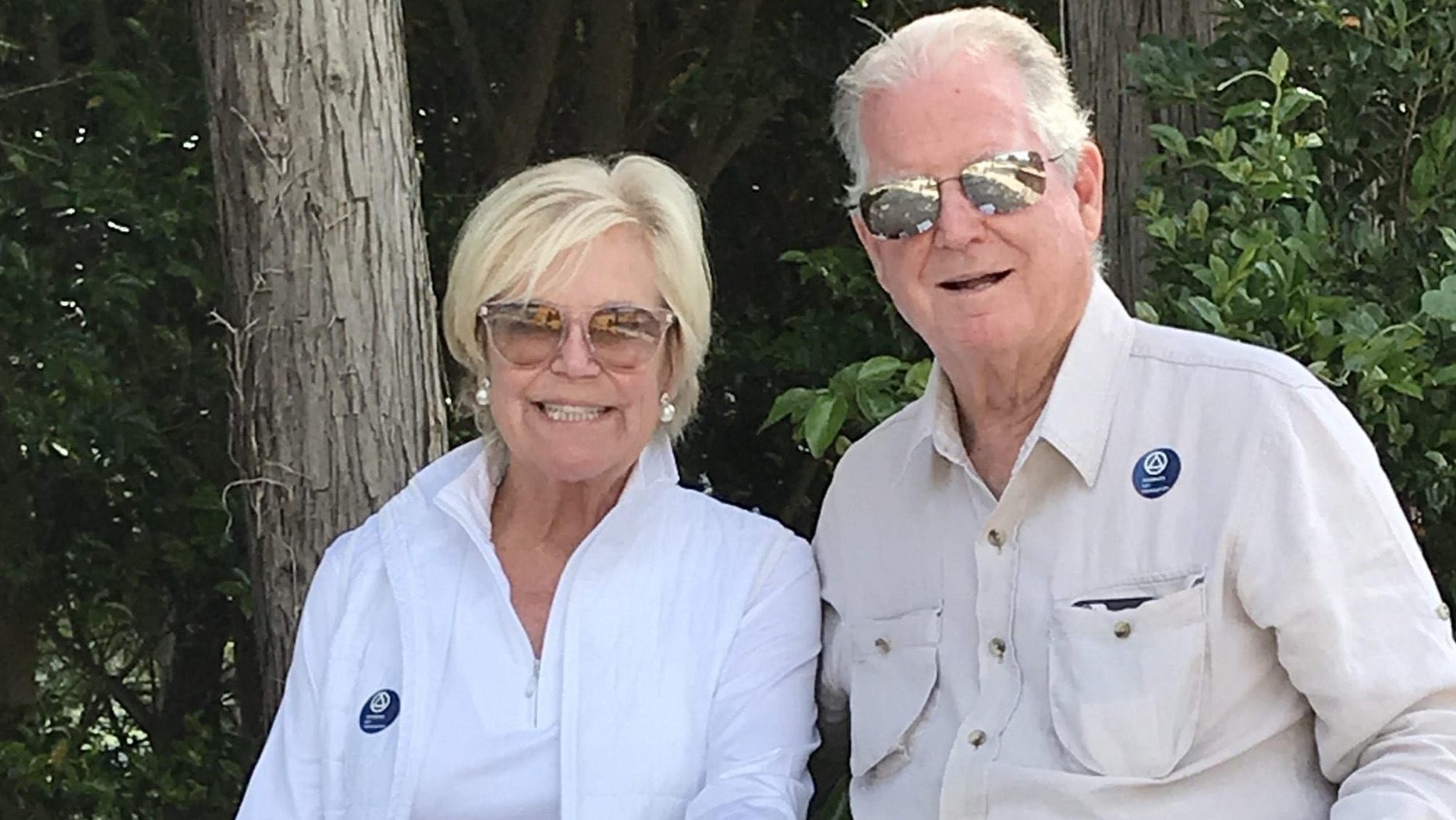
A grant from the Coleman and Susan Burke Foundation has allowed WHOI to make crucial investments in remote technology that enhance research innovation at sea. New video monitors aboard the R/V Neil Armstrong will allow scientists and crew to video conference throughout the ship or with colleagues on shore.
Read MoreWHOI-assisted study finds ocean dumping of DDT waste was “sloppy”
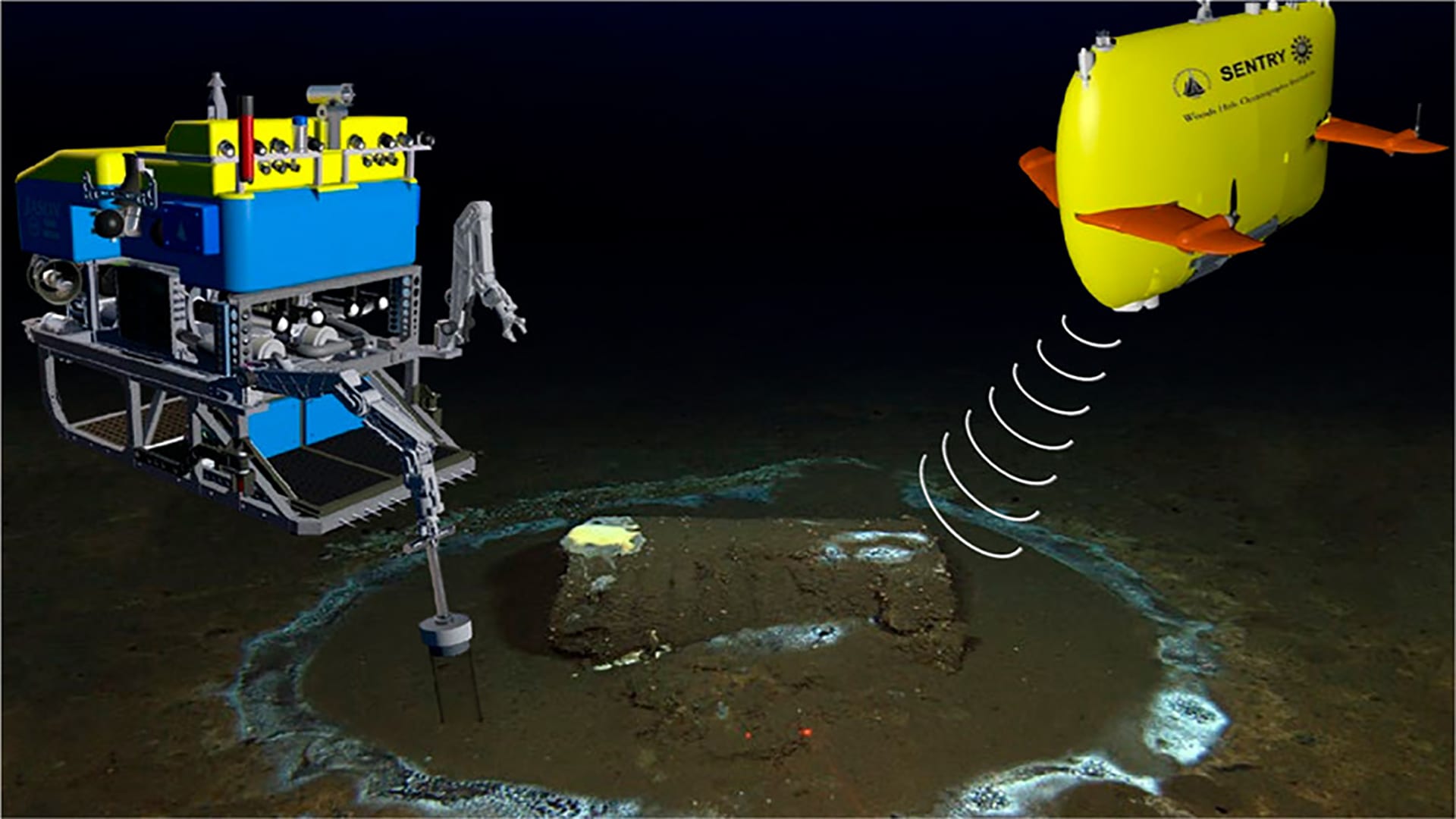
An investigative report this week in the LA Times features the work of WHOI’s marine geochemistry lab in identifying the discarded barrels and analyzing samples from the discovery.
Read MoreHow the waters off Catalina became a DDT dumping ground …

A scientist involved in the discovery of the Titanic happened to be on board, so he helped them program the robots on where to go and how to search for the barrels. A marine geochemistry lab at WHOI ran the samples.
Read MoreRopeless Fishing Systems Hold Promise for Fishermen—and Whales
To help advance the effort to find a feasible and cost-effective gear-marking solution, the Woods Hole Oceanographic Institution, The Pew Charitable Trusts and others are engaged in conversations with industry, enforcement, and regulators in the U.S. and Canada
Read MoreIs seaweed the future of fuel?

“Macroalgae needs to scale up to the point where it’s economically feasible for biofuel, and to do this we are going to have thousands of hectares of farms,” says Erin Fischell, an assistant scientist at WHOI.
Read MoreIs seaweed the future of fuel?
Macroalgae needs to scale up to the point where it’s economically feasible for biofuel, and to do this we are going to have thousands of hectares of farms.
Read MoreDecoding The Black Box: The 2015 US Disaster That Revolutionized Ship Crash Investigations

The first challenge for the El Faro was to locate and extract the VDR. It took three expeditions over 11 months and the use of novel video telepresence, to be able to go down, retrieve it the VDR.
Read More