
Applied Ocean Physics & Engineering
‘Rolls-Royce’ of shark cameras can extend to turtles, whales, seals and squid for ocean’s big picture

A high-tech SharkCam invented by a Cape Cod researcher offers an unprecedented window into the lives of the ocean’s toothy predators, and can also extend to seals, whales, turtles and…
Read MoreWHOI advancing a seaweed solution to develop new kelp strains
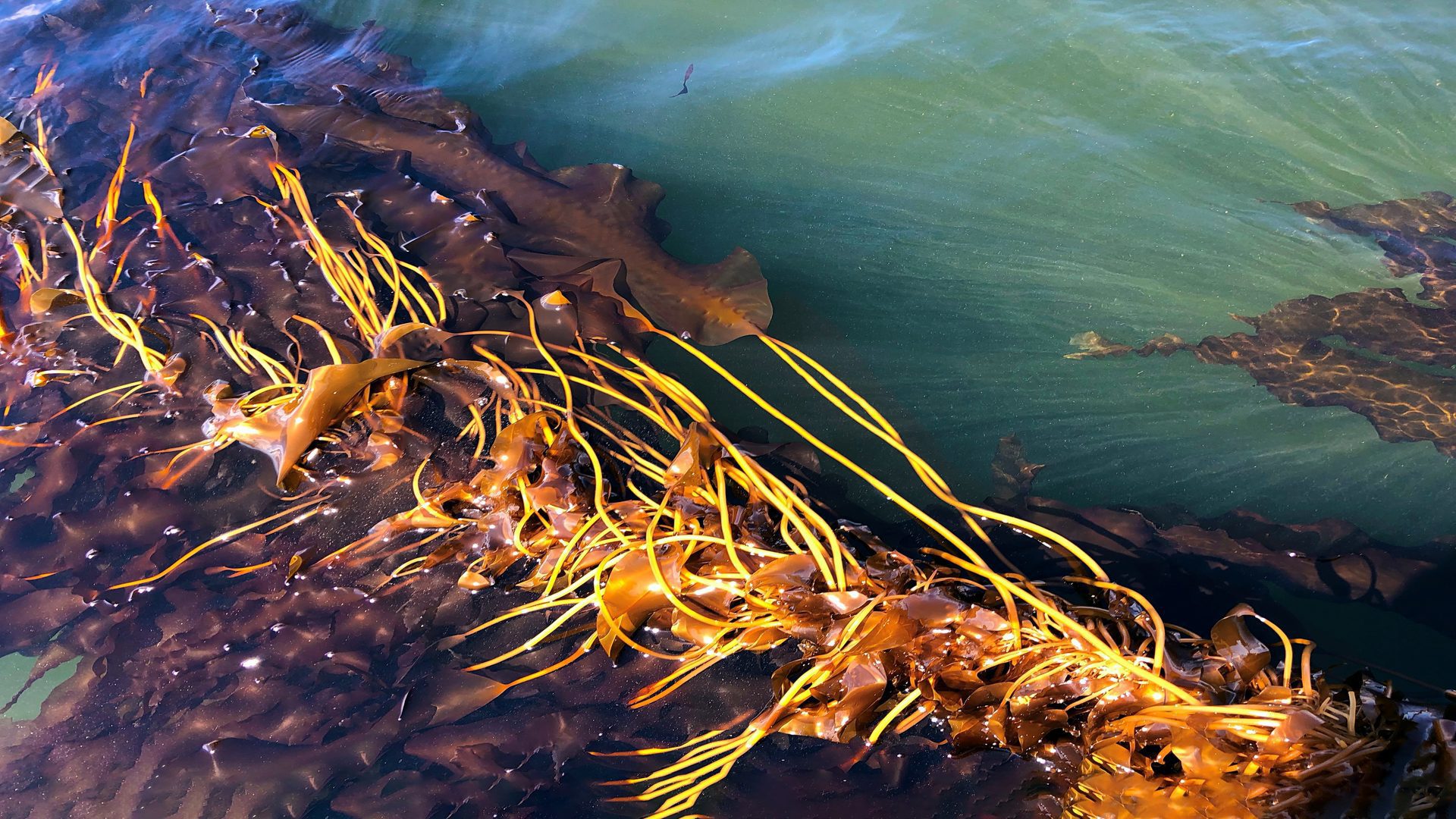
A leader in ocean science, Woods Hole Oceanographic Institution (WHOI) is embarking on a study of how new seaweed strains could further enhance the burgeoning seaweed industry and offer solutions to some of the world’s pressing challenges. This research is funded in part by World Wildlife Fund (WWF) with support from the Bezos Earth Fund.
Read MoreCoastal restoration & blue carbon
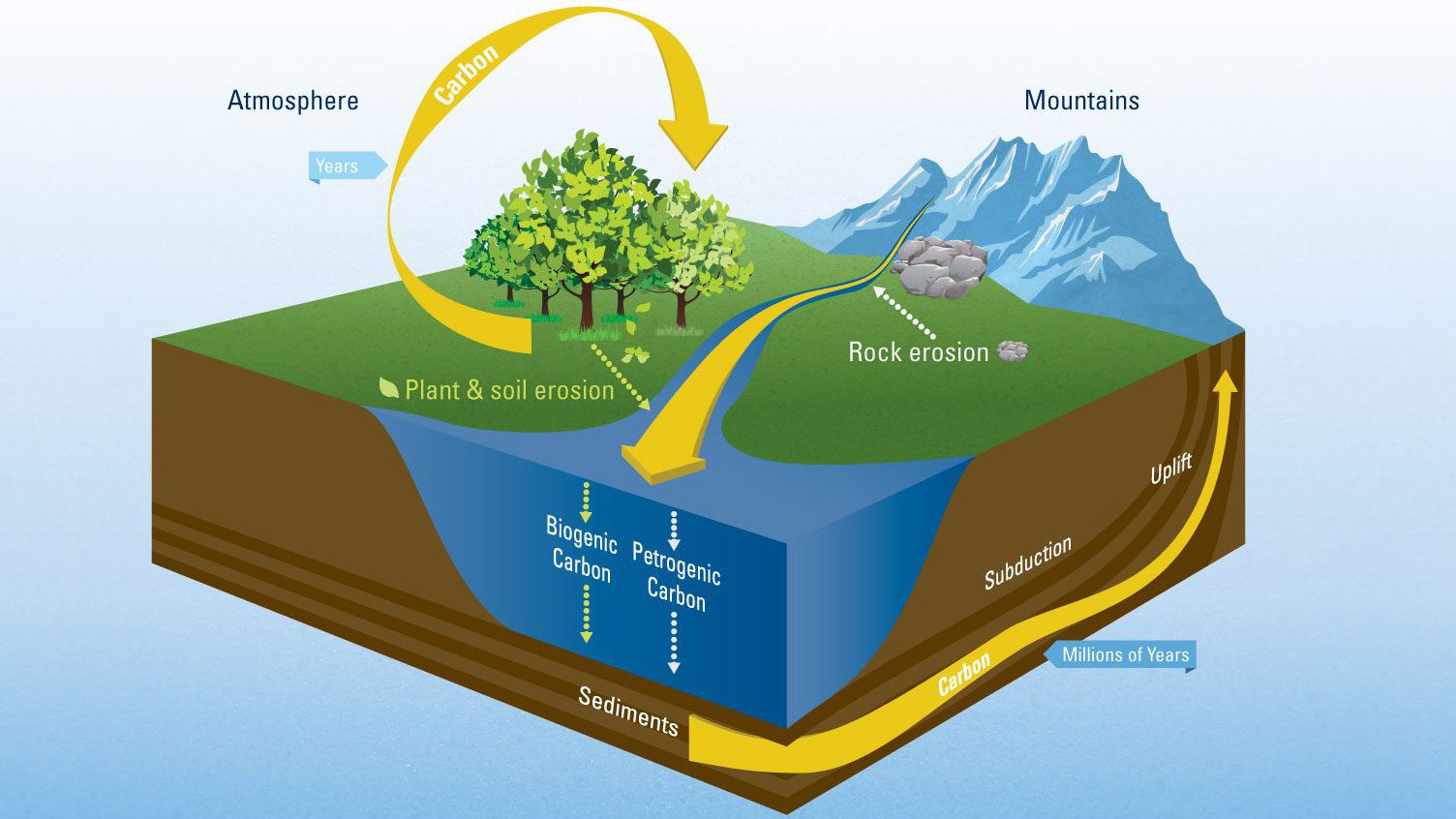
Blue carbon refers to atmospheric carbon captured and stored by the ocean, which mitigates the effects of climate change by storing carbon for long periods of time.
Read MoreReview Evaluates the Evidence for an Intensifying Indian Ocean Water Cycle
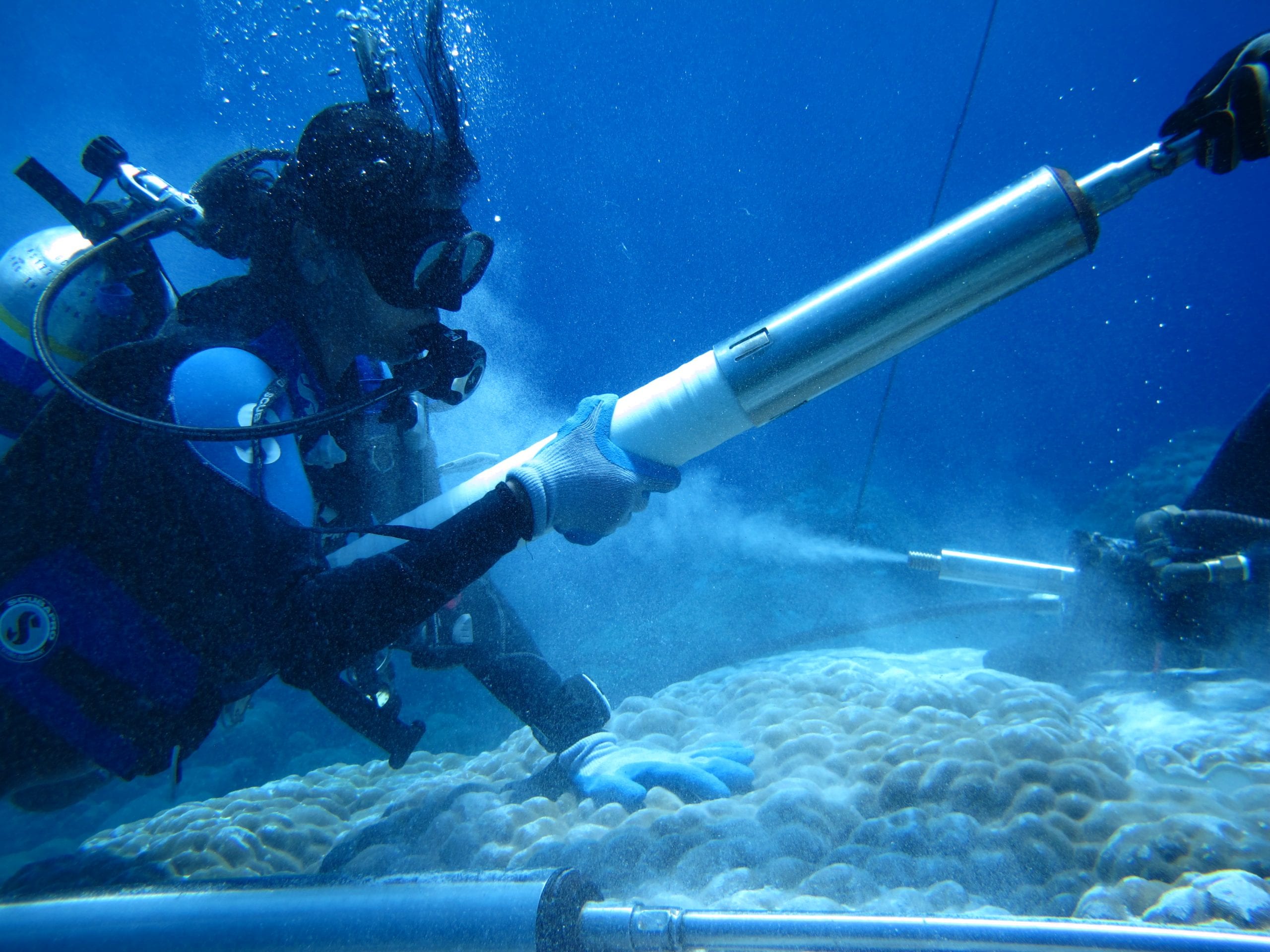
Report Calls for Better Integration of Observations, Models, and Paleo Proxies The Indian Ocean has been warming much more than other ocean basins over the last 50-60 years. While temperature…
Read MoreSpock versus the volcano

Five hundred meters below the calm surface waters of the Aegean Sea off Santorini Island, Greece, lies an active submarine volcano. There, a decision-making robot equipped with artificial intelligence searches for life and danger.
Read MoreOverhaul to take Alvin to greater extremes
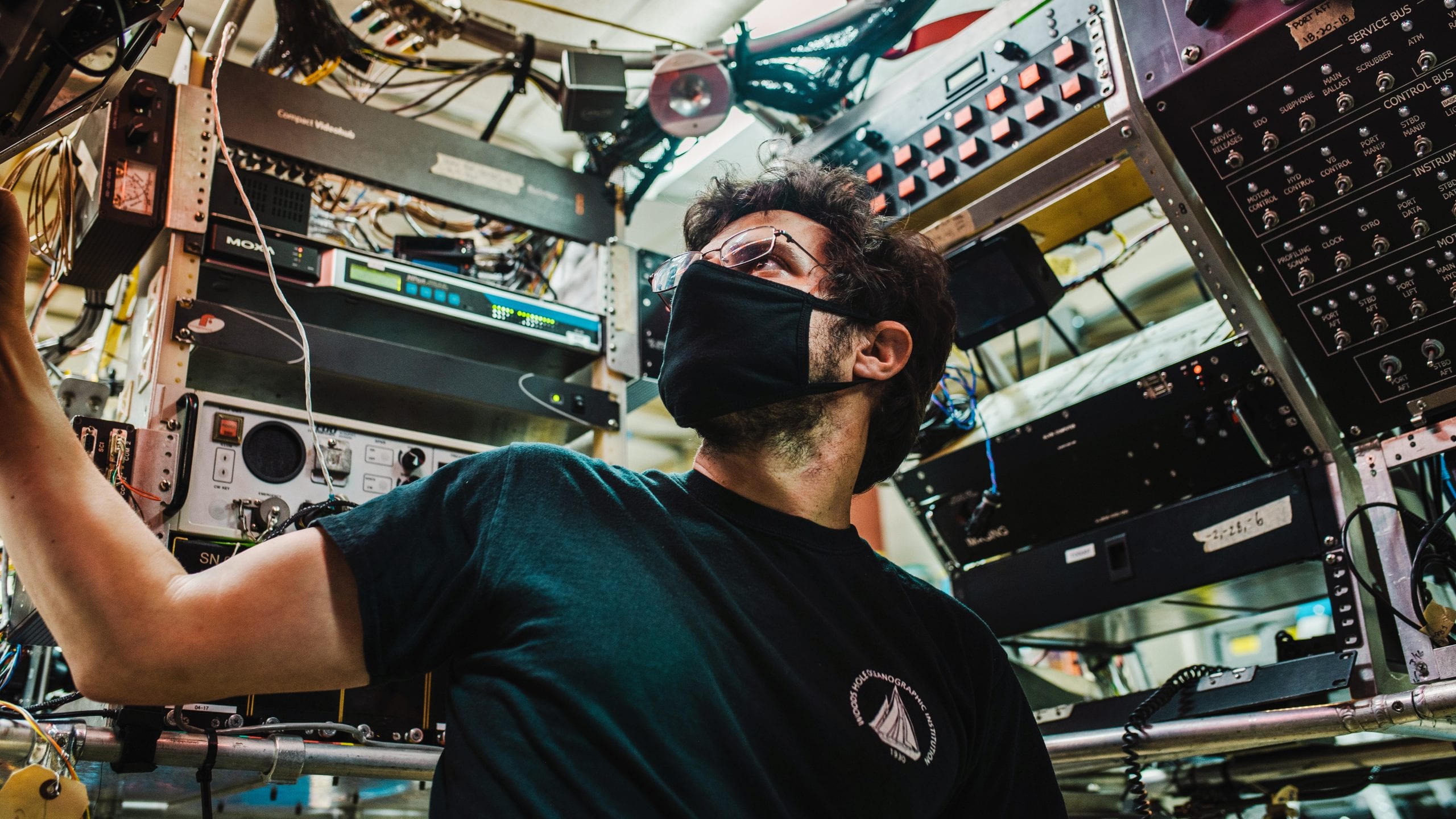
Work on Iconic Sub Will Put 99% of The Ocean Floor Within Reach
Read MoreRobot Dives 3,000 Feet to Film Creatures in Mid-Ocean ‘Twilight Zone’

Bioluminescent creatures and others inhabiting the dark depths 3,000 feet below the surface in the mid-ocean “twilight zone” — beyond the reach of sunlight — are now being documented by a…
Read MoreAlvin: Pioneer of the Deep

The deep-sea submersible Alvin has brought explorers to extraordinary places for more than 50 years. Now, as Alvin is poised to continue its revolutionary scientific work, a new set of…
Read MoreWoods Hole Oceanographic Institution appoints new Chief Scientist for National Deep Submergence Facility
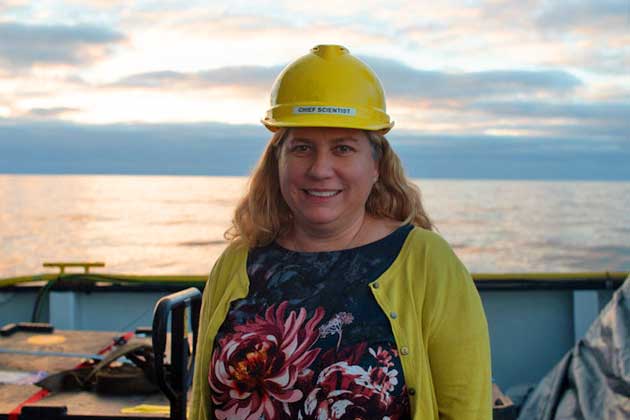
Anna Michel aboard the R/V Falkor for the Hunting Bubbles Cruise to the Cascadia Margin in 2018. The ROV Sebastian was used to investigate the transfer of methane from the…
Read MoreNew glider design aims to expand access to ocean science
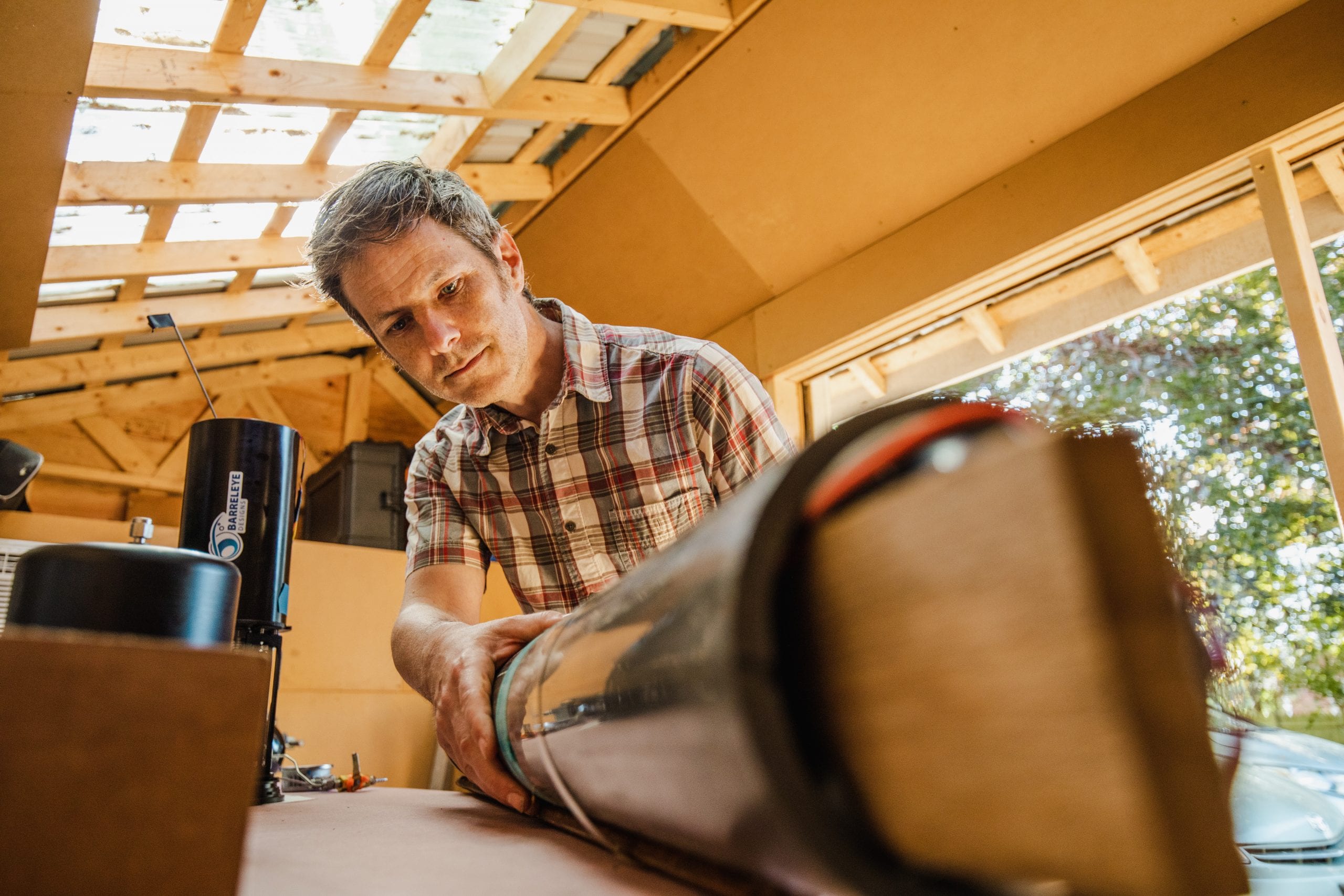
Gliders are vehicles vital to collecting oceanographic data, but not accessible to everyone in the ocean community. A team of WHOI engineers want to change that
Read MoreUnderwater robot offers new insight into mid-ocean “twilight zone”
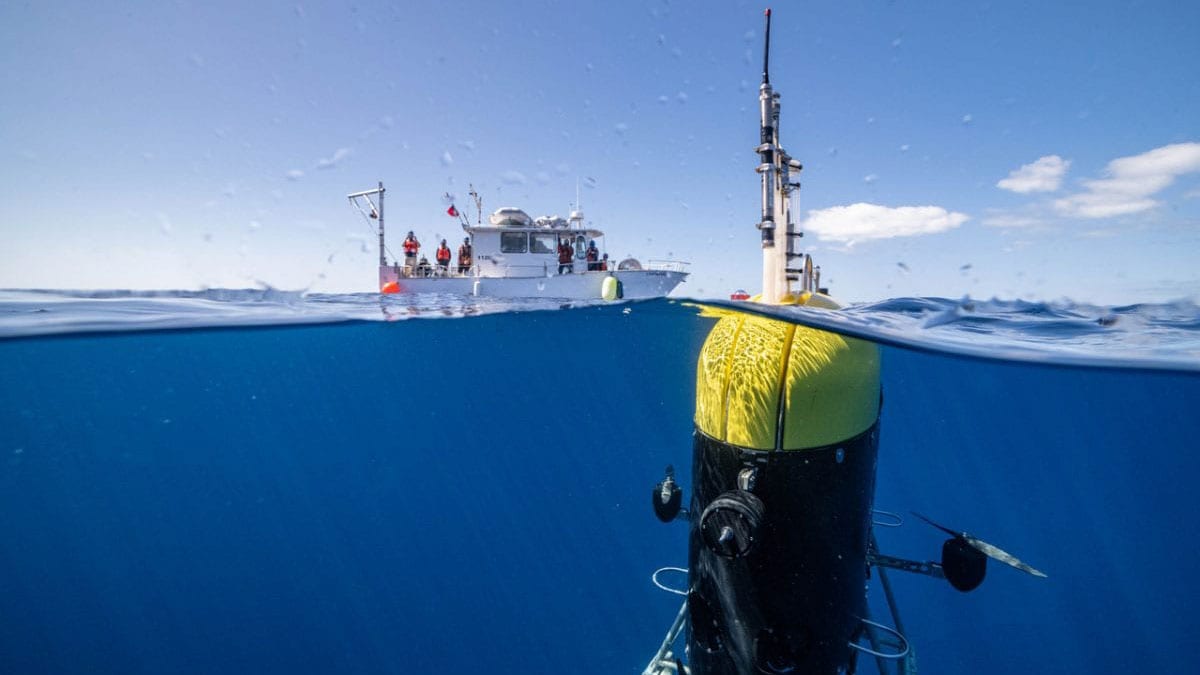
Woods Hole, MA (June 16, 2021) — An innovative underwater robot known as Mesobot is providing researchers with deeper insight into the vast mid-ocean region known as the “twilight zone.”…
Read MoreScience RoCS Initiative responds to need for increased ocean monitoring
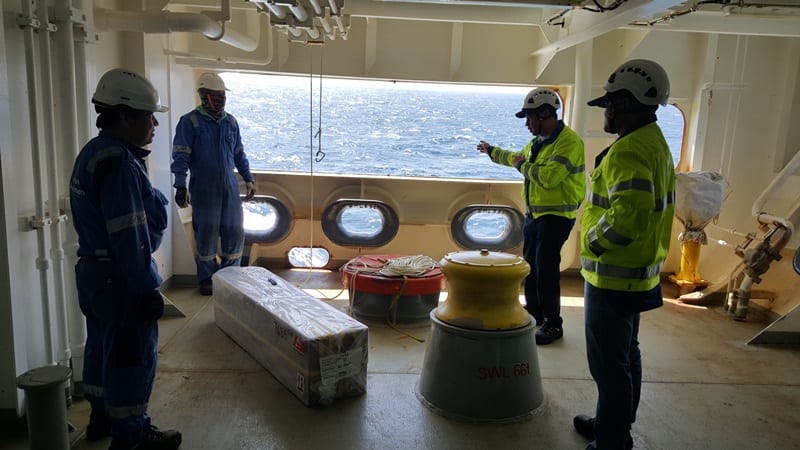
Commercial ships are helping oceanographers deploy robotic Argo floats to keep an eye on hard-to-reach parts of the ocean
Read MorePapers Explore Massive Plankton Blooms with Very Different Ecosystem Impacts
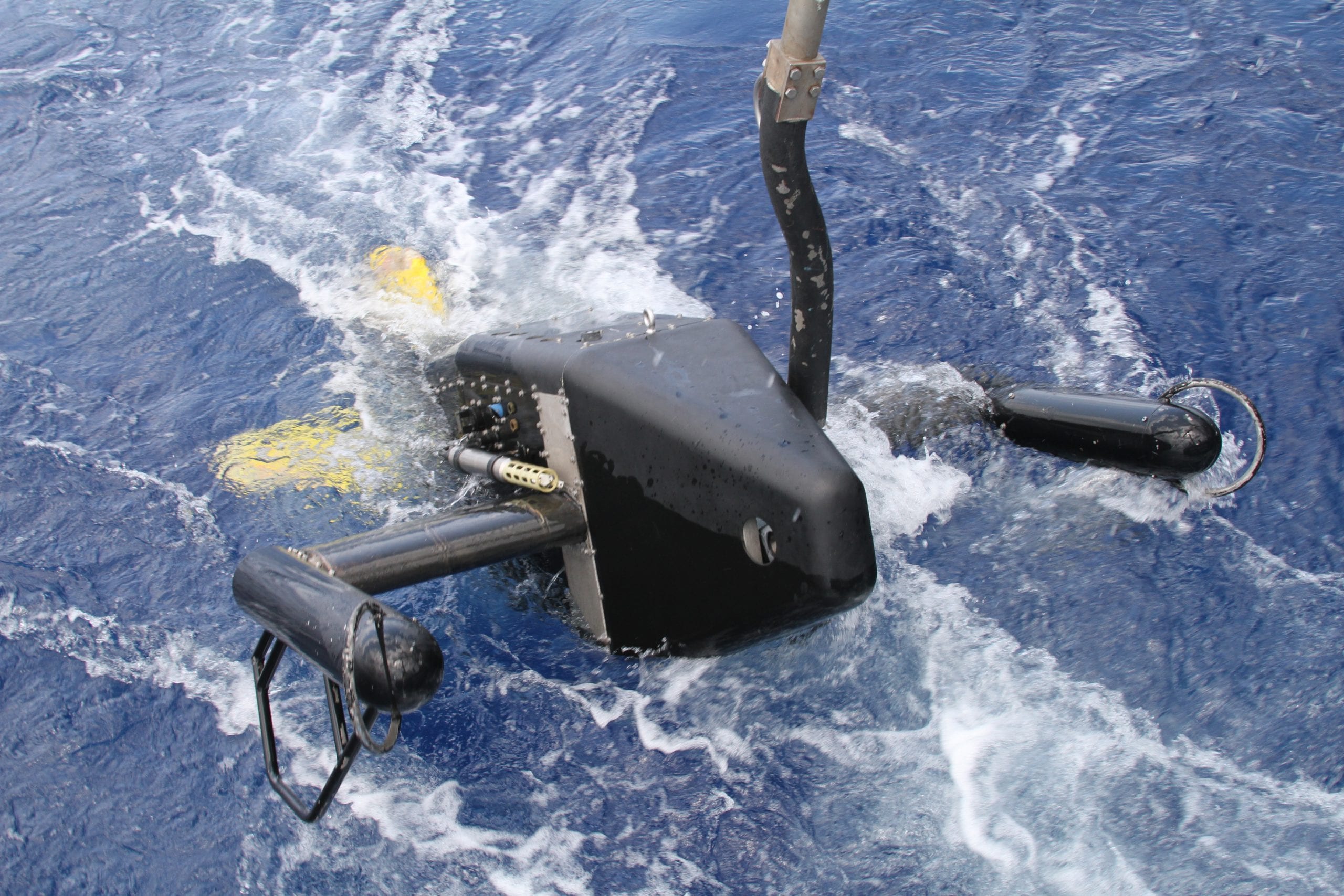
Two papers explore the distribution and abundance of plankton and what conditions lead to big plankton blooms with vastly different potential impacts on the ecosystem.
Read MoreGoing the Distance
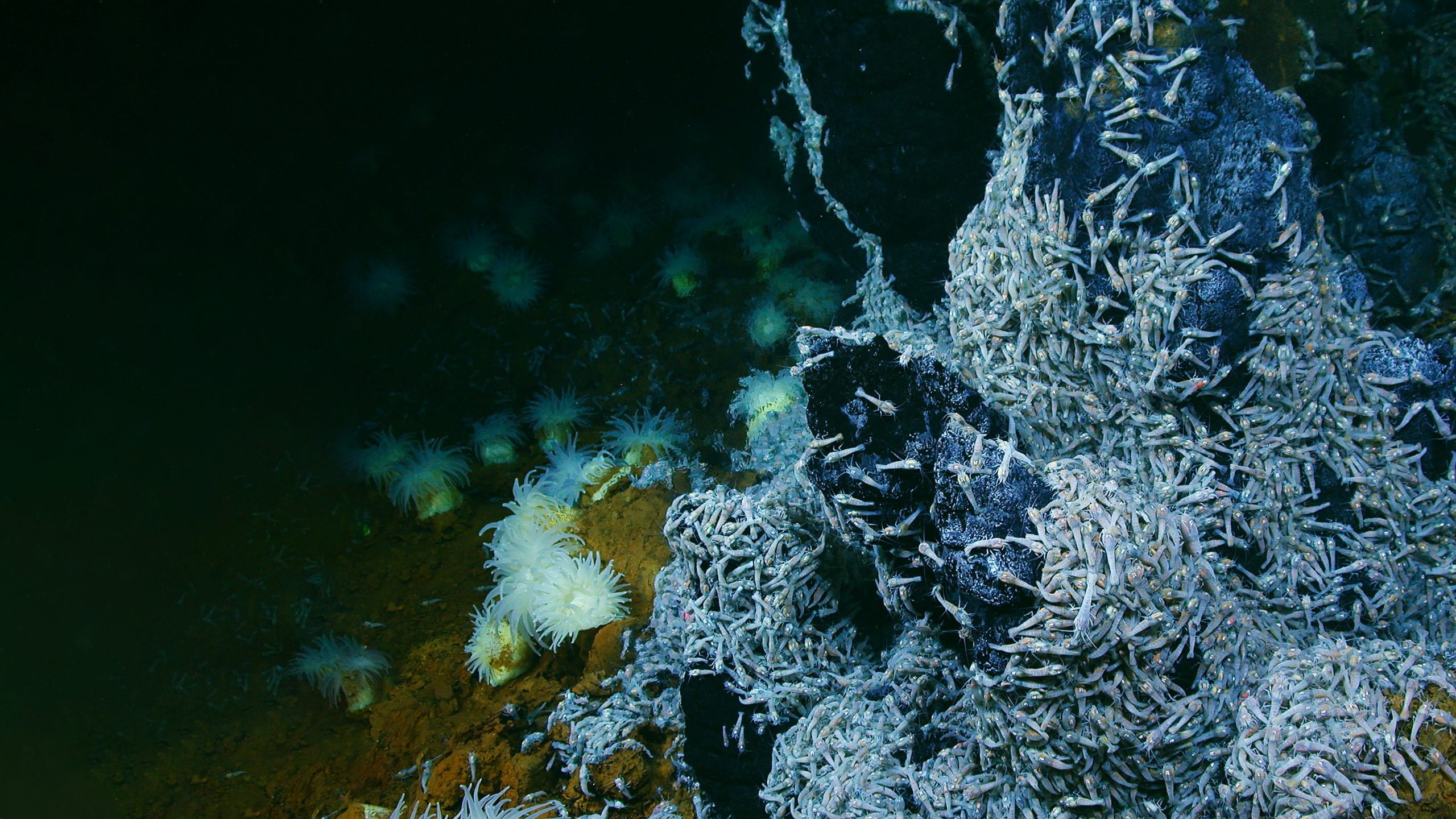
Unraveling the mysteries of the vast global ocean means entering some of the most remote and dangerous places on the planet.
Read MoreFive things to know about NOAA’s 2021 Tech Demo
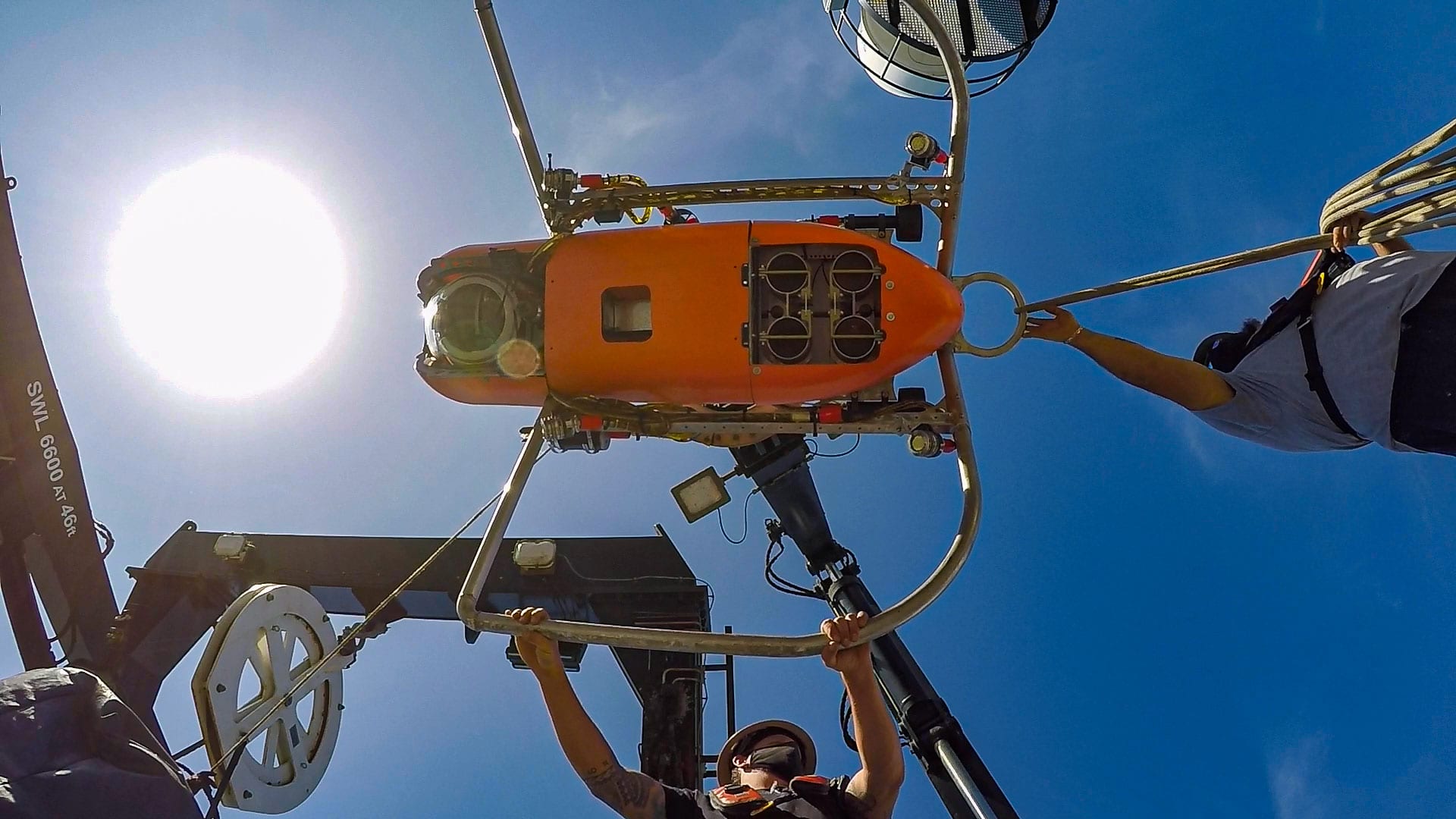
Researchers prepare WHOI’s autonomous underwater vehicle, Orpheus for its first deep dive of 2021Tech Demo.
Read MoreMeet the Alvin 6500 Team: Rose Wall
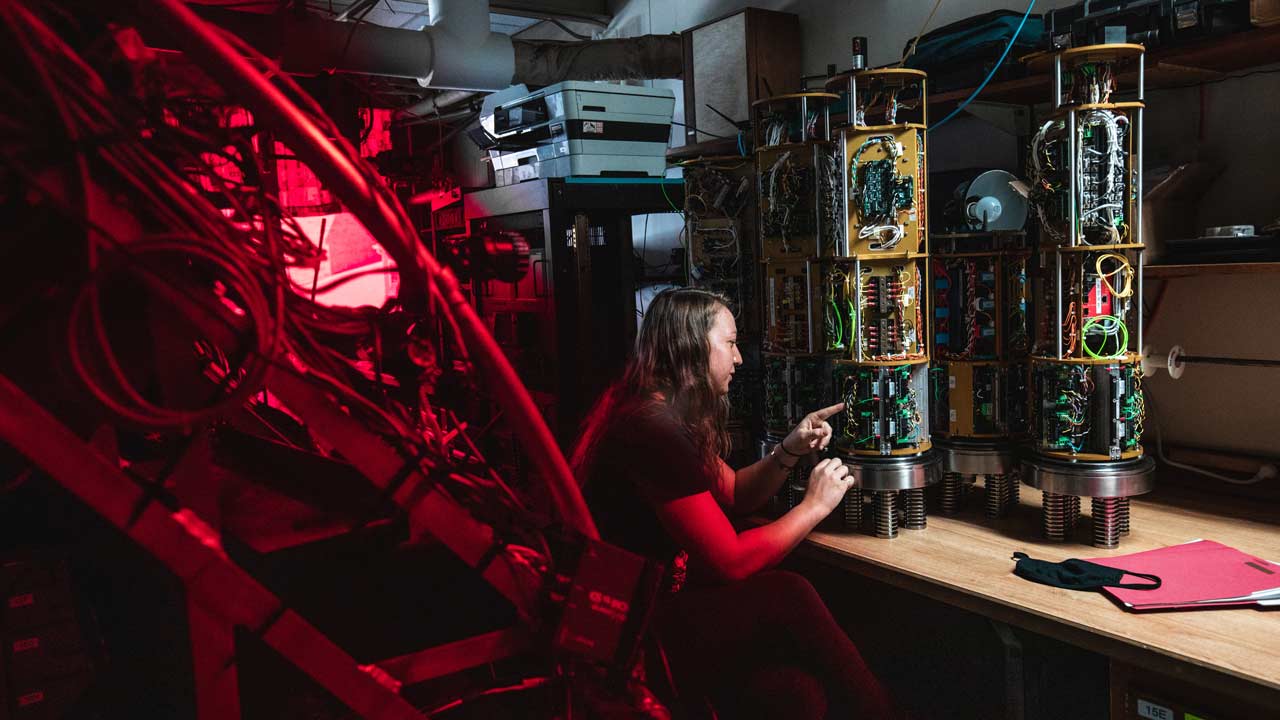
Alvin Engineer Rose Wall on joining the Alvin Group during an overhaul and the pandemic.
Read MoreOil spill response beneath the ice
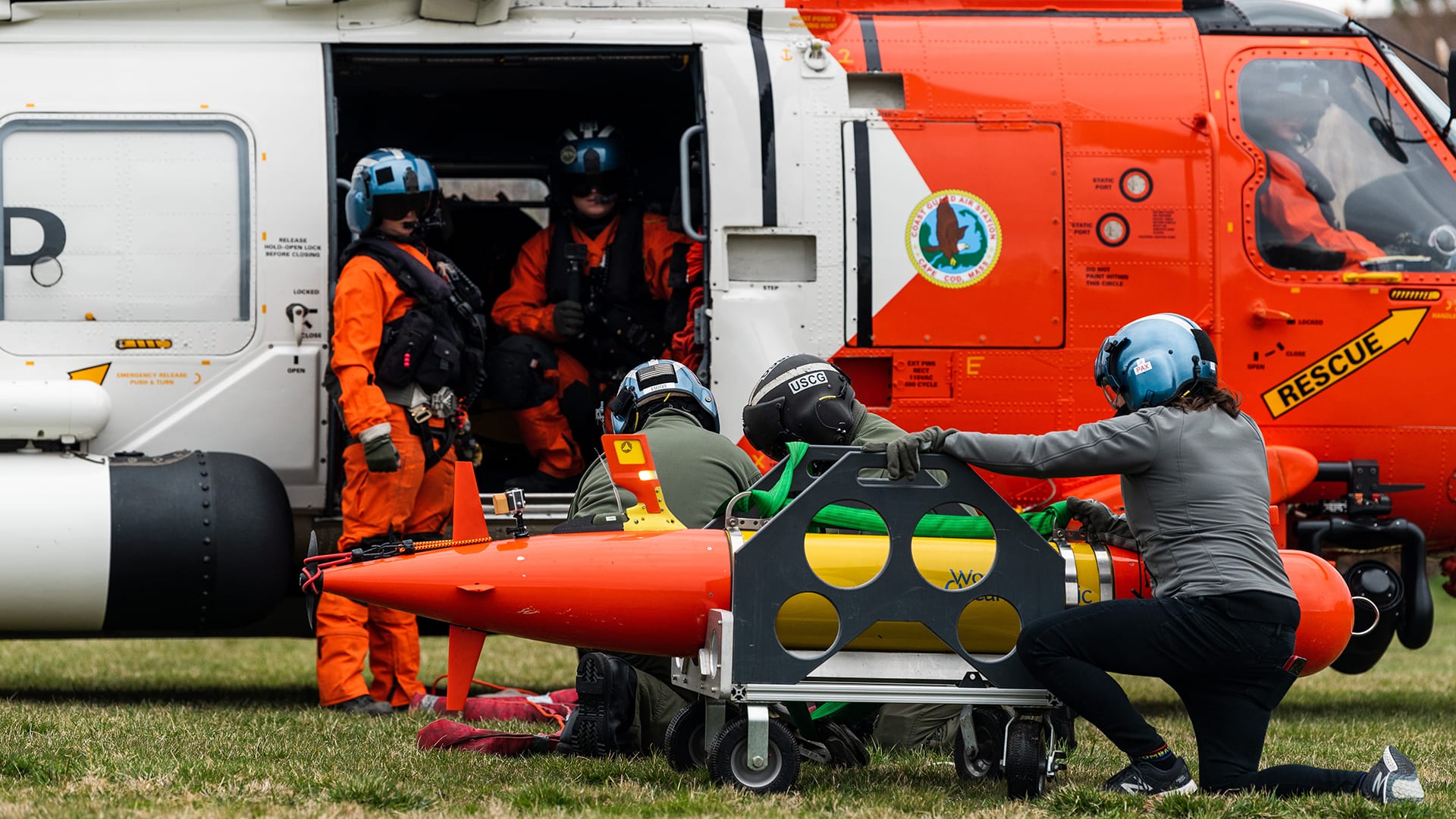
Successful test deployment of WHOI vehicle Polaris expands U.S. Coast Guard response to oil spills in the Arctic
Read MoreFrom Mars to the deep
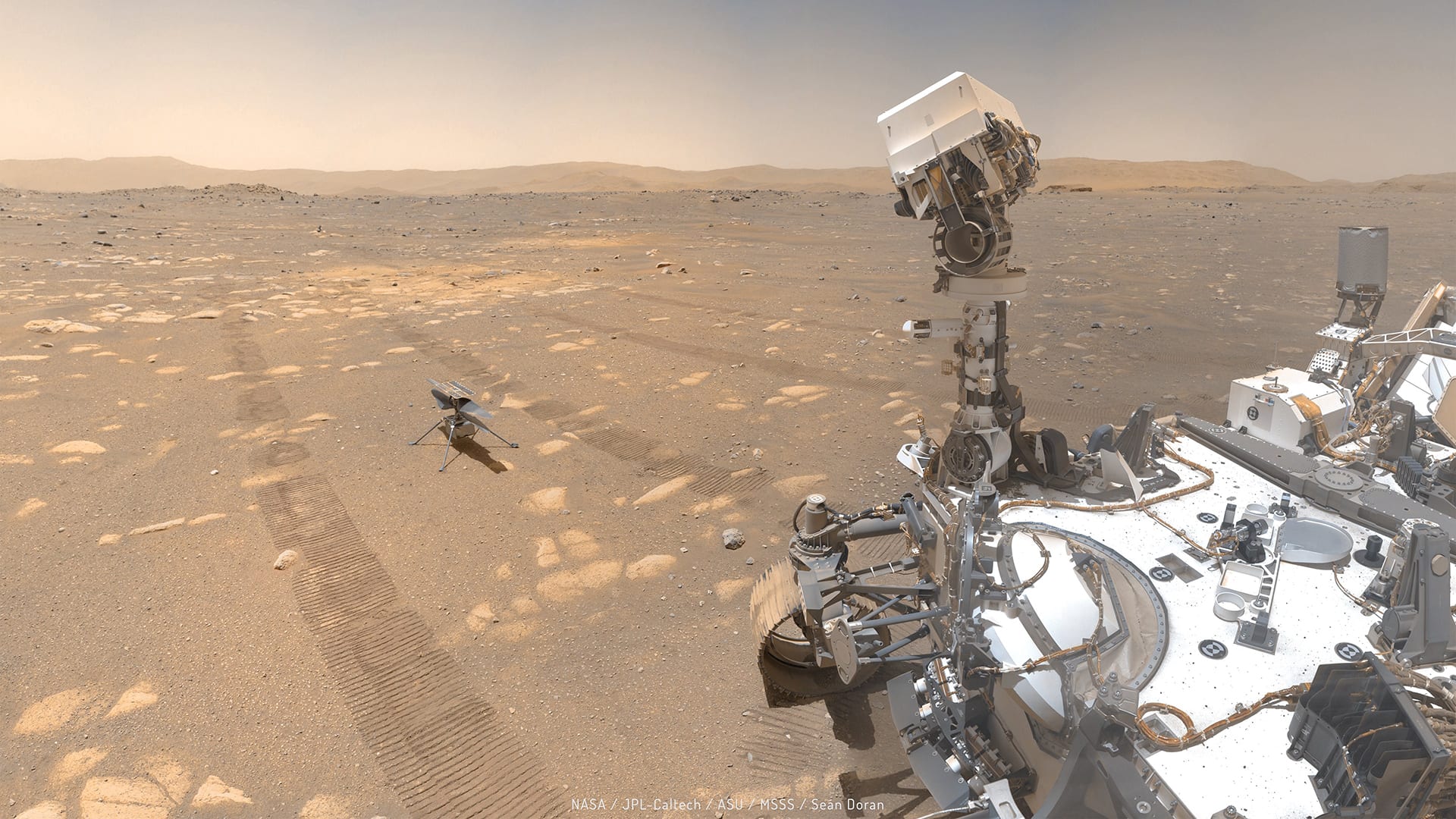
Navigation technology that helped NASA’s Perseverance rover land safely on Mars could guide robots in another unexplored terrain that’s much closer to home: the deepest trenches of the ocean.
Read MoreMeet the Alvin 6500 Team: Drew Bewley
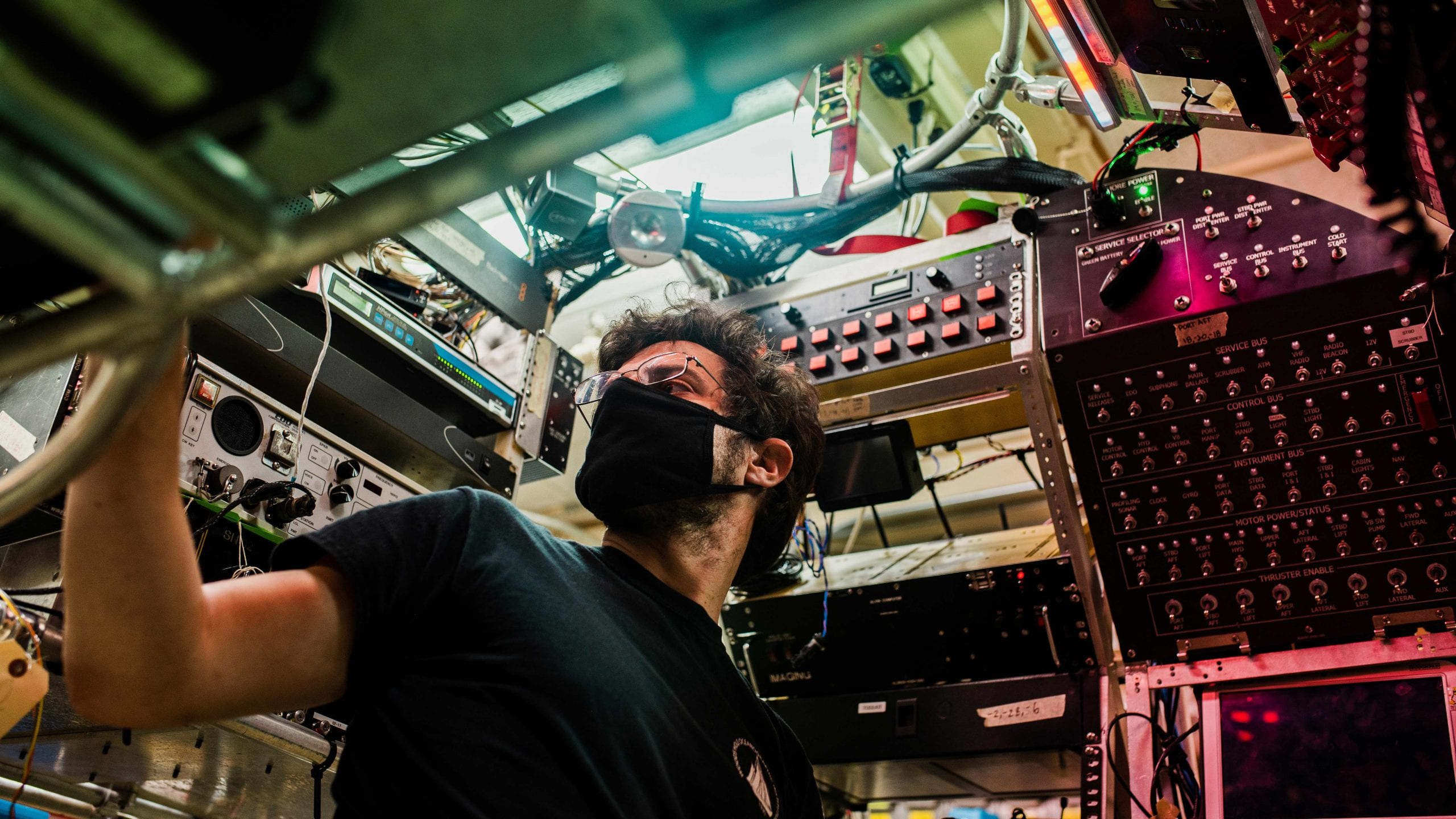
Alvin engineer and pilot Drew Bewley on what best prepared him to work on a one-of-a-kind submersible and the overhaul that will take Alvin to 6500 meters.
Read MoreArctic scientists test underwater drone on Willoughby Lake
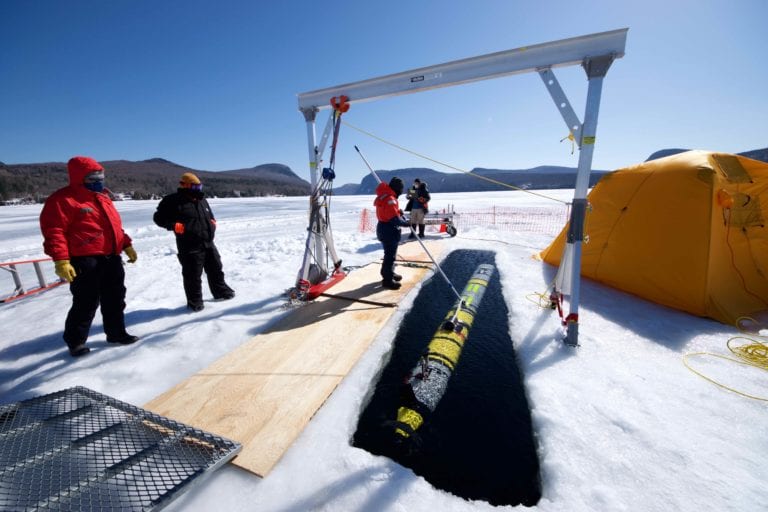
New England winters can often feel as cold as the Arctic. But for researchers from WHOI’s Applied Ocean Physics & Engineering department, Vermont’s polar-like cold proved to be the perfect…
Read MoreMicrobial Methane – New Fuel for Ocean Robots?
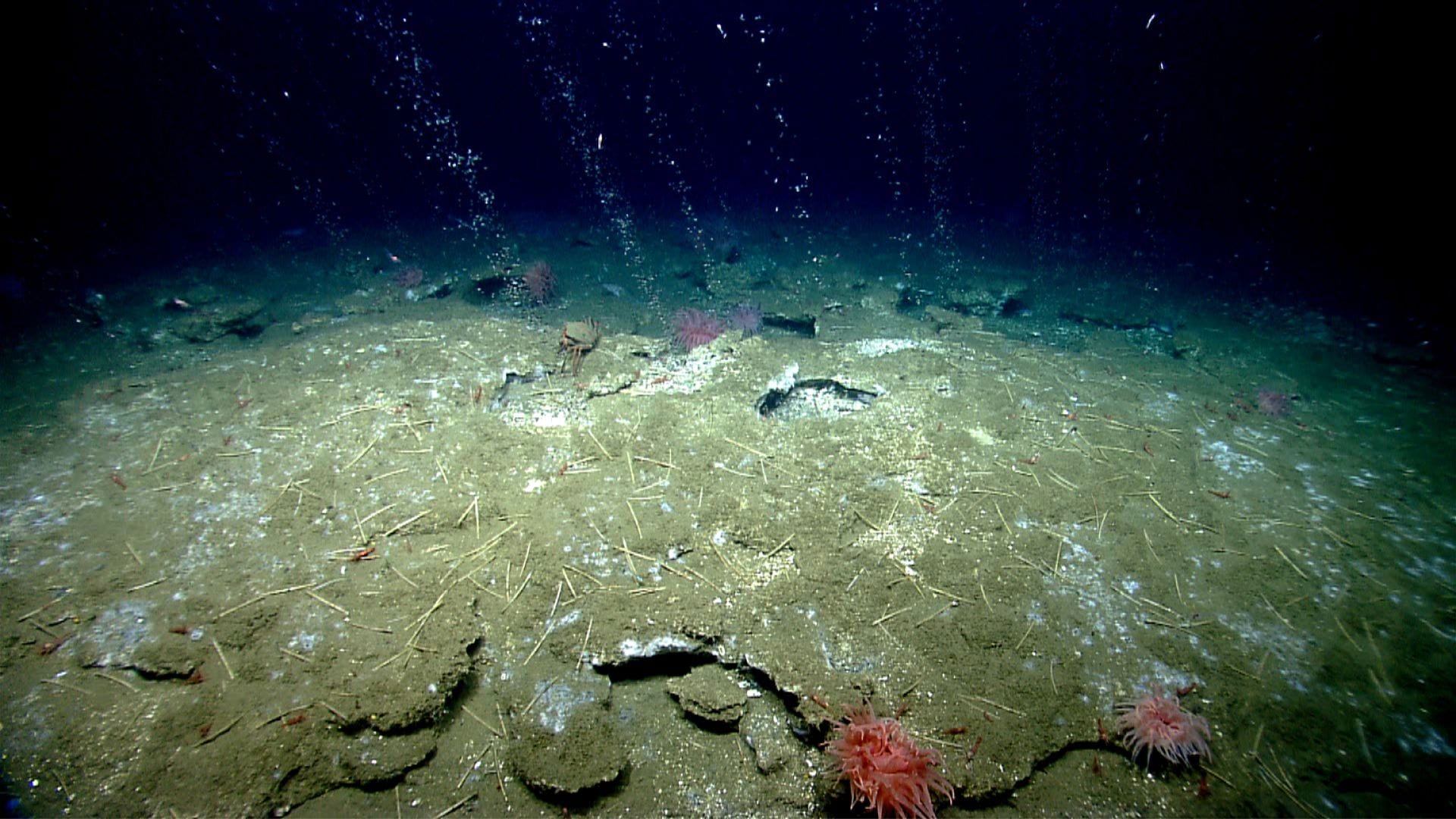
Researchers are developing on an energy harvesting platform that converts marine methane to electricity. The system could be an answer to power-hungry robots that are being asked to explore increasingly larger swaths of the ocean.
Read MoreThe Search for Life

WHOI researchers featured in episode of news program Full Measure February 17, 2021 This week, NASA’s Perseverance Rover lands on Mars to continue the search for life on the Red…
Read MoreWHOI builds bridges with Arctic Indigenous communities
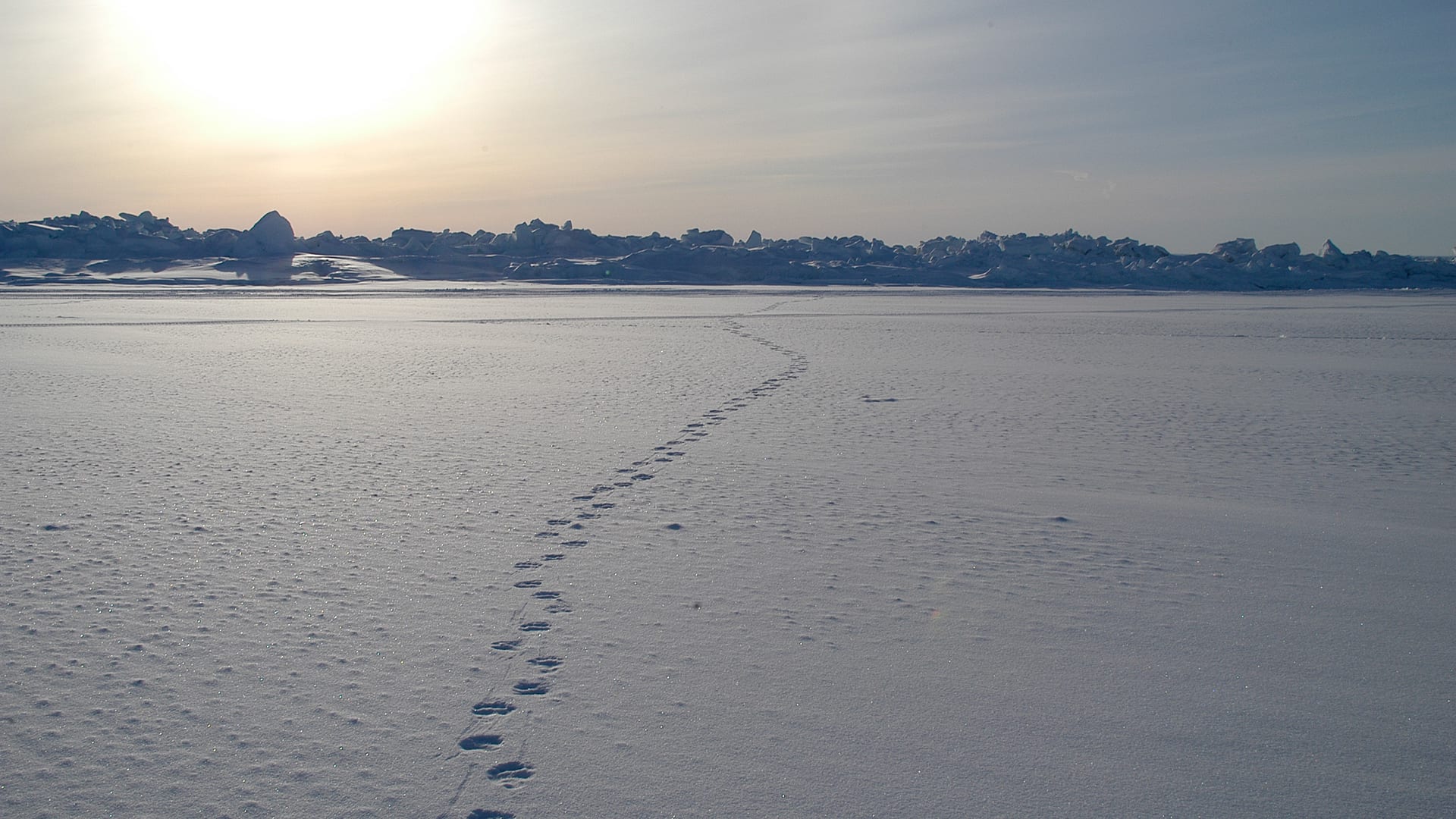
NSF program fosters collaboration between indigenous communities and traditional scientists, allowing WHOI’s autonomous vehicles to shed light on a changing Arctic
Read MoreInstitute of Electrical & Electronics Engineers Honors WHOI Scientist

The Institute of Electrical and Electronics Engineers (IEEE) elected Dana Yoerger as a 2021 fellow for the development of autonomous underwater vehicles for deep-ocean exploration and science.
Read More