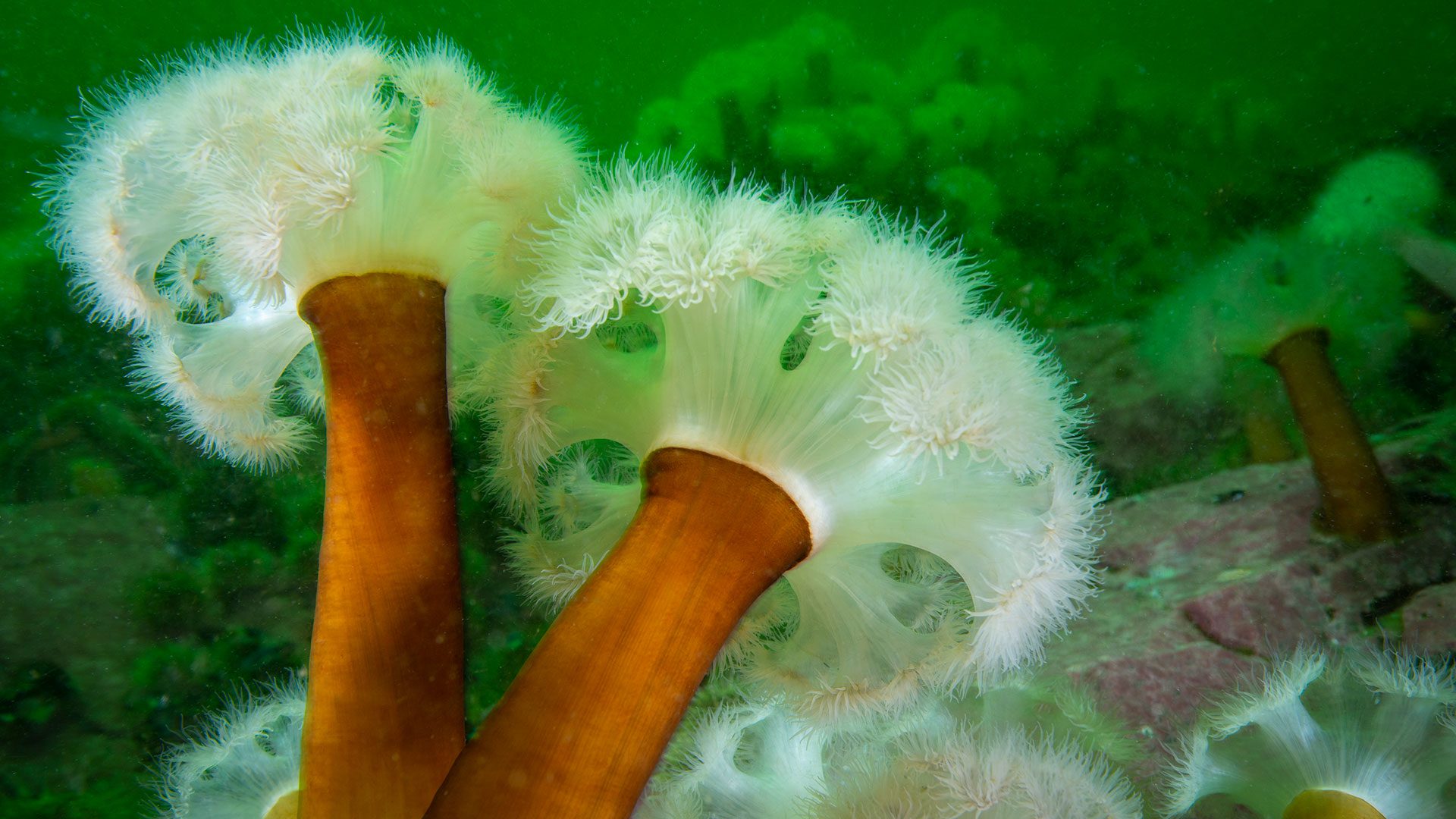
How shipwrecks helped a cold-water anemone move south
Researchers find fluffy anemones spreading south via shipwrecks, revealing how artificial reefs and ocean currents connect marine habitats
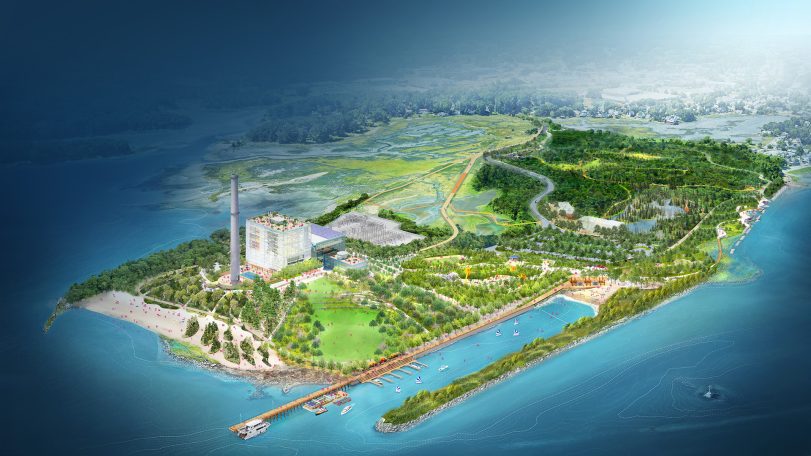
WHOI joins Manresa Wilds Project to help restore part of Connecticut’s coastline
Development of a new coastal green space and public park opens up access to ocean science in Long Island Sound

Recipe: Roasted peppers with smoked mackerel, mace, and mint
This seafood recipe by chef and author Barton Seaver is a great introduction to sustainable seafood
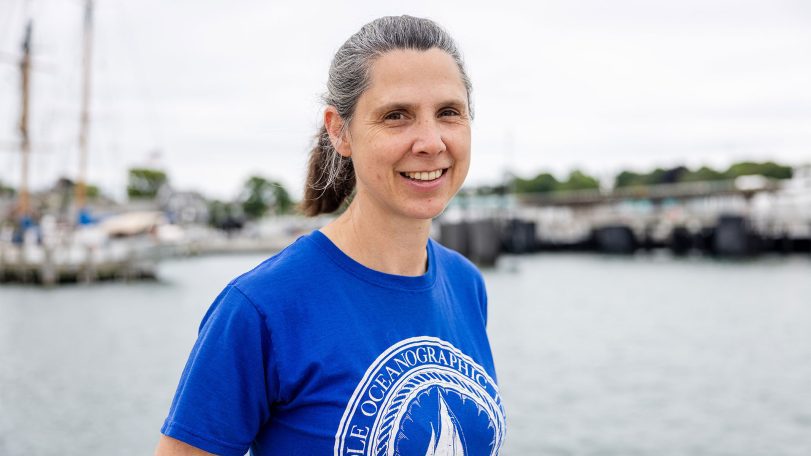
Sampling Gulf Stream plankton, one teaspoon at a time
Three questions with marine research technician Emily Peacock
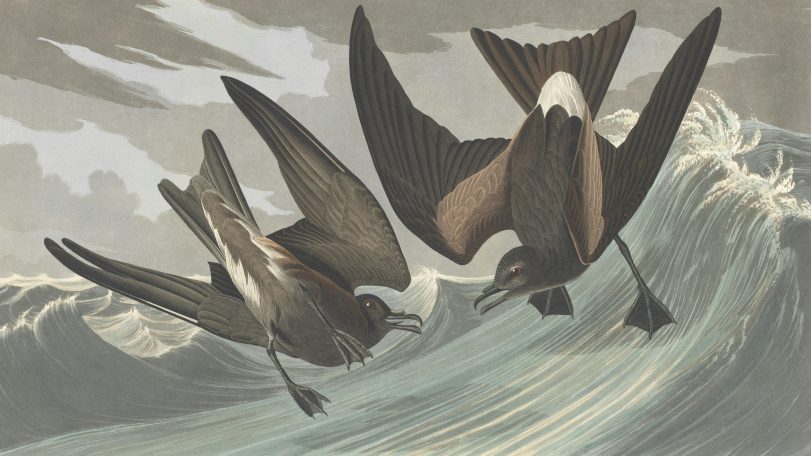
These seabirds fly toward cyclones, not away from them
New GPS tracking on petrels reveals a surprising survival strategy hidden in the eye of the storm
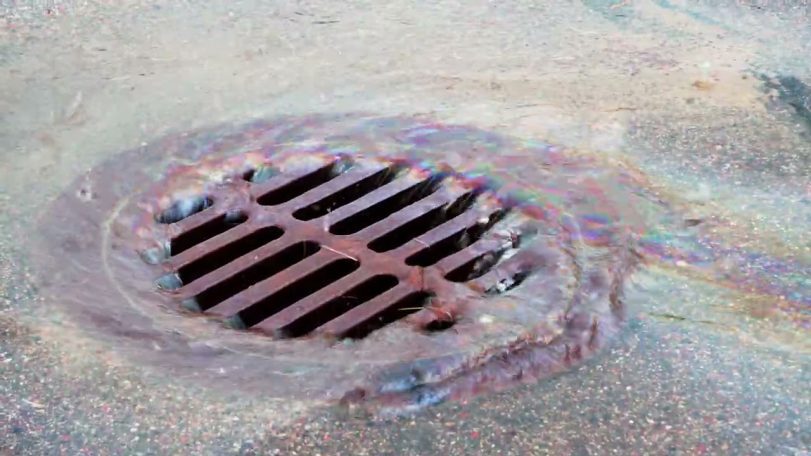
Are big spills the main source of ocean oil?
Evidence shows that smaller leaks on land contribute far more oil to our oceans

Reclaiming knowledge from the sea
Jordan Kennedy combines Indigenous knowledge, engineering, and observation to rethink how coastal landscapes are studied and restored. Her work on clam gardens and autonomous mapping systems explores how revitalizing these ancient systems can also reclaim knowledge and relationships between people, place, and practice.
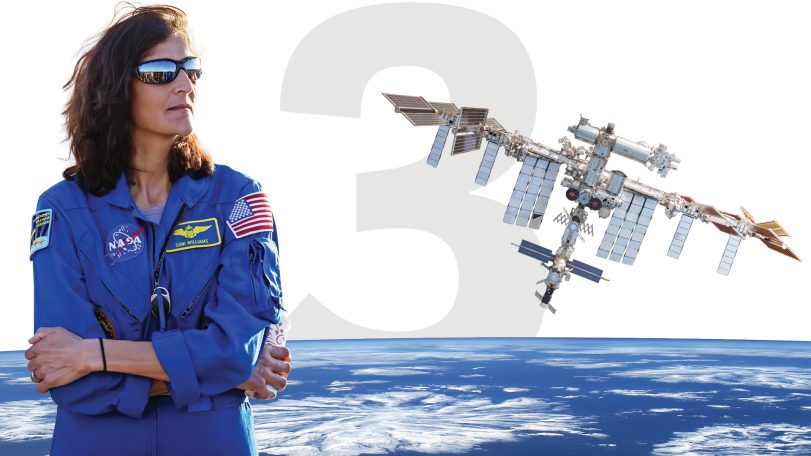
3 questions with a former NASA astronaut
WHOI Corporation Member Sunita Williams discusses space exploration, ocean science, and environmental stewardship
and get Oceanus delivered to your door twice a year as well as supporting WHOI's mission to further ocean science.
Our Ocean. Our Planet. Our Future.
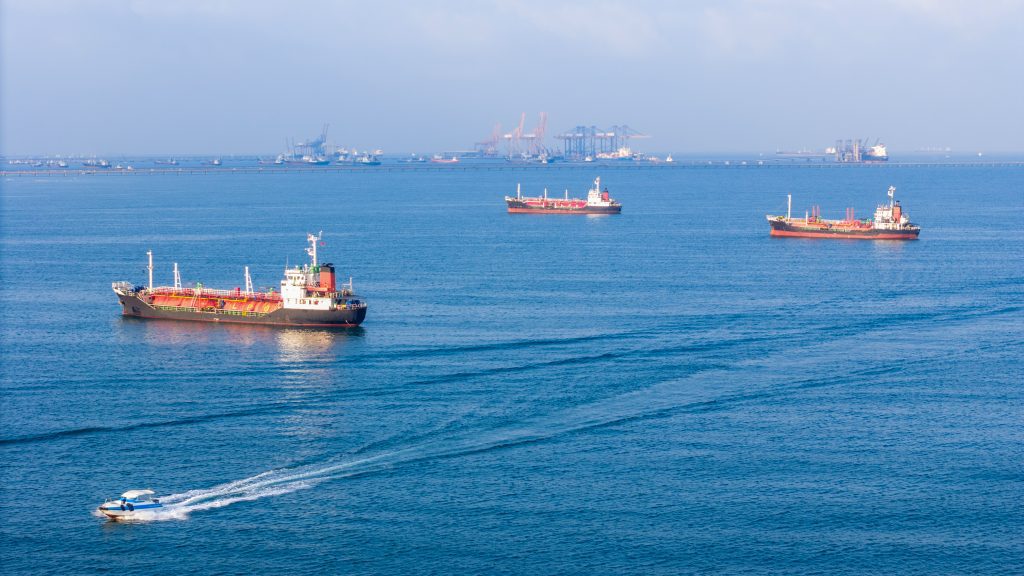
Ships in the Strait of Hormuz are becoming invasive species breeding grounds
Beneath the waterline of every ship stalled in the Persian Gulf, a thriving underwater city takes shape—barnacles, algae, mussels, sea squirts. Some of those hitchhikers could reach coastlines they’d never find on their own.
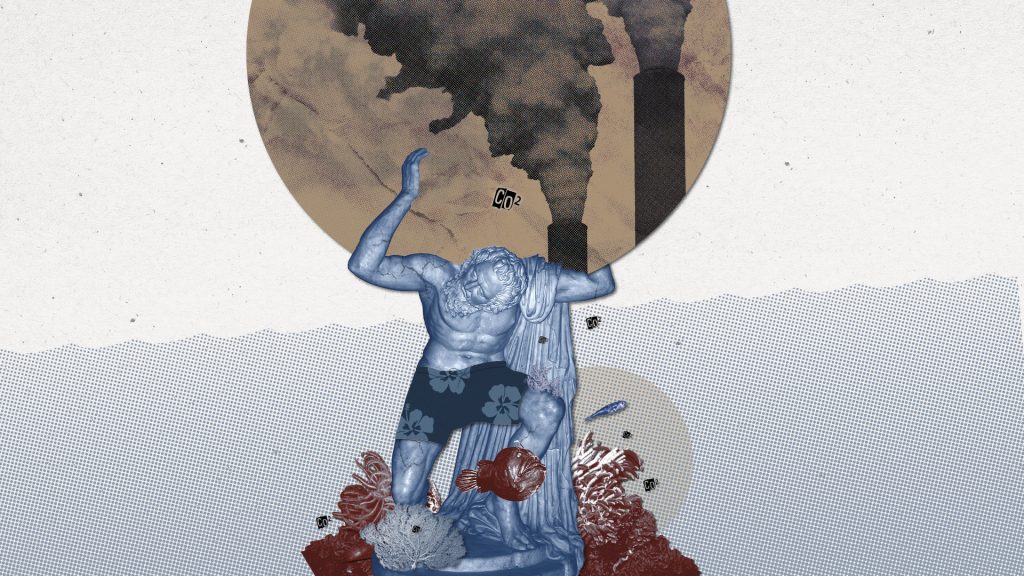
Is the ocean carbon sink at risk of faltering?
WHOI scientists explain how the ocean mitigates climate change—and could be compromised by it
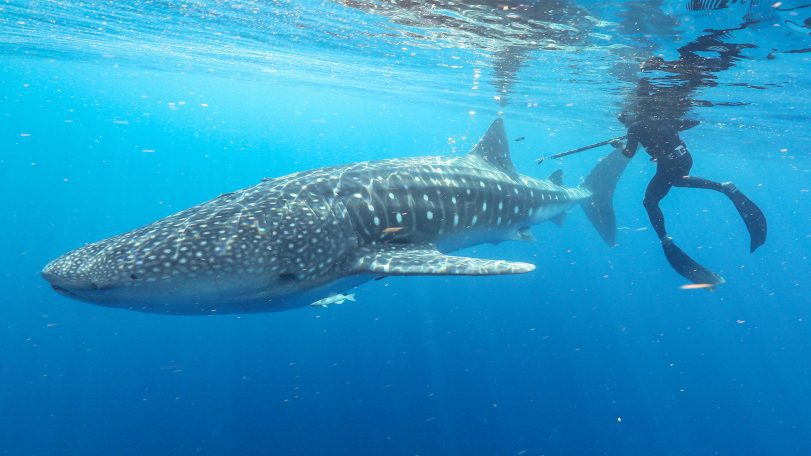
3 questions with Cam Braun
Marine biologist Camrin Braun explains why the world’s largest fish visit waters off Cape Cod—and what their epic migrations reveal about a changing ocean
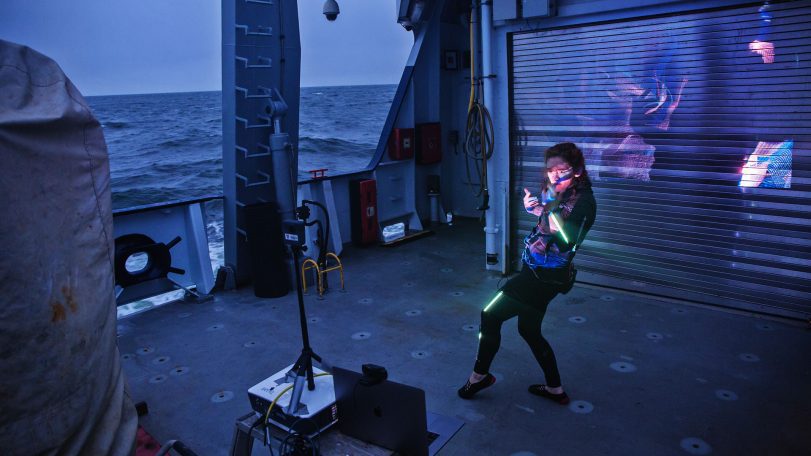
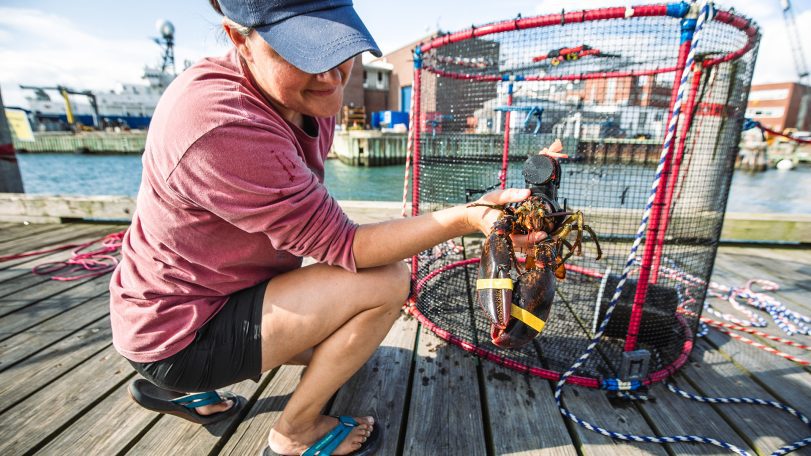
Is underwater noise from construction affecting the American Lobster?
WHOI’s Sensory Ecology Lab investigates whether an industrialized soundscape impacts the health of a New England icon
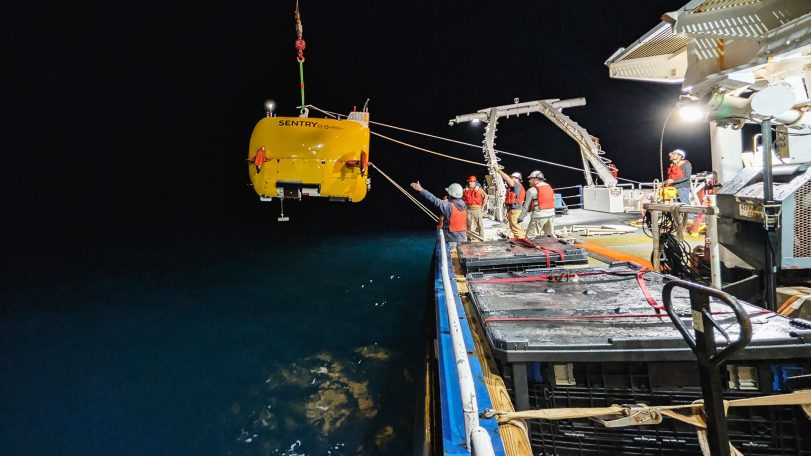
Exploring Atlantic seeps
AUV Sentry leads the way in mapping and monitoring methane bubbling from the seafloor
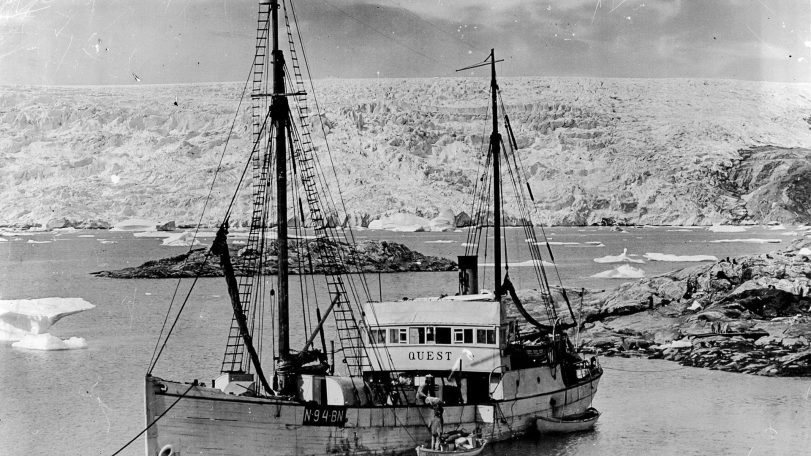
A once-in-a-generation dive into polar history
40 years after helping reveal the Titanic, Alvin returns to the North Atlantic to document two other legendary shipwrecks
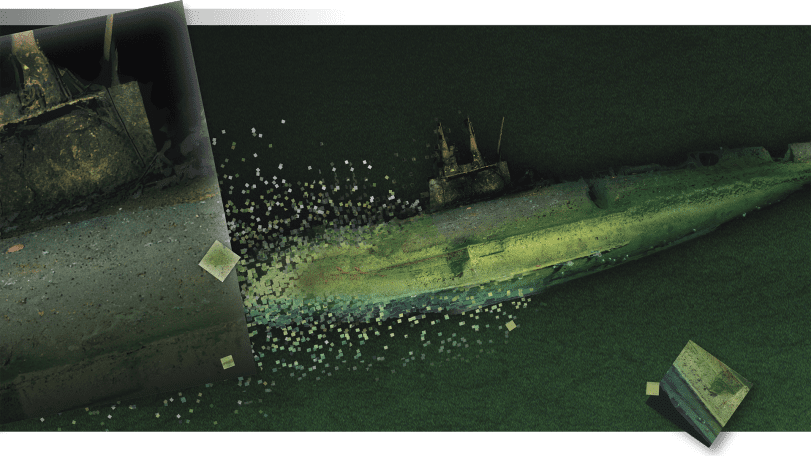
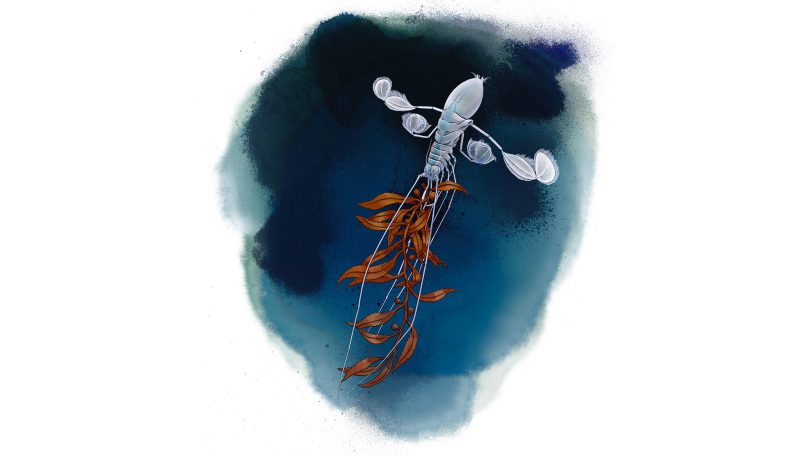
A hadal zone mystery solved
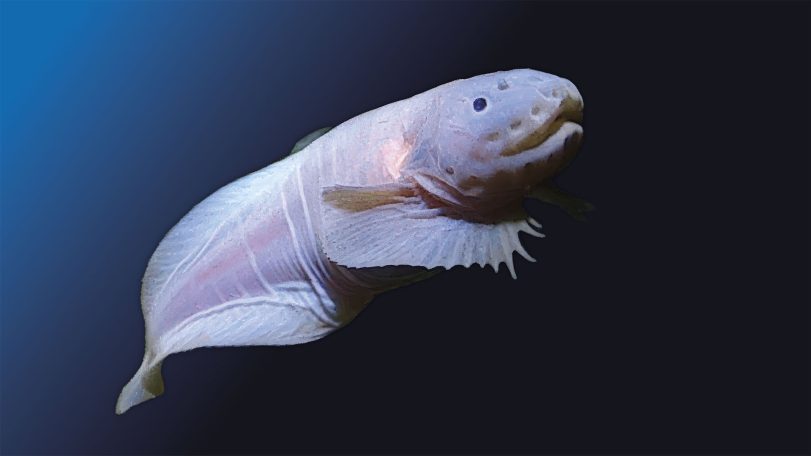
An upside-down swimming isopod shows how tightly we are connected to the deep ocean
Looking for something specific?
We can help you with that. Check out our extensive conglomeration of ocean information.
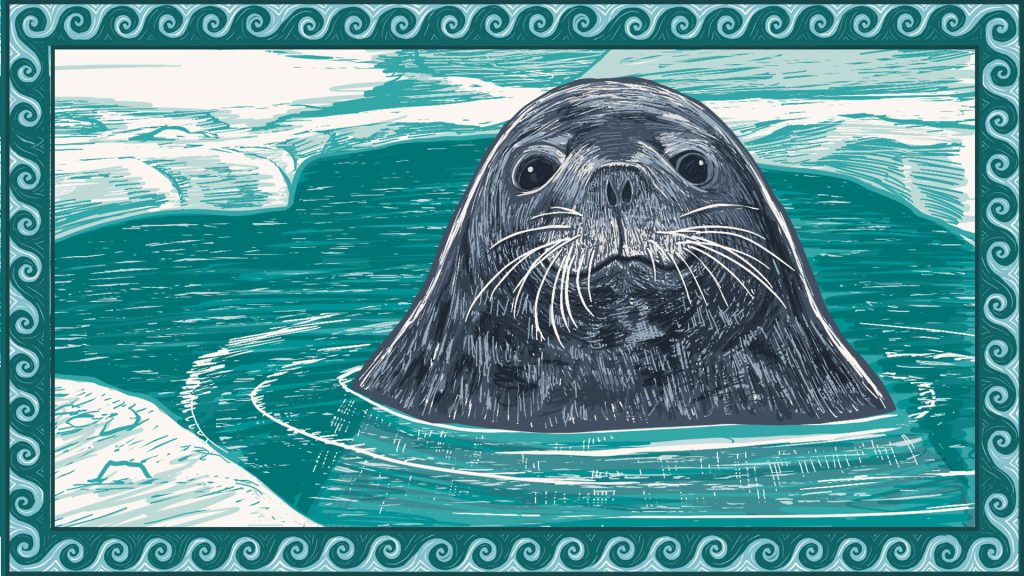
A mother seal dives
Follow a Weddell seal as her body adapts to foraging in deep, frigid waters
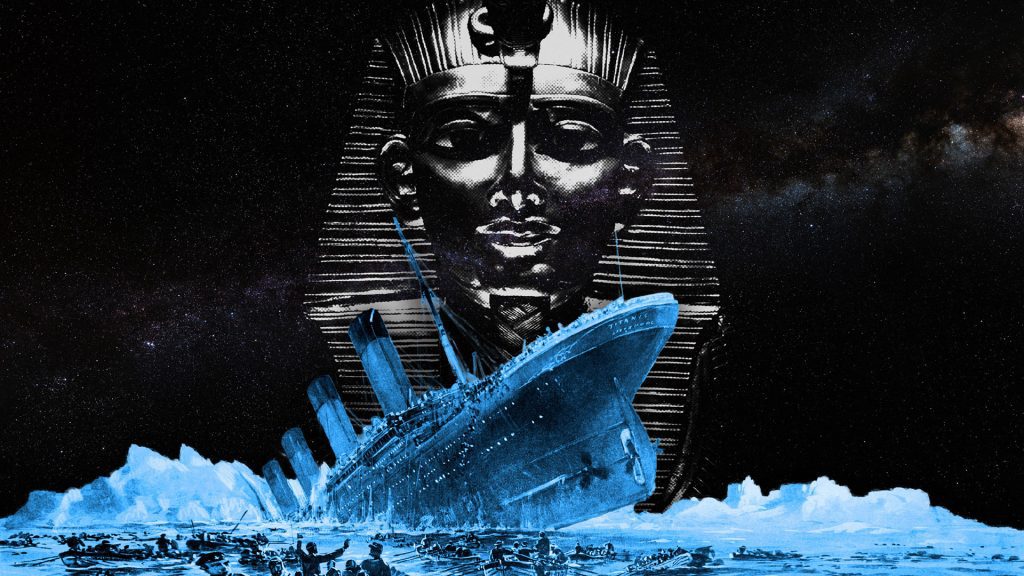
A mummy, a myth, and the Titanic
A 1986 handwritten letter to Bob Ballard revisits one of the Titanic disaster’s strangest myths
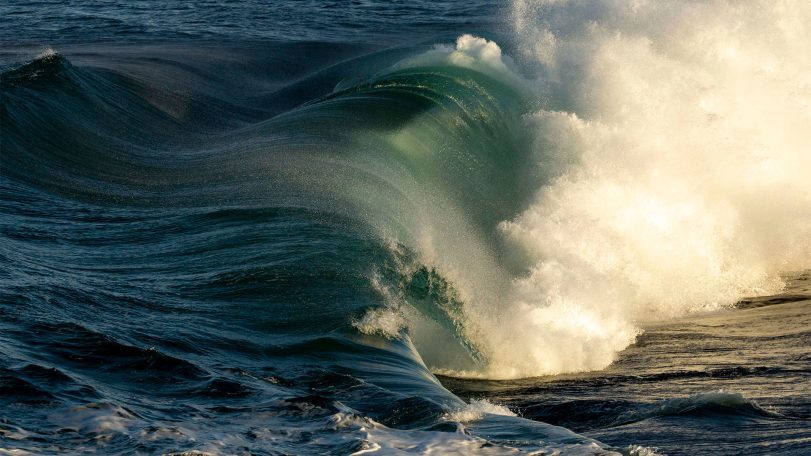
Turning motion into power: Wave energy converters for sustainable ocean monitoring
In the rapidly evolving world of ocean technology, wave energy is emerging as a promising…
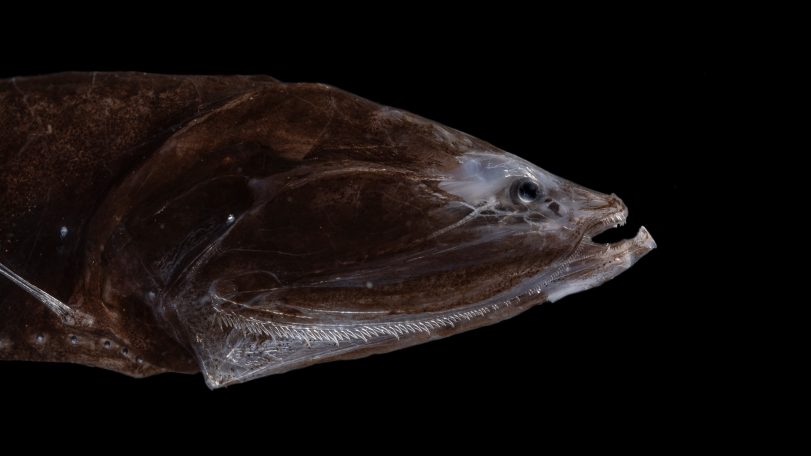
The world’s most abundant fish once thrived in an extreme climate
Fossilized teeth show bristlemouth fish evolved during one of the ocean’s hottest periods
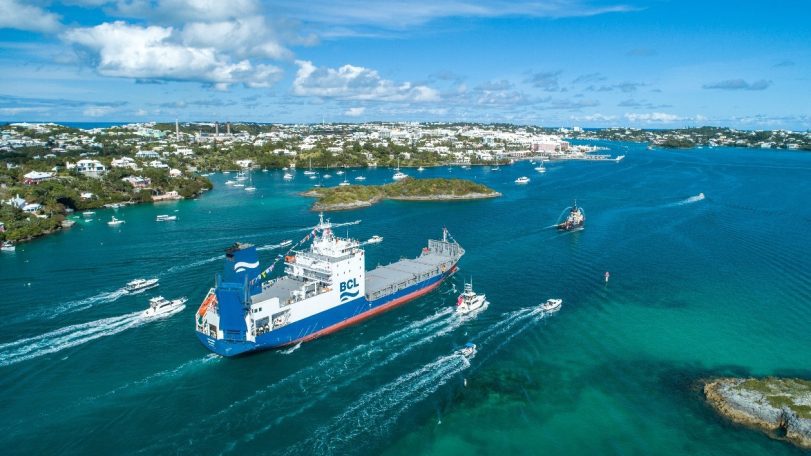
How a cargo ship is tracking hidden ocean life in the Atlantic
With funding support from CMA CGM, ocean observations aboard Bermuda Container Line’s M/V Oleander now include a window into microscopic life
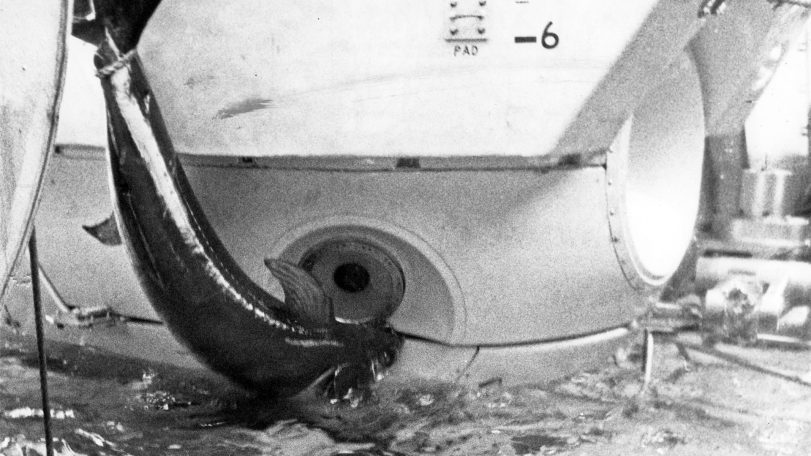
Alvin vs. the swordfish
During a 1967 dive off Florida, a startled swordfish rammed the famed submersible Alvin—lodging its sword in the hull and forcing the crew to abort the mission
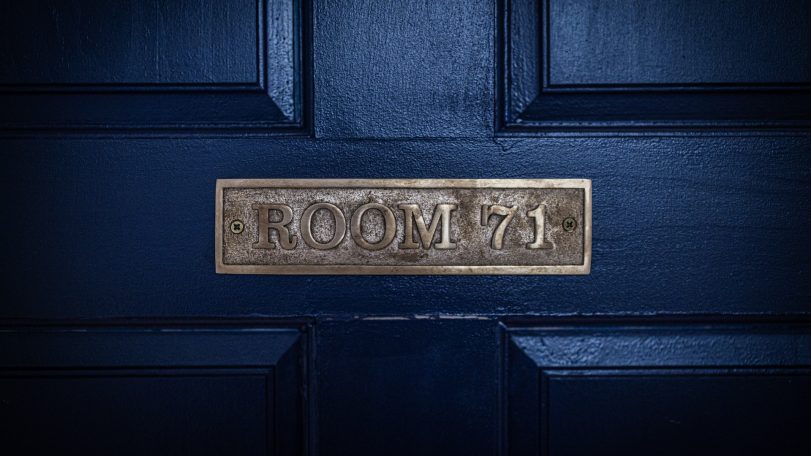
Inside Room 71: WHOI history in seven artifacts
Some of the technology, art, and gifts that tell the story of the institution’s early days
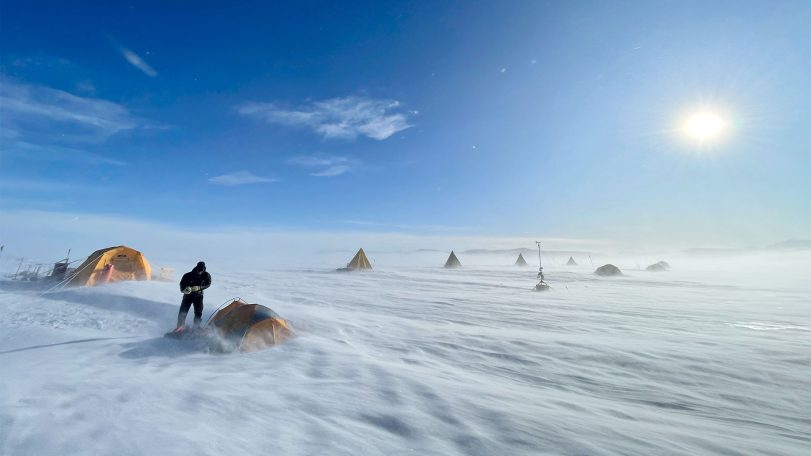
A scientist’s quest to find Earth’s oldest ice
After recovering ice that dates back 6 million years, Sarah Shackleton hopes to dig deeper into Earth’s history from a remote Antarctic moraine
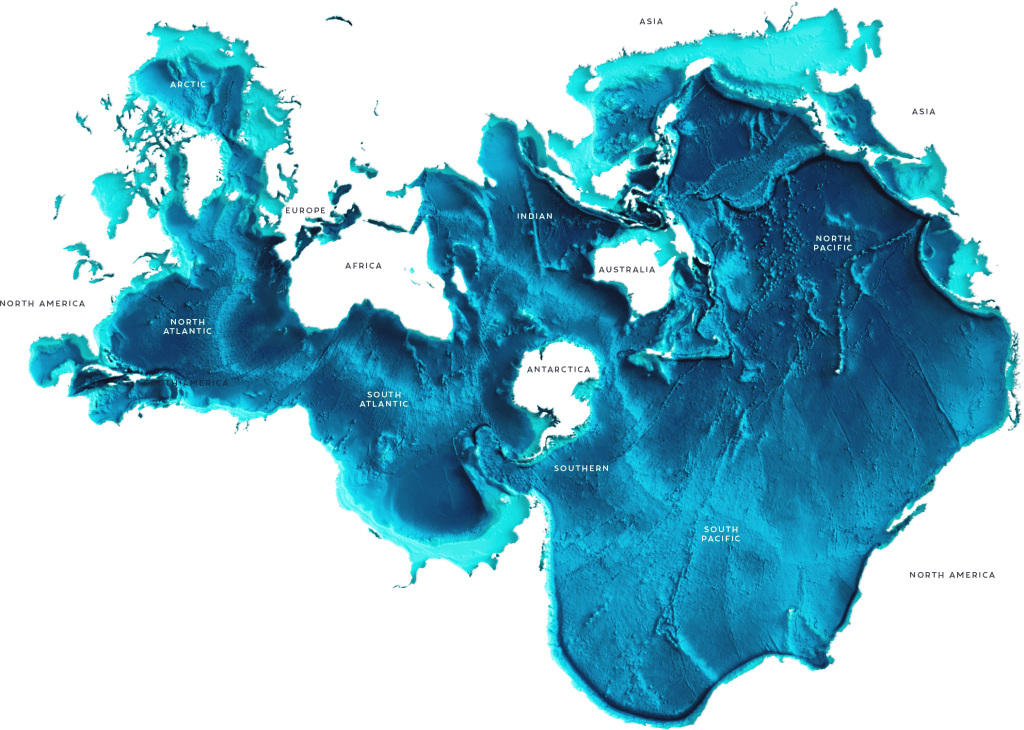
It’s the most ocean-friendly map ever created. Why haven’t more people seen it?
Discover the Spilhaus Projection, a radical world map that reveals Earth as one connected ocean—and reshapes how we see the planet.
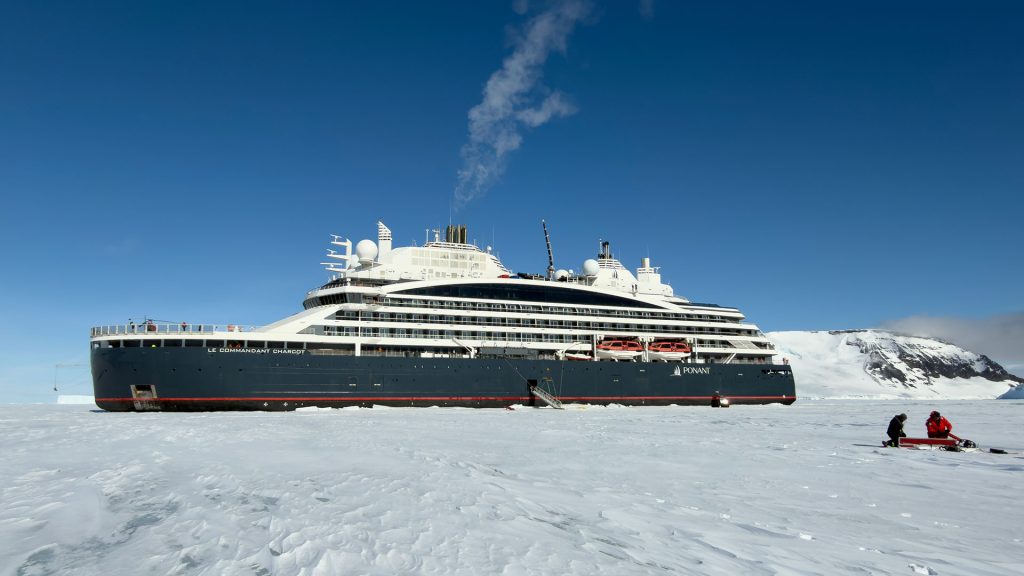
Luxury cruises with a side of climate science
A new partnership gives scientists rare access to remote Antarctic glaciers—and a new way to engage the public
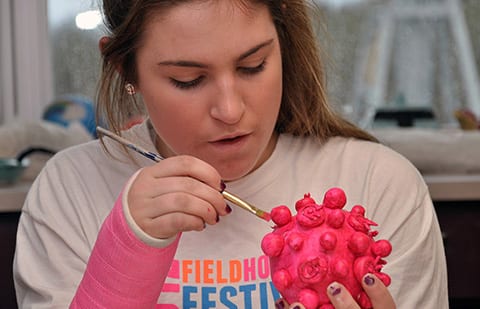
Ceramics Meets Marine Biology at WHOI
If muses for Pottery and Science roam the Earth, they don’t often cross paths, especially…

Lyme Disease Bacteria Have Quirky Needs
Scientists have confirmed that the pathogen that causes Lyme disease—unlike any other known organism—can exist…
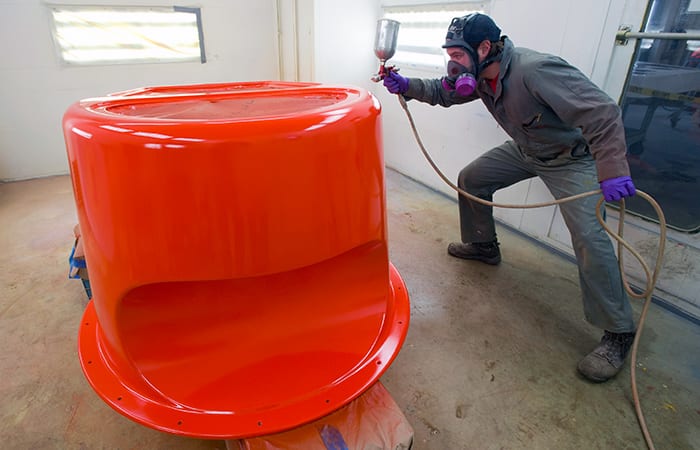
Rebuilding Alvin: Ben Pietro
Since the beginning of 2011, Alvin, the U.S. science community’s only human-occupied submersible dedicated to…

Rebuilding Alvin: Joe Harvey and Vic Miller
Since the beginning of 2011, Alvin, the U.S. science community’s only human-occupied submersible dedicated to…
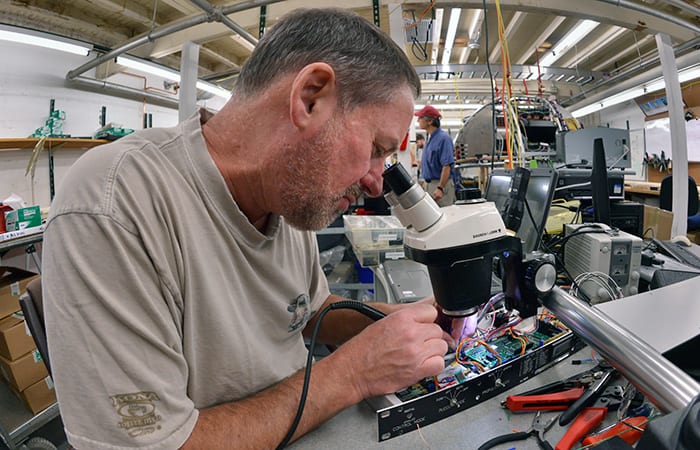
Rebuilding Alvin: Robert Waters
Since the beginning of 2011, Alvin, the U.S. science community’s only human-occupied submersible dedicated to…
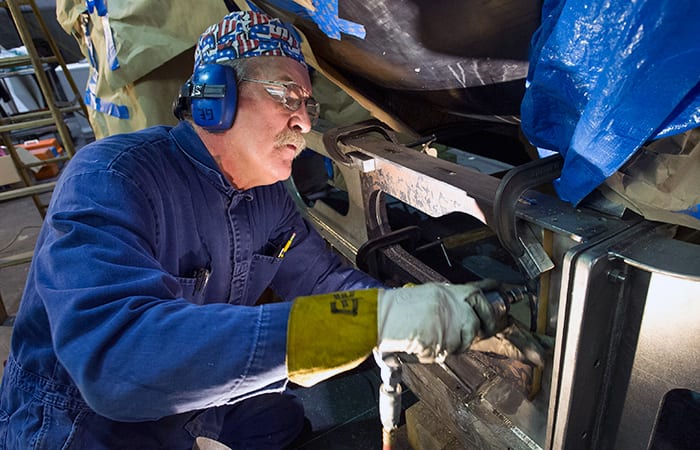
Rebuilding Alvin: Geoffrey Ekblaw
Since the beginning of 2011, Alvin, the U.S. science community’s only human-occupied submersible dedicated to…
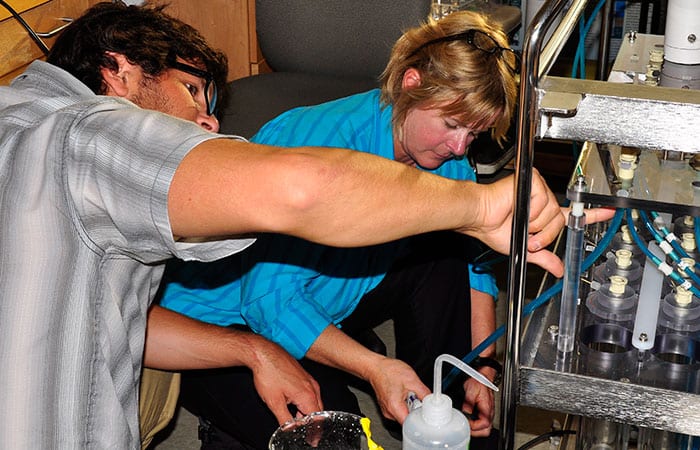
Fungi Flourish Below the Seafloor
Scientists have discovered a previously unknown diversity of fungi living far beneath the seafloor throughout…
The Synergy Project, Part II
Back in my high school, and maybe yours too, kids naturally separated into cliques—jocks, punks,…

The Synergy Project
Back in my high school, and maybe yours too, kids naturally separated into cliques—jocks, punks,…
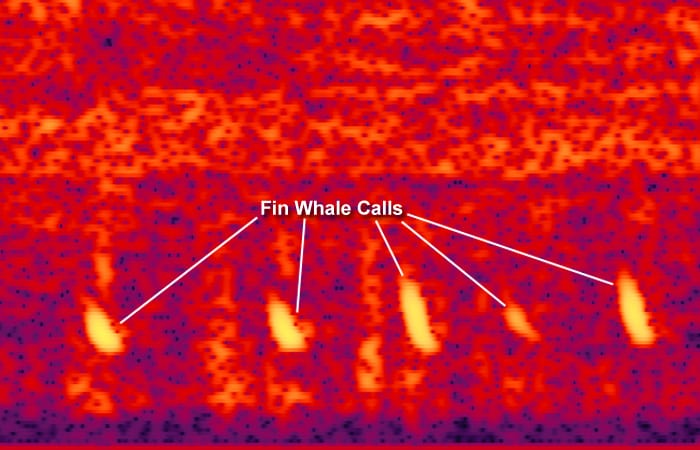
Seismic Studies Capture Whale Calls
In November 2012, the California Coastal Commission met to consider a request by Pacific Gas…
海中の 放射性物質
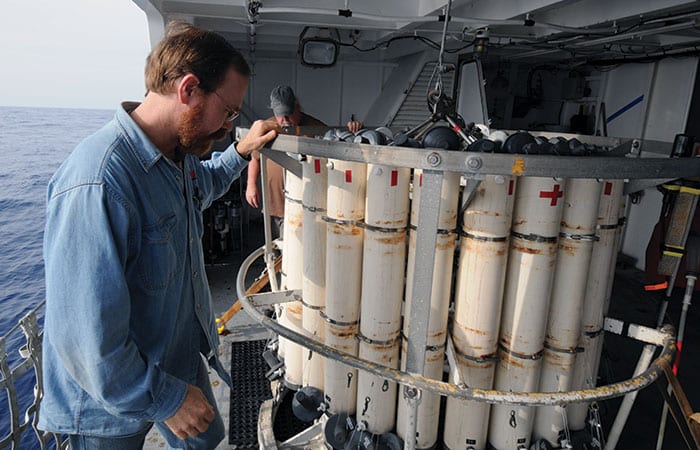
ウッズホール海洋研究所の海洋化学者ケン・ベッセラーは、福島原発災害から数週間で調査航海を実施し、各分野・機関の科学者とともに、福島原発から放出された放射性物質が海中および海洋生物に含まれていないか調べた (写真提供:ケン・コステル、WHOI) » English Version 2011年3月に起きた東京電力福島第一原子力発電所からの放射性同位体の流出は、事故による放射性物質の海洋への流出として史上最大の量を記録している。その大部分は、原子炉から流出した放射性物質であるヨウ素131、セシウム134、セシウム137である。2012年11月、東京で2日間行われた「海洋放射能汚染に関する国際シンポジウム:海洋へ与える福島原発事故の影響を探る」において、ケン・ベッセラー博士が報告した。 ベッセラーによると、これらの物質はどれも長期的な健康上の問題を生じさせるが、ヨウ素131の半減期はわずか8日であるため、数週間で実質的に環境から消失するはずである。半減期がそれぞれ2年および30年であるセシウム134とセシウム137は、今後数年間から数十年間にわたって海水に残留する。 現在、海に存在するセシウムの大半は、米国、フランス、およびイギリスが1950〜1960年代に大気中で行った核兵器実験の名残である。それより量は少ないが、1986年のチェルノブイリ原子力発電所事故からのもの、そしてイギリスのセラフィールド核処理施設からアイリッシュ海に投棄された長期に渡る低放射能レベルの廃棄物など特定の放出源からのものもある。 ただし、気象庁気象研究所の青山道夫主任研究官らの記録によると、日本の沖合における福島原発事故以前のセシウム137レベルは1m2あたり約2ベクレルで、世界でも最低レベルであったことがわかっている(1ベクレルは、毎秒1回の放射性崩壊イベントに等しい)。この背景に照らすと、2011年4月初めに測定された濃度はとくに警戒すべきものだった。福島原発の排水口付近の海水からは、1m2あたり最高6,000万ベクレルの濃度が報告されており、海生動物の生殖と健康に十分悪影響を及ぼす値であった。 福島に起源を持つセシウムの大半は、原子炉を冷却するため放水された数百万リットルの水が流出水または地下水として、海に流れ込んだものである。同発電所の建屋浸水で起こった大規模な漏水も、海へのセシウム流出源となった。4月初めに漏水が止められた後は、沿岸付近のセシウム濃度が劇的に低下した、と彼は言う。しかし、まったくなくなったわけではなかった。 「海洋混合による希釈により、濃度は短期間で十分バックグラウンドレベルまで低下するはずです。しかし、私たちが得たすべてのデータによると、現場周辺の測定値は今も1m2あたり最高1,000ベクレルと高いままです」。 ベッセラーは、その数値が環境にどれだけ影響を与えるかについての確認を急いだ。「1,000ベクレルといっても、セシウムの場合は大きな数字ではありません。たとえば米国環境保護庁が飲用水に定めている基準値より低いものです」。日本近海のセシウムがそのレベルであれば、海洋生物と人が被ばくしても安全だと彼は強調する。 「われわれは、直接的な被ばくより食物連鎖に取り込まれる可能性を心配しなければなりません」。もう1つの問題は、いまだ高レベルにある放射性セシウムである。「数値が横ばいになり、事故前より高レベルにとどまっているということは、福島原発から小規模ながらまだセシウムの流出が続いているということです」。 放射能の経路と速度 沿岸から離れた外洋では、まず風で海へ運ばれた大気からの放射性降下物による放射能が検出された。その風によって放射性降下物の80%以上が海域へ向かったため、陸上での放射能被ばくは限定された。 事故からわずか数週間後、海洋研究開発機構(JAMSTEC)の本多牧生博士らによる調査航海により、福島から約1,900km離れた海域で、低レベルのセシウム137とセシウム134両方が検出された。これだけの短期間に海流で運ばれてくるにはあまりに遠い場所である。セシウム134は海中で自然に存在せず、半減期がわずか2年である。本多は、「この比較的短命なセシウム134同位体が検出されたことは、汚染が福島原発から来たものだという決定的な証拠です。核兵器実験あるいは福島原発事故以前の他の発生源から来たセシウム134は、すでに消失して長い期間が経っているはずだからです」と報告している。…
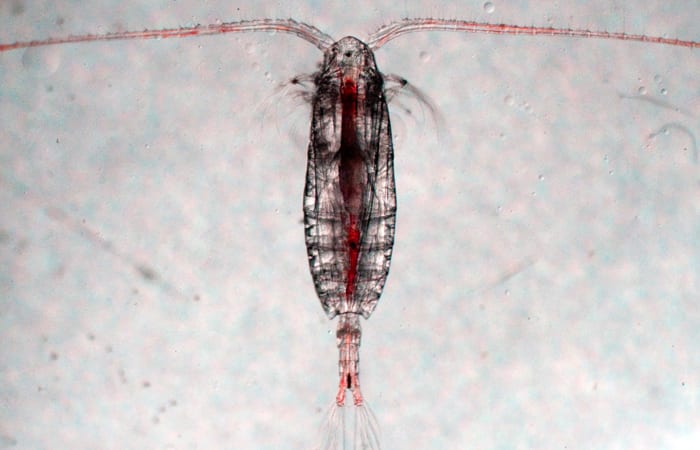
Bacteria Hitchhike on Tiny Marine Life
Amalia Aruda knows that tiny marine creatures have big impacts. Some can kill you. Aruda…