As the ocean warms, a science writer looks for coral solutions
Scientist-turned-author Juli Berwald highlights conservation projects to restore coral reefs

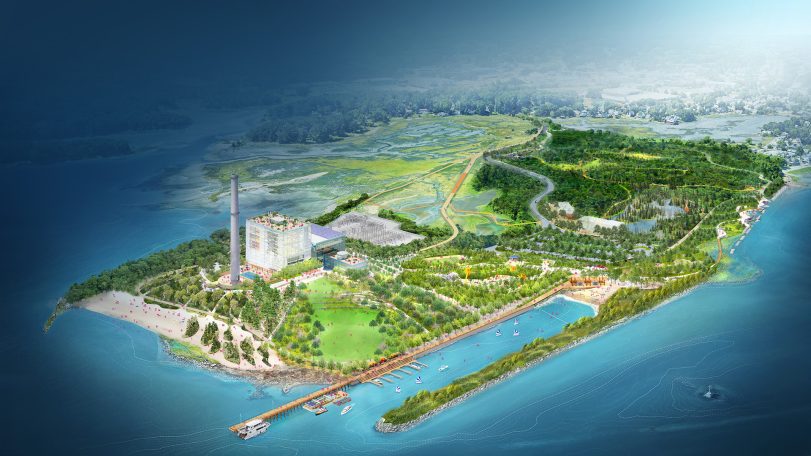
WHOI joins Manresa Wilds Project to help restore part of Connecticut’s coastline
Development of a new coastal green space and public park opens up access to ocean science in Long Island Sound
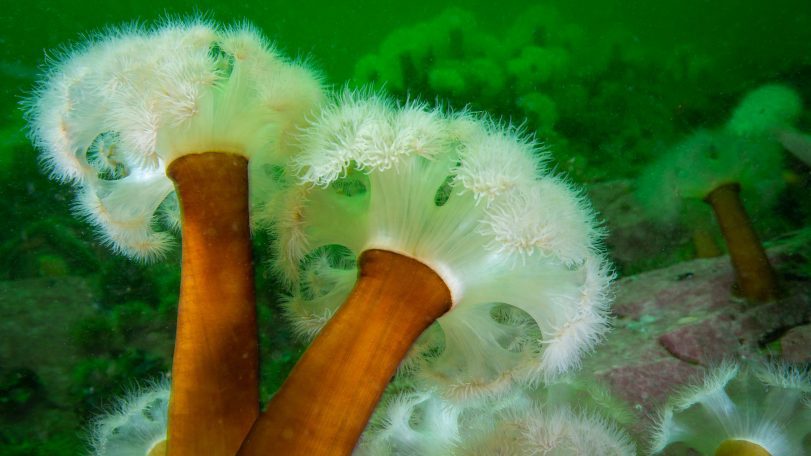
How shipwrecks helped a cold-water anemone move south
Researchers find fluffy anemones spreading south via shipwrecks, revealing how artificial reefs and ocean currents connect marine habitats

Recipe: Roasted peppers with smoked mackerel, mace, and mint
This seafood recipe by chef and author Barton Seaver is a great introduction to sustainable seafood
Sampling Gulf Stream plankton, one teaspoon at a time
Three questions with marine research technician Emily Peacock
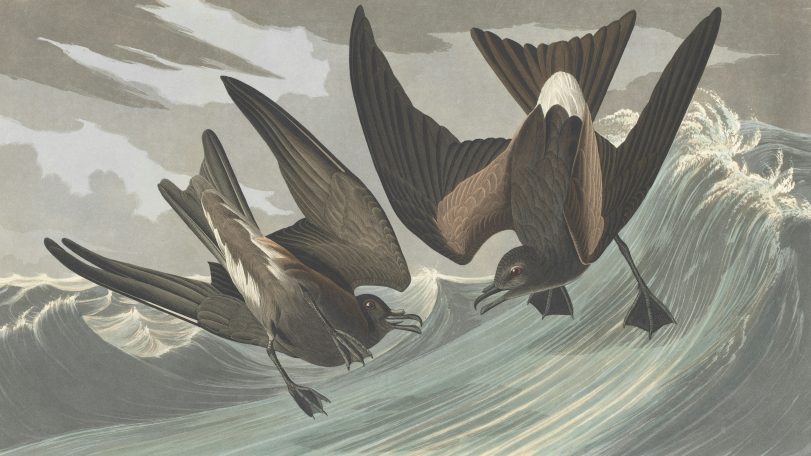
These seabirds fly toward cyclones, not away from them
New GPS tracking on petrels reveals a surprising survival strategy hidden in the eye of the storm
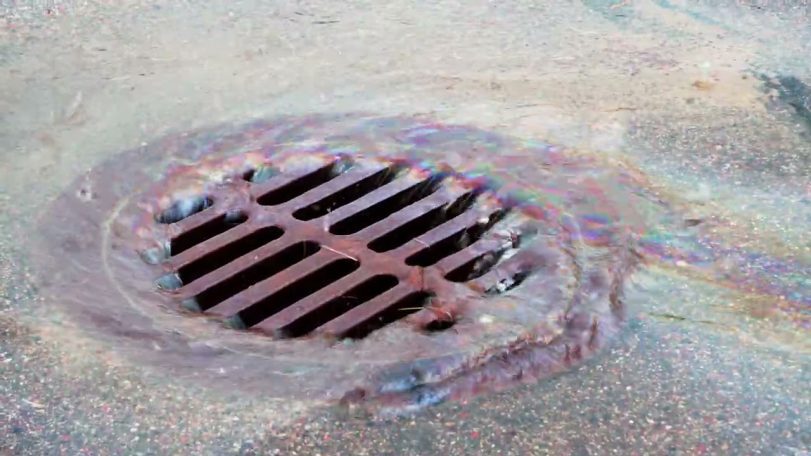
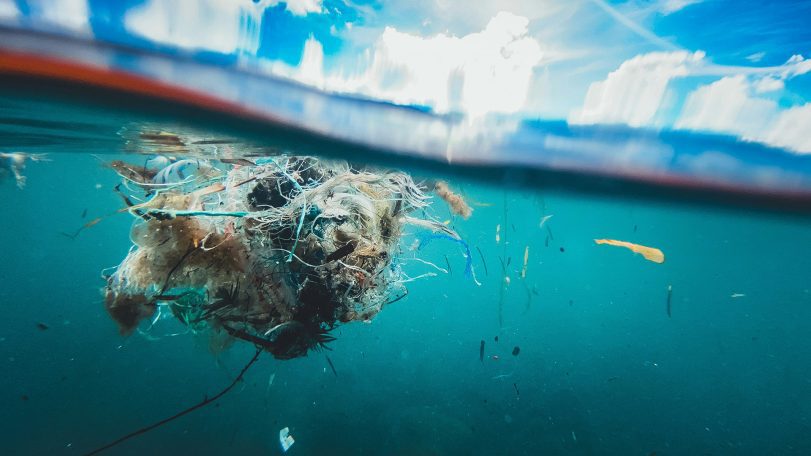
Are big spills the main source of ocean oil?
Evidence shows that smaller leaks on land contribute far more oil to our oceans
and get Oceanus delivered to your door twice a year as well as supporting WHOI's mission to further ocean science.
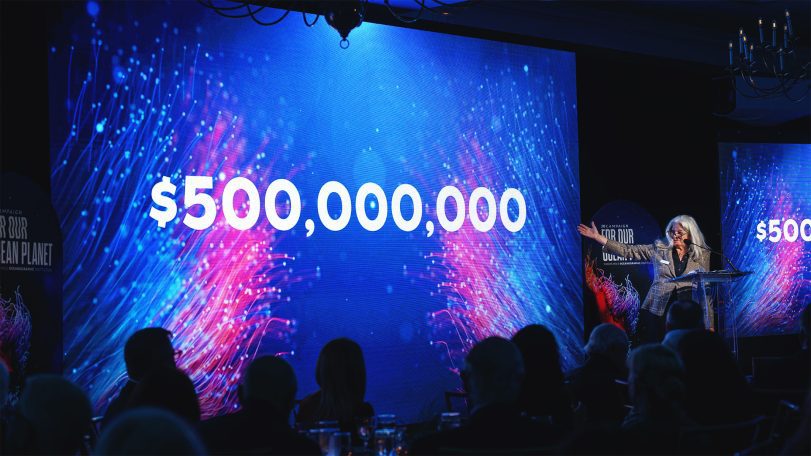
Our Ocean. Our Planet. Our Future.
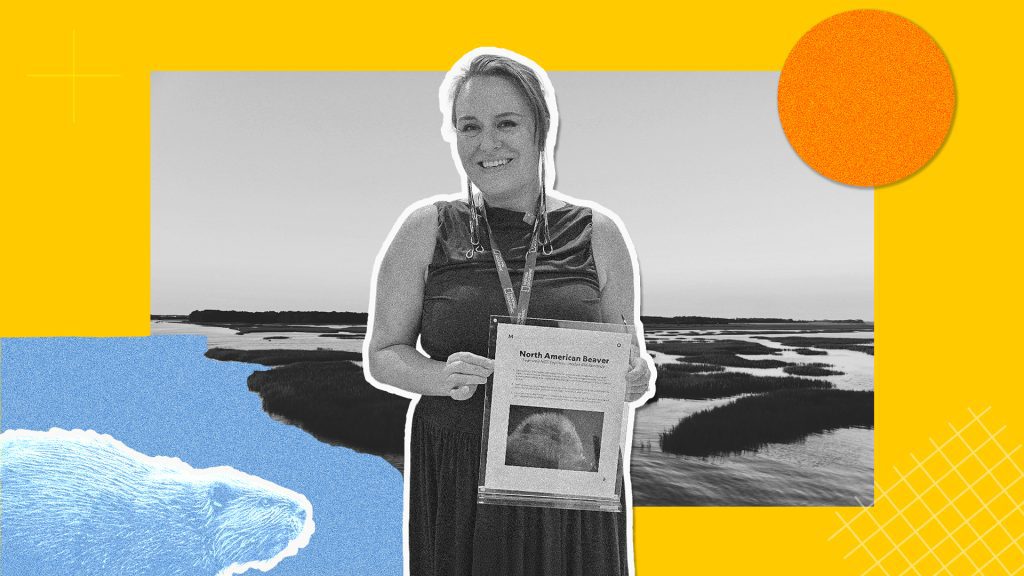
Reclaiming knowledge from the sea
WHOI’s Jordan Kennedy draws on Indigenous knowledge, engineering, and observation to rethink how we study and restore coastal landscapes
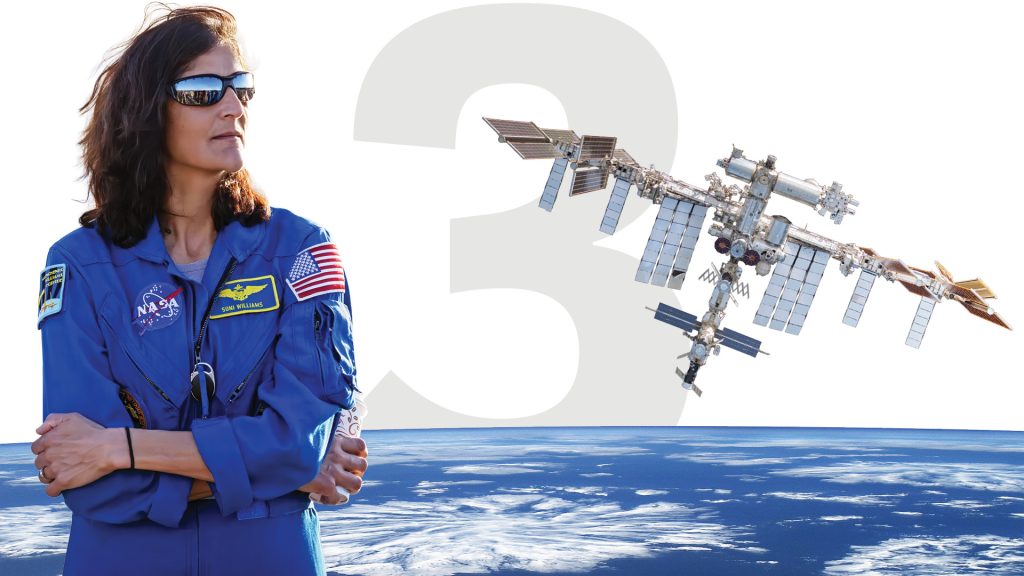
3 questions with a former NASA astronaut
WHOI Corporation Member Sunita Williams discusses space exploration, ocean science, and environmental stewardship
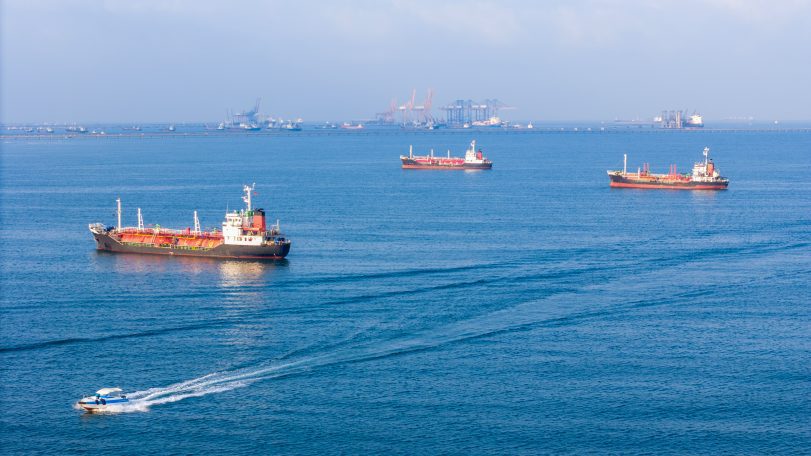
Ships in the Strait of Hormuz are becoming invasive species breeding grounds
Beneath the waterline of every ship stalled in the Persian Gulf, a thriving underwater city takes shape—barnacles, algae, mussels, sea squirts. Some of those hitchhikers could reach coastlines they’d never find on their own.

Is the ocean carbon sink at risk of faltering?
WHOI scientists explain how the ocean mitigates climate change—and could be compromised by it
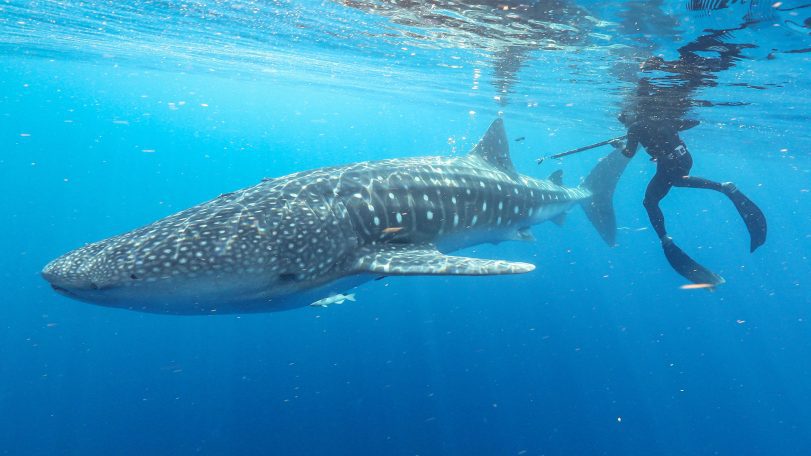
3 questions with Cam Braun
Marine biologist Camrin Braun explains why the world’s largest fish visit waters off Cape Cod—and what their epic migrations reveal about a changing ocean
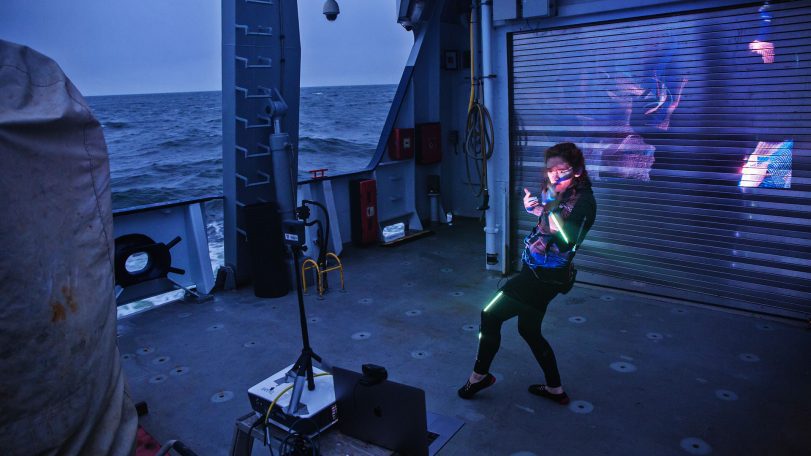
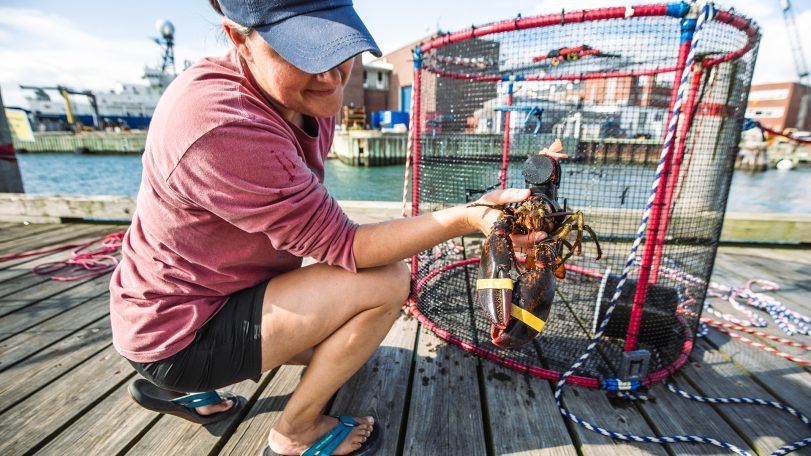
Is underwater noise from construction affecting the American Lobster?
WHOI’s Sensory Ecology Lab investigates whether an industrialized soundscape impacts the health of a New England icon
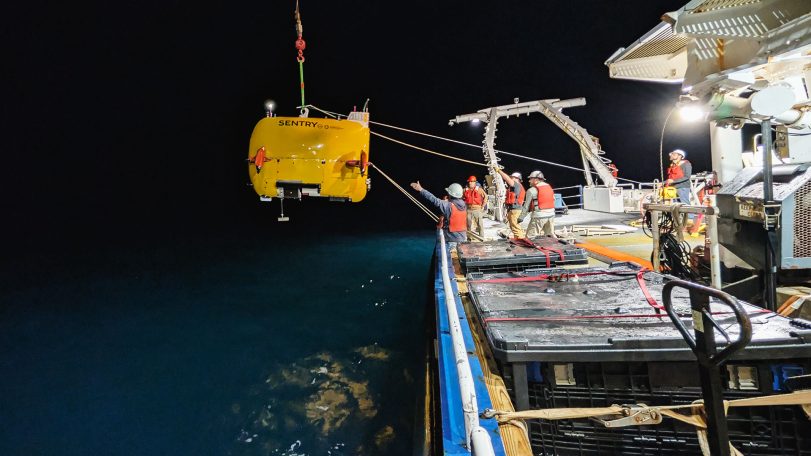
Exploring Atlantic seeps
AUV Sentry leads the way in mapping and monitoring methane bubbling from the seafloor
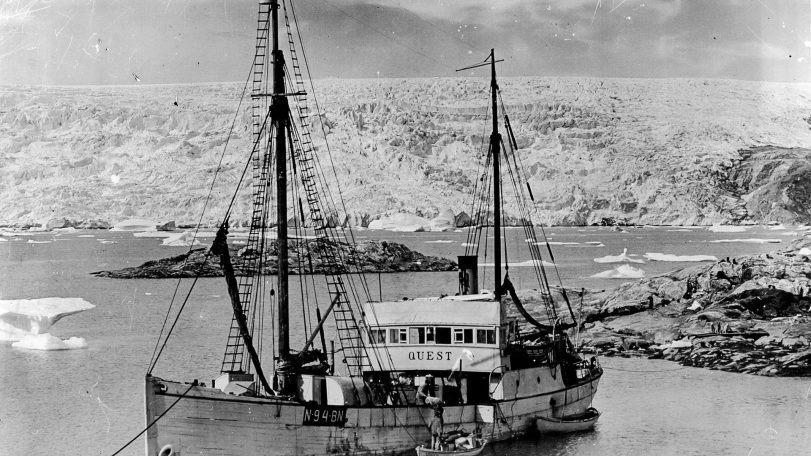
A once-in-a-generation dive into polar history
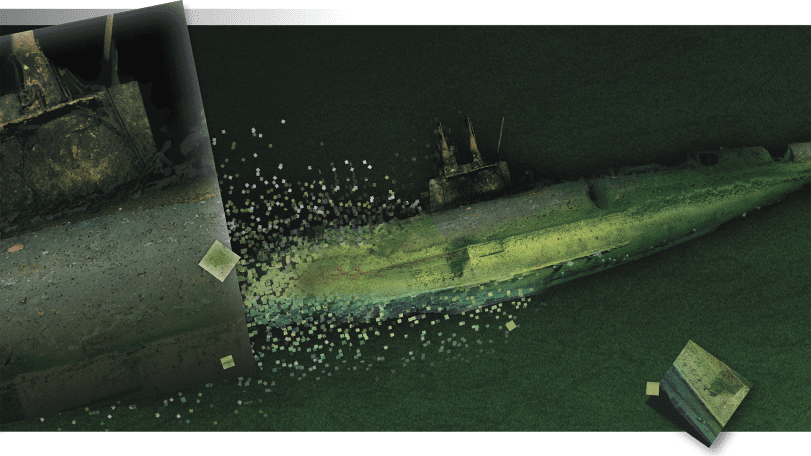
40 years after helping reveal the Titanic, Alvin returns to the North Atlantic to document two other legendary shipwrecks
Looking for something specific?
We can help you with that. Check out our extensive conglomeration of ocean information.
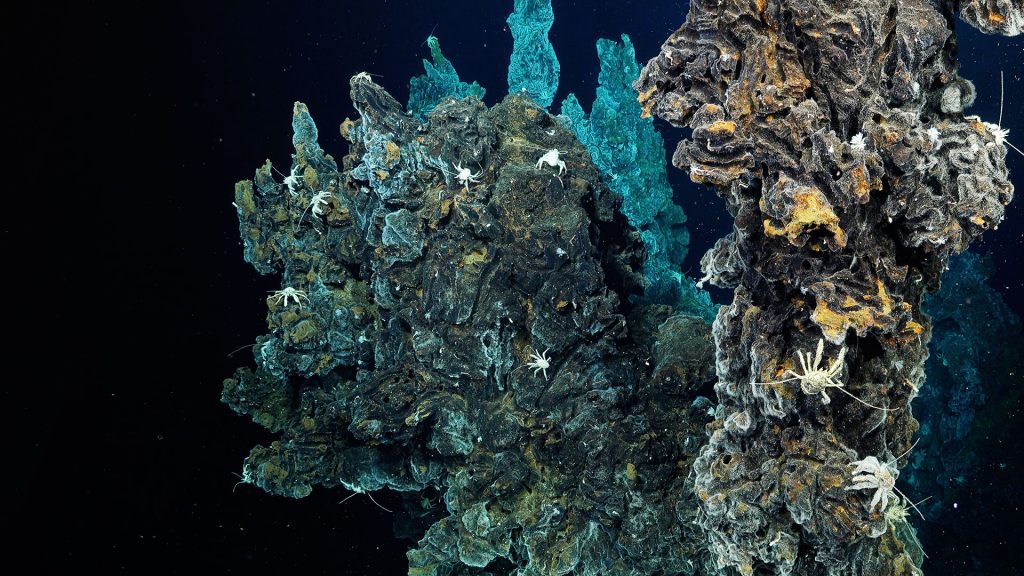

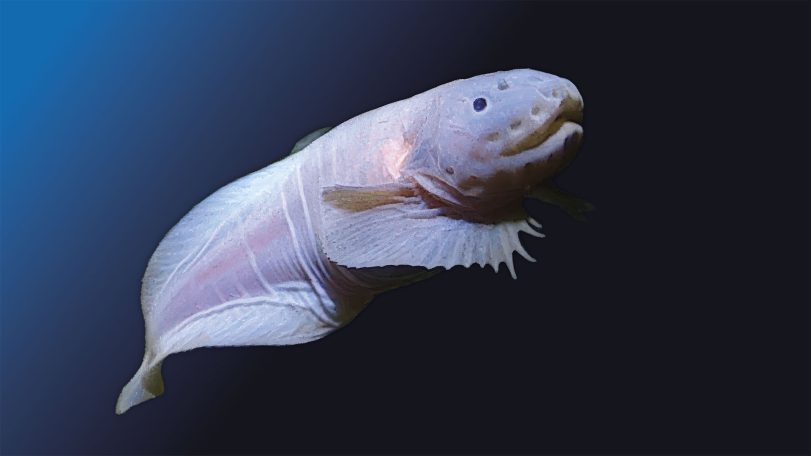
A hadal zone mystery solved
An upside-down swimming isopod shows how tightly we are connected to the deep ocean
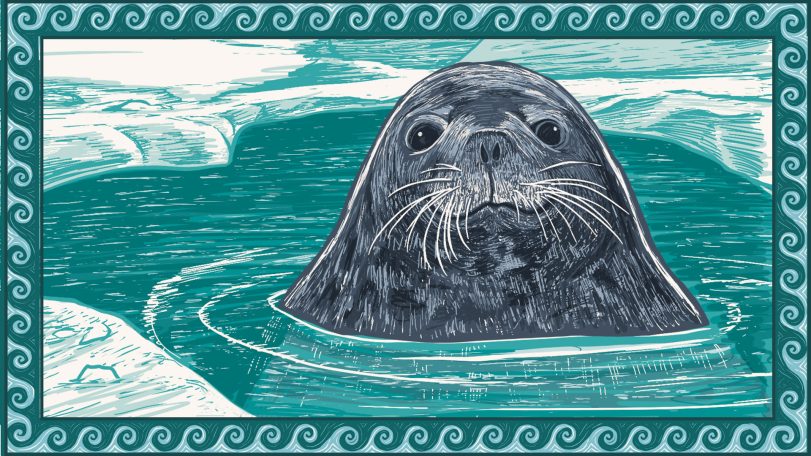
A mother seal dives
Follow a Weddell seal as her body adapts to foraging in deep, frigid waters
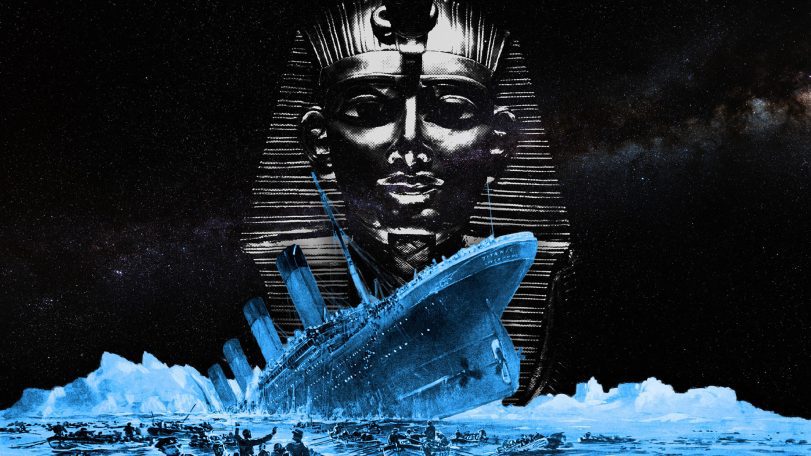
A mummy, a myth, and the Titanic
A 1986 handwritten letter to Bob Ballard revisits one of the Titanic disaster’s strangest myths
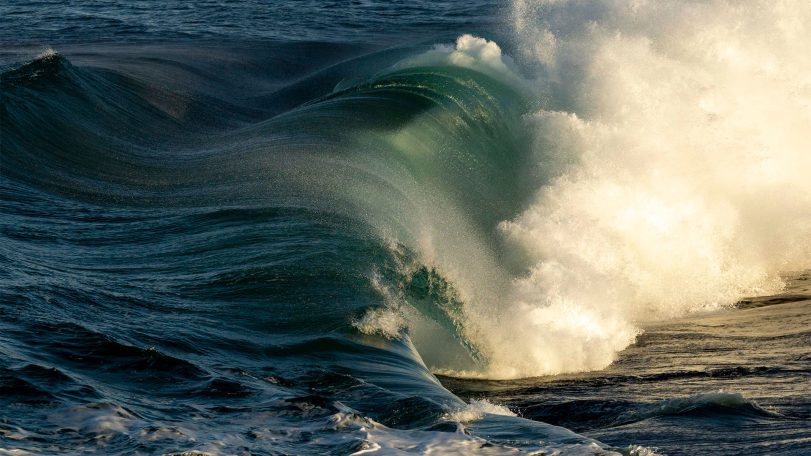
Turning motion into power: Wave energy converters for sustainable ocean monitoring
In the rapidly evolving world of ocean technology, wave energy is emerging as a promising…
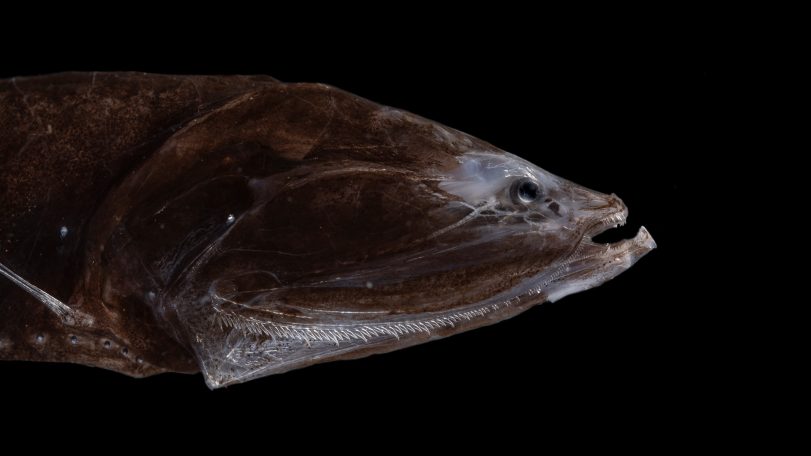
The world’s most abundant fish once thrived in an extreme climate
Fossilized teeth show bristlemouth fish evolved during one of the ocean’s hottest periods
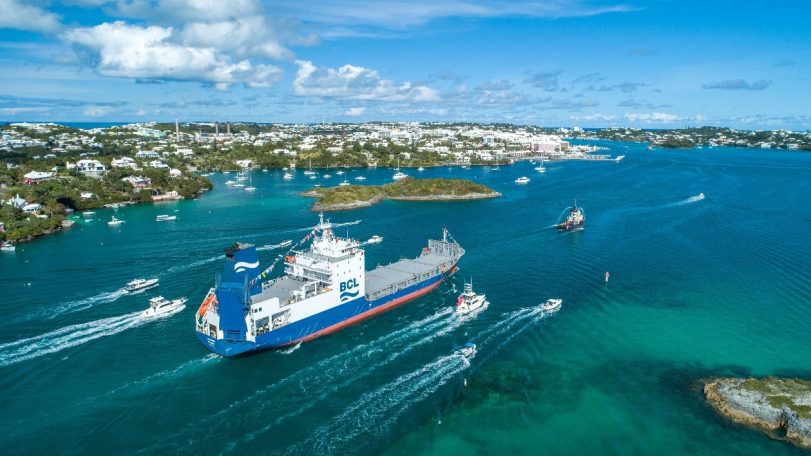
How a cargo ship is tracking hidden ocean life in the Atlantic
With funding support from CMA CGM, ocean observations aboard Bermuda Container Line’s M/V Oleander now include a window into microscopic life
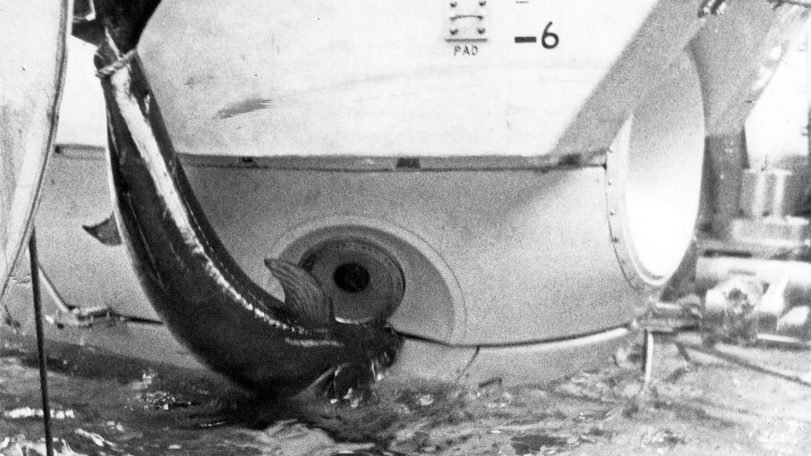
Alvin vs. the swordfish
During a 1967 dive off Florida, a startled swordfish rammed the famed submersible Alvin—lodging its sword in the hull and forcing the crew to abort the mission

Inside Room 71: WHOI history in seven artifacts
Some of the technology, art, and gifts that tell the story of the institution’s early days
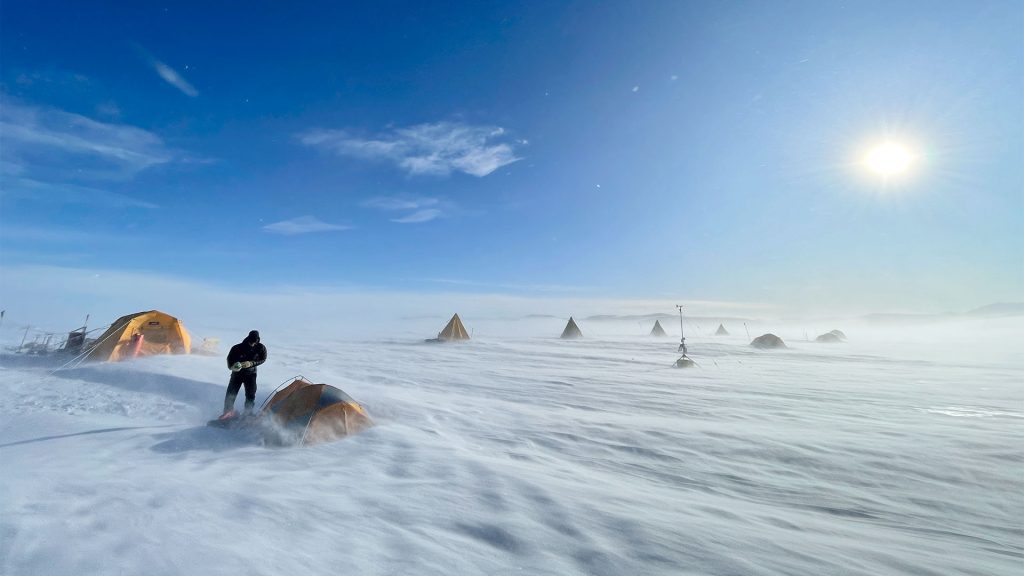
A scientist’s quest to find Earth’s oldest ice
After recovering ice that dates back 6 million years, Sarah Shackleton hopes to dig deeper into Earth’s history from a remote Antarctic moraine
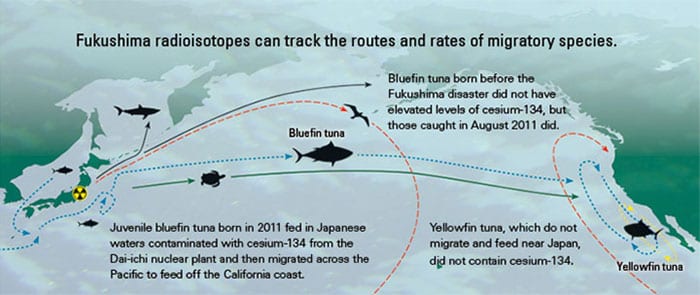
Tale of the Tuna
Understanding the movement of Fukushima-derived radioactivity through marine ecosystems may come down to getting a…
海洋生物への影響
» English version 福島の原発事故によって、前代未聞の量の放射能が短期間で海域に流出した。セシウムその他の放射性物質体が断続的に流出することで、海洋生物の食物連鎖はどのように影響を受けたのだろうか。2012年11月の「海洋放射能汚染に関する国際シンポジウム」で、それについての基礎的な資料を提供したのがスコット・ファウラー教授である。彼は、海洋放射線生態学の先駆者として国際原子力機関海洋環境研究所(IAEA-MEL)で30年以上勤務してきた。 食物連鎖は、海洋植物プランクトンから始まる。これは微小な植物であり、その光合成量は陸上の植物全体の光合成量と同程度にもなる。海洋植物プランクトンは周囲の海水から放射性汚染物質を取り込む。そして、植物プランクトンが、より大きな動物プランクトンに摂食され、さらに小型魚類、そしてより大きな生物へと食物連鎖のピラミッドをのぼっていく。それにともない、汚染物質の一部は最終的に海底に堆積するそれら生き物の糞その他からなる「デトリタス粒子」に含まれることになる。デトリタス粒子は堆積物に蓄積し、それに含まれる放射性核種(放射性物質)の一部は、微生物および化学過程を通じて上層の水中へと再び移動する場合もある。 海洋生物にどのくらいの放射能が取り込まれるかには、さまざまな要因がある。もちろん、生物が放射能にさらされる時間の長さは重要である。さらに、生物の大きさと種、関与する放射性核種、水温と塩分、水中の酸素量、生物の成長段階など、多数の要因も重要である。 また、「自然バックグラウンド放射線がもともと海のいたるところにあるのを忘れないことです」と彼は言う。例えば、ポロニウム210とカリウム40は海中で自然発生する放射性核種である。カリウム40は海中に最も豊富に存在する放射性核種であるが、ポロニウム210の方がカリウム40よりも海洋生物内に蓄積しやすい。 「魚類その他の海洋生物が受ける放射線量の大半は、ポロニウムによるものです」。 ファウラーは放射性同位体が海水から海洋生物に吸収されるという第1の経路に関し、1980年代初期の実験において、プルトニウム量には生物の分類群によって非常に大きな差があることを実証した。植物プランクトンは、微小動物プランクトンの約10倍プルトニウムを蓄積し、微小動物プランクトンは、二枚貝の100倍プルトニウムを取り込んでいた。タコとカニのプルトニウム取り込み量は二枚貝の約半分だったが、海底近くに生息する魚類よりも約100倍大きかった また、環境に存在する放射性核種ごとに、各生物で異なる取り込み量が示された、と彼は言う。 放射性同位体が堆積物から海洋生物へ移動する第2の経路は、複雑なものである。ファウラーによると、アメリシウムの取り込み量を測定した実験では、汚染堆積物にさらされた蠕虫は二枚貝より有意に多くの放射性同位体を取り込んだ。ただし、蠕虫も二枚貝も、炭素鉱物を多く含む大西洋の堆積物より、シリカ鉱物を多量に含む太平洋の堆積物からはるかに多くの放射性核種を取り込んだ。 第3の経路である食物は、場合によっては、最も重要な取り込み因子になる。摂取された放射性同位体は消化器を通じて体内に同化されるが、これは体外環境から吸収された場合より、はるかに効率の良い経路である。ファウラーによれば、特に海底近くに生息するヒトデやウニなどの海洋無脊椎動物は、摂取した広範囲な放射性同位体を効率的に吸収する。だが、幸いなことに取り込んだ放射能は排泄され、次第に失われていく。 プランクトンからマグロへ ファウラーの長年の研究仲間であるニコラス・フィッシャー教授は、福島で最も大きく影響をおよぼした同位体に焦点を絞った。フィッシャーはストーニーブルック大学放射性の海洋生物地球化学者で、海洋生物における金属と放射性同位体の行き先を35年間にわたって研究している。その研究対象には放射性廃棄物に伴う放射性核種も含まれている。彼と研究室メンバーは、2011年6月、ウッズホール海洋研究所のシニアサイエンティストである海洋地球化学者ケン・ベッセラー博士が中心となって日本の沖合で行った調査航海に加わった。 試料として採取したプランクトンと魚を分析したところ、一貫してセシウム134とセシウム137が見つかった。福島第一原発事故でセシウムとともに多量に流出した放射性核種であるヨウ素131は、当然のことながら見つからなかった。「ヨウ素131は半減期がわずか8日であるため、事故から2か月後には検出できなくなっていました」とフィッシャーは説明する。…
How Is Fukushima’s Fallout Affecting Marine Life?
» 日本語版 The Fukushima nuclear disaster delivered an unprecedented amount of radioactivity into the sea…
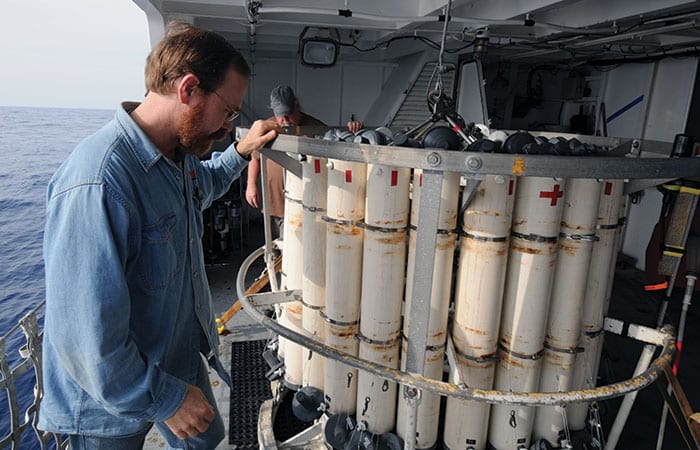
Radioisotopes in the Ocean
» 日本語版 The release of radioisotopes from the Fukushima Dai-ichi nuclear power plant in March…
ABCs of Radioactivity
To the average layperson, “radioactivity” is a harsh and scary word. But the fact is that radioisotopes, both natural and artificial, are all around us.
放射能の基礎知識
平均的な一般人にとって、「放射能」という言葉には強烈で恐ろしい響きがある。しかし実をいうと、放射性物質は、天然のものも人工のものも私たちの身のまわりにあふれている。そして、特に海洋学者にとっては研究のために重要な道具でもある。


Japan’s Triple Disaster
The chain of calamity now known as Japan’s Triple Disaster began with a massive rupture in the ocean floor.
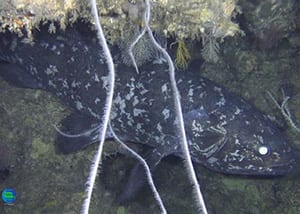
Decoding the Mystery Fish
Few marine animals capture biologists’ imaginations more than the mysterious, almost mythical coelacanth, a 5-foot-long…
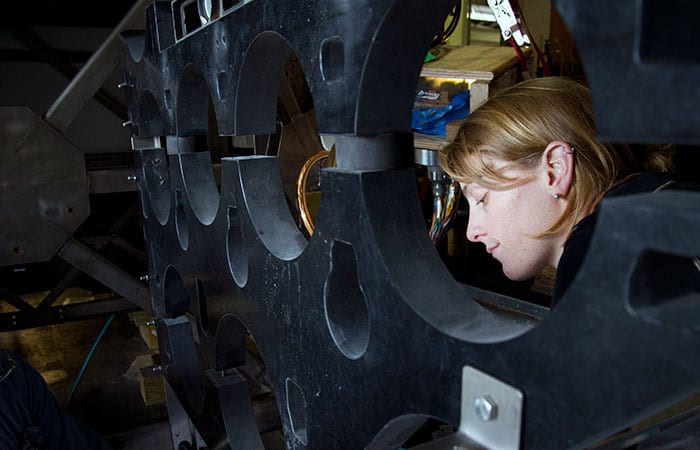
Rebuilding Alvin: Loral O’Hara
Since the beginning of 2011, Alvin, the U.S. science community’s only human-occupied submersible dedicated to…

Rebuilding Alvin: Rick Sanger
Since the beginning of 2011, Alvin, the U.S. science community’s only human-occupied submersible dedicated to…

Rebuilding Alvin: Timothy Kling
Since the beginning of 2011, Alvin, the U.S. science community’s only human-occupied submersible dedicated to…