
Applied Ocean Physics & Engineering
WHOI-NOAA Partnership Tackles Critical Gap In Climate Knowledge
Researchers at WHOI were awarded a $500,000 grant from the NOAA Climate Observations and Monitoring program to develop machine learning tools to improve estimates of air-sea heat exchange in the…
Read MoreCan seismic data mules protect us from the next big one?
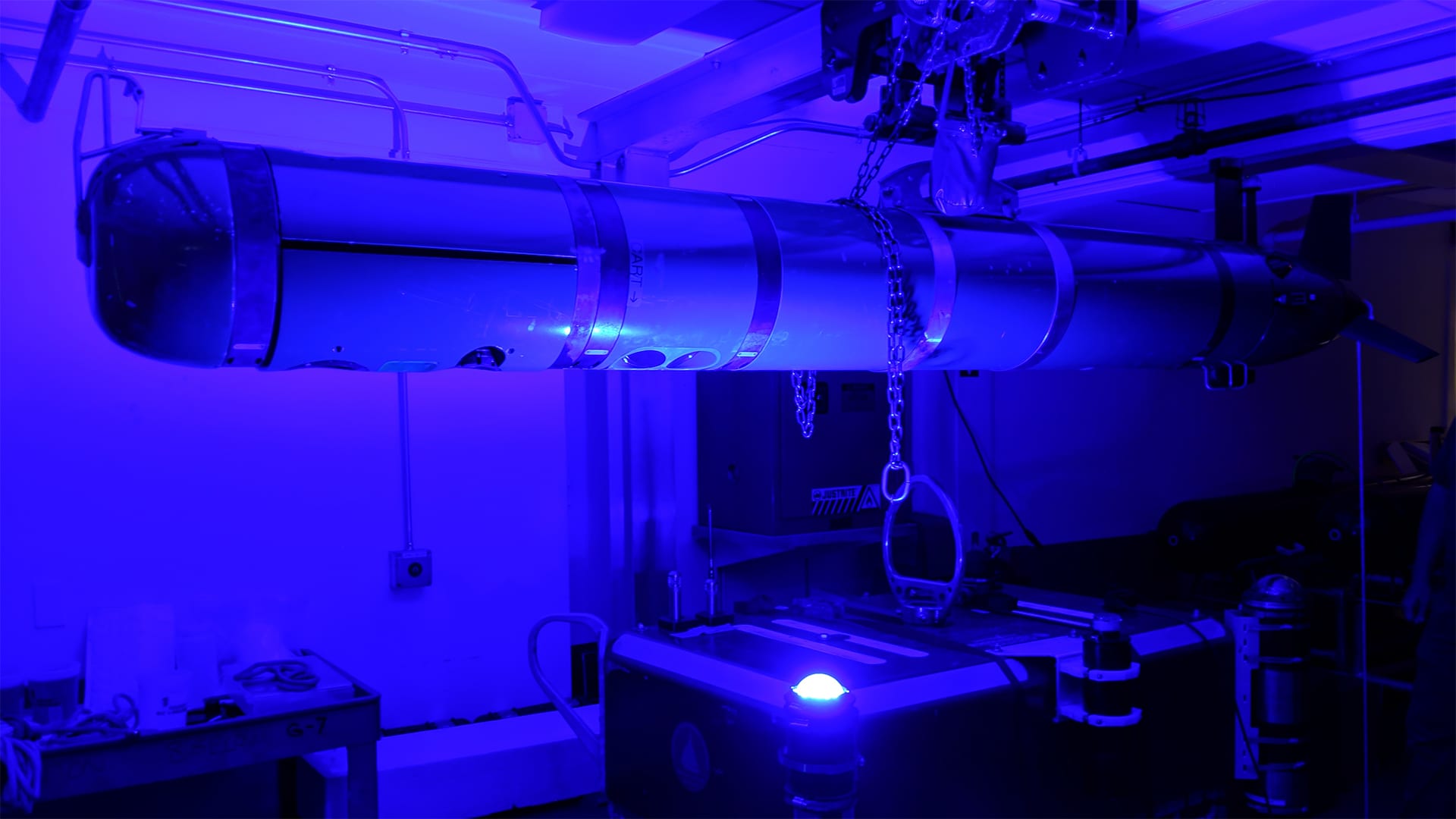
Researchers look to new seafloor earthquake detection systems for better detection and warning of seismic risk
Read MoreOSU Assumes Cyberinfrastructure Responsibility for OOI
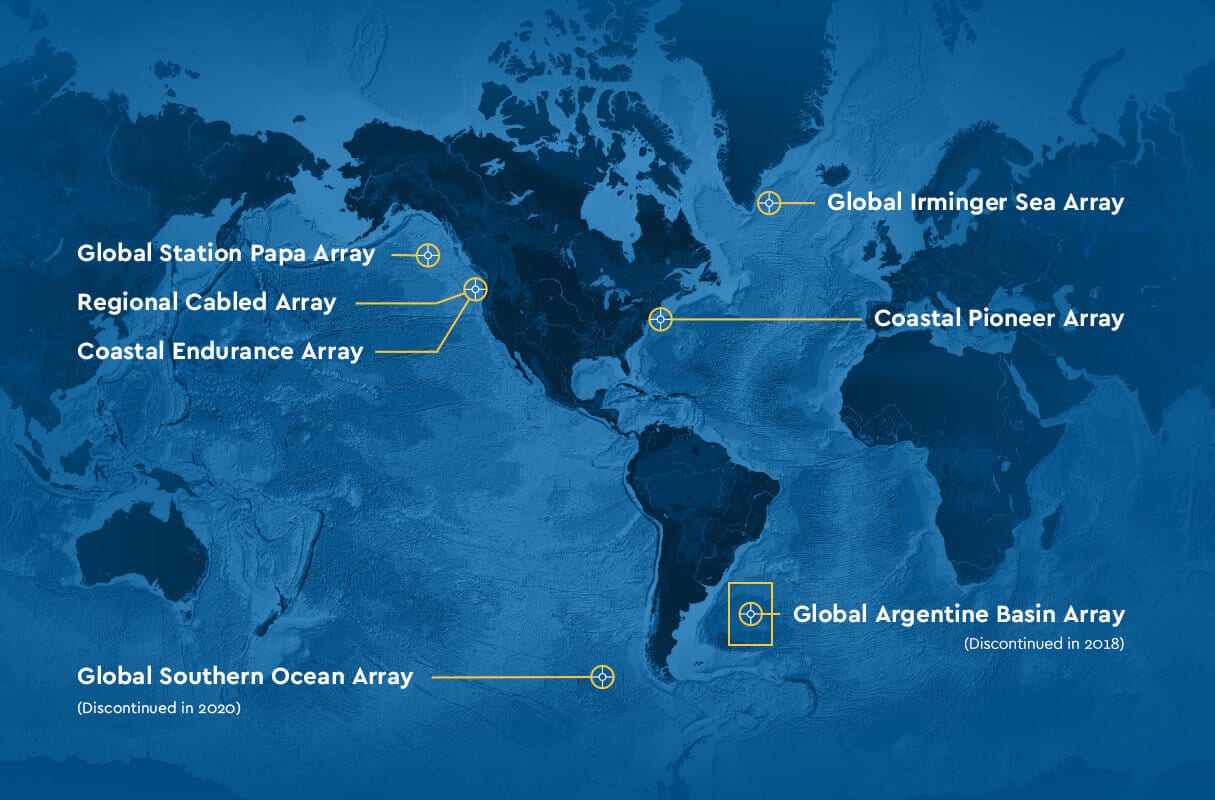
Woods Hole Oceanographic Institution (WHOI) and Oregon State University (OSU) jointly announced that OSU will assume responsibilities for the systems management of the cyberinfrastructure that makes data transmission for the Ocean Observatories Initiative (OOI) possible through September of 2023.
Read MoreNew Technology Can Save the Whales from Ship Collisions
Researchers from WHOI and their collaborators developed Whale Safe, a new detection system provides mariners with up to date information about whales present in shipping lanes.
Read MoreTECHNOLOGY Whale ‘roadkill’ is on the rise off California. A new detection system could help
Launched on September 16, Whale Safe is the result of a collaboration between the Benioff Ocean Initiative and several U.S. universities and oceanographic organizations, including the Woods Hole Oceanographic Institution, Scripps…
Read MoreWhale watching and learning
Whales aren’t the only large creature in the ocean; there’s also cargo ships. When the two collide, it’s fatal to whales and barely noticeable to large ships cruising through the…
Read MoreREMUS Group gets new director
Former Naval Officer Carl Hartsfield becomes WHOI’s newest director of the REMUS group
Read MoreStudies Investigate Marine Heatwaves, Shifting Ocean Currents
Extreme warming events impact fisheries and economies; understanding processes beneath ocean surface is crucial for assessment and management.
Read MoreWant to Save the Whales? Eavesdrop on Their Calls

“Moorings are typically made from chain, so they clank a lot,” says Mark Baumgartner, whale ecologist and senior scientist at the Woods Hole Oceanographic Institution, who helped develop the technology.…
Read MoreA New Ship’s Mission: Let the Deep Sea Be Seen

Mr. Dalio was thinking of buying the Alucia when a team of WHOI experts used the vessel and an undersea robot to find the shattered remains of Air France Flight 447, which…
Read More‘SharkCam’ films basking sharks off Scotland

A robot camera has been used in UK seas for the first time to monitor the behaviour of basking sharks. WHOI’s SharkCam was deployed off the west coast of Scotland…
Read MoreTransformative technology to revolutionize the way we listen to the deep ocean
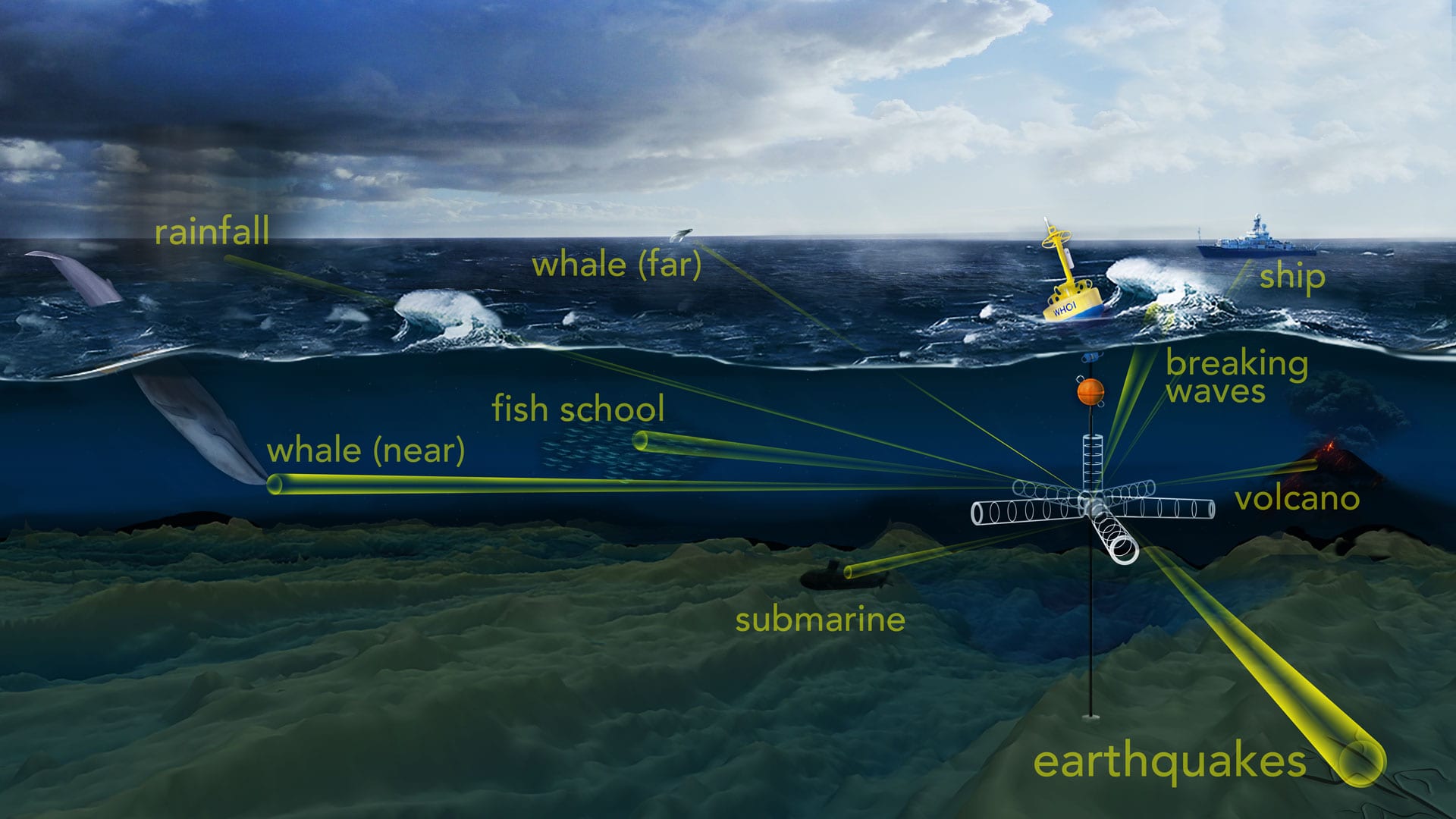
Using a network of satellites and surface buoys, WHOI scientist Ying Tsong (YT) Lin and a team of engineers are creating the first 3D “acoustic telescope,” capable of listening to a range of discrete activities in the deep sea
Read MoreWHOI Announces D’Works Marine Technology Initiative for Massachusetts Startups and Entrepreneurs
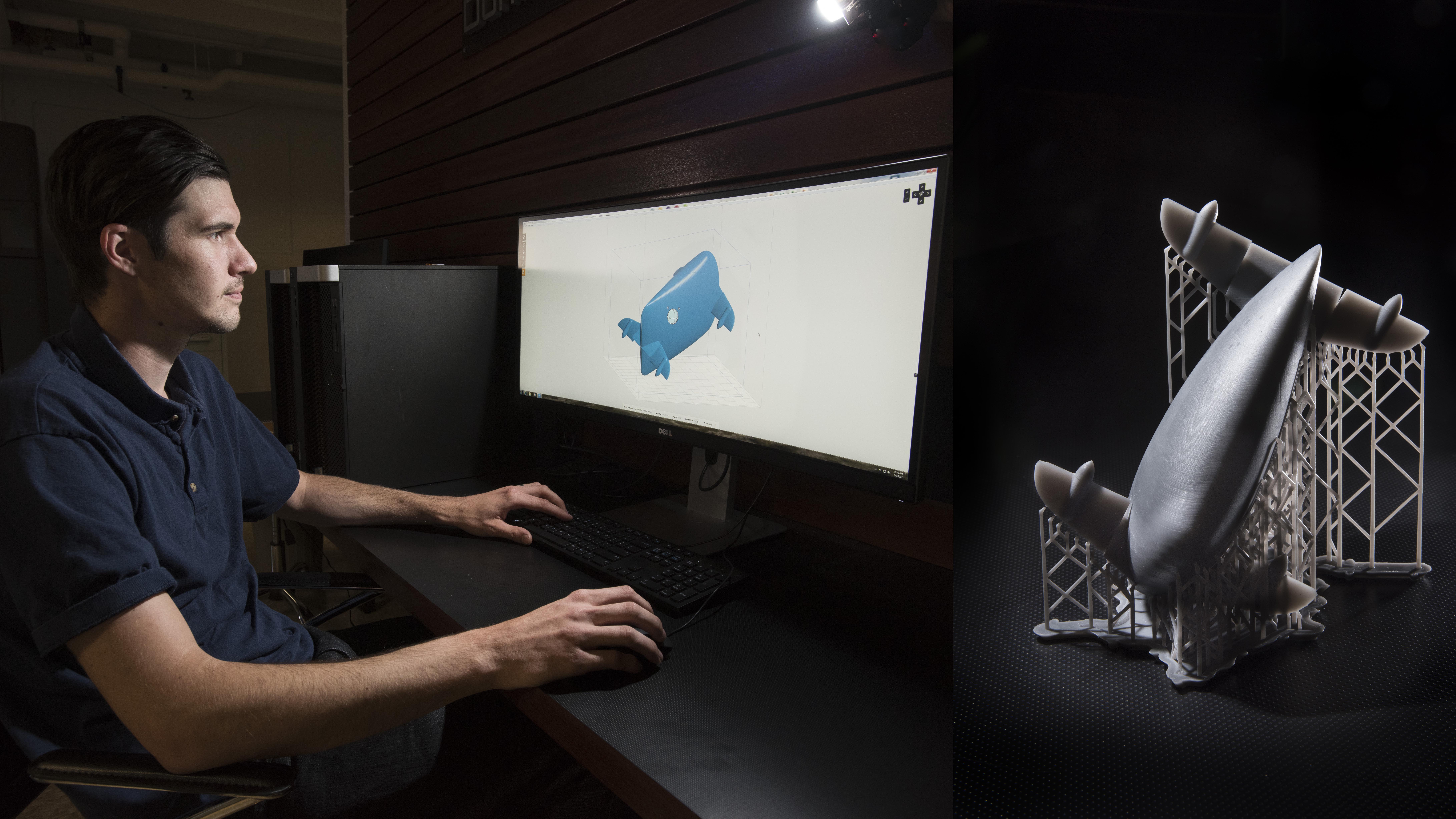
Massachusetts has long been known as a center of invention and technical innovation and, more recently, has gained attention for its vibrant marine robotics startup community. Now startup companies, entrepreneurs,…
Read MorePenguins Are Nature’s Best Snugglers

It turns out that penguins execute their huddles with a high degree of mathematical efficiency, as Blanchette and his team discovered. More recently, Daniel Zitterbart, a physicist at Woods Hole Oceanographic…
Read MoreSea Ahead
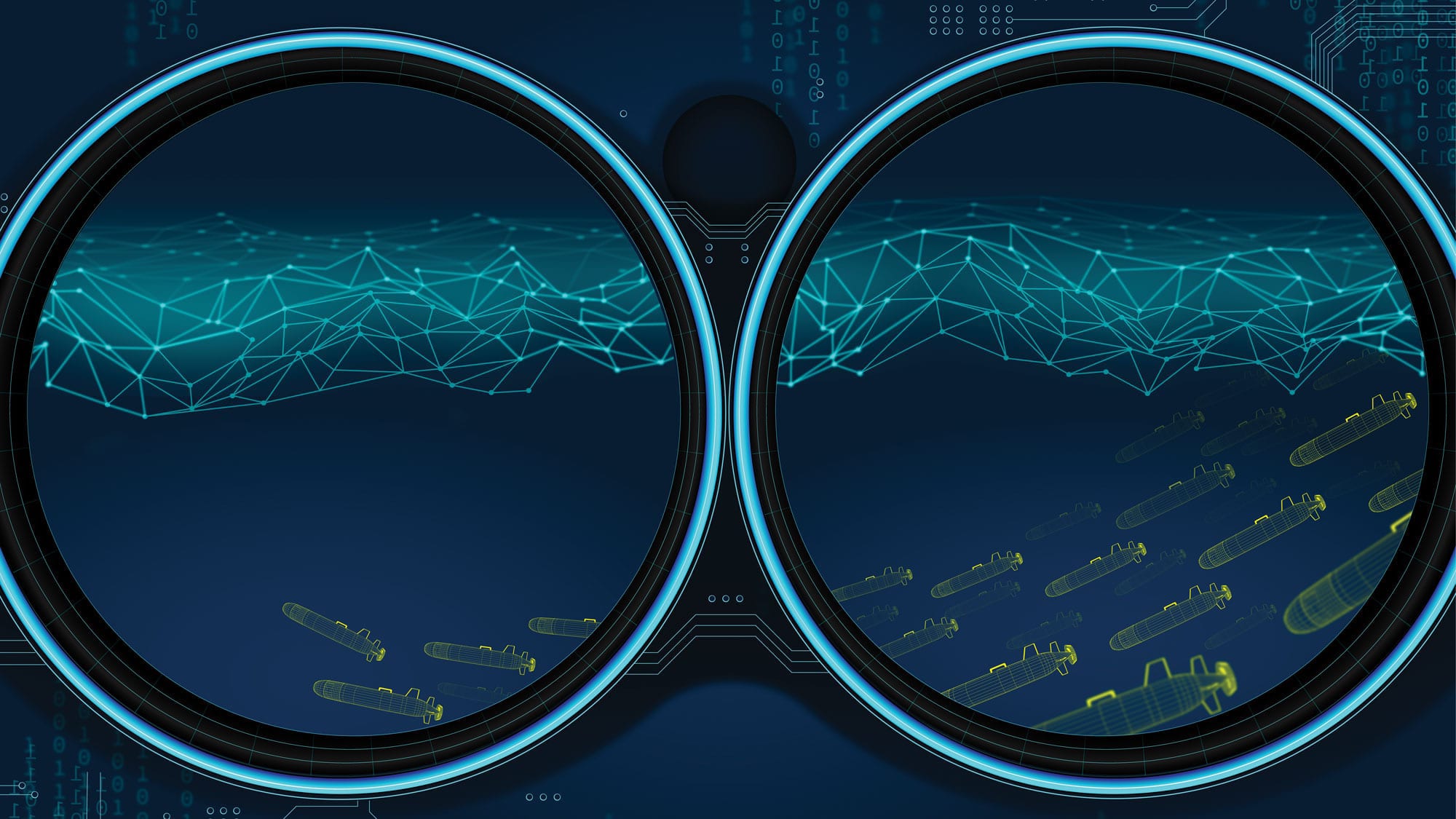
Once upon a time, ocean scientists hung up cans on up a tree on Bikini Atoll to measure wave height in the Marshall Islands during nuclear weapons testing. Today, ocean technologies and data harvesting are heading somewhere big, from swarming bots, to more autonomous submersibles, and the miniaturization of ocean sensors
Read MoreSea Ahead
Once upon a time, ocean scientists hung up cans on up a tree on Bikini Atoll to measure wave height in the Marshall Islands during nuclear weapons testing. Today, ocean technologies and data harvesting are heading somewhere big, from swarming bots, to more autonomous submersibles, and the miniaturization of ocean sensors
Read MoreWHOI Scientists Make Woods Hole Film Festival Appearance
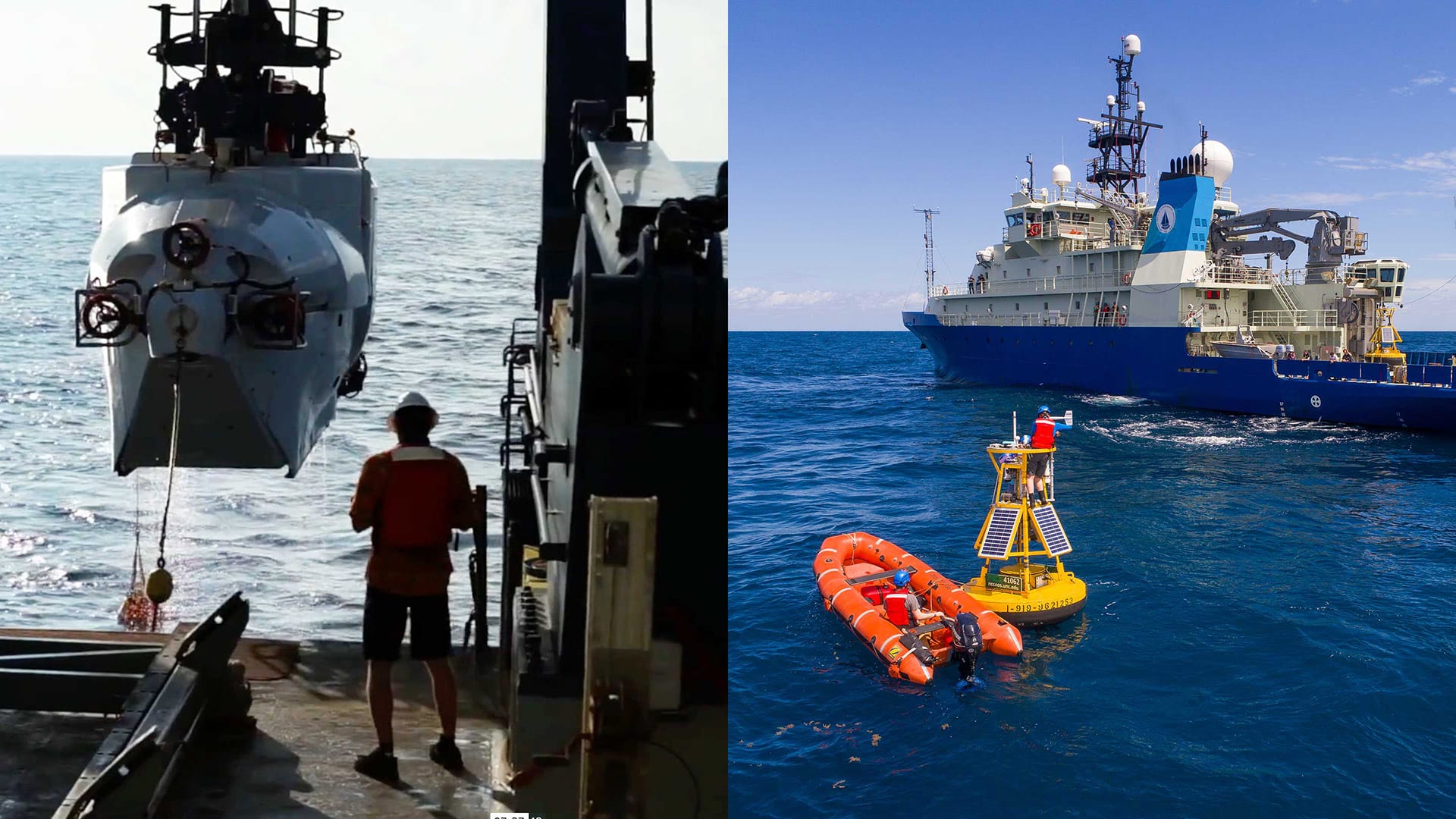
Woods Hole Oceanographic Institution (WHOI) scientists appear in two shorts and a feature film at this year’s Woods Hole Film Festival (WHFF). In addition, scientists will also participate in Q&A…
Read More60 Years After Don Walsh Dove To Earth’s Deepest Point, Son Kelly Repeats The Feat
He was involved with an acoustics experiment developed by Ying-Tsong Lin from Woods Hole Oceanographic Institution, that recorded a signal 13.5 miles away and seven miles below.
Read MoreOverhaul to take Alvin to greater extremes
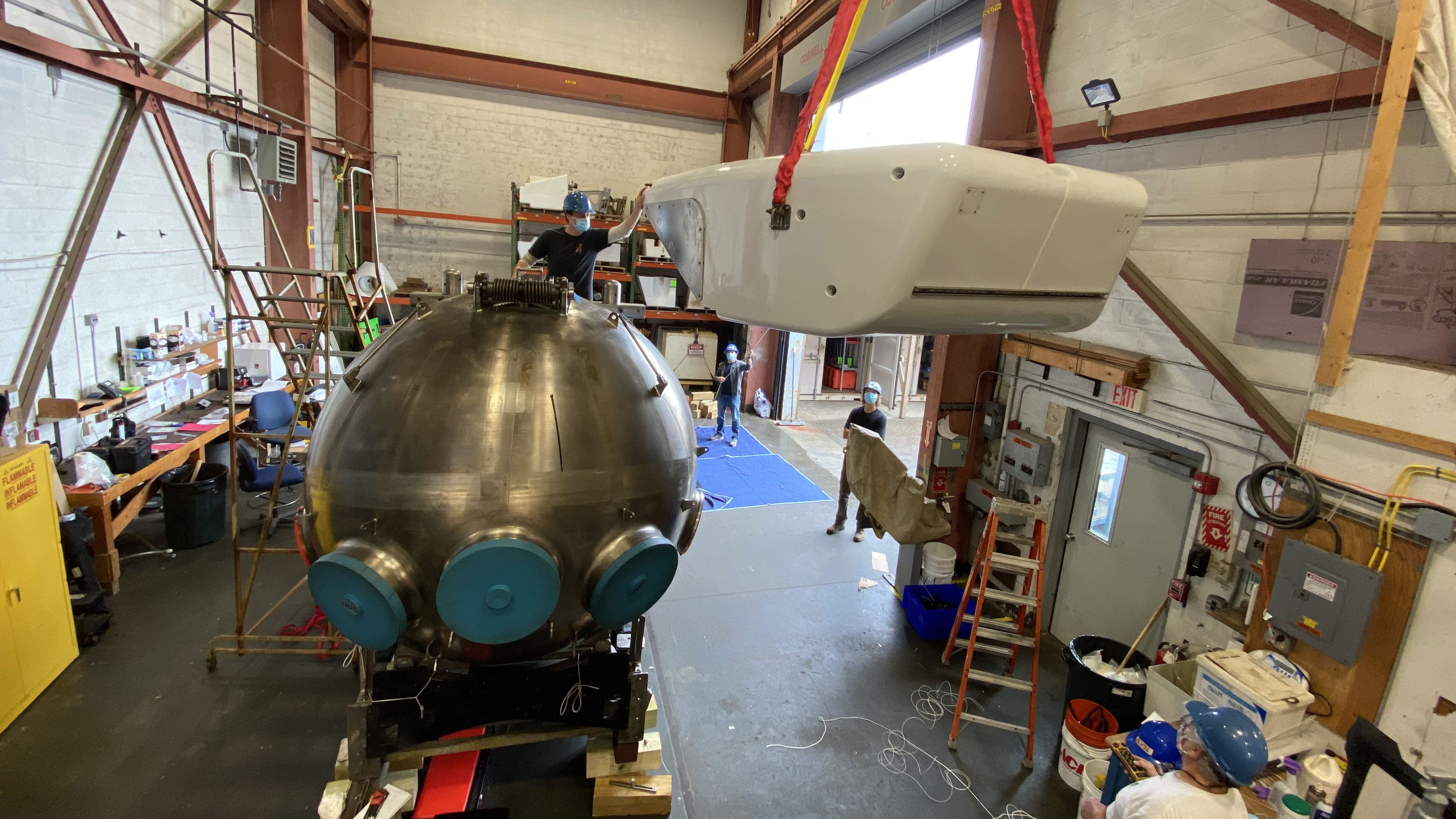
The Human Occupied Vehicle (HOV) Alvin returned to Woods Hole, Mass. this spring for the final phase of an overhaul that will allow the submarine to dive to 6,500 meters.
Read MoreWHOI researcher dives to Challenger Deep
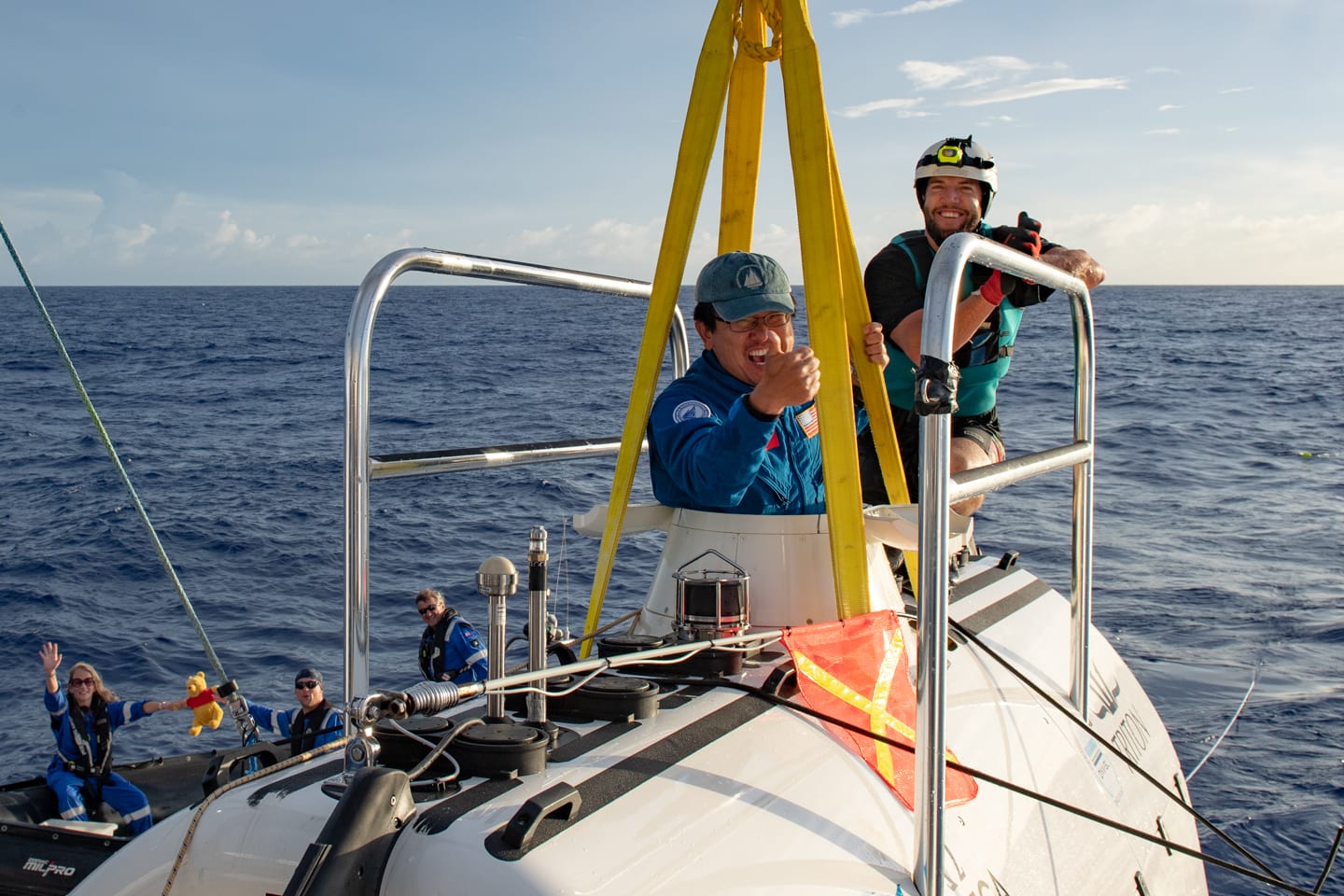
Ying-Tsong Lin is the 12th person in history and the first person of Asian descent to visit ocean’s deepest seafloor A Woods Hole Oceanographic Institution researcher became one of just…
Read MoreROVs: A marine robotics paragon.
Carl Wirsen from WHOI, in his presentation, displayed how little we know about the deepest part of the oceans.
Read MoreOcean explorer and filmmaker James Cameron to host virtual event on Extreme Ocean Machines
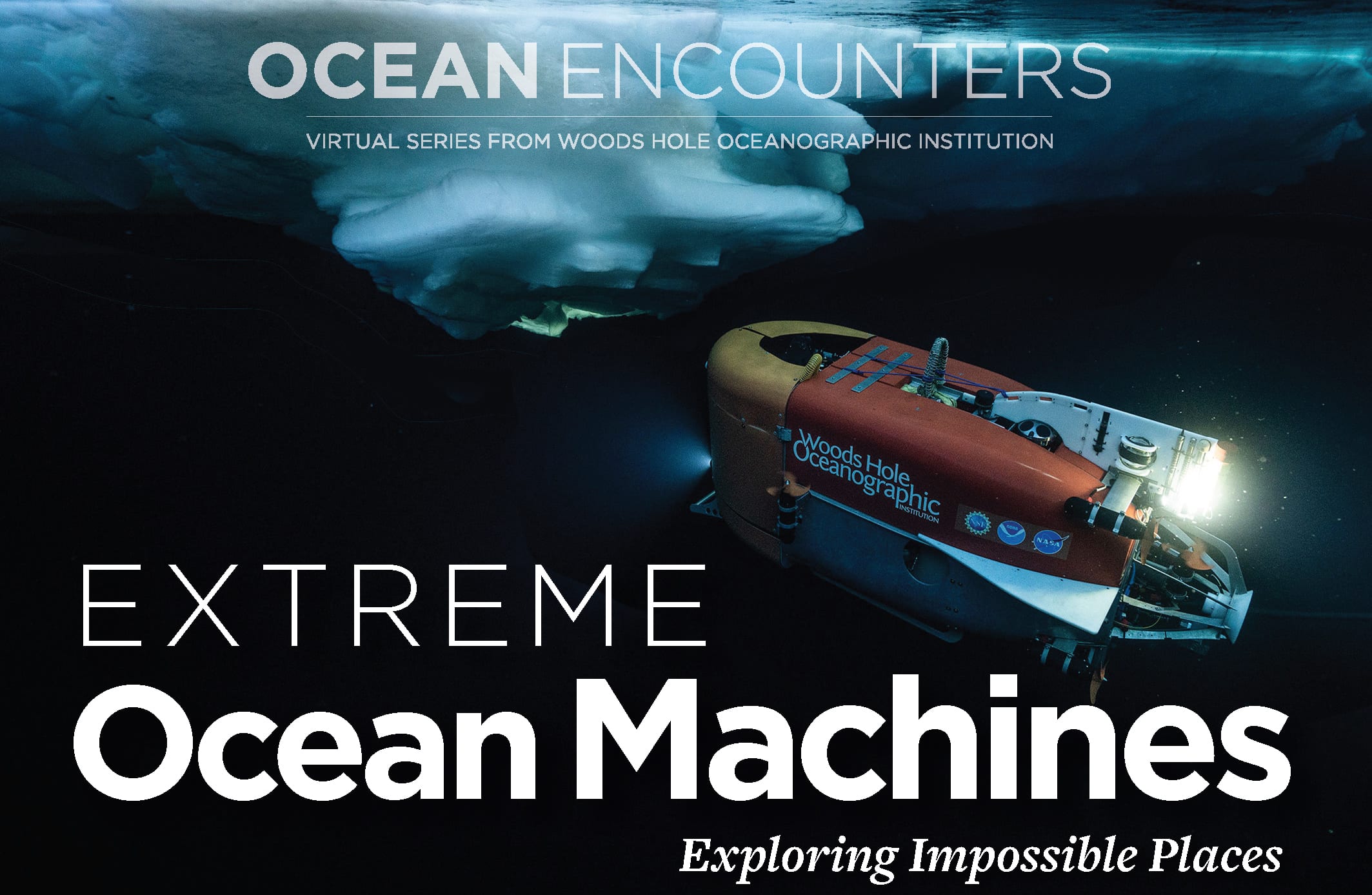
On May 20, ocean explorer and world-renowned filmmaker James Cameron will host a special edition of Ocean Encounters, a popular virtual event series from Woods Hole Oceanographic Institution.
Read MoreWHOI joins effort to accelerate marine life protection technology
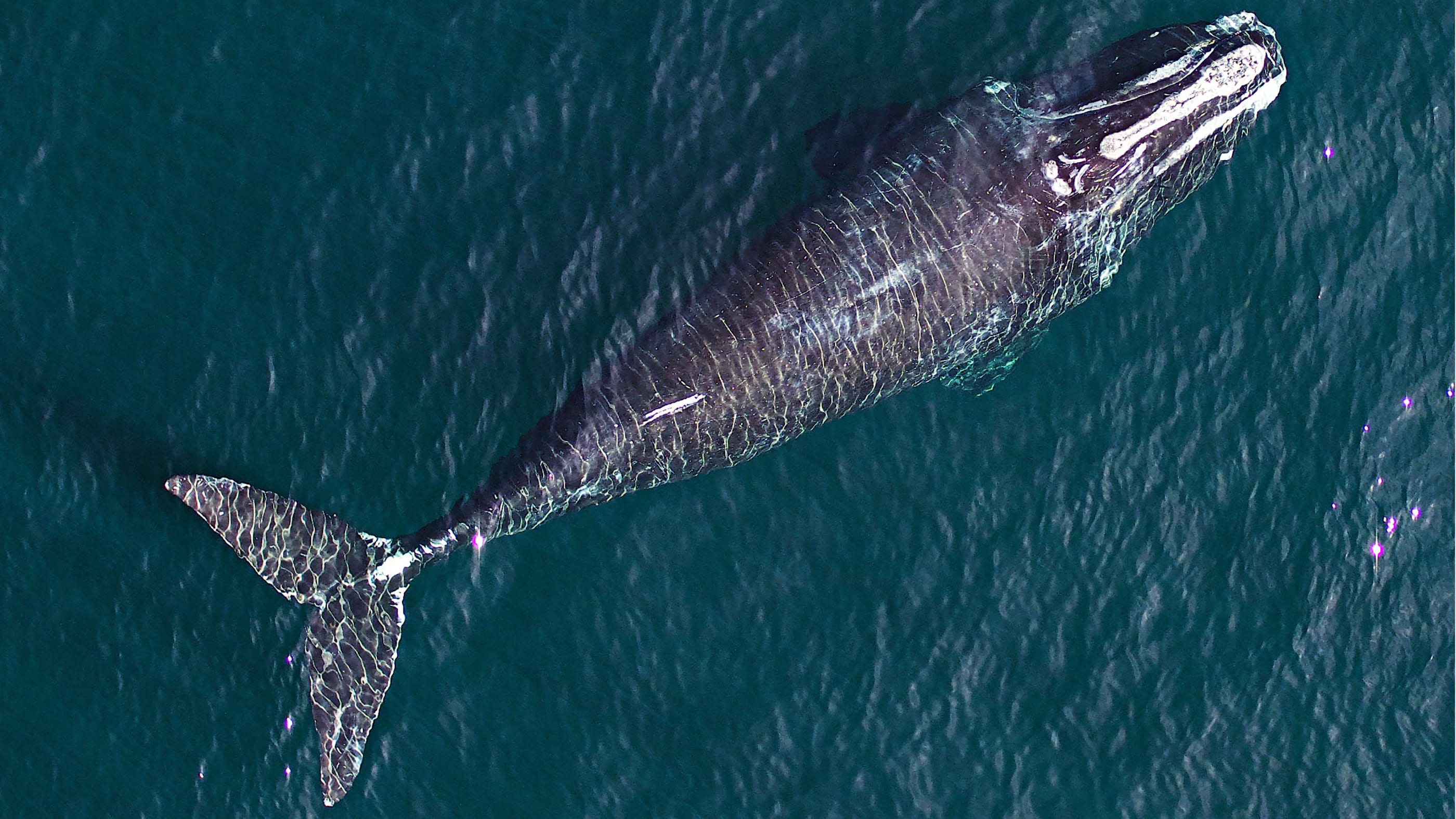
WHOI has teamed up with Greentown Labs and Vineyard Wind to launch the Offshore Wind Challenge. The program, which is also partnering with New England Aquarium, calls on entrepreneurs to submit proposals to collect, transmit, and analyze marine mammal monitoring data using remote technologies, such as underwater vehicles, drones, and offshore buoys.
Read MoreWhat did scientists learn from Deepwater Horizon?
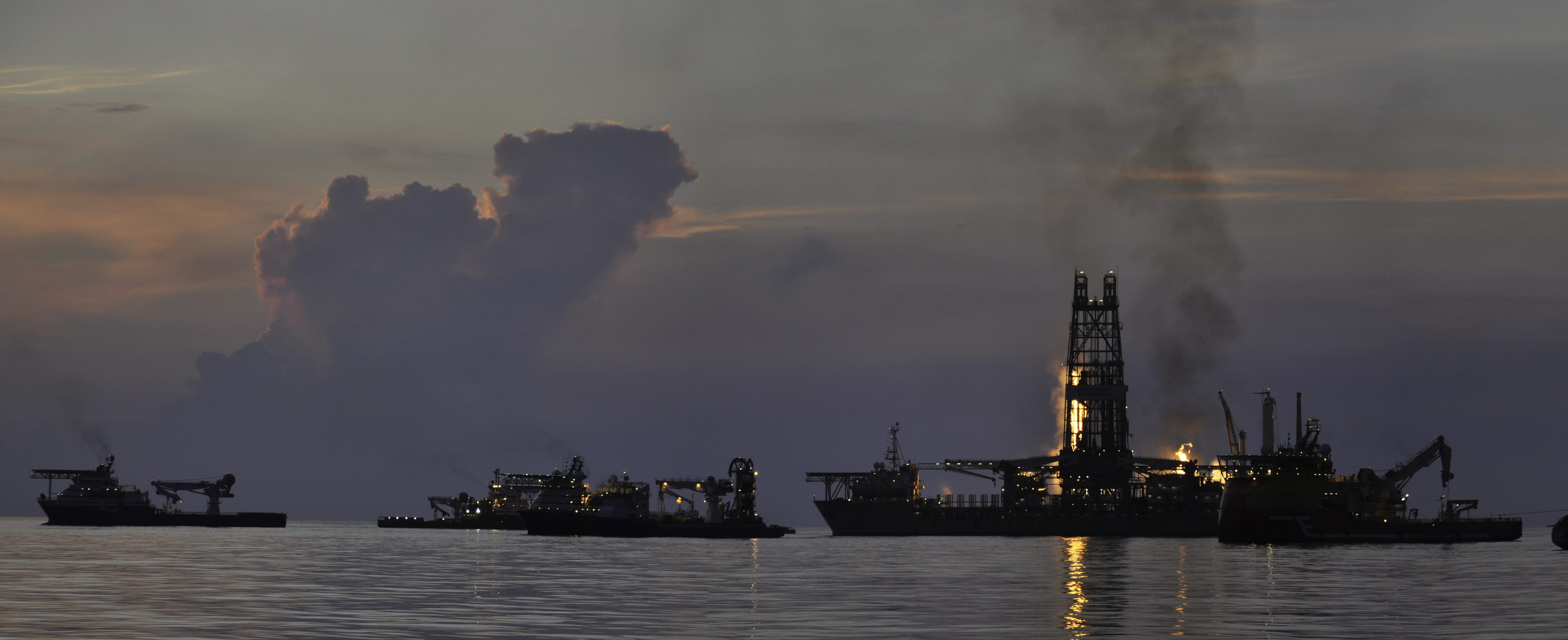
Ten years after the Deepwater Horizon explosion caused the largest accidental marine oil spill in history, WHOI marine geochemists Elizabeth Kujawinski and Christopher Reddy review what they— and their science colleagues from around the world—have learned.
Read More