
Applied Ocean Physics & Engineering
5 essential ocean-climate technologies
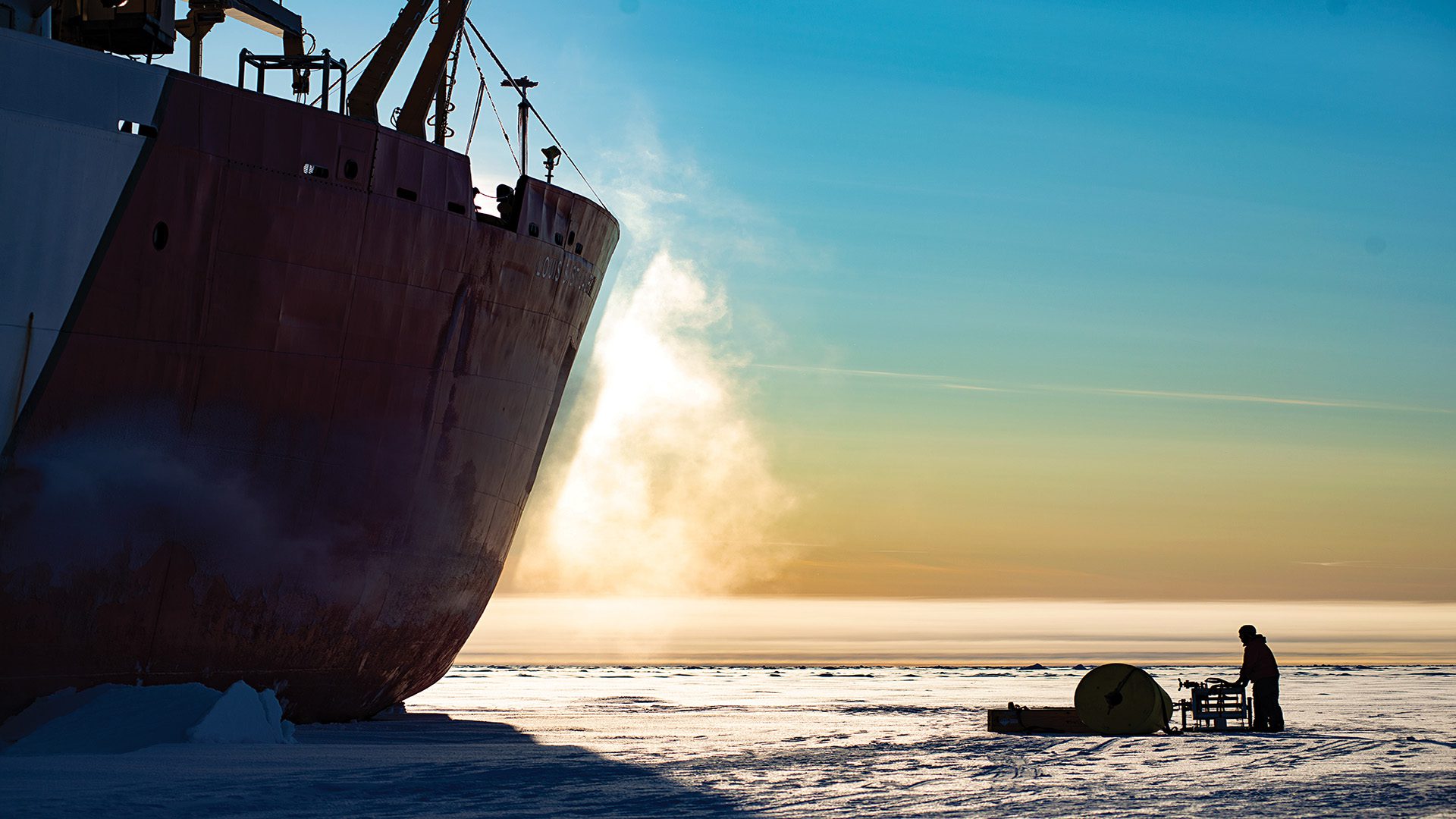
In the race to find solutions to our climate crisis, these marine tools help us get the data to make informed decisions
Read MoreWoods Hole Oceanographic Institution receives Seagriculture Innovation Awards
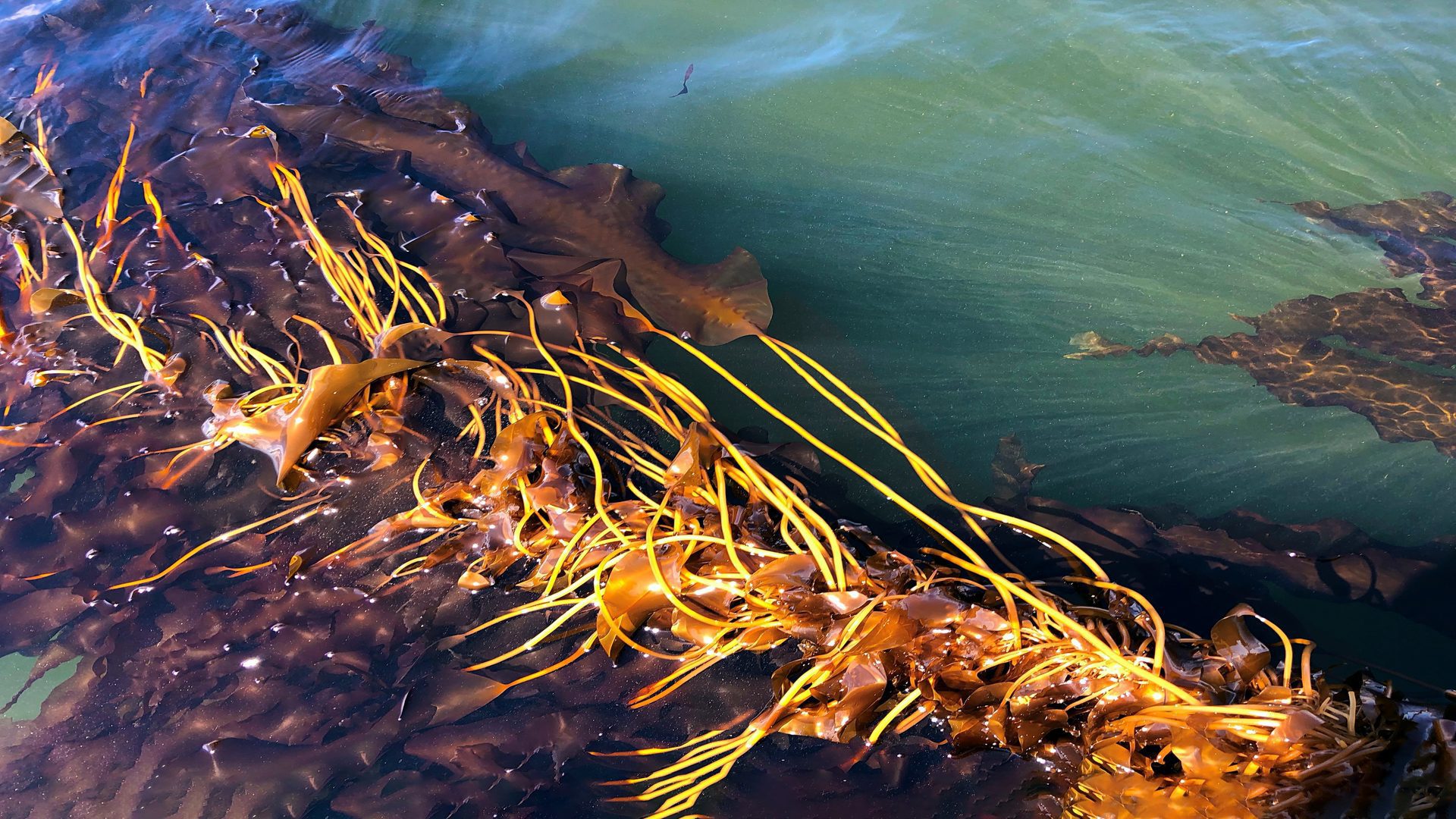
Woods Hole Oceanographic Institution (WHOI)-led teams earned Gold and Silver Innovation Awards for seaweed solutions projects, presented at the first annual Seagriculture Conference USA 2022 in Portland, Maine.
Read MoreHuman-occupied vehicle Alvin successfully completes science verification
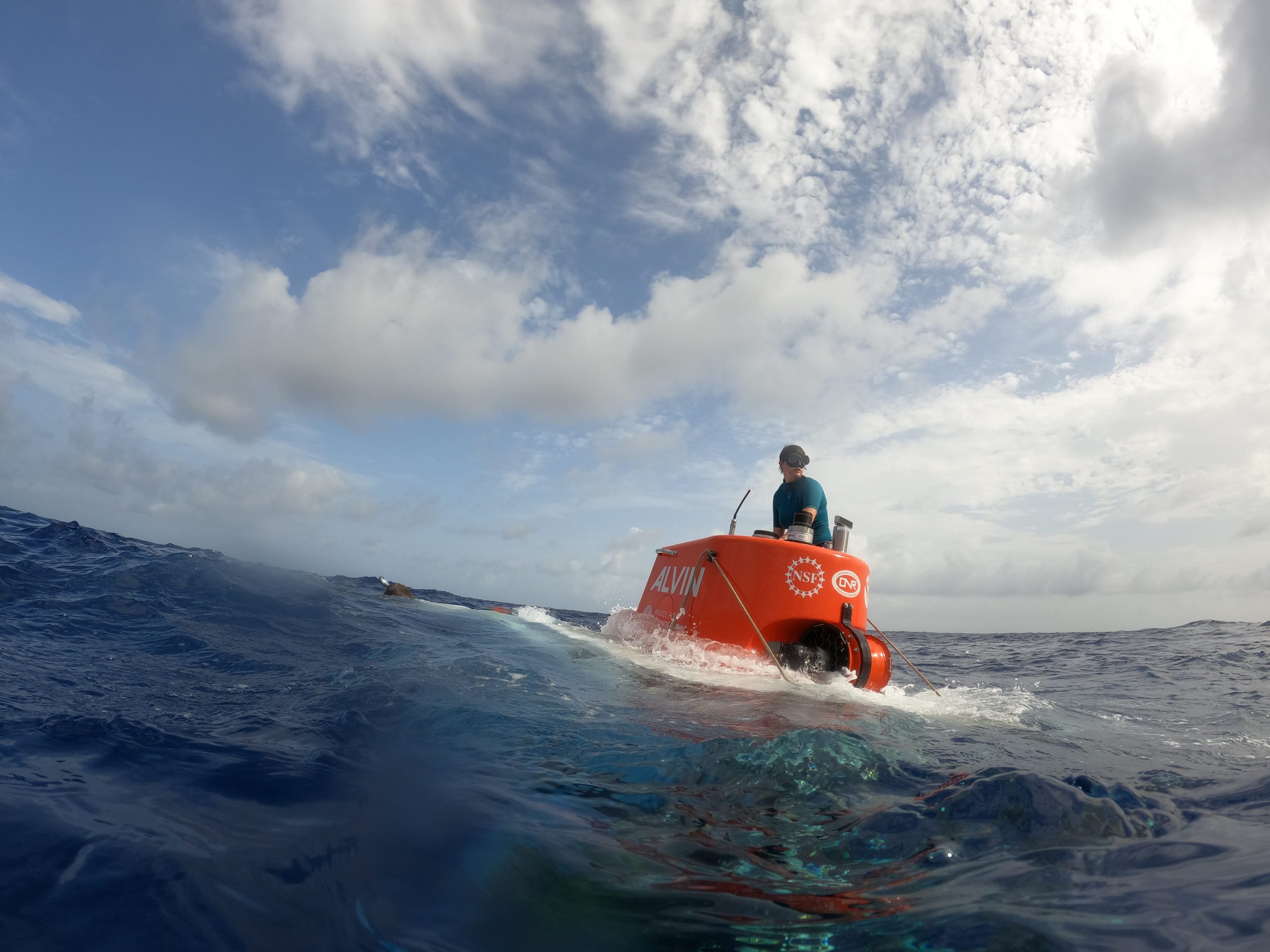
After three weeks in the Puerto Rico trench and Mid Cayman Rise, Alvin is certified to return to research with its new max depth of ~4 miles
Read MoreHuman-occupied submersible Alvin makes historic dive
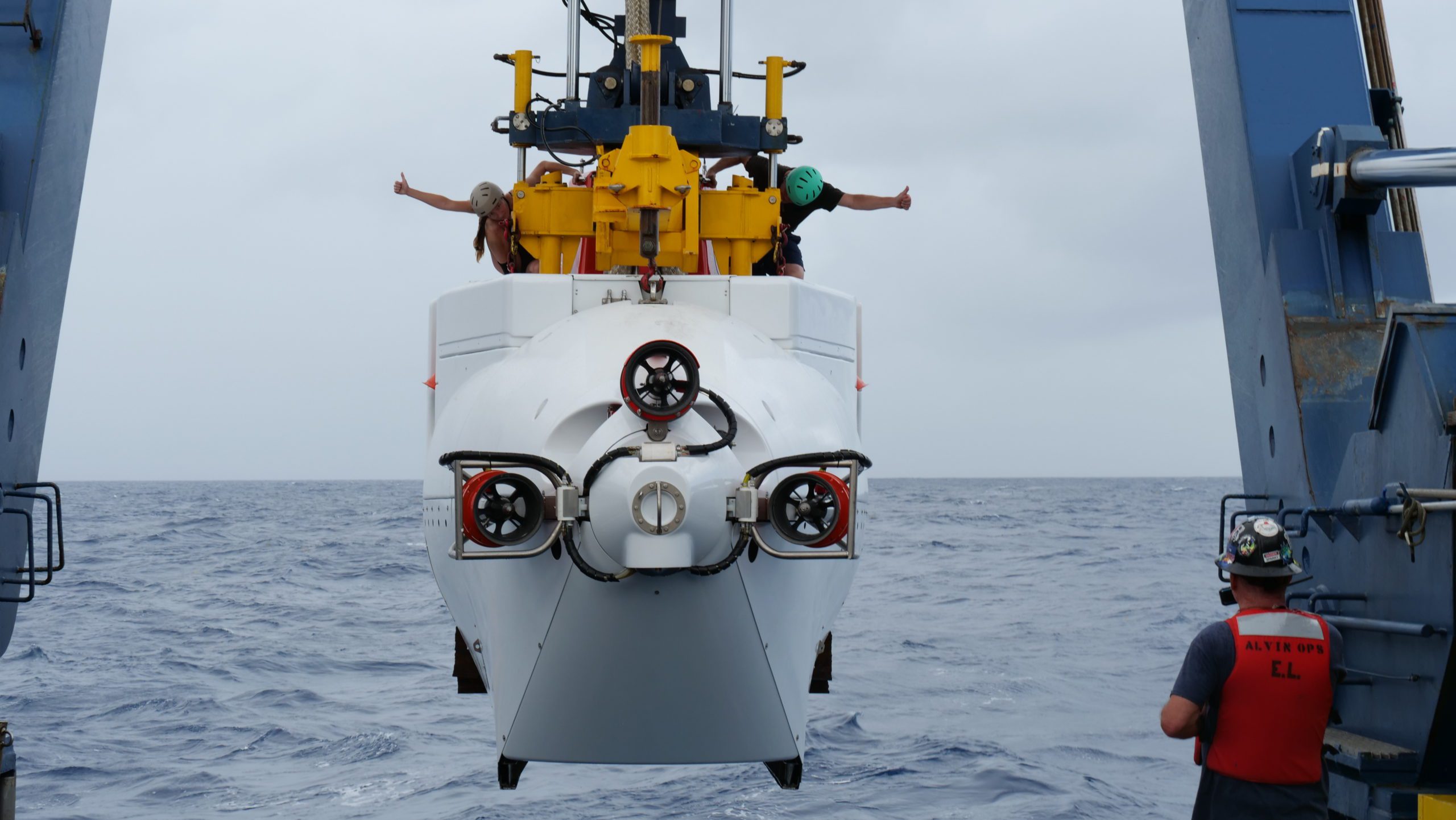
World’s most successful research submersible reaches 6,453 meters, its deepest dive ever Woods Hole, MA — Today, the human-occupied submersible Alvin made history when it successfully reached a depth of…
Read MoreHow to study an underwater earthquake from shore
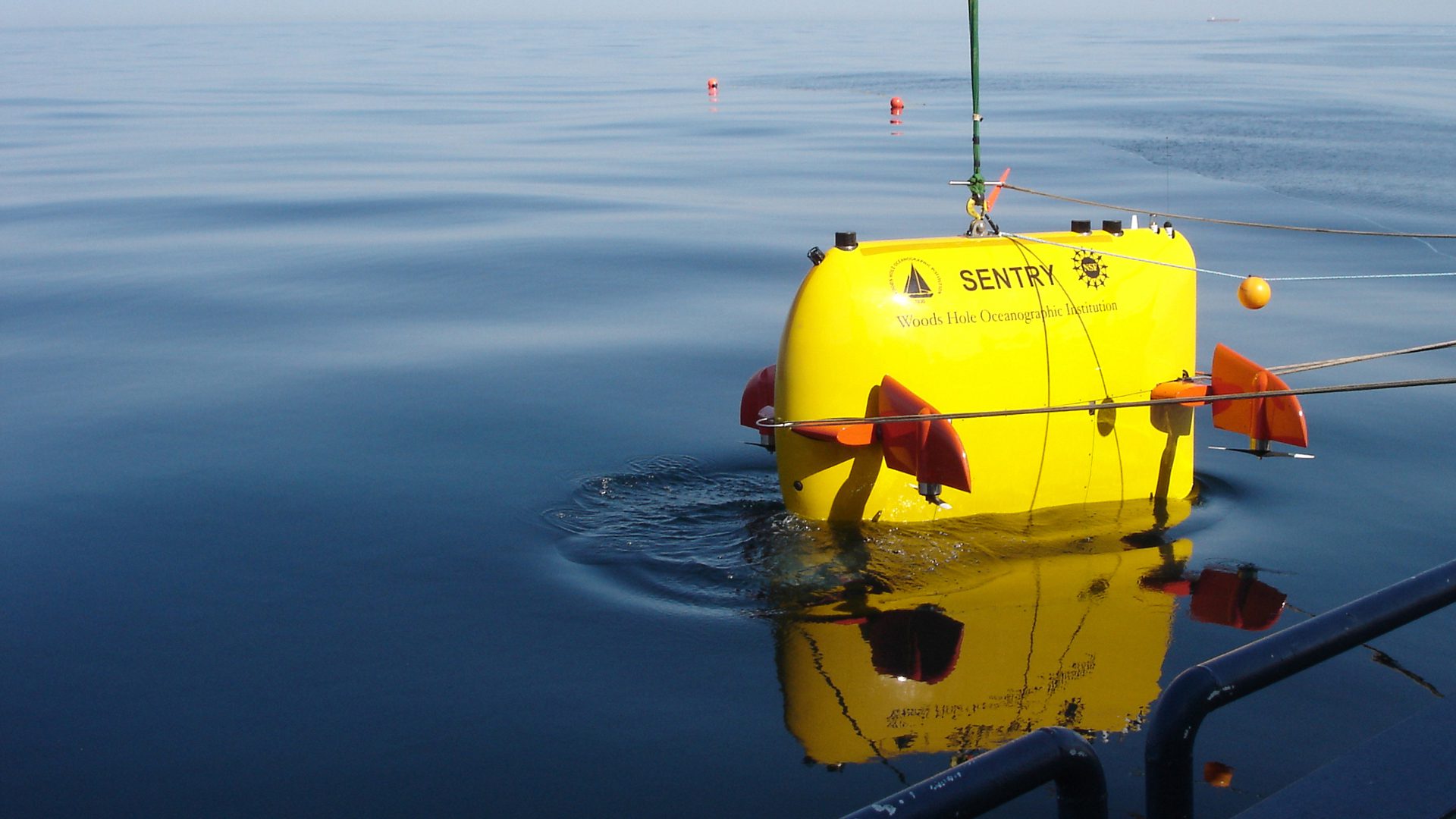
Scientist Chris German on a successful AUV Sentry mission when the science team could not travel to sea
Read MoreMeet the Sentry Team: Justin Fujii
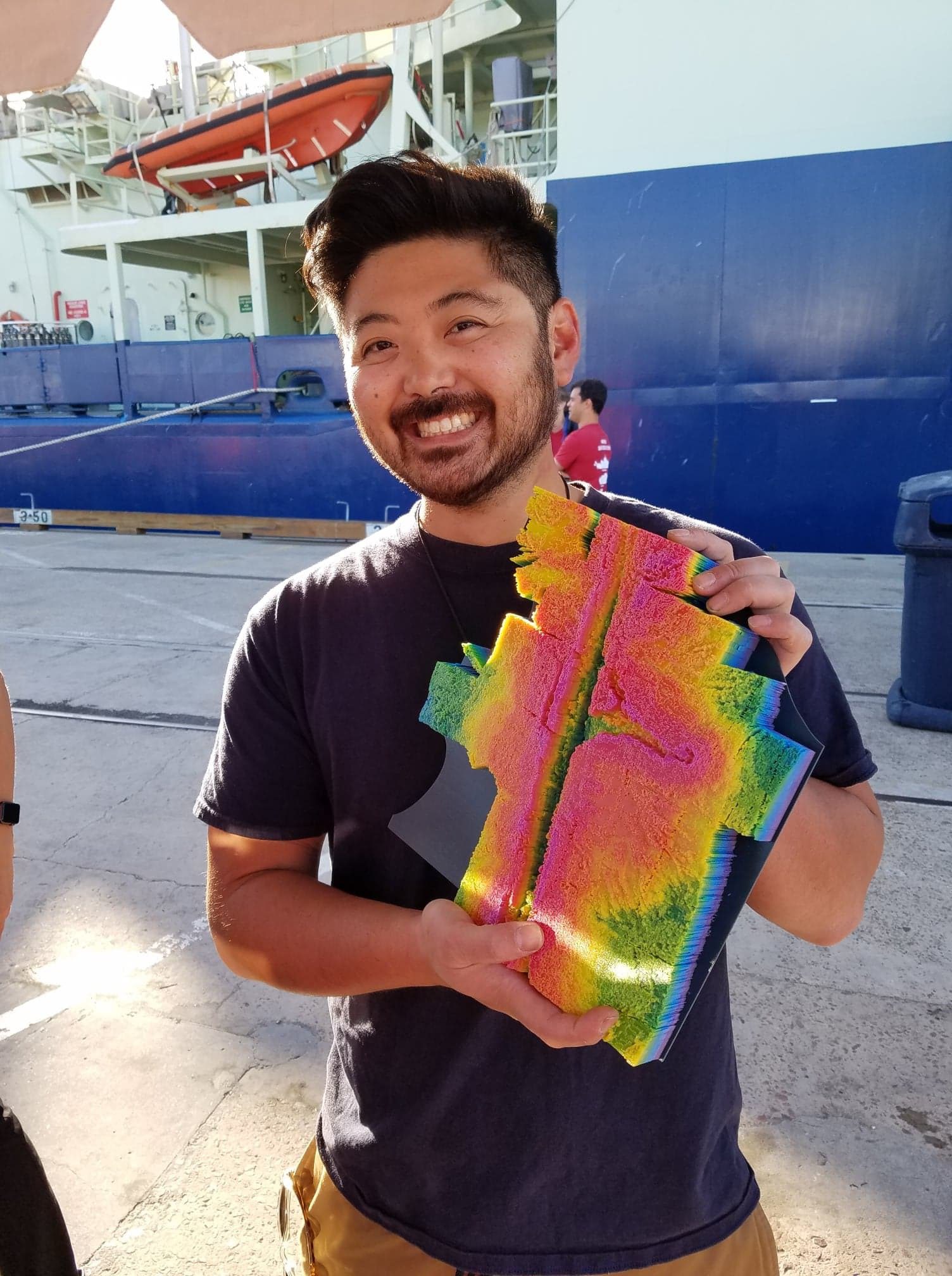
Research engineer Justin Fujii on working with autonomous underwater vehicle Sentry
Read MoreArc volcanoes are wetter than previously thought, with scientific and economic implications
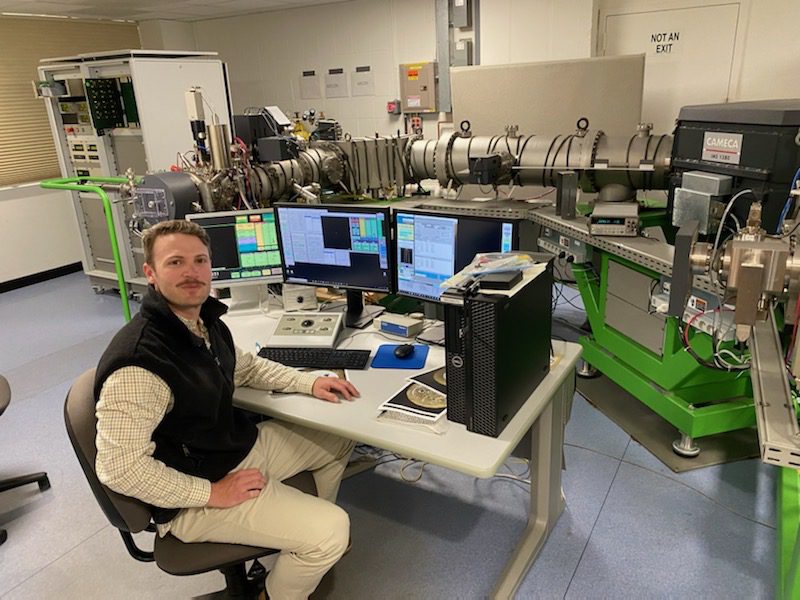
This increased amount of water has broad implications for understanding how Earth’s lower crust forms, how magma erupts through the crust, and how economically important mineral ore deposits form, according to a new paper led by authors from the Woods Hole Oceanographic Institution (WHOI).
Read More7 Places and Things Alvin Can Explore Now
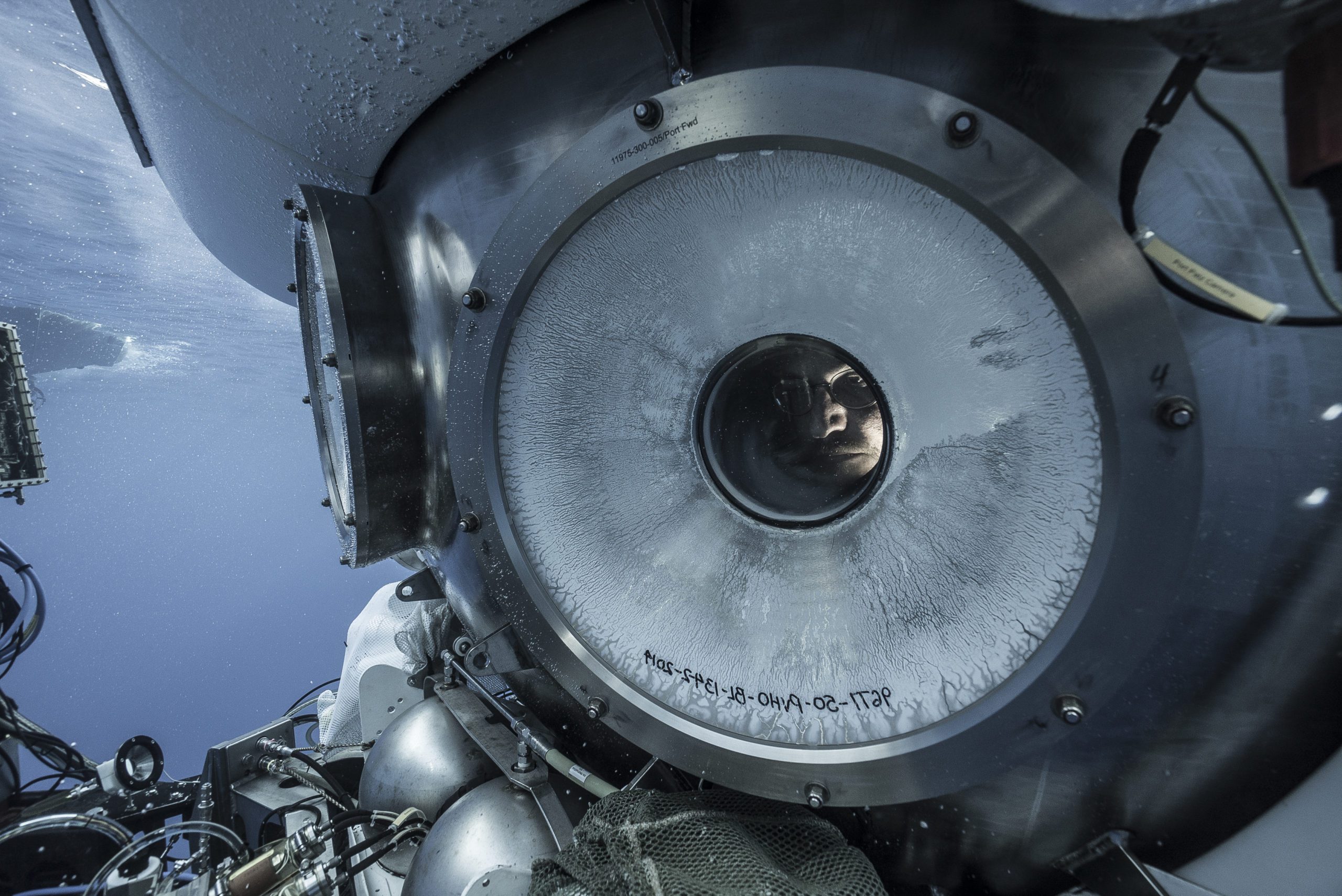
With its new depth rating of 6500 meters (4 miles), WHOI’s human-occupied vehicle (HOV) Alvin is set to take scientists places they’ve never explored in person
Read MoreOn the crumbling edge
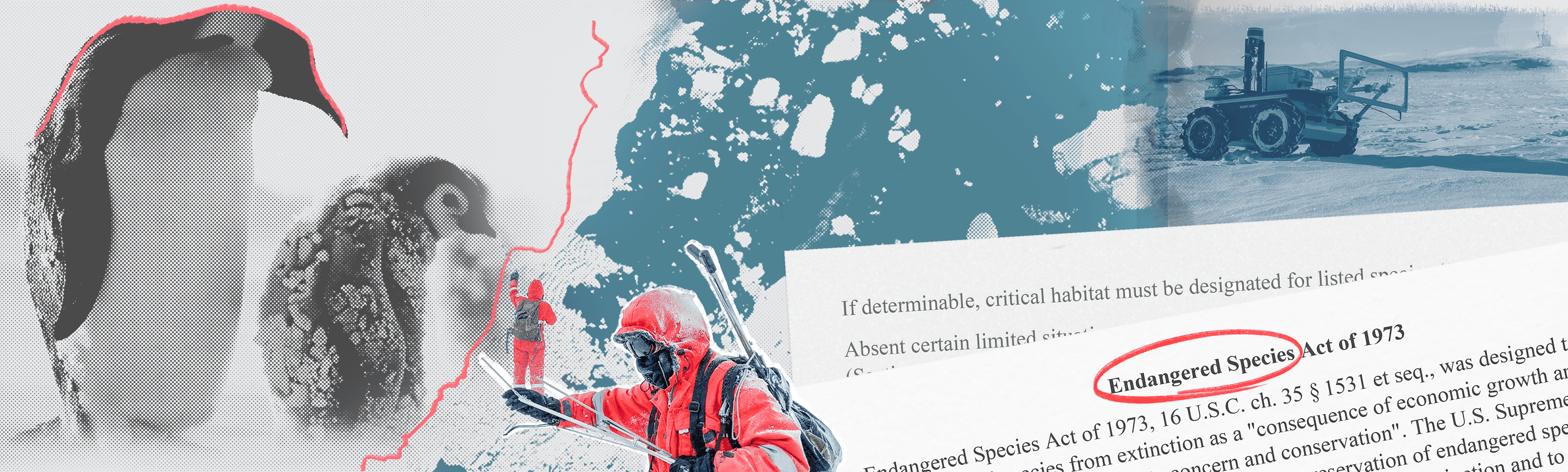
The race to ensure protection for the emperor penguin across the world
Read MoreDeepest sediment core collected in the Atlantic Ocean
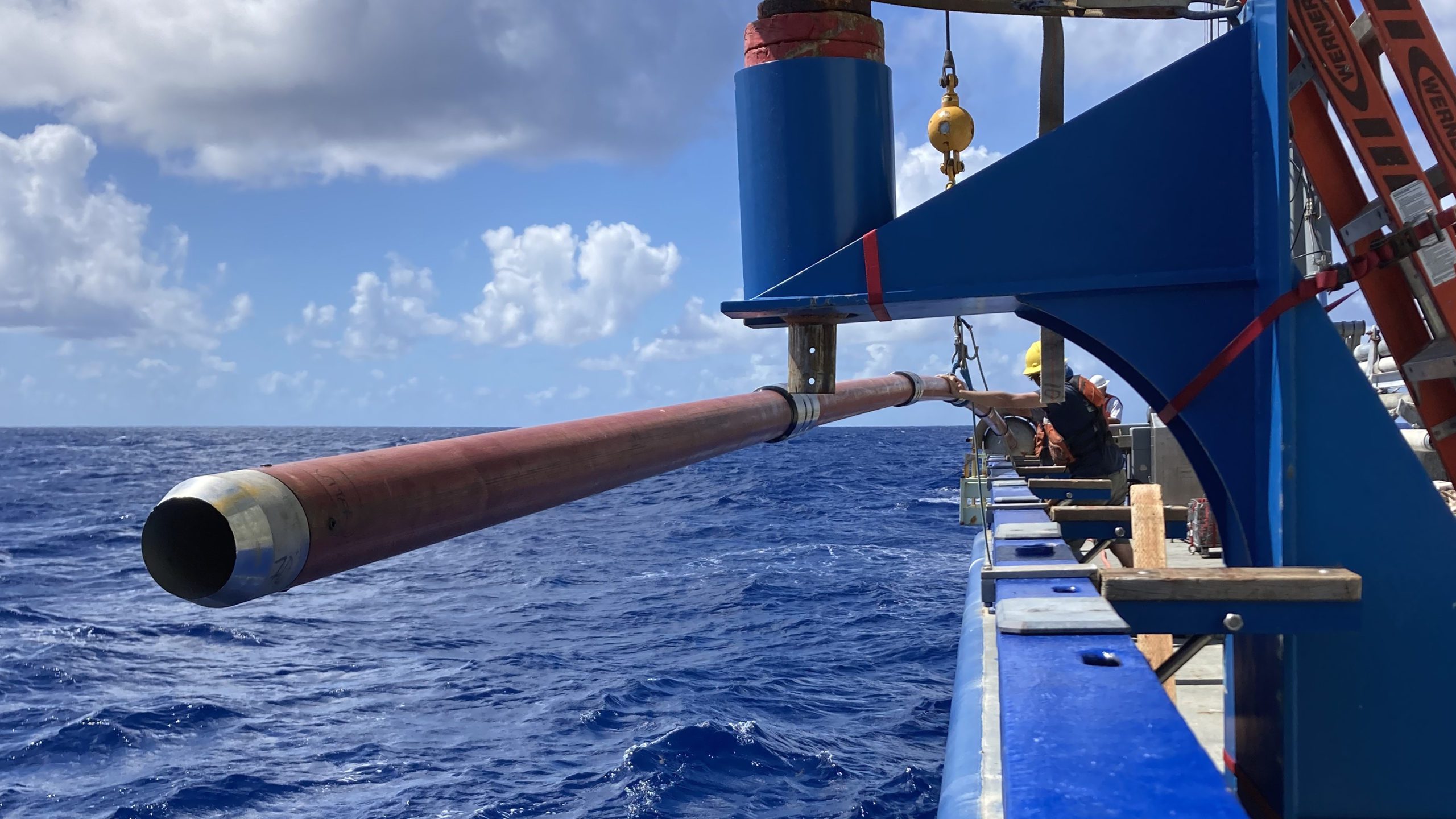
A team of scientists, engineers, and ship’s crew on the research vessel Neil Armstrong operated by the Woods Hole Oceanographic Institution (WHOI) recently collected a 38-foot-long cylindrical sediment sample from the deepest part of the Puerto Rico Trench, nearly 5 miles below the surface.
Read MoreScientists report complete collapse of East Antarctica’s Conger Ice Shelf
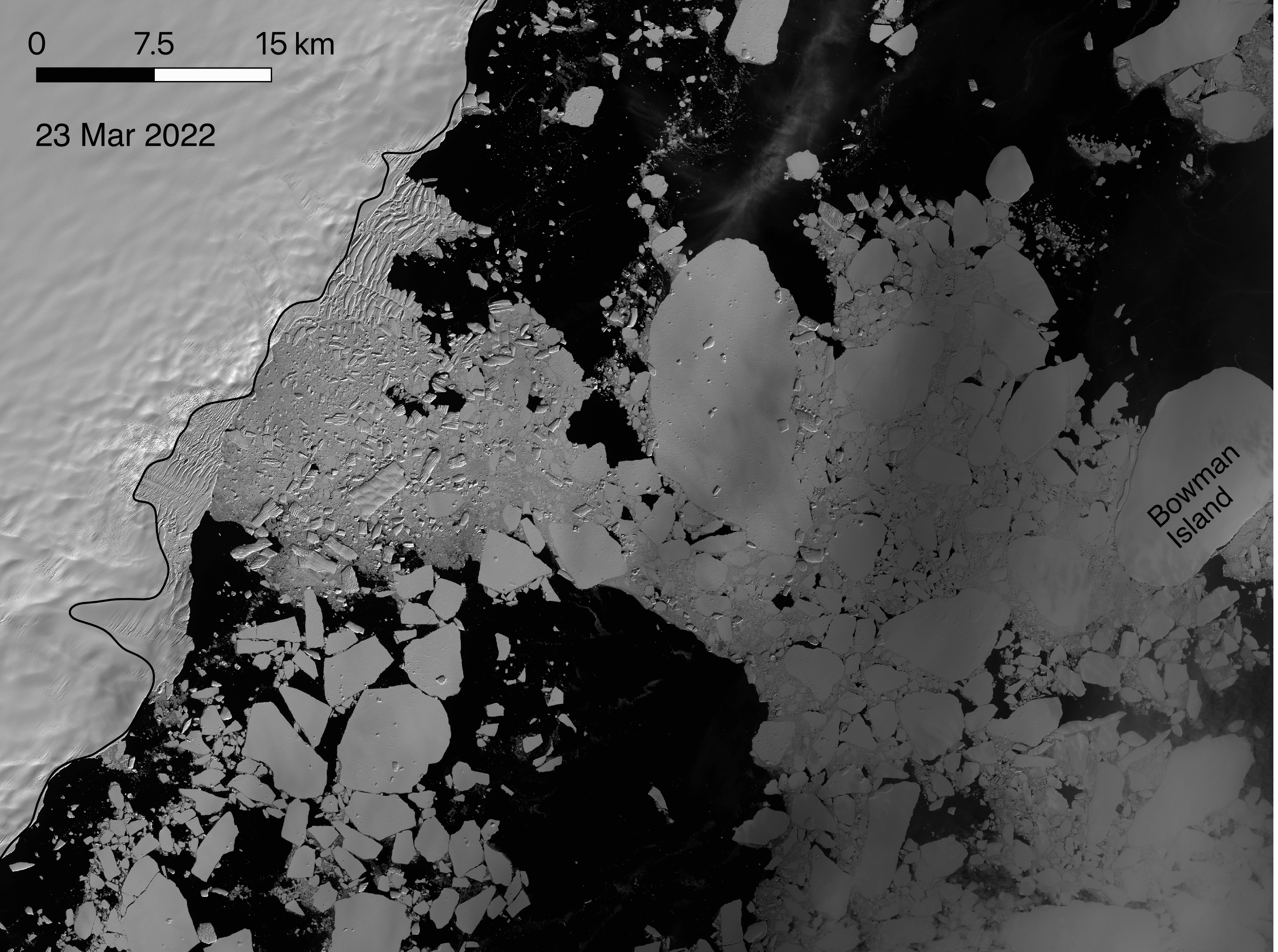
Satellite data has confirmed that an ice shelf about the size of Manhattan has completely collapsed in East Antarctica within days of record high temperatures. The Conger ice shelf, which had an approximate surface area of 1,200 sq km, collapsed around 15 March, scientists confirmed today.
Read MoreOCIA: Accelerating the pace of ocean-climate research
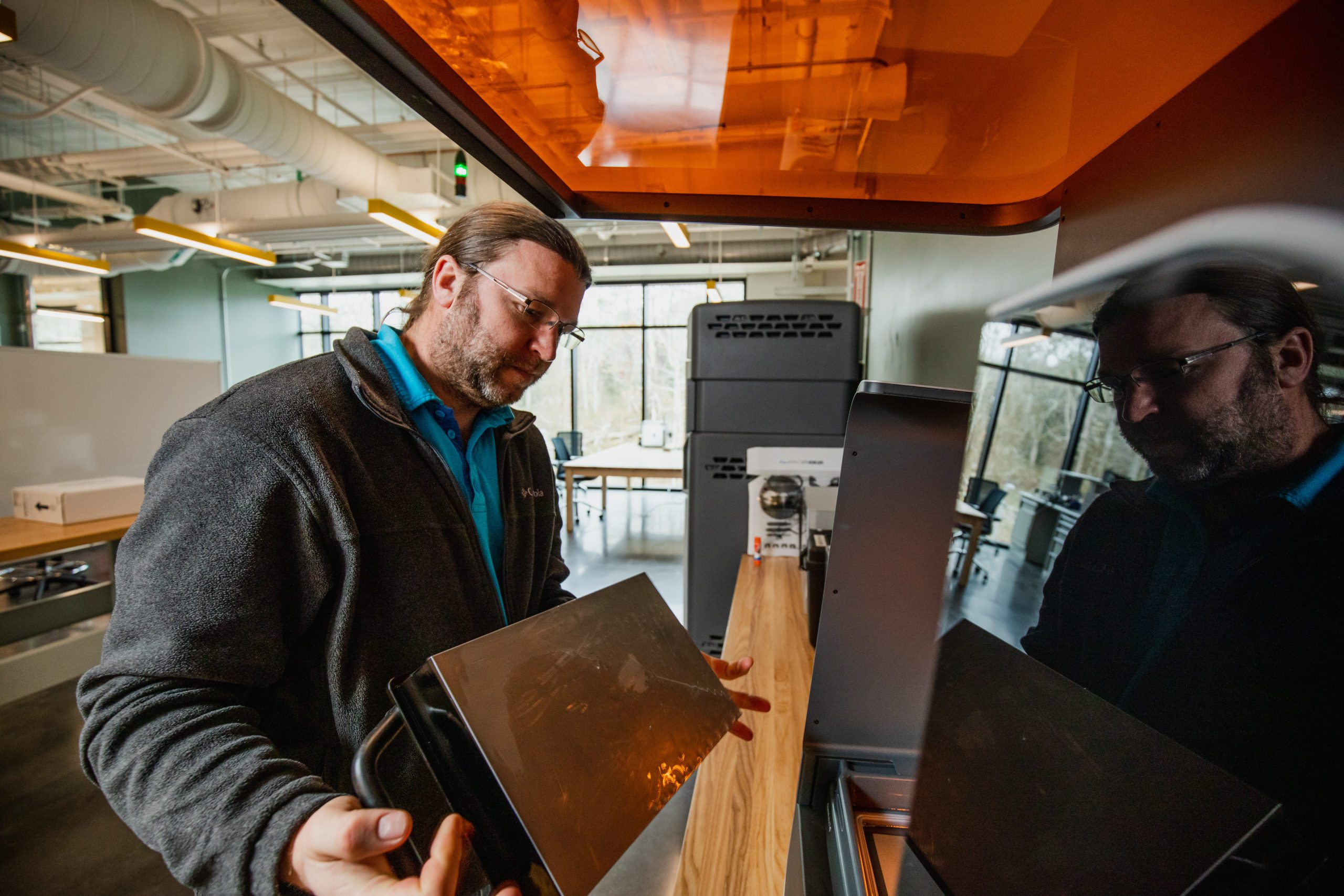
The first five projects funded by the Ocean Climate Innovation Accelerator (OCIA) are set to advance research at the intersection of oceans and climate.
Read MoreWith worsening storms, can the Outer Banks protect its shoreline?
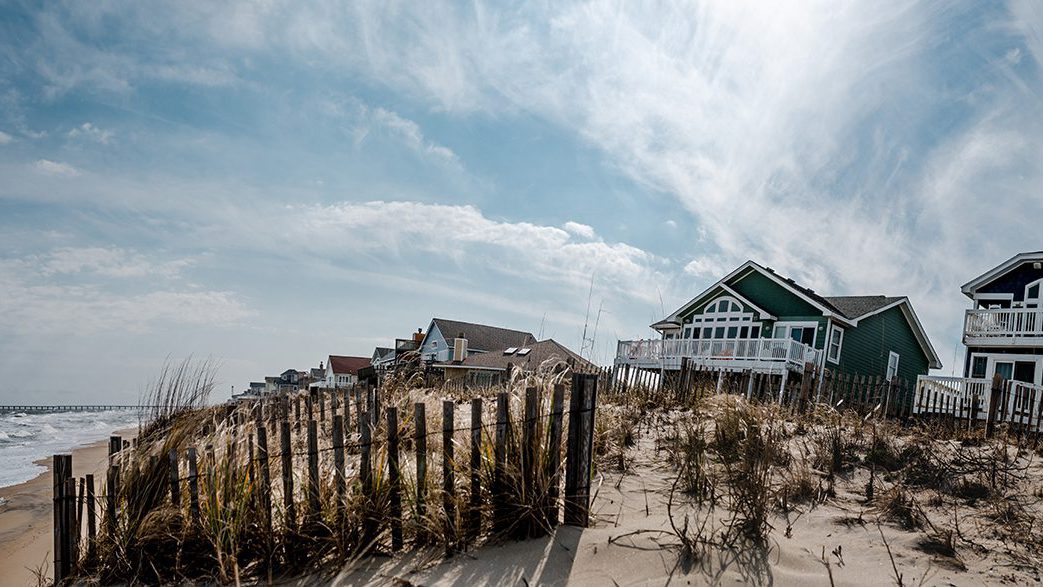
The double-whammy of more intense storms and a COVID-era real estate boom has scientists and planners focused on resiliency
Read MoreMeet the Jason Team: Mario Fernandez
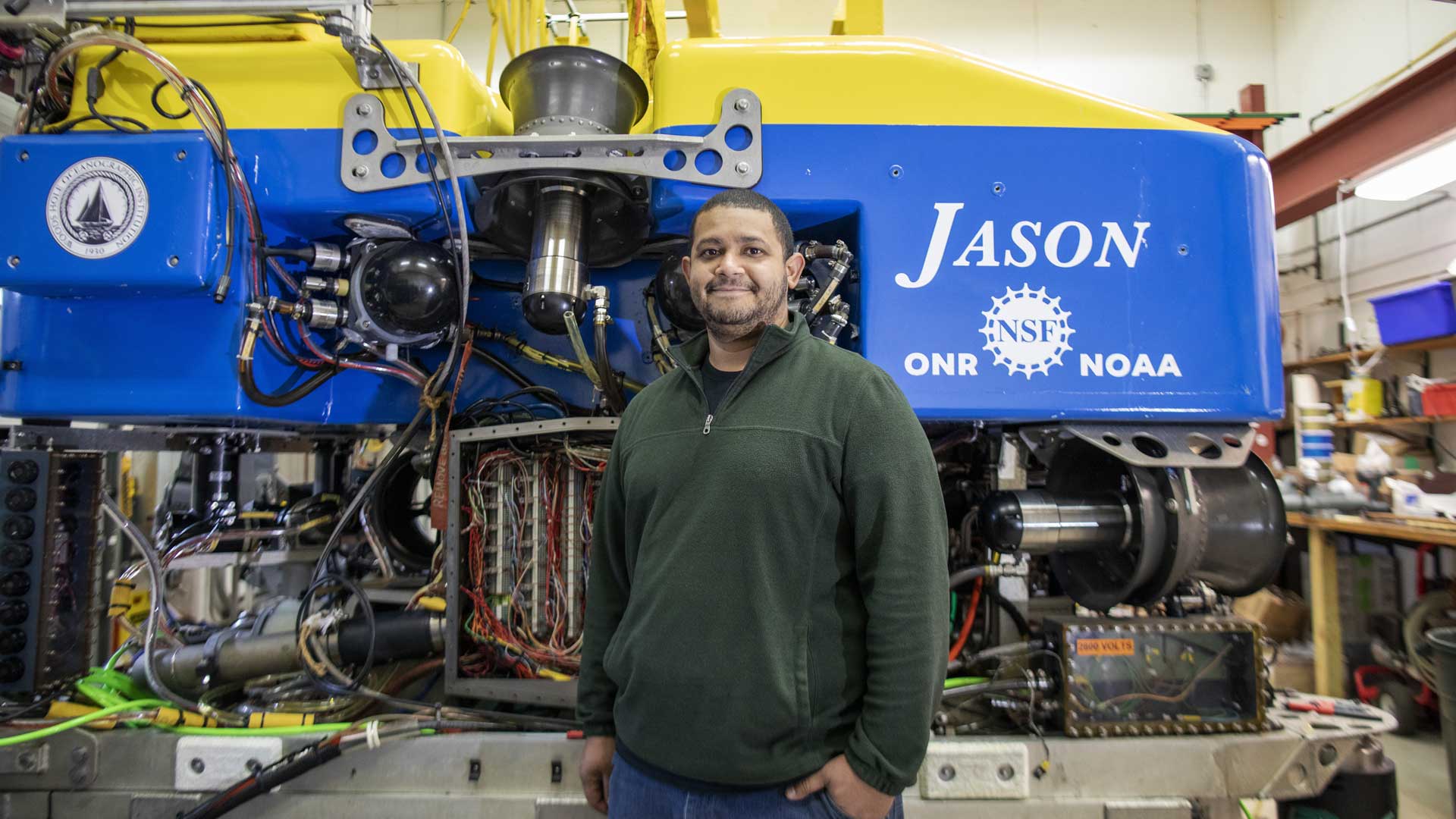
A mechanical engineer, pilot, and expedition leader on vehicle design and adventures at sea
Read MoreMeet the Sentry Team: Amanda Sutherland
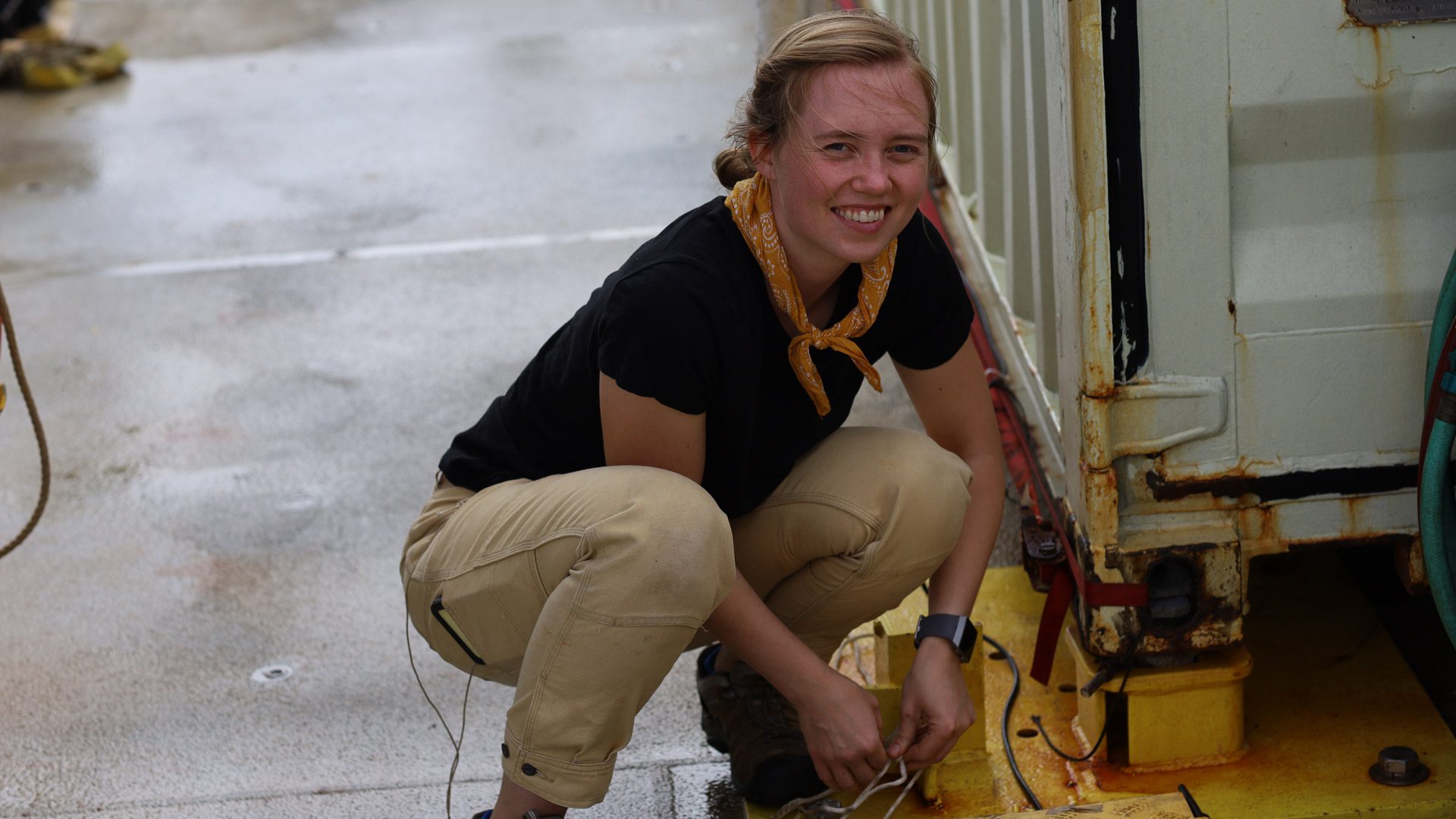
A Mechanical engineer on independent workflow and collaboration
Read MoreSniffing out methane in the deep sea
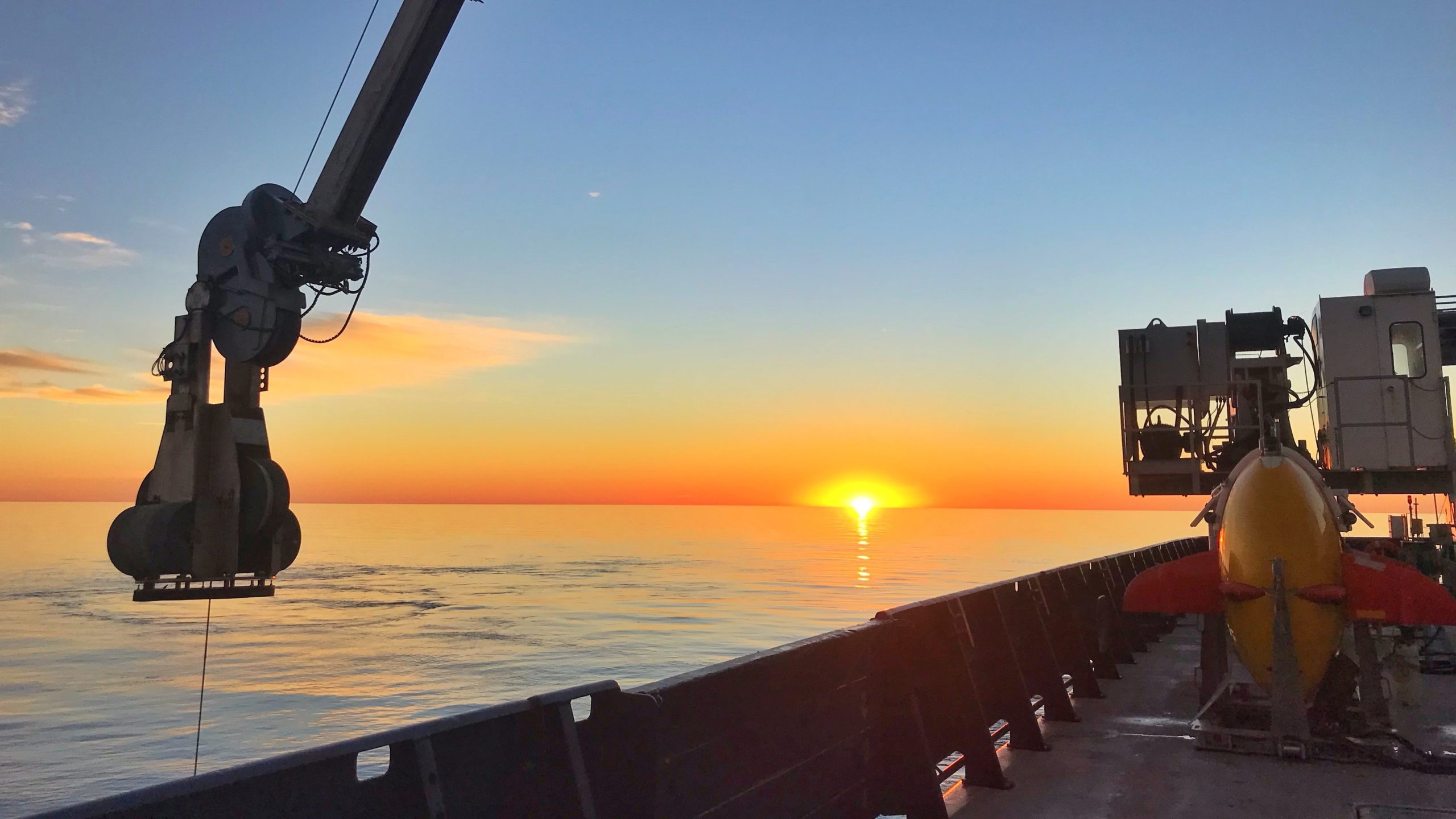
Scientists cruise the Gulf of California’s Guaymas Basin to test out new tech for detecting and measuring methane in the deep
Read MoreWoods Hole Oceanographic Institution co-produces Emmy award-winning program

Woods Hole Oceanographic Institution has been awarded an Emmy as a co-producer, along with South Florida PBS (WPBT & WXEL) for Changing Seas: “Alvin: Pioneer of the Deep” . The 2021 Suncoast Chapter of the National Academy of Television Arts & Sciences Emmy Awards announced the honor in December, for the category “Environment/Science – Long Form Content.”
Read MoreDune buggies and diving:
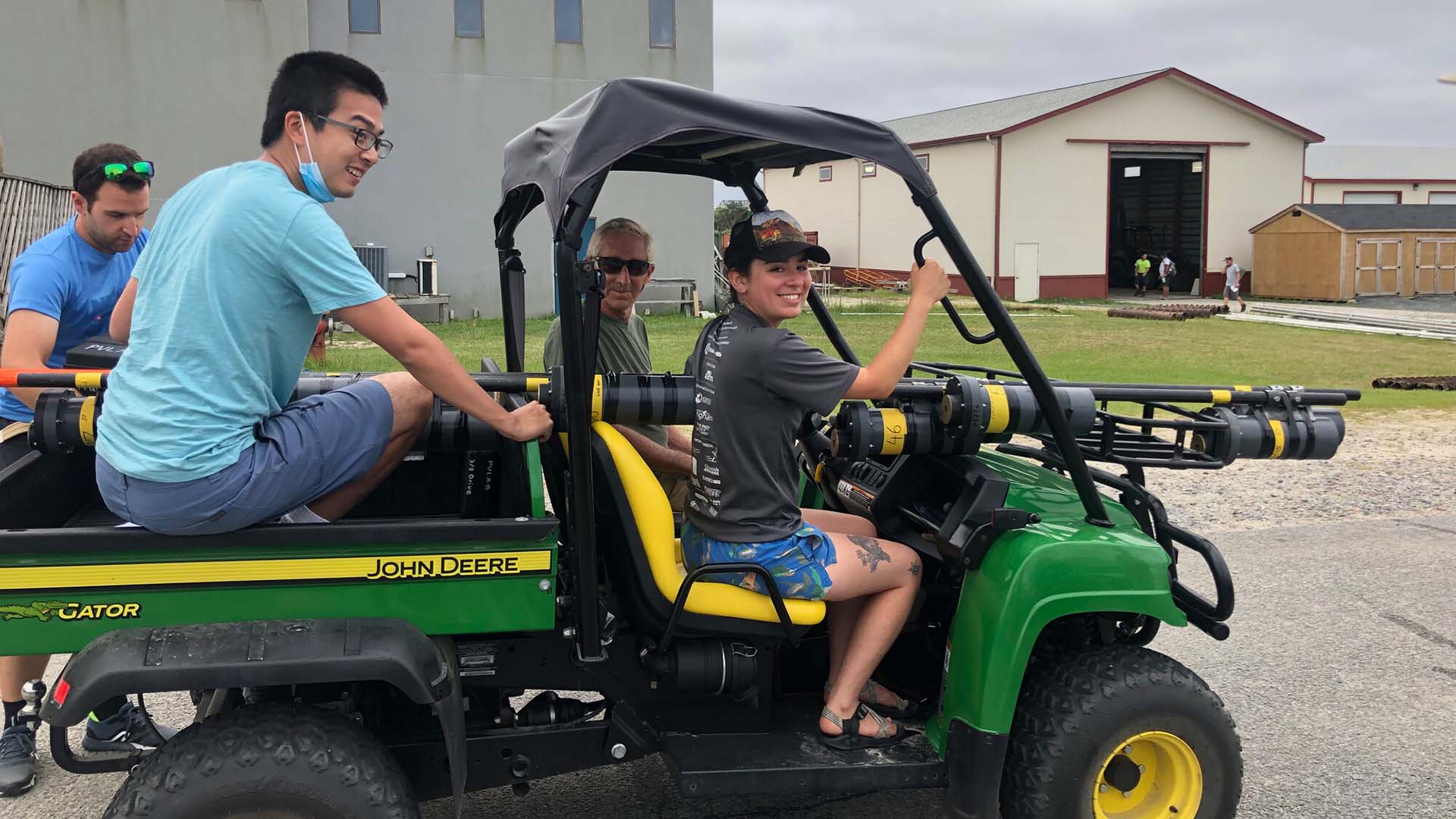
PhD student Ciara Dooley talks about coastal research with the DUNEX Program
Read MoreWHOI shares details on microplastic detection project
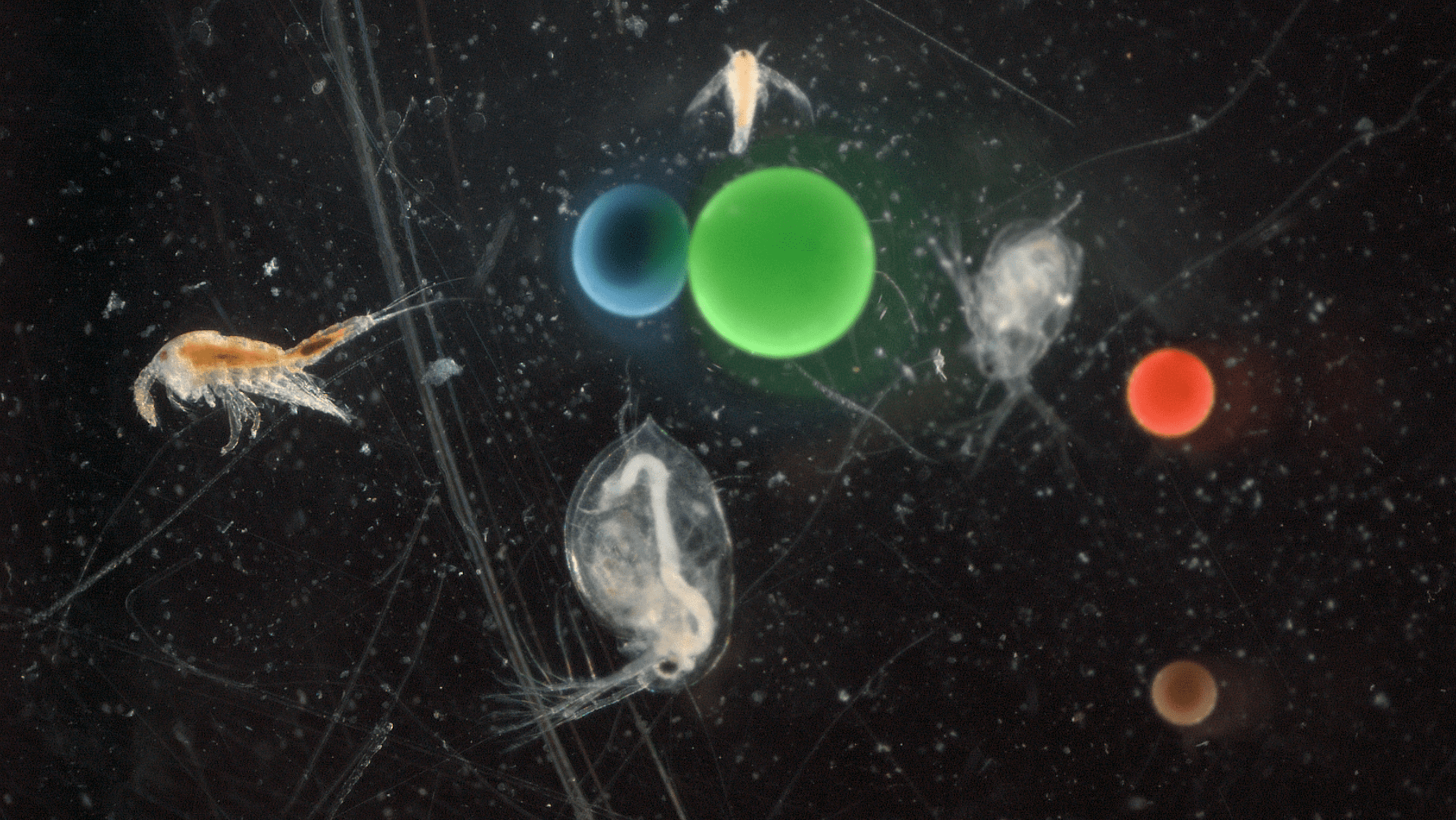
A project led by Woods Hole Oceanographic Institution’s Chemical Sensors Lab is moving researchers closer to an in-field microplastics sensor that measures the amount of plastic particles in water.
Read MoreResearch suggests giant kelp has different factors that bear on its growth dynamics
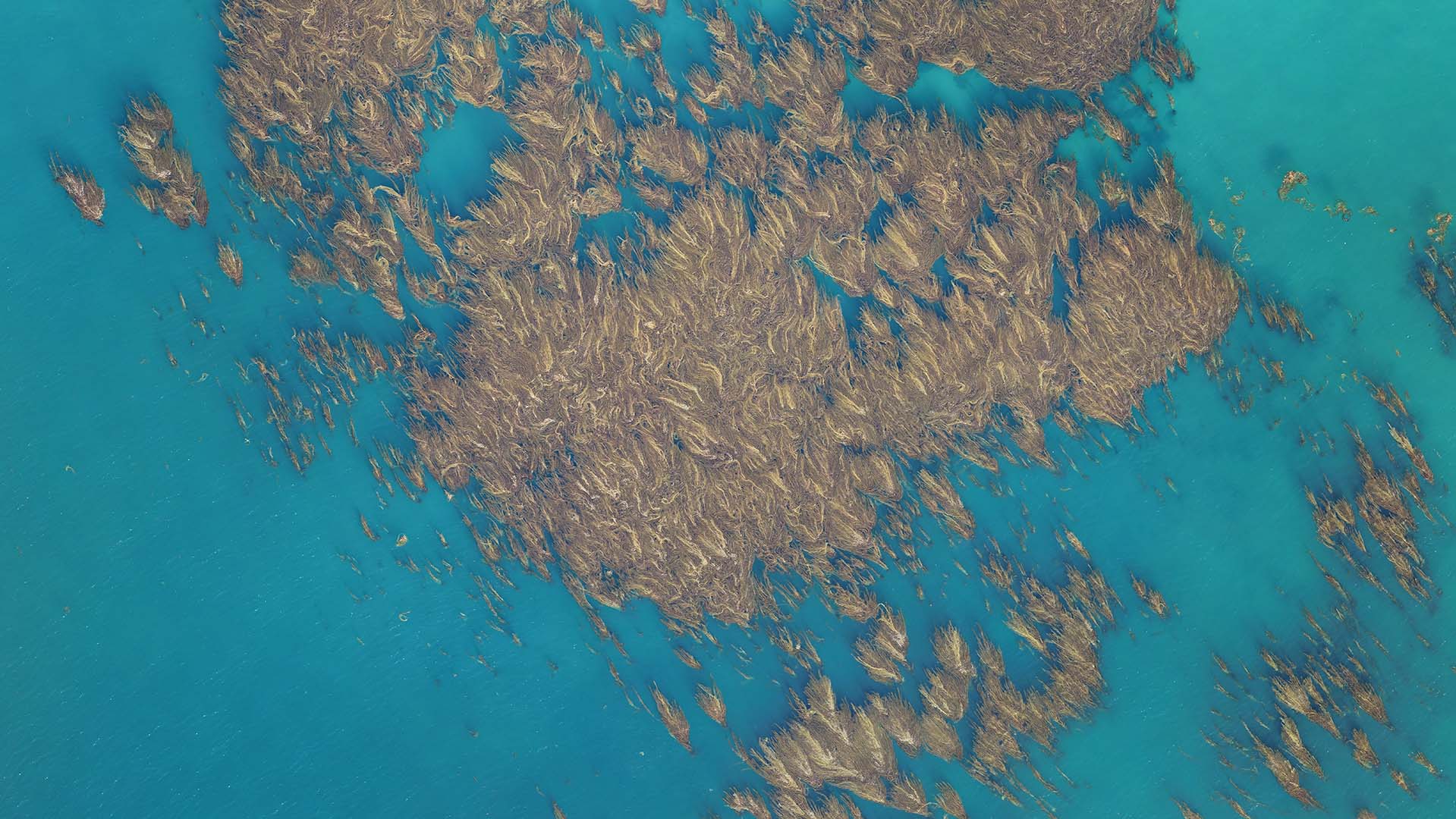
The macroalga giant kelp, which is an iconic and important ecosystem-structuring species found off the coast of California and many other coastlines, can grow 100-feet long within 1-2 years. Now, researchers using novel remote sensing observations have found that different factors may bear on the spatial growth dynamics of the Macrocystis pyrifera kelp, which is the largest species of algae in the world.
Read MoreFrom the sound: A future powered by the sea

These two WHOI scientists discuss the promise of offshore wind and wave as renewable energy, and why WHOI is uniquely poised to make these safe and efficient forms of power
Read MoreAn ocean of opportunity
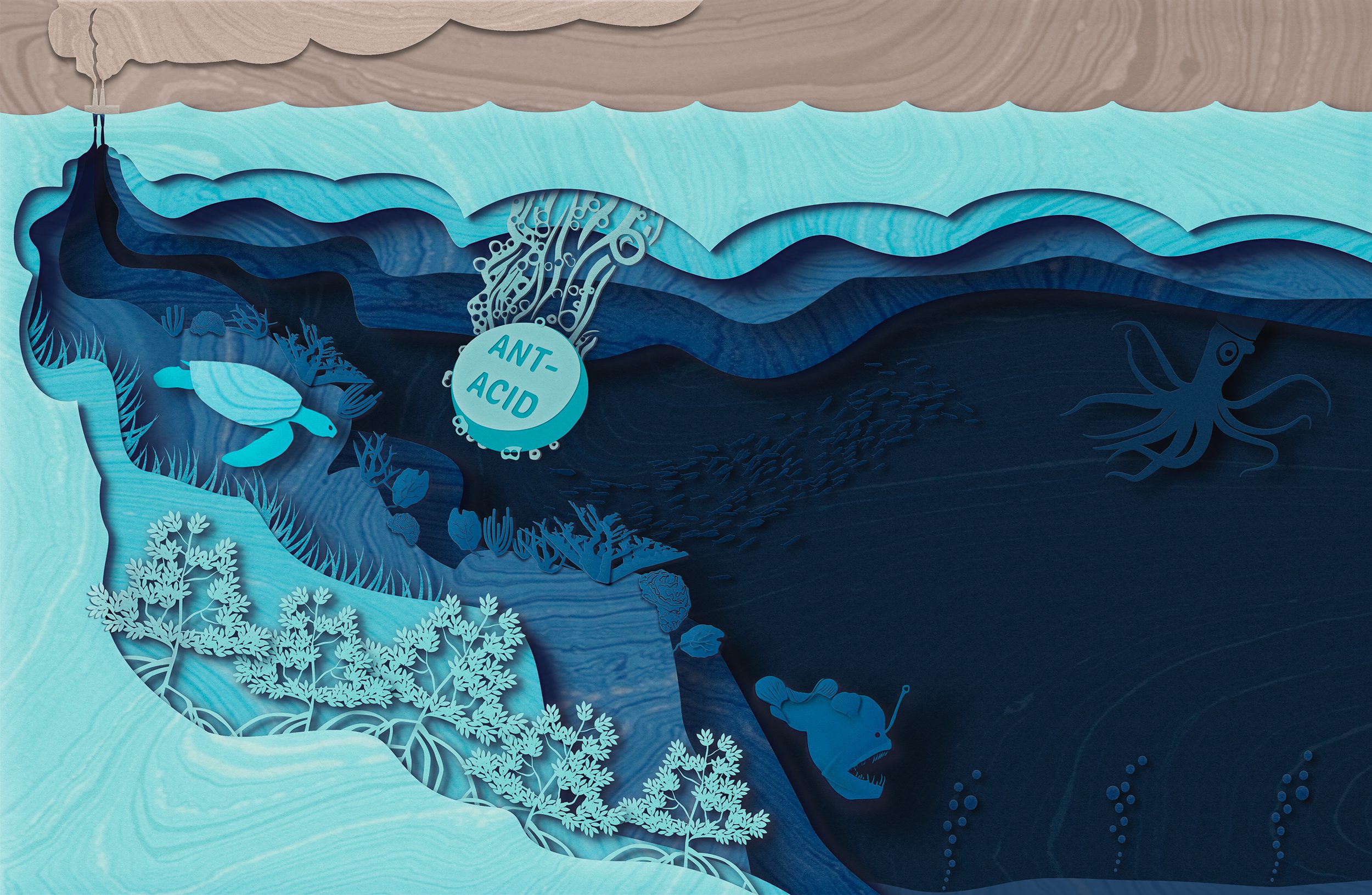
Ocean experts explore the potential risks and rewards of ocean-based solutions to climate change
Read MoreA curious robot is poised to rapidly expand reef research
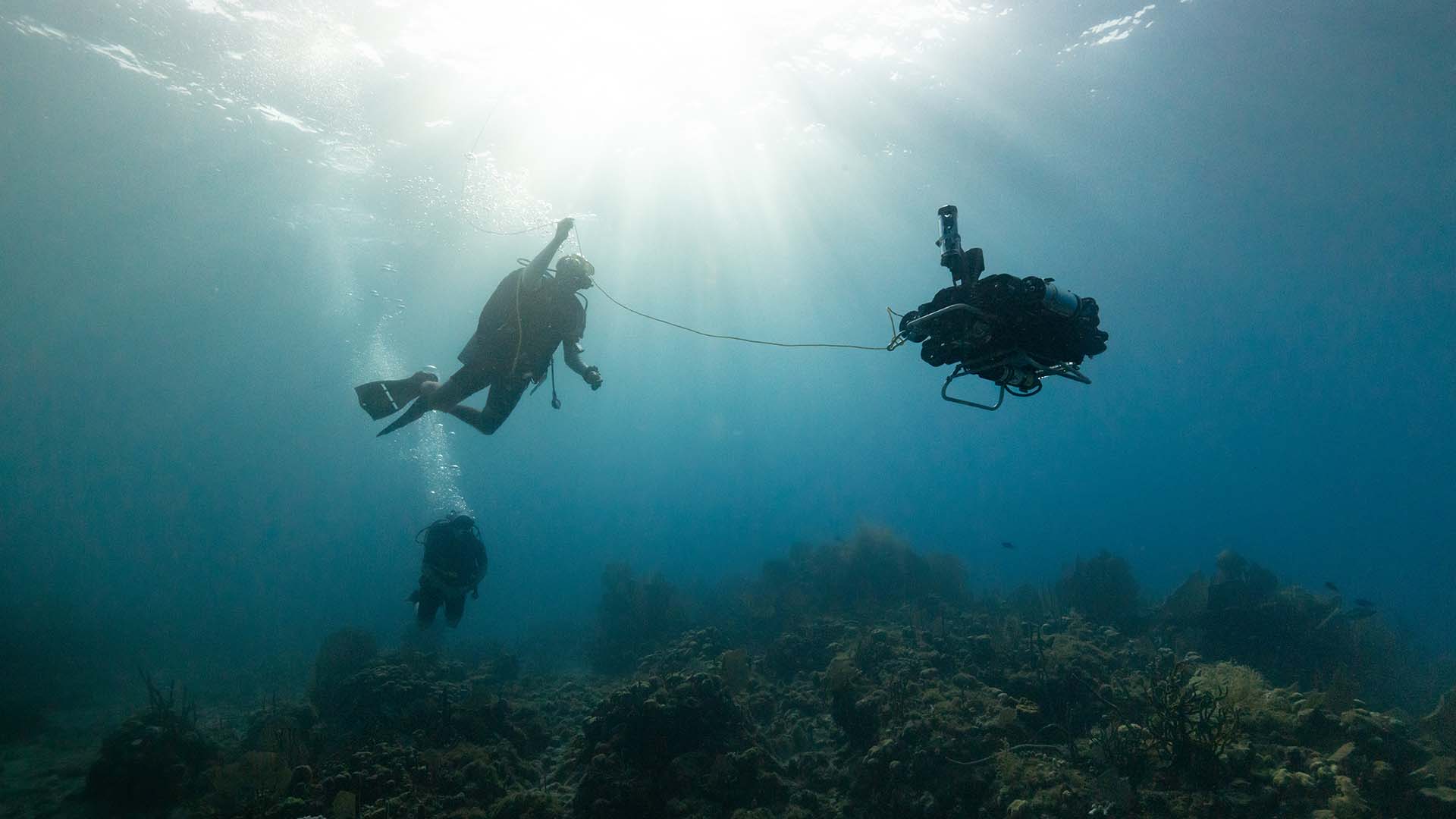
WHOI scientists with the Coral Catalyst Team are leveraging a new, artificially intelligent robot to automate coral reef health assessments
Read MoreAdapt or retreat:
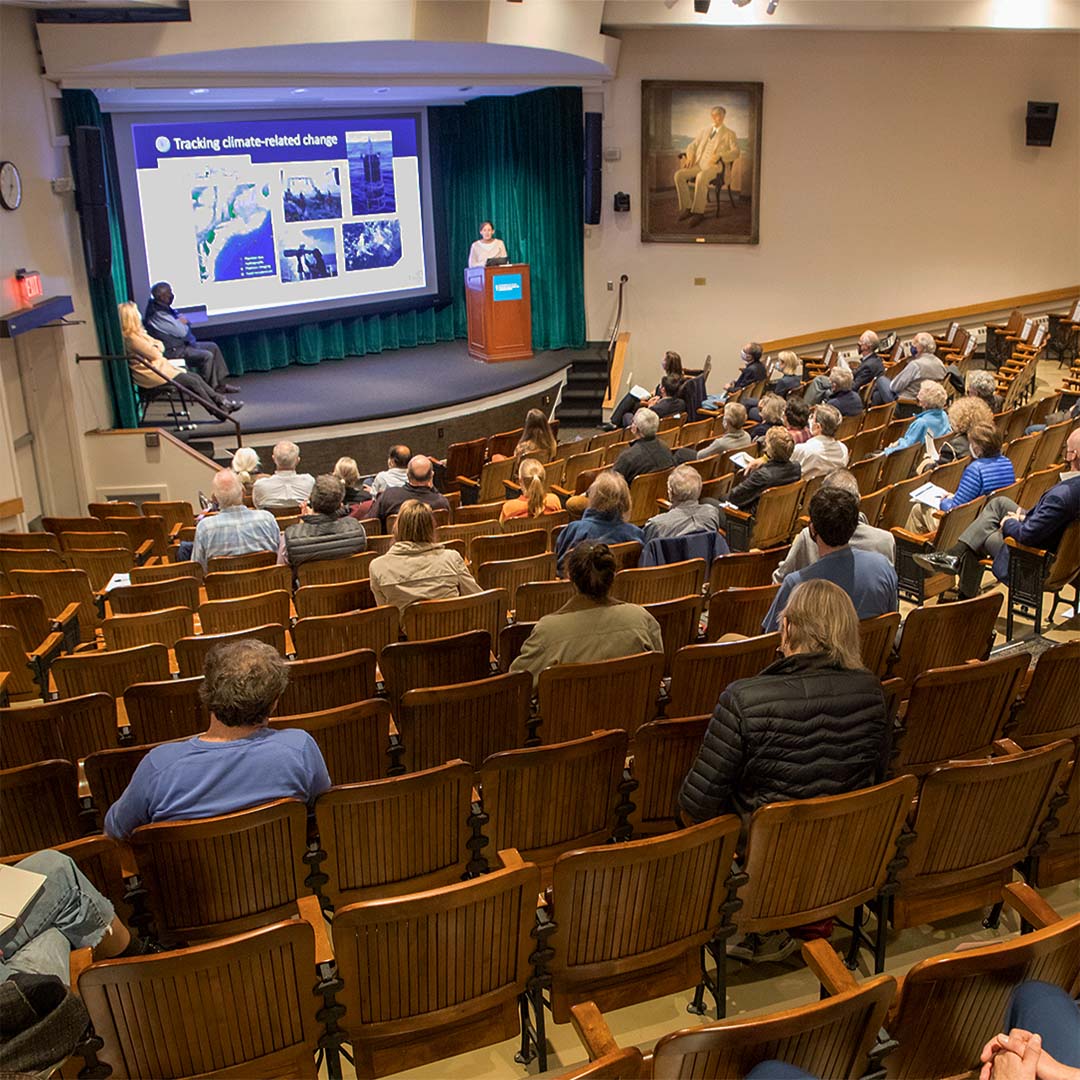
No solution is off the table to prepare for sea level rise in Woods Hole
Read More