
Feature
Leaf Wax: A Chemical Journey
Lake Titicaca in the Andes Mountains of South America is an extraordinary place to explore ancient human civilization, Earth’s climate history, and the flow of carbon through our planet.
Read MoreTracking a Trail of Carbon
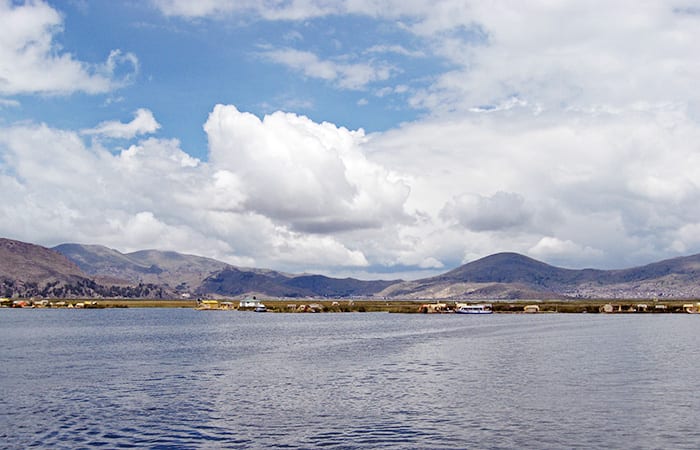
Lake Titicaca in the Andes Mountains of South America is an extraordinary place to explore ancient human civilization, Earth’s climate history, and the flow of carbon through our planet.
Read MoreThe Riddle of Rip Currents
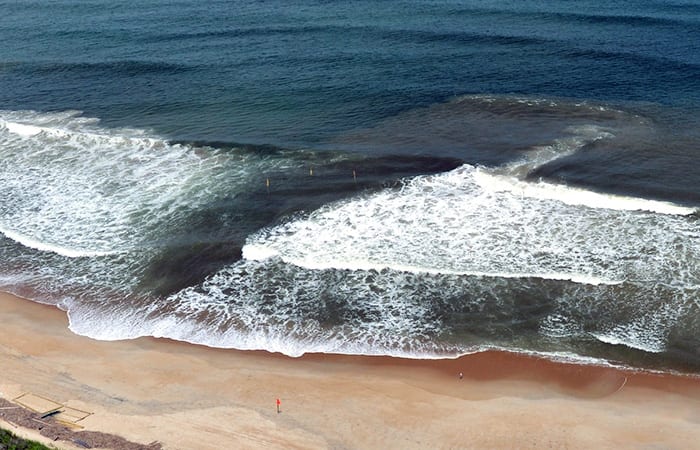
Rip currents claim more than 100 lives in the United States each year and are the leading cause of lifeguard rescues. Scientists created a large gash in the seafloor to learn more about their complex dynamics.
Read MoreAn Appetite Stimulant for Bacteria in the Ocean
PUAs kick bacteria’s metabolism and CO2 respiration rates into hyperdrive—ike skinny weightlifters after a steroid shot.
Read MoreShort-circuiting the Biological Pump
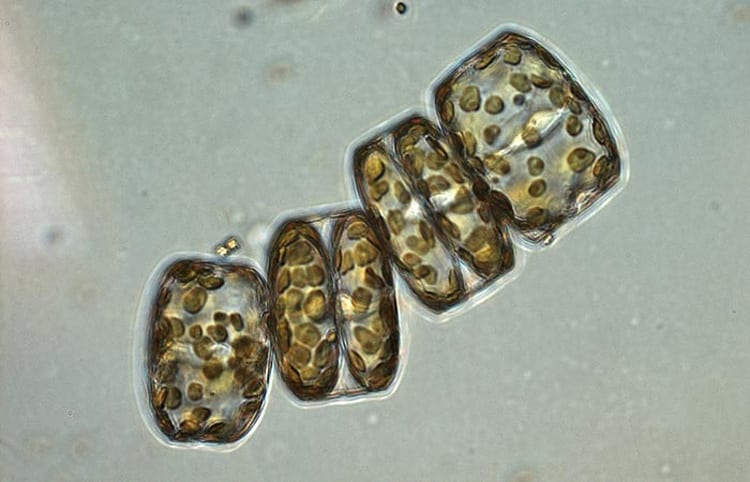
The ocean has been sucking up the heat-trapping carbon dioxide (CO2) building up in our atmosphere—with a little help from tiny plankton. Like plants on land, these plankton convert CO2…
Read MoreCoral Crusader
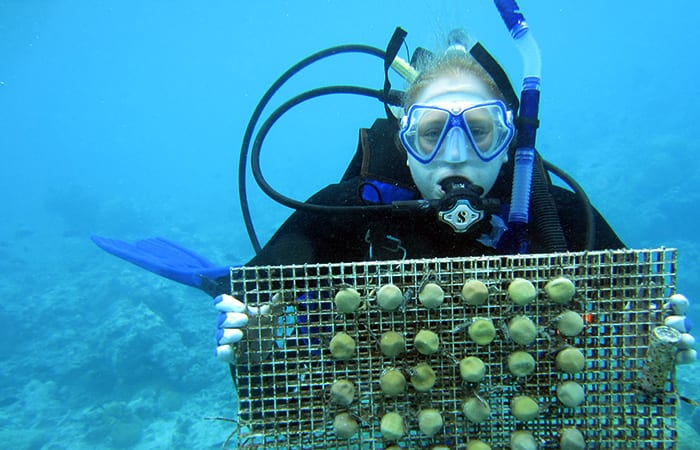
Graduate student Hannah Barkley is on a mission to investigate how warming ocean temperatures, ocean acidification, and other impacts of climate change are affecting corals in an effort to find ways to preserve these vital ocean resources.
Read MoreScientists Find Trigger That Cracks Lakes
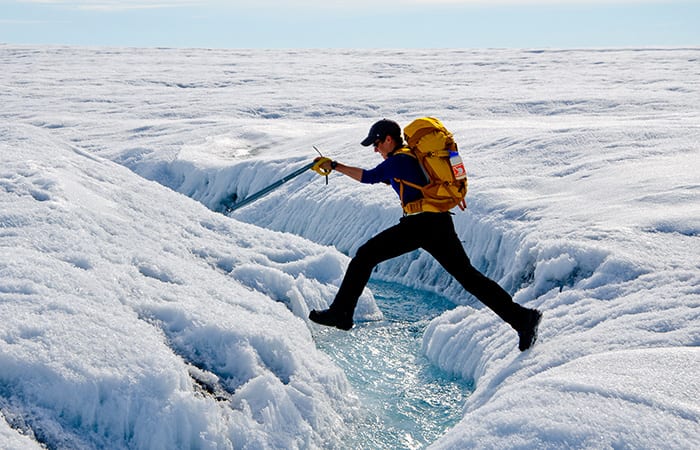
Graduate student Laura Stevens became a focal point of a research team that cracked a big mystery atop the Greenland Ice Sheet.
Read MoreA Green Thumb for Ocean Microbes
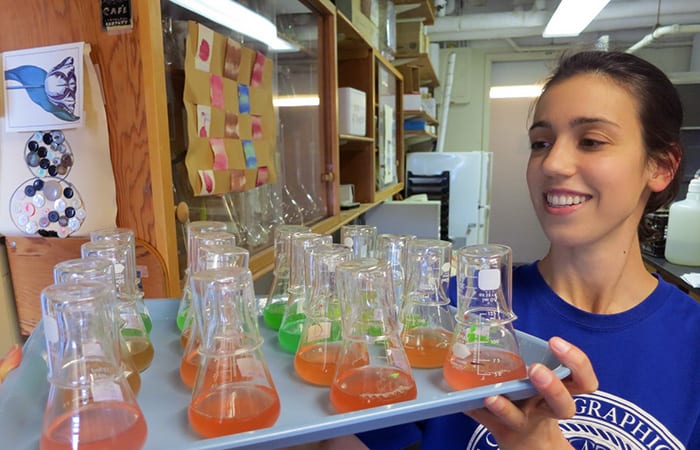
Anyone who has tried to grow orchids or keep a bonsai tree alive will tell you that cultivating plants is not always simple. My thesis research absolutely depended on cultivating…
Read MoreSand, Seals, and Solitude
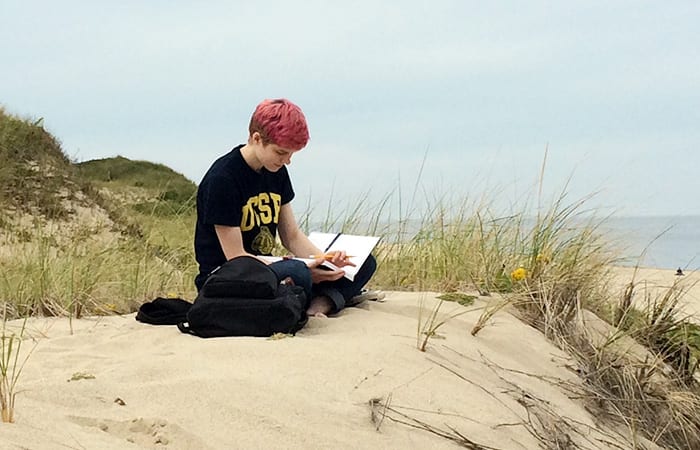
In high school, students interested in art or science often diverge into separate fields. For several years now, an art teacher and scientist in Falmouth, Mass., have seeded a modest…
Read MoreA Telescope to Peer into the Vast Ocean
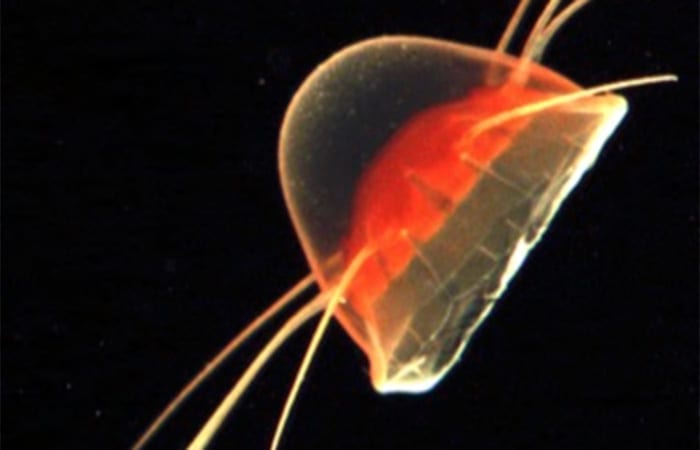
There are more single-celled plankton in the ocean than stars in the universe. A new instrument is about to depart on a mission across the vast Pacific to capture images of what is out there.
Read MoreNew Use for Well-known Algae
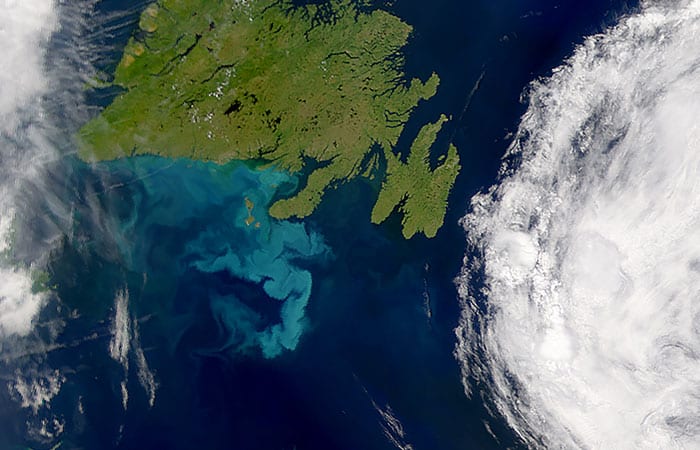
A curious chemical compound in certain marine algae has been a godsend for oceanographers, helping them reconstruct past ocean conditions. Now the same compounds also may be useful in a completely different way: to produce jet fuel.
Read MoreOne Algae, Two Fuels
New research shows a way to tap overlooked fats in marine algae to produce compounds used in jet fuel.
Read MoreJet Fuel from Algae?
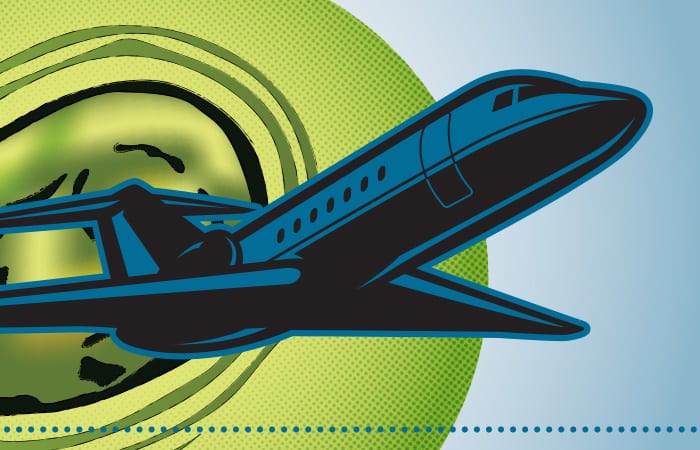
New research shows a way to tap overlooked fats in marine algae to produce compounds used in jet fuel.
Read MoreA Smarter Undersea Robot
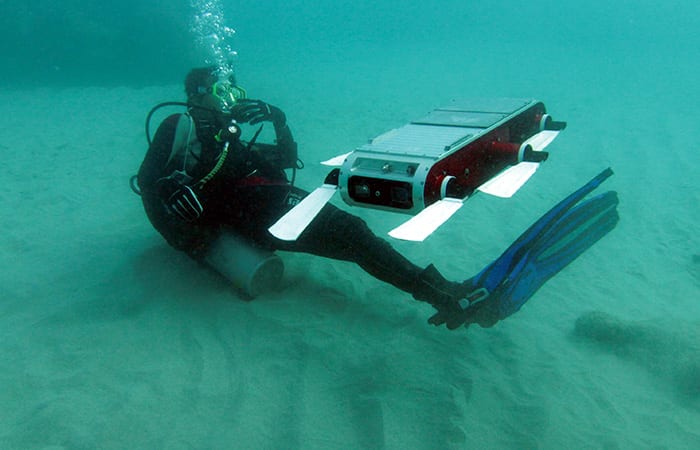
Some say it is lethal to cats. WHOI scientists say it would be a boon for autonomous undersea robots.
Read MoreHidden Battles on the Reefs
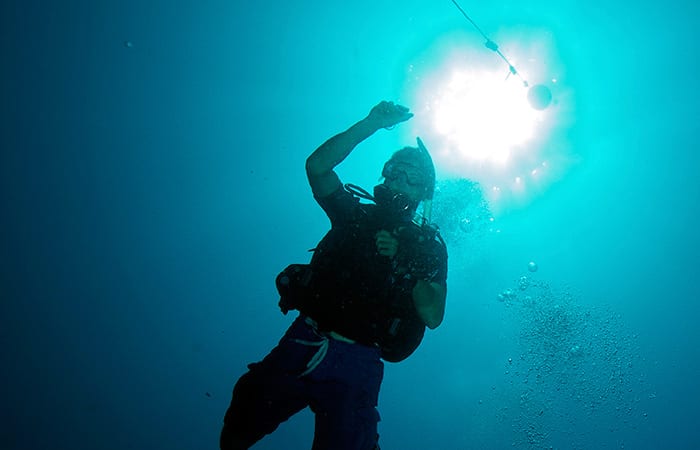
A new study led by WHOI scientists shows how changing ocean conditions can combine to intensify erosion of coral reefs.
Read MoreBringing a Lab to the Seafloor
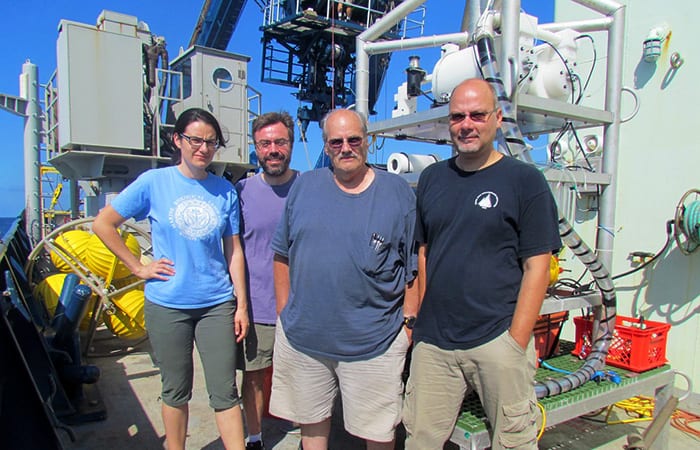
Scientists can’t really know if new oceanographic instruments will really work until they try them in actual conditions in the real ocean. In this case, the rubber hit the road at the bottom of the sea.
Read MoreThe Waves Within the Waves
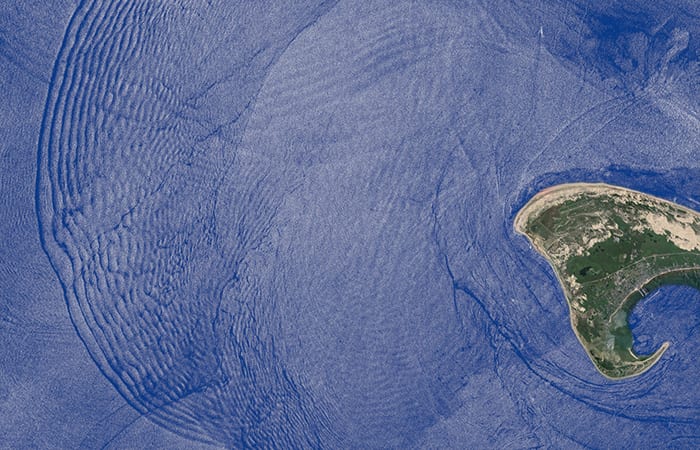
If the 30-foot wave we were looking for had tumbled across the ocean’s surface that July day, it might have been mistaken for a monstrous rogue wave. But that’s not…
Read MoreFarewell to the Knorr
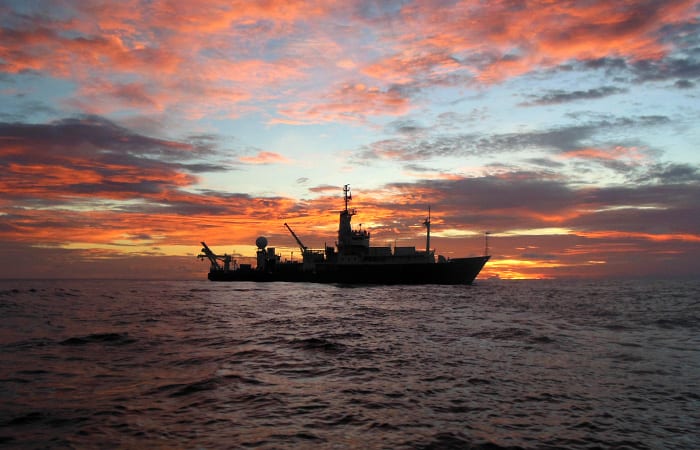
Over its 44-year career, the retiring research vessel Knorr was on the scene for many of the most significant discoveries in the ocean.
Read MoreTrouble in the Tropics
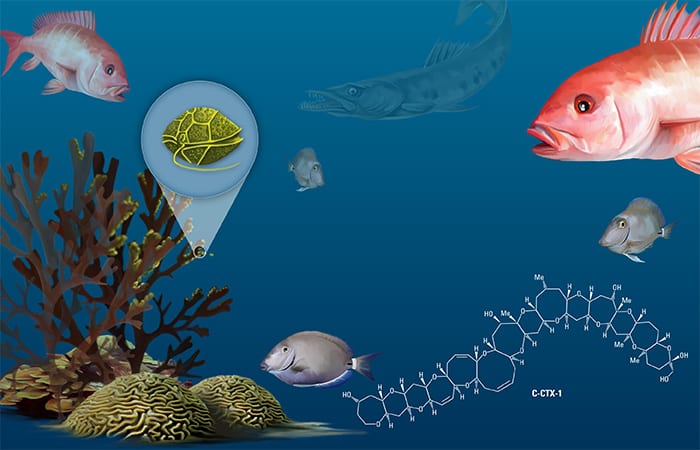
An MIT-WHOI graduate student is on the trail of marine toxins that accumulate in fish and are eaten by people.
Read MoreBig Questions About Tiny Bacteria
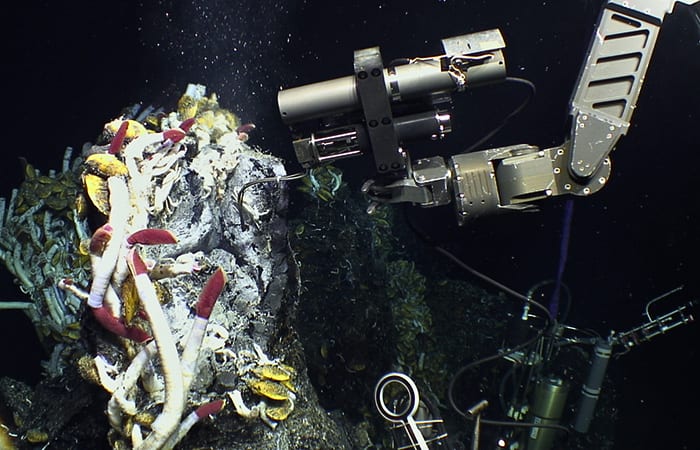
It’s 3 a.m., and Jesse McNichol is struggling to stay awake. Since midafternoon, he’s been in his lab, tending to a jumble of glassware, plastic tubing, and metal cylinders filled…
Read MoreWhere Did Deepwater Horizon Oil Go?
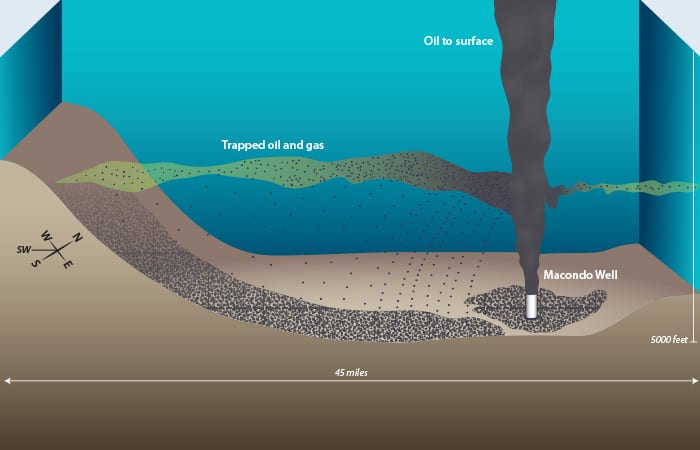
The Deepwater Horizon oil spill was unprecedented, and five years later, scientists are piecing together new insights into how the oil moved and behaved in the deep ocean.
Read MoreCoral-Current Connections
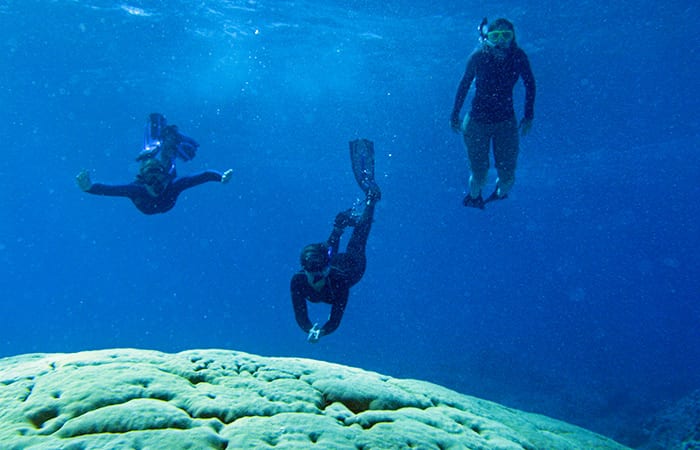
Will climate change shift a key ocean current in the Pacific? A graduate student is looking for clues recorded in coral skeletons.
Read More‘Covering’ Alvin‘s History
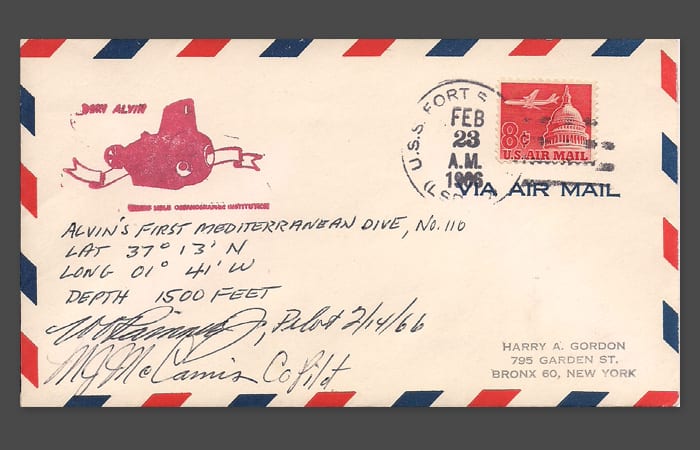
The Spellman Museum of Stamps and Postal History in Weston, Mass., is having an exhibit of postal covers and artifacts related to the submersible Alvin’s 50th anniversary Oct. 3 to Nov. 2.
Read MoreIt’s Hard to Kill a Killifish

Summer Student Fellow Lily Helfrich is using a new molecular tool, microRNA analysis, to explore why some killifish are able to thrive in waters heavily contaminated with PCBs.
Read More