
Feature
Eavesdropping on Shrimp’s Snap Chat
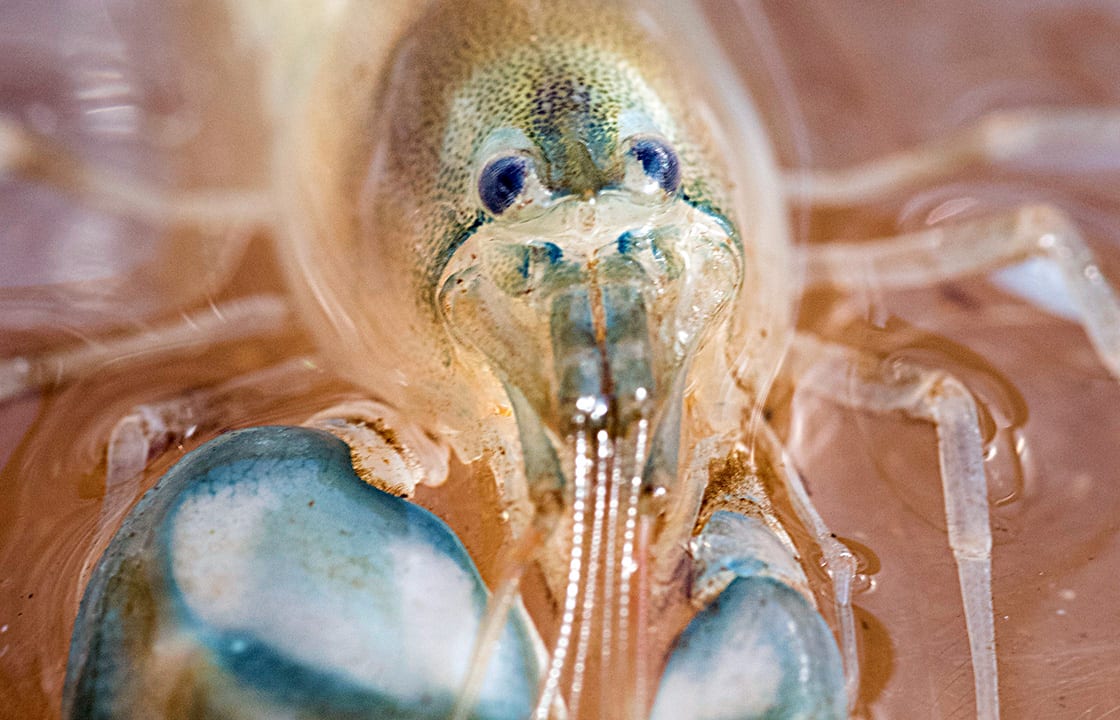
At Woods Hole Oceanographic Institution, marine ecologist Ashlee Lillis is studying a tiny animal that makes one of the ocean’s loudest natural sounds. It’s called a snapping shrimp. The noise it makes dominates the underwater soundscape in many coastal regions and may have an outsized effect on other marine life.
Read MoreScientists and Navy Join Forces
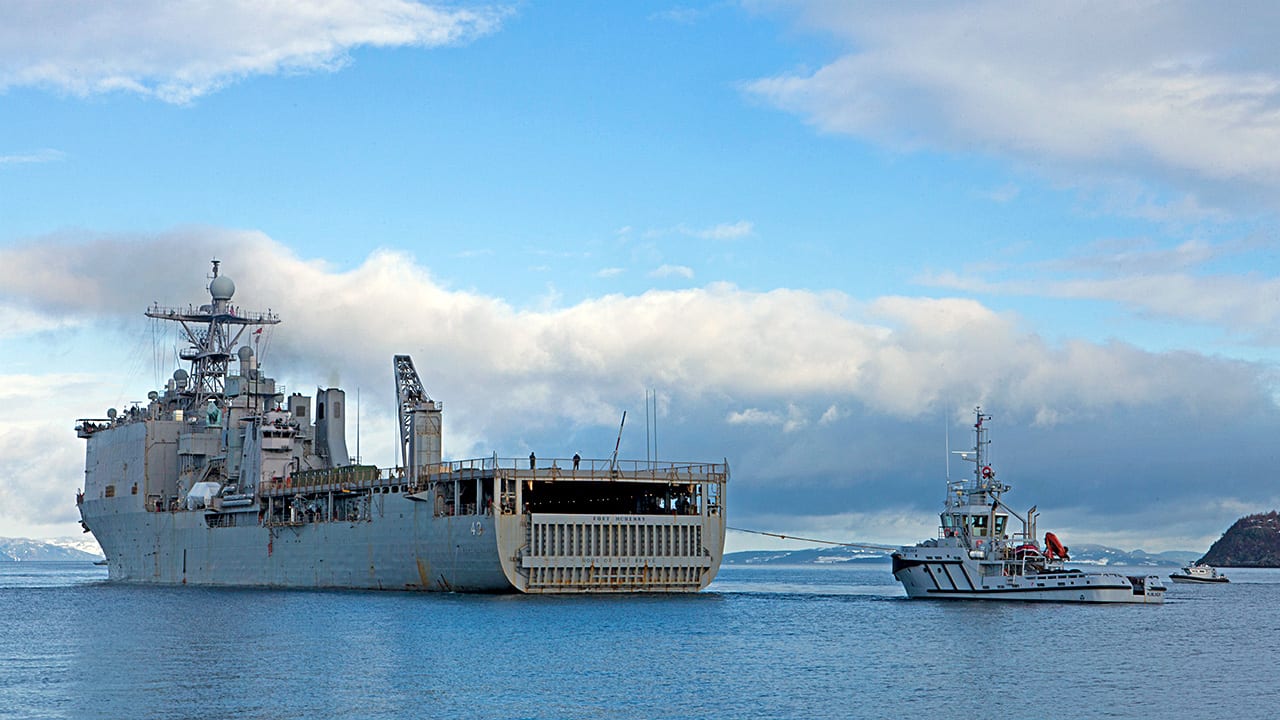
When U.S. Navy were preparing a major NATO military exercise, they solicited help from WHOI scientists to plan how to mitigate potential environmental damage from oil spills.
Read MoreA New Tsunami-Warning System
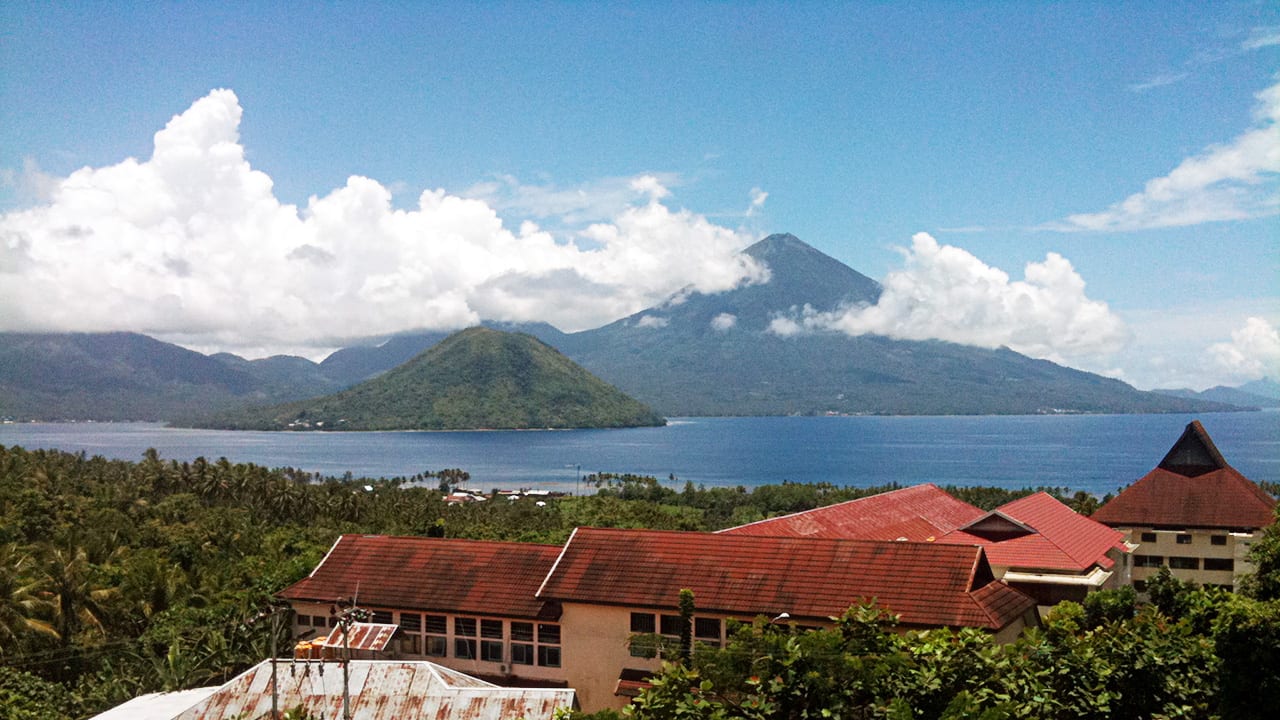
After successfully testing a long-range underwater communications system that worked under Arctic Ocean ice, an engineering team at Woods Hole Oceanographic Institution (WHOI) adapted it for a very different environment—the…
Read MoreCommunicating Under Sea Ice
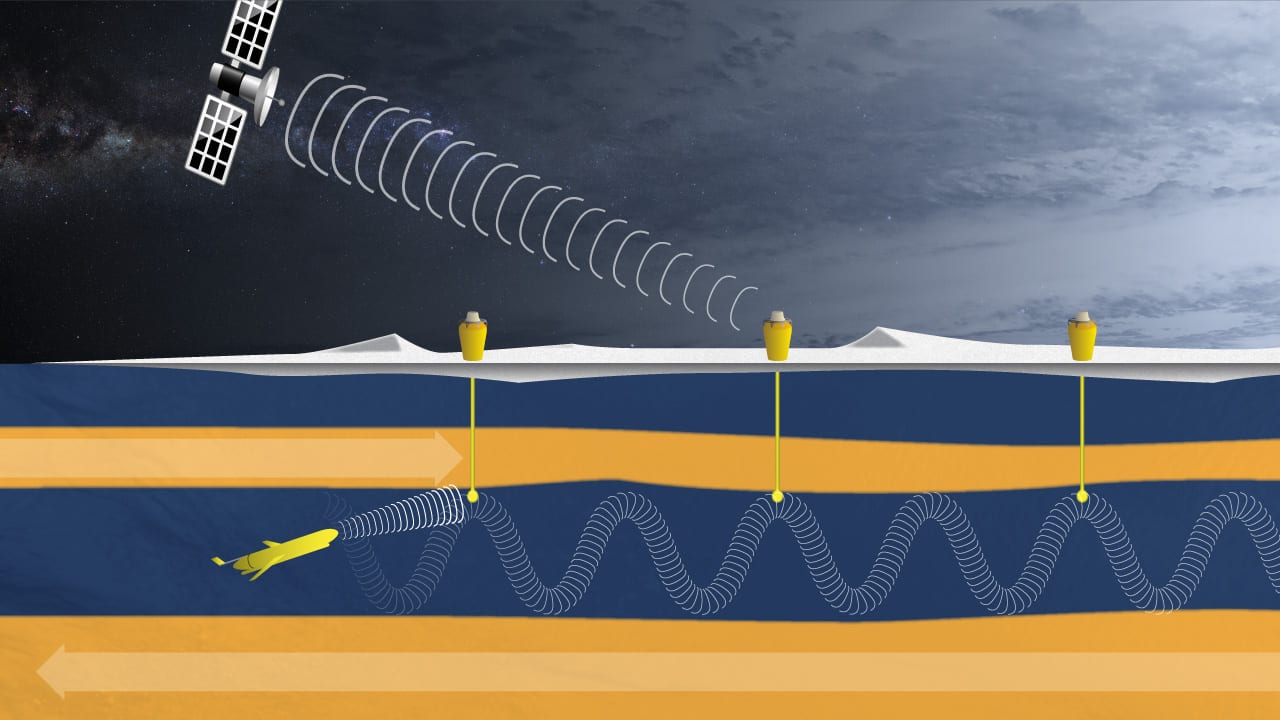
Researchers at Woods Hole Oceanographic Institution developed a new communication and navigation system that works over long distances under Arctic sea ice, allowing scientists to use autonomous underwater vehicles to explore the ice-covered Arctic Ocean.
Read MoreAll the Ocean’s a Stage
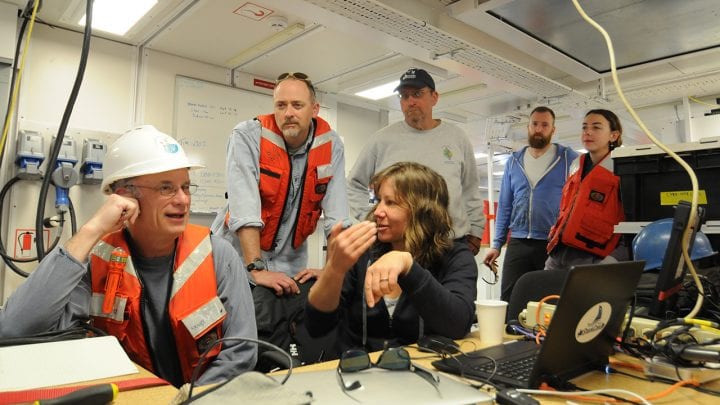
“All right, Mr. Brickley, the show begins at two o’clock,” John Kemp announced as he entered the ship’s main lab on Saturday afternoon. Kemp is the deck operations leader for…
Read MoreWhat Happened to Deepwater Horizon Oil?
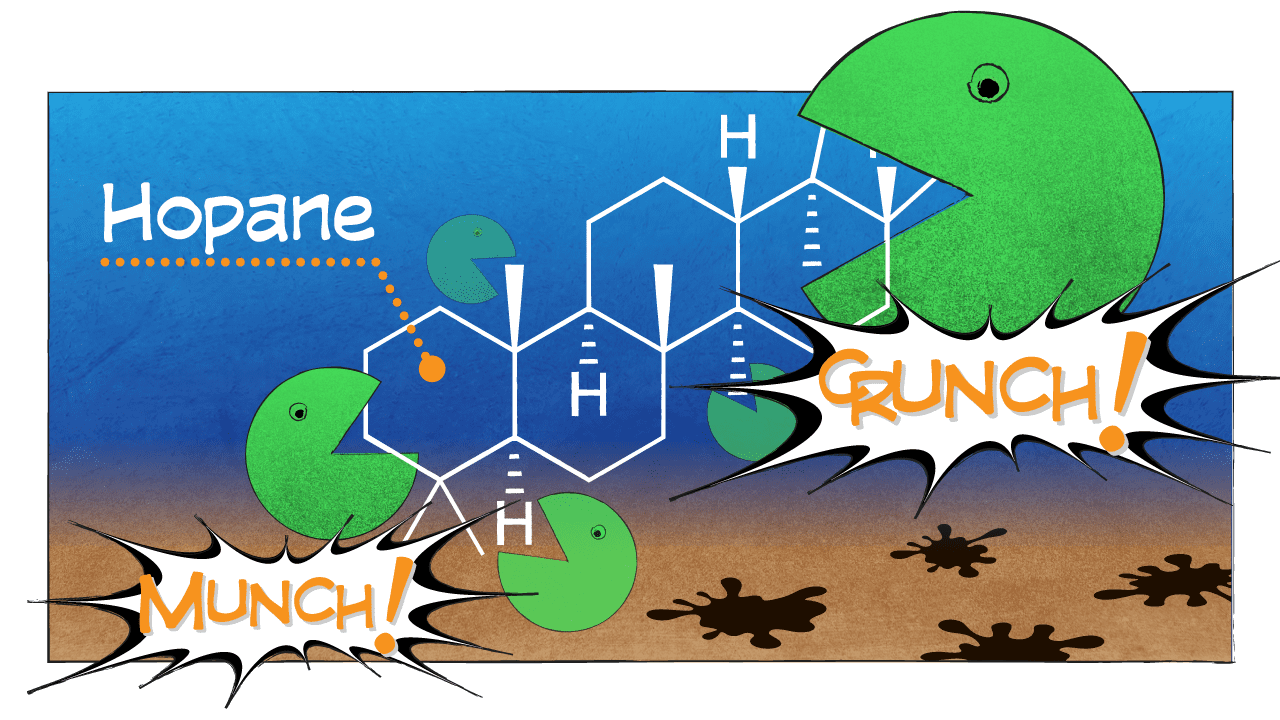
Officials pumped a huge amount of chemicals into the deep ocean during the 2010 Deepwater Horizon oil spill in an effort to disperse the oil. A study published this week in the Proceedings of the National Academy of Sciences offers evidence that the dispersant may helped microbes break down the oil.
Read MoreNew Device Reveals What Ocean Microbes Do
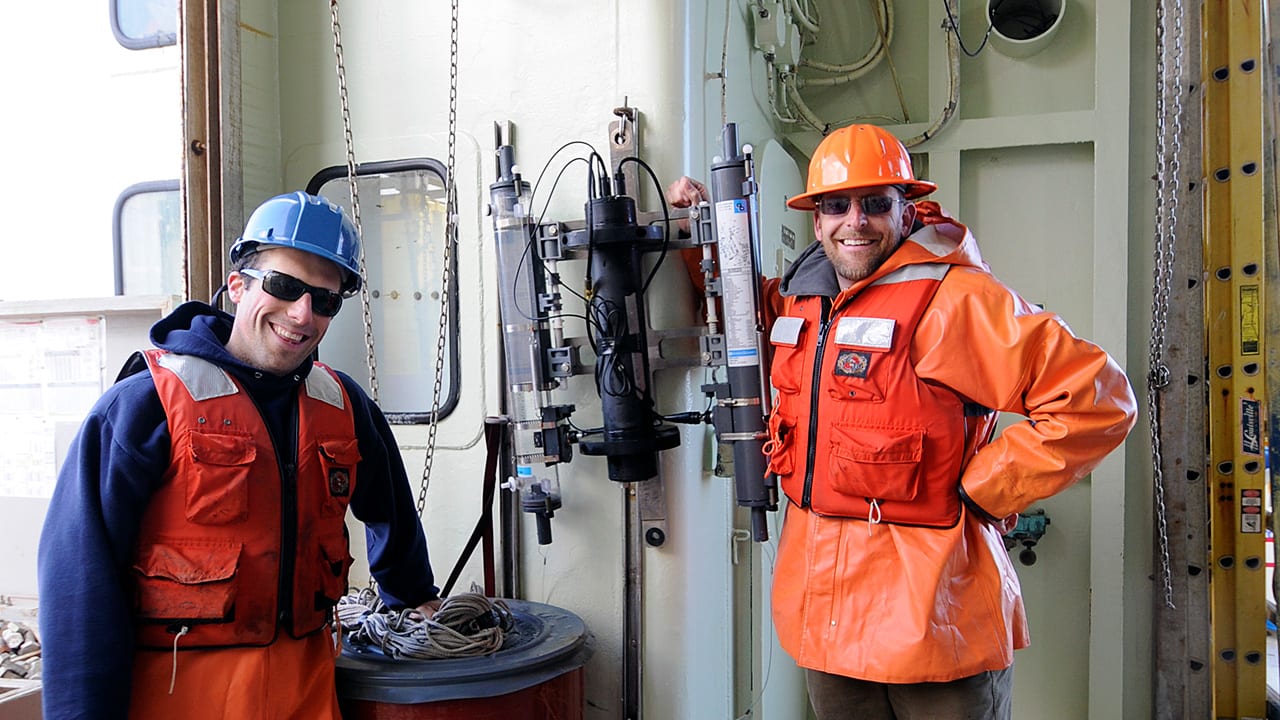
Whether you’re a plant, animal, or even a microbe, you generally can’t conduct the business of living without exchanging oxygen. So just as you can figure out what’s going on…
Read MoreTo Track a Sea Turtle
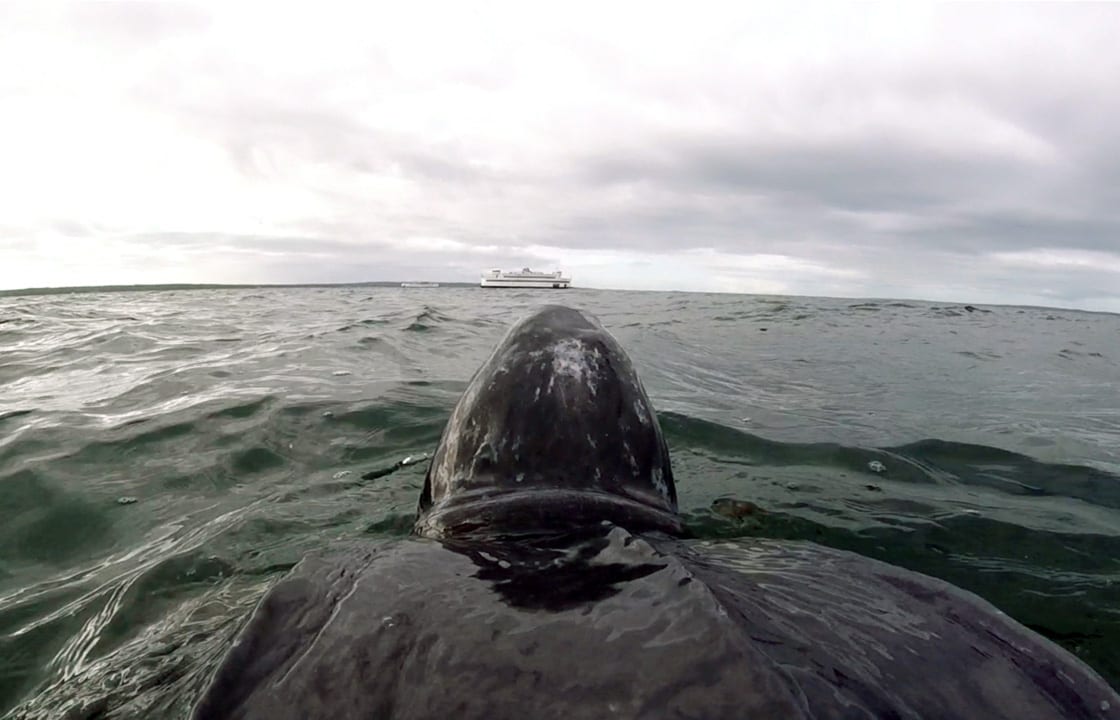
A WHOI engineer and biologist devise an autonomous system to track and film sea turtles beneath the surface, revealing a turtle’s eye view of the world.
Read MoreWoman on Board
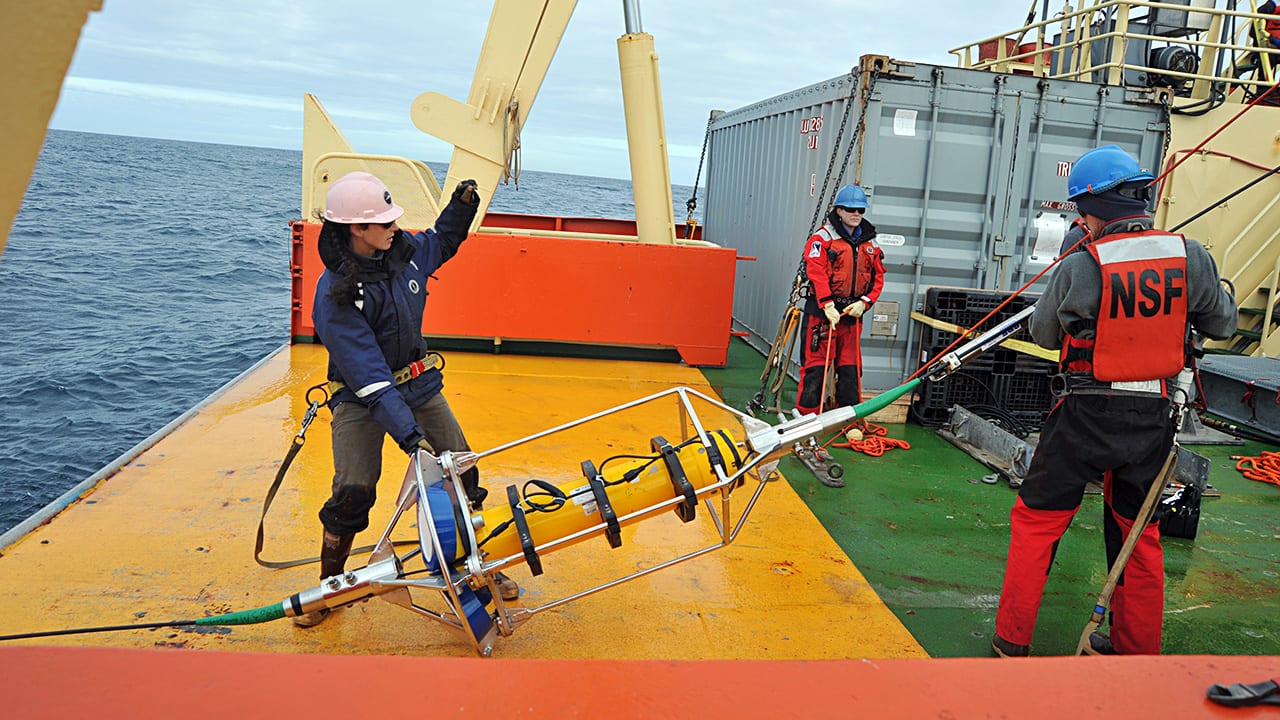
When Meghan Donohue decided to become a mooring technician—a job usually done by men—she knew she would face challenges. Donohue is the first woman to join the Mooring Operations and Engineering Group at WHOI. She is also a new mother. In an interview, she describes some of her experiences working on research cruises and balancing family life with a career at sea.
Read MoreWarming Ocean Drove Catastrophic Australian Floods
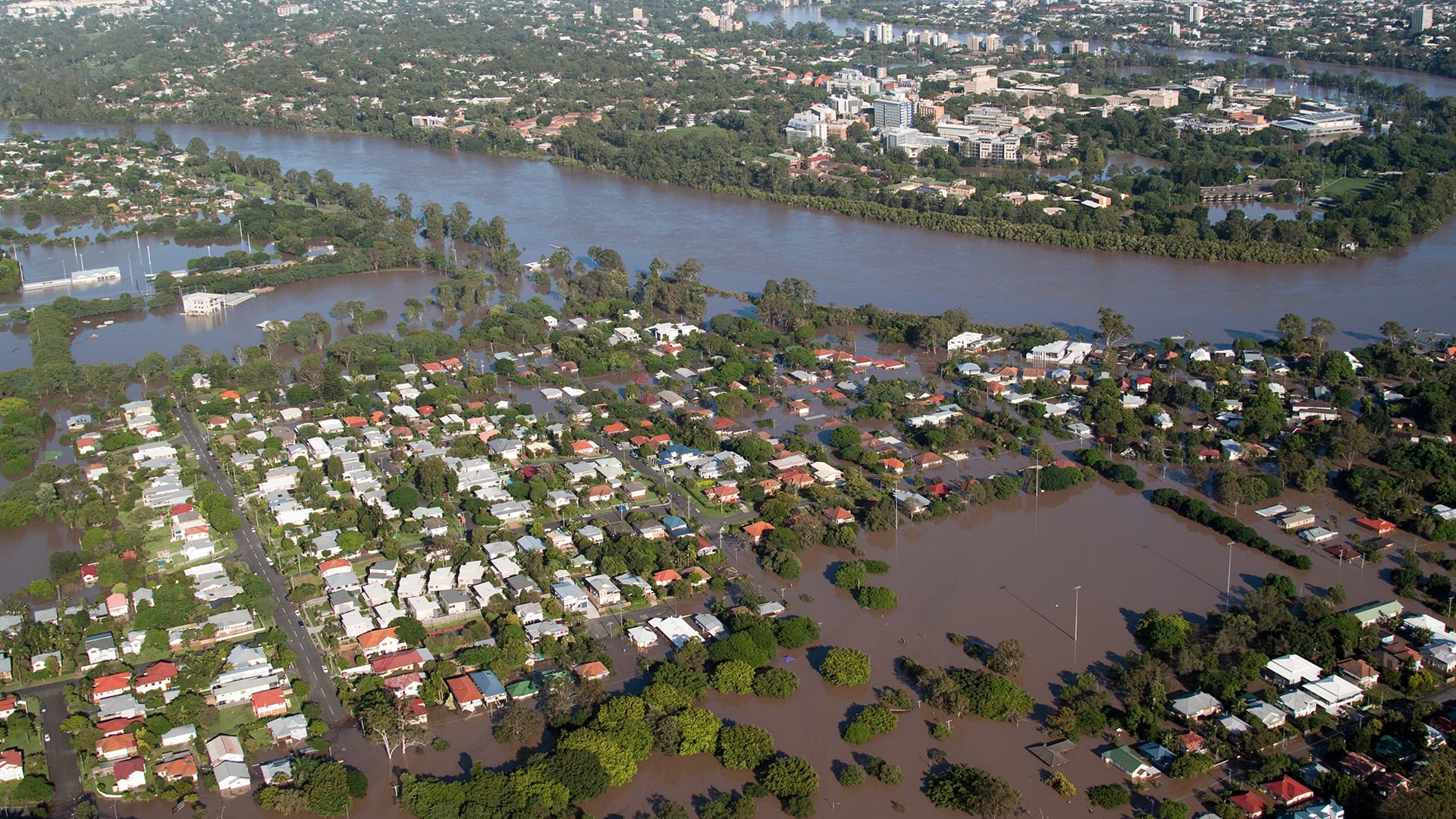
New research by Woods Hole Oceanographic Institution physical oceanographer Caroline Ummenhofer and Australian scientists suggests that long-term warming of the Indian and Pacific Oceans is increasing the risk of heavy rains in the region.
Read MoreHow Would ‘On-Call’ Buoys Work?
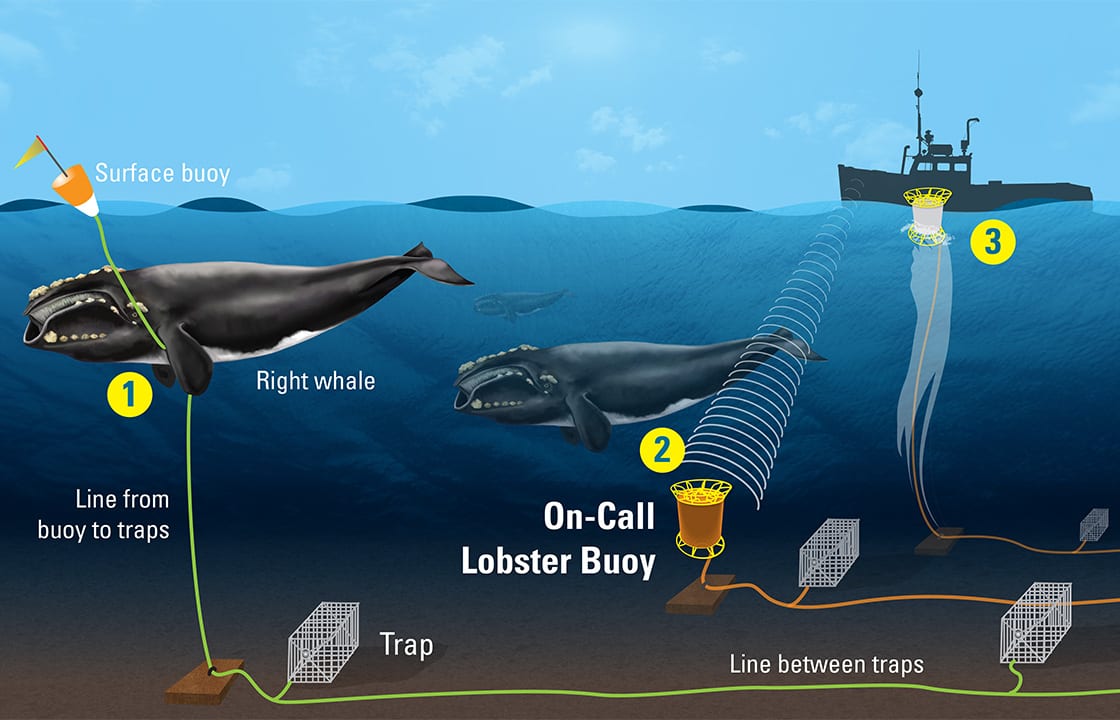
WHOI engineers are developing a new kind of lobster trap buoy that could help keep whales from getting tangled in fishing gear. Click on the numbers above to learn more. On a…
Read MoreWhale-safe Fishing Gear
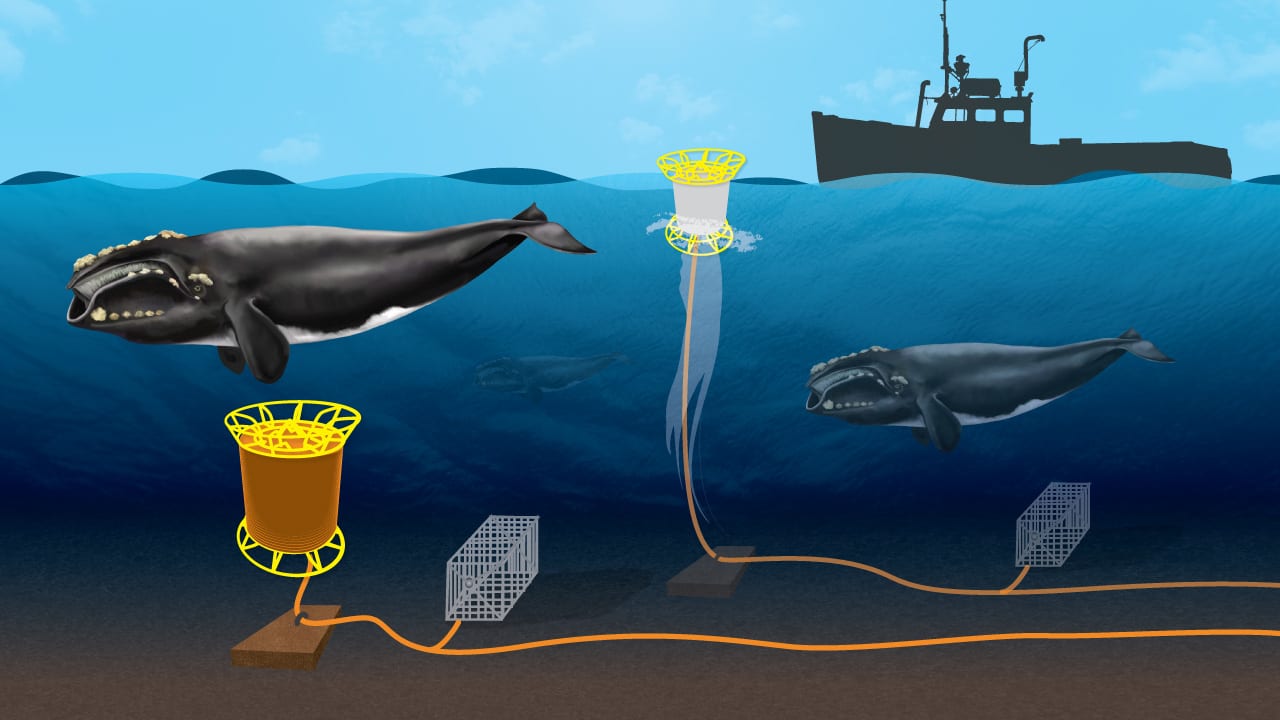
WHOI engineers are developing a new kind of lobster trap buoy that could help keep whales from getting tangled in fishing gear.
Read MoreLet There Be Laser Light
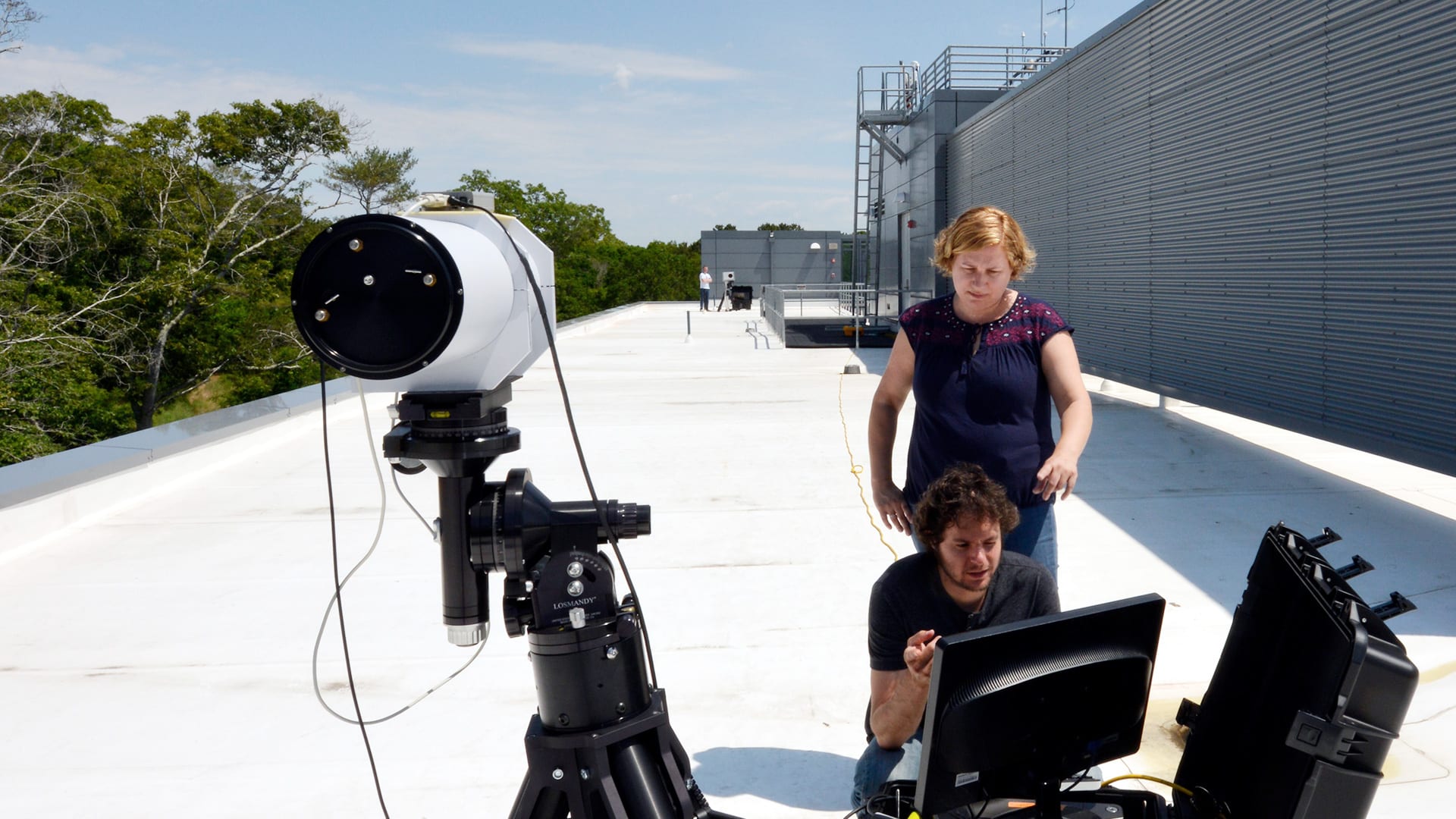
WHOI scientists are developing new sensors using lasers to detect methane, carbon dioxide, and other critical environmental gases in the air and under the ocean.
Read MoreA Slithery Ocean Mystery
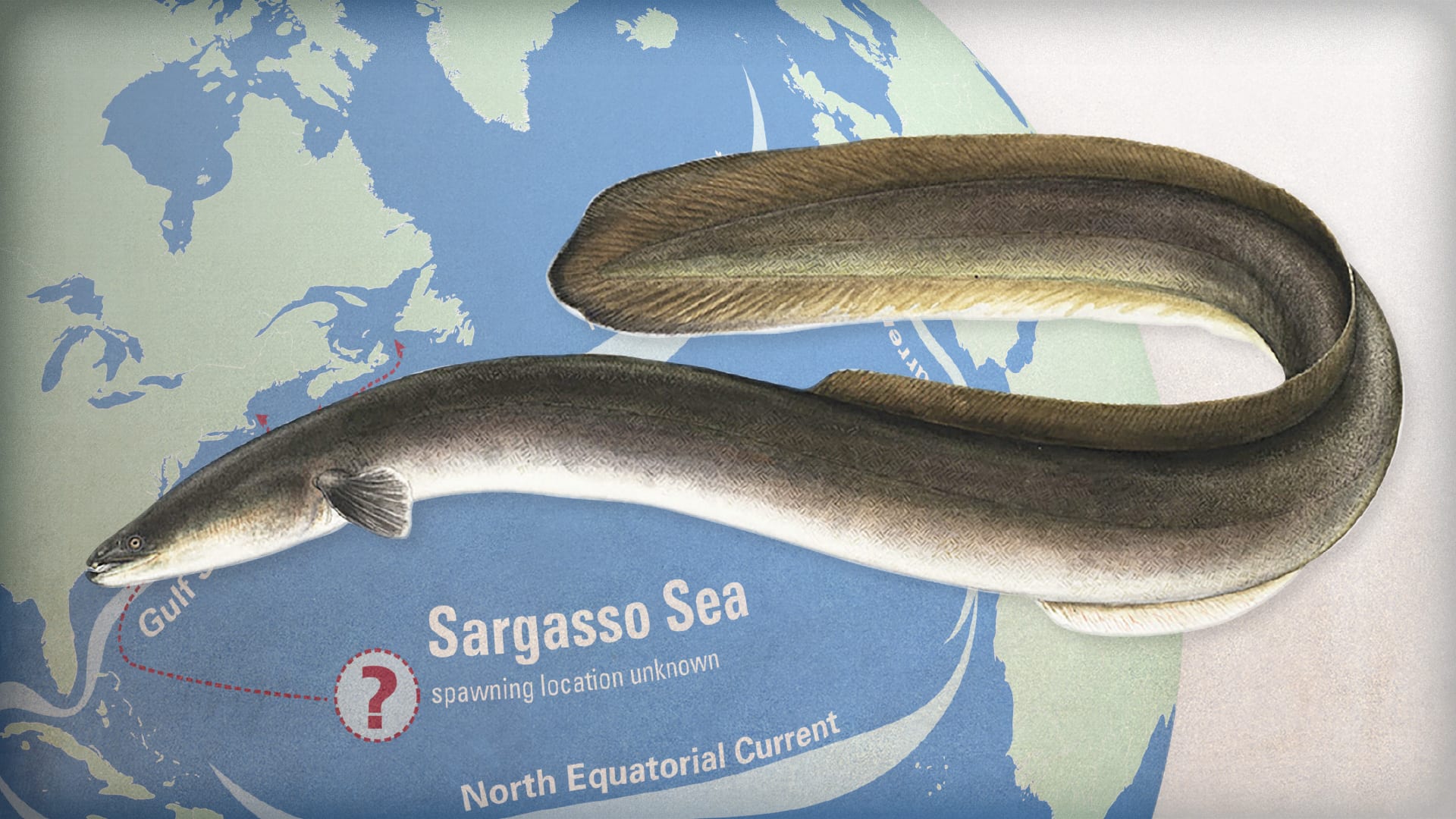
It’s an enduring mystery: How do tiny eel larvae make their way from the Sargasso Sea to coastal freshwater estuaries where they grow up?
Read MoreLife Dwells Deep Within Earth’s Crust
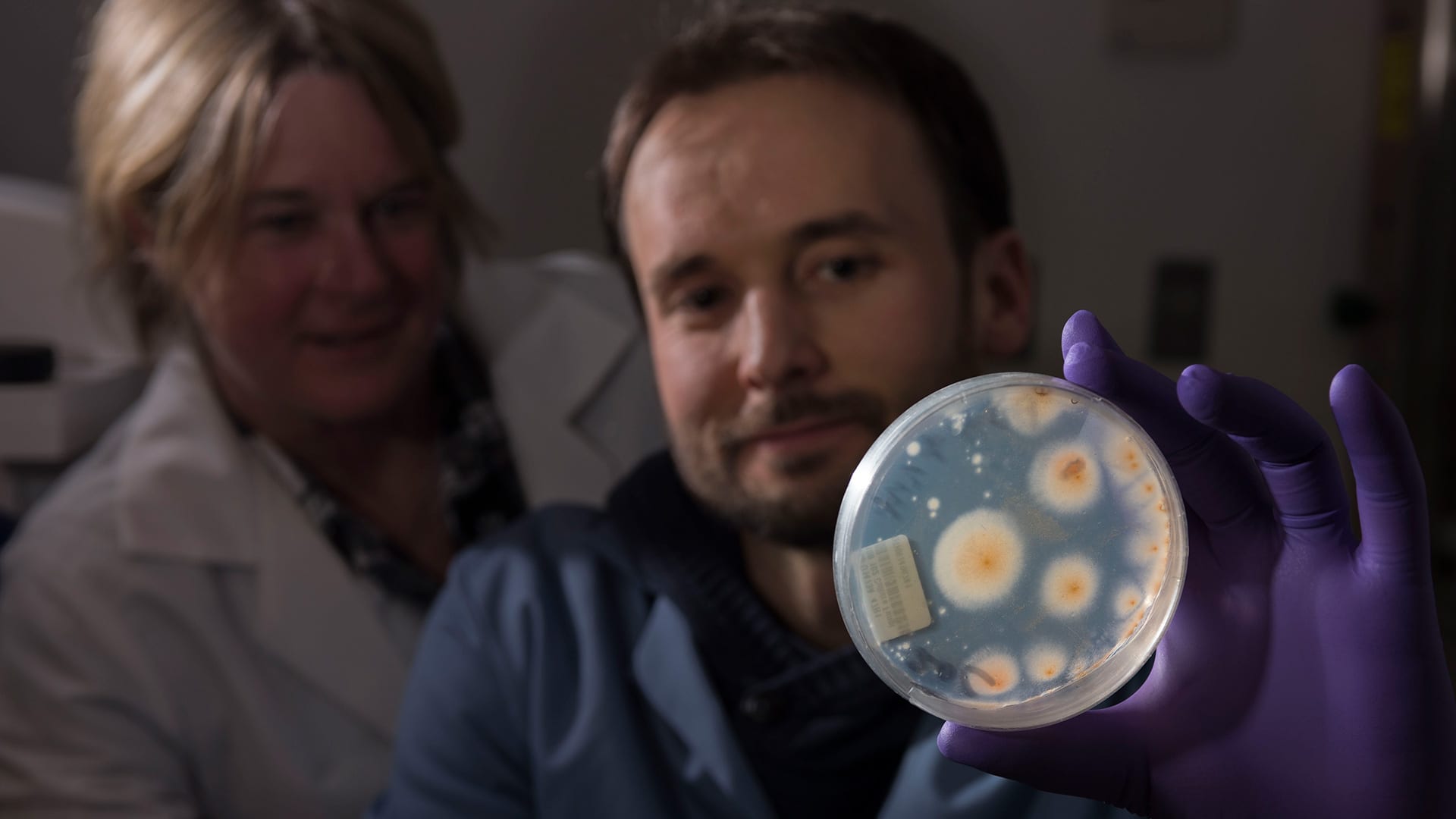
Aboard a drillship in the Indian Ocean, geologists pursued their mission to bore a hole thousands of feet through the seafloor to reach the Moho, the mysterious and never-before-penetrated boundary…
Read MoreAttracted to Magnetics
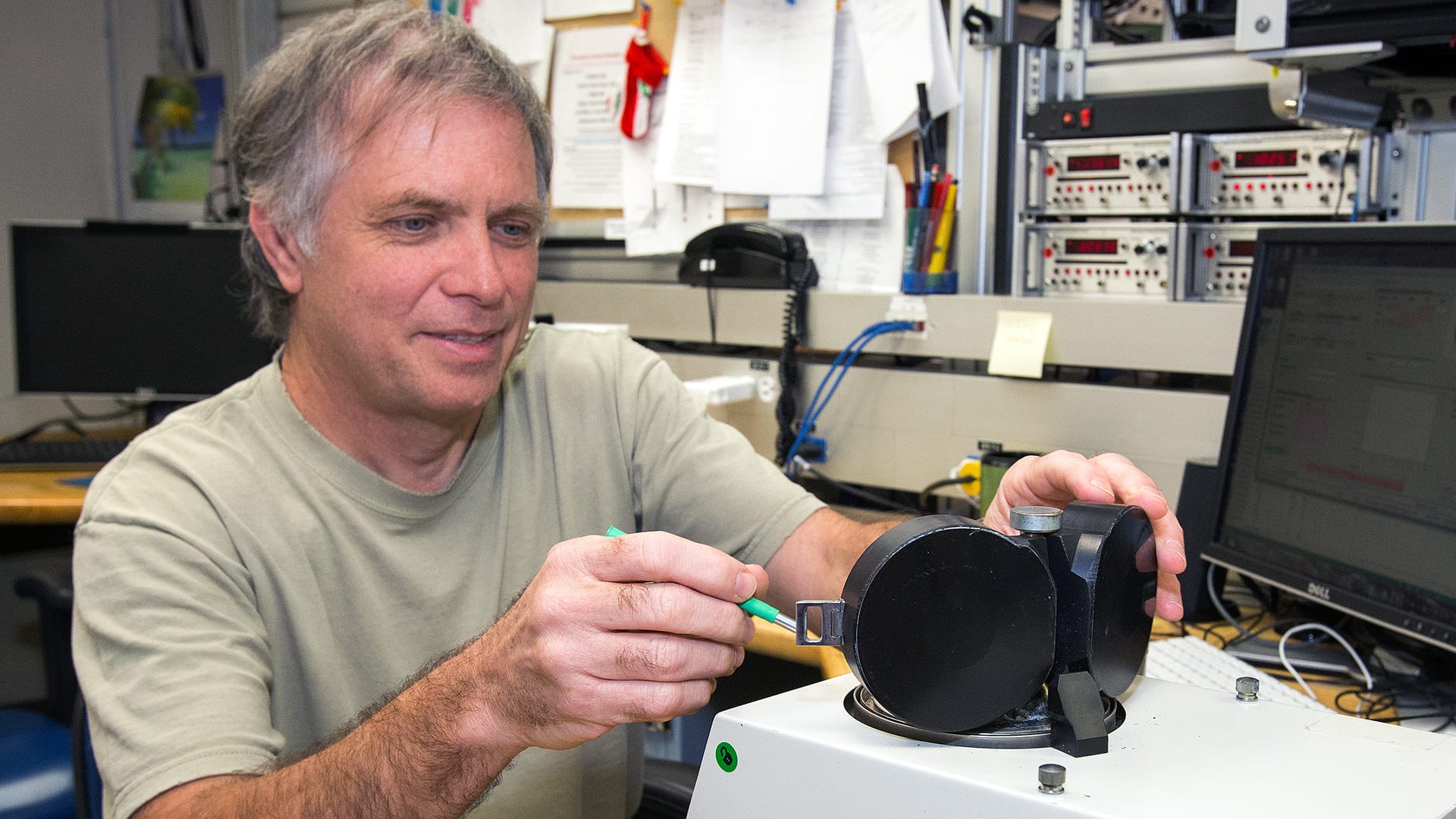
Maurice Tivey has probably endured more than a few bad puns, like the one in our headline, after he tells people what he does for a living. A geologist at…
Read MoreThe Quest for the Moho
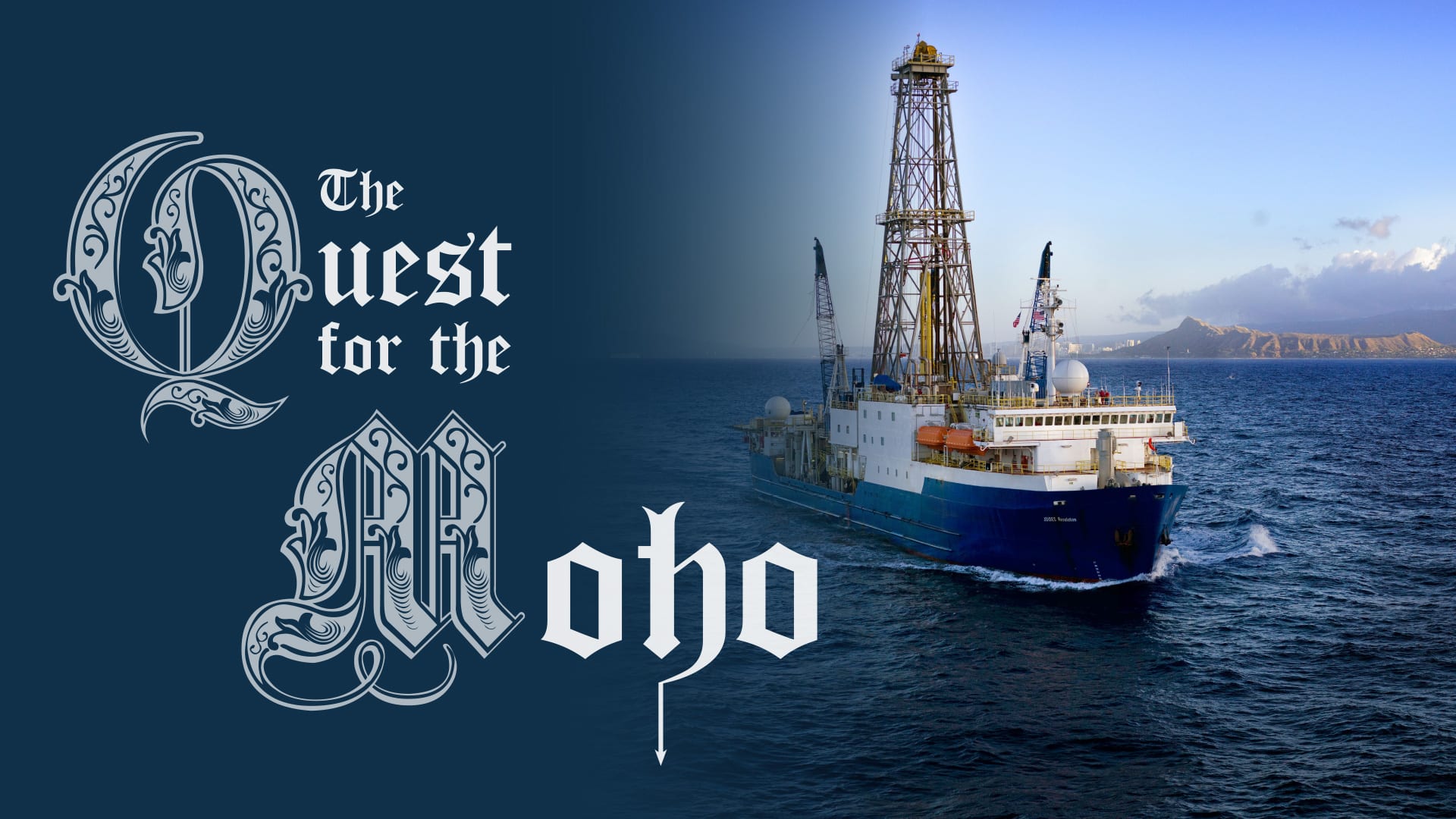
For more than a century, scientists have made several attempts to drill a hole through Earth’s ocean crust to an interior layer of rock in Earth’s interior called the mantle.
Read MoreSigns of Big Change in the Arctic
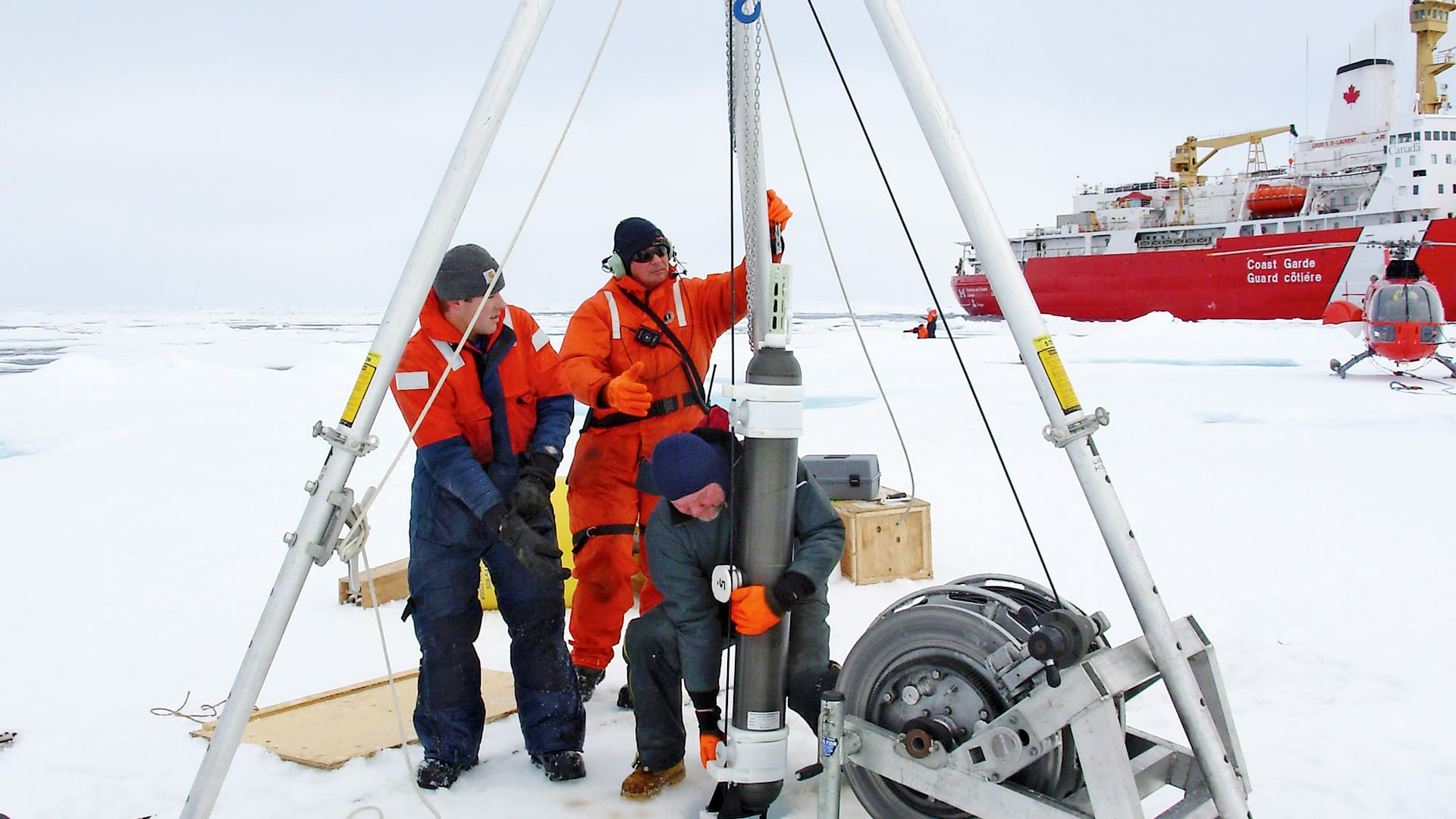
The climate in the Arctic region once predictably shifted back and forth between two regimes. But now the system seems to be stuck.
Read MoreShark Tales
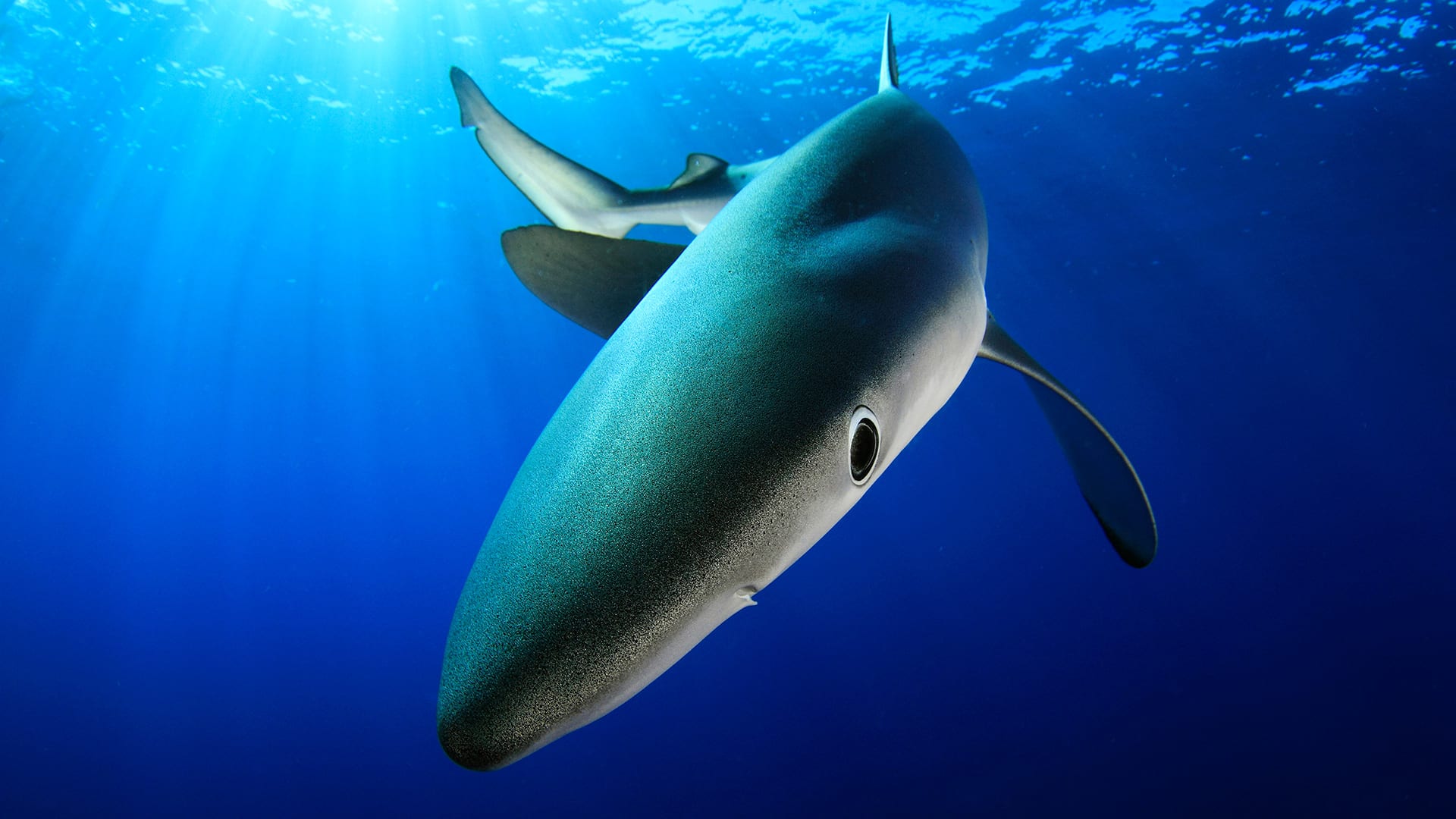
Sharks are some of the largest fish in the ocean, but their movements and behavior have remained largely hidden from people.
Read MoreBeneath the Sea, the Galápagos Reveal More Marvels
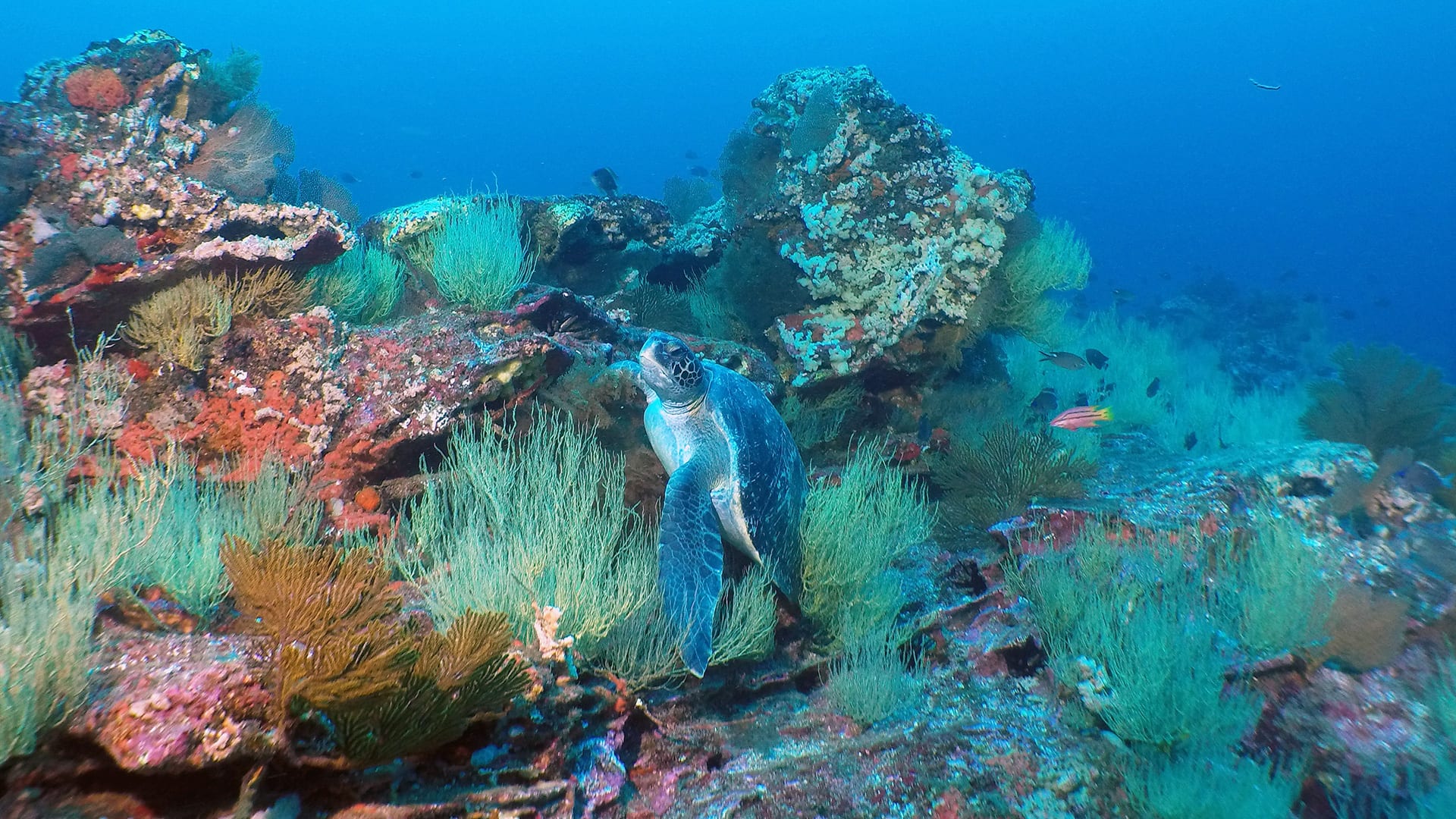
The Galápagos Islands have offered biologists a natural laboratory ever since Charles Darwin’s day, but they’re also a frontier for geologists and volcanologists to test theories. The thirteen major volcanic…
Read MoreCan Animals Live Without Oxygen?
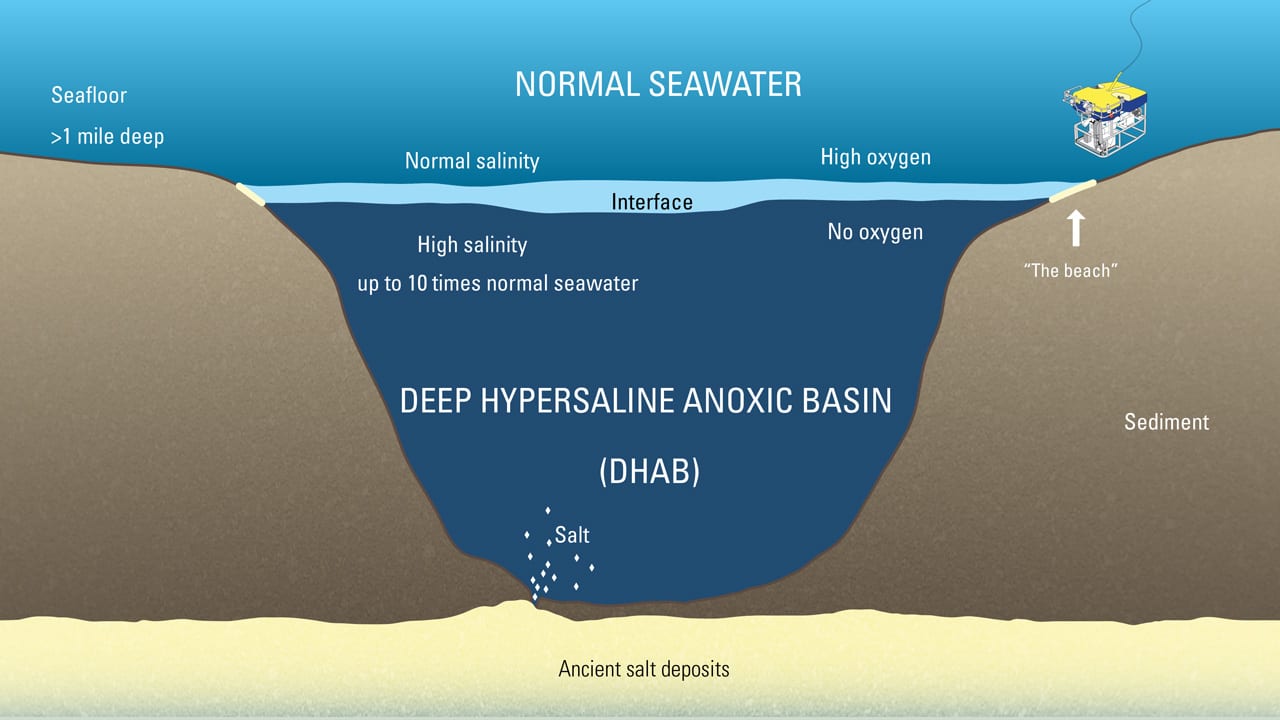
In 2010, a research team garnered headlines when it published evidence of finding the first animals living in oxygen-free conditions at the bottom of the sea. But a new study…
Read MoreAs Bay Warms, Harmful Algae Bloom
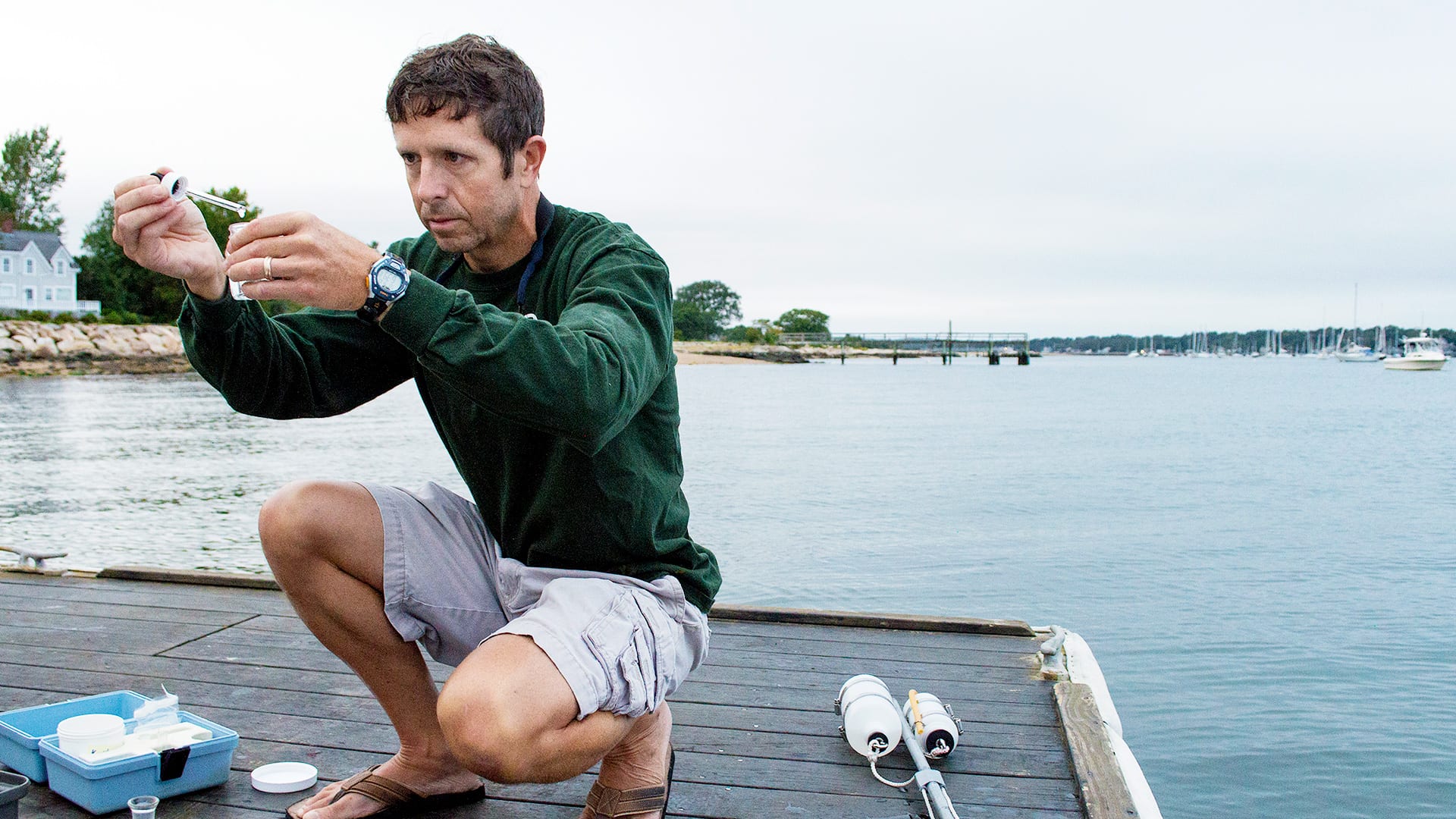
Warming coastal waters off southern Massachusetts are worsening the effects of pollution from septic systems, wastewater treatment plants, and fertilizer runoff—and causing a rise in harmful algal blooms. Researchers at…
Read MoreCrabs Swarm on the Seafloor
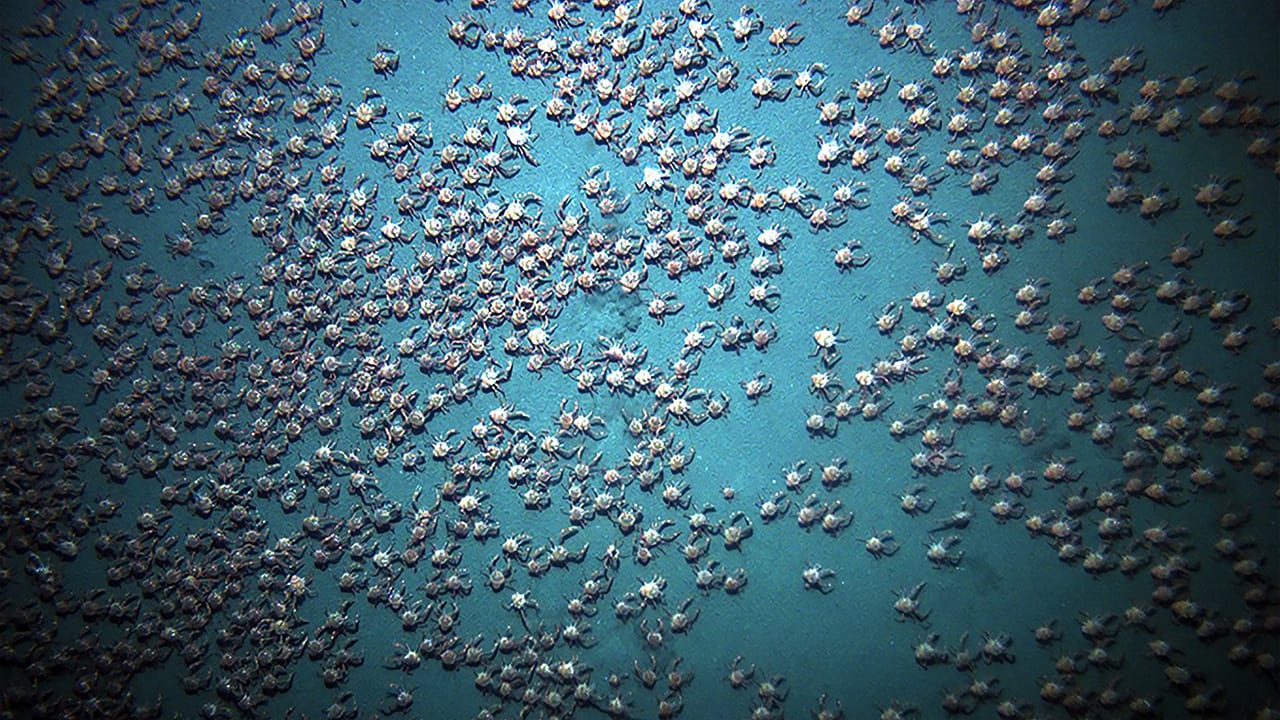
Expeditions to the tropics and Antarctica have turned up crab populations—for better or worse—in unexpected parts of the globe. At the Hannibal Bank Seamount, an 1,180-foot-high undersea mountain off Panana’s…
Read MoreTagging a Squishy Squid
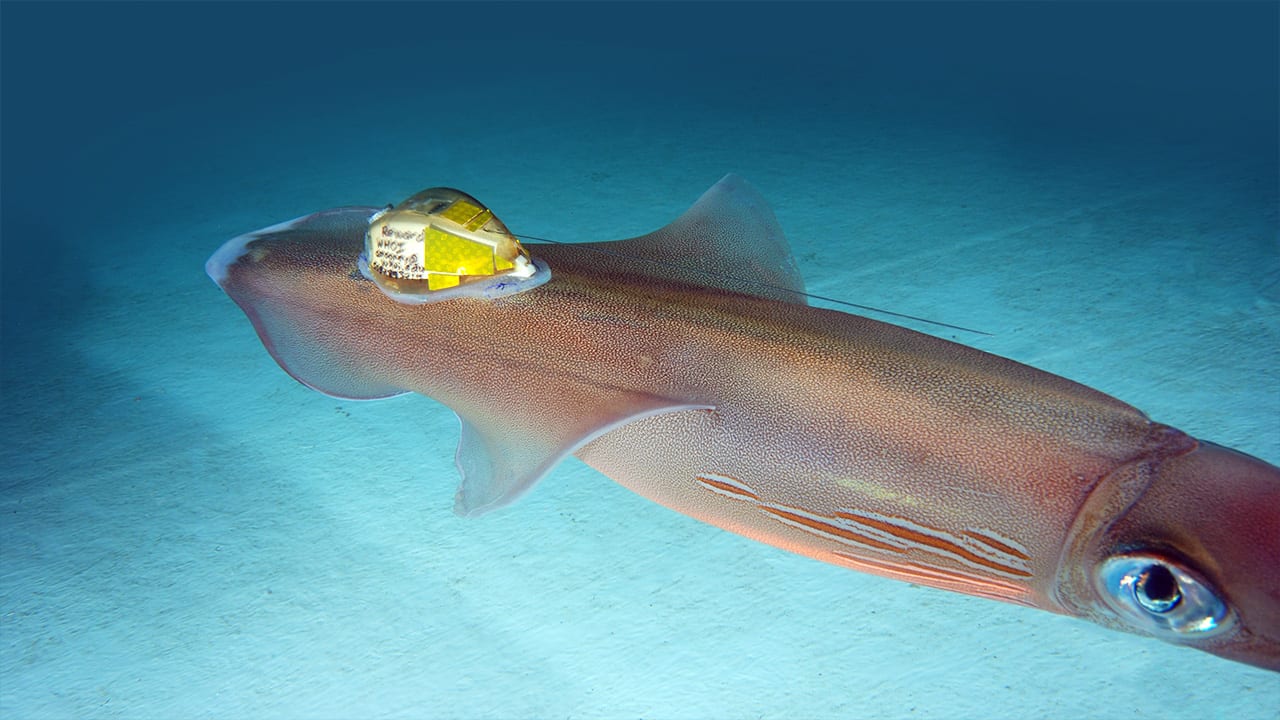
For more than a decade, researchers have been tagging large marine mammals such as dolphins and whales to reveal their behavior. But tagging small, soft animals such as jellyfish and…
Read More