
Feature
The Bottom of the Ocean On Top of Your Coffee Table
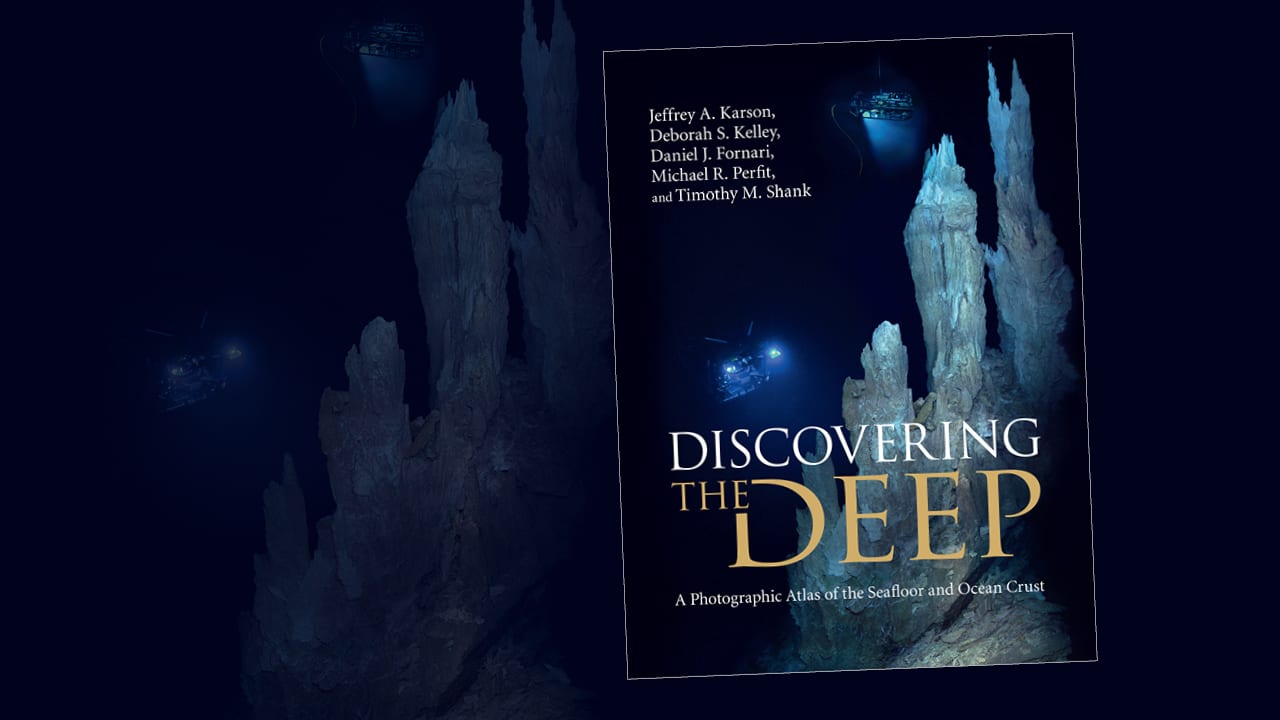
Here’s a way to journey to the seafloor without leaving your living room or classroom. Five deep-sea scientists have created a comprehensive, lavishly illustrated book that transports readers to Earth’s…
Read MoreIlluminating an Unexplored Undersea Universe
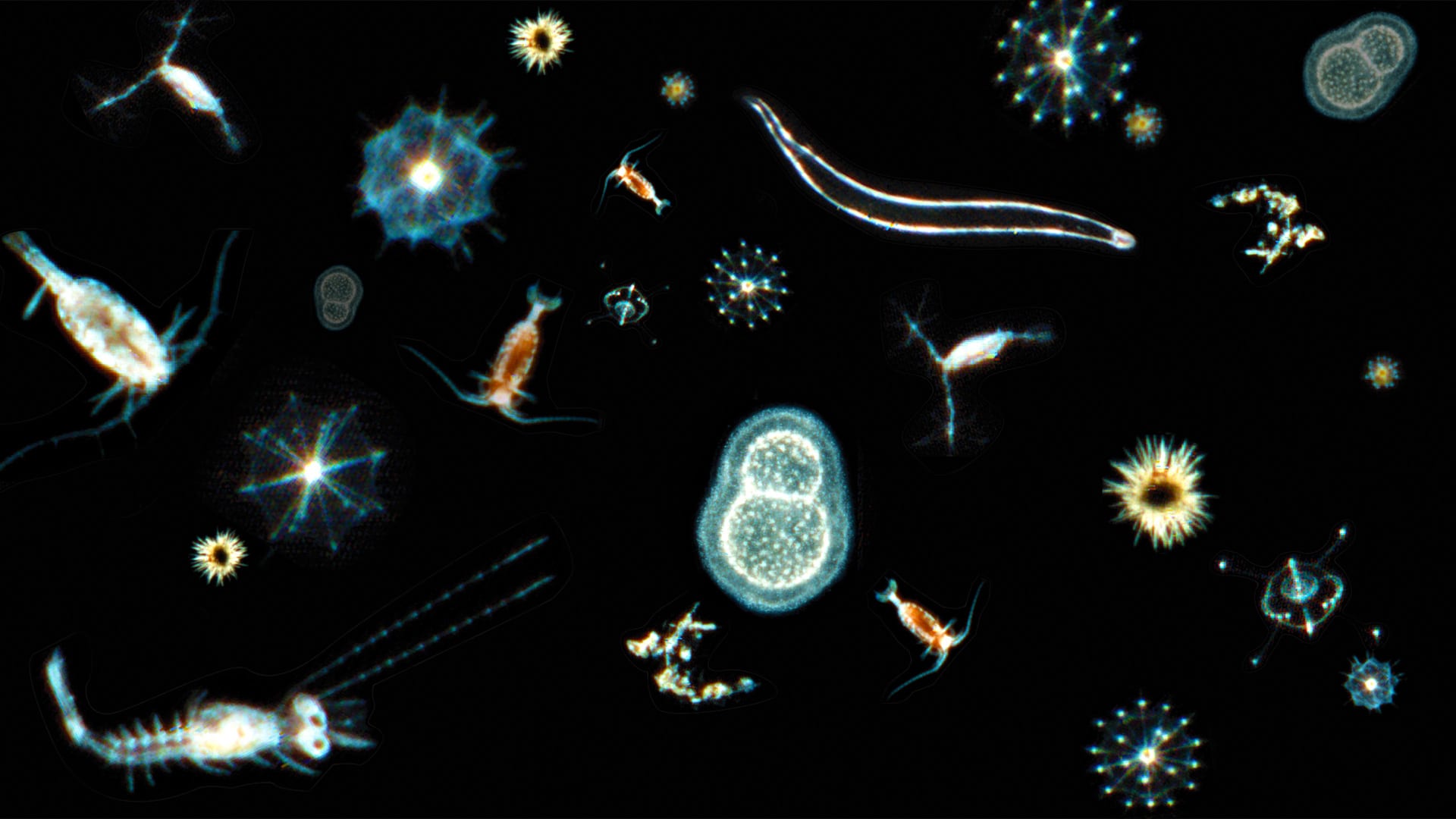
Twenty-five years ago, the Hubble Telescope was launched to look out to the vast darkness of outer space. It captured thousands of images of previously unknown stars, galaxies, and clouds…
Read MoreMummified Microbes
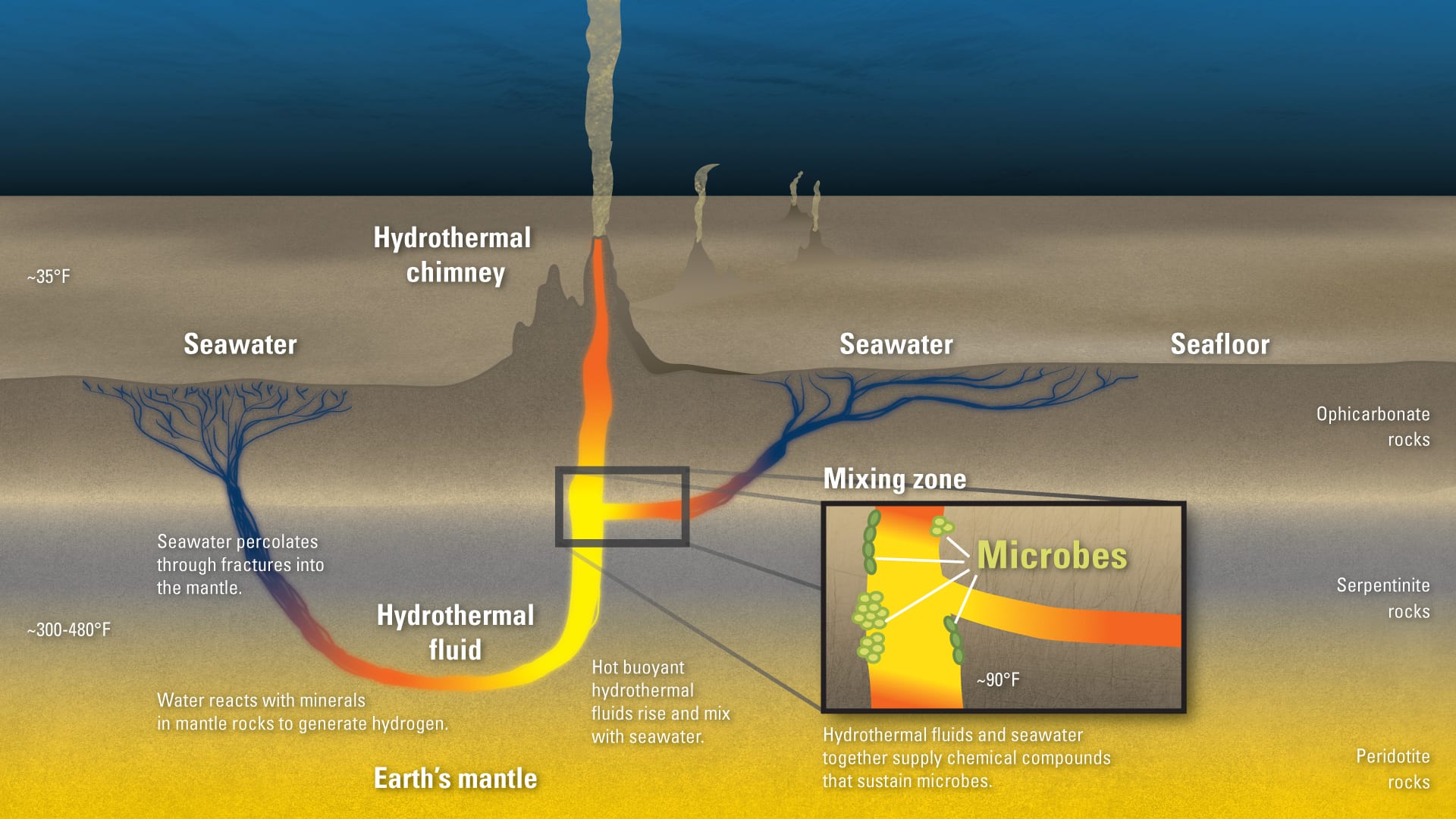
Scientists have found evidence that microbes can thrive deep below the seafloor—sustained by chemicals produced by reactions between seawater and rocks in Earth’s mantle. It’s difficult to gain direct access…
Read MoreA New Eye on Deep-Sea Fisheries
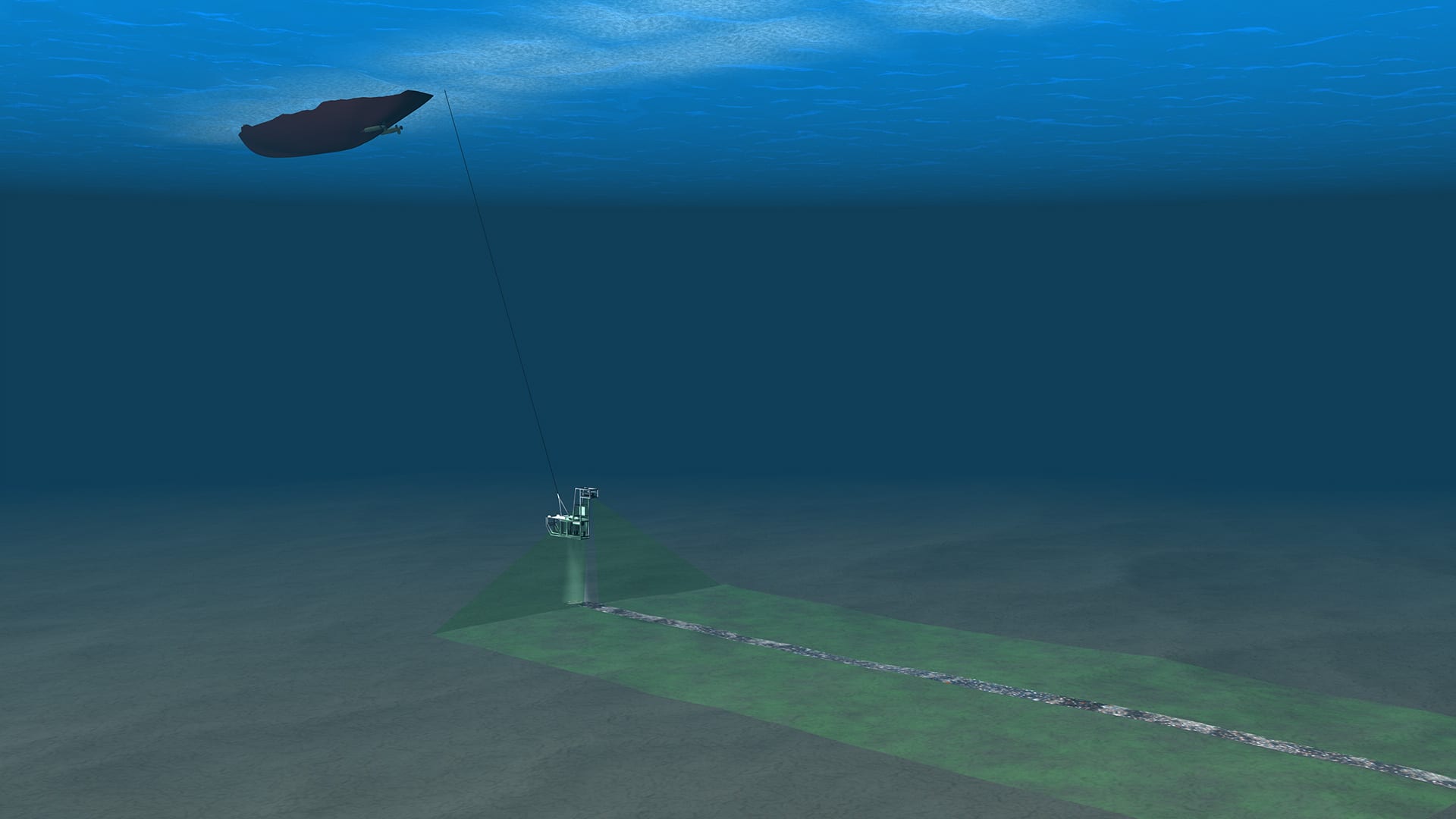
Imagine that officials charged with setting deer-hunting limits had to assess the herd’s abundance by flying over forests at night. That’s a little like what the National Marine Fisheries Services…
Read MoreA Luxury-Laden Shipwreck from 65 B.C.
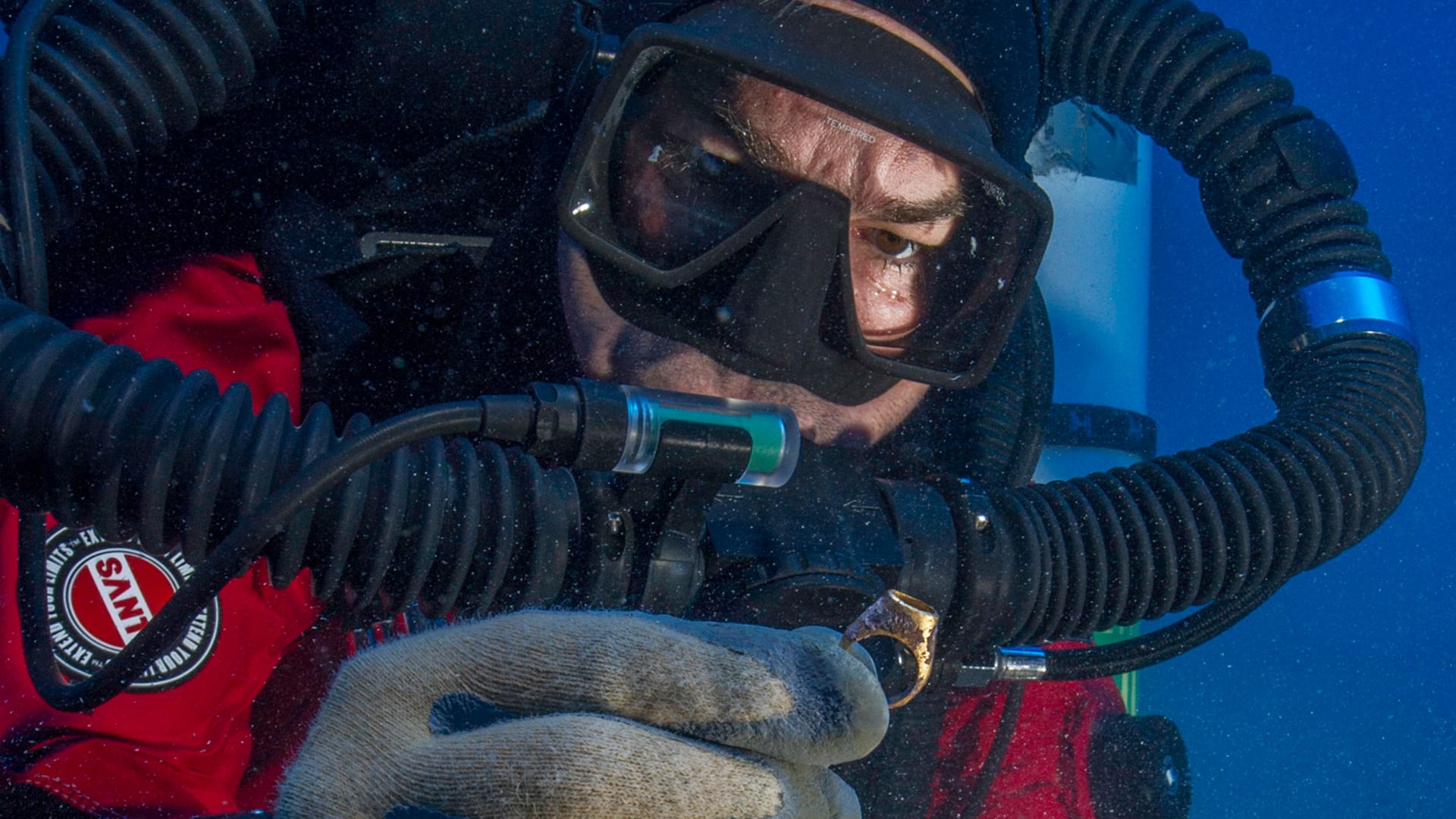
Scientists returned in 2015 and 2016 to the wreck of a 180-foot ship that sank off the Greek island of Antikythera around 65 B.C., and recovered luxury items that included…
Read MoreA New Whale Species Is Discovered in the Wild
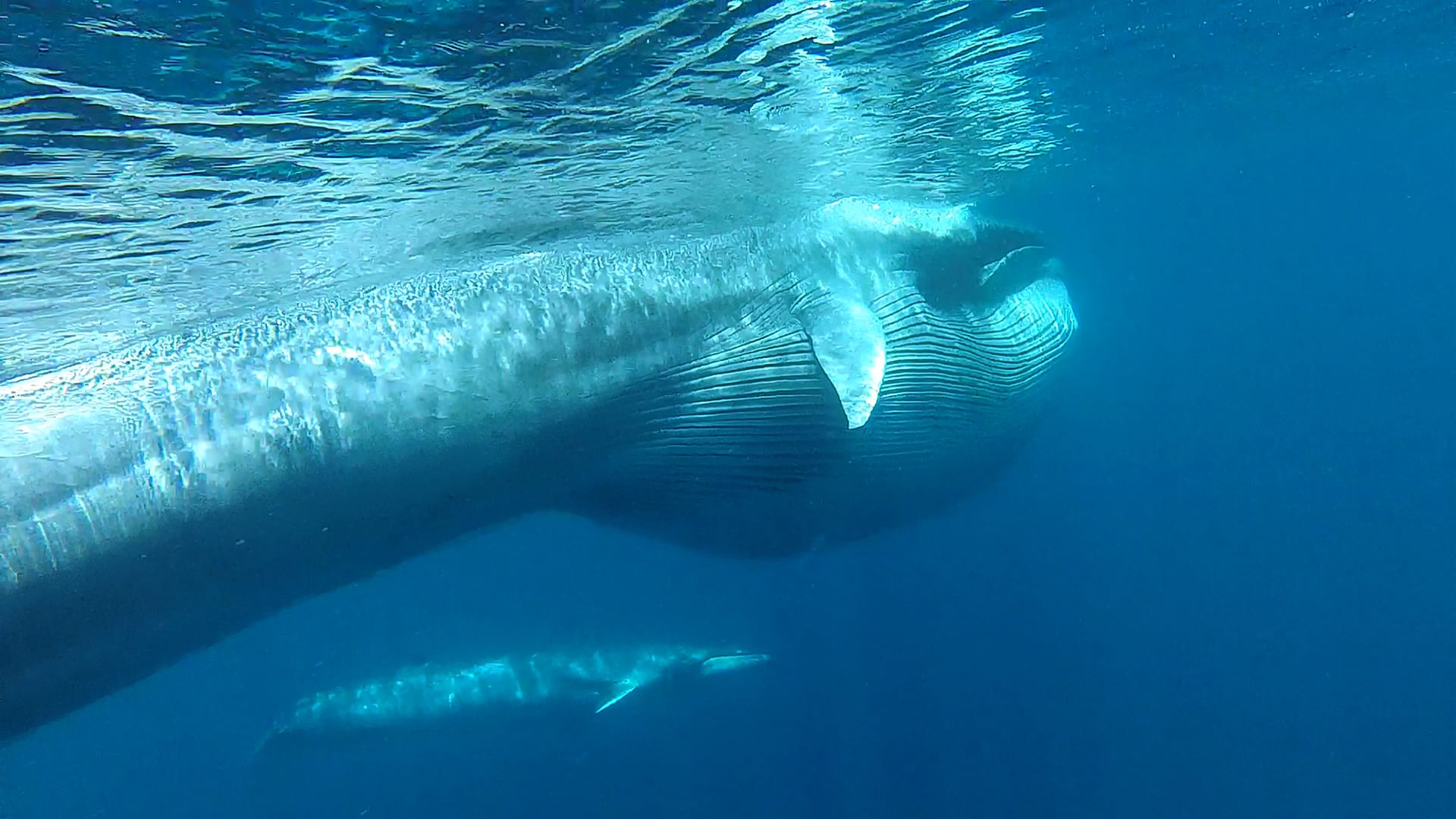
Scientists have discovered a thriving population of Omura’s whales—a species that hadn’t even been identified until 2003 and had never before been documented in the wild. Omura’s whales were misidentified…
Read MoreA Faster Way to Better Reactions
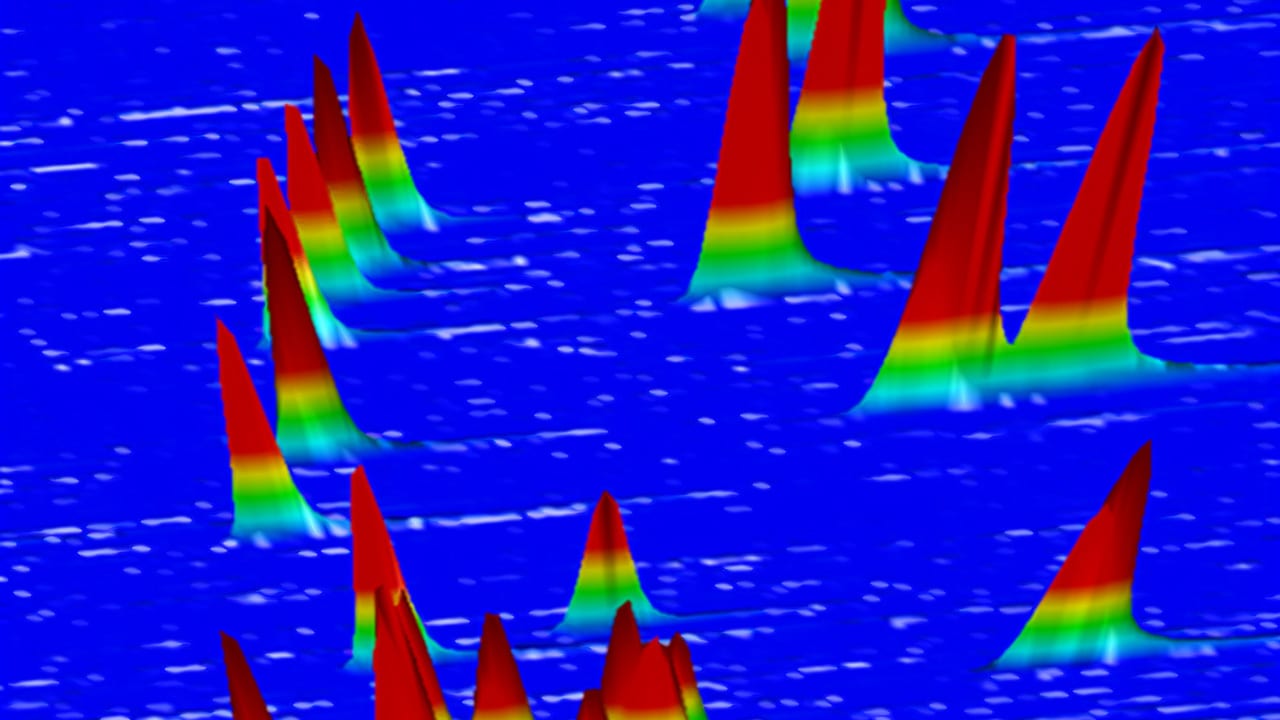
Finding new chemical reactions to synthesize commercial products more efficiently is big business and a major source of innovation. A new study offers a way to make the search faster, cheaper, and greener.
Read MoreRemembering Knorr
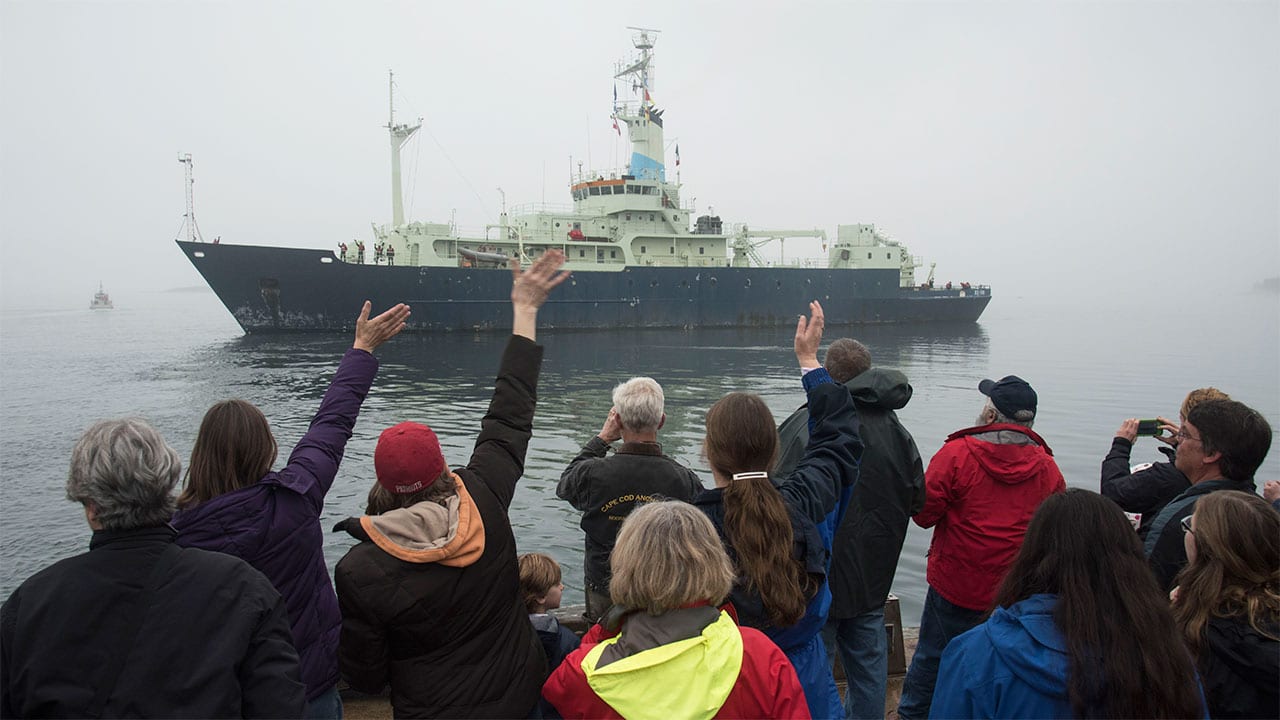
After an iconic, 44-year career, the research vessel Knorr left the dock at Woods Hole Oceanographic Institution in March for the last time. It also left a place in the hearts of many who sailed on the ship or who had simply seen it in Woods Hole. A few of the people who watched it depart shared their memories of Knorr in this audio postcard.
Read MoreOur Ship Comes In
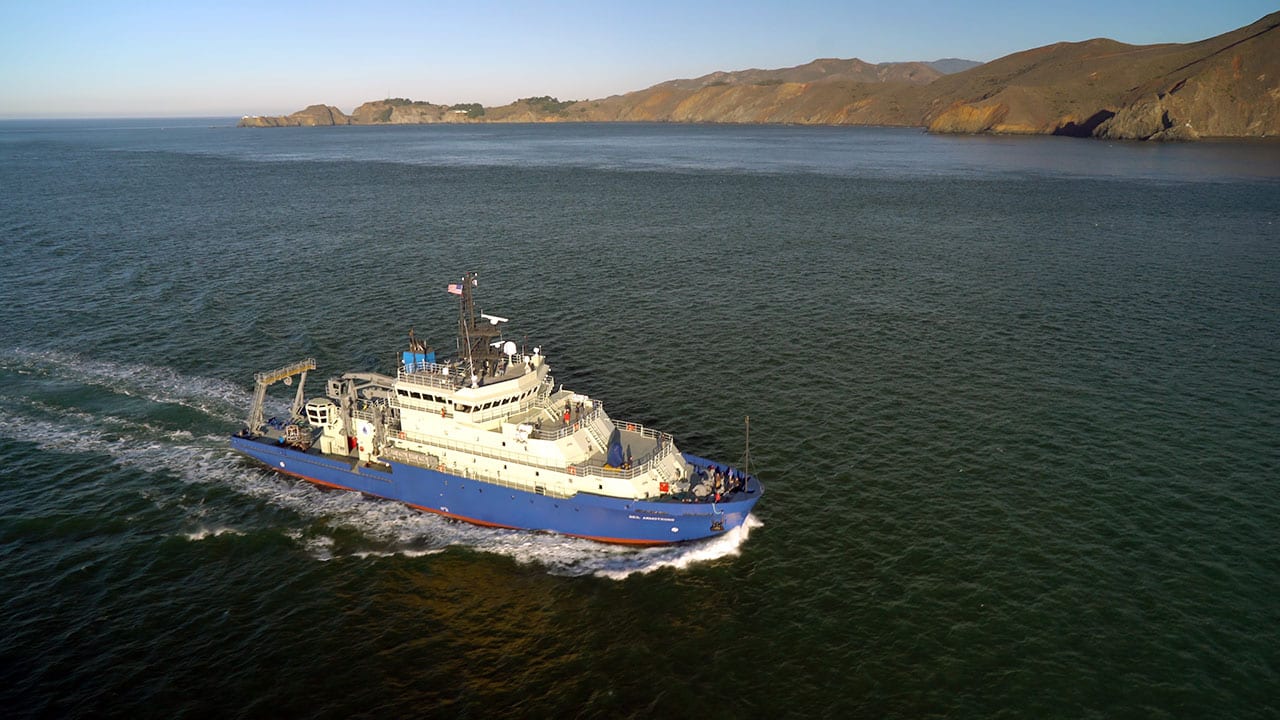
The long-awaited newest research vessel in the U.S. academic fleetâand the latest in a long line of WHOI-operated shipsâarrives in Woods Hole on Wednesday.
Read MoreJourney Into the Ocean’s Microbiomes
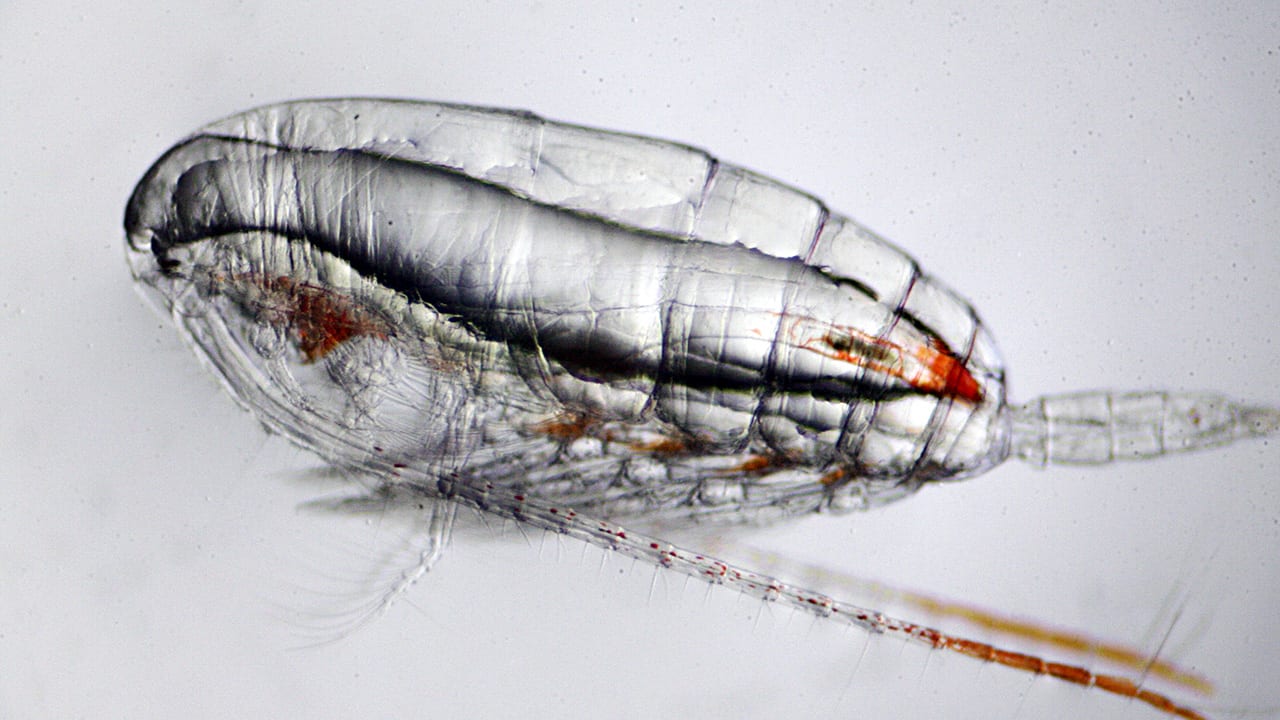
Bacteria in the ocean, including pathogenic ones, often hitchhike on tiny crustaceans called copepods. A graduate student explored their complex relationships.
Read MoreTwo Chemical Roads Diverge in an Open Ocean
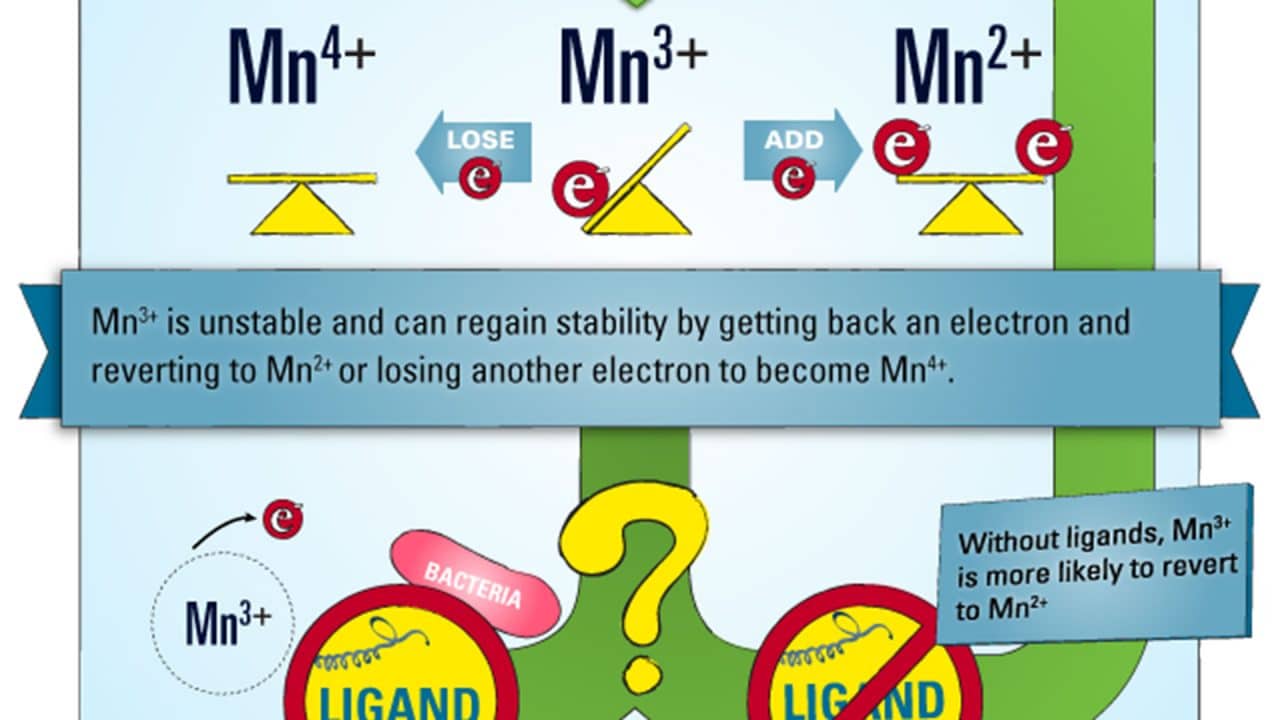
An infographicon biomineralization
Read MoreMinerals Made by Microbes
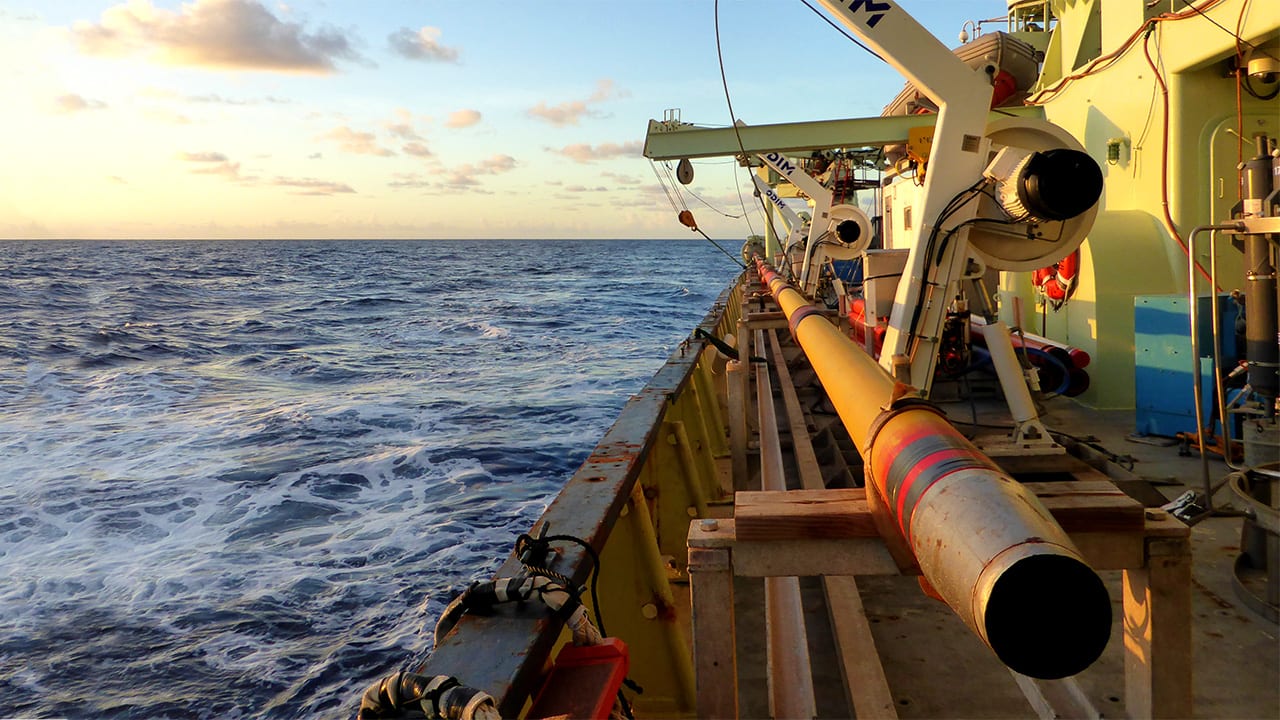
Some minerals actually don’t form without a little help from microscopic organisms, using chemical processes that scientists are only beginning to reveal.
Read MoreThrough the Looking-Glass of the Sea Surface
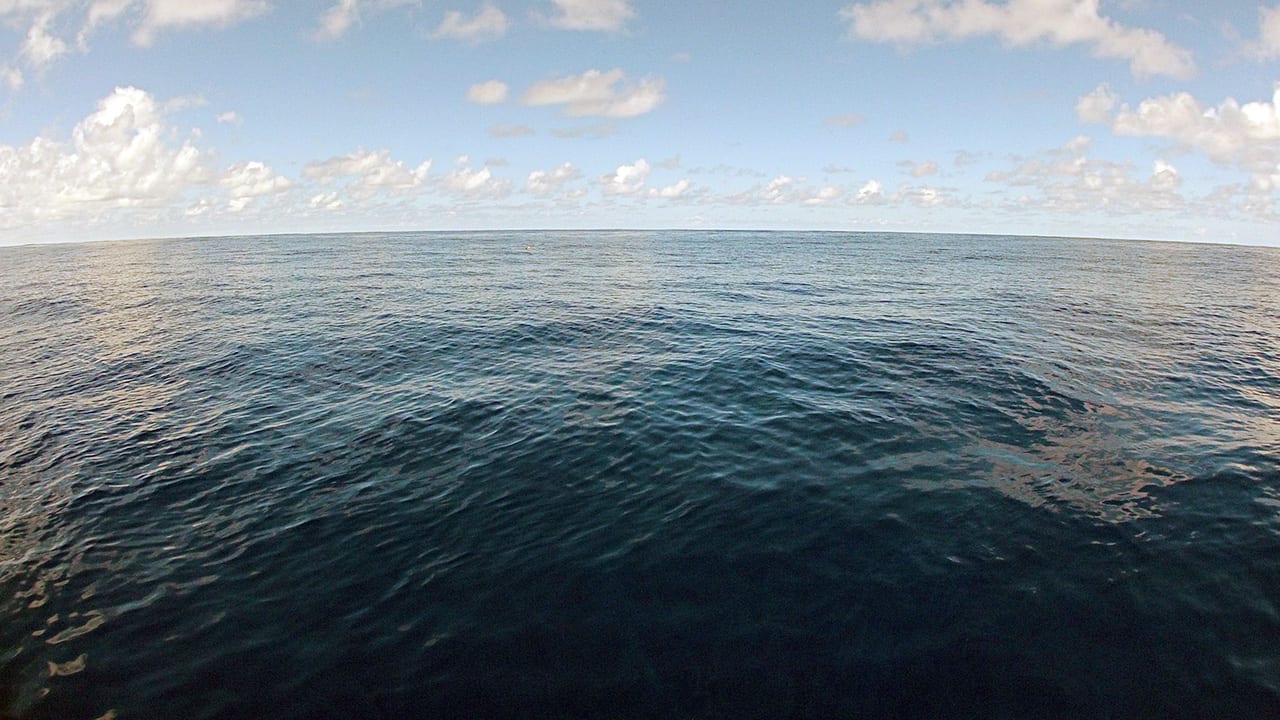
Scientists are using new technology to make previously impossible measurements at the turbulent ocean surface—a crucial junction for energy exchange between the air above and the sea below.
Read MoreA Mighty Mysterious Molecule
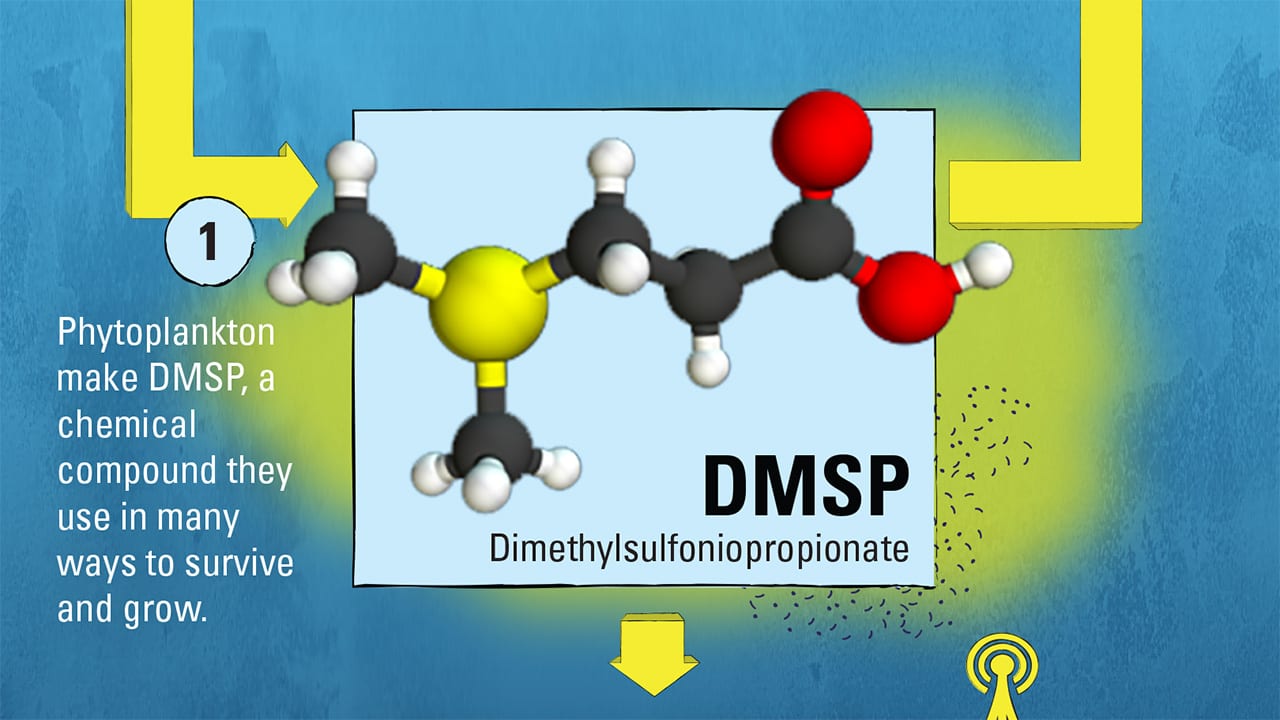
What gives sea air its distinctive scent? A chemical compound called dimethylsulfide. In a new study, WHOI scientists show that the compound may also be used by marine microbes to communicate with one another.
Read MoreRecipes for Antibiotic Resistance
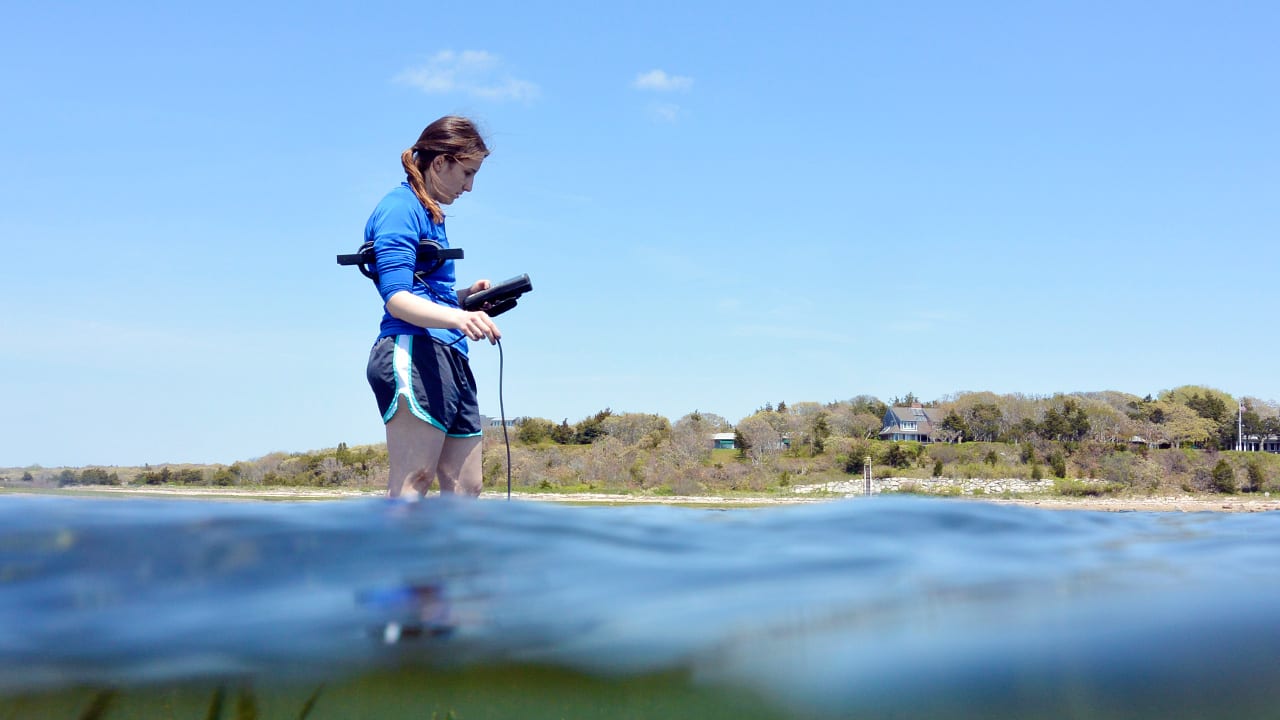
MIT-WHOI graduate student Megan May is investigating how microbes naturally develop resistance to antibiotic compounds in the marine environment and how human activities, including overuse of drugs and pollution, may be affecting the dynamic.
Read MoreSeal Whiskers Inspire Marine Technology
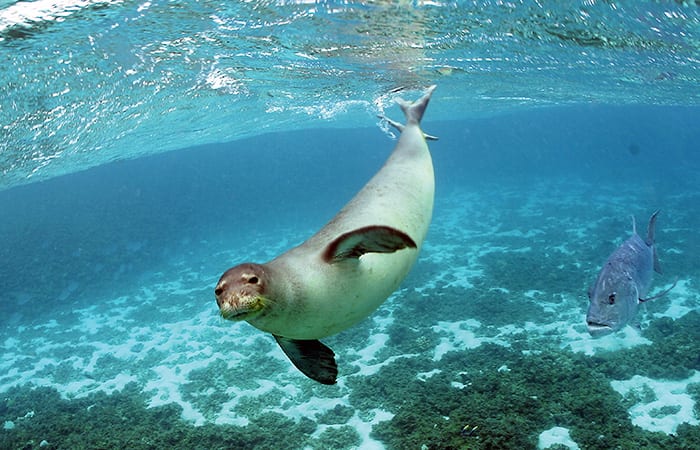
The night approaches quickly. A harbor seal plunges into the water, diving deep as the sunlight recedes. Through the dark, turbid waters, she searches for fish. Suddenly, the whiskers on…
Read MoreSex, Games, and the Evolution of Gender Gaps
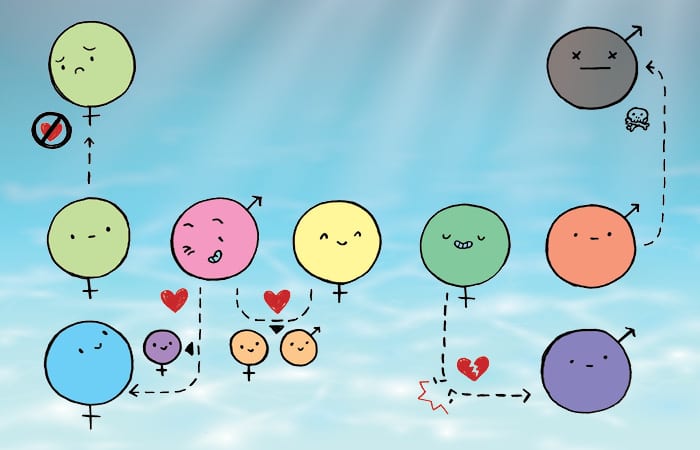
Population models can help us plan breeding programs for endangered species and understand the evolution of sex ratios.
Read MoreHow Did Earth Get Its Ocean?
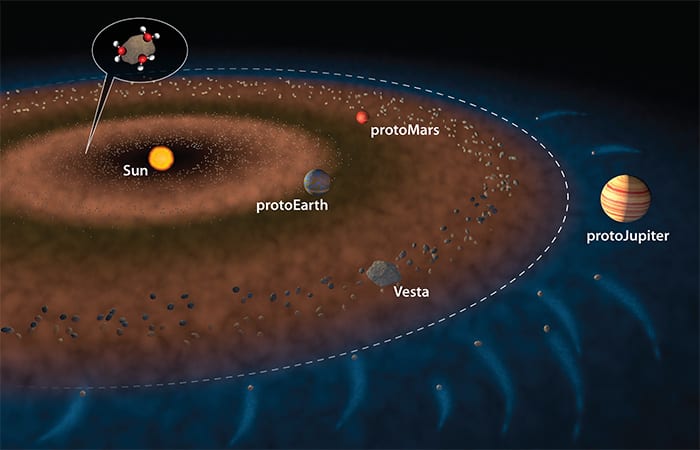
Adam Sarafian overcame a learning disability and surmounted heights as a an All-American pole-vaulter—all before launching a scientific career that has now allowed him to hurtle across the universe and back through time to the period when Earth was still forming.
Read MoreSpecks in the Spectrometer
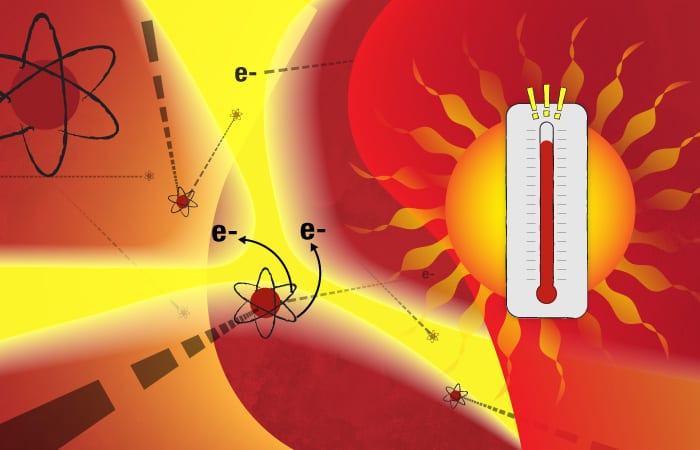
Mass spectrometer facilities can be a rite of passage for scientists—as well as for the samples analyzed inside the mass specs.
Read MoreEpiphany Among the Manta Rays
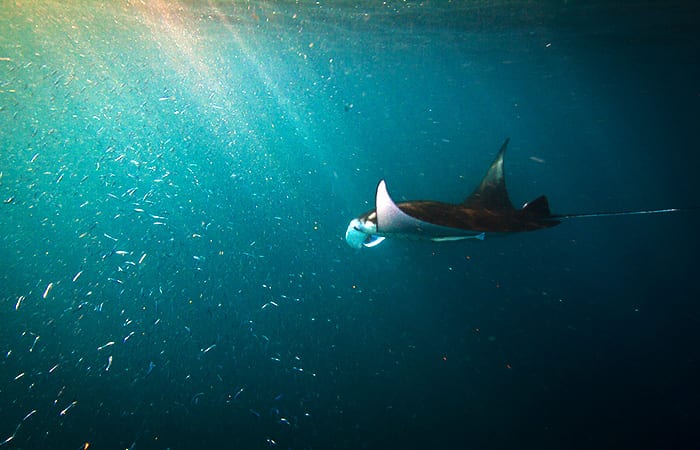
There’s a great need to collect ocean temperature data. And there are millions of scuba divers out there.
Read MoreCarbon Cycle
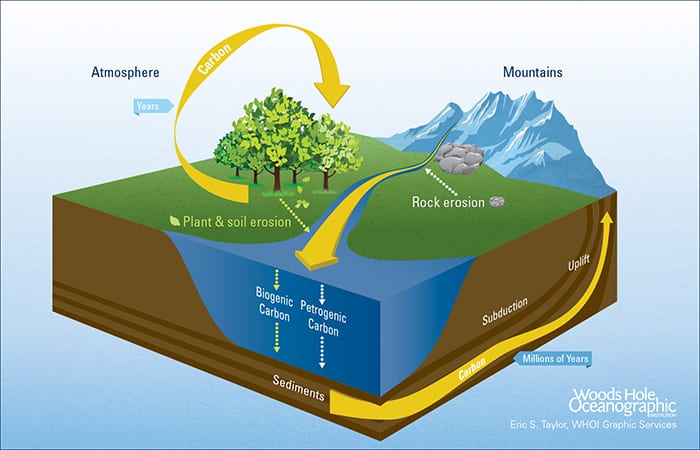
Carbon is a building block for all life and plays a key role in regulating Earth’s climate. It shuttles throughout the planet in two major cycles.
Read MoreEarth’s Riverine Bloodstream
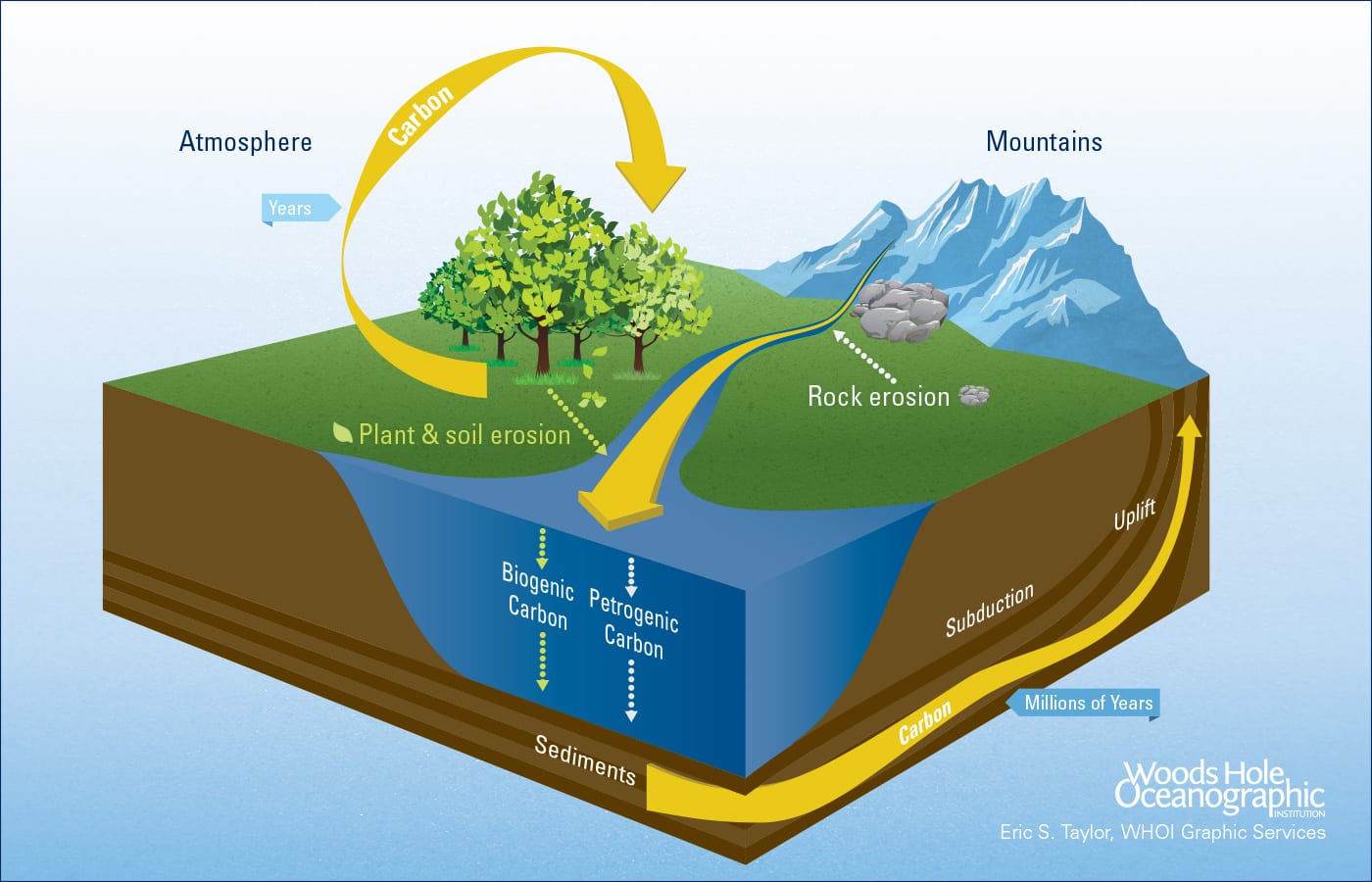
Like blood in our arteries in our body, water in rivers carry chemical signals that can tell us a lot about how the entire Earth system operates.
Read MoreIce, Wind & Fury
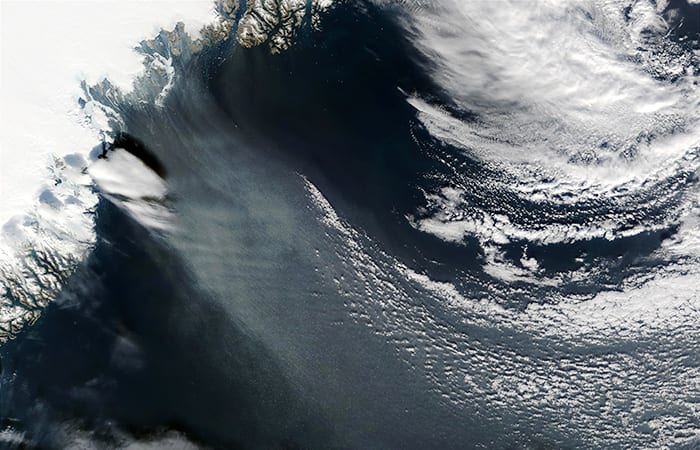
Greenlanders are well away of piteraqs, the hazardous torrents of cold air that sweep down off the ice cap. But scientists are just beginning to unravel how and when piteraqs form.
Read MoreForecasting the Future of Fish
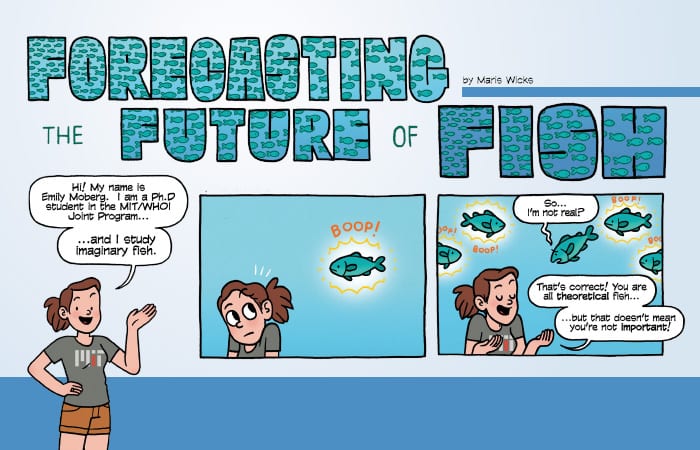
How can we weigh all the interrelated factors involved in managing a critical ocean resource? Oceanus magazine experiments with a graphic article to help explain a complex issue.
Read More