
News Releases
Ocean acidification causing coral ‘osteoporosis’ on iconic reefs
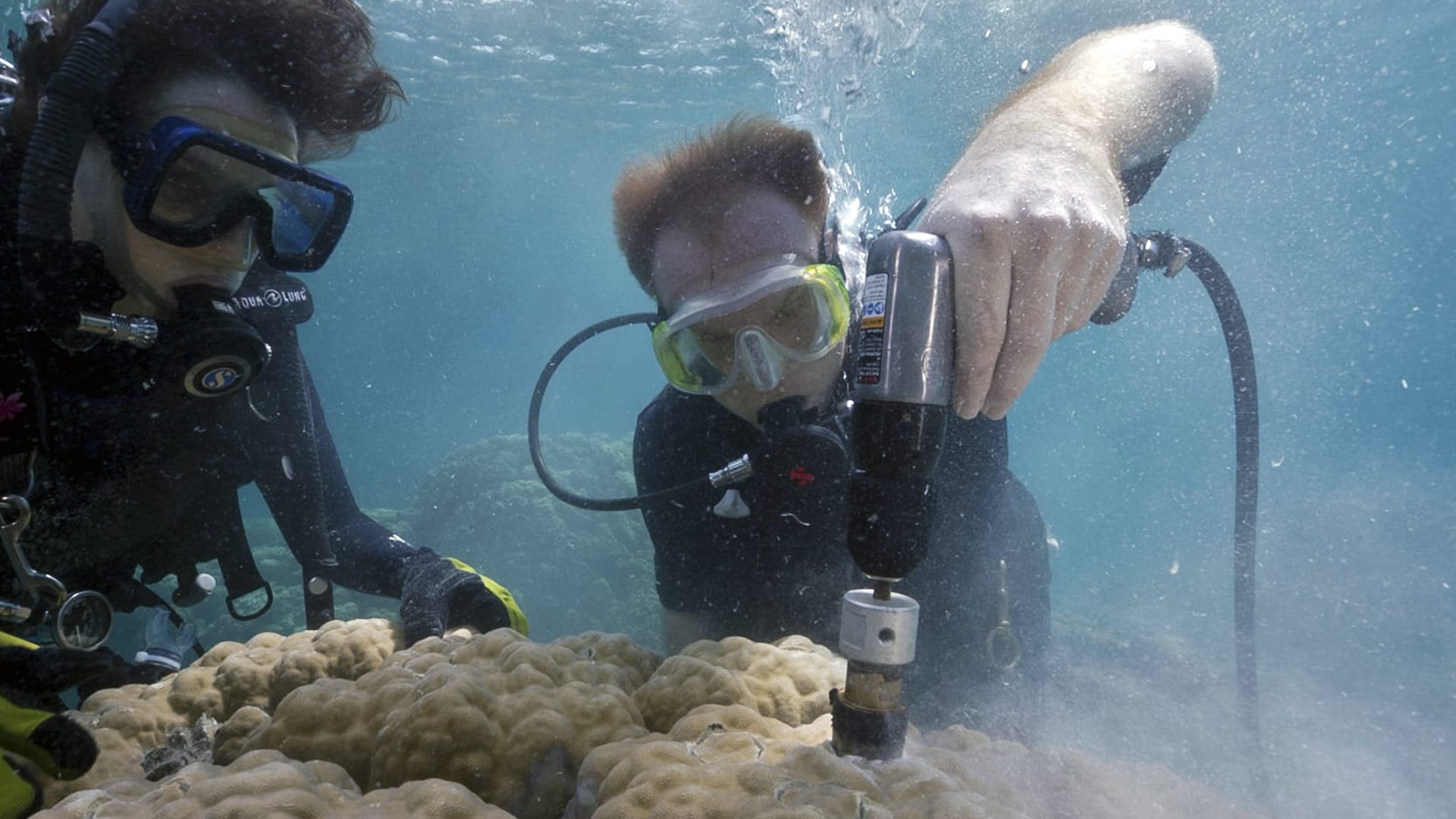
Scientists have long suspected that ocean acidification is affecting corals’ ability to build their skeletons, but it has been challenging to isolate its effect from that of simultaneous warming ocean…
Read MoreFlorida Current is Weaker Now Than at Any Point in the Past Century
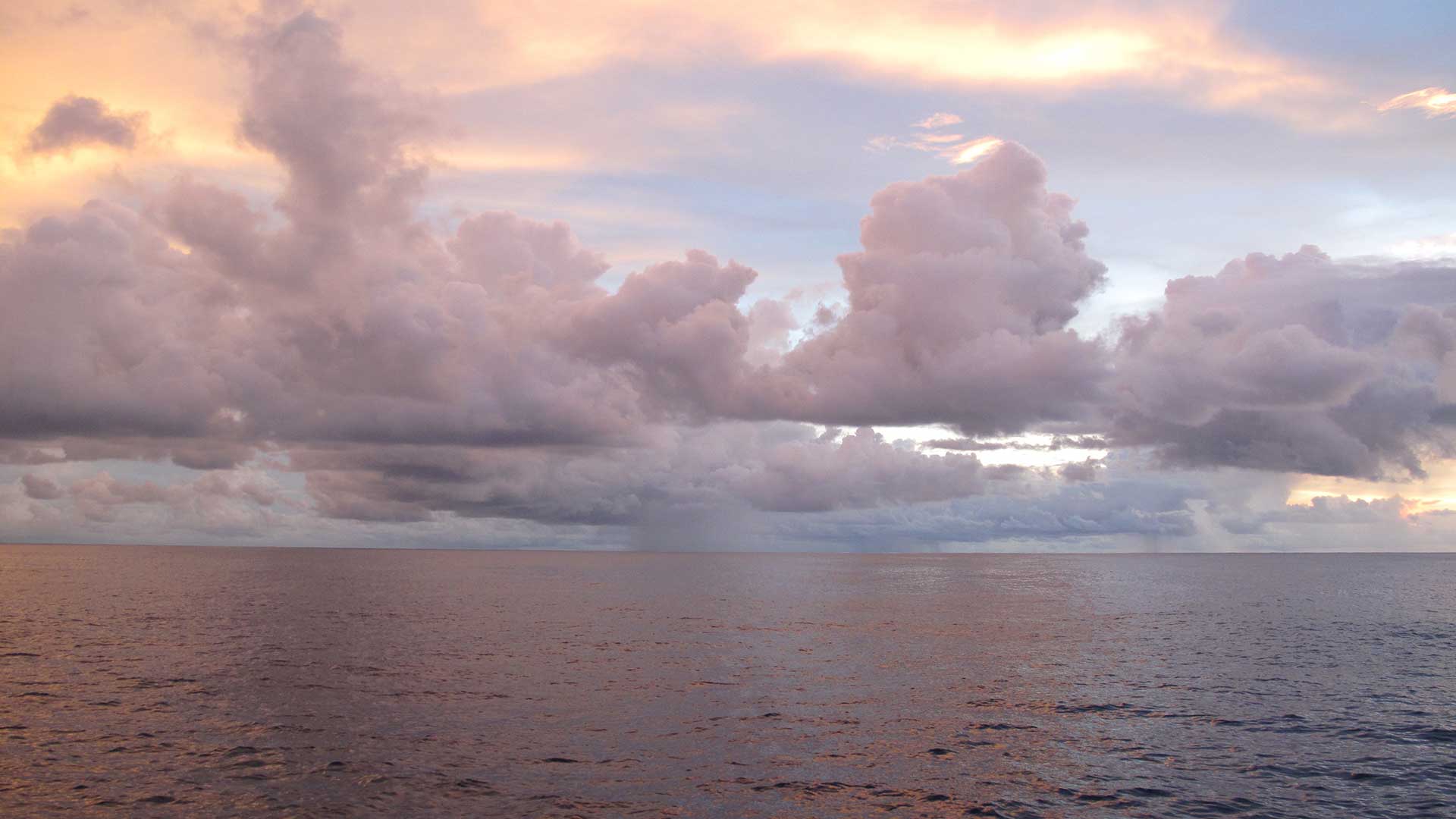
A key component of the Gulf Stream has markedly slowed over the past century—that’s the conclusion of a new research paper in Nature Communications published on August 7. The study…
Read MoreWHOI receives $2.7M from Simons Foundation to study nutrients, microbes that fuel ocean food web
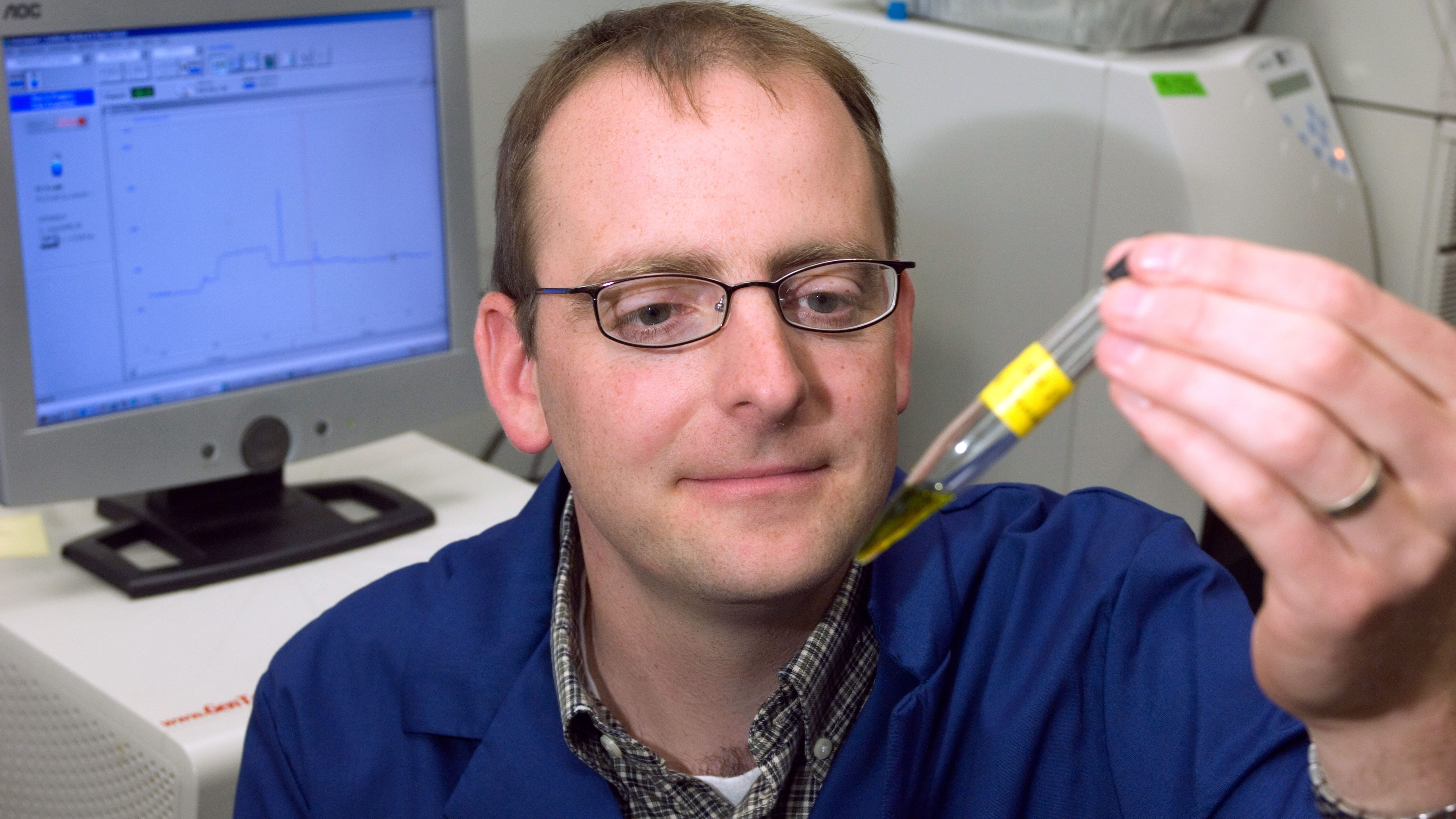
The Simons Foundation has awarded Woods Hole Oceanographic Institution (WHOI) scientists Dan Repeta and Benjamin Van Mooy two grants totaling $2.7 million to study key processes that help fuel the…
Read MoreWHOI Scientists Make Woods Hole Film Festival Appearance
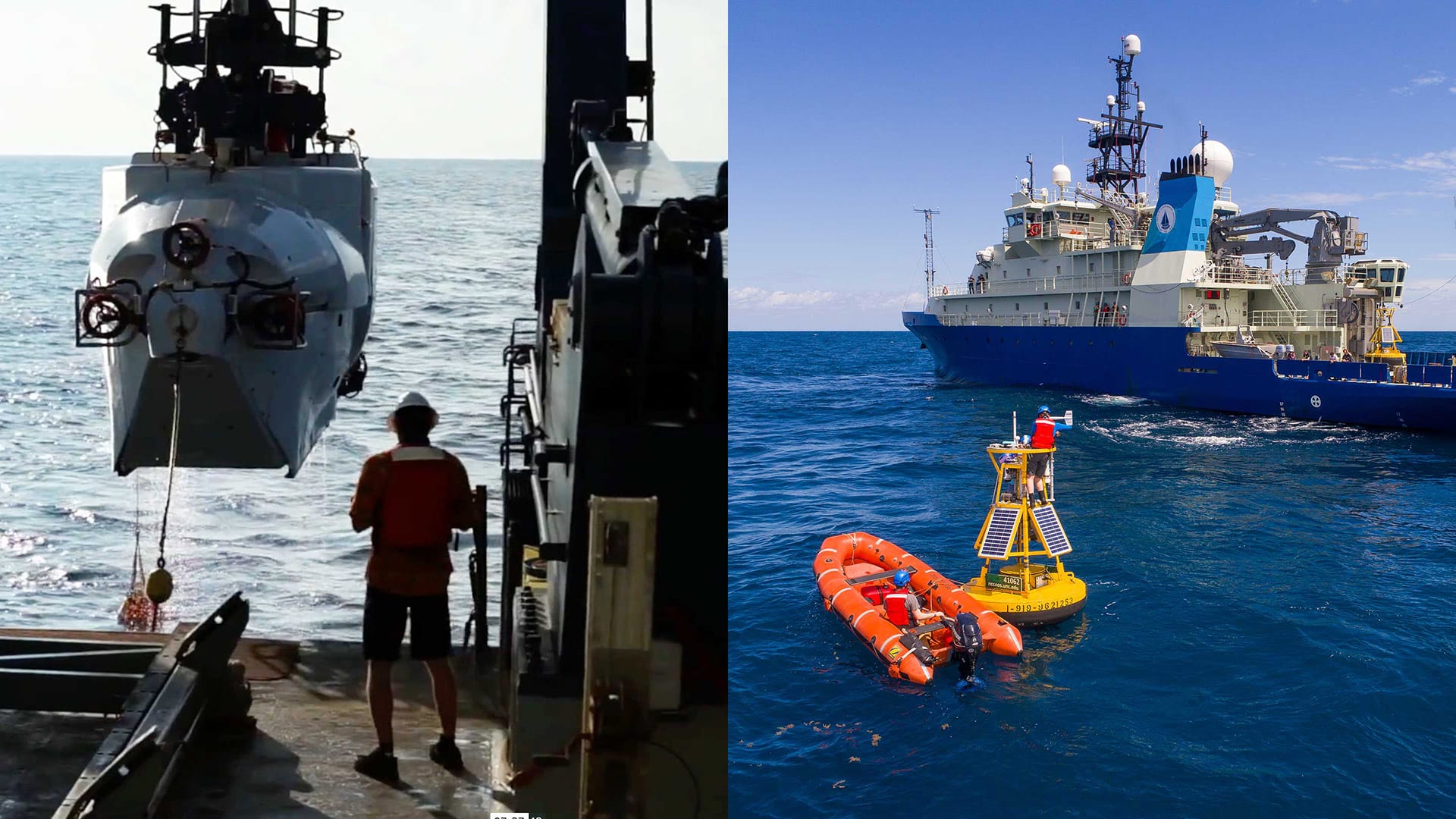
Woods Hole Oceanographic Institution (WHOI) scientists appear in two shorts and a feature film at this year’s Woods Hole Film Festival (WHFF). In addition, scientists will also participate in Q&A…
Read MoreNew geochemical tool reveals origin of Earth’s nitrogen
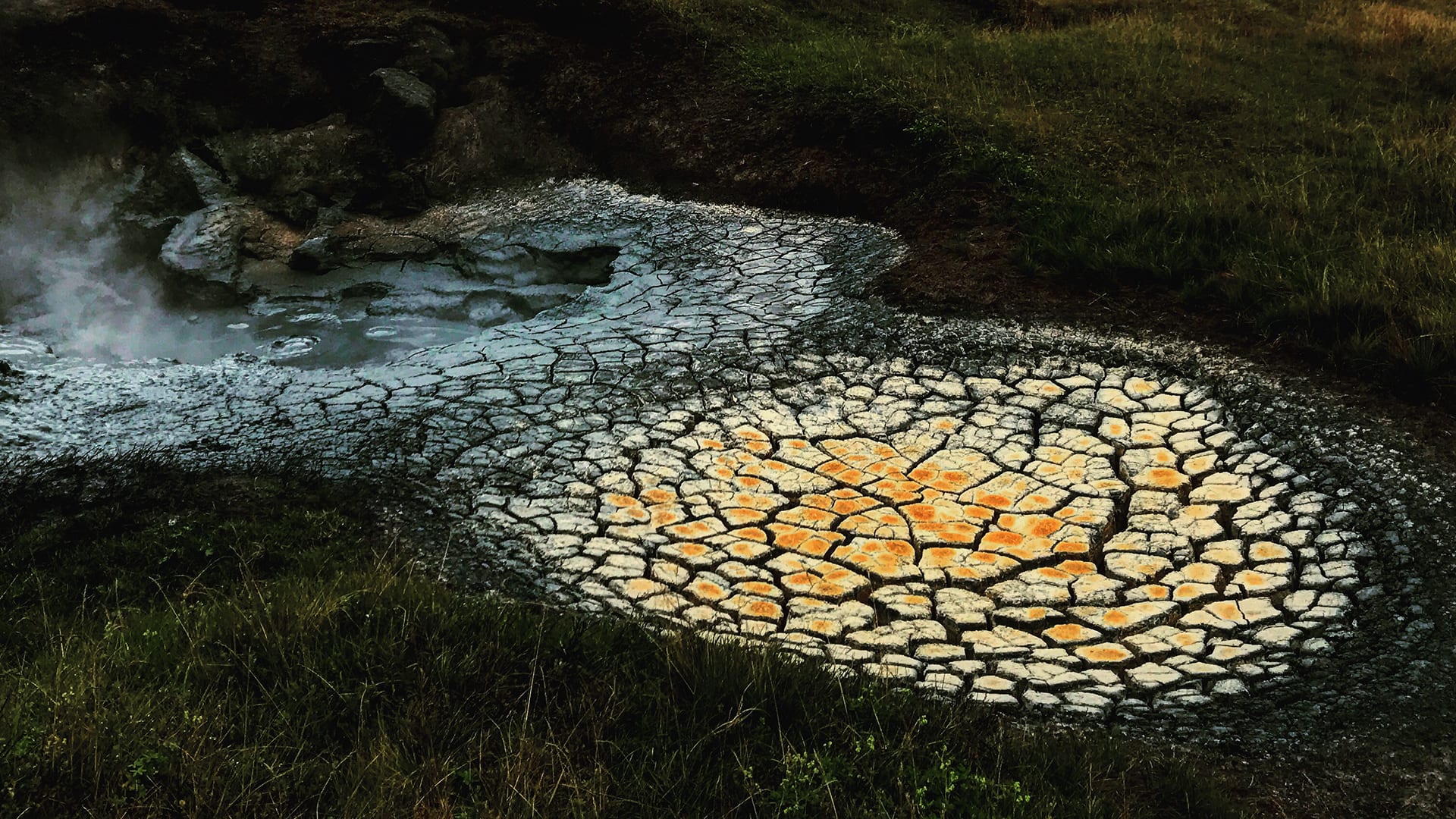
A new geochemical tool sheds light on the origin of nitrogen and other volatile elements on Earth, which may also prove useful as a way to monitor the activity of volcanoes
Read MoreA rapidly changing Arctic
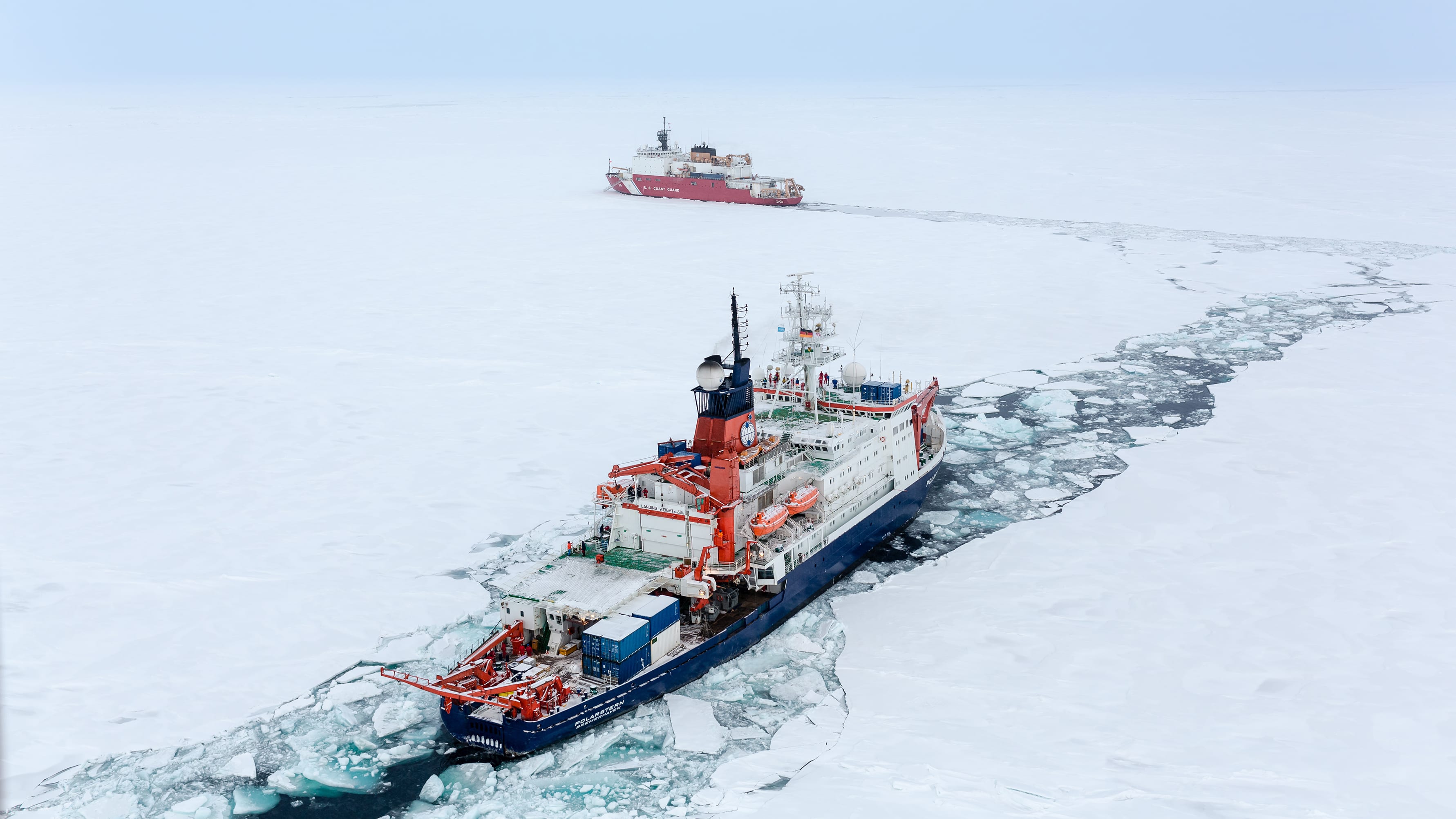
A new study by researchers at Woods Hole Oceanographic Institution (WHOI) and their international colleagues found that freshwater runoff from rivers and continental shelf sediments are bringing significant quantities of carbon and trace elements into parts of the Arctic Ocean via the Transpolar Drift—a major surface current that moves water from Siberia across the North Pole to the North Atlantic Ocean.
Read MoreThe ocean’s ‘biological pump’ captures more carbon than expected
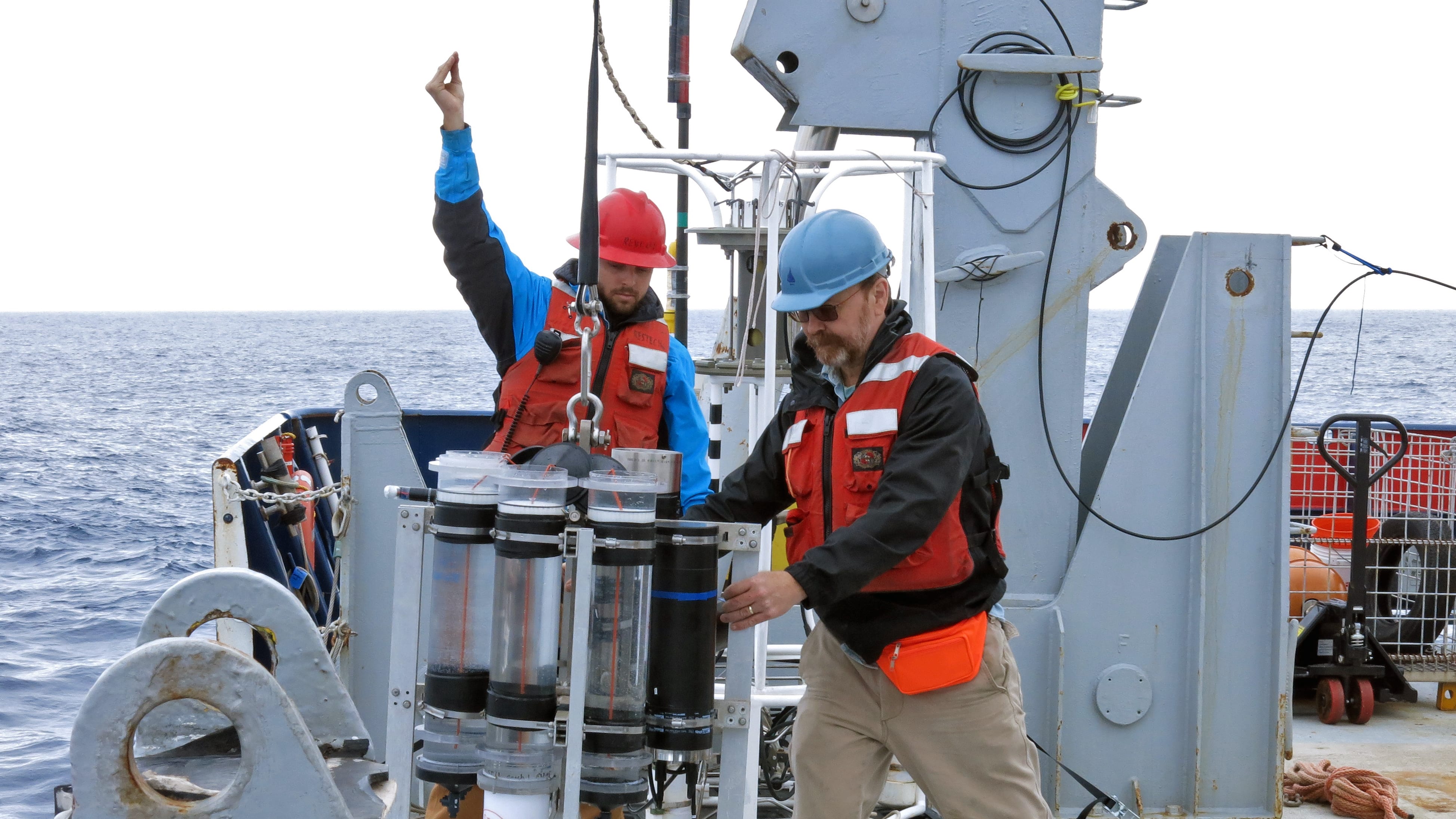
Scientists have long known that the ocean plays an essential role in capturing carbon from the atmosphere, but a new study from Woods Hole Oceanographic Institution (WHOI) shows that the efficiency of the ocean’s “biological carbon pump” has been drastically underestimated, with implications for future climate assessments.
Read More$8.3M award to WHOI extends observational record of critical climate research
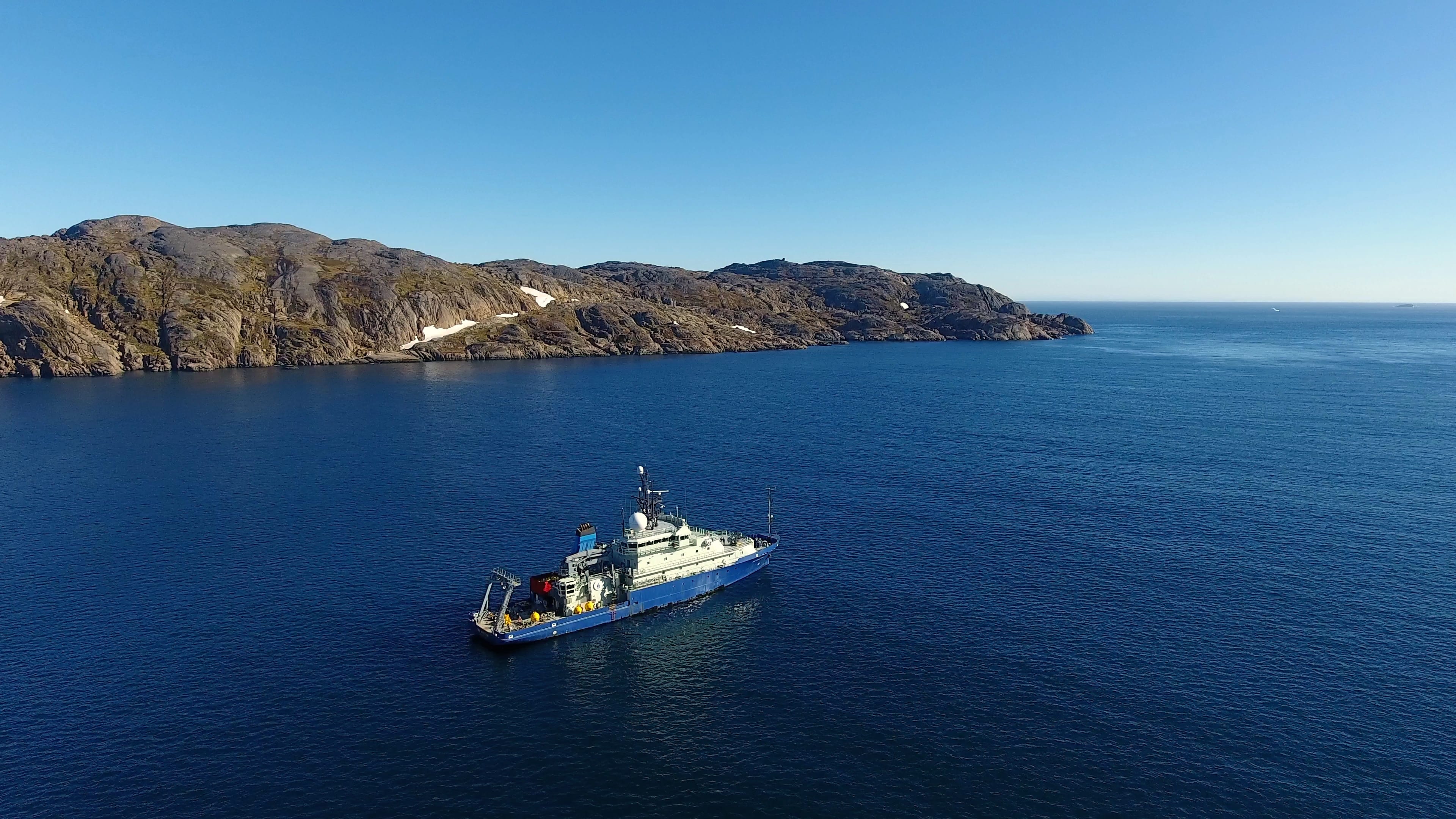
The National Science Foundation (NSF) recently awarded $8.3 million to the Woods Hole Oceanographic Institution (WHOI) to extend the life of the Overturning in the Sub-polar North Atlantic Program (OSNAP) in a key part of Earth’s ocean-climate system.
Read MoreMicrobes far beneath the seafloor rely on recycling to survive
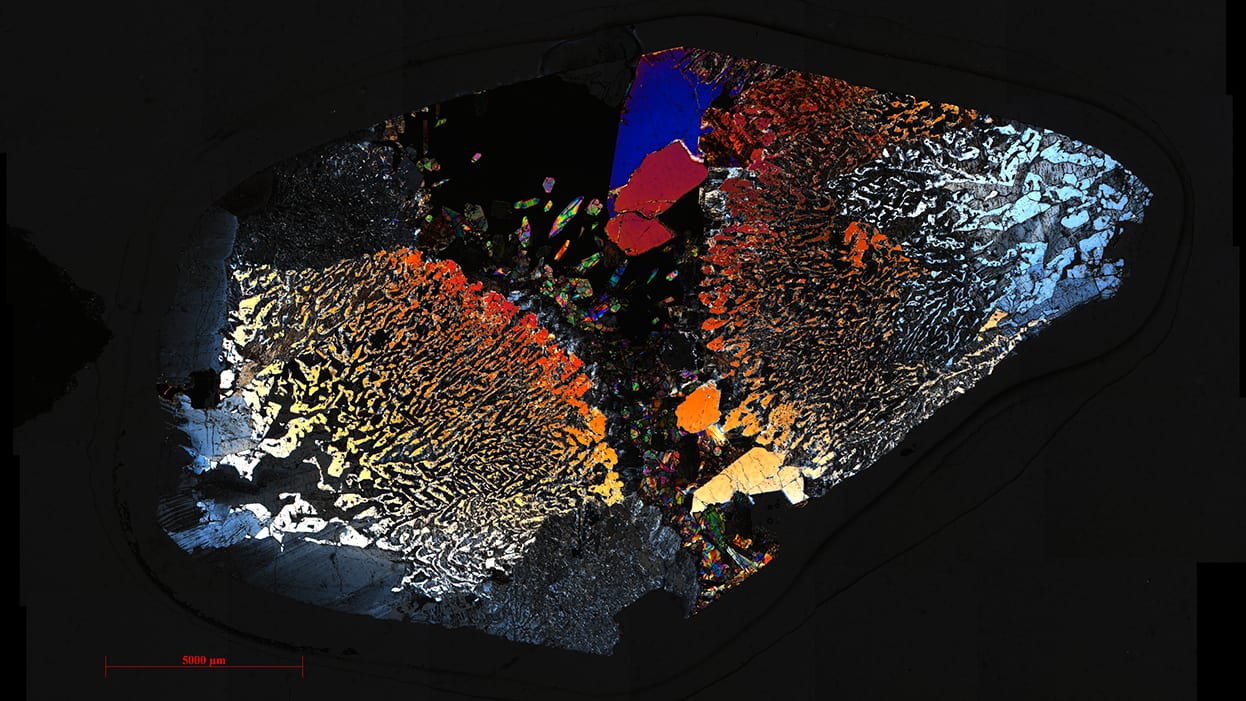
Scientists from Woods Hole Oceanographic Institution and colleagues reveal how microorganisms could survive in rocks nestled thousands of feet beneath the ocean floor in the lower oceanic crust.
Read MoreIndian Ocean phenomenon spells climate trouble for Australia
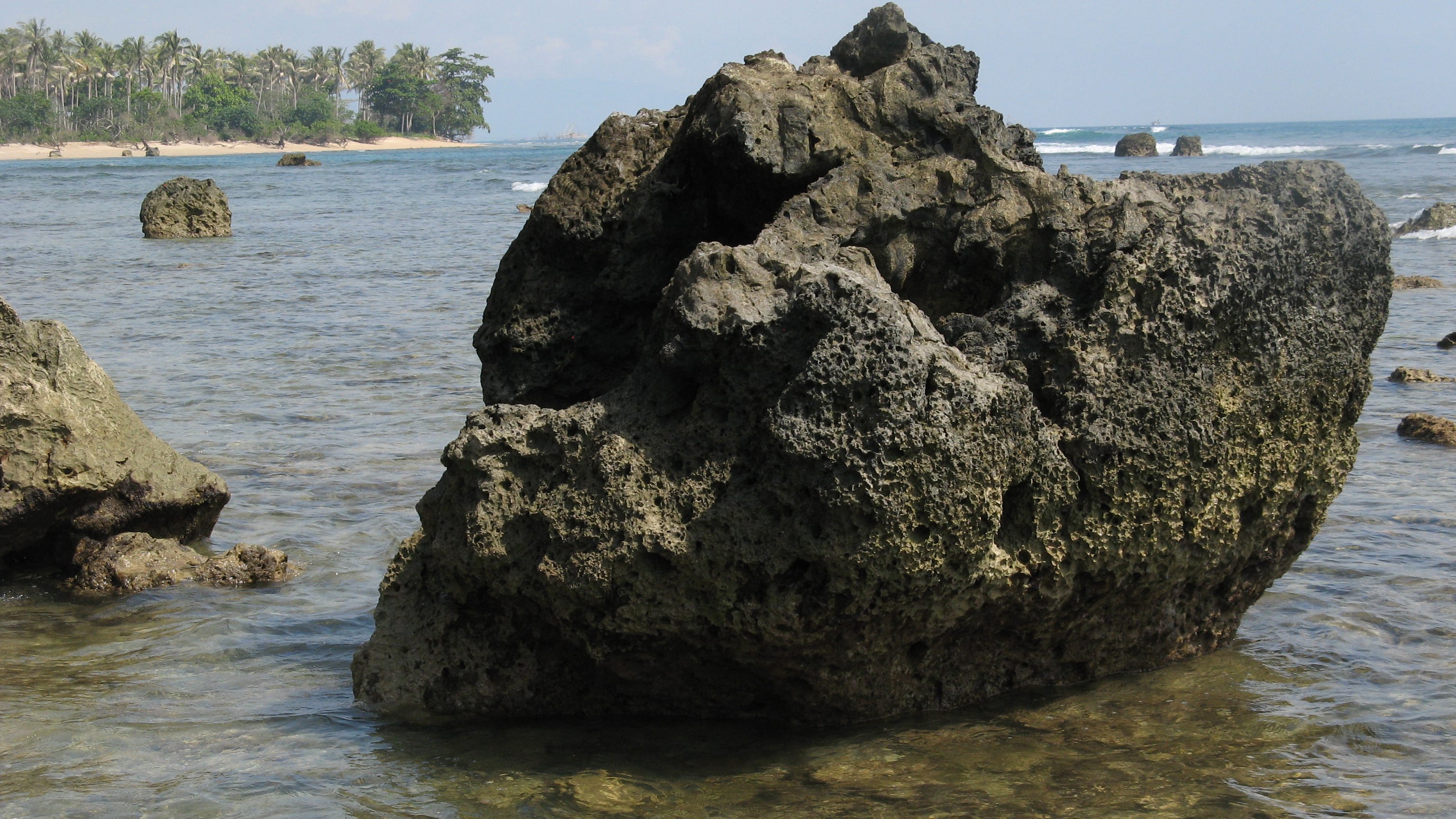
New international research by Woods Hole Oceanographic Institution (WHOI) and colleagues has found a marked change in the Indian Ocean’s surface temperatures that puts southeast Australia on course for increasingly hot and dry conditions.
Read MoreStudy reveals rapid sea-level rise along U.S. Atlantic coast in 18th century
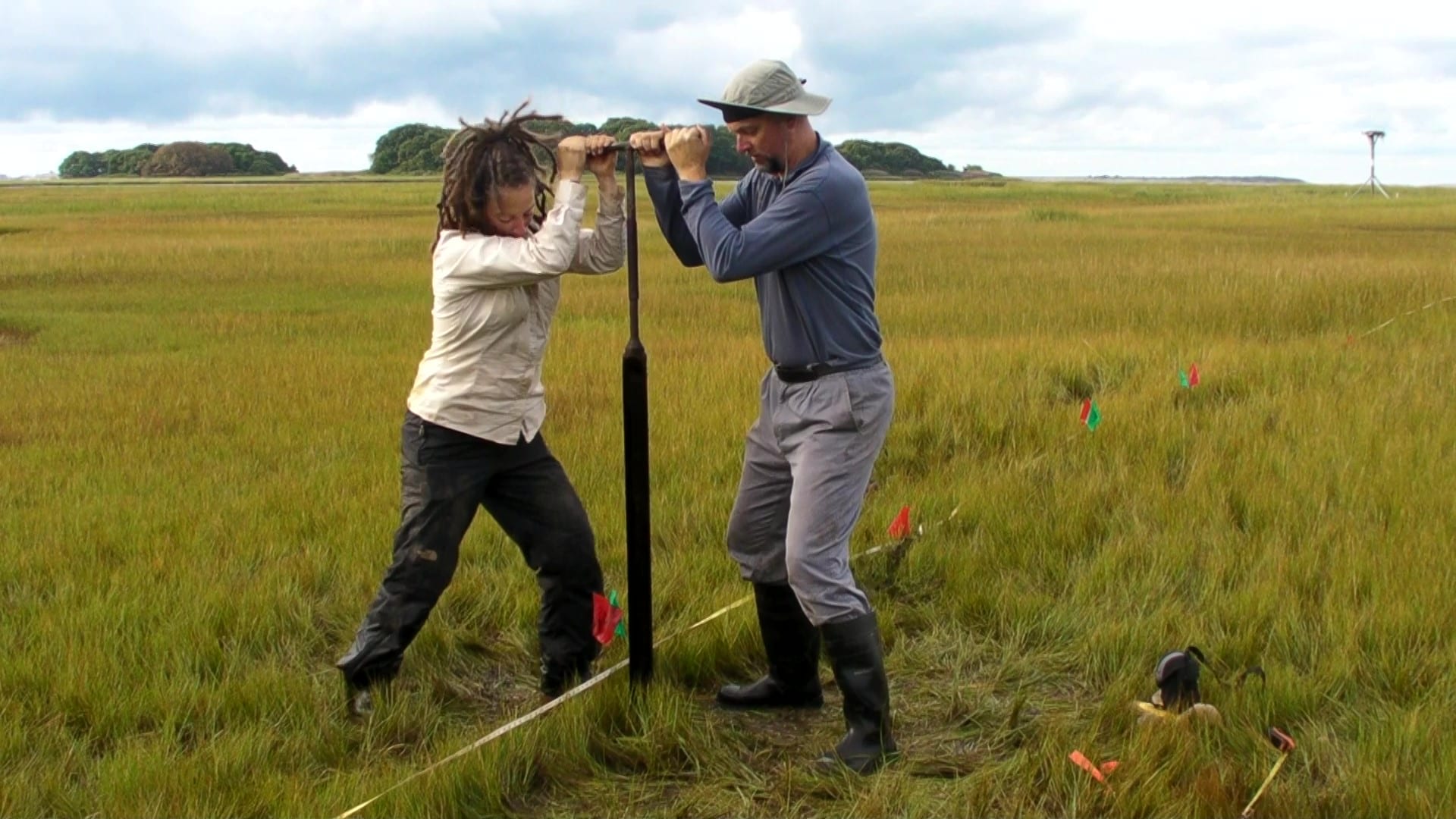
During the 18th century, sea levels along a stretch of the Atlantic coast of North America were rising almost as fast as they were during the 20th Century, reveals a new study.
Read MoreStudy reveals Missoula Floods impact on past abrupt climate changes
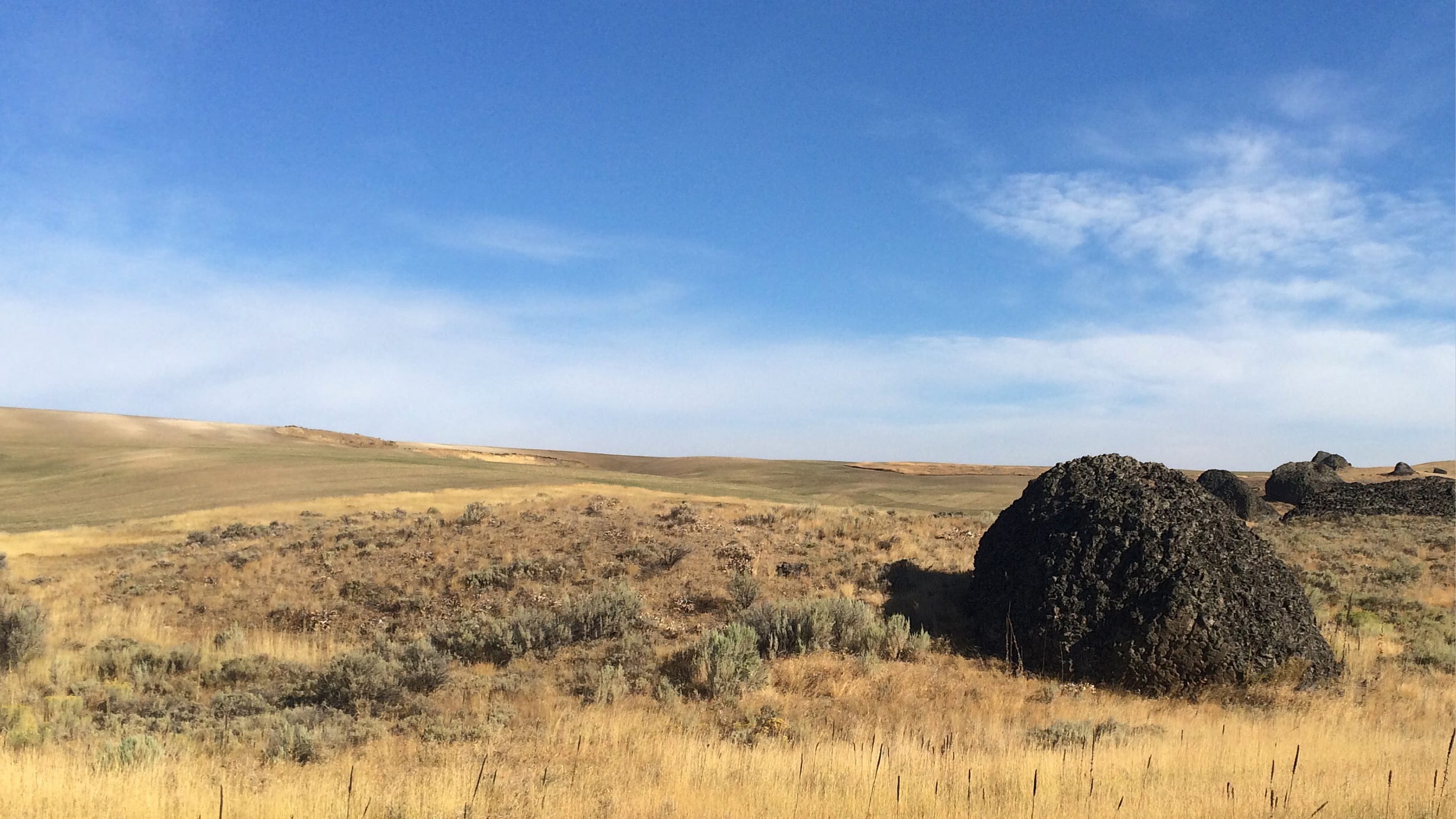
A new study shows for the first time how massive flood events in the eastern North Pacific Ocean—known as the Missoula Floods—may have in part triggered abrupt climate changes in the Northern Hemisphere during the last deglaciation (approximately 19,000–11,700 years ago).
Read MoreFor now, river deltas gain land worldwide
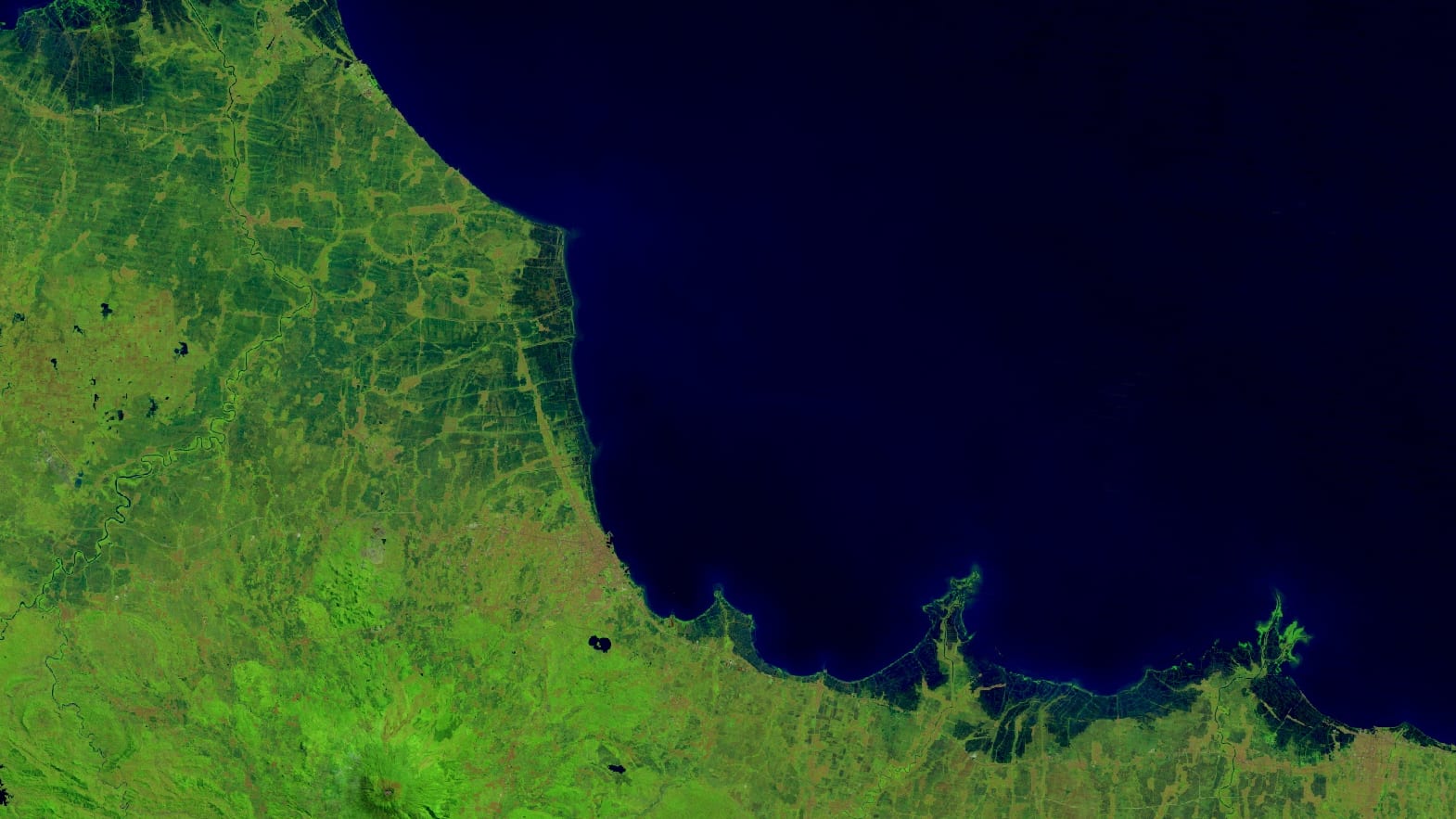
Delta areas worldwide have gained land in the past 30 years, despite river damming. However, recent land gains are unlikely to last throughout the 21st century due to expected, accelerated sea-level rise.
Read MoreReport reveals ‘unseen’ human benefits from ocean twilight zone
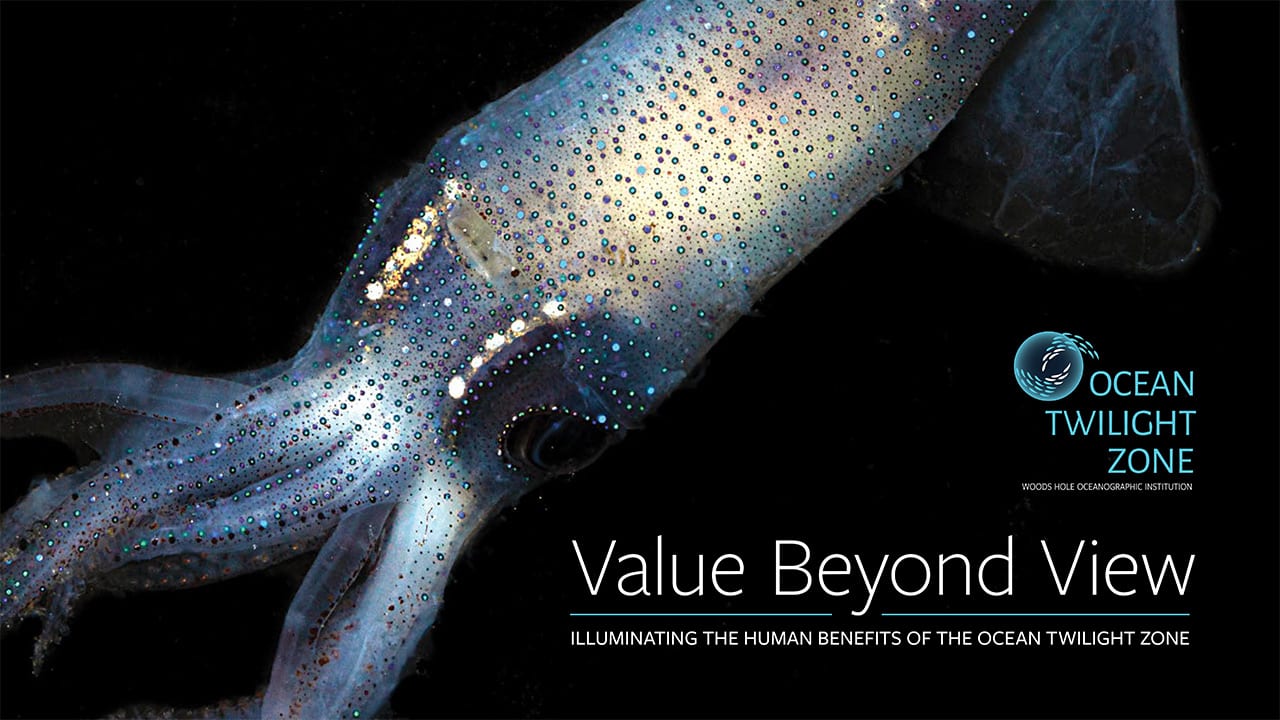
A new report from researchers at Woods Hole Oceanographic Institution (WHOI) reveals for the first time the unseen—and somewhat surprising—benefits that people receive from the ocean’s twilight zone. Also known as the “mesopelagic,” this is the ocean layer just beyond the sunlit surface.
Read MoreUnless warming is slowed, emperor penguins will be marching towards extinction
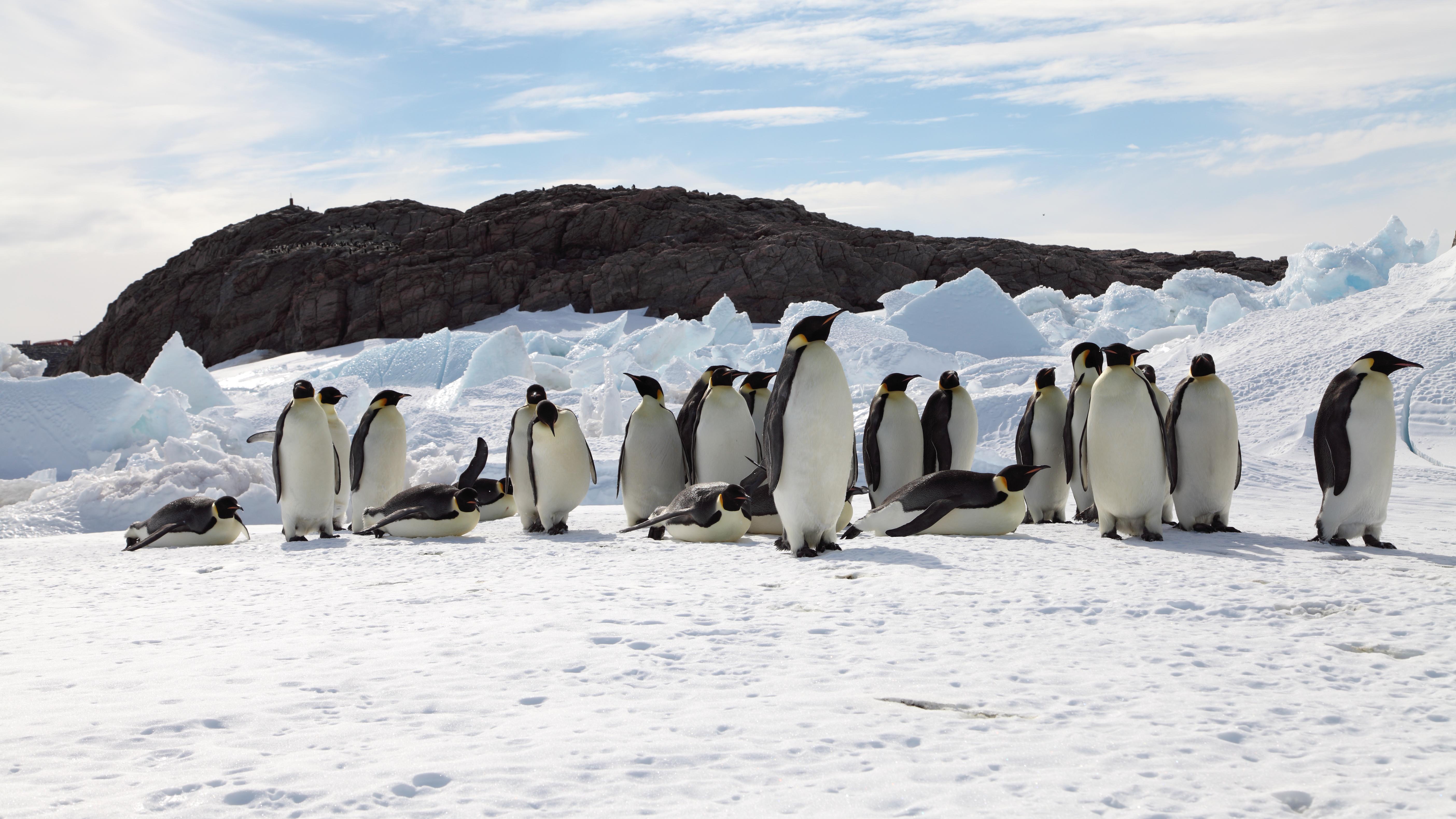
Emperor penguins are some of the most striking and charismatic animals on Earth, but a new study from the Woods Hole Oceanographic Institution has found that a warming climate may render them extinct by the end of this century. The study, which was part of an international collaboration between scientists, published Nov. 7, 2019, in the journal Global Change Biology.
Read MoreOrigin of Massive Methane Reservoir Identified
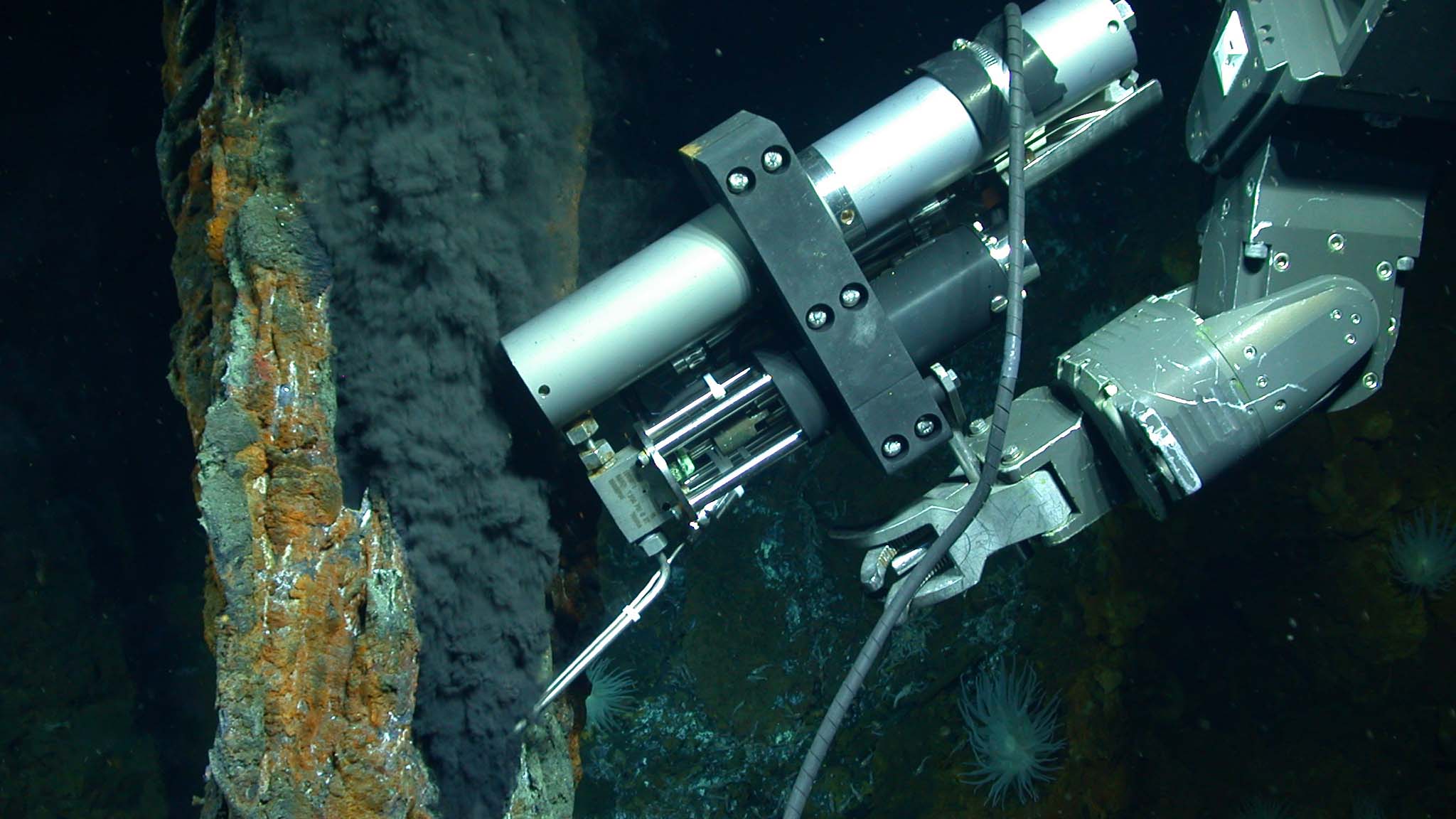
New research provides evidence of the formation and abundance of abiotic methane—methane formed by chemical reactions that don’t involve organic matter—on Earth and shows how the gases could have a similar origin on other planets and moons, even those no longer home to liquid water.
Read MoreStudy Finds No Direct Link Between North Atlantic Ocean Currents, Sea Level Along New England Coast
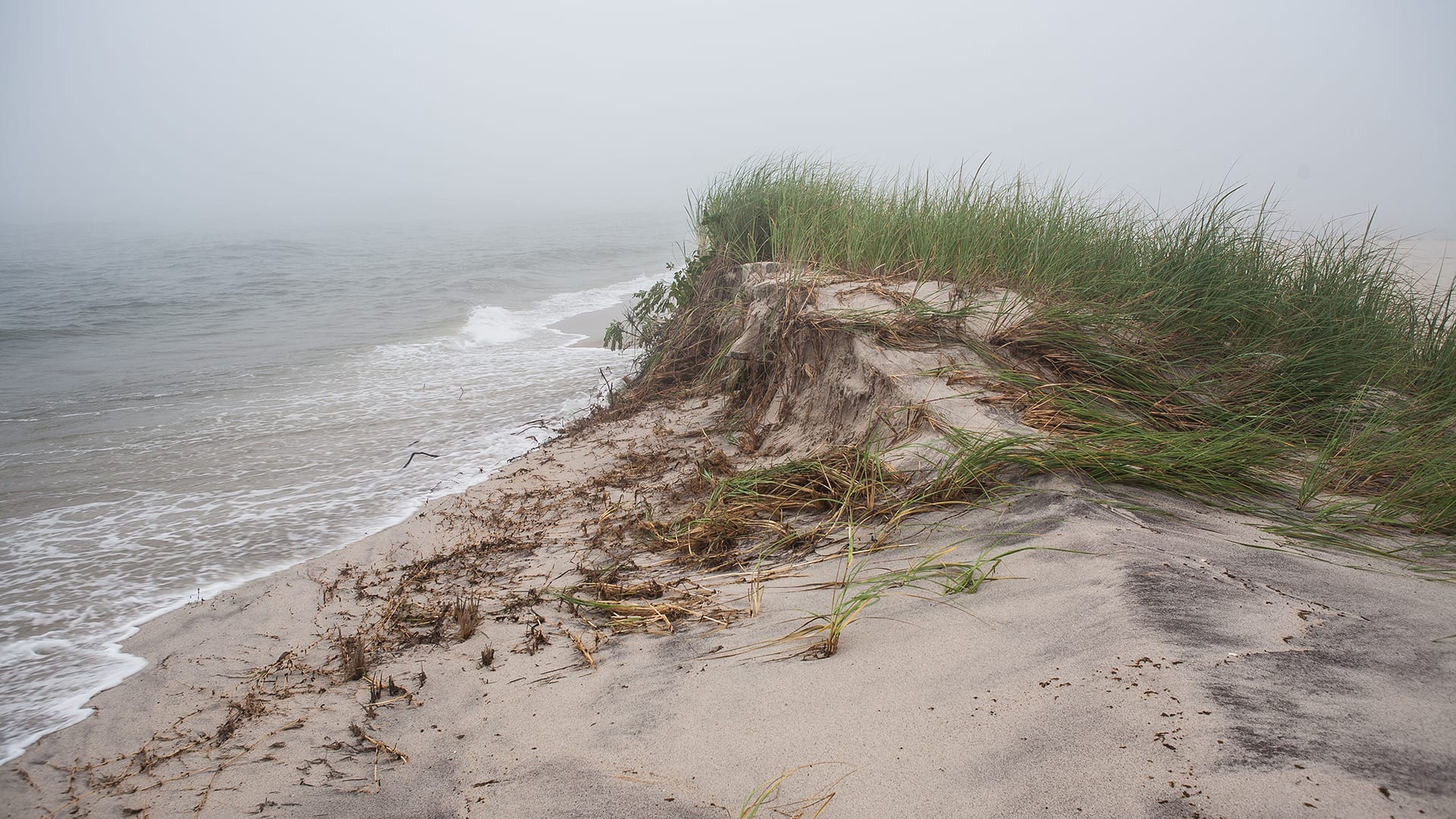
A new study by the Woods Hole Oceanographic Institution (WHOI) clarifies what influence major currents in the North Atlantic have on sea level along the northeastern United States. The study, published June 13 in the journal Geophysical Research Letters, examined both the strength of the Atlantic Meridional Overturning Circulation (AMOC)—a conveyor belt of currents that move warmer waters north and cooler waters south in the Atlantic—and historical records of sea level in coastal New England.
Read MoreOrganic Carbon Hides in Sediments, Keeping Oxygen in Atmosphere
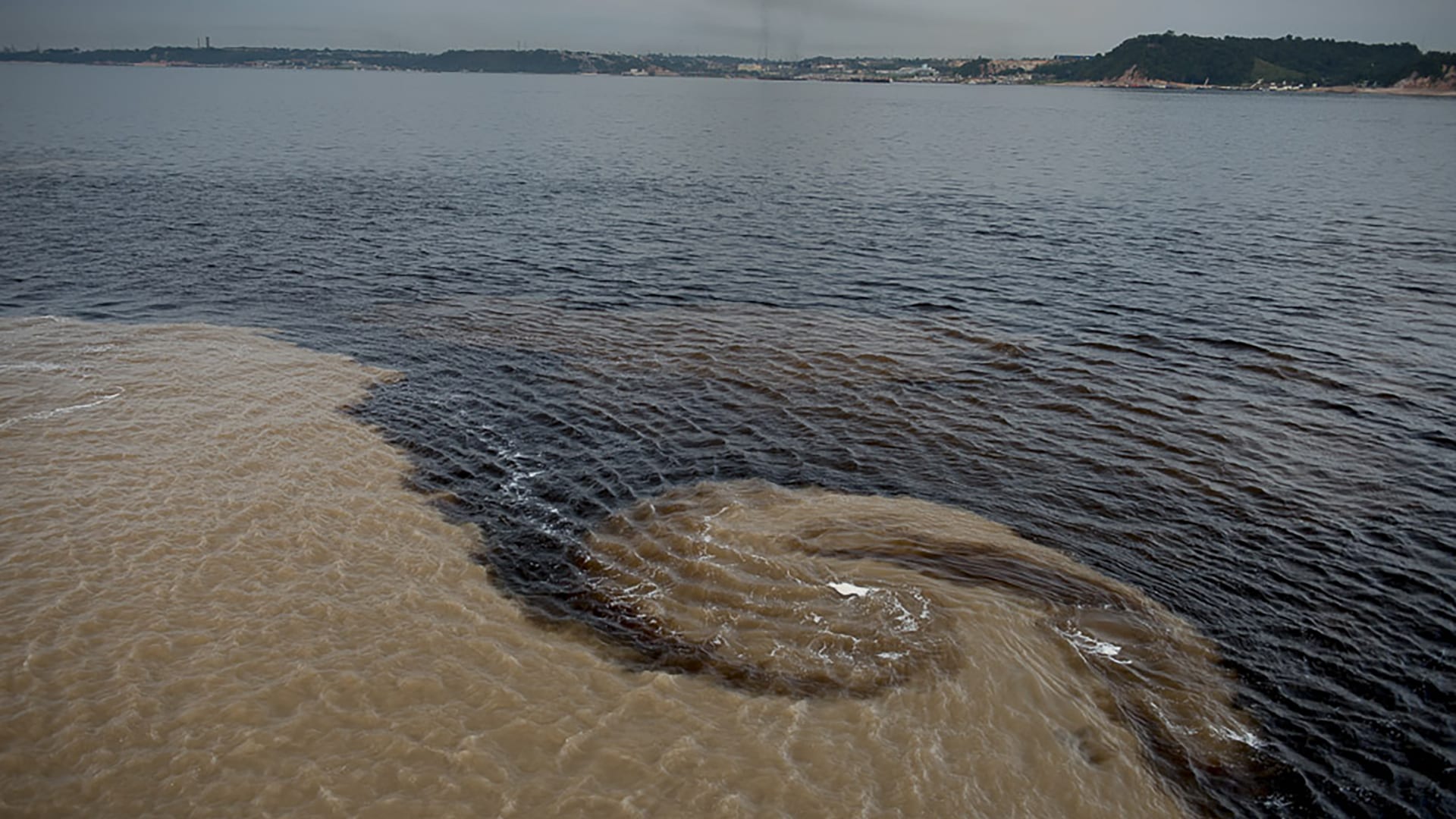
A new study from researchers at the Woods Hole Oceanographic Institution (WHOI) and Harvard University may help settle a long-standing question—how small amounts of organic carbon become locked away in…
Read MoreNew Study Finds Distinct Microbes Living Next to Corals
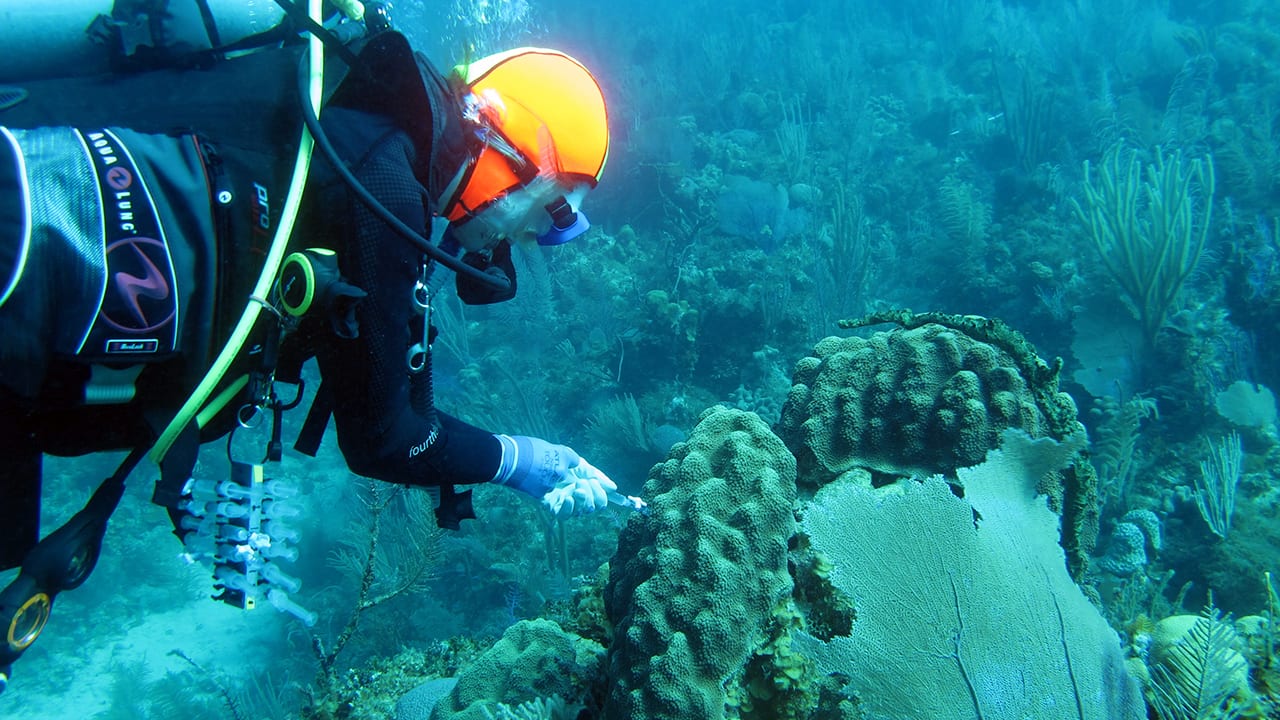
WHOI scientists distinct discover microbes living just a few centimeters from the surface of corals near the southern coast of Cuba. The discovery may yield clues about the ecological functions of microbes, and how they find and infect coral colonies.
Read MoreNOAA Names Woods Hole Oceanographic Institution to Host Cooperative Institute
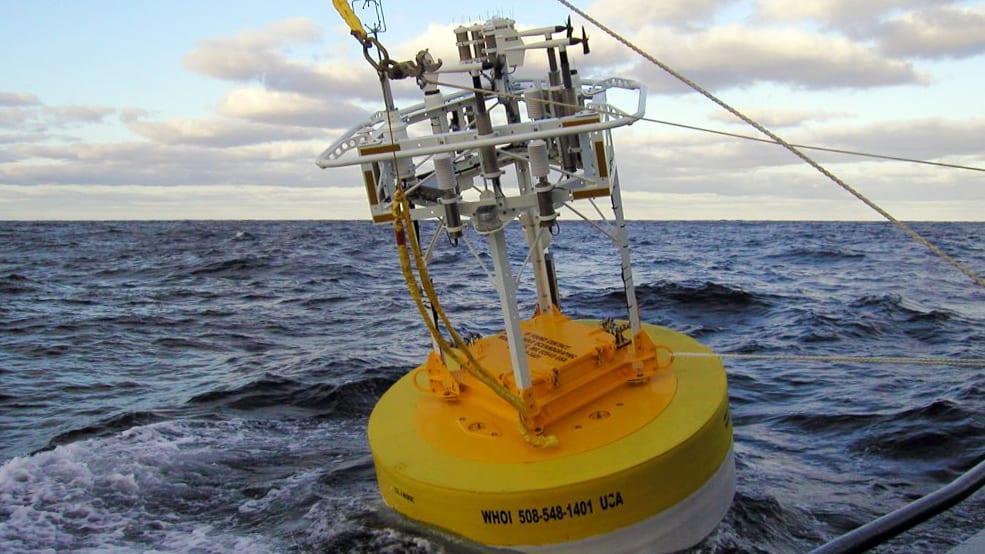
The National Oceanic and Atmospheric Administration (NOAA) selected Woods Hole Oceanographic Institution (WHOI) to host NOAA’s Cooperative Institute for the North Atlantic Region (CINAR). Cooperative Institutes are NOAA-supported, non-federal organizations…
Read MoreWHOI to Join $94 Million Cooperative Institute
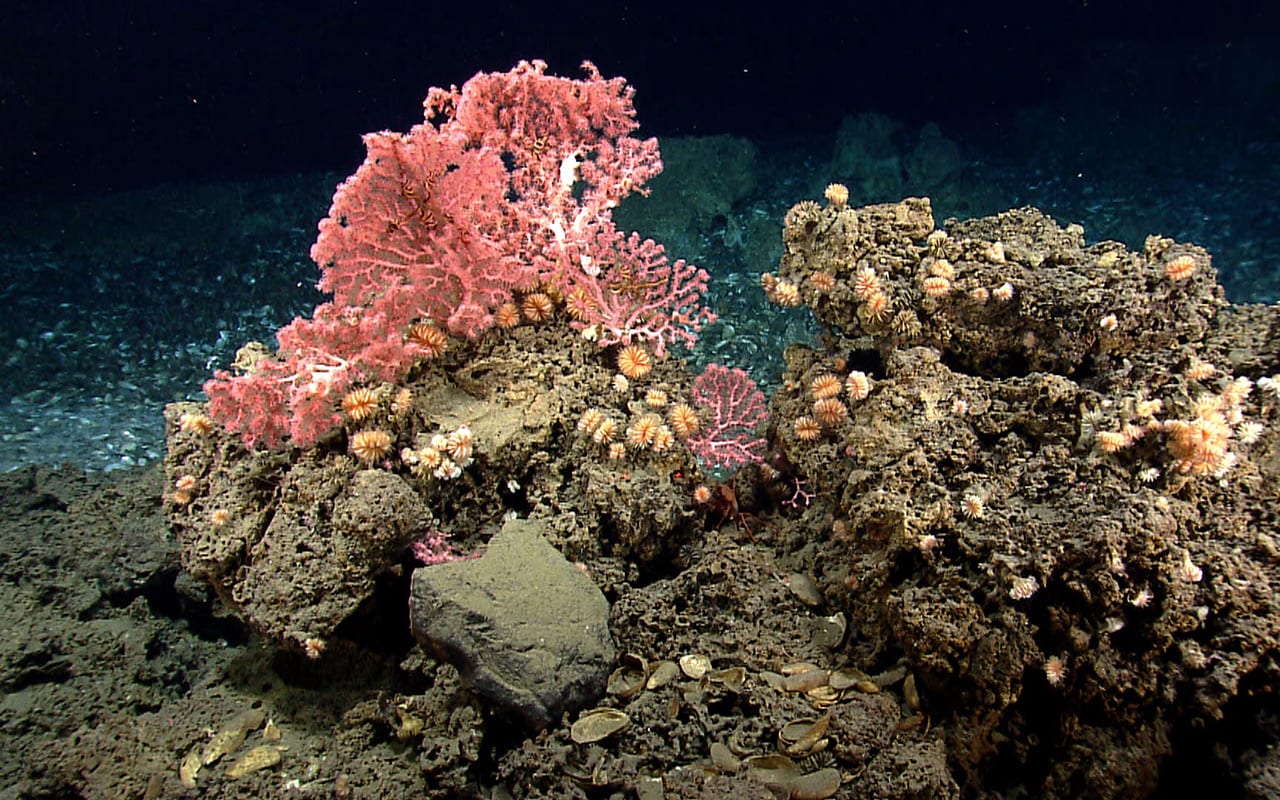
WHOI will join a new consortium led by the University of Rhode Island Graduate School of Oceanography to support ocean exploration.
Read MoreWaters West of Europe Drive Ocean Overturning, Key for Regulating Climate
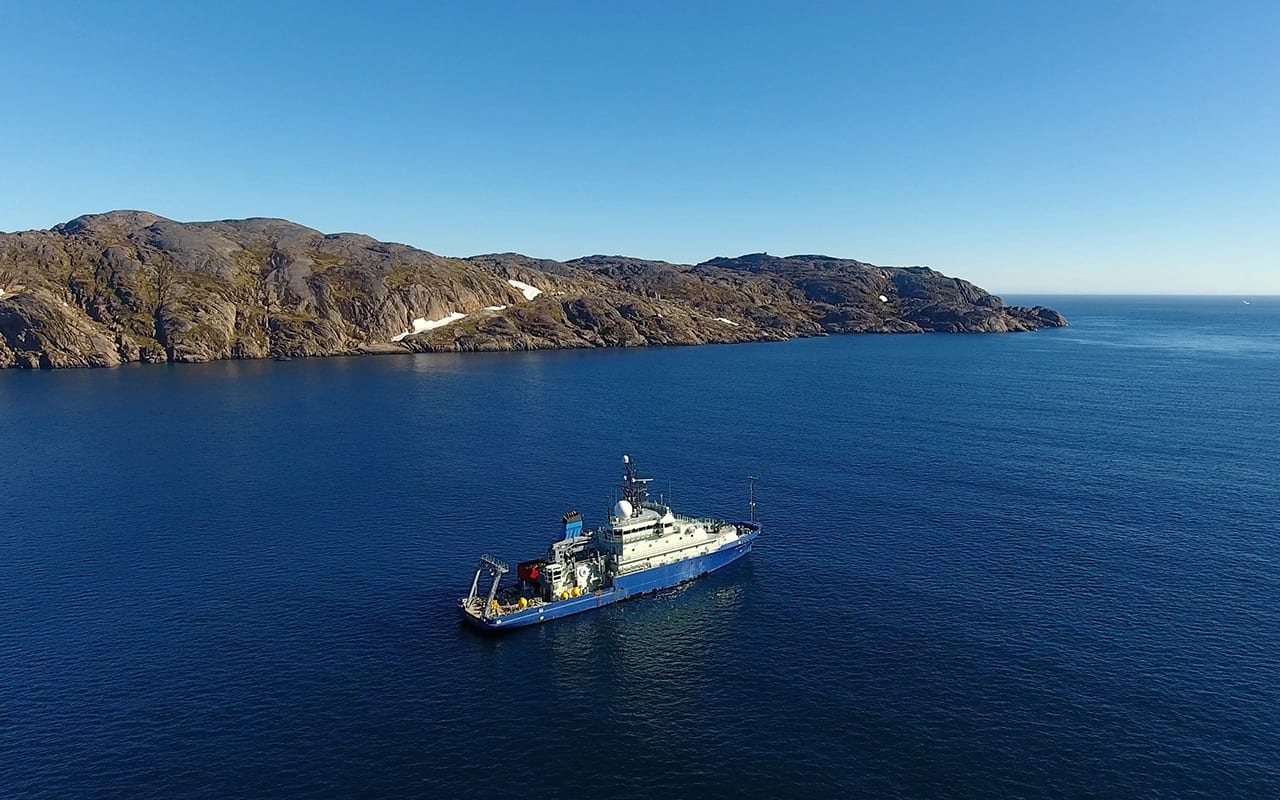
In the Atlantic MOC, warm, salty, shallow waters are carried northward from the tropics by currents and wind, and then converted into colder, fresher, deep waters that return southward through the Iceland and Irminger basins. In a departure from the prevailing scientific view, the study shows that most of the conversion from warm to cold water – or ‘overturning’ and its month-to-month variability – is occurring in regions between Greenland and Scotland, rather than in the Labrador Sea off Canada, as many past modeling studies have suggested.
Read MoreEmperor Penguins’ First Journey to Sea
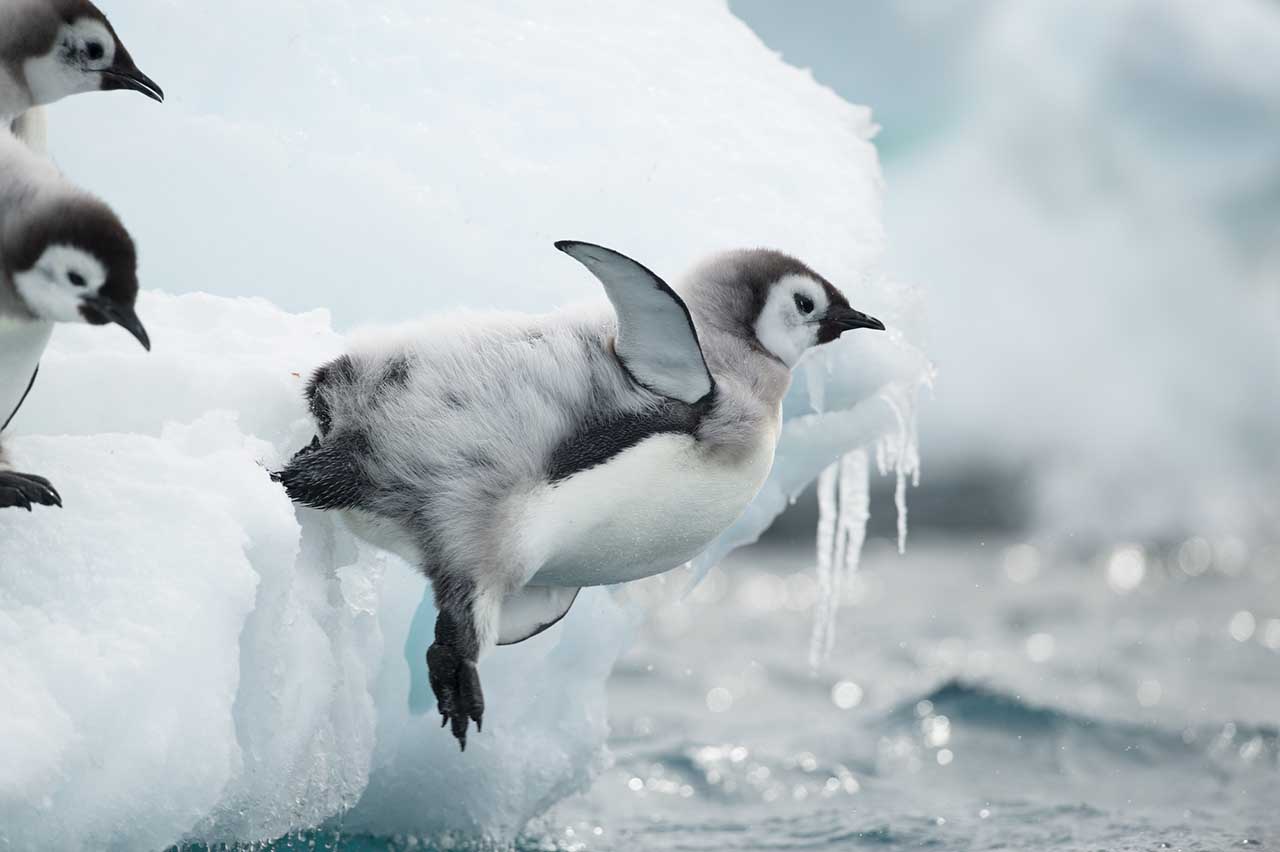
The paper, published Jan. 17, 2019, in the journal Marine Ecology Progress Series, also highlights the unique connection between juvenile diving behaviors and a layer of the ocean, known as the thermocline, where warmer surface waters meet cooler deep waters below and where their prey likely gather in groups.
Read MoreThe long memory of the Pacific Ocean
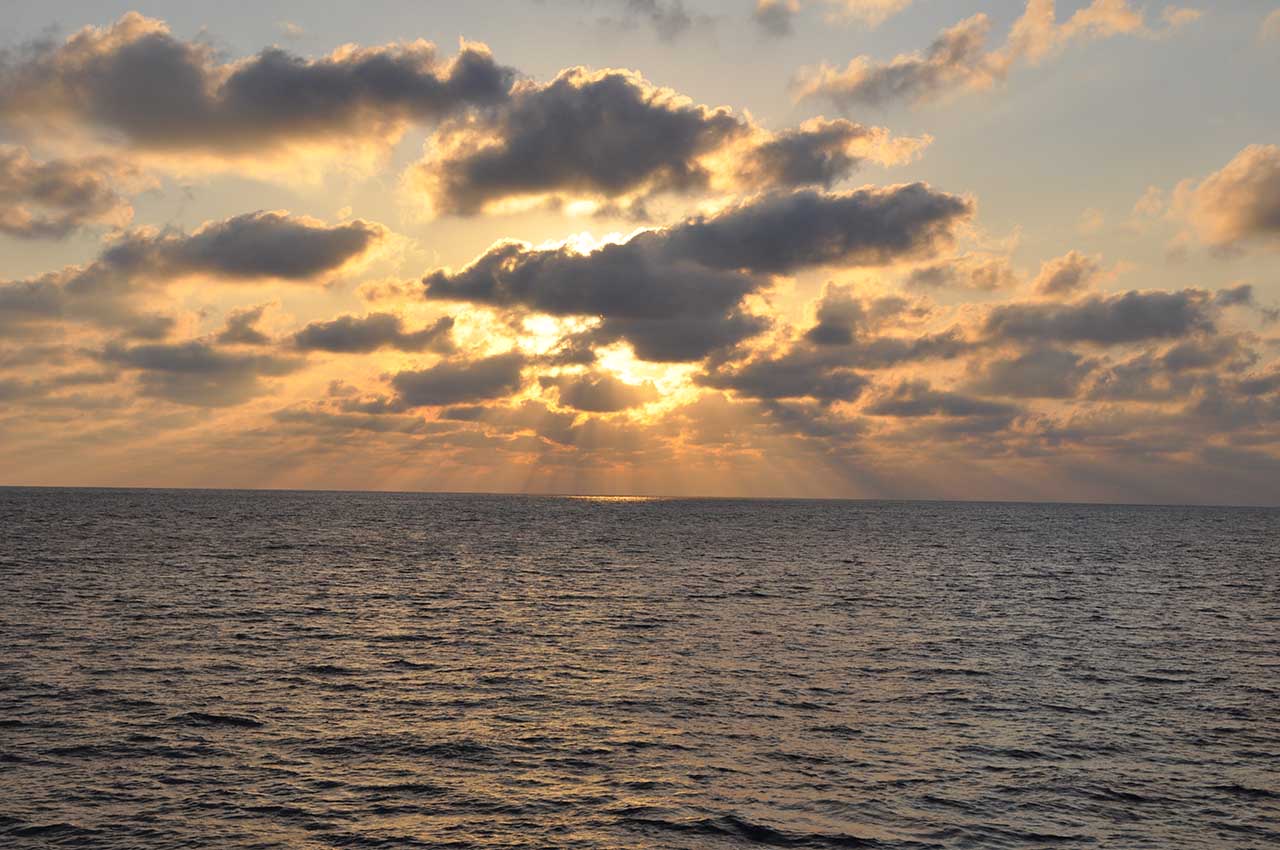
Researchers from the Woods Hole Oceanographic Institution (WHOI) and Harvard University have found that the deep Pacific Ocean lags a few centuries behind in terms of temperature and is still adjusting to the entry into the Little Ice Age. Whereas most of the ocean is responding to modern warming, the deep Pacific may be cooling.
Read More