
News Releases
Environmental DNA is a reliable way to learn about migration from the twilight zone
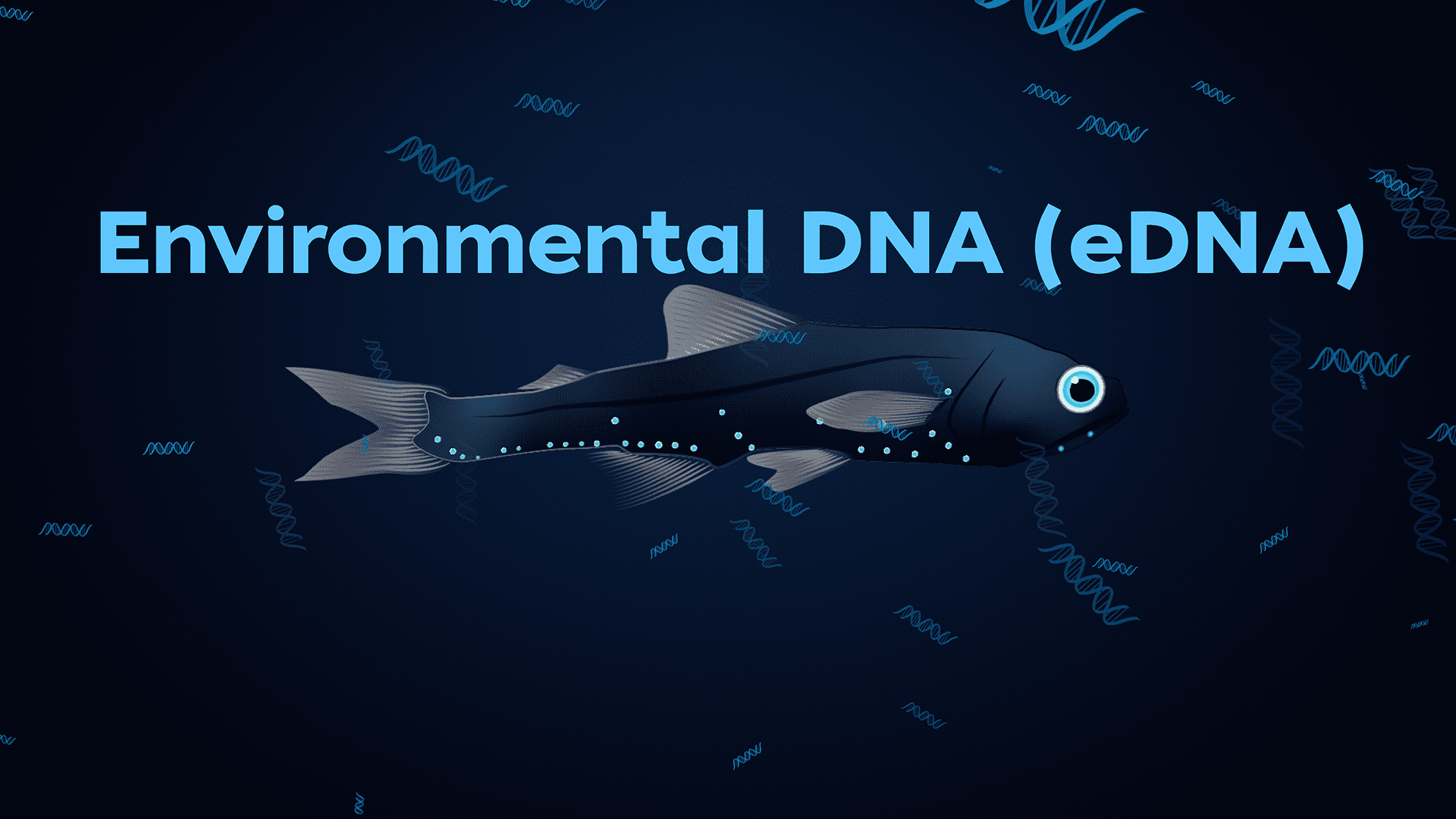
Woods Hole, MA — The mid-ocean “twilight zone” holds the key to several tantalizing questions about the marine food web and carbon-sequestering capacity of the ocean. But studying this vast…
Read MoreModeling our climate future; WHOI to lead ocean current research
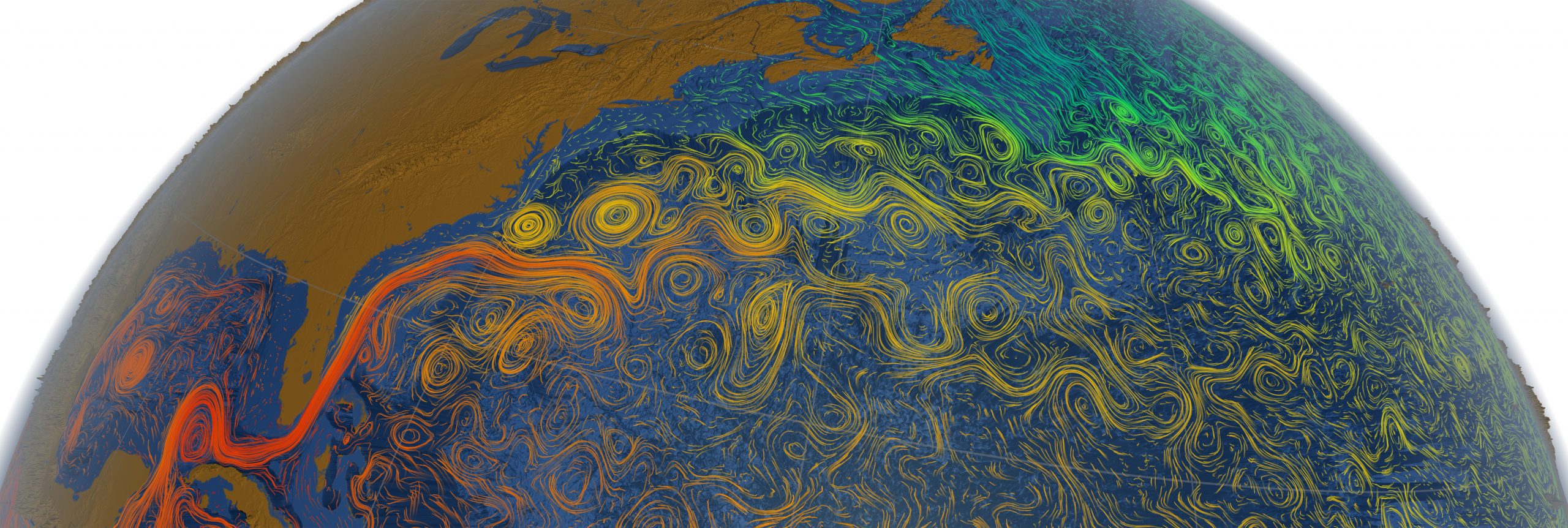
Woods Hole Oceanographic Institution (WHOI) senior scientist of physical oceanography, Dr. Young-Oh Kwon, and WHOI adjunct scientist, Dr. Claude Frankignoul, have received a new research grant from the National Oceanic and Atmospheric Administration (NOAA) Modeling, Analysis, Predictions and Projections (MAPP) Program, funding their research project focusing on western boundary ocean currents and their correspondence with the atmosphere in relation to modern day climate.
Read MoreWHOI collaborates to bring video installation to United Nation Headquarters
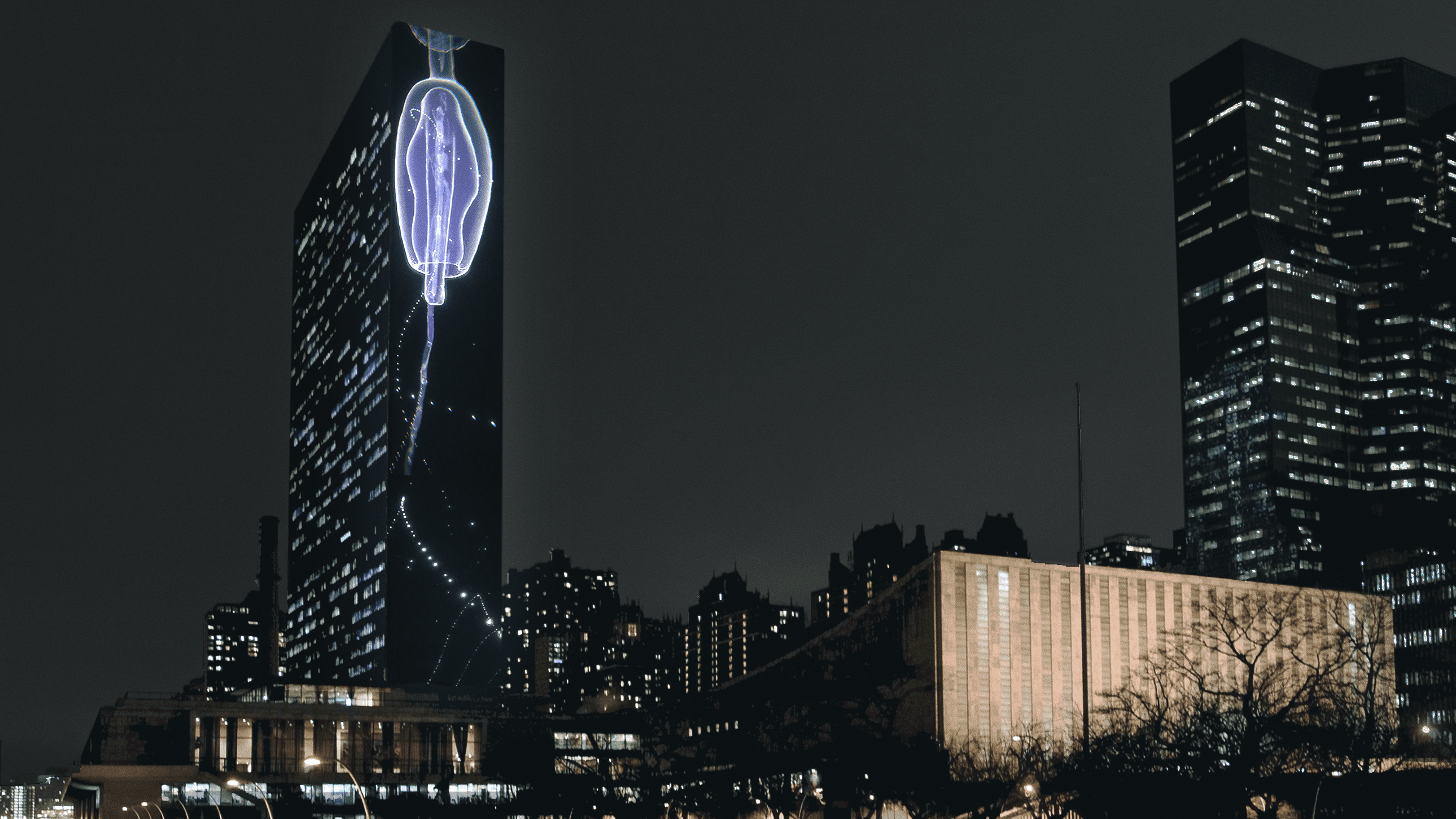
Vertical Migration by artist group SUPERFLEX will be projected onto the facade of the United Nations’ 505-foot tower in New York, on 21-24 September 2021, coinciding with the 76th General Assembly and Climate Week NYC. The projection seeks to draw global attention to the critical role of the ocean in global climate, a primary focus of Woods Hole Oceanographic Institution’s Ocean Twilight Zone Project.
Read MoreA recent reversal in the response of western Greenland’s ice caps to climate change
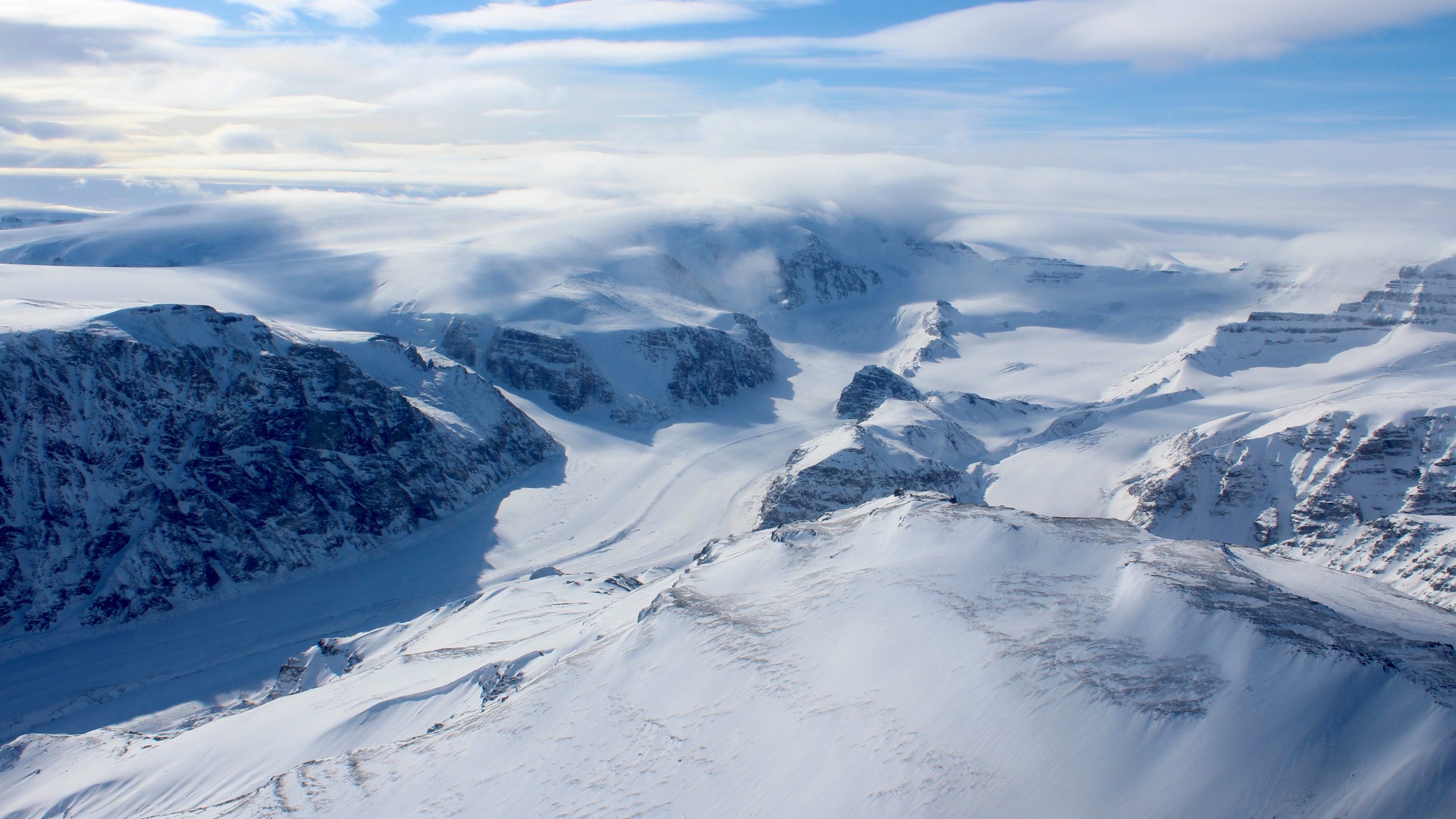
New collaborative research from the WHOI and five partner institutions published today in Nature Geoscience, reveals that during past periods glaciers and ice caps in coastal west Greenland experienced climate conditions much different than the interior of Greenland. Over the past 2,000 years, these ice caps endured periods of warming during which they grew larger rather than shrinking.
Read MoreWHOI selected for new NSF science & technology center
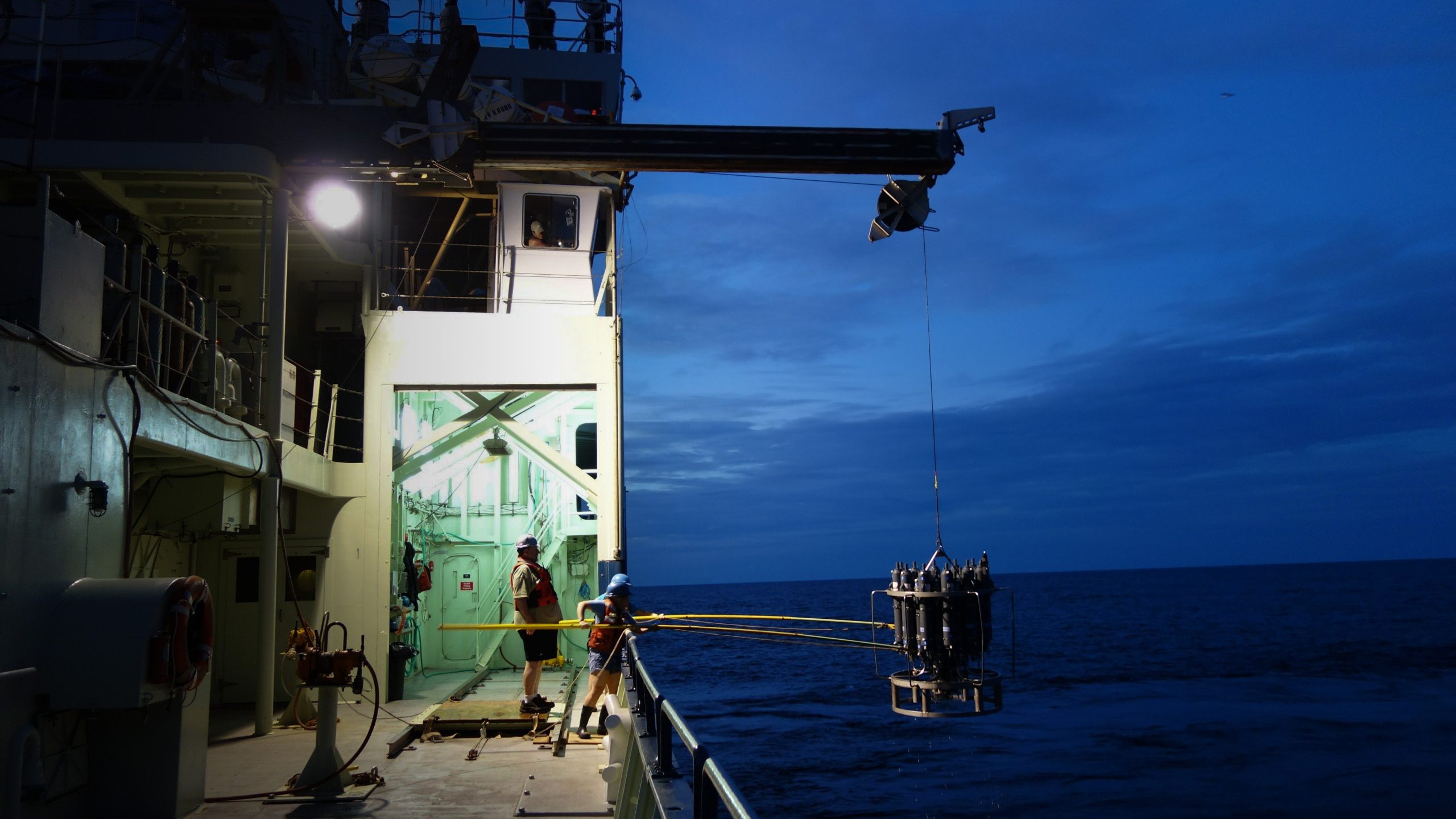
The new Center for Chemical Currencies of a Microbial Planet (C-CoMP) will focus on the chemical processes that underpin ocean ecosystems.
Read MoreSunlight can break down marine plastic into tens of thousands of chemical compounds, study finds
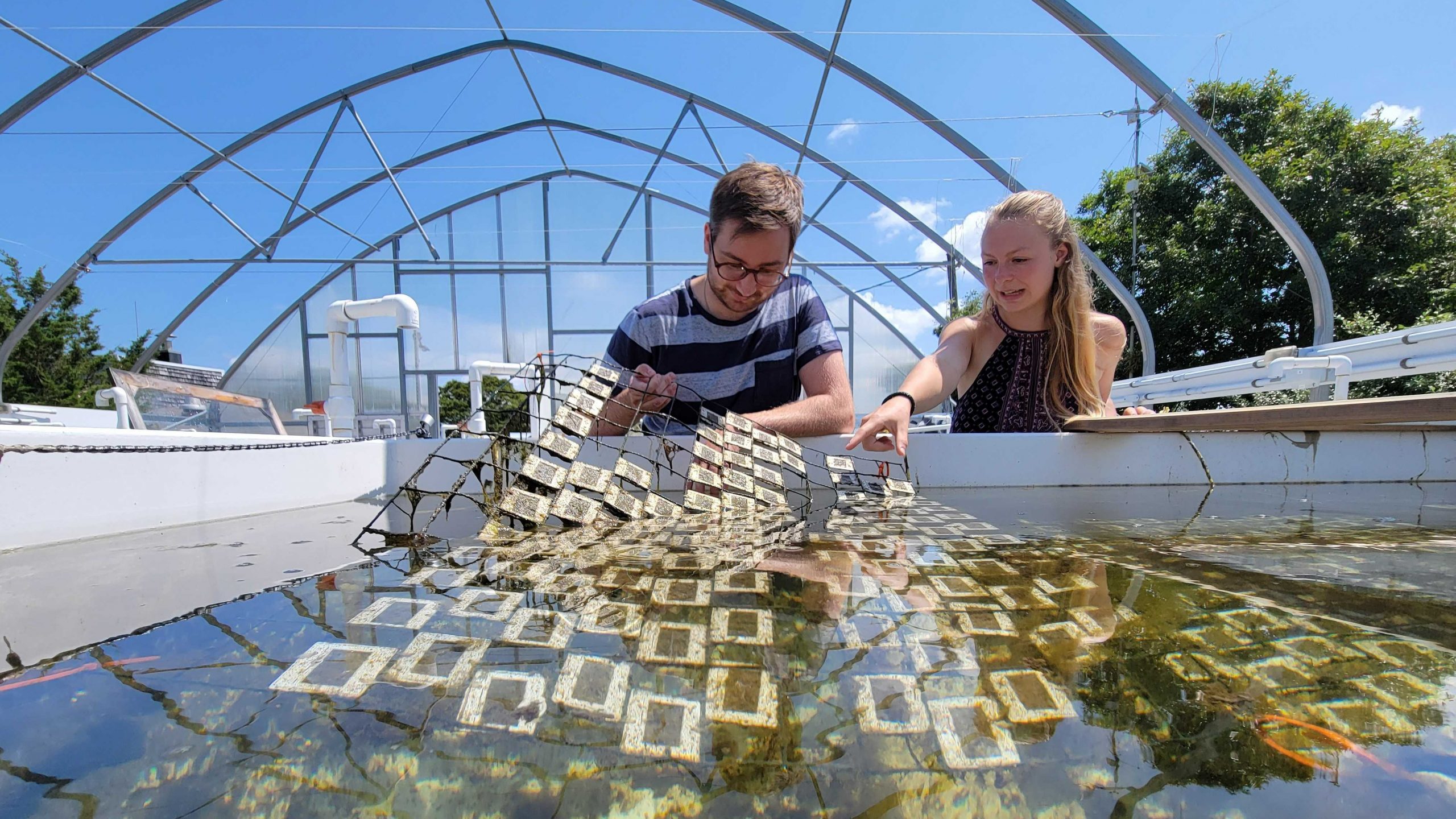
Sunlight was once thought to only fragment plastics in the marine environment into smaller particles that chemically resemble the original material and persist forever. However, scientists more recently have learned that sunlight also chemically transforms plastic into a suite of polymer-, dissolved-, and gas-phased products. Now, a new study finds that this chemical reaction can produce tens of thousands of water-soluble compounds, or formulas.
Read MoreEmperor penguins, recommended as threatened species under Endangered Species Act
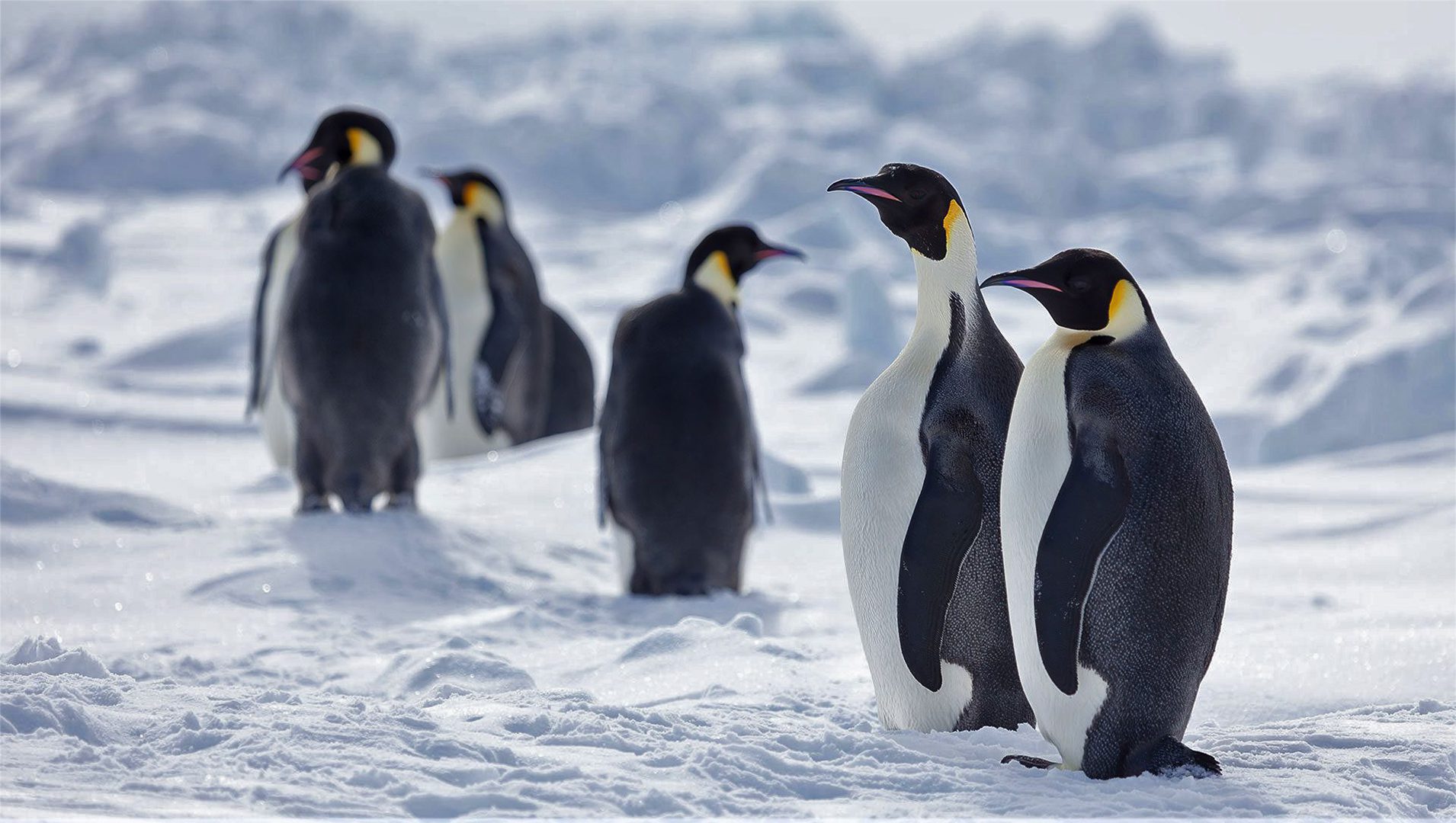
Today, the U.S. Fish and Wildlife Service (USFWS) announced a proposal to list the emperor penguin as a threatened species under the Endangered Species Act.
Read MoreNew Study Finds Emperor Penguins Increasingly Threatened by Climate Change
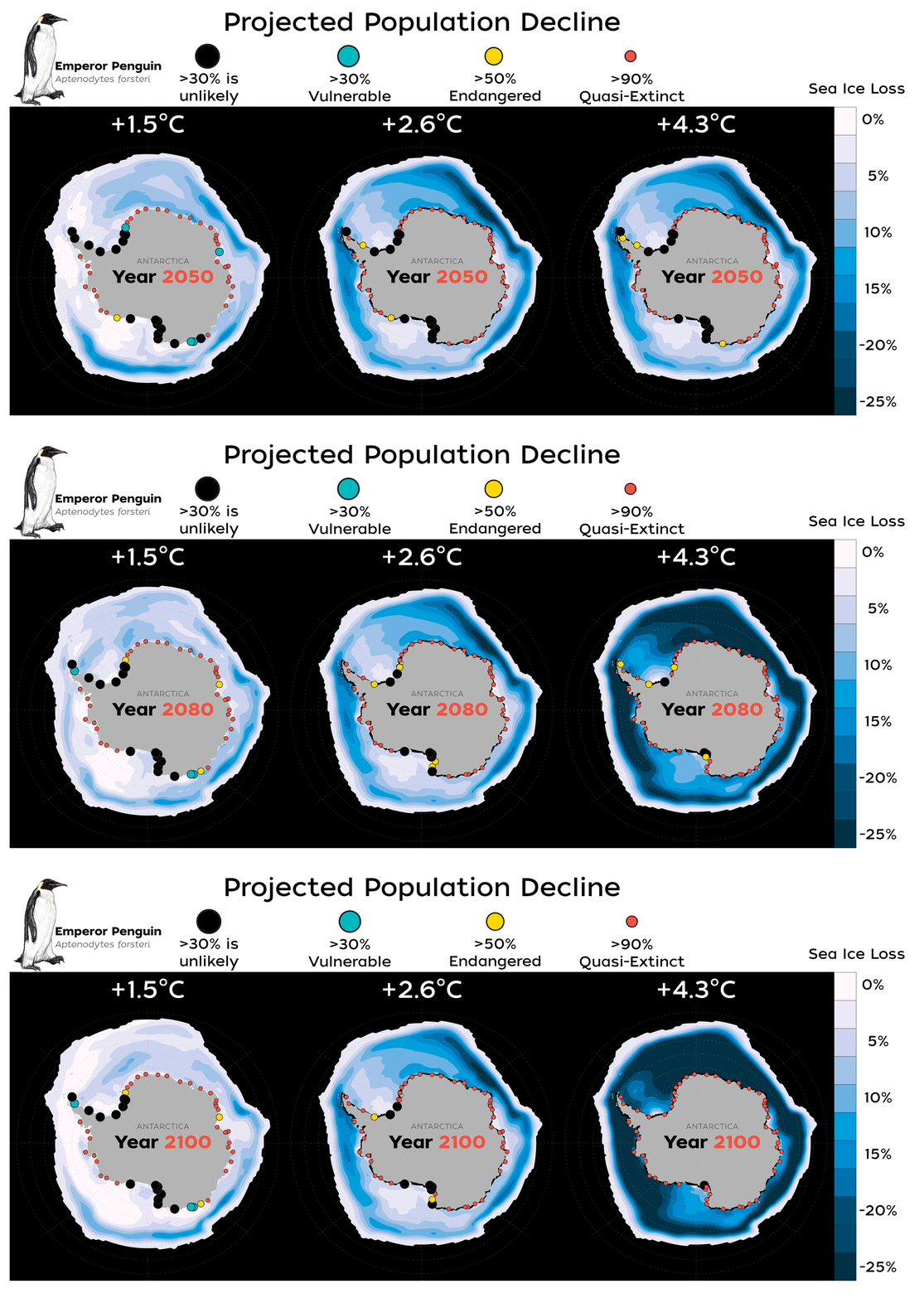
A new study published today in Global Change Biology provides valuable new data that highlights how species extinction risk is accelerating due to rapid climate change and an increase in extreme climate events, such as glacial calving and sea ice loss.
Read MoreWhat happens to marine life when oxygen is scarce?
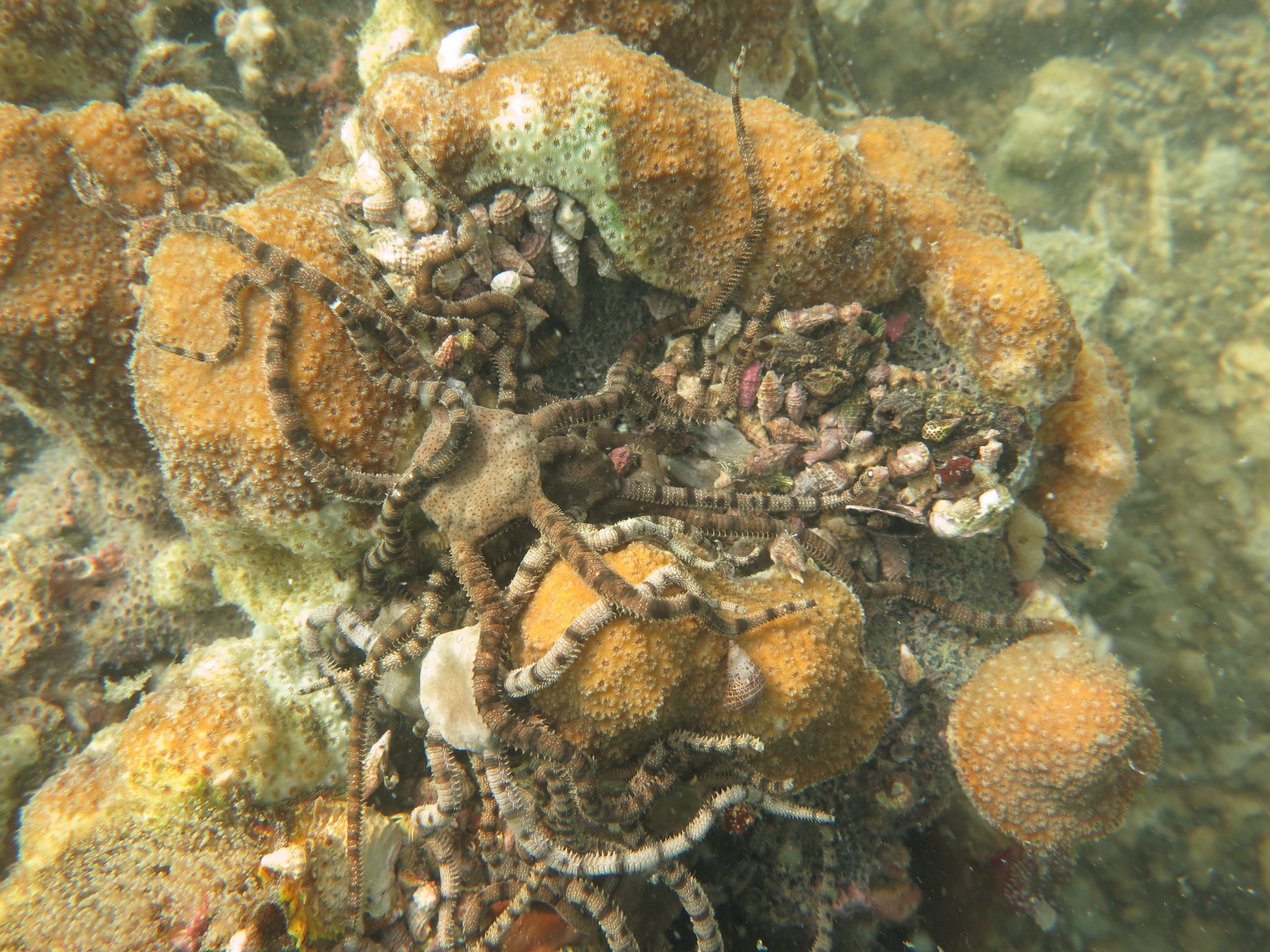
A new study co-led by WHOI postdoctoral scholar Maggie Johnson looks closely at the changes occurring in both coral reef and microbial communities near Bocas del Toro during sudden hypoxic events, which occur when there is little to no oxygen in a given area of water.
Read MoreReview Evaluates the Evidence for an Intensifying Indian Ocean Water Cycle
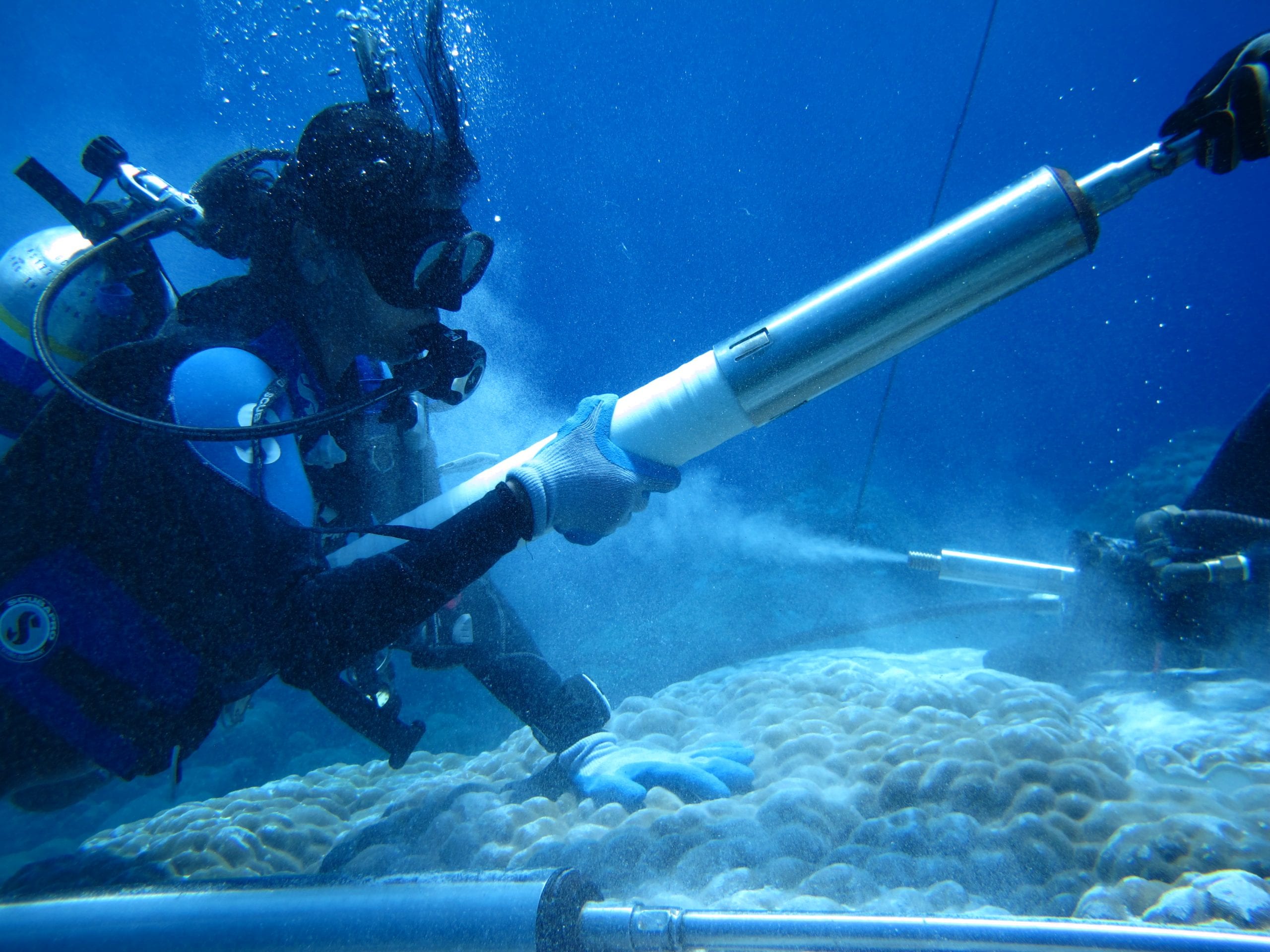
Report Calls for Better Integration of Observations, Models, and Paleo Proxies The Indian Ocean has been warming much more than other ocean basins over the last 50-60 years. While temperature…
Read MoreStudy Examines the Role of Deep-Sea Microbial Predators at Hydrothermal Vents
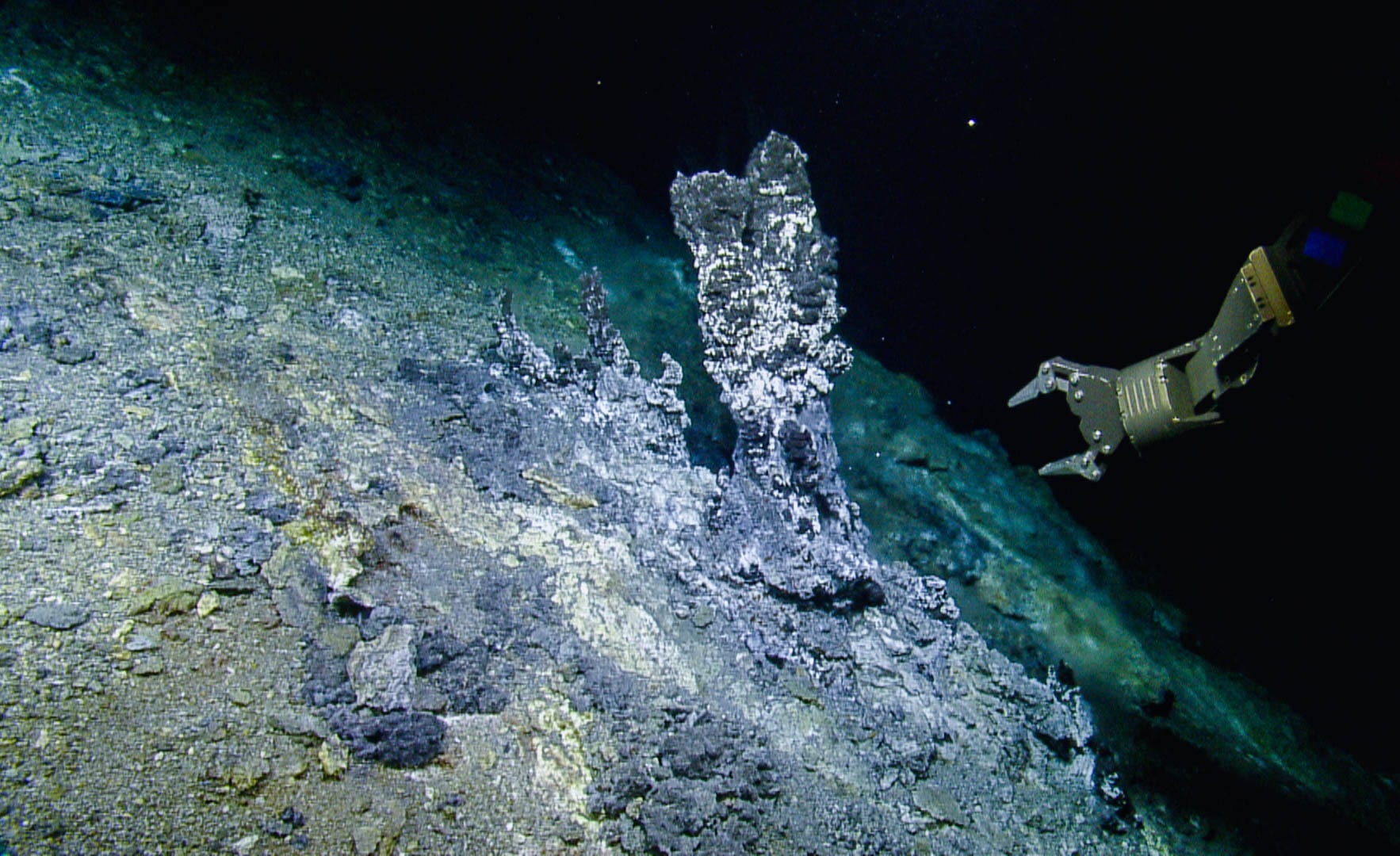
Researchers Emphasize the Need for Baseline Information of Microbial Food Webs The hydrothermal vent fluids from the Gorda Ridge spreading center in the northeast Pacific Ocean create a biological hub…
Read MoreWoods Hole Oceanographic Institution Wants Everyone to “Keep it Weird”
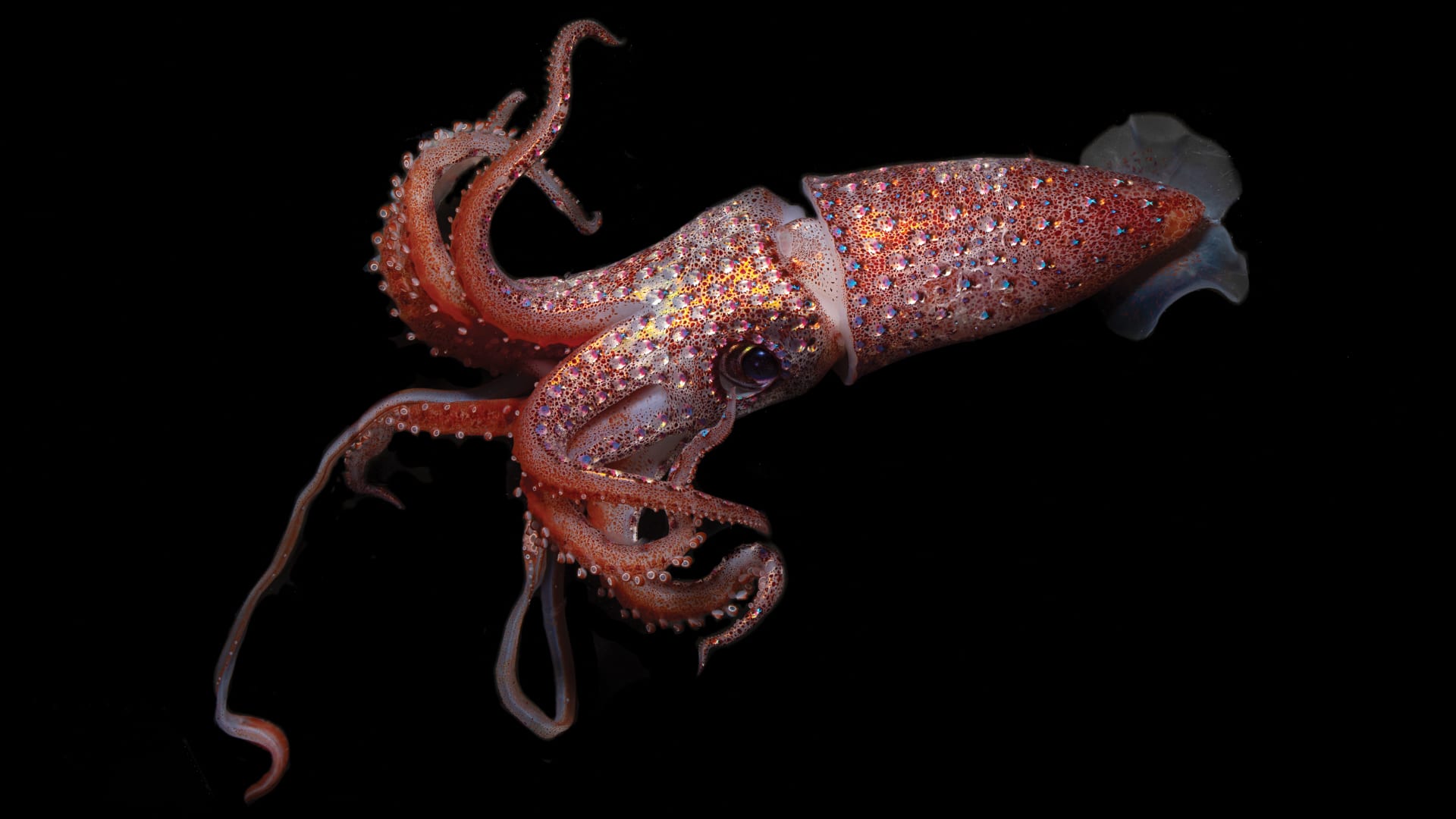
Campaign raises awareness of the ocean twilight zone by celebrating the “weird” in all of us Woods Hole, Mass. (May 27, 2021) — Woods Hole Oceanographic Institution (WHOI) wants to…
Read MoreRemote Learning Takes on New Meaning with the Launch of Dive and Discover ™ Expedition 17

Dive and Discover Expedition 17 will look more closely at the middle of the ocean, also known as the mesopelagic or the ocean’s twilight zone.
Read MorePlate Tectonics Fuels a Vast Underground Ecosystem
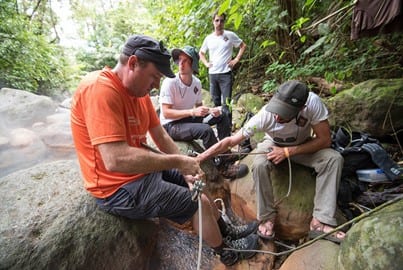
The subsurface is among Earth’s largest biomes, but the extent to which microbial communities vary across tectonic plate boundaries or interact with subduction-scale geological processes remains unknown. In a recently published study, scientists compare bacterial community composition with deep-subsurface geochemistry from 21 hot springs across the Costa Rican convergent margin.
Read MoreNorthern Star Coral Study Could Help Protect Tropical Corals
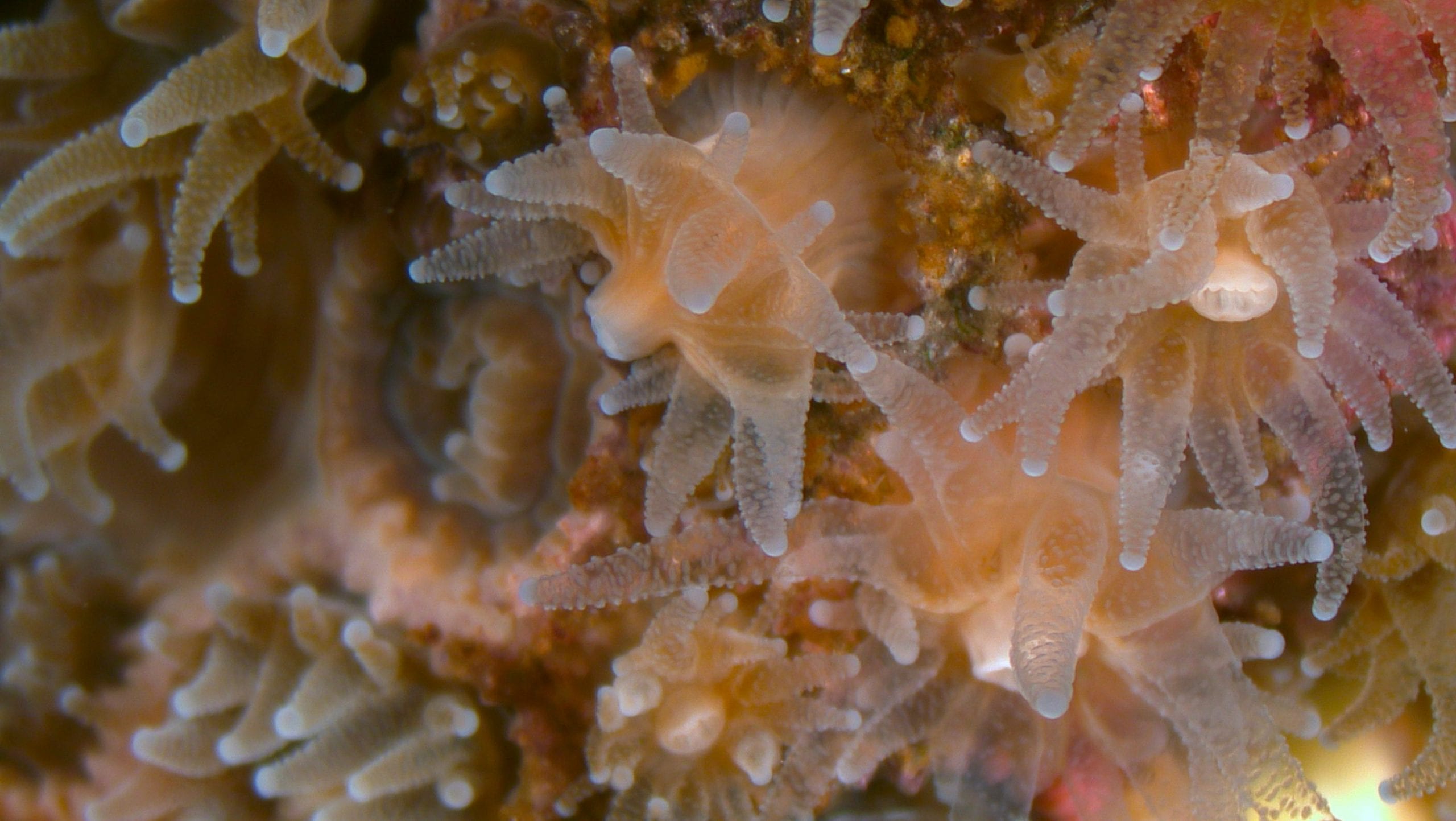
Worldwide, coral reefs are in crisis. Researchers at WHOI and Roger Williams University are finding that studying the recovery of this local New England species from a laboratory induced stressor could help better understand how to protect endangered tropical corals around the world.
Read MoreClimate Change Can Destabilize the Global Soil Carbon Reservoir, New Study Finds
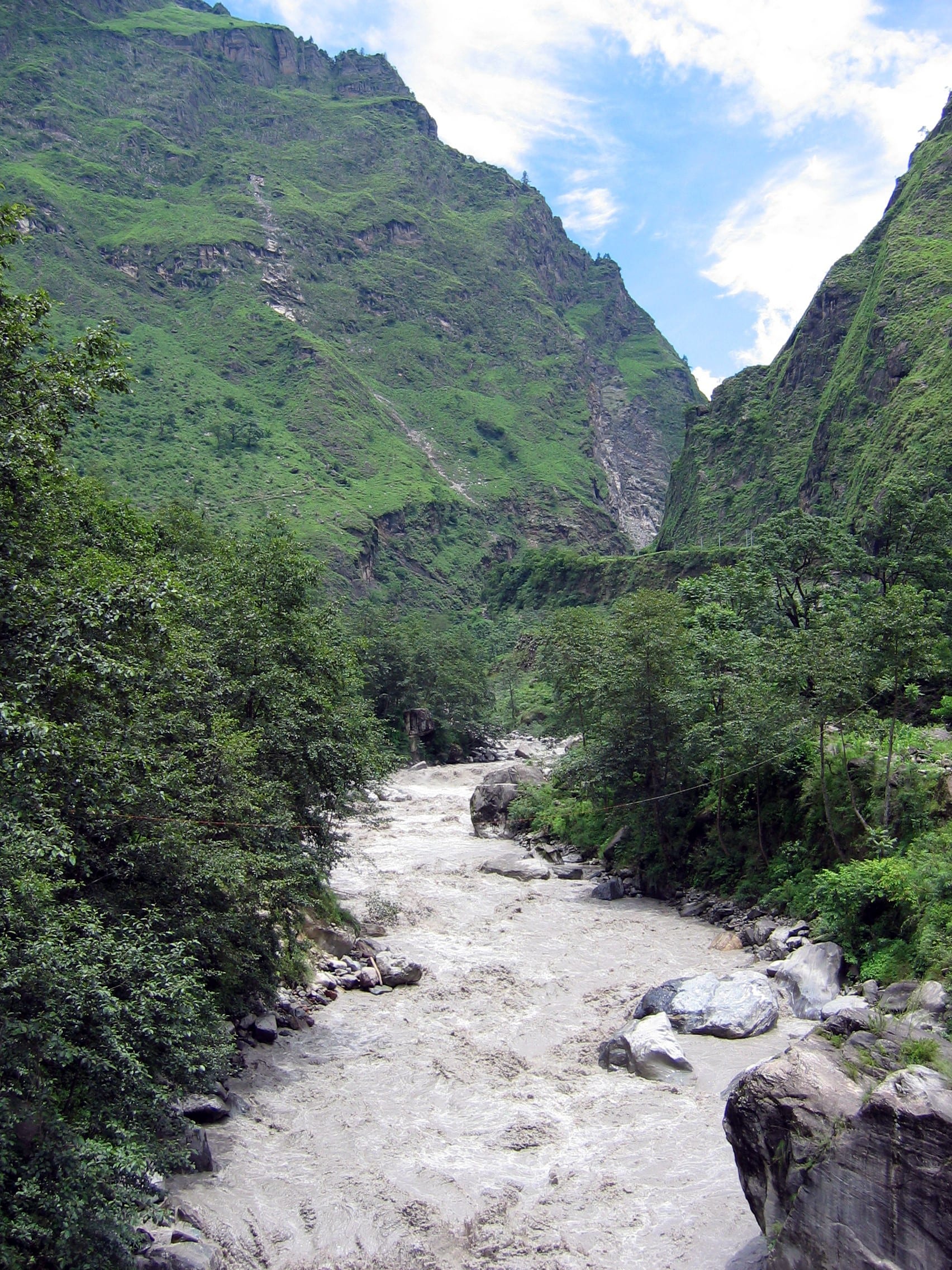
The vast reservoir of carbon that is stored in soils probably is more sensitive to destabilization from climate change than has previously been assumed, according to a new study by…
Read MoreNew observation network will provide unprecedented, long-term view of life in the ocean twilight zone
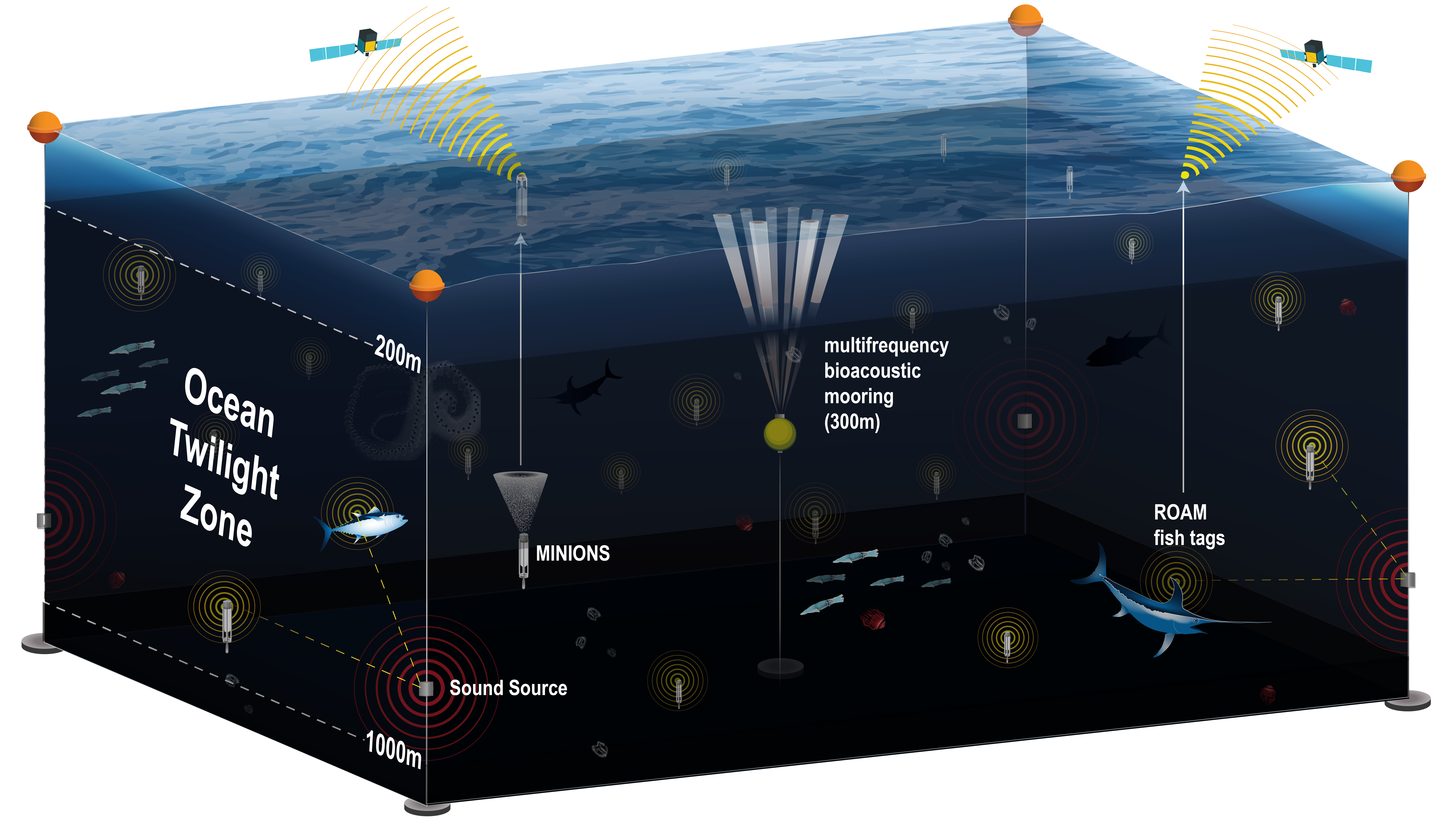
A new observation network under development by the Woods Hole Oceanographic Institution (WHOI) will offer round-the-clock data about the ocean twilight zone – a dimly lit region roughly 200–1000 meters (650–3200 feet) below the surface, containing the largest amount of fish biomass on Earth.
Read MoreStudy reconstructs ancient storms to predict changes in a cyclone hotspot
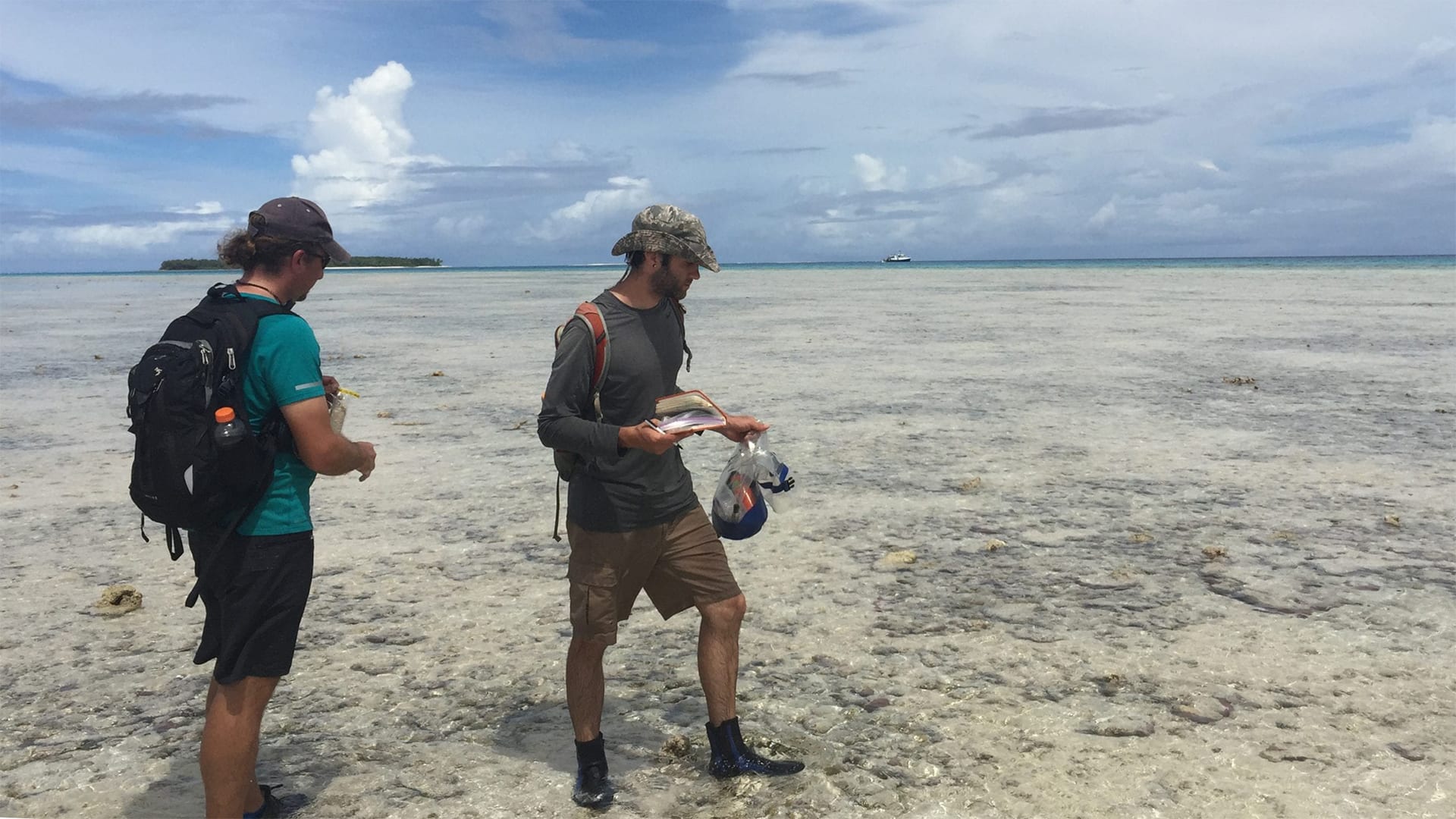
Intense tropical cyclones are expected to become more frequent as climate change increases temperatures in the Pacific Ocean. But not every area will experience storms of the same magnitude
Read MoreFirst Detailed Oil Sample Analysis Completed from Mauritius Oil Spill
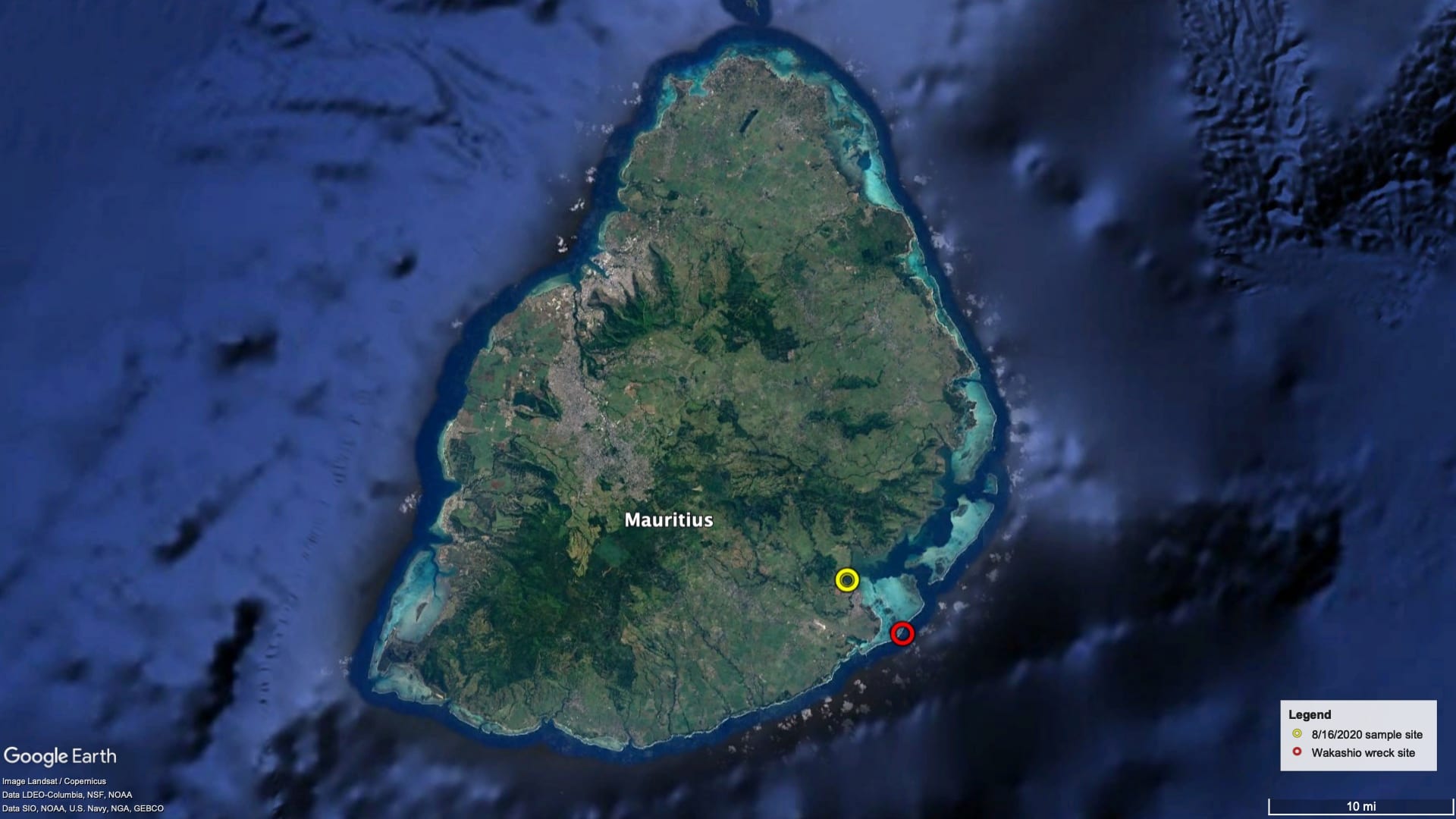
When the Japanese bulk carrier MV Wakashio struck a coral reef off the coast of Mauritius on July 25, 2020, and began leaking fuel oil two weeks later, local residents and the international community sprang into action to protect the pristine habitats that fringe the Indian Ocean nation.
Read MoreTwo New Studies Substantially Advance Understanding of Currents that Help Regulate Climate
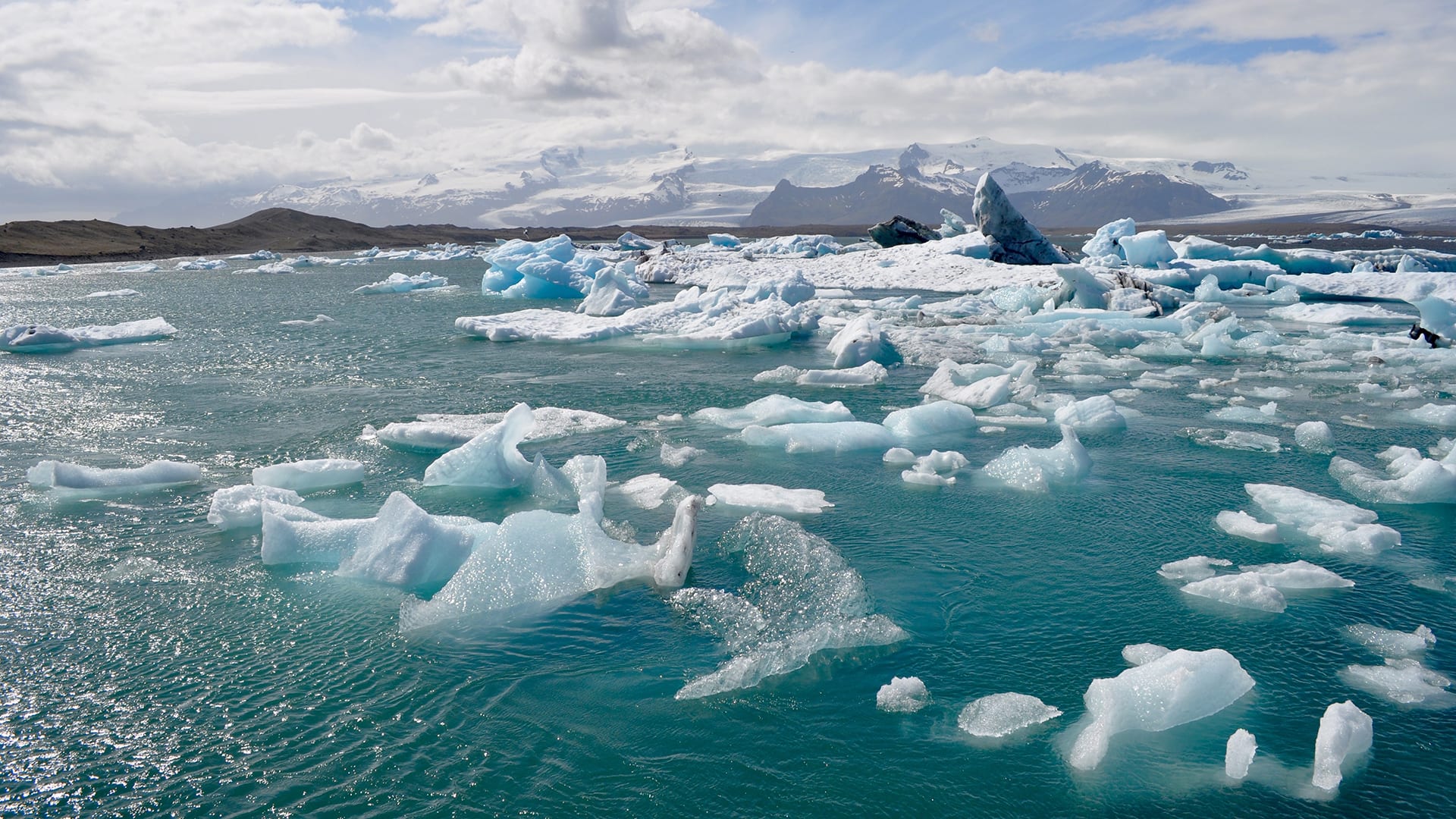
Two studies shed new light on a critical driver of the Atlantic Meridional Overturning Circulation (AMOC) and potential impacts of rising temperatures
Read MoreEpic Arctic Mission Ends
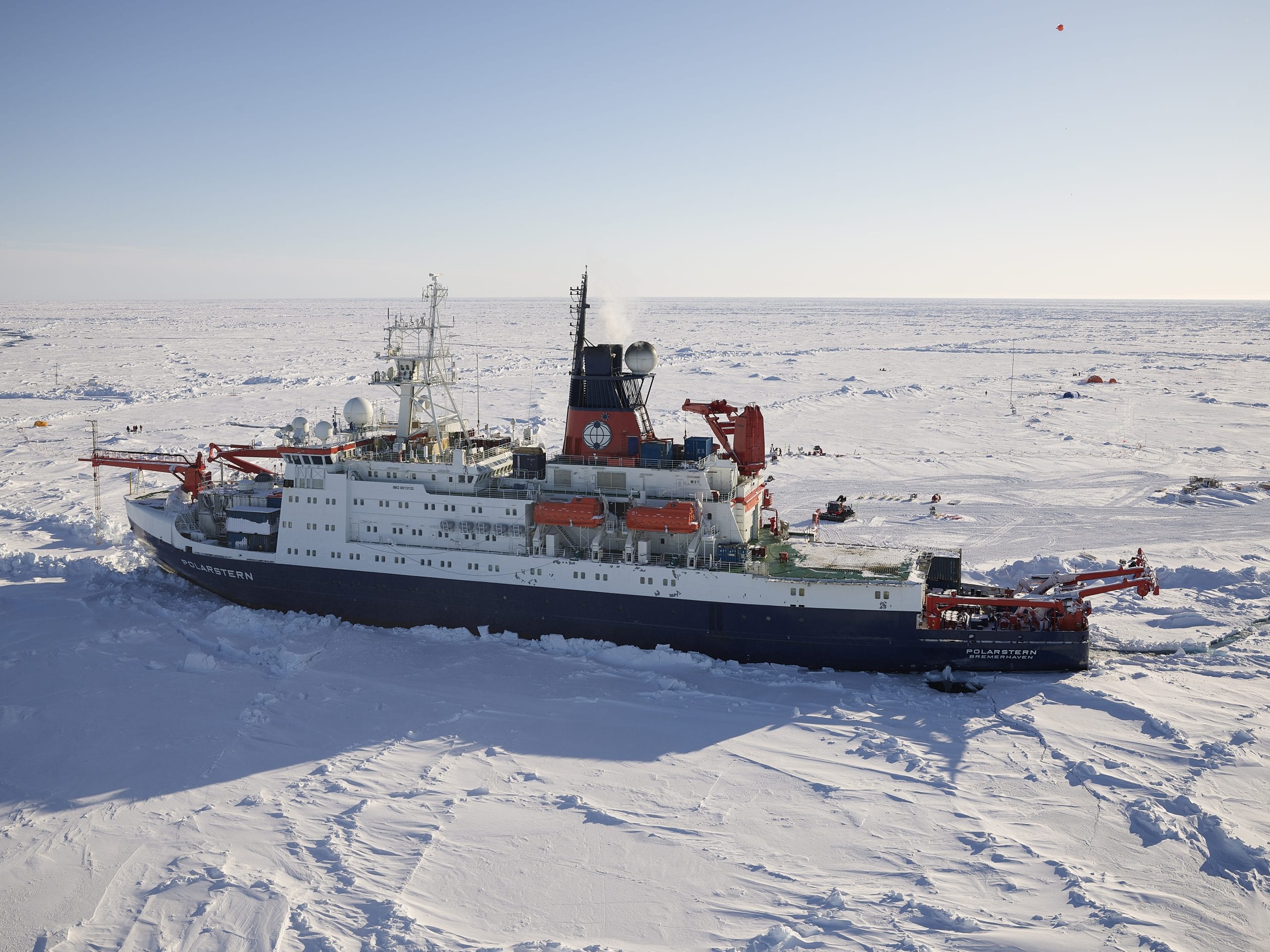
An epic mission ended as the German icebreaker Polarstern returned home Oct. 12, 2020, after being frozen near the top of the world for nearly a year to study all aspects of the Arctic system.
Read MoreAntarctic Ice Sheet Loss Expected to Affect Future Climate Change
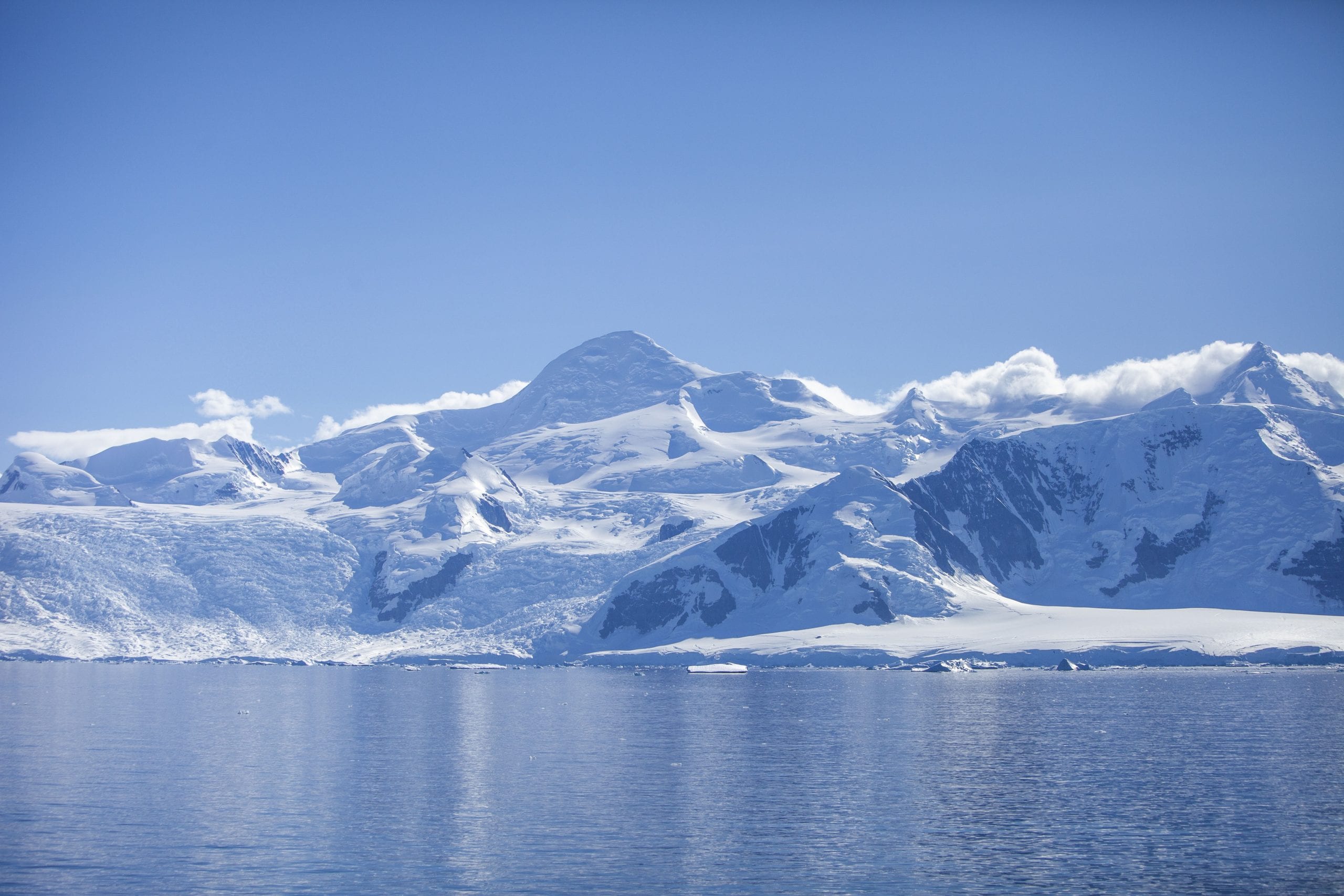
The research team reports that their new models with the added ice melt information reveal important interacting processes and demonstrate a need to accurately account for meltwater input from ice sheets in order to make confident climate predictions.
Read MoreStudies investigate marine heatwaves, shifting ocean currents
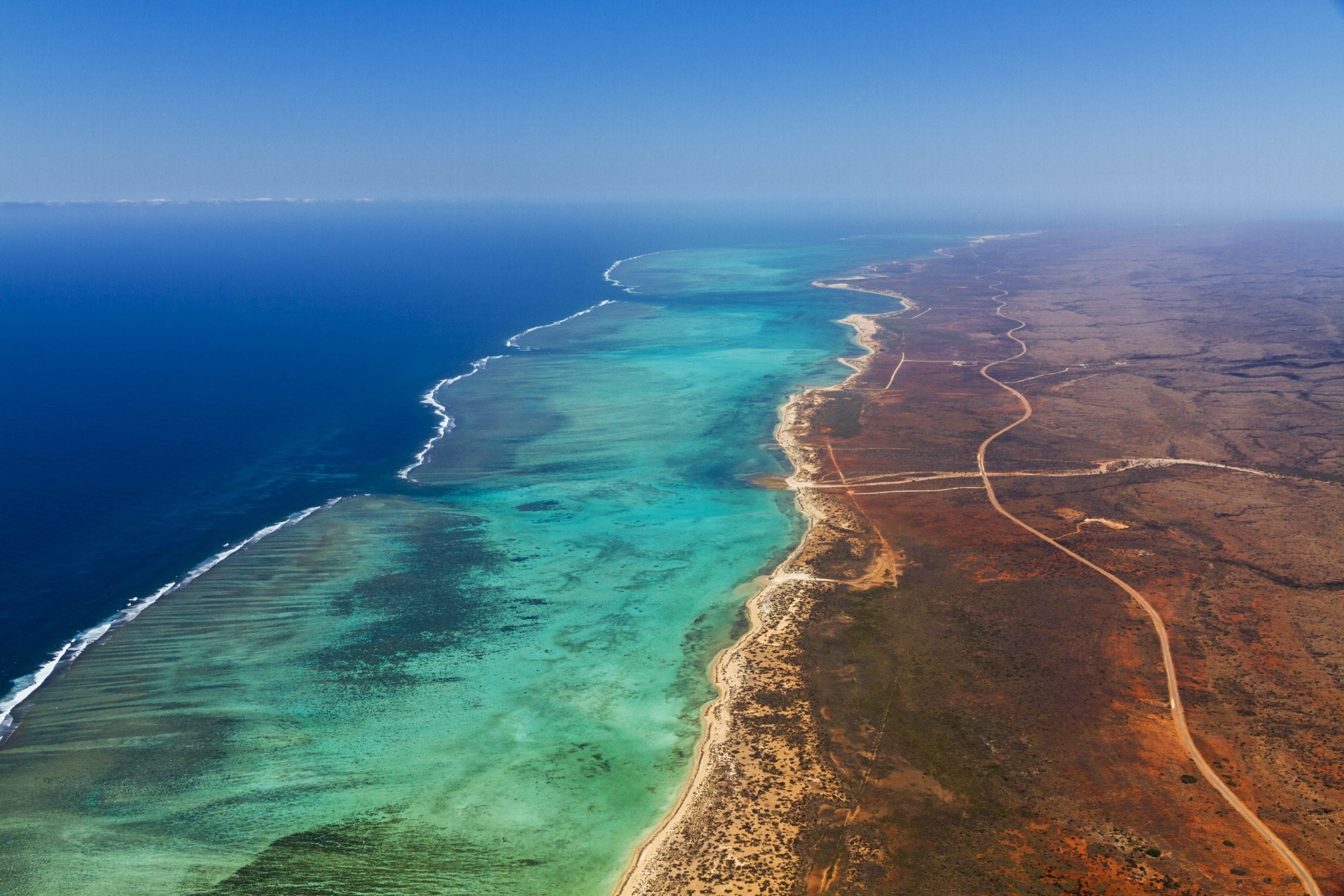
North America experienced a series of dangerous heatwaves during the summer of 2020, breaking records from coast to coast. In the ocean, extreme warming conditions are also becoming more frequent and intense.
Read MoreThe $500 billion question: what’s the value of studying the ocean’s biological carbon pump?
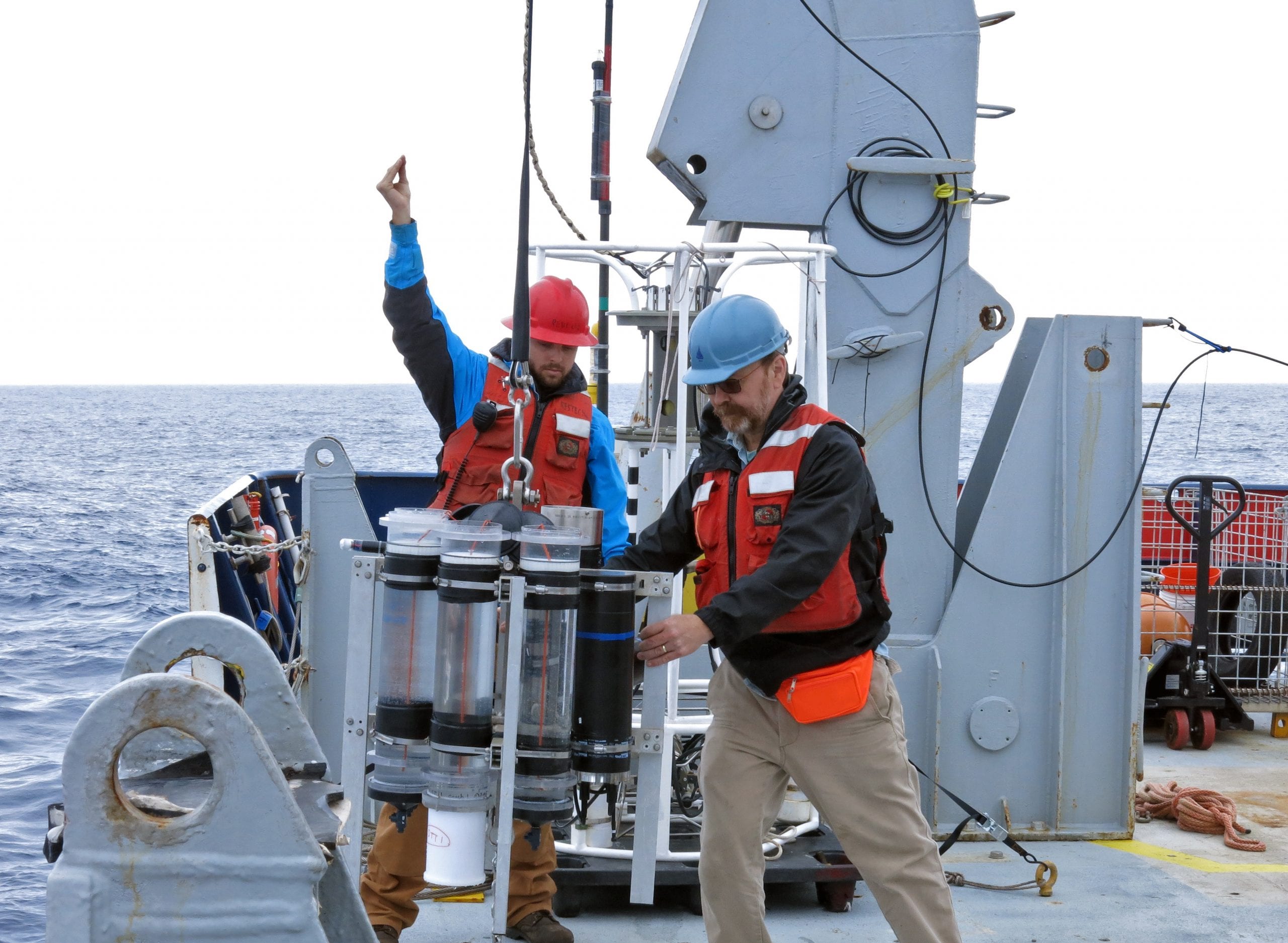
A new study puts an economic value on the benefit of research to improve knowledge of the biological carbon pump and reduce the uncertainty of ocean carbon sequestration estimates.
Read More