
News Releases
Global survey sheds light on the forces shaping ice-sheet stability
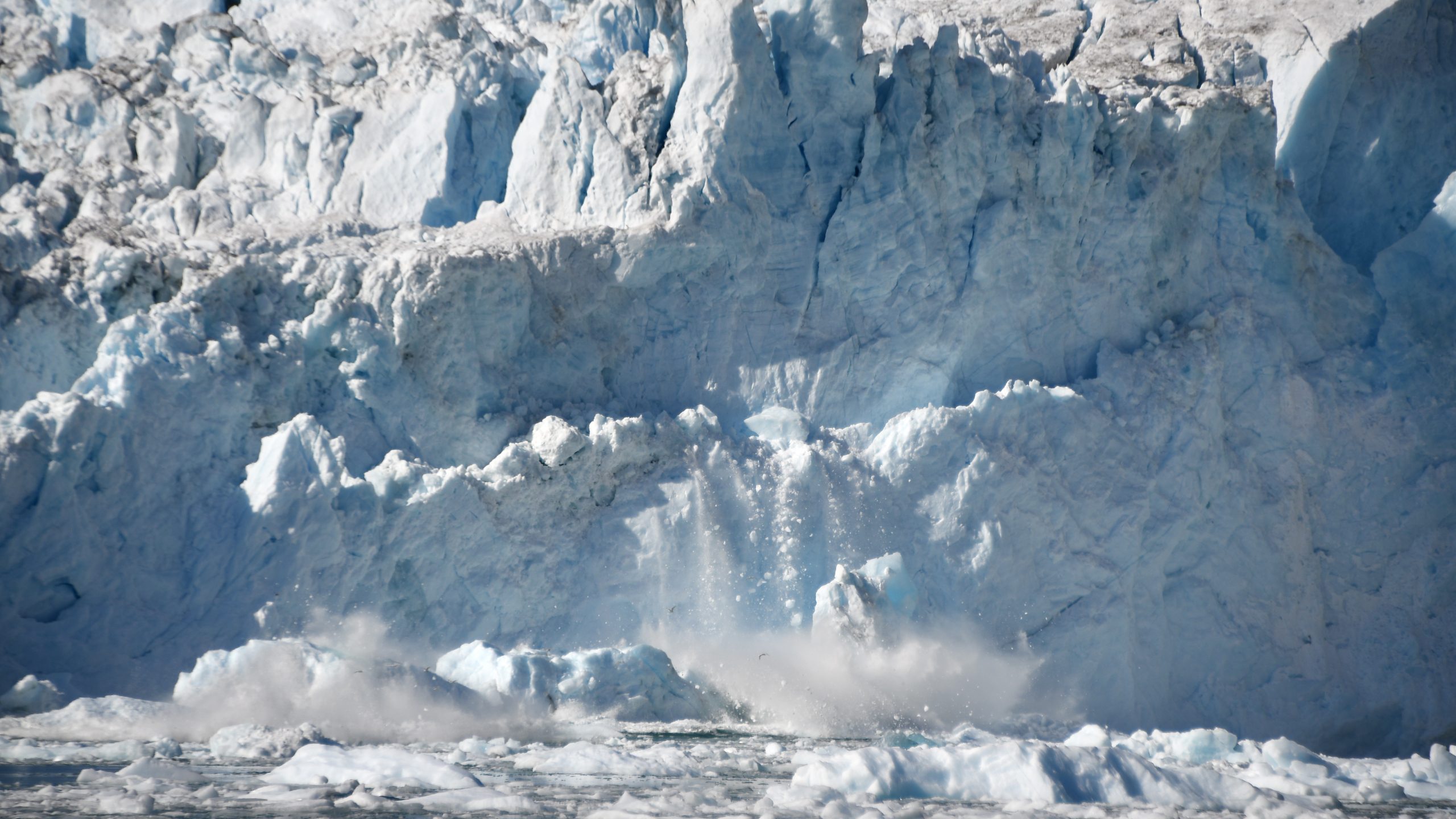
WHOI researchers use more than 15,000 satellite observations of ice cliffs to reduce uncertainty in future sea level rise projections
Read MoreRetreating glaciers increase iceberg sightings and reshape deep-sea habitats
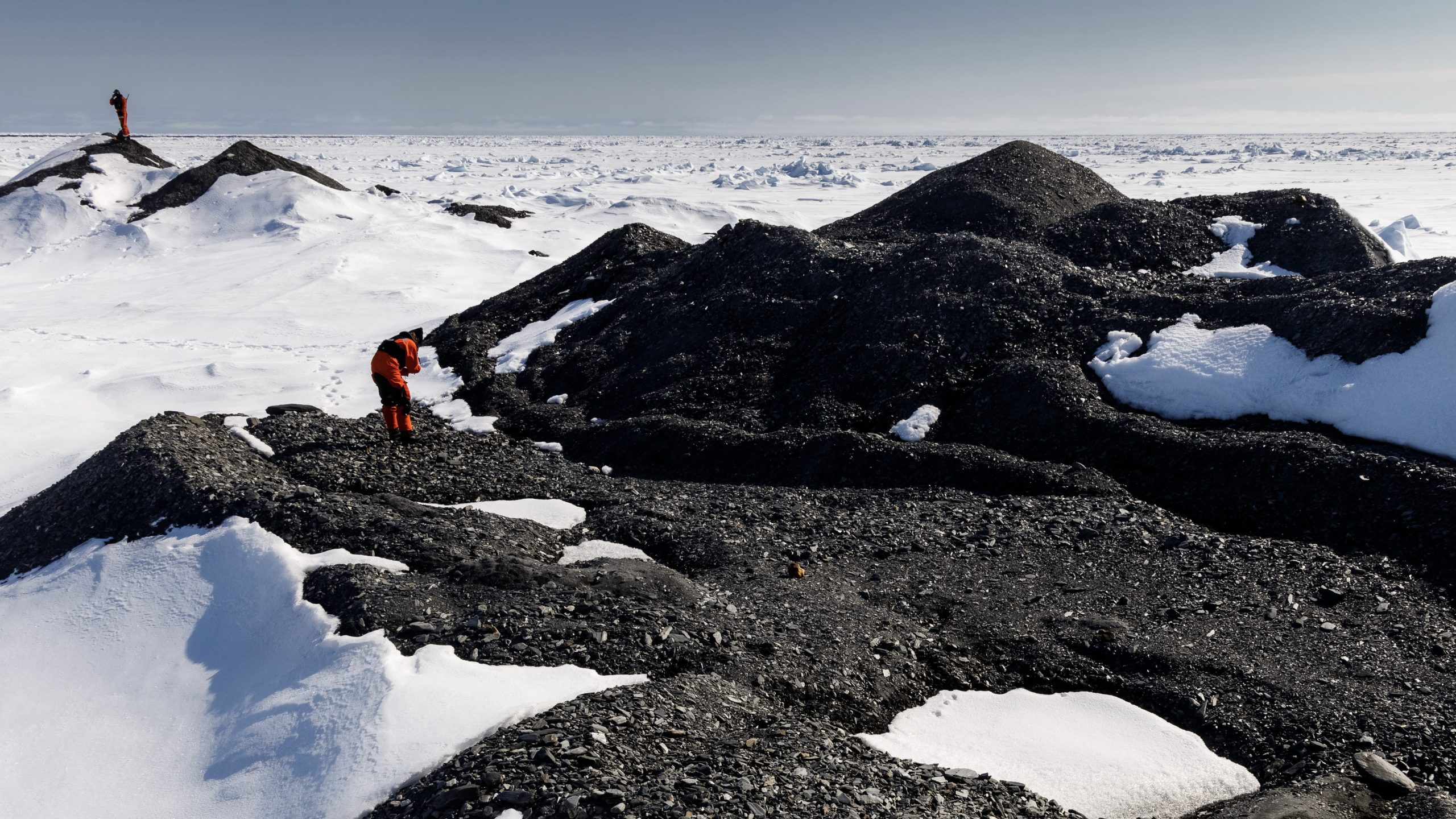
Stones rain down from the melting icebergs, forming new hard-substrate habitats for marine life on the soft seafloor.
Read MoreEndangered basking sharks rely on the ocean twilight zone during long-distance migrations
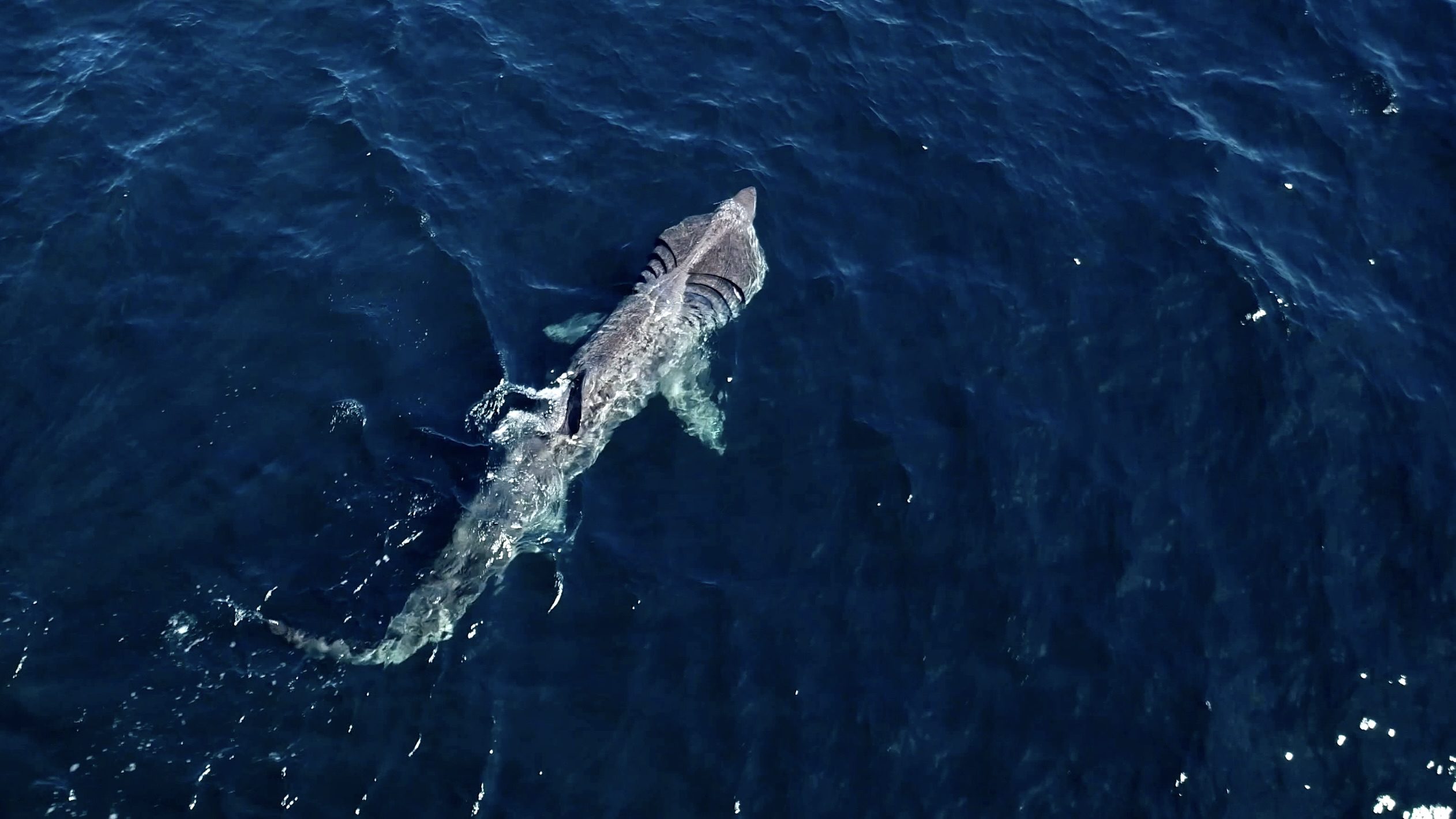
A new WHOI study shows basking sharks dive nearly 1,000 meters deep, likely in search of prey
Read MoreResearchers help solve mystery of clockwork-like earthquake system deep beneath the Pacific
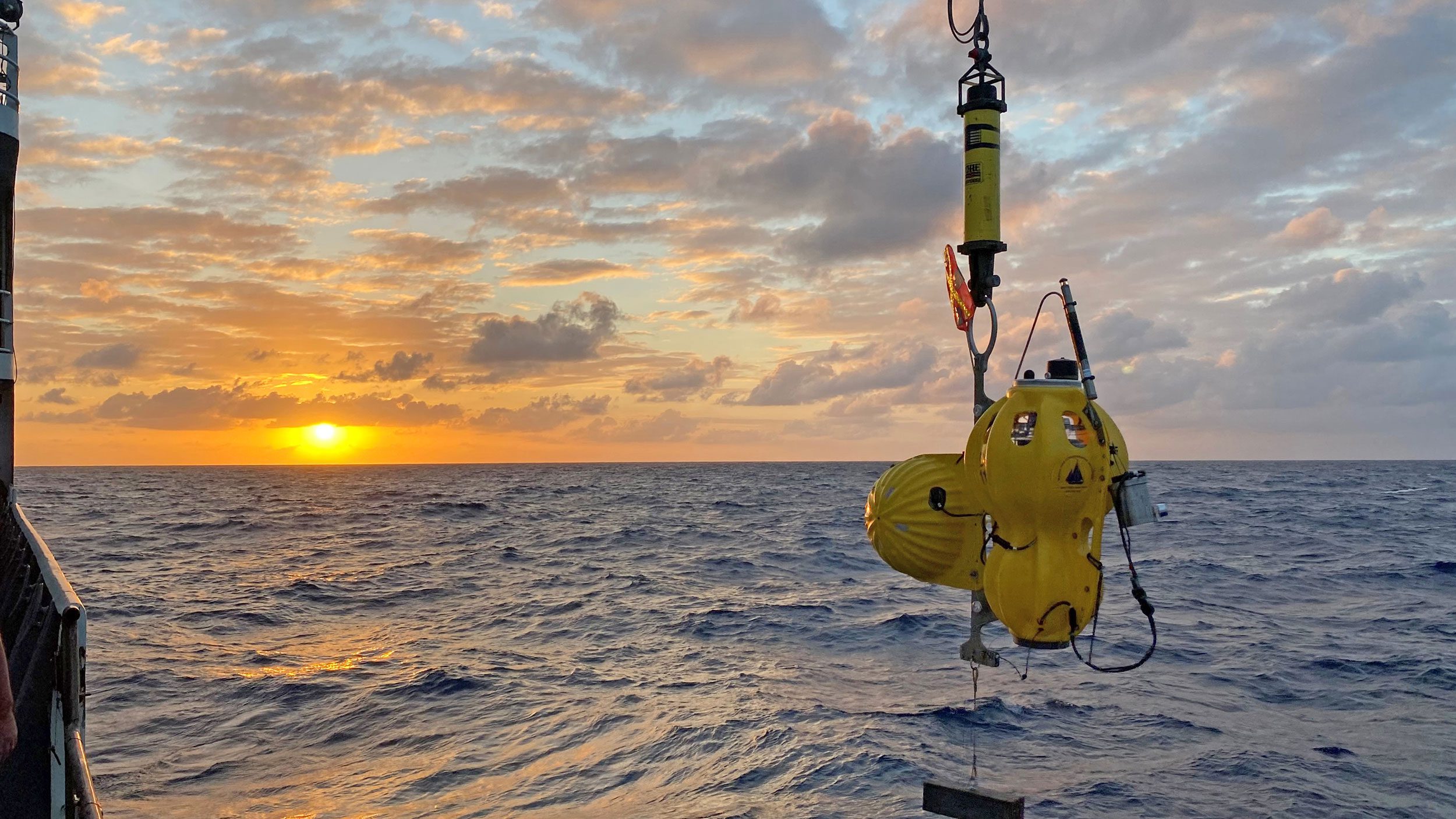
Study of Gofar transform fault on the Pacific seafloor points to mitigating effects of “barrier zones” that keep ruptures from spreading.
Read MoreBacteria hitching a ride on “marine snow” may slow the ocean’s carbon sink
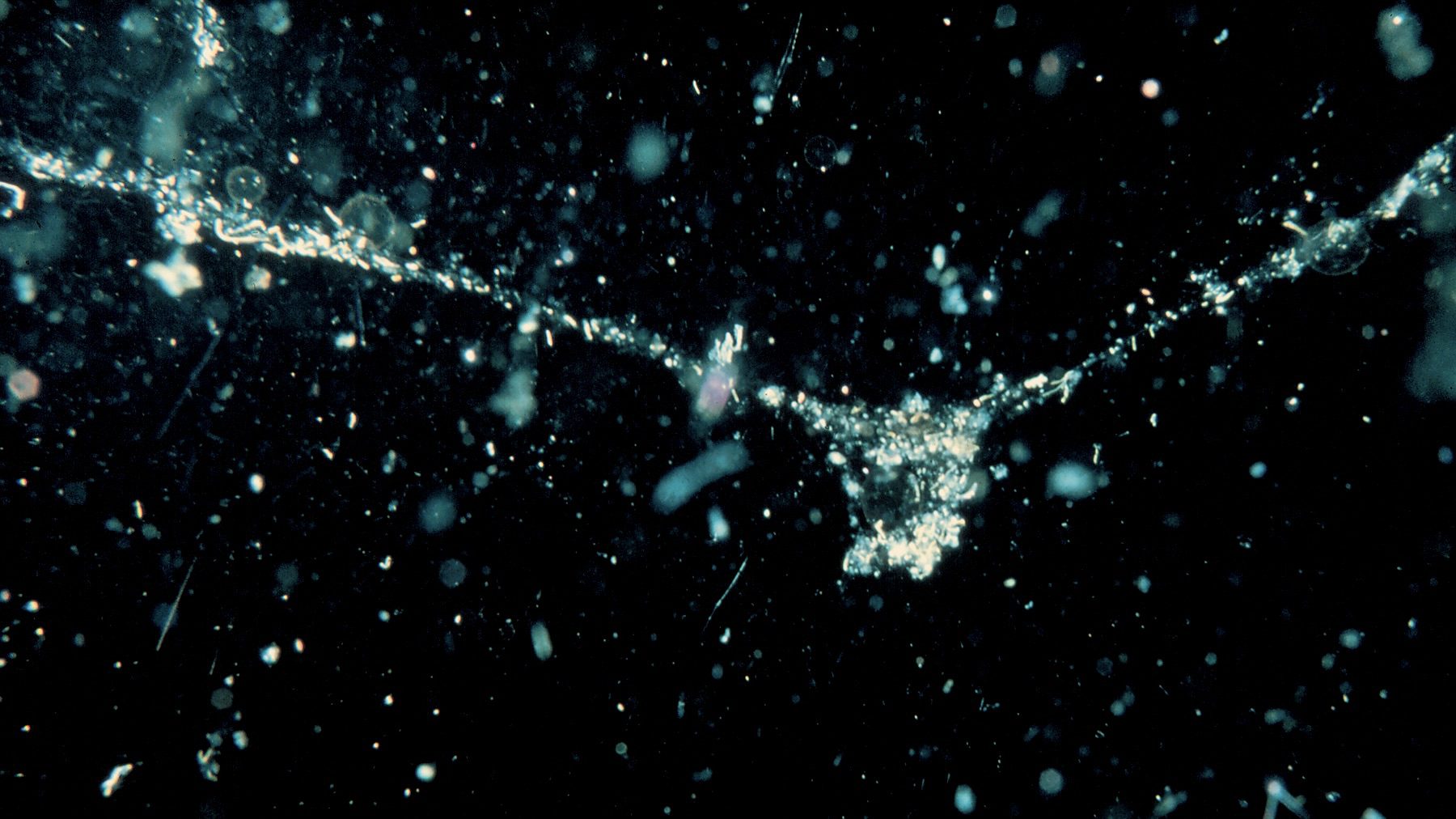
New study reveals how microbes dissolve calcium carbonate ballast, altering the ocean’s biological carbon pump
Read MoreNew WHOI study cautions that deep-sea fishing could undermine valuable tuna fisheries
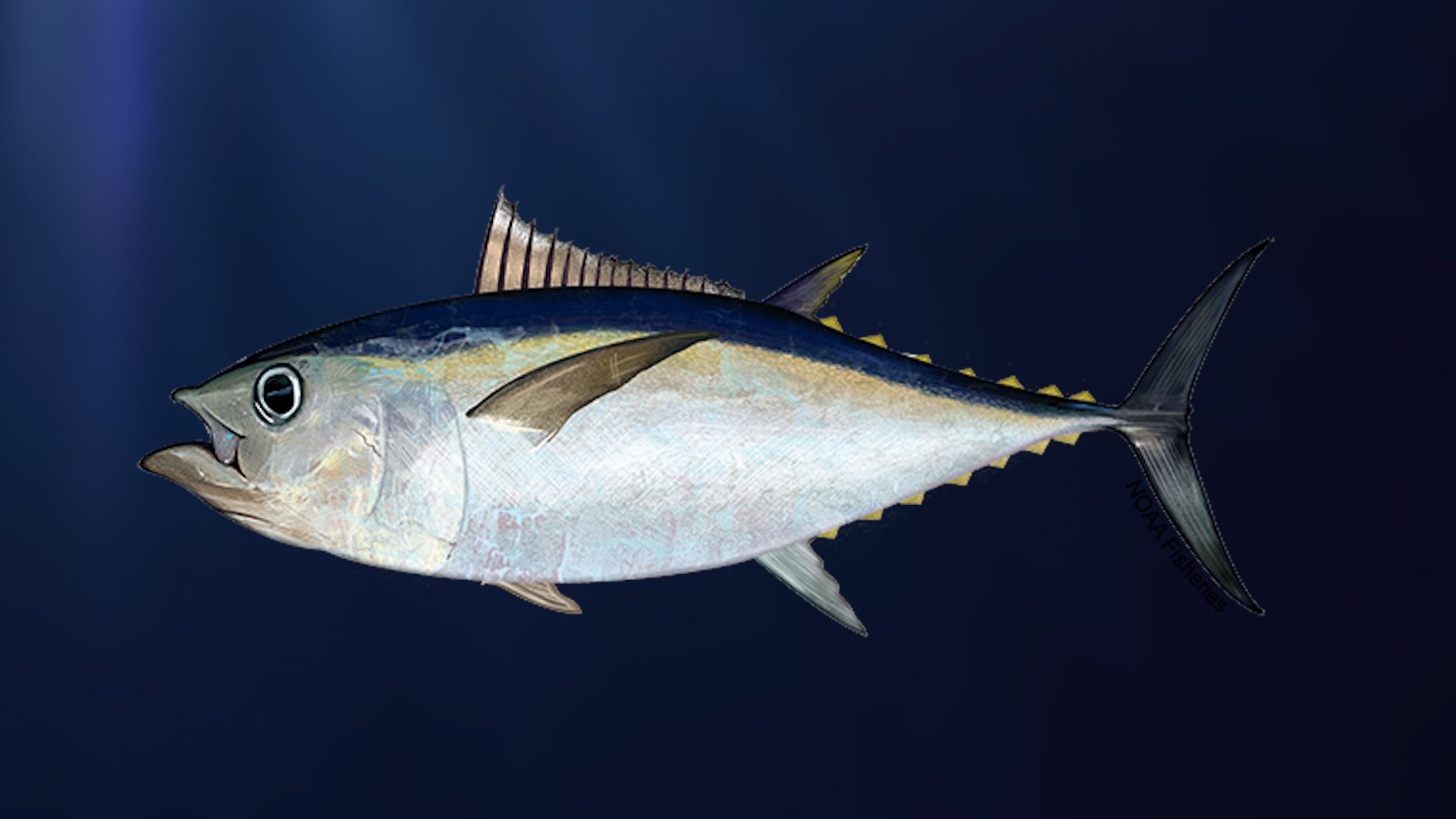
The study shows that large-scale harvesting of mesopelagic fish that live hundreds of meters below the surface could reduce the food available to bigeye tuna
Read MoreCritical Atlantic Ocean currents remained active during the last ice age, according to new study
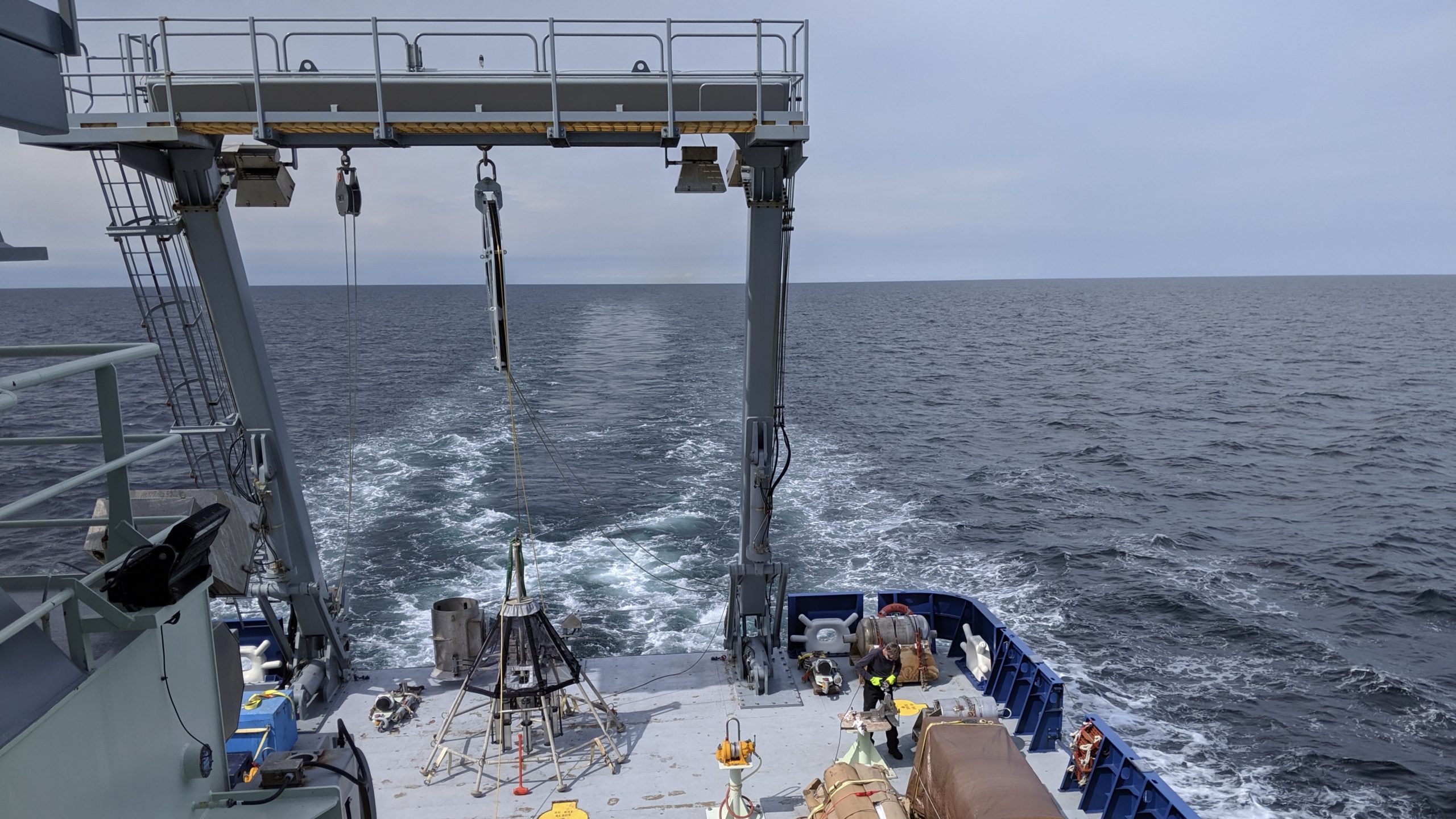
The study shows that deep ocean water in the North Atlantic was much warmer during the last ice age than scientists once believed.
Read MoreA new study reveals how oxygen first reached Earth’s oceans

Researchers use vanadium isotopes to track the rise of oxygen in ancient seas
Read MoreWHOI selected by NASA to investigate ocean worlds and their organic carbon cycles
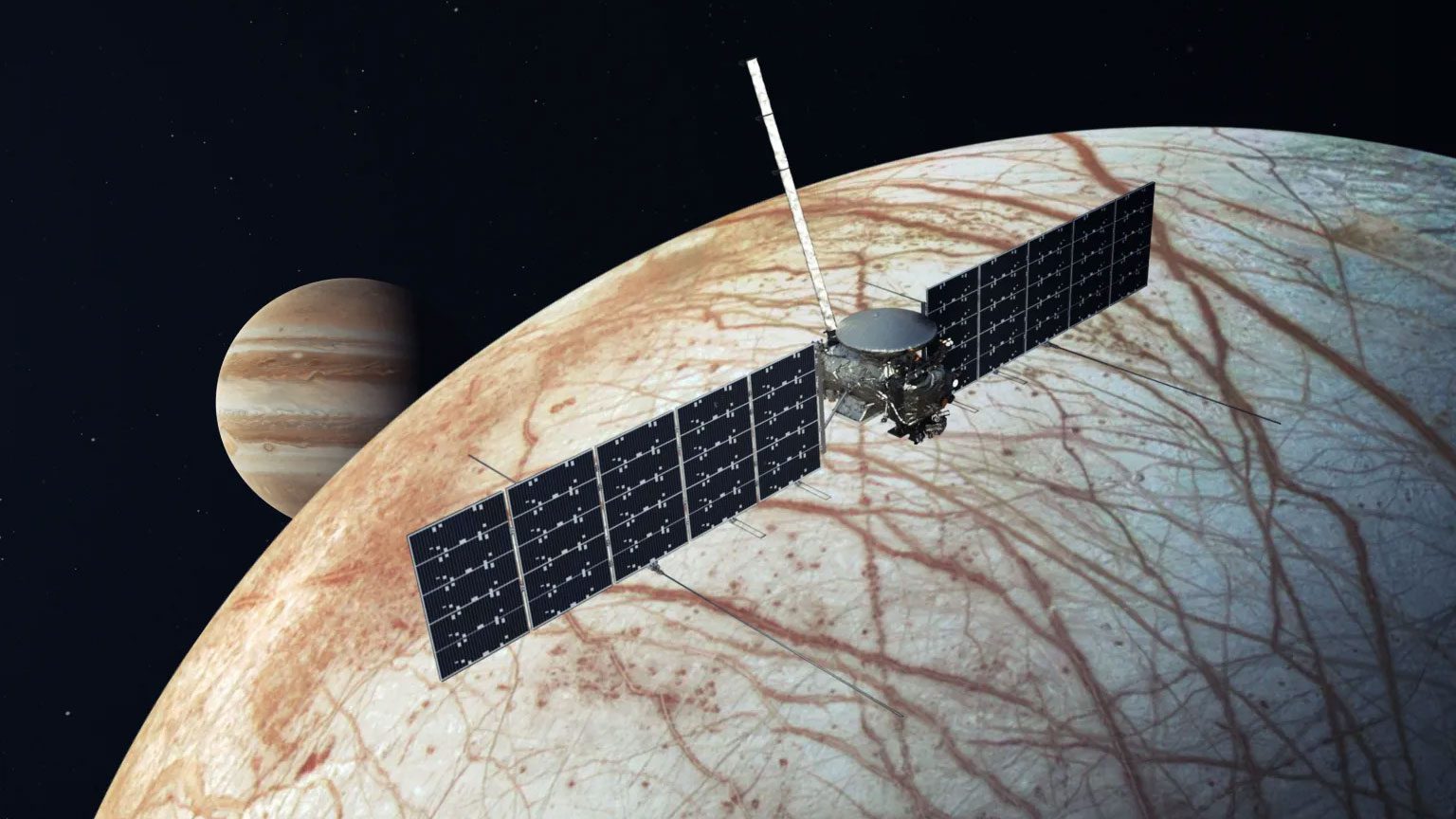
The Investigating Ocean Worlds project will seek to improve the analysis of data related to carbon-rich molecules that could be an indicator of biological activity.
Read MoreInternational research team discovers a potential source of abiotic methane in the Arctic Ocean
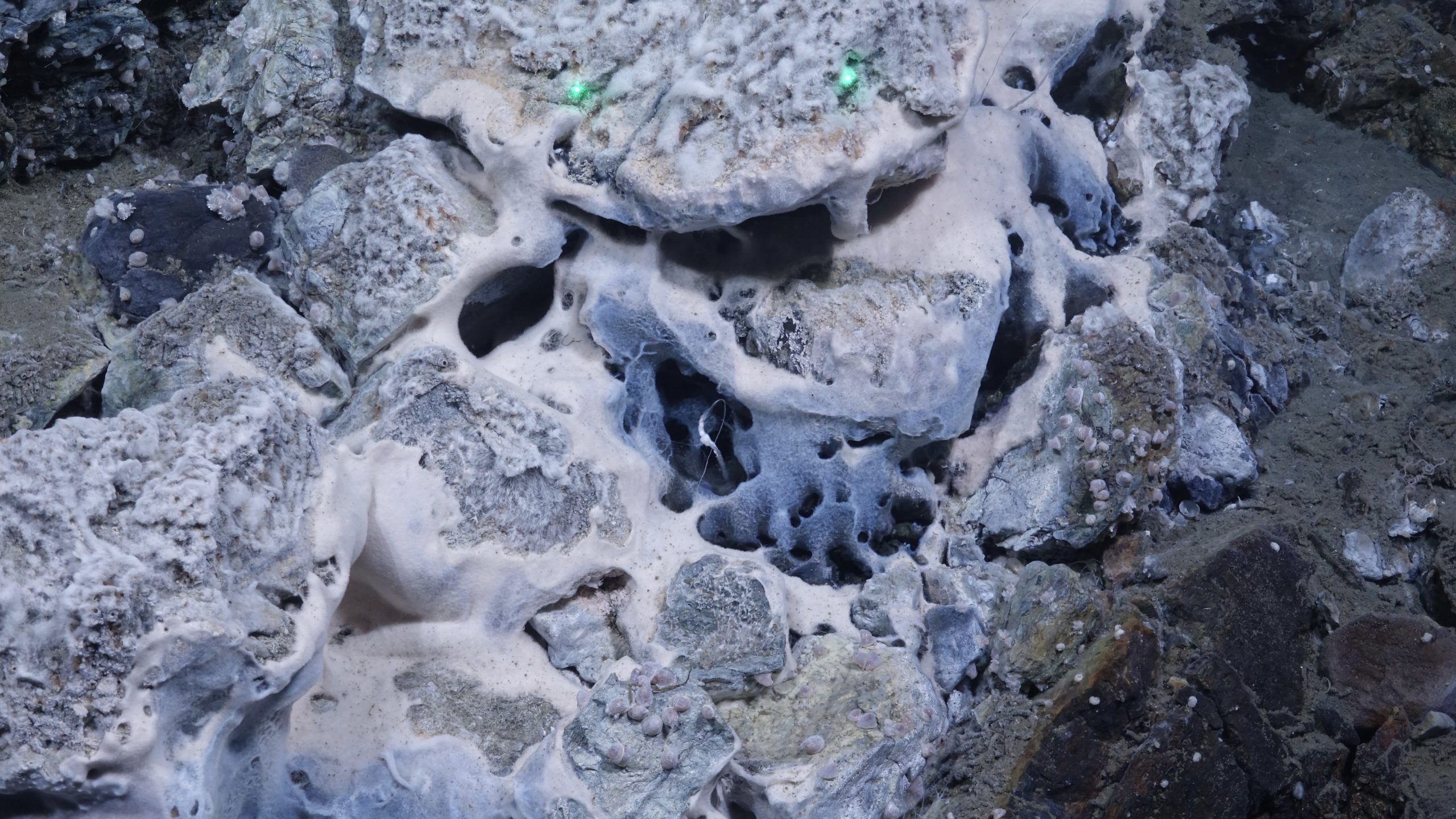
A distinctive oceanic core complex releasing hot fluids has been identified at a depth of 2,700 meters on the Arctic Ocean’s floor.
Read MoreScientists uncover a new way to forecast eruptions at mid-ocean ridges through hydrothermal vent temperatures
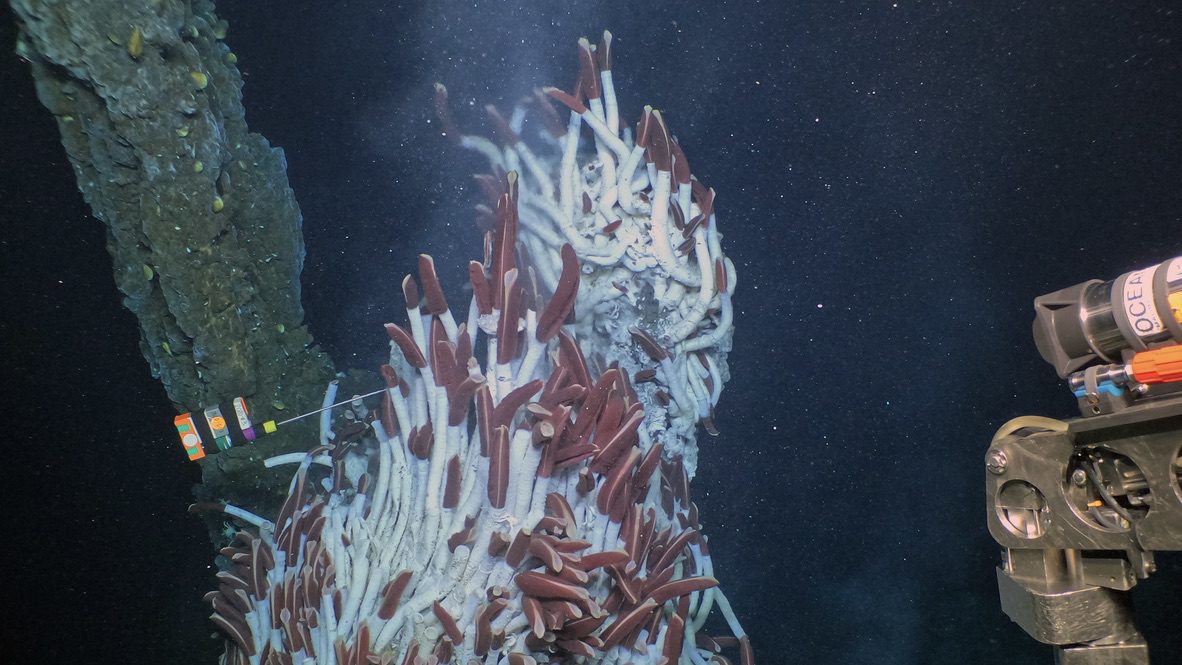
A new study reveals fluctuations in temperature of fluids from hydrothermal vents indicate the effects of magmatic and tectonic processes that occur miles beneath the seafloor.
Read MoreBigscale pomfret are an ocean enigma

WHOI scientists delve into the elusive fish’s role in the food web
Read MoreAncient groundwater records reveal regional vulnerabilities to climate change
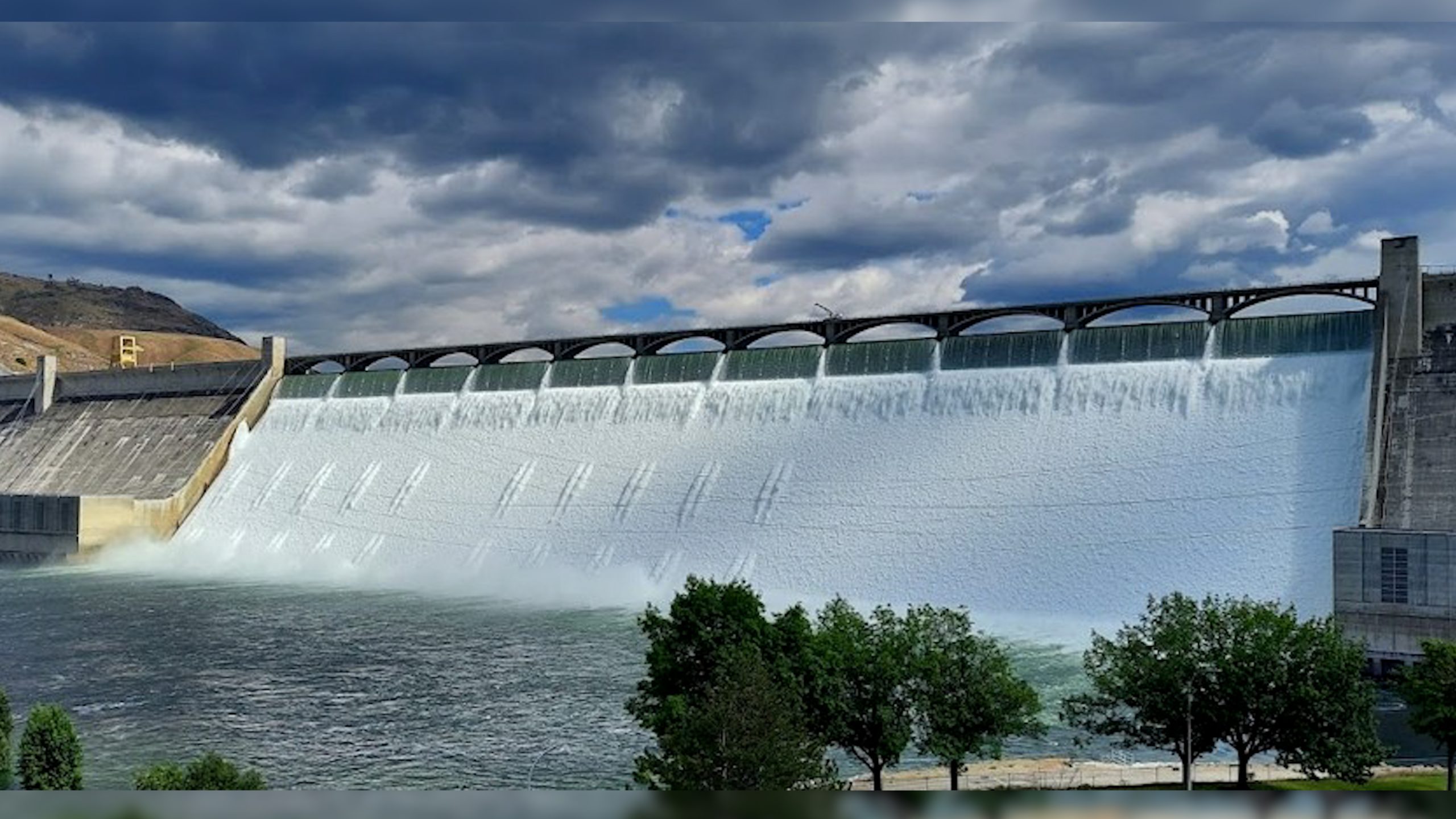
New WHOI-led study shows the Southwest may be more sensitive to drying than the Pacific Northwest
Read MoreNew study finds that critical ocean current has not declined in the last 60 years
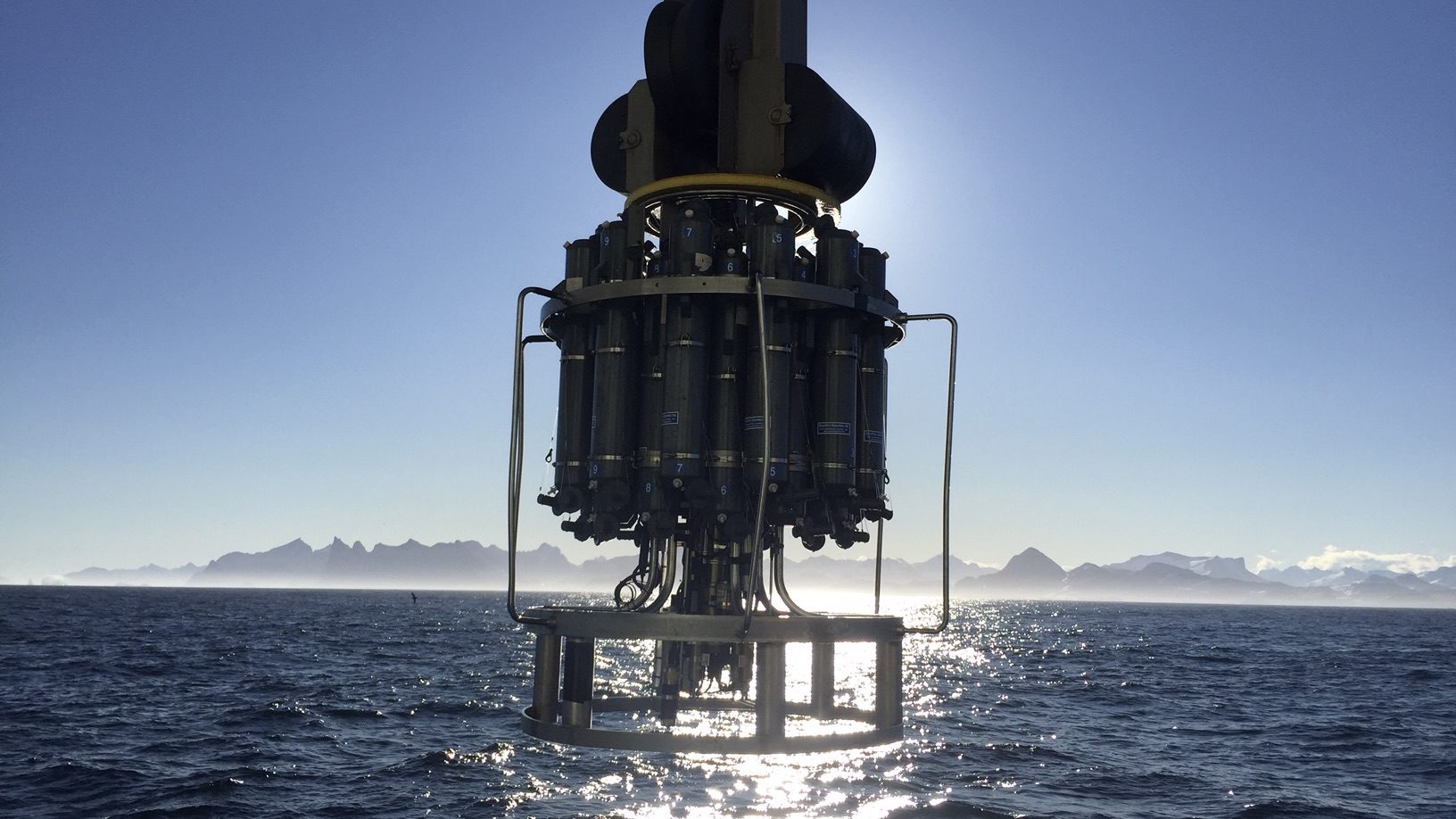
Atlantic Meridional Overturning Circulation (AMOC) helps to regulate the Earth’s climate and weather
Read MoreNewly published study reveals diversity of novel hydrothermal vent styles on the Arctic Ocean floor
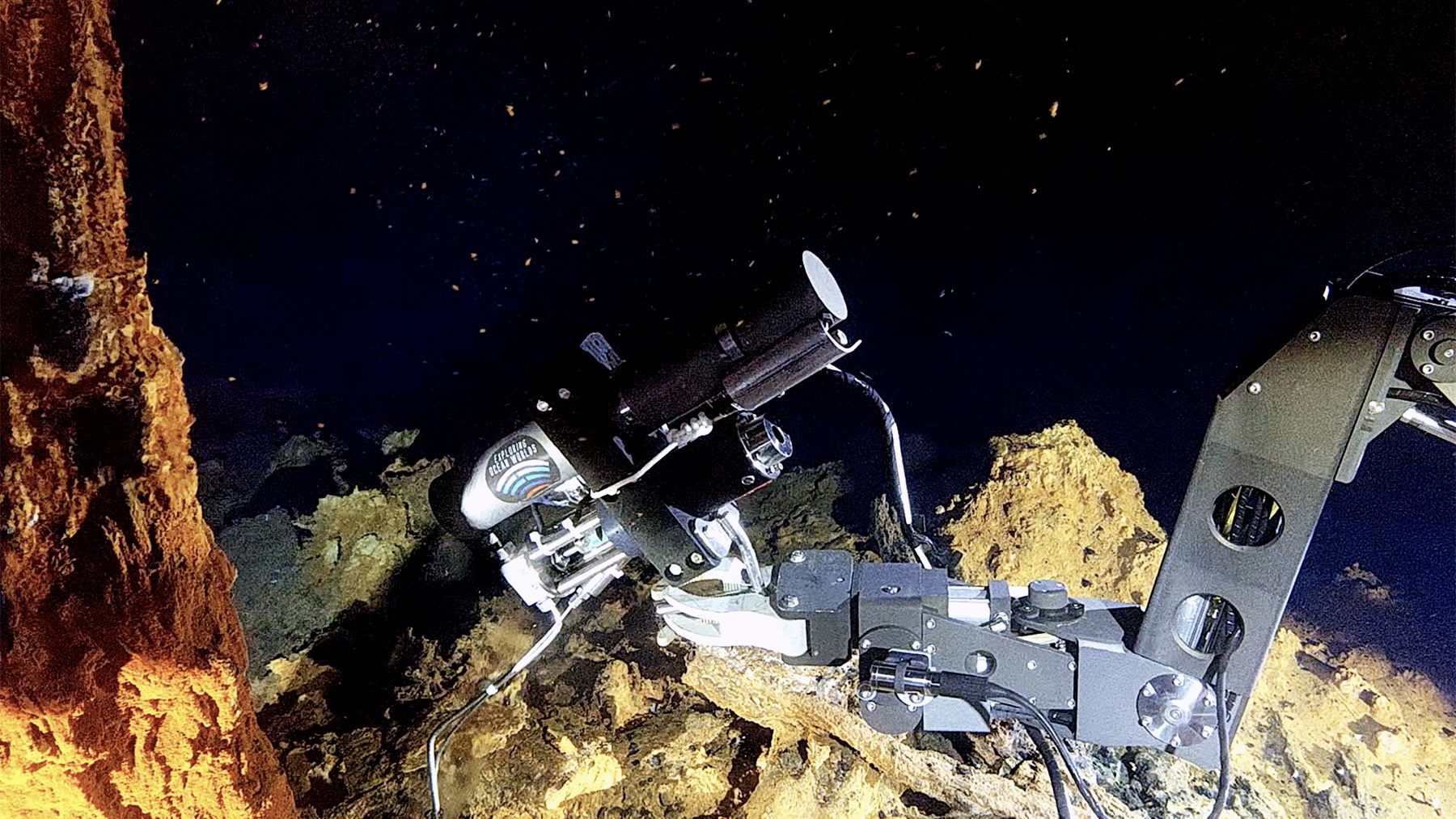
Research offers potential understanding of habitability on ocean worlds in the outer solar system
Read MoreWoods Hole Oceanographic Institution and partners discover new ocean predator in the Atacama Trench
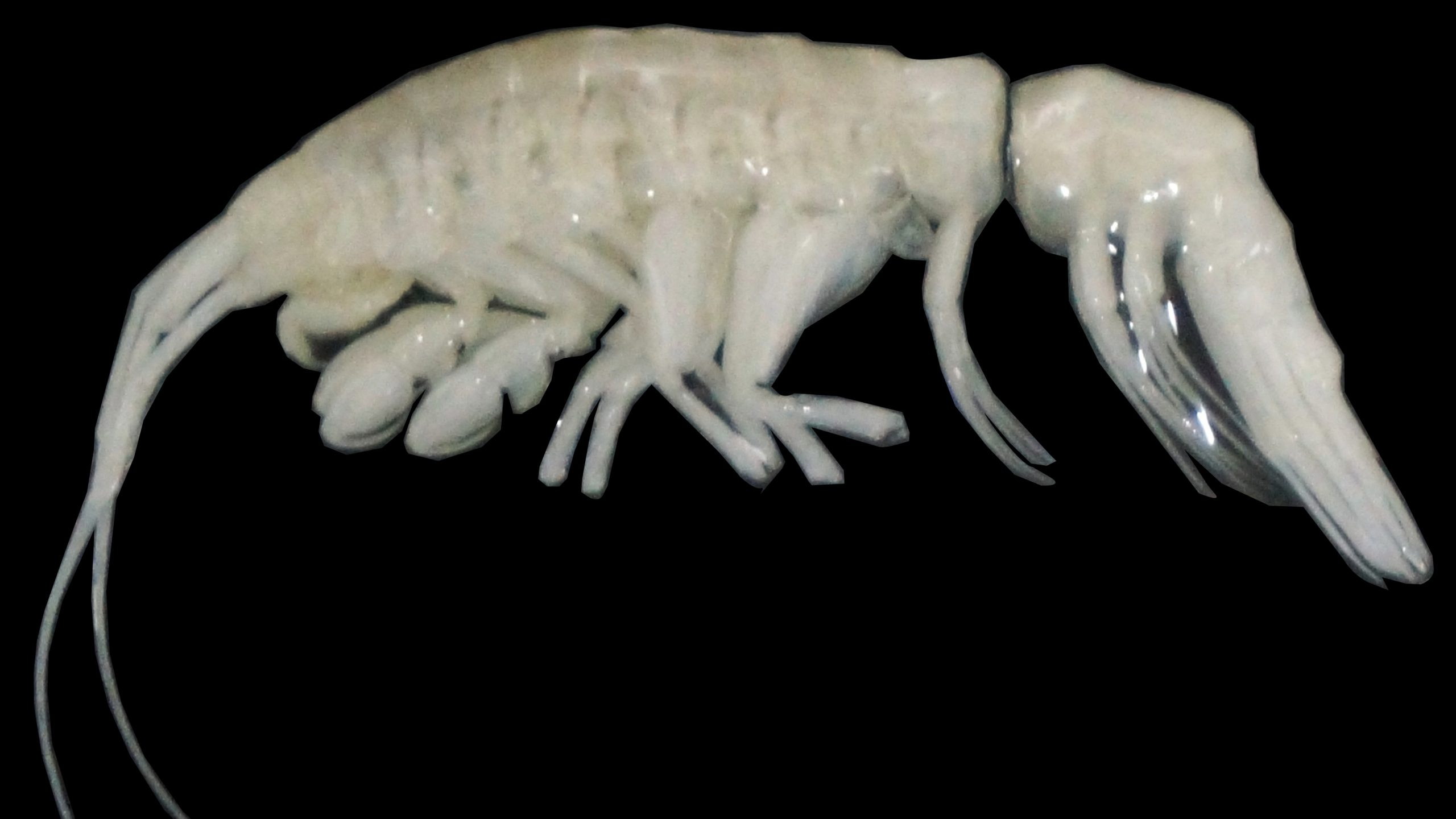
This crustacean is the first large, active predatory amphipod from these extreme depths.
Read MoreDeep ocean clues to a million-year-old Ice Age puzzle revealed in new study
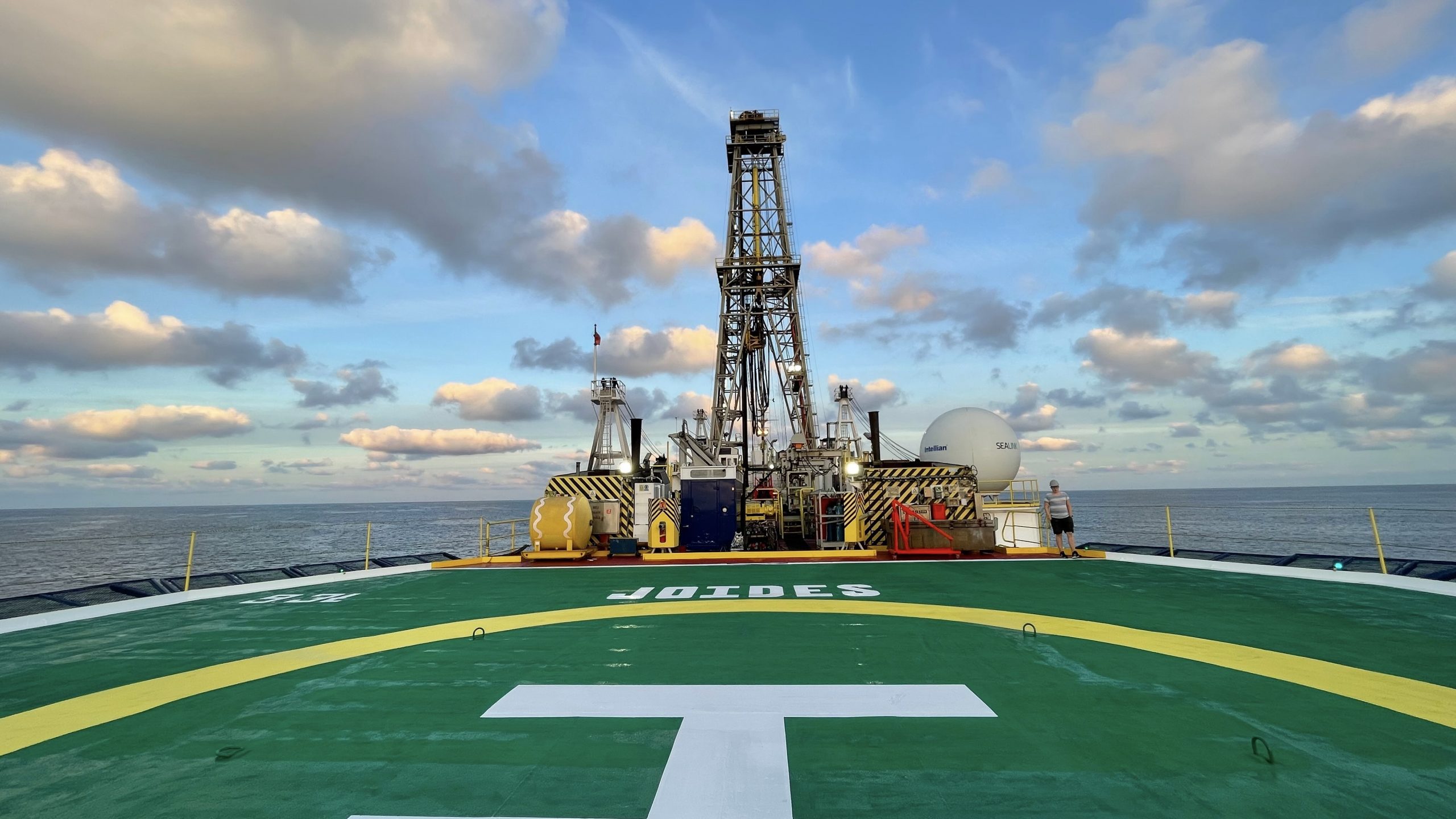
A new WHOI-led study challenges theories regarding the origins of a significant transition through the Earth’s ice ages.
Read MoreMicrobe Dietary Preferences Influence the Effectiveness of Carbon Sequestration in the Deep Ocean
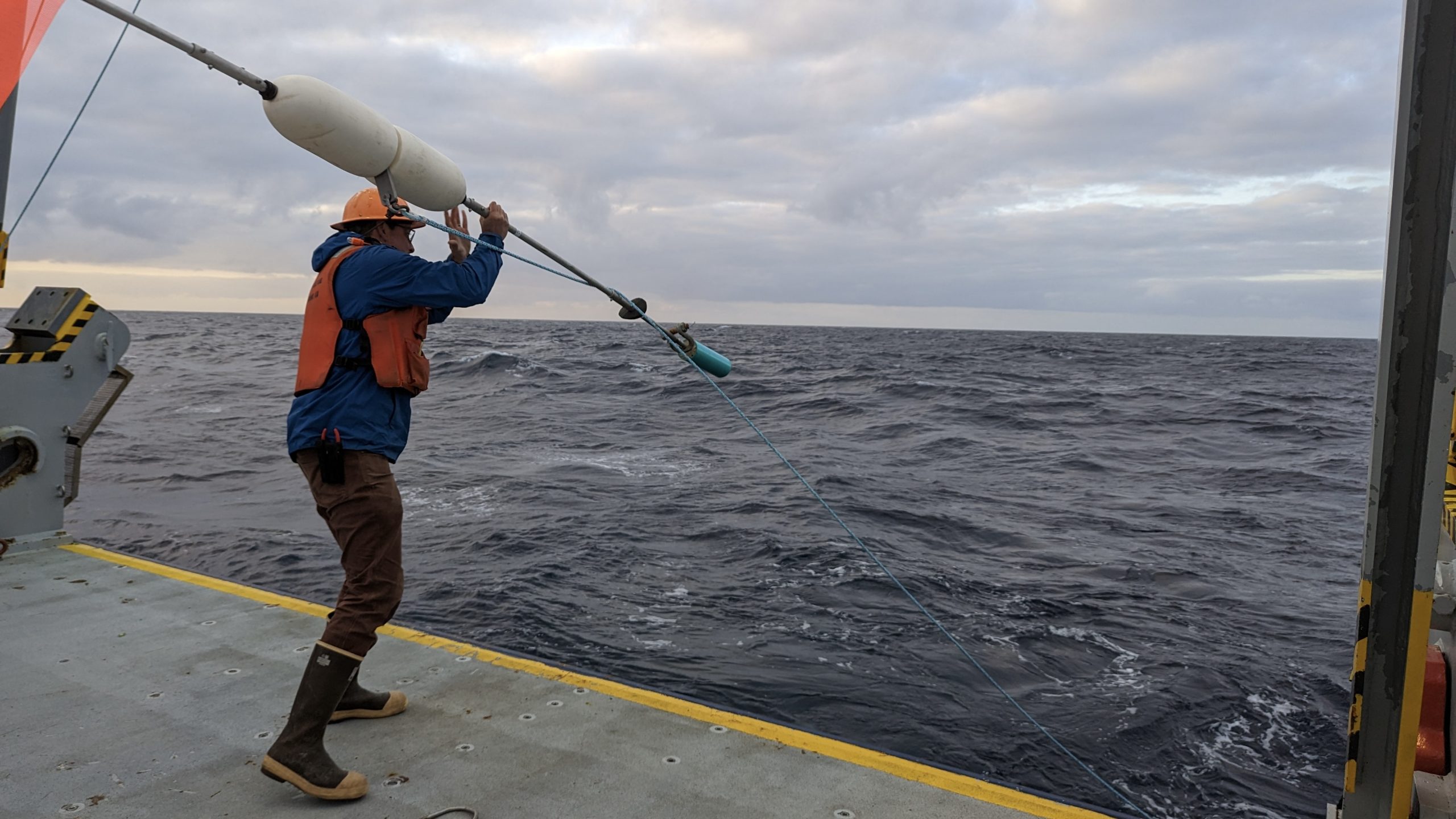
A series of seemingly small processes helps carry carbon dioxide from the ocean’s surface to the deep sea, where it can be stored away for decades.
Read MoreSwimming crustacean eats unlikely food source in the deep ocean
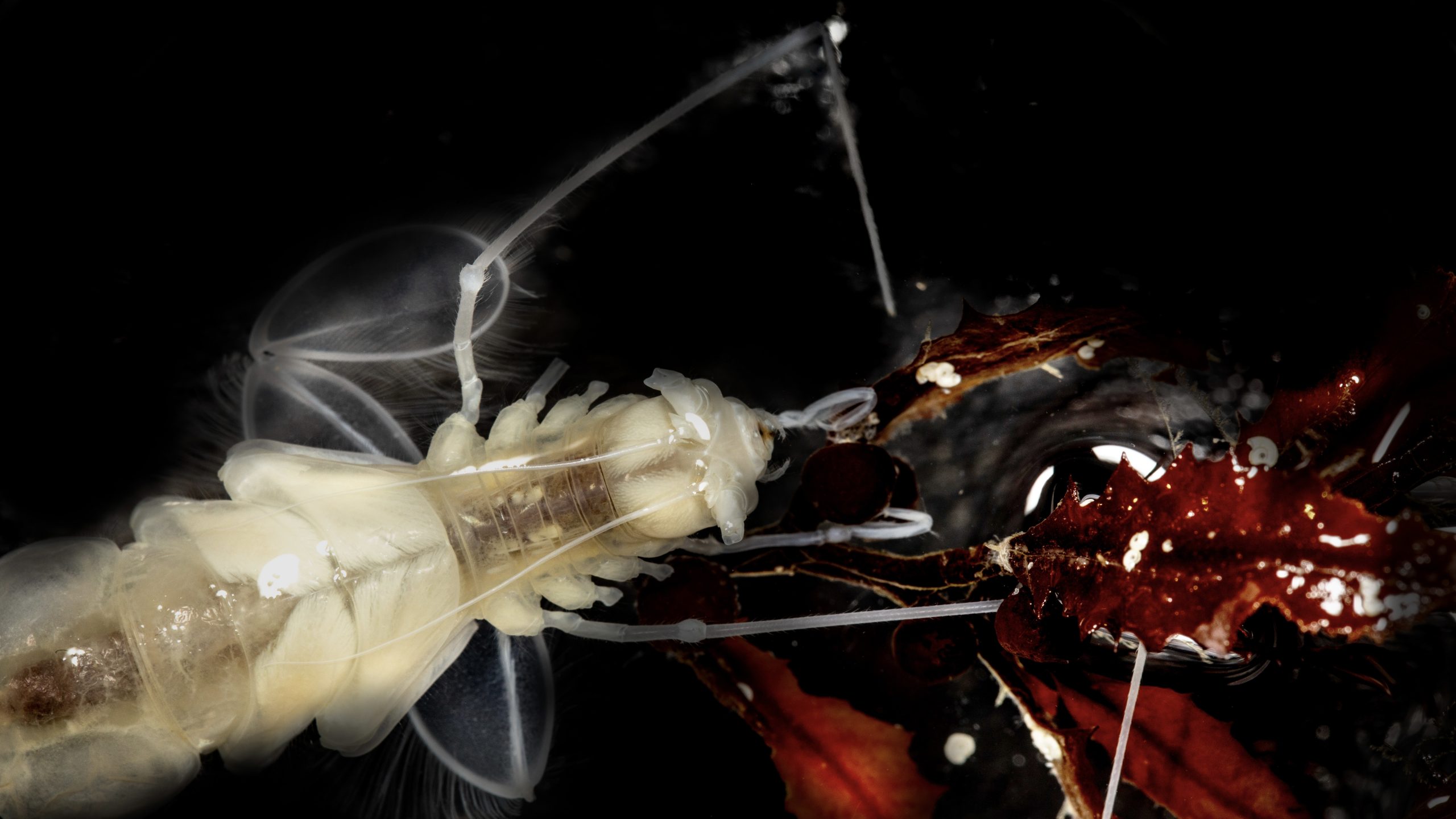
Increased capabilities in the human occupied submersible Alvin open a window on a rarely seen behavior.
Read MoreWHOI receives $1.6 Million to build revolutionary Antarctic ice shelf monitoring system
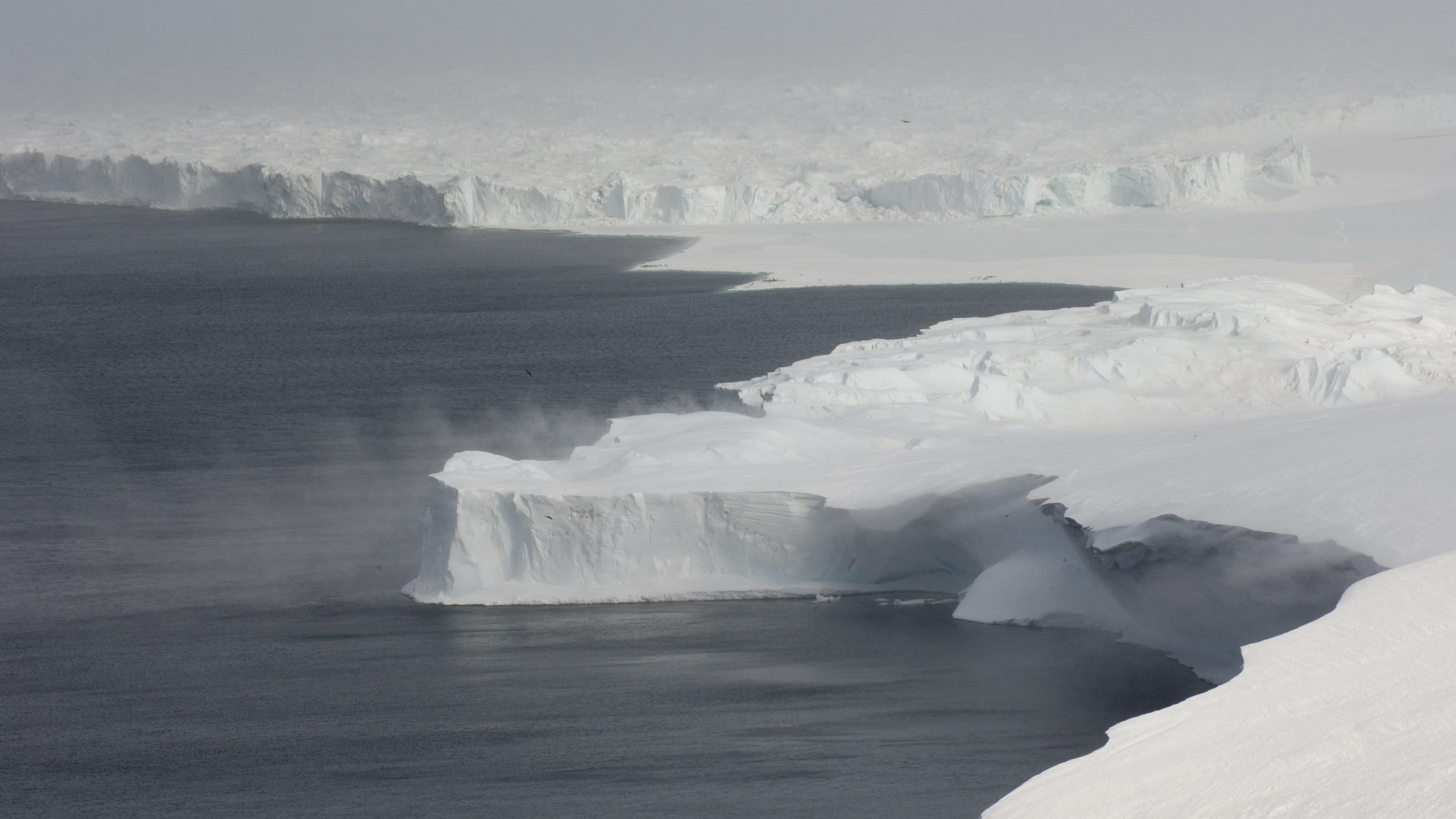
SAMS will operate autonomously for years in hostile, difficult-to-reach locations that are Ground Zero for global sea-level rise
Read MoreMantle rock recovery may reveal secrets of Earth’s history
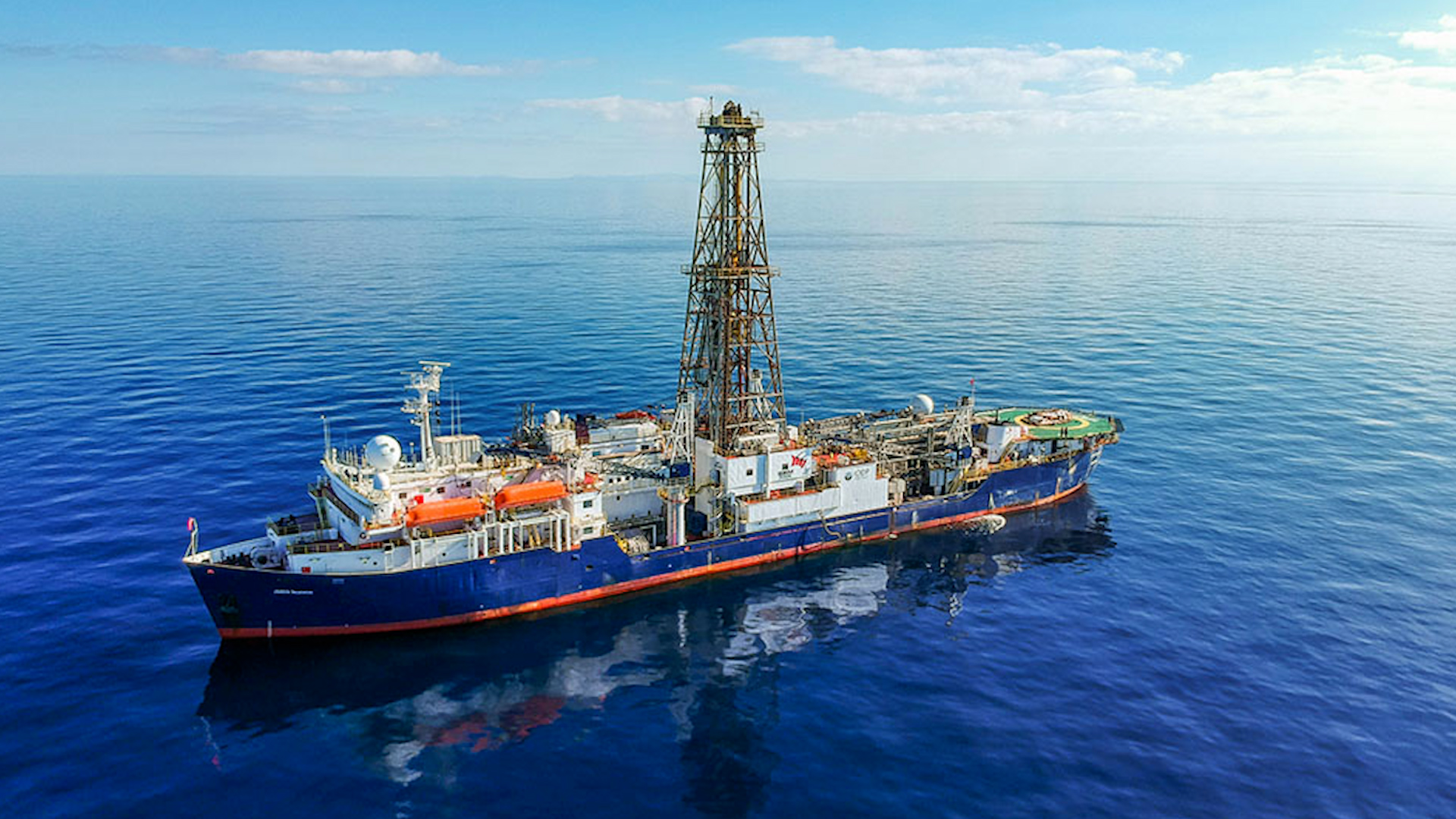
Scientists unravel the role of our planet’s mantle in volcanism and global cycles
Read MoreWarm water could persist within icy ocean worlds
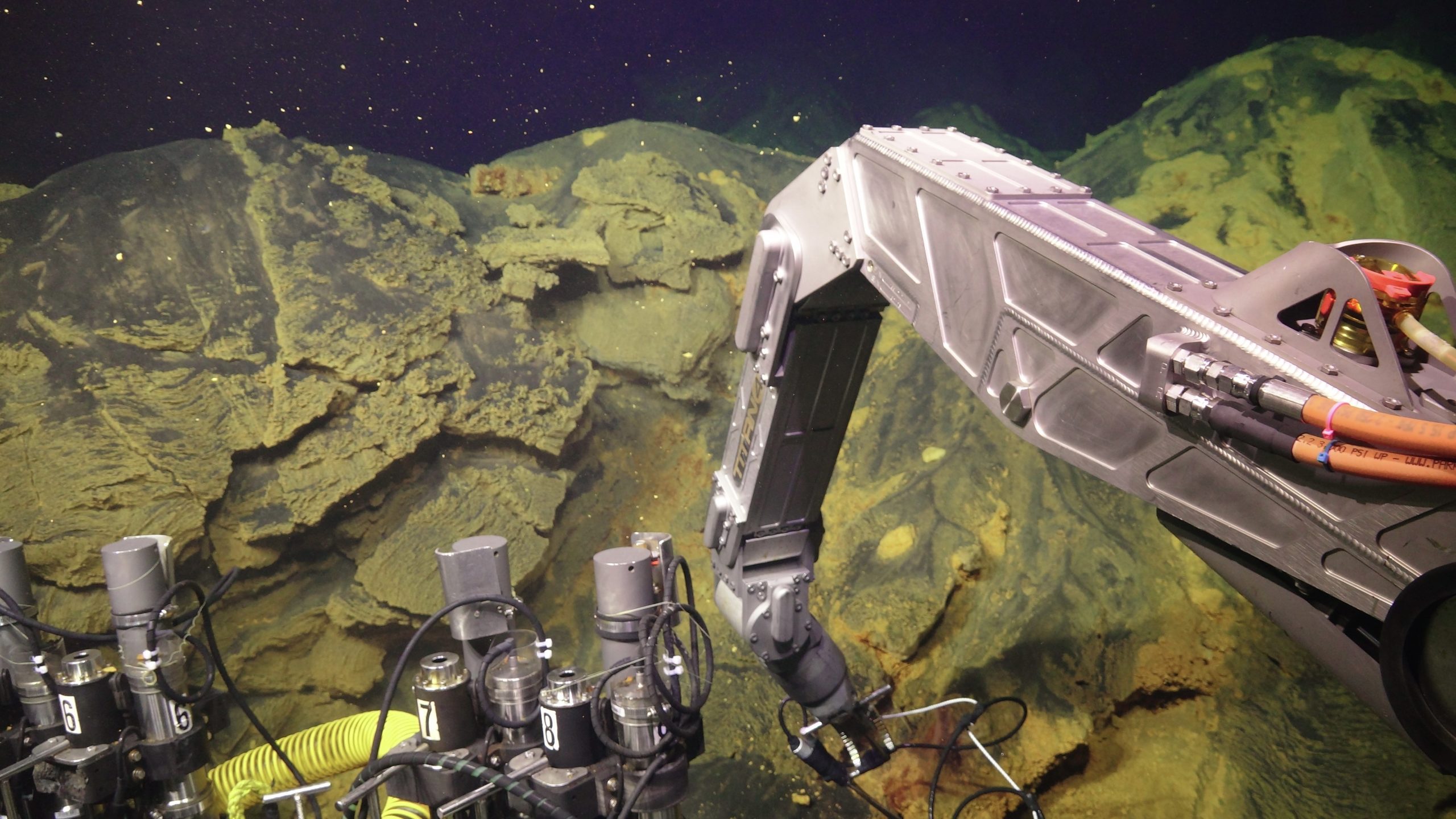
A new study investigates how the influence of low gravity, as found on ocean worlds in our solar system, impacts flow of water and heat below their seafloors.
Read MoreWHOI to Receive Funding For Ocean Margins Initiative in West Africa
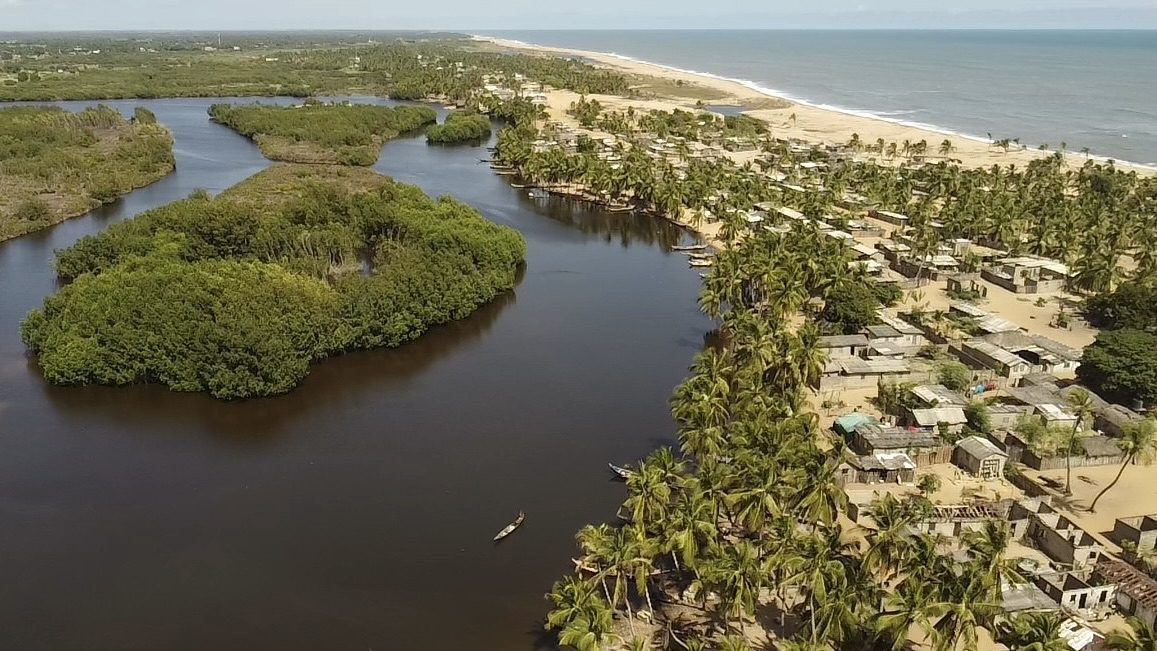
New program at Schmidt Sciences will refine details of ocean carbon cycling and ecosystem resilience
Read MoreFor microscopic organisms, ocean currents act as ‘expressway’ to deeper depths, study finds
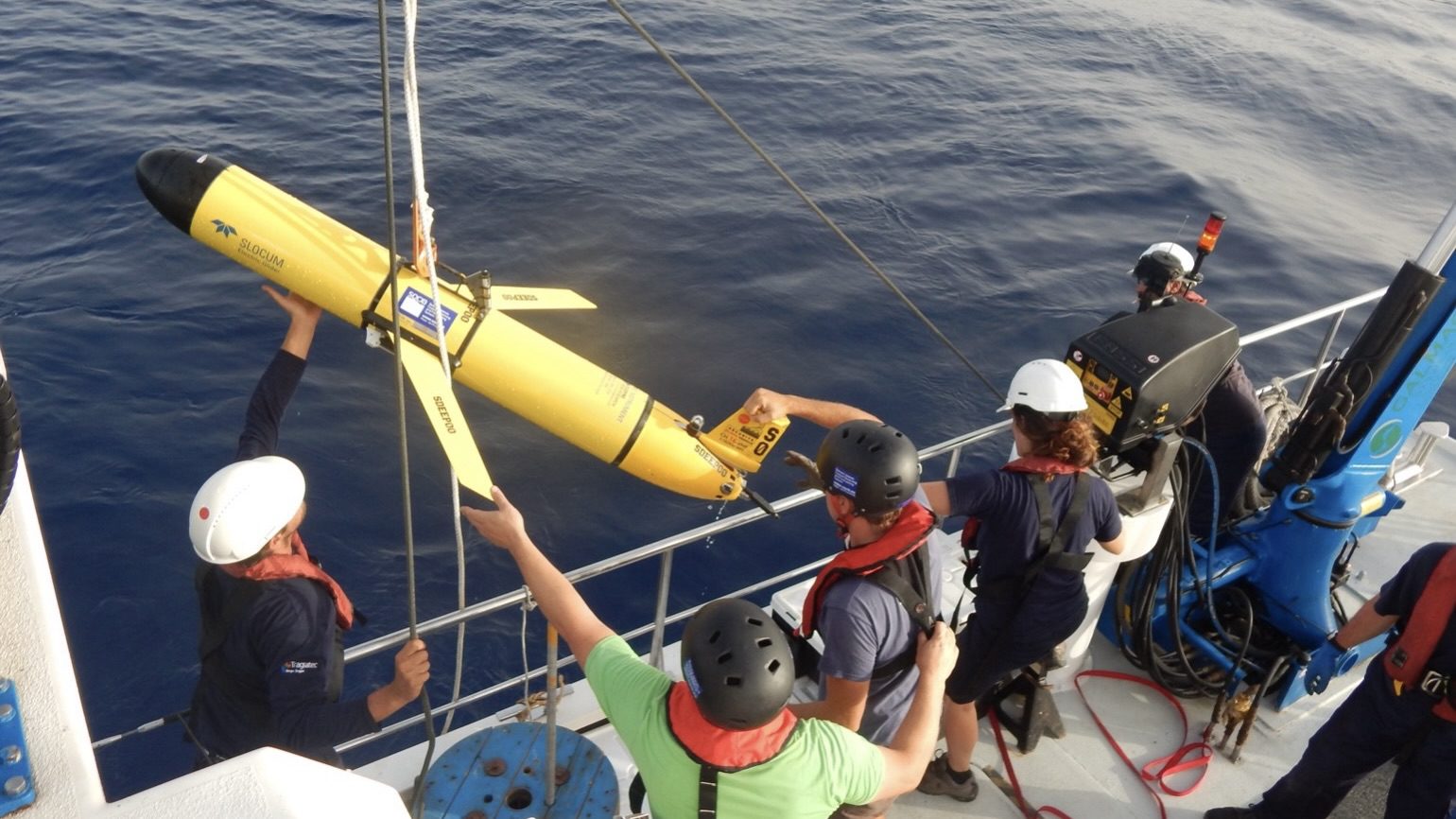
New research shows how tiny plant-like organisms hitch a ride on ocean currents to reach darker and deeper depths, where they impact carbon cycling and microbial dynamics in the subtropical oceans.
Read More