
News Releases
Woods Hole Oceanographic Institution leads multi-ship study of northwest Atlantic
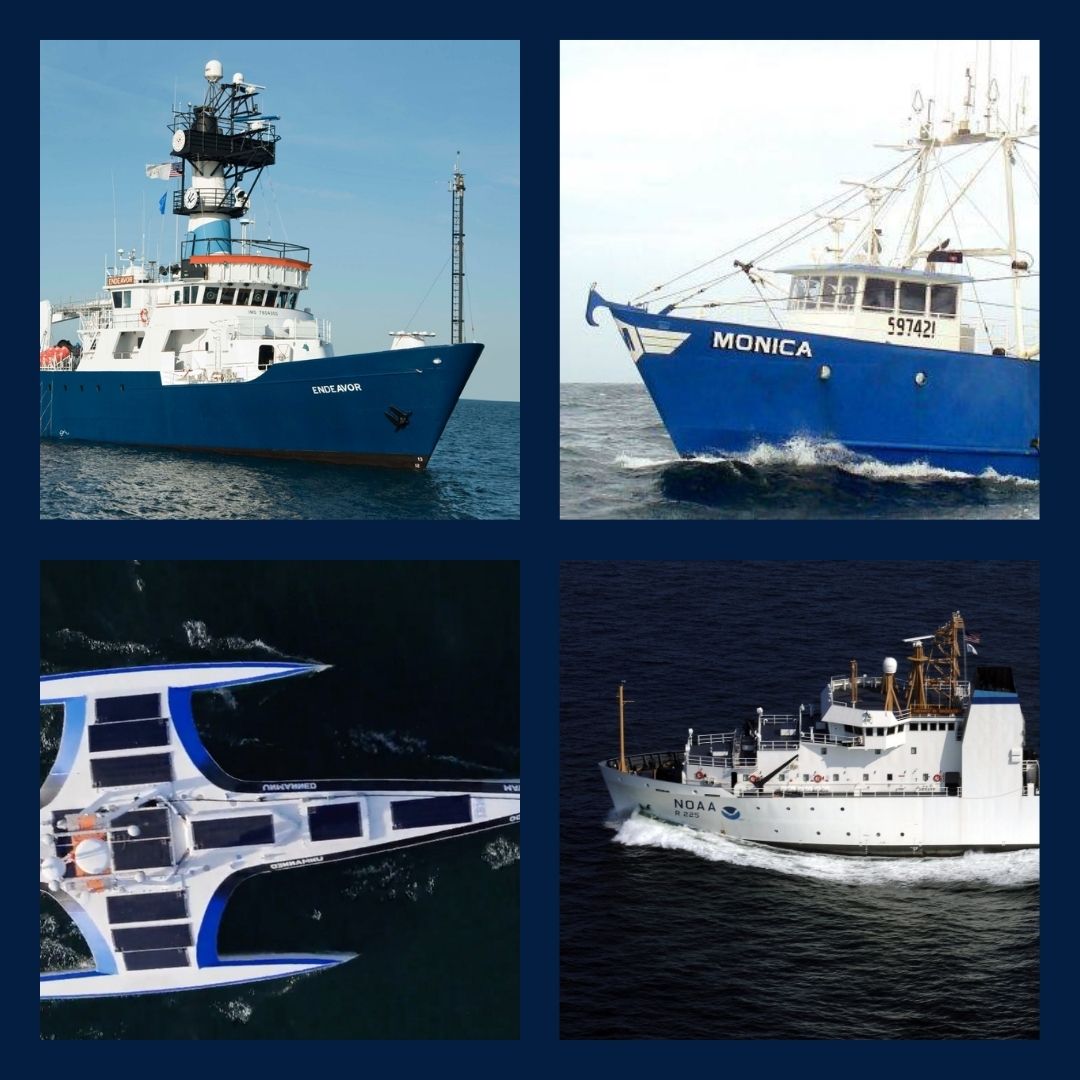
Partners from National Oceanic and Atmospheric Administration, University of Rhode Island, to study Ocean Twilight Zone Woods Hole, Mass. (August 6, 2022) – Scientists from Woods Hole Oceanographic Institution (WHOI),…
Read MoreHuman-occupied submersible Alvin makes historic dive
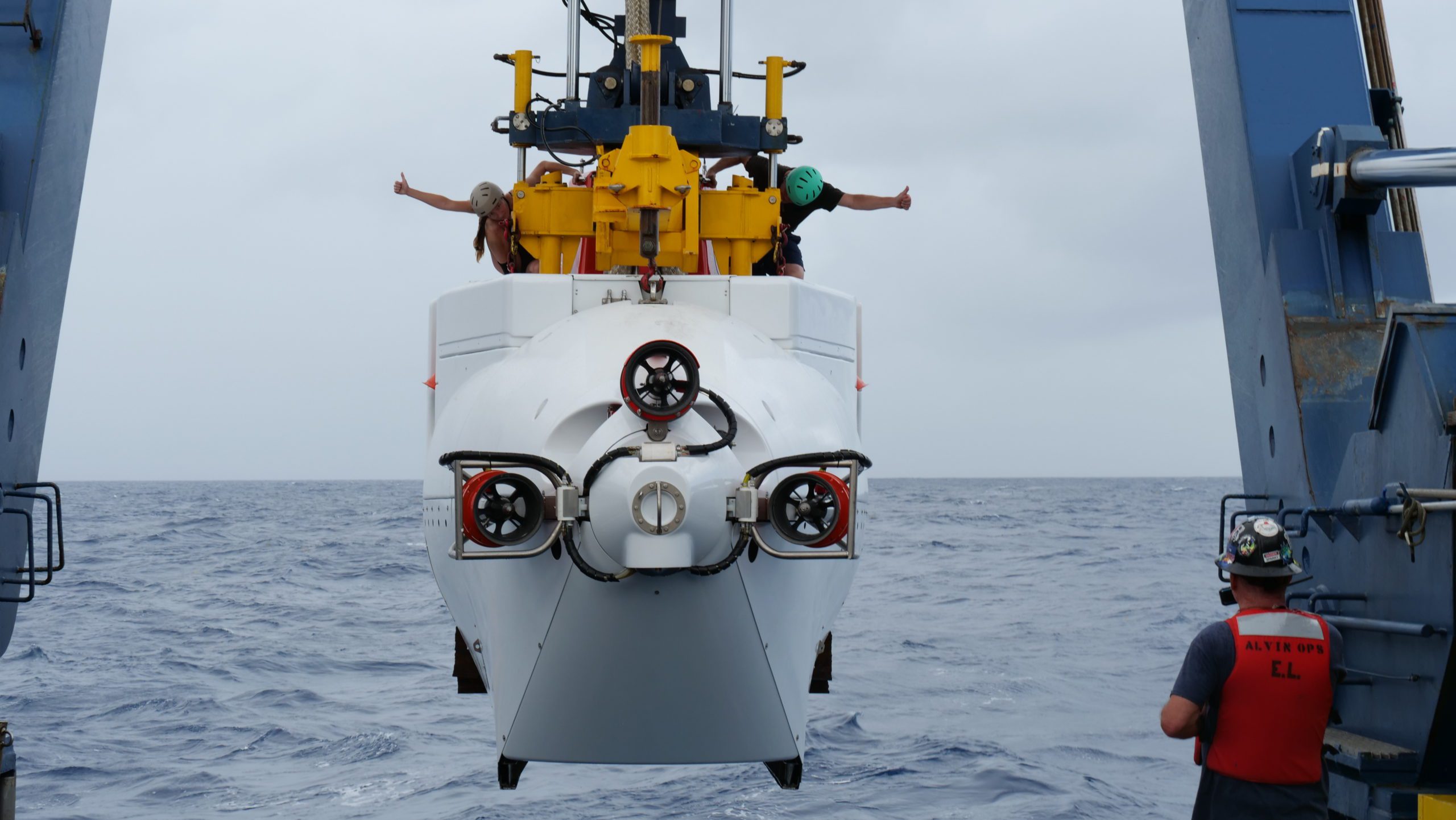
World’s most successful research submersible reaches 6,453 meters, its deepest dive ever Woods Hole, MA — Today, the human-occupied submersible Alvin made history when it successfully reached a depth of…
Read MoreHydrothermal field discovered at the East Pacific Rise 9°54’N
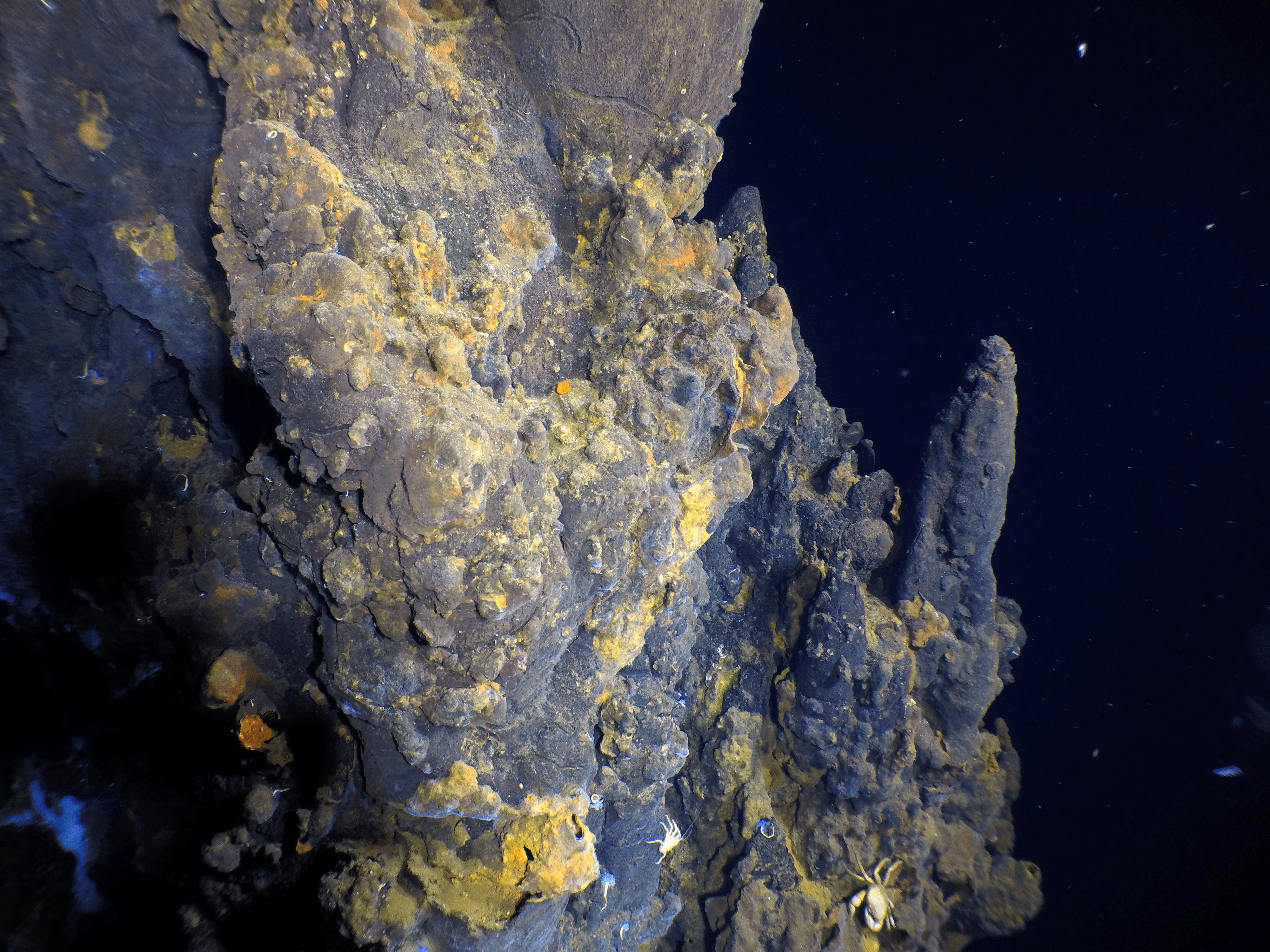
A new high-temperature, off-axis hydrothermal vent field on Pacific seafloor at 2550 meters depth was discovered in 2021 by a team that included researchers from Lehigh University; Scripps Institution of Oceanography (SIO); the University of Bergen Norway; and Woods Hole Oceanographic Institution (WHOI).
Read MoreMid-depth waters off the United States East Coast are getting saltier
A new study led by Woods Hole Oceanographic Institution (WHOI) shows a significant increase in frequency of warm saltwater intrusions from the deep ocean to the continental shelf along the Middle Atlantic Bight, which extends from the Gulf of Maine to Cape Hatteras, North Carolina.
Read MoreYawkey Foundation and WHOI present Summer Speaker Series, “Dispatches from an Ocean Planet”
Woods Hole Oceanographic Institution, in partnership with the Yawkey Foundation, proudly presents “Dispatches from an Ocean Planet”, a summer series of film and literature. The series marks the return of WHOI in-person events after a two-year hiatus due to the pandemic. All events require pre-registration.
Read MoreArc volcanoes are wetter than previously thought, with scientific and economic implications
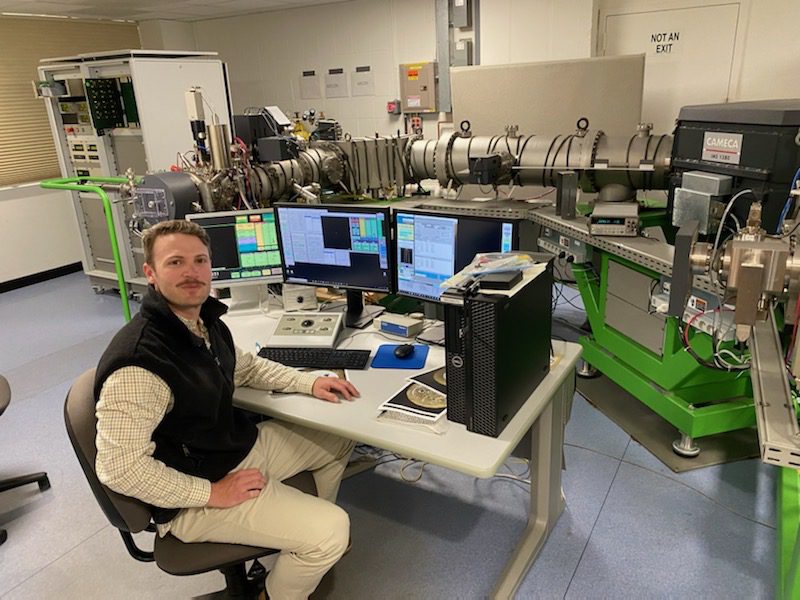
This increased amount of water has broad implications for understanding how Earth’s lower crust forms, how magma erupts through the crust, and how economically important mineral ore deposits form, according to a new paper led by authors from the Woods Hole Oceanographic Institution (WHOI).
Read MoreFluid Flow Stimulates Chemosynthesis in a Greek Salad of Hydrothermal Microbes
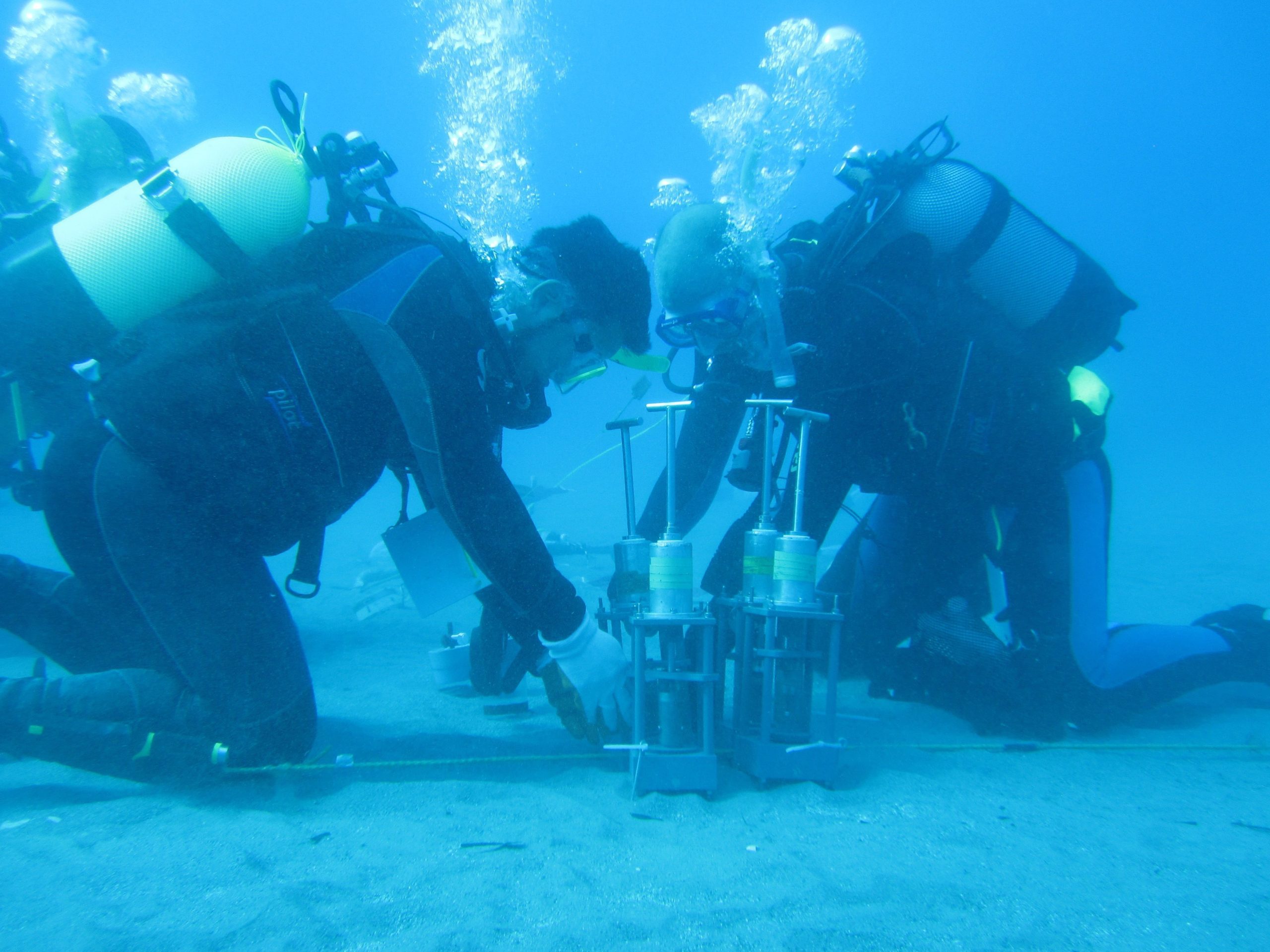
A new study uses an innovative approach to examine the bay’s shallow-water hydrothermal system and the production of microbes there in situ and near natural conditions as a model to assess the importance of hydrothermal fluid circulation on chemosynthesis.
Read MoreDeepest sediment core collected in the Atlantic Ocean
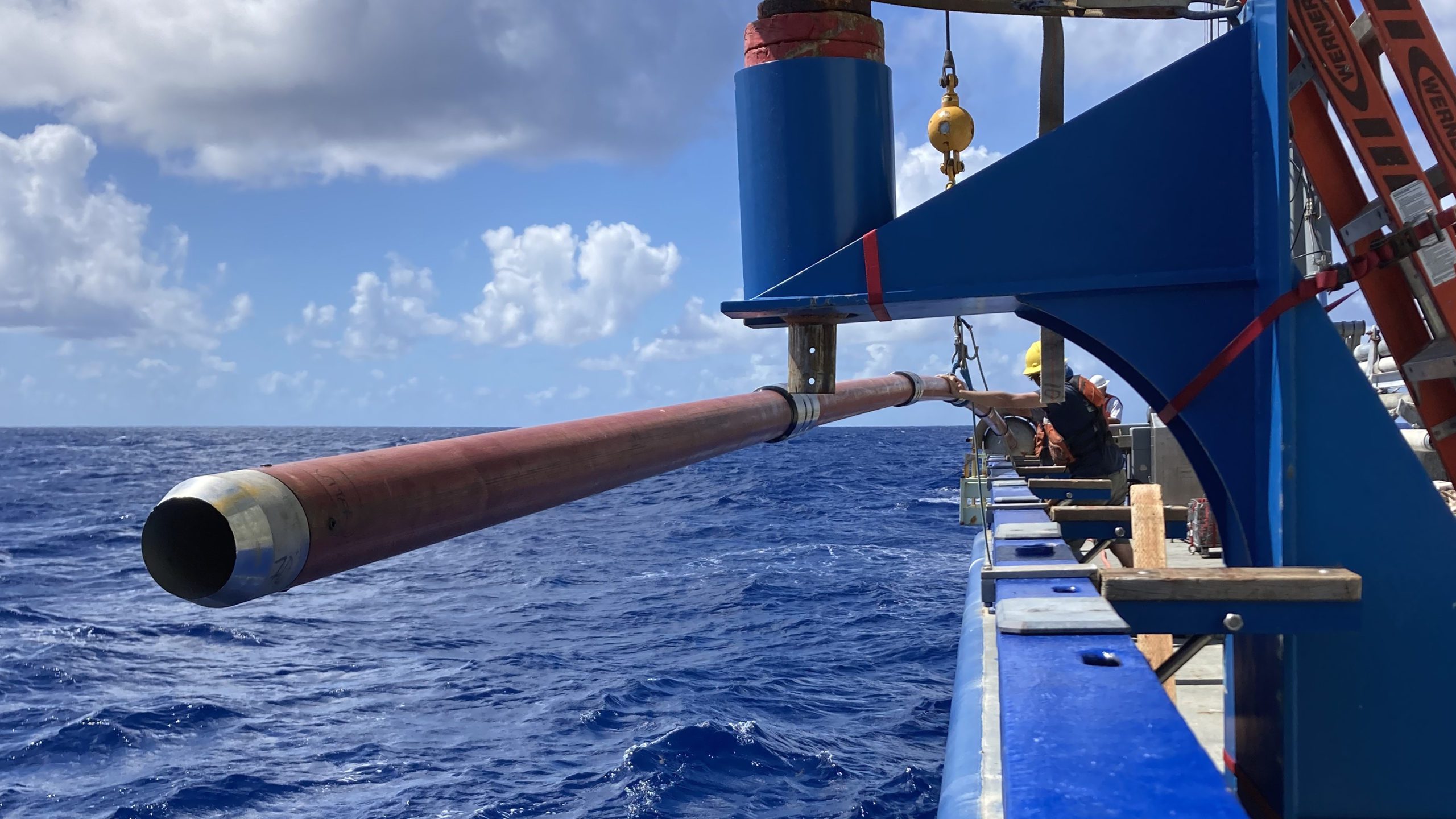
A team of scientists, engineers, and ship’s crew on the research vessel Neil Armstrong operated by the Woods Hole Oceanographic Institution (WHOI) recently collected a 38-foot-long cylindrical sediment sample from the deepest part of the Puerto Rico Trench, nearly 5 miles below the surface.
Read MoreWHOI & Pangaea Logistics Solutions to advance ocean science data acquisition through Science RoCS program
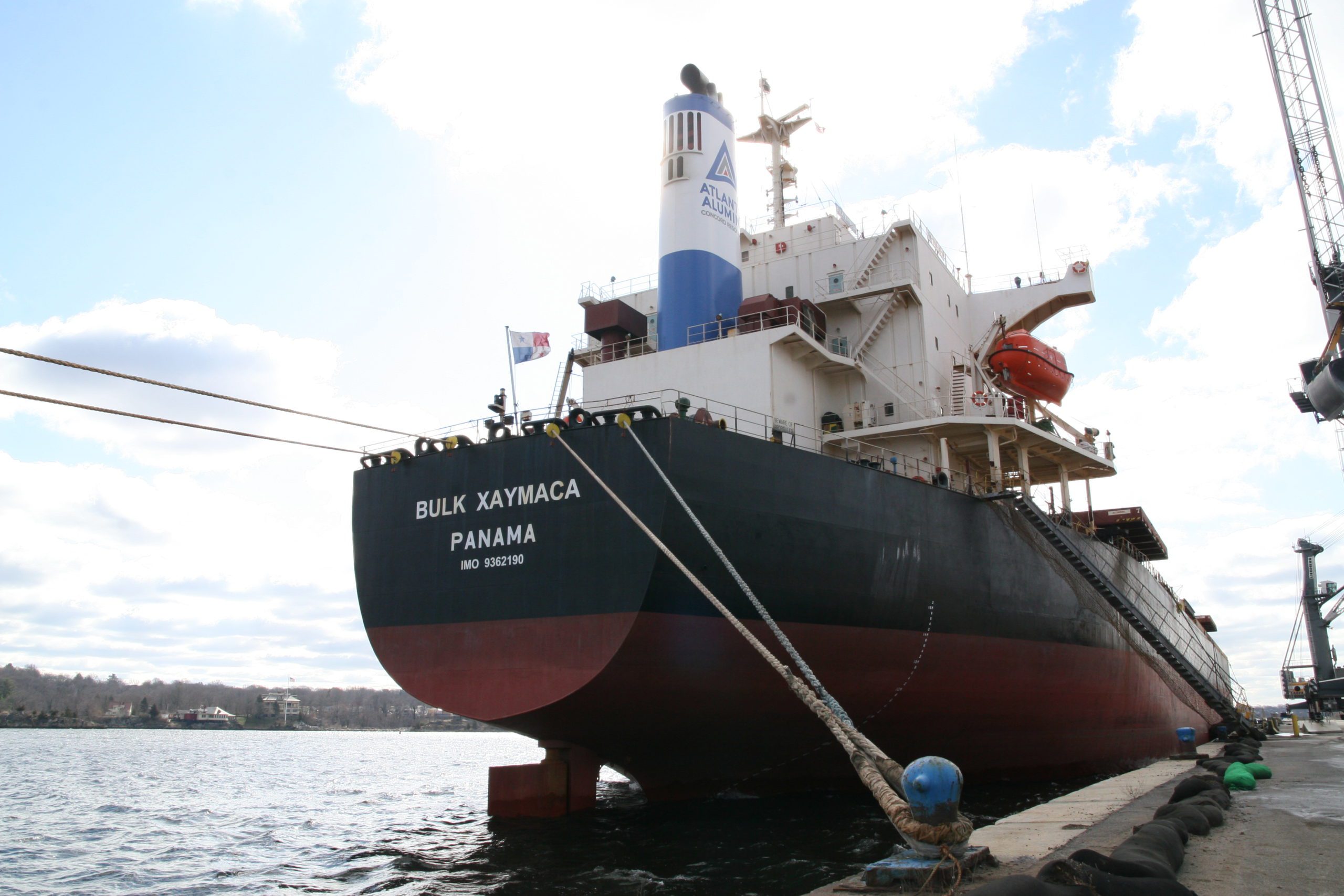
WHOI and Pangaea Logistics Solutions (Pangaea), a U.S. based, international maritime and logistics transportation company, today announced the launch of a new science program aboard Pangaea’s fleet of ships. Science RoCS (Science Research on Commercial Ships) is an innovative program pairing scientists with commercial vessels to regularly monitor the vast and open ocean, particularly along repeat routes in hard-to-reach areas where critical gaps in monitoring exist.
Read MoreScientists report complete collapse of East Antarctica’s Conger Ice Shelf
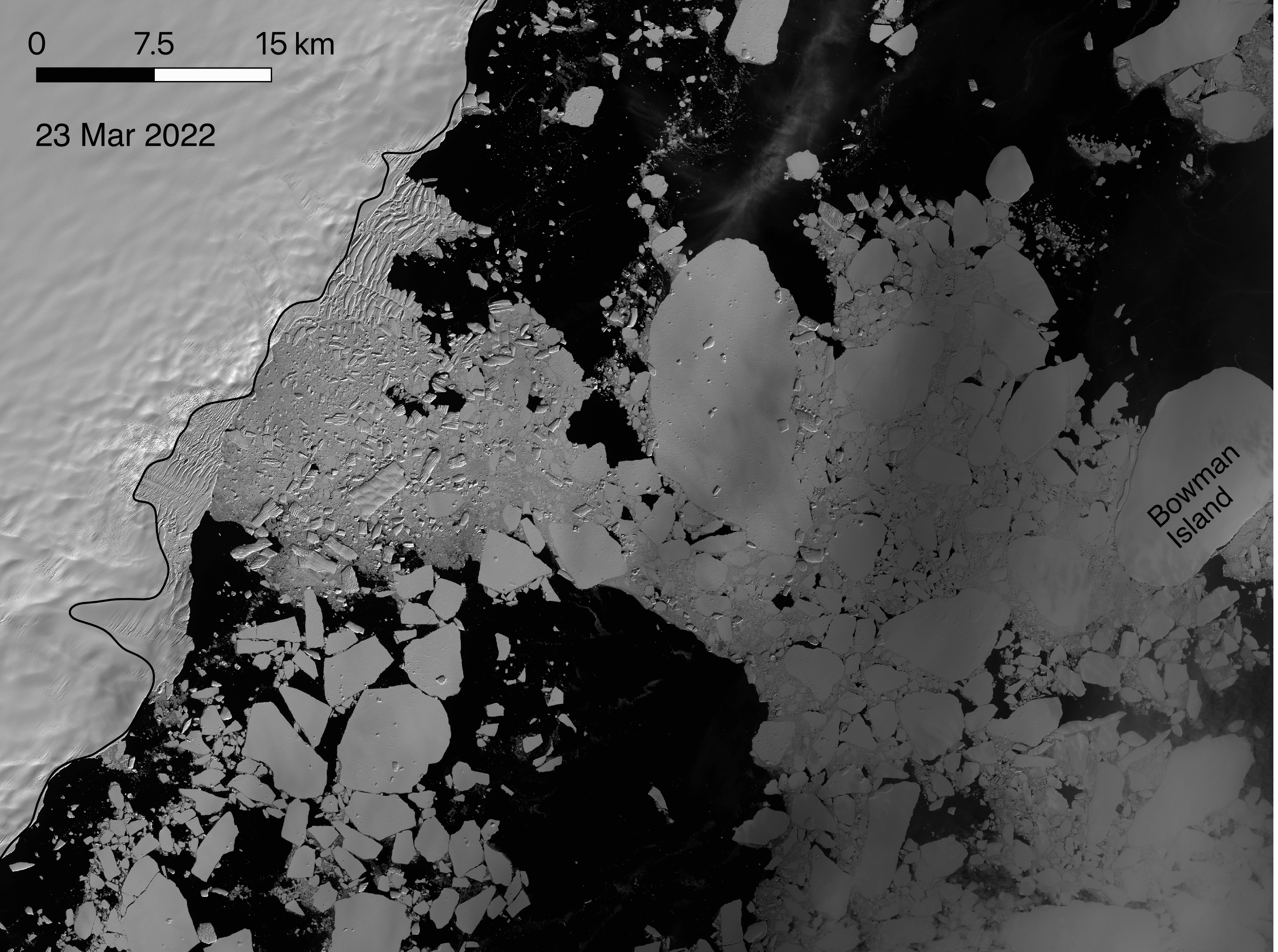
Satellite data has confirmed that an ice shelf about the size of Manhattan has completely collapsed in East Antarctica within days of record high temperatures. The Conger ice shelf, which had an approximate surface area of 1,200 sq km, collapsed around 15 March, scientists confirmed today.
Read MoreWHOI-led team awarded $7.6M to support Gulf of Mexico Loop Current research
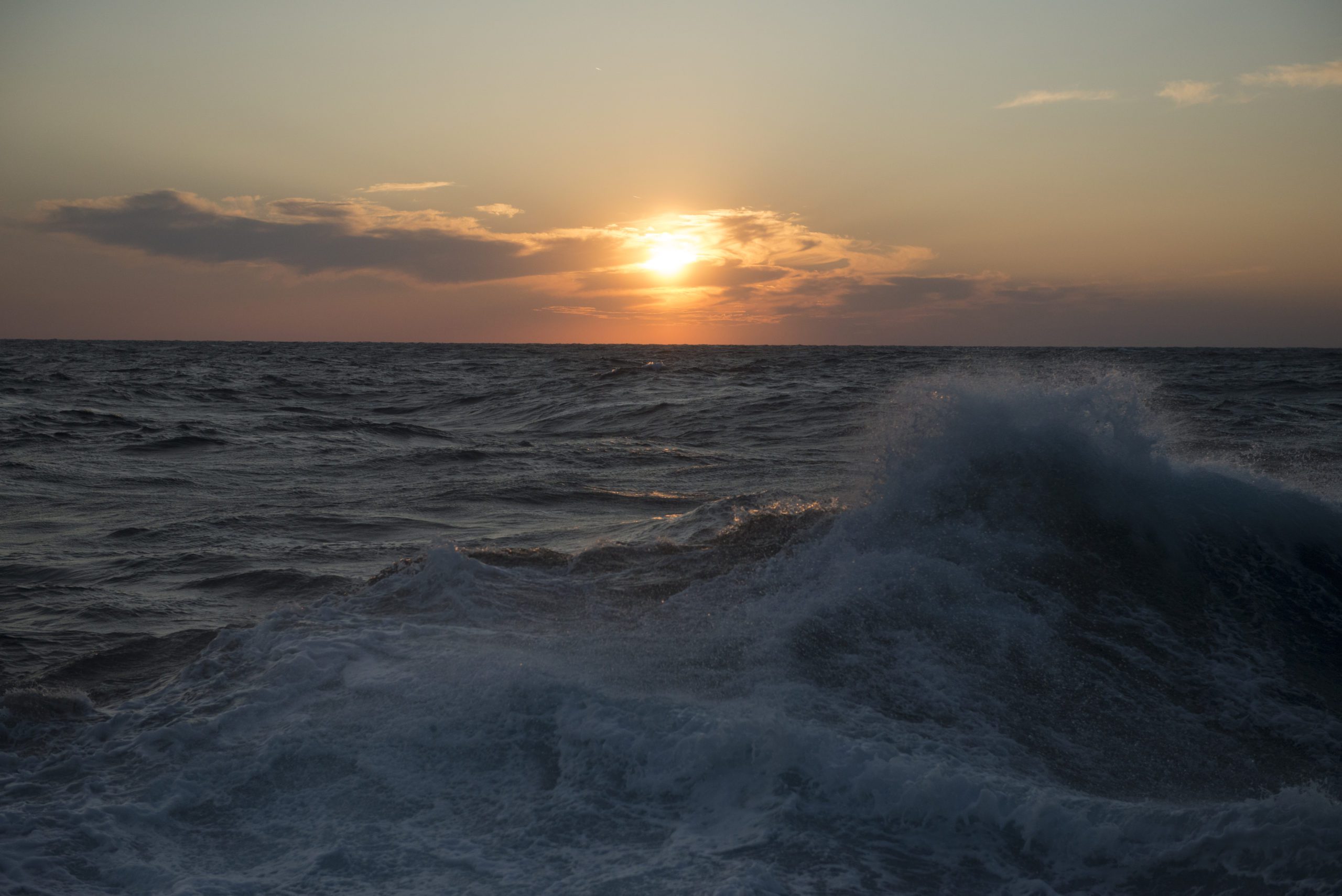
A Woods Hole Oceanographic Institution-led research team has been awarded $7.6 million from the Gulf Research Program (GRP) of the National Academies of Sciences, Engineering, and Medicine (NASEM).
Read MoreWHOI scientist elected as Fellow of the American Academy of Microbiology
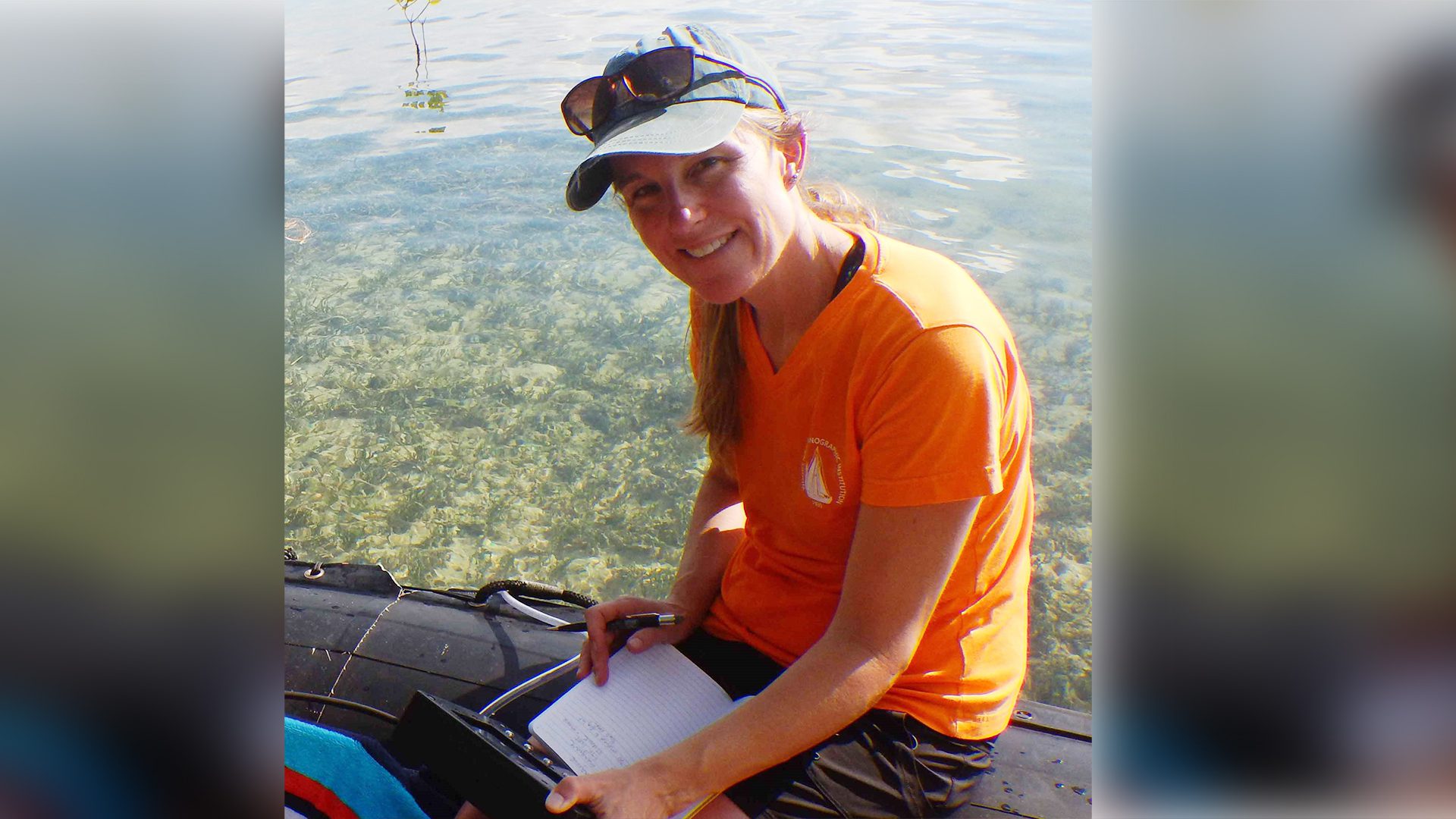
Woods Hole Oceanographic Institution scientist elected as Fellow of the American Academy of Microbiology Colleen Hansel, associate scientist at WHOI, has been elected as a Fellow of the American Academy…
Read MoreResilient Woods Hole releases new, interactive tools to prepare for climate change
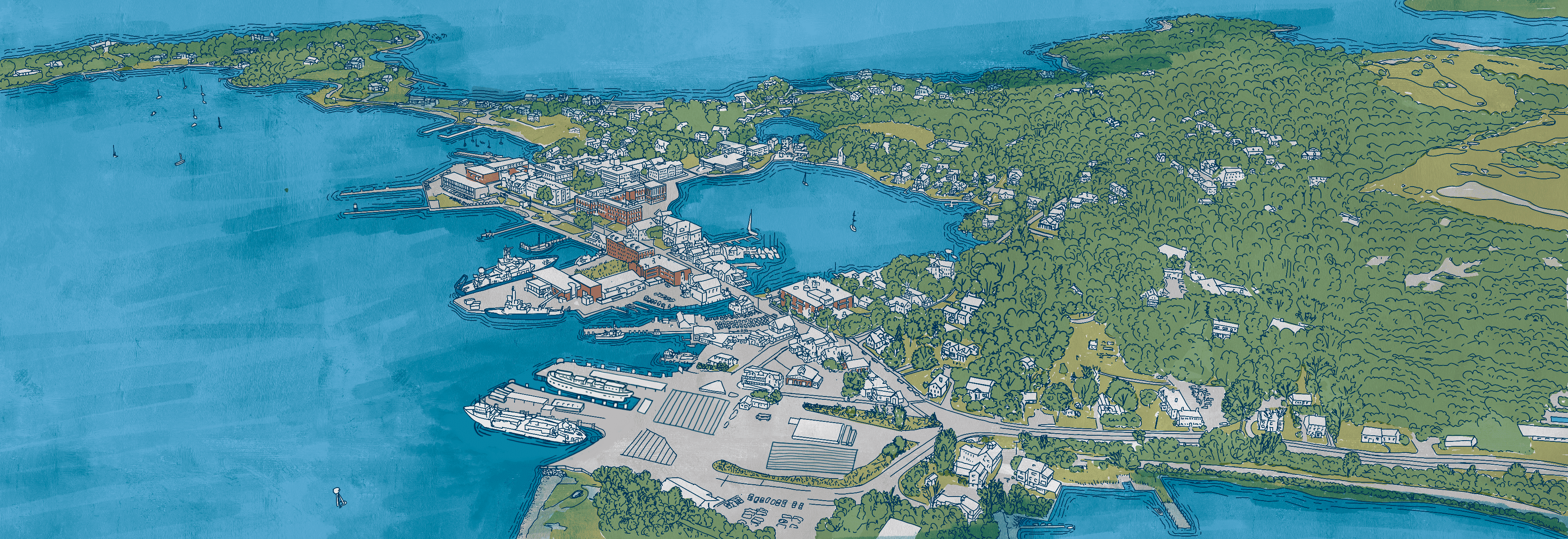
ResilientWoodsHole (RWH) initiative releases new interactive website tools to further engage the local community in its collective goal of securing a climate-resilient future for the coastal village of Woods Hole
Read MoreDissolving oil in a sunlit sea
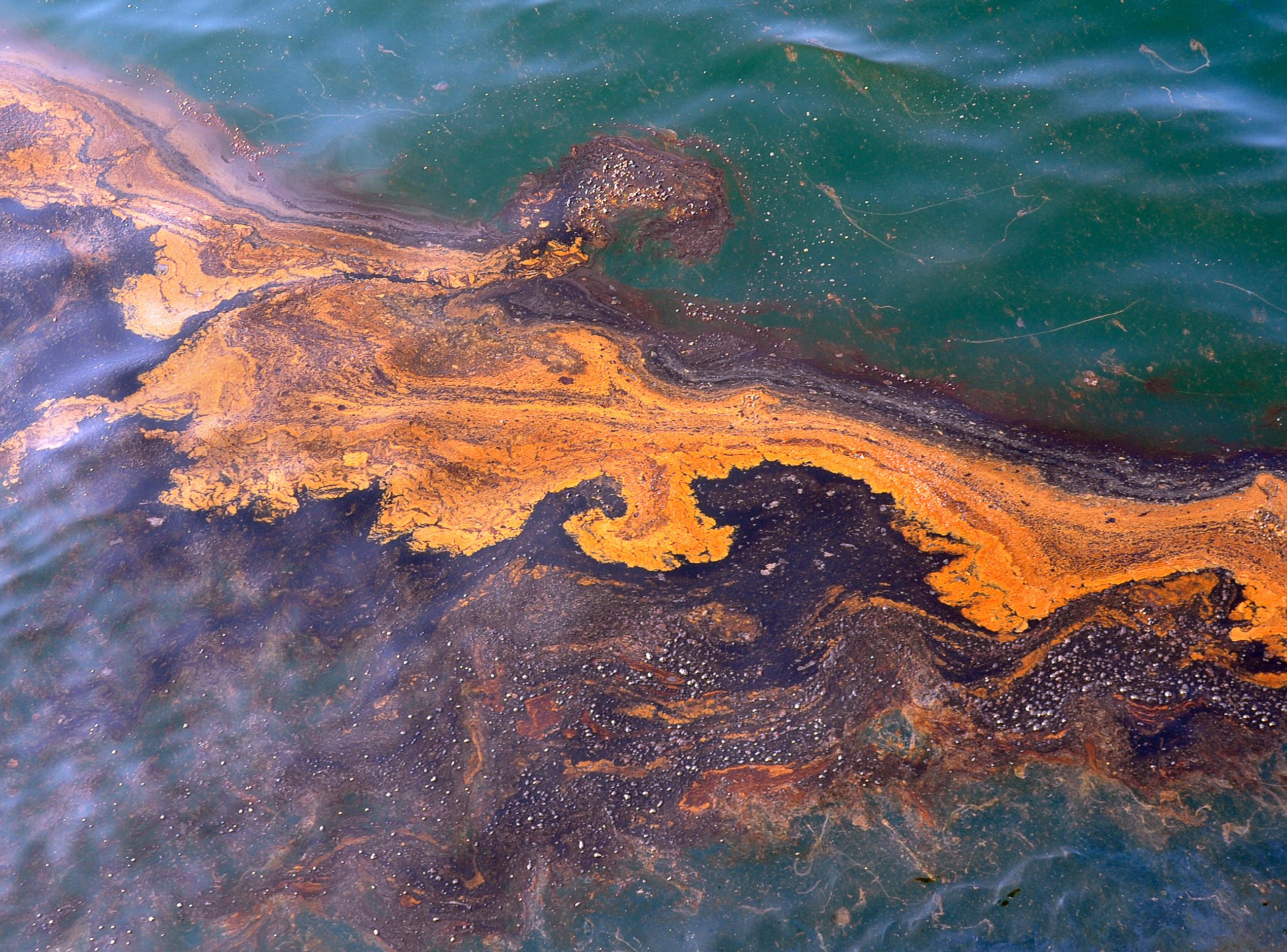
A team of Woods Hole Oceanographic Institution (WHOI) researchers discovered that nearly 10 percent of the oil floating on the Gulf after the Deepwater Horizon disaster was dissolved into seawater by sunlight – a process called “photo-dissolution”. The findings were published today in the paper “Sunlight-driven dissolution is a major fate of oil at sea” in Science Advances.
Read MoreThe ocean twilight zone’s role in climate change
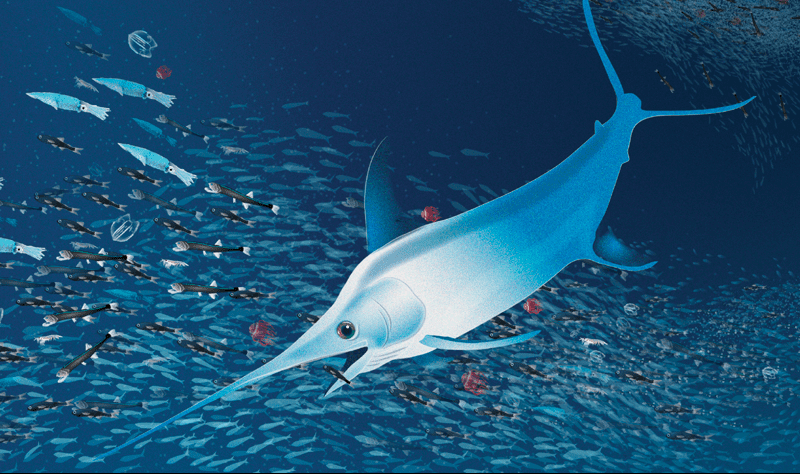
A new report from the Woods Hole Oceanographic Institution Ocean Twilight Zone (OTZ) project team offers a detailed look at the climate-altering processes that take place within the zone, in particular those that are driven by animals that migrate between the twilight zone and the surface each night to feed. This phenomenon is likely the biggest migration on Earth—yet it remains incredibly vulnerable to human exploitation.
Read MoreWHOI’s Ken Buesseler named Geochemistry Fellow
Dr. Ken Buesseler has been selected as a Geochemistry Fellow by the Geochemical Society and the European Association of Geochemistry.
Read MoreBen Van Mooy awarded by Association for the Sciences of Limnology and Oceanography
WHOI senior scientist and Dept. Chair honored for phosphorus and lipid cycling research
Read MoreEarth BioGenome Project begins genome sequencing in earnest
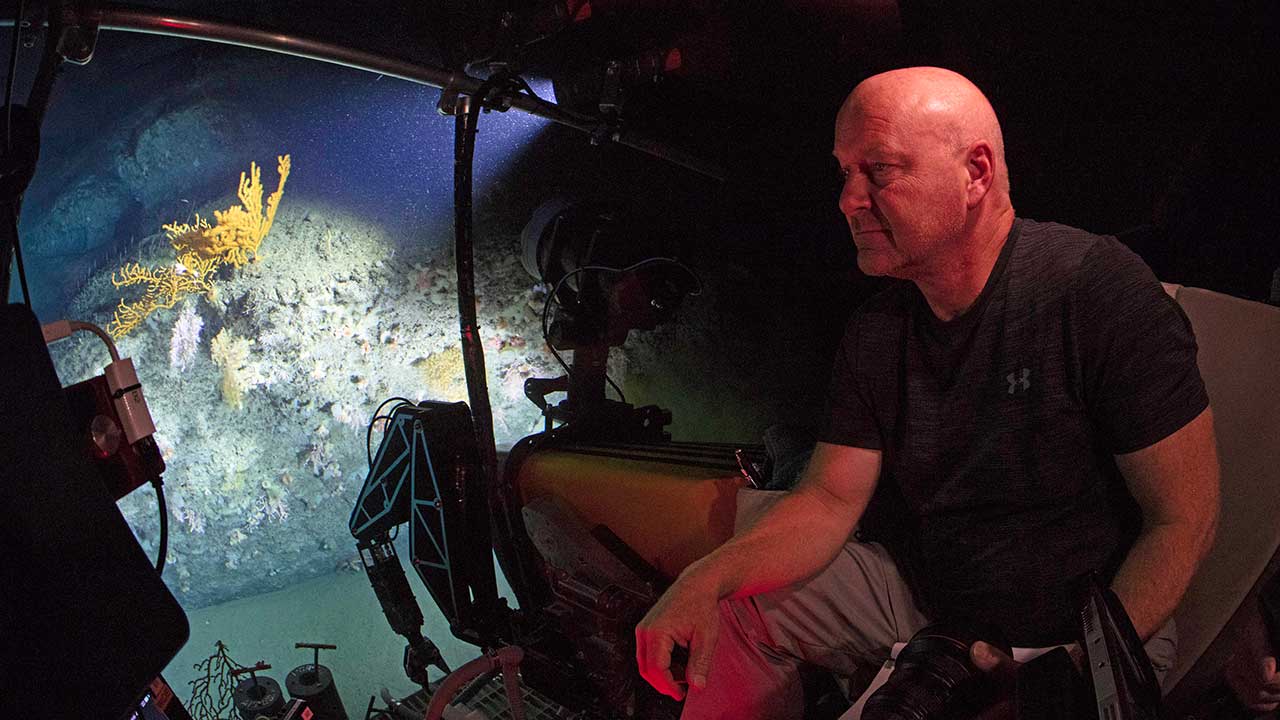
The Deep-Ocean Genomes Project is an ambitious effort co-led by WHOI and the University of Connecticut (UConn) to obtain fundamental new knowledge of the organization, evolution, functions, and interactions of life in one of Earth’s least-understood regions: the deep ocean.
Read MoreWoods Hole Oceanographic Institution selected as finalist for Governors Island Climate Solutions Center
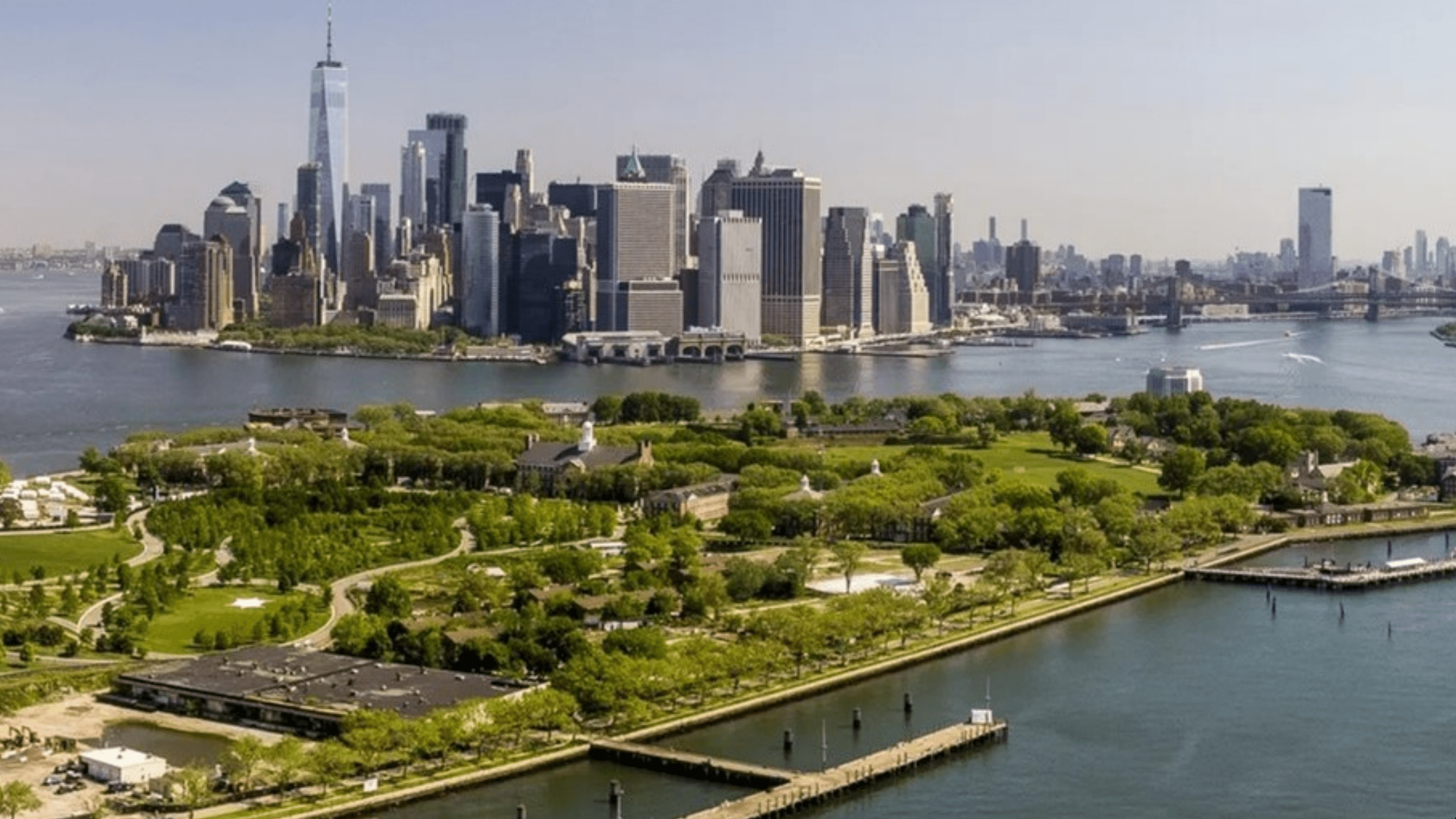
Woods Hole Oceanographic Institution (WHOI, a global leader in ocean research and exploration, is partnering with two teams selected as finalists in the development of the new Governors Island Climate Solutions Center in New York City. The announcement was recently made by former New York City Mayor Bill de Blasio and The Trust for Governors Island.
Read MoreTropical fish…up north? How ocean physics play a role in altering water temperature and salinity
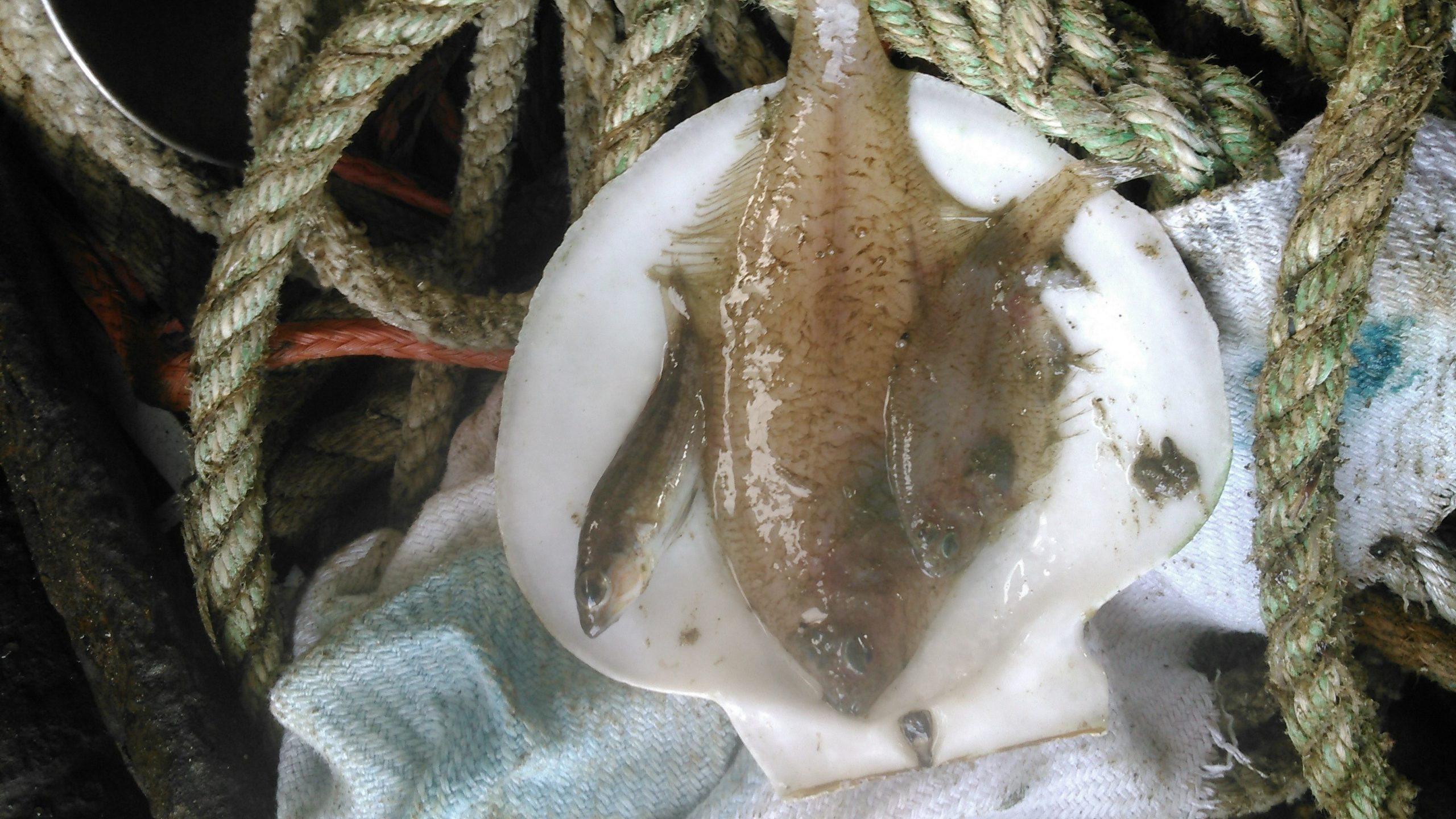
A study led by Woods Hole Oceanographic Institution scientists is explaining why warm and salty water along with warm water fish species, such as the deep-sea dwelling Gulf Stream flounder and Black Sea bass, were found far inshore in New England in the middle of winter 2017. How did this happen? Researchers say it is due to an intrusion of offshore water from the open ocean onto the Northeast U.S. Shelf, caused by eddies (a circular current of water) and wind.
Read MoreStudy finds bio-based cellulose acetate plastic used in consumer goods disintegrates in ocean much faster than assumed
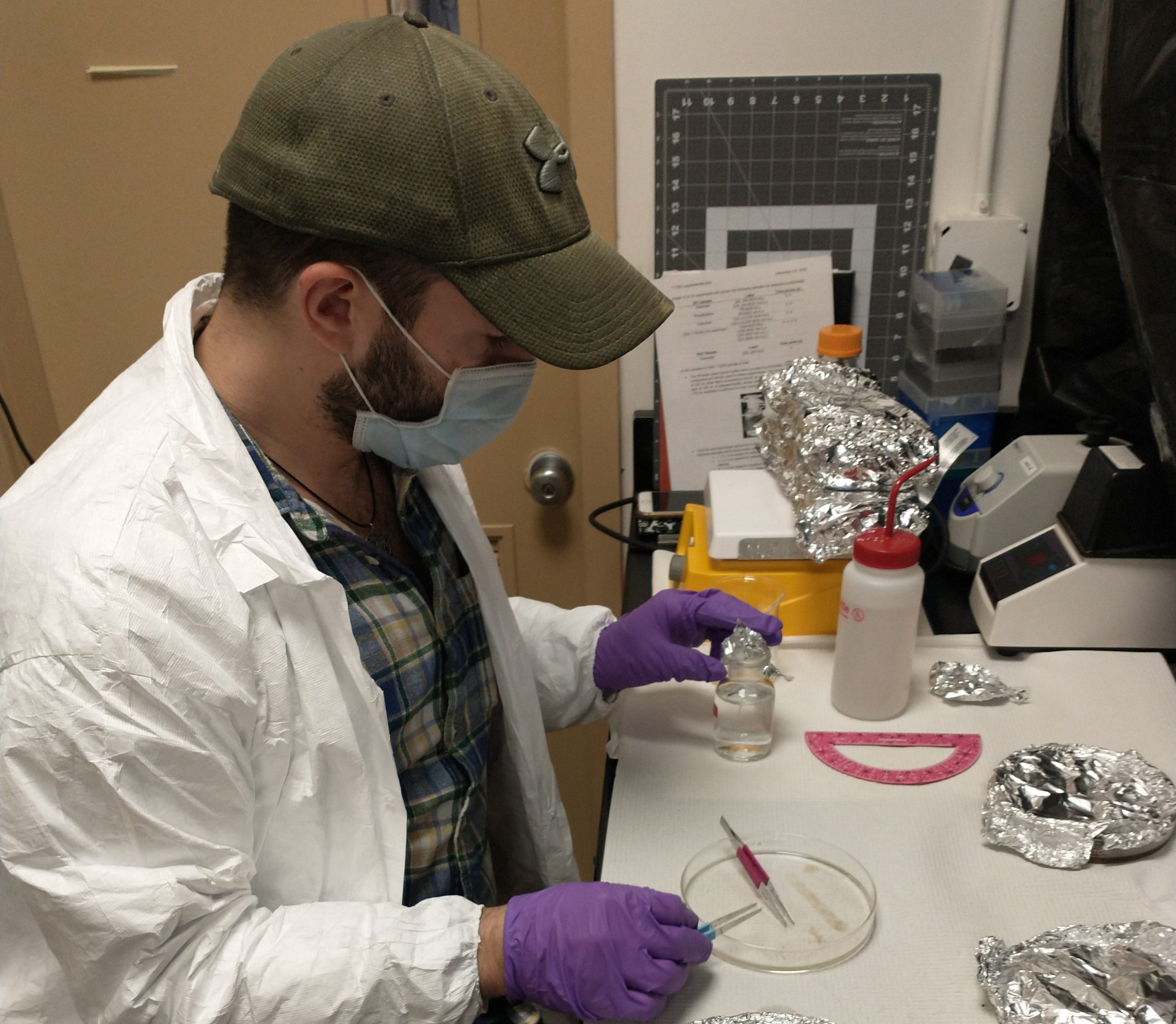
Woods Hole, MA — Cellulose diacetate (CDA), a bio-based plastic widely used in consumer goods, disintegrates, and degrades in the ocean far quicker than previously assumed, according to a new…
Read MoreStudy outlines challenges to ongoing clean-up of burnt and unburnt nurdles along Sri Lanka’s coastline
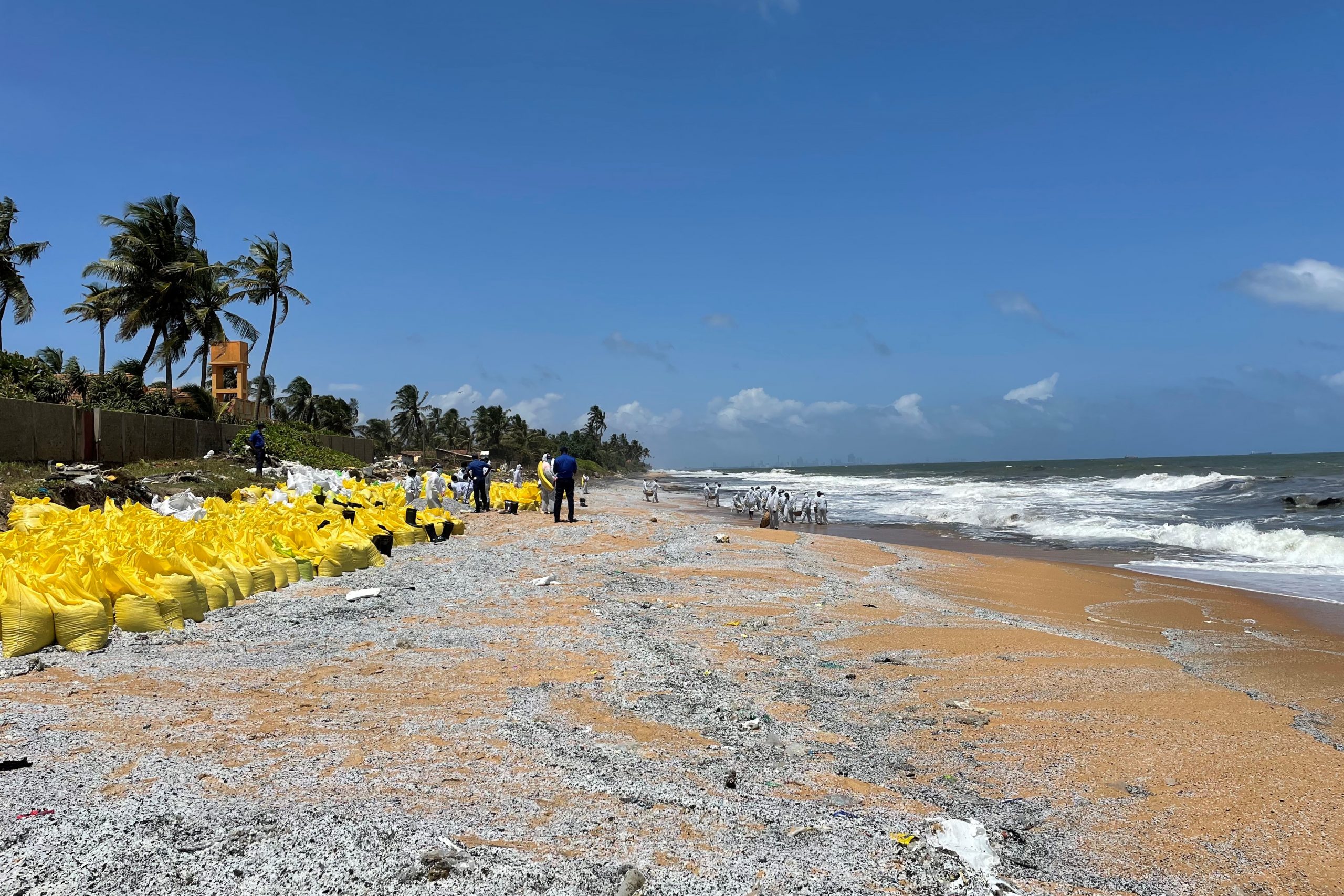
When a fire broke out on the deck of the M/V XPress Pearl cargo ship on May 20, 2021, an estimated 70-75 billion pellets of preproduction plastic material, known as nurdles, spilled into the ocean and along the Sri Lankan coastline. That spill of about 1,500 tons of nurdles, many of which were burnt by the fire, has threatened marine life and poses a complex clean-up challenge. A new peer-reviewed study characterizes how the fire modified the physical and chemical properties of the nurdles and proposes that these properties affected their distribution along the coast.
Read More“Mantle wind” blows through slab window beneath Panama
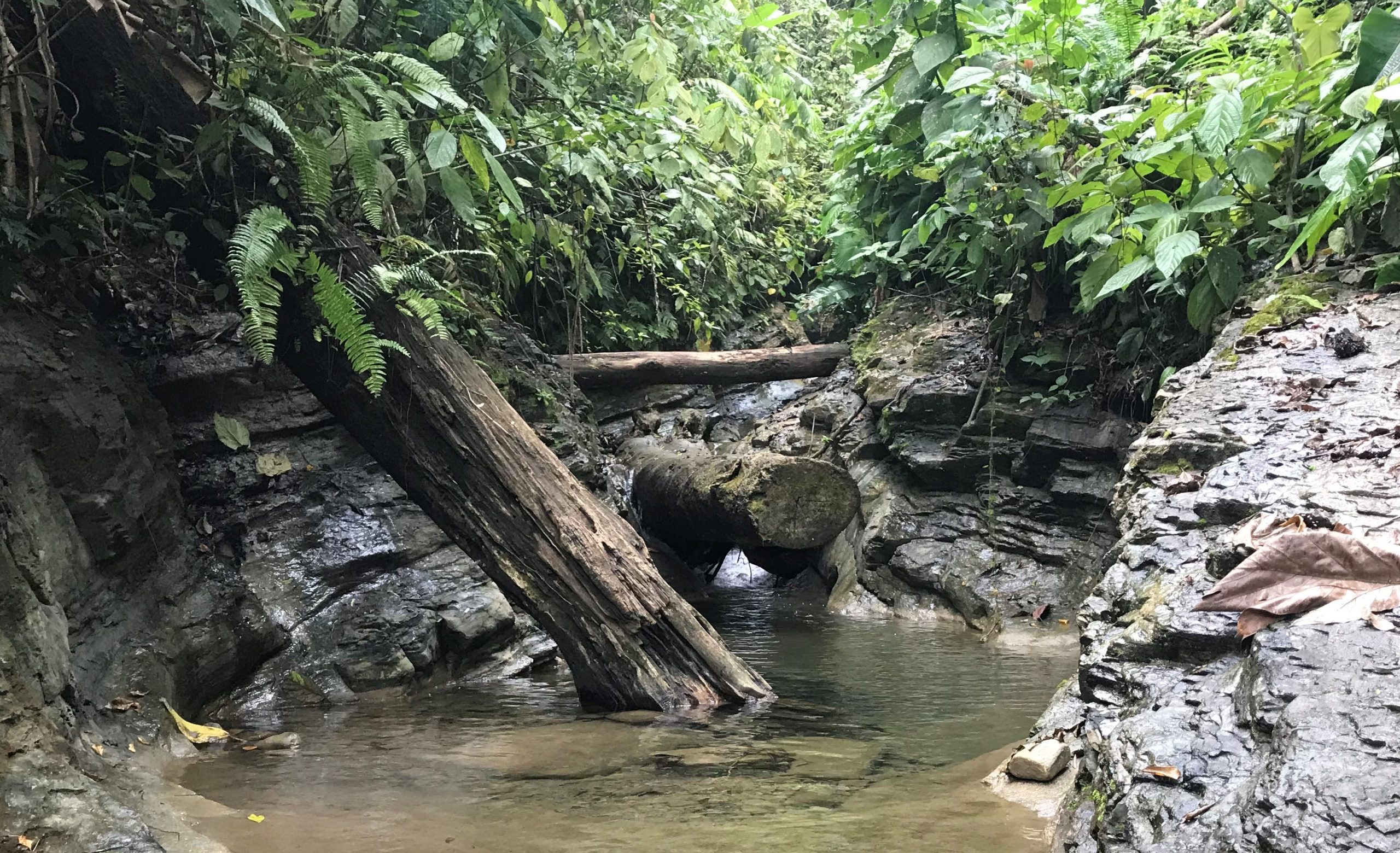
A Woods Hole Oceanographic Institution-led team unravels the existence of a 900-mile-long mantle conduit between the Galapagos and Central America Woods Hole, MA — Volcanic gases are helping researchers track…
Read MoreWHOI Arctic experts present at international climate conference overseas
Experts from WHOI and Woodwell Climate Research Center are on the ground at COP26 in Glasgow, Scotland, sharing critical perspective on the implications of a warming Arctic
Read More