As the ocean warms, a science writer looks for coral solutions
Scientist-turned-author Juli Berwald highlights conservation projects to restore coral reefs

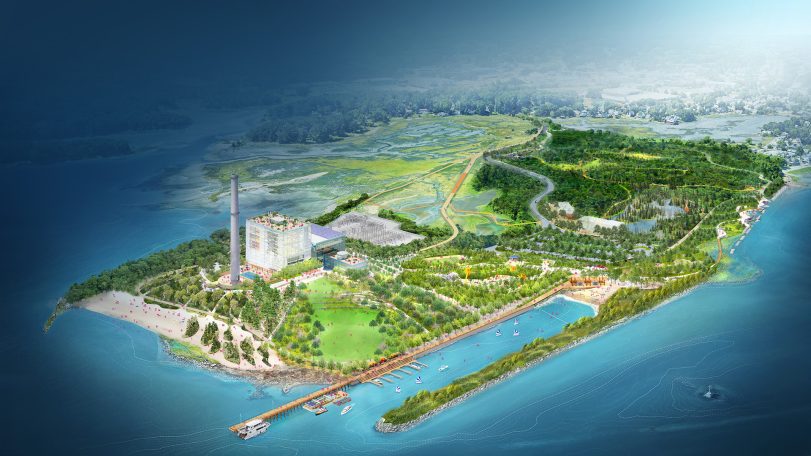
WHOI joins Manresa Wilds Project to help restore part of Connecticut’s coastline
Development of a new coastal green space and public park opens up access to ocean science in Long Island Sound
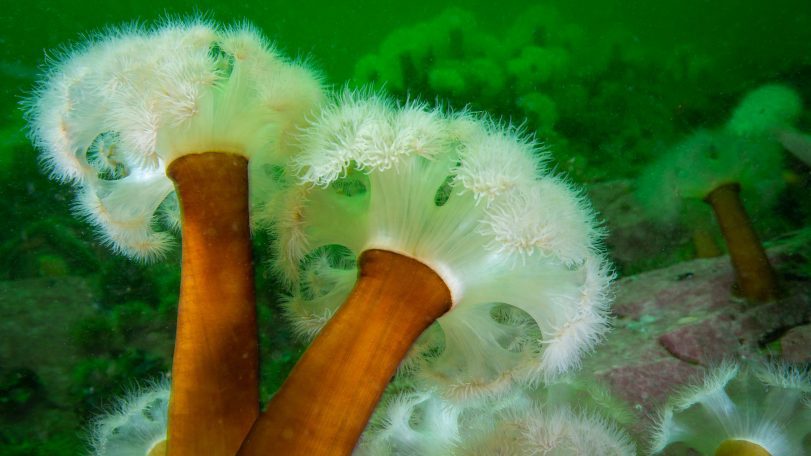
How shipwrecks helped a cold-water anemone move south
Researchers find fluffy anemones spreading south via shipwrecks, revealing how artificial reefs and ocean currents connect marine habitats
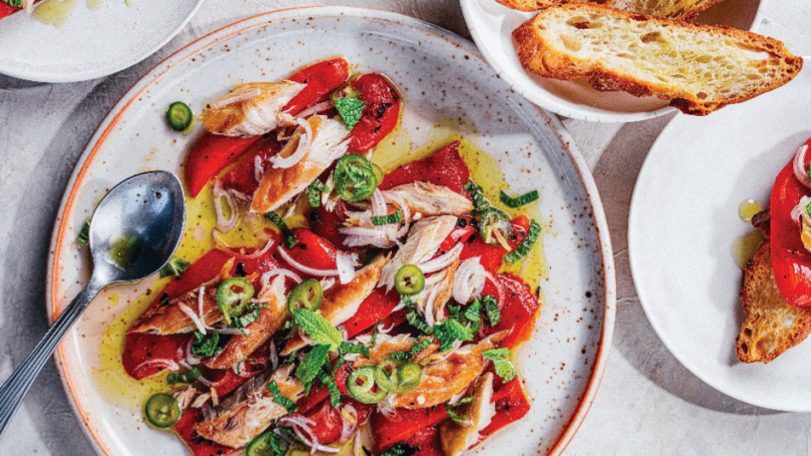
Recipe: Roasted peppers with smoked mackerel, mace, and mint
This seafood recipe by chef and author Barton Seaver is a great introduction to sustainable seafood
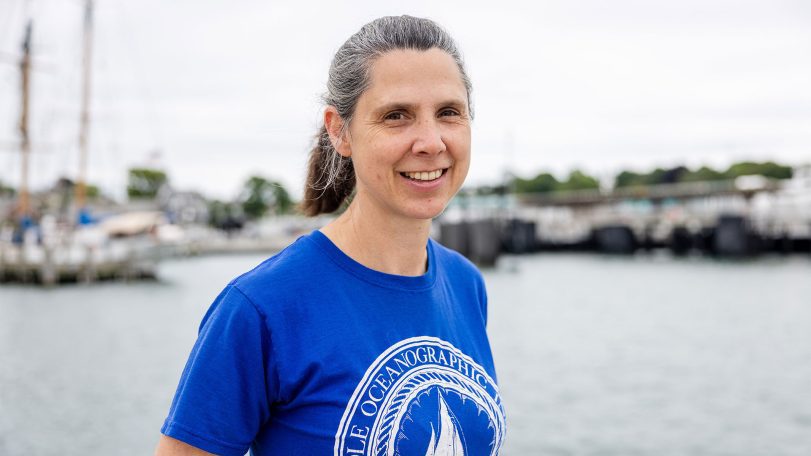
Sampling Gulf Stream plankton, one teaspoon at a time
Three questions with marine research technician Emily Peacock
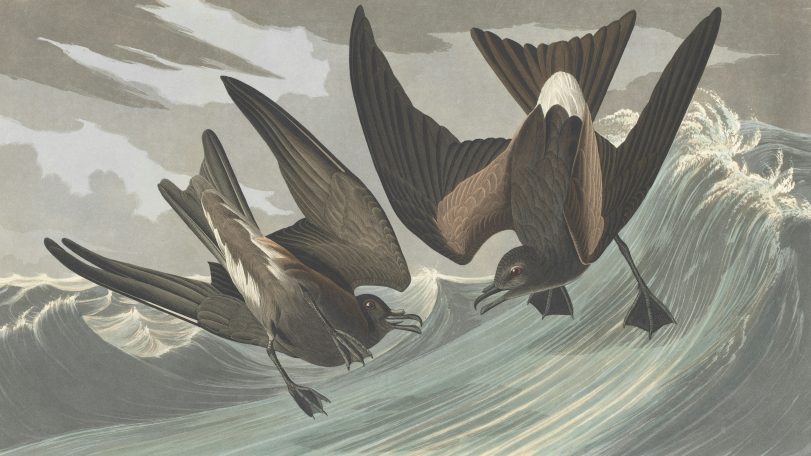
These seabirds fly toward cyclones, not away from them
New GPS tracking on petrels reveals a surprising survival strategy hidden in the eye of the storm
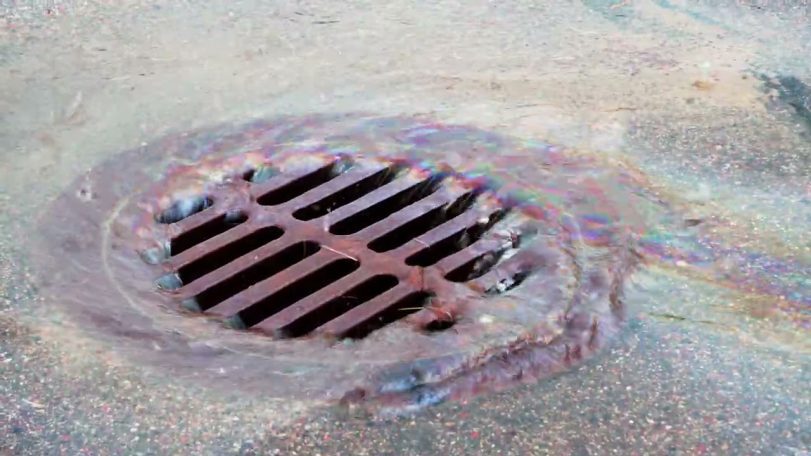
Are big spills the main source of ocean oil?
Evidence shows that smaller leaks on land contribute far more oil to our oceans
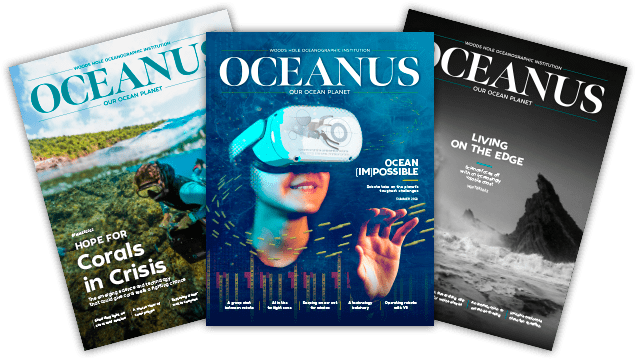
and get Oceanus delivered to your door twice a year as well as supporting WHOI's mission to further ocean science.
Our Ocean. Our Planet. Our Future.
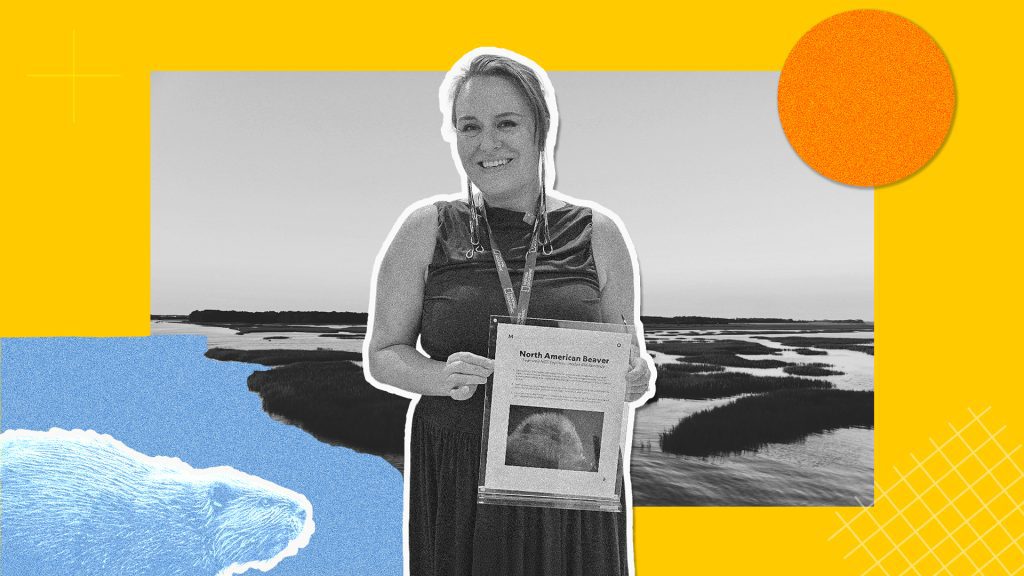
Reclaiming knowledge from the sea
WHOI’s Jordan Kennedy draws on Indigenous knowledge, engineering, and observation to rethink how we study and restore coastal landscapes
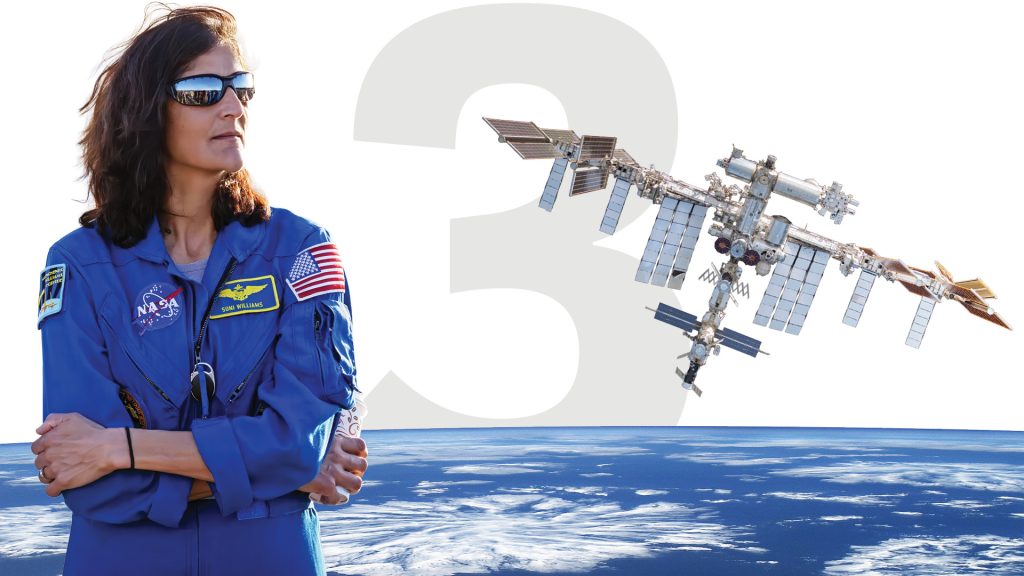
3 questions with a former NASA astronaut
WHOI Corporation Member Sunita Williams discusses space exploration, ocean science, and environmental stewardship
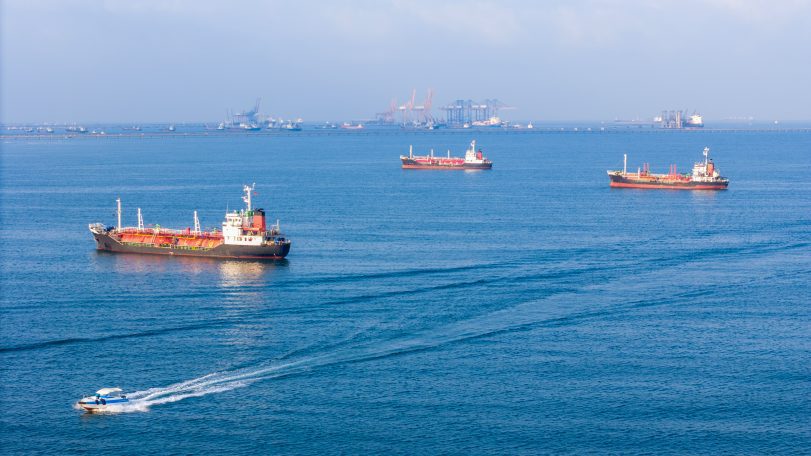
Ships in the Strait of Hormuz are becoming invasive species breeding grounds
Beneath the waterline of every ship stalled in the Persian Gulf, a thriving underwater city takes shape—barnacles, algae, mussels, sea squirts. Some of those hitchhikers could reach coastlines they’d never find on their own.
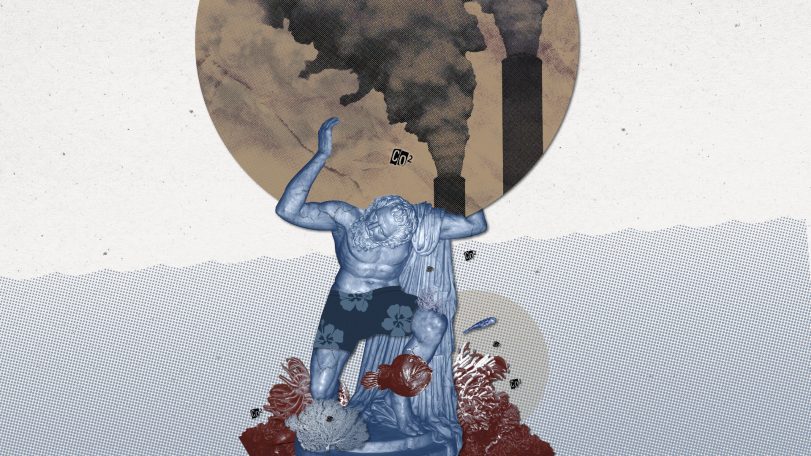
Is the ocean carbon sink at risk of faltering?
WHOI scientists explain how the ocean mitigates climate change—and could be compromised by it
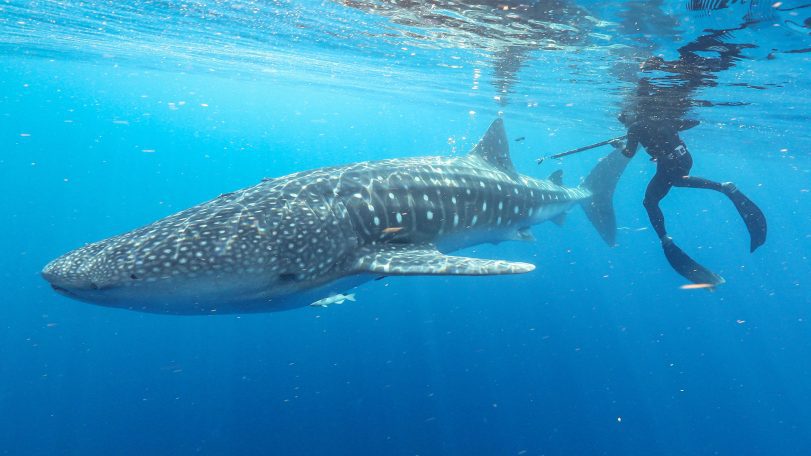
3 questions with Cam Braun
Marine biologist Camrin Braun explains why the world’s largest fish visit waters off Cape Cod—and what their epic migrations reveal about a changing ocean
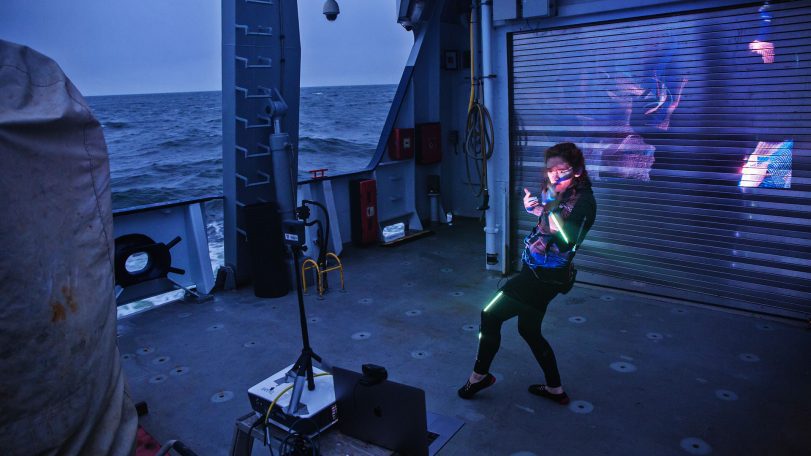
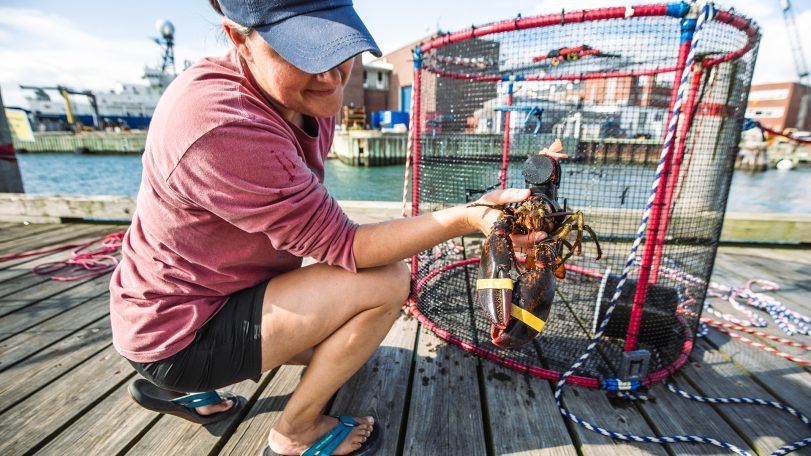
Is underwater noise from construction affecting the American Lobster?
WHOI’s Sensory Ecology Lab investigates whether an industrialized soundscape impacts the health of a New England icon
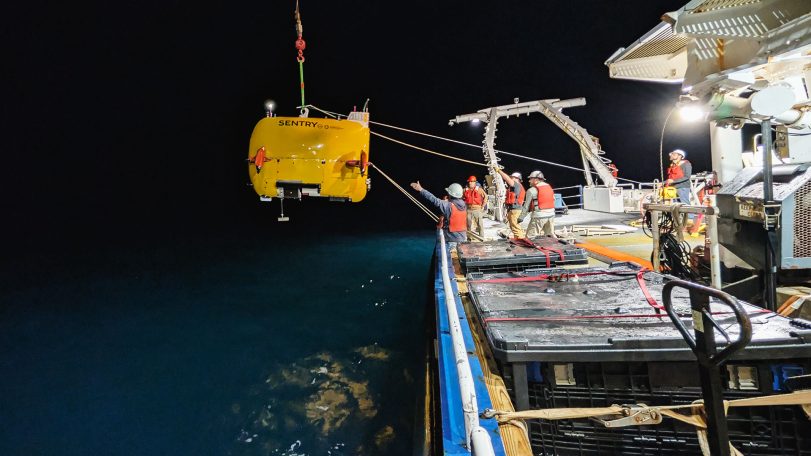
Exploring Atlantic seeps
AUV Sentry leads the way in mapping and monitoring methane bubbling from the seafloor
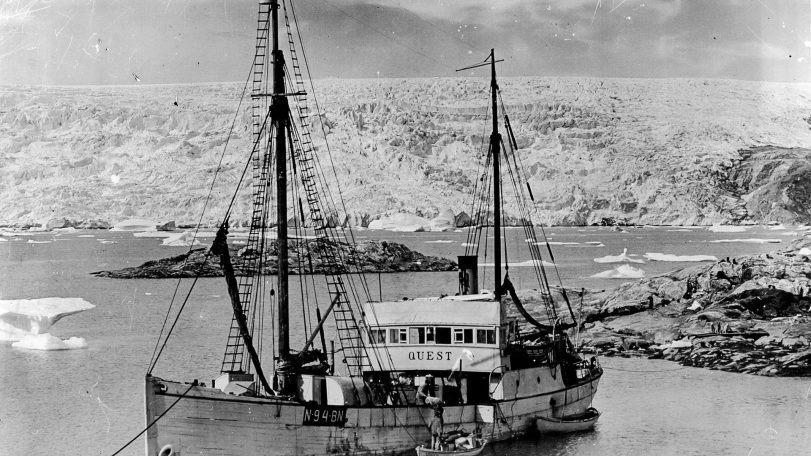
A once-in-a-generation dive into polar history
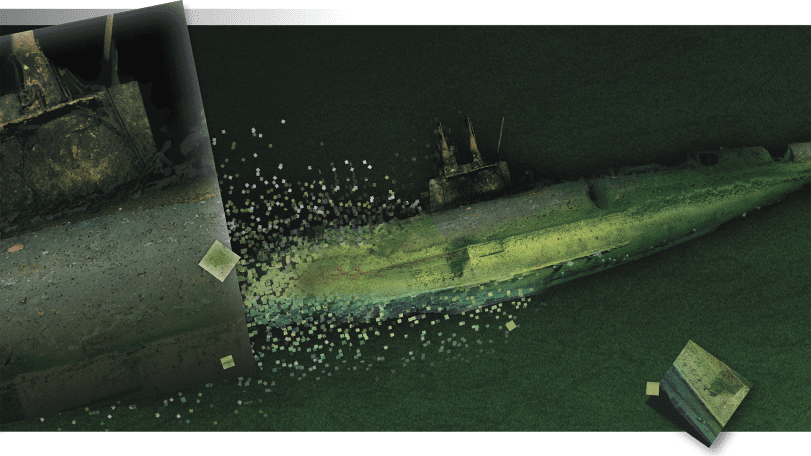
40 years after helping reveal the Titanic, Alvin returns to the North Atlantic to document two other legendary shipwrecks
Looking for something specific?
We can help you with that. Check out our extensive conglomeration of ocean information.

A hadal zone mystery solved
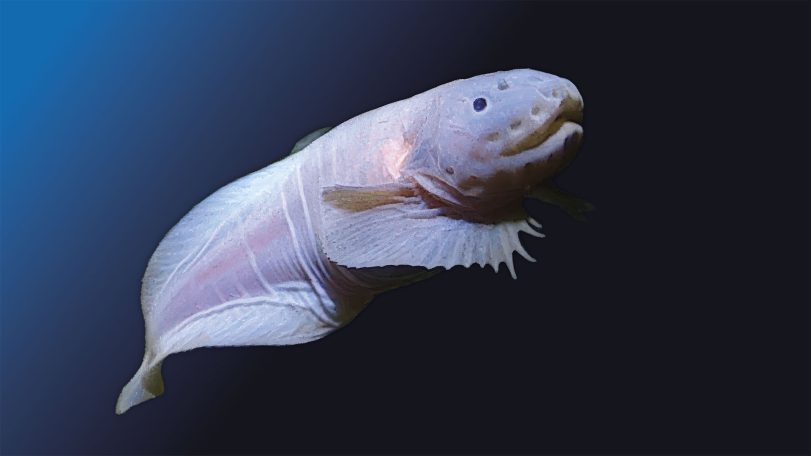
An upside-down swimming isopod shows how tightly we are connected to the deep ocean
A mother seal dives
Follow a Weddell seal as her body adapts to foraging in deep, frigid waters
A mummy, a myth, and the Titanic
A 1986 handwritten letter to Bob Ballard revisits one of the Titanic disaster’s strangest myths
Turning motion into power: Wave energy converters for sustainable ocean monitoring
In the rapidly evolving world of ocean technology, wave energy is emerging as a promising…
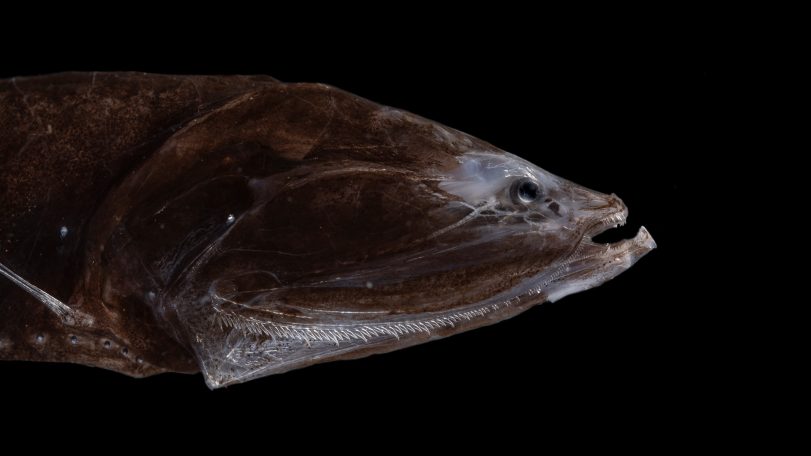
The world’s most abundant fish once thrived in an extreme climate
Fossilized teeth show bristlemouth fish evolved during one of the ocean’s hottest periods
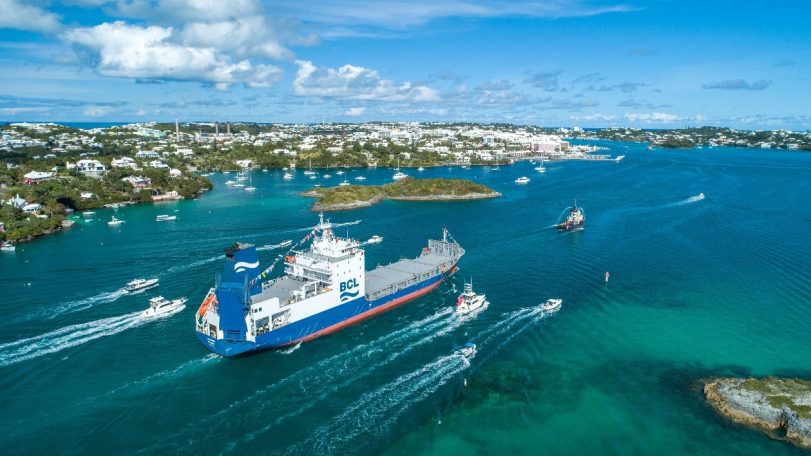
How a cargo ship is tracking hidden ocean life in the Atlantic
With funding support from CMA CGM, ocean observations aboard Bermuda Container Line’s M/V Oleander now include a window into microscopic life
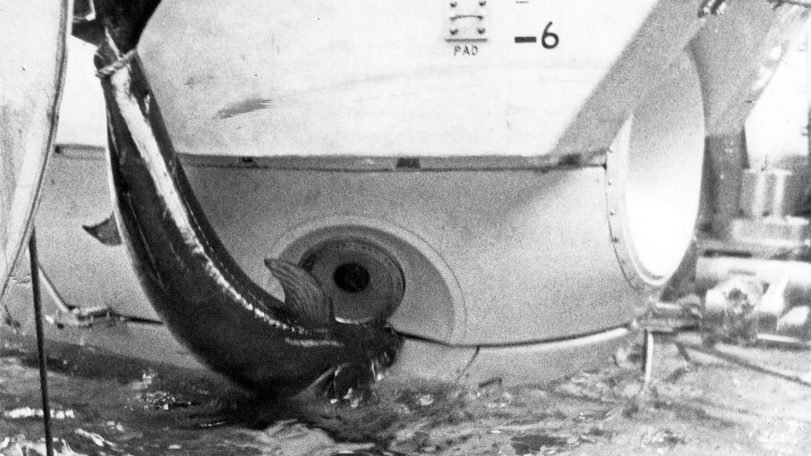
Alvin vs. the swordfish
During a 1967 dive off Florida, a startled swordfish rammed the famed submersible Alvin—lodging its sword in the hull and forcing the crew to abort the mission
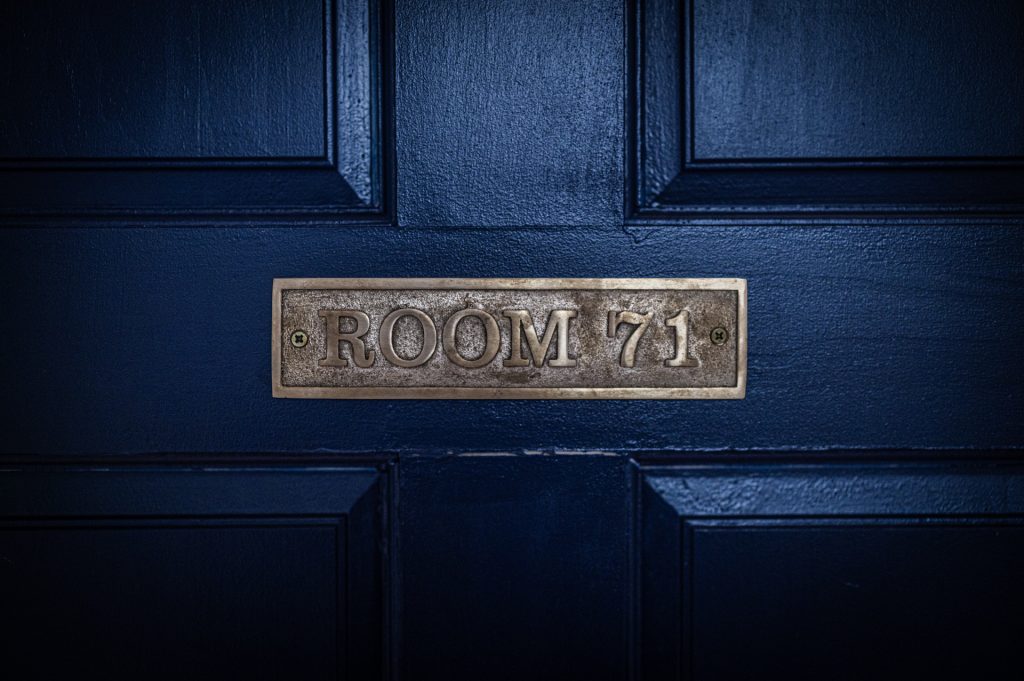
Inside Room 71: WHOI history in seven artifacts
Some of the technology, art, and gifts that tell the story of the institution’s early days
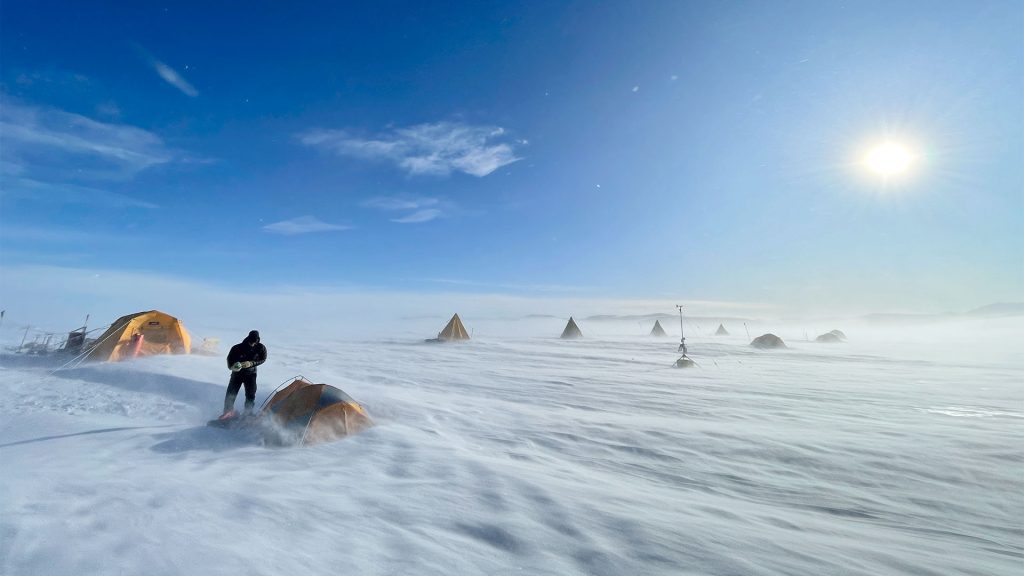
A scientist’s quest to find Earth’s oldest ice
After recovering ice that dates back 6 million years, Sarah Shackleton hopes to dig deeper into Earth’s history from a remote Antarctic moraine

Phone Call Links Inner and Outer Space
Tim Shank and Sunita Williams placed one of the most unusual long-distance phone calls of…
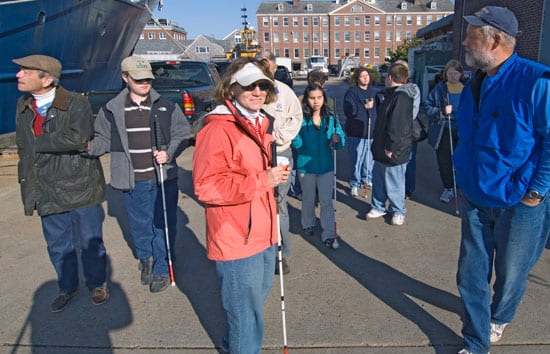
A Warm Eddy Swirling in the Cold Labrador Sea
Amy Bower is traveling to the Labrador Sea to install a mooring with novel carousels that will autonomously release profiling floats into passing warm eddies. She has also forged an innovative outreach partnership with the Perkins School for the Blind, including an expedition Web sight for students with visual impairments.
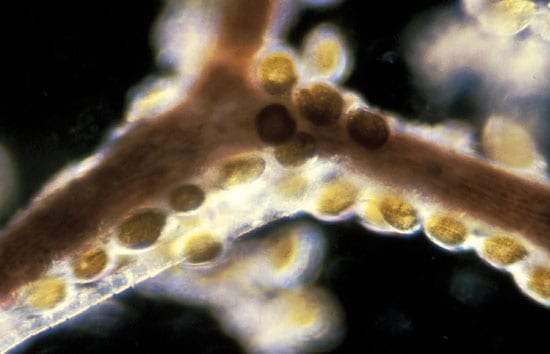
Pilot Study Examines Ciguatera Fish Poisoning
It is one of the most common illnesses from eating seafood, sickening more than 50,000…
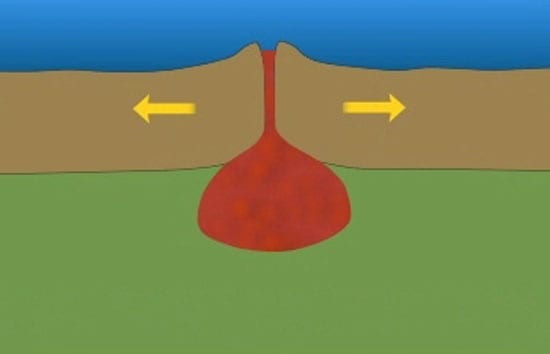
New Wrinkles in the Fabric of the Seafloor
Deborah Smith first heard the strange rumbling from the seafloor in 2001 and was eager…
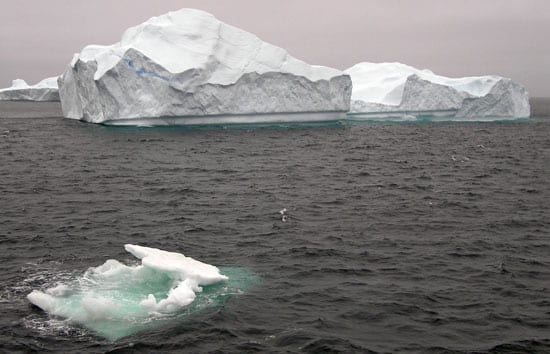
Interrogating the ‘Great Ocean Conveyor’
The Greenland-Scotland Ridge looms like a great undersea barrier, stretching from East Greenland to Iceland…
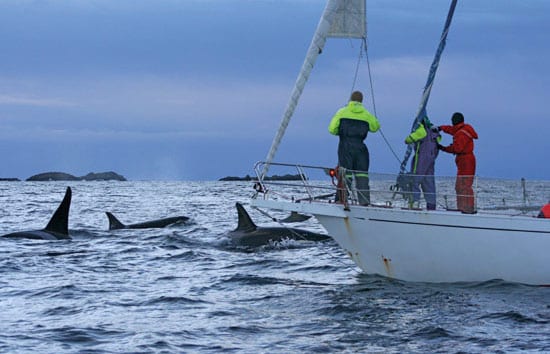
Eavesdropping on Whales’ Mealtime Conversation
Like a knife slicing through denim, the black dorsal fin broke the surface of the…
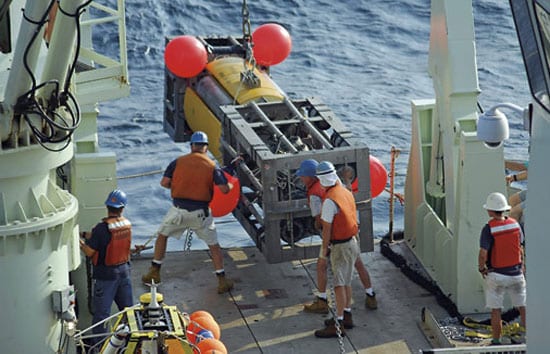
A 3-D Underwater Soundscape
It was the largest oceanographic field experiment in the 76-year history of Woods Hole Oceanographic…
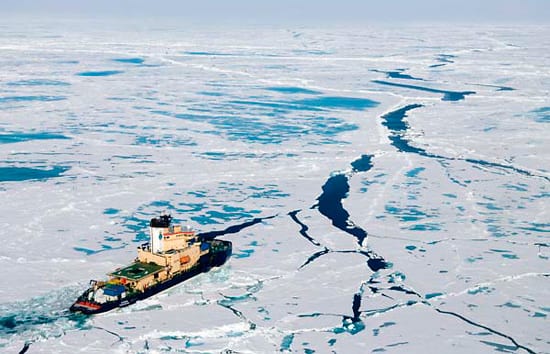
Summer Under Arctic Ice
This month, an international team of scientists and engineers are exploring the seafloor of the…
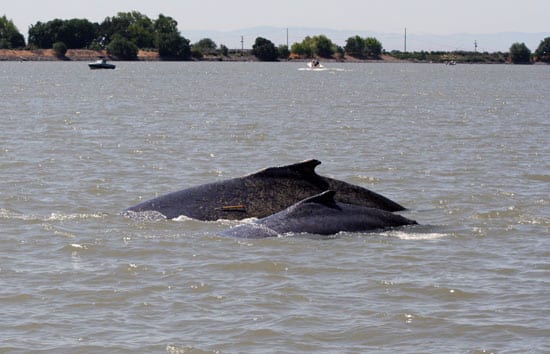
Following Whales Up a Creek
Michael Moore is accustomed to working solo (or nearly so) in remote places, but this…
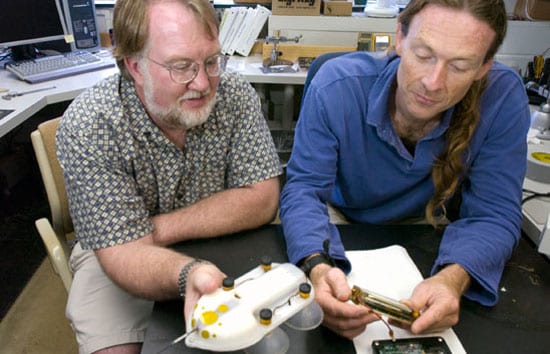
The Deepest Divers
For years, sperm whales and elephant seals were thought to hold world records for holding…
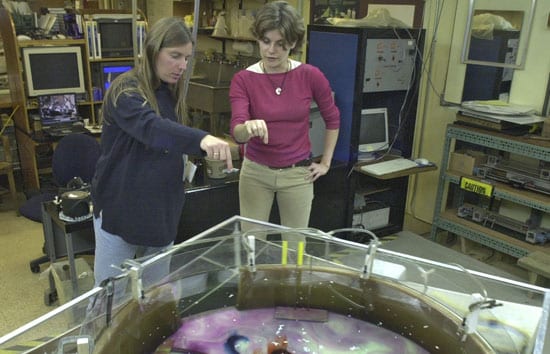
The Ocean—Captured in a Box
Claudia Cenedese prides herself on thinking inside the box. Her boxes are made of Plexiglass,…