
Biology
Protecting living corals could help defend the Great Barrier Reef from ocean acidification for decades
Reefs with higher numbers of living corals will be more resilient than expected to damage from acidifying seawater, scientists reported recently in Nature Evolution and Ecology.
Read MoreBioacoustic alarms are sounding on Cape Cod
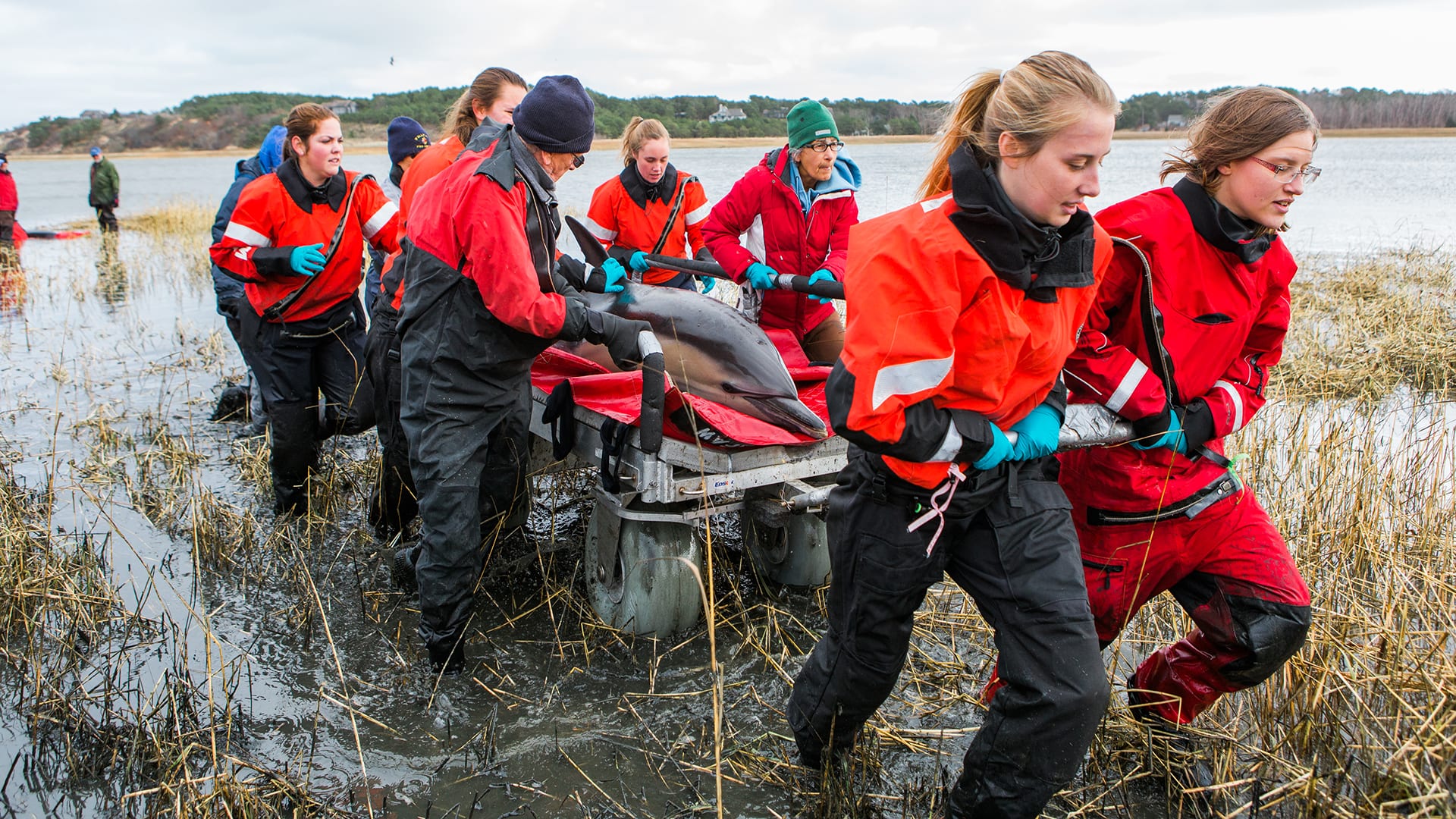
The International Fund for Animal Welfare (IFAW) and its Marine Mammal Rescue Team in Yarmouth, Mass. have responded to a record high of more than 464 marine mammals stranded on Cape Cod since January this year. Researchers at Woods Hole Oceanographic Institution (WHOI) believe patterns from animal sound data may be the key to curbing these numbers.
Read MoreWhales may owe their efficient digestion to millions of tiny microbes
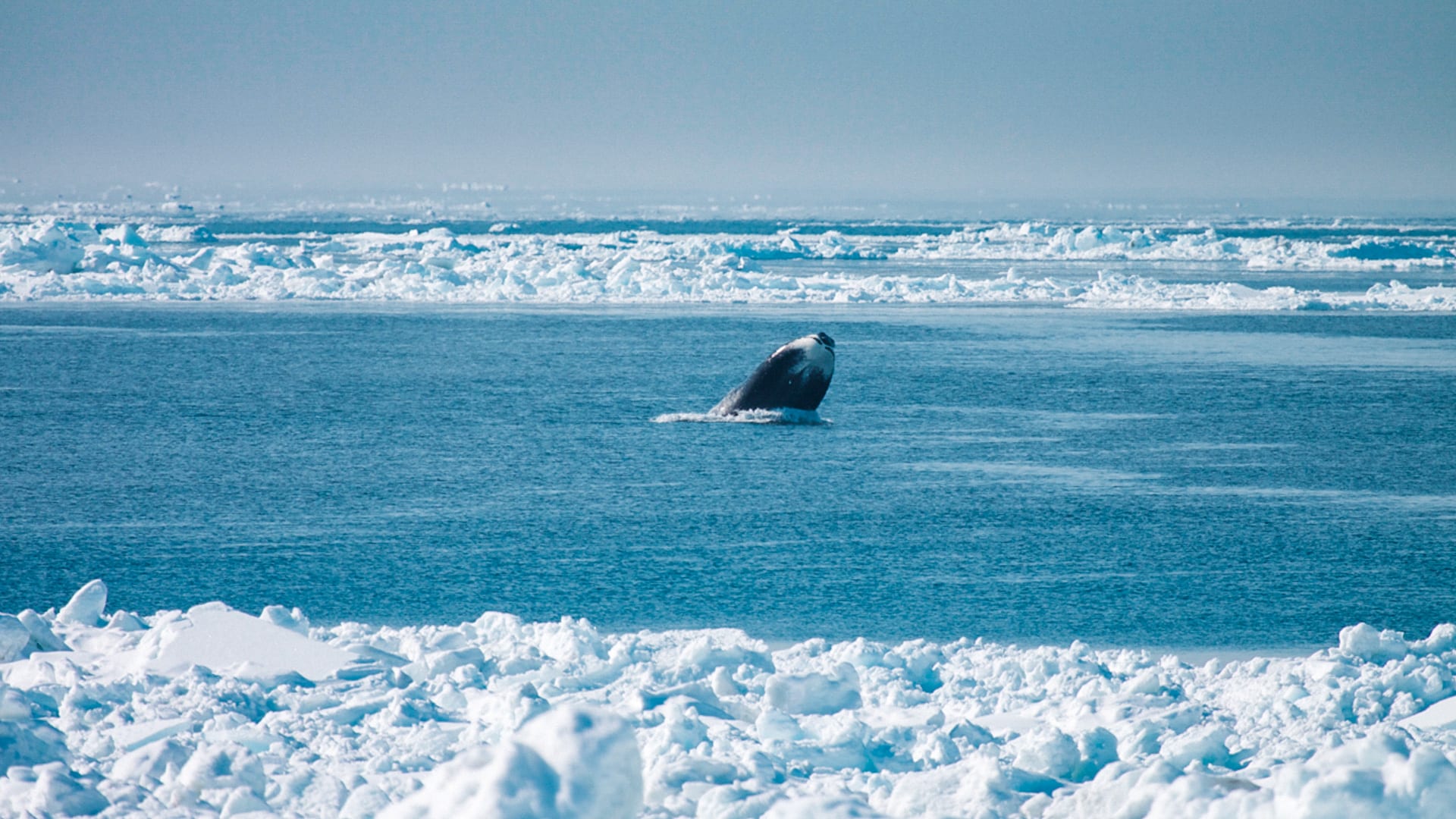
A study by researchers at Woods Hole Oceanographic Institution (WHOI) shows that the microbial communities inside whales may play an important role in the digestion of one of the ocean’s most abundant carbon-rich lipids, known as a wax ester.
Read MoreRed Sea ‘hotspot’ study reveals behaviors of whale sharks
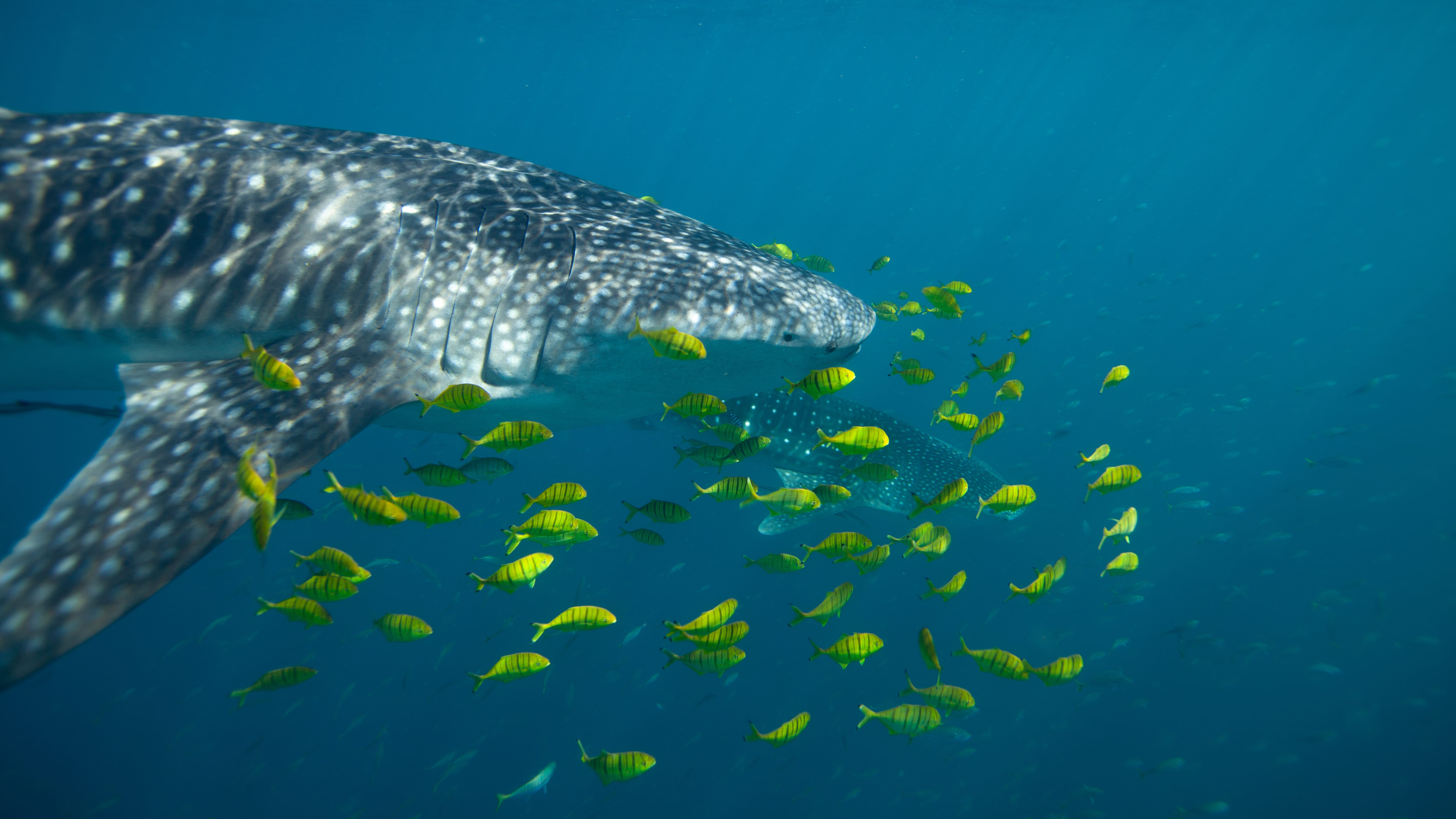
A new study of whale shark movements near a known hotspot in the Red Sea sheds light on their behaviors and could help inform the conservation efforts of the largest known fish, which can reach lengths of 40 feet or more.
Read MoreScientists meeting in Portland say right whales on the way to extinction

The future continues to grow ever darker for the highly endangered right whale, a species that has been in decline every year since 2010 and is at the heart of…
Read MoreA Tiny Camera Could Help Shellfish Farmers Avoid Big Losses

Cape Cod’s shellfish farmers face many challenges, and one of the biggest is dealing with harmful algal blooms, which can damage shellfish and be poisonous for humans to ingest. But…
Read MoreSeaWorld & Busch Gardens conservation fund commits $900,000 to protect critically endangered North Atlantic right whales
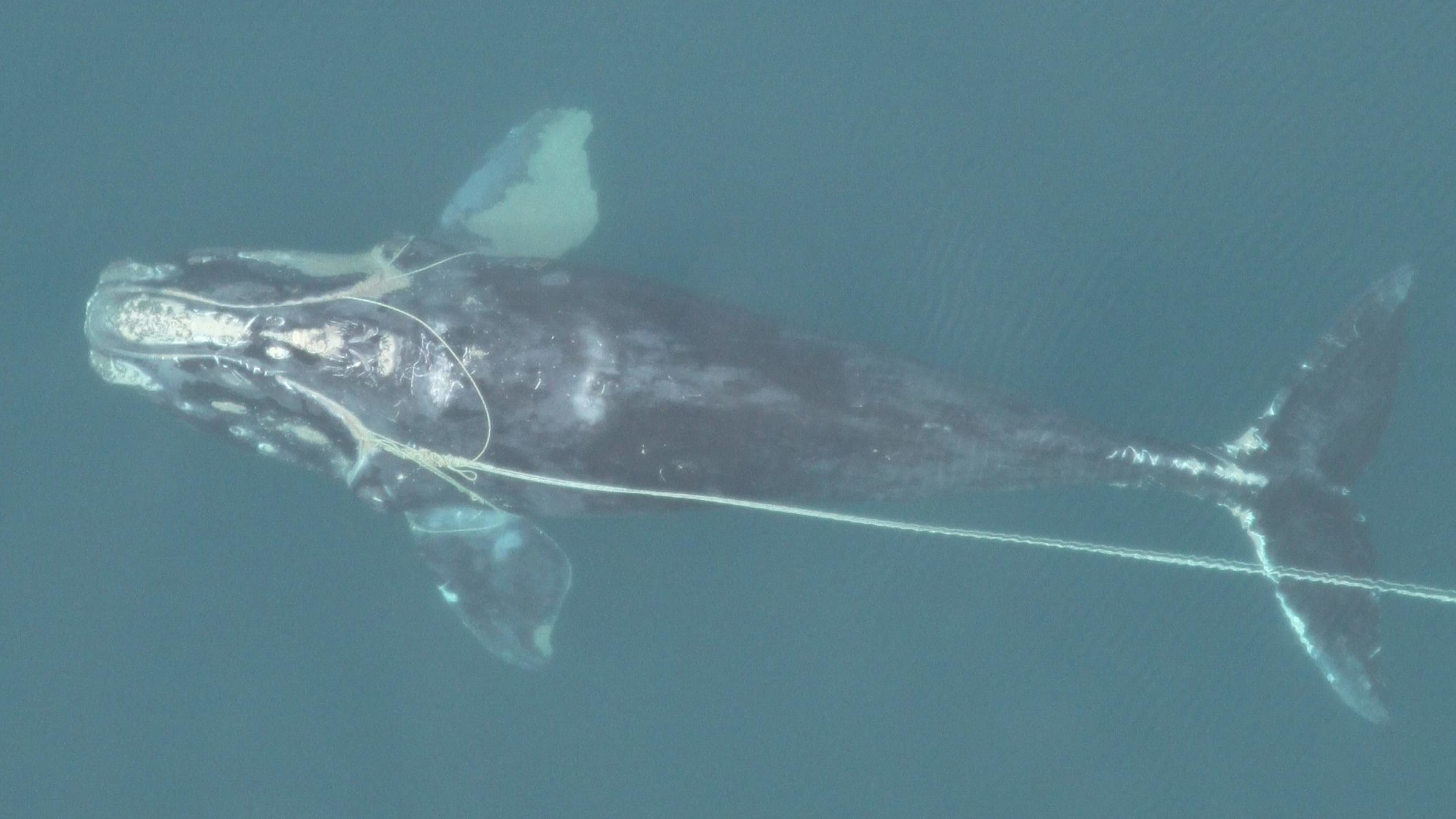
The funding provided by the SeaWorld Conservation Fund will be primarily used to test alternative non-lethal fishing gear. Whales and sea turtles commonly entangle in ropes that connect crab or lobster traps on the sea floor to buoys on the sea surface.
Read MoreToxic Algal Blooms Are Worsening with Climate Change
“Cyanobacteria grow quite well—better than almost everything else in those freshwater systems—the hotter it gets,” said Don Anderson, a senior scientist at WHOI.
Read MoreIf alien life exists in our solar system, it may look like this
On September 19th, the research vessel, Kronprins Haakon, departed Longyearbyen, Svalbard headed toward the Aurora hydrothermal vent field, located along the Gakkel Ridge some 4000 meters below the arctic ice.
Read MoreSearching for the limits of life: Taylor Heyl
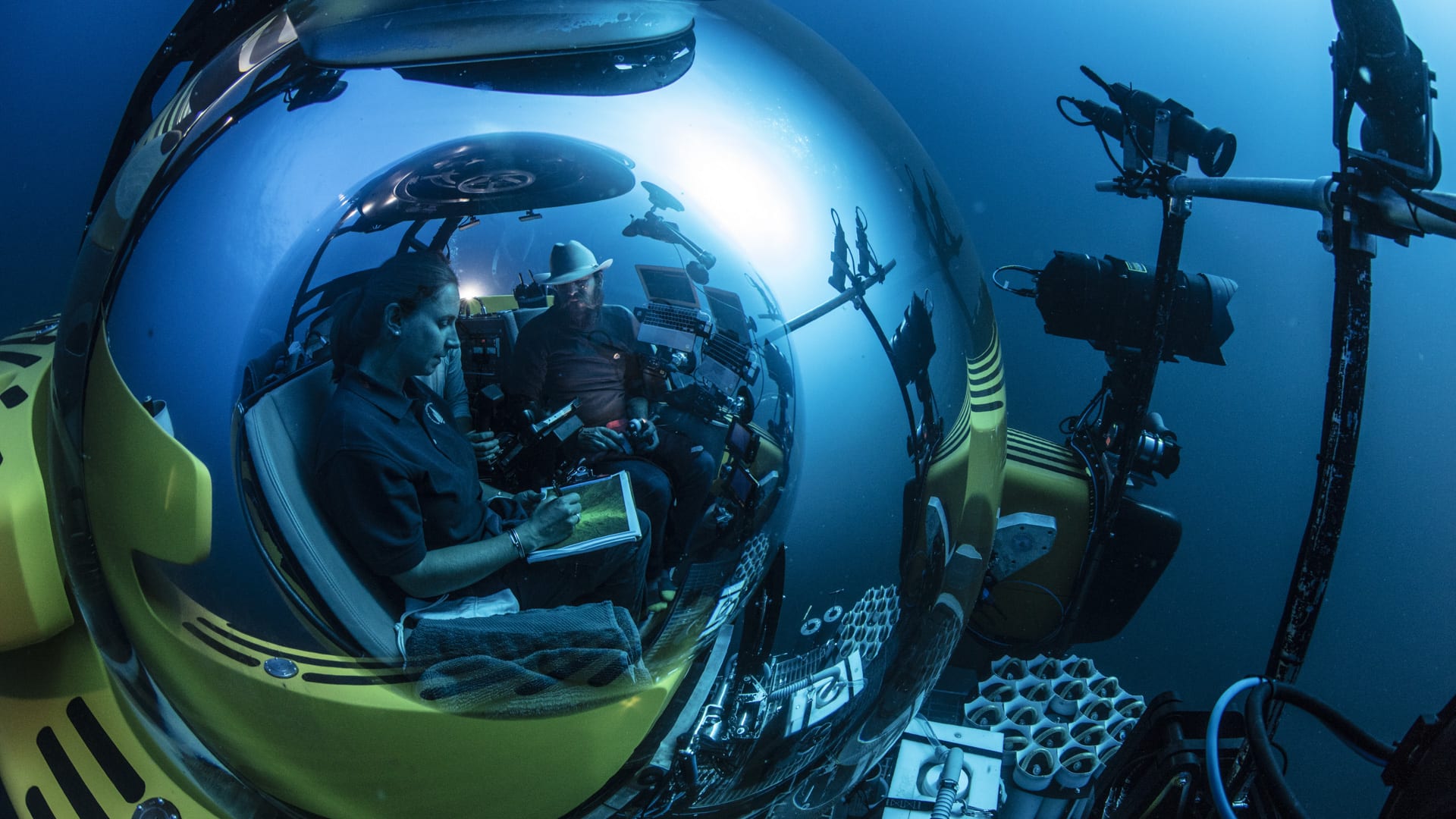
A deep-sea biologist discusses her search for life in the deepest parts of our ocean, and why WHOI is the place she has chosen to carry out her research
Read MoreThe Rise of Orpheus
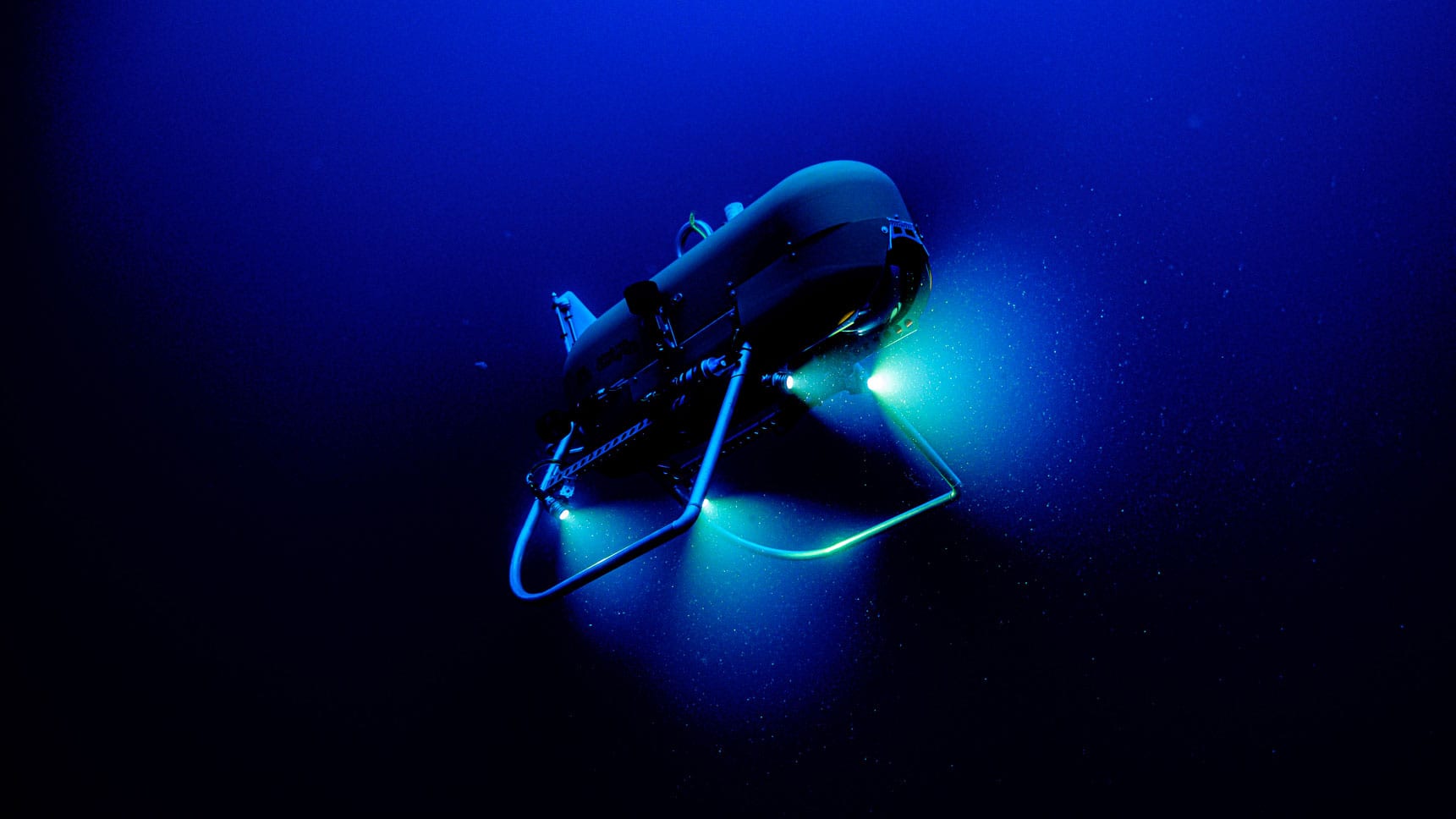
WHOI’s new deep-sea autonomous underwater vehicle moves one step closer to exploring the hadal zone—the deepest region of the ocean—to search for new clues about the limits of life on Earth, and possibly beyond.
Read MoreFollowing the elusive sword
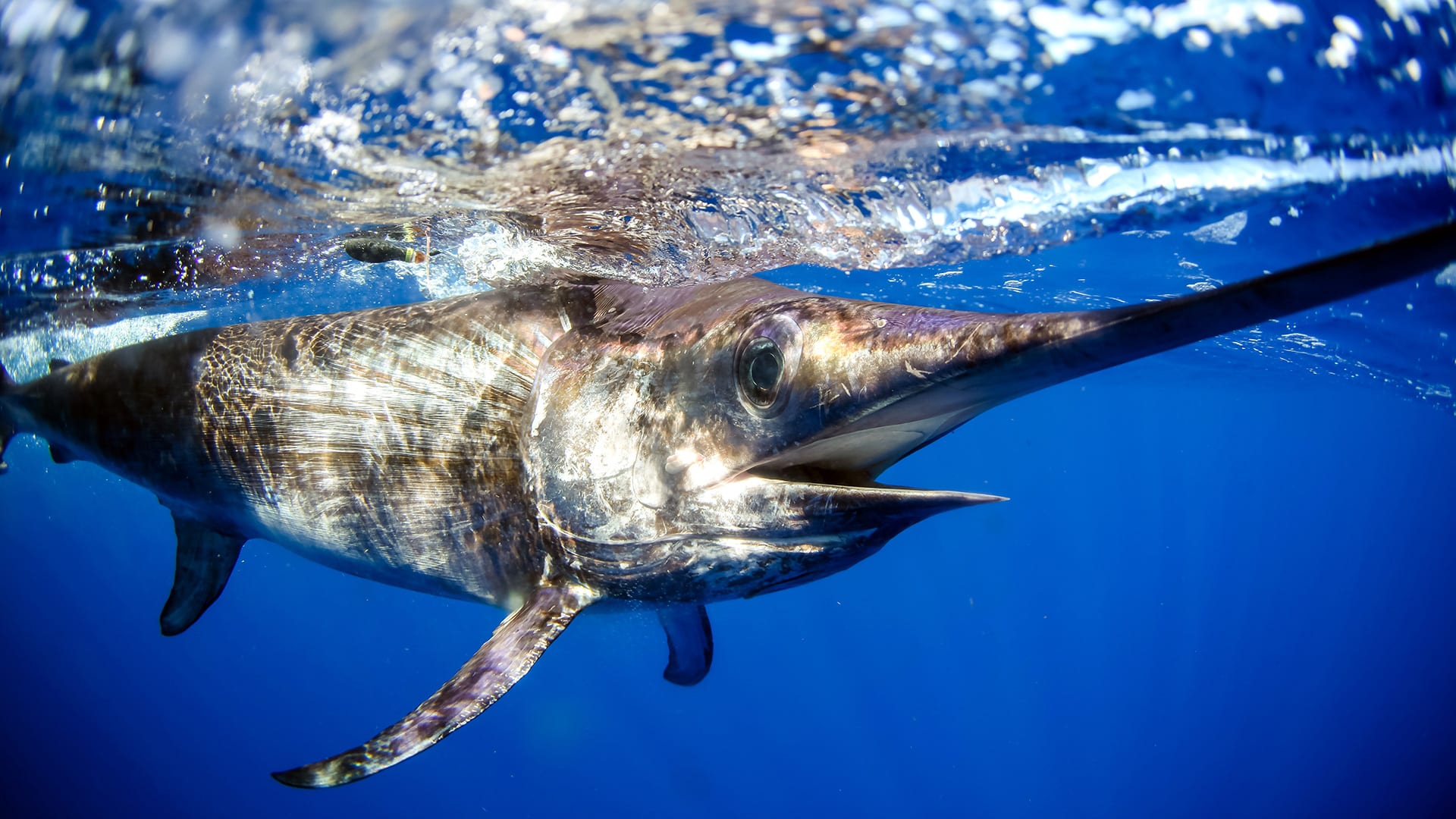
Satellite tags allow researchers to “see” how swordfish move in and out of the ocean twilight zone.
Read MoreHow Interconnected Is Life in the Ocean?
To help create better conservation and management plans, researchers are measuring how marine organisms move between habitats and populations.
Read MoreFalling in love with foraminifera
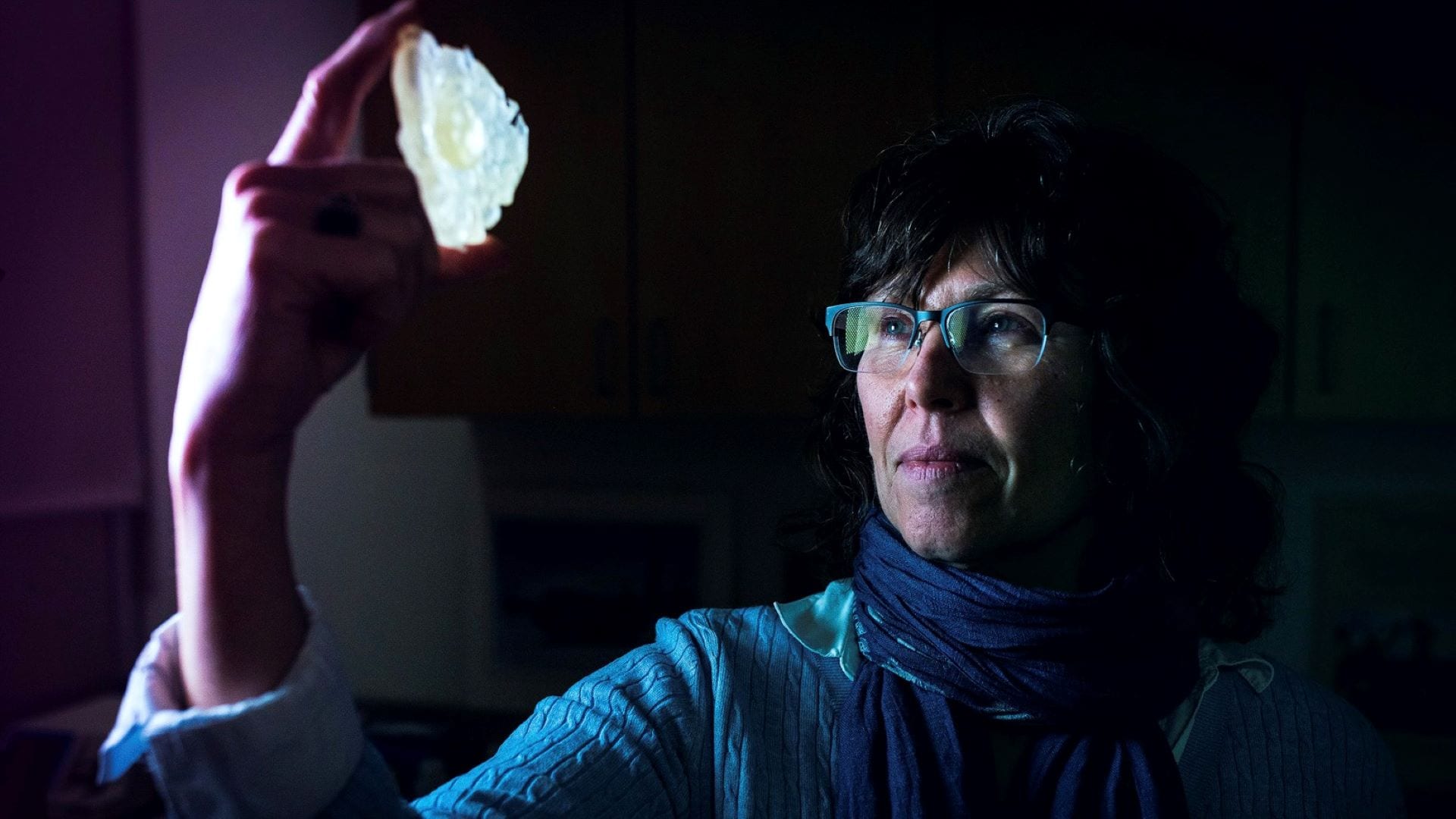
A marine geobiologist falls for the ‘brains’ and beauty of an ancient single-celled creature that can change its shell into a variety of geometric shapes.
Read MoreHow do you study marine metamorphosis?
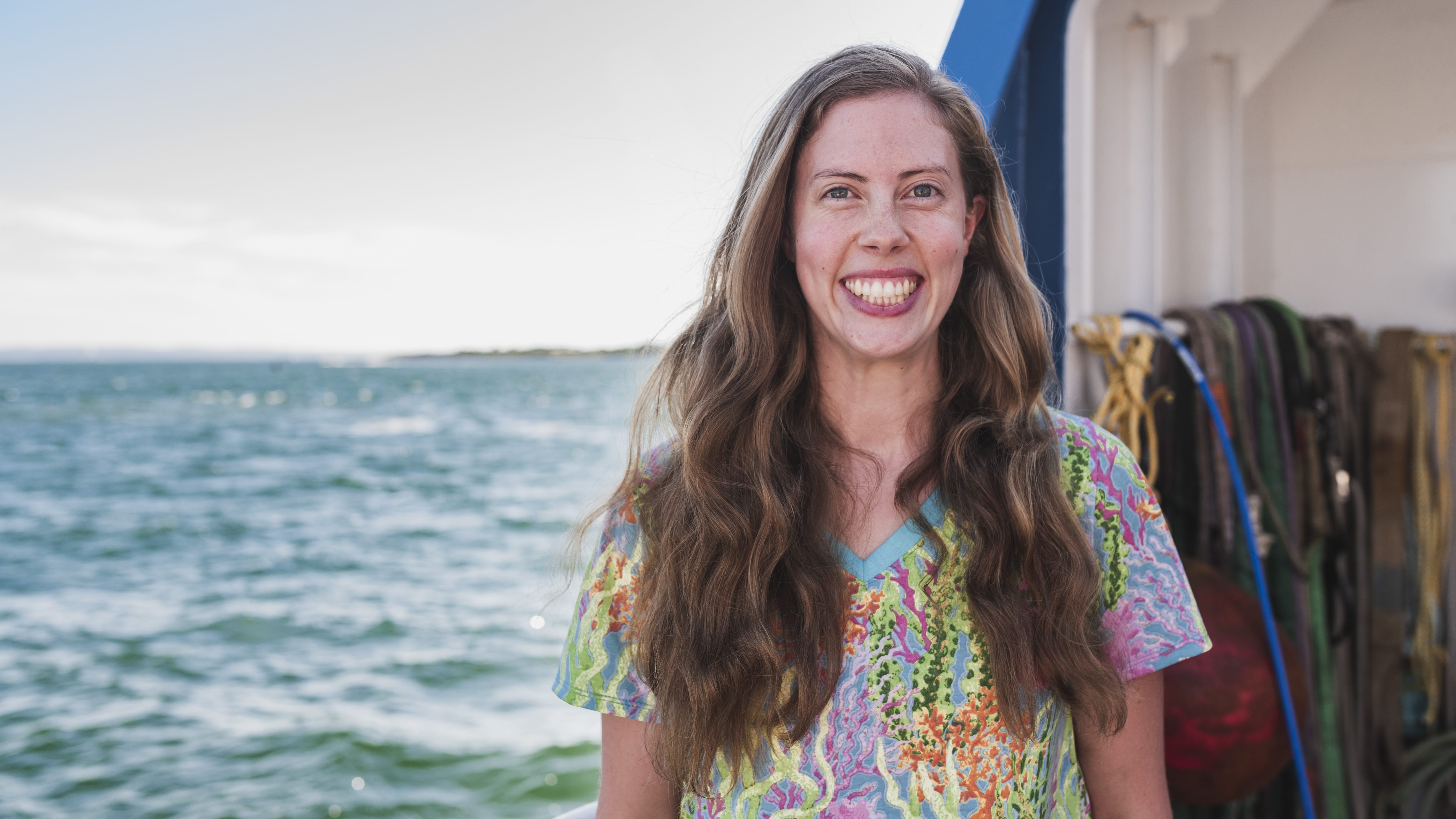
Kirstin Meyer-Kaiser is a marine benthic ecologist, whose primary research focus is on how invertebrates establish themselves along the seafloor.
Read MoreThe Rise of Orpheus
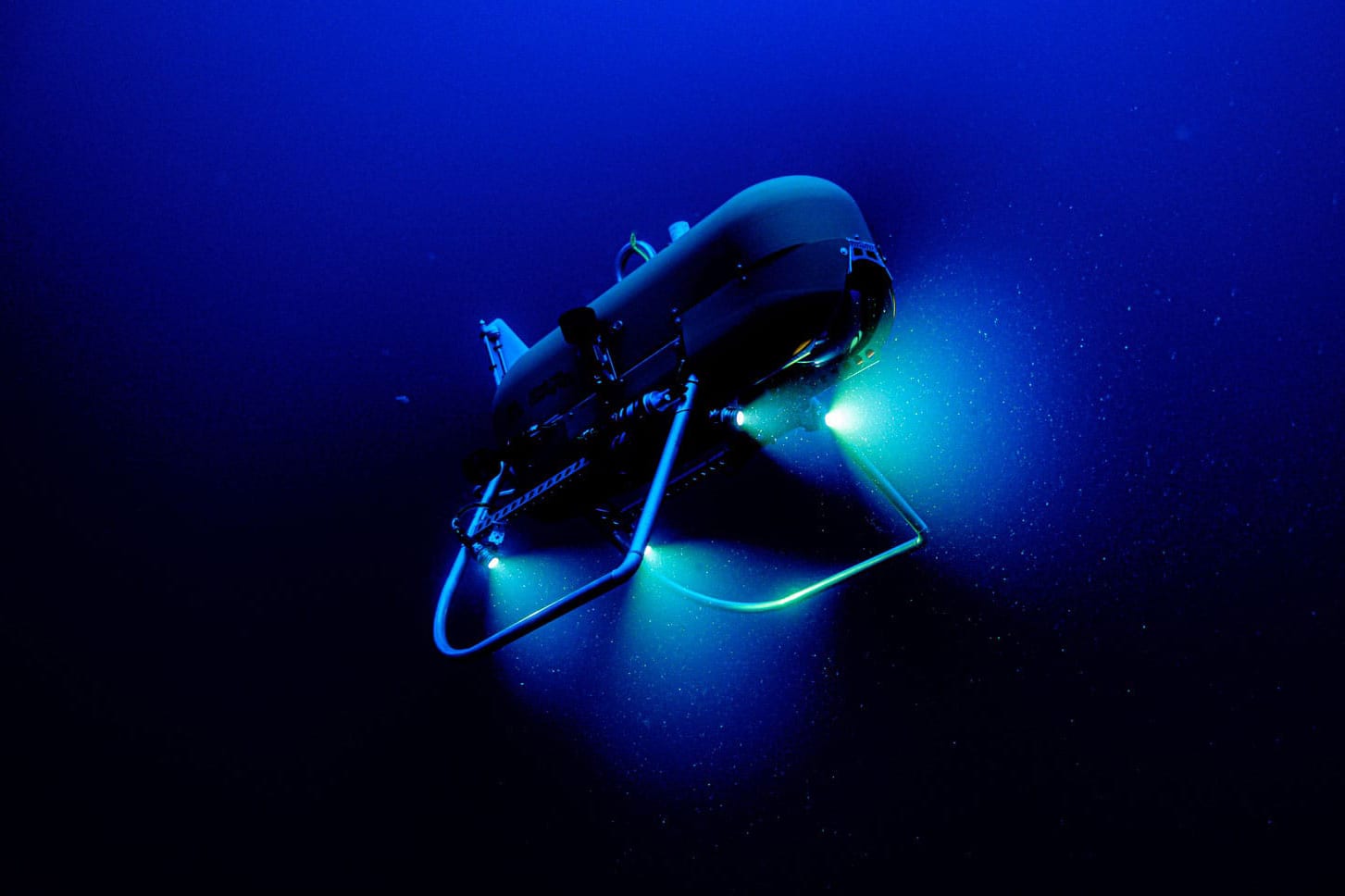
WHOI’s new deep-sea autonomous underwater vehicle moves one step closer to exploring the hadal zone—the deepest region of the ocean—to search for new clues about the limits of life on Earth, and possibly beyond.
Read MoreThe Rise of Orpheus (Part 1)
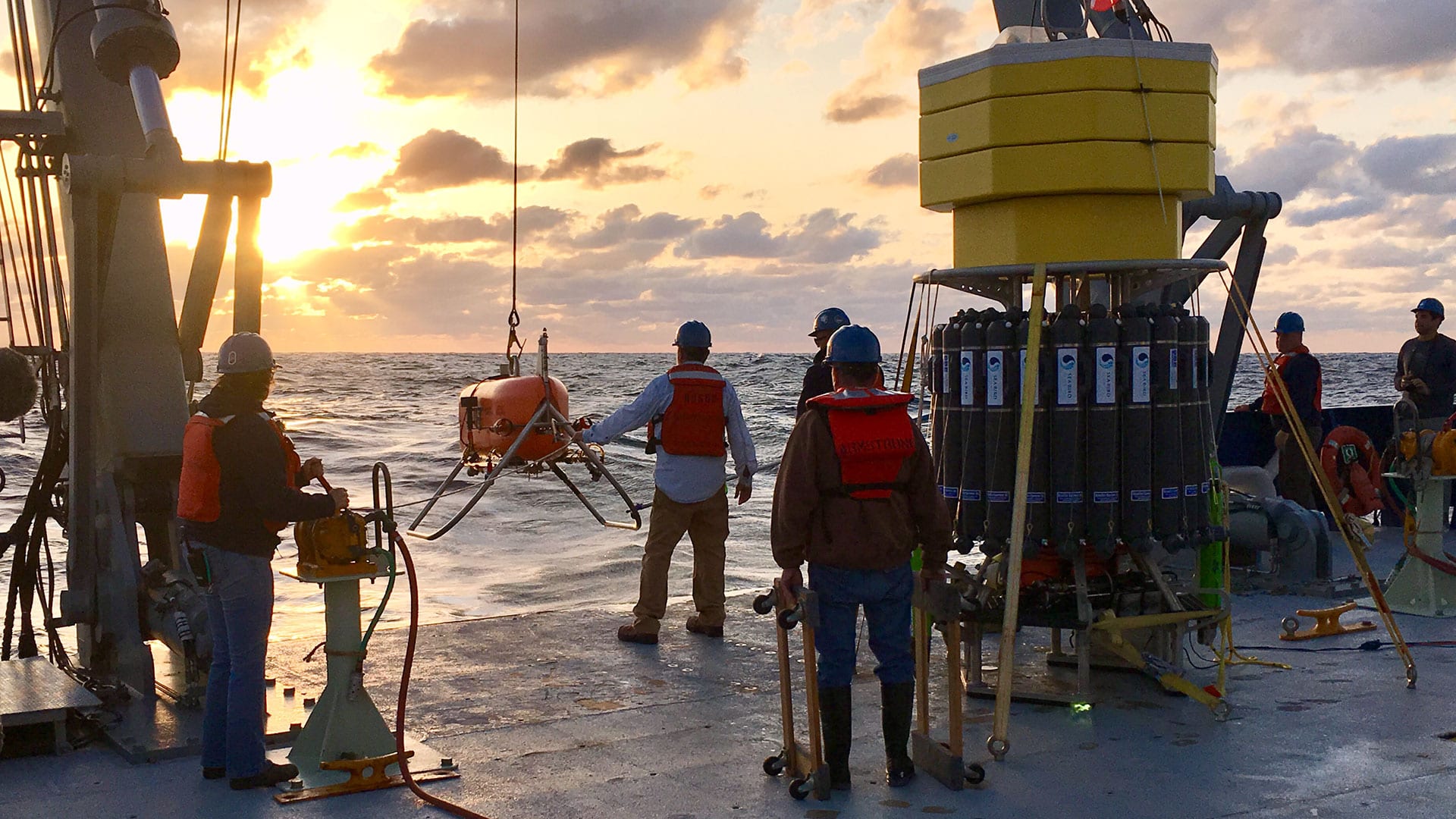
WHOI’s new deep-sea autonomous underwater vehicle moves one step closer to exploring the hadal zone—the deepest region of the ocean—to search for new clues about the limits of life on Earth, and possibly beyond.
Read MoreWhale populations in New York Harbor are booming—here’s why
Woods Hole Oceanographic Institution and the New York Aquarium teamed up to deploy a high-tech acoustic buoy named Melville, 22 miles south of Fire Island. Whales communicate mostly via sound,…
Read MoreNew study measures how much of corals’ nutrition comes from hunting
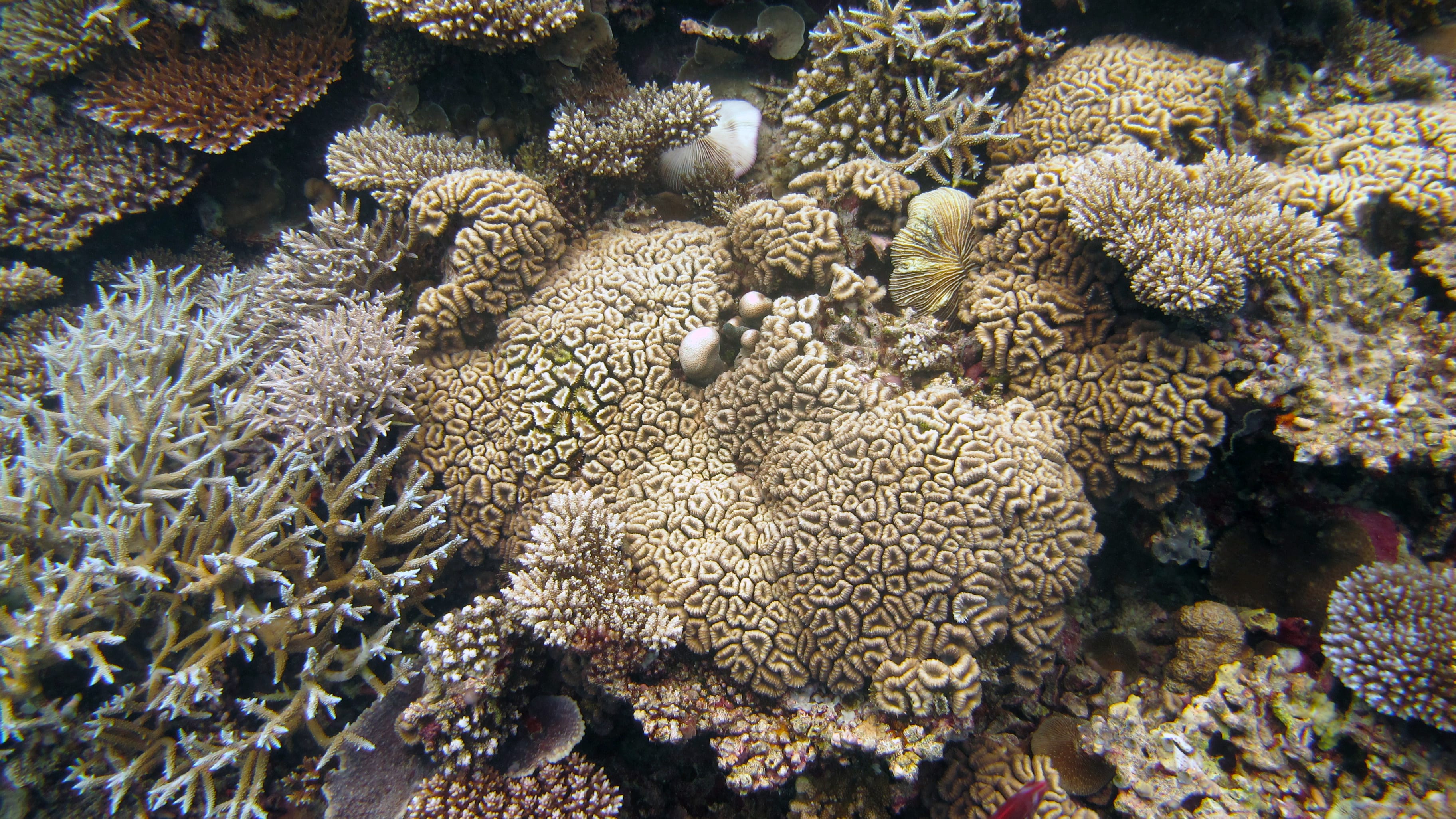
A new study reveals that more of corals’ nutrients come from hunting than previously expected, information that may help predict the fate of coral reefs as global ocean temperatures rise.
Read MoreResearchers are exploring the SS Portland shipwreck. Here’s how to watch
The Woods Hole Oceanographic Institution is working with NOAA’s Office of Marine Sanctuaries and Marine Imaging Technologies to explore the wreck of the SS Portland as part of a three-year…
Read MoreExploring the wreck of the steamship Portland, ‘the Titanic of New England’
By visiting the final resting place of the Portland, researchers will document changes that have occurred at the site of the wreck and gain more insight into the fate of…
Read MoreClimate change doesn’t only mean rising oceans — your health is at risk, too
According to the Woods Hole Oceanographic Institution website, diarrhetic shellfish poisoning produces gastrointestinal symptoms, usually beginning within 30 minutes to a few hours after consumption of toxic shellfish. Although not…
Read MoreThe Ocean’s Eerie Twilight Zone is in Murky Legal Water
“The most striking thing is just how far down it is and how the light dissolves away,” says Joel Llopiz, a biologist with Woods Hole Oceanographic.
Read MoreScientists tag deep-sea shark hundreds of feet underwater—a first
When asked what remains mysterious about them, Simon Thorrold, a senior scientist at the Woods Hole Oceanographic Institution laughs, explaining: “It will be way quicker to go over what we…
Read More