
Biology
Privacy Policy

Last Updated: This Privacy Statement was last updated on September 8, 2025. In this Privacy Statement, we explain what we do with the data we obtain about you via our…
Read MoreDo Microplastics in the Ocean Affect Scallops?
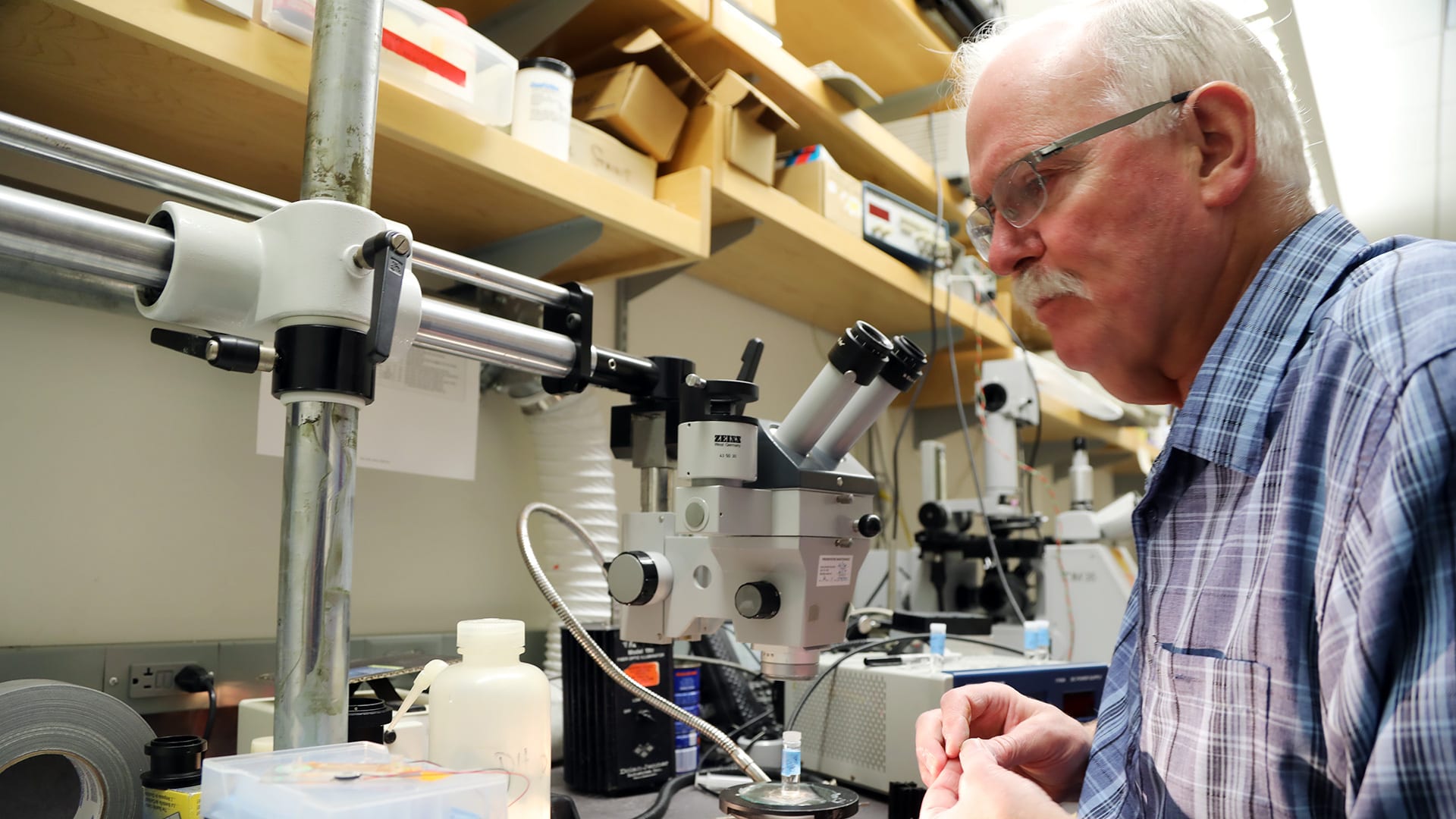
WHOI scientist Scott Gallager is making field observations and conducting lab experiments to explore the possible effects of microplastics in the ocean on marine organisms.
Read MoreTo Tag a Squid
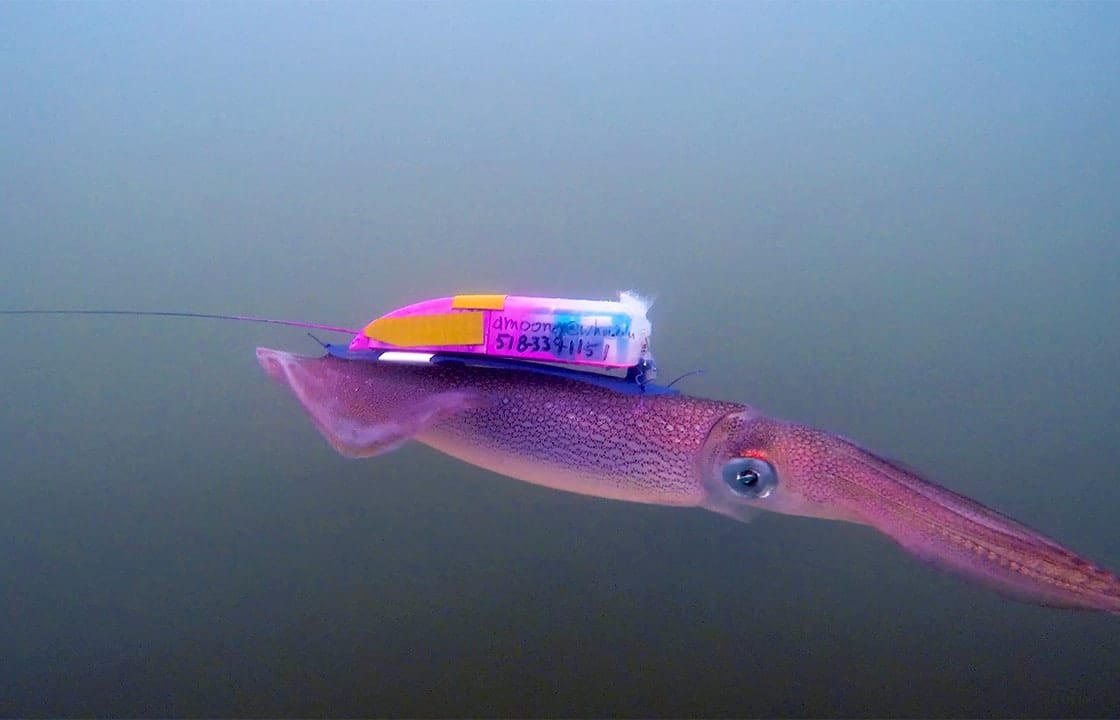
How do you design a tag that can attach to a soft-bodied swimming animal and track its movements? Very thoughtfully.
Read MoreJunk Food
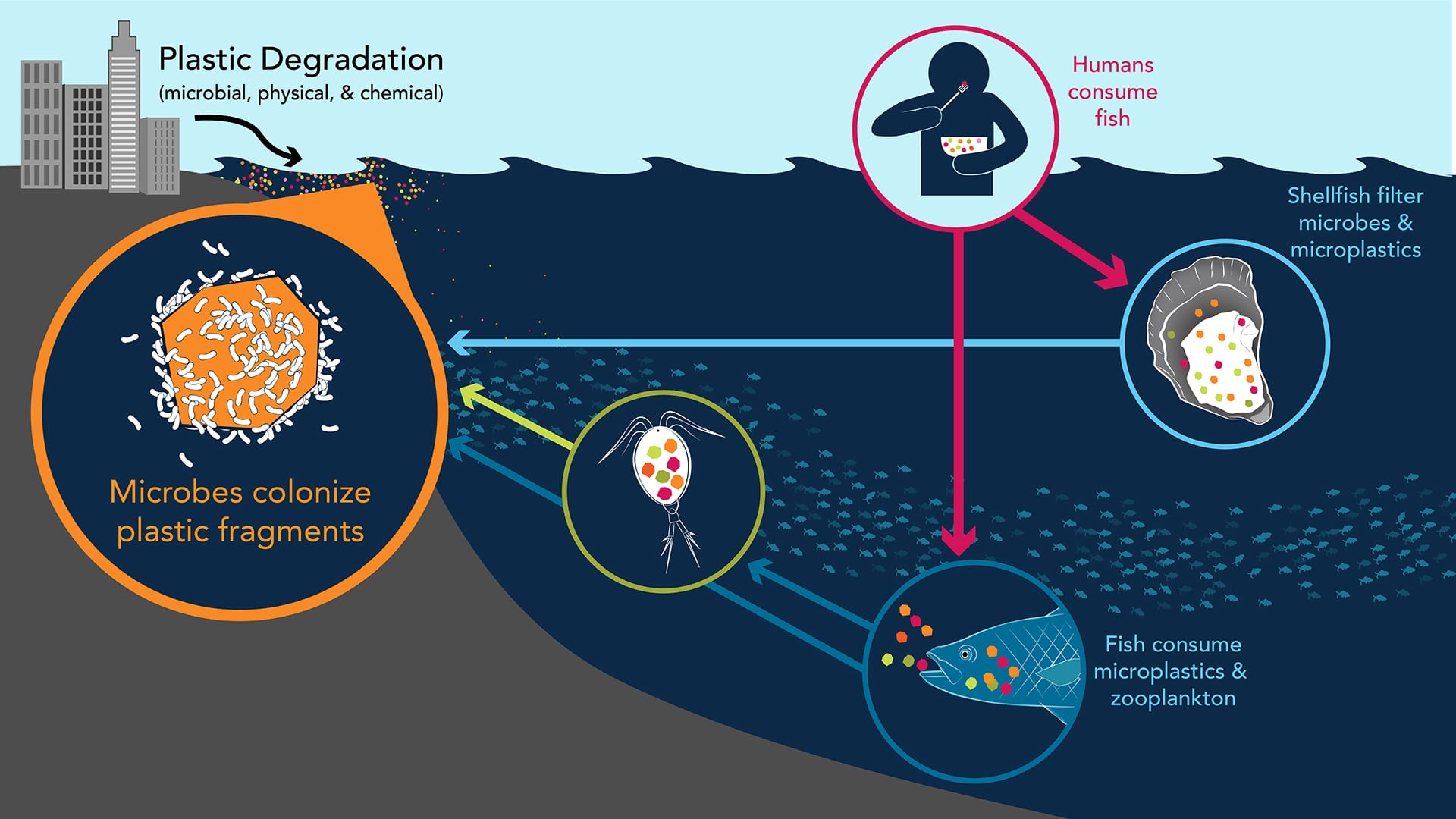
An estimated eight million tons of plastics enter our oceans each year, yet only one percent can be seen floating at the surface. This is the third in a three-part…
Read MoreThe Secret Tuna Nursery
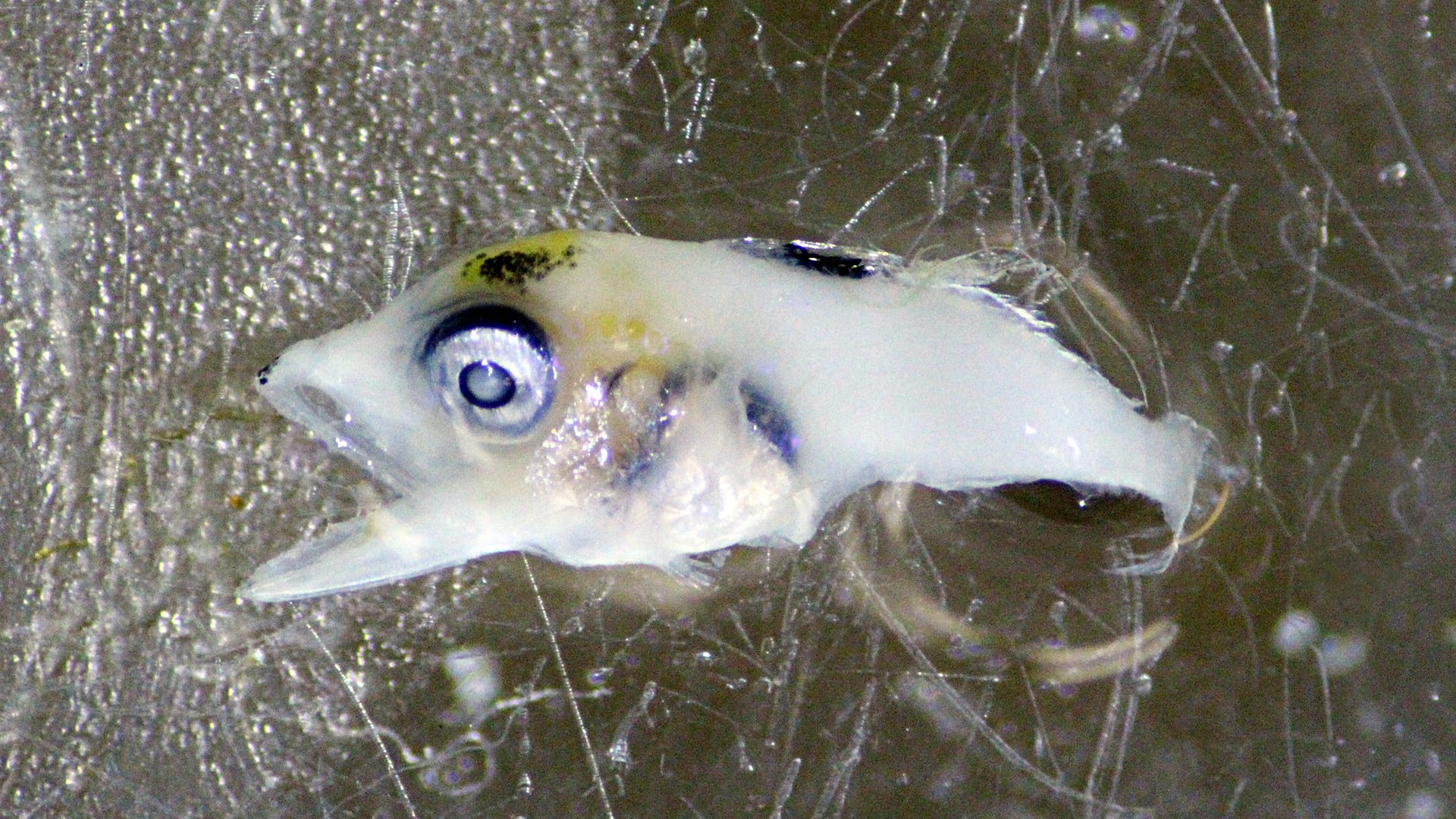
WHOI biologists and physical oceanographers combine expertise to reveal a place in the ocean where some tuna are born.
Read MoreA Lobster Trap for Microbes
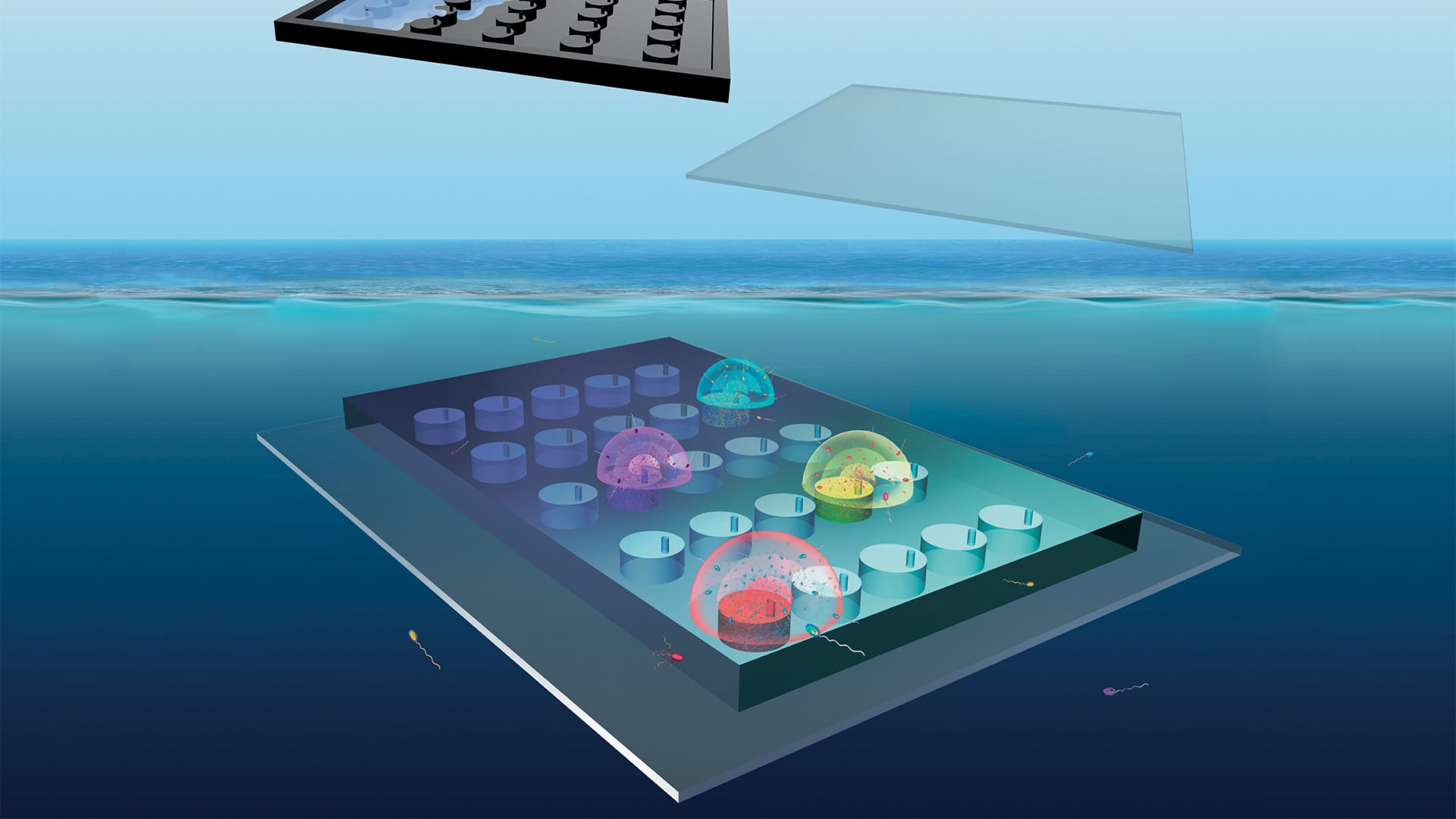
What if you wanted to observe what microbes in the ocean are doing? First, you lure them into your field of view.
Read MoreThe Recipe for a Harmful Algal Bloom
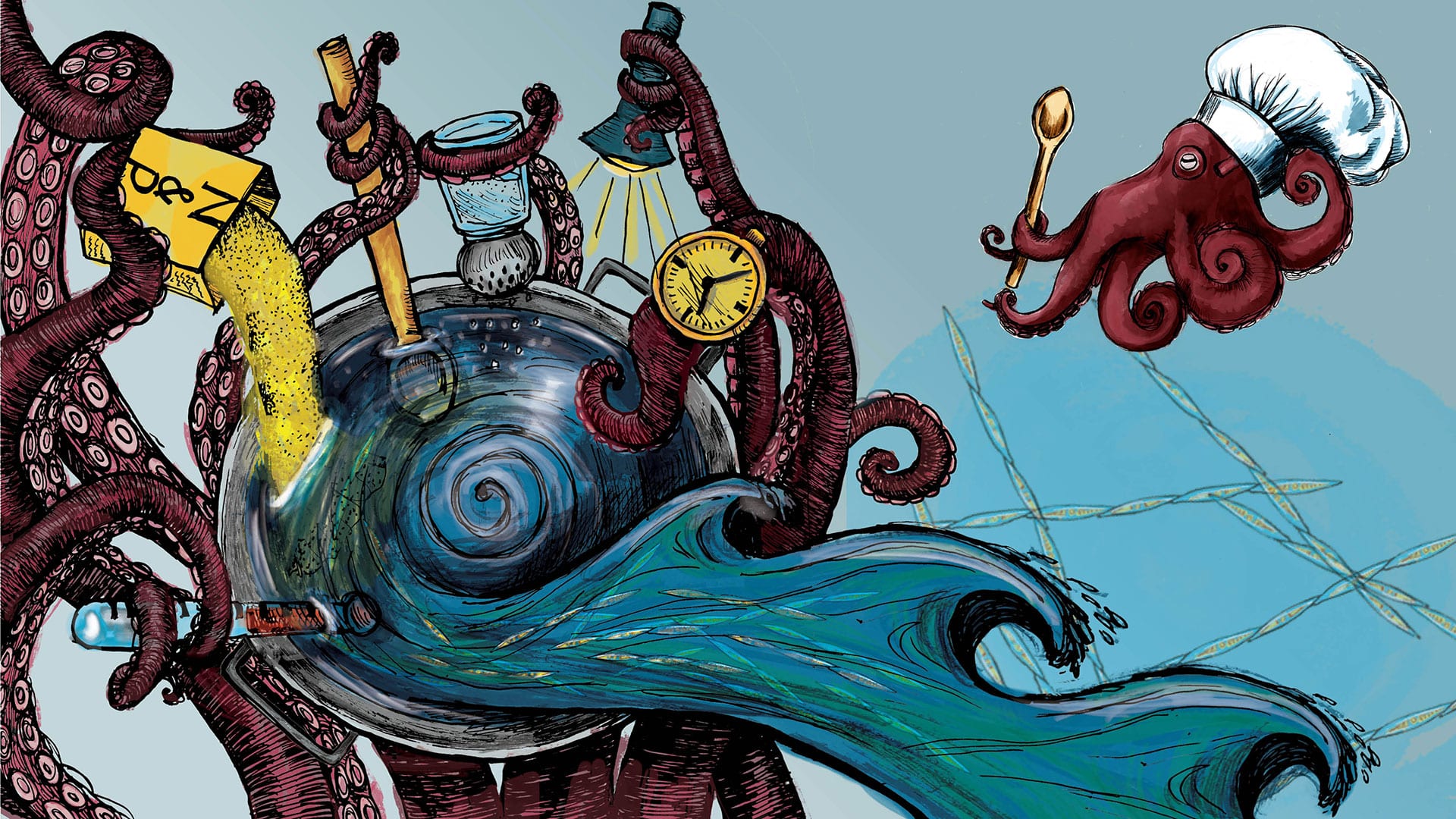
Harmful algal blooms can produce toxins that accumulate in shellfish and cause health problems and economic losses. They have increased in strength and frequency worldwide. Can we get advance warnings of when and where they will occur?
Read MoreLife at the Edge
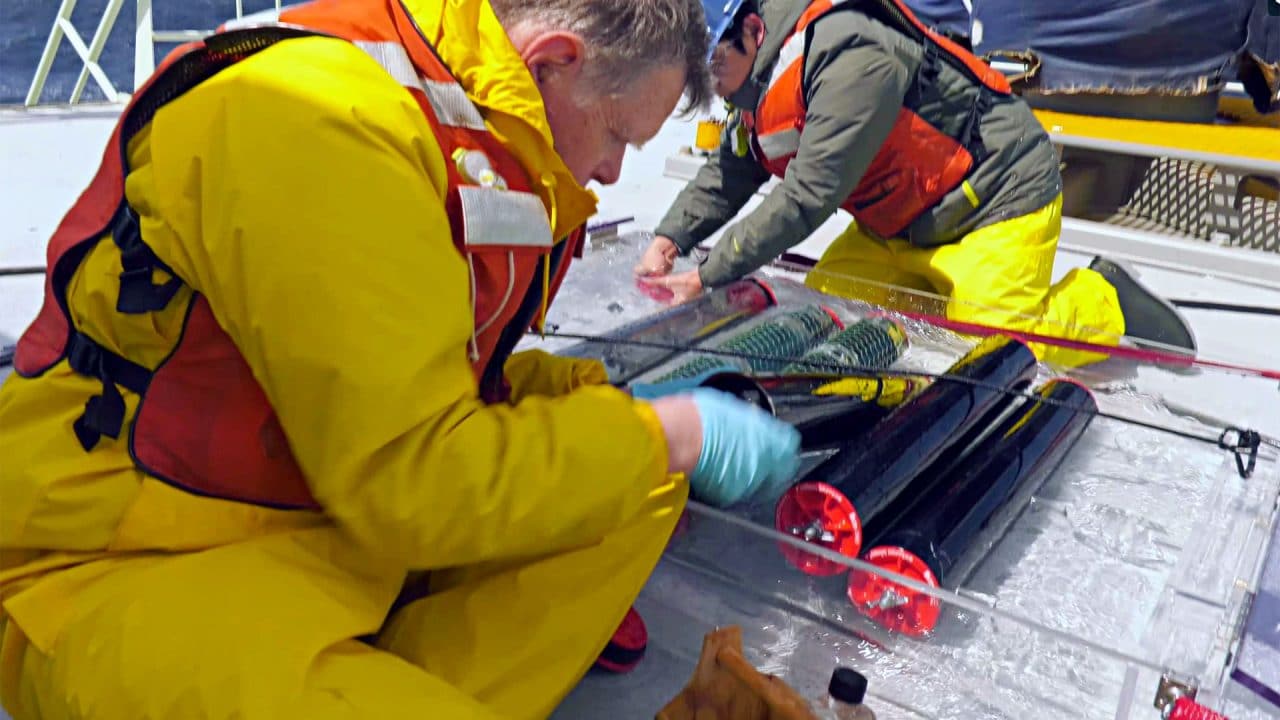
What makes the shelf break front such a productive and diverse part of the Northwest Atlantic Ocean? A group of scientists on the research vessel Neil Armstrong spent two weeks at sea in 2018 as part of a three-year, NSF-funded project to find out.
Read MoreSharks Take ‘Tunnels’ into the Depths
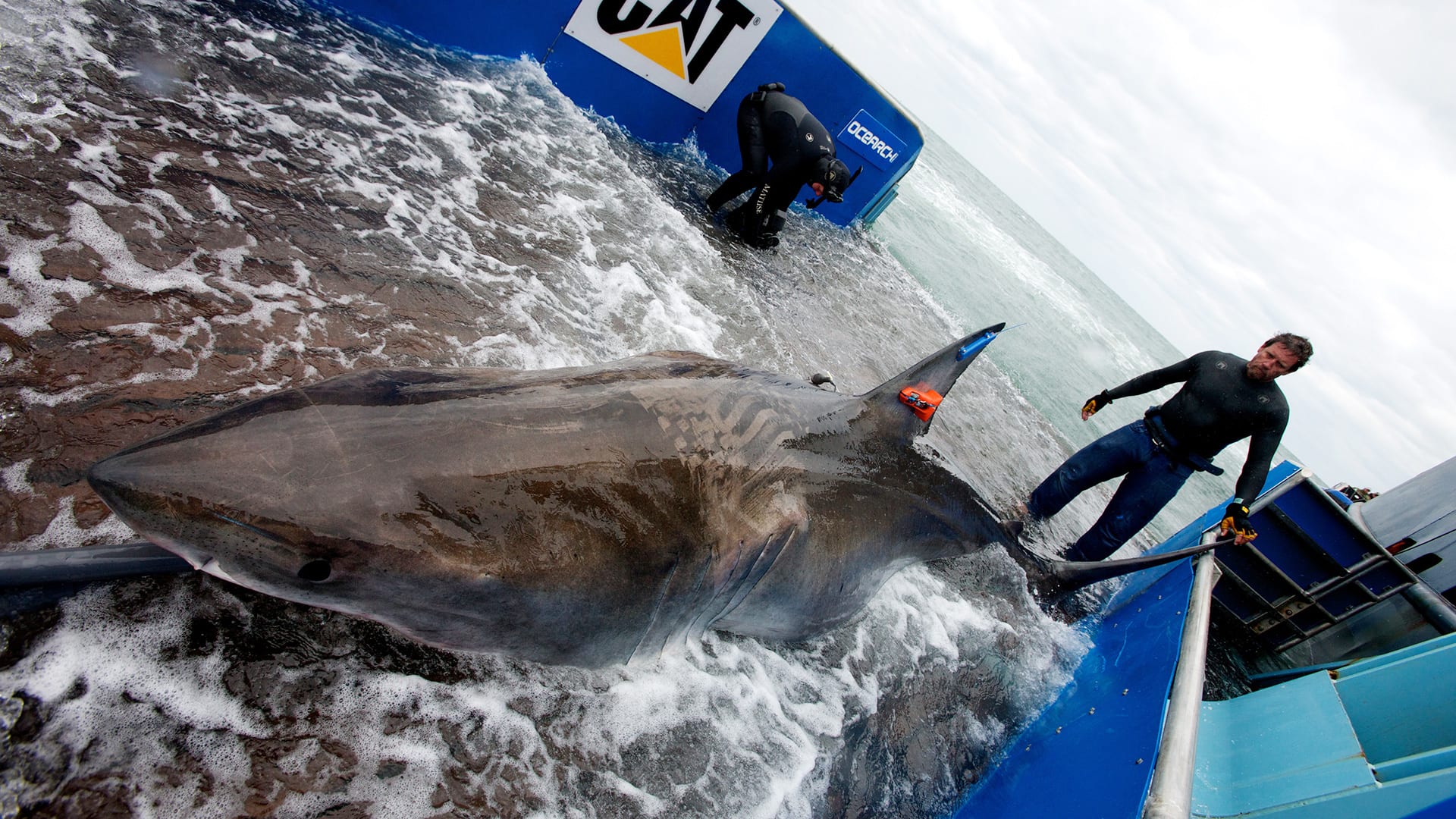
By tagging sharks, WHOI scientists have revealed their surprising behavior.
Read MoreThe Discovery of Hydrothermal Vents
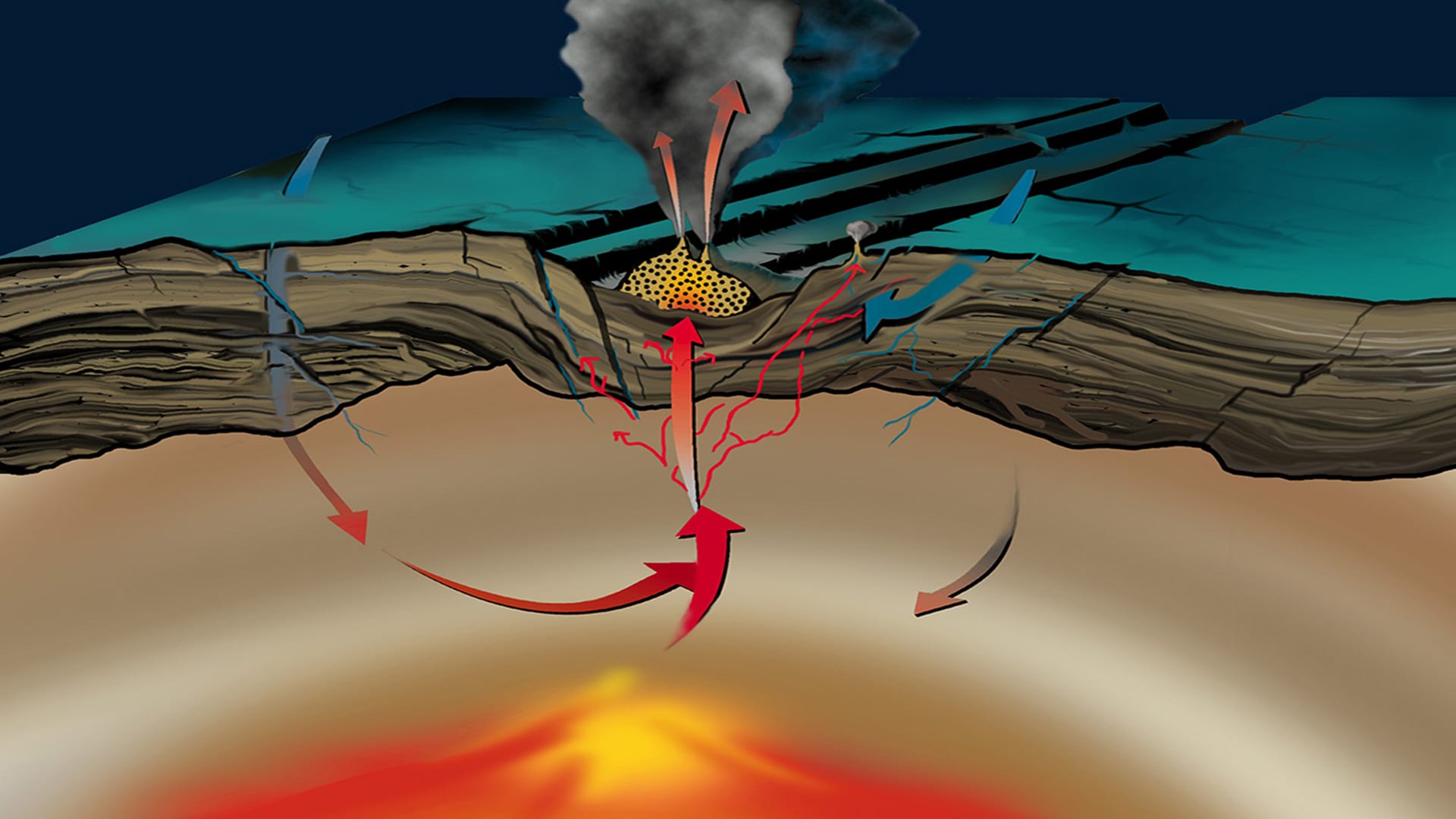
In 1977, WHOI scientists made a discovery that revolutionized our understanding of how and where life could exist on Earth and other planetary bodies.
Read MoreThe Bacteria on Your Beaches
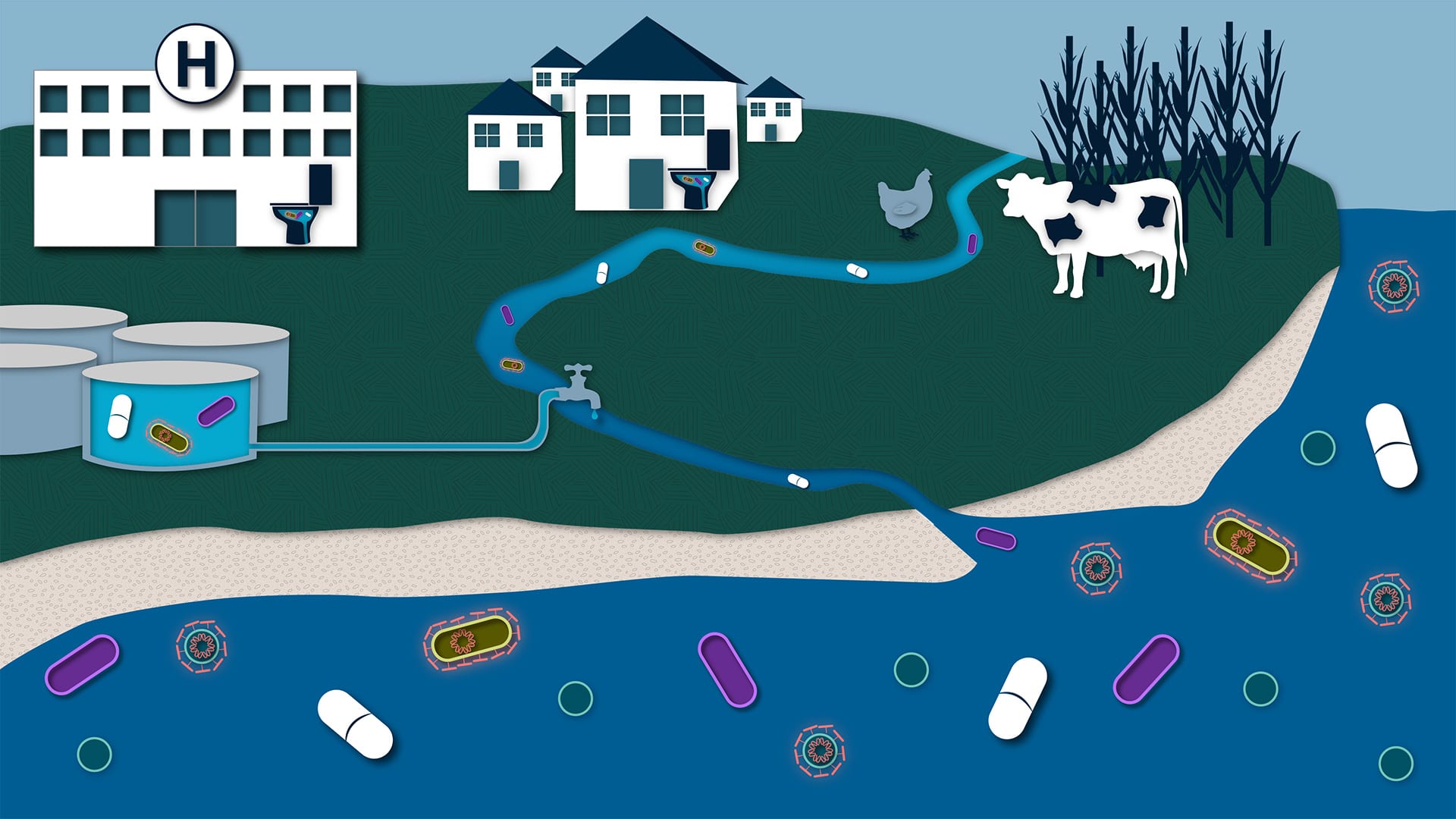
The widespread use of antibiotics is increasing the spread of antibiotic-resistant bacteria—perhaps into the ocean, too.
Read MoreMission to the Ocean Twilight Zone
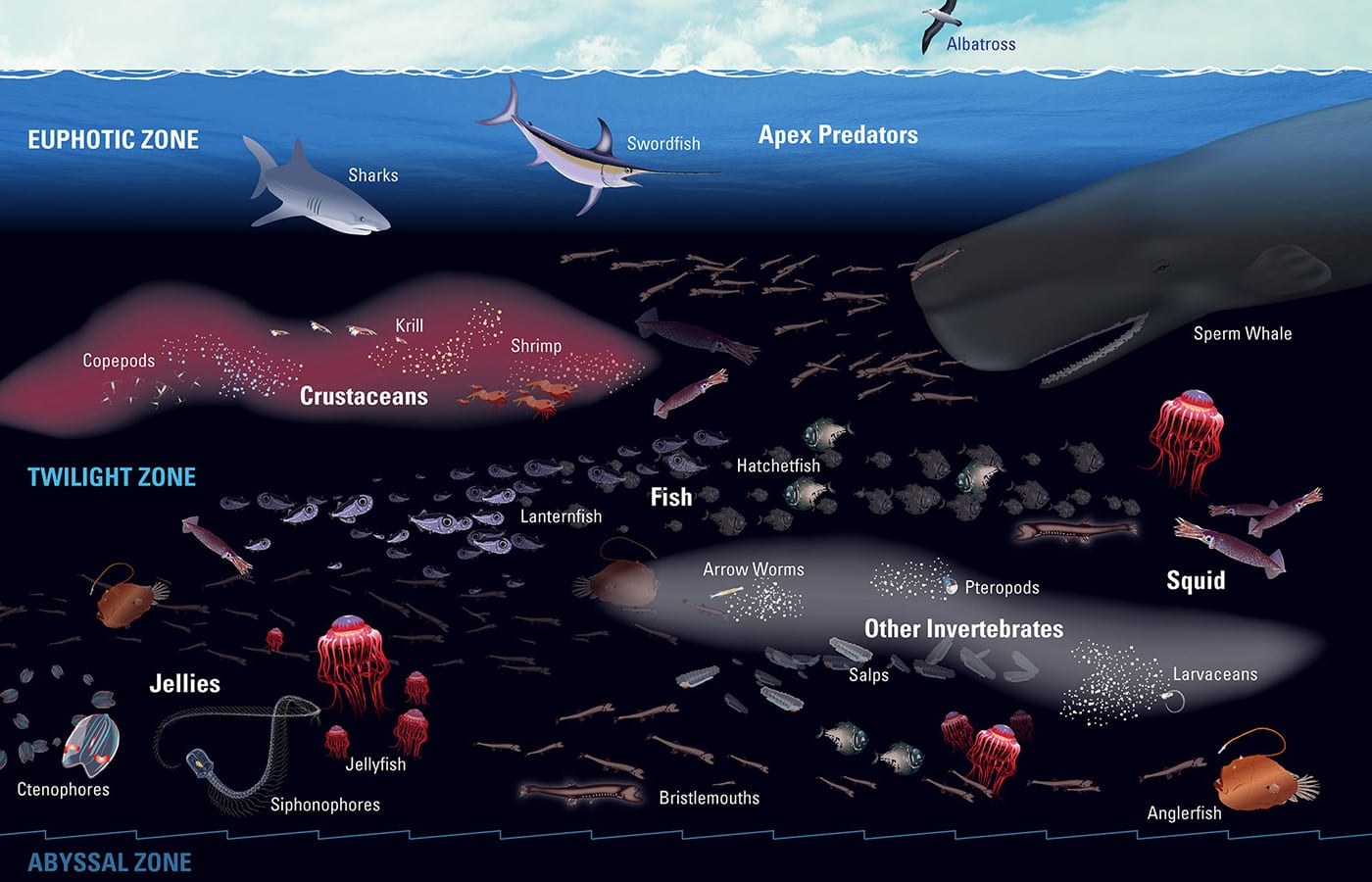
The twilight zone is a part of the ocean 660 to 3,300 feet below the surface, where little sunlight can reach. It is deep and dark and cold, and the pressures there are enormous. Despite these challenging conditions, the twilight zone teems with life that helps support the ocean’s food web and is intertwined with Earth’s climate. Some countries are gearing up to exploit twilight zone fisheries, with unknown impacts for marine ecosystems and global climate. Scientists and engineers at Woods Hole Oceanographic Institution are poised to explore and investigate this hidden frontier.
Read MoreWho Grows There?
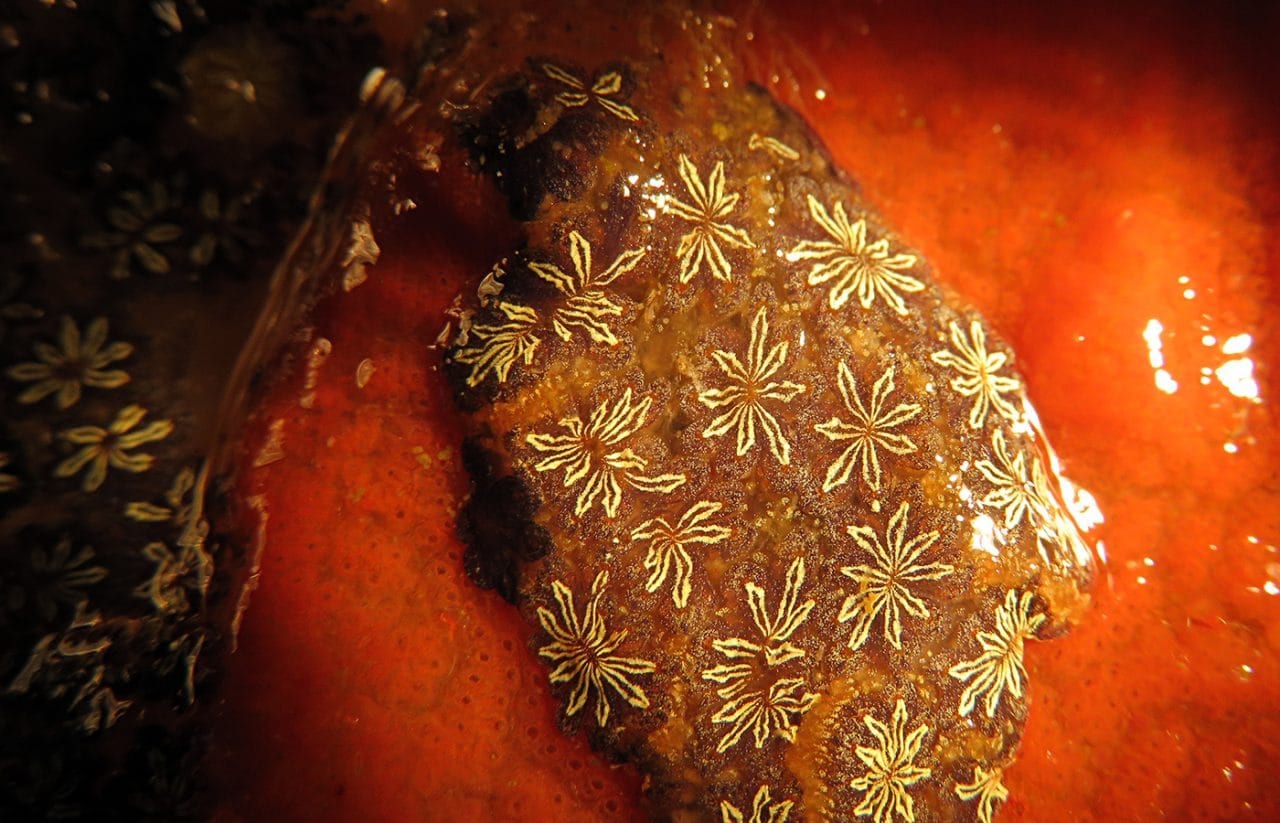
Biofouling organisms—barnacles, tunicates, bryozoans, and other marine invertebrates—are a common sight on docks, ship hulls, rocks, and other hard underwater surfaces. WHOI postdoctoral scholar Kirstin Meyer has been studying the fouling community in coastal waters of Woods Hole, Mass., to assess how it develops and changes over time. Her preliminary results suggest that both water temperature and competition play a key role in driving community composition.
Read MoreScientists Reveal Secrets of Whales
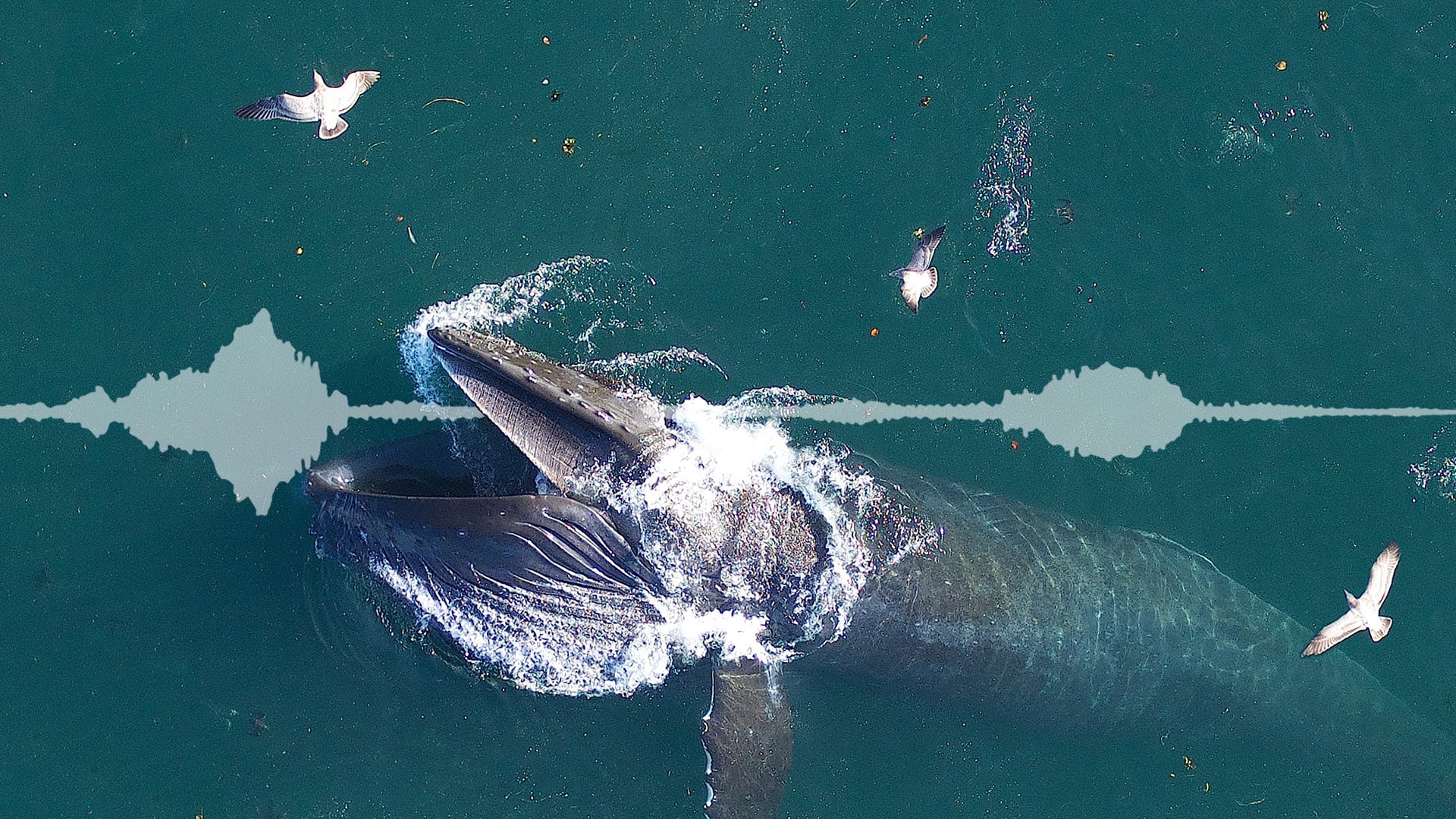
Researchers have known for decades that whales create elaborate songs. But a new study has revealed a component of whale songs that has long been overlooked—sort of a booming baseline…
Read MoreLong-term Study Focuses on New England Ocean
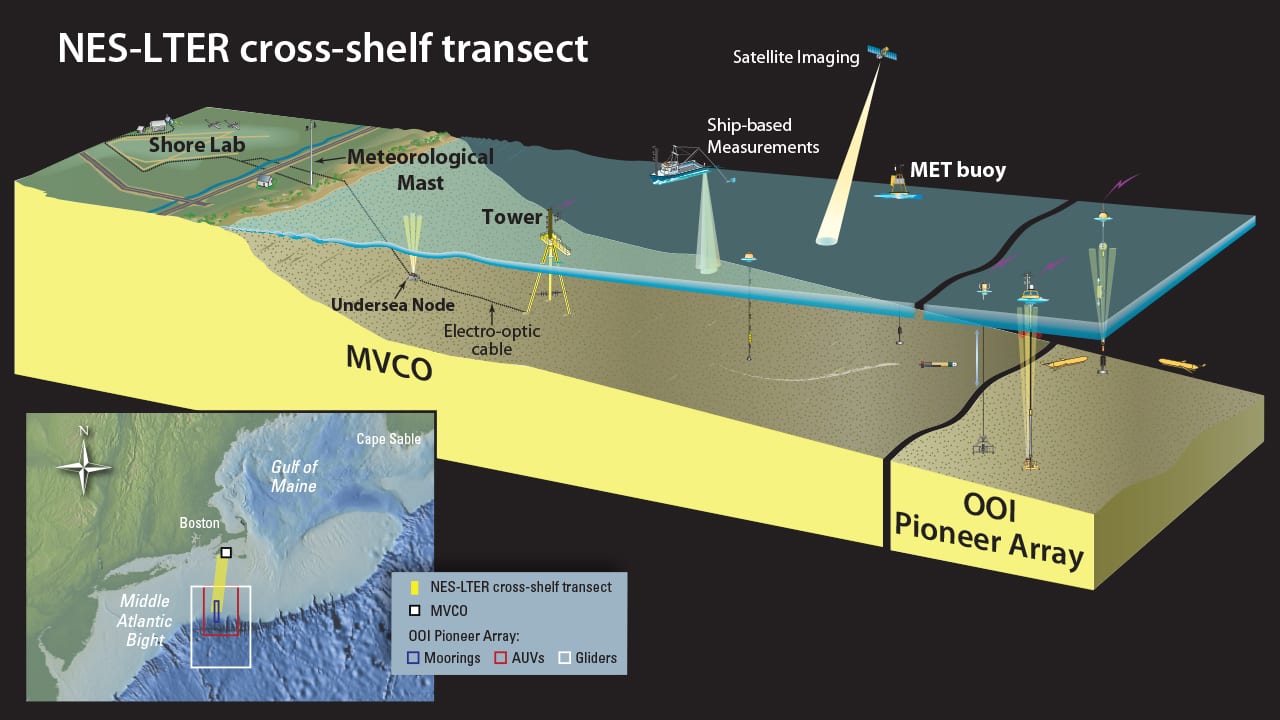
The National Science Foundation has created a new Long Term Ecological Research site off the New England coast to increase understanding of an area of the ocean known for its abundant marine life and productive commercial fisheries.
Read MoreTiny Jellyfish with a Big Sting
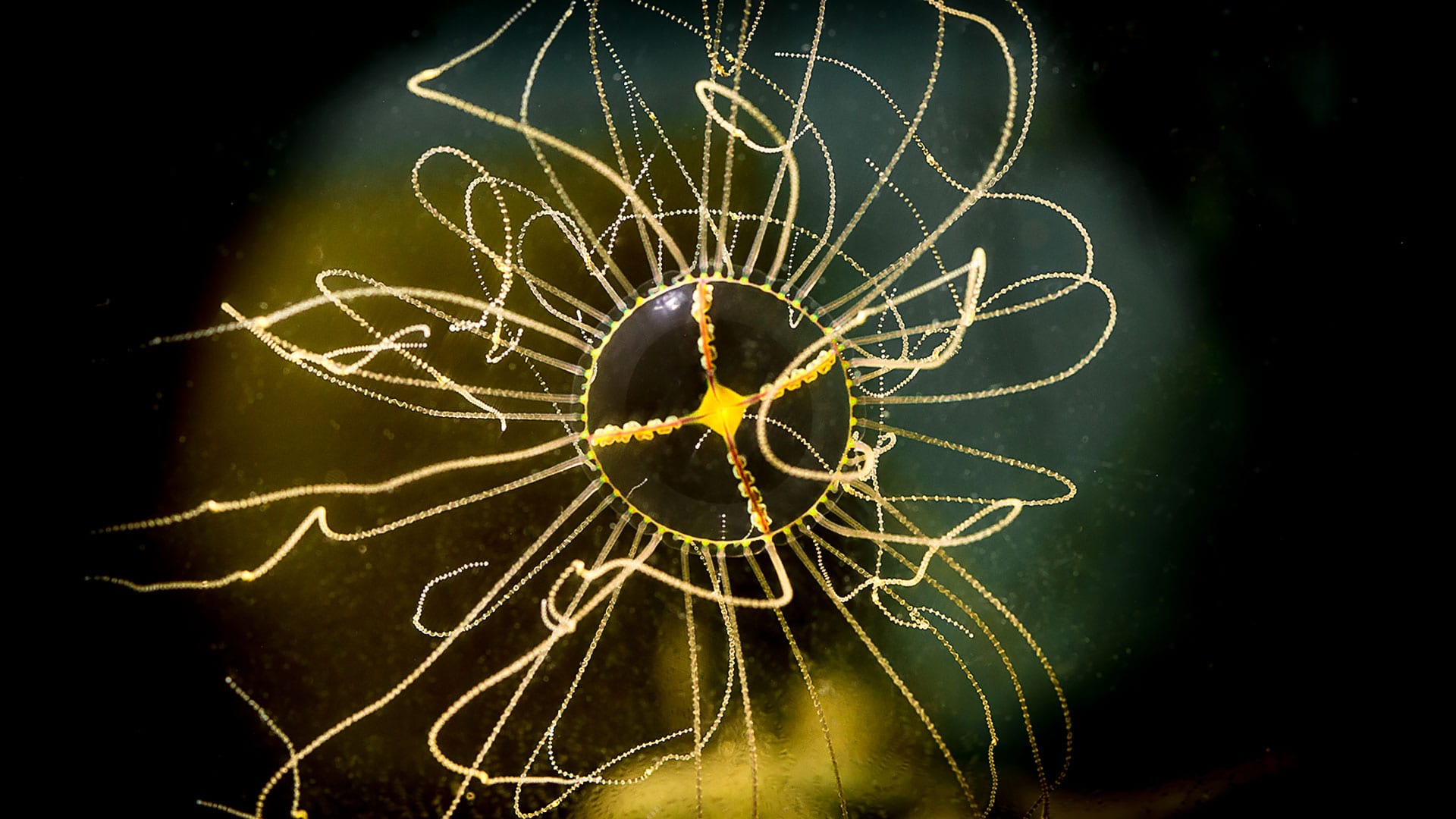
Clinging jellyfish in waters near Vladivostok, Russia, are known for their painful, toxic stings. In the U.S., where clinging jellies had been relatively harmless, a new, venomous variety has recently appeared on Cape Cod, Mass., and in nearby regions. WHOI biologist Annette Govindarajan is using genetic techniques to trace their geographic origins.
Read MoreThe Marine Reserve Goldilocks Problem
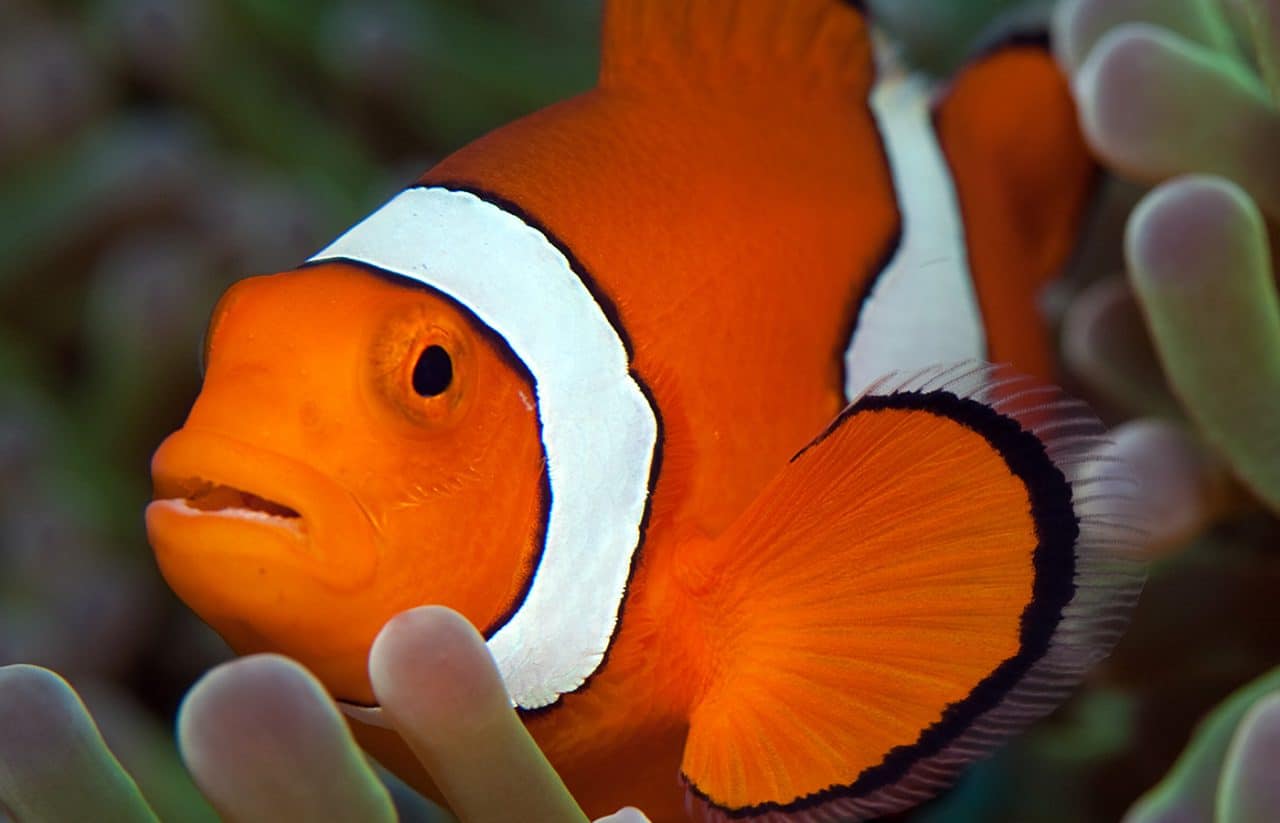
To protect coral reefs, governments and conservationists are looking to establish networks of marine reserves, where fishing is prohibited. But for the reserves to work, they need to be the…
Read MoreScientists Reveal Secrets of Whales
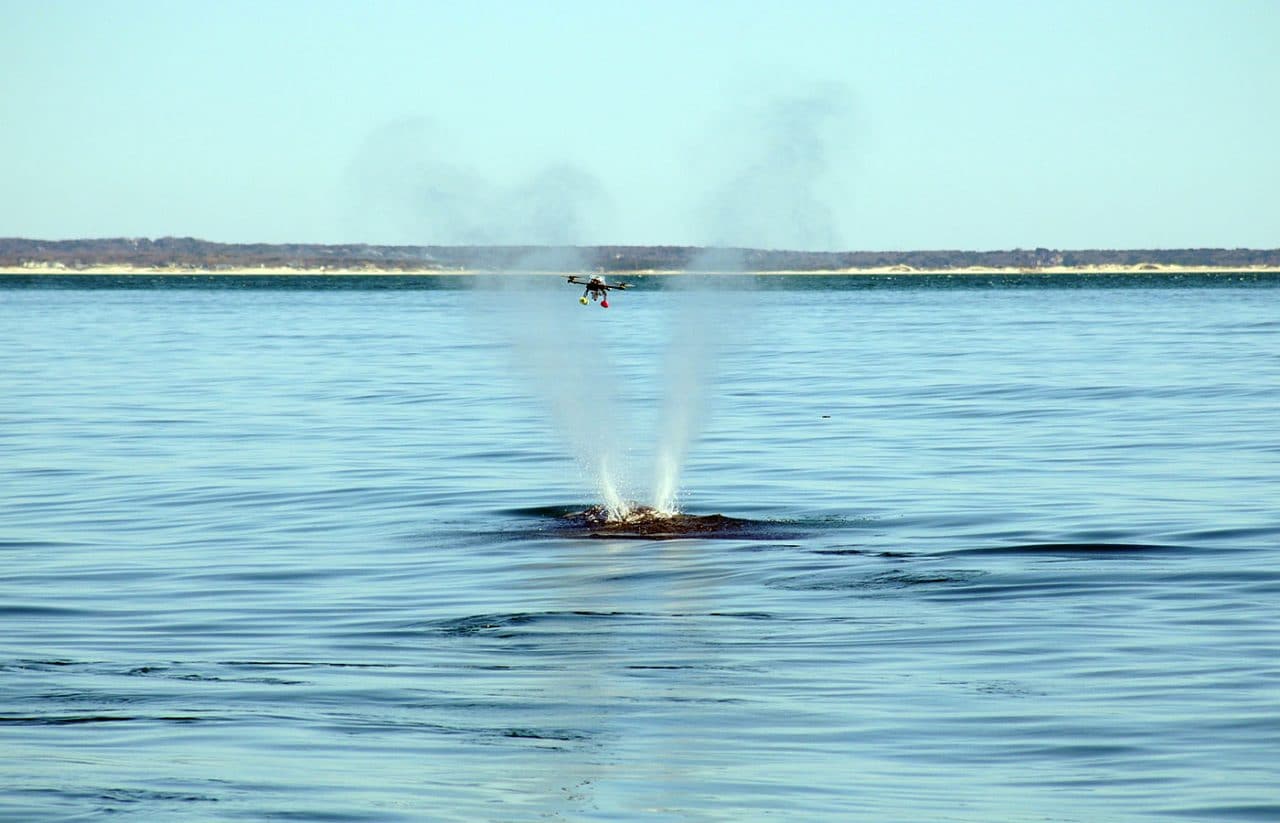
Researchers have known for decades that whales create elaborate songs. But a new study has revealed a component of whale songs that has long been overlooked—sort of a booming baseline…
Read MoreHow Do Fish Find Their Way?
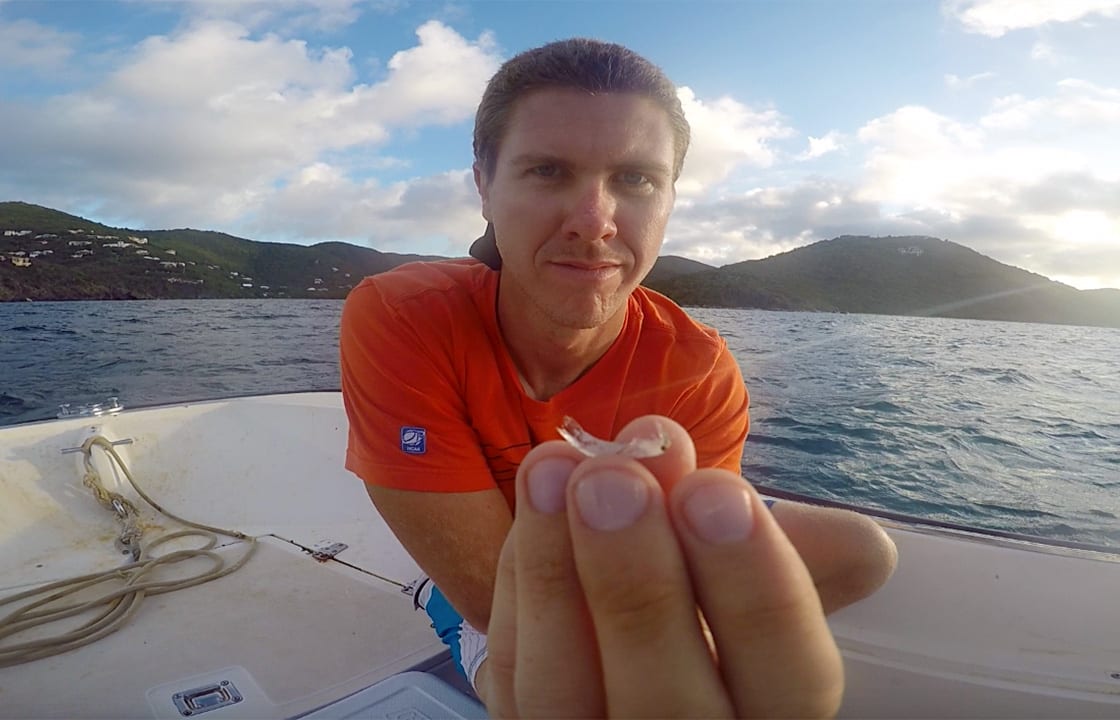
An MIT-WHOI Joint Program graduate student is exploring how tiny larvae hatched in the open ocean find their way to coral reefs where they settle down and live.
Read MoreFinding New Homes Won’t Help Emperor Penguins Cope with Climate Change
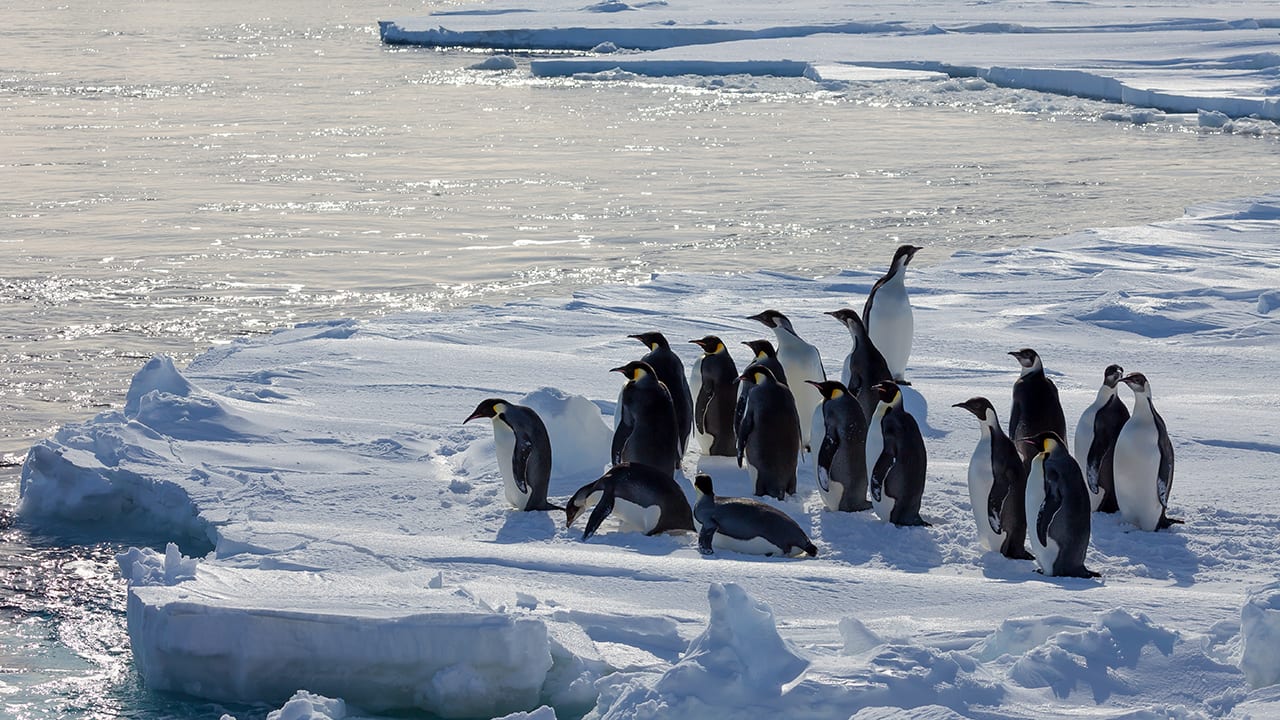
Unlike other species that migrate successfully to escape the wrath of climate change, a new study shows that dispersal may help sustain global Emperor penguin populations for a limited time, but, as sea ice conditions continue to deteriorate, the 54 colonies that exist today will face devastating declines by the end of this century.
Read MorePlankZooka & SUPR-REMUS
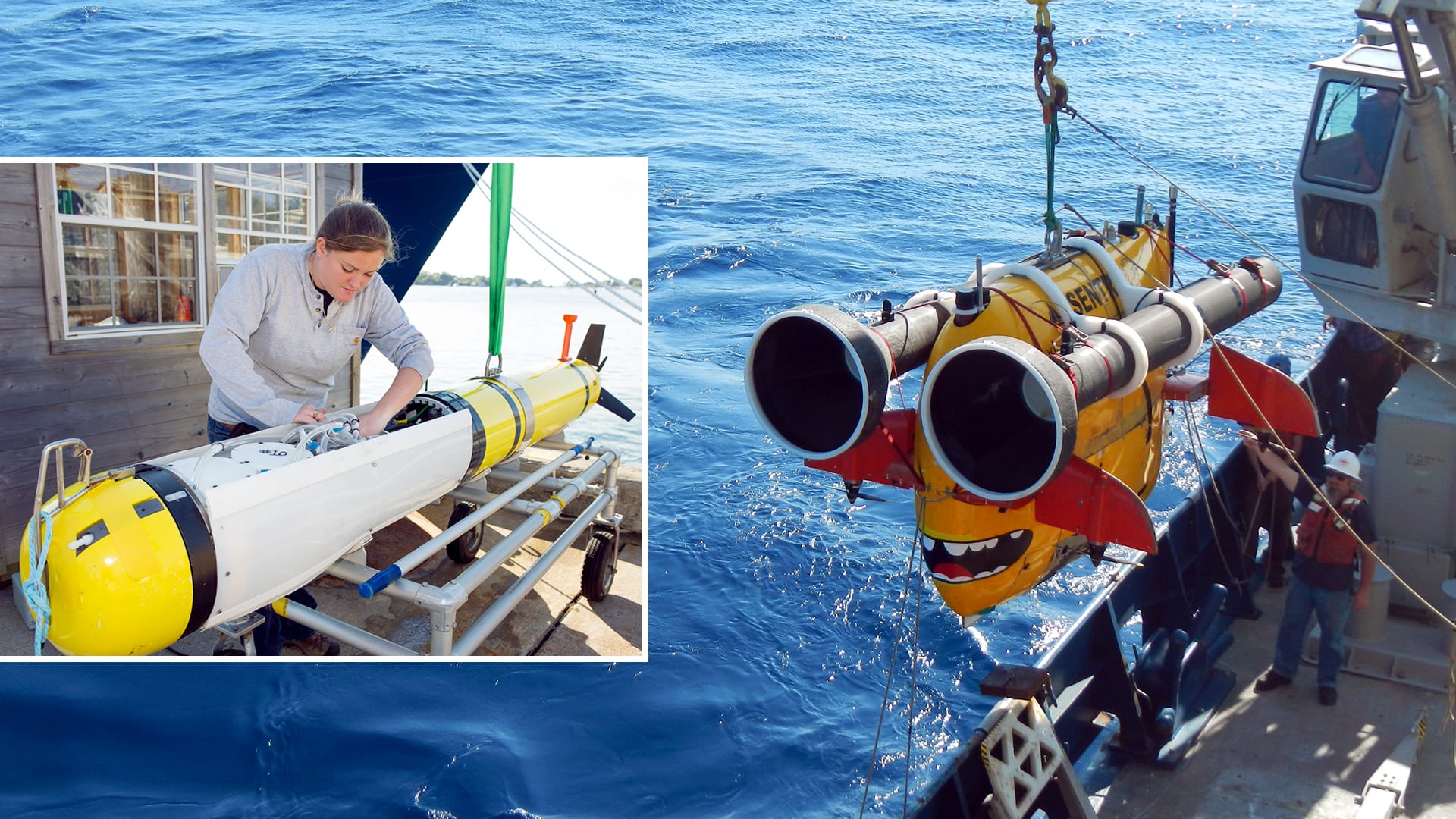
Much of marine life begins as microscopic larvae—so tiny, delicate, and scattered in hard-to-reach parts of ocean that scientists have had a tough time illuminating this fundamental stage of life…
Read MoreTravel Distances of Juvenile Fish Key to Better Conservation
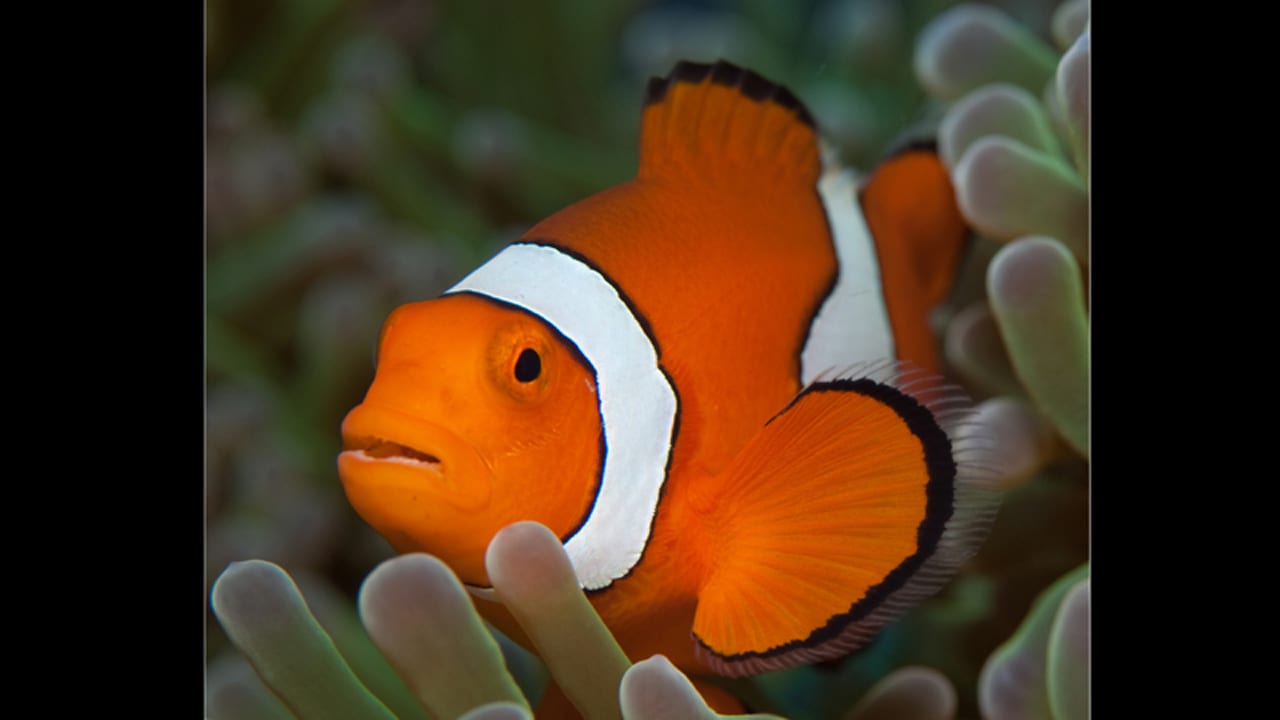
WHOI scientists and their international colleagues conducted the largest, most comprehensive study of larval dispersal at coral reefs. Their findings have important implications for the sizing and spacing of marine reserves.
Read MoreIlluminating the Ocean with Sound
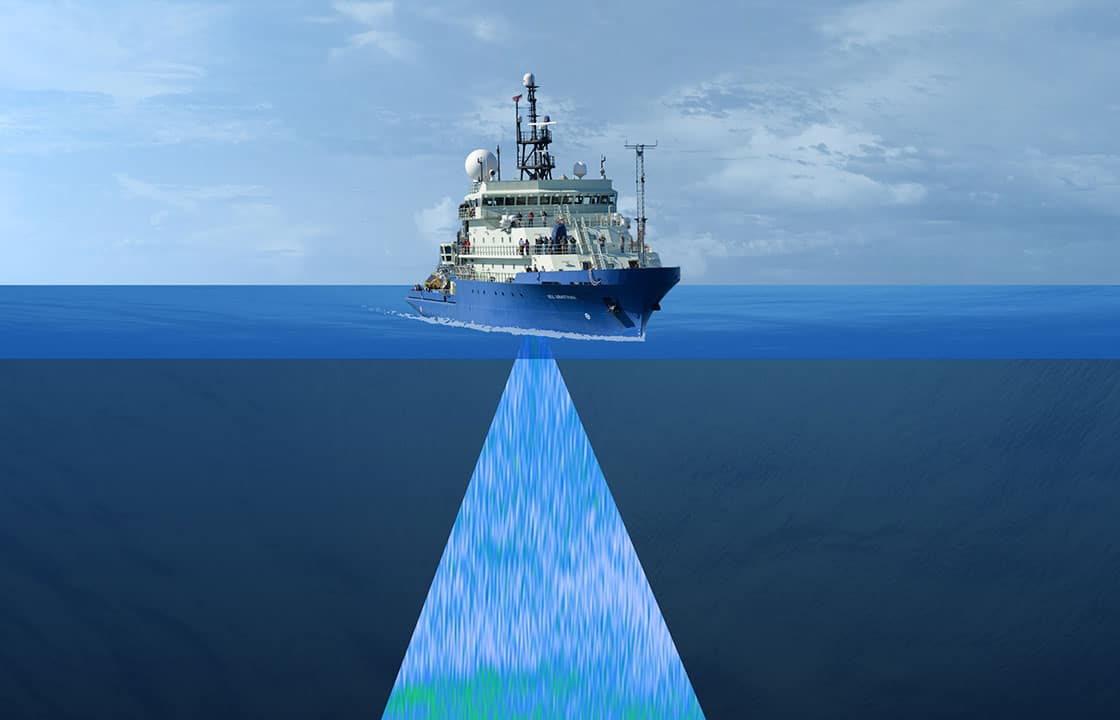
WHOI’s new research vessel Niel Armstrong is equipped with an EK80 broadband acoustic echo sounder. Using a wide range of sound frequencies, it gives scientists the ability to identify and distinguish between…
Read MoreThe Amazing Acquired Phototroph!
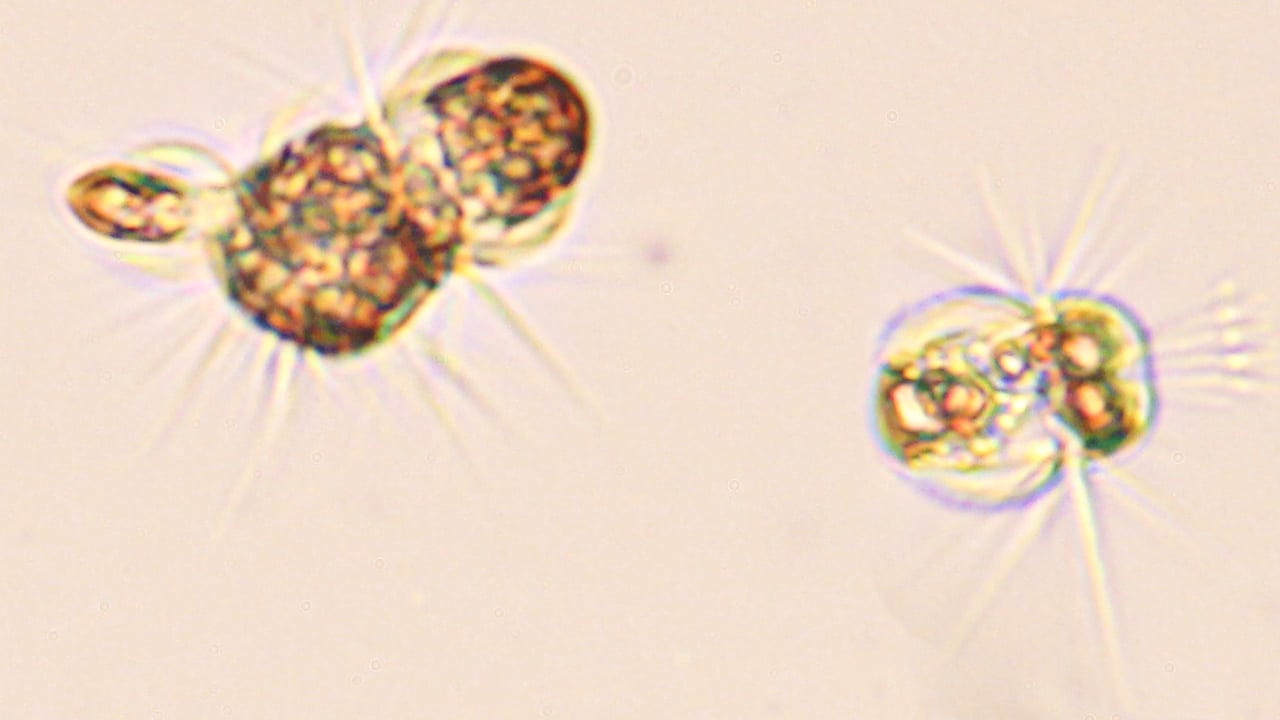
There are autotrophs, such as plants, that can make their own food. There are heterotrophs, such as animals, that consume other organisms. And then there are curious organisms called mixotrophs, which can do both, switching how they get food depending on the conditions in their environment.
Read More