
Biology
Upper Cape Perspectives On Earth Day Shift Amid A Silent Spring
“I think Earth Day has always been an opportunity to celebrate the environment around us and how we can take action,” said Judith McDowell, a scientist at the Woods Hole…
Read MoreImagining Home: scientist’s stay in the Arctic extended by coronavirus
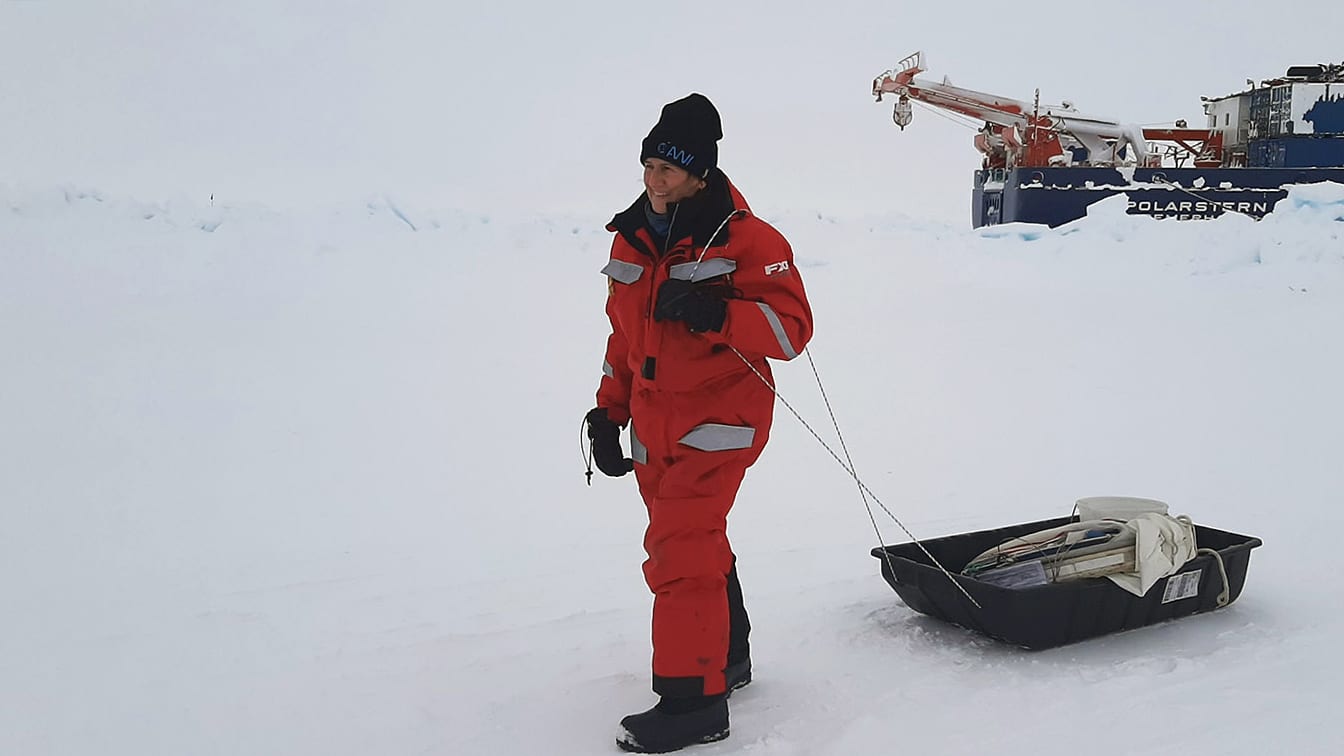
WHOI biologist Carin Ashjian is aboard the icebreaker Polarstern in the Arctic as part of the year-long MOSAiC research expedition. She should be almost home by now. Instead, her stay has been extended by COVID19.
Read MoreKatharine, the Great White Shark Who Ghosted Her Trackers, Resurfaces

Simon R. Thorrold, a senior scientist in the biology department at WHOI in Falmouth, Mass., said it was “not crazy surprising” that a signal was picked up.
Read MorePop-up pots and the search for ‘whale-safe’ gear
Mark Baumgartner, associate scientist at the Woods Hole Oceanographic Institute, has talked about the entanglement issue with Porter and believes ropeless fishing can work, and that it may be the…
Read MoreNow you see me, now you don’t
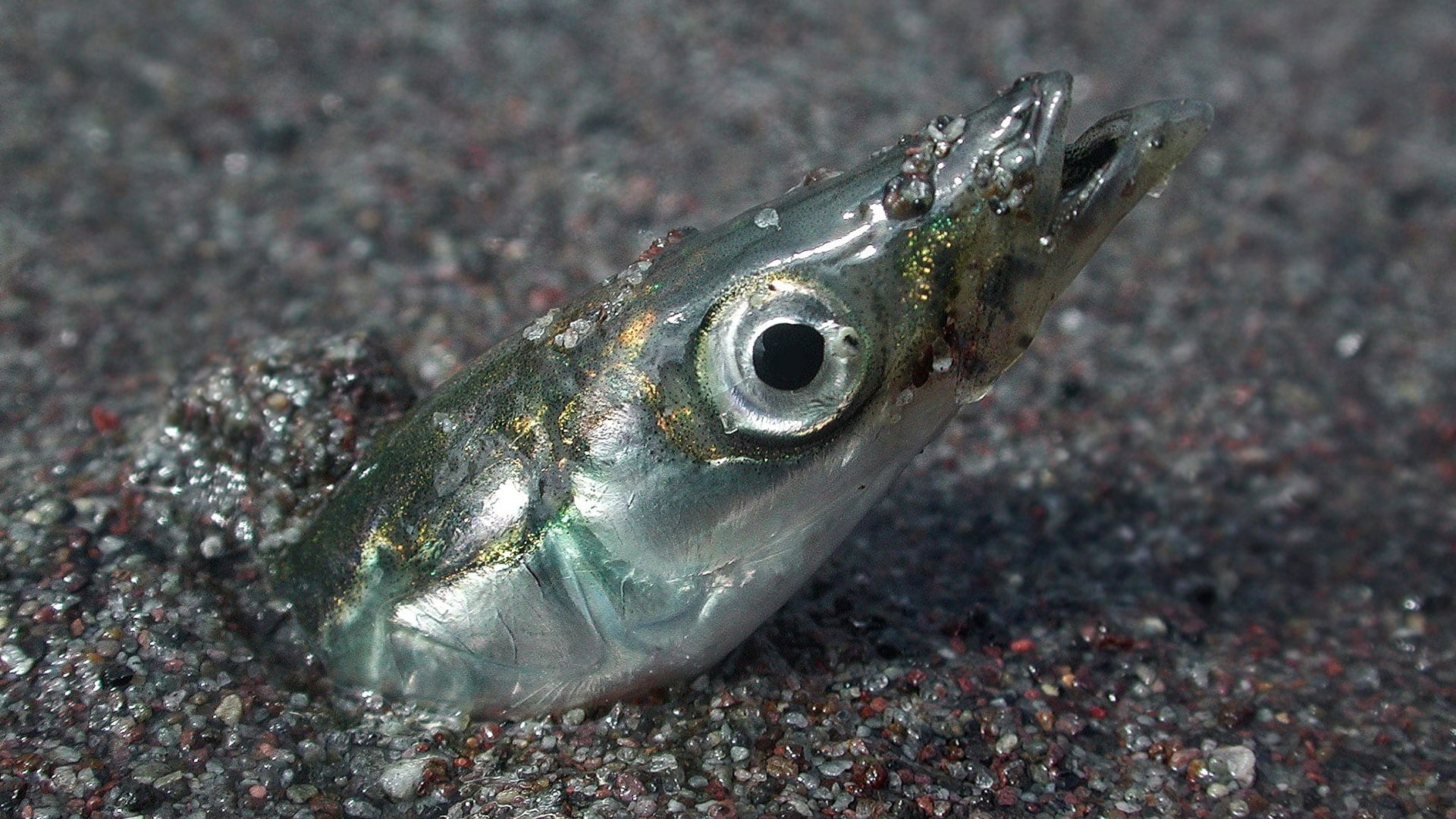
Marine biologists tackle an unsettling mystery surrounding sand lance–eel-like, dive-bombing fish that have become a cornerstone forage species for a wide range of marine animals in the Gulf of Maine and northwest Atlantic Ocean.
Read MoreInstitutes Team Up To Deliver New Graduate Field Course
A partnership between BIOS and two Massachusetts-based institutions was strengthened with the addition of a new microbial oceanography course.
Read MoreSnapping Shrimp Pump Up the Volume in Warmer Water
As the ocean warms because of climate change, the louder din could mask other marine animals’ calls used to navigate, forage, and find mates.
Read MoreShrimp May Make Ocean Louder in Warming Climate
Small snapping shrimp make big noises and scientists from the Woods Hole Oceanographic Institution say the tiny crustaceans could make the ocean louder as it warms. Here’s why.
Read MorePlastics’ impact on oceans under scrutiny
“We have an opportunity now, where there is public awareness,” said Mark Hahn, a senior scientist at the Woods Hole Oceanographic Institution. “They (plastics) don’t belong there (in the ocean).”
Read MoreOceans of Change
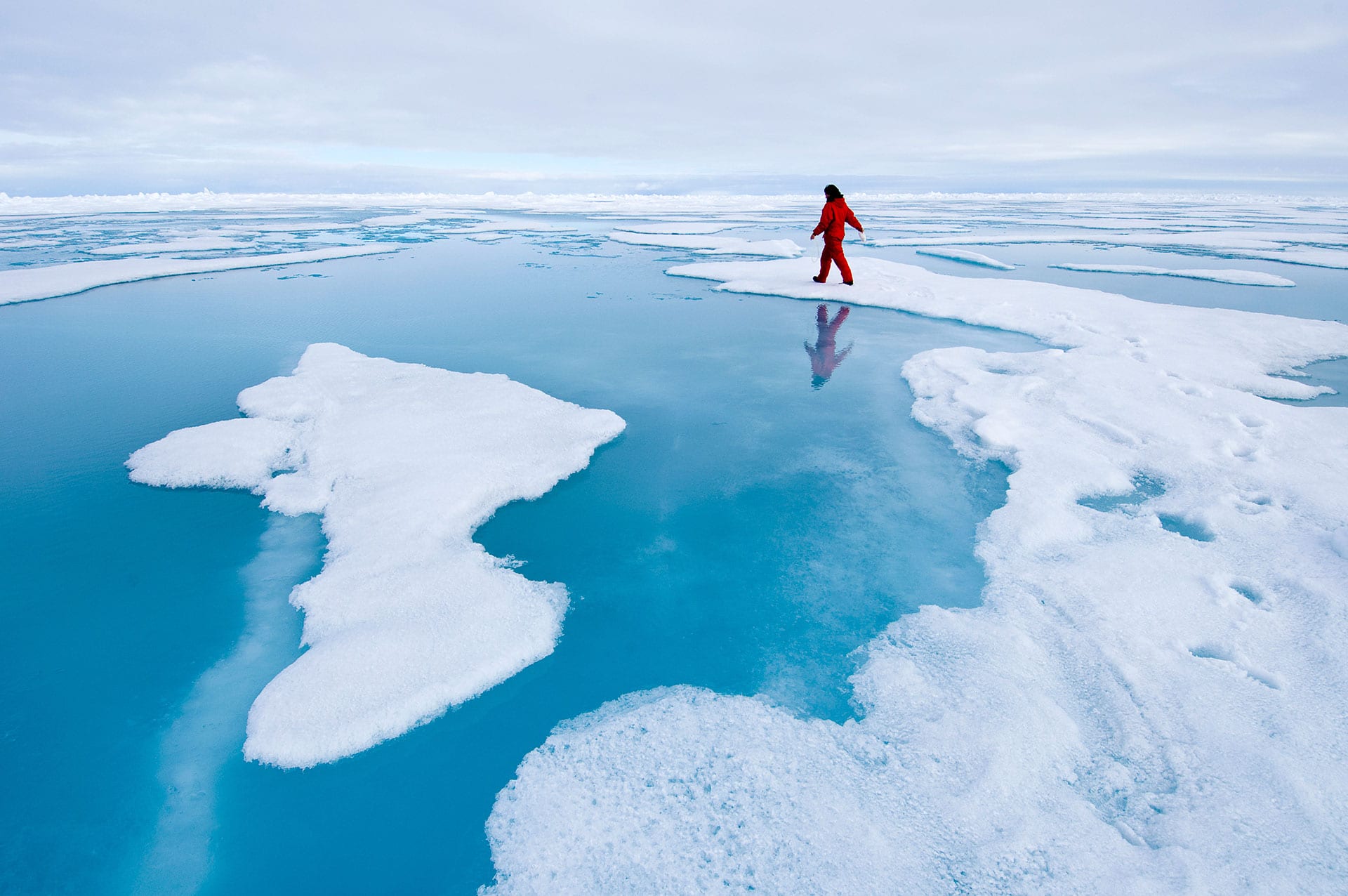
“THE SEA NEVER CHANGES, AND ITS WORKS, FOR ALL THE TALK OF MEN, ARE WRAPPED IN MYSTERY.” So observed the narrator of “Typhoon,” Joseph Conrad’s 1902 novella. But today, we…
Read MoreOceans of Change
Oceans of Change WHOI scientists learn how the ocean shapes—and is shaped by—global climate By Madeline Drexler (Photo by Simon Buchou on Unsplash) “THE SEA NEVER CHANGES, AND ITS WORKS,…
Read MoreShedding light on the deep, dark canyons of the Mid-Atlantic
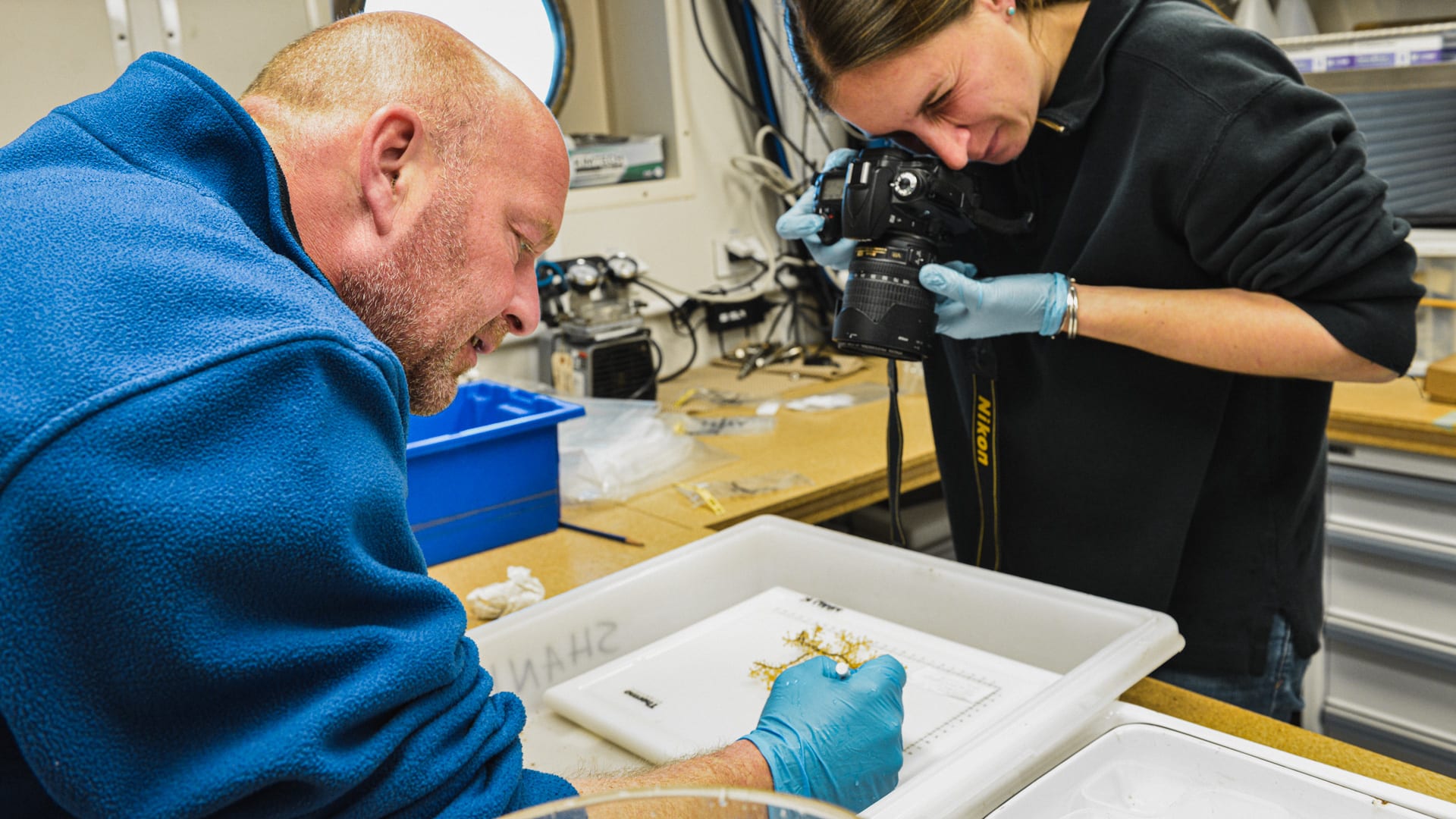
WHOI biologist Tim Shank discusses the exploration of deep-sea canyons throughout the Mid-Atlantic Ocean and how ecosystems there can be managed sustainably in the face of climate change and increased human pressures.
Read MoreWarming oceans are getting louder
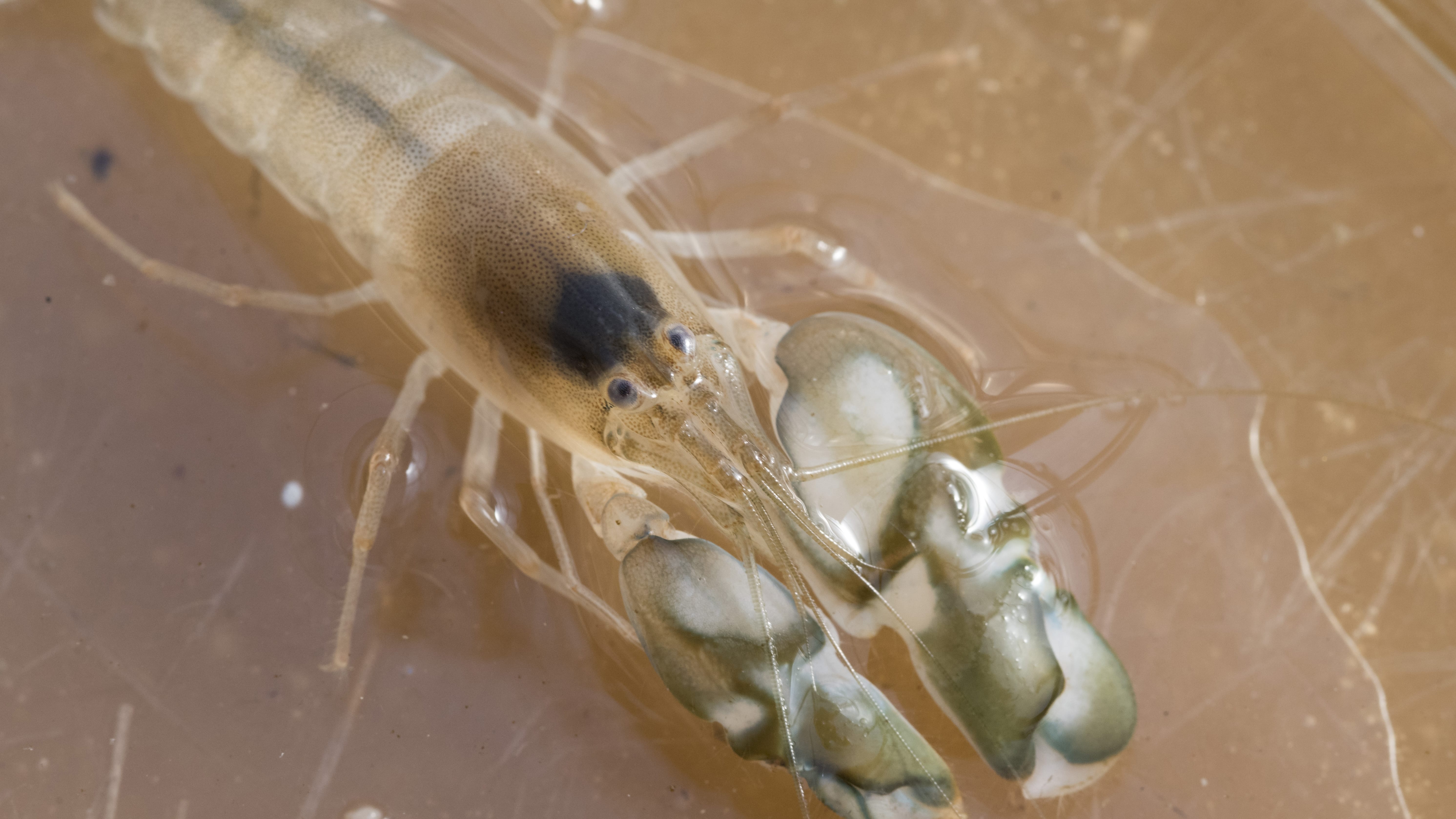
One of the ocean’s loudest creatures will get even louder and more troublesome to humans and sea life as the ocean warms.
Read MoreAs North Atlantic right whales slide toward extinction, a desperate search for hope
For the species to survive, they need to be producing closer to 29 calves a year, said Michael Moore, director of the Marine Mammal Center at the Woods Hole Oceanographic…
Read MoreReport reveals ‘unseen’ human benefits from ocean twilight zone
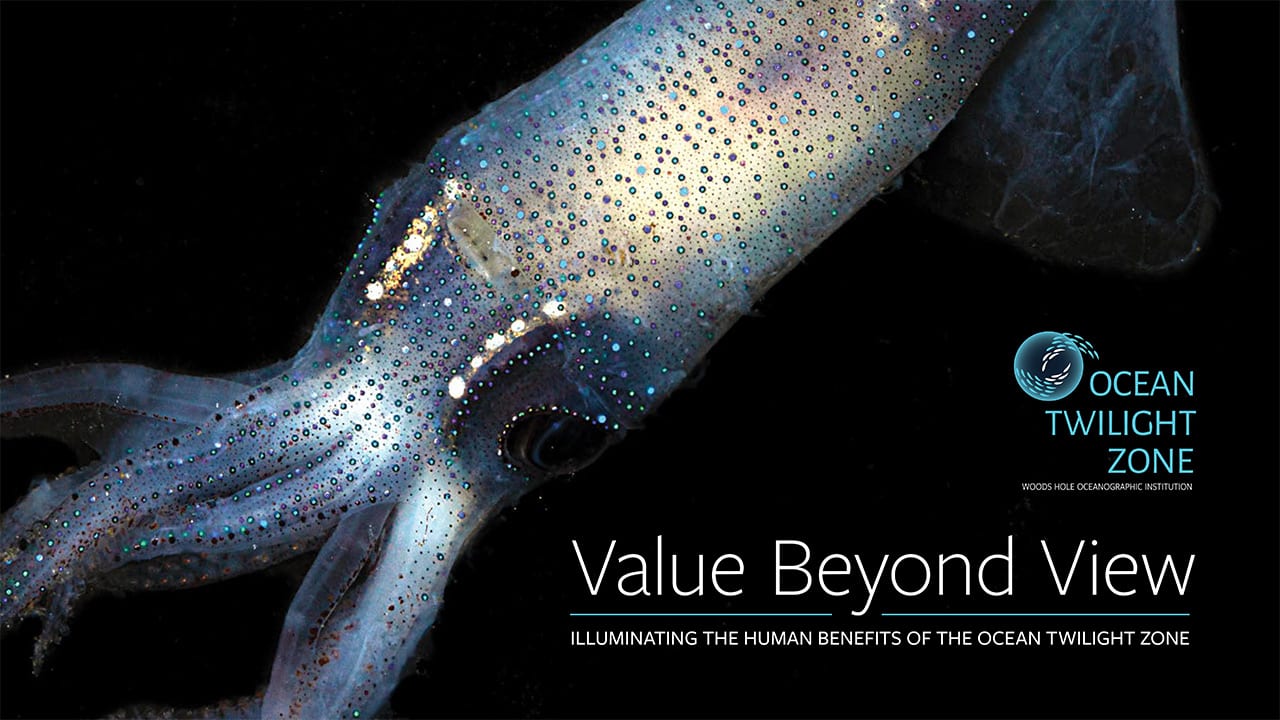
A new report from researchers at Woods Hole Oceanographic Institution (WHOI) reveals for the first time the unseen—and somewhat surprising—benefits that people receive from the ocean’s twilight zone. Also known as the “mesopelagic,” this is the ocean layer just beyond the sunlit surface.
Read MorePaul Caiger hunts for things that glow in the Ocean Twilight Zone
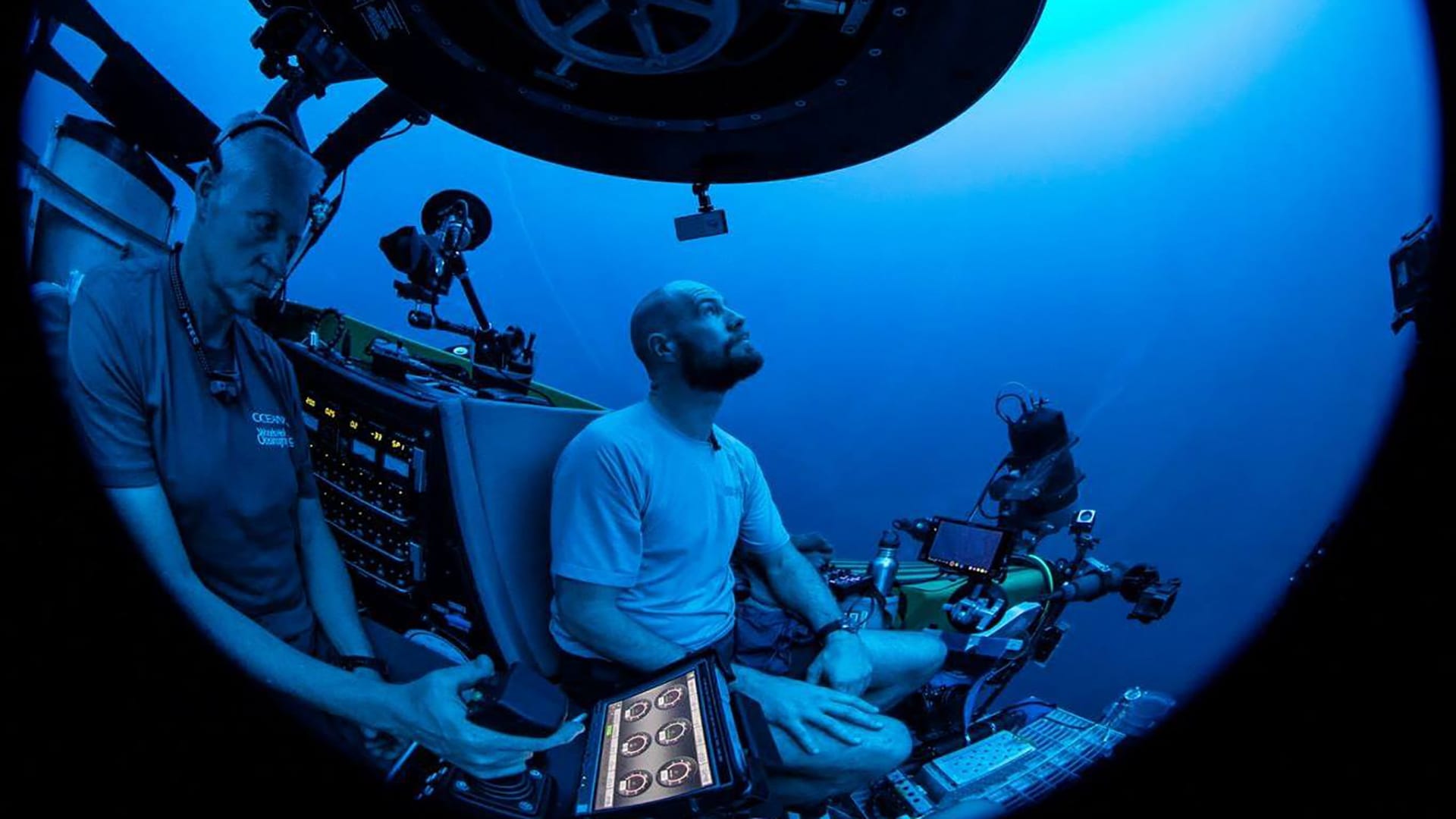
Paul Caiger is a fish biologist, marine photographer and postdoctoral investigator at Woods Hole Oceanographic Institution (WHOI). From the ghoulish grimace of the viperfish, to the bejeweled beauty of the strawberry squid, Caiger’s marine portraits have helped shine a light in this dark but critical ocean zone.
Read MoreThe Ocean’s Moveable Feast
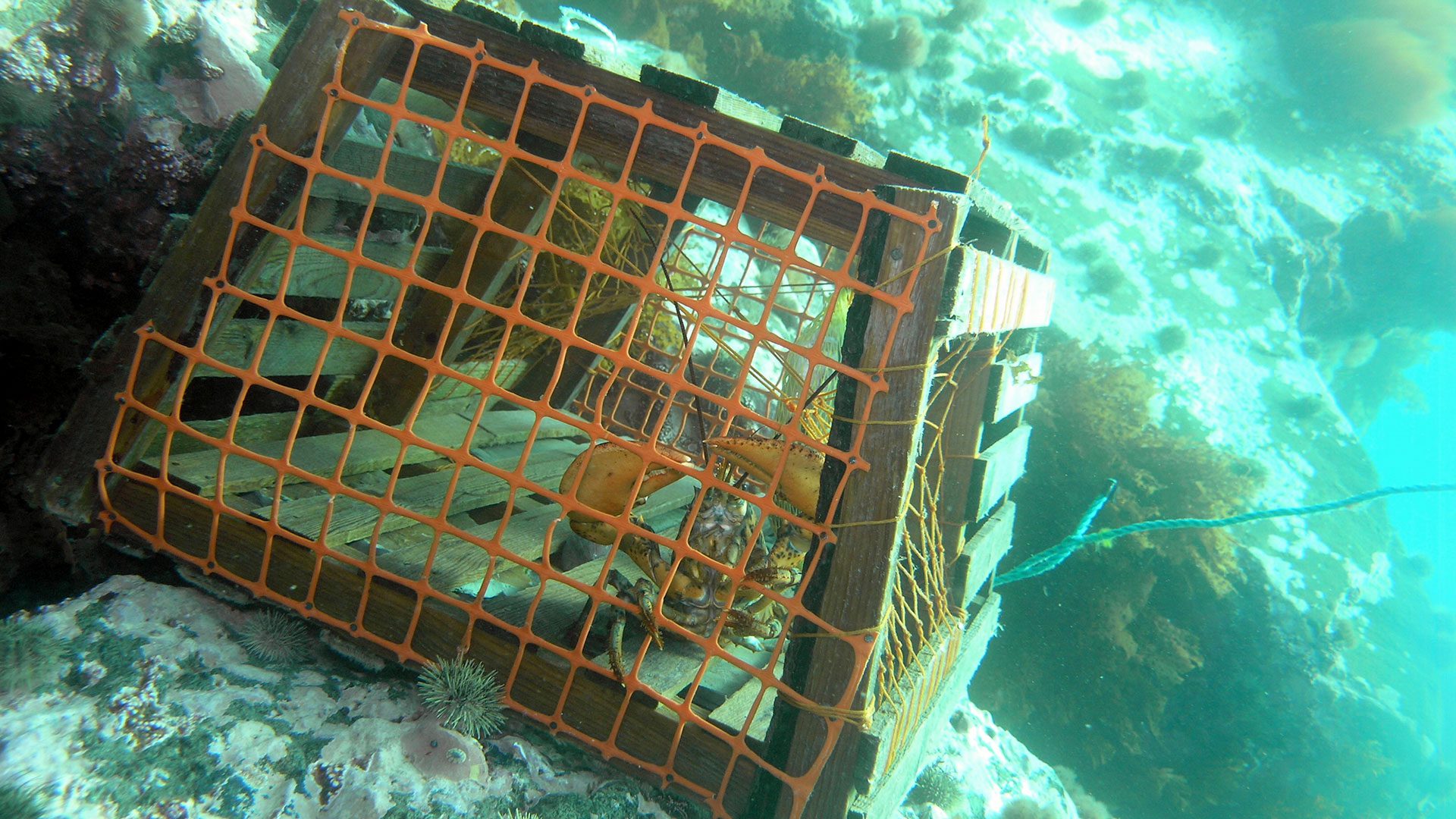
Over the past few decades, Carin Ashjian, a biologist at Woods hole Oceanographic Institution (WHOI), has explored the marine food web and how it has responded to changing ocean conditions.…
Read MoreHow microbes reflect the health of coral reefs
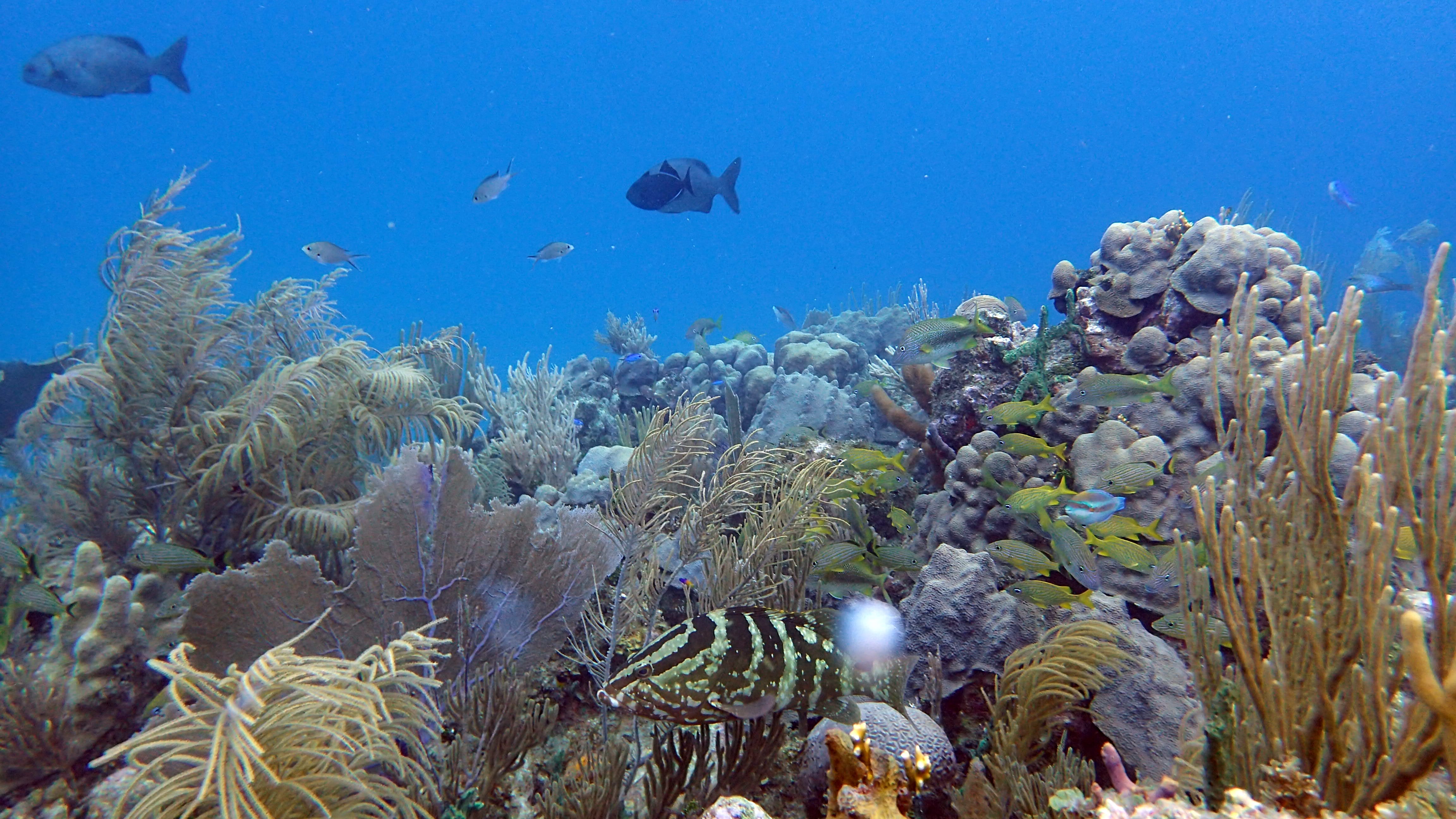
A collaborative study compared seawater from 25 reefs in Cuba and the U.S. Florida Keys varying in human impact and protection, and found that those with higher microbial diversity and lower concentrations of nutrients and organic carbon—primarily caused by human activities—were markedly healthier.
Read MoreSea anemones with jet lag?
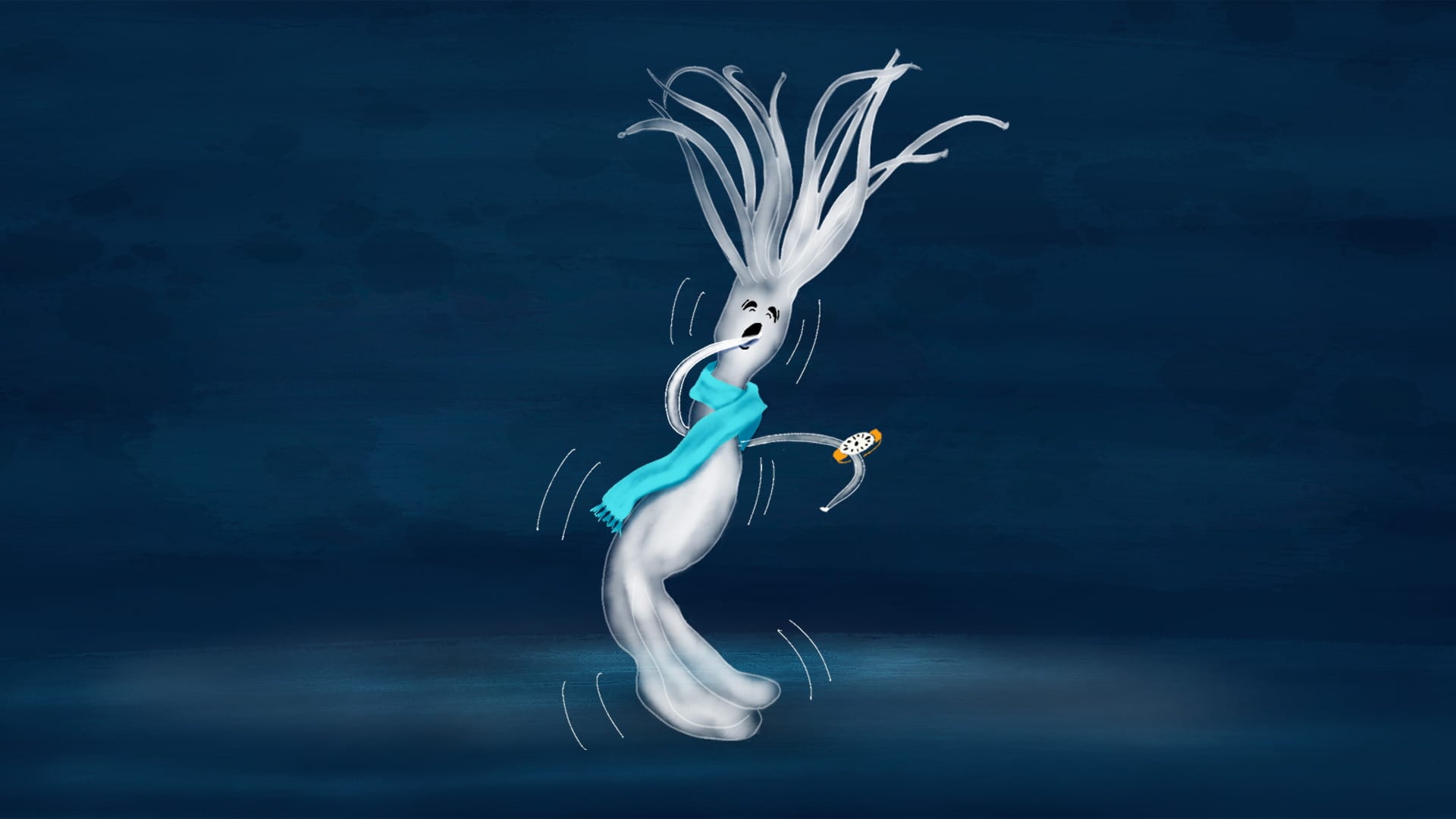
WHOI scientists investigate the internal body clocks of sea anemones to determine if fluctuating temperatures play a role in their daily rhythms.
Read MoreUnderwater pile driving noise causes alarm responses in squid
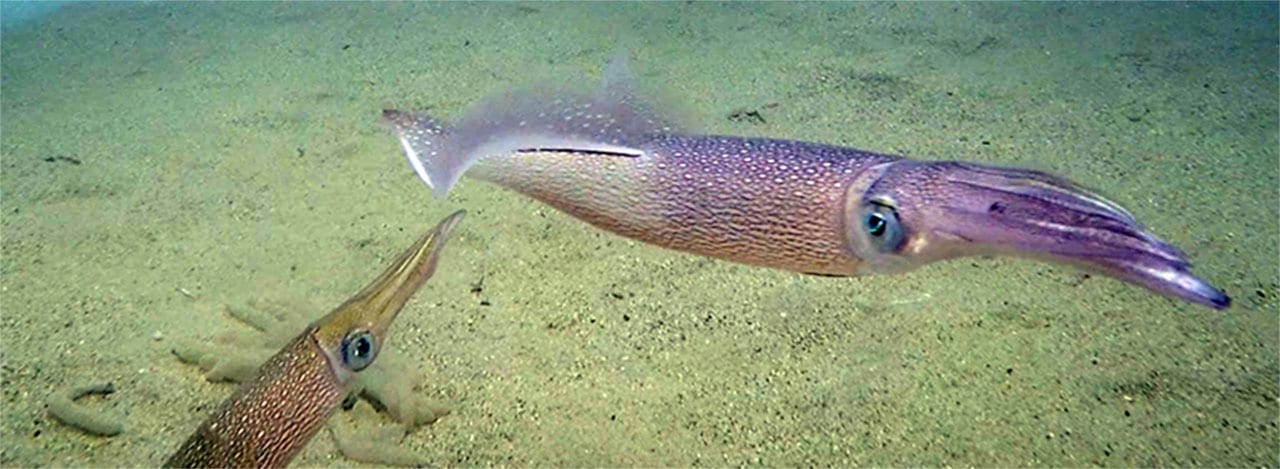
Exposure to underwater pile driving noise, which can be associated with the construction of docks, piers, and offshore wind farms, causes squid to exhibit strong alarm behaviors.
Read MorePortable device allows to measure highly reactive superoxide on coral reefs
Researchers at WHOI successfully conceived and tested a portable device, DISCO, that performed the first in situ measurements of a highly reactive type of oxygen, known as superoxide, which may…
Read MoreMarch of the penguins
If current warming trends continue, emperor penguins will be marching toward an 86 per cent population decline by the end of the century, at which point, “it is very unlikely…
Read MoreWhales may owe their efficient digestion to millions of tiny microbes
A study by NSF-funded researchers at WHOI shows that the microbial communities inside whales may play an important role in the digestion of one of the ocean’s most abundant carbon-rich lipids: wax esters.
Read MoreClimate change threatens everyone’s favorite little fish
The well-being of the colorful clownfish of “Finding Nemo” fame is closely tied to its habitat among the sea anemone, according to a 10-year study by an international team of…
Read More