
Biology
Researching phytoplankton 2000 miles from shore aboard the R/V Atlantis
Don’t be fooled by phytoplankton’s microscopic size, the creature is among the most vital organisms for the ocean and planet’s survival.
Read MoreThe Ocean Race Summits return to Newport, RI, USA, to shine a light on ocean health
On September 16, from 10am to 1pm EDT hosts Danni Washington (marine biologist, TV host and science communicator), Liz Bonnin (biochemist, wild animal biologist and TV presenter) and Niall Myant-Best…
Read MoreScientists returning to site of 1898 shipwreck off Mass. waters that killed more than 190 people
Scientists on Tuesday will once again explore wreckage from the steamship Portland, which sank in 1898 in waters off Massachusetts, killing more than 190 people in what became known as…
Read MorePenguins Are Nature’s Best Snugglers

It turns out that penguins execute their huddles with a high degree of mathematical efficiency, as Blanchette and his team discovered. More recently, Daniel Zitterbart, a physicist at Woods Hole Oceanographic…
Read MoreScientists and fishermen team up to film seals in fishing nets
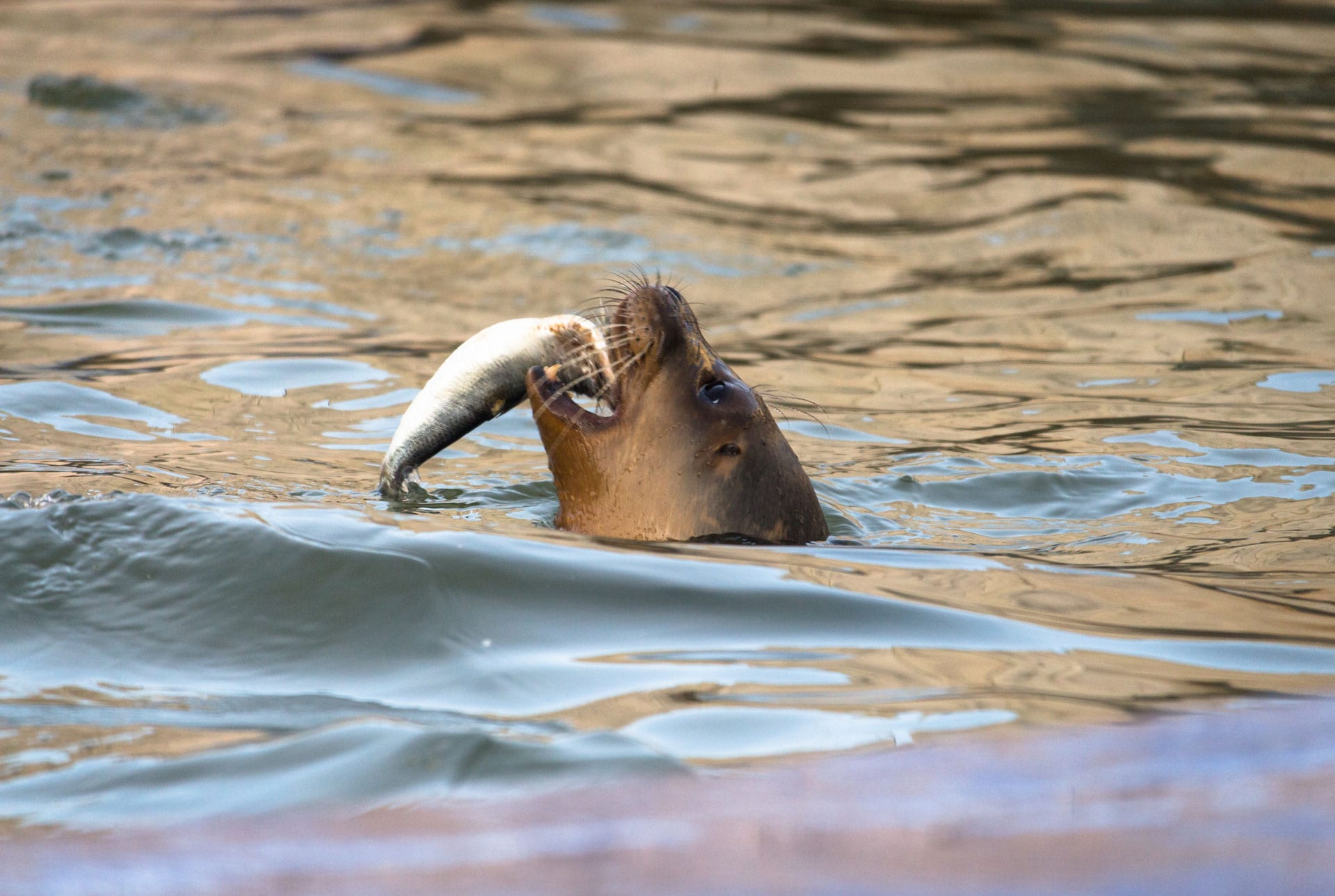
Seals find ease in taking a meal already ensnared in wall-like gillnets cast by fishermen, but at what cost? WHOI biologist Andrea Bogomolni works with the fishing community to record and observe this behavior with the hopes of mitigating marine mammal bycatch
Read MoreShark sightings are up, along with ocean temperatures. Here’s what to do if you encounter a shark.
“If they preyed on humans, there would be humans dead everywhere,” said Simon R. Thorrold, a biologist at WHOI in Massachusetts. “It would be a bloodbath out there.”
Read MoreWHOI Scientists Make Woods Hole Film Festival Appearance
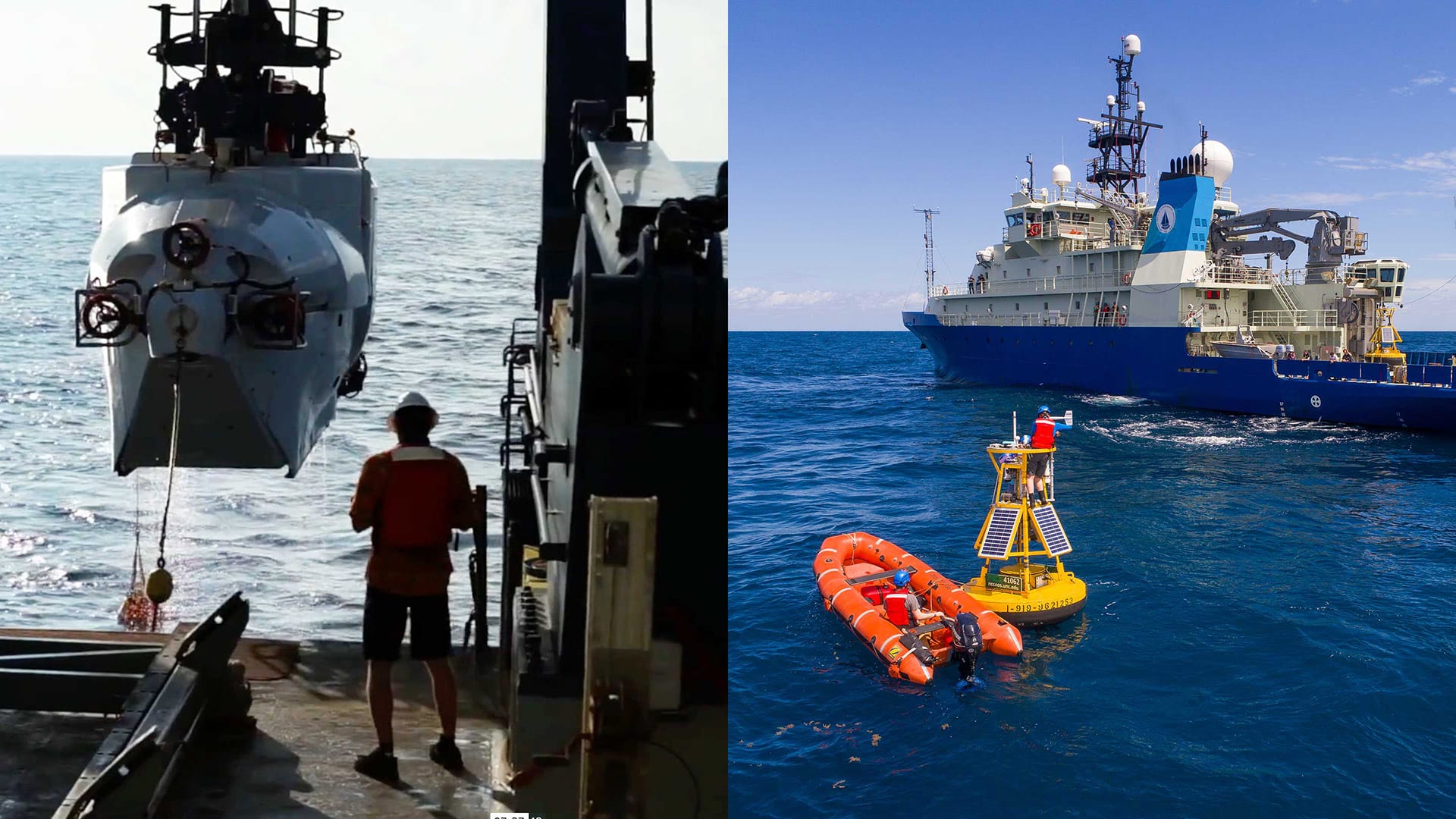
Woods Hole Oceanographic Institution (WHOI) scientists appear in two shorts and a feature film at this year’s Woods Hole Film Festival (WHFF). In addition, scientists will also participate in Q&A…
Read MoreJellyfish larger than blue whales?
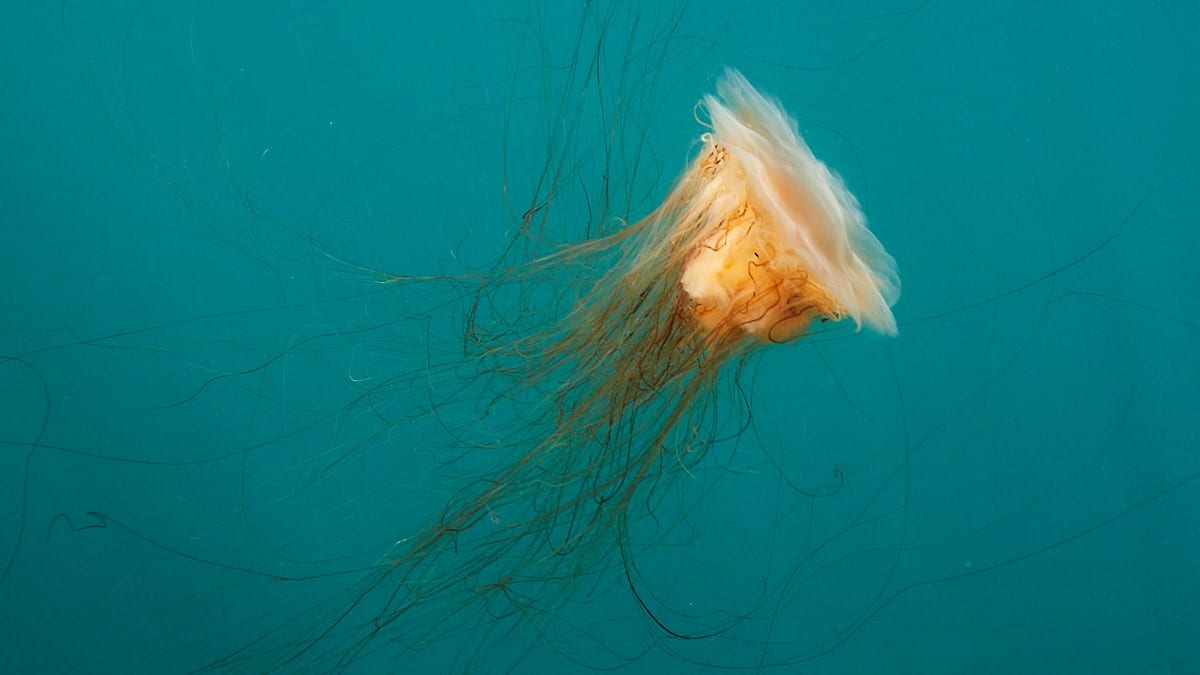
Recent accounts in the media have described the appearance of lion’s mane jellyfish in waters and beaches in the Northeast as a surprising, sometimes troubling, event, with record sizes and numbers reported from Maine to the Massachusetts south coast. But is this event noteworthy? Or, as some have implied, is it a sign of failing ocean health? Three WHOI marine biologists weighed in to put events into perspective.
Read MoreTeaming up for right whales
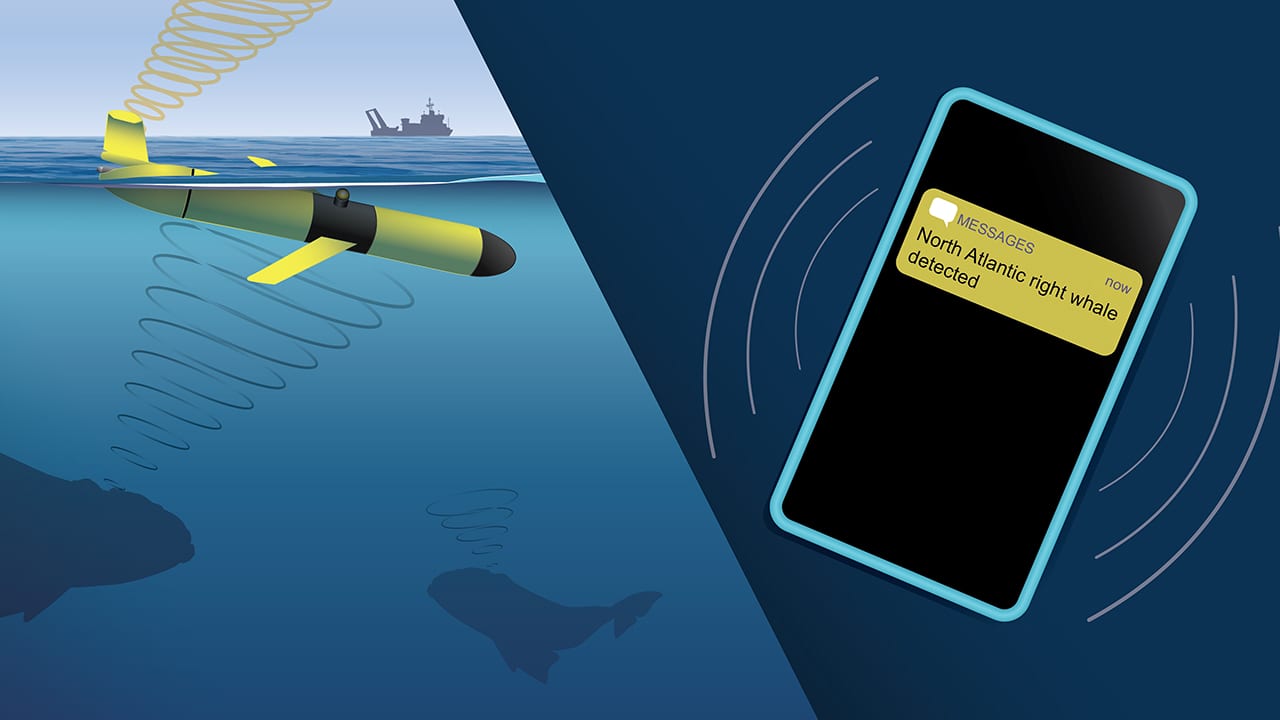
Researchers from WHOI and NOAA combine underwater gliders with passive acoustic detection technology to help protect endangered species from lethal ship strikes and noise from offshore wind construction
Read MoreWorking from Home: Scott Lindell
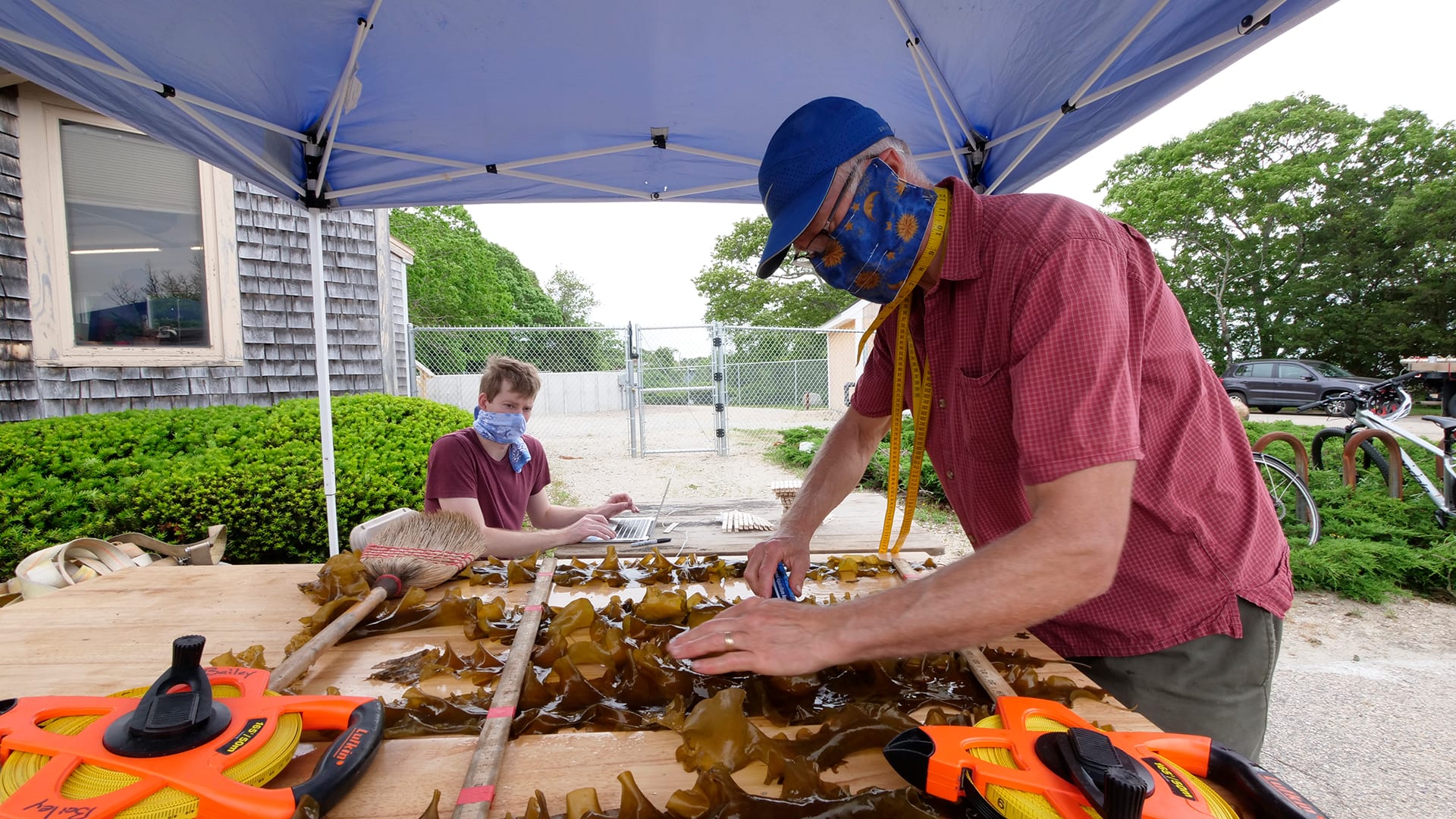
Though pandemic slows countless research projects, kelp breeding program can’t stop. A WHOI community rallies to help Scott Lindell and his lab sort over 2,200 blades.
Read MoreScientists are trying to save coral reefs. Here’s what’s working.
Without a mix of long-term cuts in emissions and short-term innovation, there’s a not-so-far-off future where coral reefs as we know them simply cease to exist, says Anne Cohen, a…
Read MoreFishing less could be a win for both lobstermen and endangered whales
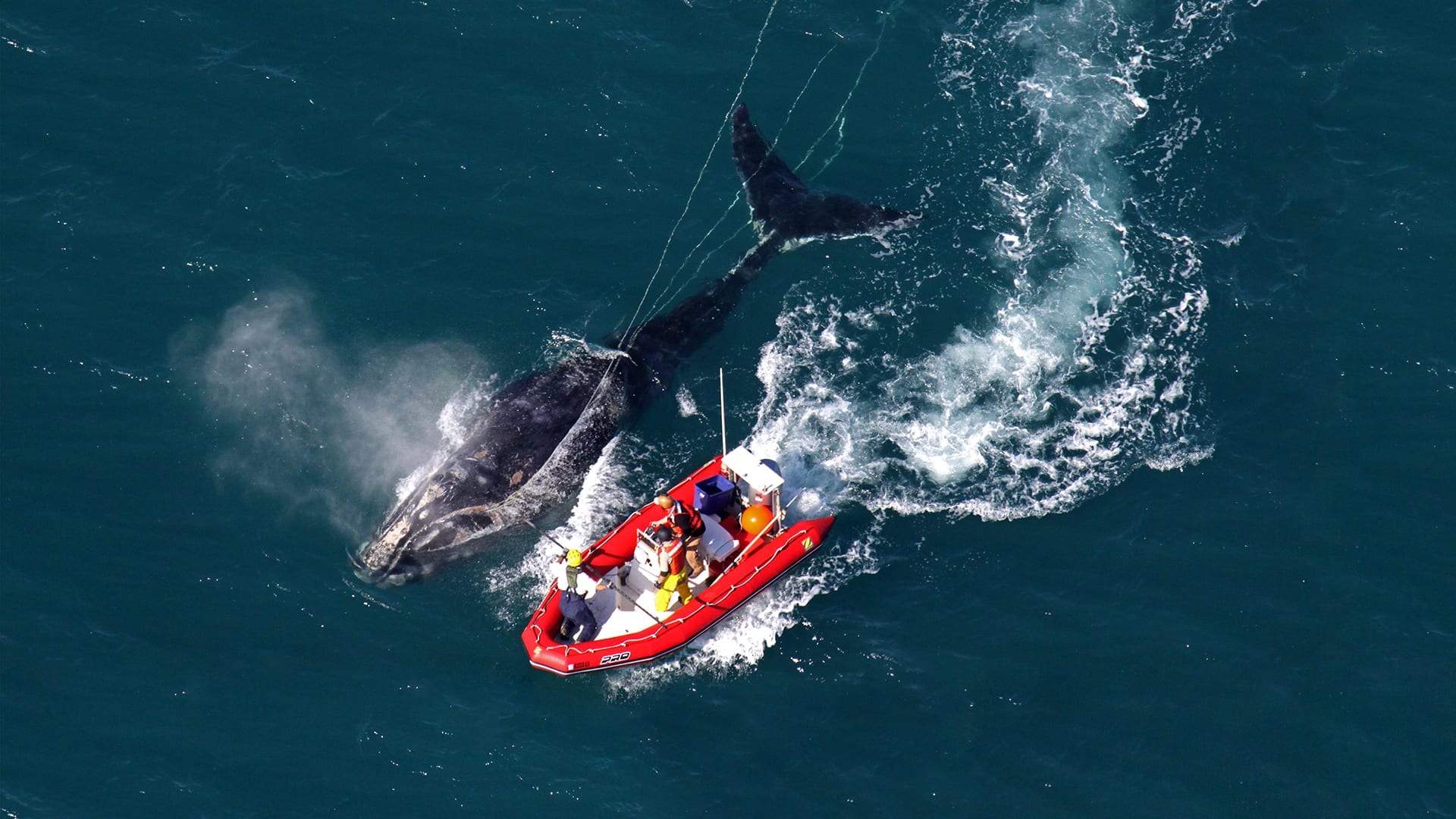
A new study found that New England’s historic lobster fishery may turn a higher profit by operating with less gear in the water and a shorter season, which could also benefit endangered North Atlantic right whales.
Read MoreNorth Atlantic right whales ‘could be extinct within 20 years’ as krill they eat migrate away due to climate change and commercial fishing impacts their habitat
A comprehensive new study of North Atlantic right whales has found the species is significantly smaller and less healthy than southern right whales and could be wiped out in the…
Read MoreLab shutdowns enable speedier investigation of coral disease
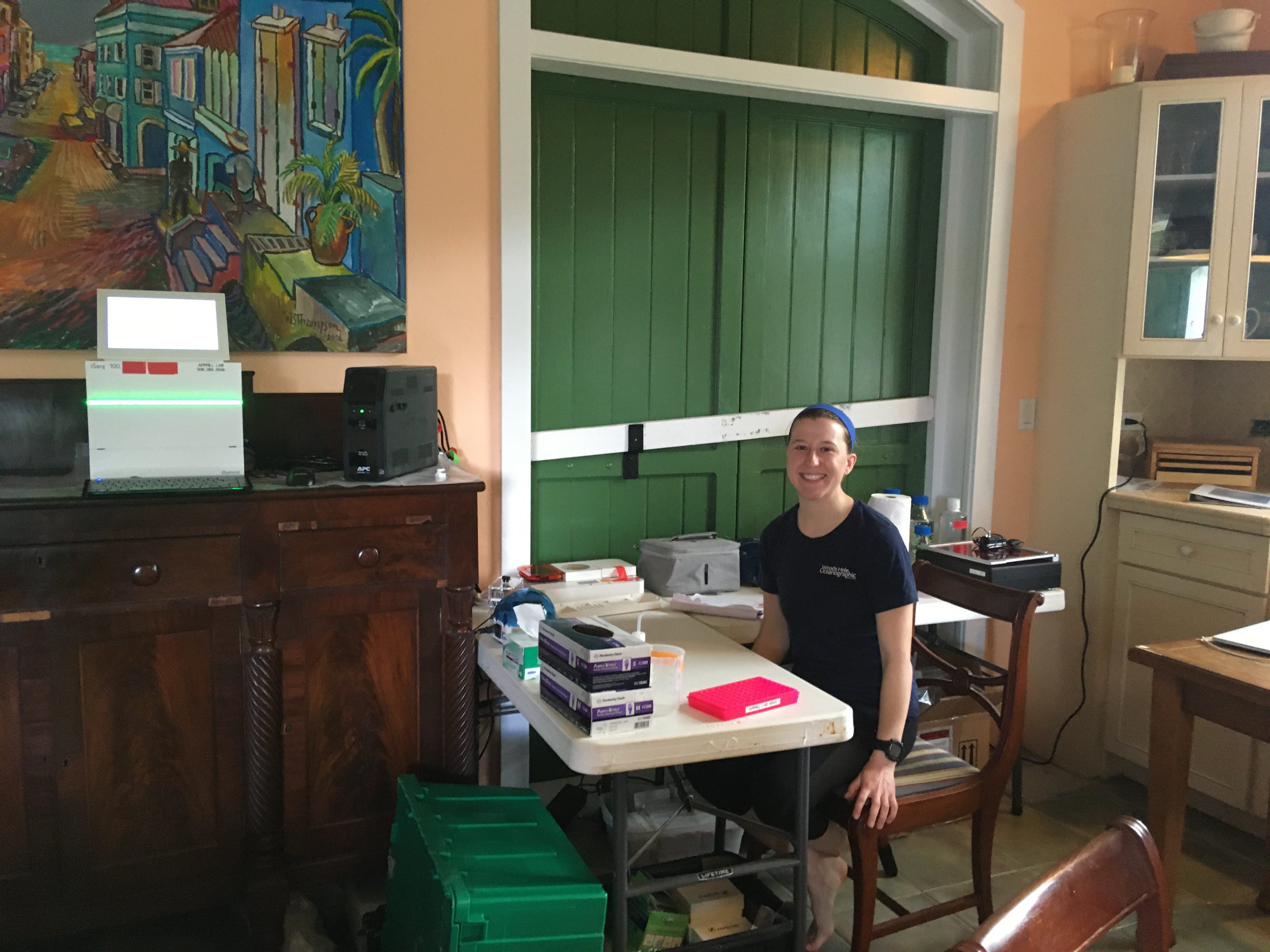
Despite labs shutting down due to the COVID-19 pandemic, WHOI microbiologists are working fast to solve a different kind of outbreak—one travelling below the ocean’s surface and ravaging coral reefs from Florida to the Caribbean.
Read MoreThe Last Place on Earth We’d Ever Expect to Find Life
Microbial life, almost unbelievably resilient, abides in boiling hot springs and bone-dry deserts, in pools of acid and polar ice, kilometers up into the sky and kilometers below the ocean…
Read MoreKillifish Hint at Genetic Basis for Human Toxicant Susceptibility
Killifish populations have adapted to survive and reproduce in polluted waters. Researchers have studied the evolutionary and genetic basis for this adaptation, discovering that it comes with a cost.
Read MoreNASA Scientists train in Nevada Desert to remotely control Mars Perseverance Rover
Covid-19 Forces Spring Science Field Work to Go Fallow
Carin Ashjian, a senior scientist at WHOI, was one of 97 scientists and crew members aboard a German oceanographic research vessel that has been deliberately stranded in Arctic Sea ice…
Read MoreEndangered North Atlantic right whales return to Canadian waters
For North Atlantic right whales as individuals, and as a species, things are going terribly wrong,” said Michael Moore from the Woods Hole Oceanographic Institution.
Read MoreIn another significant ruling for right whales, a federal judge rules that Massachusetts is violating the Endangered Species Act

Michael Moore, director of the Marine Mammal Center at WHOI, lauded the ruling, saying the “judge understands the simple truth that if there is rope in the water column, and…
Read MoreNorth Atlantic right whales are in much poorer condition than their Southern counterparts
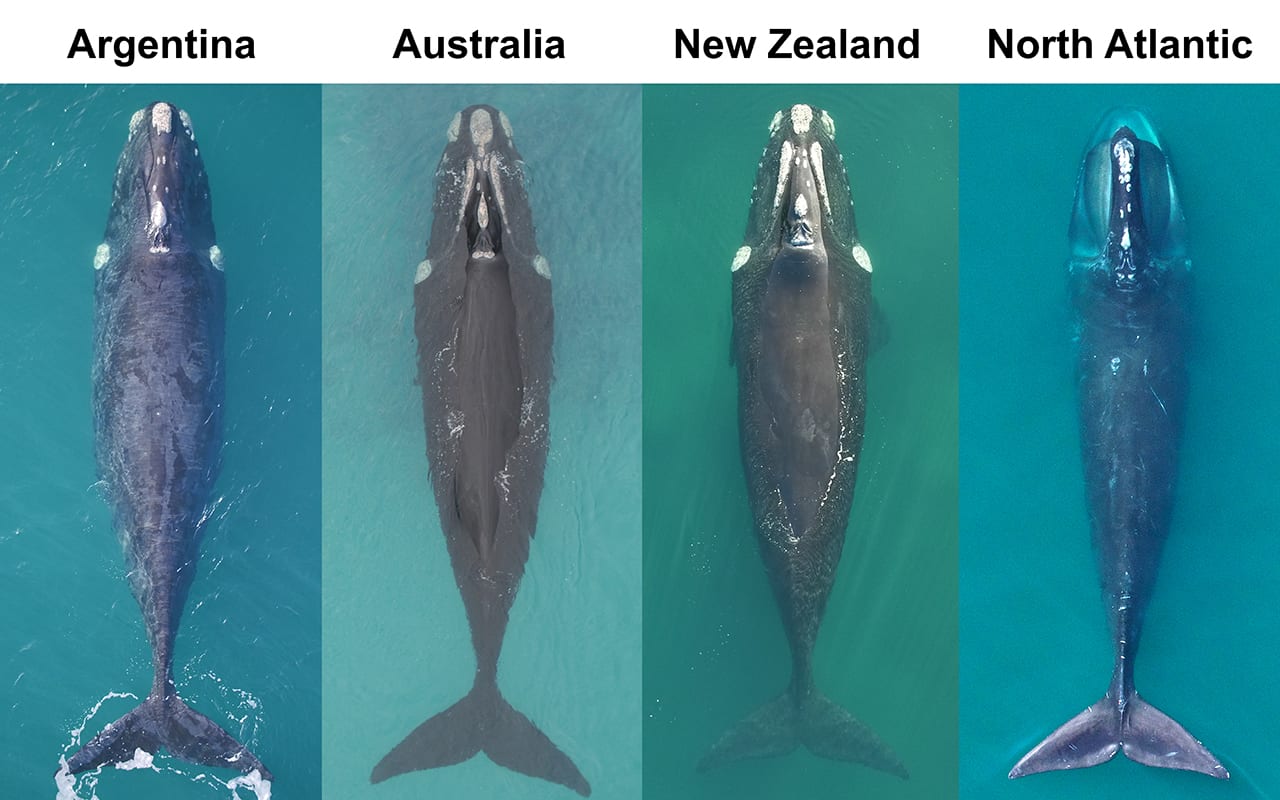
New research by an international team of scientists reveals that endangered North Atlantic right whales are in much poorer body condition than their counterparts in the southern hemisphere.
Read MoreWHOI joins effort to accelerate marine life protection technology
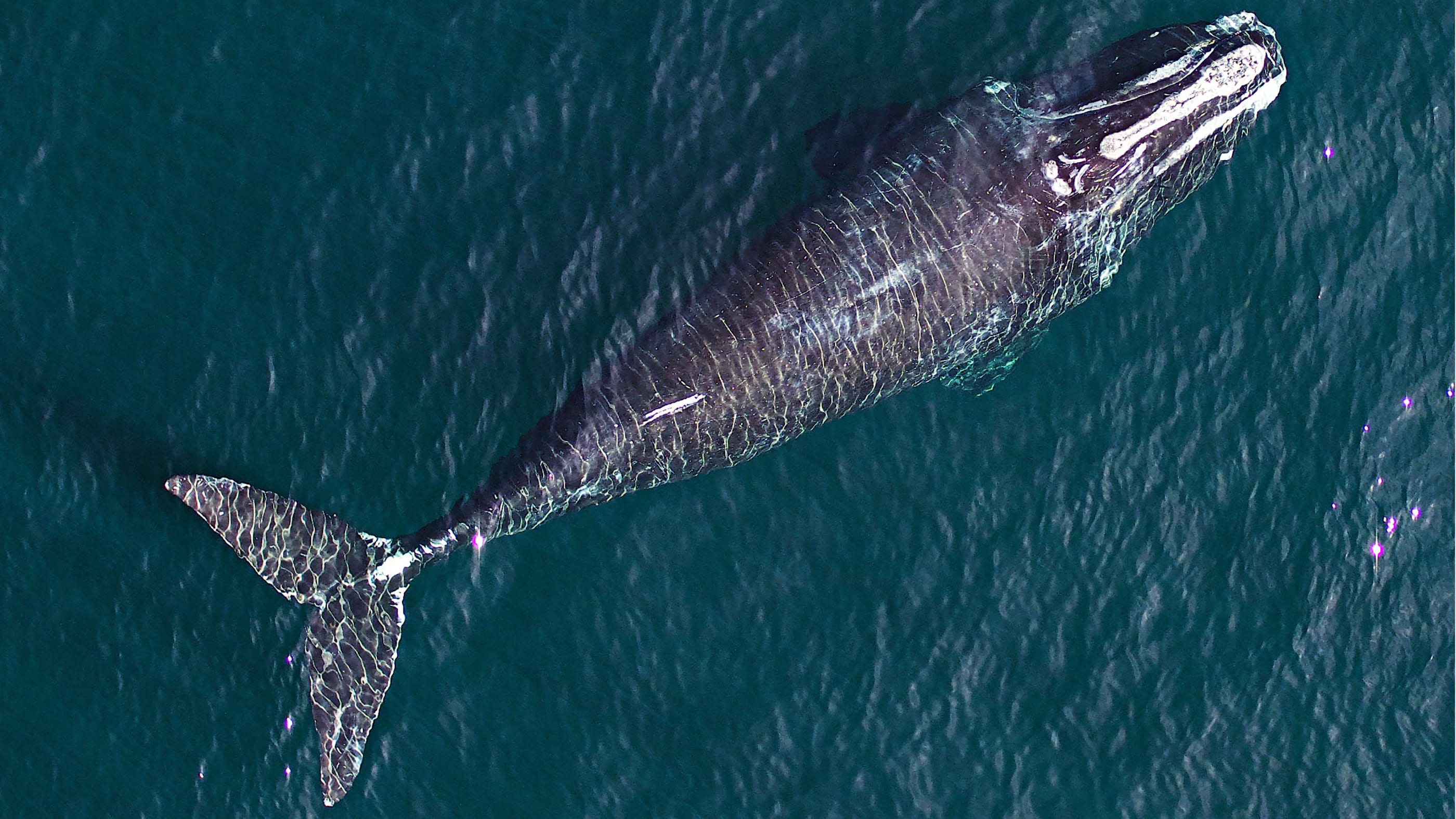
WHOI has teamed up with Greentown Labs and Vineyard Wind to launch the Offshore Wind Challenge. The program, which is also partnering with New England Aquarium, calls on entrepreneurs to submit proposals to collect, transmit, and analyze marine mammal monitoring data using remote technologies, such as underwater vehicles, drones, and offshore buoys.
Read MoreWhat did scientists learn from Deepwater Horizon?
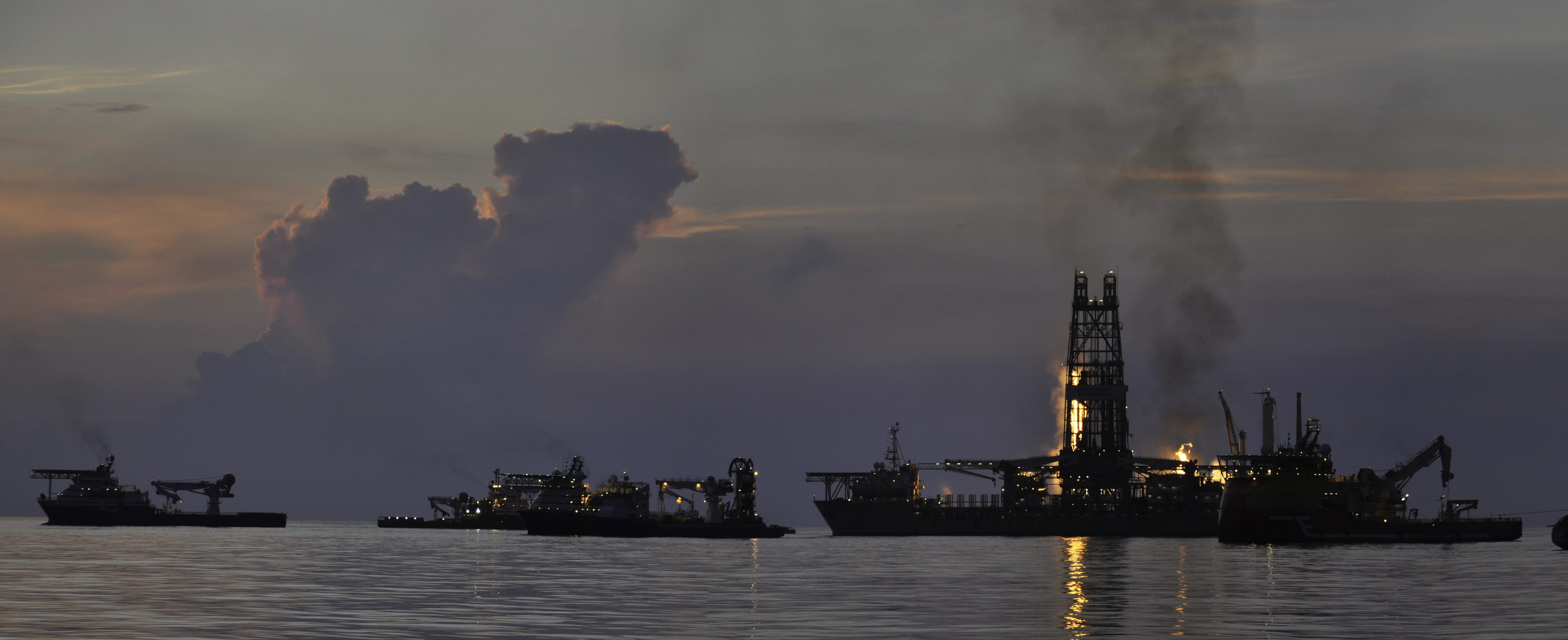
Ten years after the Deepwater Horizon explosion caused the largest accidental marine oil spill in history, WHOI marine geochemists Elizabeth Kujawinski and Christopher Reddy review what they— and their science colleagues from around the world—have learned.
Read MoreSummer’s coming: Will Cape Cod beaches be safe?
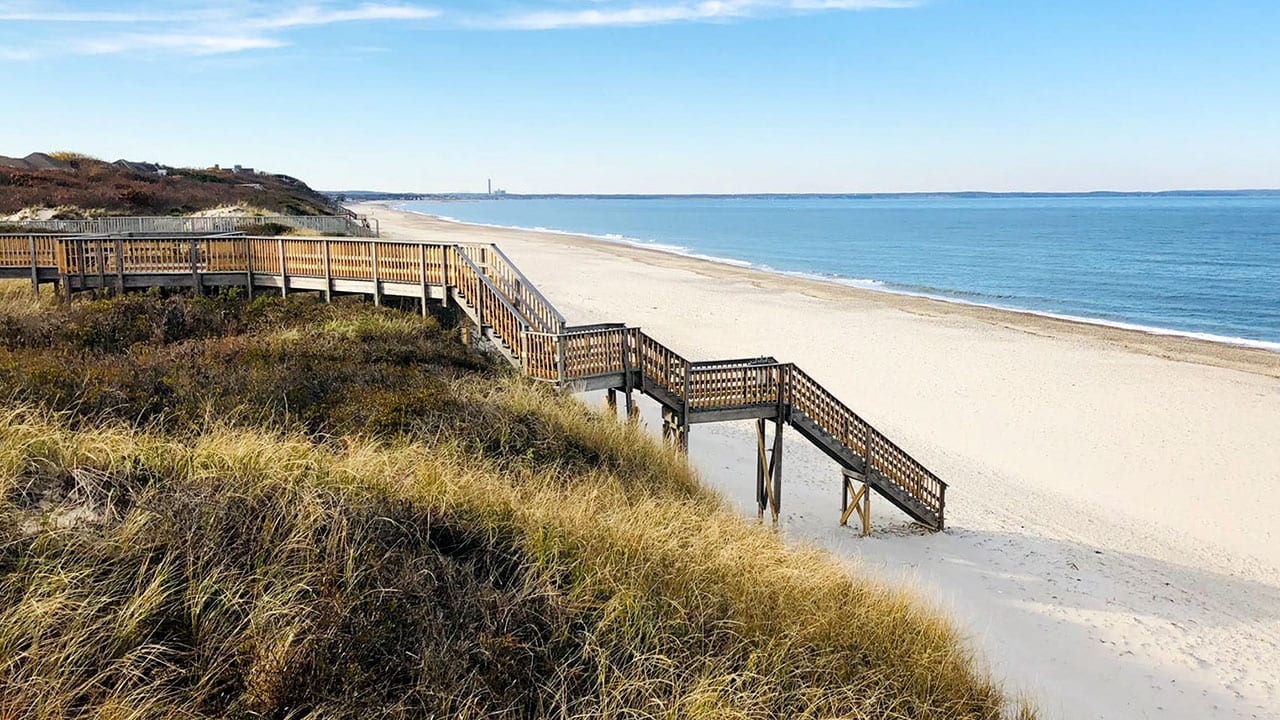
Beach parking lots across Cape Cod are closed to reduce the spread of COVID-19. As summertime approaches, will the beach crowds that normally show up after Memorial Day will be staying away this year? WHOI microbiologist Amy Apprill weighs in.
Read More