
Biology
Underwater cameras tackle tough questions for fishery
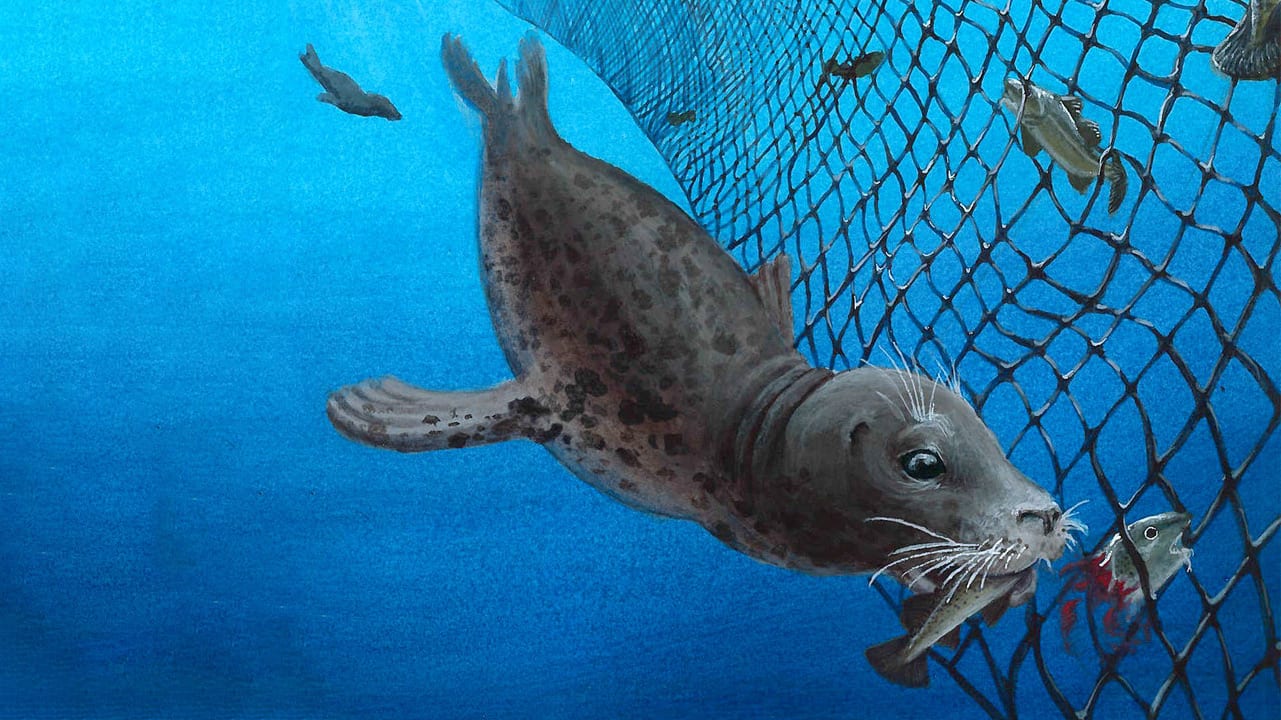
Scientists, in collaboration with commercial fishermen, are using underwater video cameras to document the behavior of seals and other animals in and around fishing nets just east of Cape Cod—an area that has seen steady growth in gray seal populations over the past few years.
Read MoreWhy we must protect the ocean’s ‘twilight zone’
The twilight zone can be found 200 to 1,000 meters (about 650 to 3,300 feet) below the ocean surface, at the point where the sun’s rays can no longer reach,…
Read MoreExpedition to Stellwagen Bank National Marine Sanctuary
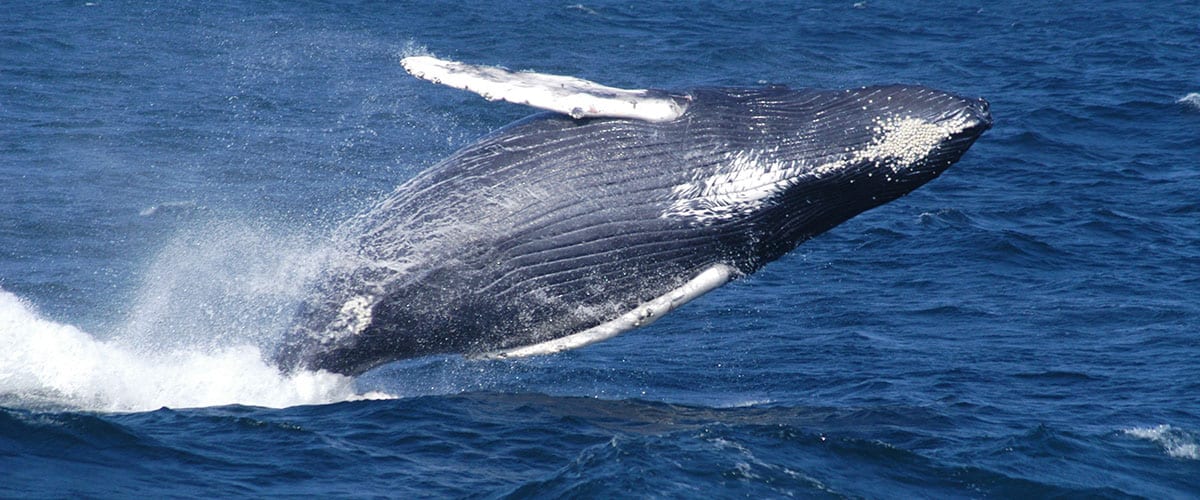
Stellwagen Bank, an underwater plateau off Boston, is a biological hotspot and key fishing ground. It’s a prime whale-watching spot and home to shipwrecks like the Portland, a maritime heritage symbol.
Read MoreLocal fishermen assist leatherback research
After several years, Kara Dodge began to do other work with turtles, in particular a “TurtleCam” project with Woods Hole Oceanographic Institution engineer Amy Kukulya. The project involved tagging and…
Read MoreNew Technology Will Listen For Underwater Whale Traffic In An Effort To Reduce Ship Strikes
Scientists from the Benioff Ocean Initiative and Woods Hole Oceanographic Institution have deployed a a hydrophone, or underwater microphone, to listen for whale traffic in the Santa Barbara Channel. They…
Read MoreNASA eyes the ocean: How the deep sea could unlock outer space
“When hydrothermal vents were discovered in 1977, it very much flipped biology on its end,” says Julie Huber, an oceanographer who studies life in and below the seafloor at Woods Hole Oceanographic Institution (WHOI) on Cape Cod. “People knew that organisms could live off of chemical energy, but they didn’t imagine they could support animal ecosystems.”
Read MoreLobstermen seek help in protecting right whales
Michael Moore, a scientist at the Woods Hole Oceanographic Institution, raised the concern that the “torturous” process the fisheries service was undertaking to write and enact the new regulations would…
Read MoreBlue sharks use eddies for fast track to food
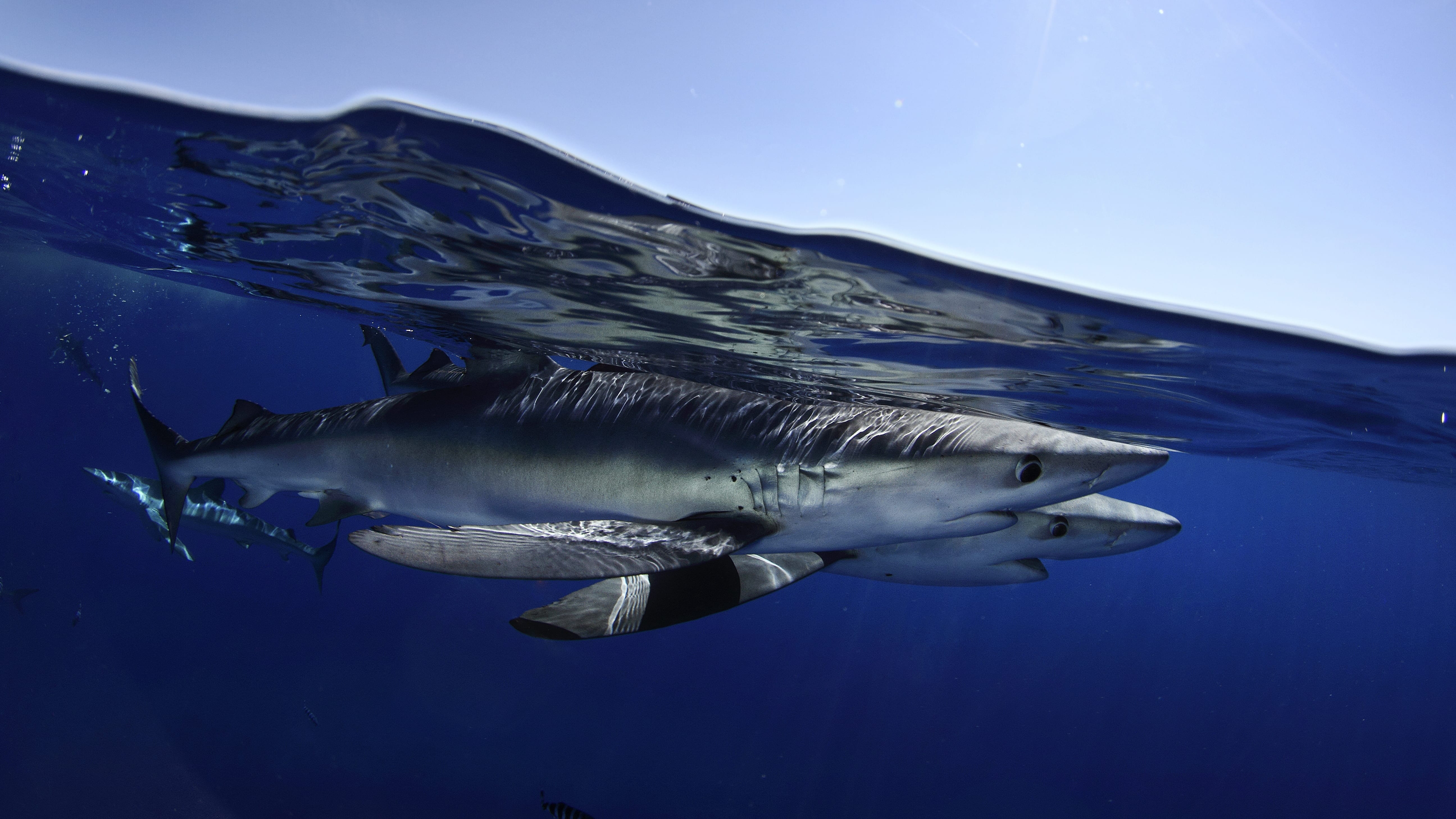
Blue sharks use large, swirling ocean currents, known as eddies, to fast-track their way down to feed in the ocean twilight zone—a layer of the ocean between 200 and 1000 meters deep containing the largest fish biomass on Earth, according to new research by the Woods Hole Oceanographic Institution (WHOI) and the Applied Physics Lab at the University of Washington (UW).
Read MoreSharkCam reveals secret lives of basking sharks in UK
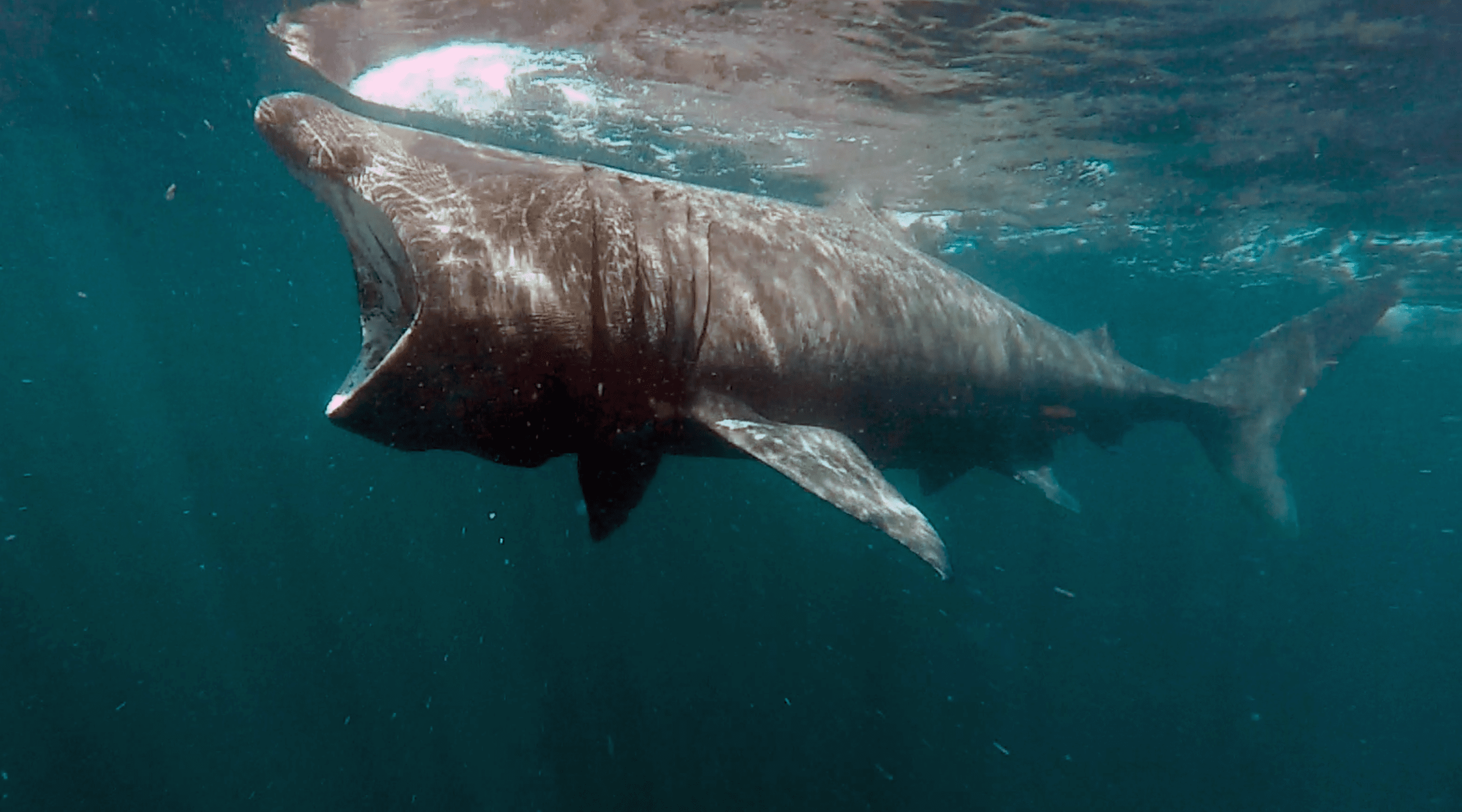
An autonomous underwater vehicle (AUV) known as the REMUS SharkCam has been used in the UK for the first time to observe the behaviour of basking sharks in the Inner Hebrides, off the west coast of Scotland.
Read MoreCracking the secret of green crabs
A feature story on Carolyn Tepolt, an assistant scientist in the WHOI Biology Department, and her research on the invasive green crab.
Read MoreInfrared Cameras Could Help Ships Avoid Whales
An interview with Dan Zitterbart, a WHOI scientist who is testing a new thermal infrared imaging system to detection whales in busy waterways to prevent ship strikes.
Read MoreA tunnel to the Twilight Zone
Scientists track hungry blue sharks as they ride swirling currents down to the ocean twilight zone—a layer of the ocean containing the largest fish biomass on Earth
Read MoreWhy do pilot whales strand? We ask experts
To find out what causes these mass strandings of whales, WMNF interviewed Darlene Ketten, a senior research scientist at Boston University and at Woods Hole Oceanographic Institute. Part of her research involves pathologies associated with whale strandings.
Read MoreSurprising Enzymes Found in Giant Ocean Viruses
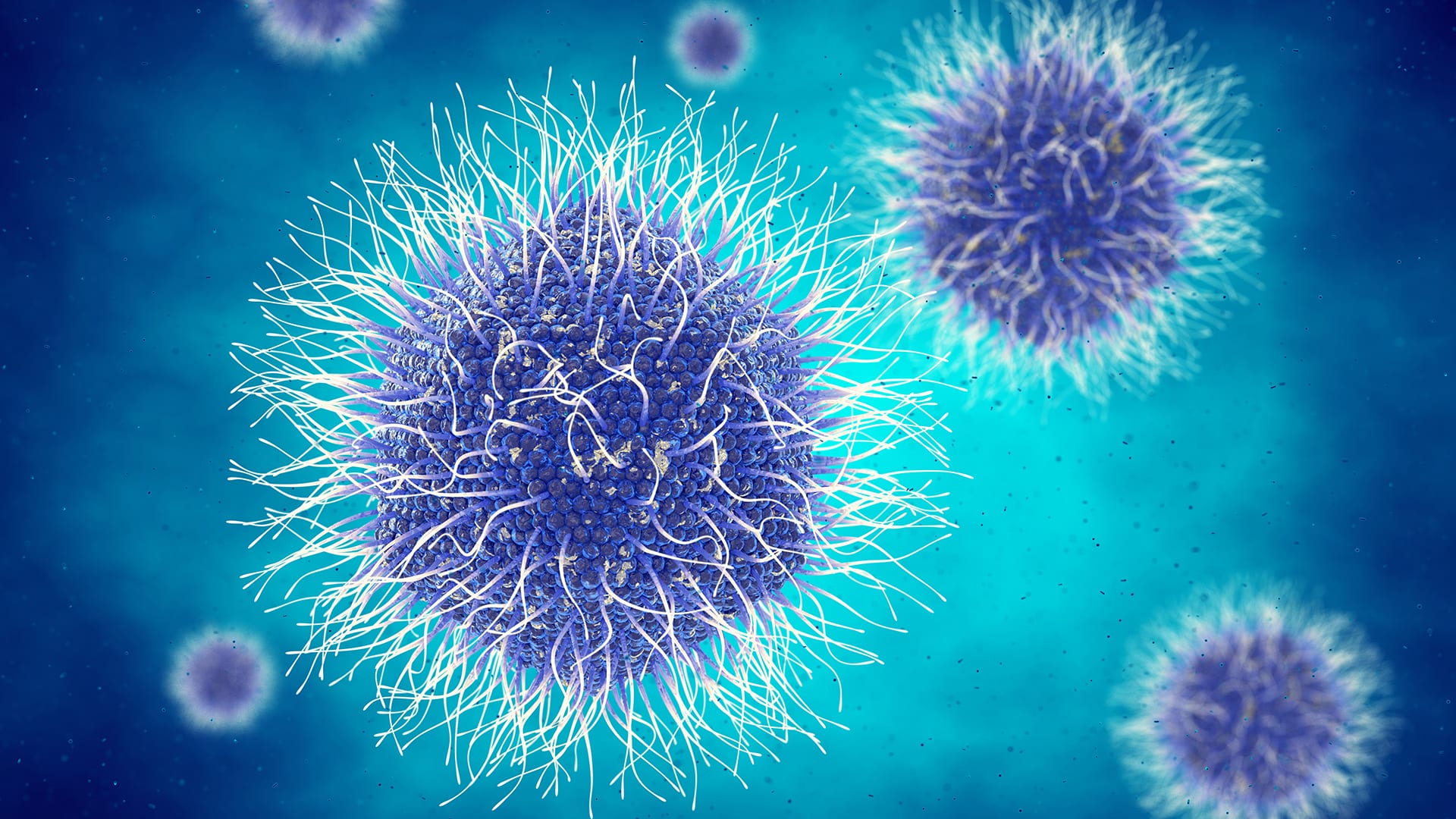
Findings could represent new drug targets for human pathogens A new study led by researchers at Woods Hole Oceanographic Institution (WHOI) and Swansea University Medical School furthers our knowledge of…
Read MoreNew Sub-species of Pilot Whale Identified in Pacific Ocean
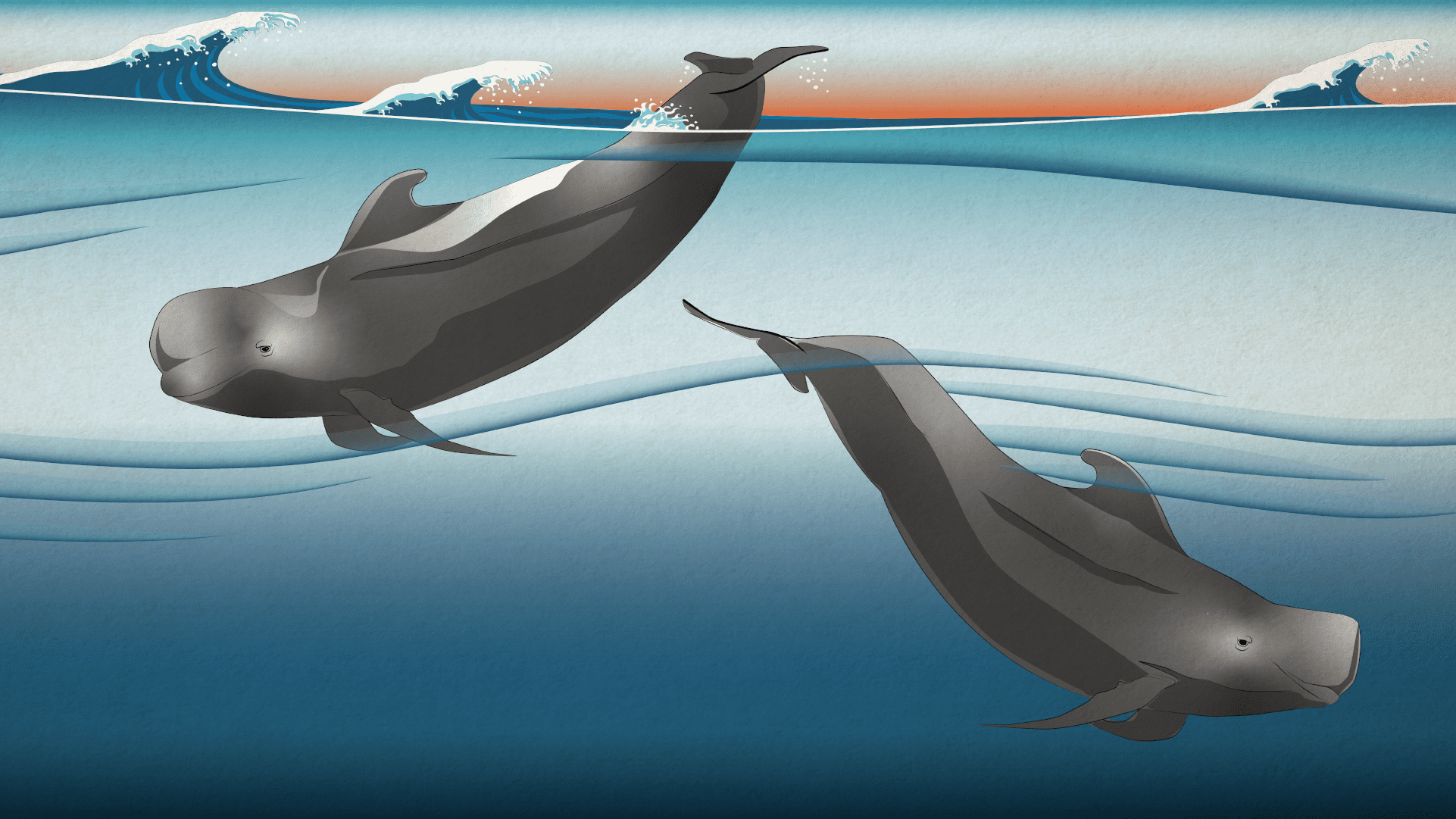
Short-finned pilot whales have long been recognized as a single species, but a recent study found that two unique subspecies actually exist.
Read MoreFish with Flashlights
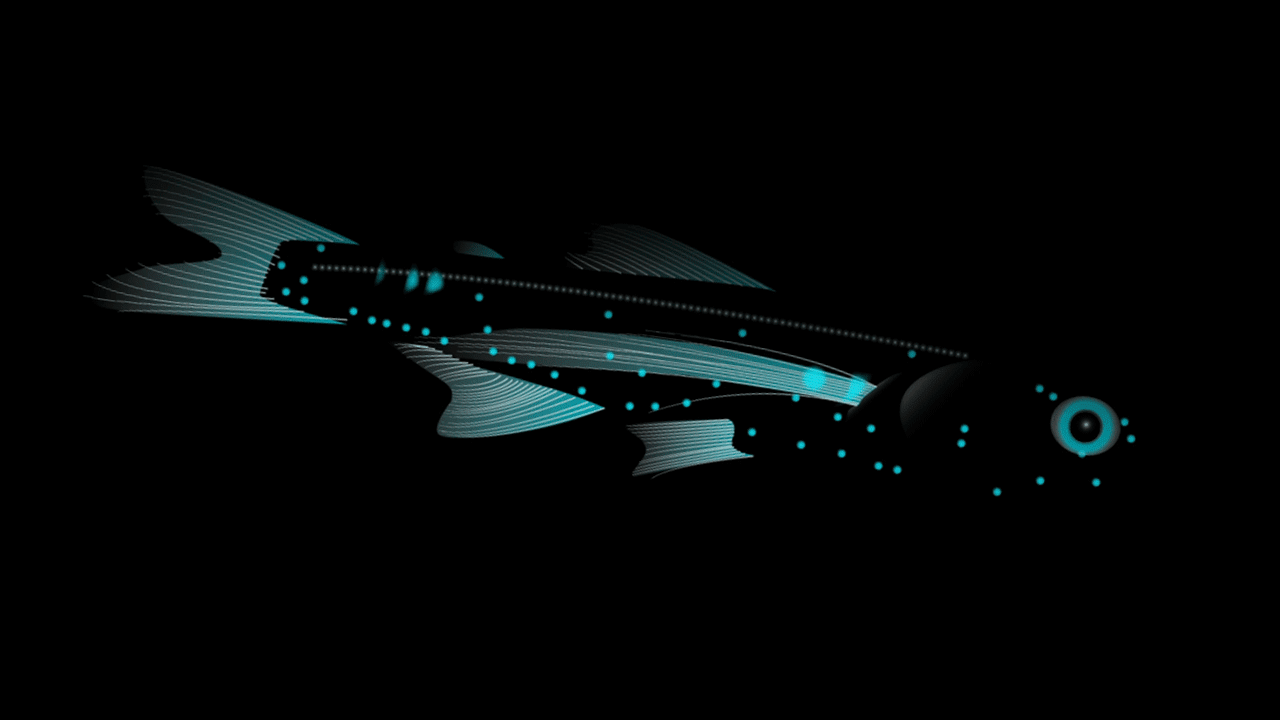
Down in the dark and shadowy ocean twilight zone, countless species—bristlemouths, lanternfishes, jellies, and others—rely on bioluminescence for a variety of important functions, including finding their next meal, outsmarting predators, and looking for mates.
Read MoreScientists investigate global spread of stinging jellyfish
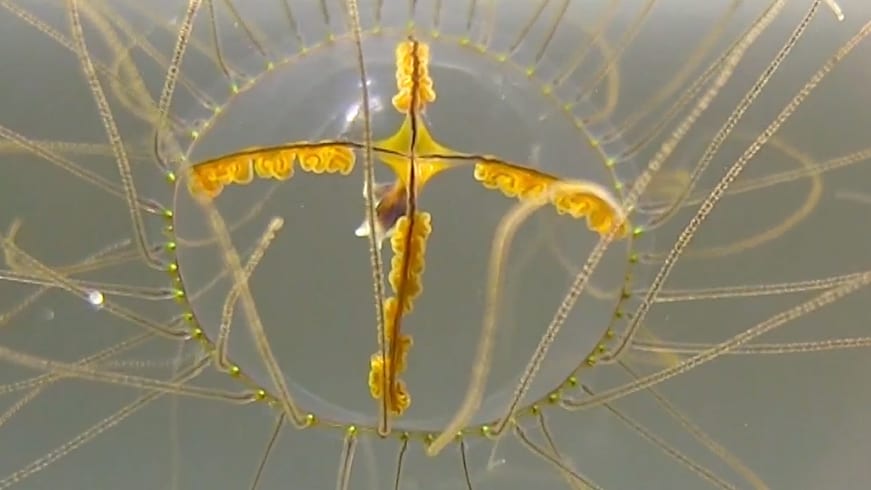
New invasions reported in New England and Sweden, prompting researchers to look at a variety of potential causes including transportation, warmer ocean temperatures, and a resurgence of eelgrass.
Read MoreVirgin Island Corals in Crisis
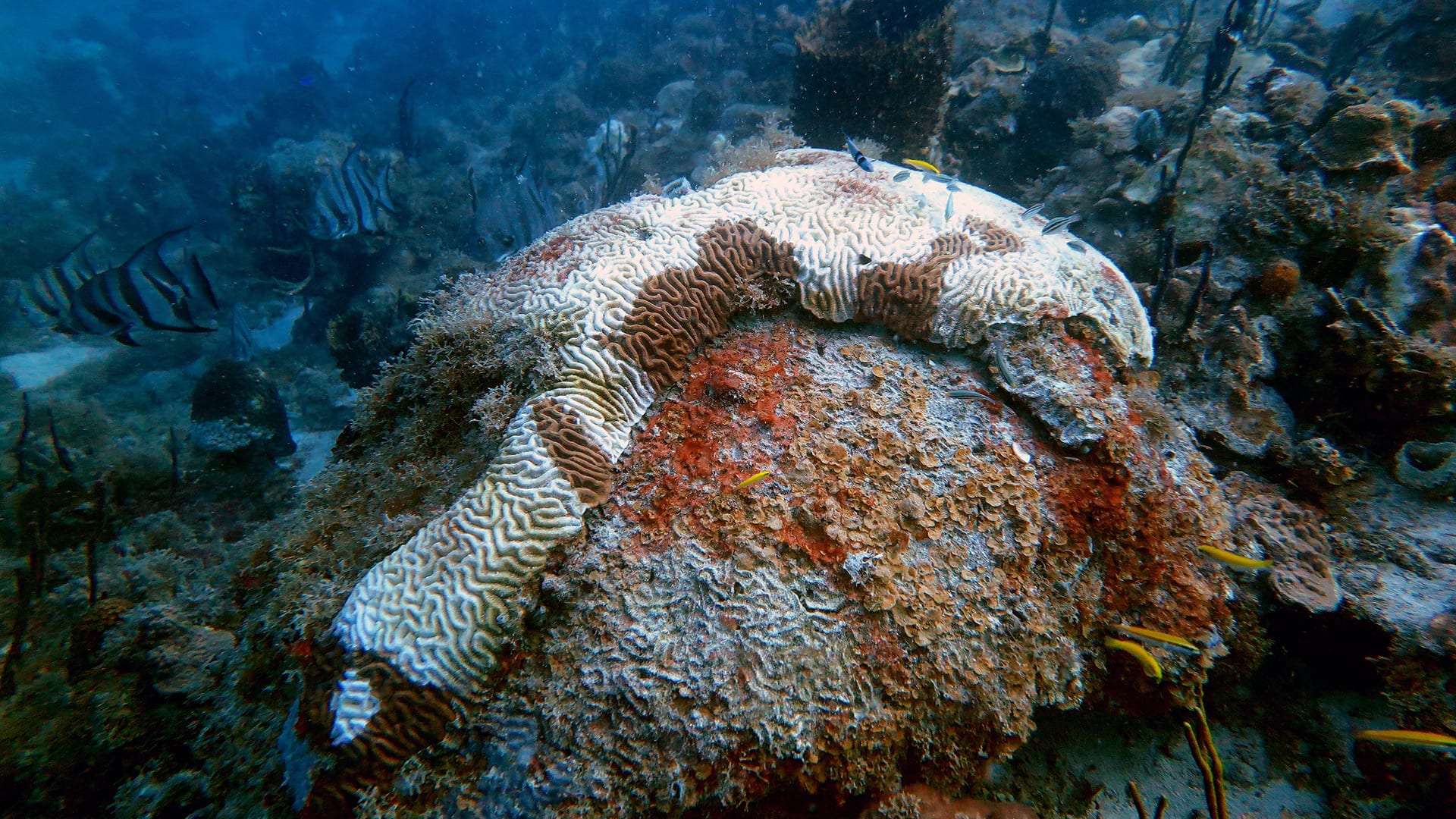
A coral disease outbreak that wiped out nearly 80% of stony corals between Florida’s Key Biscayne and Key West during the past two years appears to have spread to the U.S. Virgin Islands (U.S.V.I.), where reefs that were once vibrant and teeming with life are now left skeleton white in the disease’s wake.
Read MoreUntangling Impacts on Right Whales
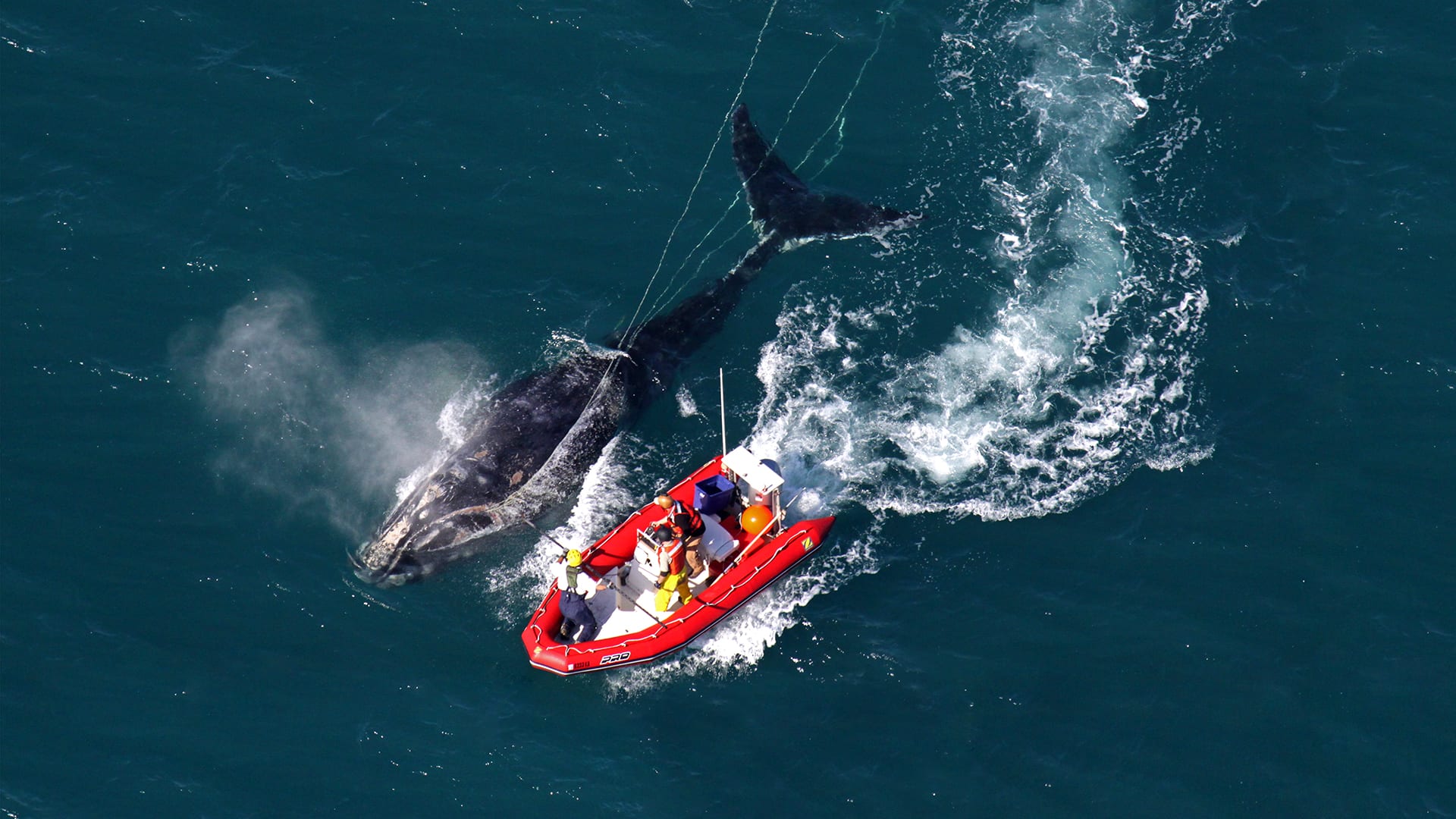
Whale scientists look for new ways to mitigate whale entanglements in fishing lines
Read MoreSeal Spy
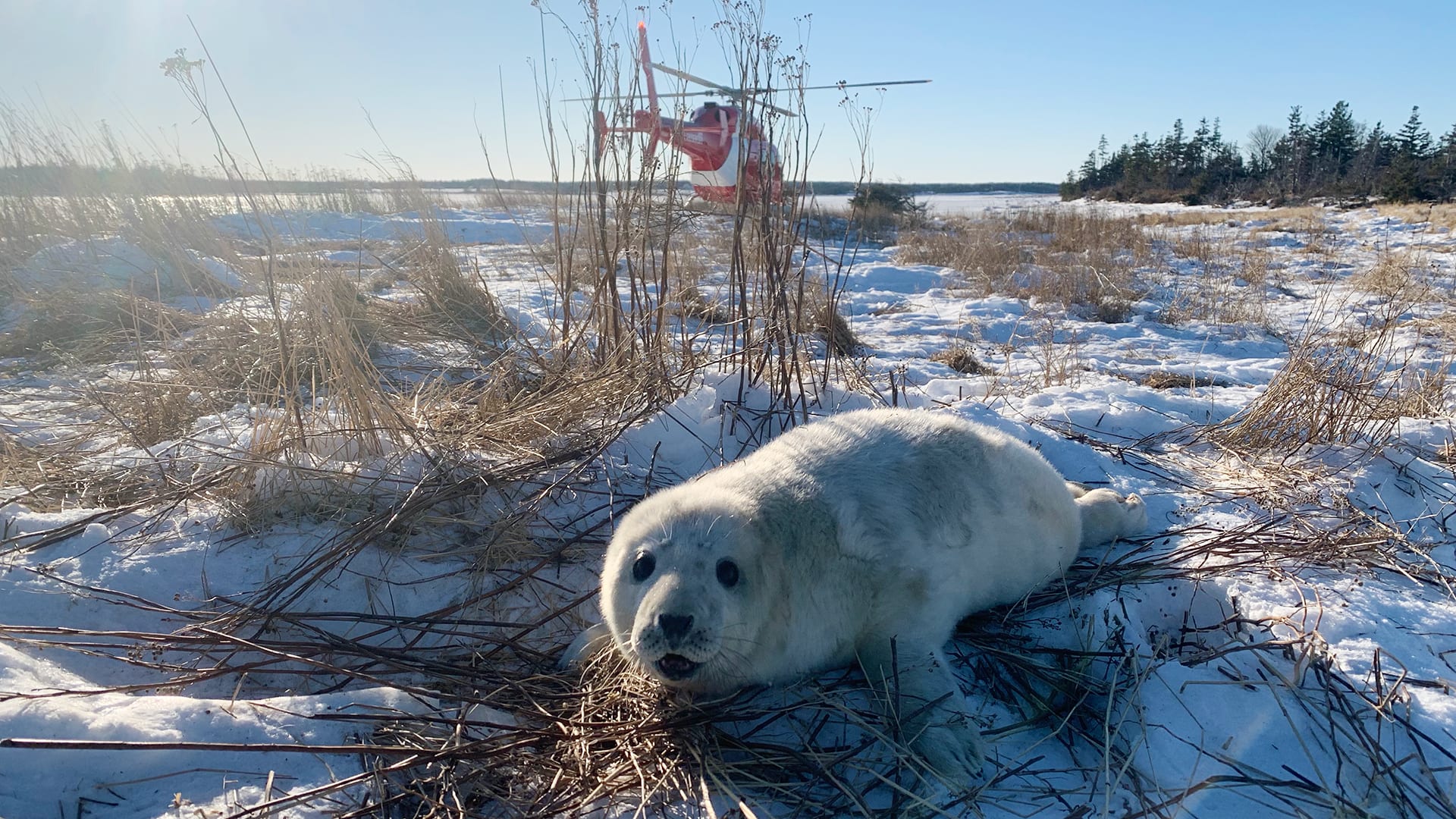
Drones helps WHOI scientist measure the body mass of mother and pup seals during lactation
Read MoreNew Species of ‘Bubblegum Coral’ Discovered at Imperiled Undersea Monument

New Deep-Sea Coral Species Discovered in Atlantic Marine Monument
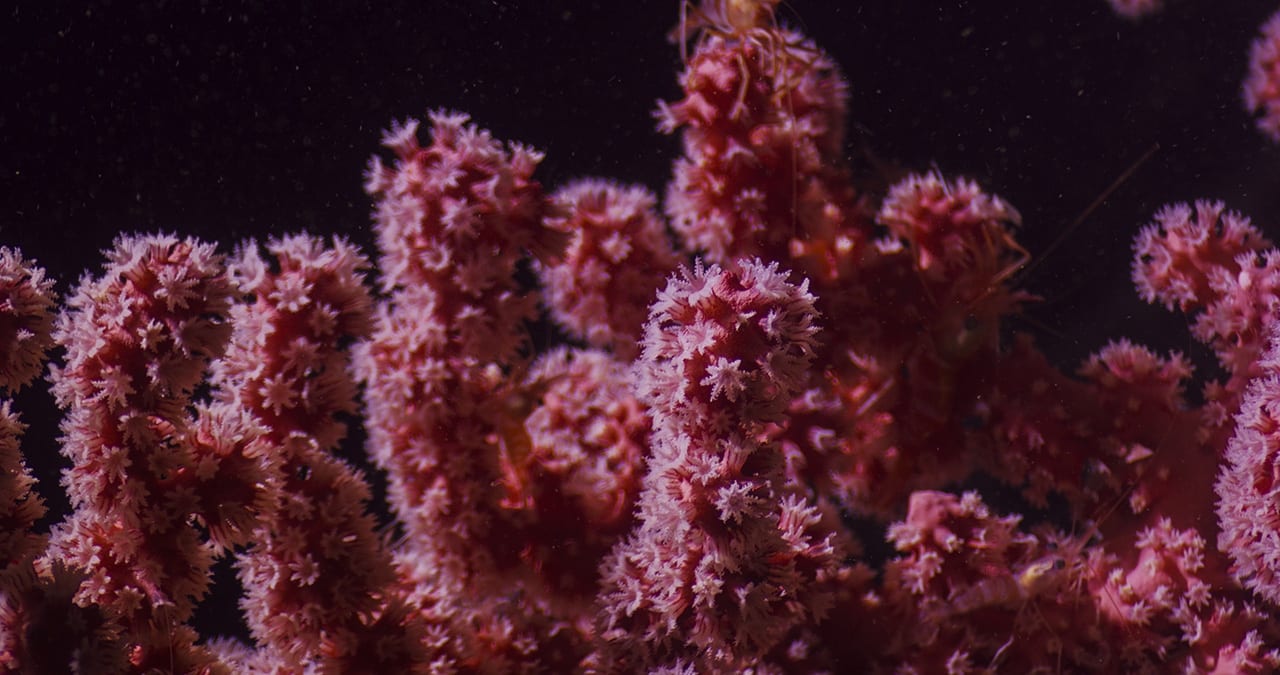
New ‘bubblegum’ corals found in Northeast Canyons and Seamounts National Monument during human-occupied submersible dives.
Read MoreNew Initiative Launched to Help Protect New Yorks Great Whales
Quotes (Mark Baumgartner)
Read MoreThe Deep-See Peers into the Depths
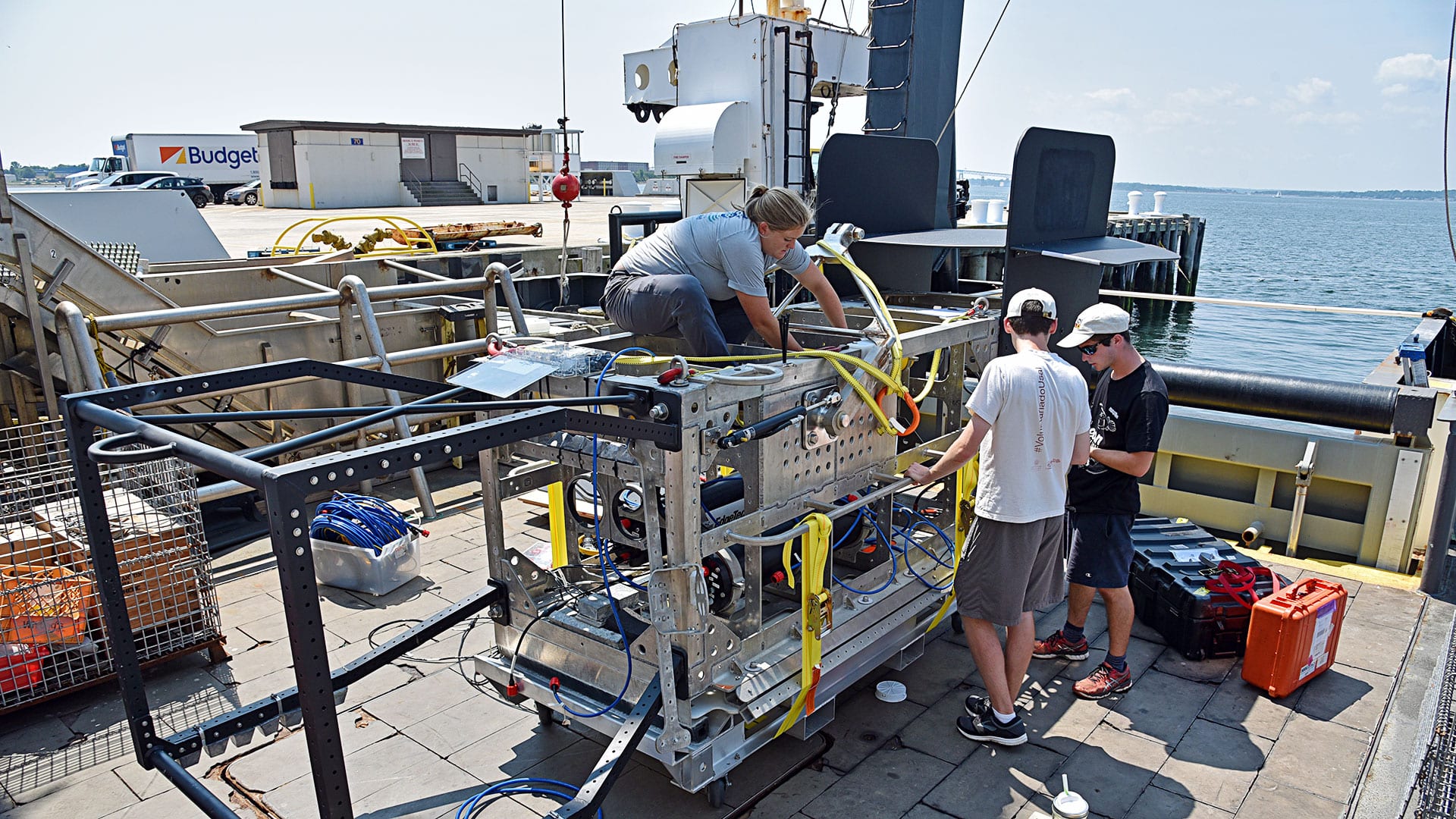
Decades of research from many WHOI scientists and engineers have culminated in a multifaceted vehicle to explore deep-sea marine life.
Read More