
Biology
Biology Department Seminar: Title to be announced
Kris Lewis, University of Rhode Island Sponsored by: Biology Department – Redfield Auditorium
Read MoreSampling Gulf Stream plankton, one teaspoon at a time
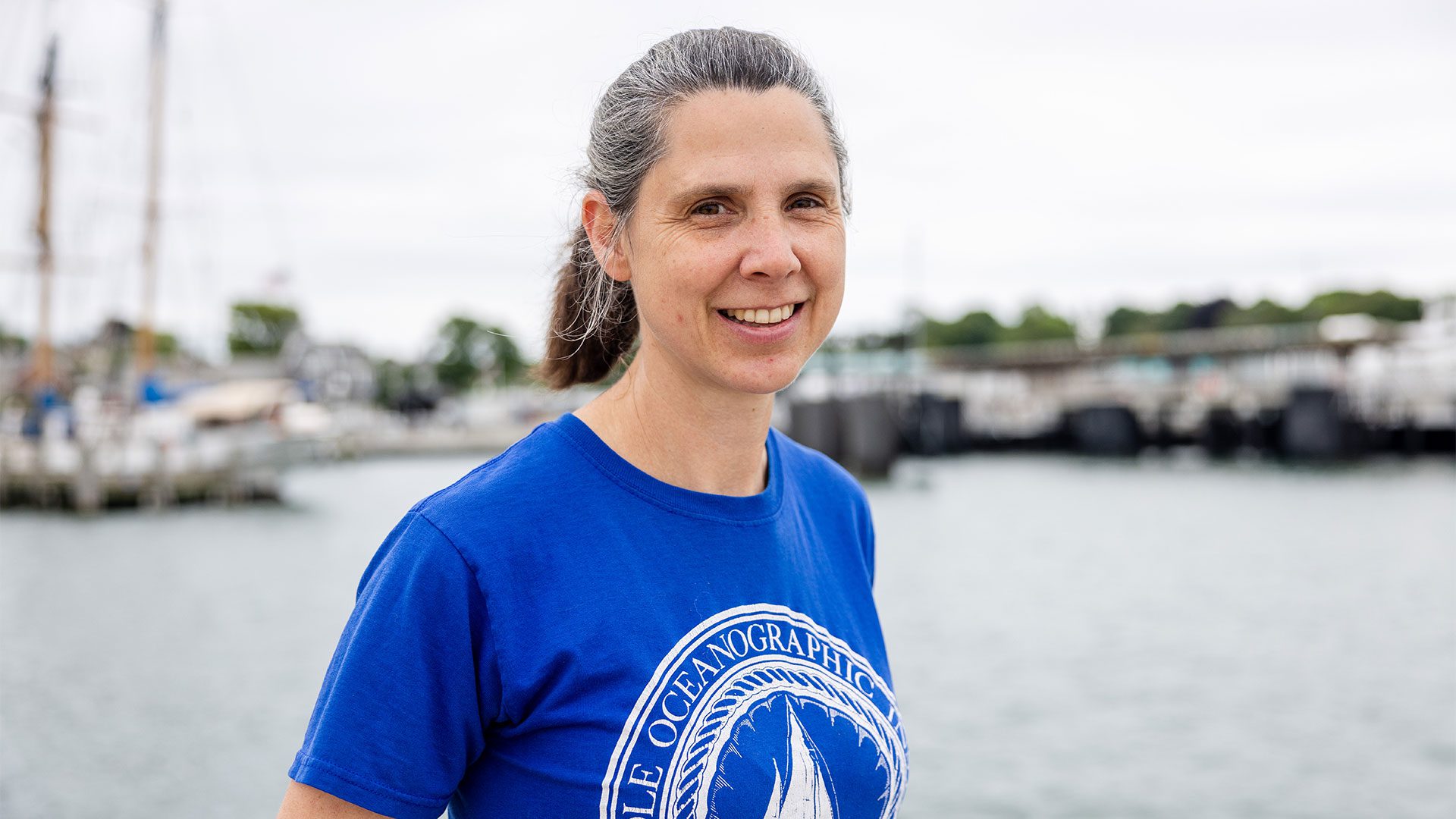
Three questions with marine research technician Emily Peacock
Read MoreBiology Department Seminar – Joel Llopiz Seminar
Climate and Fisheries – Where to Next? John Hare, NOAA Sponsored by: Biology Department – Redfield Auditorium (reception to follow) Remembering Joel Joel joined WHOI in 2010 and became a…
Read MoreCan a species evolve fast enough to avoid extinction under a changing climate?
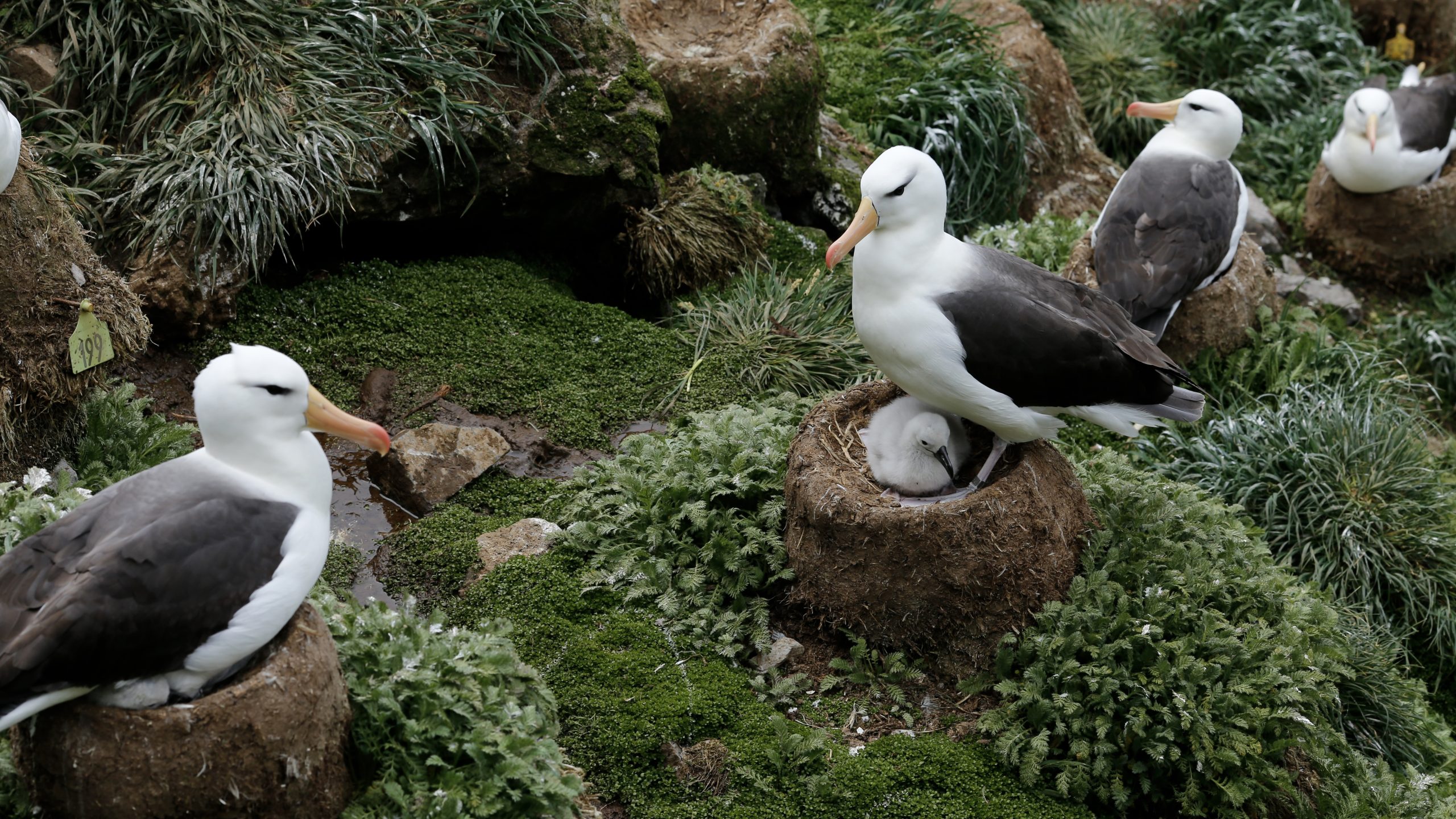
New WHOI-led study of black-browed albatrosses finds that climate mitigation may matter more than evolution for population persistence
Read MoreThese seabirds fly toward cyclones, not away from them
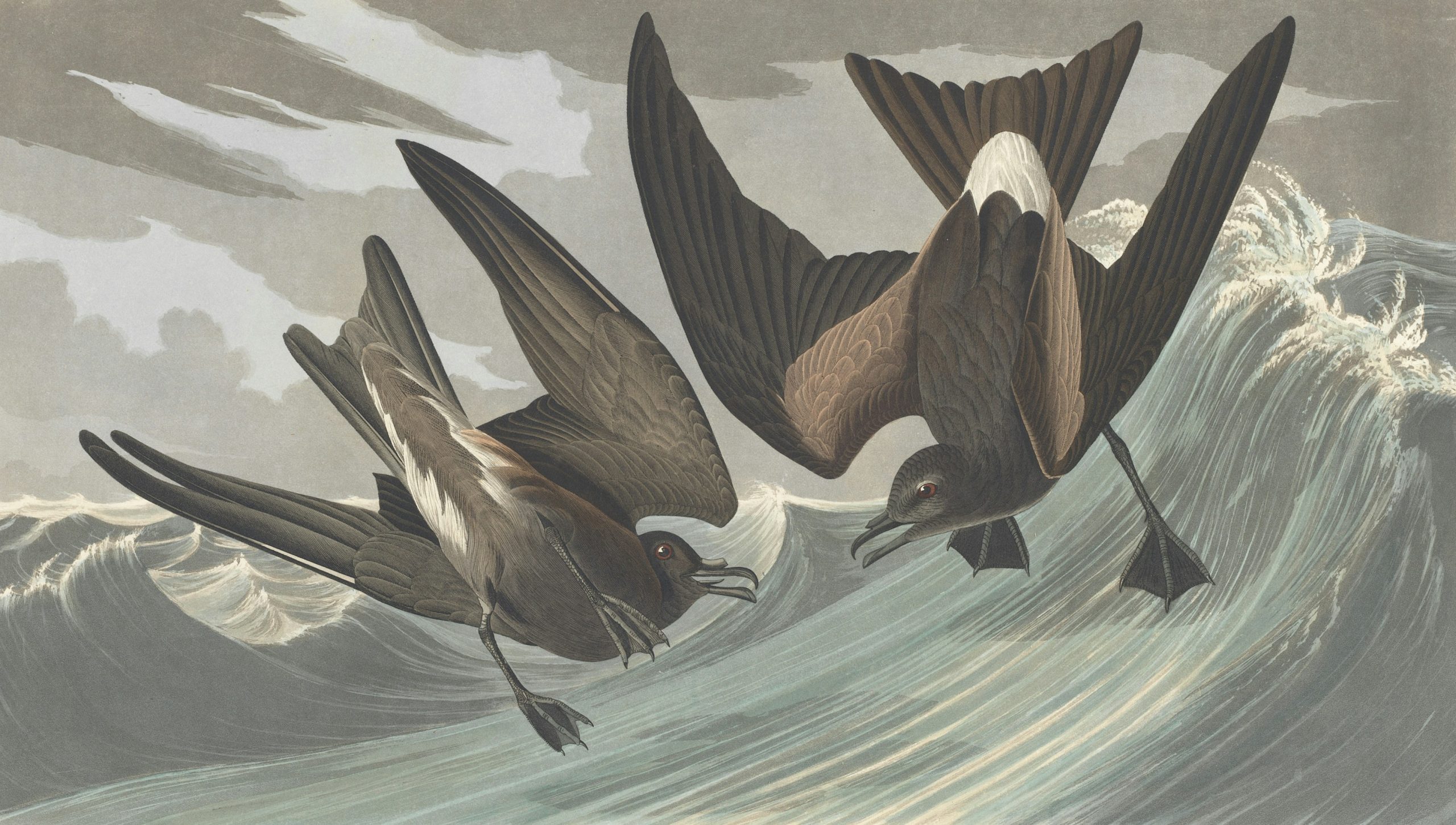
New GPS tracking on petrels reveals a surprising survival strategy hidden in the eye of the storm
Read MoreBiology Department Seminar
Koty Sharp, Roger Williams University Sponsored by: Biology Department – Redfield Auditorium
Read MoreHuyen Bach

Colin Hutton

Nicolas Lee

Imadh Mashoor

Amrin Sazia

Saiph Sorell
Biology Department Seminar: Quantification and Diversity of a Ubiquitous ssDNA Phage Group (Gokushovirinae) in the Red Sea Through the Polony Technique
Natalie Sawaya, University of South Florida Sponsored by: Biology Department – Redfield Auditorium
Read MoreBiology Department Seminar: Genomic Language Modeling for Context-Aware Biological Discovery
Yunha Hwang, MIT Sponsored by: Biology Department – Redfield Auditorium
Read MoreBiology Department Seminar: Title to be announced
Greg Britten, WHOI Sponsored by: Biology Department – Redfield Auditorium
Read More3 questions with Cam Braun
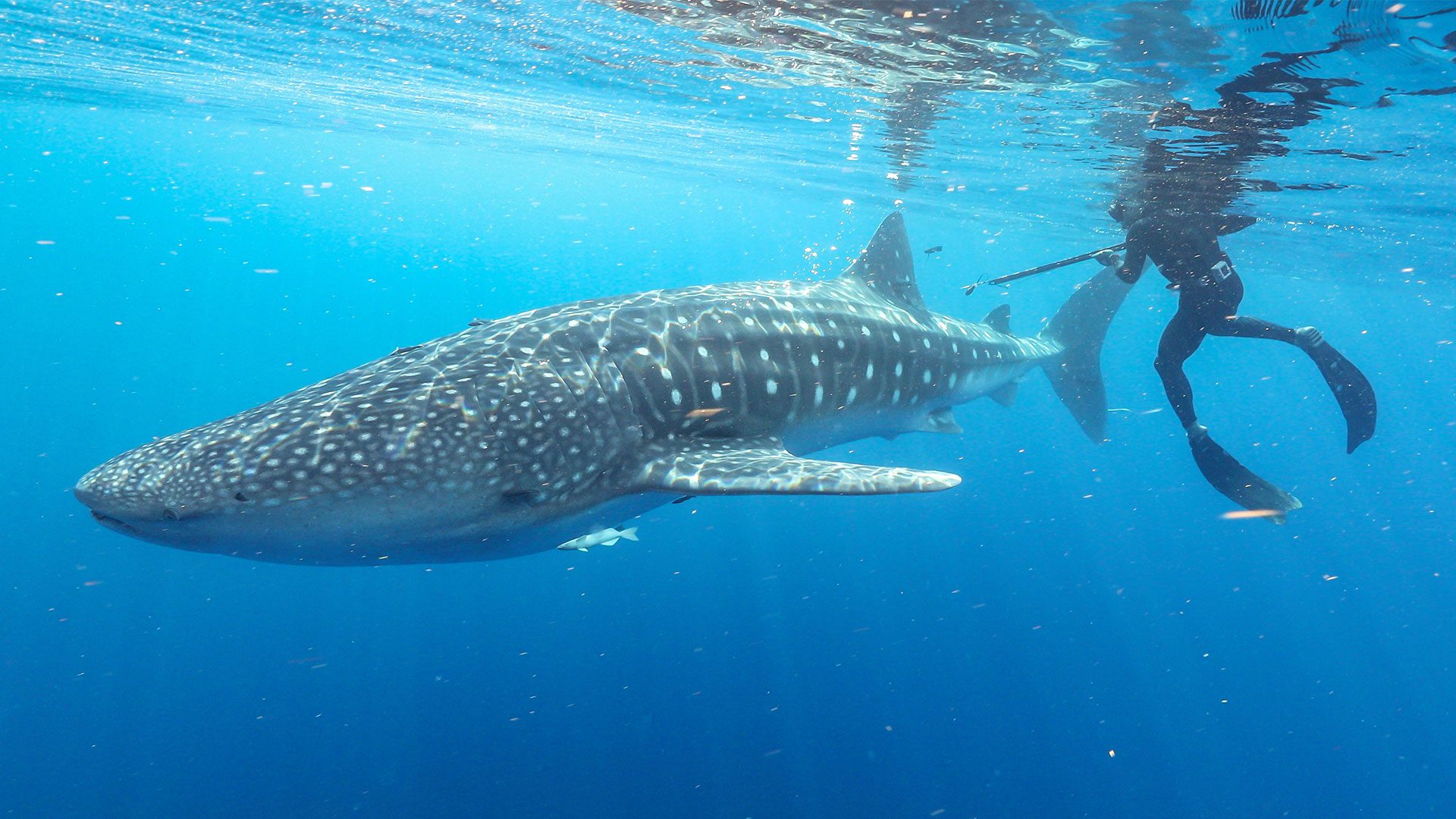
Marine biologist Camrin Braun explains why the world’s largest fish visit waters off Cape Cod—and what their epic migrations reveal about a changing ocean
Read MoreScientists warn of potential global marine invasive species event linked to idle ships in the Strait of Hormuz
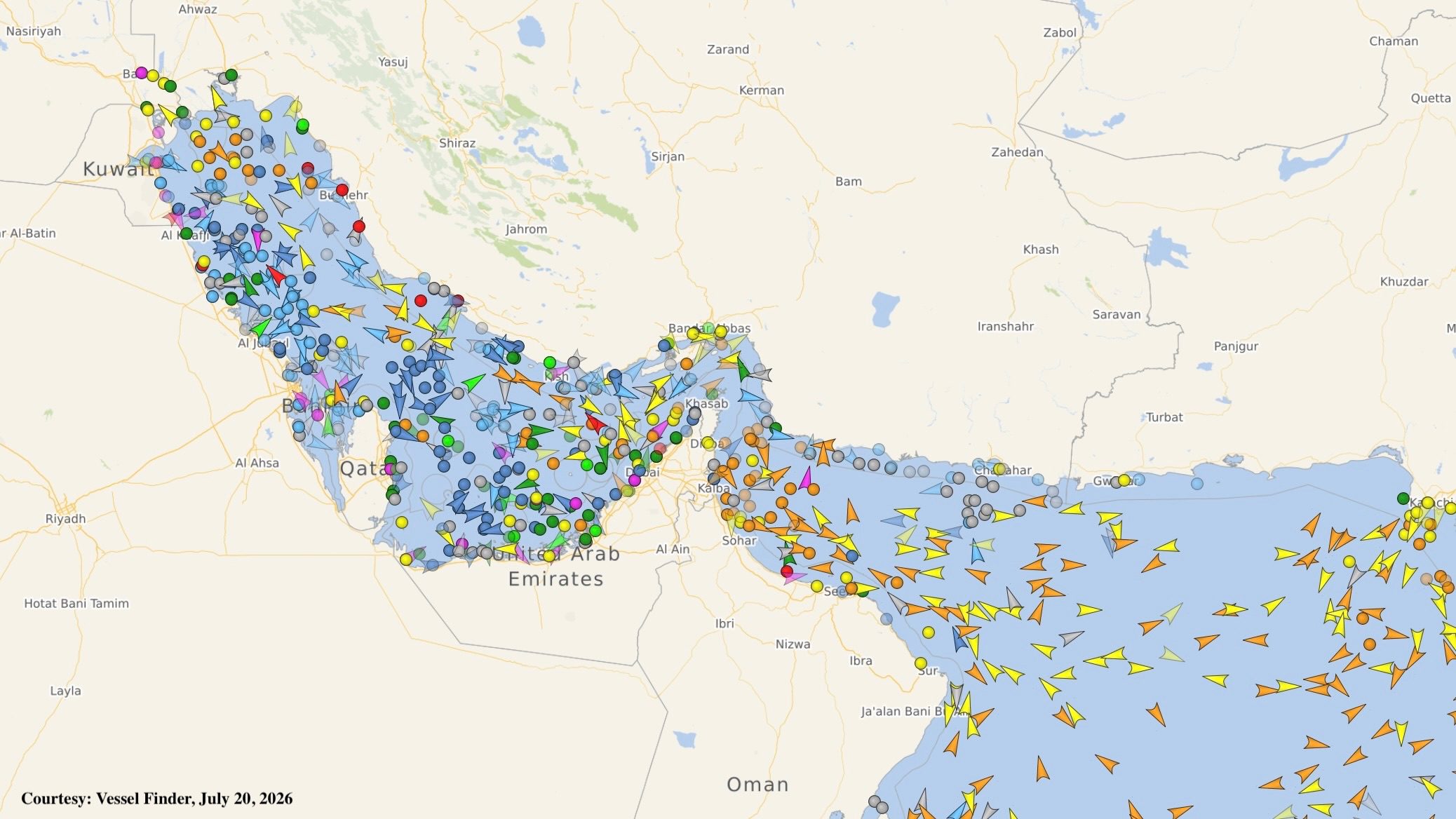
New analysis says thousands of stranded vessels may unintentionally spread invasive marine life worldwide
Read MoreThe NSF Seafood Engine in New England wins $15M U.S. National Science Foundation award to strengthen fisheries and aquaculture
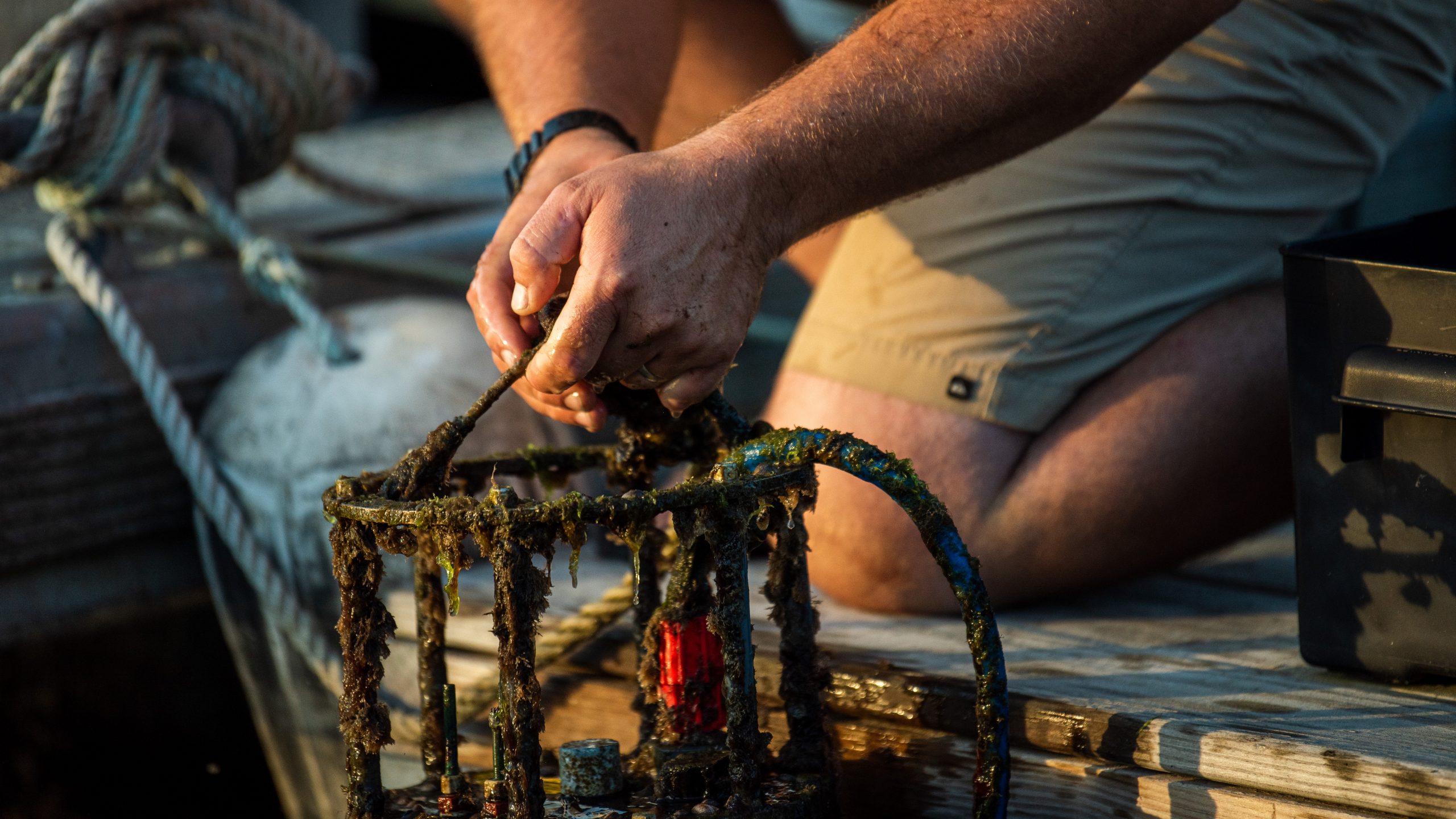
The Seafood Engine will initially receive an award of $15 million over two years, with the potential to grow up to $160 million over ten years as it works to build an internationally competitive technology and innovation cluster.
Read MoreExpedition captures first detailed imagery of Robert Falcon Scott’s last ship, Terra Nova, using cutting-edge Canadian Voyis 3D technology
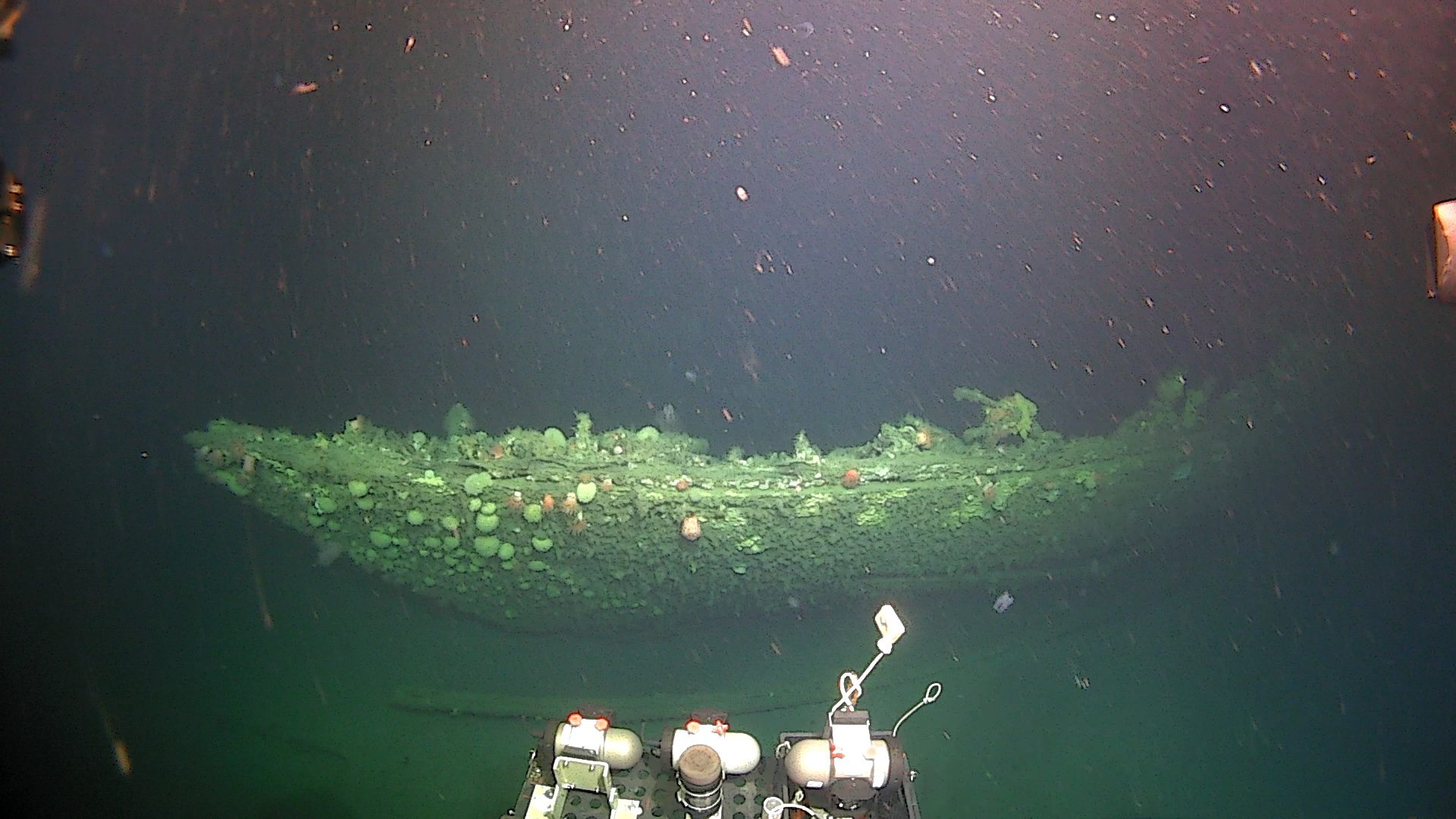
The Heroic Age Expedition, led by the Royal Canadian Geographical Society in partnership with Woods Hole Oceanographic Institution, reveals the famed Antarctic explorer’s last ship, Terra Nova in stunning detail
Read MoreIs underwater noise from construction affecting the American Lobster?
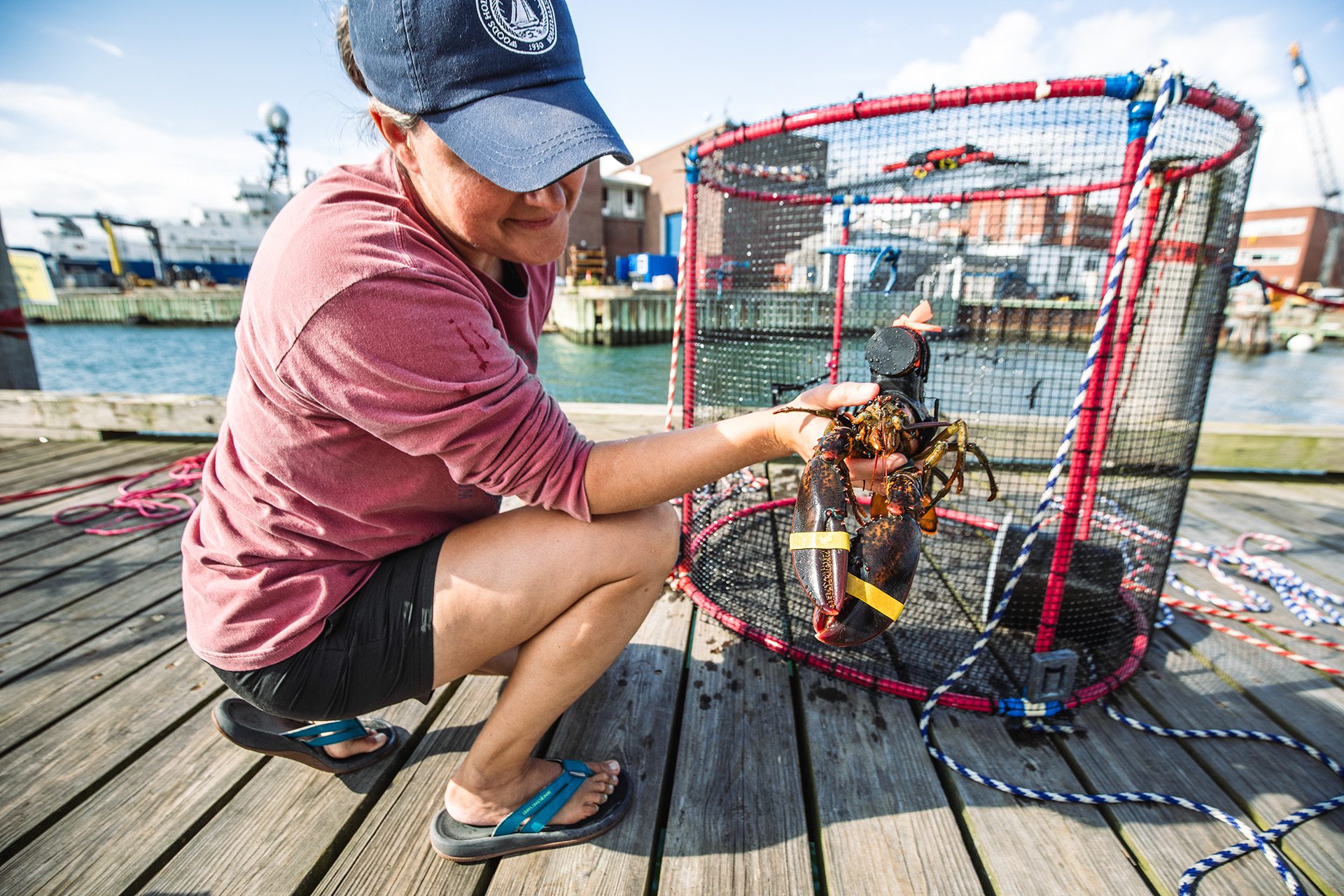
WHOI’s Sensory Ecology Lab investigates whether an industrialized soundscape impacts the health of a New England icon
Read MoreHeroic Age Expedition to survey two of the world’s most famous shipwrecks
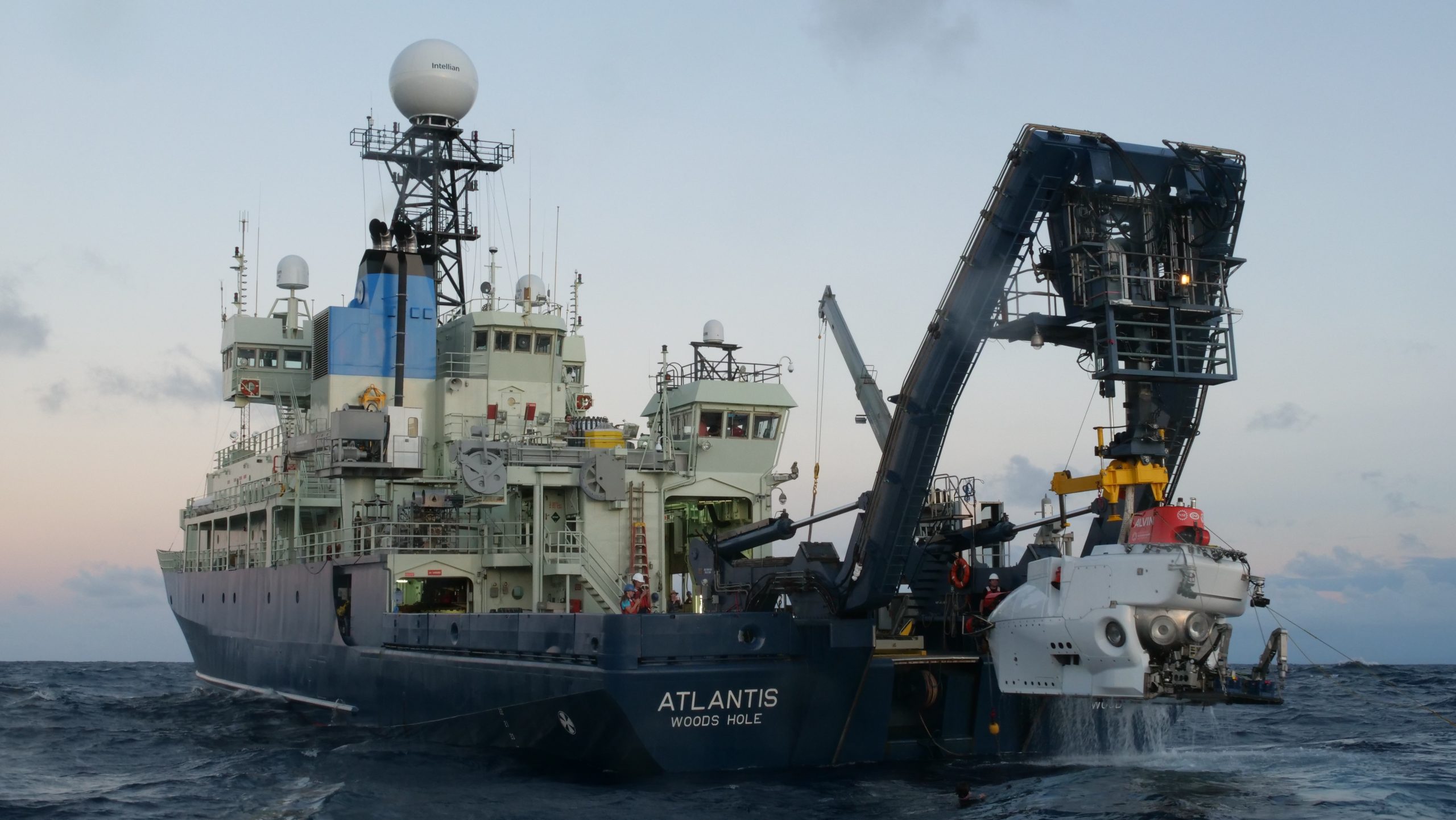
The Royal Canadian Geographical Society, in partnership with WHOI, will undertake “once-in-a-generation” expedition to survey Sir Ernest Shackleton’s Quest and Captain Robert Falcon Scott’s Terra Nova
Read MoreDeep-sea dustbins
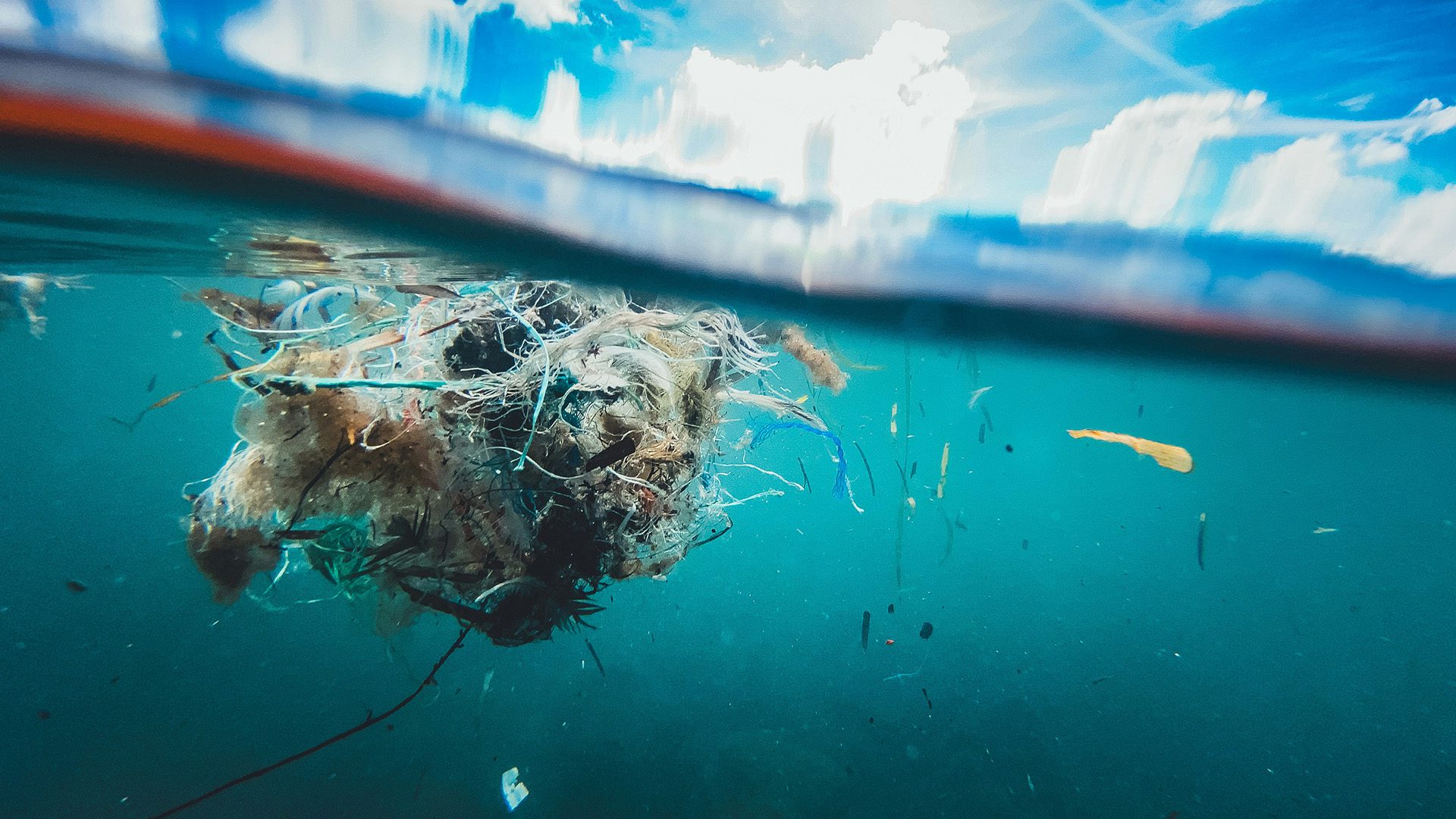
The marine debris concentrating in the Northwest Atlantic’s underwater canyons
Read MoreSquishy survivor
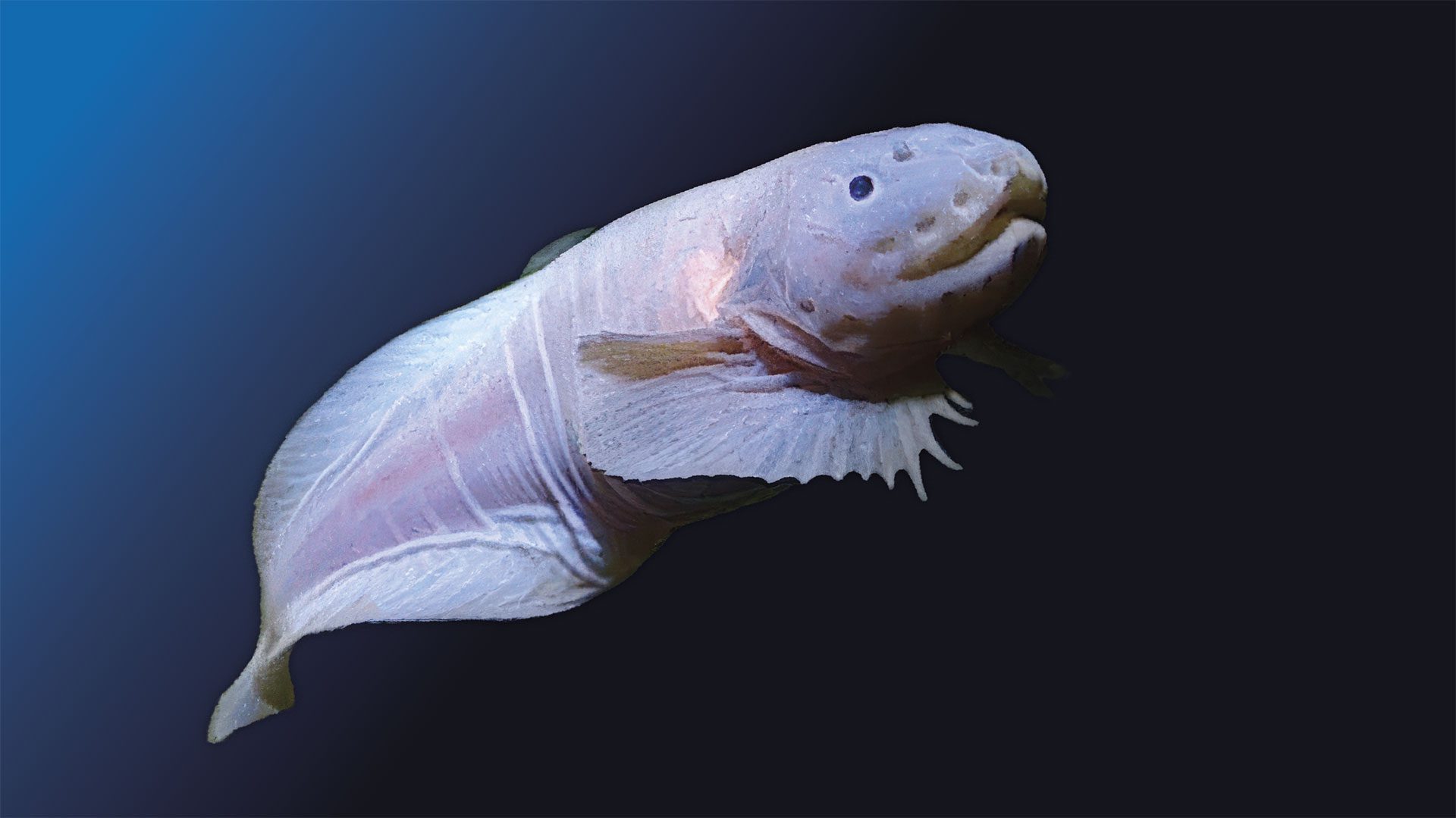
How the snailfish survives the ocean’s most extreme pressures
Read MoreAnswers from the abyss
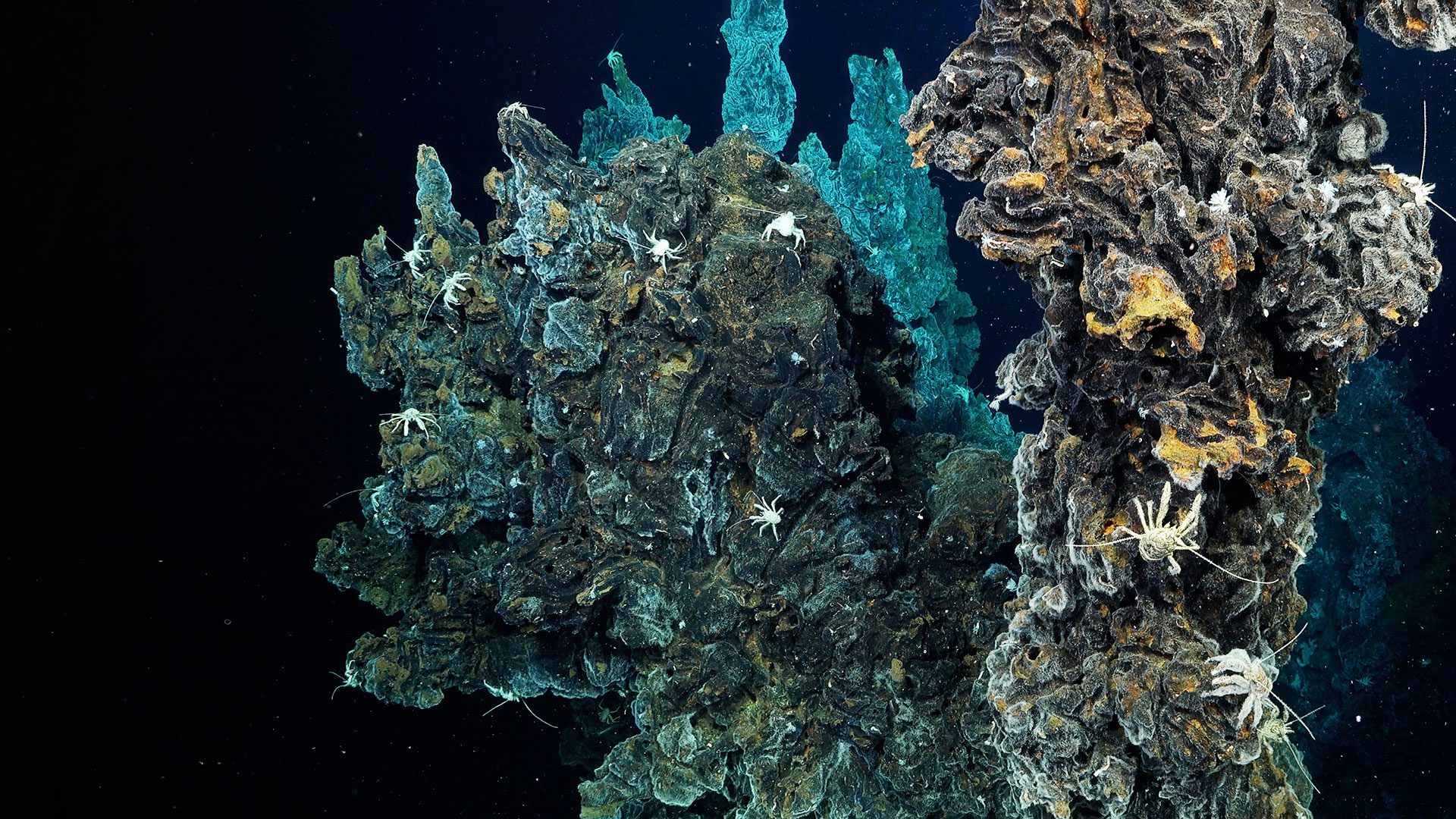
How new discoveries in the deep could change life at the surface
Read More