
Applied Ocean Physics & Engineering
Arctic Voyage Tests New Robots for Ice-covered Oceans
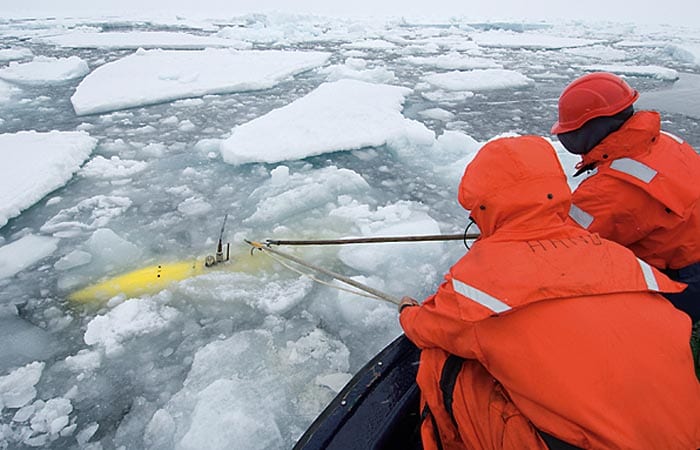
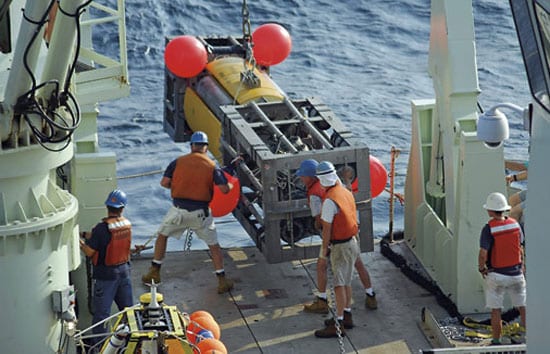
In the summer of 2007, an international team led by scientists at Woods Hole Oceanographic Institution sailed to the Arctic Ocean aboard the Swedish icebreaker Oden. Their missions: to test…
Read MoreDNA in Shipwrecked Jars Reveals Clues to Ancient World
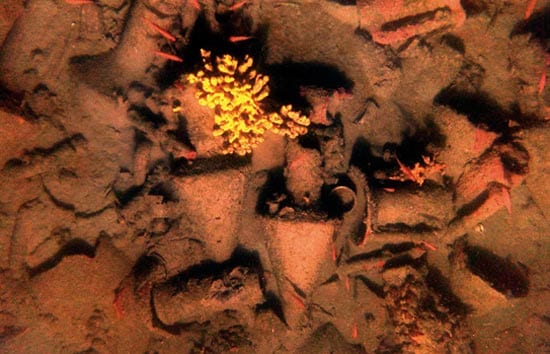
Scraping inside clay jars recovered from a 2,400-year-old shipwreck, two researchers found DNA fragments that revealed the jars’ long-disappeared probable cargo: oregano, olive oil, and wine. The genetic technique, developed…
Read MoreHappy as a (Newly Discovered) Clam
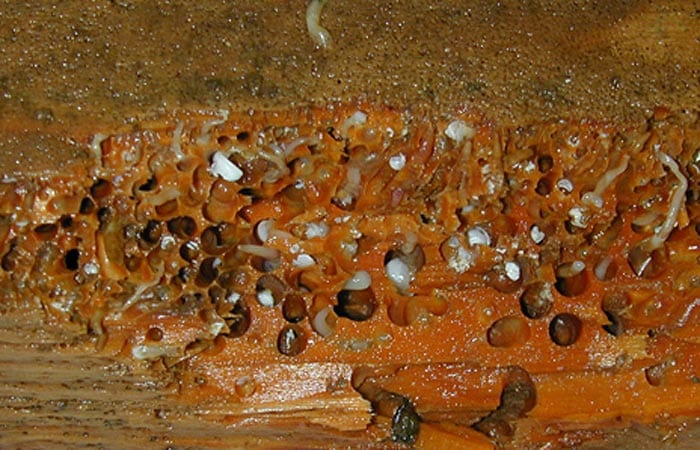
Aboard a research ship in 1997, Janet Voight was amazed when she examined a small log that researchers just happened to trawl up from the bottom of the sea: It…
Read MoreDennis McGillicuddy Receives 27th Annual Rosenstiel Award

The University of Miami?s Rosenstiel School of Marine and Atmospheric Science has selected Dennis J. McGillicuddy, Jr., Ph.D., as recipient of the 2008 Rosenstiel Award. McGillicuddy, a senior scientist in the Department of Applied Ocean Physics and Engineering at WHOI is a pioneer in the study of physical-biological interactions in the ocean.
Read MoreRobot Paints Stunning Map of Deep-sea Volcano
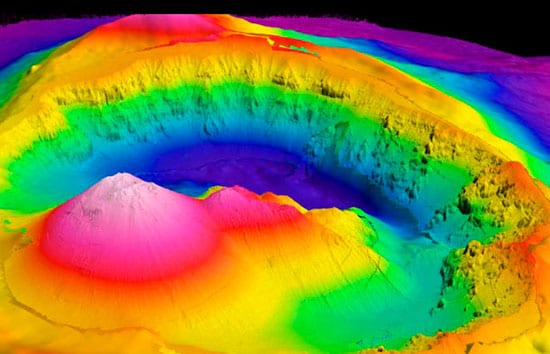
Painting with sonar, each brushstroke a “ping” of sound reflected off the seafloor, the robotic underwater vehicle called ABE created a masterpiece of a landscape—one that is submerged about a…
Read MorePut the D-tag on the Manatee
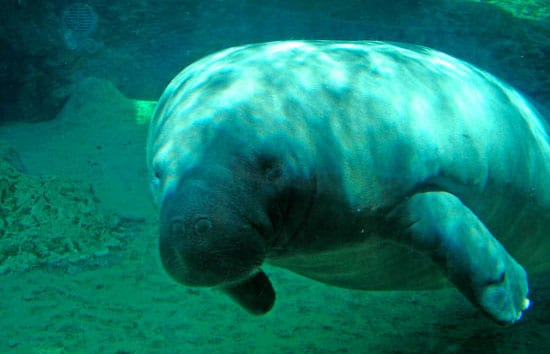
When boats hit manatees, the outcome is often grim. Bones are broken and skins sliced. Despite regulations designed to prevent collisions, dozens of manatees in Florida continue to be injured or…
Read MoreCSI Deep Water: Finding Invisible Clues to Ancient Greek Culture
Like forensic investigators hunting for strands of DNA at a crime scene, Maria Hansson and Brendan Foley have found a way to detect archaeological clues that are invisible to the naked eye. Hansson and Foley have developed a genetic technique to determine the original contents of amphoras, the ceramic vessels often used for transporting and storing goods in the ancient world.
Read MoreBuilding International Bridges to Explore Ridges
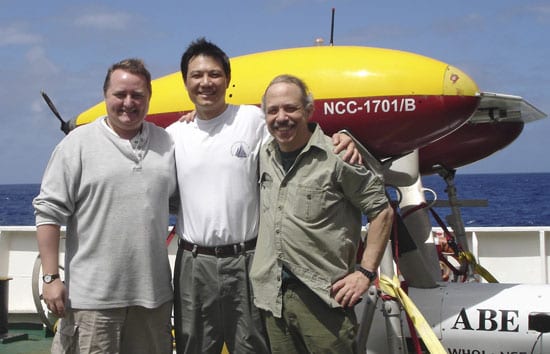
In January 2007, WHOI scientists Jian Lin, who grew up in China, and Chris German, who grew up in England, became the new chair and co-chair of an international organization…
Read MoreA 3-D Underwater Soundscape
The Deepest Divers
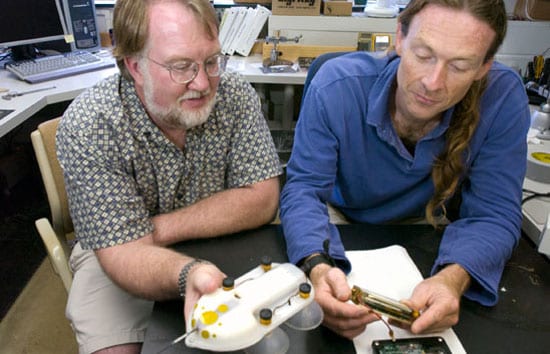
For years, sperm whales and elephant seals were thought to hold world records for holding their breath under water. But those animals have nothing on beaked whales. Using digital tags…
Read MoreExplorers to Use New Robotic Vehicles to Hunt for Life and Hydrothermal Vents on Arctic Seafloor
Researchers will probe the Gakkel Ridge during expedition that begins on July 1.
Read MoreA Ridge Too Slow?
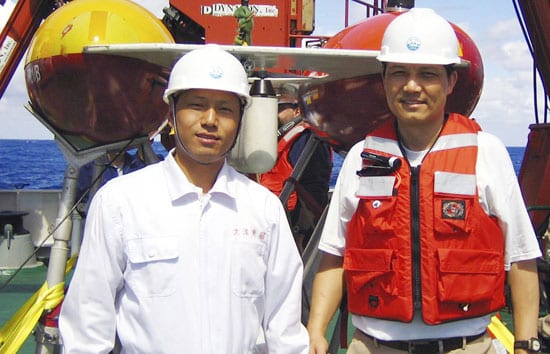
Ever since scientists first discovered vents gushing hot, mineral-rich fluids from the seafloor in the Pacific Ocean 30 years ago, they have found them in various places along the Mid-Ocean…
Read MoreYoung Pup Teaches an Old Robot New Tricks
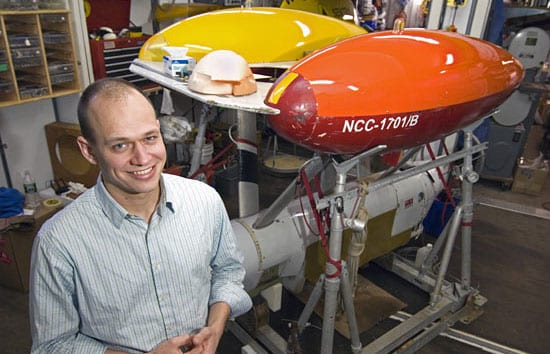
Mike Jakuba was still a year away from being born when scientists found vents on the seafloor that gushed hot, mineral-rich fluids and were surrounded by bizarre life forms thriving…
Read MoreJim Ledwell Awarded Agassiz Medal by National Academy of Sciences
Oceanographer Jim Ledwell of the Woods Hole Oceanographic Institution (WHOI) has been selected as the winner of the 2007 Alexander Agassiz Medal, awarded by the U.S. National Academy of Sciences…
Read MoreFour WHOI Researchers Recognized for Contributions to Science and Engineering
Four researchers have been recognized by the Woods Hole Oceanographic Institution (WHOI) for their contributions to ocean sciences research and engineering. All will receive funding provided by the endowed awards…
Read MoreHarmful Algal Bloom (Red Tide) Models and Forecasts to be Expanded in Gulf of Maine
A new observation and modeling program focused on the southern Gulf of Maine and adjacent New England shelf waters could aid policymakers in deciding whether or not to re-open, develop,…
Read MoreStudents Visit the Deep-sea Robot They Named
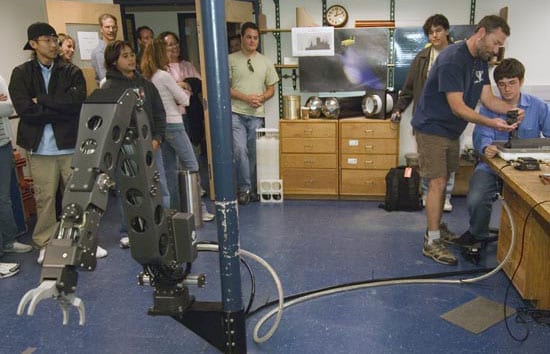
Seven students from a California high school took a field trip to the Woods Hole Oceanographic Institution in September, after they submitted the winning entry in a nationwide contest to name…
Read MoreEngineers Honored for Pioneering Undersea Robot
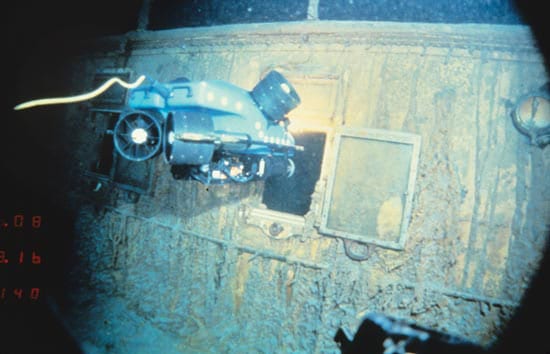
The engineering team at Woods Hole Oceanographic Institution that built the first fiber-optically cabled deep-sea robot Jason Jr. received the GlobalSpec Great Moments in Engineering award July 14, 2006—on the…
Read MoreListening for Telltale Echoes from Fish
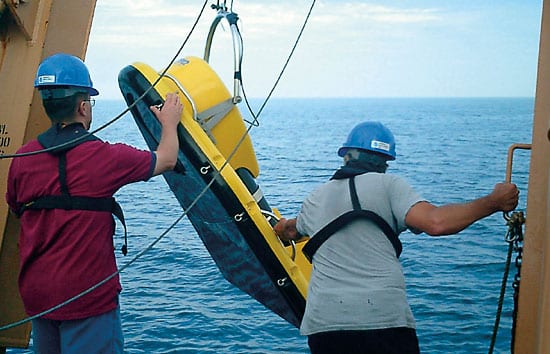
In the 1970s, scientists happened upon a curious phenomenon about sound waves in the ocean and swim bladders in fish: Bony fish have gas-filled sacs inside their abdomens called swim…
Read MoreGone Fish Assessing
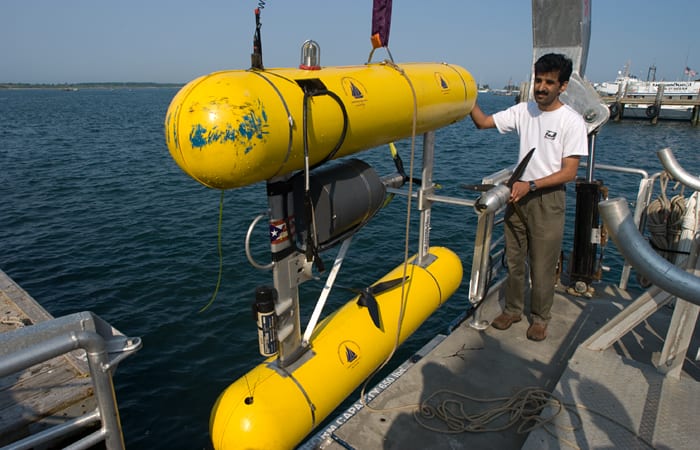
Scientists at WHOI are applying new technologies to help the National Marine Fisheries Services assess fish stocks and maintain critical habitats
Read MoreJason Versus the Volcano
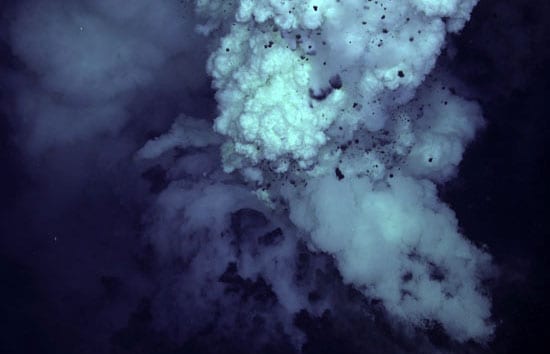
Through the camera eyes of the undersea vehicle Jason, scientists were investigating a quietly bubbling pit on the side of a large volcano on the seafloor south of Japan in…
Read MoreOcean Microscope Reveals Surprising Abundance of Life
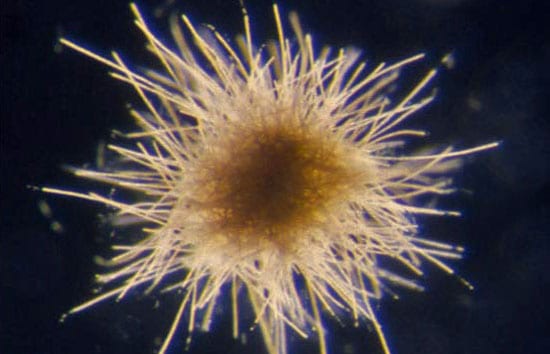
Towing an underwater video microscope across the Atlantic Ocean, two scientists found unexpected abundances of colonial cyanobacteria that fertilize the oceans with nitrogen. The bacteria may turn out to be…
Read MoreWoods Hole Engineering Team from Titanic Discovery to be Honored
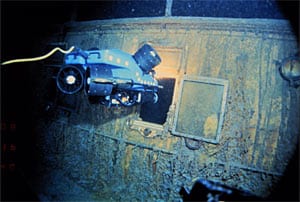
The underwater research vehicle Jason Jr., which gained international attention for its exploration inside the wreck of the R.M.S. Titanic in July 1986, and its engineering team from Woods Hole…
Read MoreNew Hybrid Deep-sea Vehicle Is Christened Nereus
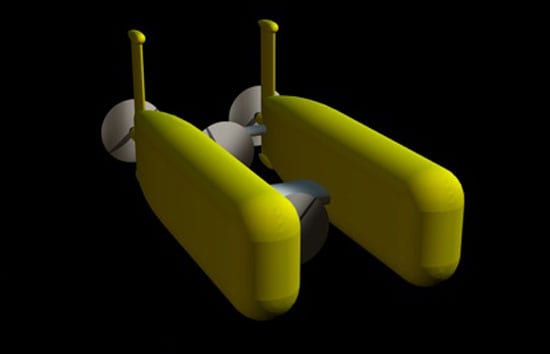
Nereus—a mythical god with a fish tail and a man’s torso—was chosen Sunday (June 25) in a nationwide contest as the name of a first-of-its-kind, deep-sea vehicle under construction at…
Read More