
Environmental Science
Beach Closures
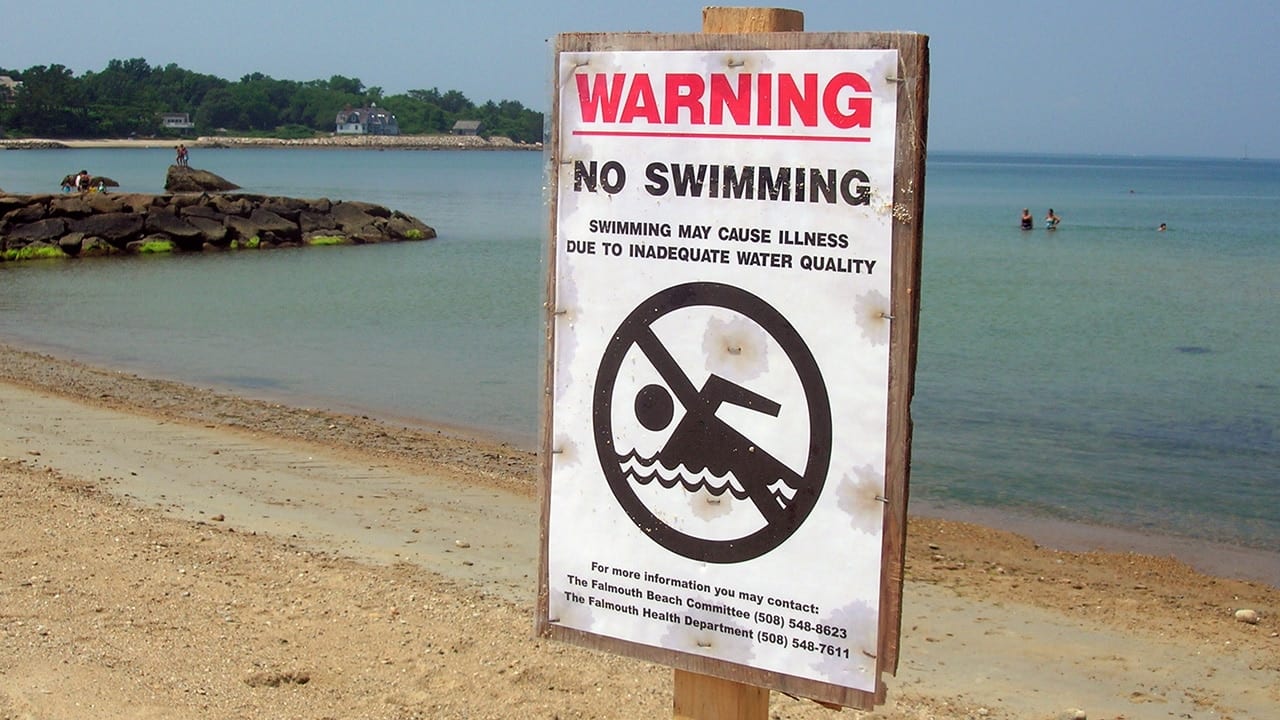
Hundreds of beaches nationwide are closed each year due to the presence of potentially harmful bacteria, viruses, and parasites in the water.
Read MoreSea Ice
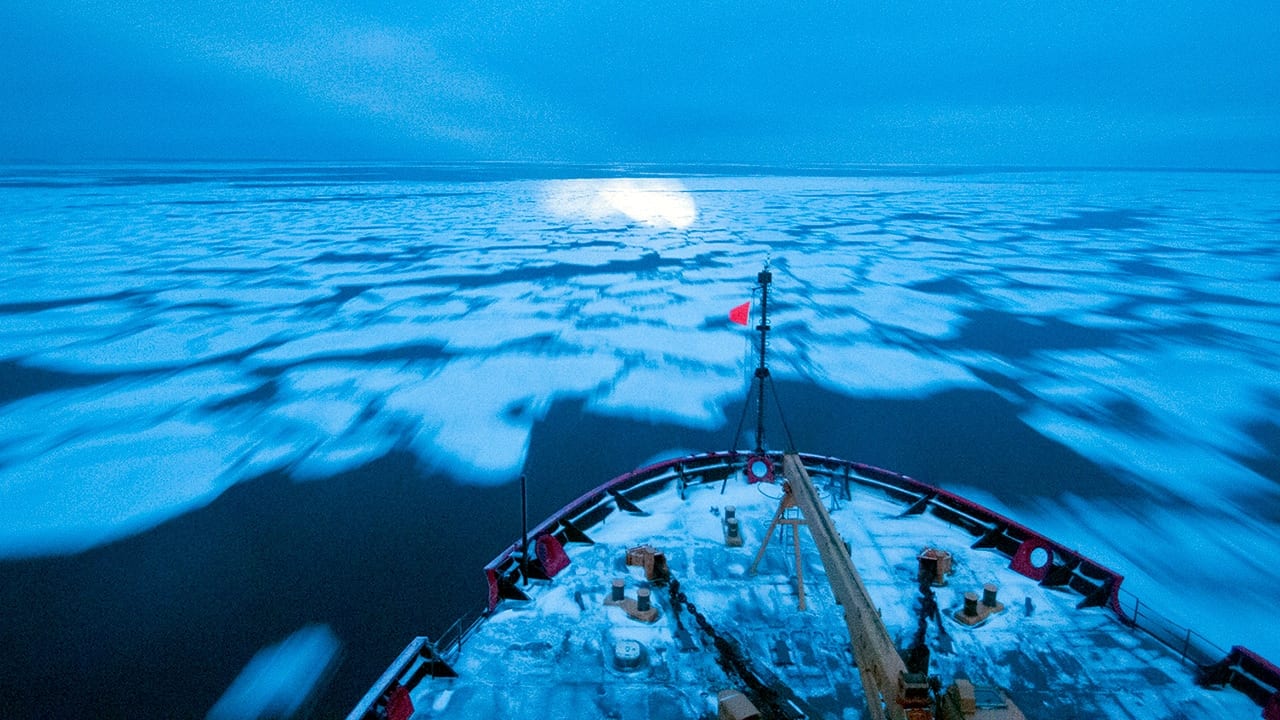
Sea ice is frozen seawater floating on the surface of the ocean. Sea ice is formed entirely in the ocean, unlike icebergs, which originate from land-based sources like glaciers and ice sheets.
Read MoreGlaciers & Ice Sheets
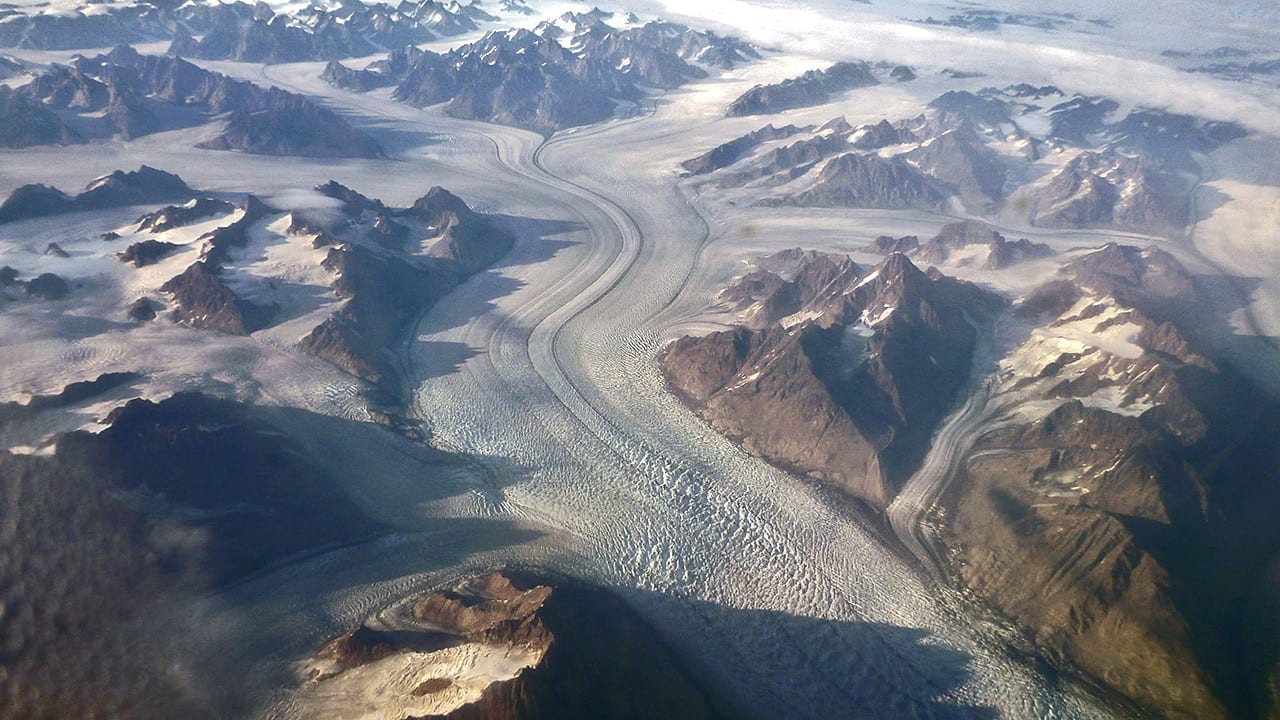
Glaciers are large ice masses created by snowfall that has transformed into ice and compressed over the course of many years. An ice sheet is a mass of glacial land ice extending more than 20,000 square miles.
Read MoreArctic Ocean Circulation
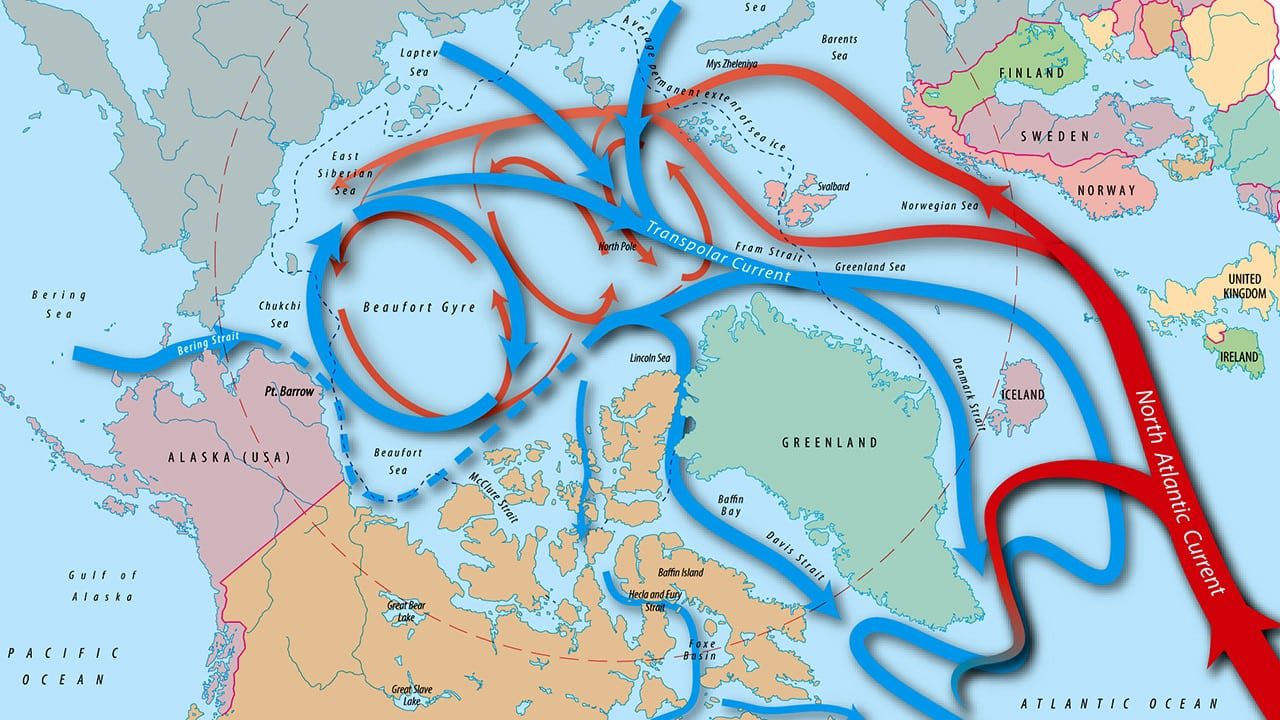
The complex ocean circulation system in the Arctic — which impacts the entire food web — is in a delicate balance.
Read MoreMarine Protected Areas
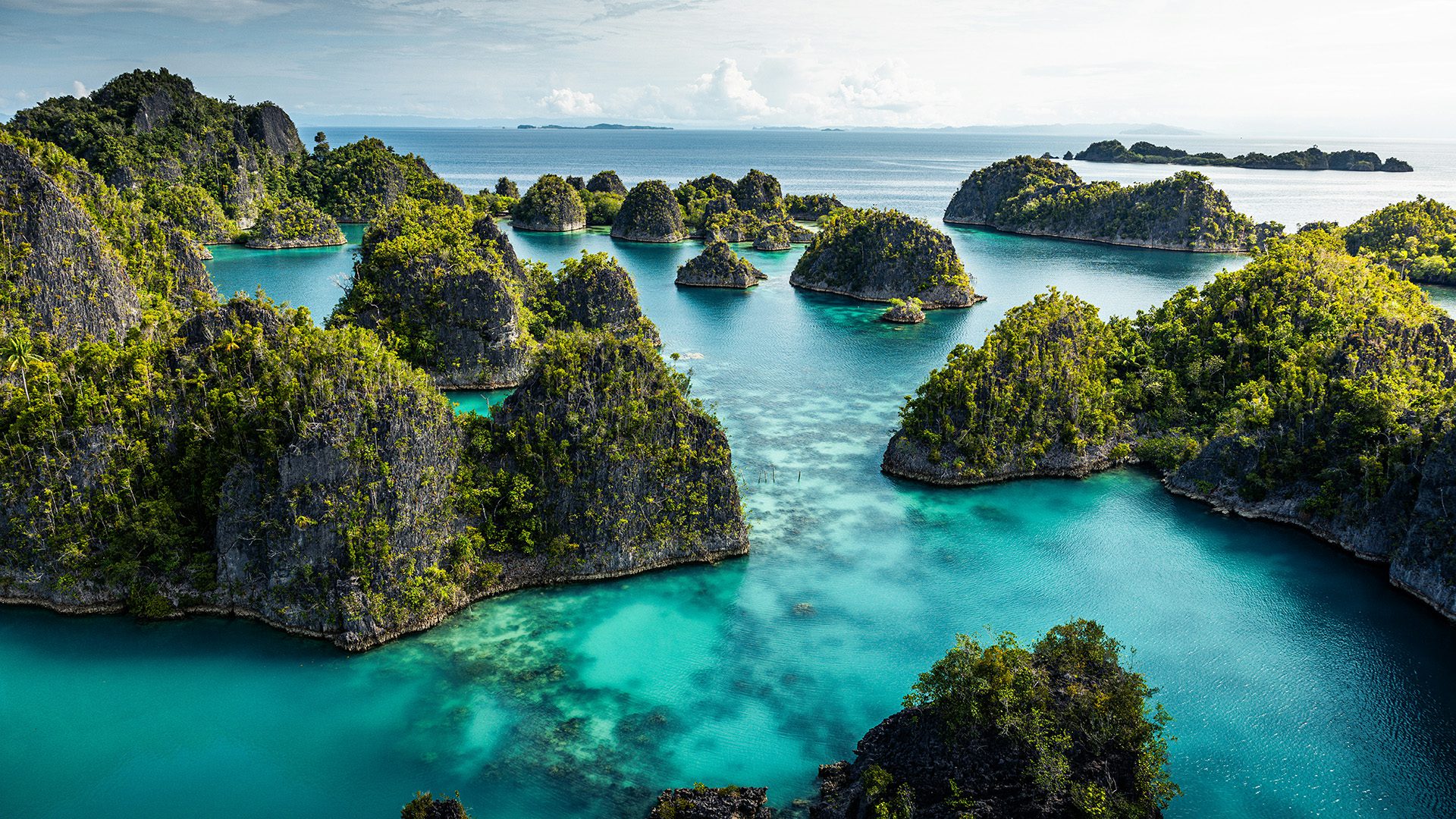
Marine protected areas refers to any part of the ocean that receives some level of protection under law, protecting about one percent of the global ocean.
Read MoreSeafloor Mining
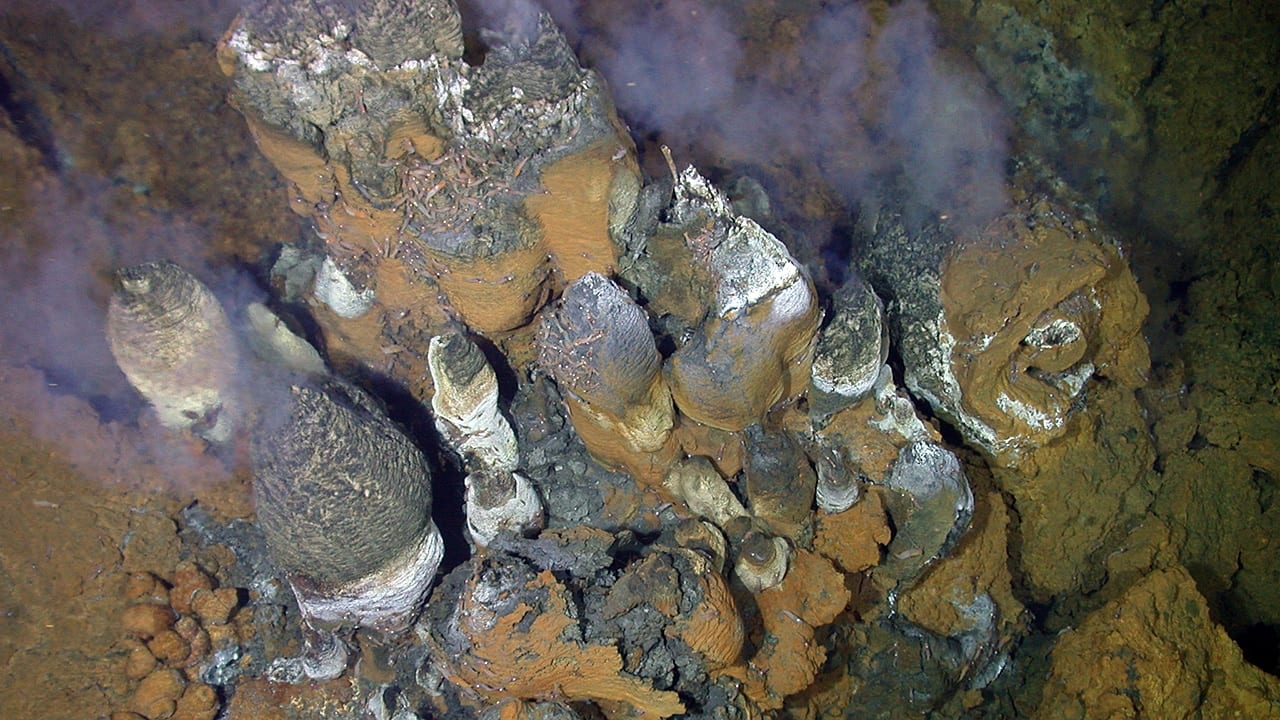
The ocean contains a complex combination of processes that sometimes result in commercially viable forms of a wide range of minerals.
Read MoreCorals
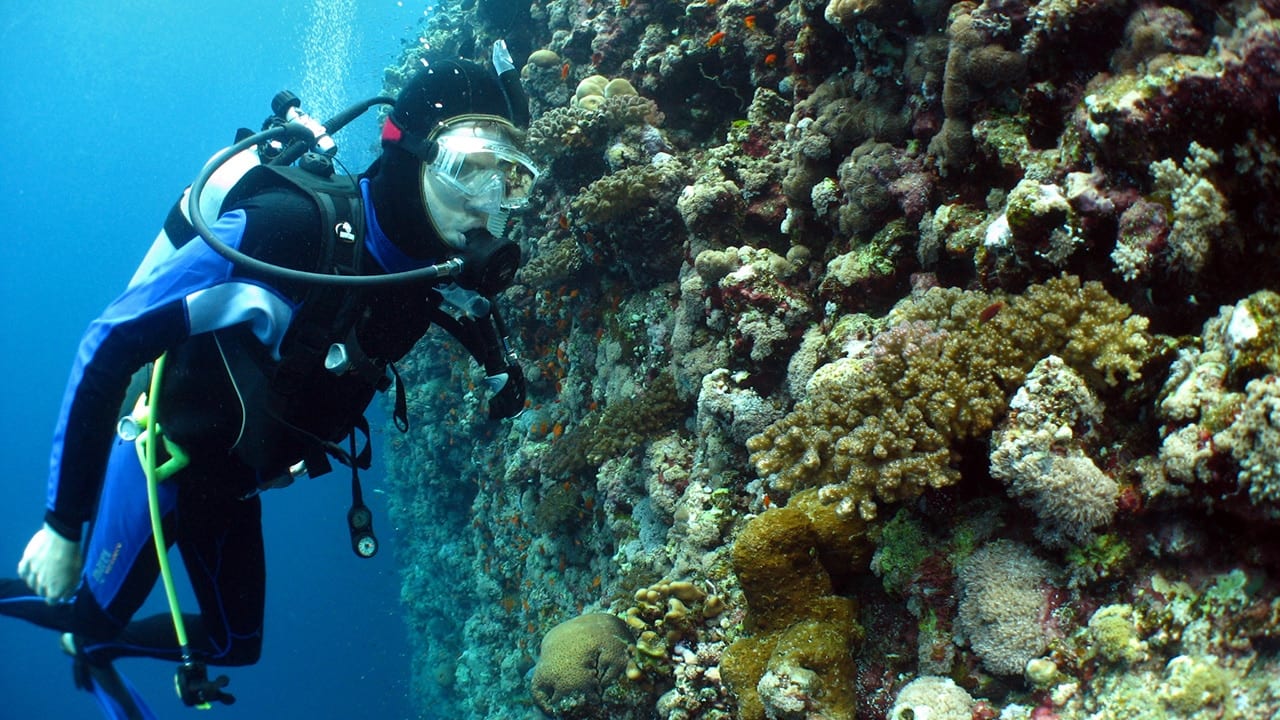
Many people think of coral as hard, rock-like formations that attract abundant, diverse marine life. In fact, corals are tiny marine animals called polyps that live together in colonies.
Read MoreCurrents, Gyres, & Eddies
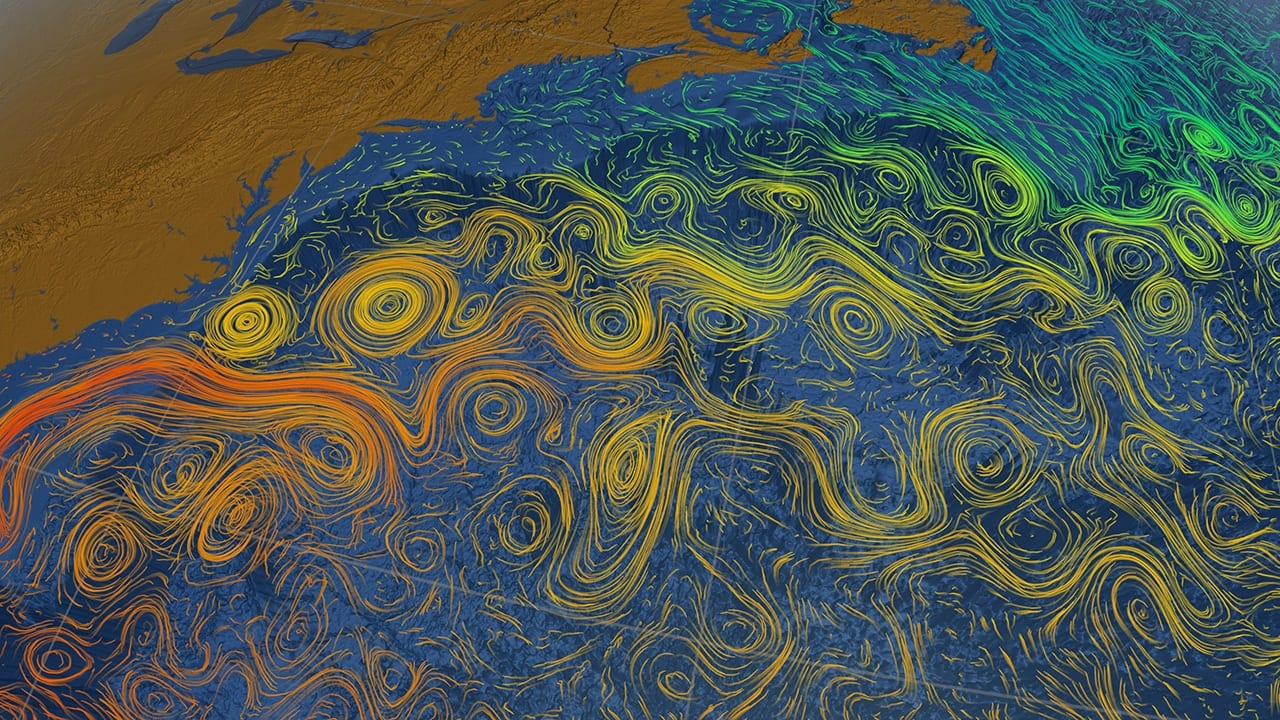
At the surface and beneath, currents, gyres and eddies physically shape the coasts and ocean bottom.
Read MoreOcean Acidification
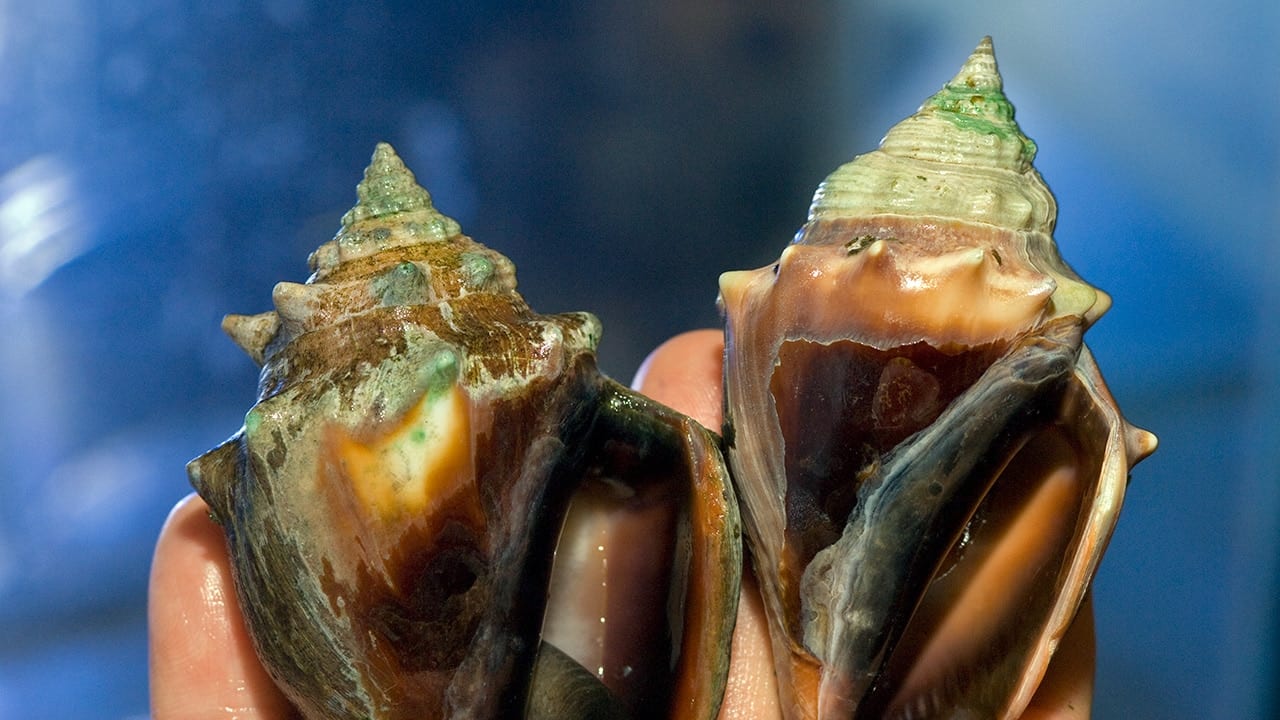
Ocean acidification is a reduction in the pH of the ocean over an extended period of time, caused primarily by an increase of carbon dioxide from the atmosphere.
Read MoreBiogeochemistry
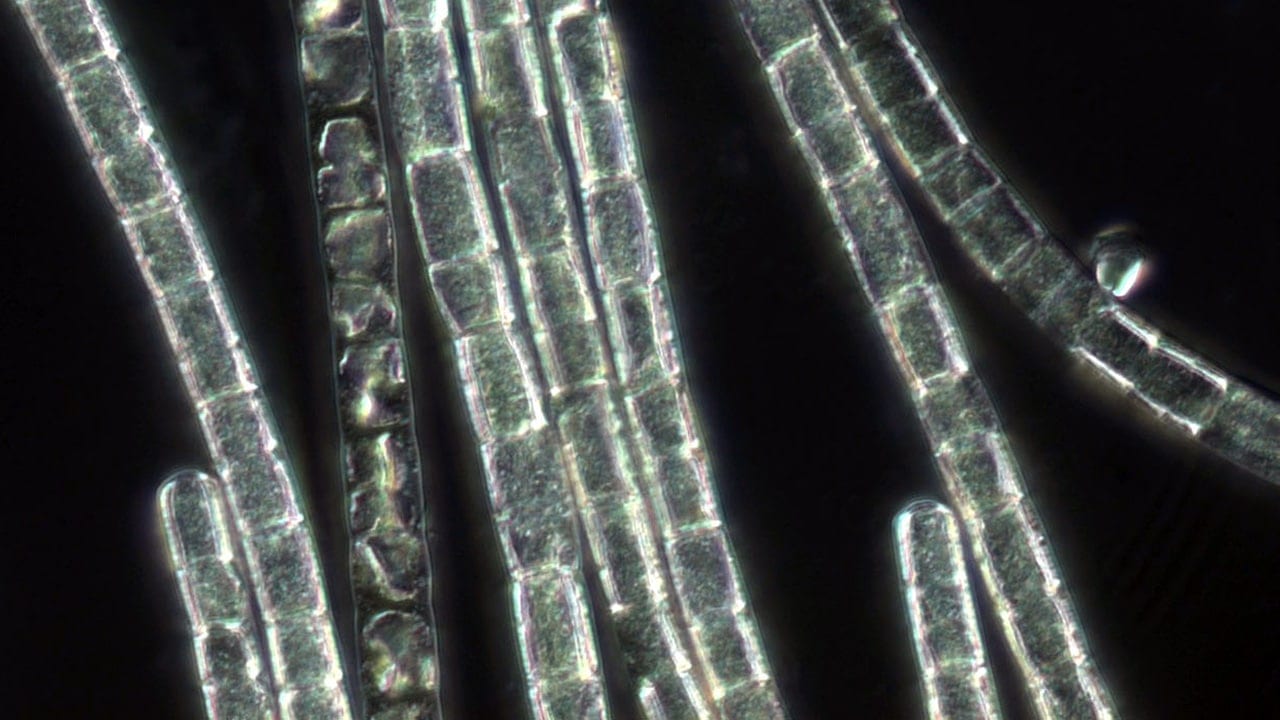
Biogeochemistry studies the cycles of crucial elements, such as carbon and nitrogen, and their interactions with other substances and organisms as they move through Earth's atmosphere, hydrosphere, biosphere, and lithosphere.
Read MoreCarbon Cycle
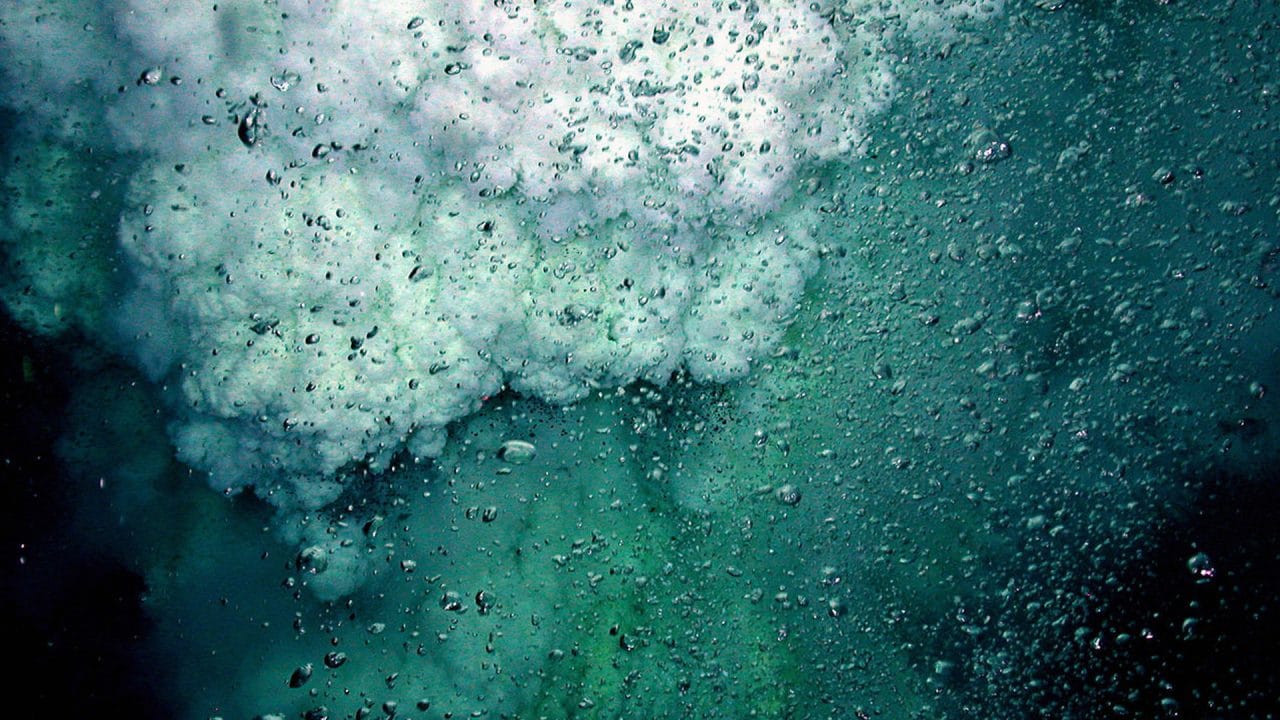
Carbon is the building block of life on Earth and has a powerful impact on the planet’s climate.
Read MoreEarthquakes
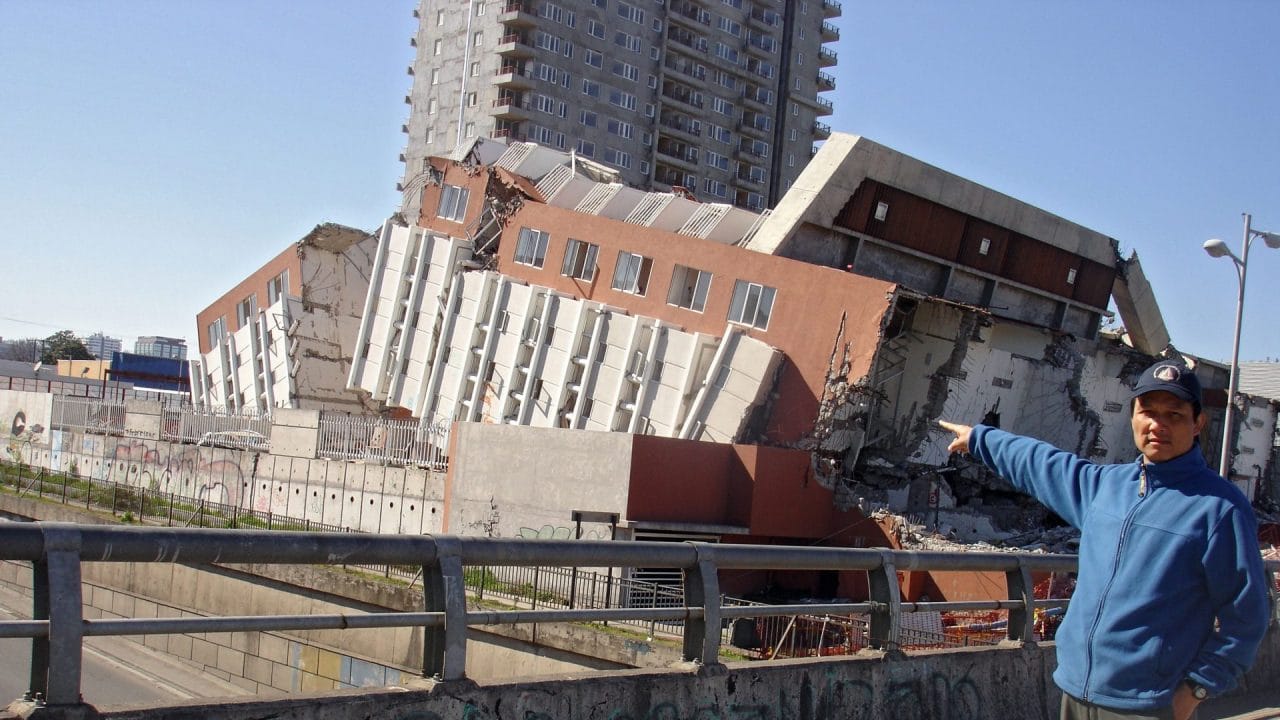
An earthquake is a shaking of the ground that occurs when two large blocks of Earth's crust slip suddenly past one another.
Read MoreChanging Shorelines & Erosion
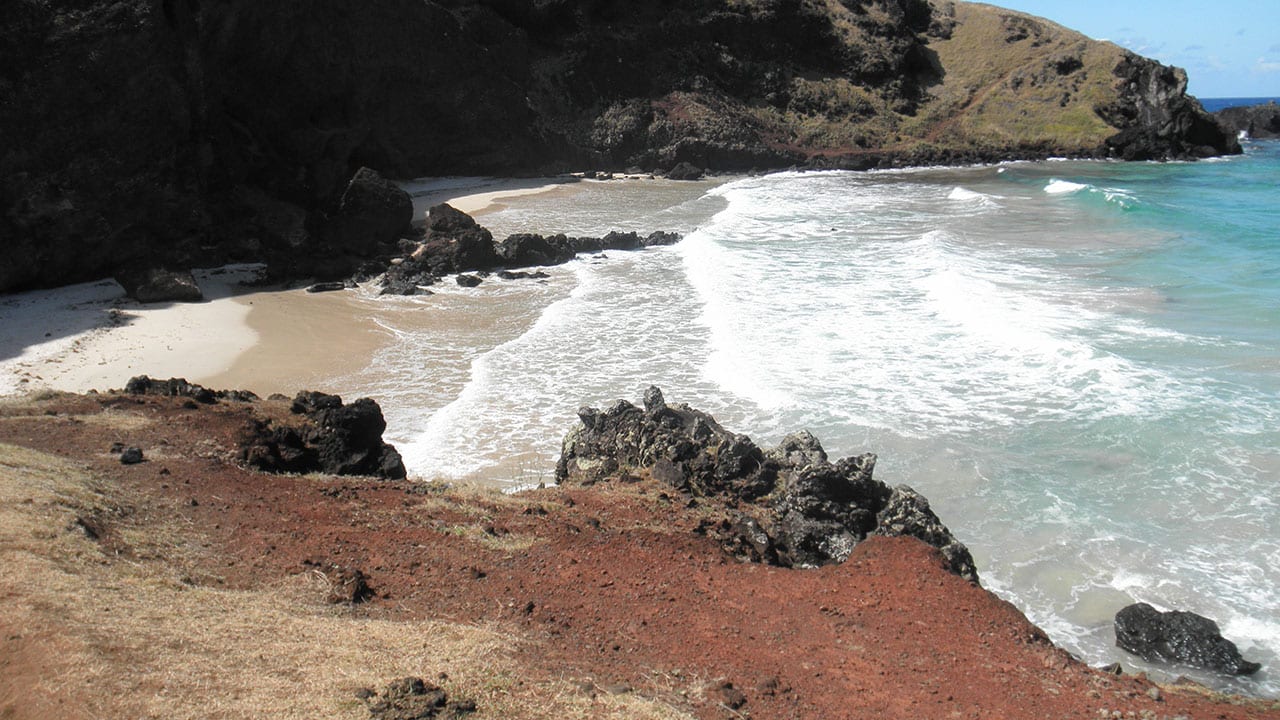
Waves, currents, wind, storms, and tides form complex interactions over time to cause erosion along some stretches of shoreline and growth in others.
Read MoreCoastal Ecosystems
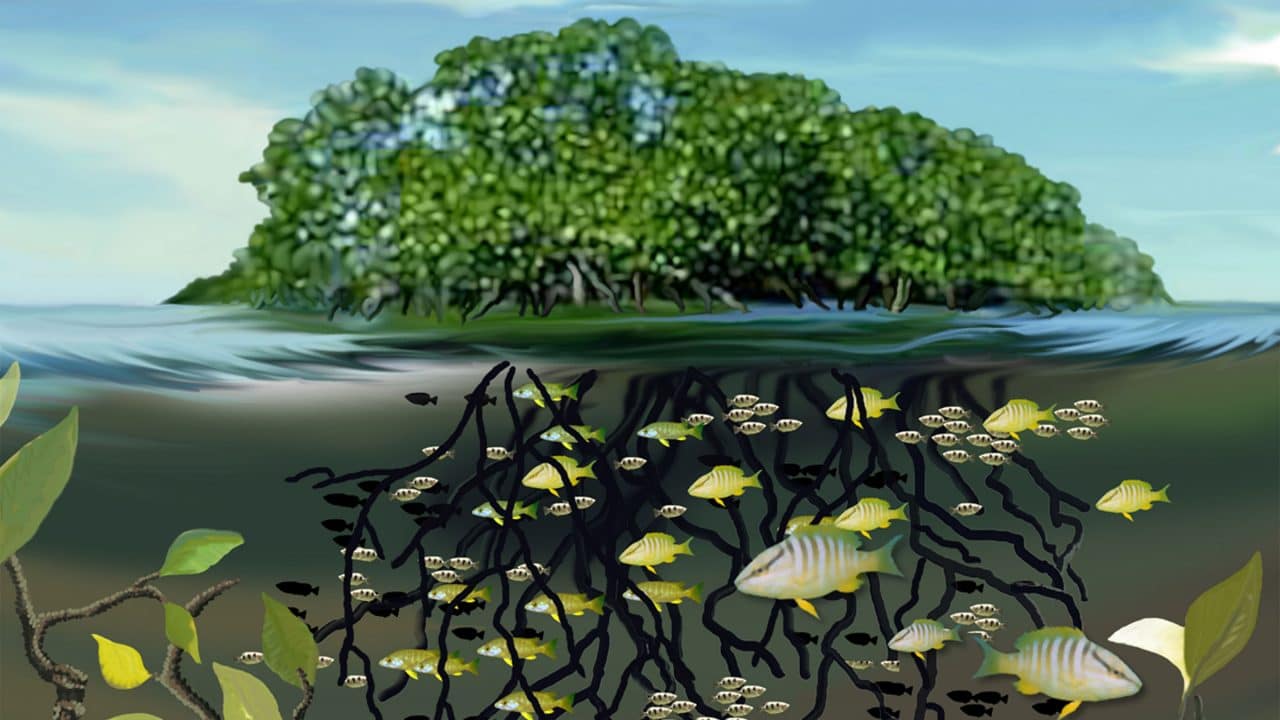
The narrow region where land and ocean meet includes salt marshes, mangroves, wetlands, estuaries, reefs, and bays often linked in a network of physical, chemical, and biological interchanges.
Read MoreCoastal Science
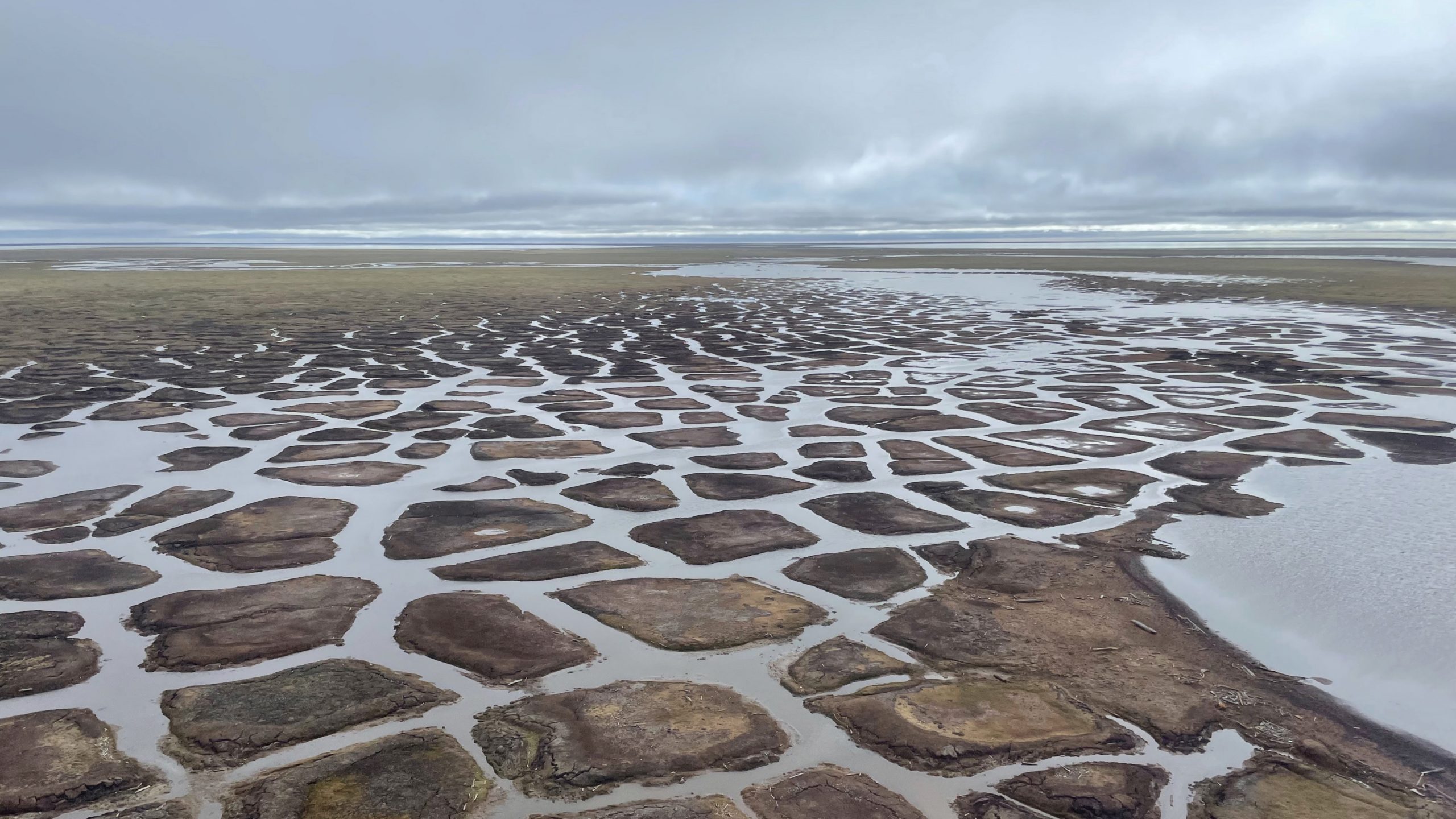
Although the oceans cover most of Earth, the tiny sliver of the coastal ocean greatly influences, and is most influenced by, human activity.
Read MorePaleoclimatology
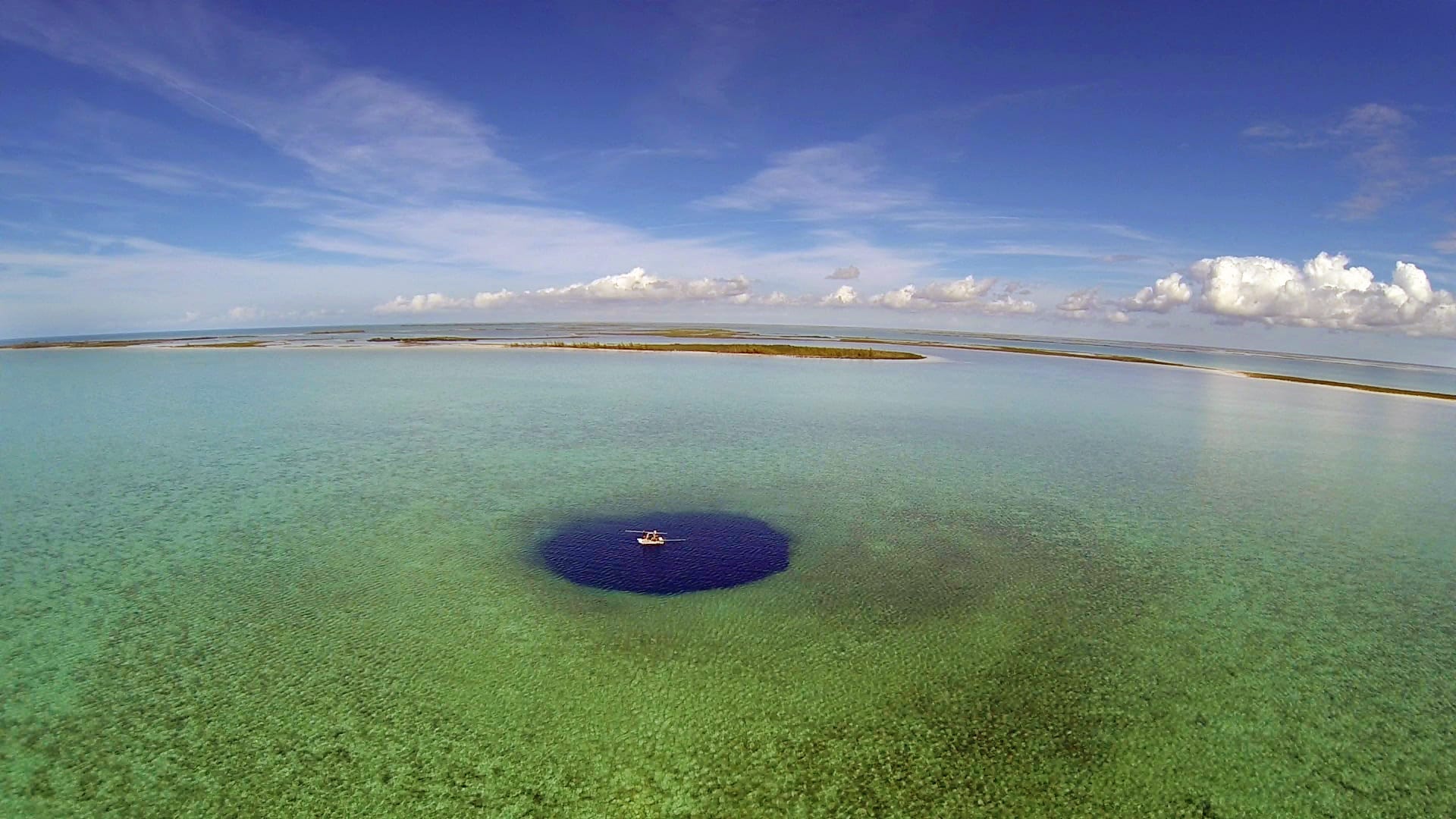
Understanding how climate naturally varied over thousands and millions of years teaches us how Earth's climate system works and sheds light on current, human-induced changes.
Read MoreSea Level Rise
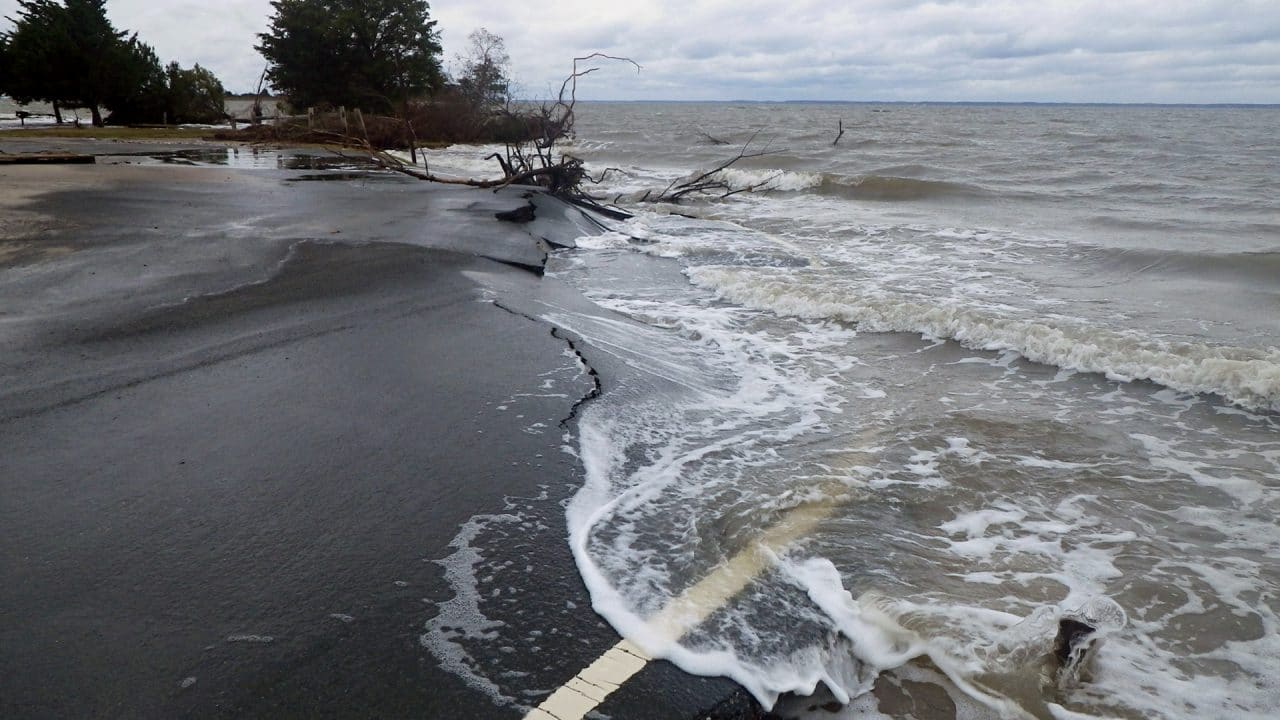
Sea level rise is expected to continue for centuries and may impact human and the natural environment.
Read MoreClimate & Weather
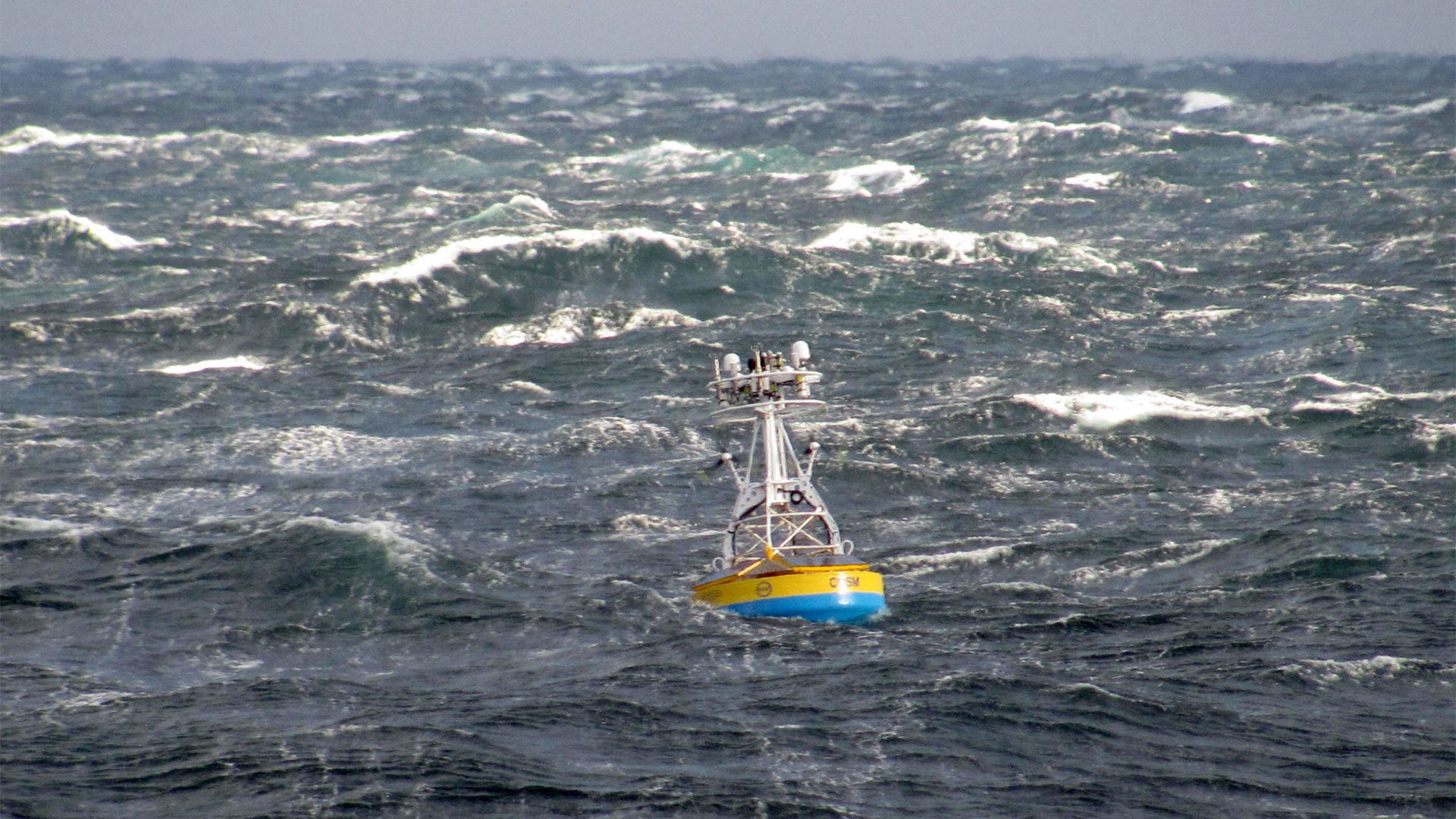
The ocean plays a central role in global climate and regional weather patterns, including droughts, rainstorms, and hurricanes.
Read MoreAbrupt Climate Change
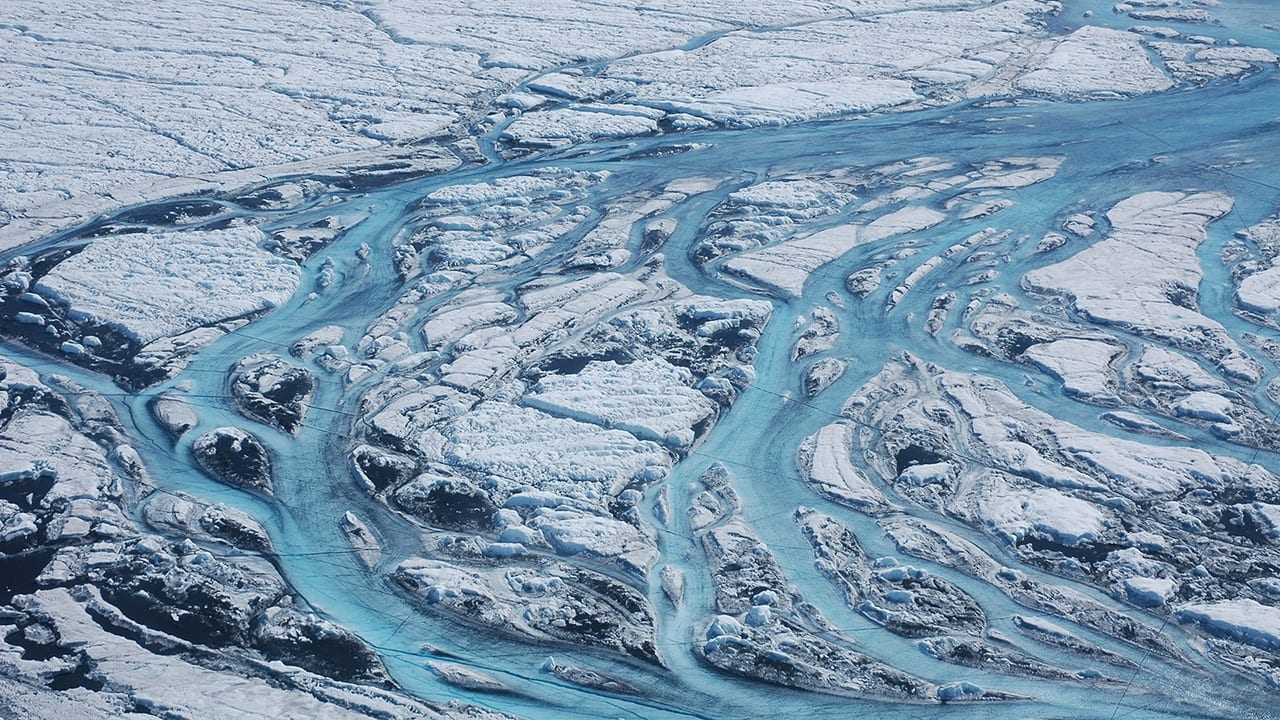
Earth's changing climate is raising concerns that it could respond in abrupt and unexpected ways, making it difficult for human society to adapt.
Read MoreClimate Change
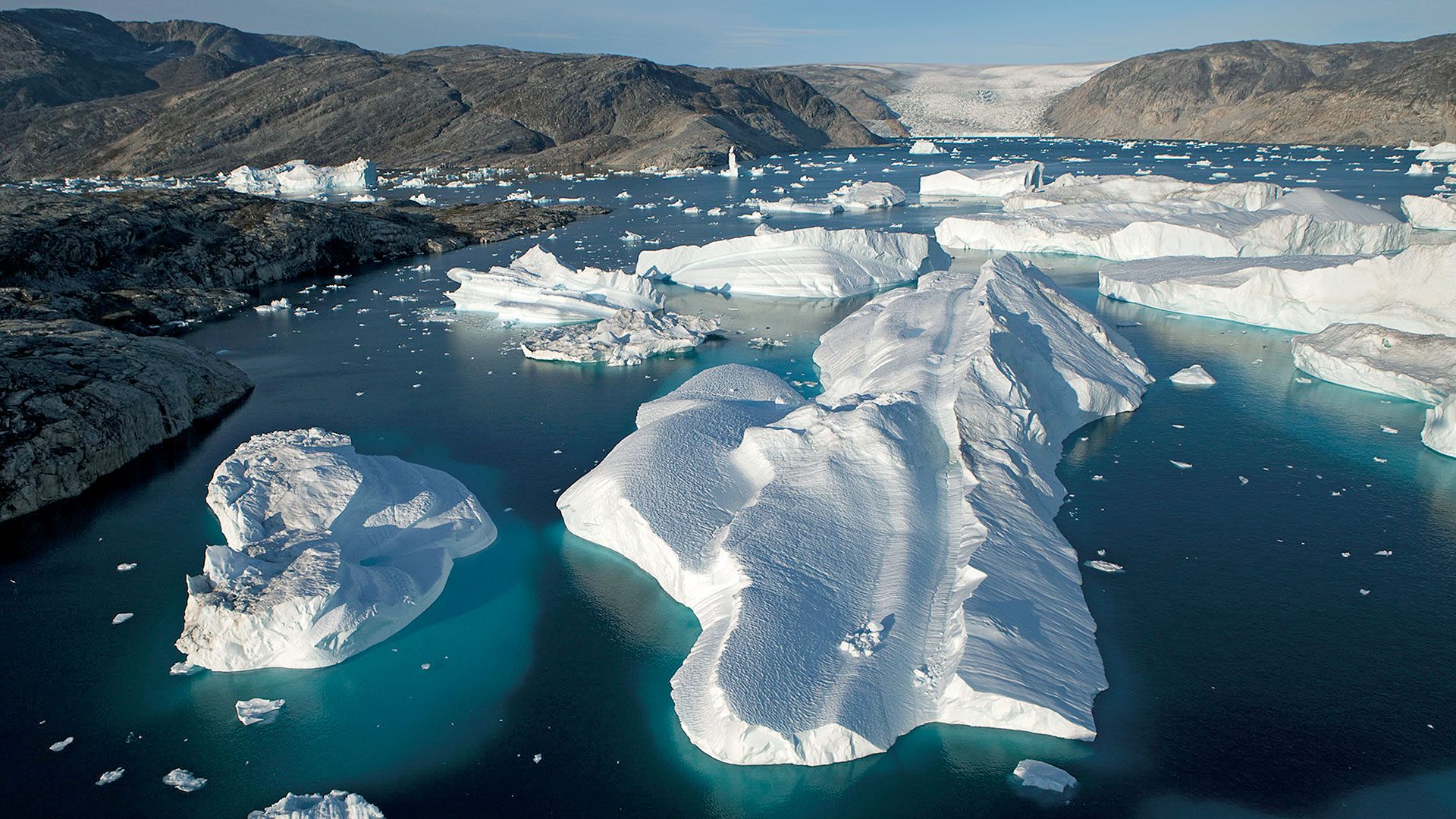
Scientific observation has shown that the atmosphere near the Earth's surface is warming.
Read MoreWill oxygen in the ocean continue to decline?
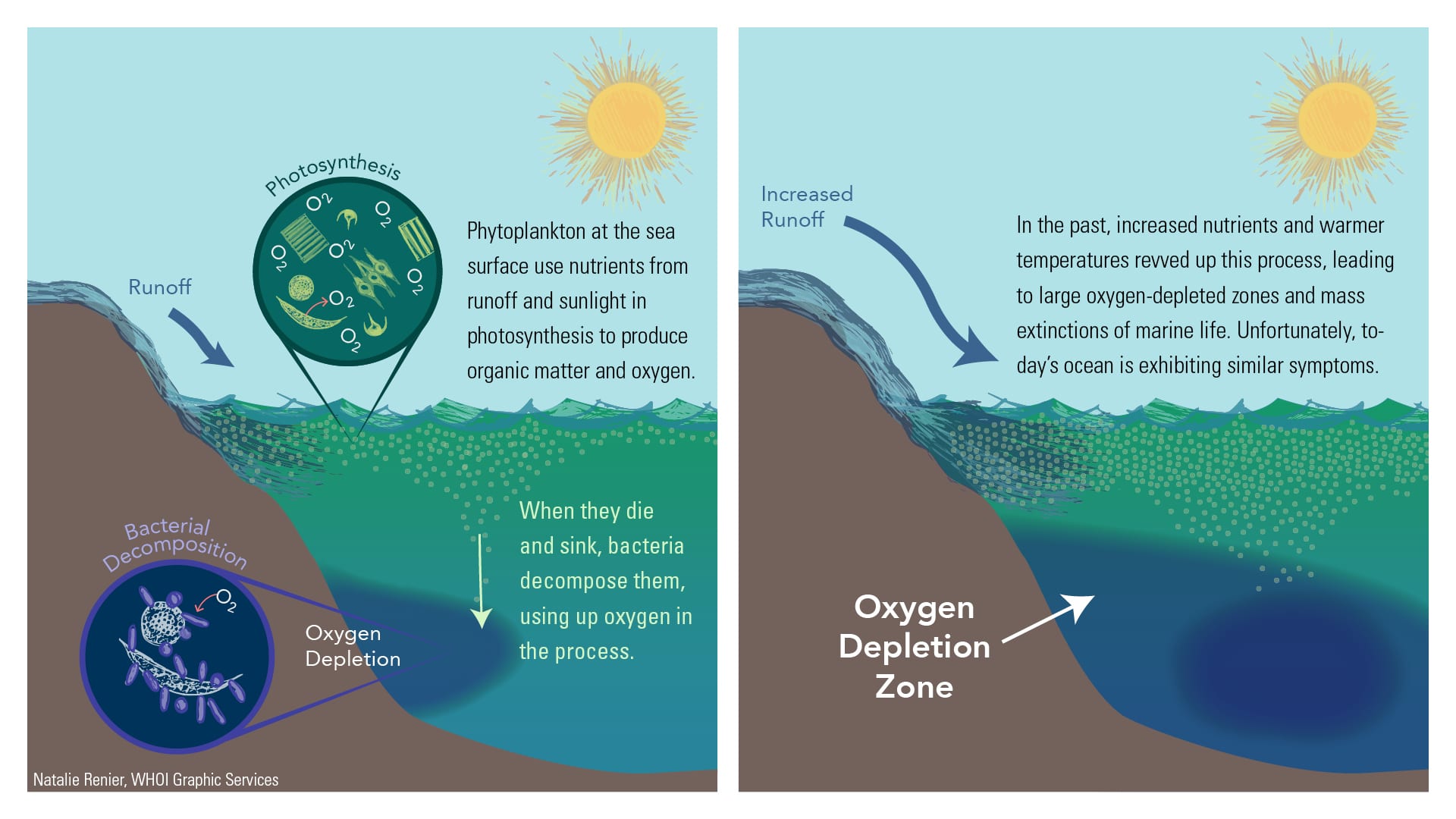
Oxygen loss in the ocean has triggered mass die-offs before—and scientists warn that ongoing deoxygenation may pose a similar threat today.
Read MoreForecasting Where Ocean Life Thrives
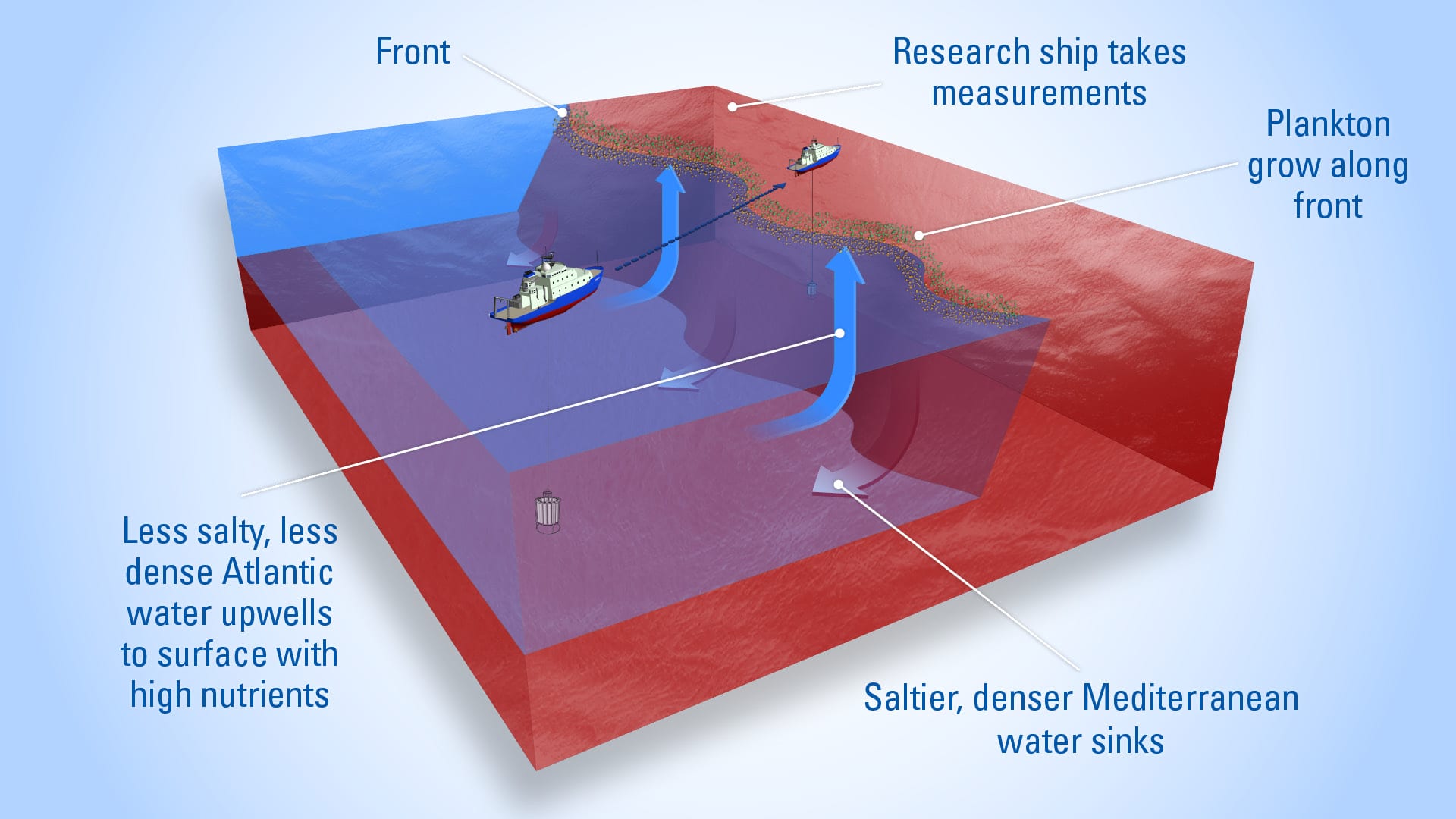
Plankton thrive at ocean fronts, where lighter Atlantic water meets denser Mediterranean water, driving nutrient-rich mixing that fuels surface growth.
Read MoreAlbatross Flight Dynamics
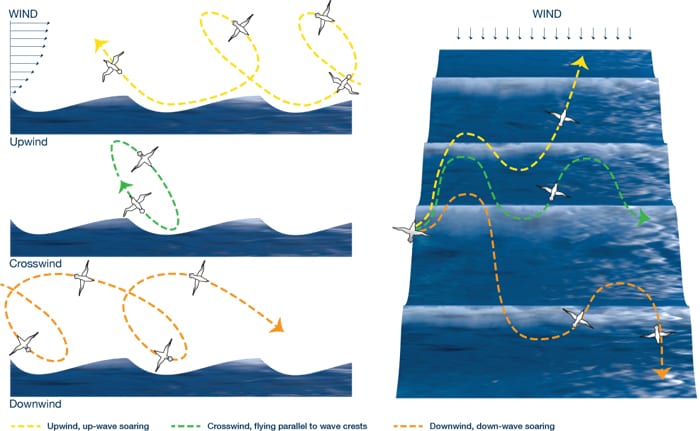
Albatrosses extract energy from winds to soar, as seen in these diagrammatic views.
Read MoreGroundwater and the Ocean
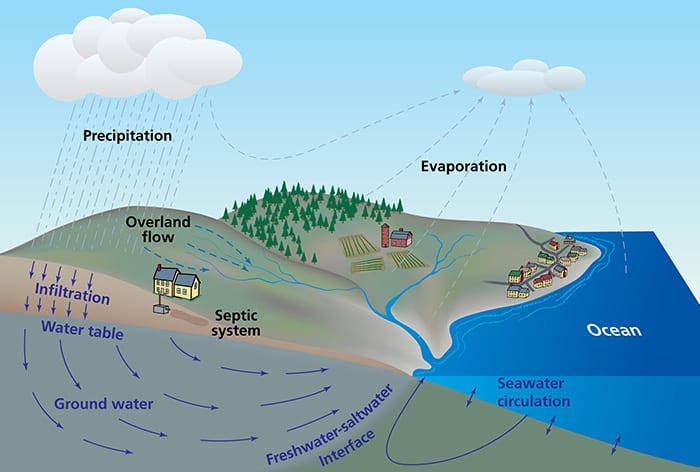
Groundwater flows from land to sea, mixing with saltwater underground. Though just 5% of ocean inflow, it can carry high chemical loads that impact coasts.
Read More