
Environmental Science
Coral Stressors
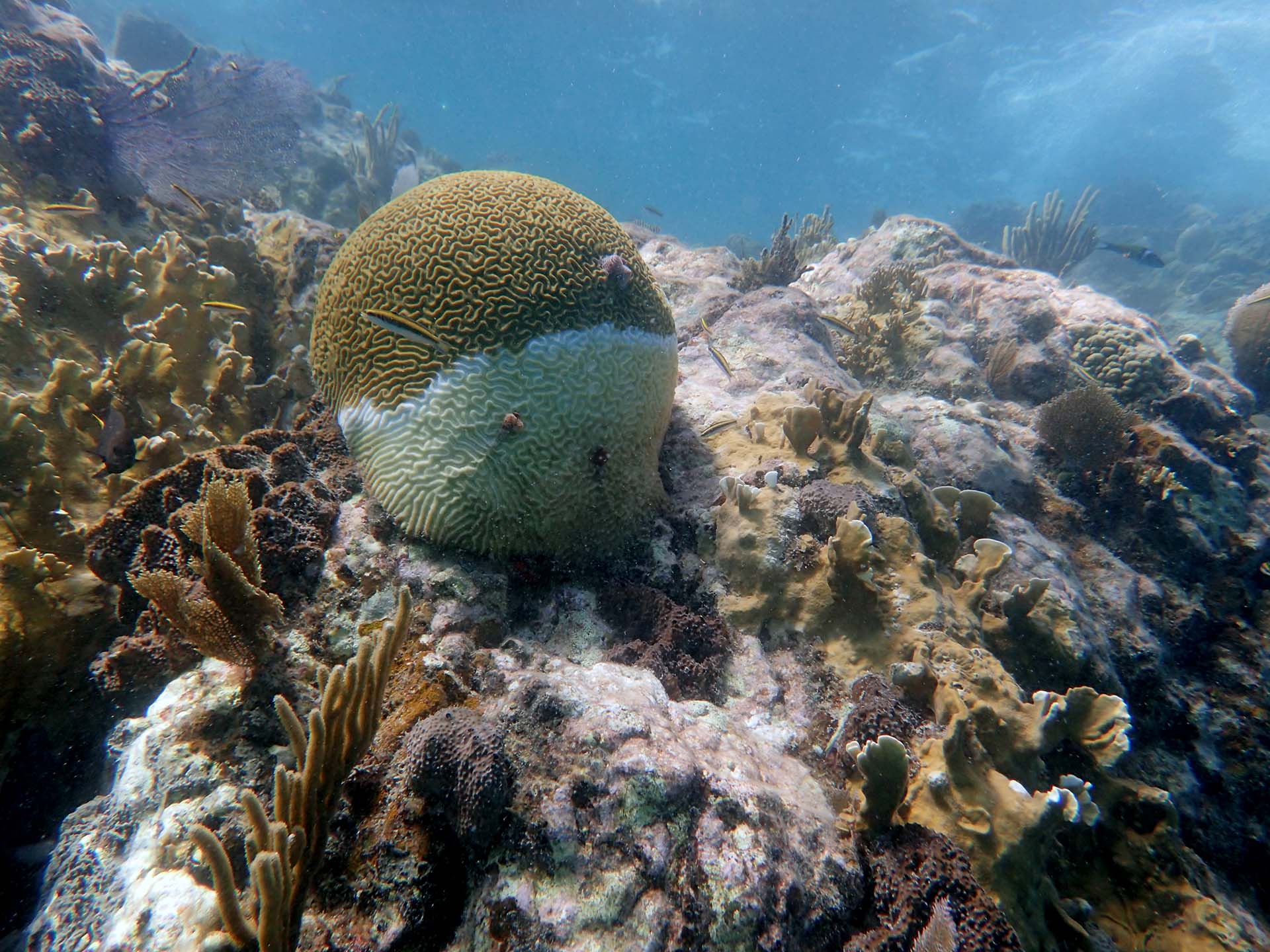
Stressors can affect organisms living on the reef or they can affect the corals, themselves. When corals die, other organisms must relocate or struggle to survive.
Read MoreReef Fish
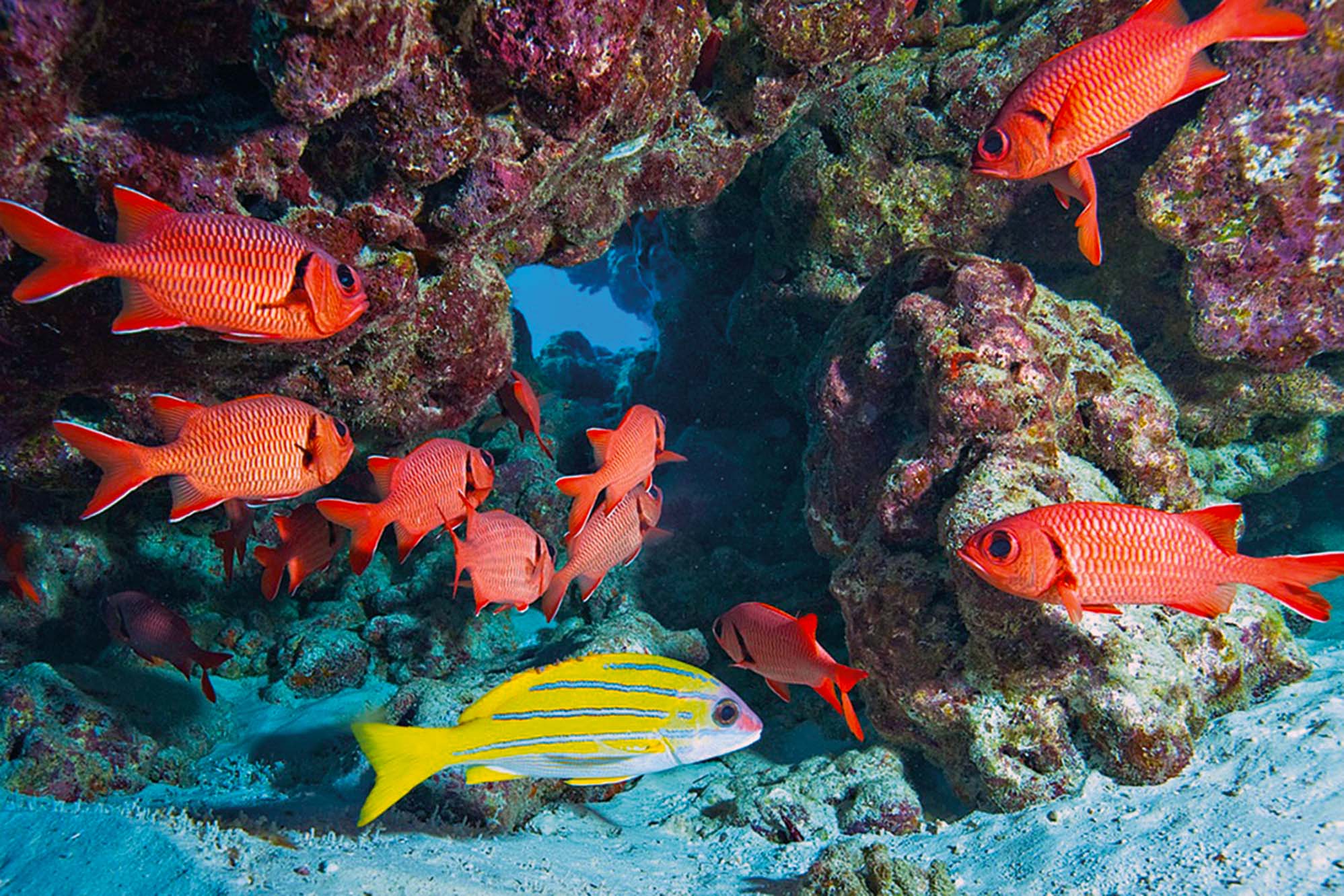
Fish that inhabit a coral reef play essential roles in the reef ecosystem, and reefs without fish struggle to recover from bleaching or other events that damage the coral.
Read MoreCycles
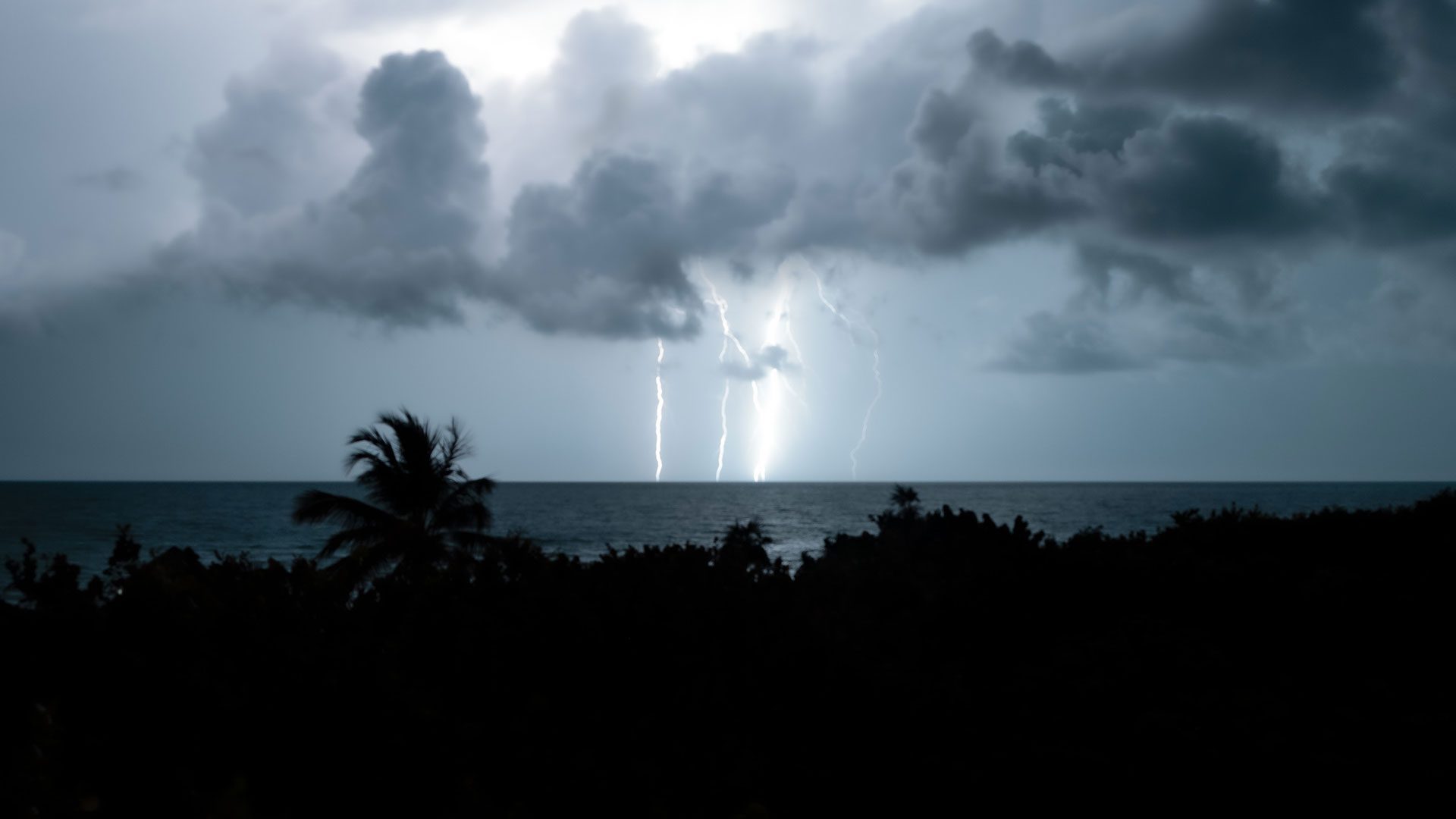
Oceanic cycles — chemical, physical, and biological — are related to cyclic processes in the Earth’s atmosphere, such as the seasons, El Niño events, and long-term climate changes.
Read MoreFrozen Ocean
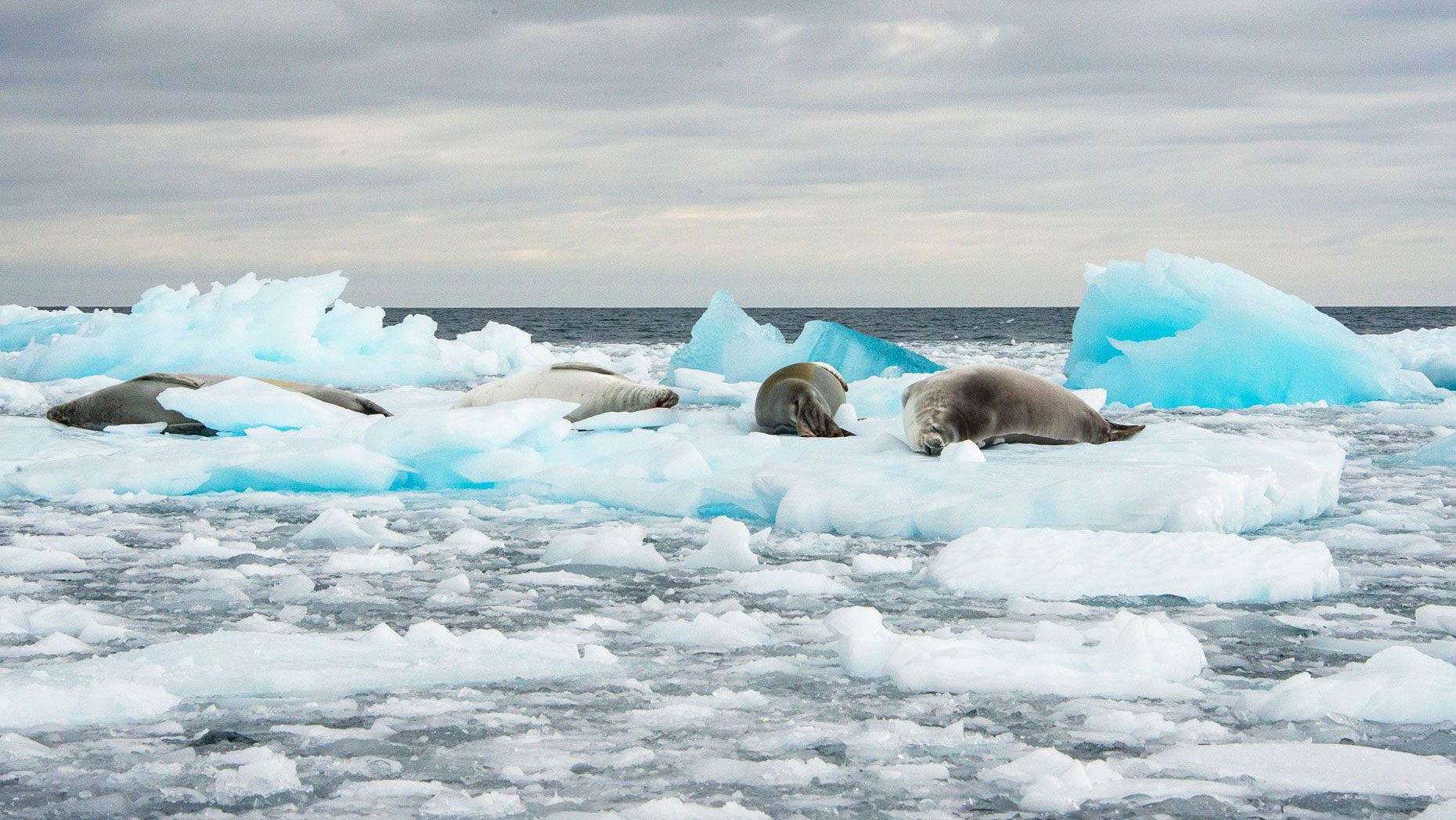
The polar regions are experiencing unprecedented environmental changes that have significant potential impacts on global climate, ecosystems, and society.
Read MoreHow the Ocean Works
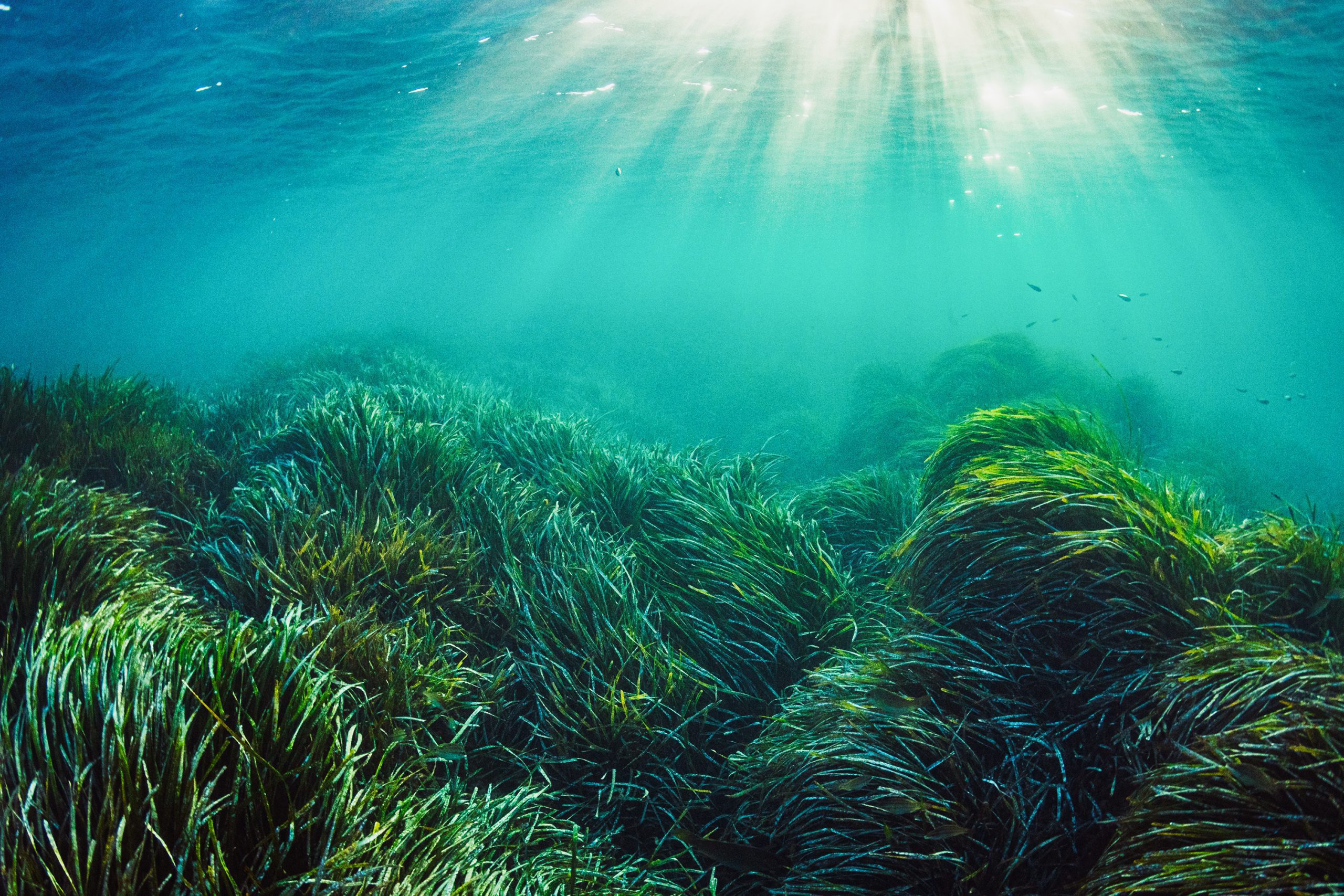
Although the oceans cover most of Earth, the the tiny sliver of the coastal ocean greatly influences, and is most influenced by, human activity.
Read MoreHow do corals form colonies?
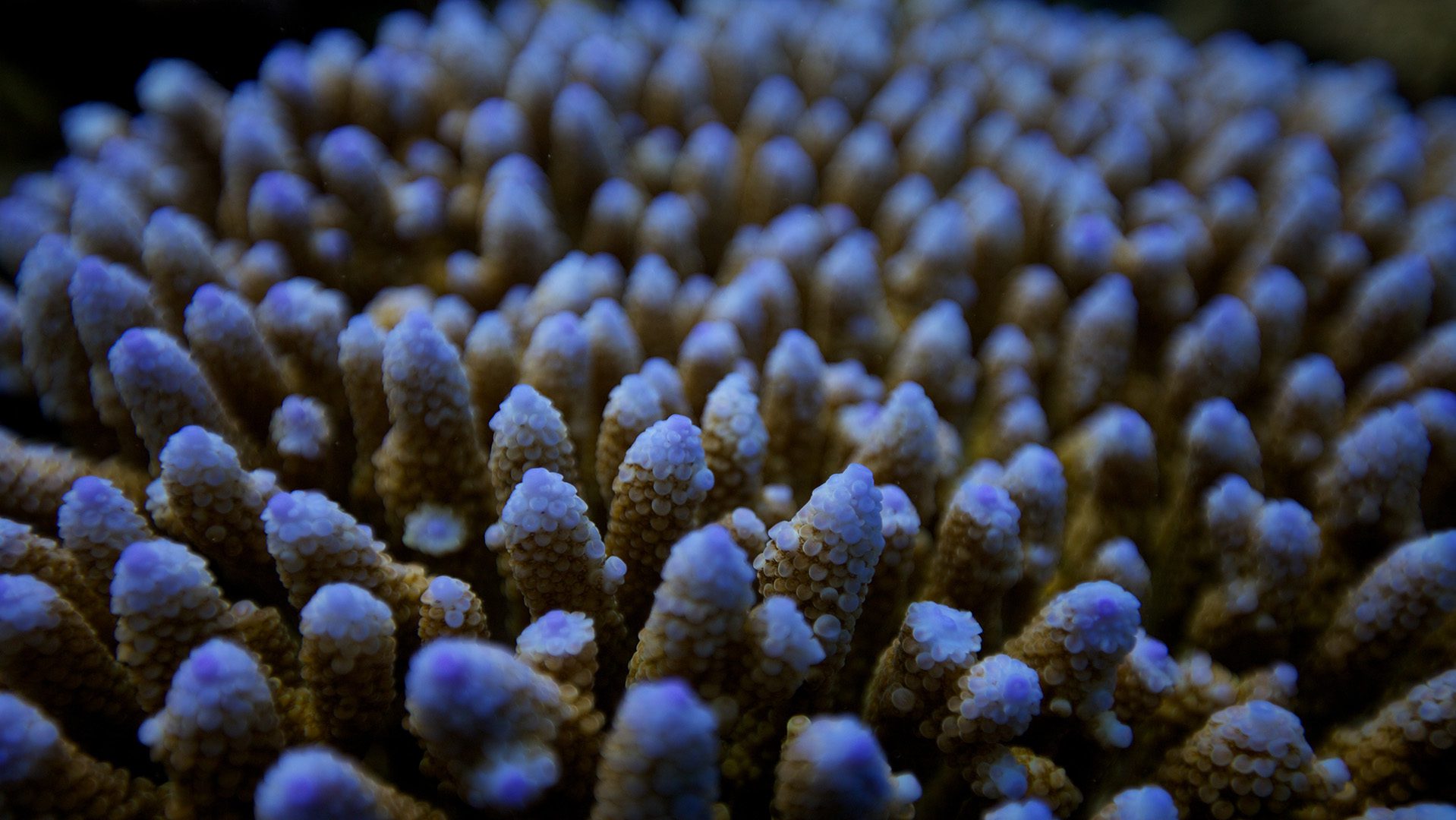
If you stare at just one spot on a coral reef, your eyes could be seeing more than 1,000 animals per square foot. That’s because the thing that makes up most of these marine ecosystems are tiny living animals called coral polyps, which exist on the surface of reef formations.
Read MoreWhat makes the ocean salty?
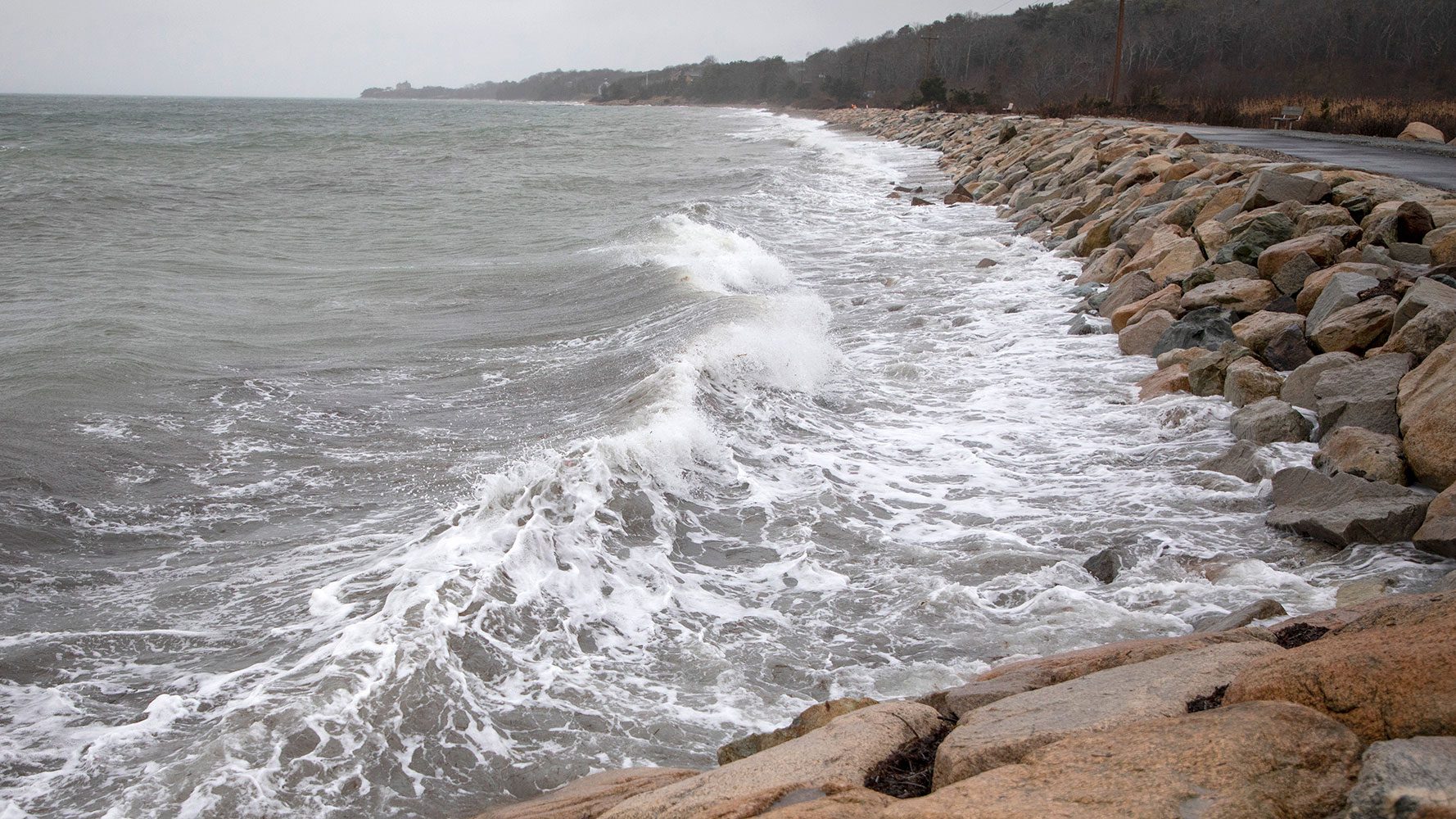
The water flowing into the ocean comes from freshwater streams and rivers. These bodies of water do contain salt. It dissolves from rocks on land. That’s because rain is slightly acidic.
Read MoreHow do glaciers affect sea level rise?
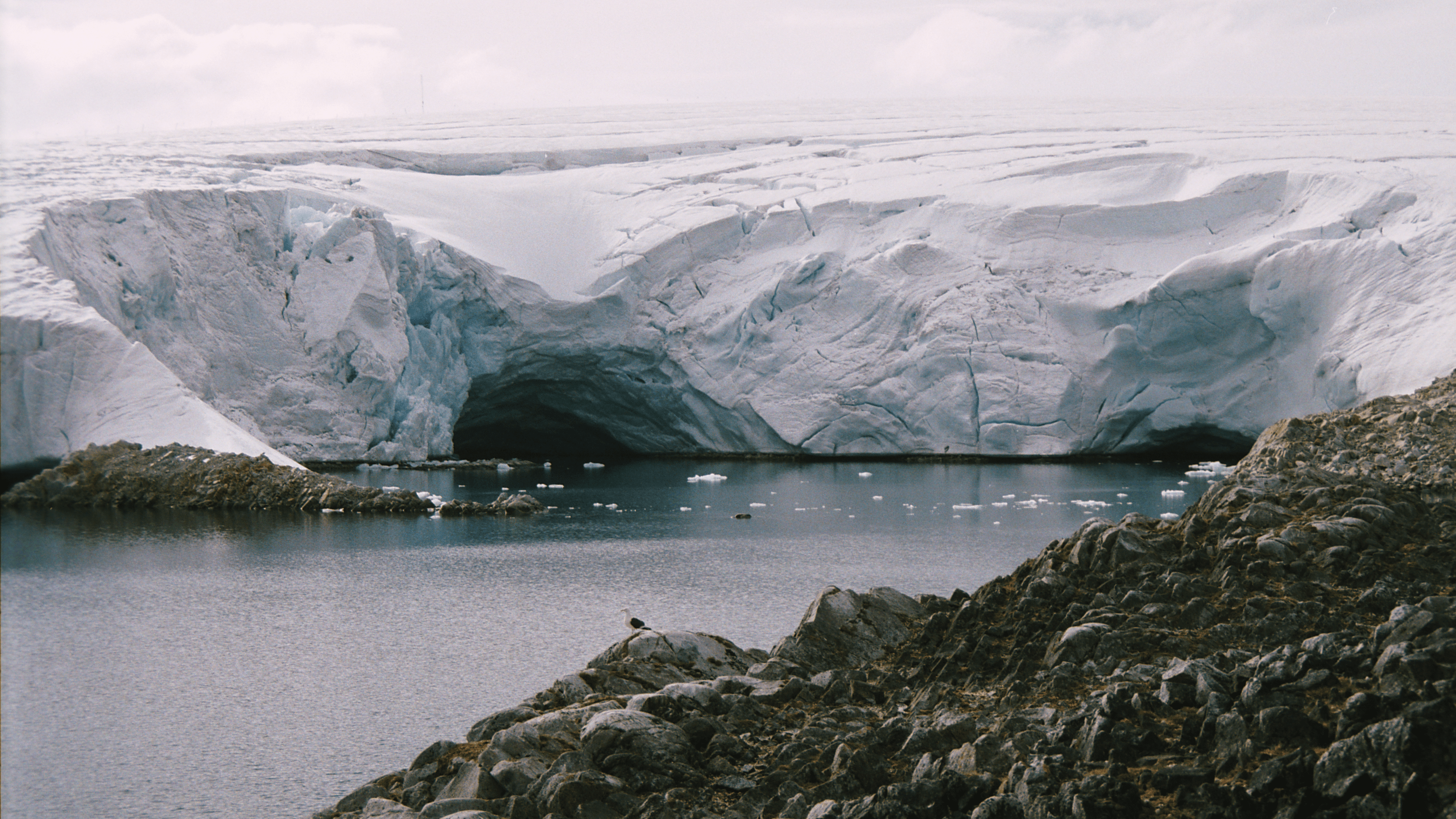
Sea levels have risen and fallen throughout geologic history due to a myriad of natural processes, most notably the forming and melting of glaciers.
Read MoreHow does the ocean affect storms?
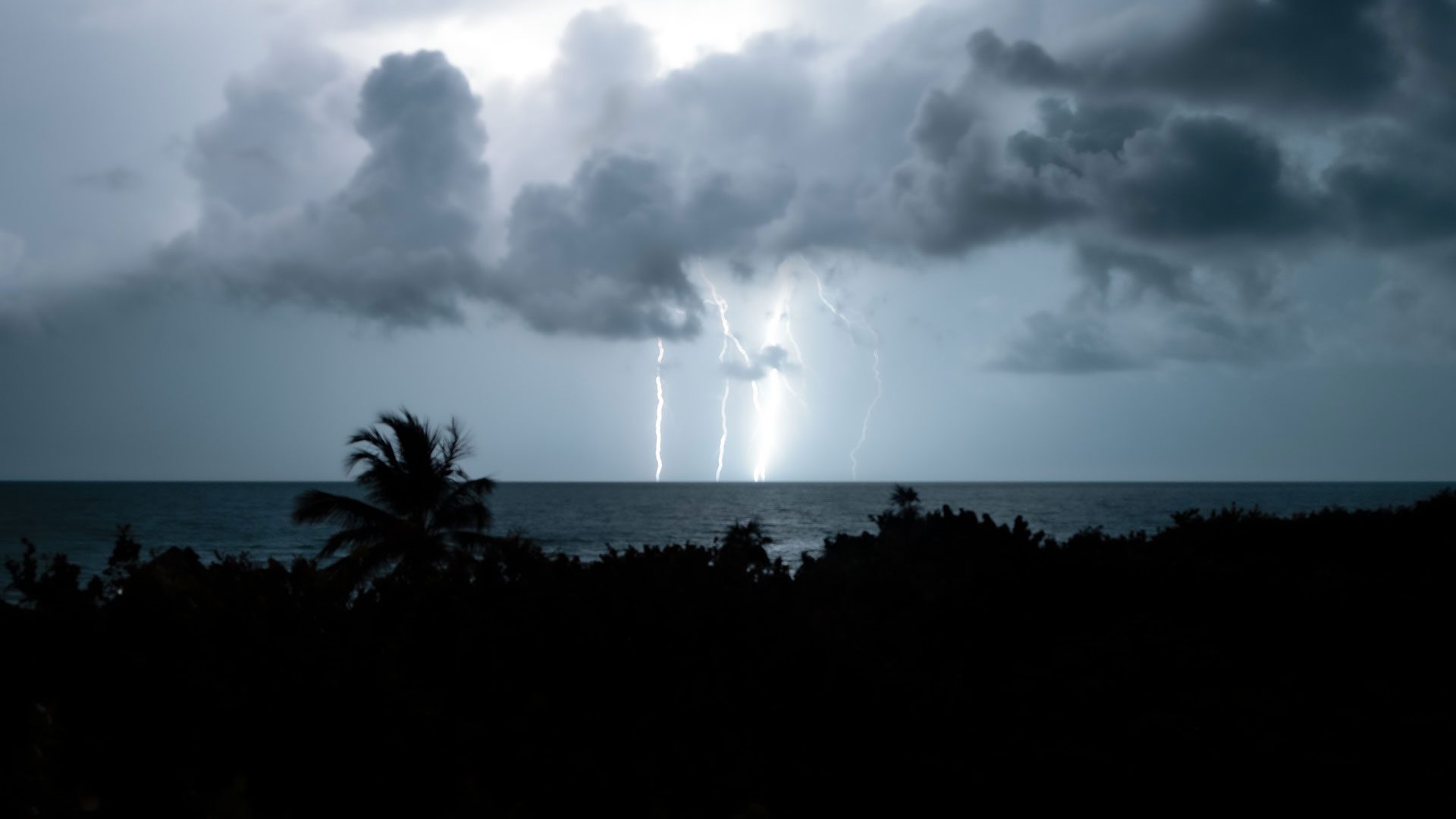
Under the right conditions, some of those storms can grow into large tropical storms. Or even monstrous hurricanes.
Read MoreEmperor Penguins
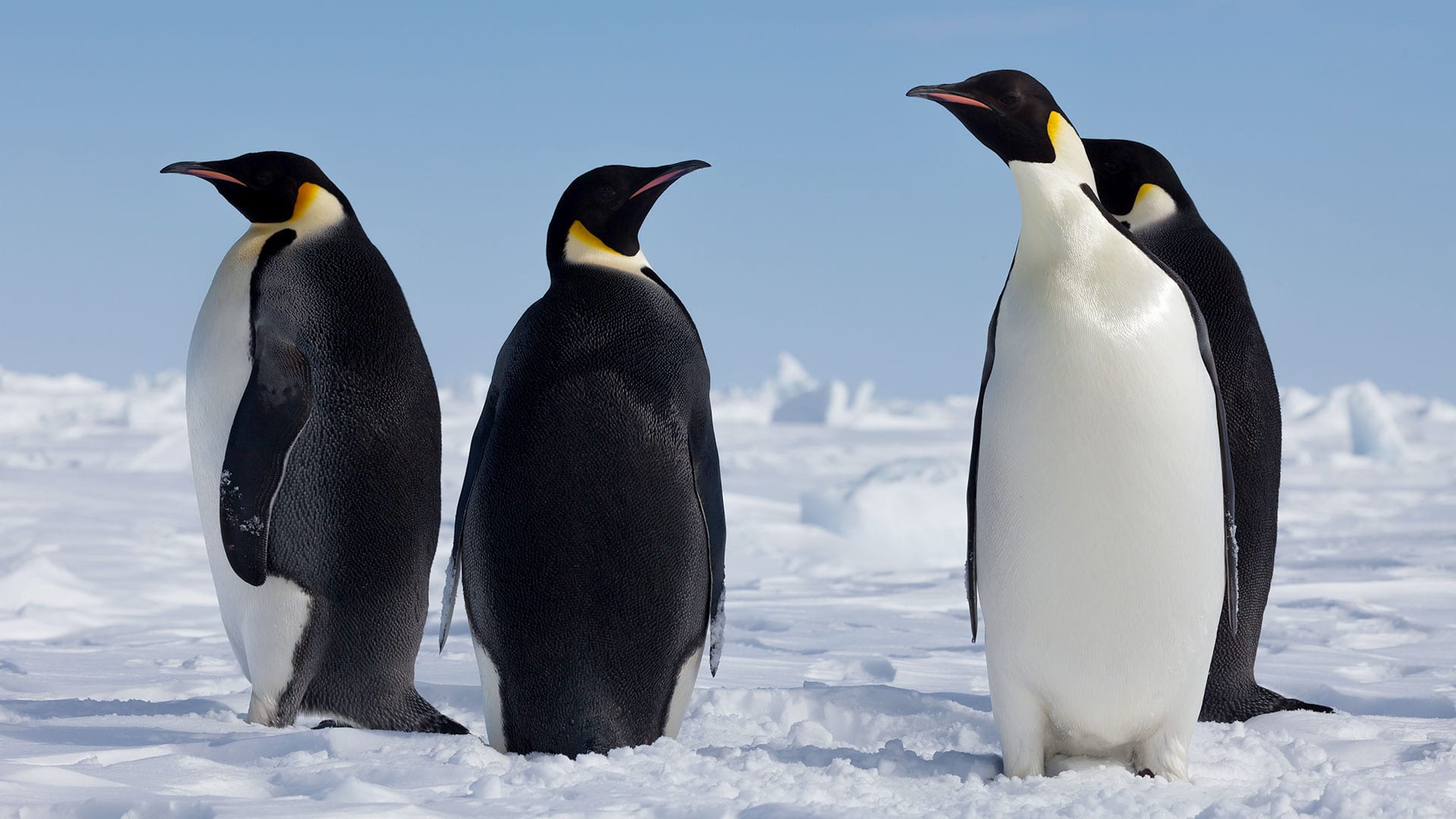
The emperor penguin is the largest living penguin species standing around 115 centimeters tall. Once they have found a partner, they work together to keep their young fed and safe.
Read MoreOcean Warming
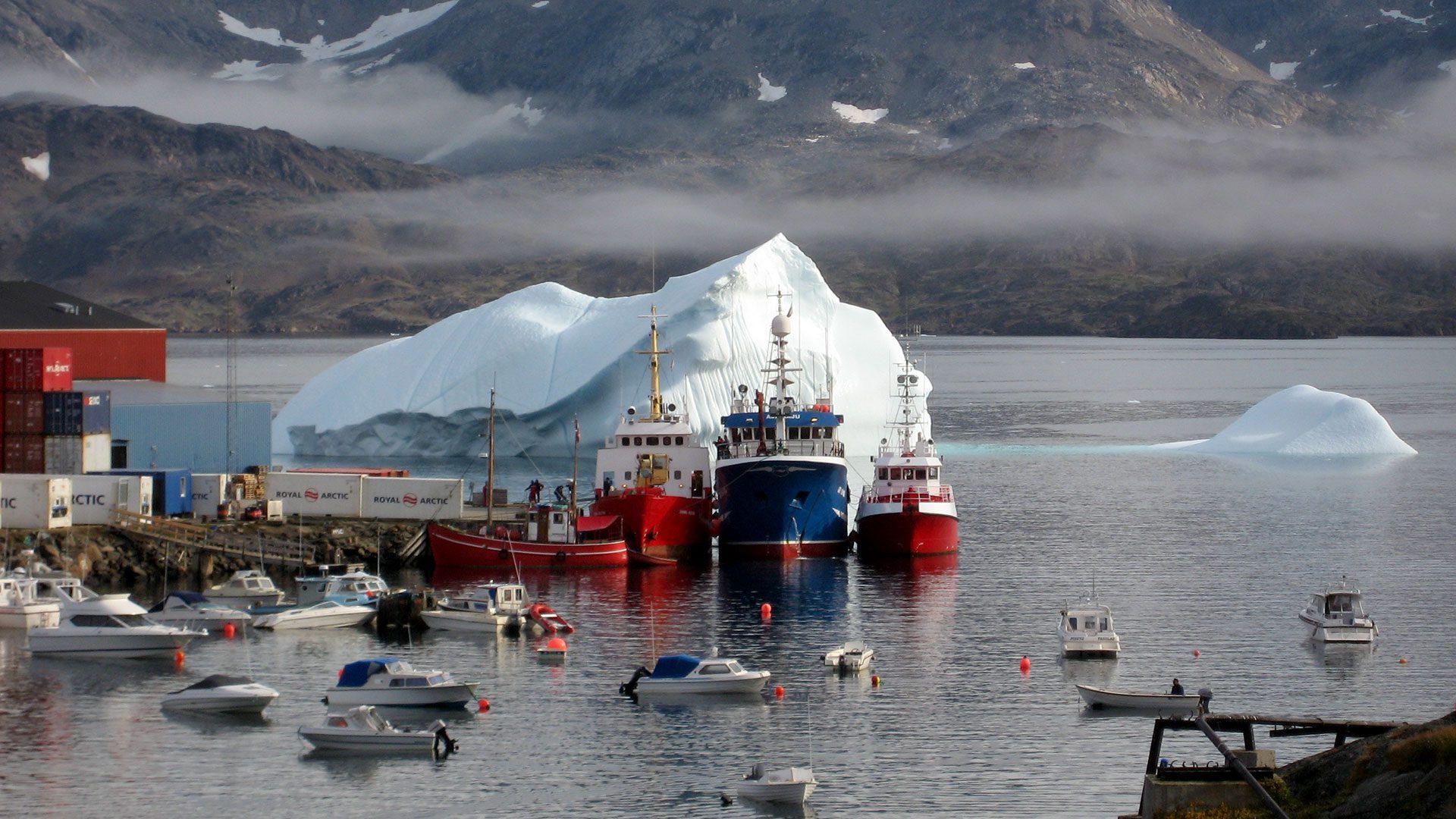
Increasing ocean heat is closely linked to increases in atmospheric greenhouse gas concentrations, making the ocean an excellent indicator of how much Earth is warming.
Read MoreCoastal Restoration & Blue Carbon
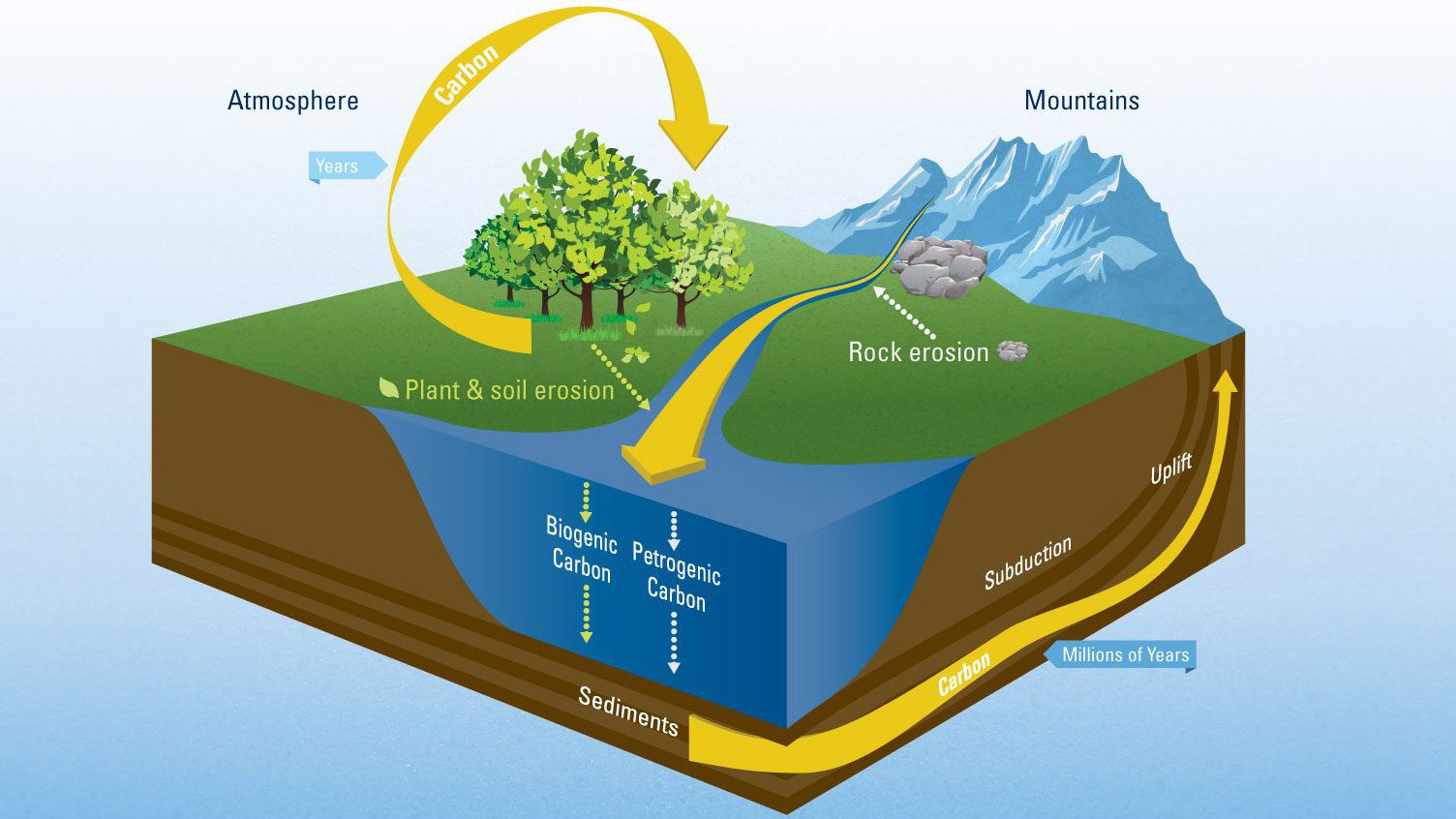
Blue carbon refers to atmospheric carbon captured and stored by the ocean, which mitigates the effects of climate change by storing carbon for long periods of time.
Read MoreWhy do corals bleach?
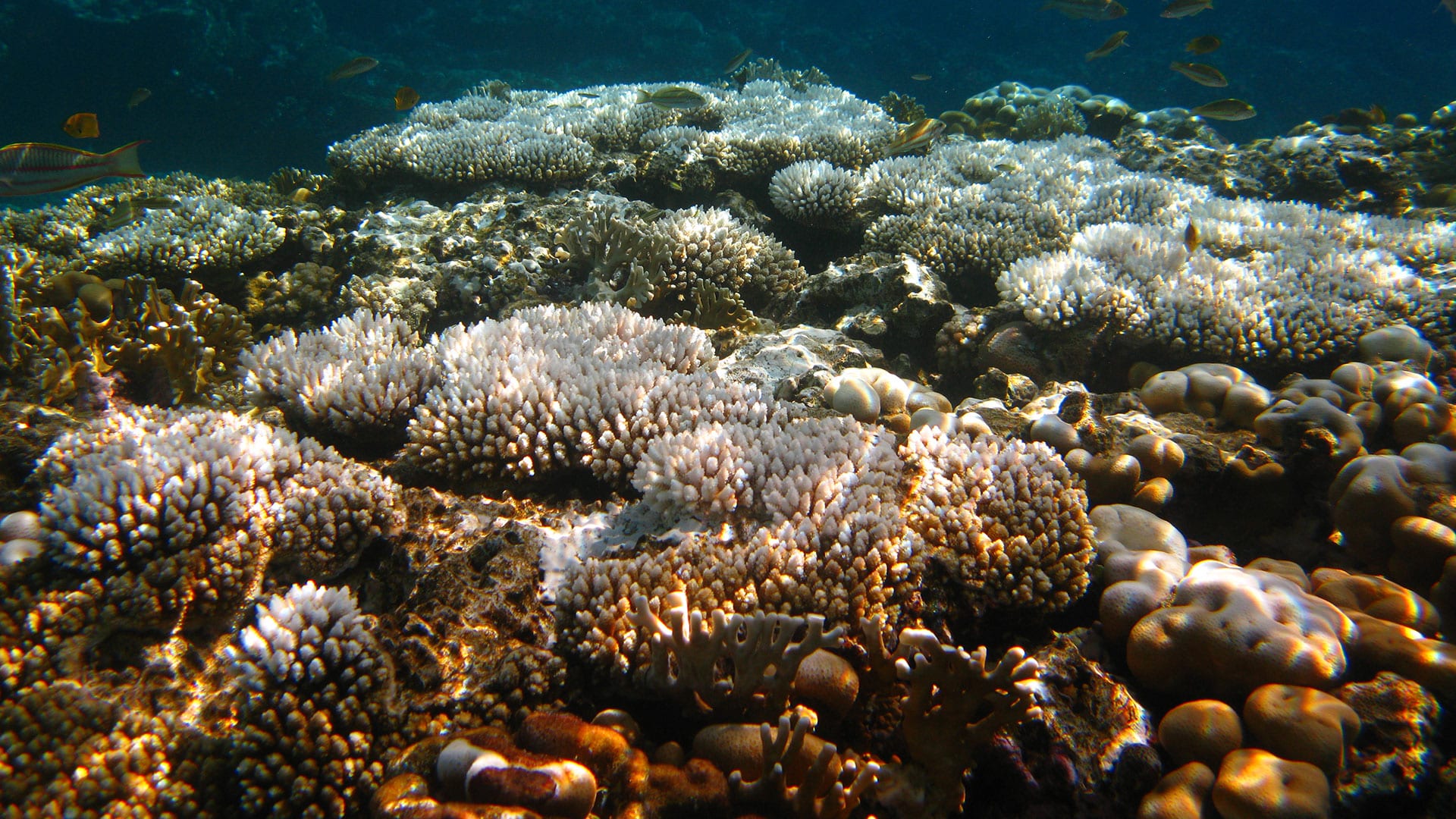
Corals have a symbiotic relationship with algae. The algae gives corals their color and provides them with food. In return, corals provide the algae with a place to live.
Read MoreWhat’s the difference between climate and weather?
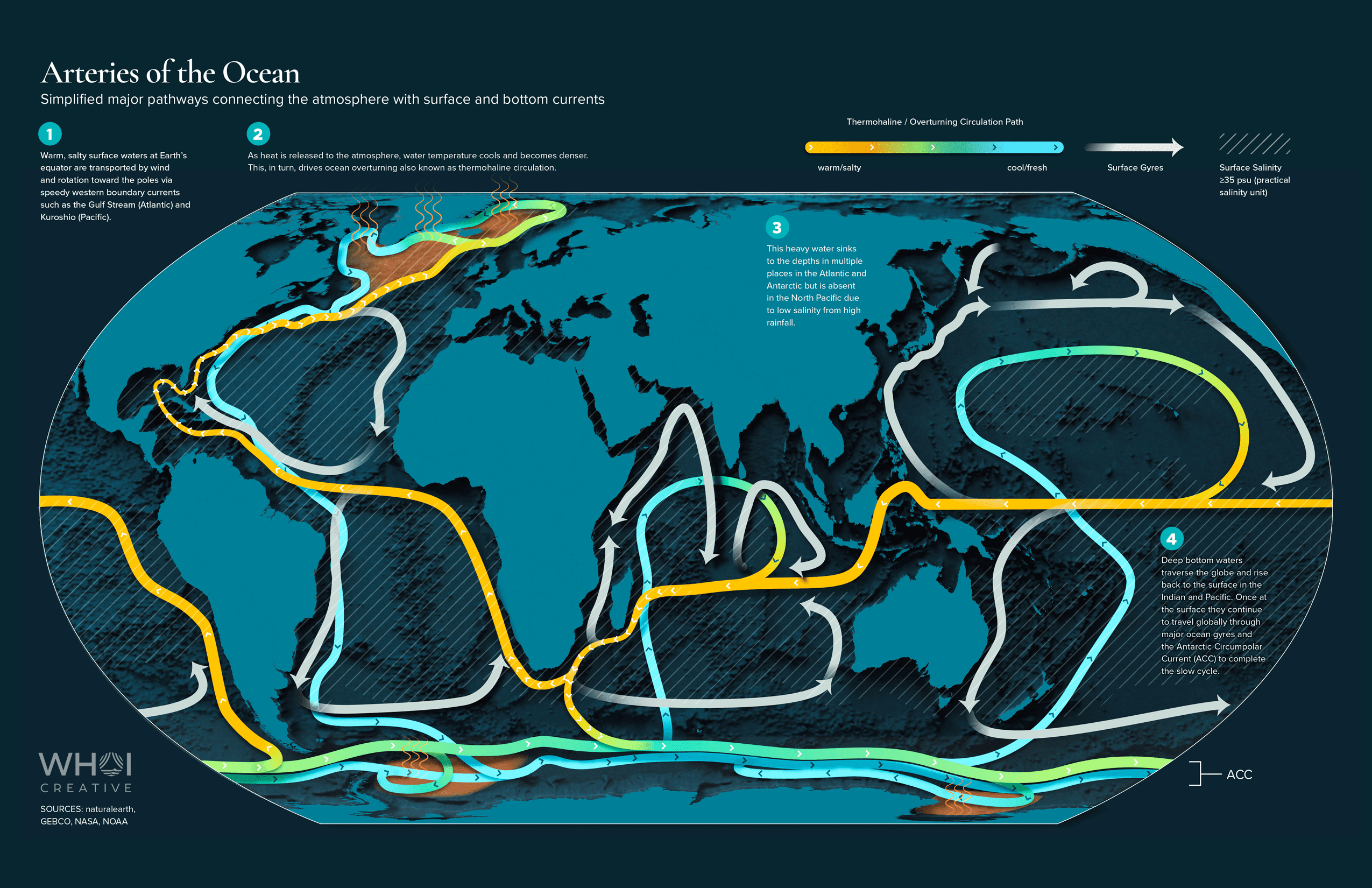
We often hear about the weather. We also hear about climate. The two terms are related. But they are not the same thing. What’s the difference?
Read MoreWhat causes ocean waves?
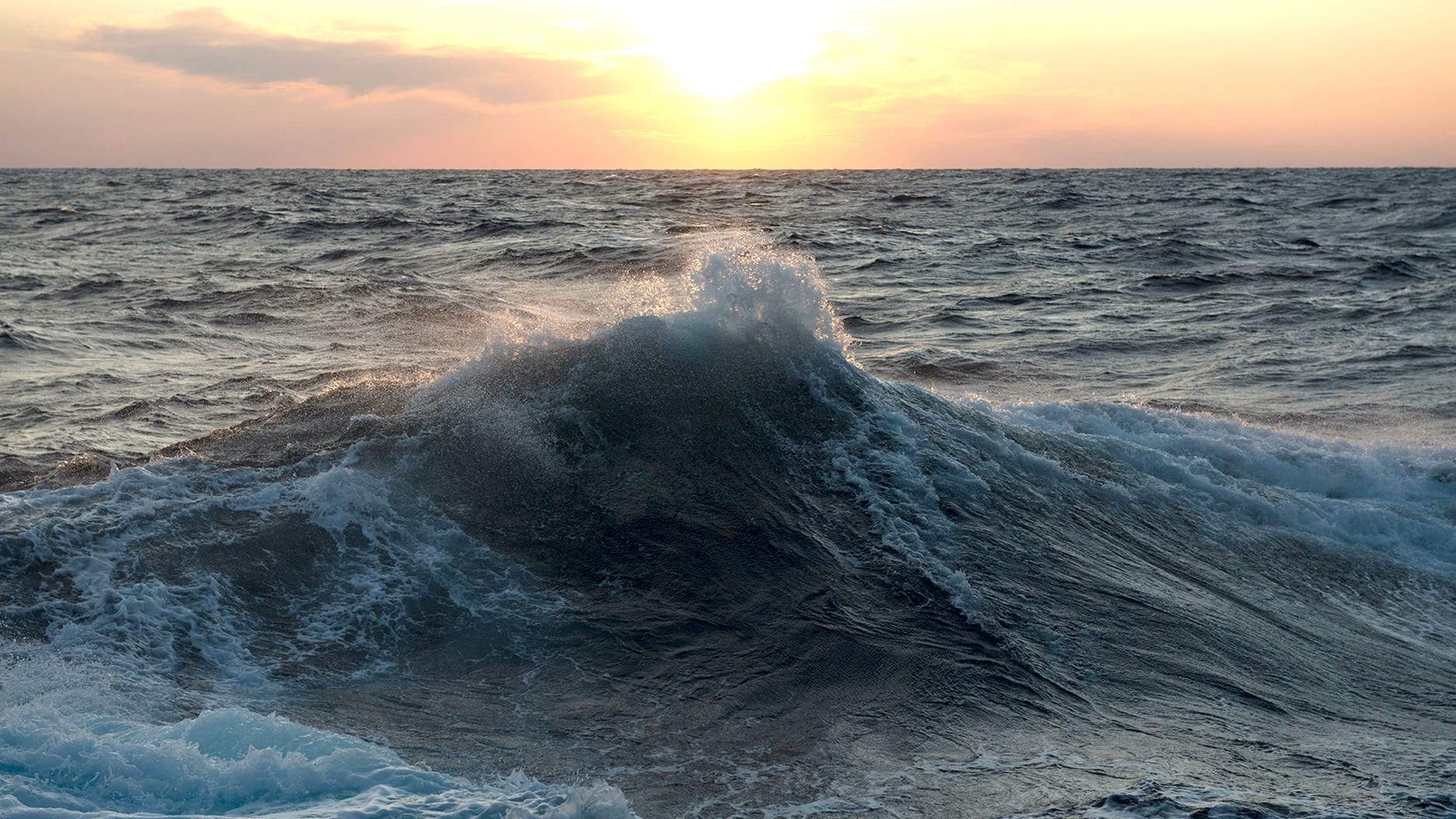
A trip to the ocean means sun, wind, and waves. Surfers ride them. Children play in them. Swimmers dive beneath them. But what causes waves?
Read MoreDoes the ocean produce oxygen?
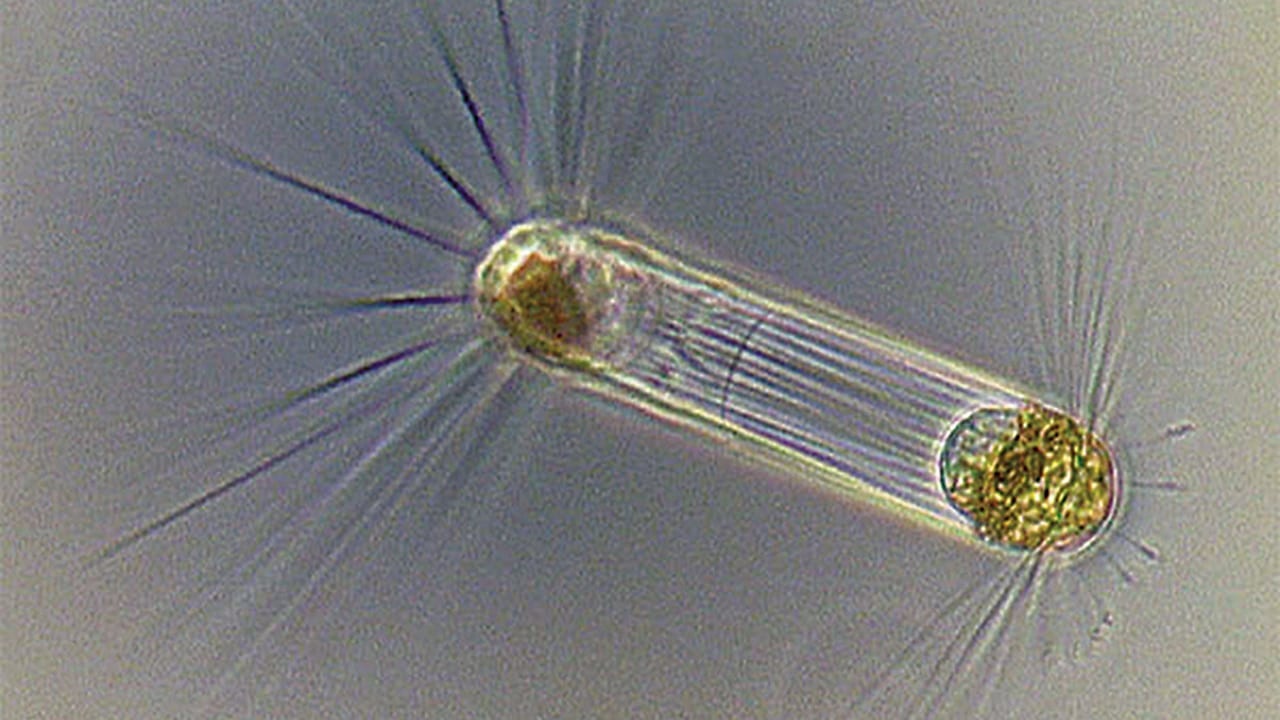
It’s easy to think of the world’s forests as the planet’s “lungs.” Trees pump out oxygen—the same stuff we breathe in. But does all our breathable air come from just land?
Read MoreWhy is the ocean blue?
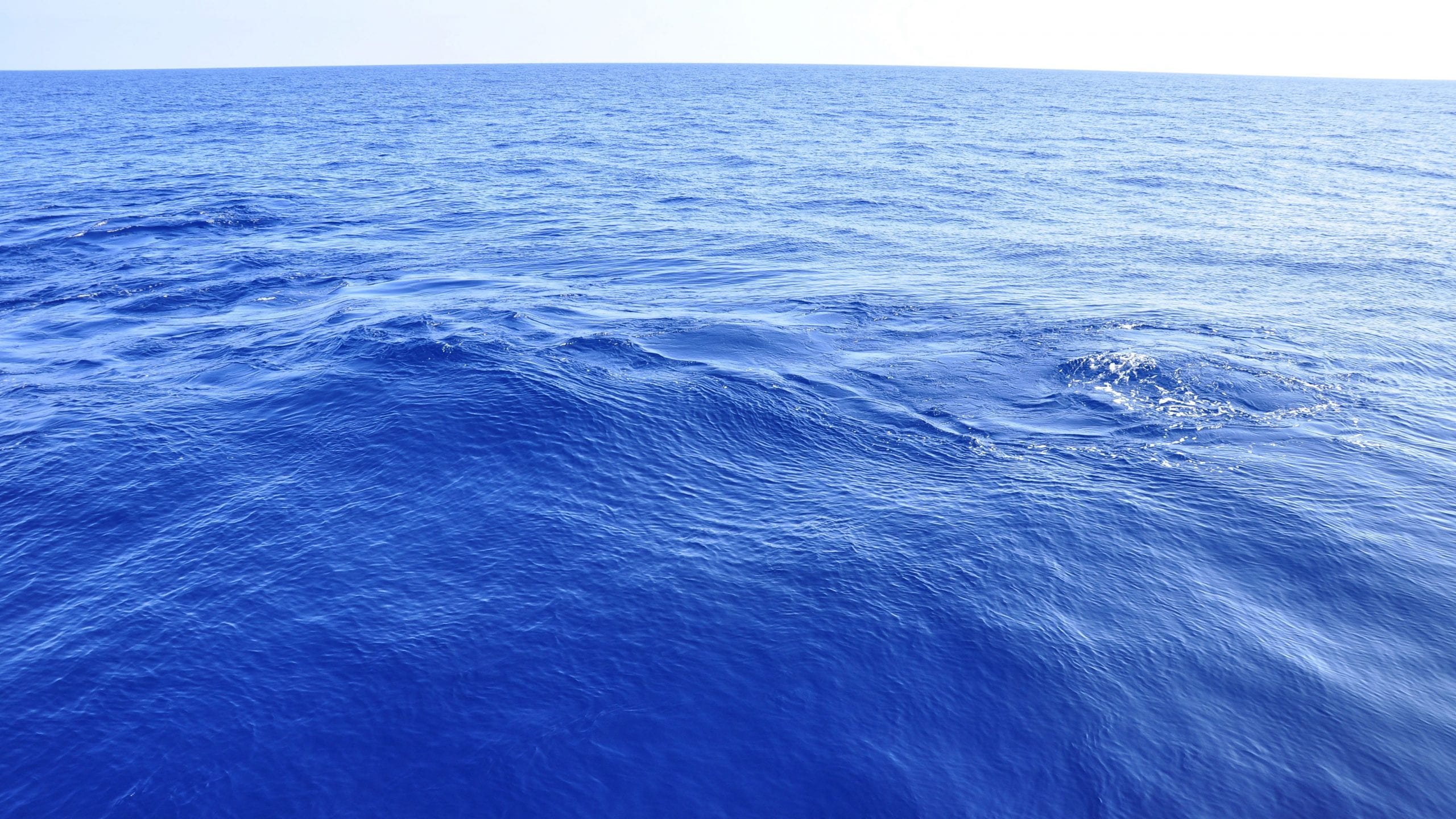
One idea is that it reflects the sky. But if we sink below the surface, the blue color remains. Here, the water isn’t reflecting the sky. So why is the ocean blue?
Read MoreMercury Cycle

Mercury is converted to monomethl mercury, a neurotoxin that moves up the food chain and becomes highly concentrated in tuna, swordfish and other seafood eaten by humans.
Read MoreRight Whales
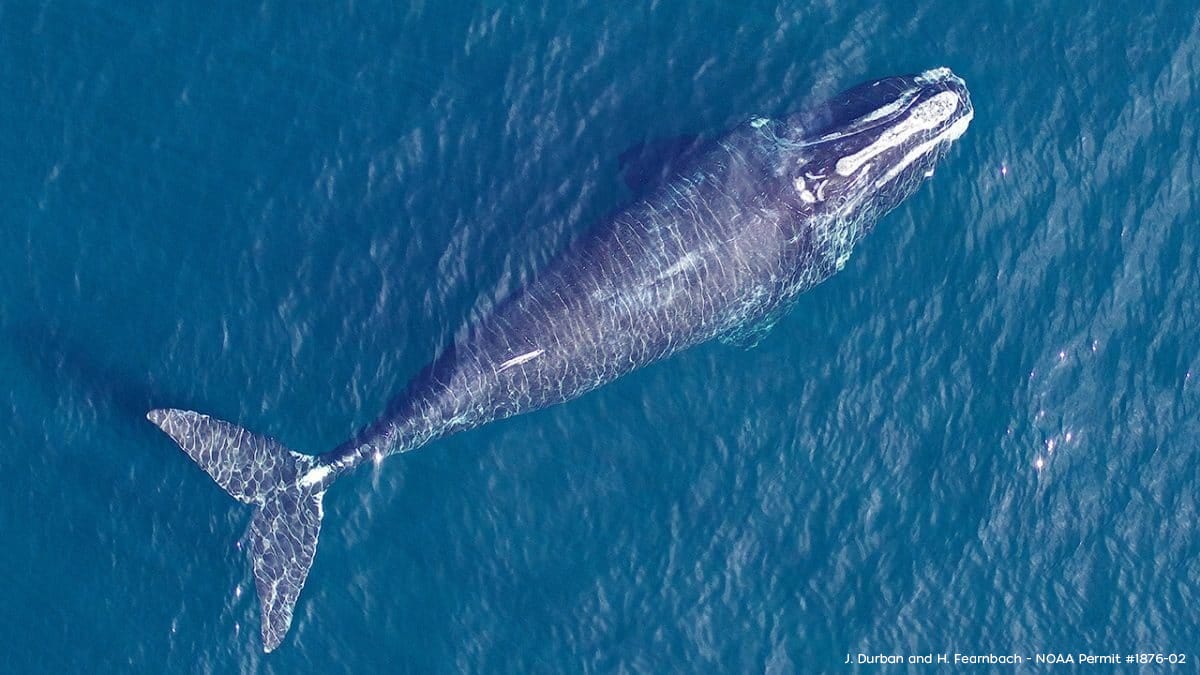
The North Atlantic right whale (Eubalaena glacialis) is one of the most endangered whales in the world—approximately 340 remain—due to entanglement and ship collisions.
Read MoreCarbon Dioxide, Shell Building, and Ocean Acidification
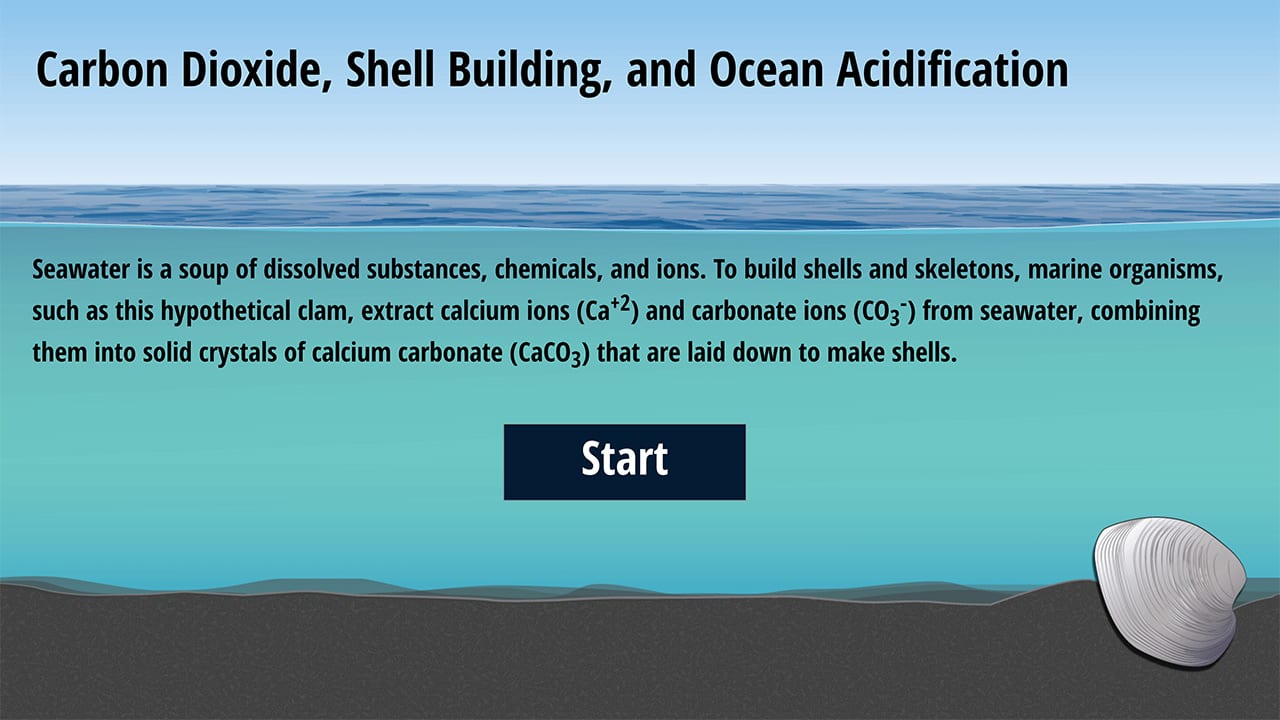
To build shells and skeletons, marine organisms extract calcium ions and carbonate ions from seawater to make shells.
Read MoreGroundwater
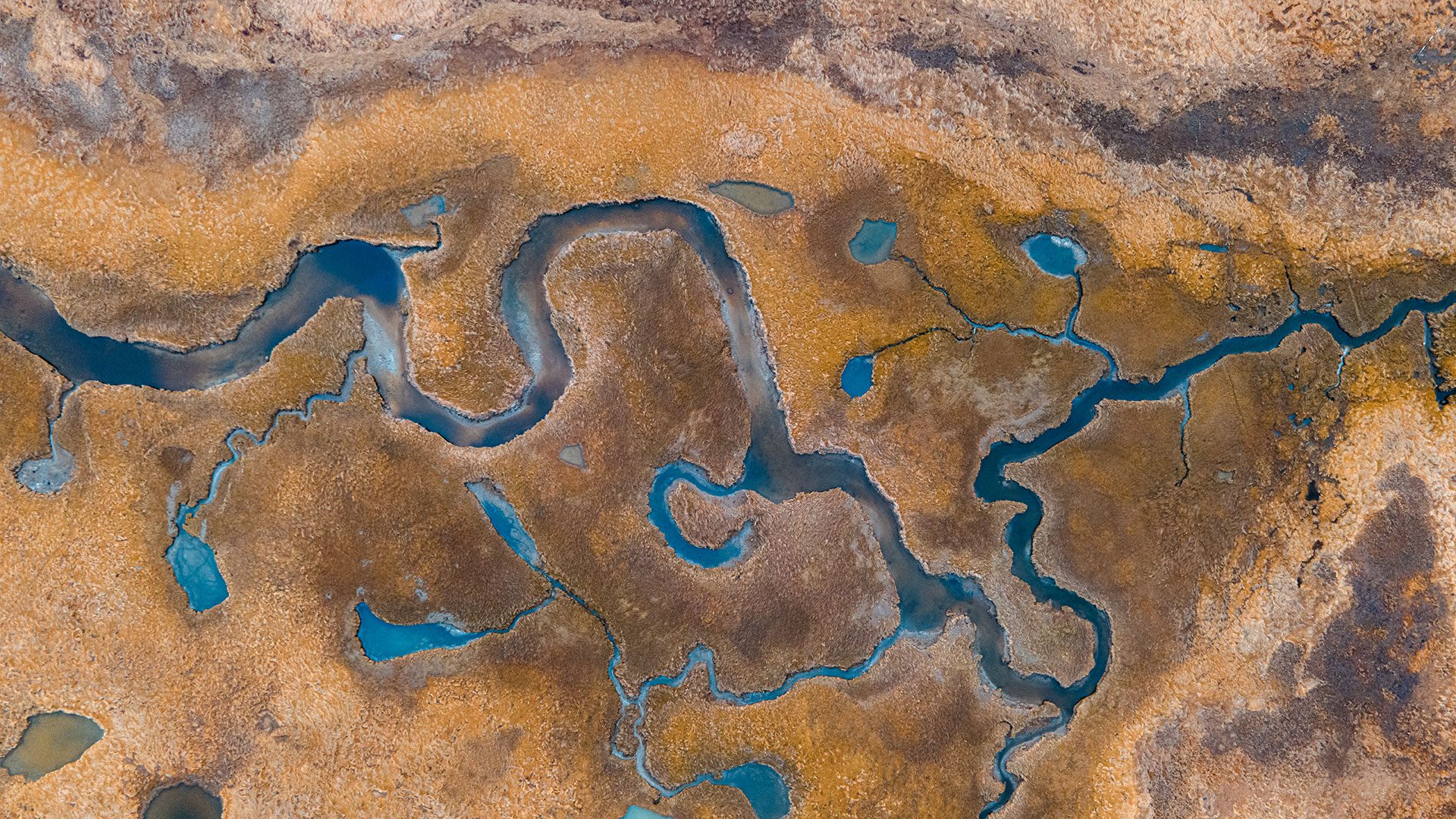
Groundwater is water that exists underground in the spaces between grains of sand or gravel or in the cracks and fractures in solid rock—part of the global water cycle.
Read MoreAir France Flight 447
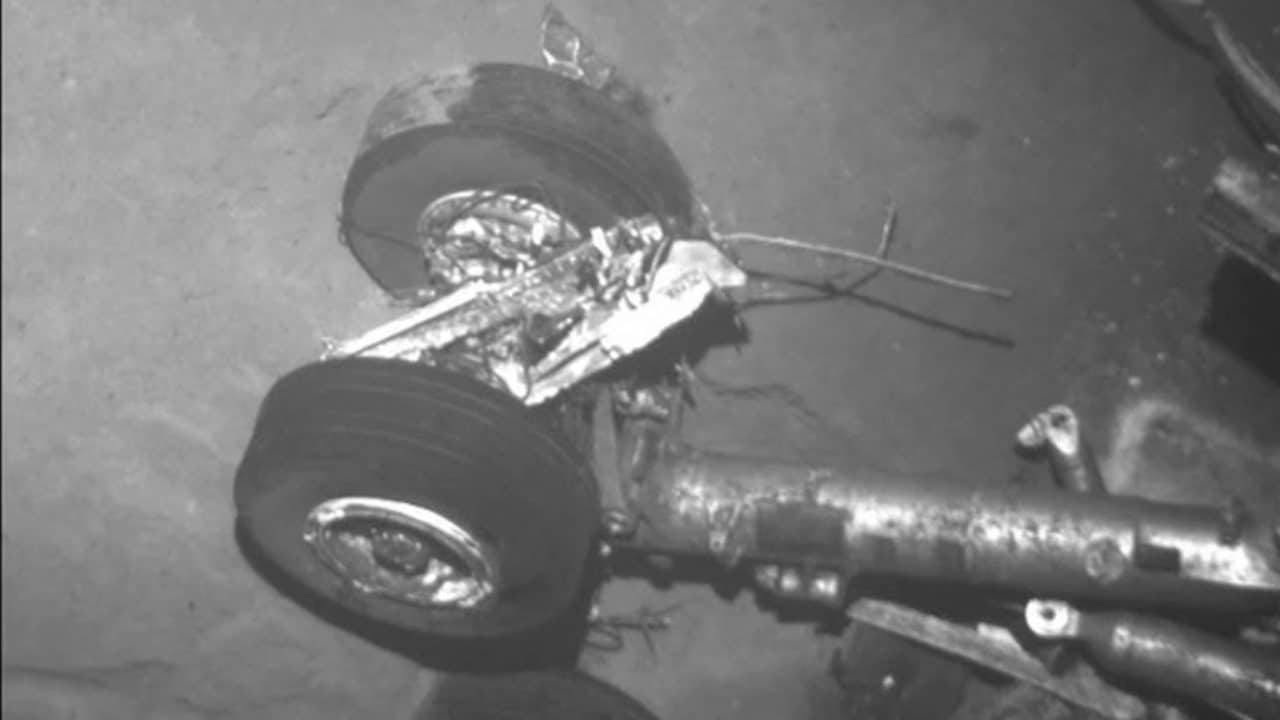
On April 4, 2011, a search team led by the Woods Hole Oceanographic Institution (WHOI) located the wreckage of the Airbus jet some 3,900 meters (nearly 2.5 miles) below the surface of the Atlantic Ocean.
Read MoreAcoustics
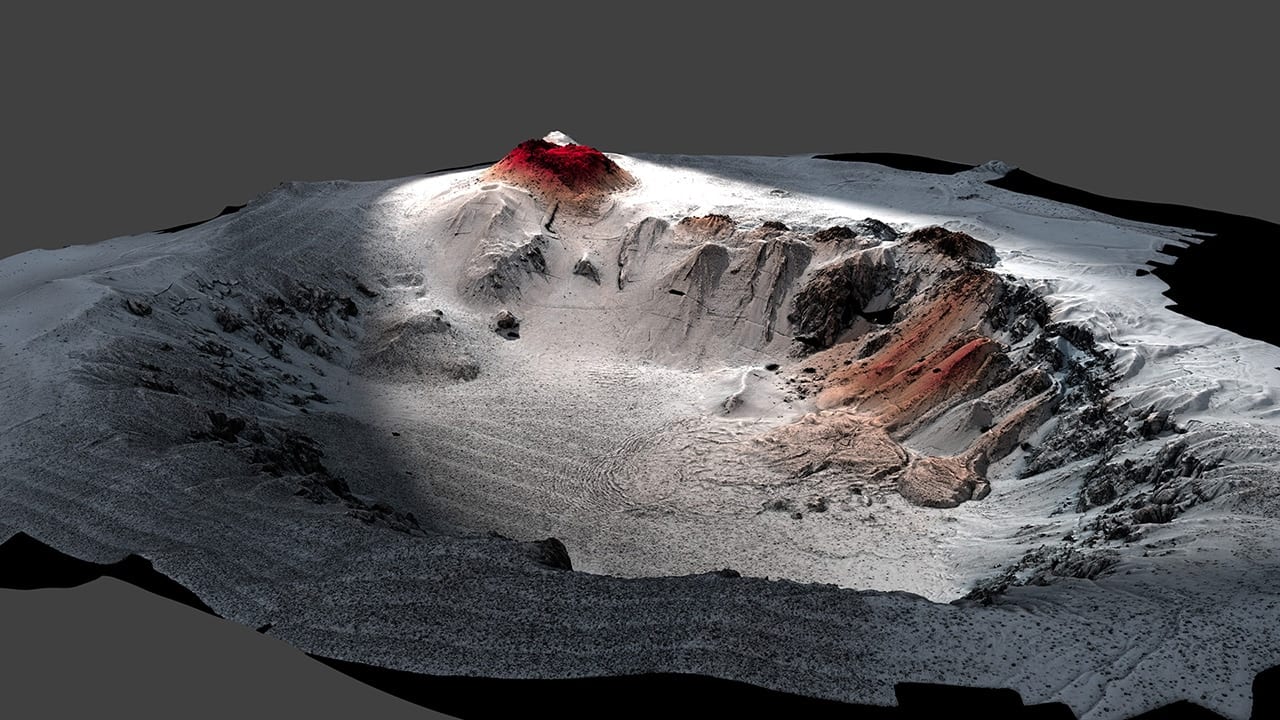
A strong understanding of how sound behaves in different conditions in the ocean helps scientists answer fundamental questions about the planet, the ocean, and marine life.
Read MoreMarine Microplastics
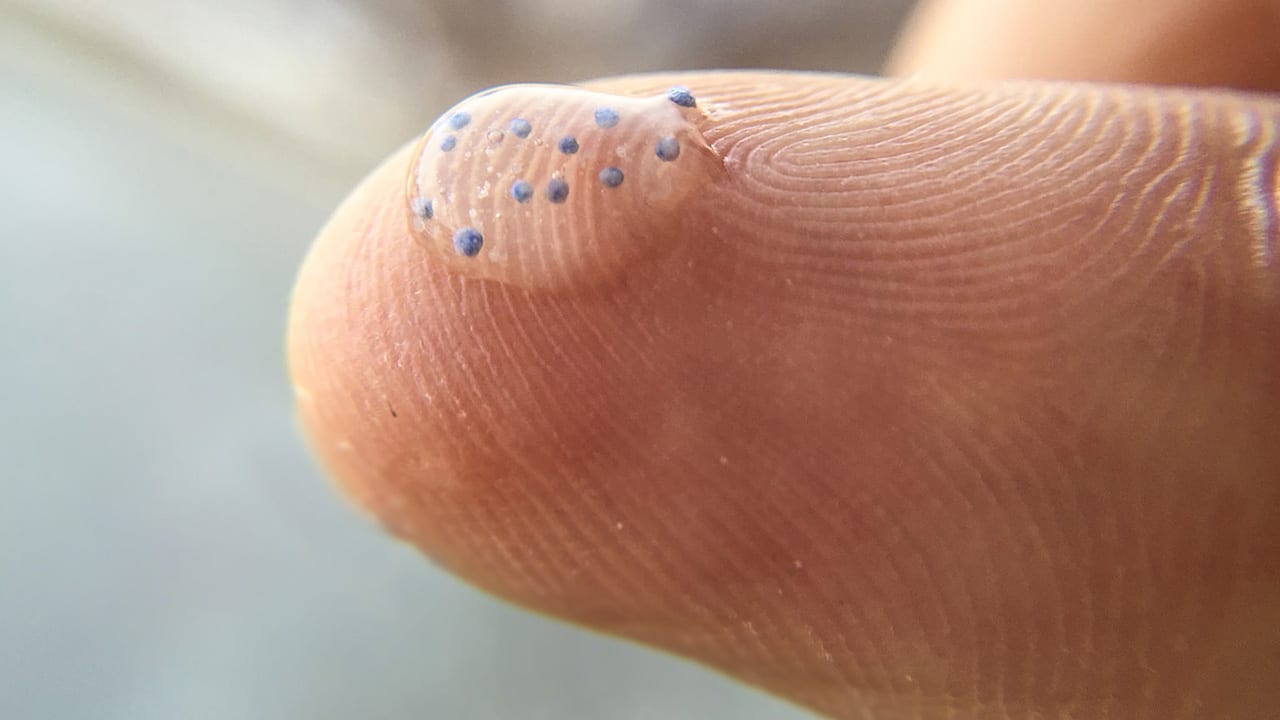
Marine microplastics are small fragments of plastic debris that are less than five millimeters long. Some microplastics, known as primary microplastics, are “micro by design
Read More