
Environmental Science
Samoa Chain
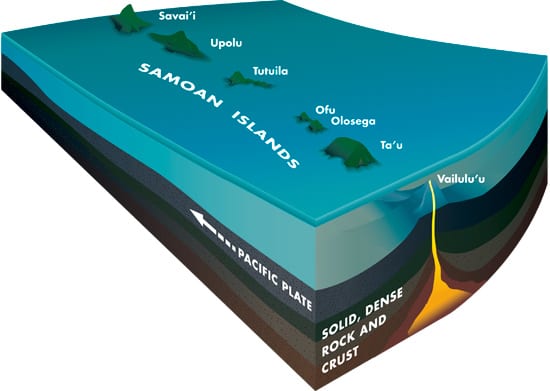
Hotspots like Samoa and Hawaii form island chains as magma erupts through the crust while tectonic plates drift over a fixed source deep in the mantle.
Read MoreArctic Halocline
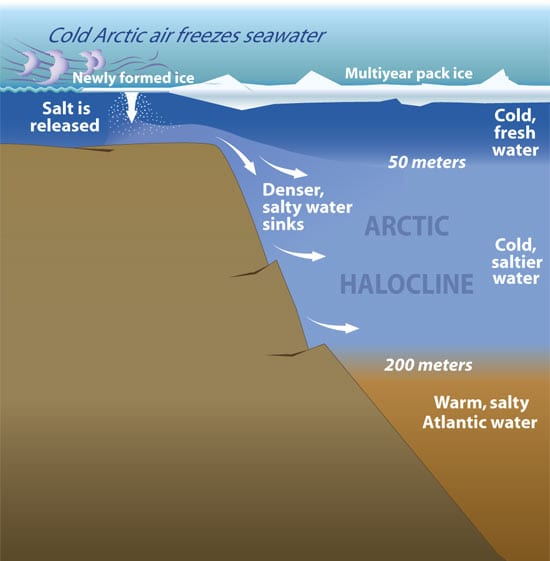
As sea ice forms, it releases salt, making surface water sink—creating a cold layer that shields the ice from deeper, warmer waters below.
Read MoreElemental Journeys
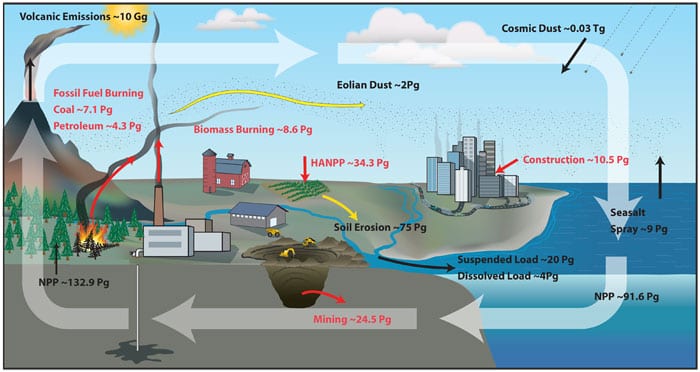
Vast amounts of elements move via nature and humans—through erosion, rivers, farming, and more—measured in Pg, Tg, and Gg. HANPP tracks our impact.
Read MoreHow biofilm forms in the sea
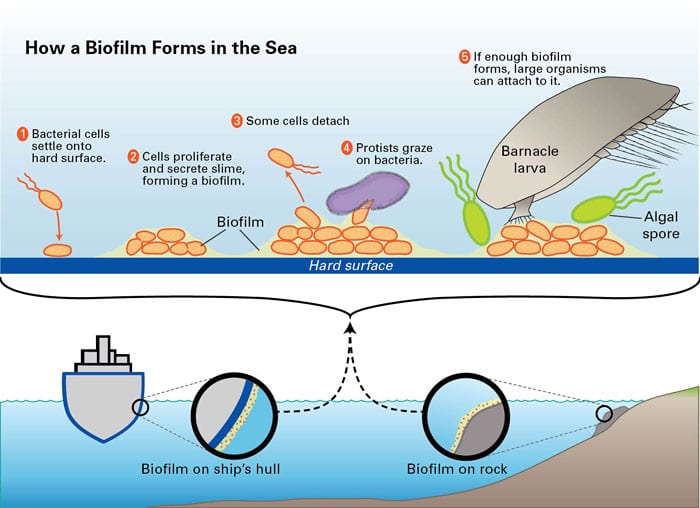
Biofilms form as bacteria settle and produce slime. Fighting them may work better by boosting natural biofilm reduction: bacterial detachment and protist predation.
Read MoreWhere the whales are
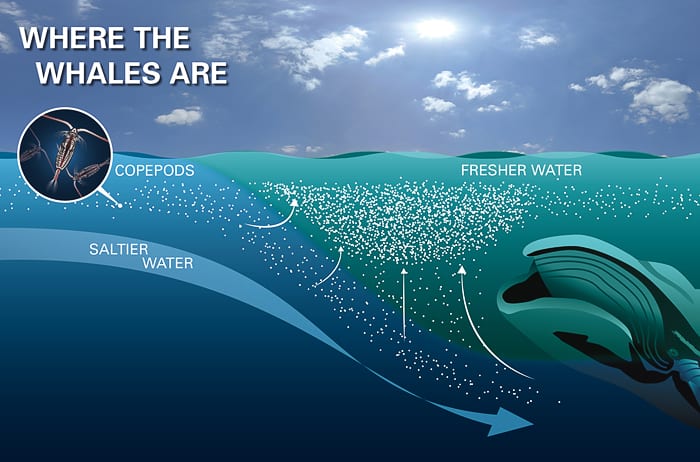
Fresh coastal currents meet salty ocean water to form a front where copepods aggregate in dense surface patches, creating feeding hotspots for marine life.
Read MoreRadioactivity in the Ocean: Natural vs. Human Sources
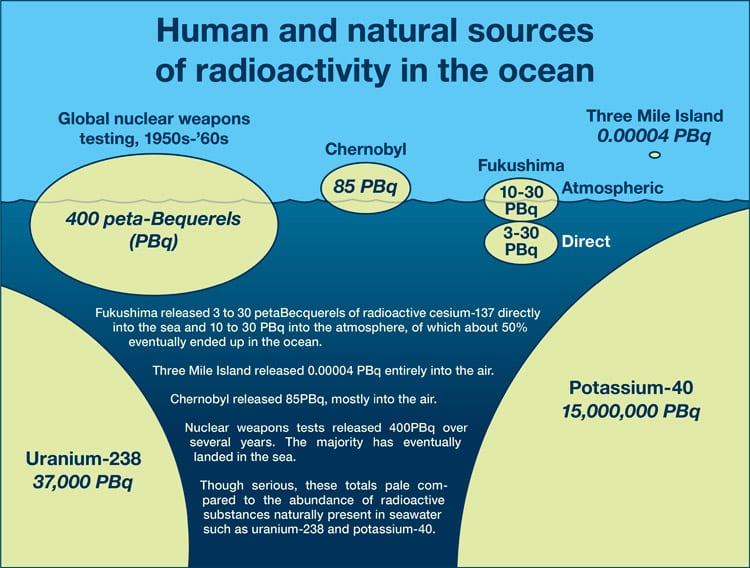
Nuclear accidents released PBqs of radiation, but natural sources like potassium-40 far exceed them—15 million PBq already exist in seawater.
Read MoreBetween the beach and the deep sea
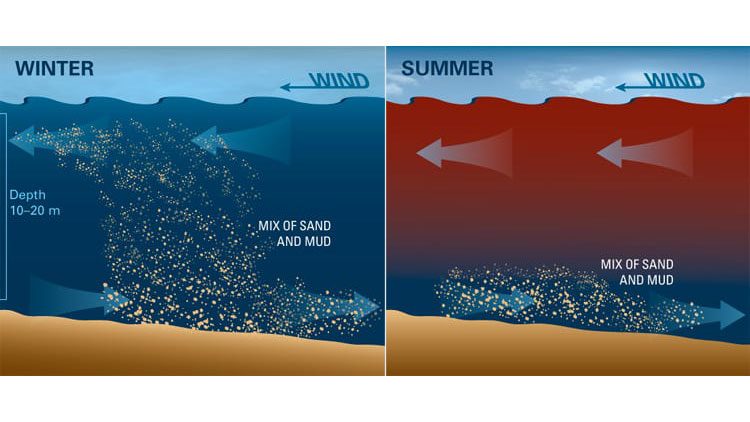
The shallow inner shelf connects beach and ocean, where waves, tides, and seasonal changes mix sand, water, and nutrients, shaping coastal transport.
Read MoreNoah’s Not-so-big Flood
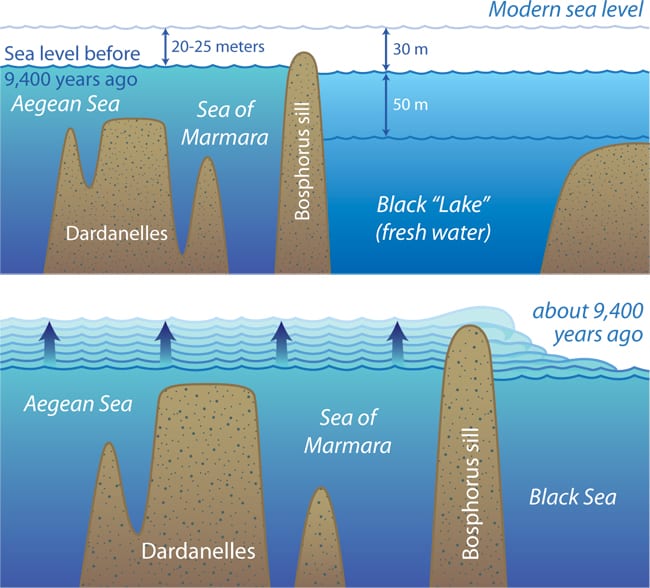
10,000 years ago, the Black Sea was a freshwater lake dammed by the Bosphorus Sill. Rising sea levels later flooded it, possibly inspiring the Noah’s flood story.
Read MoreDoes Sand Move Bacteria at the Beach?
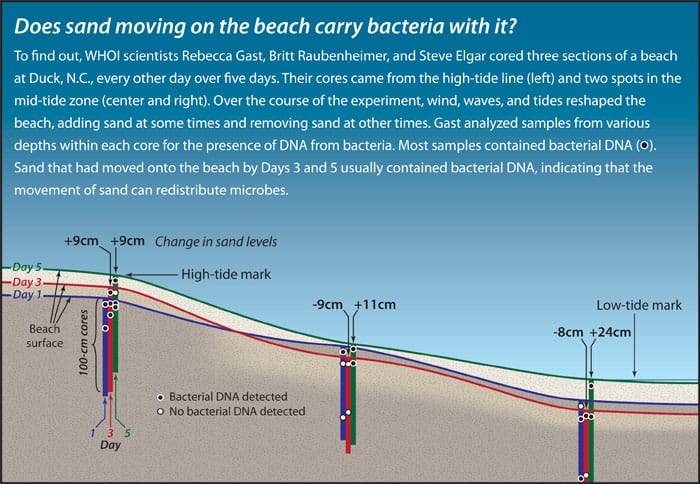
Sand that had moved onto the beach during days 3 and 5 of this study contained bacterial DNA, indicating the movement of sand can redistribute microbes.
Read MoreGreenland-Scotland Ridge
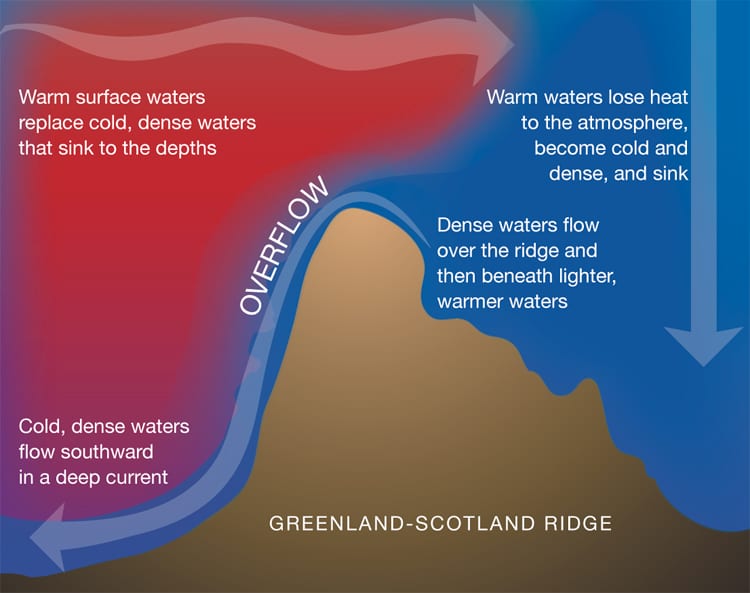
The Greenland-Scotland Ridge is a tall undersea ridge that rises within 500 meters of the sea surface and extends from East Greenland to Iceland and across to Scotland.
Read MoreFukushima and Radiation in the Ocean: How much?
Fukushima released radioactive water into the Pacific. Explore how much, how it spread, and what it means for ocean health, seafood, and human safety.
Read MoreOutlaw Algae in Alaskan Waters
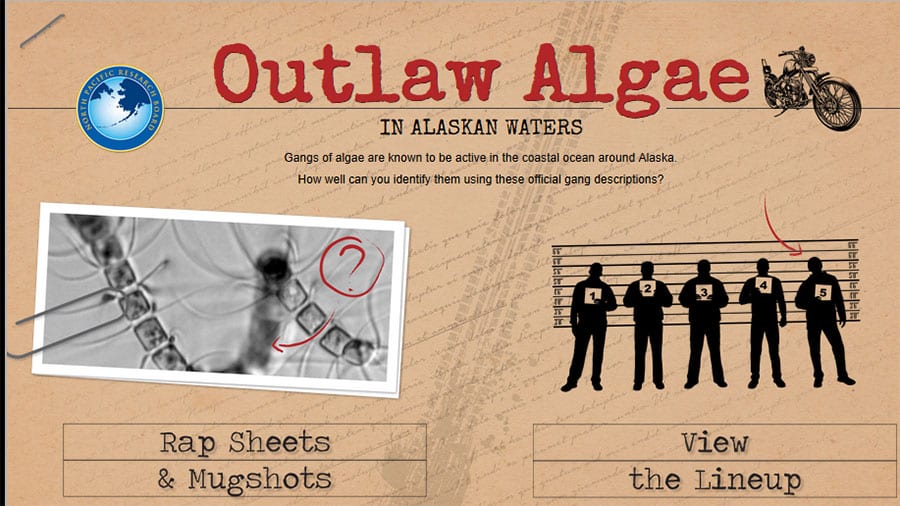
Algae gangs are on the move in Alaska! From “Chain Gangs” to “Cloudmakers,” test your skills and see if you can ID these microscopic troublemakers.
Read MoreCarbon Around the World
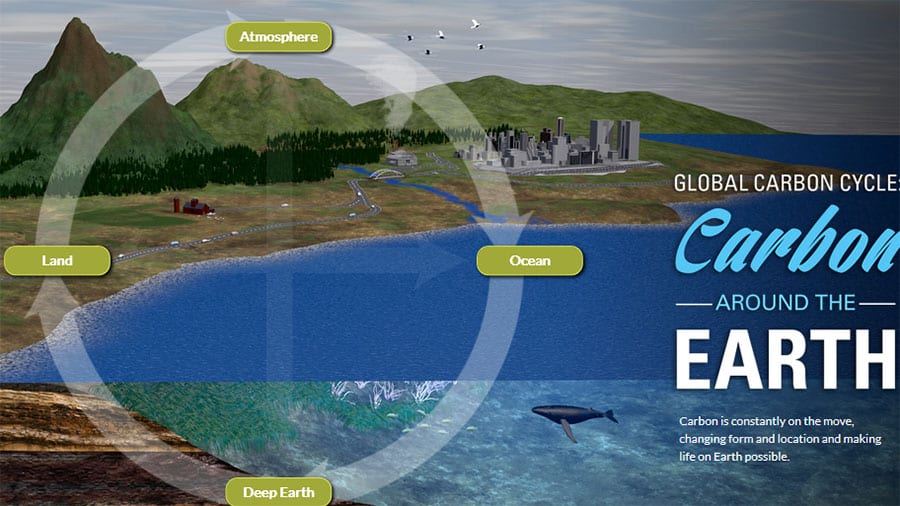
Carbon makes up the backbone of all life on Earth. It’s found in the cells of all living things, is abundant in rocks and sediments, and is also found in the atmosphere and ocean.
Read MoreABCs of Radioactivity
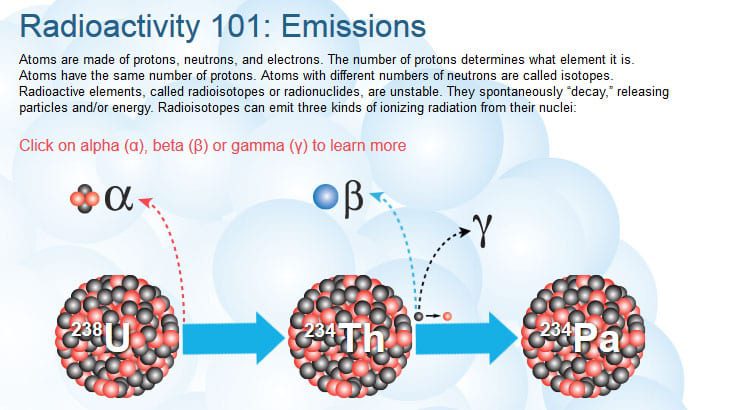
Atoms are made of protons, neutrons, and electrons. Radioactive elements, called radioisotopes or radionuclides, are unstable.
Read MoreCalculating Evaporation from the Ocean
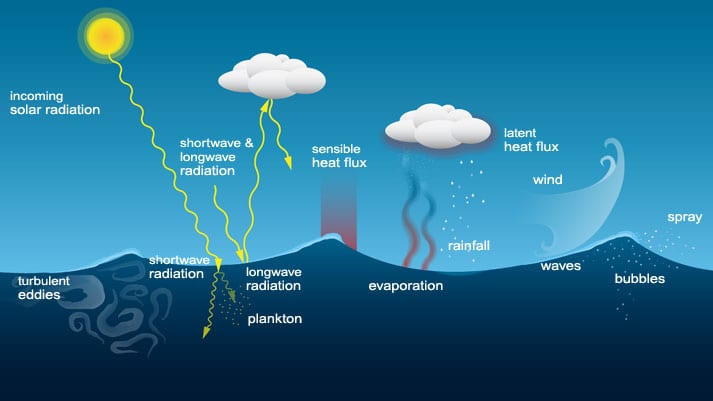
Calculating ocean evaporation involves various methods, and considers factors like wind speed, air-sea temperature differences, and humidity.
Read More2010 Haiti Earthquake
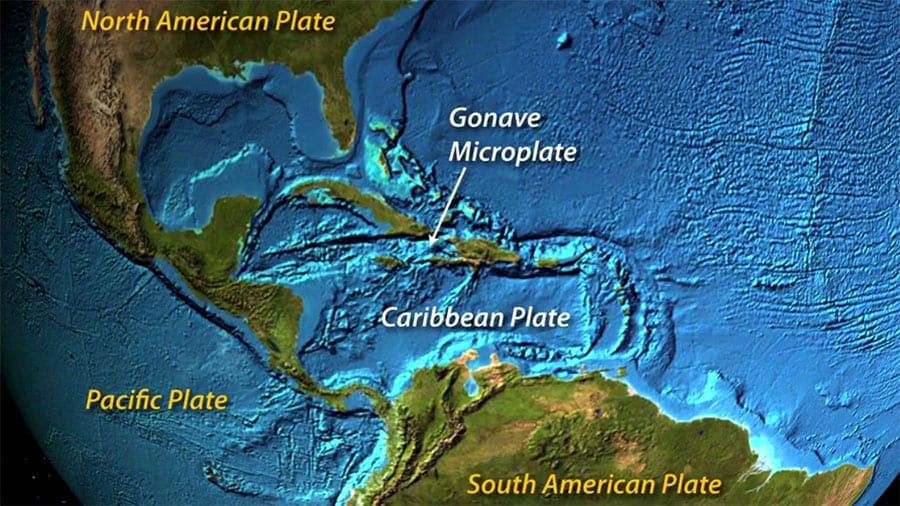
Explore the tectonic forces behind the 2010 Haiti earthquake and how stress built upand shiftedalong the Enriquillo fault zone.
Read MoreA River Runs Through It
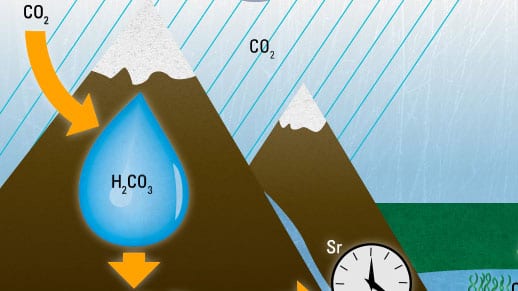
In this interactive, track a geochemical journey that starts in the atmosphere, moves through rocks and plants, and sinks to the seafloor.
Read More