
Environmental Science
The deep ocean is more dynamic than you think
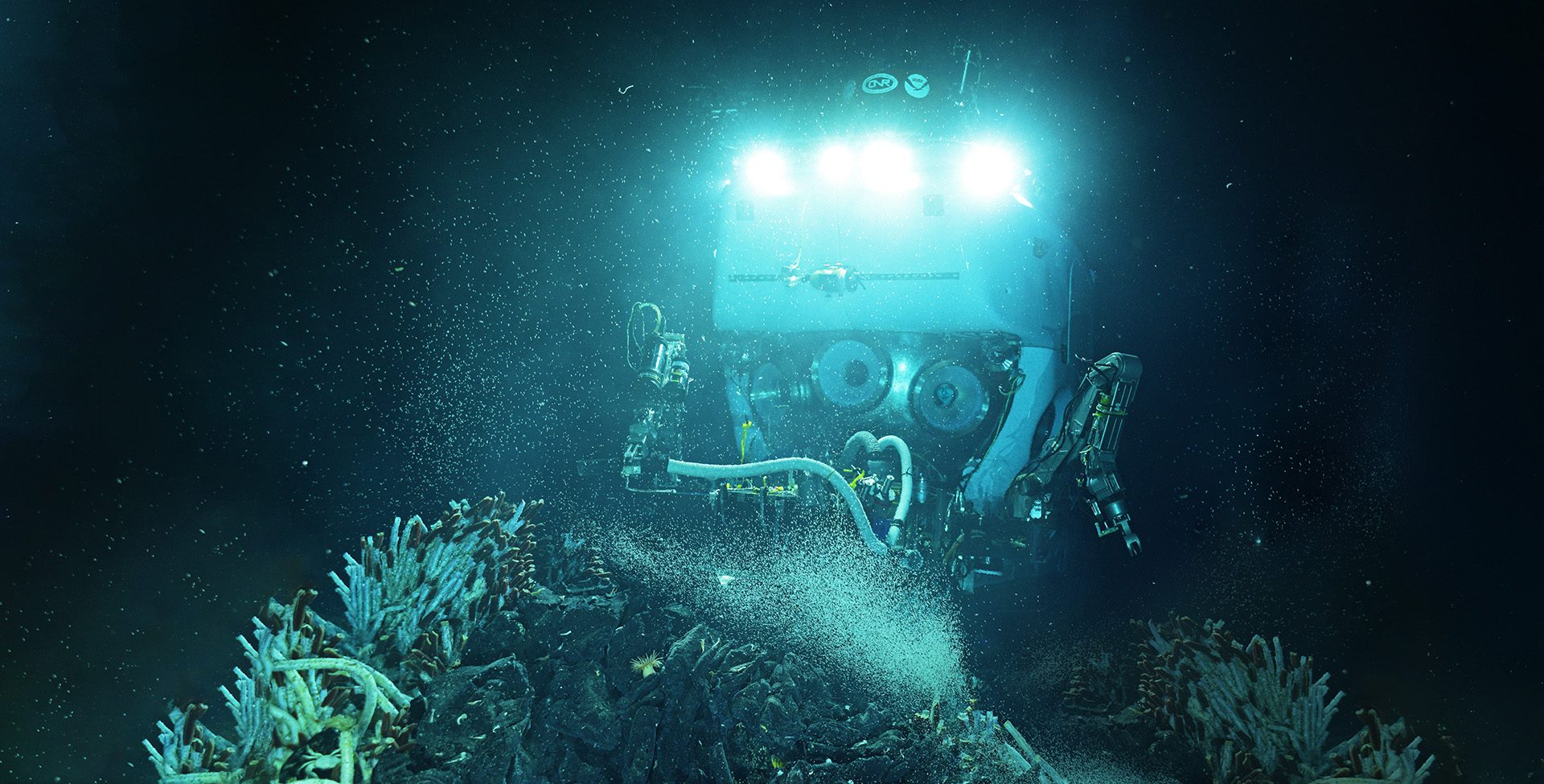
The deep ocean is dynamic, with shifting currents and layers influencing climate, ecosystems, and global ocean processes.
Read MoreArteries of the Ocean
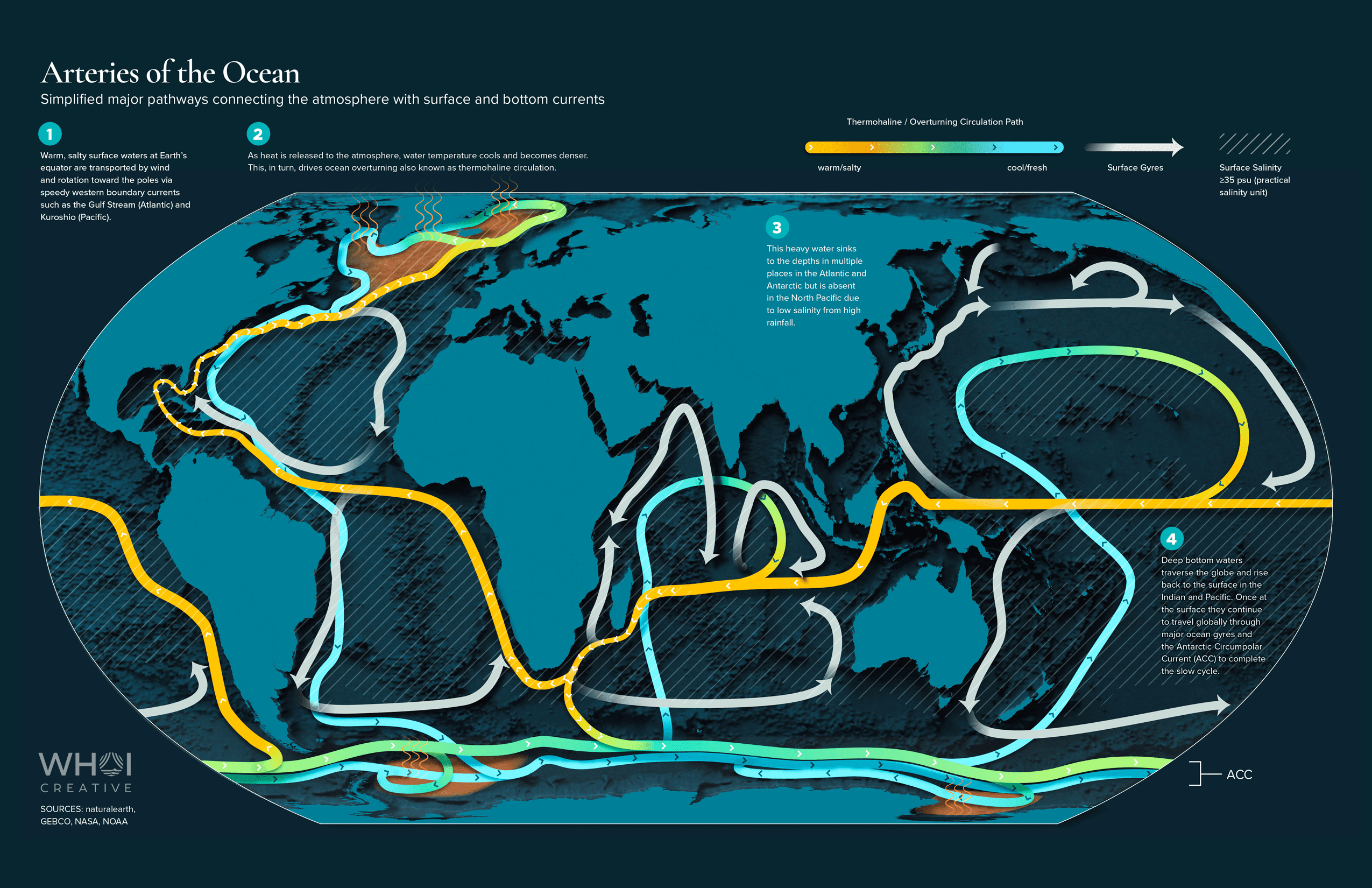
Learn more about how the ocean’s complex and chaotic physics define life on our planet.
Read MoreAntarctica’s ice shelf loss
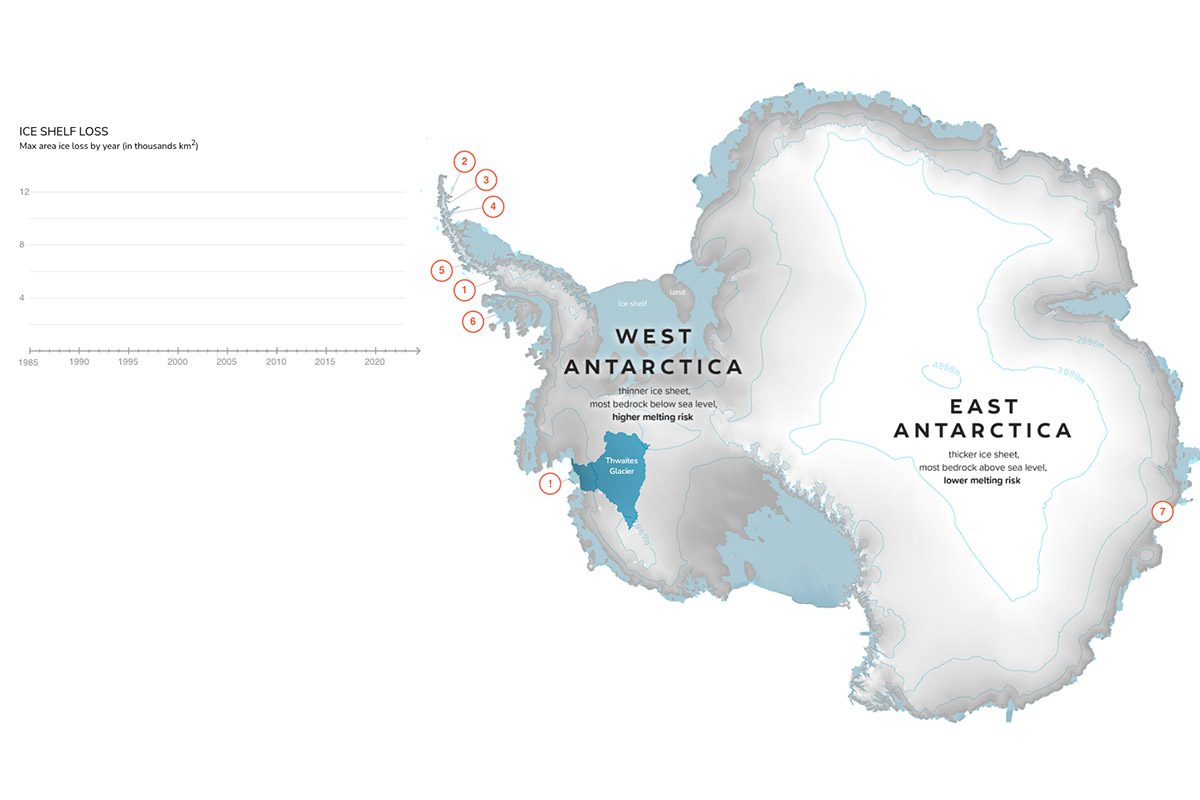
Find out how Antarctica’s seven largest ice shelf collapses size up in this climate.
Read MoreHAB forecasts strengthen communities
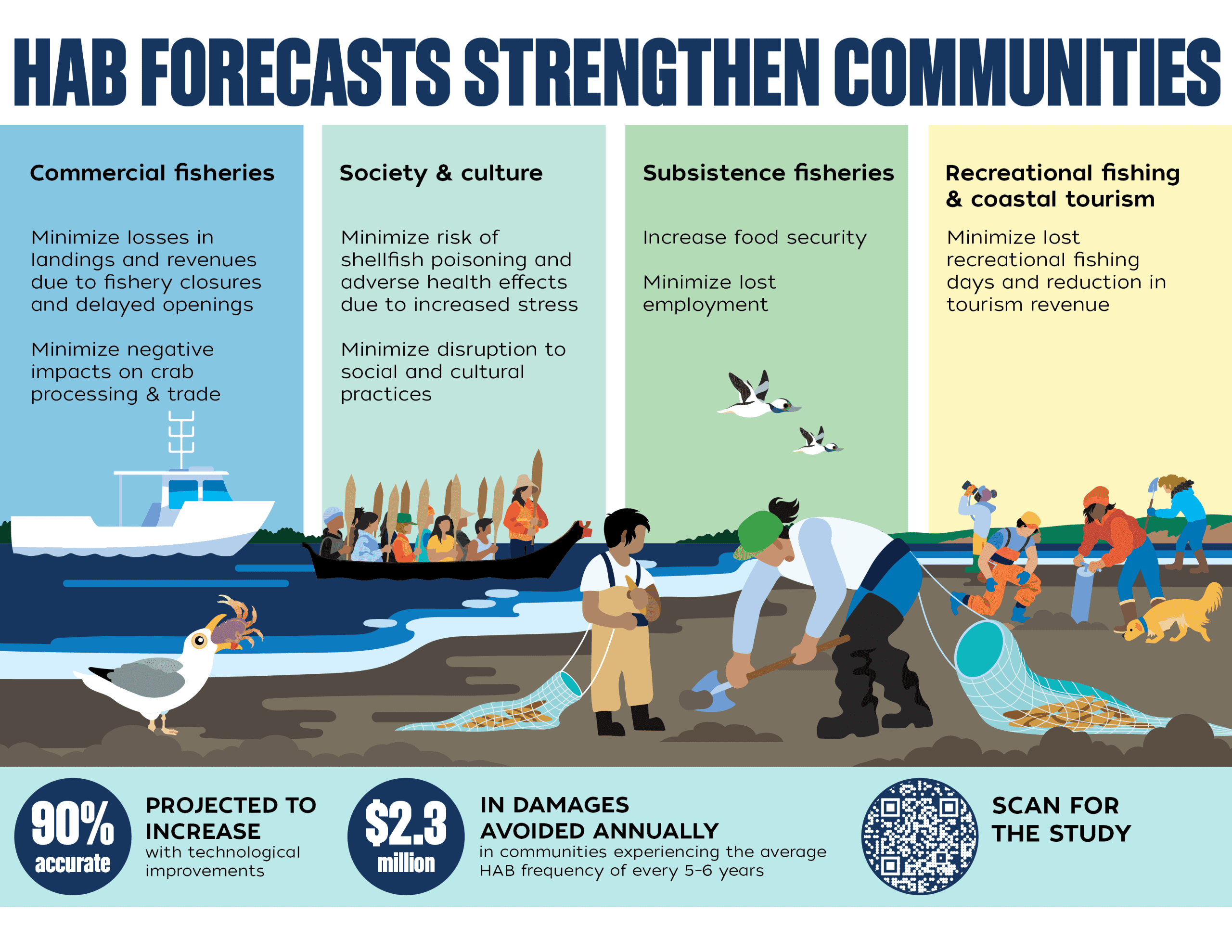
Chart showing the benefits of HAB forecasts.
Read MoreWhat goes into a HAB forecast?
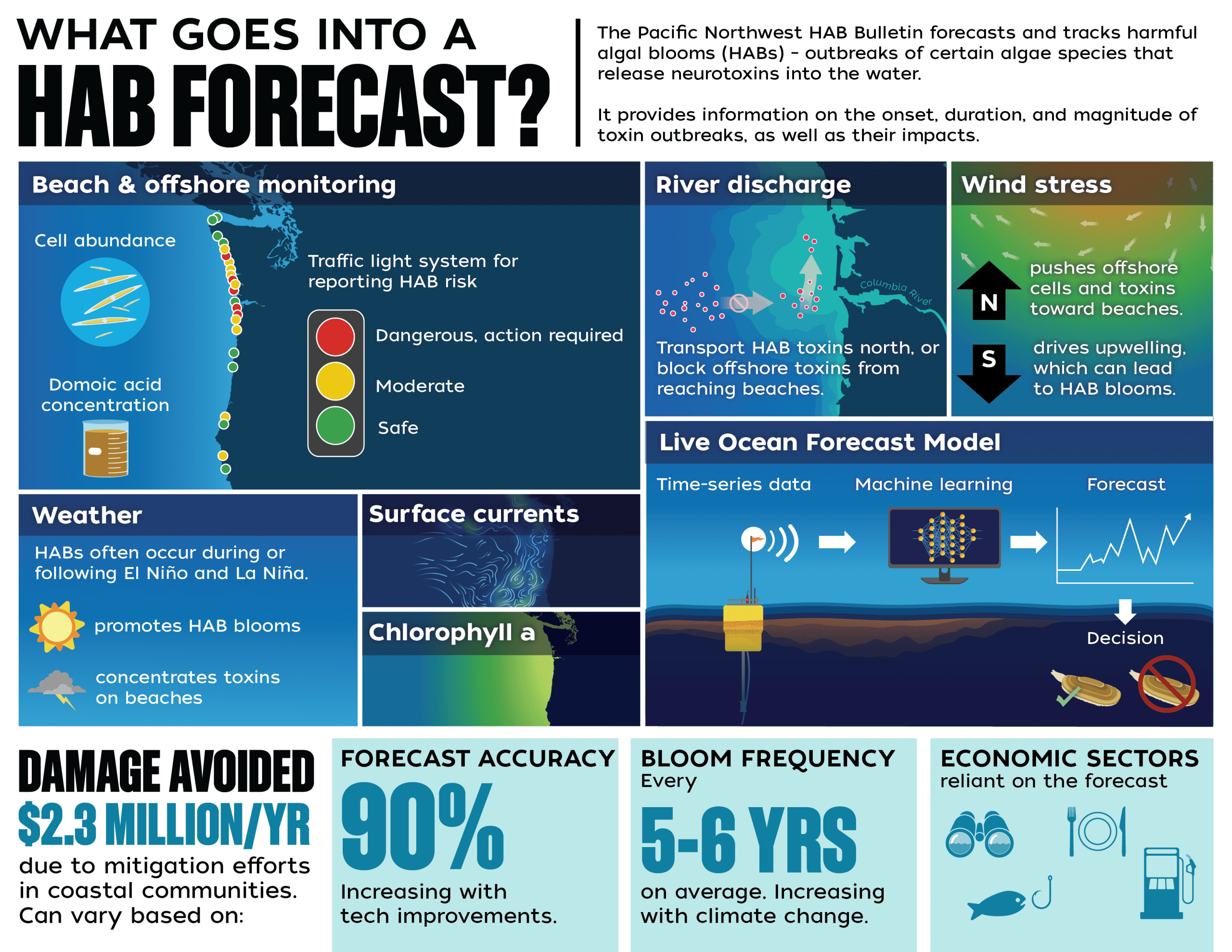
Harmful algal bloom (HAB) forecasts rely on a combination of satellite data, water samples, and predictive modeling to track the proliferation of toxic algae, essential for protecting coastal ecosystems and public health.
Read MoreAre the ice sheets really melting?
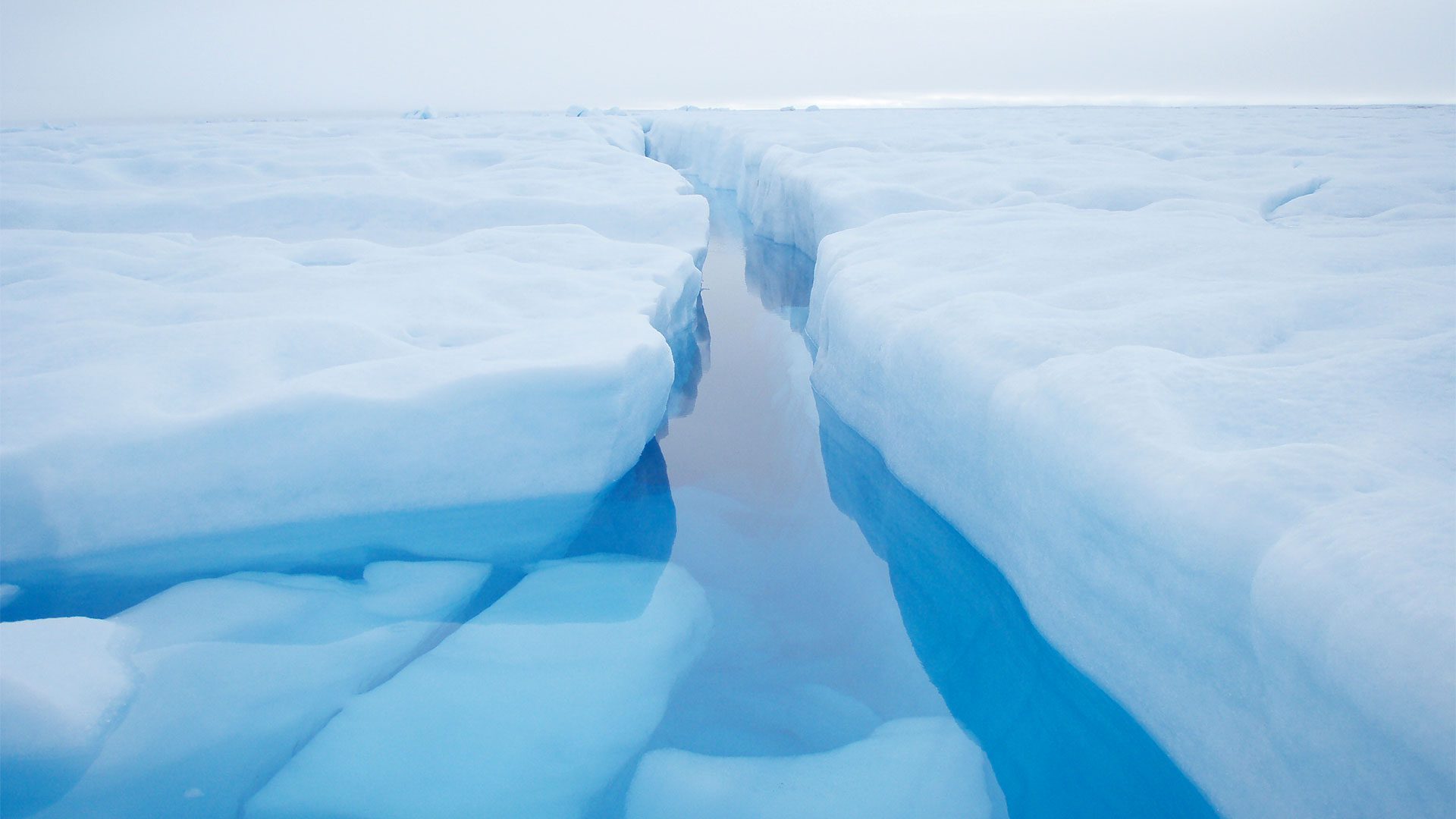
Despite record snowfall, Antarctica’s ice sheets are still shrinking. WHOI scientists explain why short-term gains can’t offset long-term warming and rising sea levels.
Read MoreAre shark attacks on the rise?
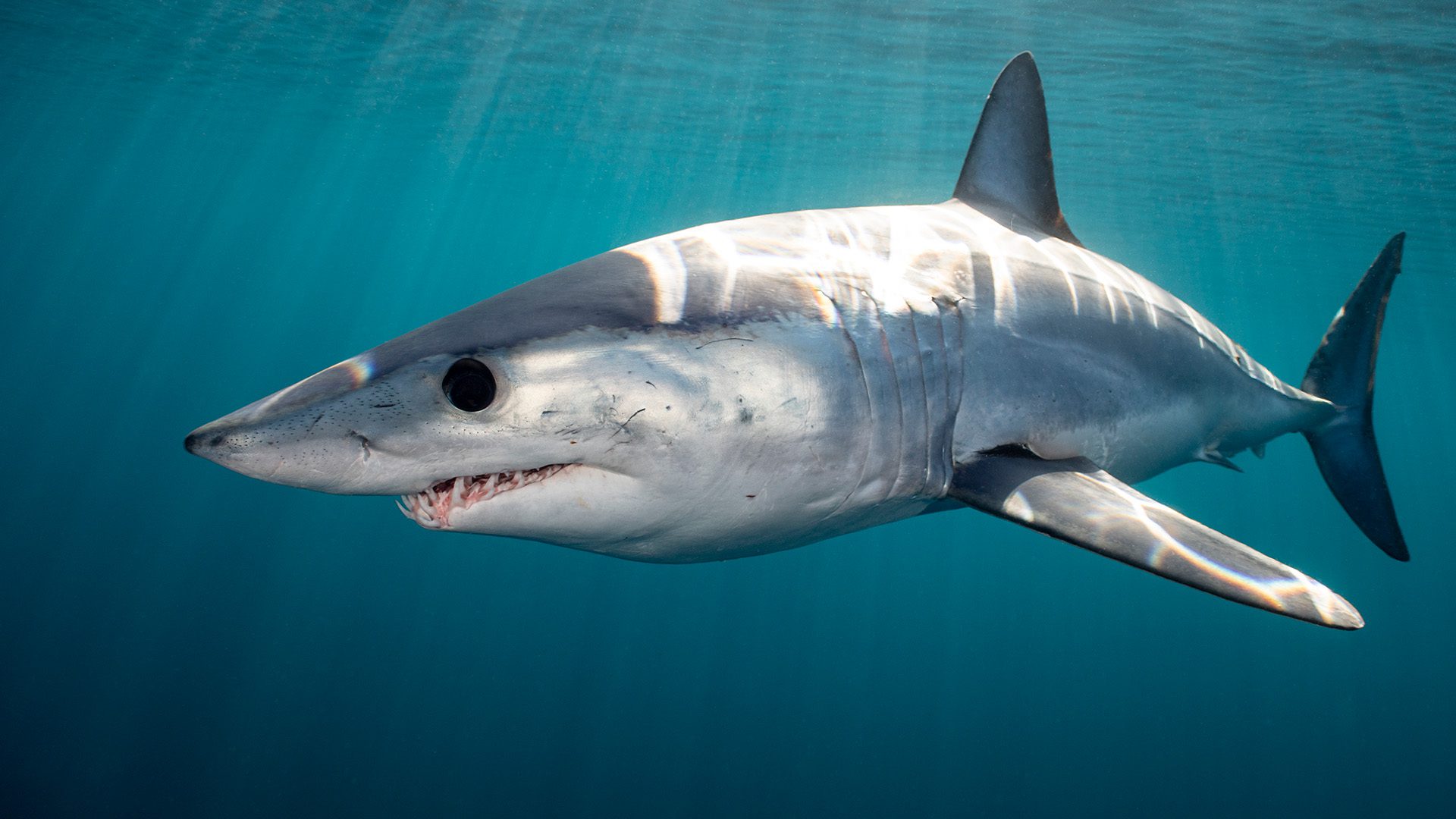
Shark attacks are not on the rise, contrary to popular belief; marine ecologist Camrin Braun from WHOI emphasizes that these incidents often result from mistaken identity and that the odds of being bitten are just one in 4.3 million.
Read MoreHow are seashells made?
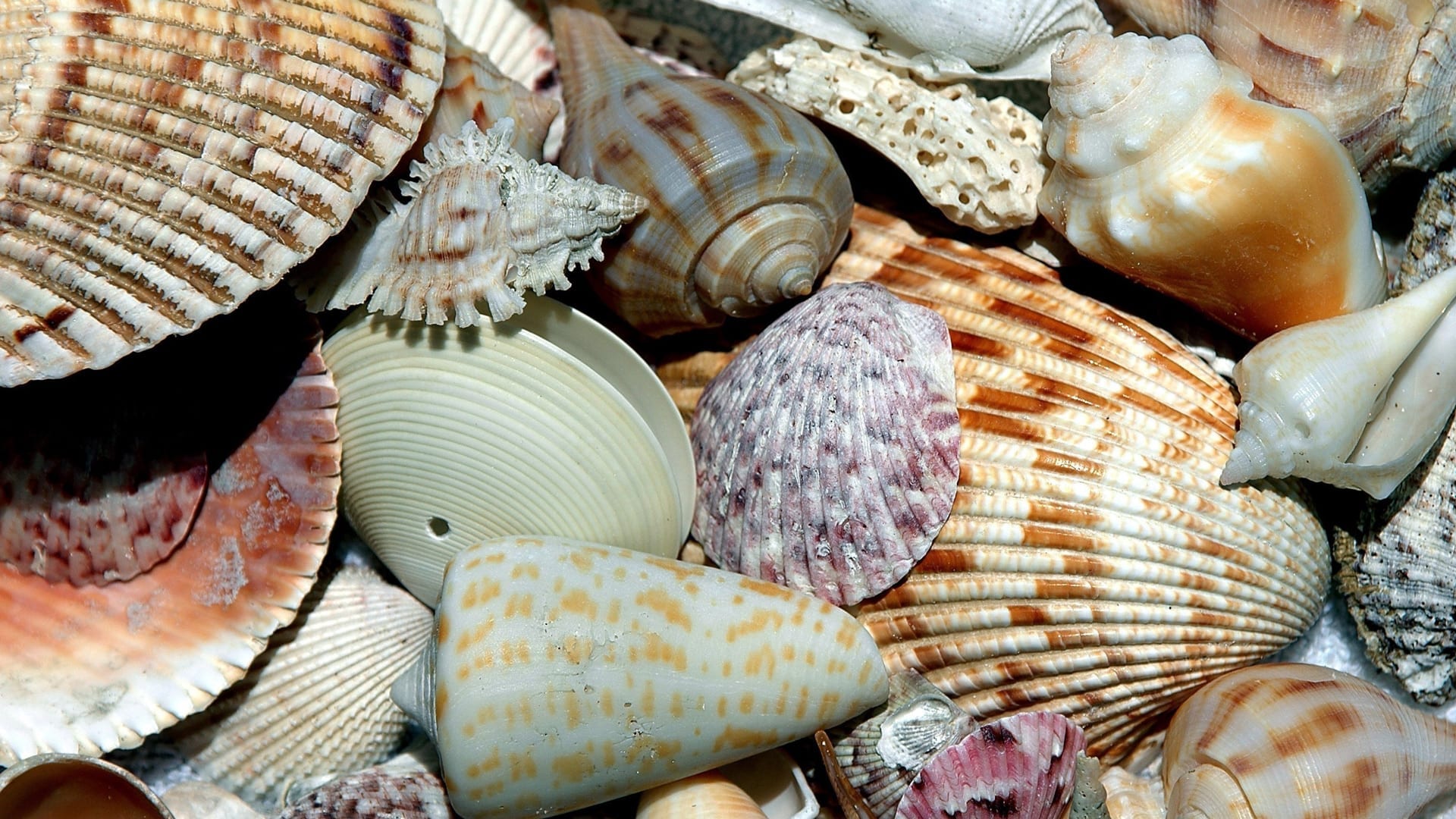
One of the most striking features of our beaches is seashells. Their whorls, curves, and shiny iridescent insides are the remains of animals. But where do they come from?
Read MoreDoes plastic last for thousands of years in the environment?
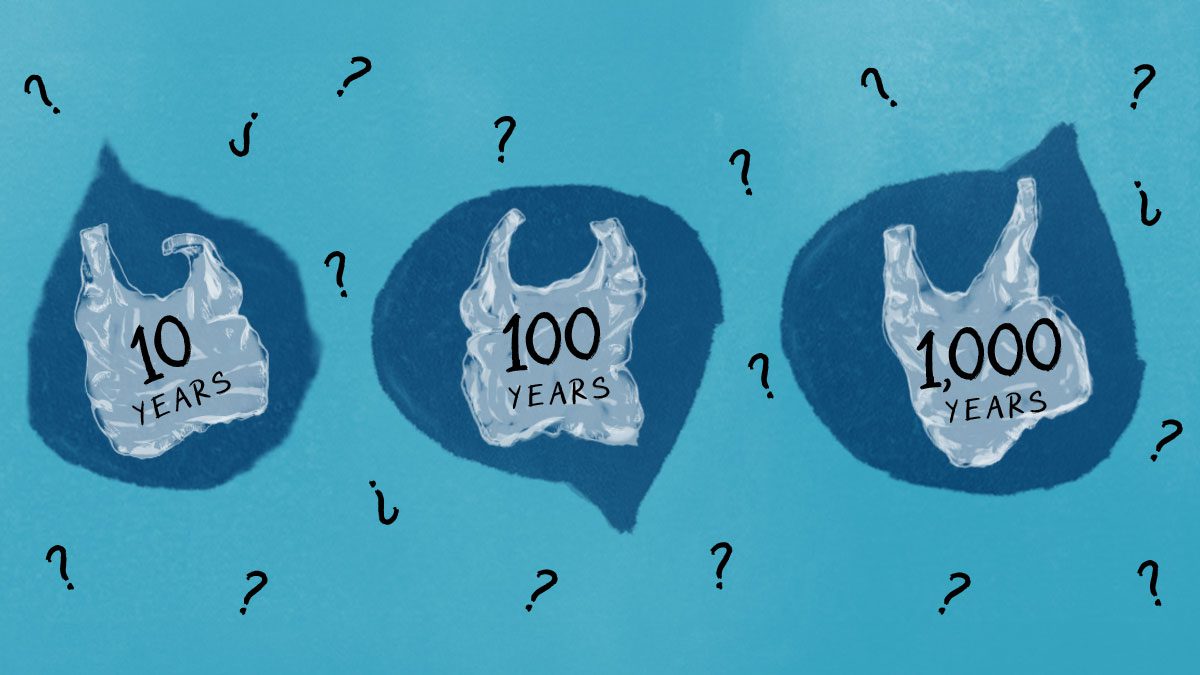
Plastic pollution is a serious-and growing-environmental problem, with millions of tons of bags, bottles, fishing gear and more piling up on land and floating out to sea.
Read MoreEdible Seaweed
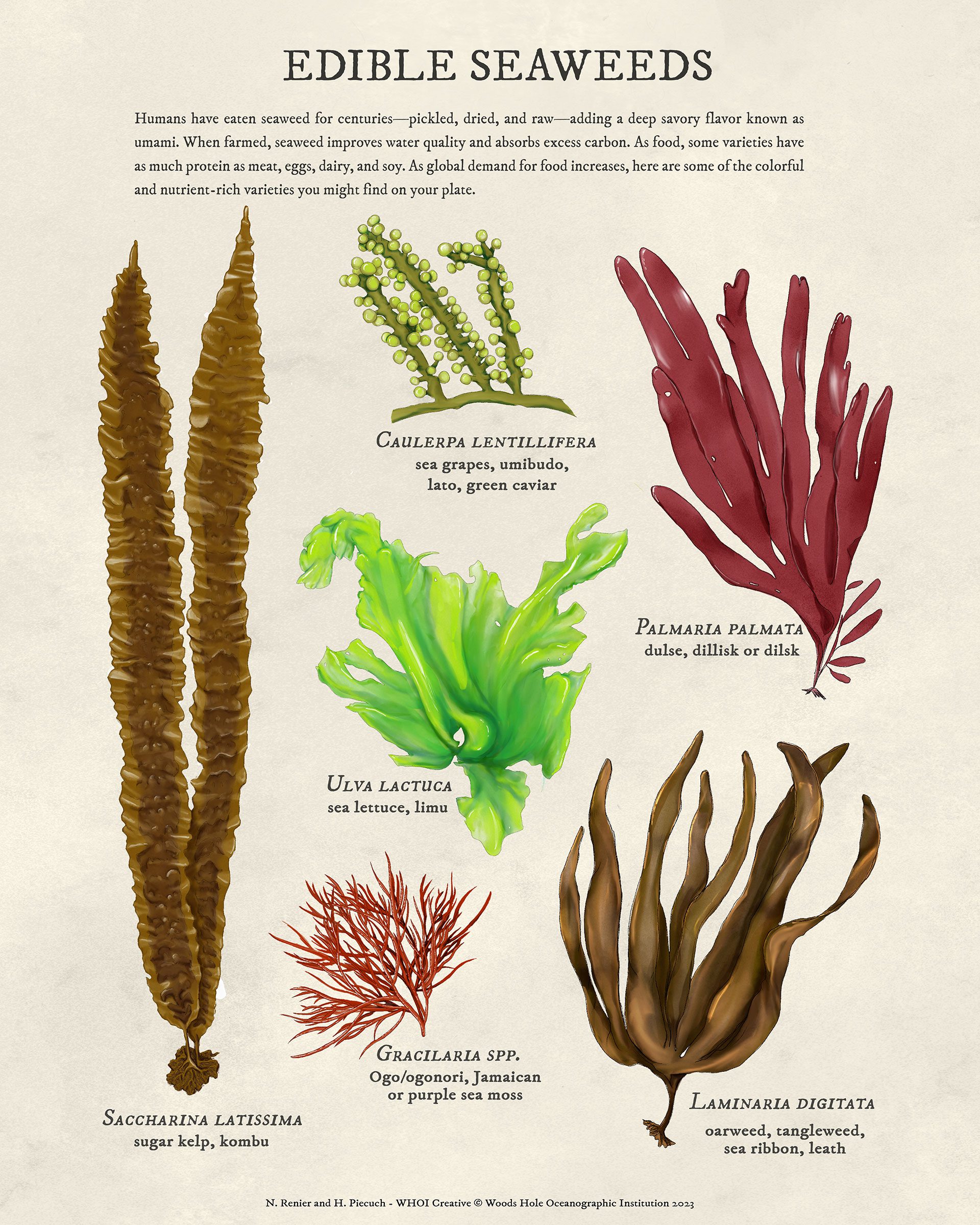
A guide to the seaweeds that might (already) be on your plate.
Read MoreHow bacteria is transported through the environment into the ocean
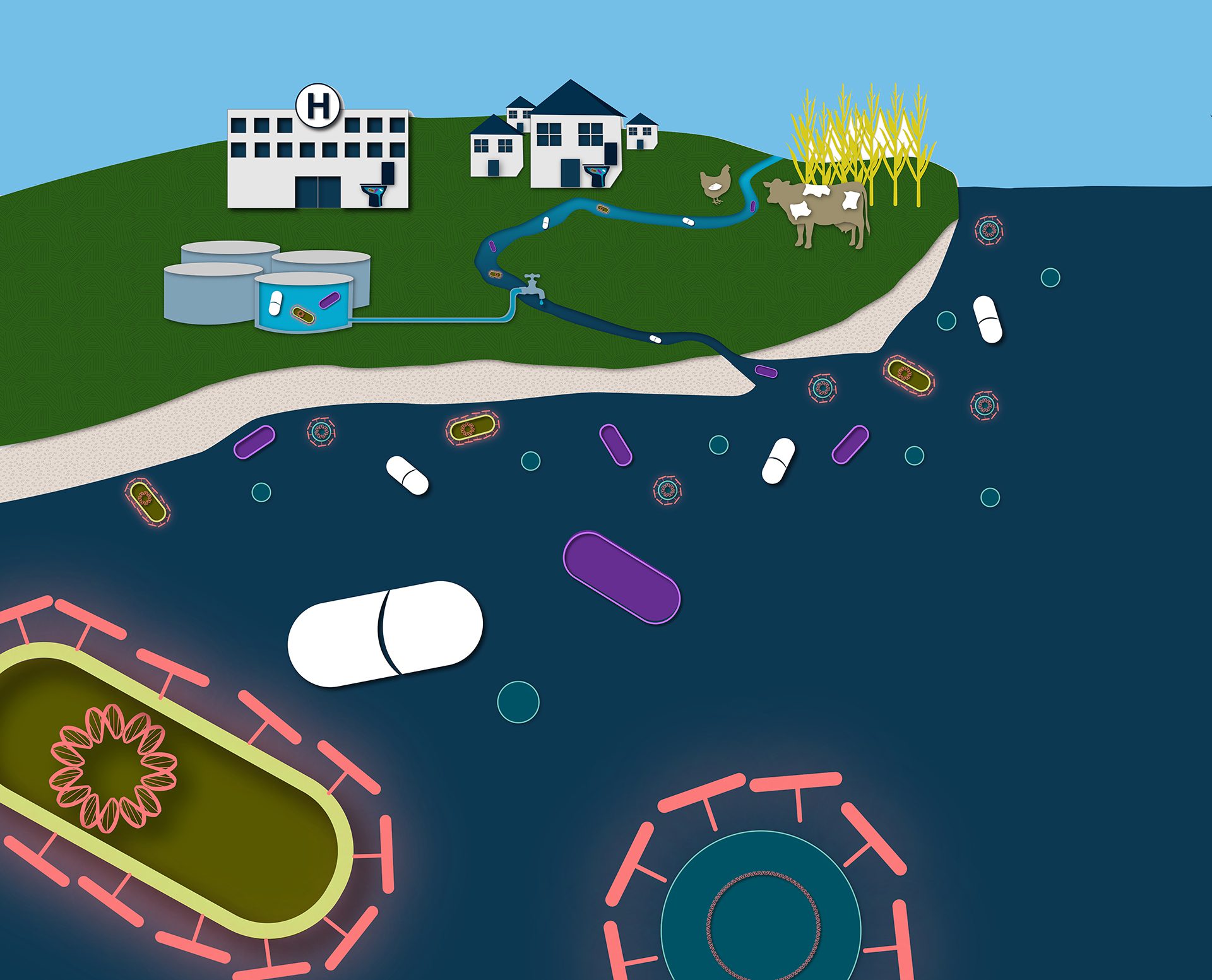
Wastewater carries antibiotics and bacteria to oceans, where antibiotic-resistant microbes emerge. Researchers study these impacts on marine and human health.
Read MoreChanges from 2007 to 2015 on the release of radium in the Arctic
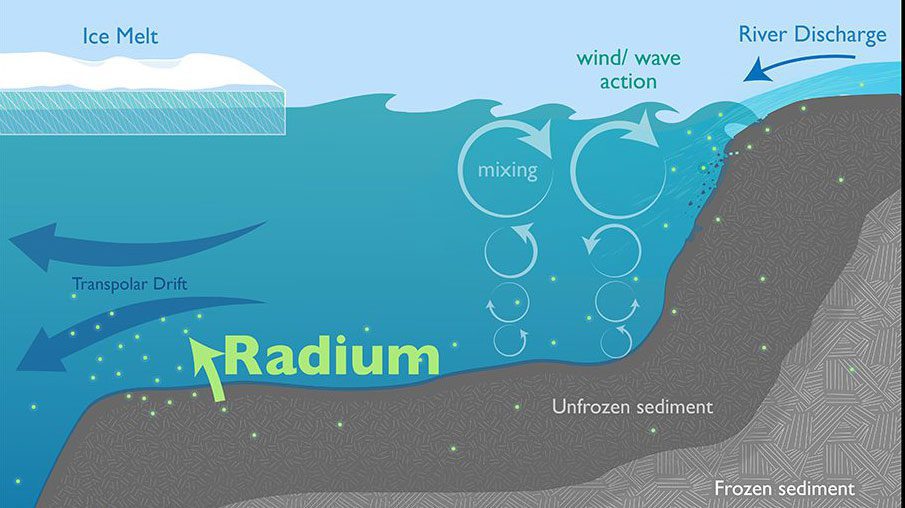
As Arctic sea ice melts, waves stir up coastal sediments, releasing chemicals into the ocean—signaling rapid climate-driven changes that may disrupt Arctic ecosystems.
Read MoreWhy is the ocean vital for our survival?
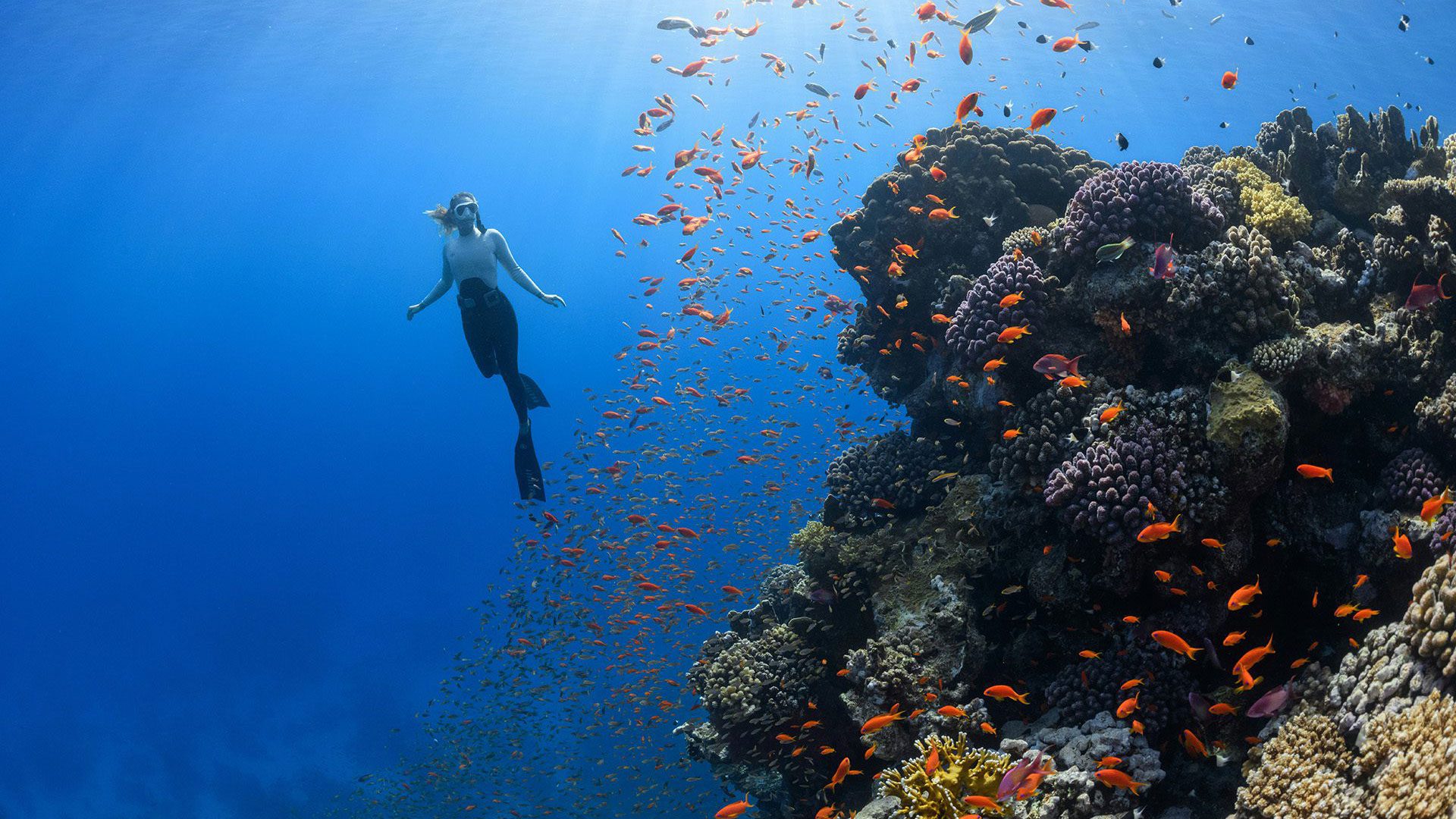
Without the ocean, life as we know it wouldn’t be possible.
Read MoreCesium-137 movement from Fukushima in coastal saters
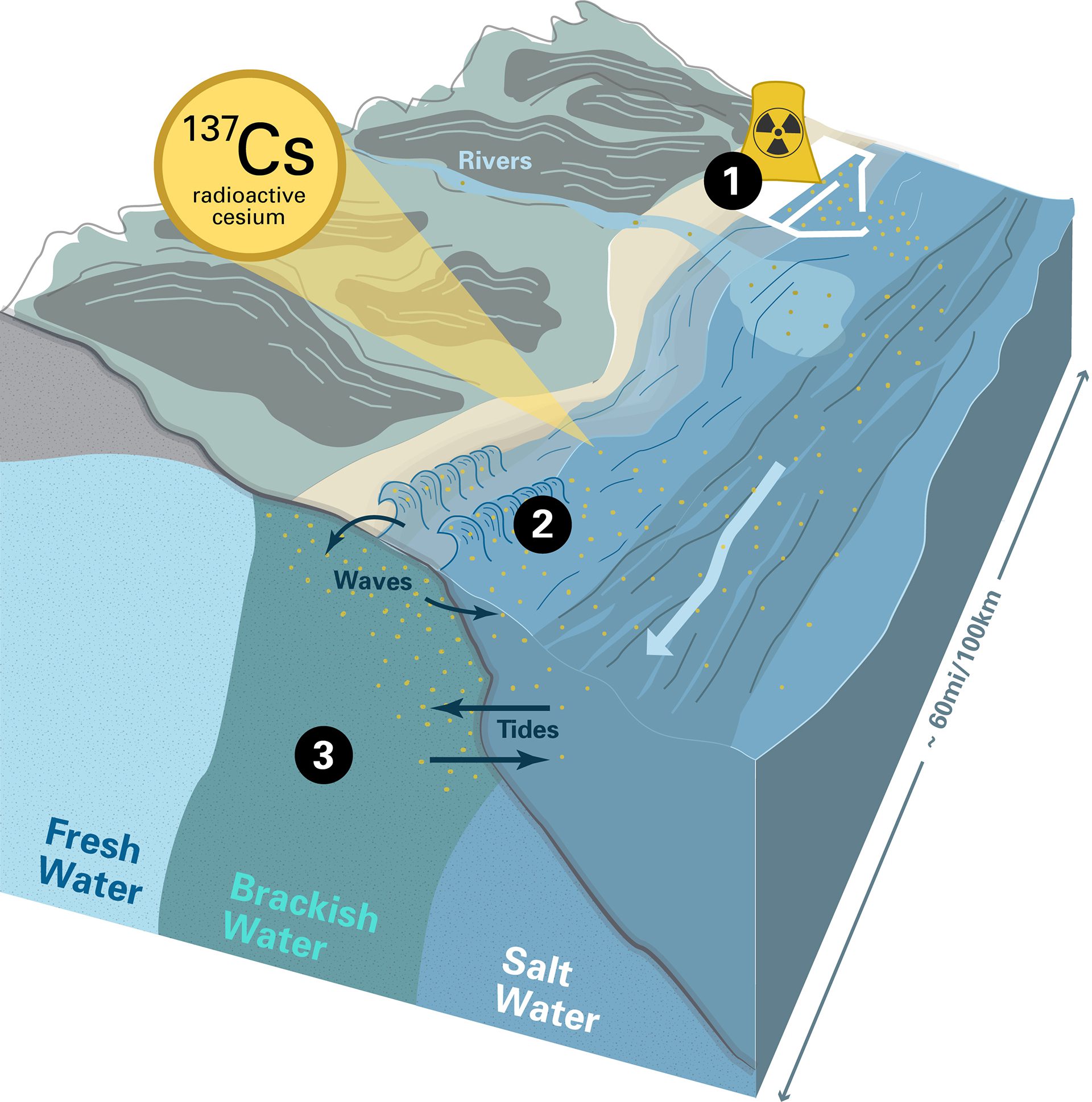
Radioactive cesium from Fukushima was carried by currents, trapped in beach sands, then released back to the ocean as saltwater conditions changed.
Read MoreThe Ocean of Things
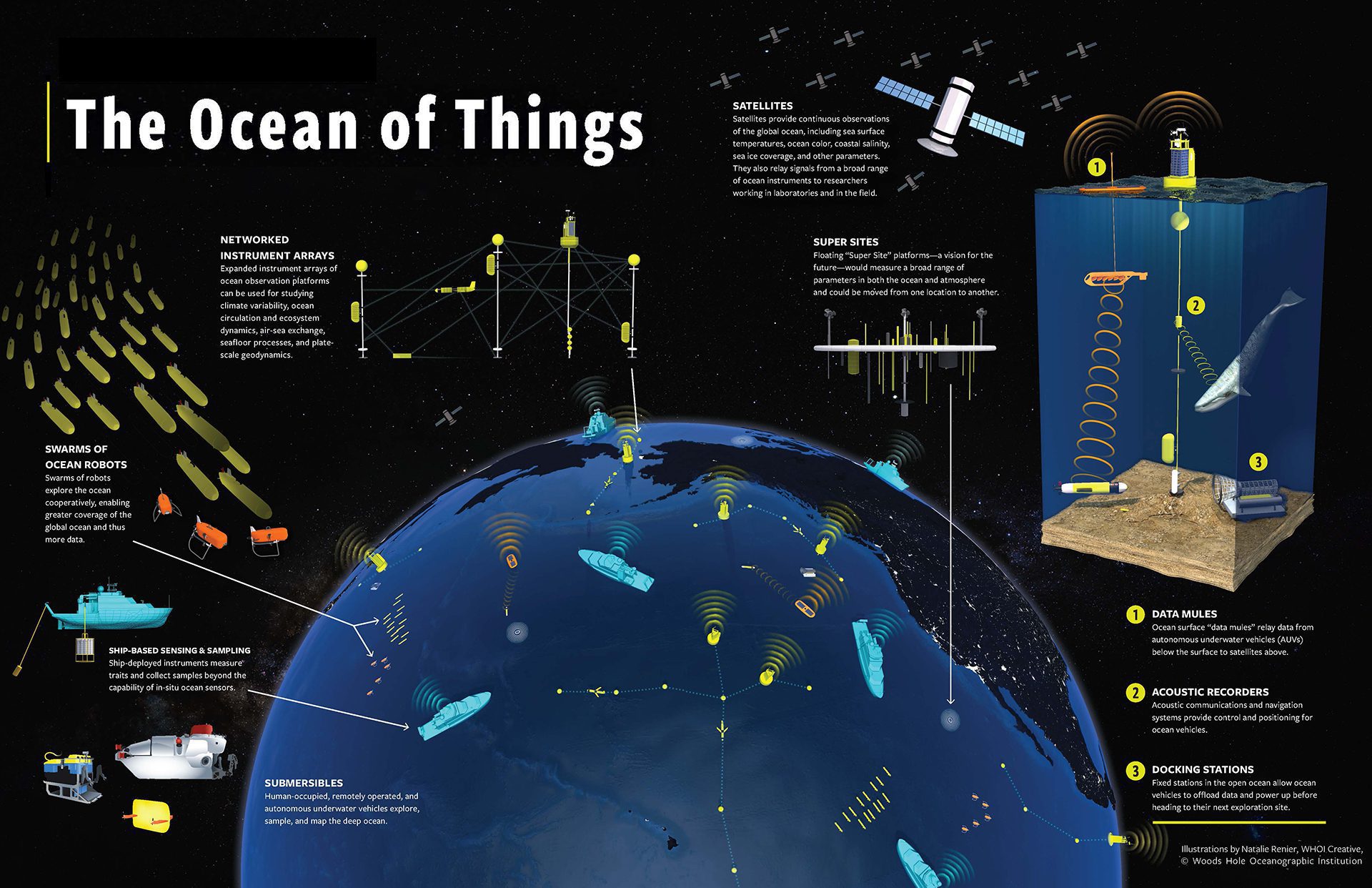
The digital ocean ecosystem of the future will rely on a network of underwater vehicles, sensors, and communications systems that will be always on and always connected.
Read MoreThe seafloor is teeming with methane
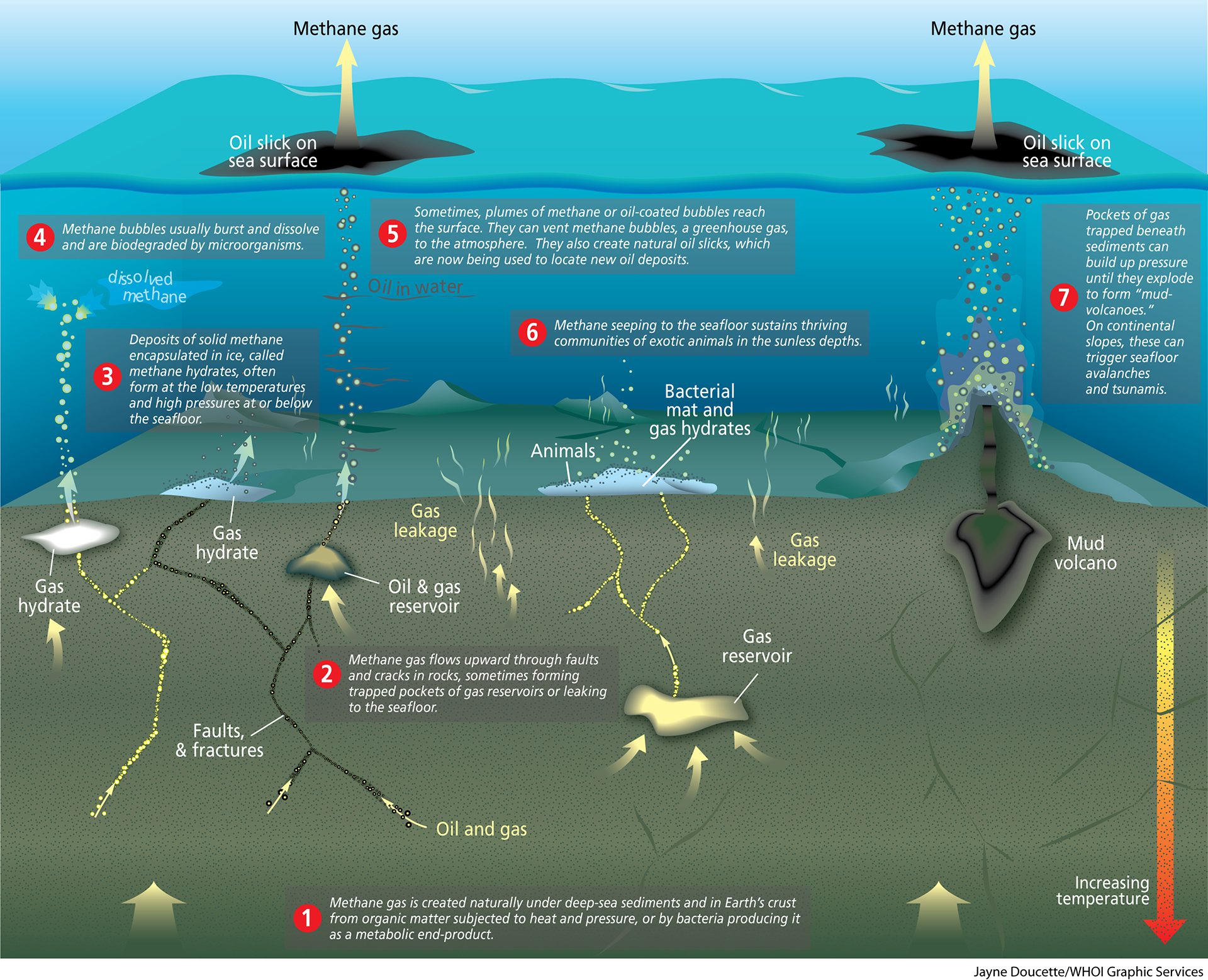
Methane seeping from the seafloor fuels deep-ocean ecosystems where microbes use it for energy, supporting unique animals in dark, sunlight-free habitats through chemosynthesis.
Read MoreTwo Chemical Roads Diverge in an Open Ocean illustration
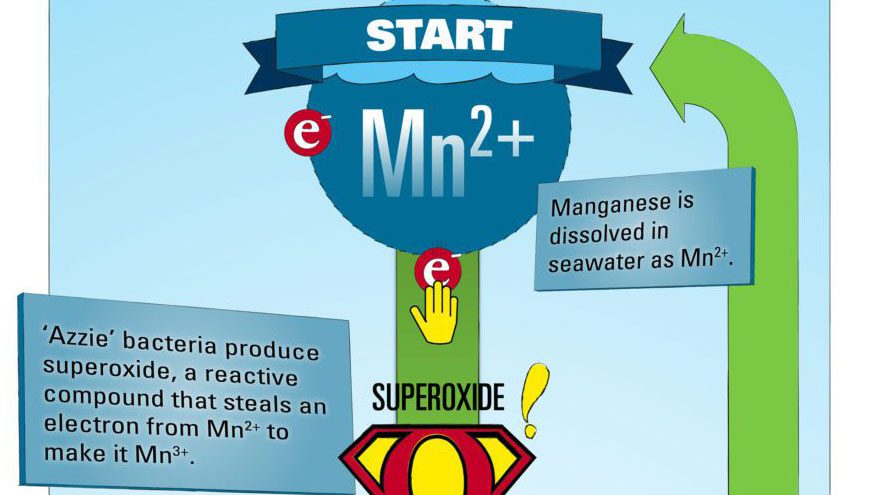
An exploration of how and why manganese oxide deposits form in the environment
Read MoreGlobal thermohaline circulation
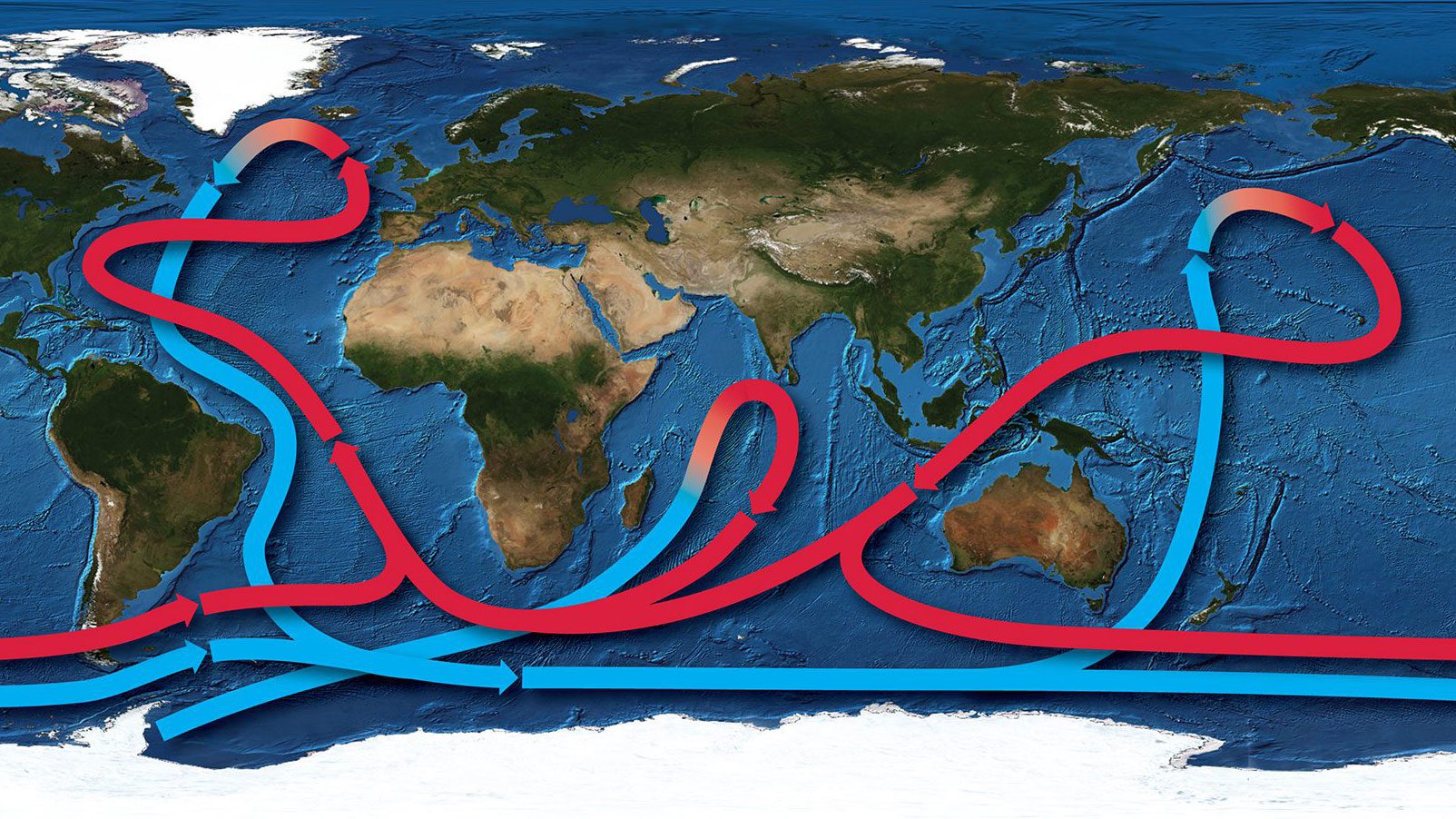
Map with bathymetry and generalized ocean currents driven by temperature and density differences, forming the global ocean conveyor belt.
Read MoreOcean circulation roadmap
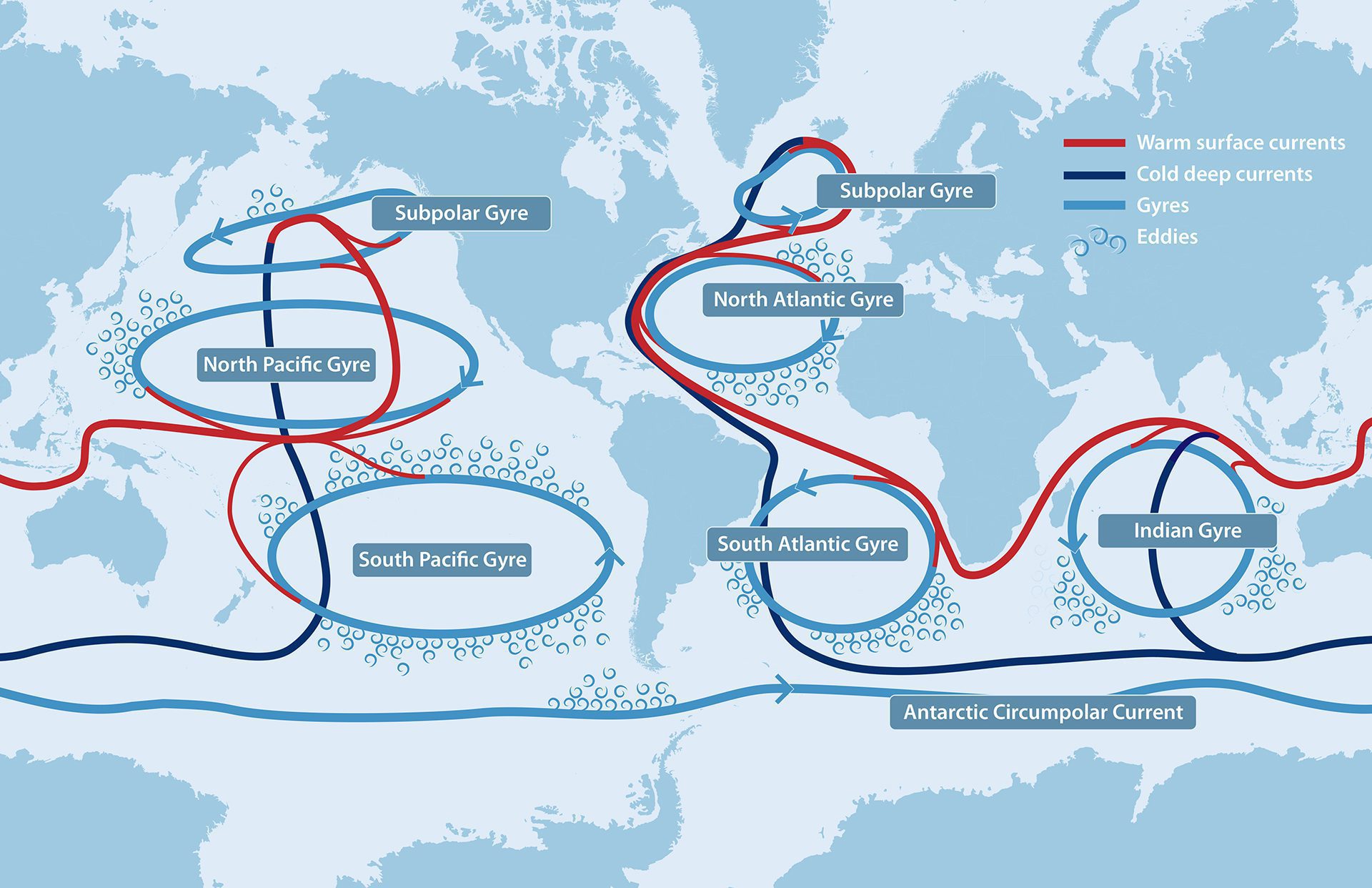
Illustrated roadmap of global ocean circulation, with temperature and flow shown as highways connecting gyre “roundabouts” across the world’s oceans.
Read MoreScope and benefits of a "Coastal Carbon Observing Network"
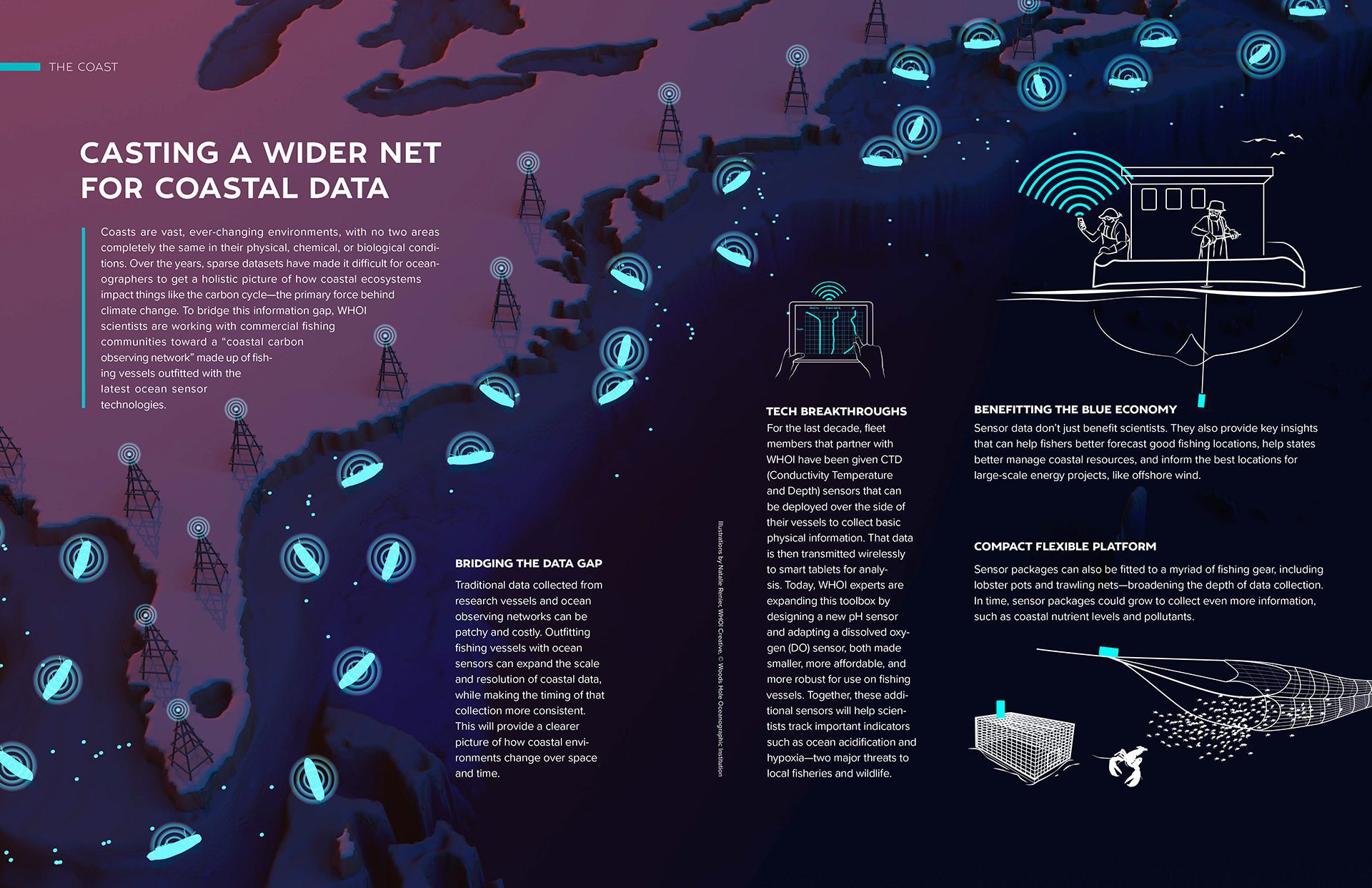
WHOI scientists are working with fishing communities toward a coastal carbon observing network made up of fishing vessels with the latest ocean technologies.
Read MoreSources of oil pollution in the ocean
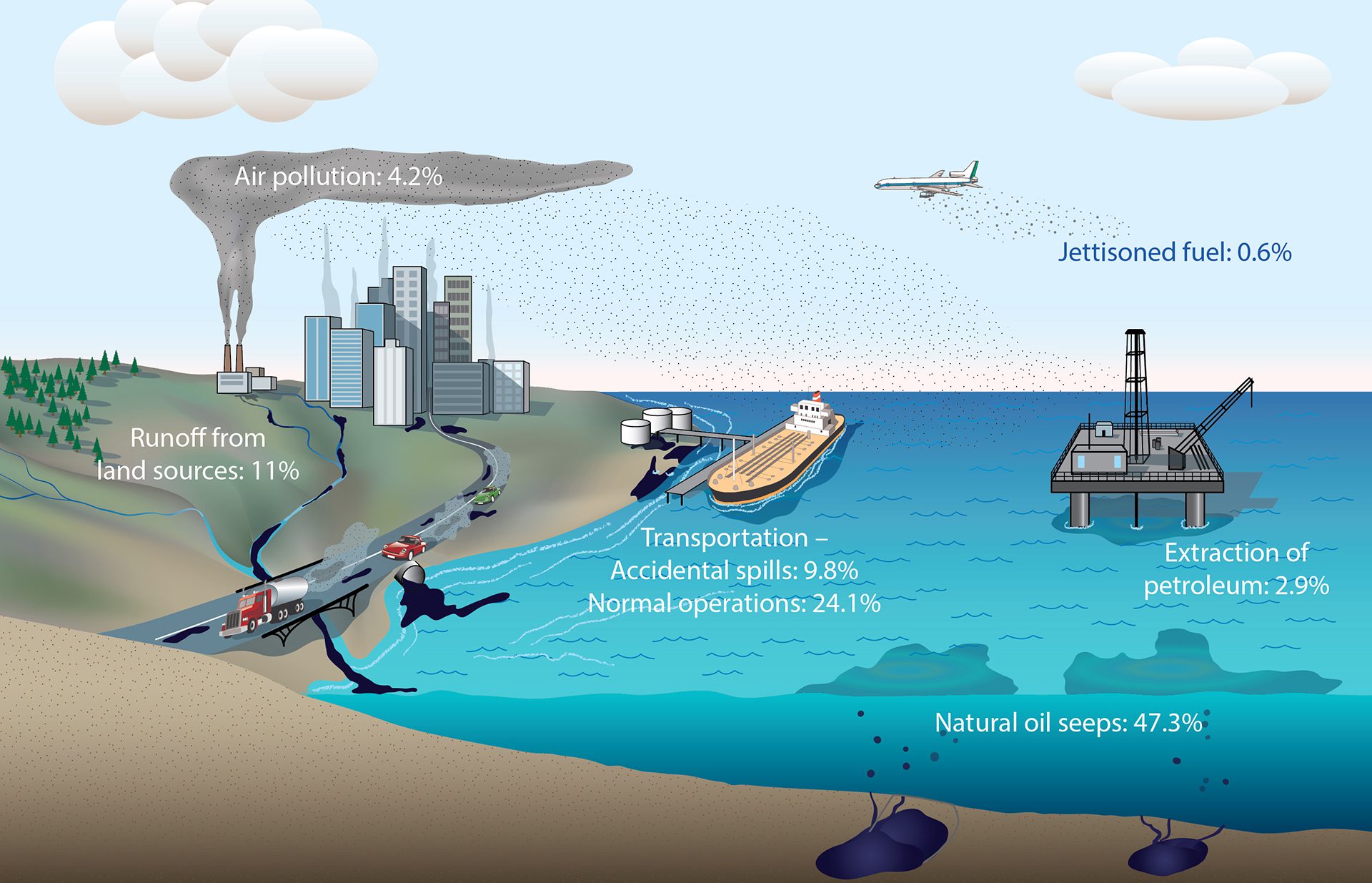
Roughly 380 million gallons of oil enter the ocean each year—most from human activities like shipping and runoff, with natural seeps also contributing.
Read MoreOne connected global ocean
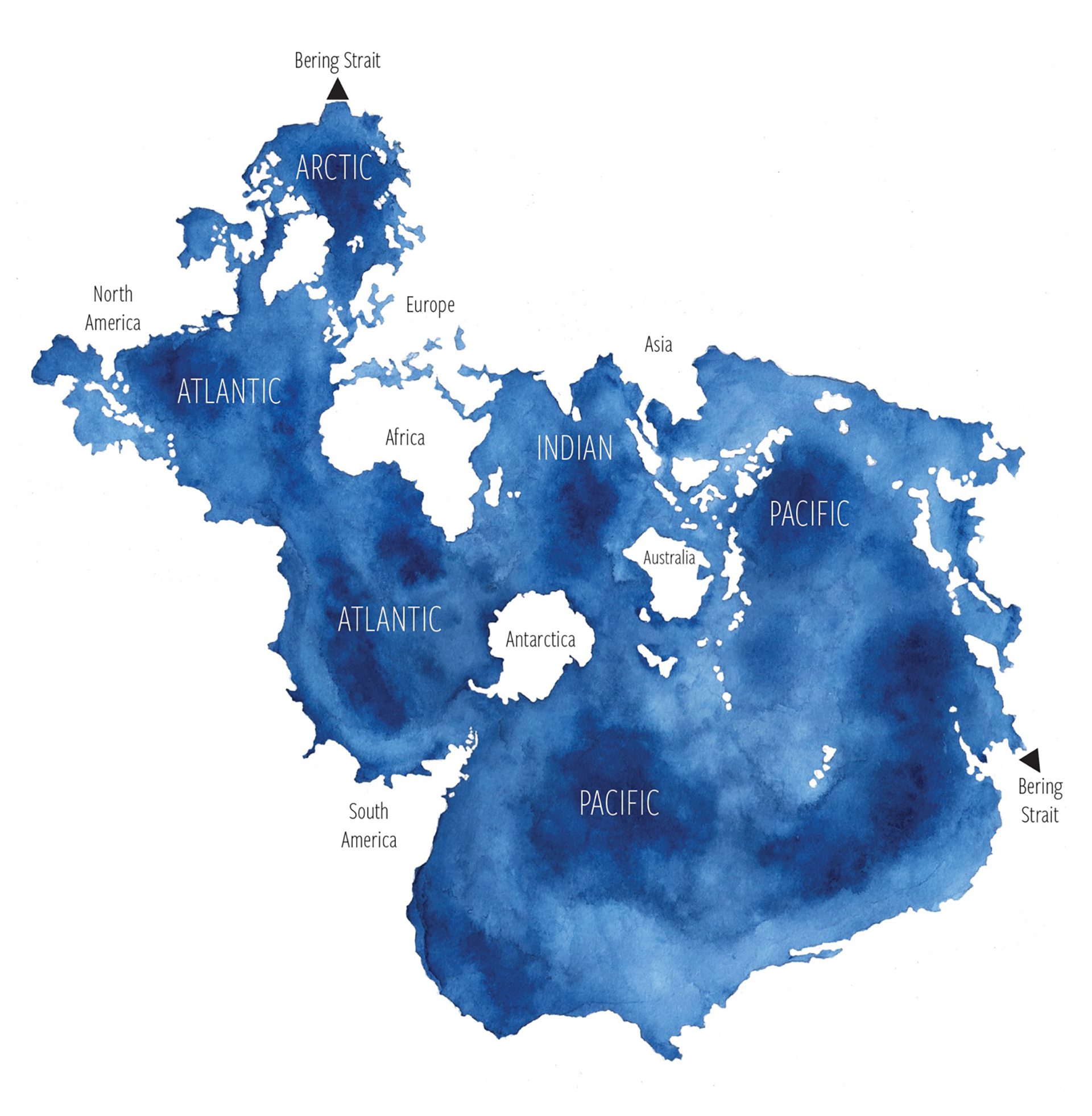
Watercolored map of the global ocean in the Spilhaus projection with regional labels
Read MoreSunlight speeds polystyrene breakdown
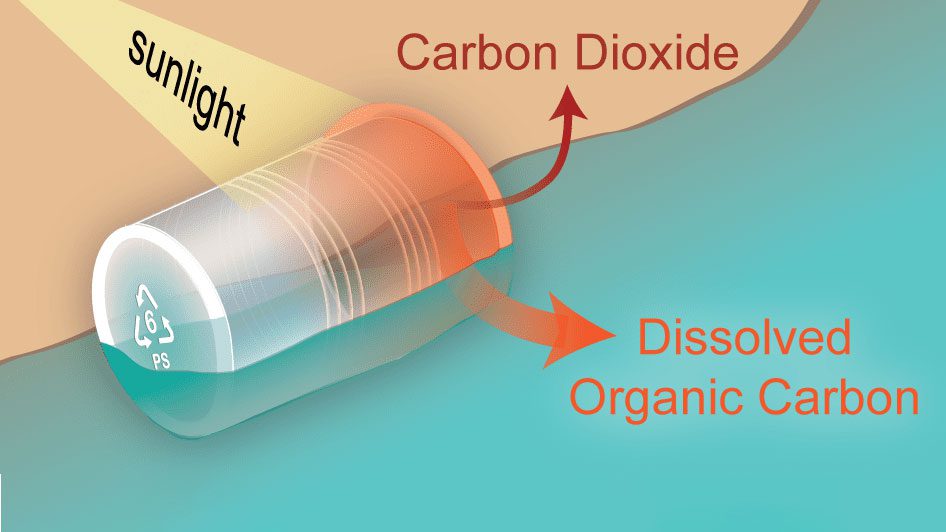
Sunlight triggers photochemical reactions that break down polystyrene into CO? and organic carbon, revealing faster plastic degradation than once thought.
Read MoreThe Atlantic Meridional Overturning Circulation (AMOC)
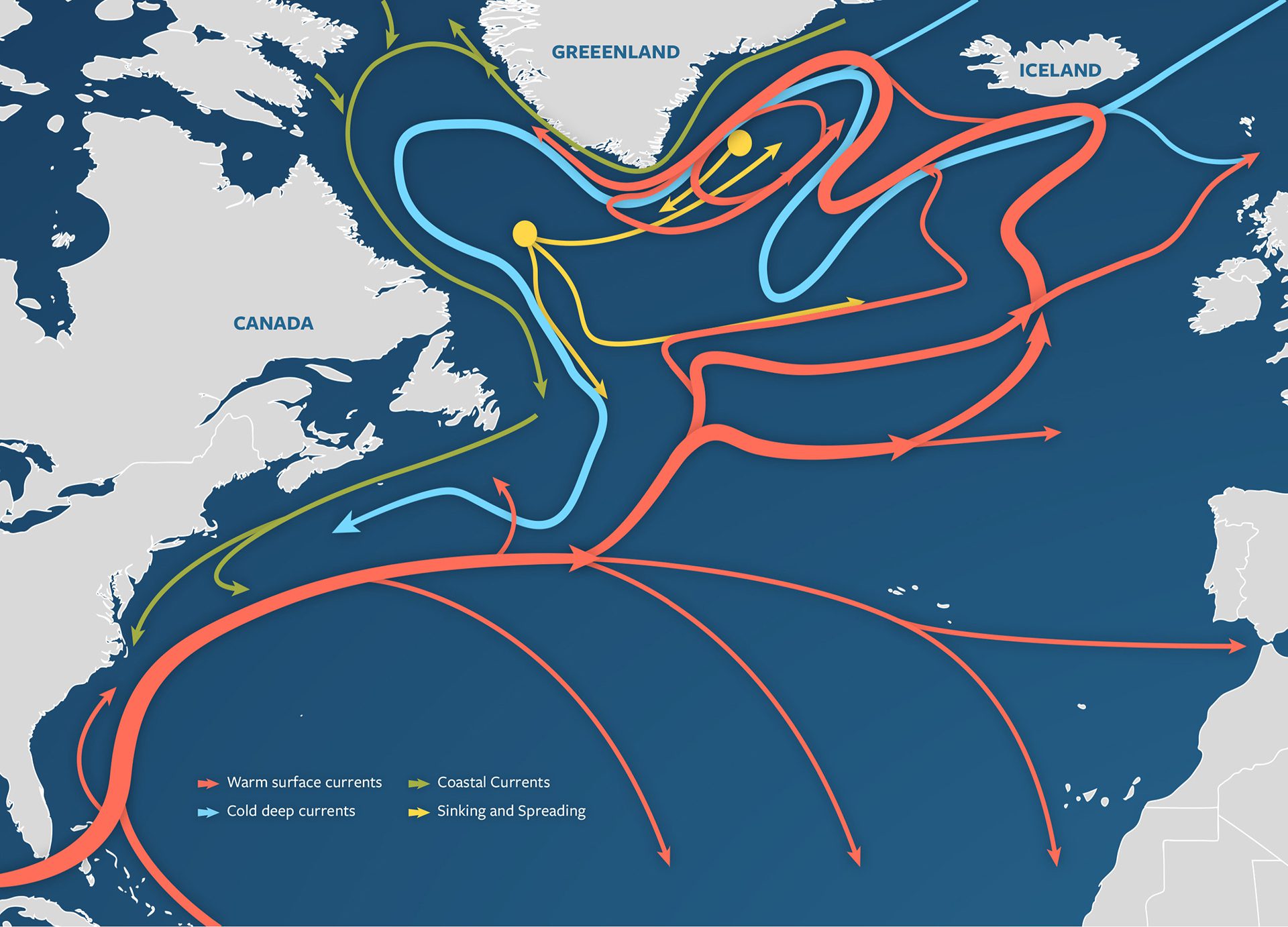
Illustrated map of the AMOC, part of global thermohaline circulation, showing warm surface flow, deepwater currents, and key sinking and spreading sites.
Read More