
News Releases
Rapid warming in the Gulf of Maine reverses 900 years of cooling
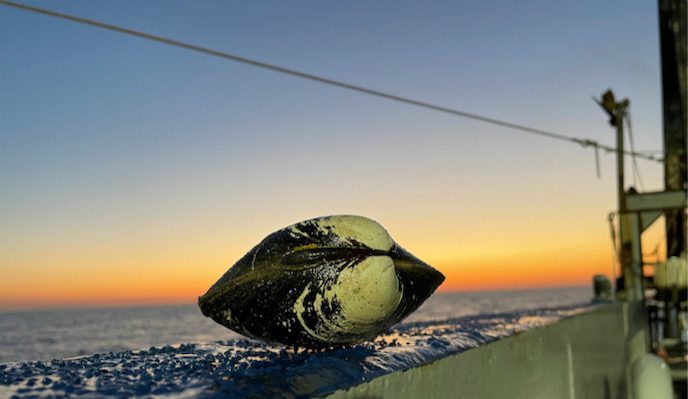
Rapid 20th century warming in the Gulf of Maine has reversed long-term cooling that occurred there during the previous 900 years, according to new research that combines an examination of shells from long-lived ocean quahogs and climate model simulations.
Read MoreWeddell seal moms sacrifice to provide for their pups
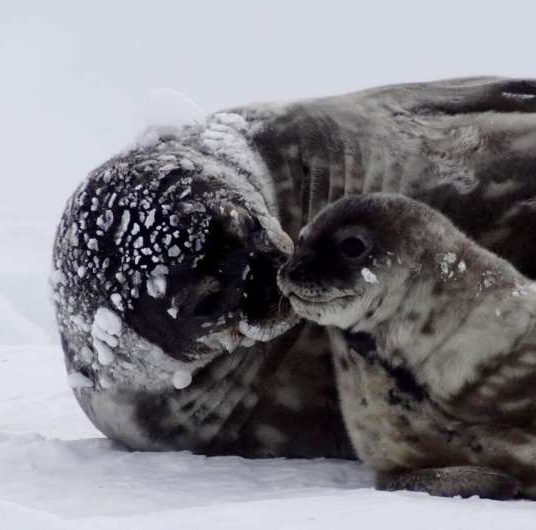
Seal mothers dramatically limit diving and foraging while lactating to provide more iron to their young
Read MoreMid-depth waters off the United States East Coast are getting saltier
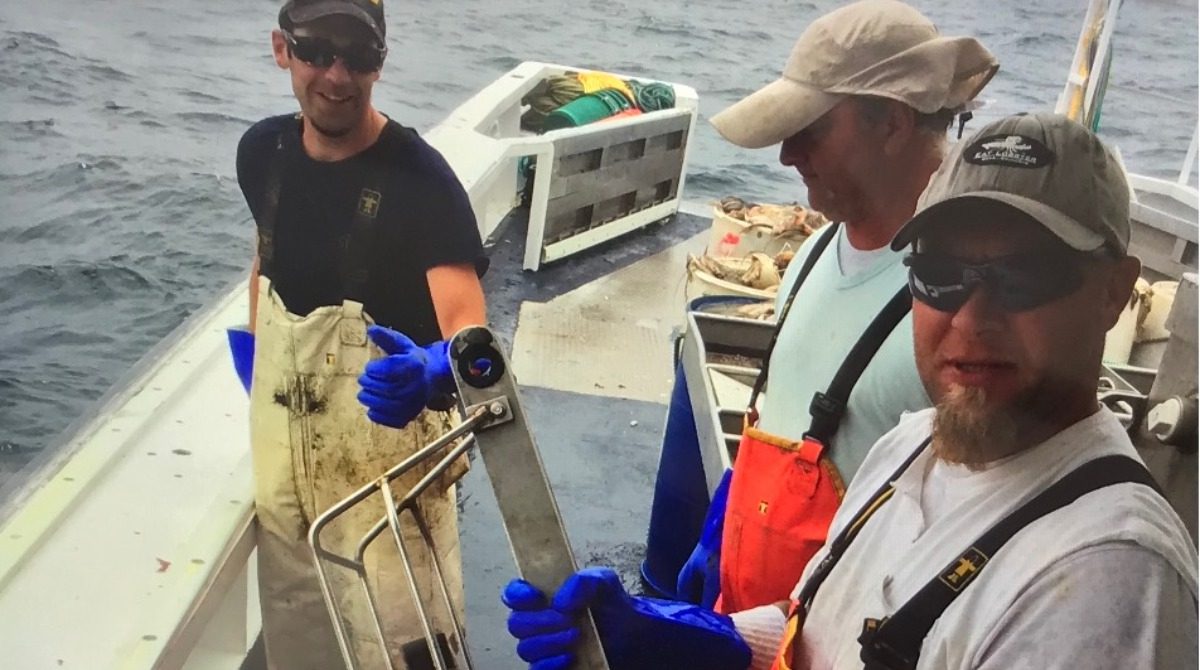
A new study led by Woods Hole Oceanographic Institution (WHOI) shows a significant increase in frequency of warm saltwater intrusions from the deep ocean to the continental shelf along the Middle Atlantic Bight, which extends from the Gulf of Maine to Cape Hatteras, North Carolina.
Read MoreScientists link the changing Azores High and the drying Iberian region to anthropogenic climate change
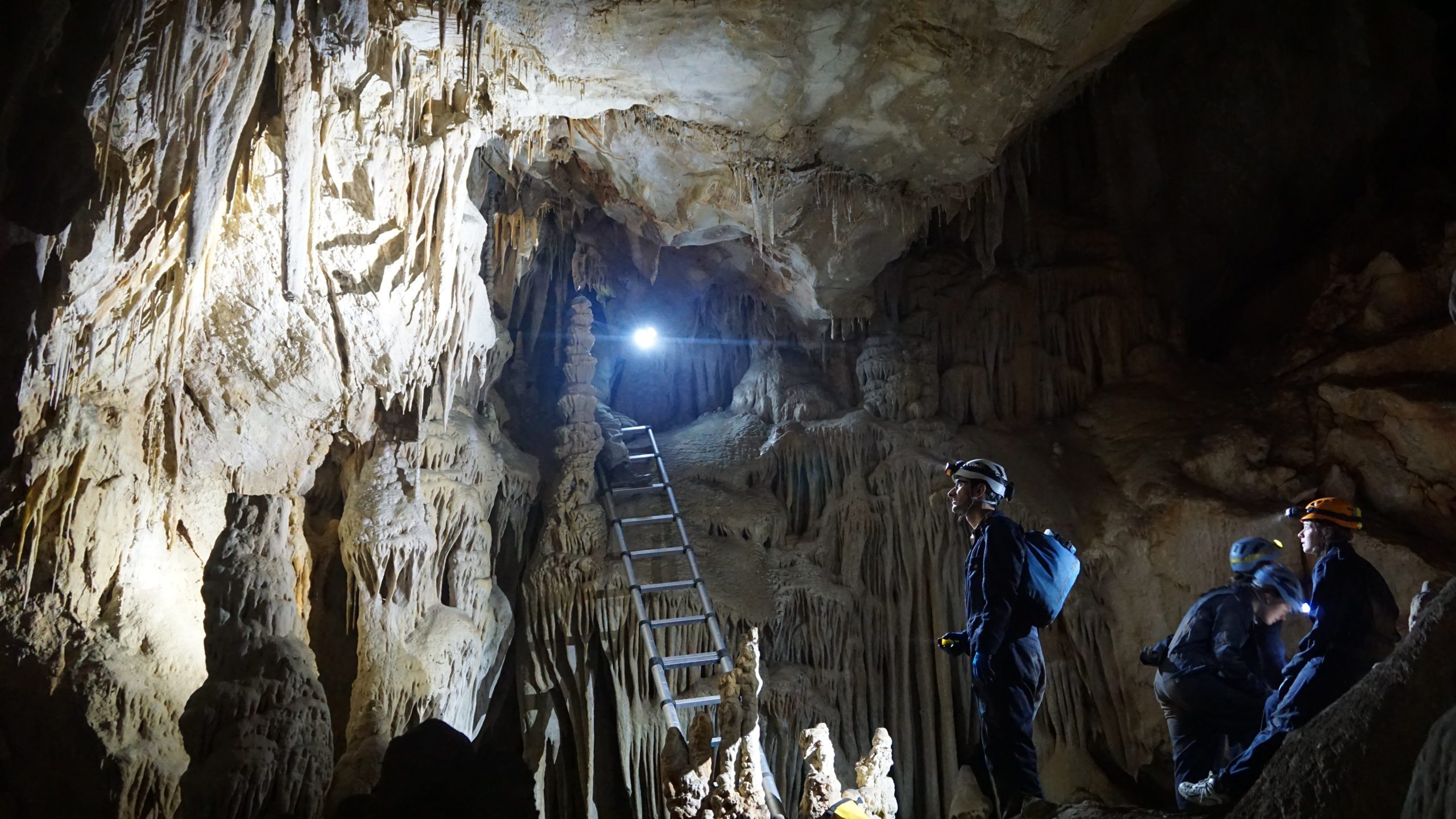
Projected changes in wintertime precipitation make agriculture in the Iberian region some of the most vulnerable in Europe, according to a new WHOI co-led study that links the changes to increased anthropogenic greenhouse gases.
Read MoreWHOI signs a memorandum of understanding with Portuguese Ocean Institute
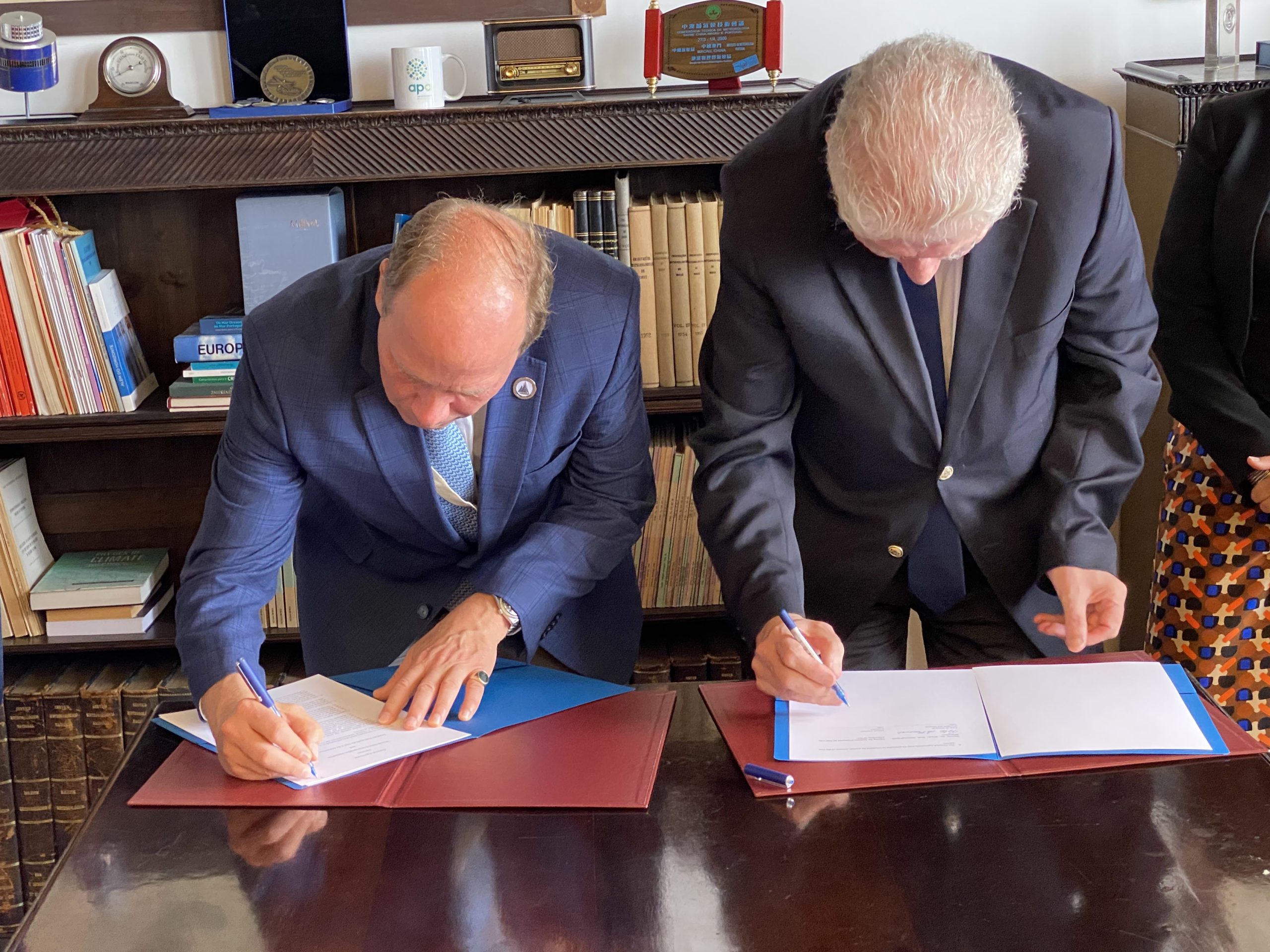
Today, the Woods Hole Oceanographic Institution (WHOI) signed a memorandum of understanding with Instituto Português do Mar e da Atmosfera (IPMA), the Portuguese national authority responsible for monitoring the country’s ocean, atmosphere, and land.
Read MoreInnovative, new “road map” for kelp crop improvement
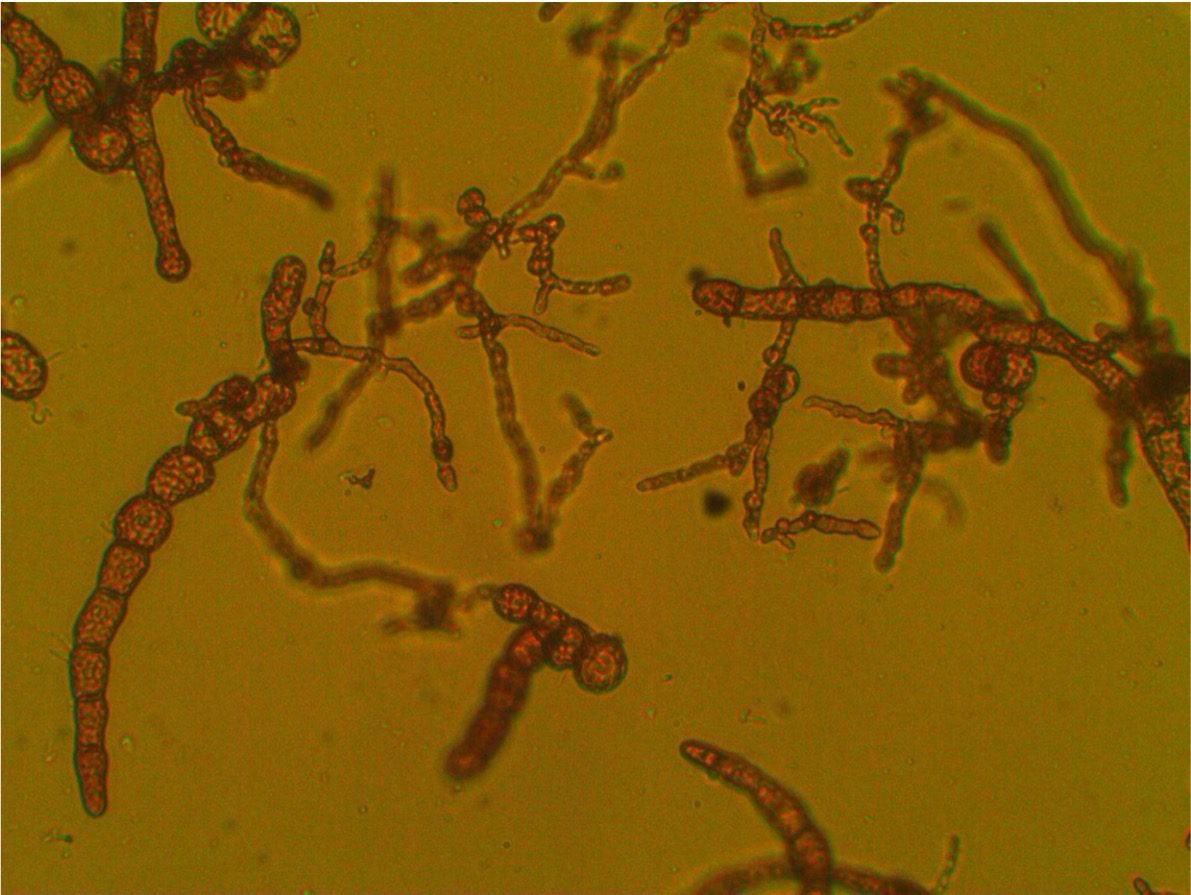
Woods Hole Oceanographic Institution (WHOI), the University of Connecticut, and Bigelow Laboratory for Ocean Sciences have executed a license agreement for a kelp germplasm, or collection of microscopic cells called gametophytes, containing more than 1,200 samples all developed and isolated by WHOI and UConn-led teams. Bigelow Laboratory’s National Center for Marine Algae and Microbiota plans to maintain, market, and distribute the germplasm collection for broad use.
Read MoreClimate change could lead to a dramatic temperature-linked decrease in essential omega-3 fatty acids
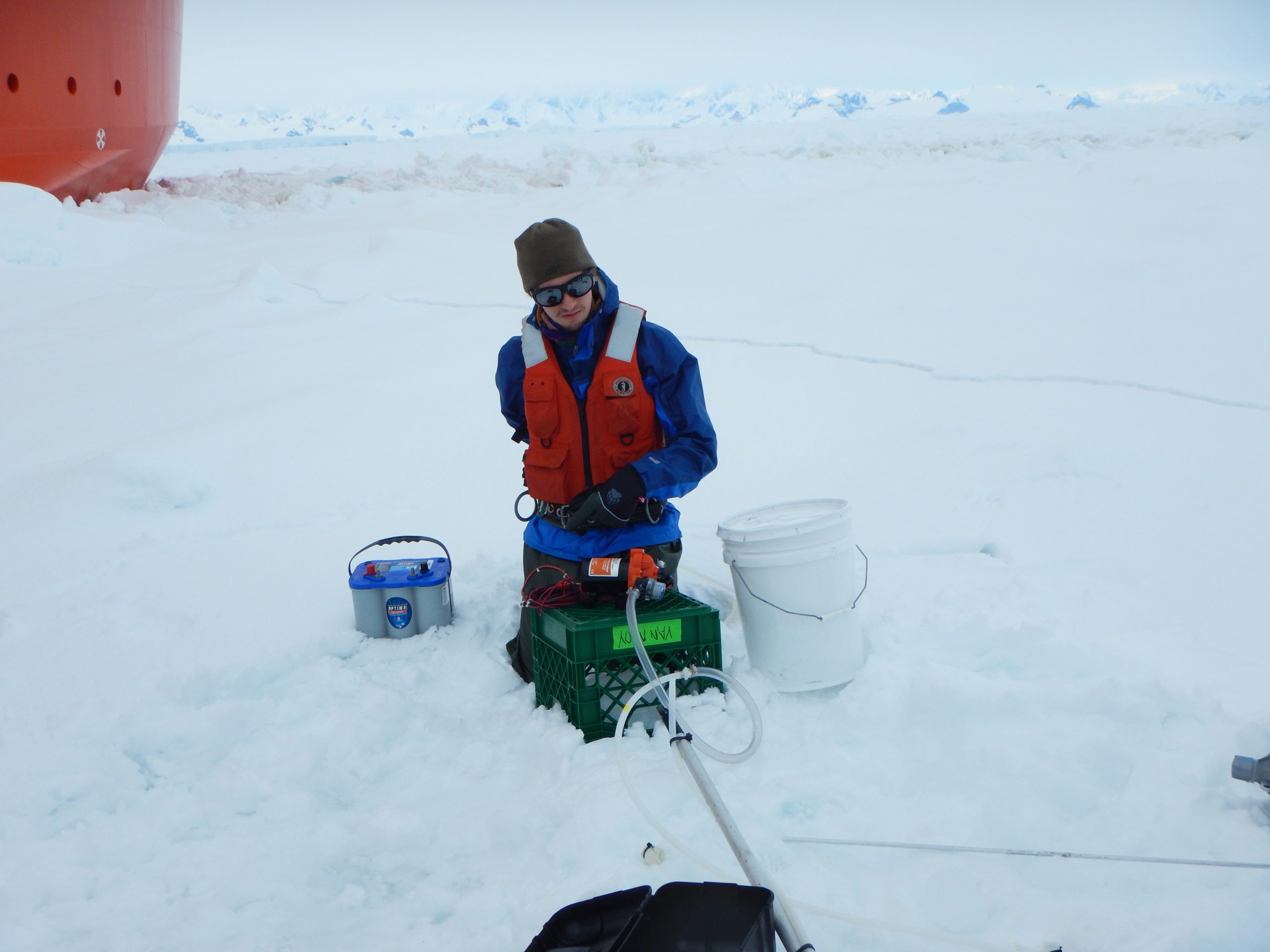
The effects of global climate change already are resulting in the loss of sea ice, accelerated sea level rise, and longer and more intense heat waves, among other threats. Now, the first-ever survey of planktonic lipids in the global ocean predicts a temperature-linked decrease in the production of essential omega-3 fatty acids, an important subset of lipid molecules.
Read MoreWHOI joins world leaders at UN Ocean Conference: June 27 – July 1, Lisbon, Portugal
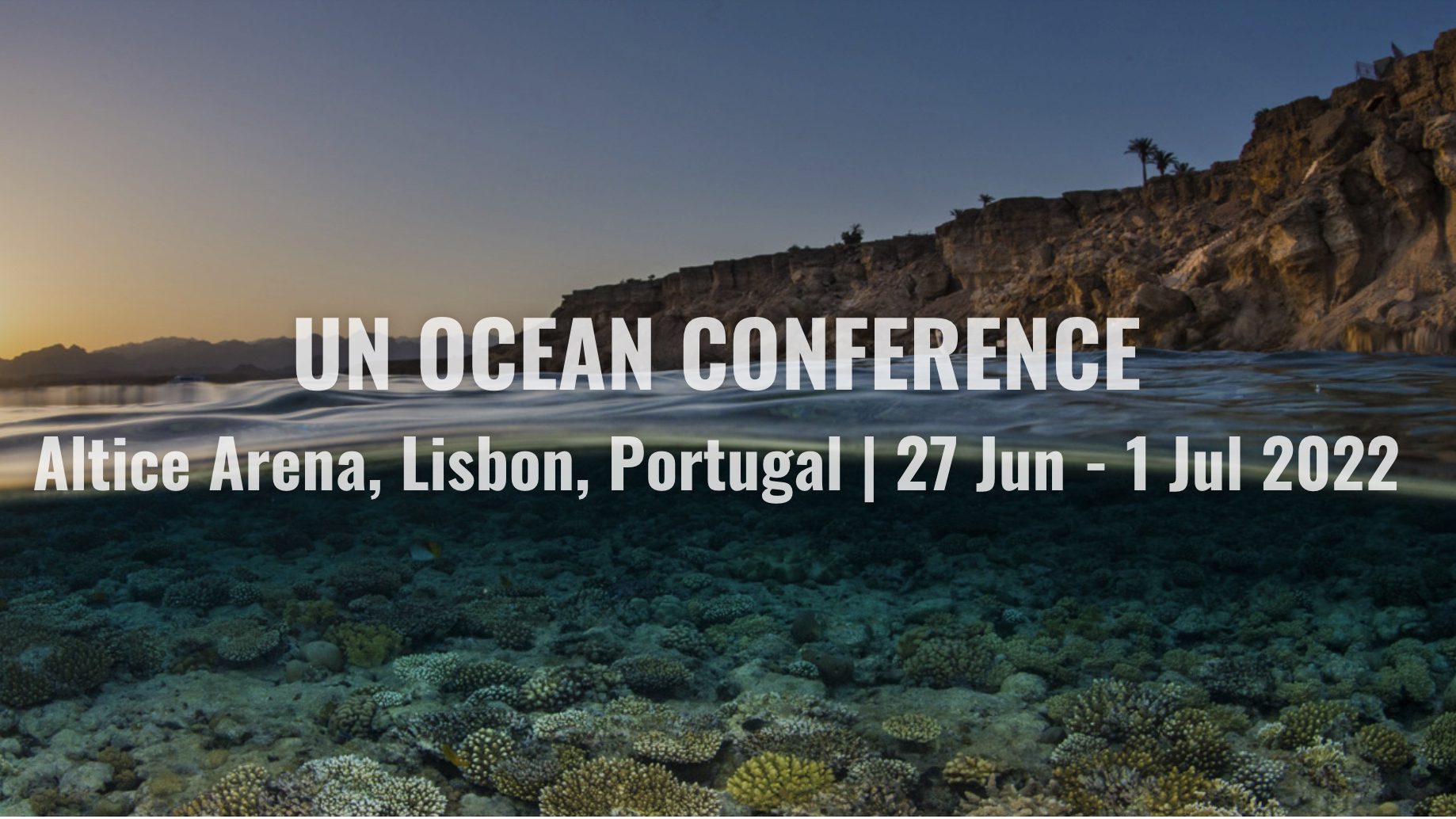
Thousands of participants from around the world will converge in Lisbon beginning June 27 as part of the 2022 United Nations Ocean Conference. Among them will be representatives from Woods Hole Oceanographic Institution (WHOI), the world’s largest independent organization dedicated exclusively to ocean research, engineering, and education.
Read MoreYawkey Foundation and WHOI present Summer Speaker Series, “Dispatches from an Ocean Planet”
Woods Hole Oceanographic Institution, in partnership with the Yawkey Foundation, proudly presents “Dispatches from an Ocean Planet”, a summer series of film and literature. The series marks the return of WHOI in-person events after a two-year hiatus due to the pandemic. All events require pre-registration.
Read MoreResilient Woods Hole releases new, interactive tools to prepare for climate change
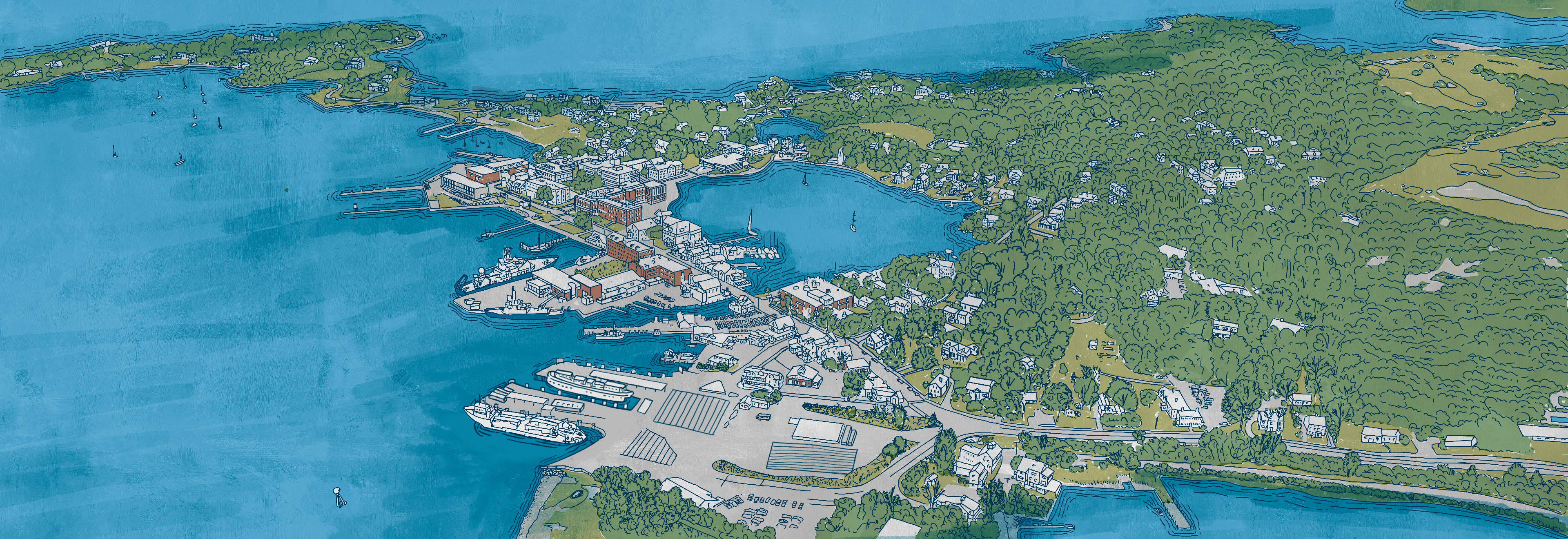
ResilientWoodsHole (RWH) initiative releases new interactive website tools to further engage the local community in its collective goal of securing a climate-resilient future for the coastal village of Woods Hole
Read MoreThe ocean twilight zone’s role in climate change
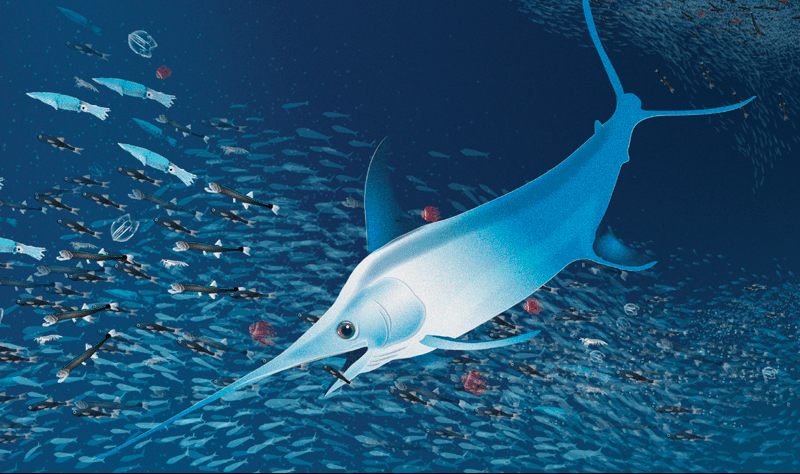
A new report from the Woods Hole Oceanographic Institution Ocean Twilight Zone (OTZ) project team offers a detailed look at the climate-altering processes that take place within the zone, in particular those that are driven by animals that migrate between the twilight zone and the surface each night to feed. This phenomenon is likely the biggest migration on Earth—yet it remains incredibly vulnerable to human exploitation.
Read MoreWoods Hole Oceanographic Institution selected as finalist for Governors Island Climate Solutions Center
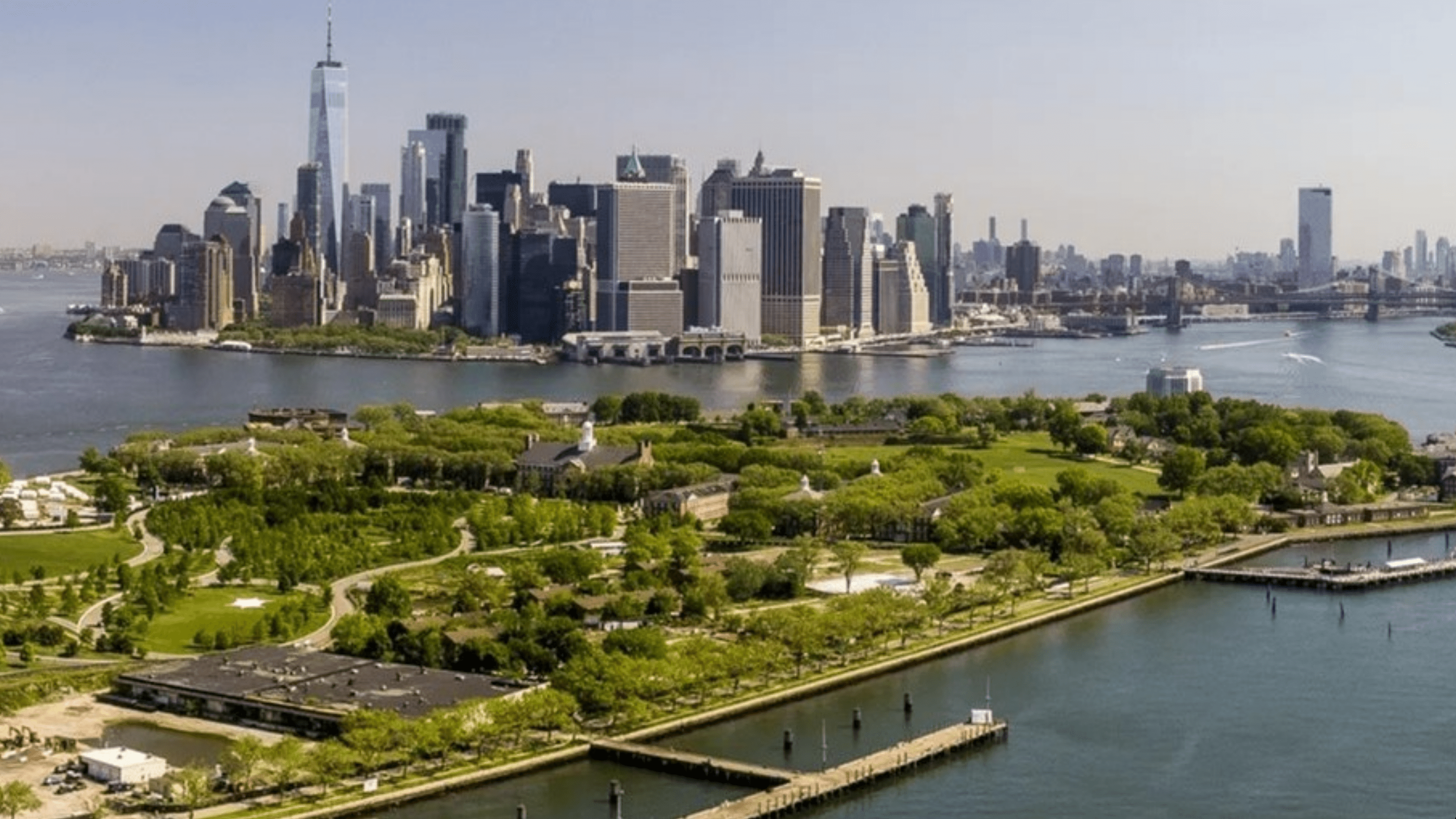
Woods Hole Oceanographic Institution (WHOI, a global leader in ocean research and exploration, is partnering with two teams selected as finalists in the development of the new Governors Island Climate Solutions Center in New York City. The announcement was recently made by former New York City Mayor Bill de Blasio and The Trust for Governors Island.
Read MoreNew ocean floats to boost global network essential for weather, climate research
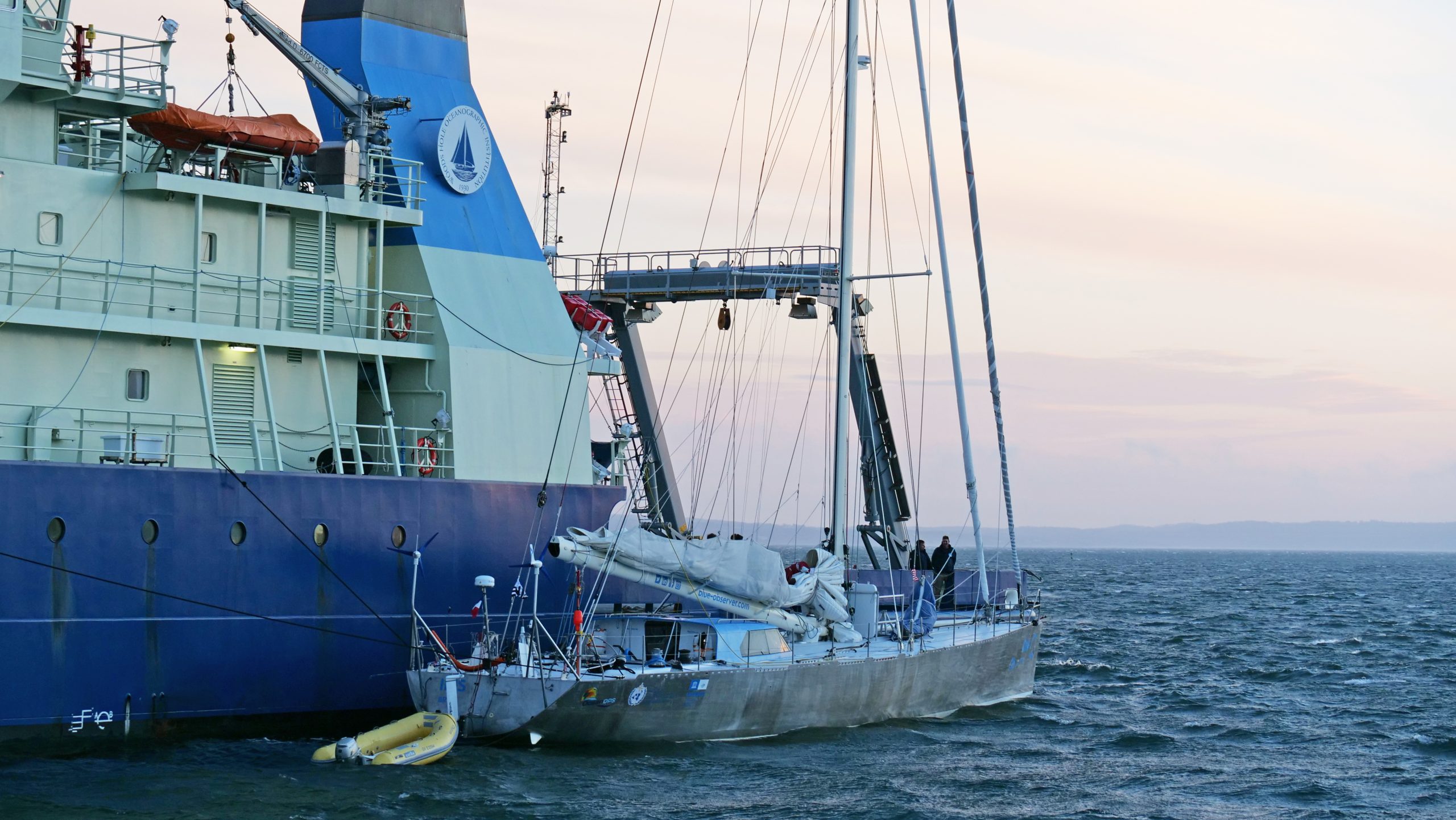
WHOI and partners join together to launch approximately 100 new Argo floats across the Atlantic Ocean to collect data that supports ocean, weather and climate research and prediction
Read MoreTropical fish…up north? How ocean physics play a role in altering water temperature and salinity
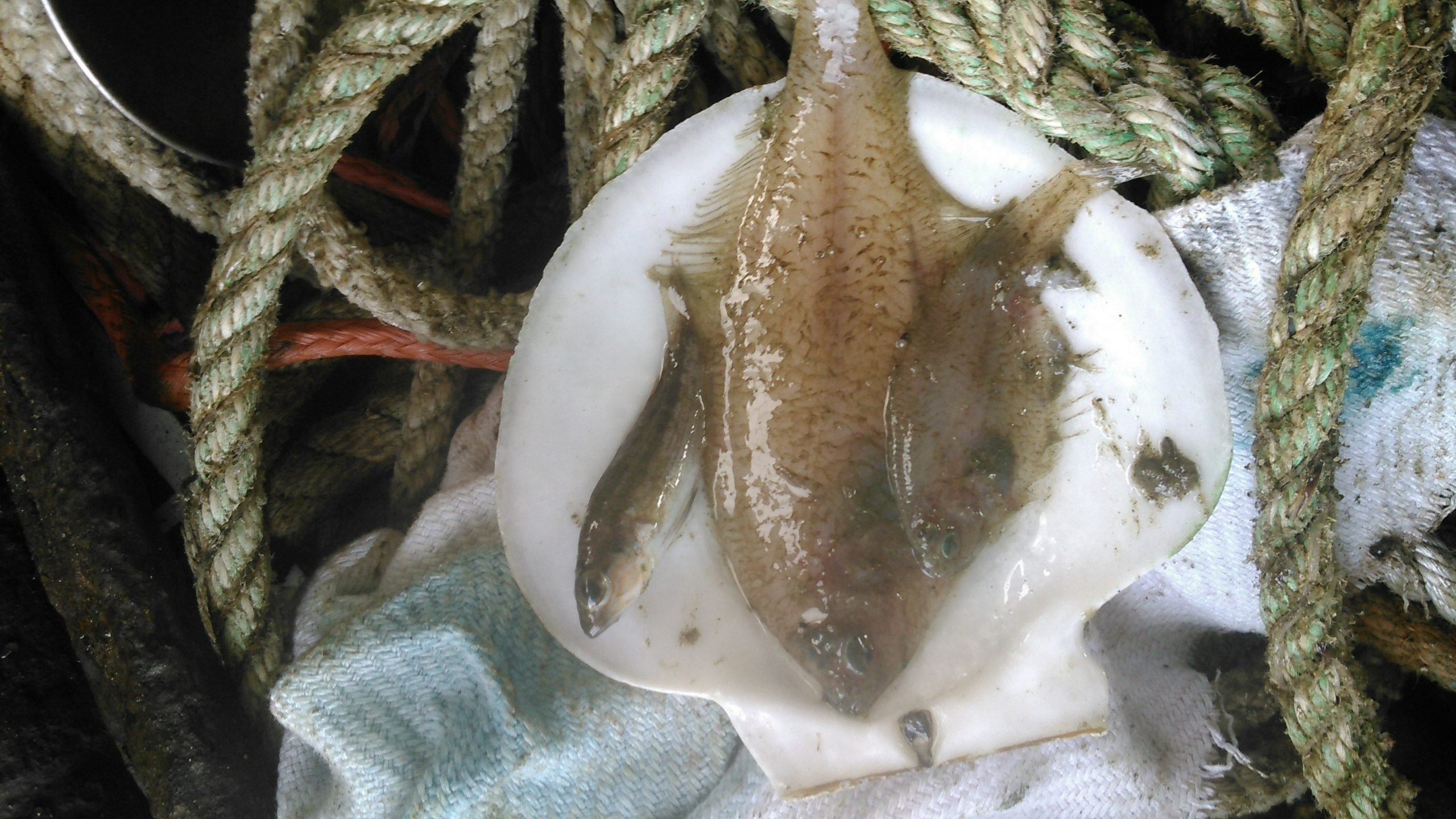
A study led by Woods Hole Oceanographic Institution scientists is explaining why warm and salty water along with warm water fish species, such as the deep-sea dwelling Gulf Stream flounder and Black Sea bass, were found far inshore in New England in the middle of winter 2017. How did this happen? Researchers say it is due to an intrusion of offshore water from the open ocean onto the Northeast U.S. Shelf, caused by eddies (a circular current of water) and wind.
Read MoreDOE Funding will Support WHOI Research to Support Sustainable Development of Offshore Wind
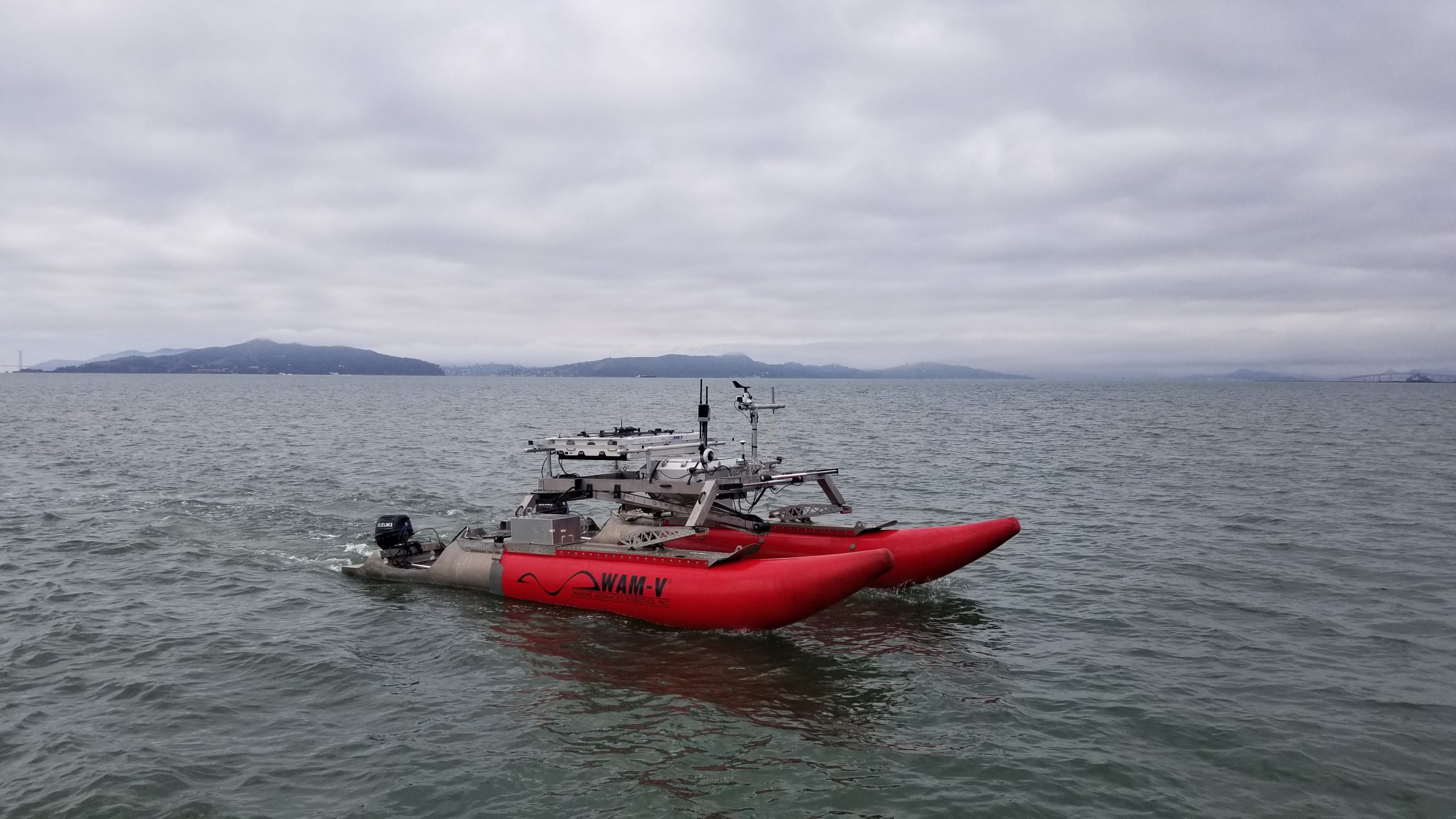
Woods Hole, MA — The Woods Hole Oceanographic Institution (WHOI) has received $750,000 in funding from the U.S. Department of Energy (DOE) to develop next‐generation autonomous robotic technology for environmental…
Read MoreWHOI Arctic experts present at international climate conference overseas

Experts from WHOI and Woodwell Climate Research Center are on the ground at COP26 in Glasgow, Scotland, sharing critical perspective on the implications of a warming Arctic
Read MoreWHOI welcomes Dr. Kilaparti Ramakrishna as Senior Advisor on Ocean and Climate Policy

Woods Hole Oceanographic Institution (WHOI), the world’s independent leader in ocean discovery, exploration, and education, has welcomed Dr. Kilaparti Ramakrishna (Rama) as senior advisor to the President and Director on ocean and climate policy.
Read MoreWHOI multidisciplinary team selected for prestigious National Science Foundation Program
Woods Hole Oceanographic Institution (WHOI) has been selected by the U.S National Science Foundation (NSF) for phase one of a two-part Convergence Accelerator Program, a $21 million investment to advance use-inspired solutions addressing national-scale societal challenges. WHOI is one of sixteen teams across the US chosen to participate in Track E: The Networked Blue Economy, which aims to create a smart, integrated, connected, and open ecosystem for ocean innovation, exploration, and sustainable utilization.
Read MoreModeling our climate future; WHOI to lead ocean current research
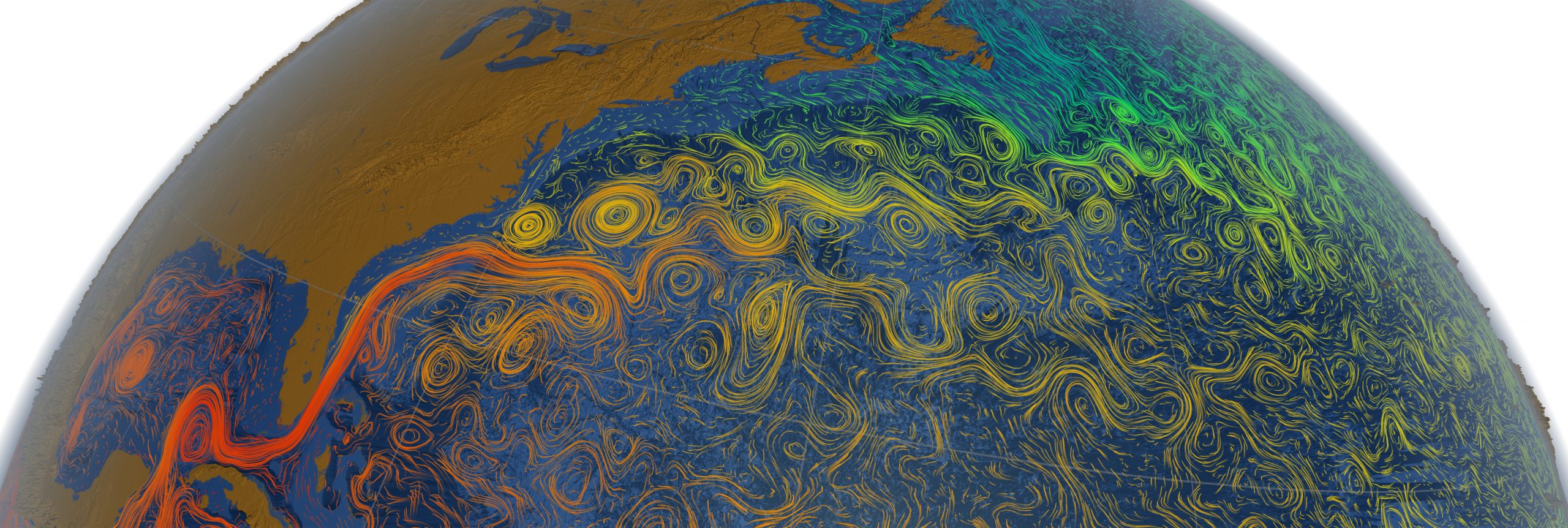
Woods Hole Oceanographic Institution (WHOI) senior scientist of physical oceanography, Dr. Young-Oh Kwon, and WHOI adjunct scientist, Dr. Claude Frankignoul, have received a new research grant from the National Oceanic and Atmospheric Administration (NOAA) Modeling, Analysis, Predictions and Projections (MAPP) Program, funding their research project focusing on western boundary ocean currents and their correspondence with the atmosphere in relation to modern day climate.
Read MoreStudy Finds Growing Potential for Toxic Algal Blooms in the Alaskan Arctic
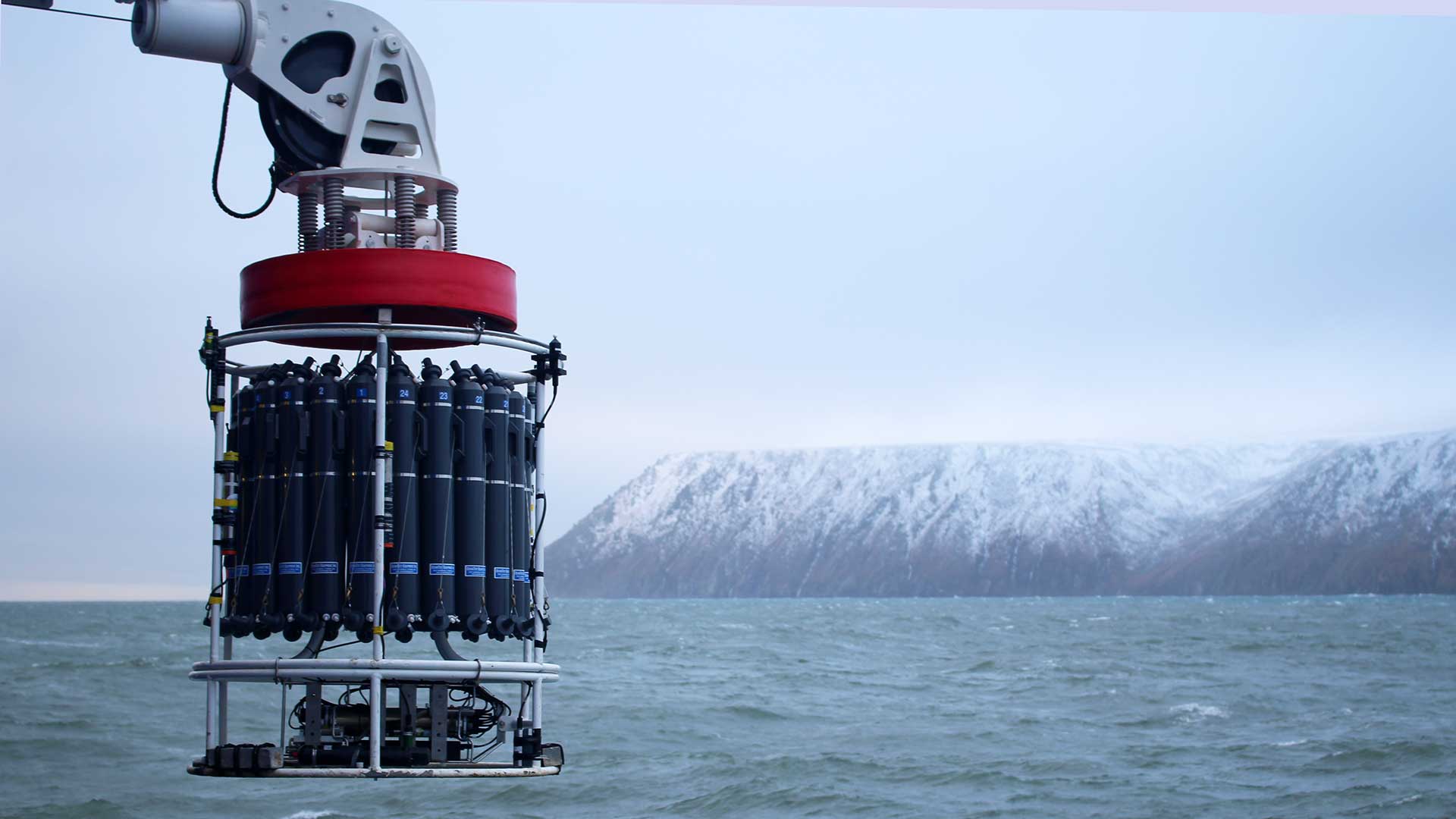
A warming Arctic presents potential new threats to humans and marine wildlife in the fast-changing region Changes in the northern Alaskan Arctic ocean environment have reached a point at…
Read MoreNippon Foundation-GEBCO Seabed 2030 Project and WHOI enter partnership to map the world’s ocean
Woods Hole, Mass. — The Nippon Foundation-GEBCO Seabed 2030 Project and Woods Hole Oceanographic Institution (WHOI) have signed a Memorandum of Understanding in recognition of both organisations’ work to advance…
Read MoreA recent reversal in the response of western Greenland’s ice caps to climate change
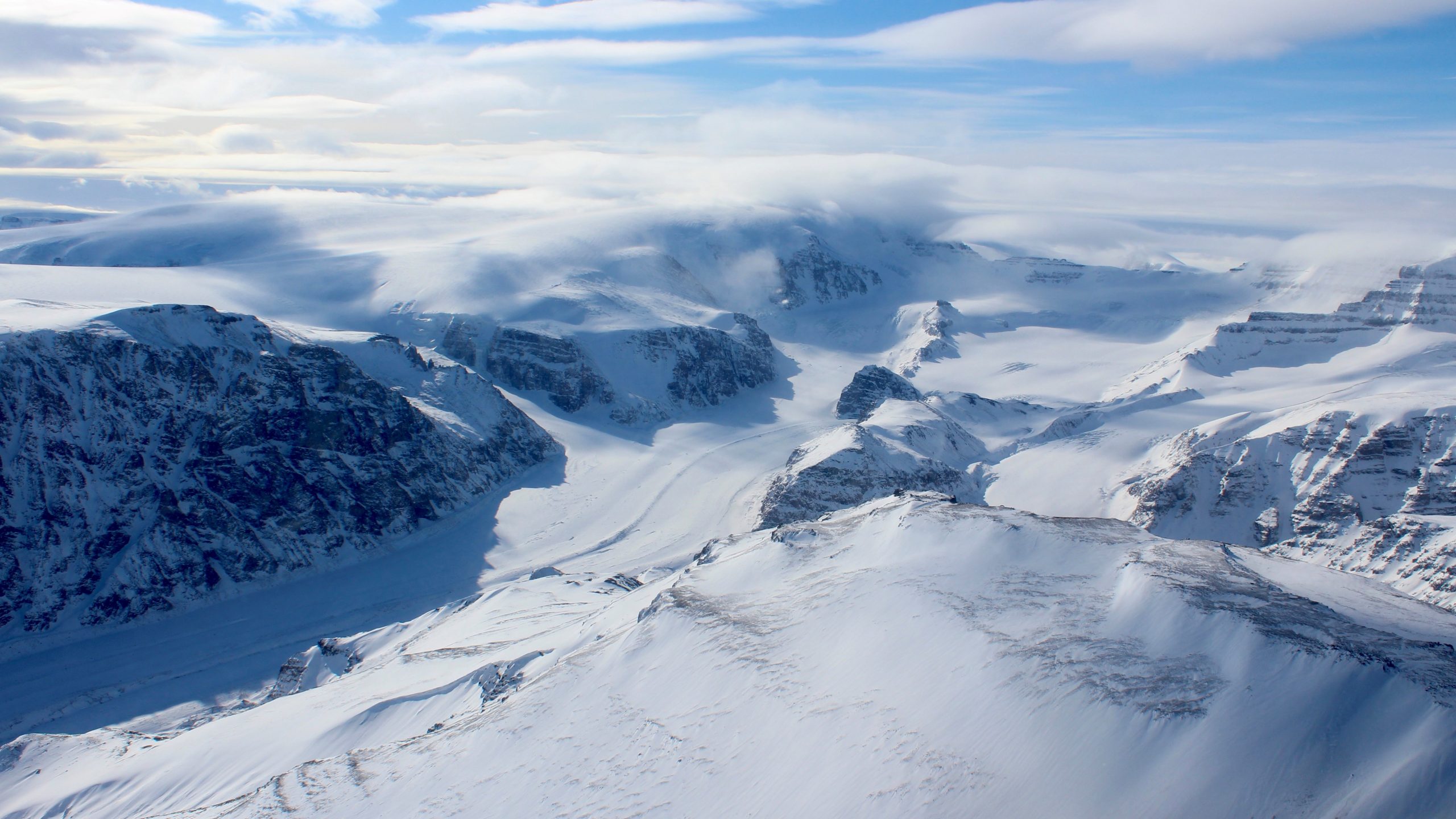
New collaborative research from the WHOI and five partner institutions published today in Nature Geoscience, reveals that during past periods glaciers and ice caps in coastal west Greenland experienced climate conditions much different than the interior of Greenland. Over the past 2,000 years, these ice caps endured periods of warming during which they grew larger rather than shrinking.
Read MoreWHOI selected for new NSF science & technology center
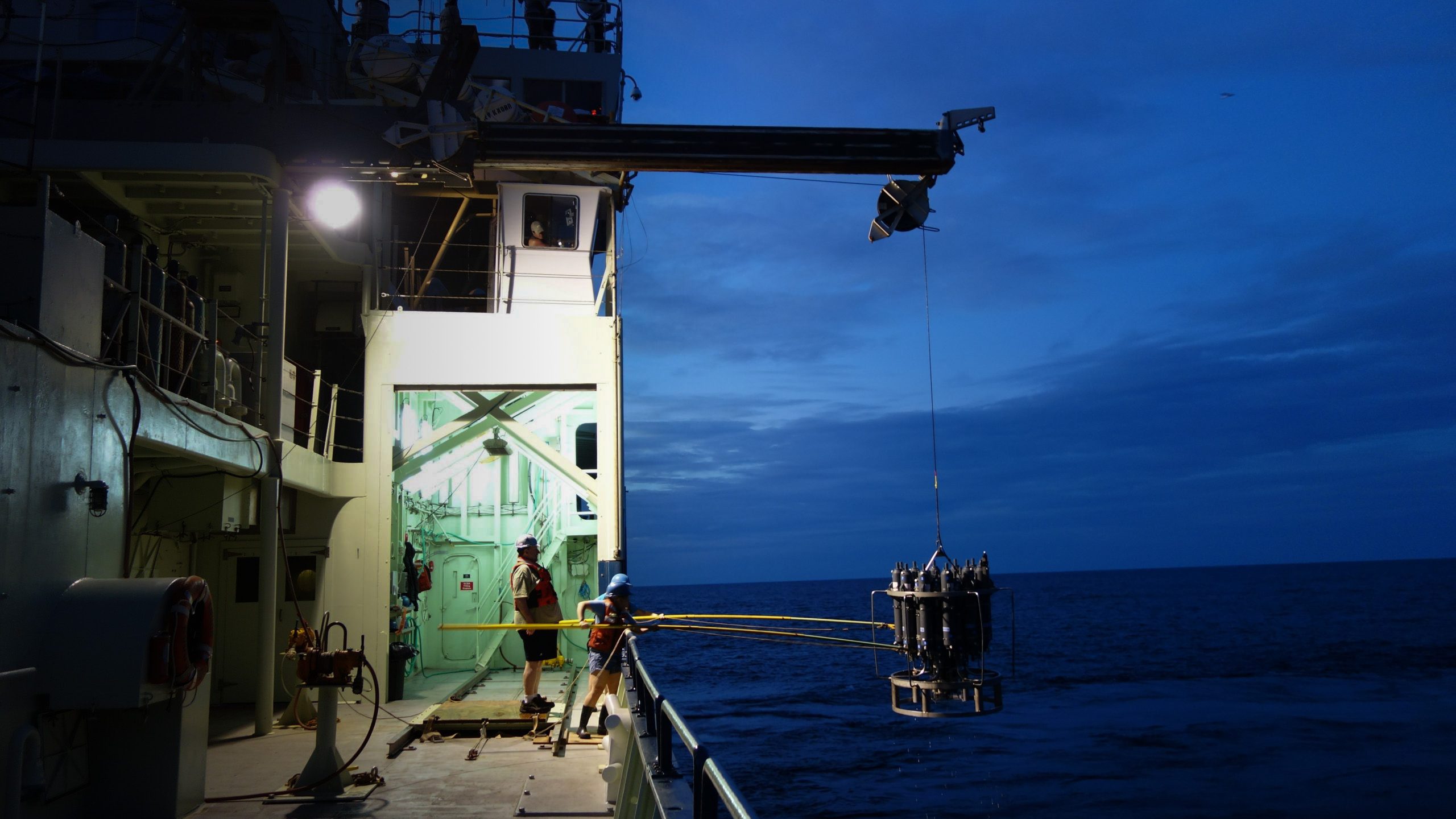
The new Center for Chemical Currencies of a Microbial Planet (C-CoMP) will focus on the chemical processes that underpin ocean ecosystems.
Read MoreSome coral reefs are keeping pace with ocean warming
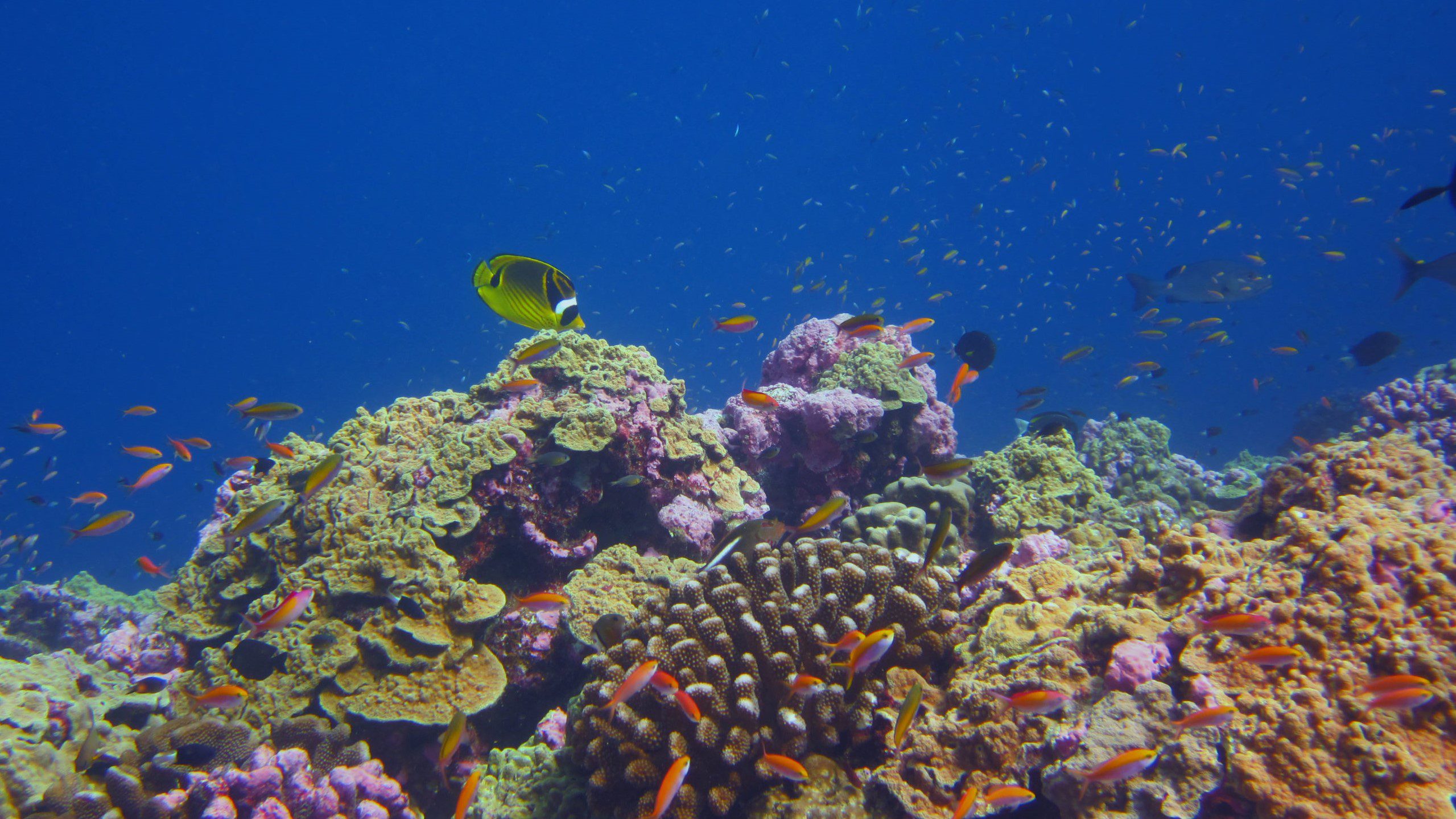
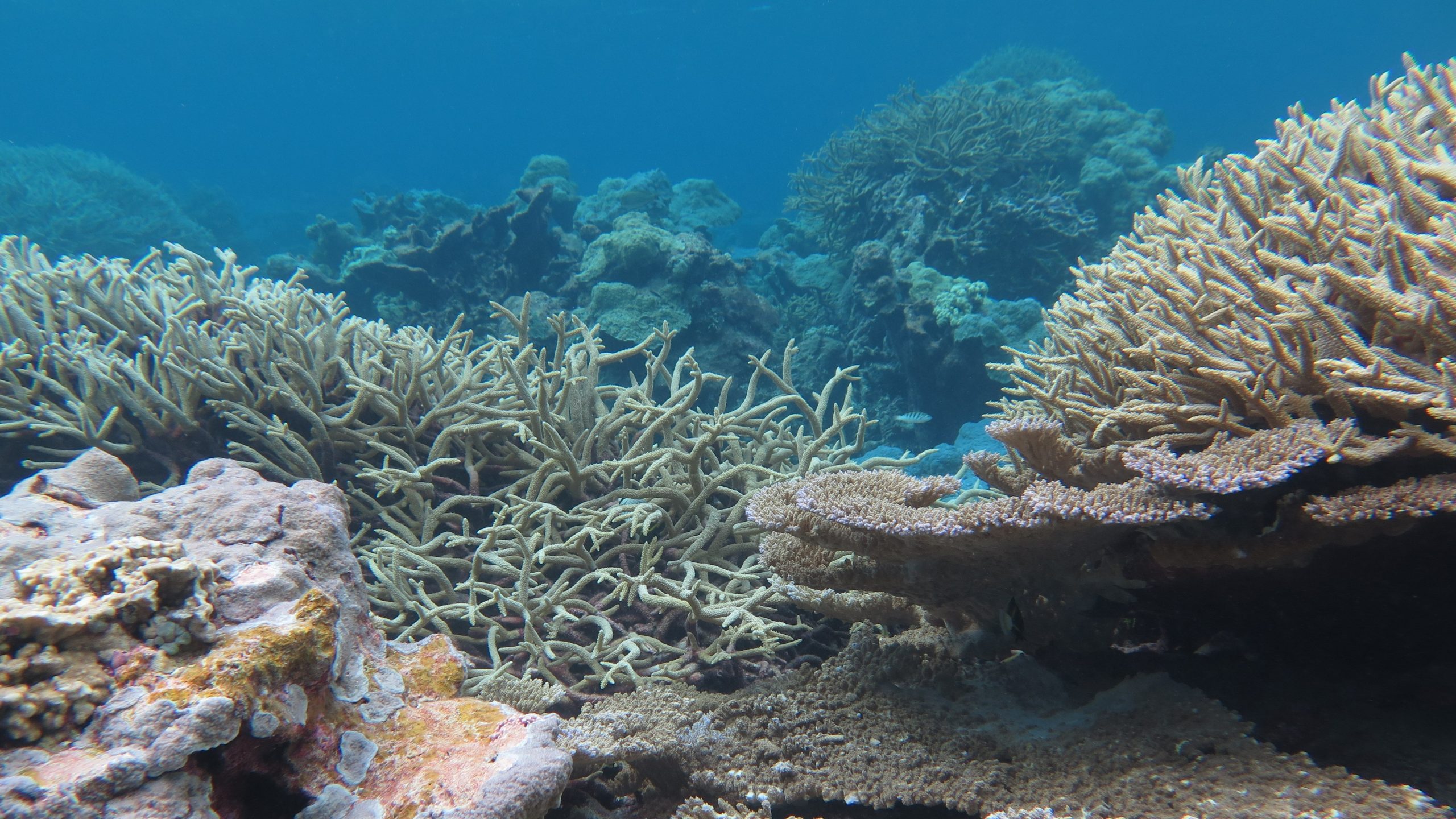
Some coral communities are becoming more heat tolerant as ocean temperatures rise, offering hope for corals in a changing climate. After a series of marine heatwaves hit the Phoenix Islands Protected Area (PIPA) in the central Pacific Ocean, a new study finds the impact of heat stress on the coral communities lessened over time.
Read More