
News Releases
$8.3M award to WHOI extends observational record of critical climate research
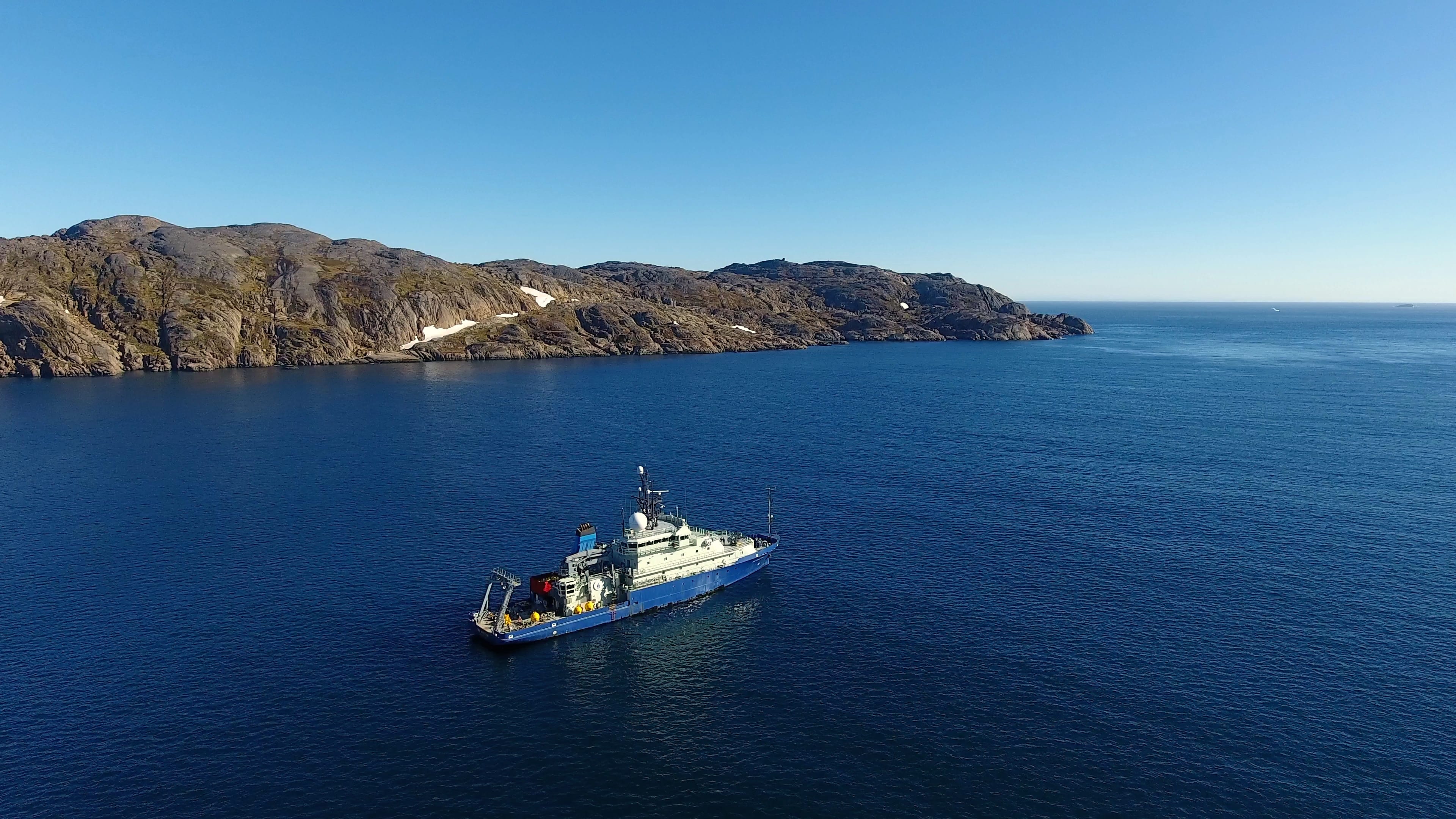
The National Science Foundation (NSF) recently awarded $8.3 million to the Woods Hole Oceanographic Institution (WHOI) to extend the life of the Overturning in the Sub-polar North Atlantic Program (OSNAP) in a key part of Earth’s ocean-climate system.
Read MoreIndian Ocean phenomenon spells climate trouble for Australia
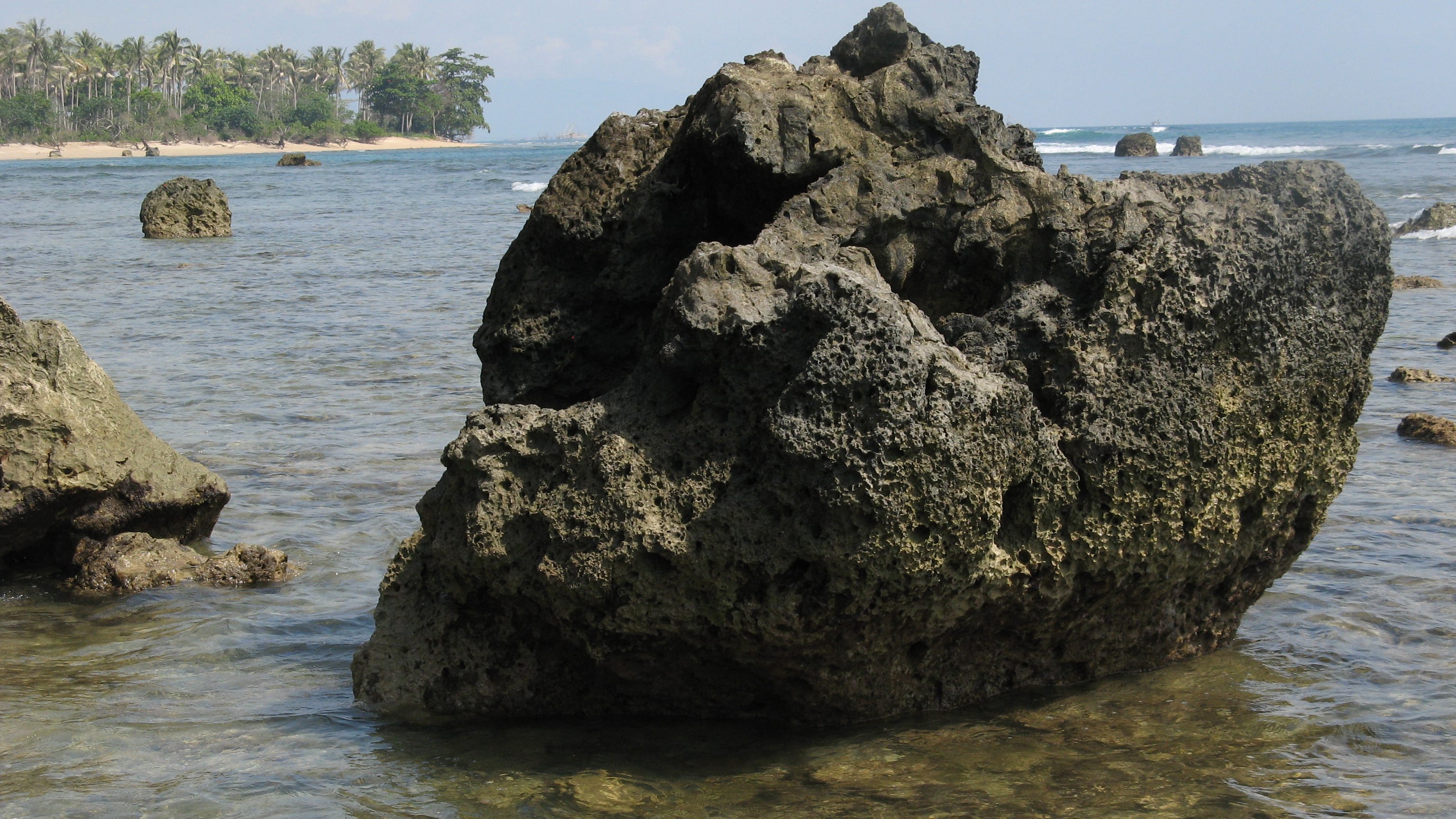
New international research by Woods Hole Oceanographic Institution (WHOI) and colleagues has found a marked change in the Indian Ocean’s surface temperatures that puts southeast Australia on course for increasingly hot and dry conditions.
Read MoreStudy reveals rapid sea-level rise along U.S. Atlantic coast in 18th century
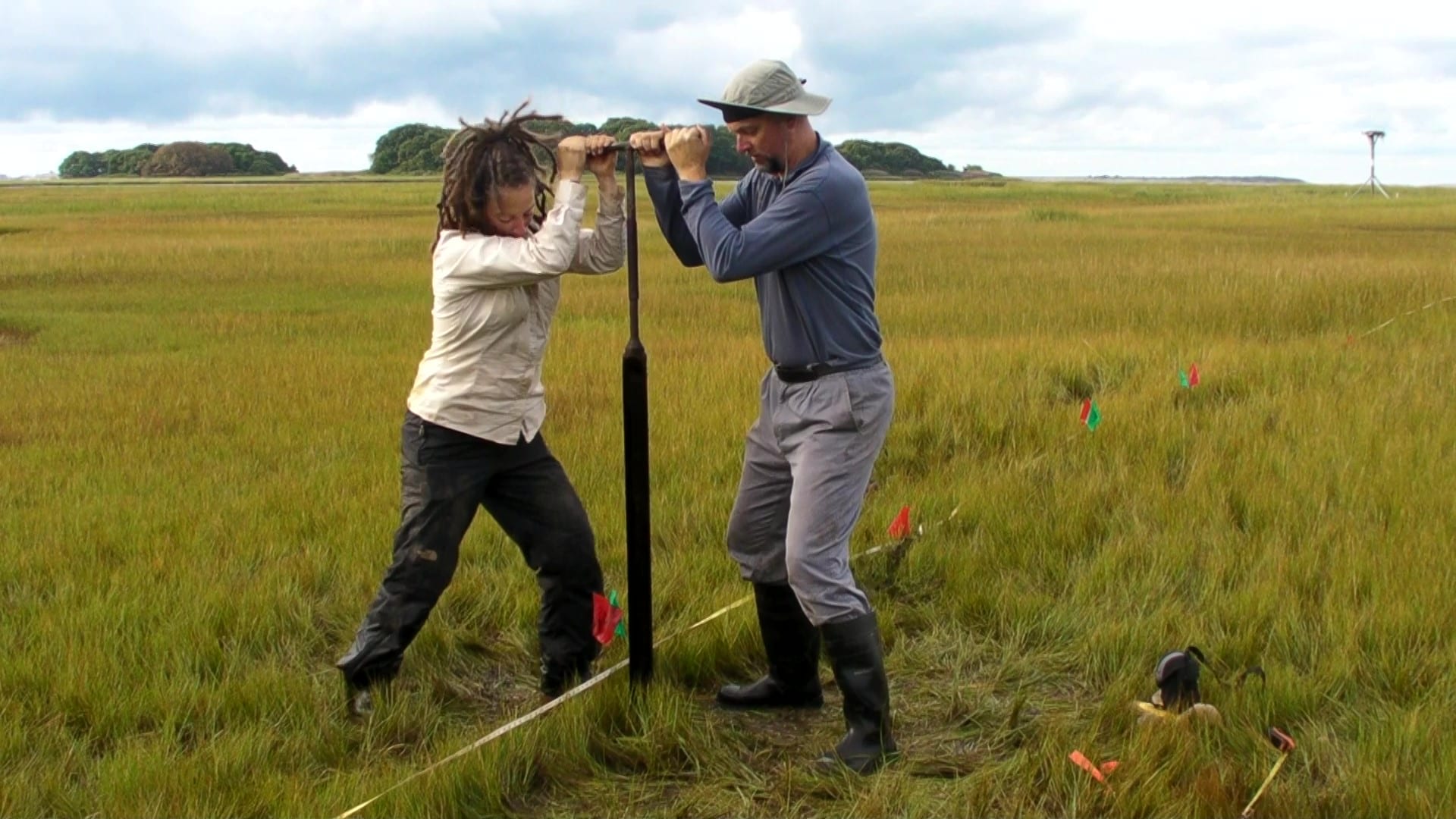
During the 18th century, sea levels along a stretch of the Atlantic coast of North America were rising almost as fast as they were during the 20th Century, reveals a new study.
Read MoreStudy reveals Missoula Floods impact on past abrupt climate changes
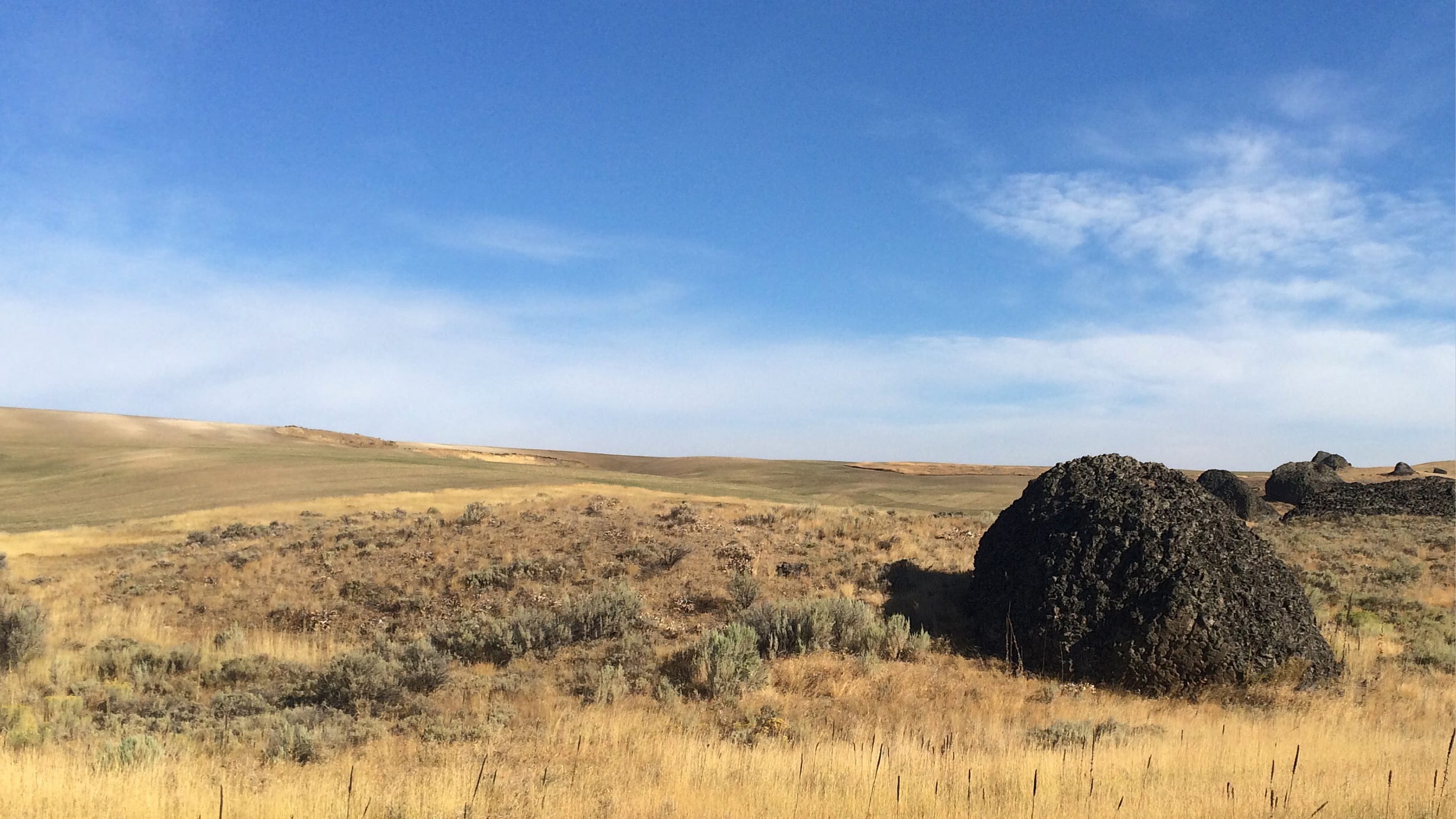
A new study shows for the first time how massive flood events in the eastern North Pacific Ocean—known as the Missoula Floods—may have in part triggered abrupt climate changes in the Northern Hemisphere during the last deglaciation (approximately 19,000–11,700 years ago).
Read MoreWarming oceans are getting louder
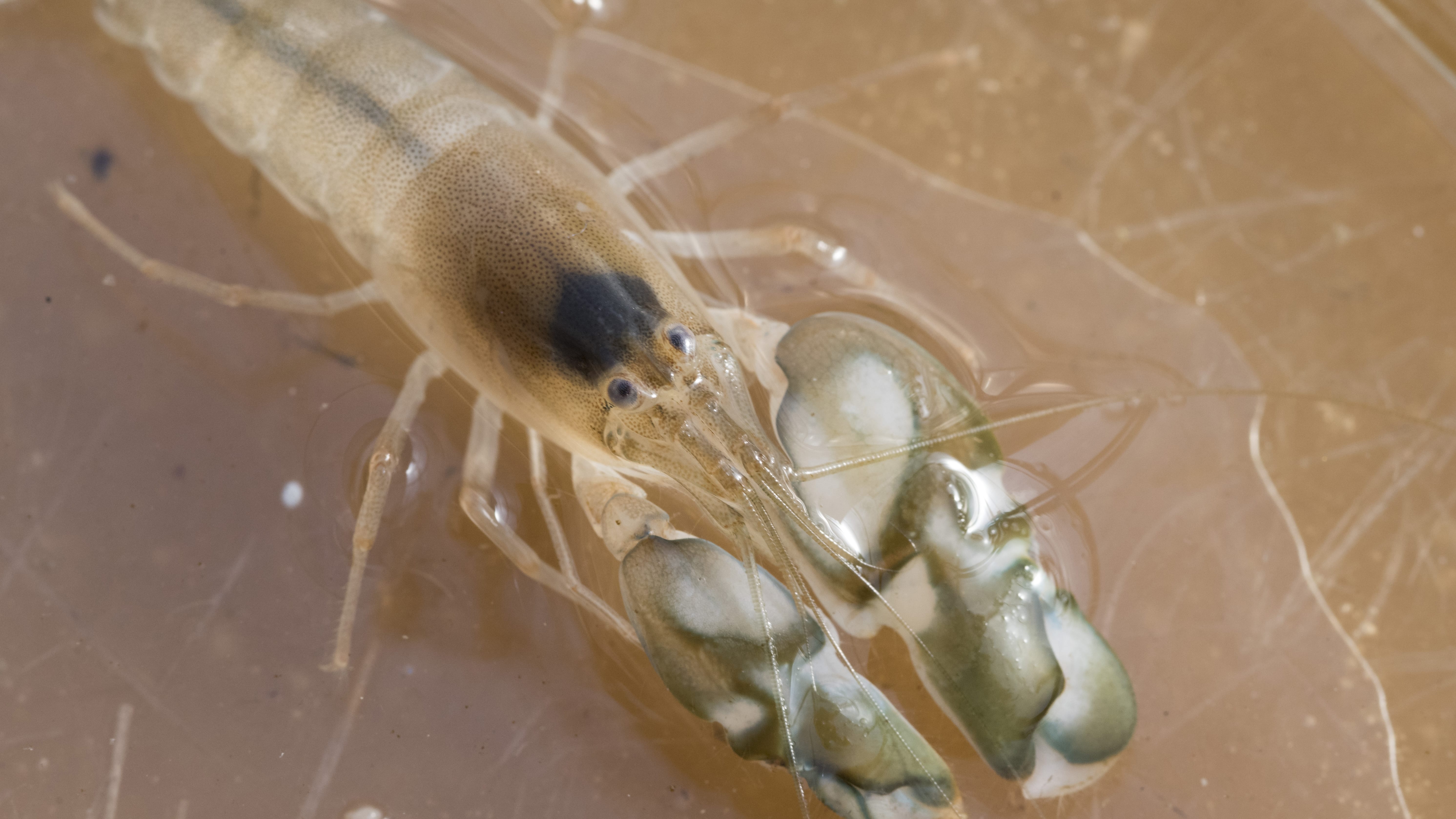
One of the ocean’s loudest creatures will get even louder and more troublesome to humans and sea life as the ocean warms.
Read MoreFor now, river deltas gain land worldwide
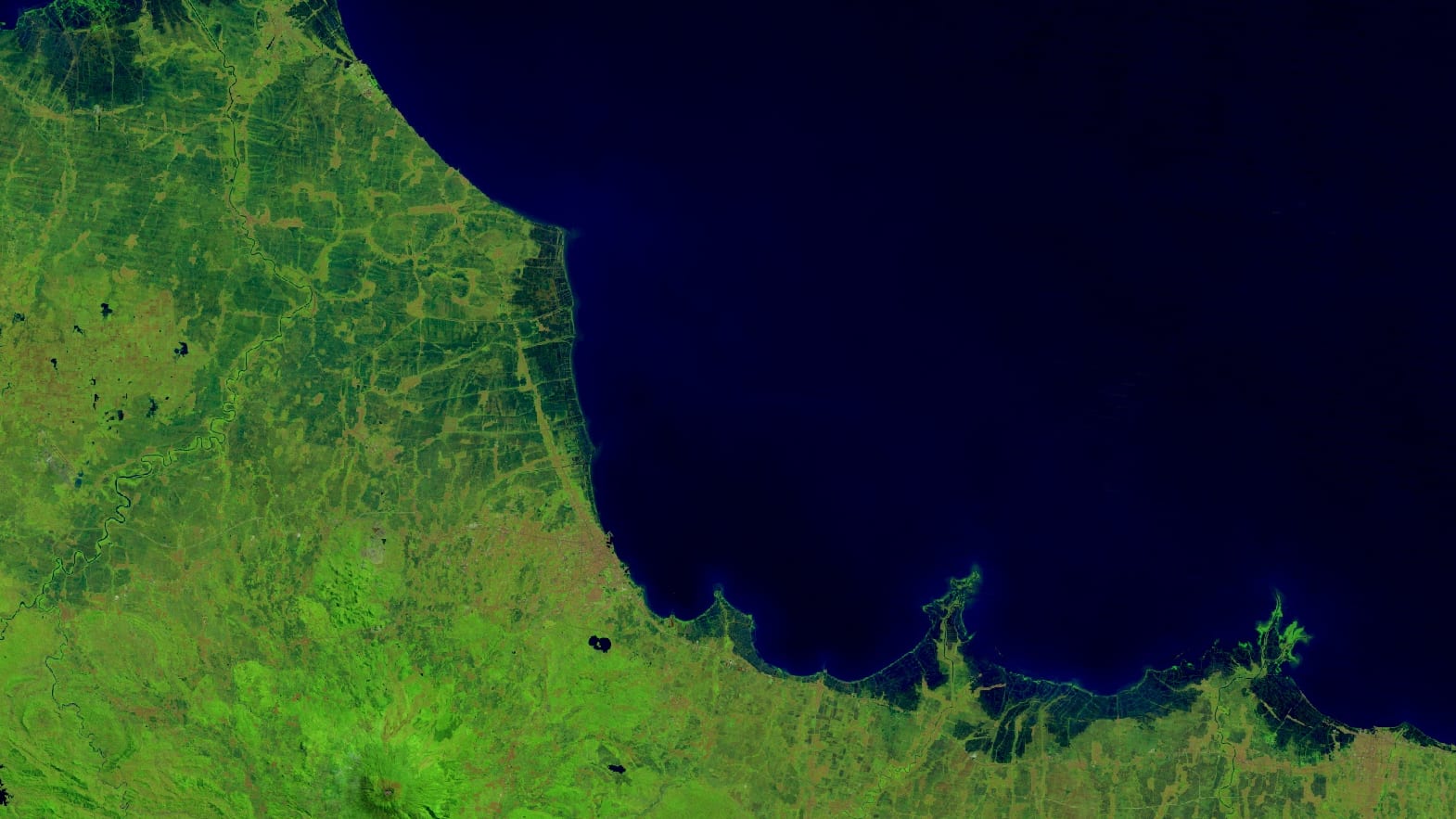
Delta areas worldwide have gained land in the past 30 years, despite river damming. However, recent land gains are unlikely to last throughout the 21st century due to expected, accelerated sea-level rise.
Read MoreClownfish can’t adapt to rapid environmental changes
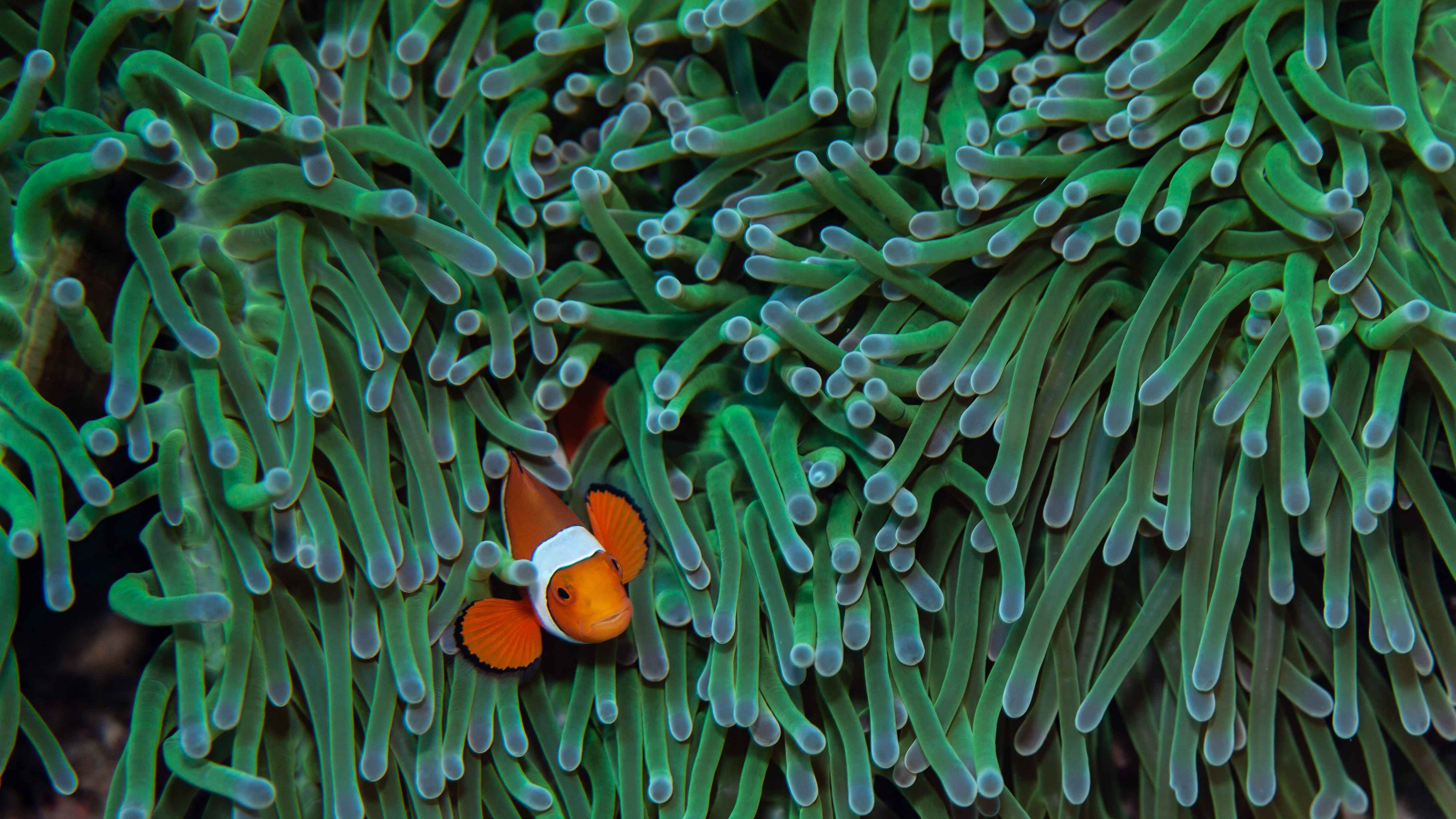
The beloved anemone fish popularized by the movies “Finding Nemo” and “Finding Dory” don’t have the genetic capacity to adapt to rapid changes in their environment, according to a new study in the journal Ecology Letters.
Read MoreUnless warming is slowed, emperor penguins will be marching towards extinction
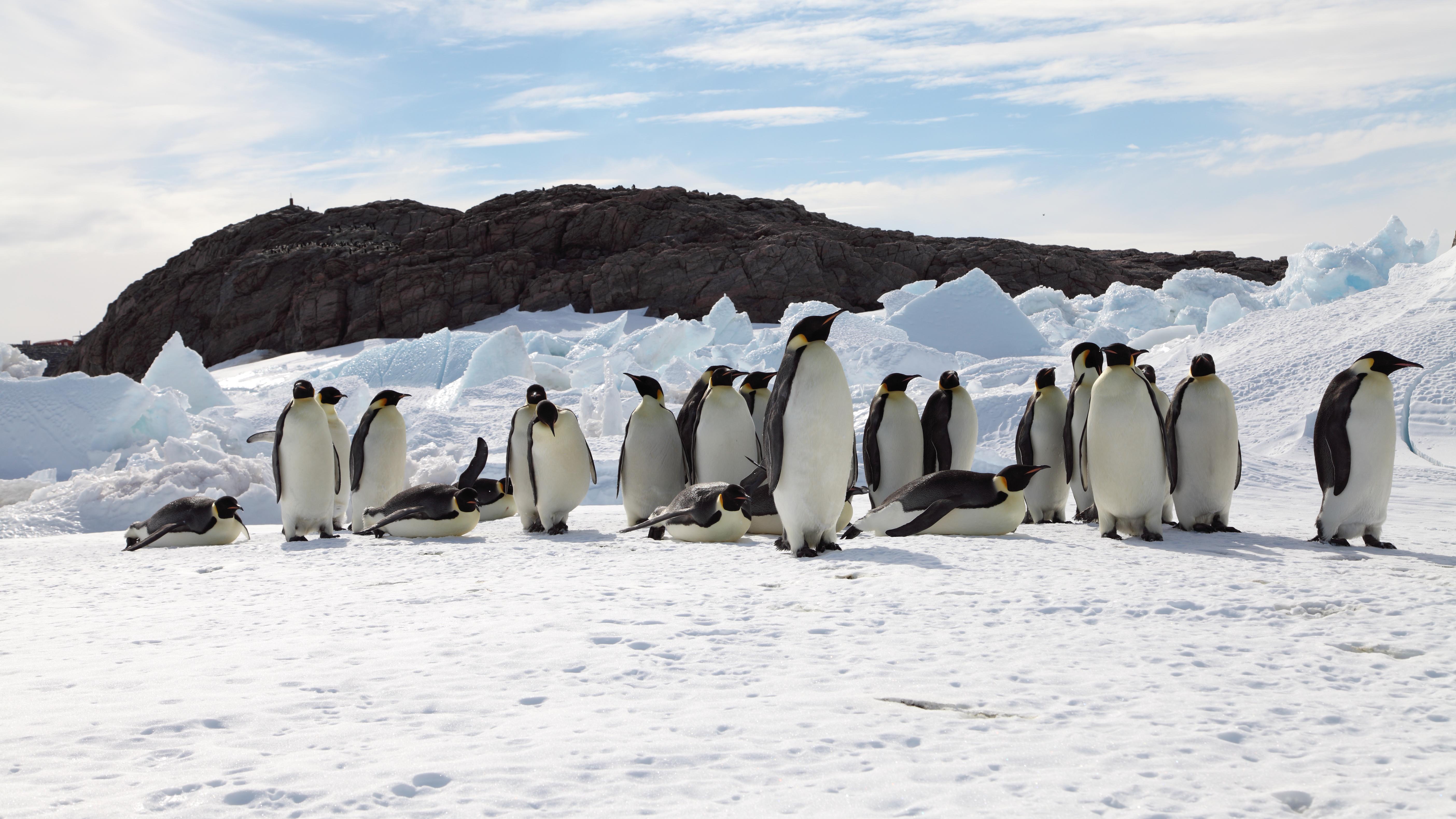
Emperor penguins are some of the most striking and charismatic animals on Earth, but a new study from the Woods Hole Oceanographic Institution has found that a warming climate may render them extinct by the end of this century. The study, which was part of an international collaboration between scientists, published Nov. 7, 2019, in the journal Global Change Biology.
Read MoreNew study measures how much of corals’ nutrition comes from hunting
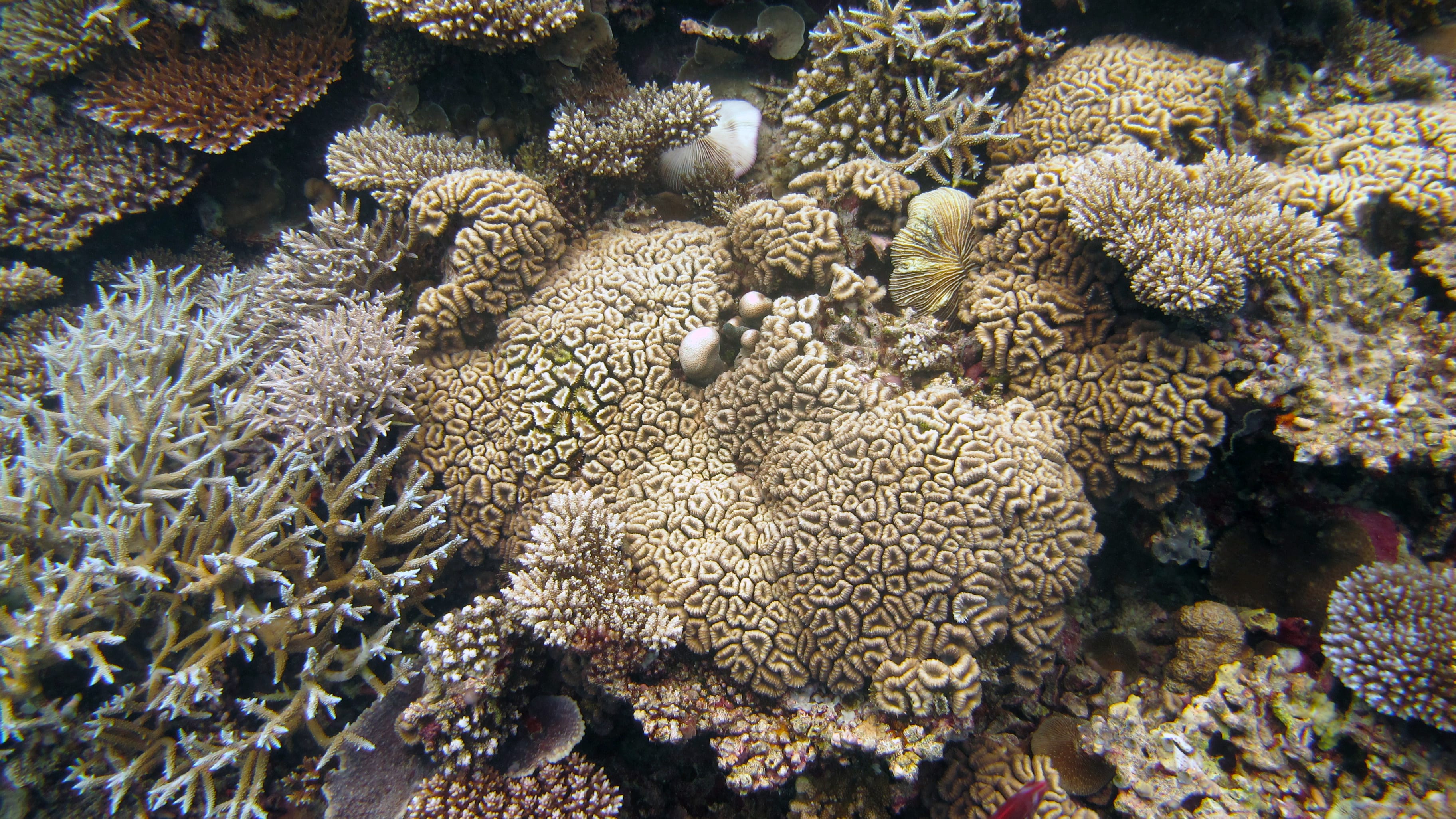
A new study reveals that more of corals’ nutrients come from hunting than previously expected, information that may help predict the fate of coral reefs as global ocean temperatures rise.
Read MoreNew report takes in-depth look at factors contributing to sea level rise
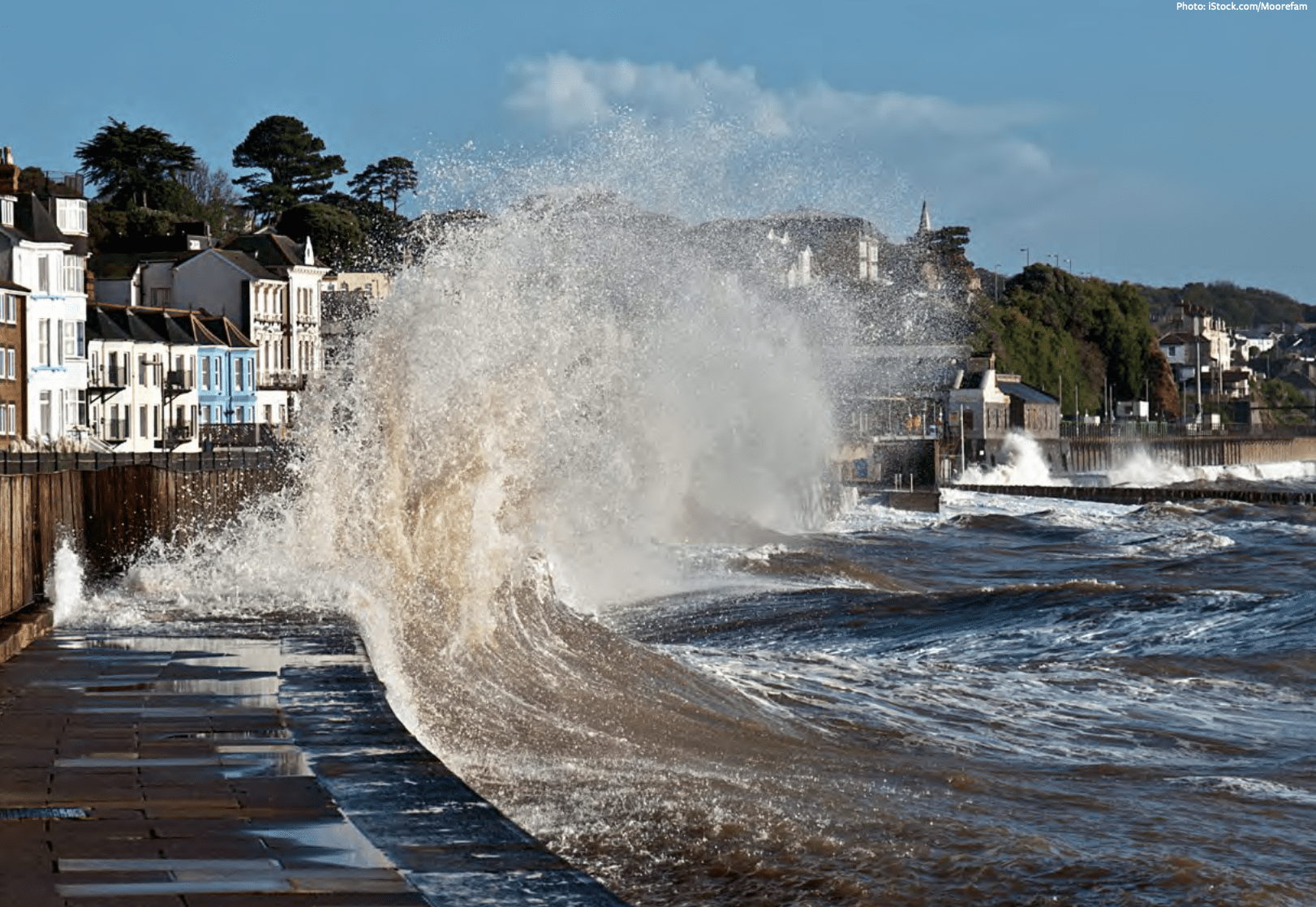
Sea levels in many areas across the global ocean are rising. Since the turn of the 20th century, the seas have risen between six and eight inches globally.
Read MoreStudy Finds No Direct Link Between North Atlantic Ocean Currents, Sea Level Along New England Coast
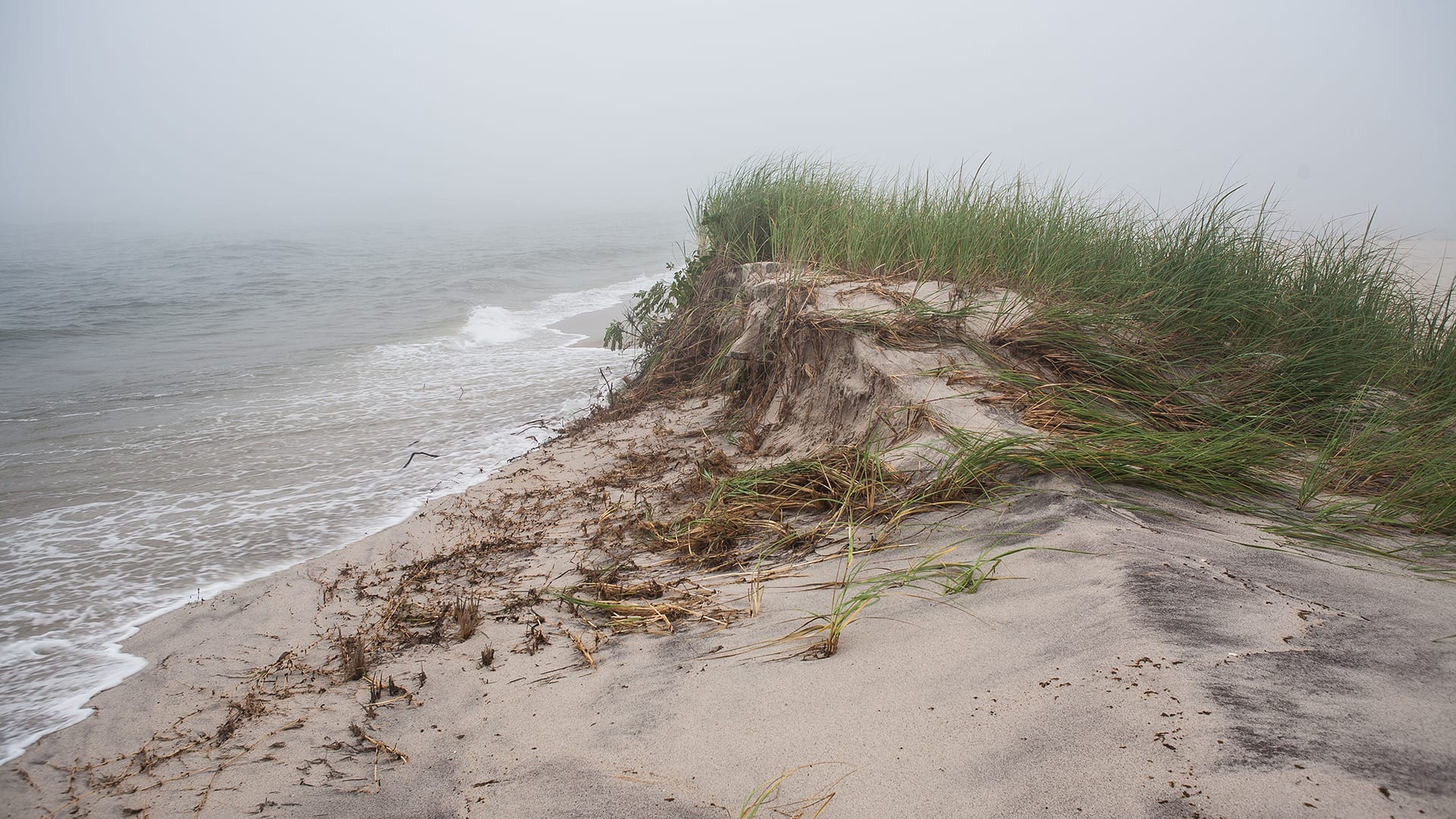
A new study by the Woods Hole Oceanographic Institution (WHOI) clarifies what influence major currents in the North Atlantic have on sea level along the northeastern United States. The study, published June 13 in the journal Geophysical Research Letters, examined both the strength of the Atlantic Meridional Overturning Circulation (AMOC)—a conveyor belt of currents that move warmer waters north and cooler waters south in the Atlantic—and historical records of sea level in coastal New England.
Read MoreOrganic Carbon Hides in Sediments, Keeping Oxygen in Atmosphere
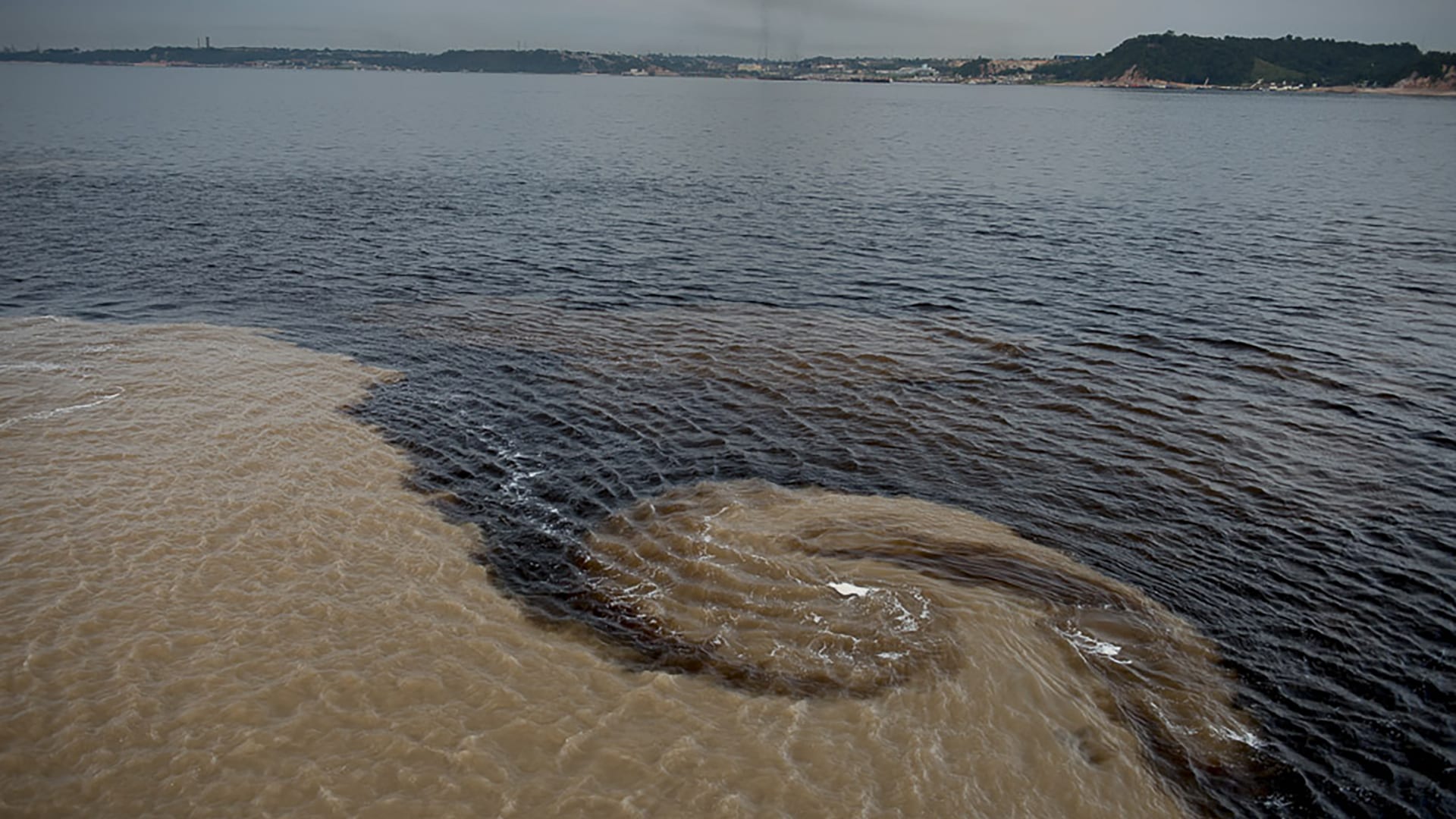
A new study from researchers at the Woods Hole Oceanographic Institution (WHOI) and Harvard University may help settle a long-standing question—how small amounts of organic carbon become locked away in…
Read MoreNOAA Names Woods Hole Oceanographic Institution to Host Cooperative Institute
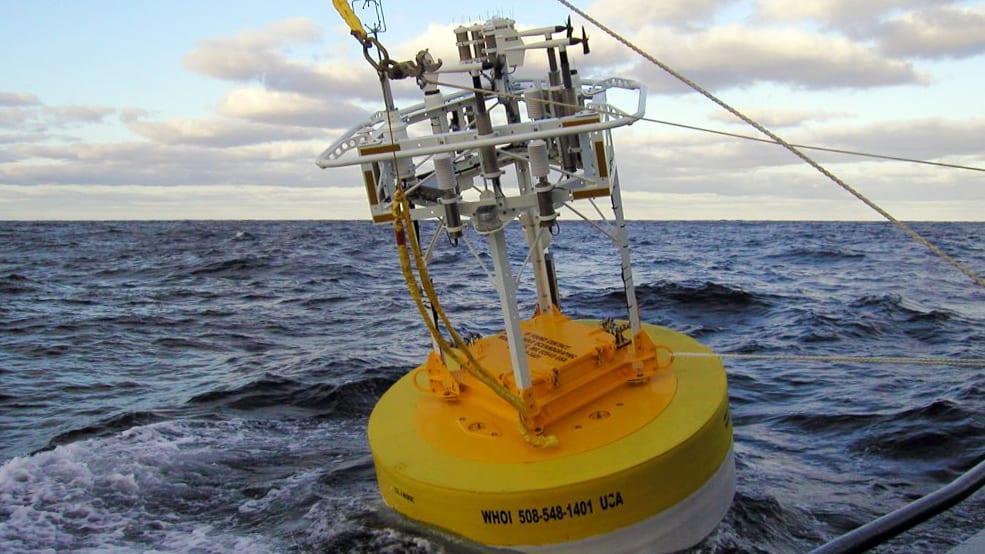
The National Oceanic and Atmospheric Administration (NOAA) selected Woods Hole Oceanographic Institution (WHOI) to host NOAA’s Cooperative Institute for the North Atlantic Region (CINAR). Cooperative Institutes are NOAA-supported, non-federal organizations…
Read MoreNorth Atlantic Ocean productivity has dropped 10 percent during industrial era
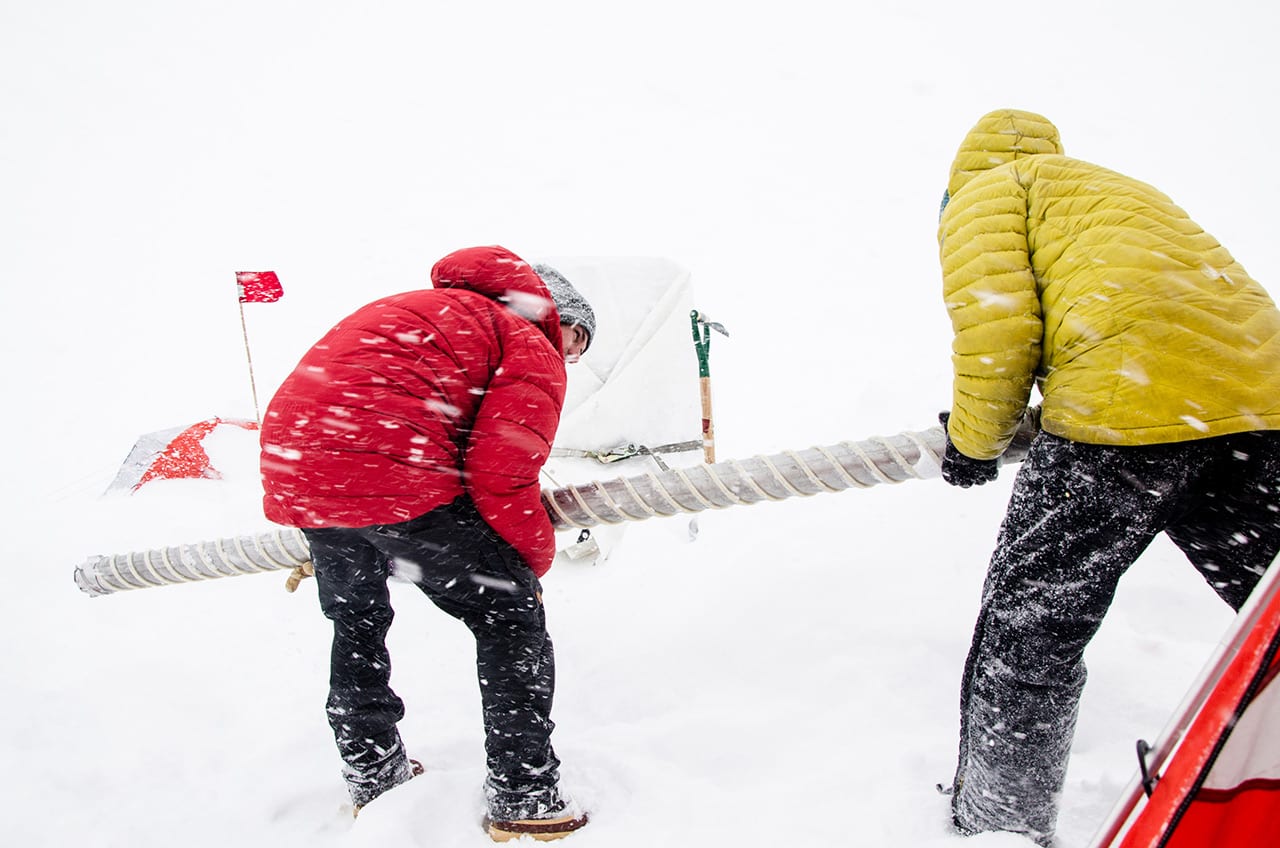
Scientists at MIT, Woods Hole Oceanographic Institution (WHOI), and elsewhere have found evidence that phytoplankton’s productivity is declining steadily in the North Atlantic, one of the world’s most productive marine basins.
Read MoreCorals in the Red Sea Offer Long-term View of South Asian Monsoon
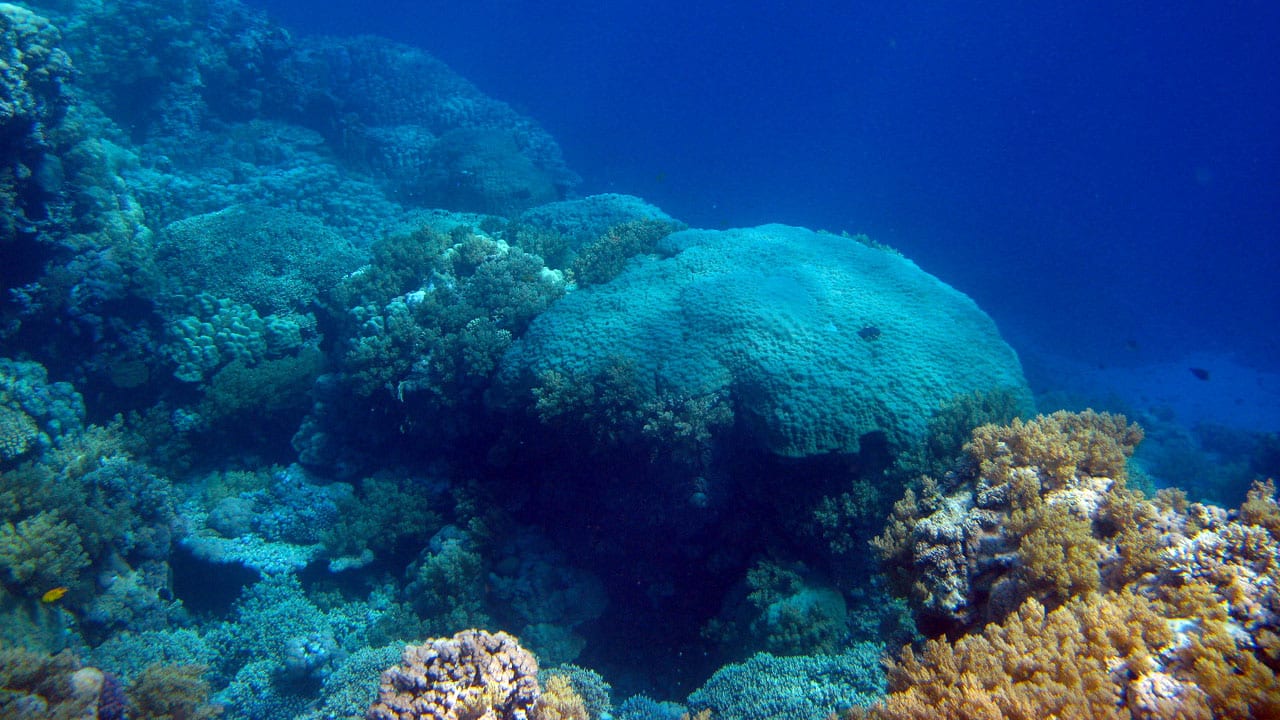
Using chemical data from corals in the Red Sea, WHOI scientists reconstructed nearly three centuries of wind data that provided a definitive, natural record of the monsoon’s intensity. The finding, published online March 28 in the journal Geophysical Research Letters, show that monsoon winds have indeed increased over the past centuries.
Read MoreWaters West of Europe Drive Ocean Overturning, Key for Regulating Climate
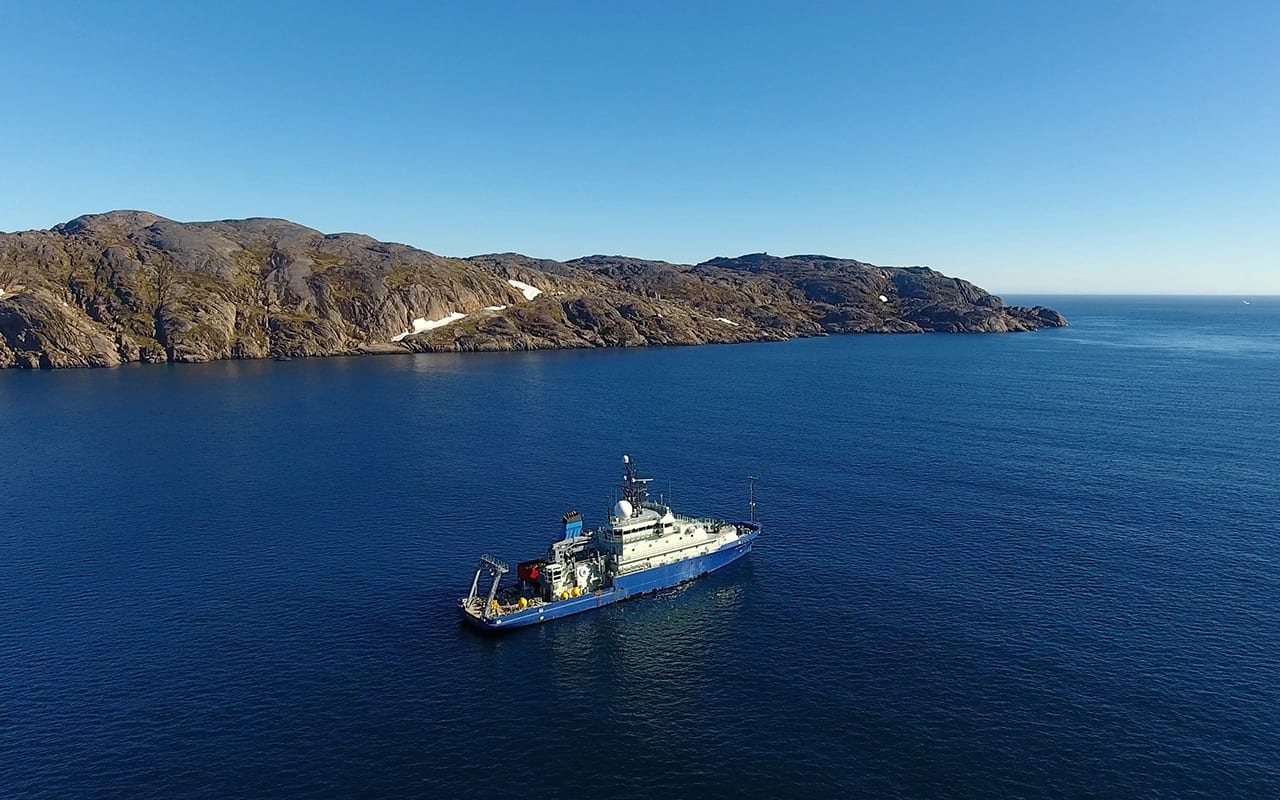
In the Atlantic MOC, warm, salty, shallow waters are carried northward from the tropics by currents and wind, and then converted into colder, fresher, deep waters that return southward through the Iceland and Irminger basins. In a departure from the prevailing scientific view, the study shows that most of the conversion from warm to cold water – or ‘overturning’ and its month-to-month variability – is occurring in regions between Greenland and Scotland, rather than in the Labrador Sea off Canada, as many past modeling studies have suggested.
Read MoreThe long memory of the Pacific Ocean
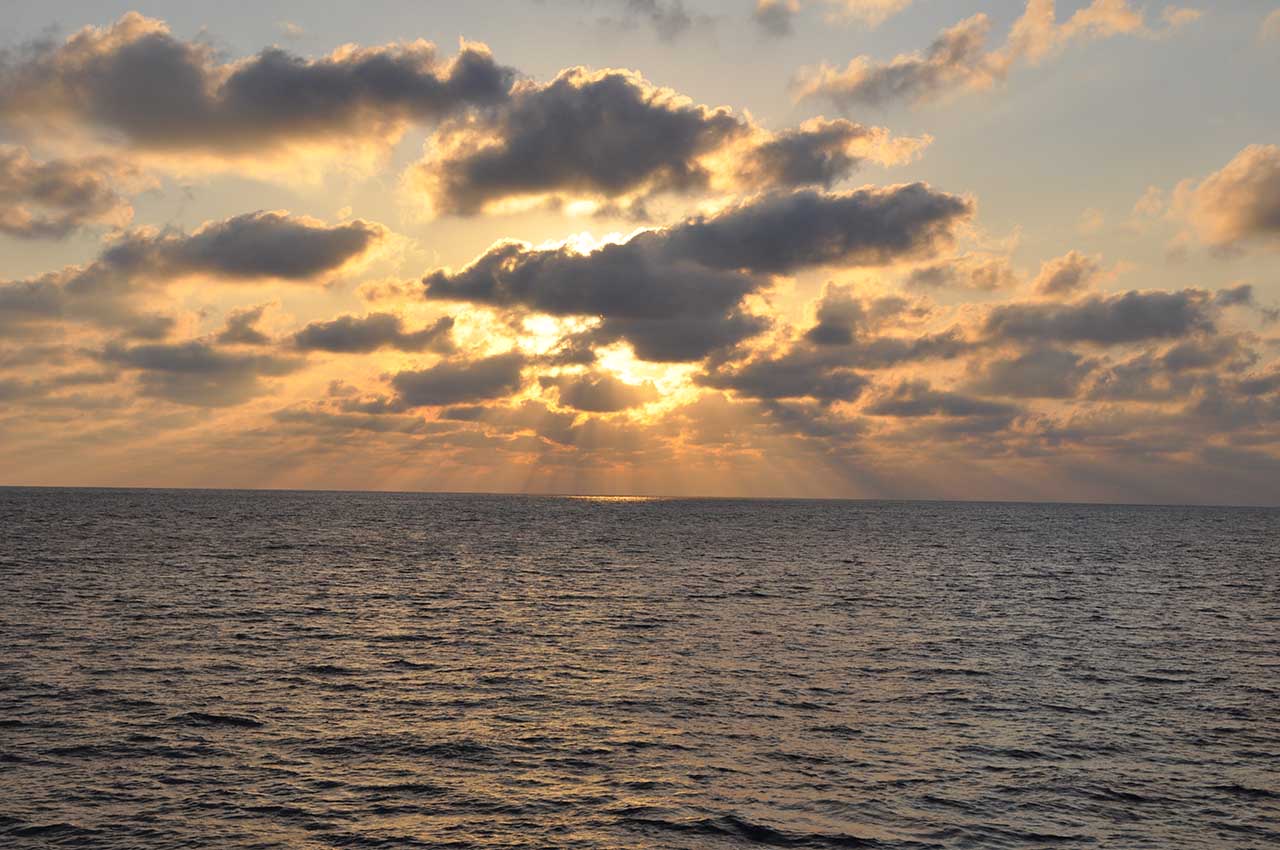
Researchers from the Woods Hole Oceanographic Institution (WHOI) and Harvard University have found that the deep Pacific Ocean lags a few centuries behind in terms of temperature and is still adjusting to the entry into the Little Ice Age. Whereas most of the ocean is responding to modern warming, the deep Pacific may be cooling.
Read MoreWhy Is Sea Level Rising Faster in Some Places Along the U.S. East Coast Than Others?
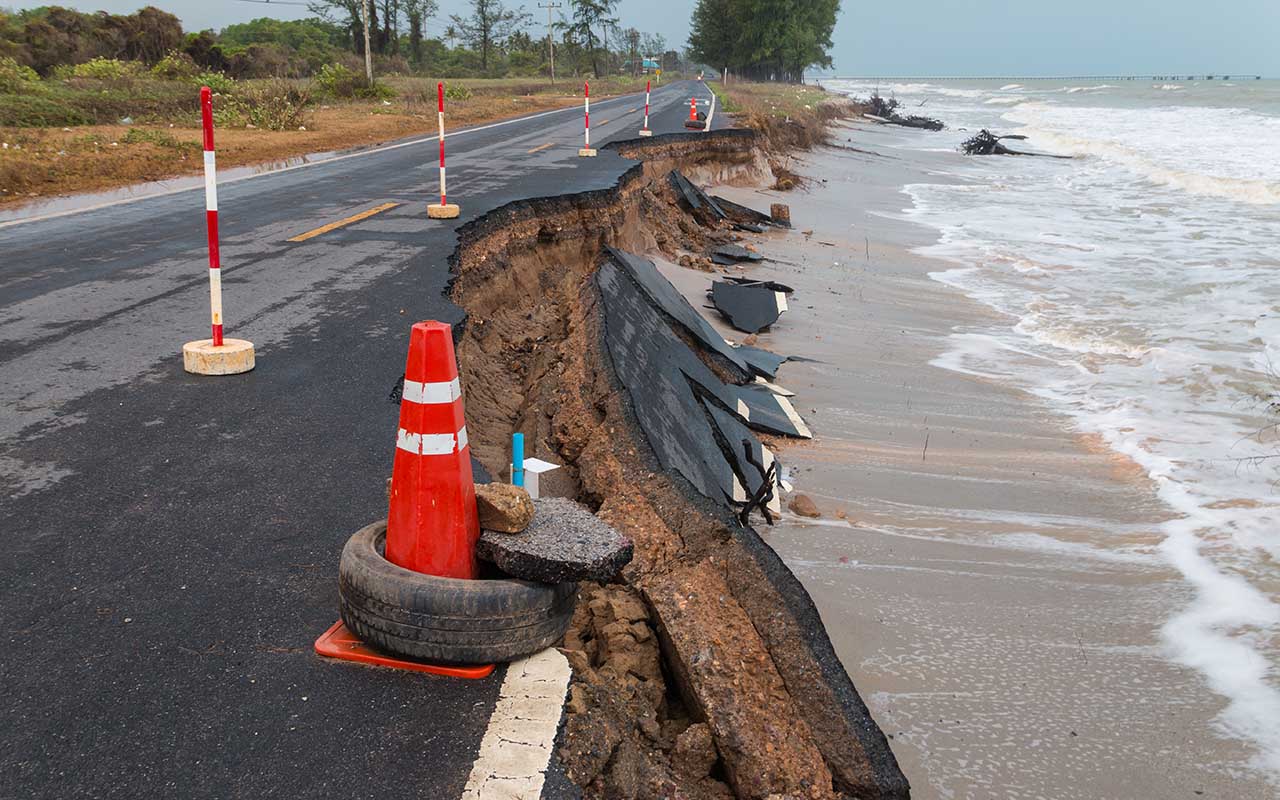
Sea levels are rising globally from ocean warming and melting of land ice, but the seas aren’t rising at the same rate everywhere. Sea levels have risen significantly higher in some U.S. East Coast regions compared to others. A new study led by the Woods Hole Oceanographic Institution (WHOI) reveals why.
Read MoreGreenland Ice Sheet Melt ‘Off the Charts’ Compared With Past Four Centuries
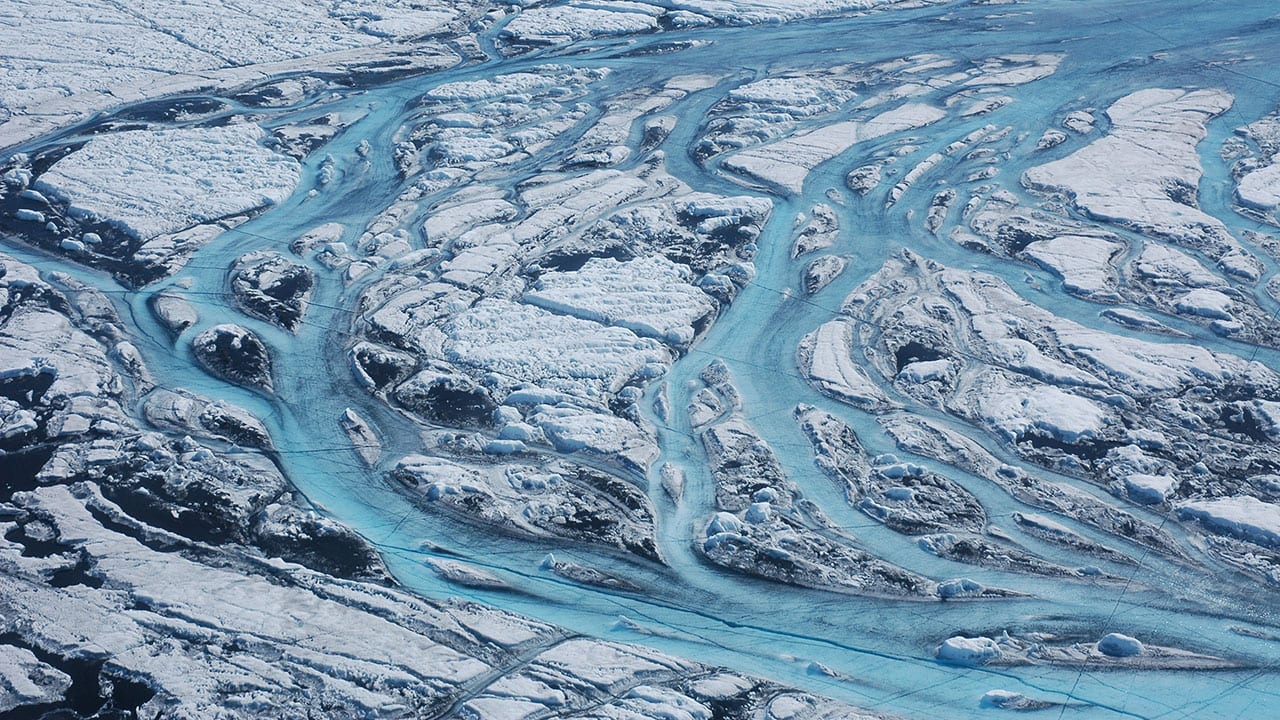
Surface melting across Greenland’s mile-thick ice sheet began increasing in the mid-19th century and then ramped up dramatically during the 20th and early 21st centuries, showing no signs of abating, according to new research published Dec. 5, 2018, in the journal Nature. The study provides new evidence of the impacts of climate change on Arctic melting and global sea level rise.
Read MoreStudy Tracks Severe Bleaching Events on a Pacific Coral Reef Over Past Century
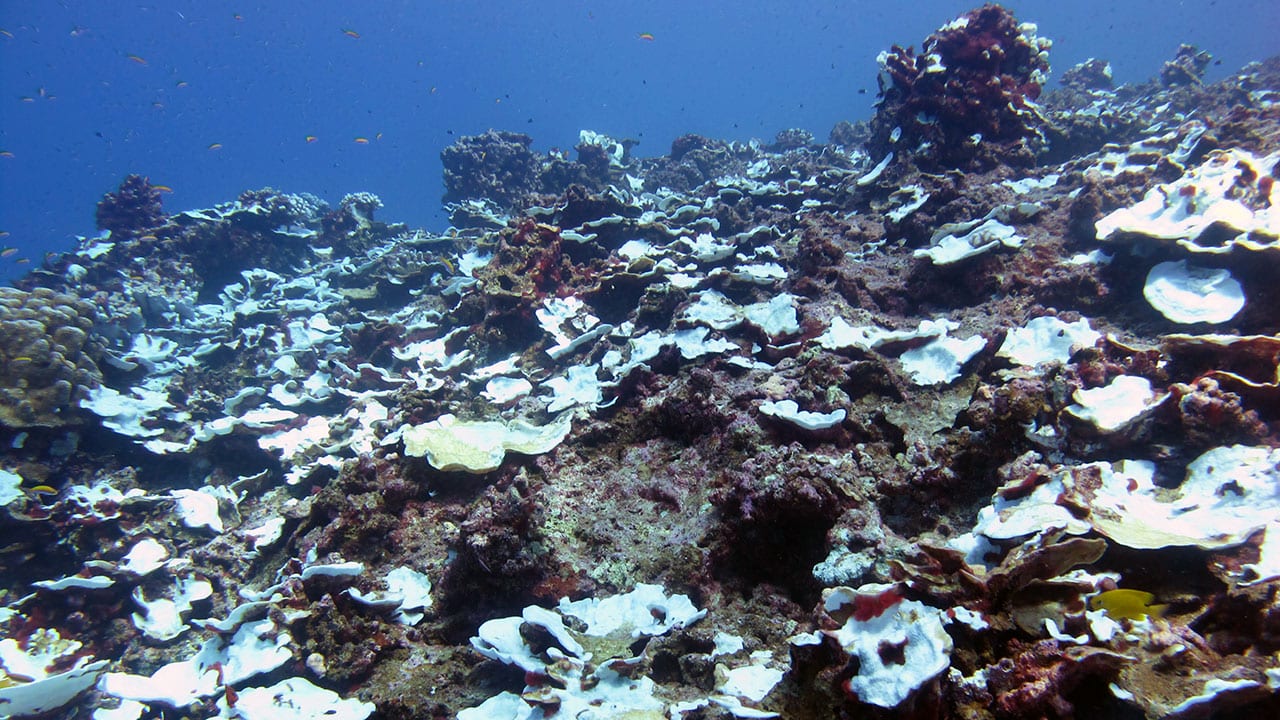
As climate change causes ocean temperatures to rise, coral reefs worldwide are experiencing mass bleaching events and die-offs. For many, this is their first encounter with extreme heat. However for some reefs in the central Pacific, heatwaves caused by El Nino are a way of life. Exactly how these reefs deal with repeated episodes of extreme heat has been unclear. A new study from the Woods Hole Oceanographic Institution (WHOI), has uncovered the history of bleaching on a reef in the epicenter of El Nino, revealing how some corals have been able to return after facing extreme conditions. The study was published October 26, 2018, in the journal Communications Biology.
Read MoreStudy Finds Link Between River Outflow and Coastal Sea Level
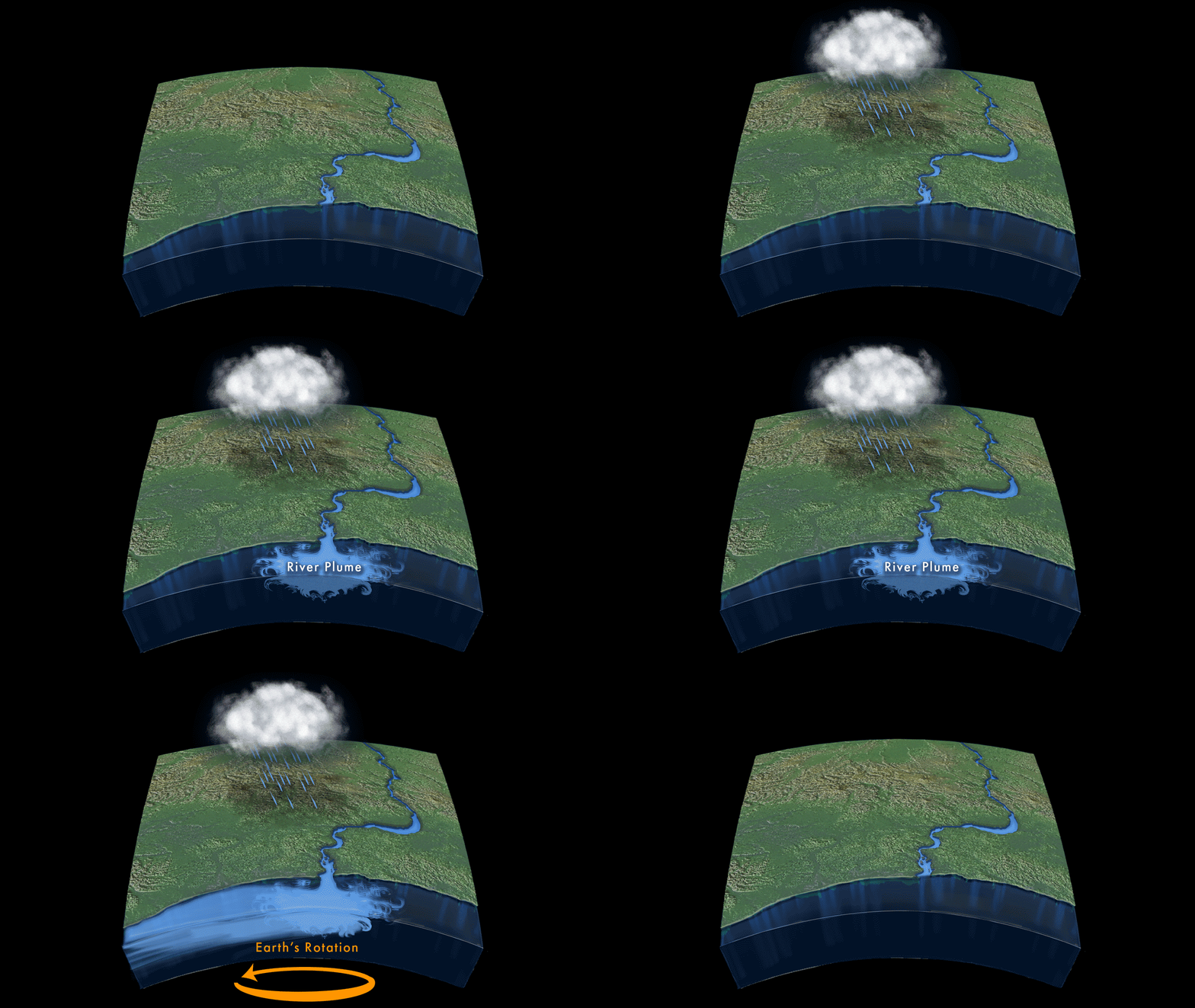
Sea levels in coastal areas can be affected by a number of factors: tides, winds, waves, and even barometric pressure all play a role in the ebb and flow of the ocean. For the first time, however, a new study led by the Woods Hole Oceanographic Institution (WHOI) has shown that river outflow could play a role in sea level change as well.
Read MoreFollowing the Fresh Water
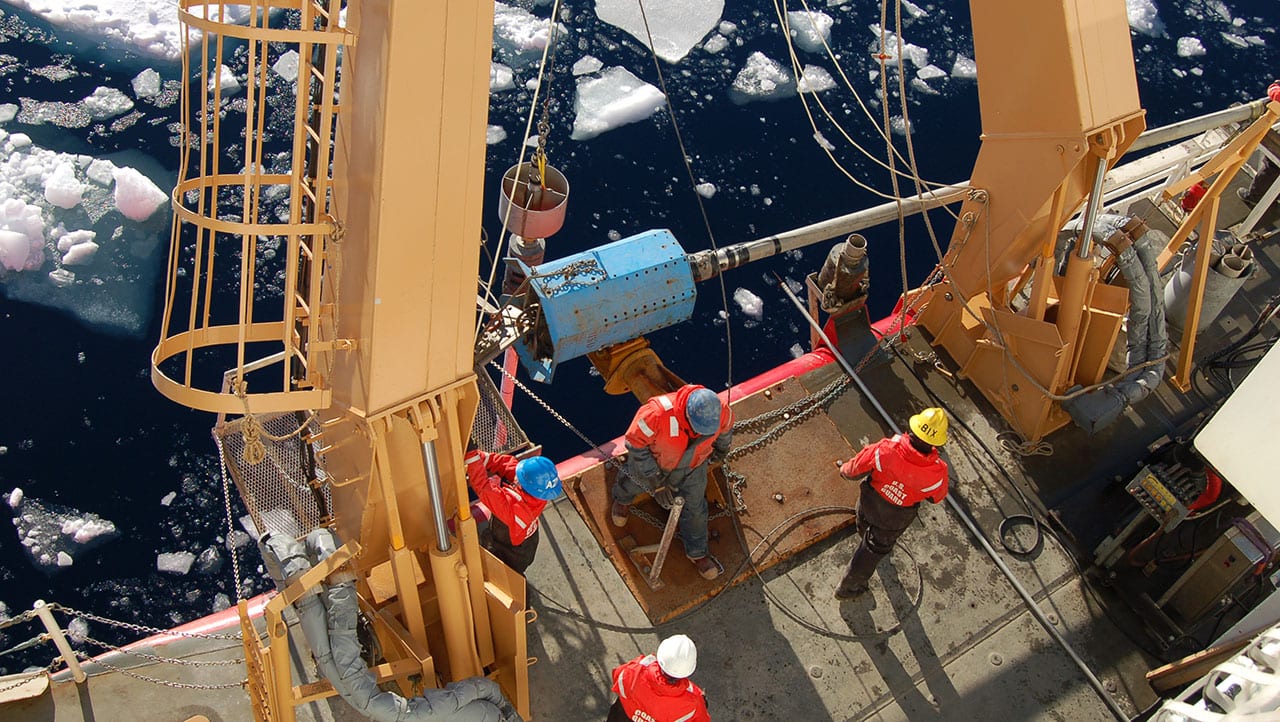
A research team led by Woods Hole Oceanographic Institution (WHOI) found the fingerprint of a massive flood of fresh water in the western Arctic, thought to be the cause of an ancient cold snap that began around 13,000 years ago.
Read MoreAre Emperor Penguins Eating Enough?
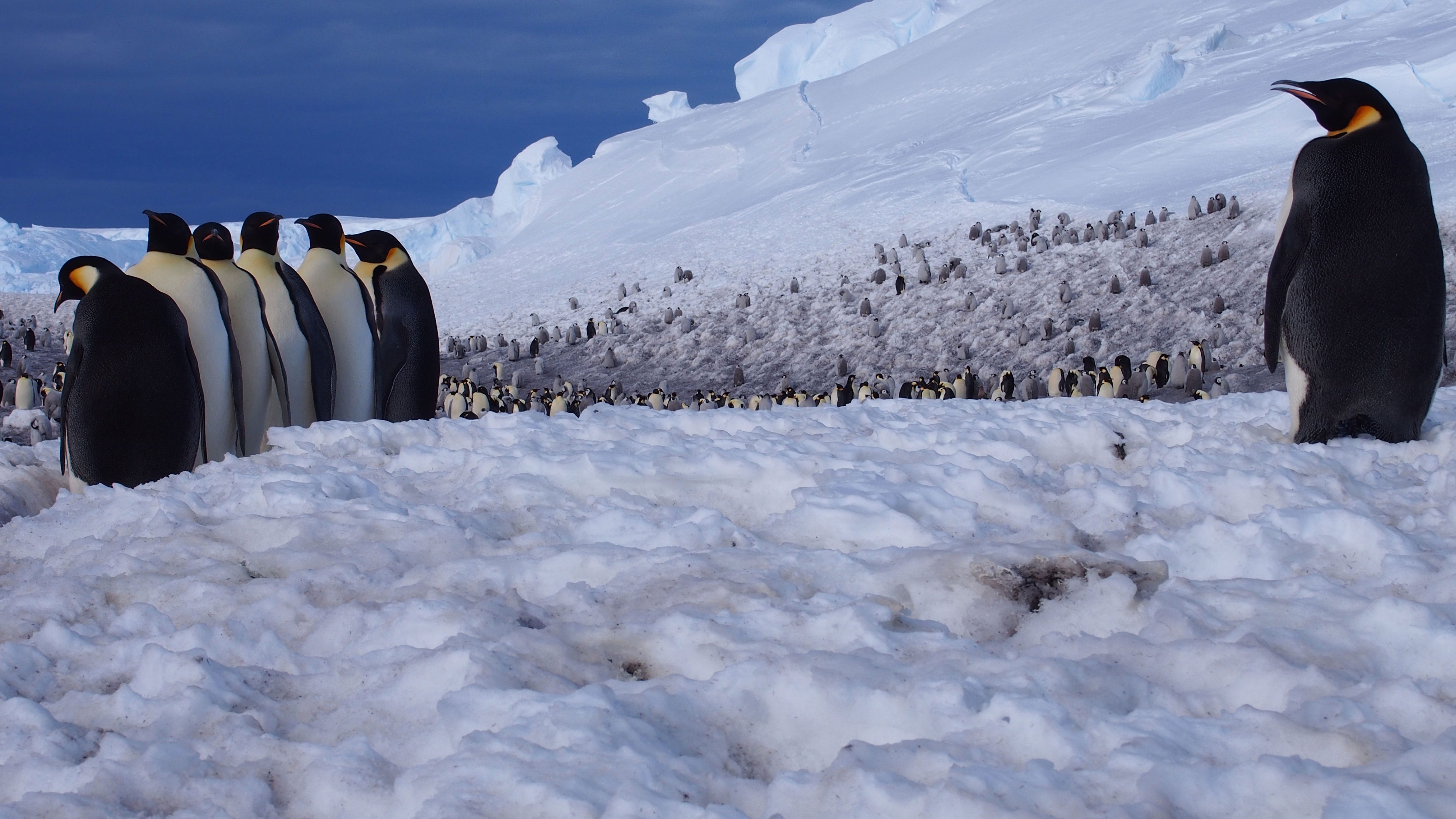
For Emperor penguins waddling around a warming Antarctic, diminishing sea ice means less fish to eat. How the diets of these tuxedoed birds will hold up in the face of…
Read MoreMountain Erosion May Add Carbon Dioxide to Atmosphere
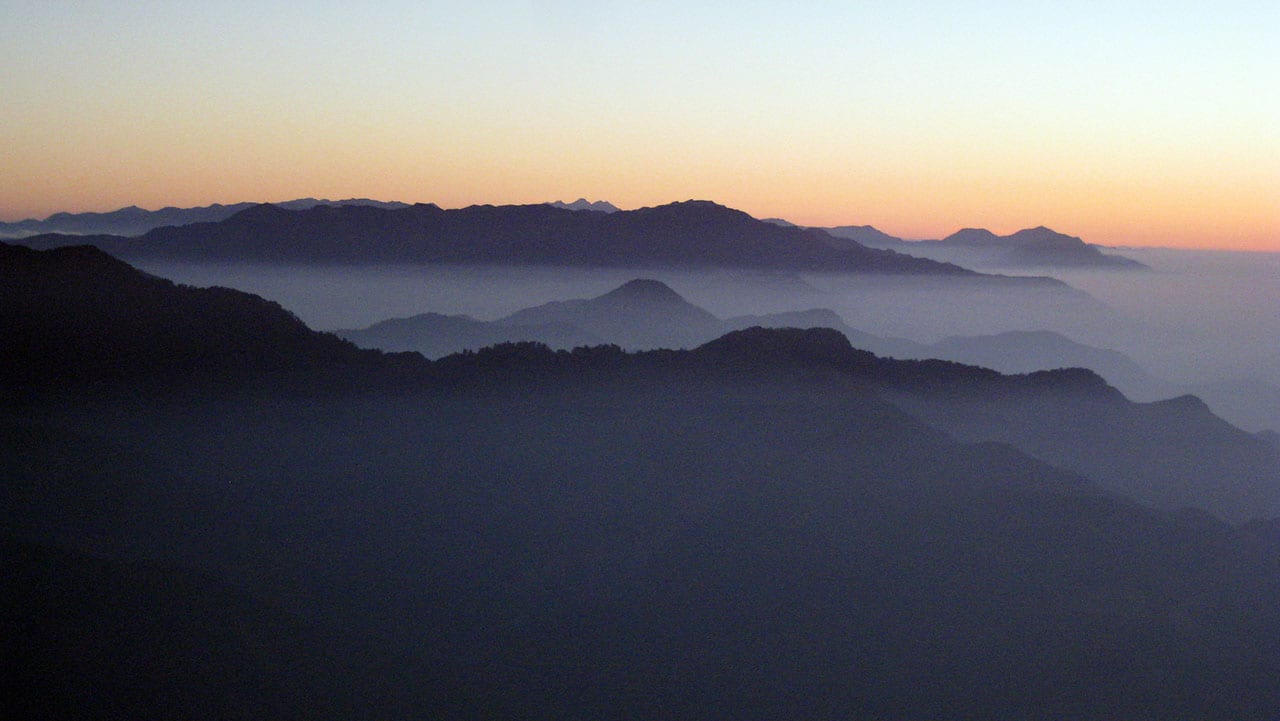
Scientists have long known that steep mountain ranges can draw carbon dioxide (CO2) out of the atmosphere as erosion exposes new rock, it also starts a chemical reaction between minerals on hill slopes and CO2 in the air, weathering the rock and using CO2 to produce carbonate minerals like calcite.
Read More