
News Releases
Surviving extreme heat
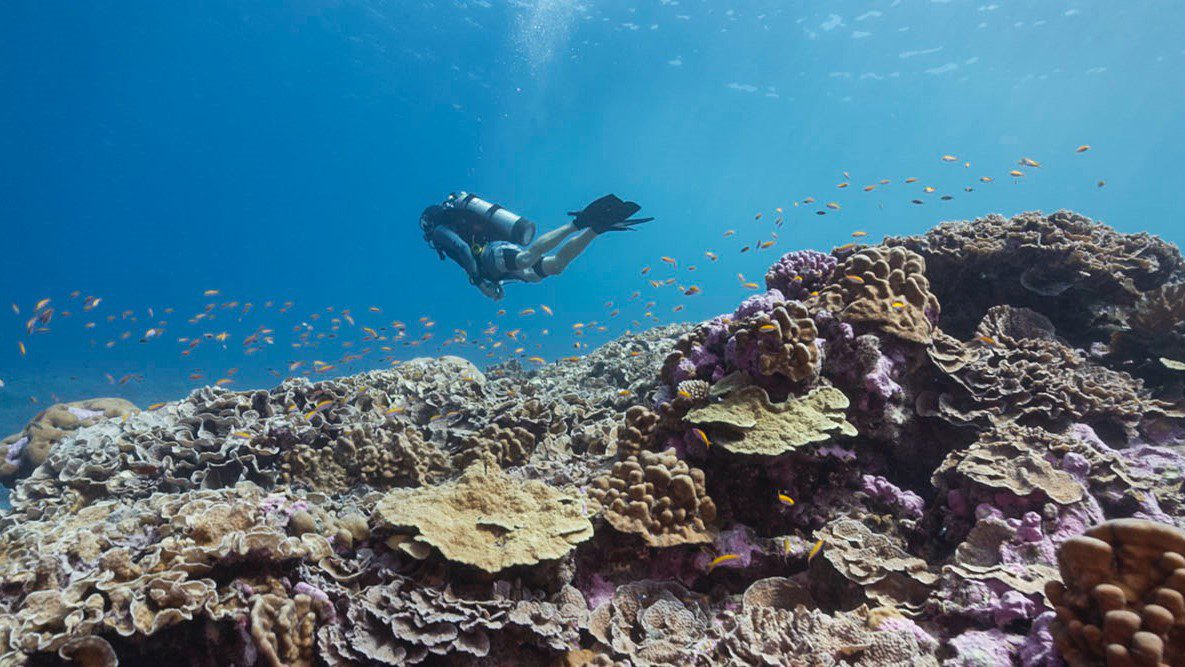
A team led by Anne Cohen, a scientist at Woods Hole Oceanographic Institution, received $1.75M in funding from the National Science Foundation (NSF) to study how coral reefs survive extreme heat events caused by climate change. The multidisciplinary project taps into expertise across four WHOI departments to uncover the oceanographic and biological processes that enable corals to survive marine heatwaves.
Read MoreProject funded to digitize and mine weather data from whaling logbooks

An ongoing collaborative effort by Woods Hole Oceanographic Institution (WHOI), University of Massachusetts Dartmouth (UMassD), and Providence Public Library (PPL), has received a grant from FM Global. The project is investigating the role of historical weather data in current climate change research, and the increasingly urgent issues surrounding it.
Read MoreWHOI advancing a seaweed solution to develop new kelp strains
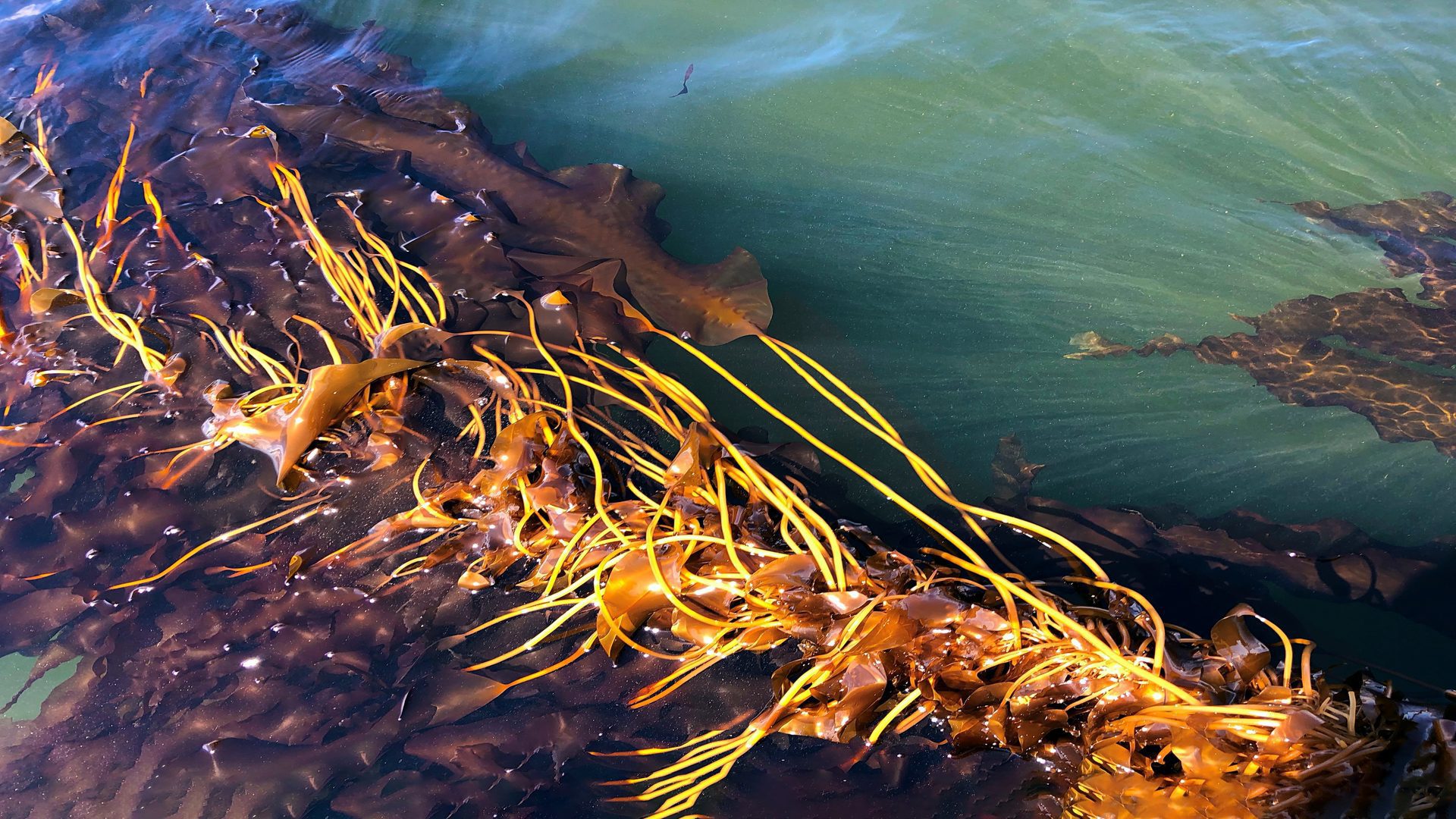
A leader in ocean science, Woods Hole Oceanographic Institution (WHOI) is embarking on a study of how new seaweed strains could further enhance the burgeoning seaweed industry and offer solutions to some of the world’s pressing challenges. This research is funded in part by World Wildlife Fund (WWF) with support from the Bezos Earth Fund.
Read MoreEmperor penguins, recommended as threatened species under Endangered Species Act
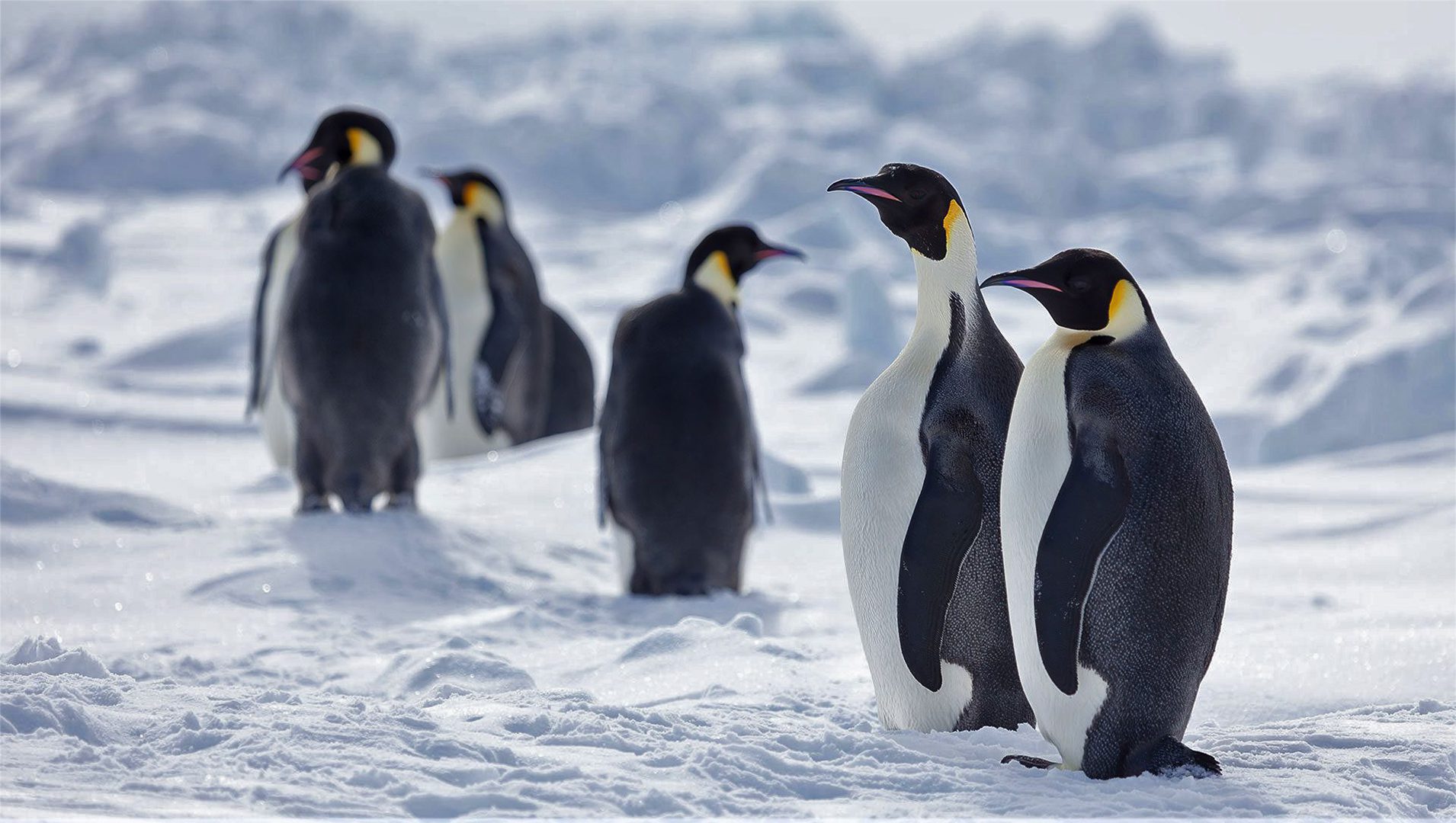
Today, the U.S. Fish and Wildlife Service (USFWS) announced a proposal to list the emperor penguin as a threatened species under the Endangered Species Act.
Read MoreNew Study Finds Emperor Penguins Increasingly Threatened by Climate Change
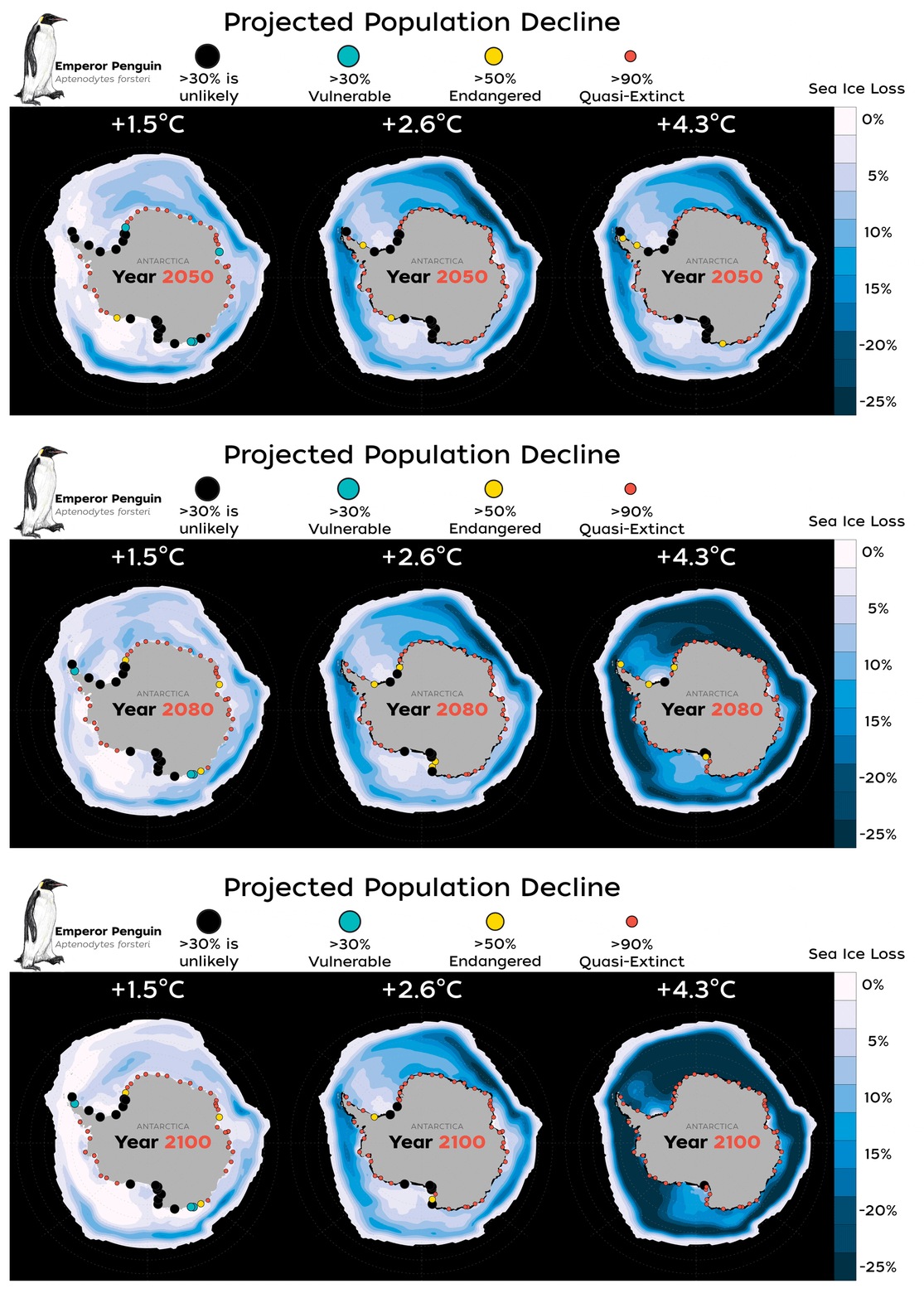
A new study published today in Global Change Biology provides valuable new data that highlights how species extinction risk is accelerating due to rapid climate change and an increase in extreme climate events, such as glacial calving and sea ice loss.
Read MoreReview Evaluates the Evidence for an Intensifying Indian Ocean Water Cycle
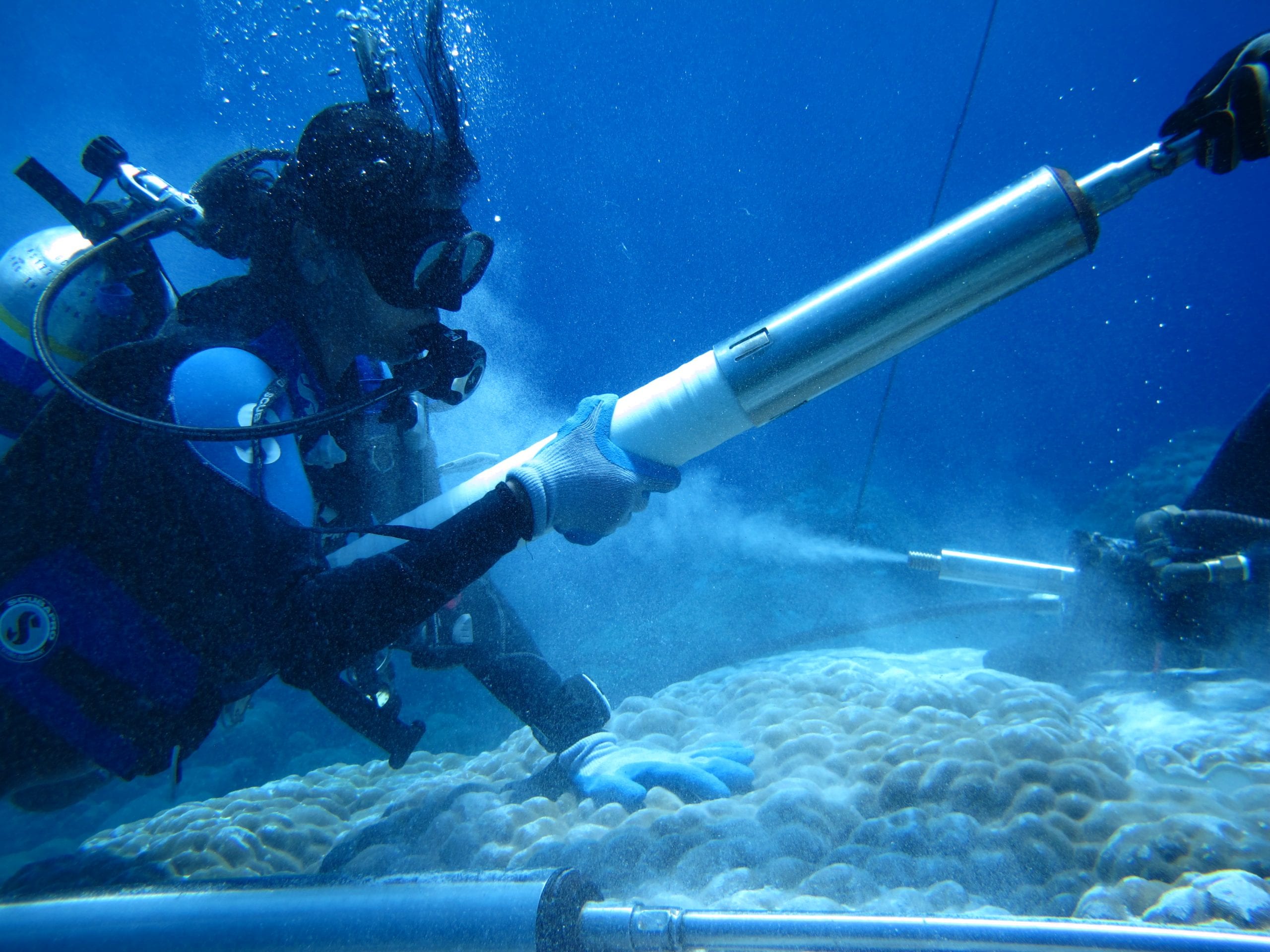
Report Calls for Better Integration of Observations, Models, and Paleo Proxies The Indian Ocean has been warming much more than other ocean basins over the last 50-60 years. While temperature…
Read MoreIcebergs drifting from Canada to Southern Florida
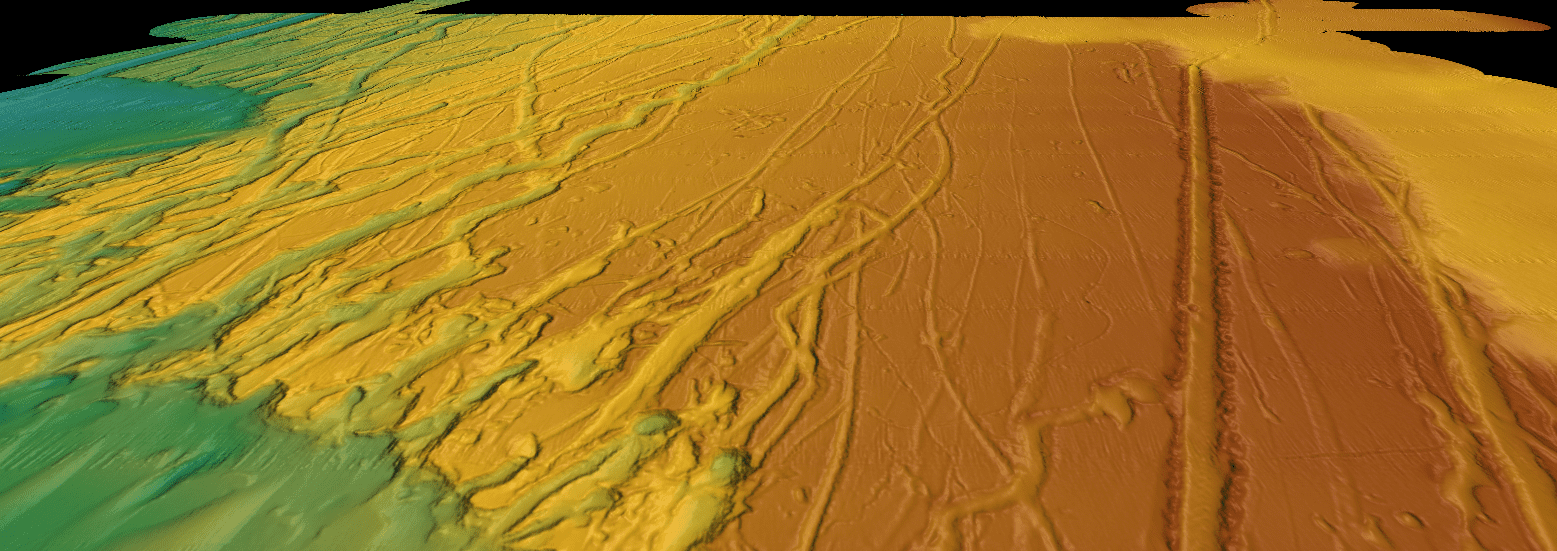
A newly developed iceberg computer model helped the researchers understand the timing and circulation of meltwater and icebergs through the global oceans during glacial periods, which is crucial for deciphering how past changes in high-latitude freshwater forcing influenced shifts in climate.
Read MoreSome Forams Could Thrive with Climate Change, Metabolism Study Finds
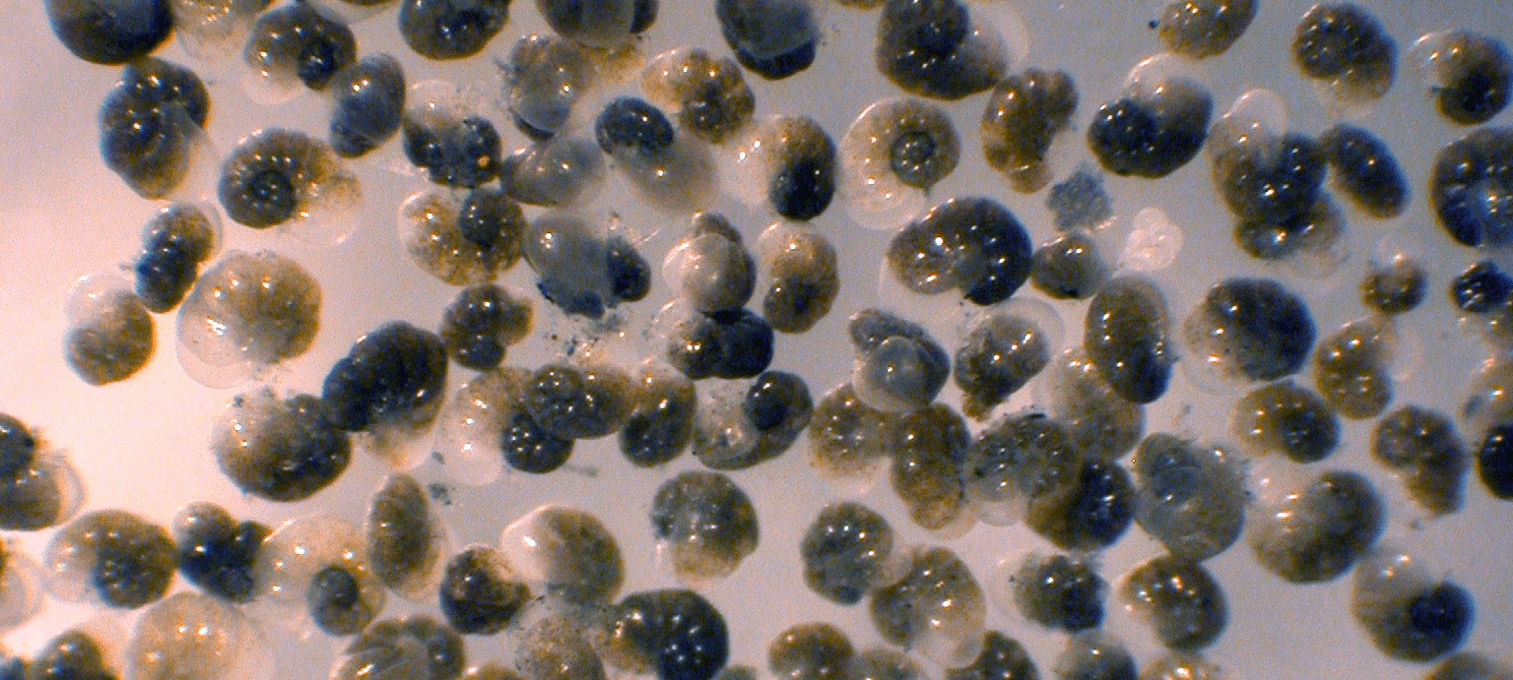
Oceanic deoxygenation is increasingly affecting marine ecosystems. A new paper that examines two foram species found that they demonstrated great metabolic versatility to flourish in hypoxic and anoxic sediments where there is little or no dissolved oxygen, inferring that the forams’ contribution to the marine ecosystem will increase with the expansion of oxygen-depleted habitats.
Read MoreStudy Finds 6⁰C Cooling on Land during the Last Ice Age, With Implications about Future Global Warming
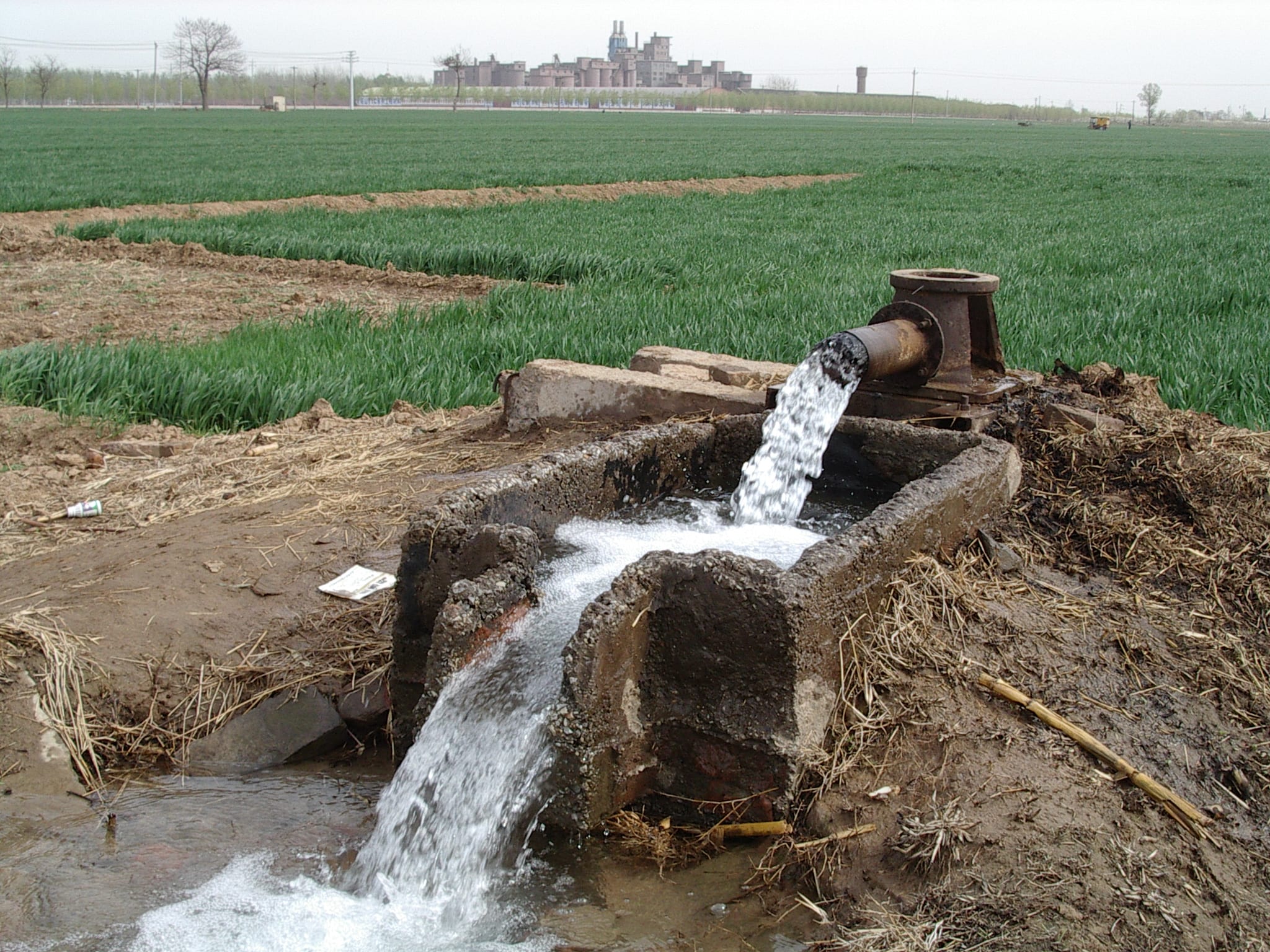
A recent report shows that prior studies have underestimated the cooling in the last glacial period, which has low-balled estimates of the Earth’s climate sensitivity to greenhouse gases. The rather high climate sensitivity is not good news regarding future global warming, which may be stronger than expected using previous best estimates.
Read MoreWHOI to Launch New Center for Ocean and Climate Research

Today WHOI announced the establishment of the Francis E. Fowler IV Center for Ocean and Climate to seek new knowledge and solutions at the intersection of oceanography and climate science. A generous gift from Francis E. Fowler, IV established the center and will enable it to immediately commence operations.
Read MoreWHOI and ADI Launch Ocean and Climate Innovation Accelerator
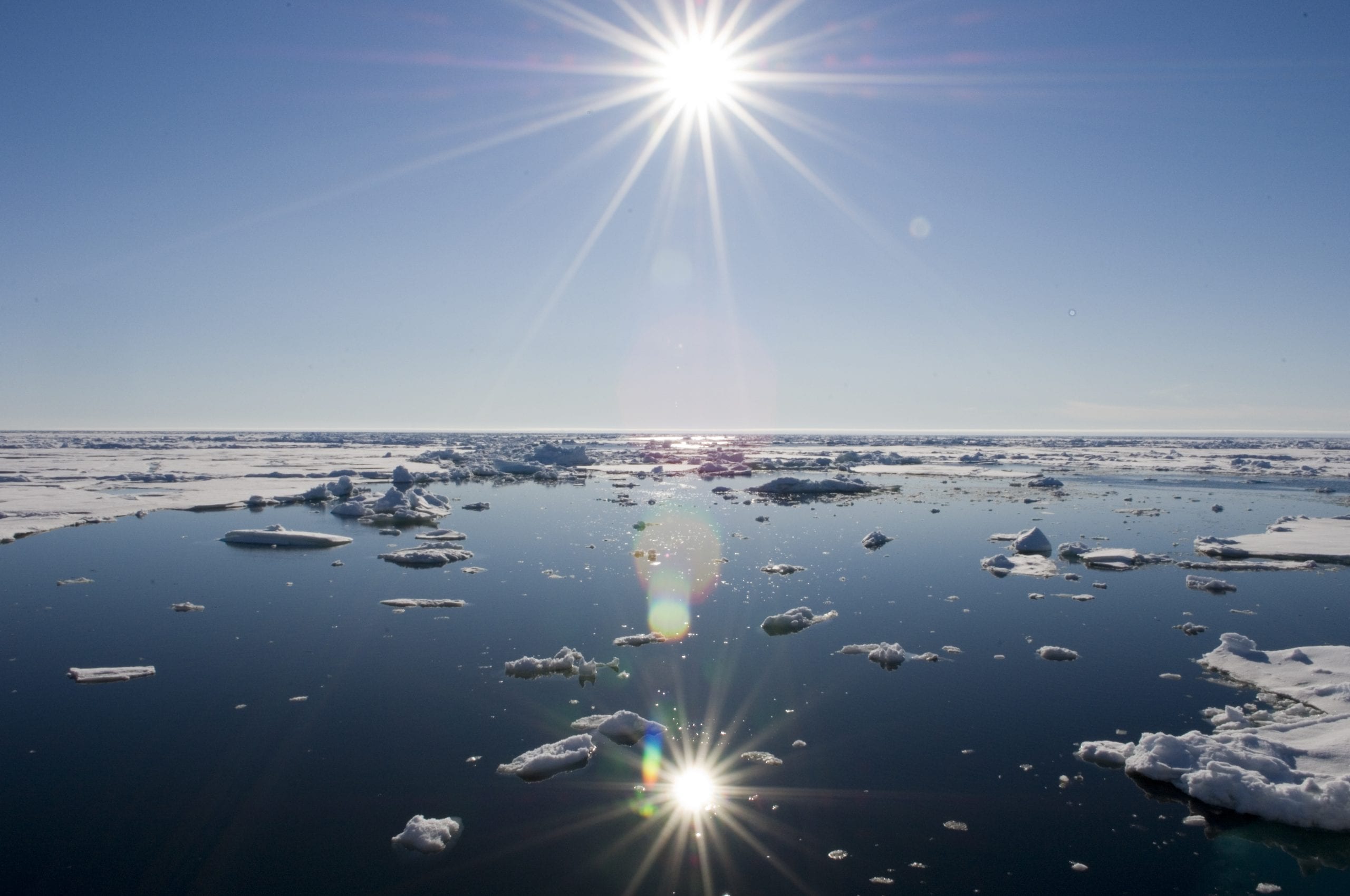
Today WHOI and Analog Devices, Inc. (ADI) launched an Ocean and Climate Innovation Accelerator (OCIA) consortium, focused on the critical role of oceans in combatting climate change, and developing new solutions at the intersection of oceans and climate.
Read MoreClimate Change Can Destabilize the Global Soil Carbon Reservoir, New Study Finds
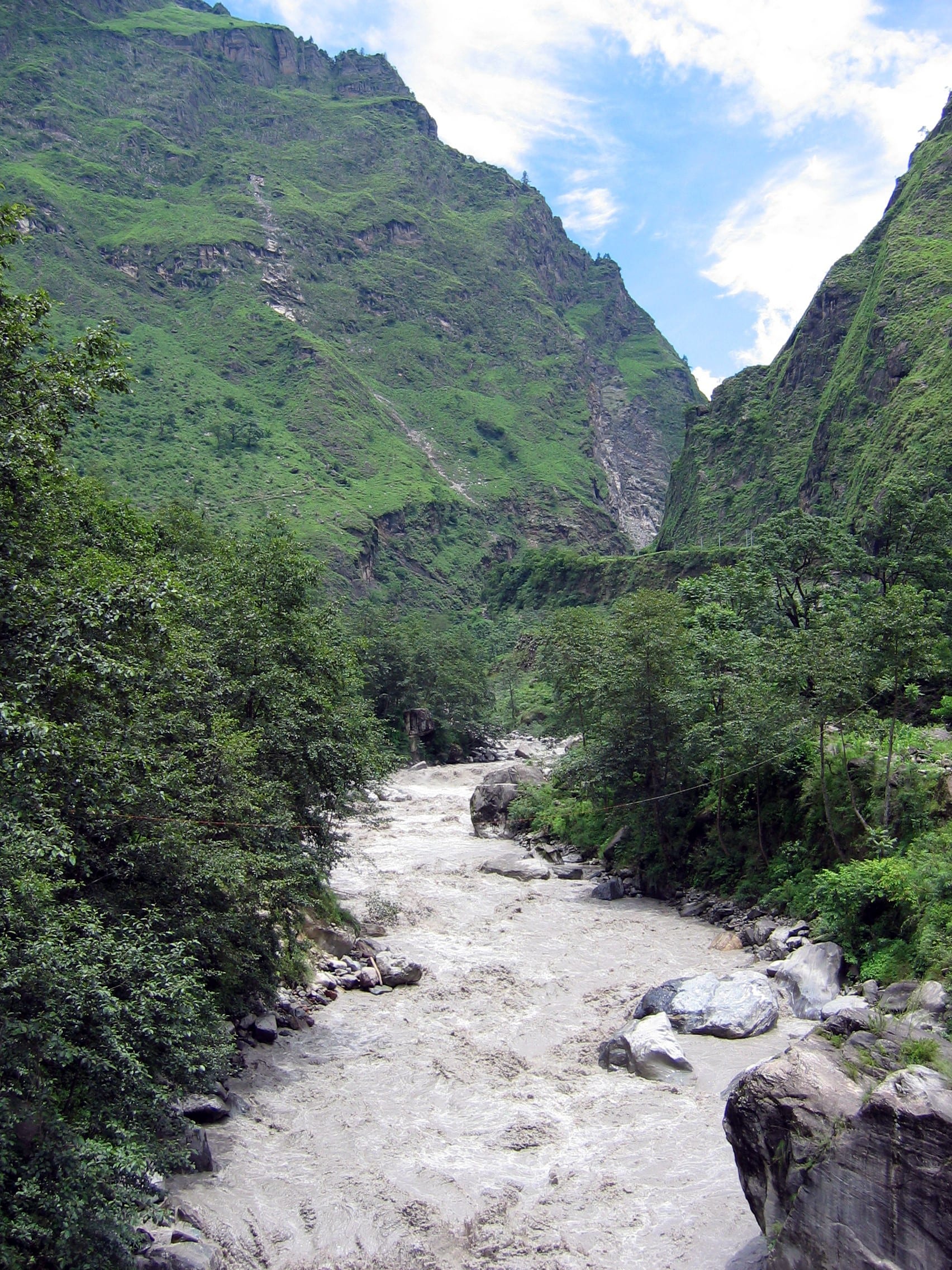
The vast reservoir of carbon that is stored in soils probably is more sensitive to destabilization from climate change than has previously been assumed, according to a new study by…
Read MoreStudy reconstructs ancient storms to predict changes in a cyclone hotspot
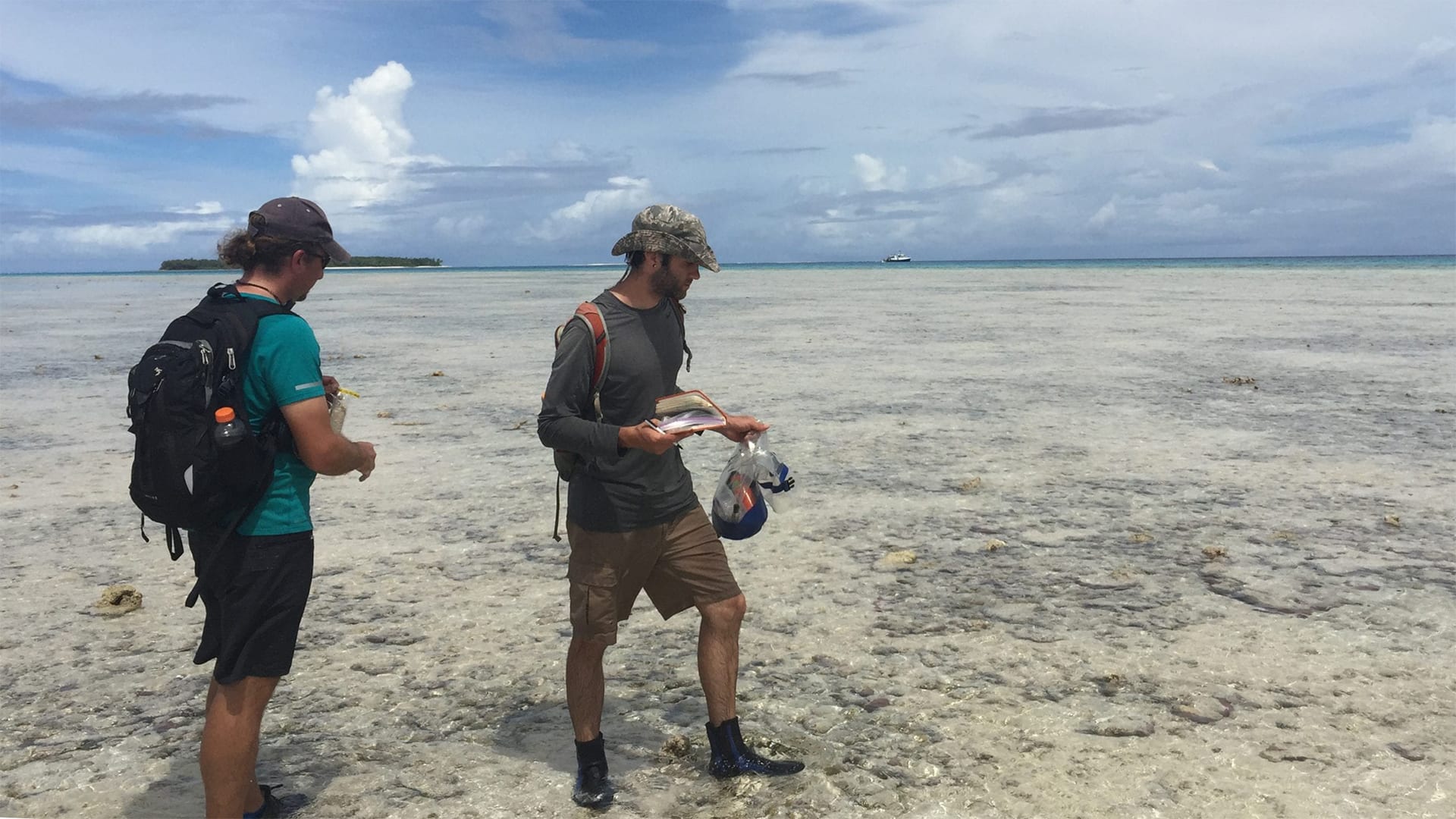
Intense tropical cyclones are expected to become more frequent as climate change increases temperatures in the Pacific Ocean. But not every area will experience storms of the same magnitude
Read MoreNew multi-institutional grant will support a fleet of robotic floats
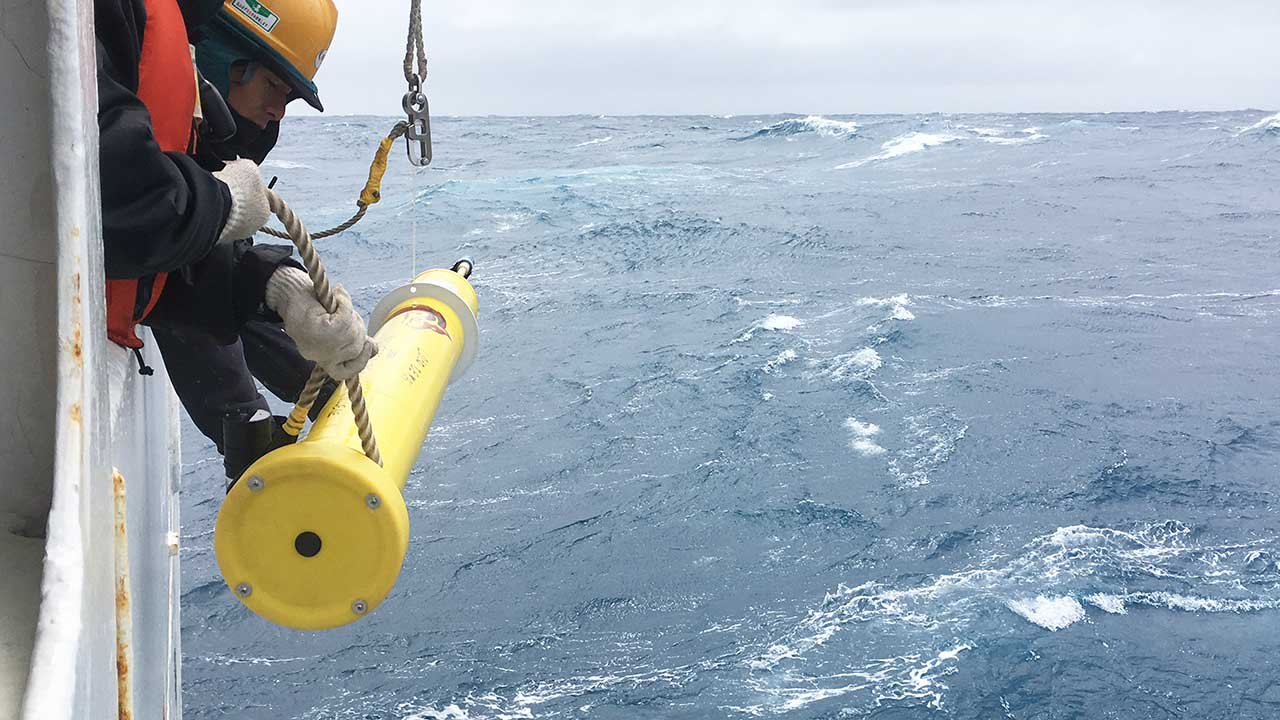
The National Science Foundation approved a $53 million grant to build a global network of chemical and biological sensors that will monitor ocean health.
Read MoreTwo New Studies Substantially Advance Understanding of Currents that Help Regulate Climate
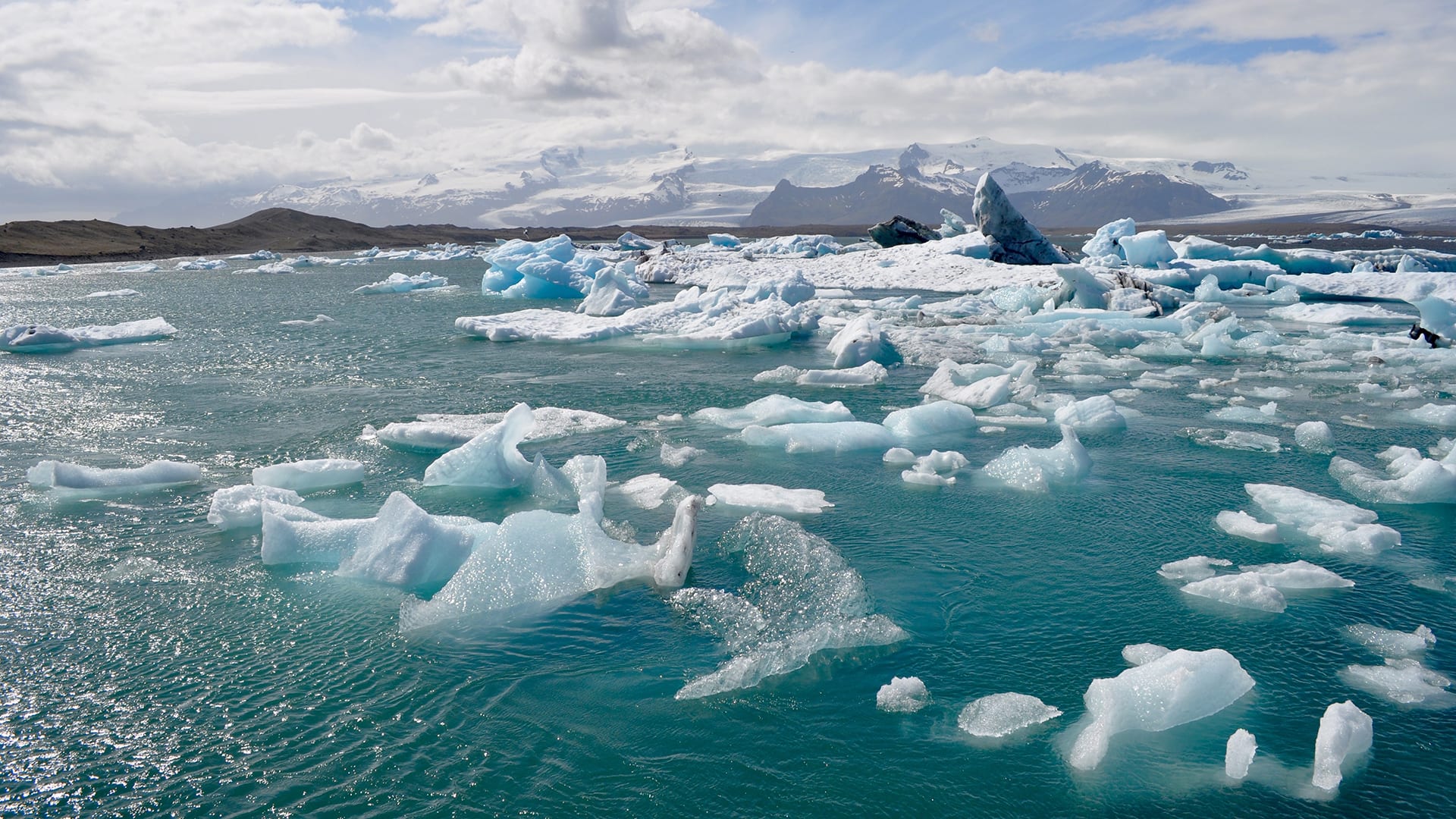
Two studies shed new light on a critical driver of the Atlantic Meridional Overturning Circulation (AMOC) and potential impacts of rising temperatures
Read MoreEpic Arctic Mission Ends
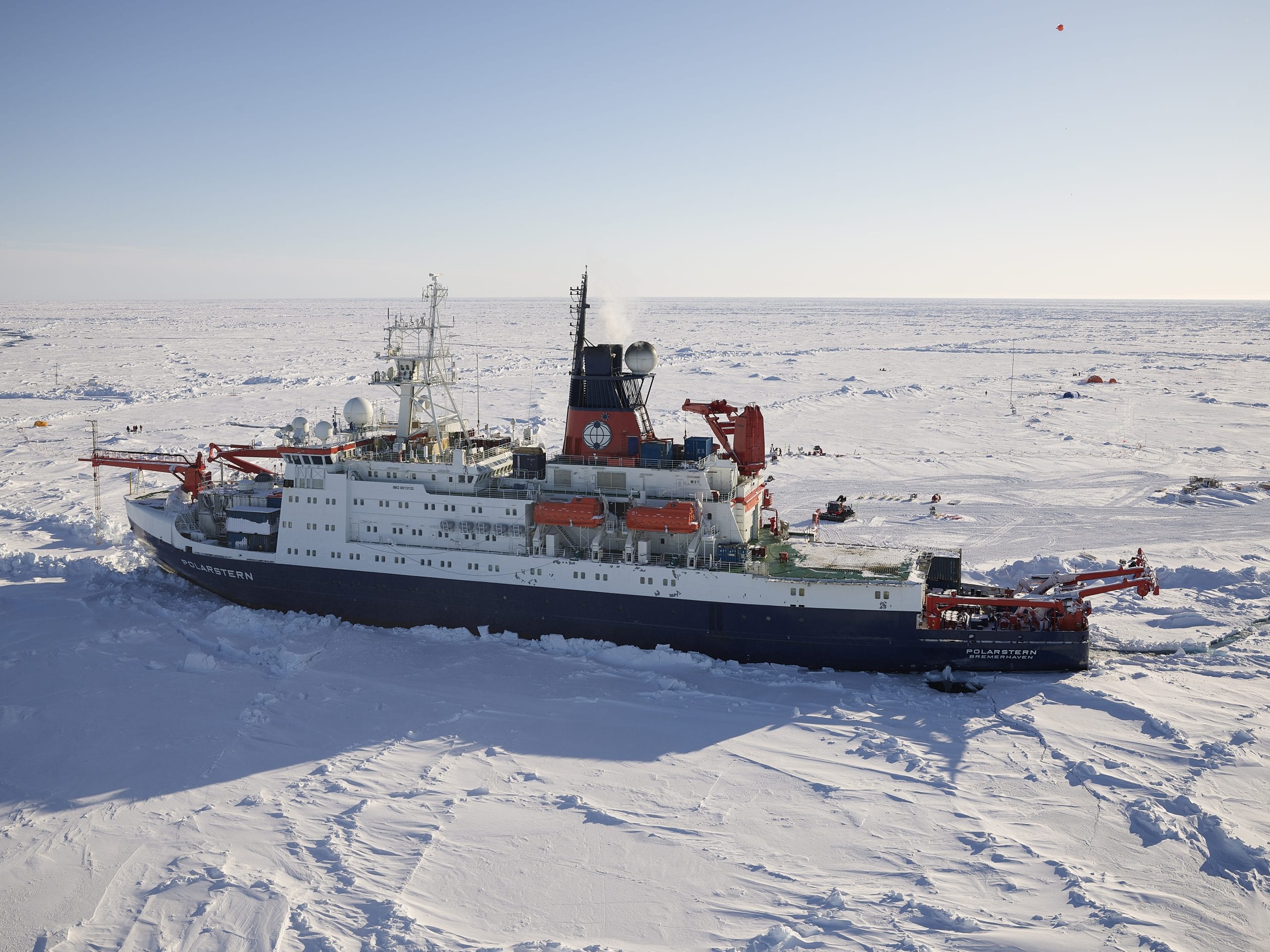
An epic mission ended as the German icebreaker Polarstern returned home Oct. 12, 2020, after being frozen near the top of the world for nearly a year to study all aspects of the Arctic system.
Read MoreWHOI-NOAA partnership tackles critical gap in climate knowledge
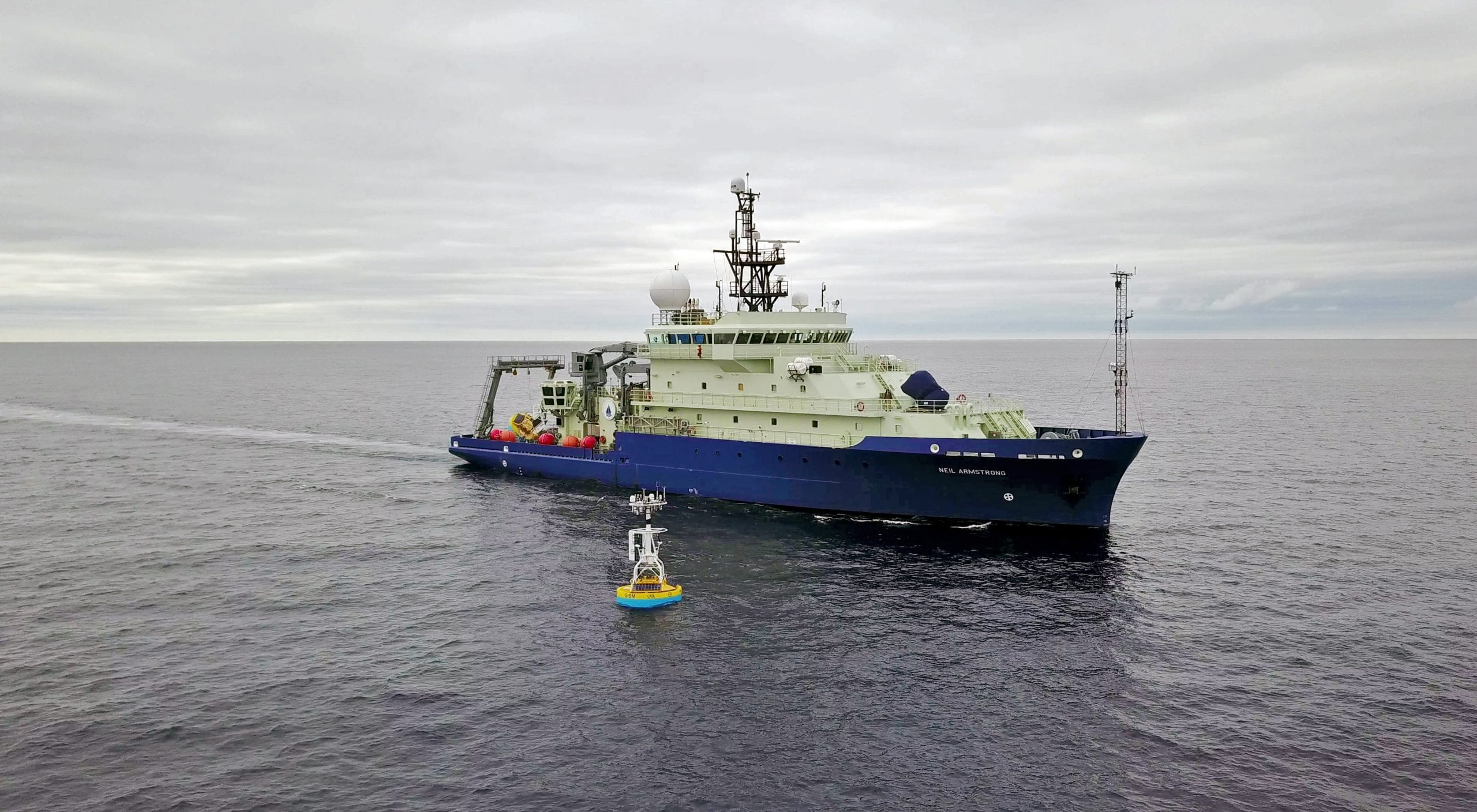
Remote technologies, machine learning will improve simulations of polar ice melt and implications for the global climate Researchers at Woods Hole Oceanographic Institution (WHOI) were recently awarded a $500,000 grant…
Read MoreAntarctic Ice Sheet Loss Expected to Affect Future Climate Change
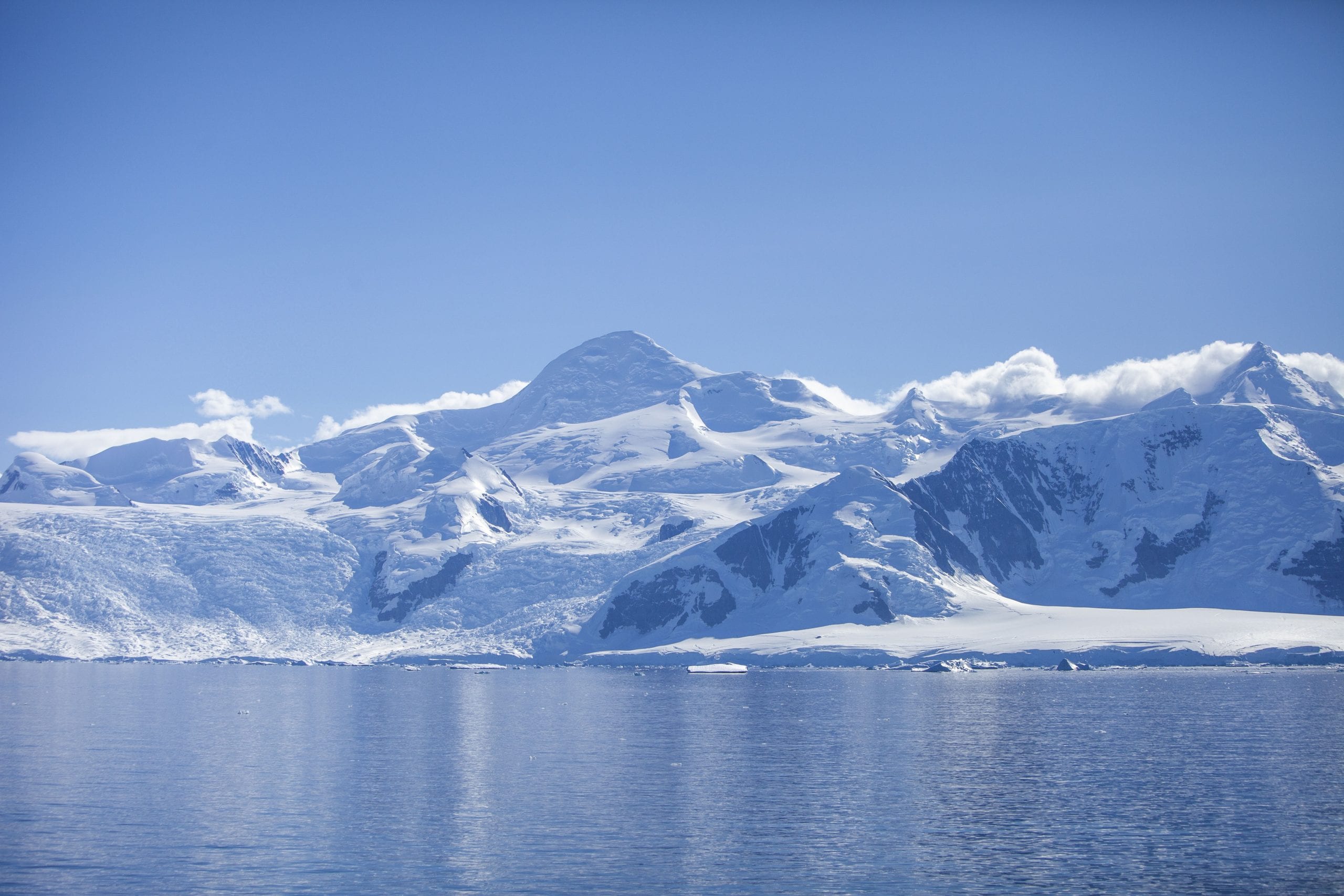
The research team reports that their new models with the added ice melt information reveal important interacting processes and demonstrate a need to accurately account for meltwater input from ice sheets in order to make confident climate predictions.
Read MoreStudies investigate marine heatwaves, shifting ocean currents
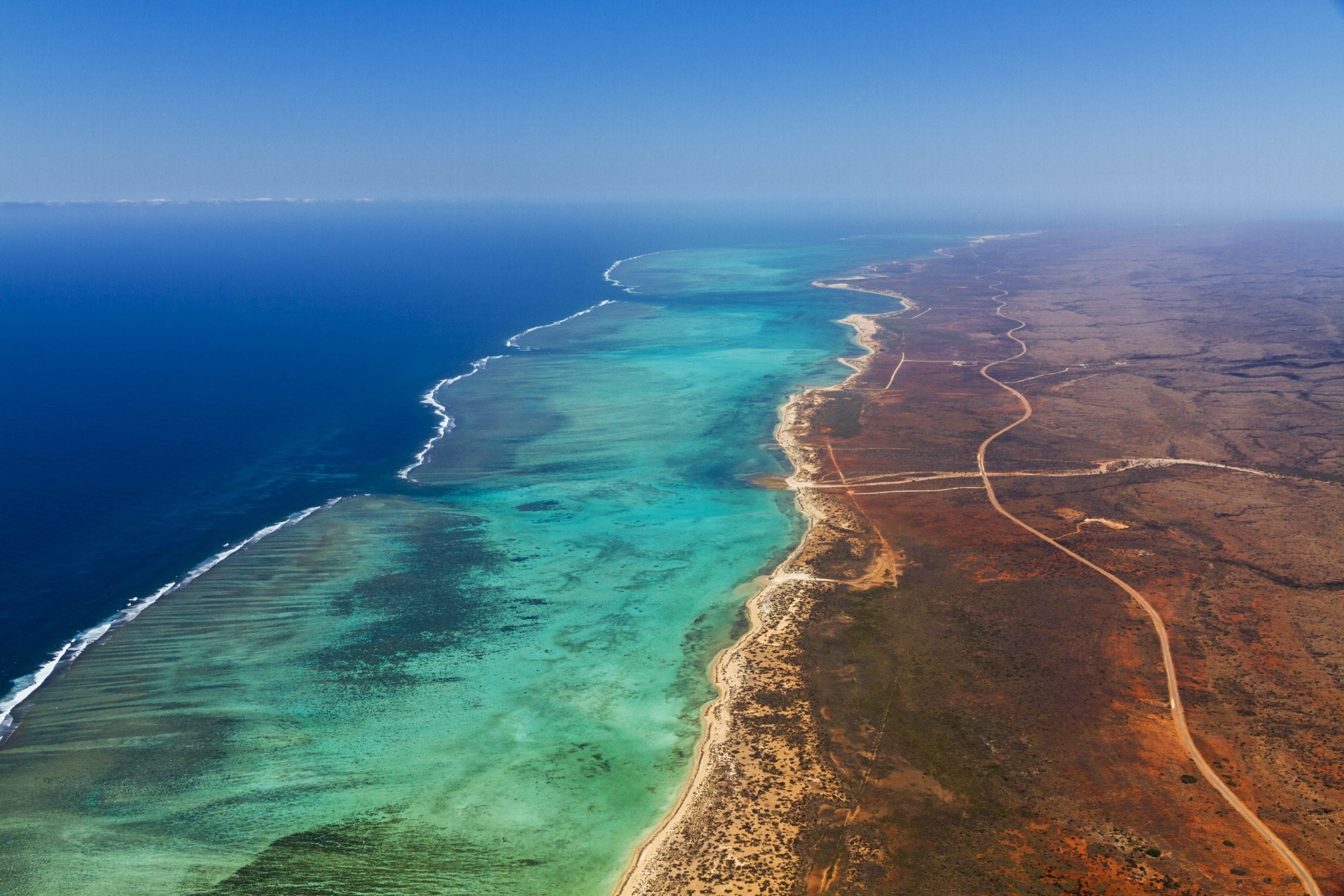
North America experienced a series of dangerous heatwaves during the summer of 2020, breaking records from coast to coast. In the ocean, extreme warming conditions are also becoming more frequent and intense.
Read MoreThe $500 billion question: what’s the value of studying the ocean’s biological carbon pump?
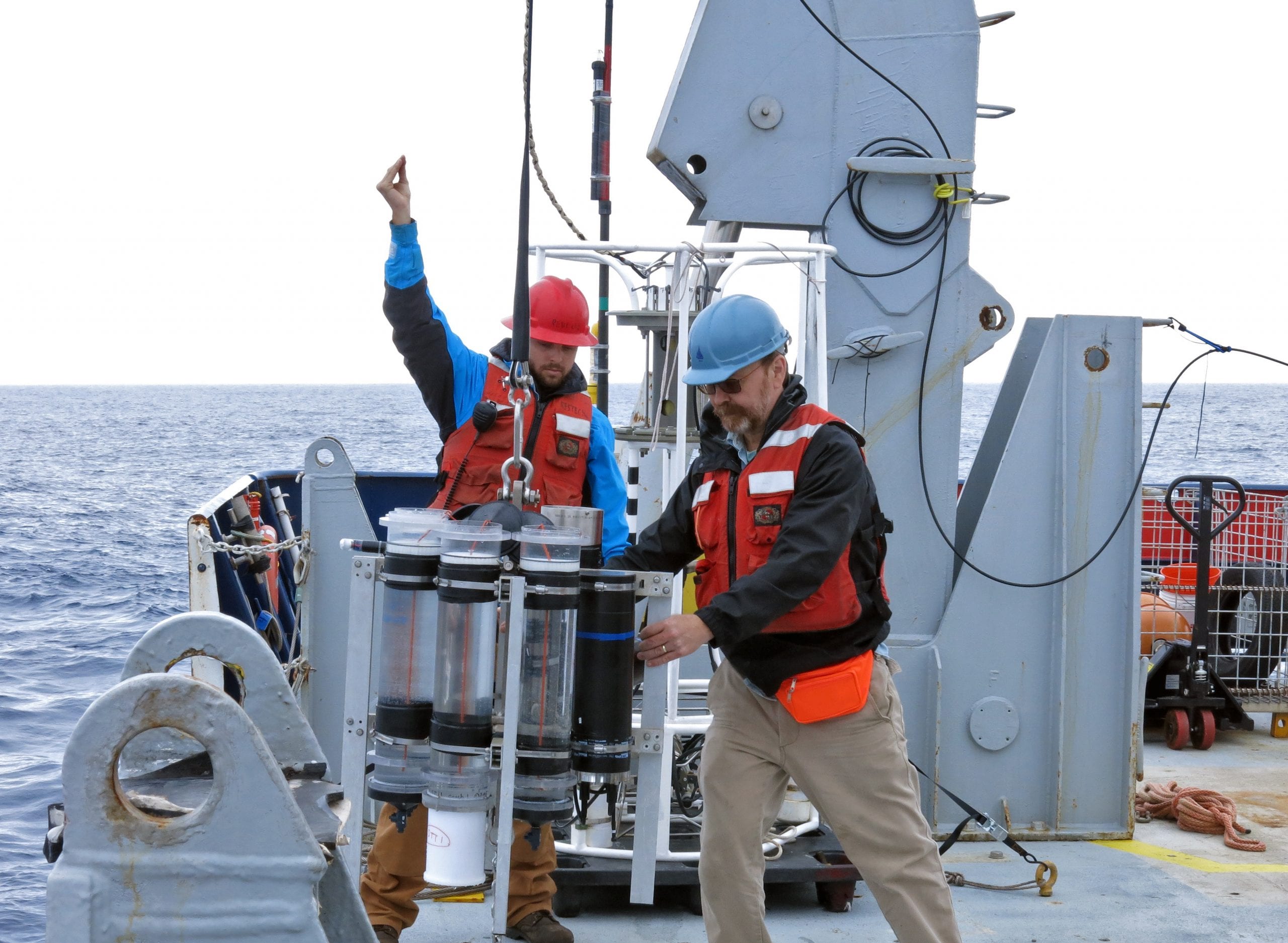
A new study puts an economic value on the benefit of research to improve knowledge of the biological carbon pump and reduce the uncertainty of ocean carbon sequestration estimates.
Read MoreFlorida Current is Weaker Now Than at Any Point in the Past Century

A key component of the Gulf Stream has markedly slowed over the past century—that’s the conclusion of a new research paper in Nature Communications published on August 7. The study…
Read MoreWHOI Scientists Make Woods Hole Film Festival Appearance
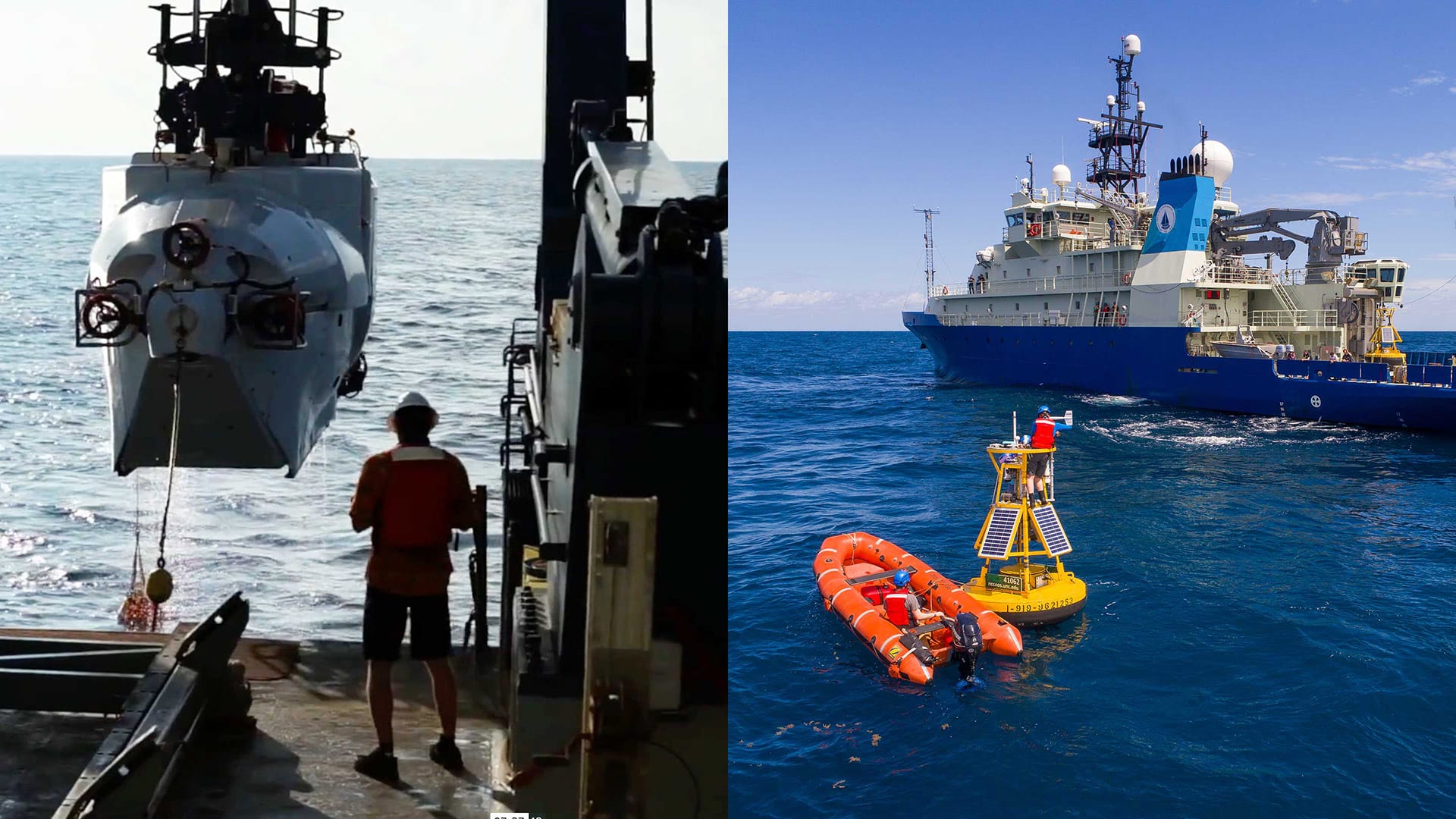
Woods Hole Oceanographic Institution (WHOI) scientists appear in two shorts and a feature film at this year’s Woods Hole Film Festival (WHFF). In addition, scientists will also participate in Q&A…
Read MoreA rapidly changing Arctic
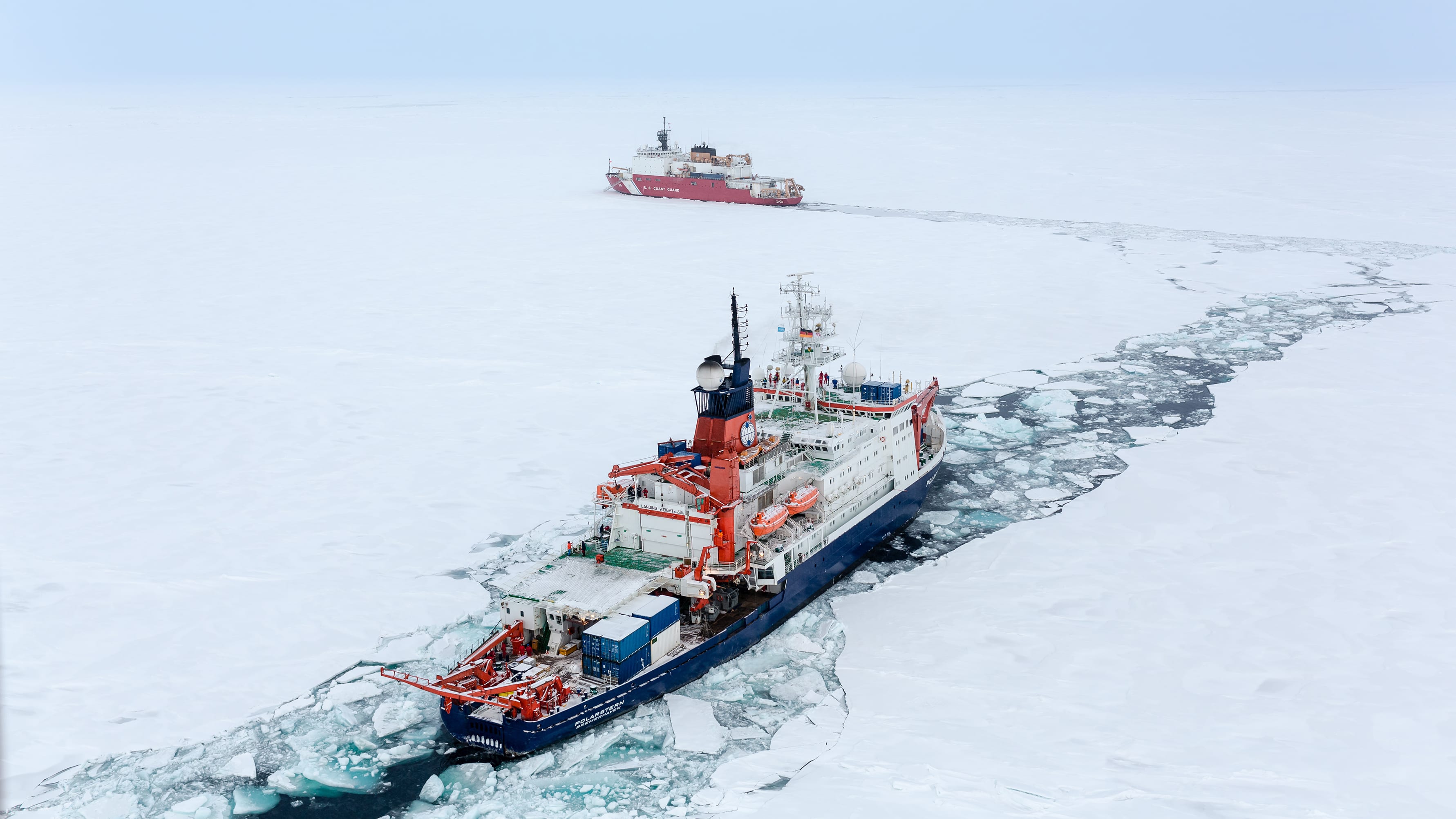
A new study by researchers at Woods Hole Oceanographic Institution (WHOI) and their international colleagues found that freshwater runoff from rivers and continental shelf sediments are bringing significant quantities of carbon and trace elements into parts of the Arctic Ocean via the Transpolar Drift—a major surface current that moves water from Siberia across the North Pole to the North Atlantic Ocean.
Read MoreThe ocean’s ‘biological pump’ captures more carbon than expected
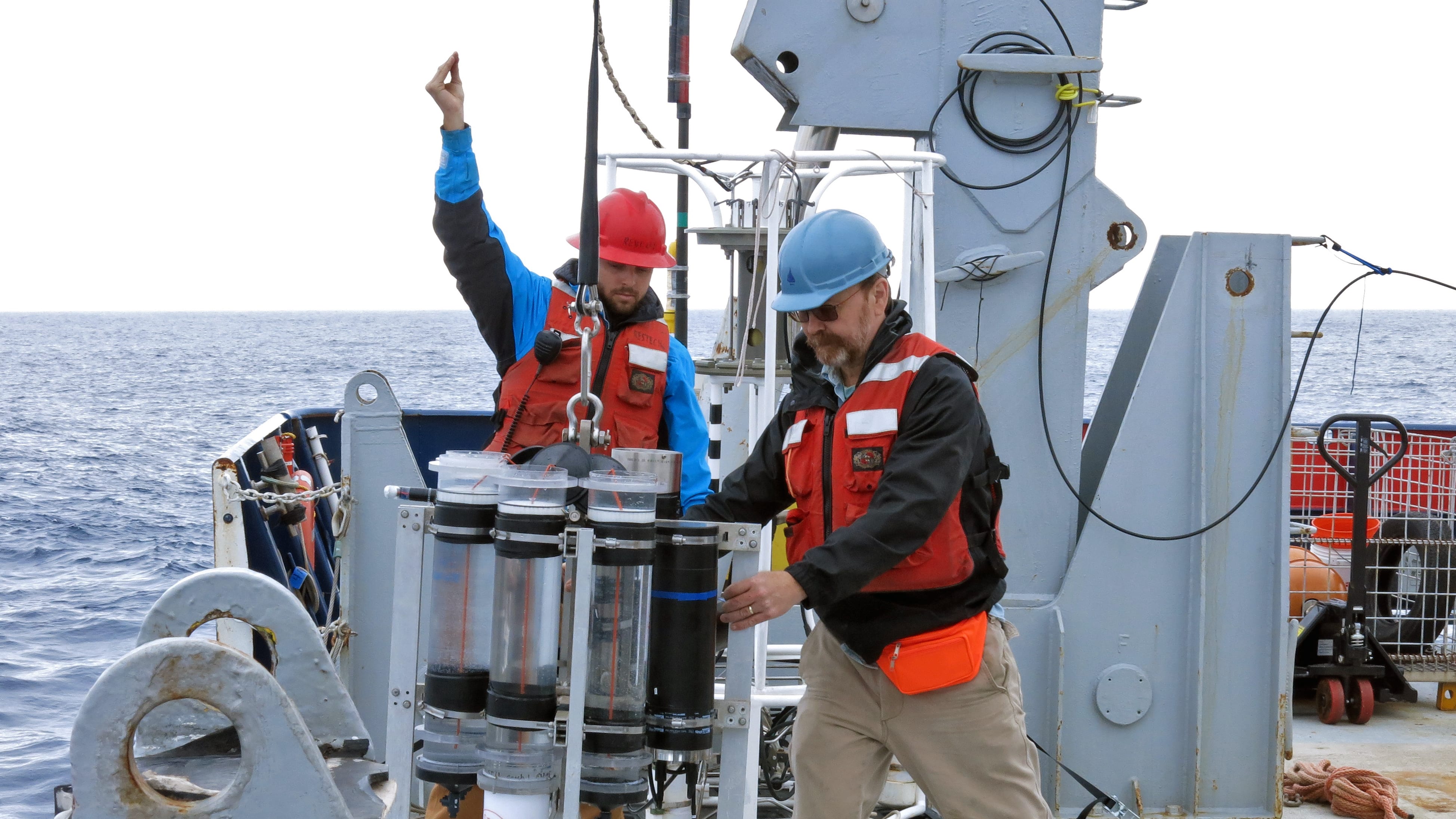
Scientists have long known that the ocean plays an essential role in capturing carbon from the atmosphere, but a new study from Woods Hole Oceanographic Institution (WHOI) shows that the efficiency of the ocean’s “biological carbon pump” has been drastically underestimated, with implications for future climate assessments.
Read More