
News Releases
WHOI Awarded Funding to Support Research and Development of Marine Carbon Dioxide Removal

WHOI researchers are among the 17 projects that have been awarded funding by NOAA’s Ocean Acidification Program on behalf of the National Oceanographic Partnership Program (NOPP).
Read MoreTop Fish Predators Could Suffer Wide Loss of Suitable Habitat by 2100 Due to Climate Change
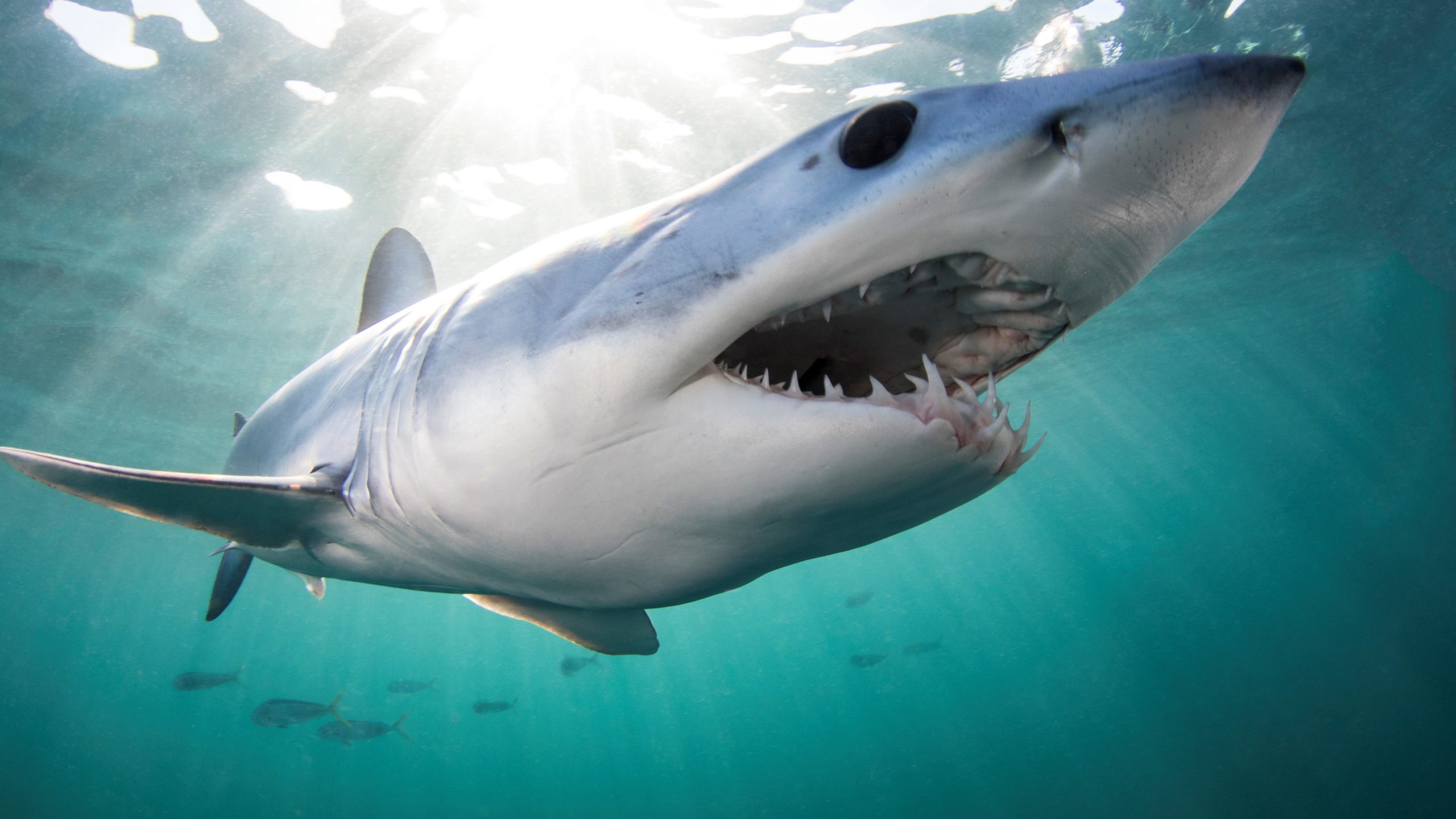
The impacts of climate change on habitats are already evident Woods Hole, MA — A study of 12 species of highly migratory fish predators—including sharks, tuna, and billfish such as…
Read MoreOcean Alkalinity Enhancement Project Looks at Pulling Carbon Dioxide from the Atmosphere
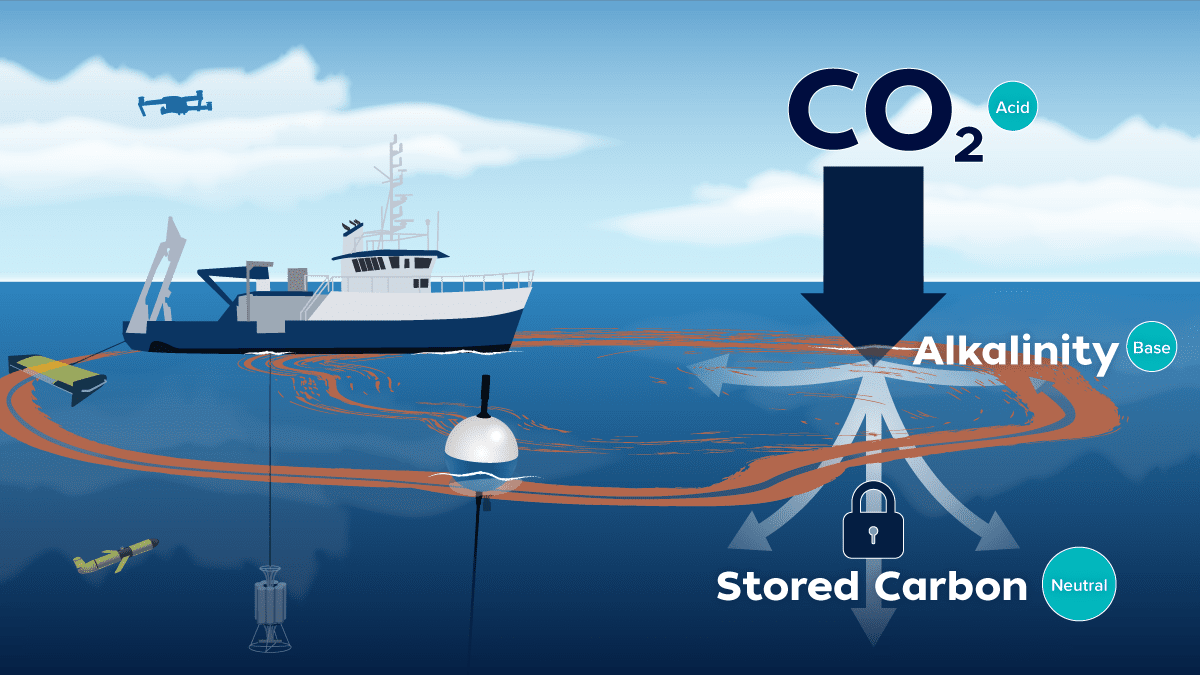
Woods Hole Oceanographic Institution project is part of the broader carbon to sea initiative
Read MoreOleander Project Transfers to WHOI Management
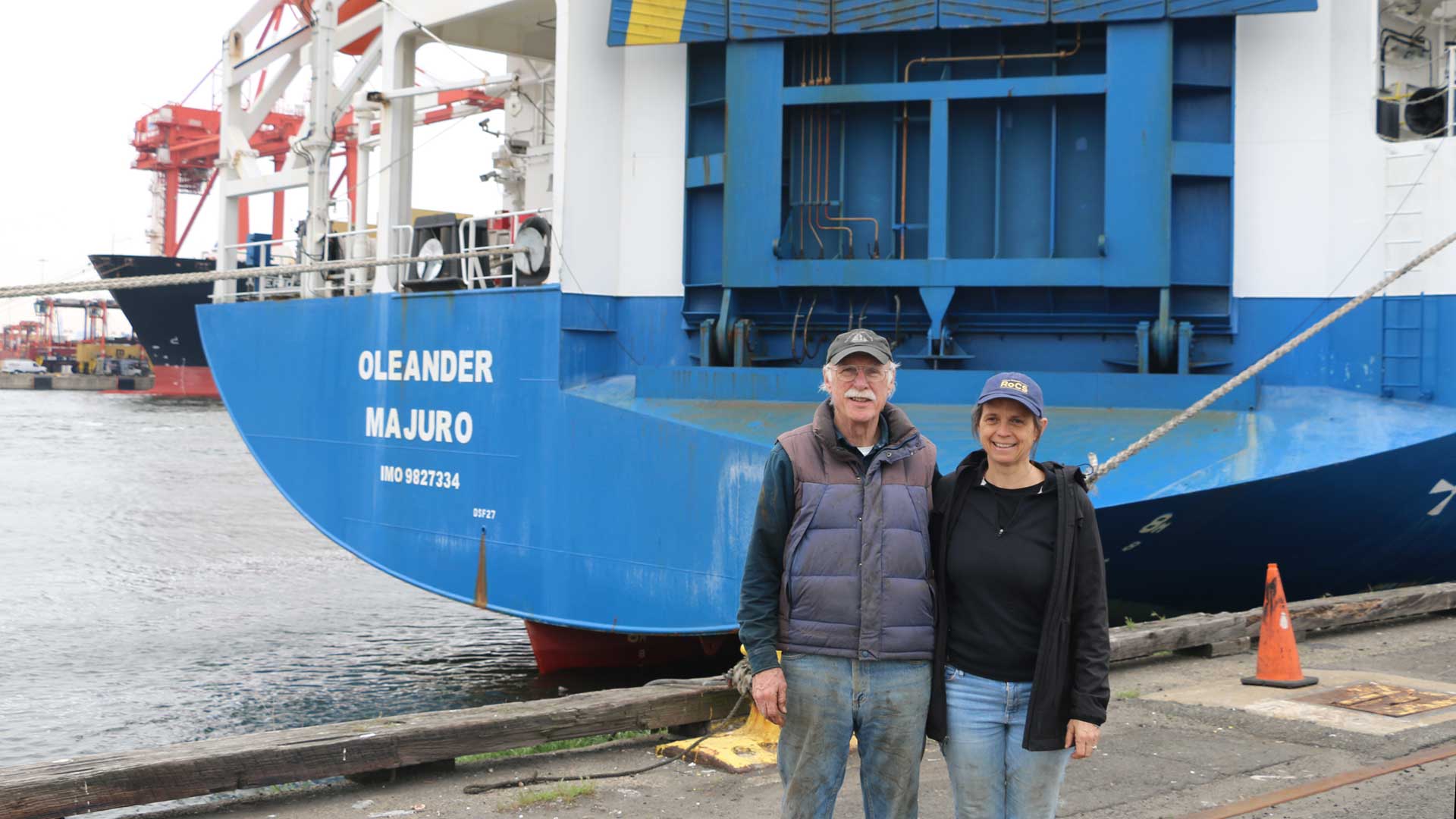
30-year effort to monitor the Gulf Stream and Northwest Atlantic circulation will continue providing crucial data and insights
Read MoreAtmospheric Research Provides Clear Evidence of Human-Caused Climate Change Signal Associated with CO2 Increases

Claims that Climate Change Is Natural are Inconsistent with Atmospheric Temperature Trends
Read MoreToward a New Era of Reef Solutions
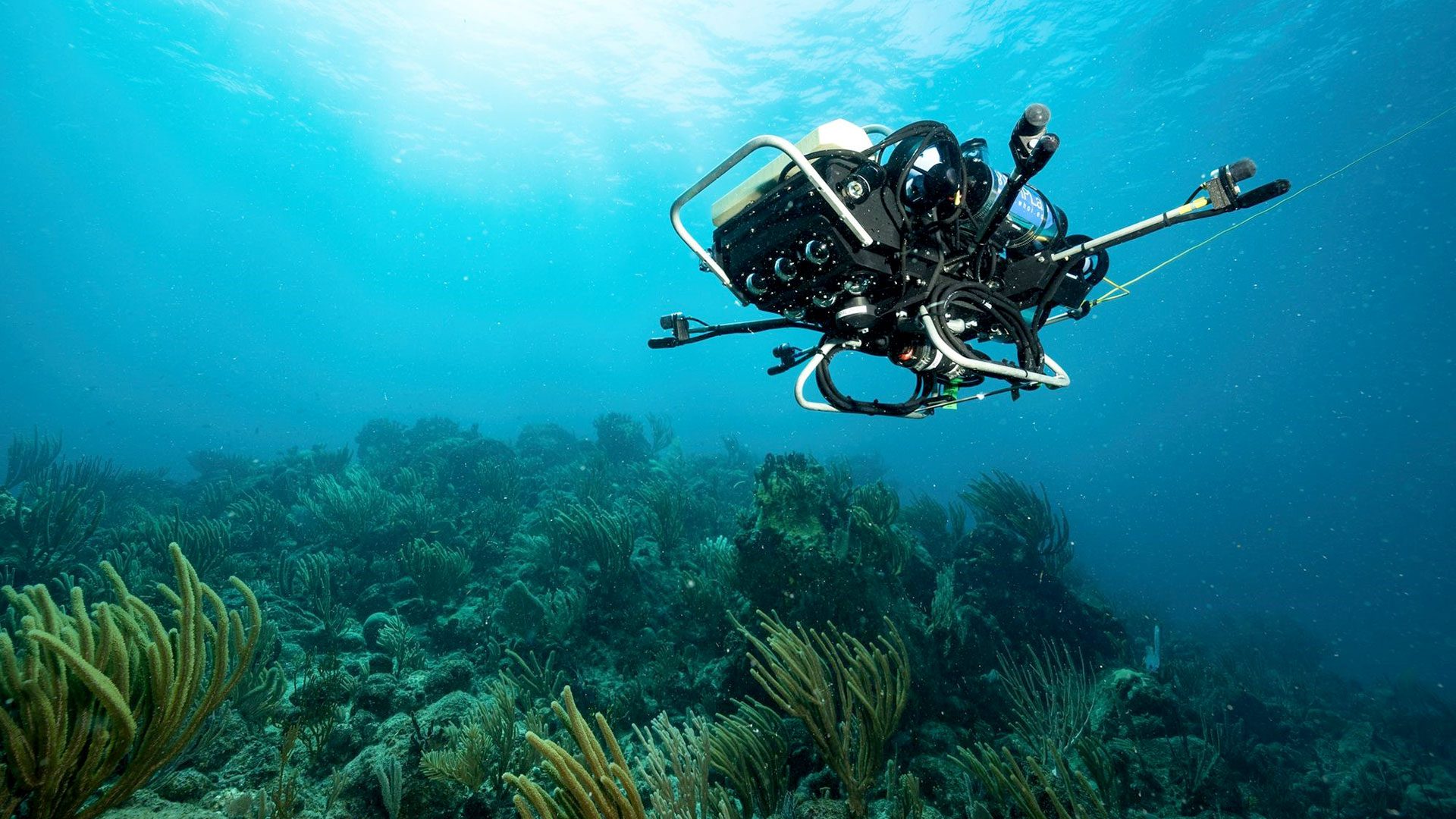
WHOI coral reef researchers propose a new technology-centered focus to study and conserve coral reefs
Read MoreThe Great Atlantic Sargassum Belt
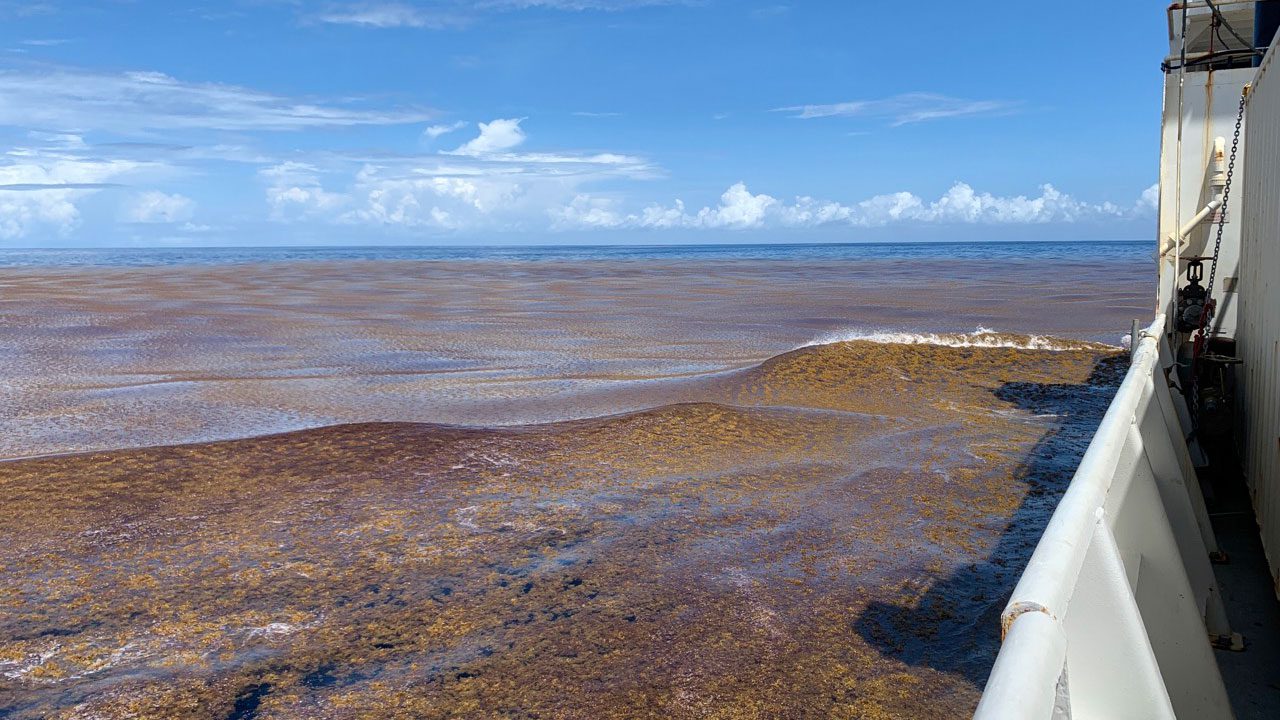
Opportunistic sampling shows geographic scope of distribution, offer some of the first sampling opportunities
Read MoreWHOI Opens 2023 SXSW Conference

WHOI joins experts from Scripps Institution of Oceanography and American Geophysical Union on ocean-based carbon dioxide removal panel
Read MoreA Better Understanding of Gas Exchange Between the Atmosphere and Ocean Can Improve Global Climate Models
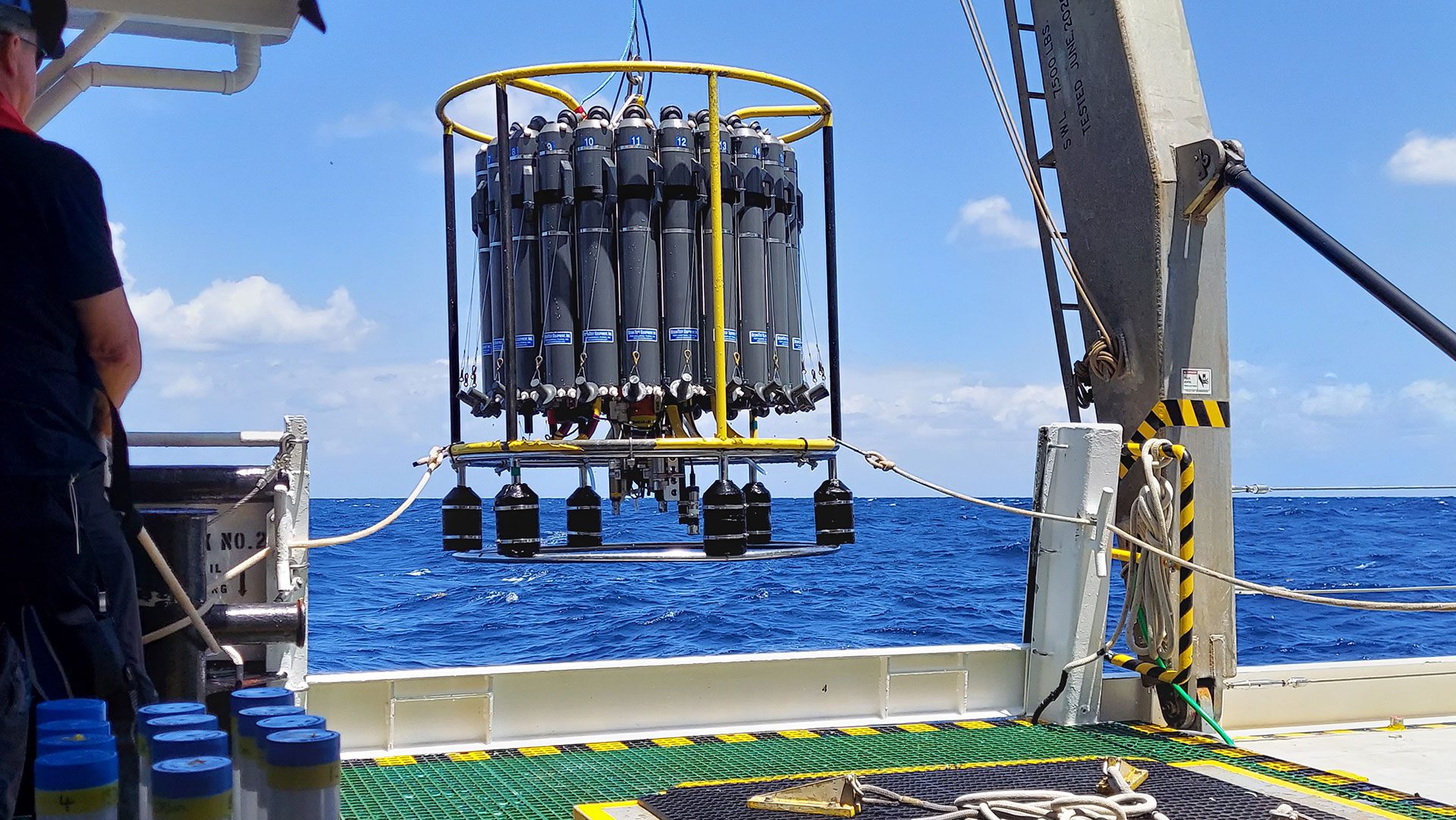
If scientists can improve the way models represent physical processes such as gas exchange, they can have more confidence in future simulations.
Read MoreExcess Nutrients Lead to Dramatic Ecosystem Changes in Cape Cod’s Waquoit Bay
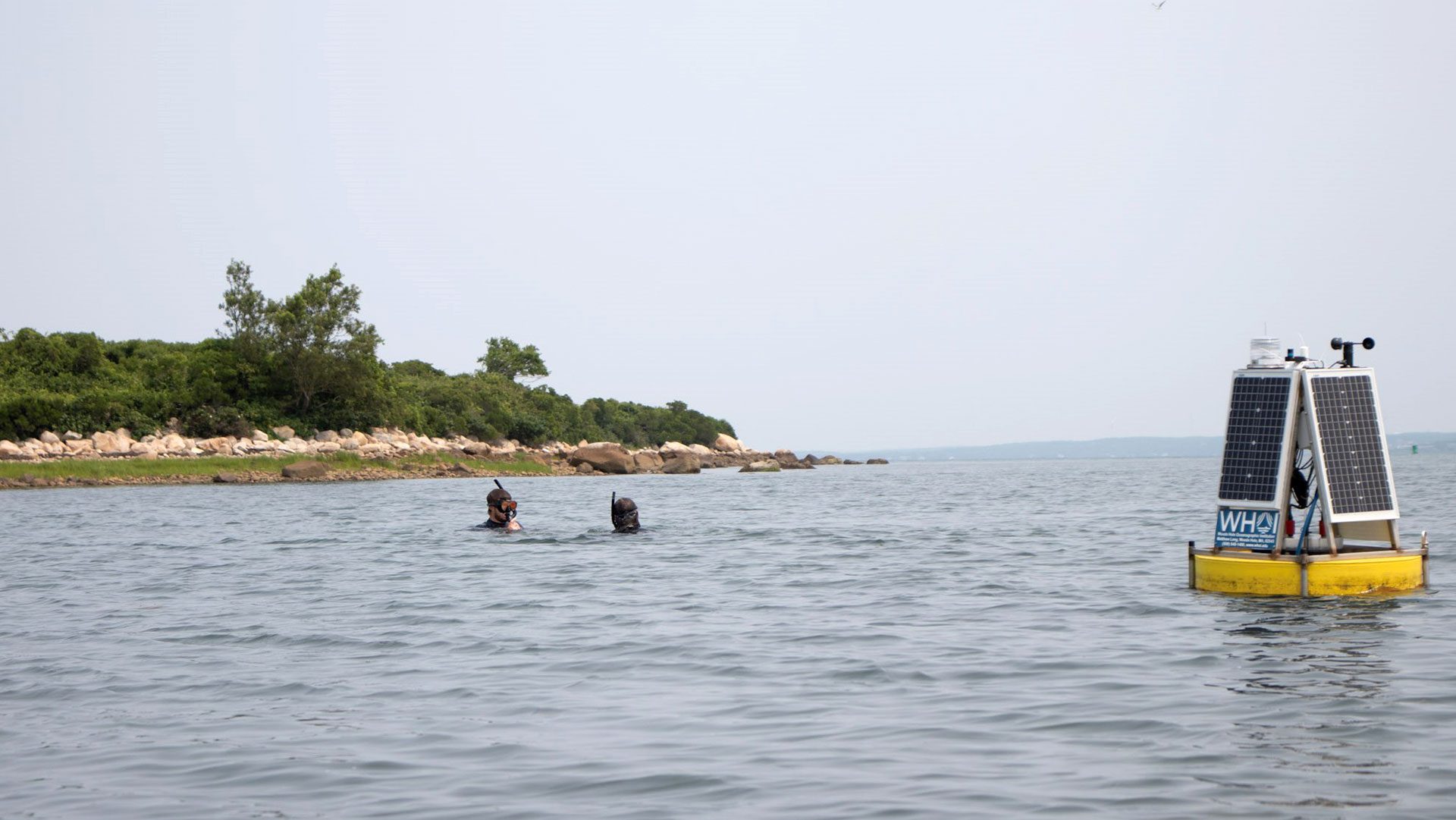
The Bay Is a harbinger for estuaries worldwide, say researchers
Read MorePaleoclimate data show land will warm more than sea
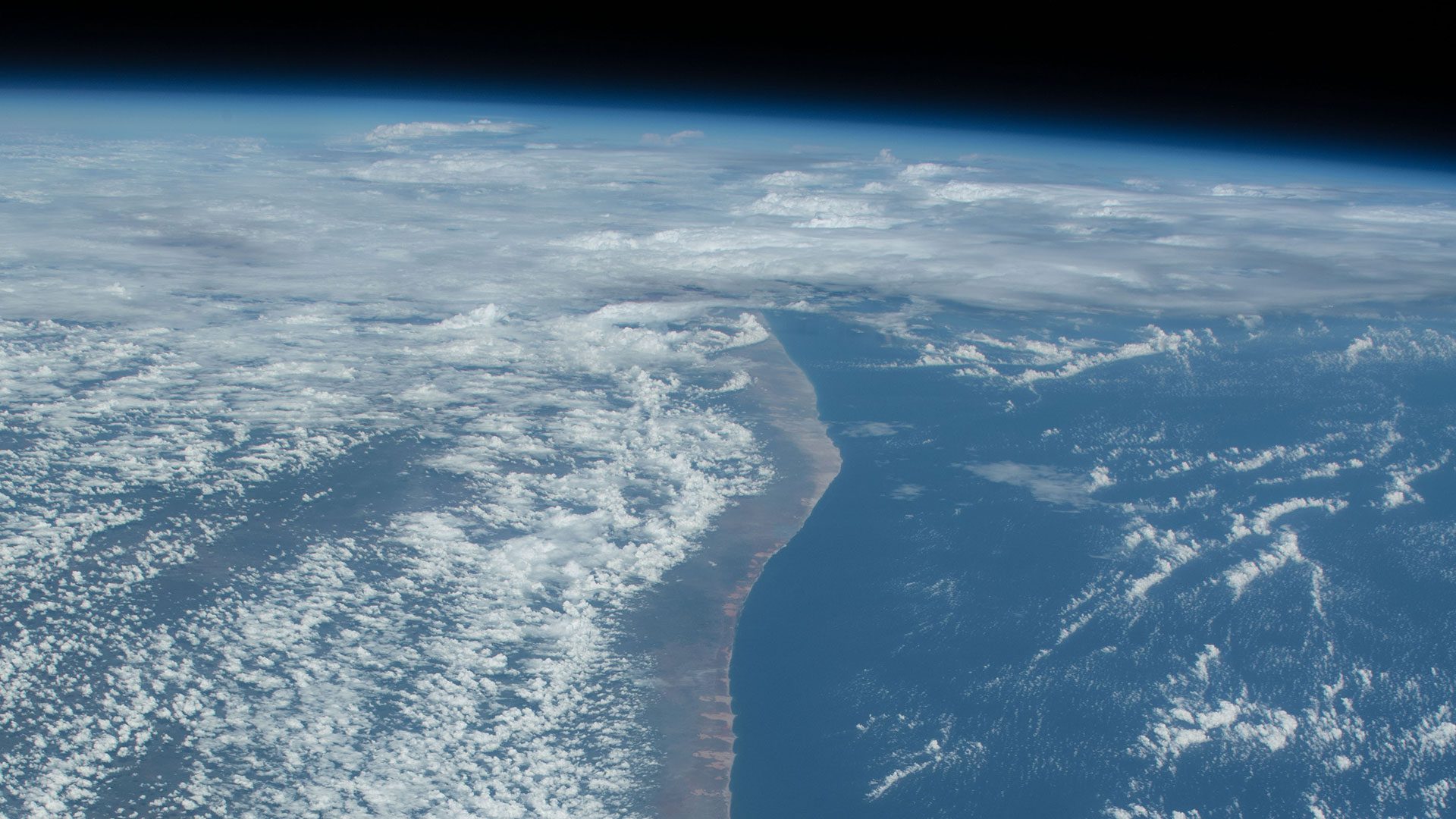
Understanding differences in land vs. sea temperatures may improve climate models, says WHOI study
Read MoreResearch reveals new links behind climate change in Australia
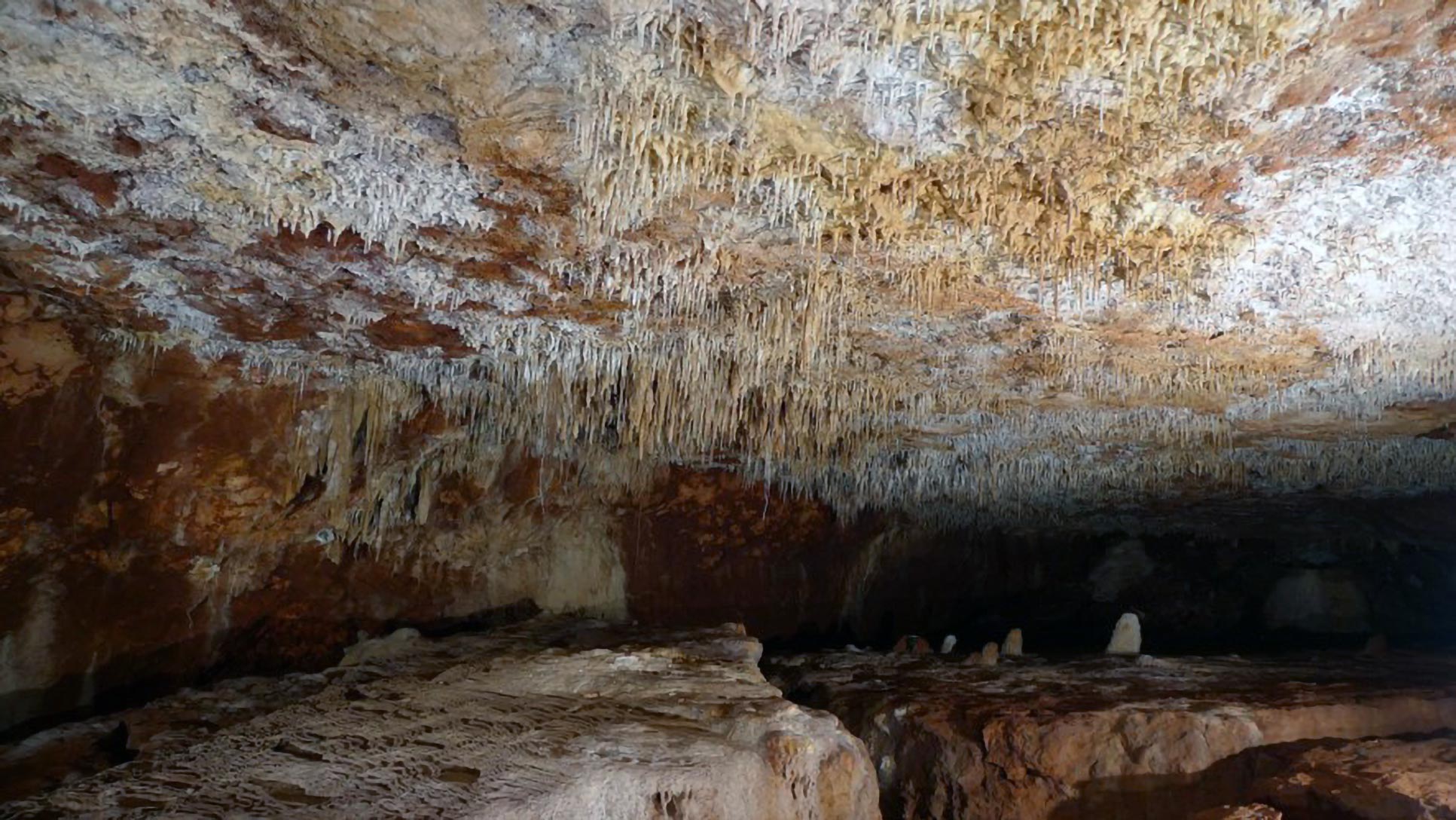
A team of scientists, including those from Woods Hole Oceanographic Institution (WHOI), have combined stalagmites and climate model simulations to reveal links between monsoon rains and tropical cyclones in Australia.
Read MorePalau’s Rock Islands Harbor Heat-resistant Corals
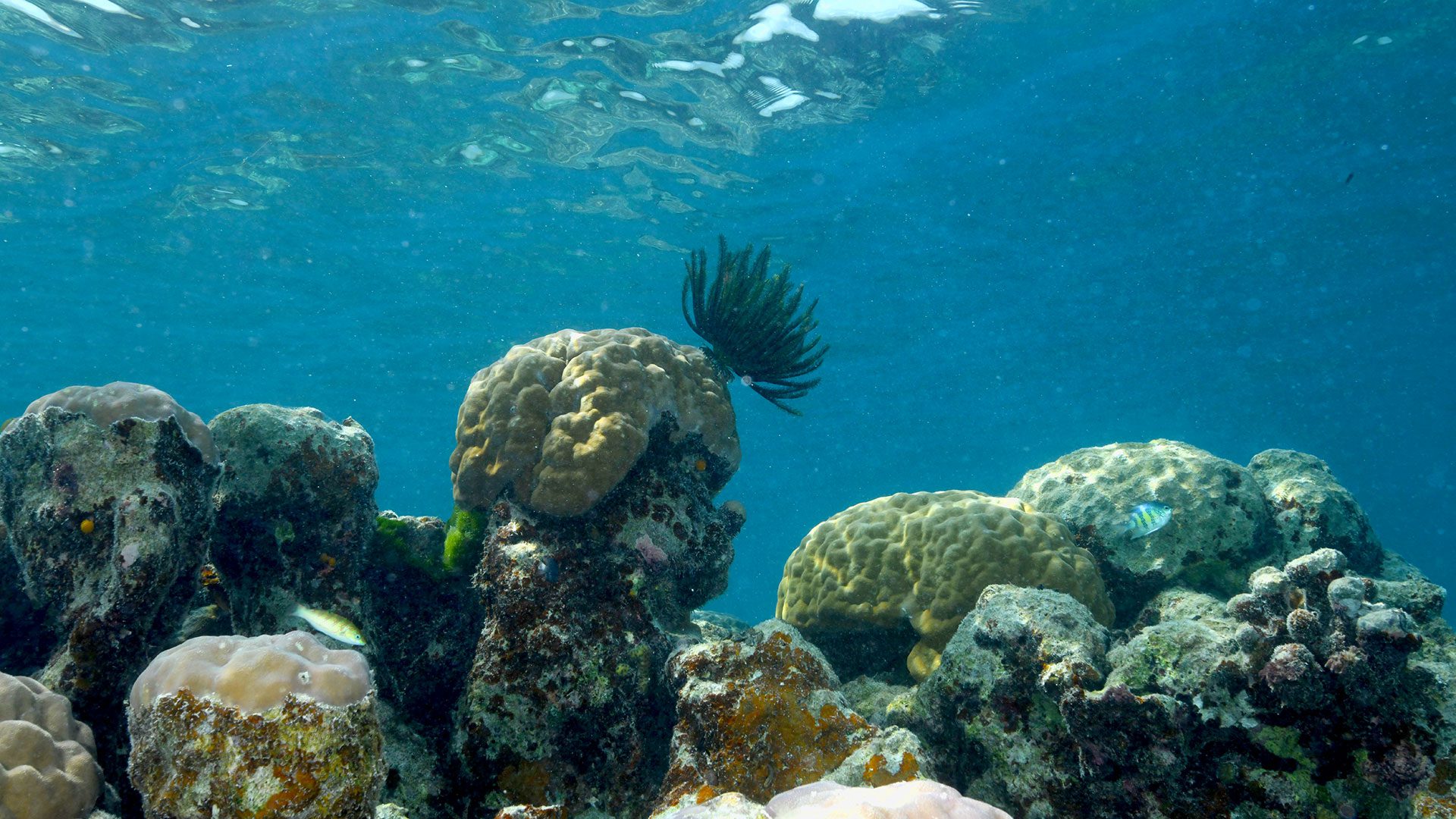
Scientists studying reefs in Palau have identified subgroups of a coral species that exhibit remarkable tolerance to the extreme heat associated with marine heatwaves
Read MoreThe Ocean Pavilion announces schedule of events for COP27
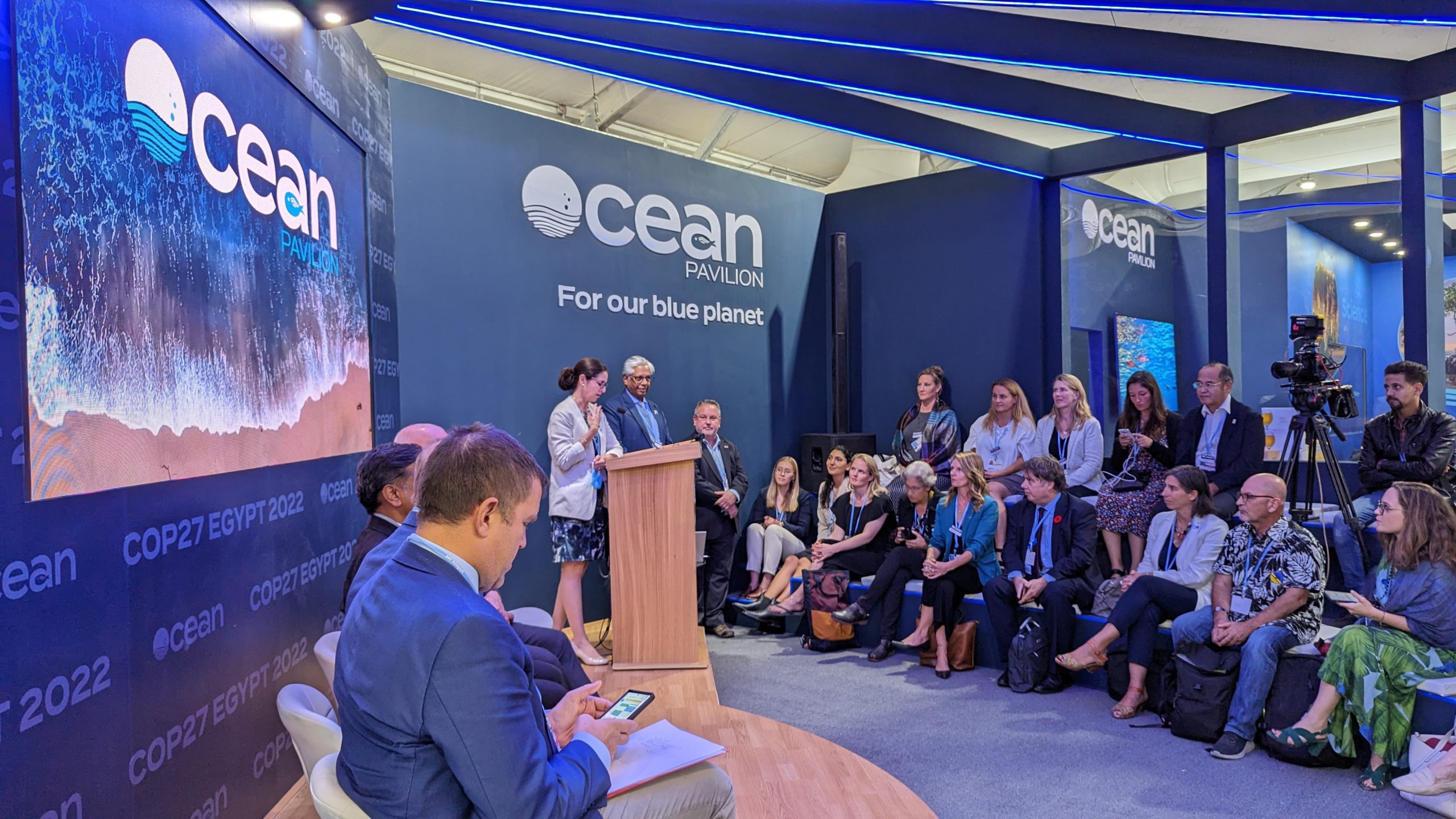
The Ocean Pavilion, the first time the ocean has been a singular focus of a pavilion inside the central “Blue Zone,” will host approximately 60 sessions over the two-week period, Nov. 6-18.
Read MoreWoods Hole Oceanographic Institution Receives $2 million from State for CWATER project
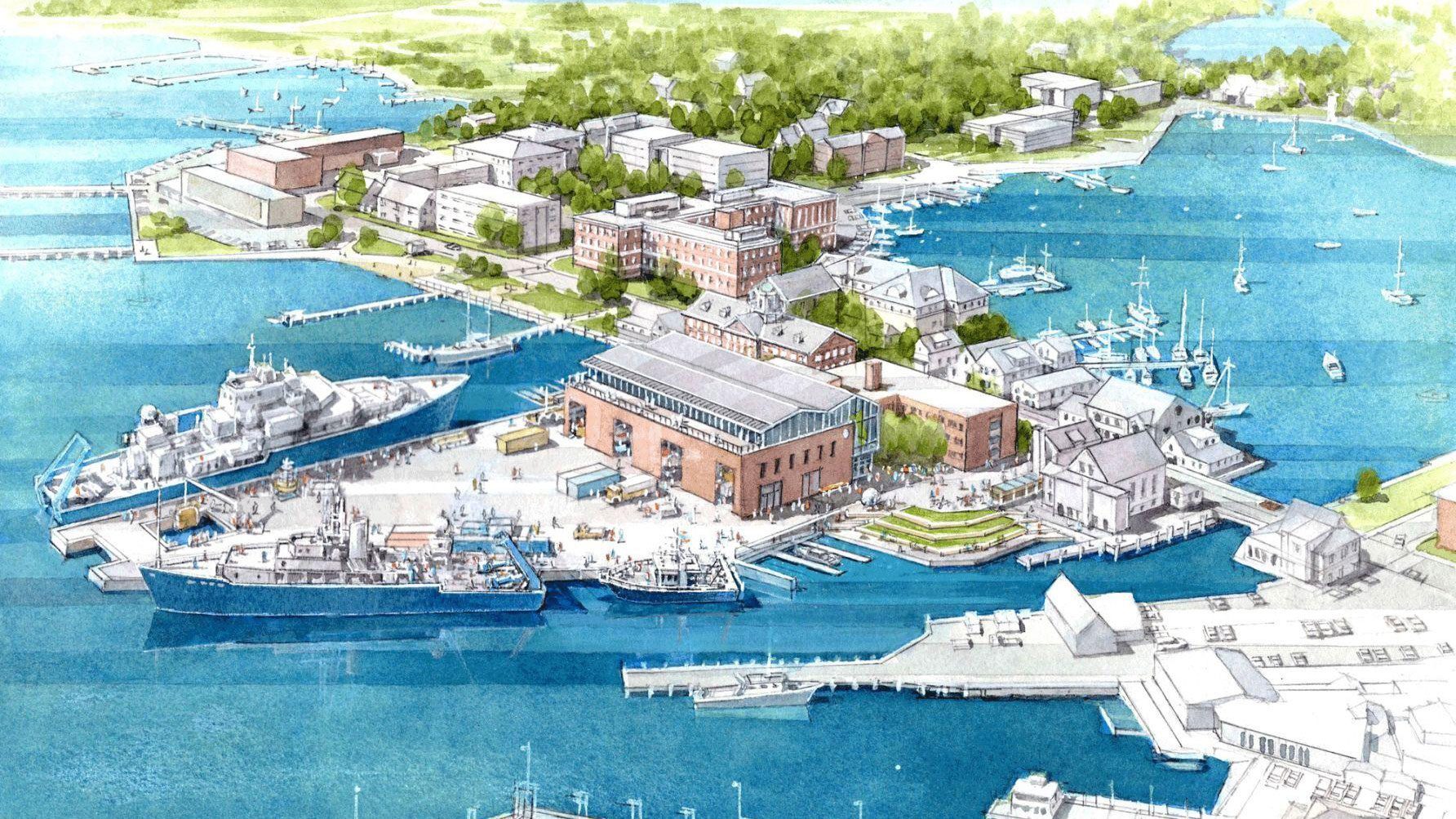
Funding is part of $3 million economic development package secured by Falmouth legislators.
Read MoreEmperor penguins granted protections under Endangered Species Act
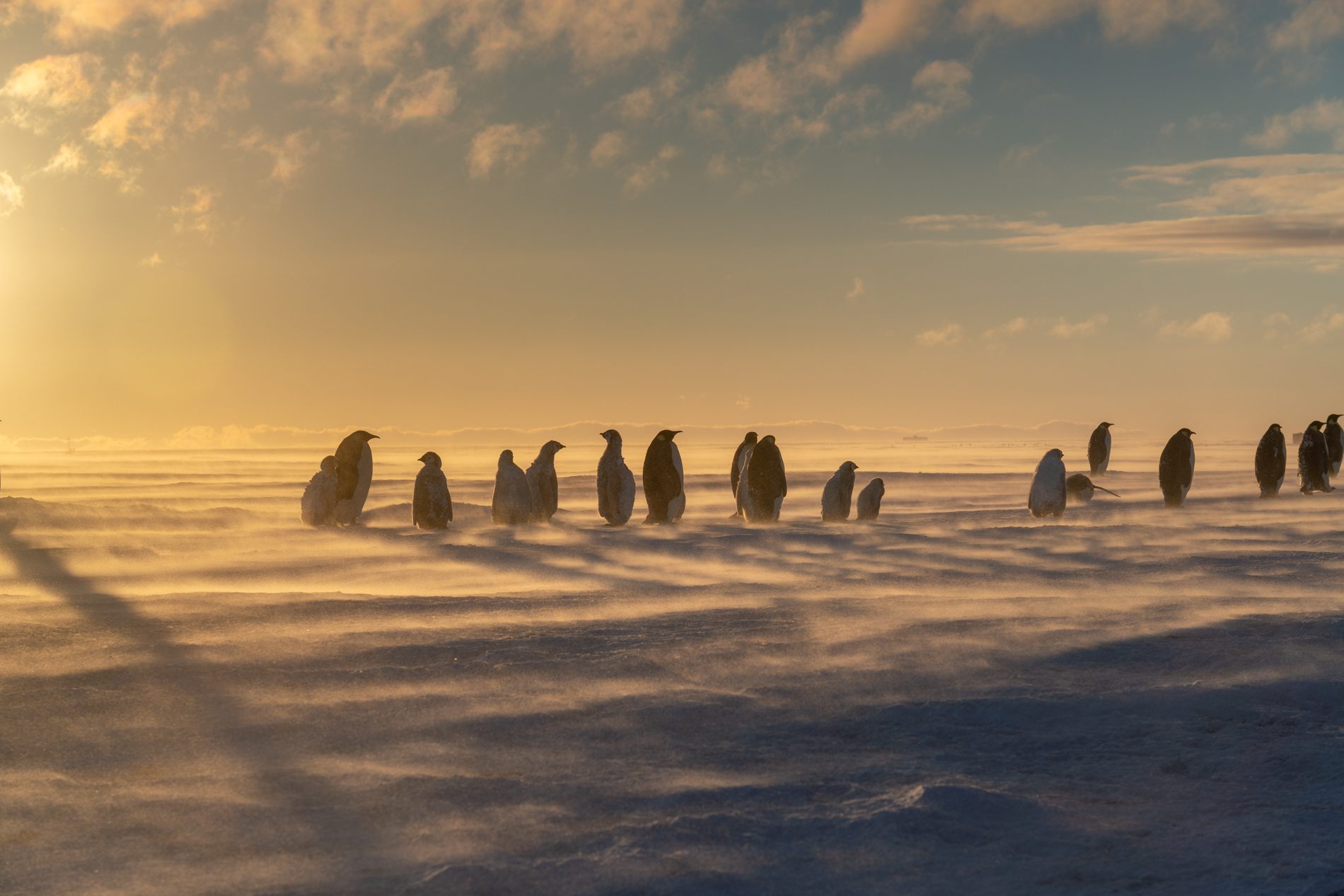
Woods Hole Oceanographic Institution among research groups that offer key findings to support federal protection of species, increasingly under siege by climate change
Read MorePropeller Announces $100 Million Fund to Invest in Ocean-Climate Companies

Unique partnership with Woods Hole Oceanographic Institution and veteran leadership team deploys vital capital to blue economy ‘narwhals’ at the nexus of ocean innovation, science and technology.
Read MoreFirst ever ocean-focused pavilion in the Blue Zone

Leading ocean science and philanthropic organizations to highlight the global ocean at UN climate conference
Read MoreResilient Woods Hole Awarded Grant from Massachusetts Office of Coastal Zone Management

Resilient Woods Hole (RWH), a private/public collaboration to prepare the village and blue economy of Woods Hole for major climate impacts such as sea-level rise, coastal flooding, and shoreline loss, has been awarded a second grant from the Massachusetts Office of Coastal Zone Management to continue its work in implementing community climate resiliency solutions.
Read MoreWoods Hole Oceanographic Institution receives Seagriculture Innovation Awards
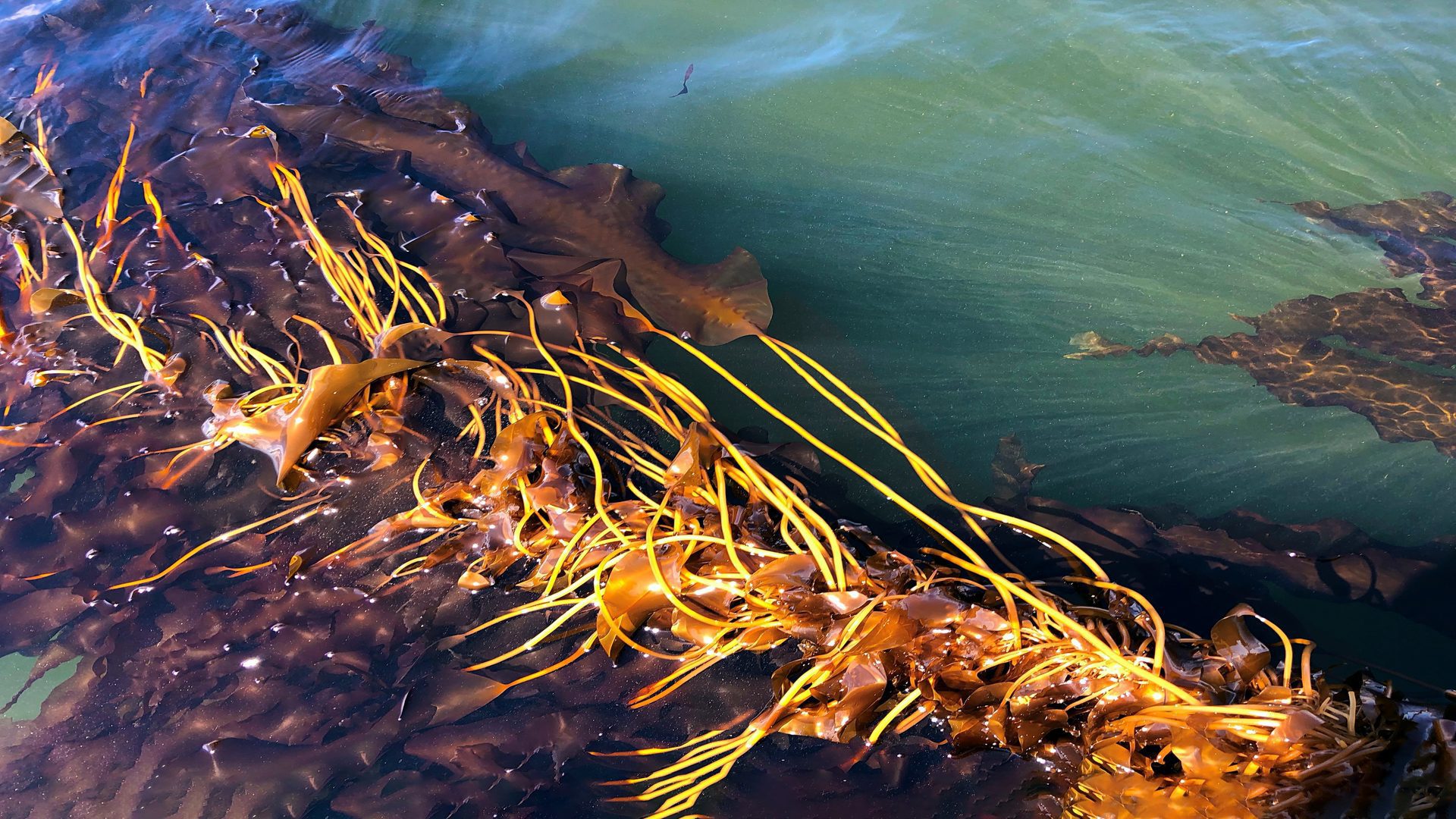
Woods Hole Oceanographic Institution (WHOI)-led teams earned Gold and Silver Innovation Awards for seaweed solutions projects, presented at the first annual Seagriculture Conference USA 2022 in Portland, Maine.
Read More“Digital Reefs” awarded $5 million
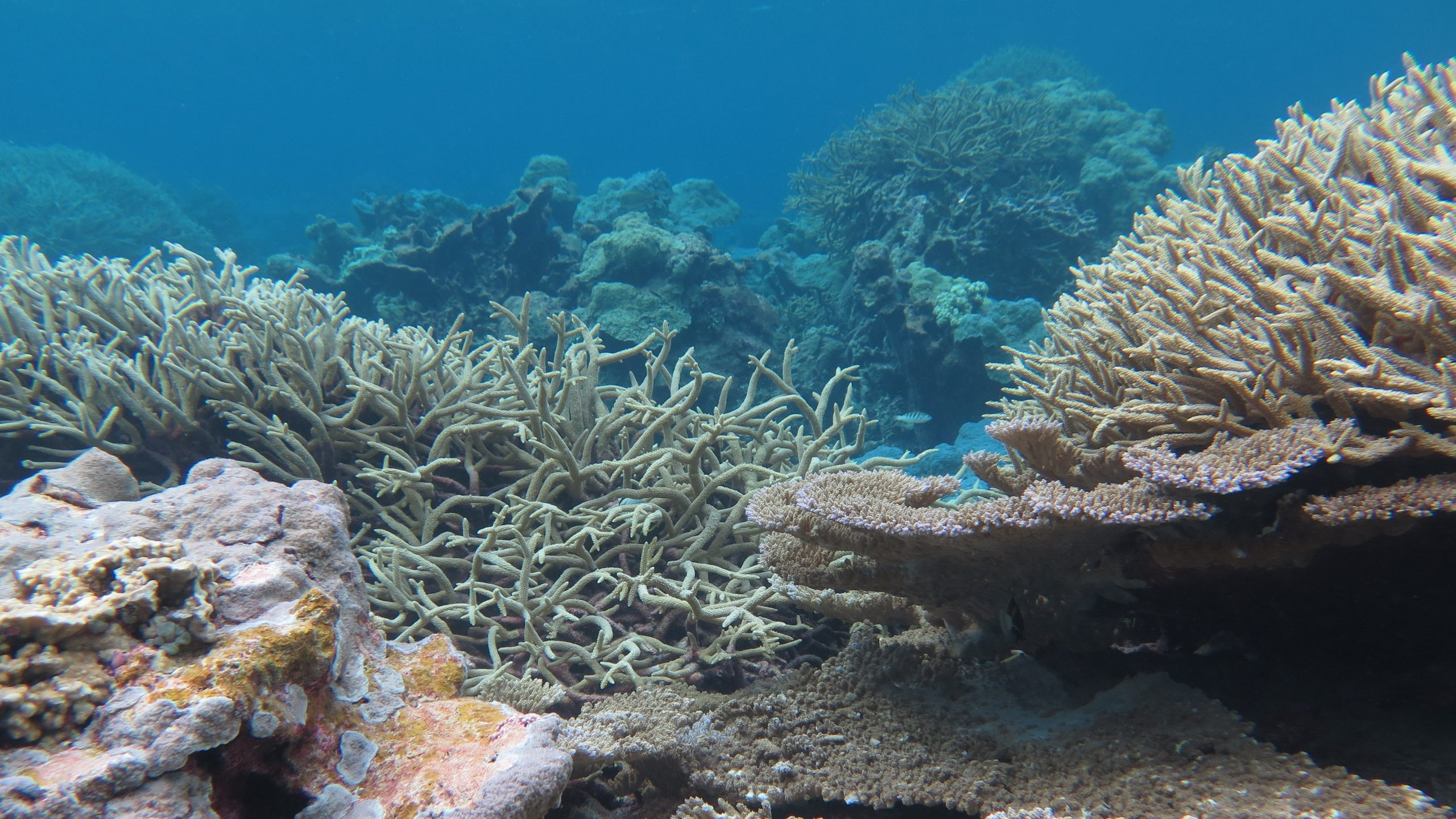
The National Science Foundation (NSF) has awarded Woods Hole Oceanographic Institution (WHOI) $5 million to participate in NSF’s ground breaking Convergence Accelerator Program. The project, led by WHOI scientist Anne Cohen, builds the world’s first Coral Reef Digital Twin, a 4-dimensional virtual replica of a living coral reef powered by state-of-the art data and models.
Read MoreHow marine predators find food hot spots in open ocean “deserts”
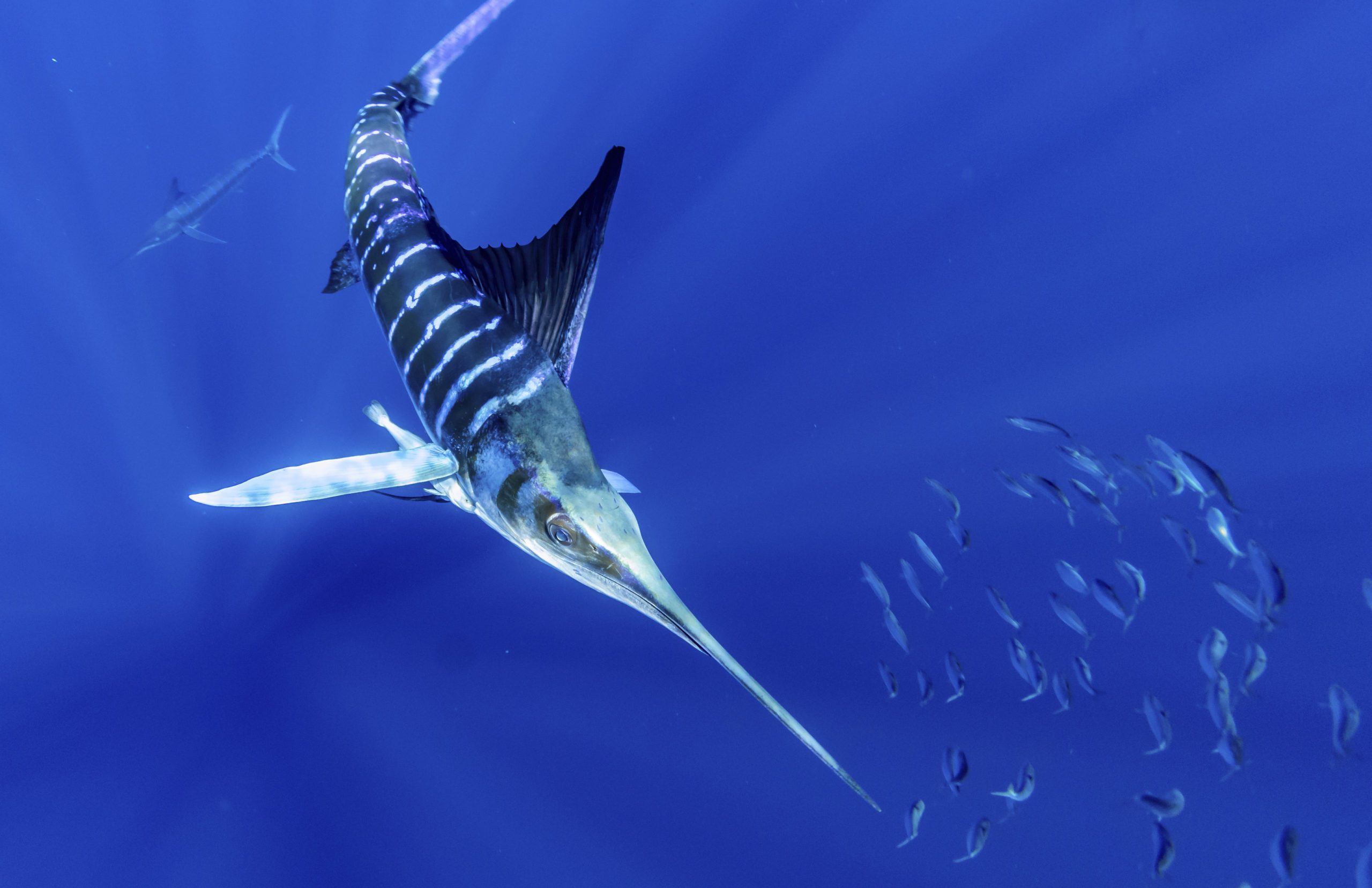
A new study led by scientists at Woods Hole Oceanographic Institution (WHOI) and University of Washington Applied Physics Laboratory (UW APL) finds that marine predators, such as tunas, billfishes and sharks, aggregate in anticyclonic, clockwise-rotating ocean eddies (mobile, coherent bodies of water). As these anticyclonic eddies move throughout the open ocean, the study suggests that the predators are also moving with them, foraging on the high deep-ocean biomass contained within.
Read MoreMarine Protected Areas in Antarctica should include young emperor penguins, scientists say
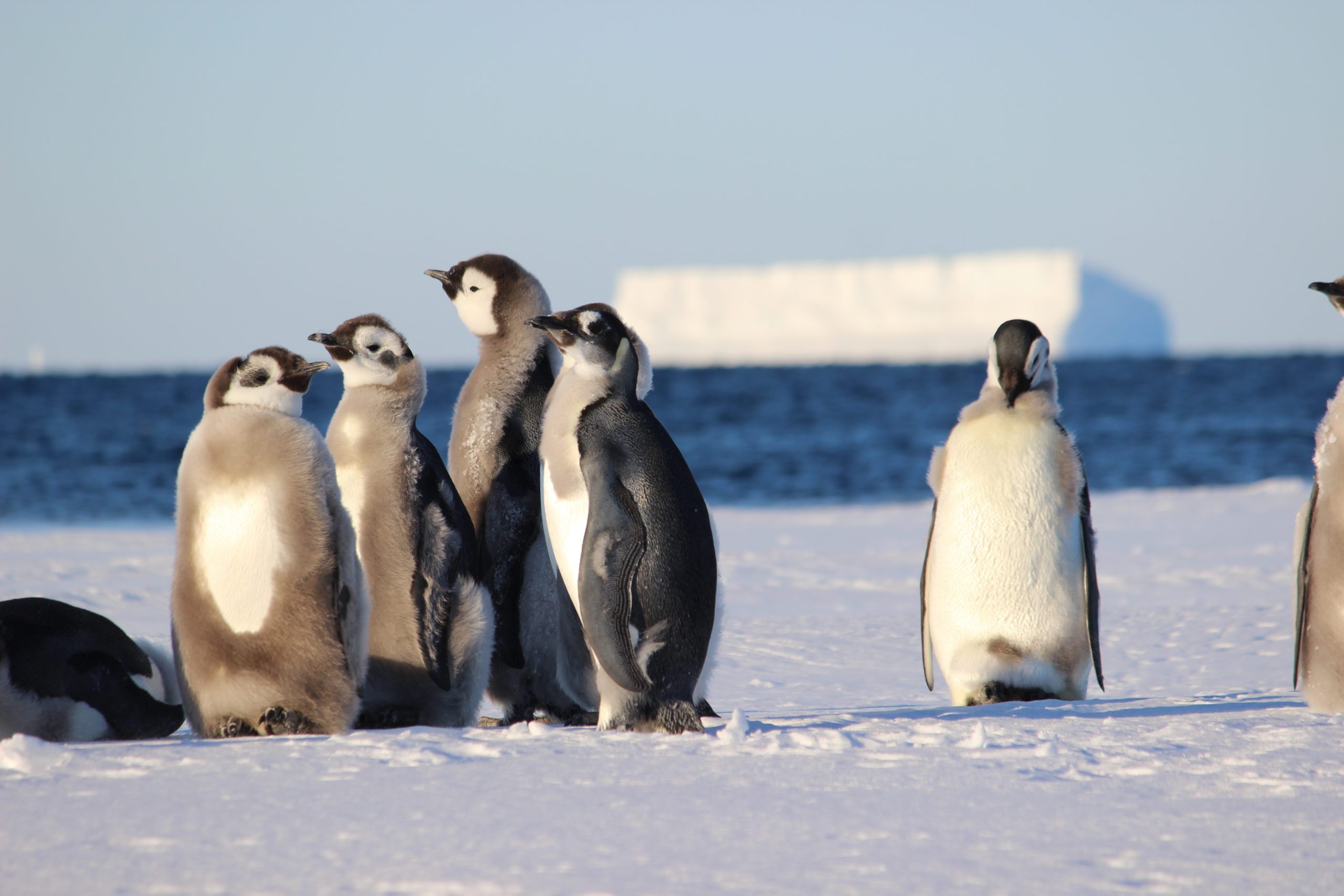
Scientists at the Woods Hole Oceanographic Institution (WHOI) and European research institutions are calling for better protections for juvenile emperor penguins, as the U.S. Fish and Wildlife Service considers listing the species under the Endangered Species Act and the Commission for the Conservation of Antarctic Marine Living Resources (CCAMLR) considers expanding the network of Marine Protected Areas (MPAs) in the Southern Ocean.
Read MoreCarbon sequestration sites may prevent earthquakes
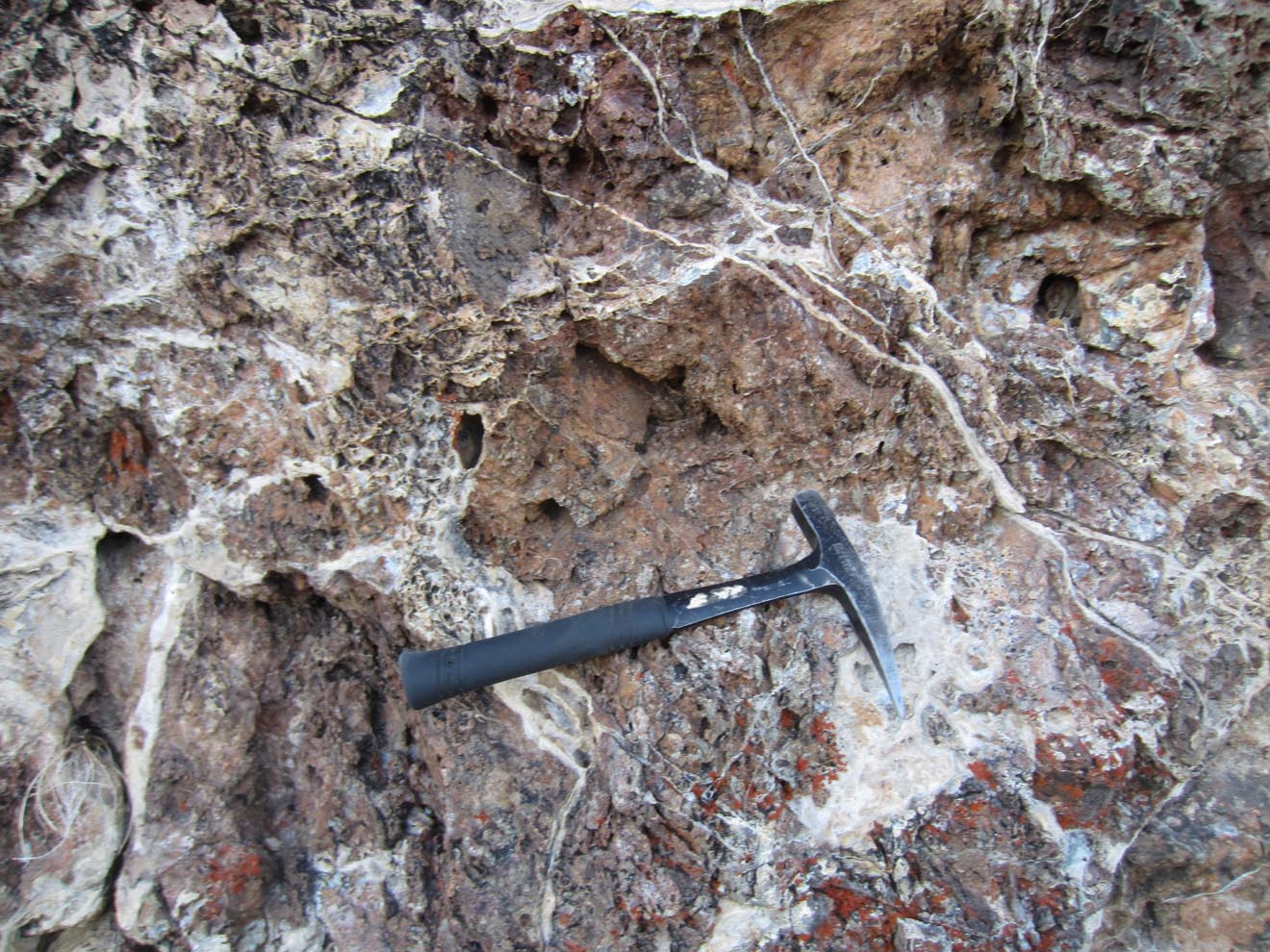
New evidence suggests that CO2-rich springs may be buffering quakes along areas of the San Andreas Fault
Read More