
Featured Project
Building Blocks of Life on the Atlantis Massif
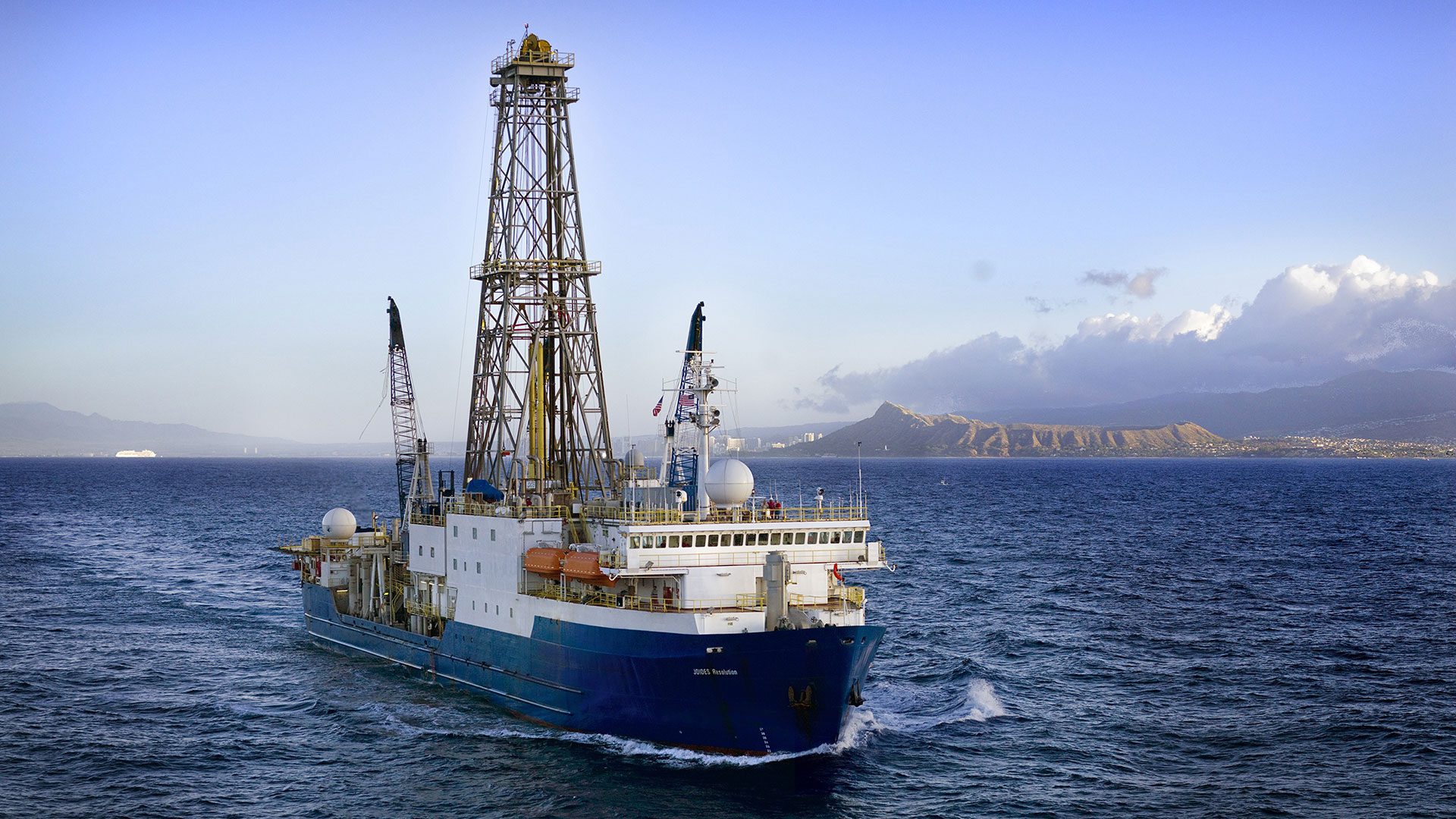
An upcoming expedition aboard the US ocean drilling ship JOIDES Resolution co-led by Susan Q. Lang, a geochemist at WHOI and director NOSAMS Facility, will attempt to shed new light on the processes that likely helped jumpstart the formation of life early in Earth’s history.
Read MoreNatural Wax Holds Promise to Replace Petroleum in Cosmetics and Personal Care Products
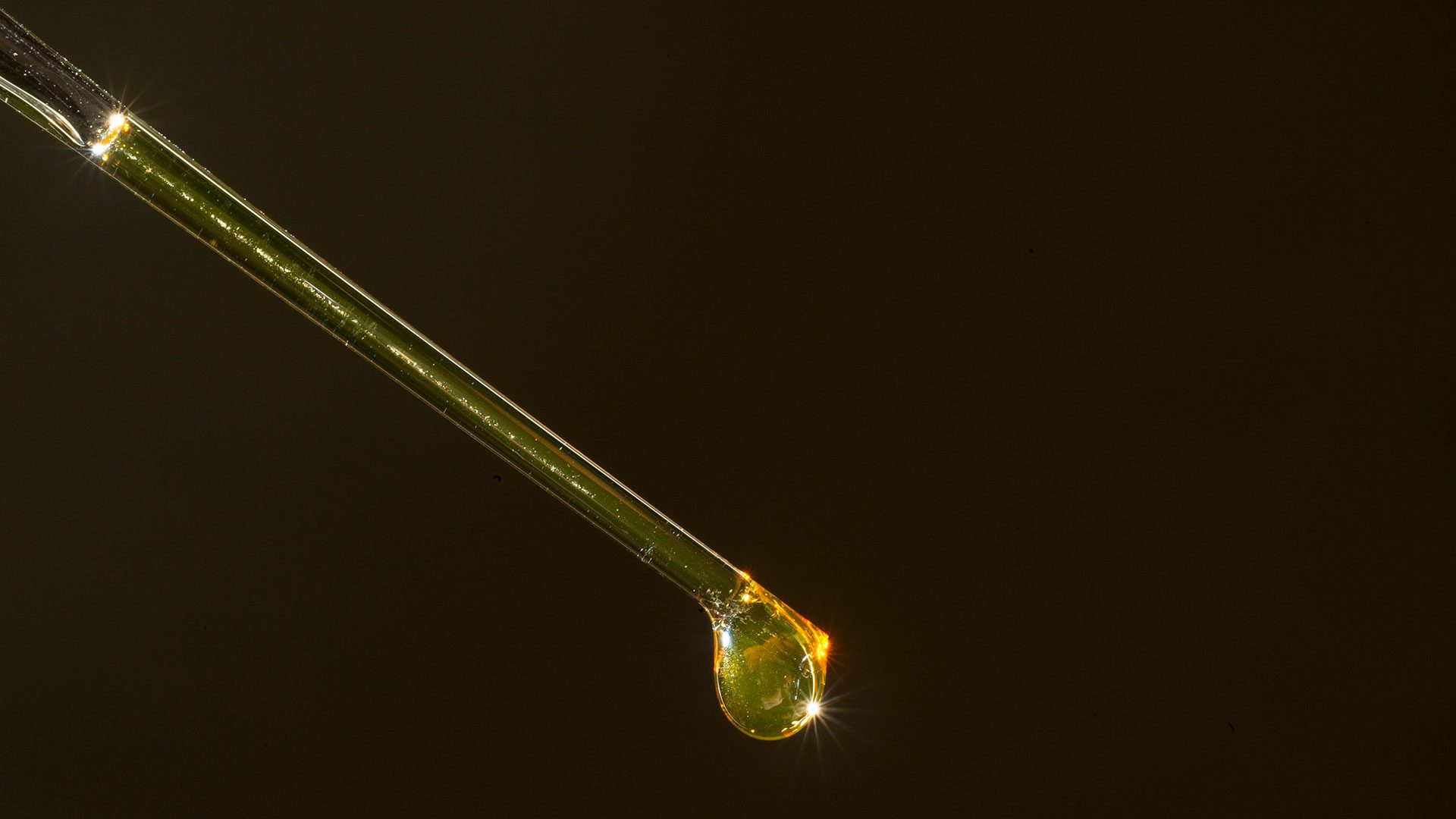
Woods Hole Oceanographic Institution and Western Washington University Sign License Agreement for Upwell Cosmetics to Make and Market a Marine Microalga-Derived Wax
Read MoreExcess Nutrients Lead to Dramatic Ecosystem Changes in Cape Cod’s Waquoit Bay
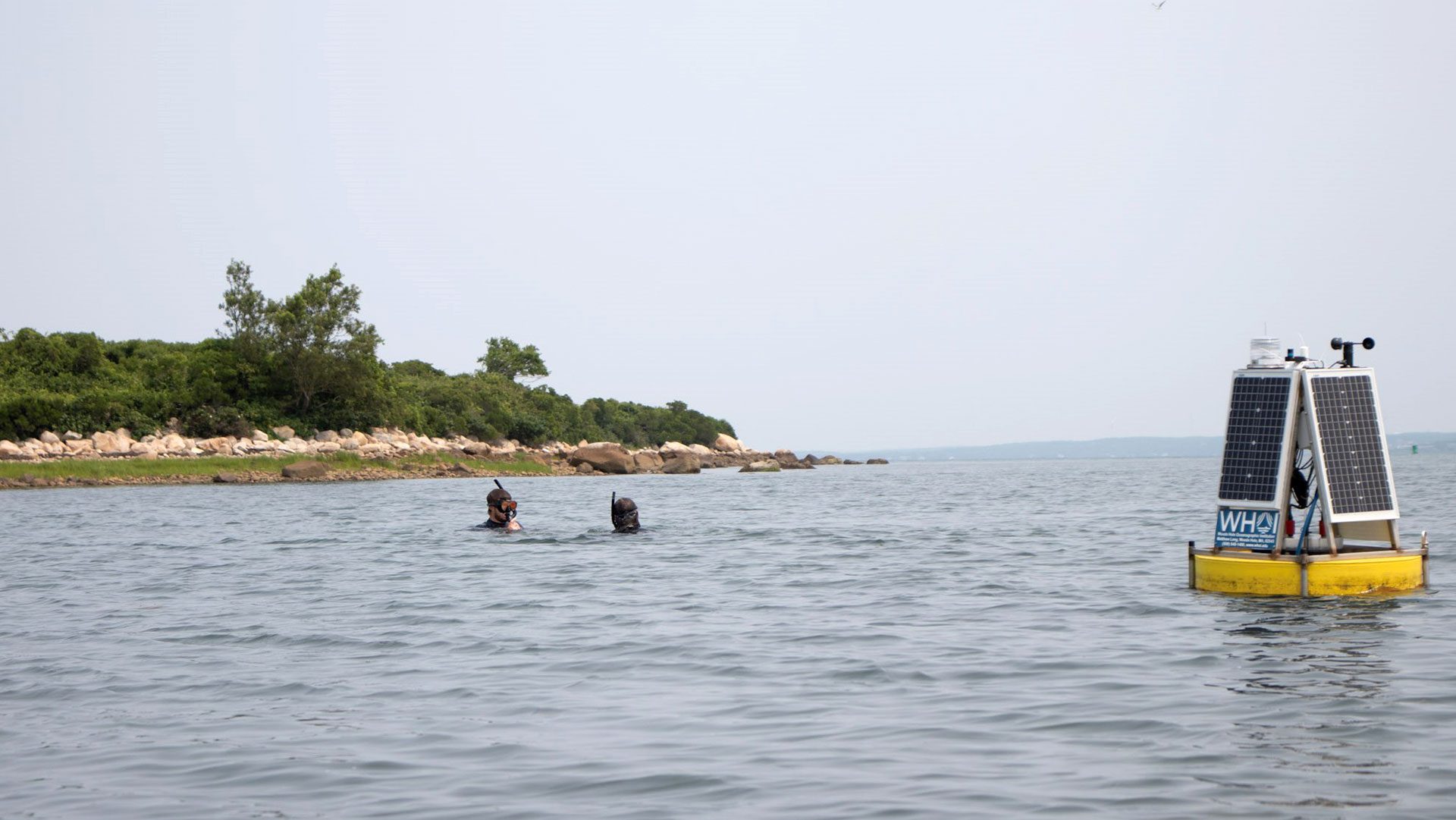
The Bay Is a harbinger for estuaries worldwide, say researchers
Read MoreReconstructing the Bering Sea’s stormy past
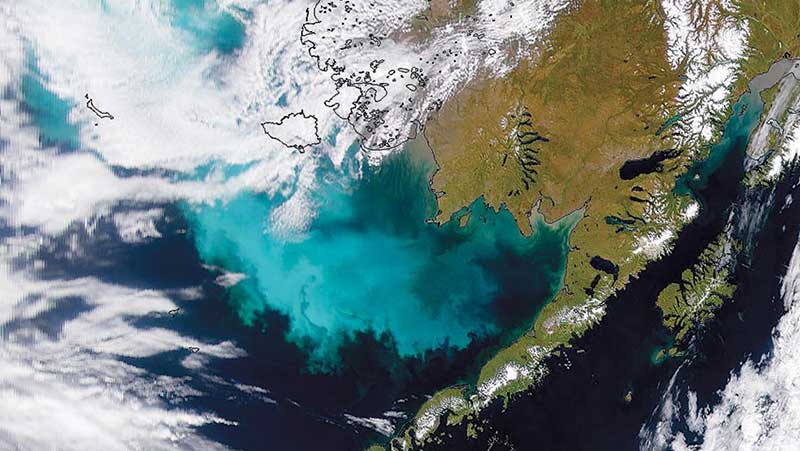
Researchers help Bering Sea indigenous communities understand the past and plan for future
Read MoreHow does Sentry know where it is?
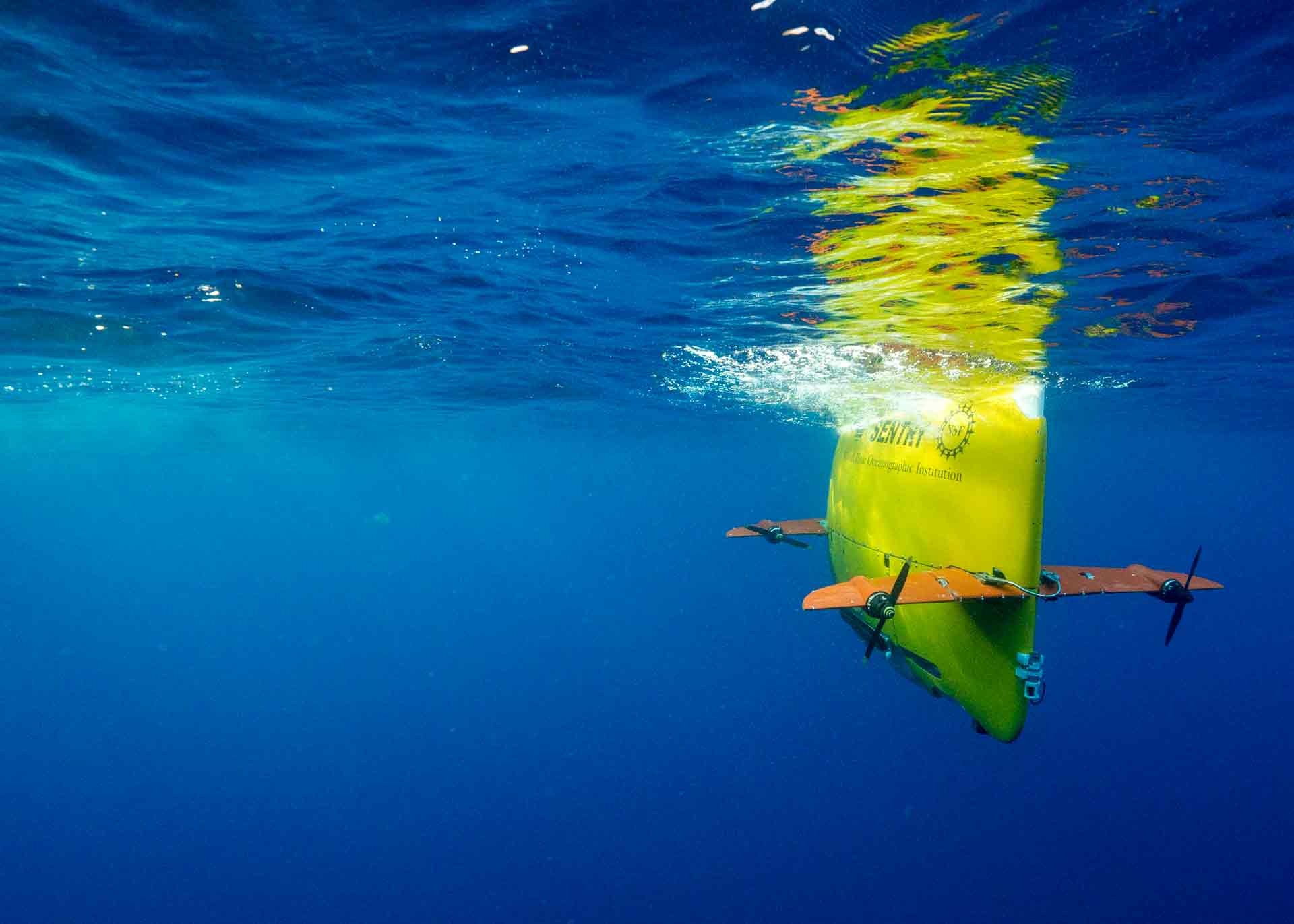
New smarts keep the autonomous vehicle on track
Read MoreLooking to the Mighty Mississippi for climate solutions
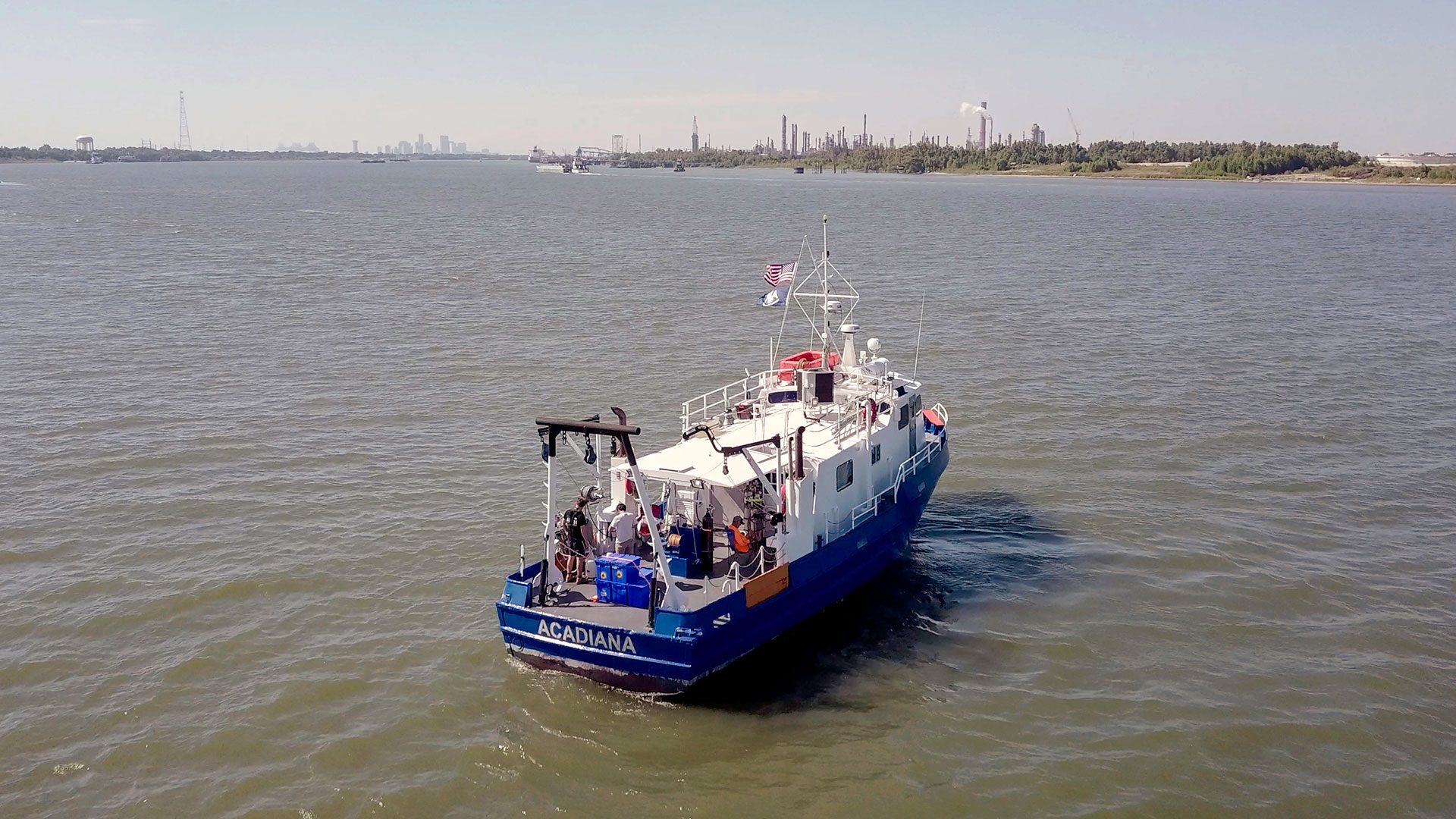
Researchers measure alkalinity flowing into the Gulf of Mexico to assess a carbon dioxide removal strategy
Read MoreSargassum serendipity
A surprise find connects MIT students working on solutions for a harmful algal bloom in the Caribbean
Read MoreAn introduction to marsh bothering
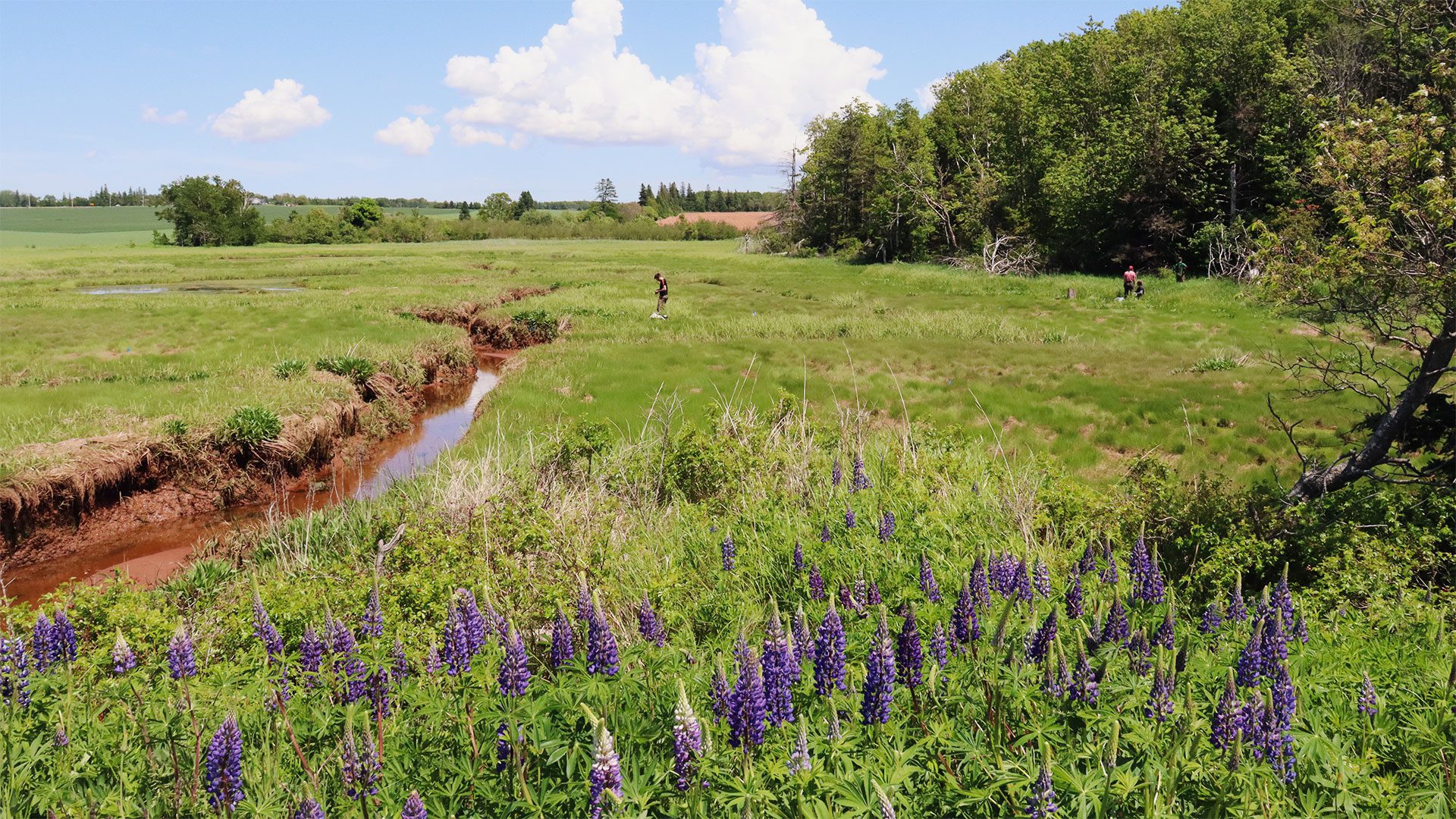
A sea-level modeler plunges into fieldwork on Prince Edward Island
Read MoreWoods Hole Oceanographic Institution receives Seagriculture Innovation Awards
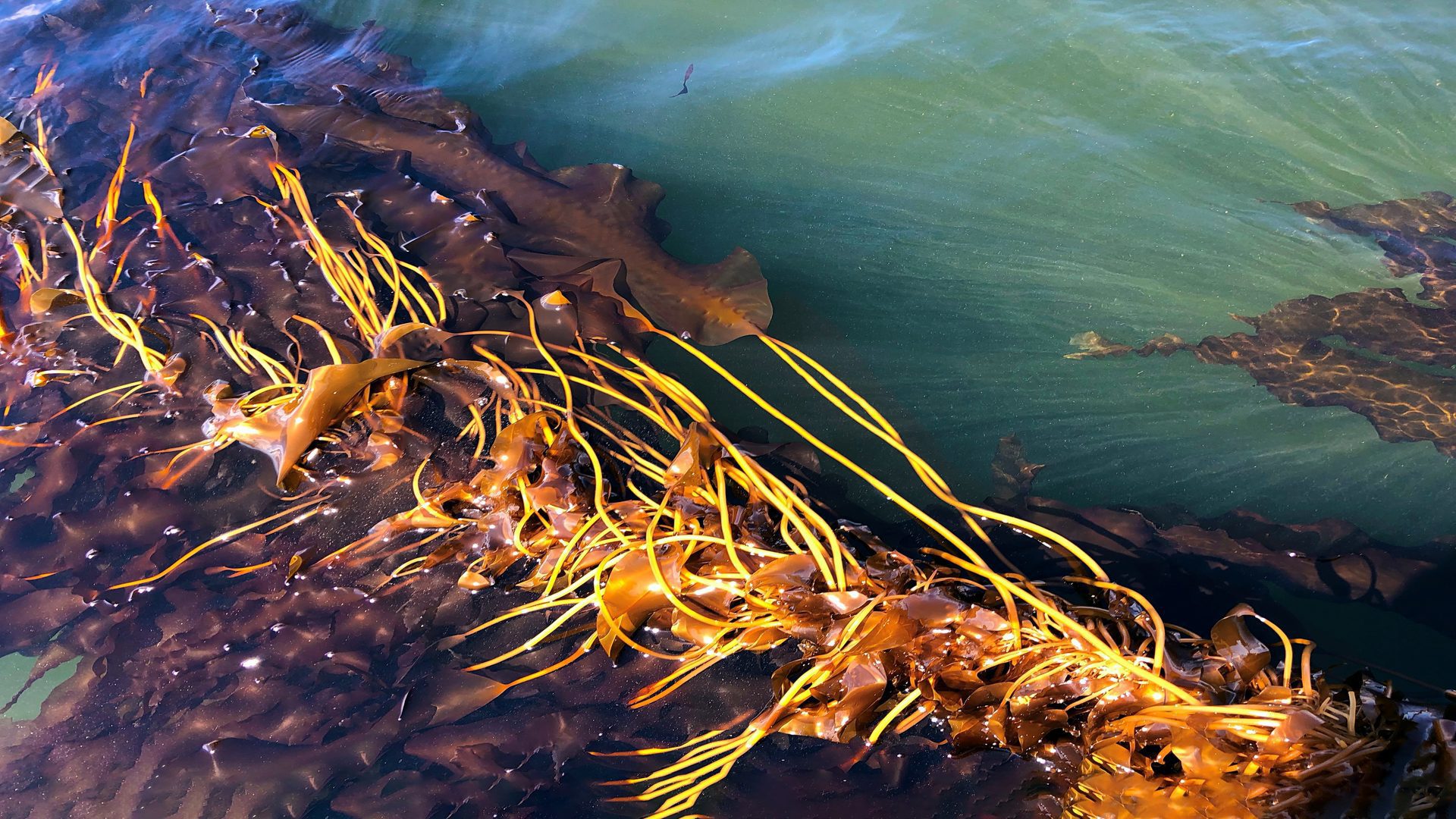
Woods Hole Oceanographic Institution (WHOI)-led teams earned Gold and Silver Innovation Awards for seaweed solutions projects, presented at the first annual Seagriculture Conference USA 2022 in Portland, Maine.
Read More“Digital Reefs” awarded $5 million
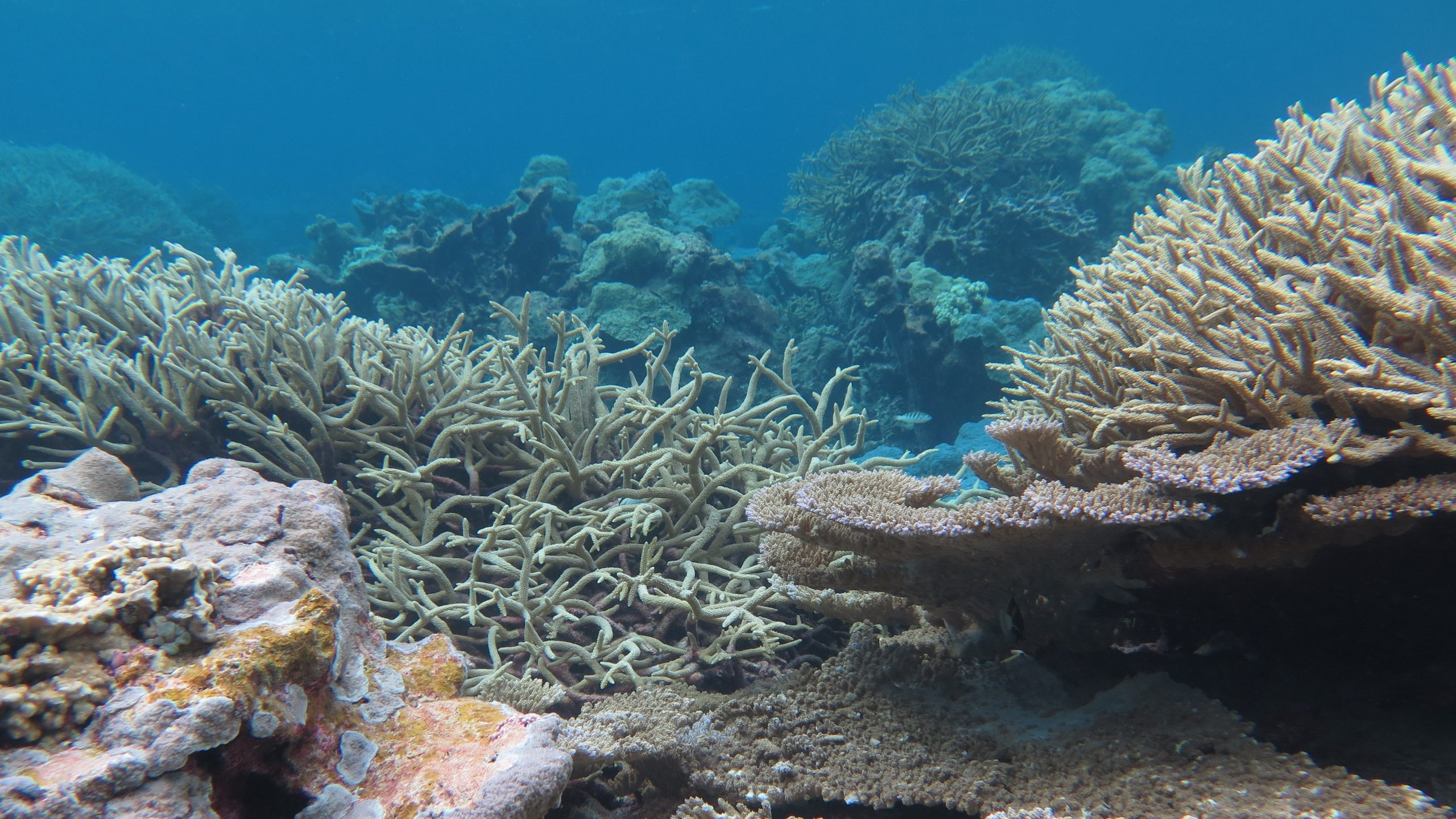
The National Science Foundation (NSF) has awarded Woods Hole Oceanographic Institution (WHOI) $5 million to participate in NSF’s ground breaking Convergence Accelerator Program. The project, led by WHOI scientist Anne Cohen, builds the world’s first Coral Reef Digital Twin, a 4-dimensional virtual replica of a living coral reef powered by state-of-the art data and models.
Read MoreWaiting on the next freshwater flush
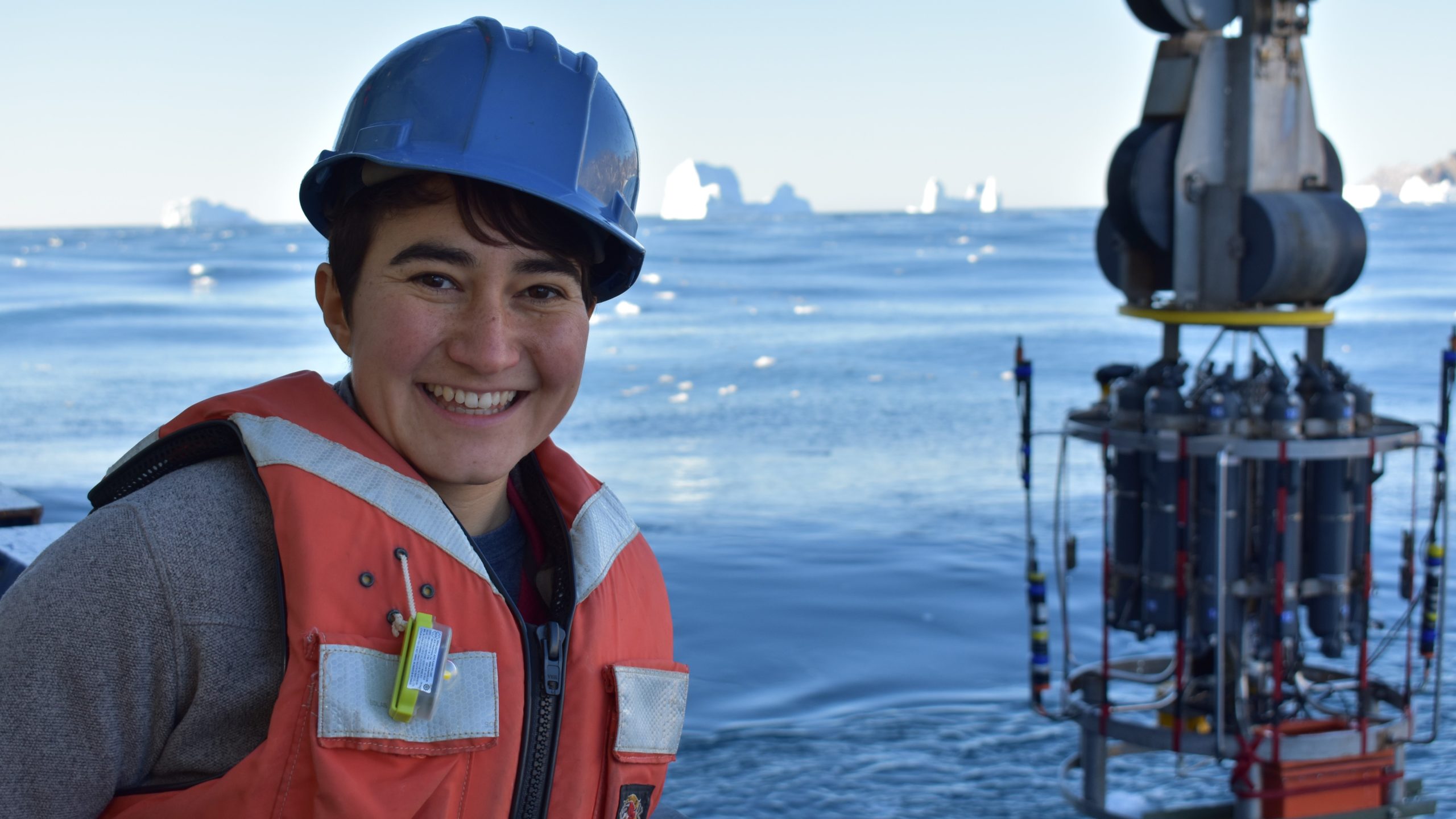
Could the unprecedented amounts of freshwater in the Beaufort Sea stall the current system that controls our climate? WHOI’s Isabela Le Bras weighs in.
Read MoreThe Power of Super Reefs

Working with the governments and scientists of several Pacific Island nations, the project’s first goal is to limit the impacts of pollution and fishing by expanding these countries’ marine protected areas (MPAs).
Read MoreWHOI and CMA CGM Group deploy acoustic monitoring buoy near Norfolk, Virginia
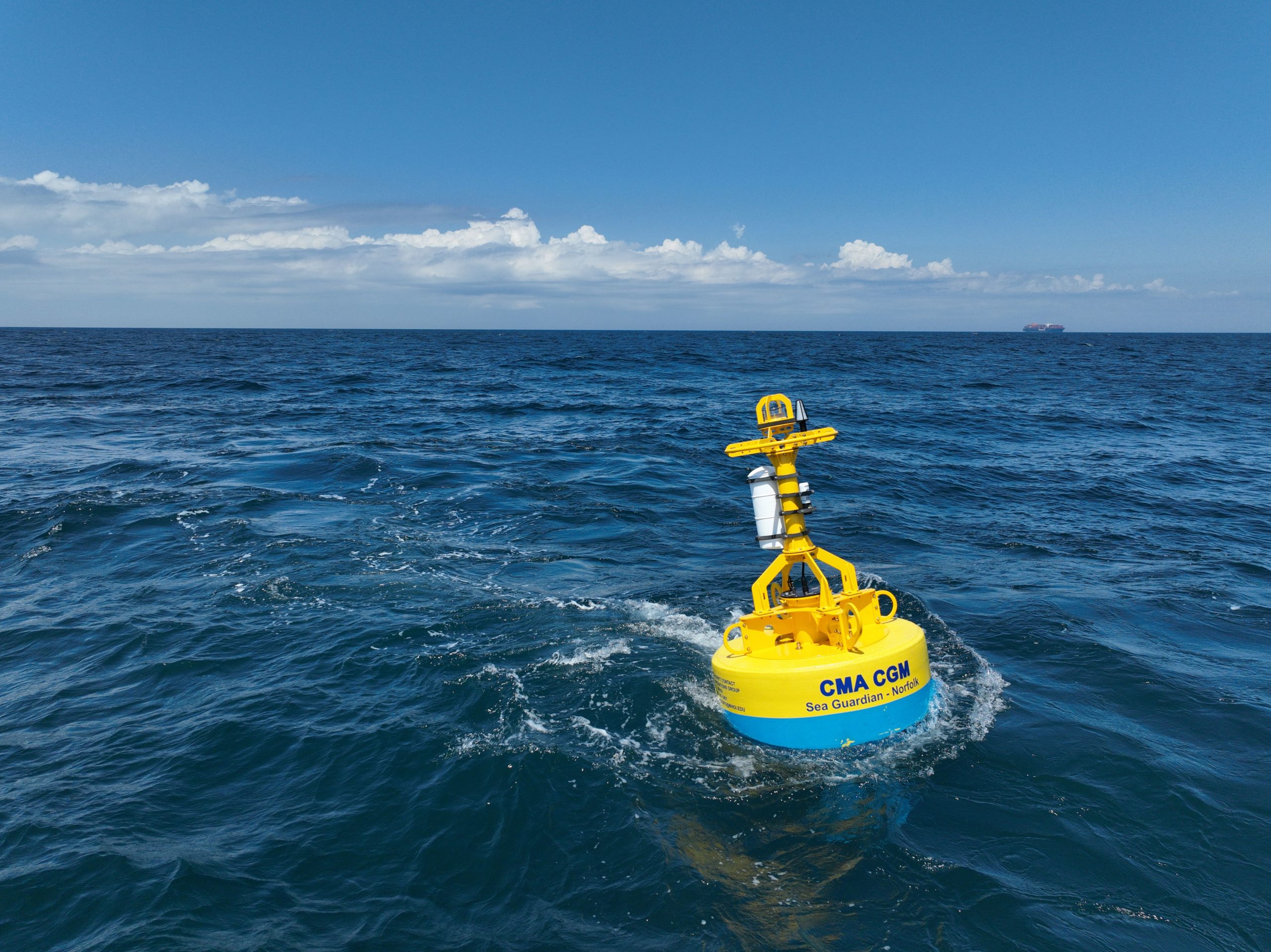
Woods Hole Oceanographic Institution (WHOI) and The CMA CGM Group, a global player in sea, land, air, and logistics solutions, have deployed an acoustic monitoring buoy 33 miles off the coast of Norfolk, Virginia. A second buoy is slated for deployment off the coast of Savannah, Georgia in the coming weeks.
Read MoreA toxic double whammy for sea anemones
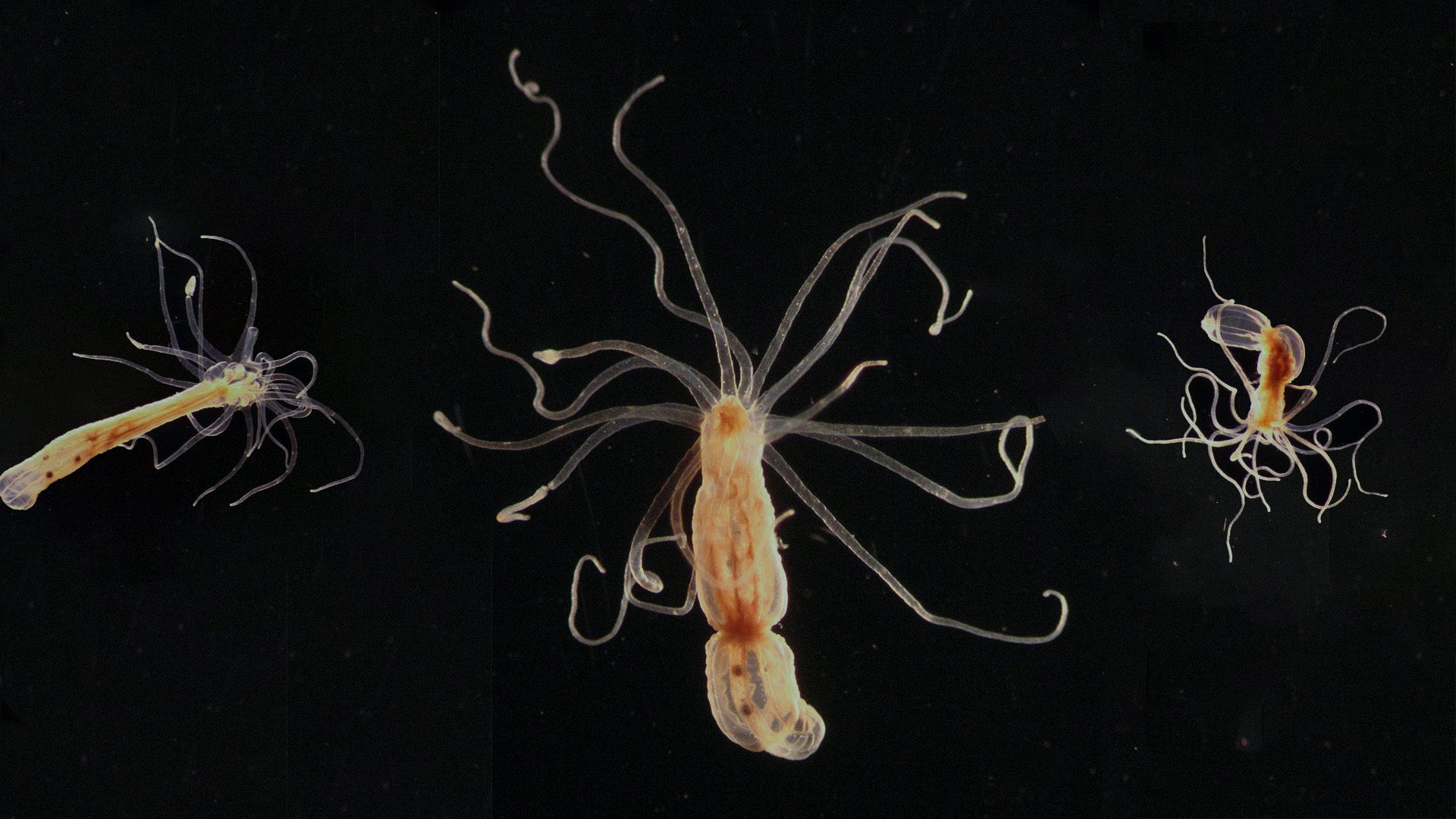
Exposure to both oil and sunlight can be harmful to sea anemones
Read MoreInvasive tunicates have shellfish farmers crying “foul”
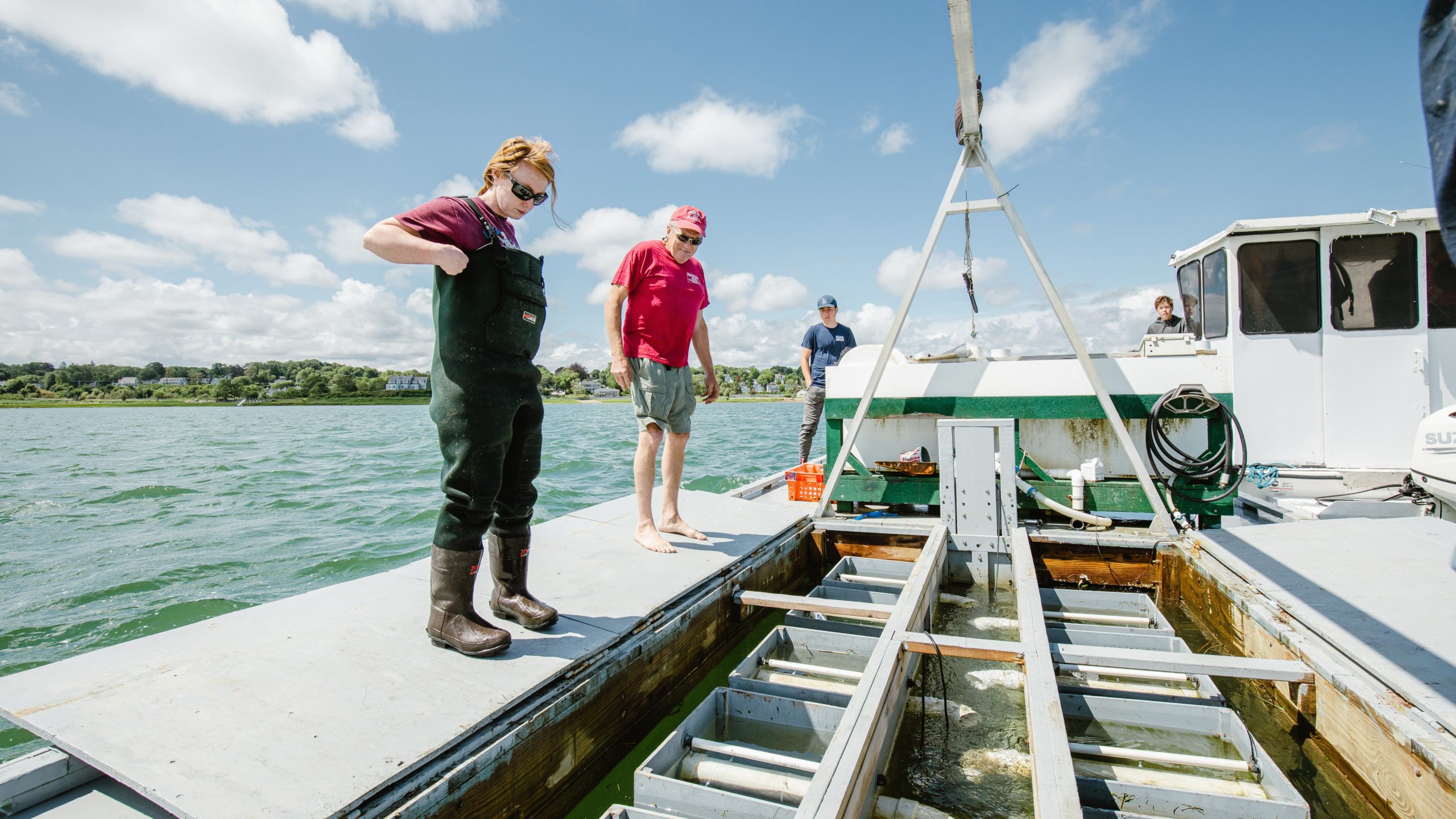
As shellfish farmers struggle with invasive tunicate invasions, scientists are trying to gain insight into the thermal tolerances for these strange critters and determine where they might show up next
Read MoreInnovative, new “road map” for kelp crop improvement
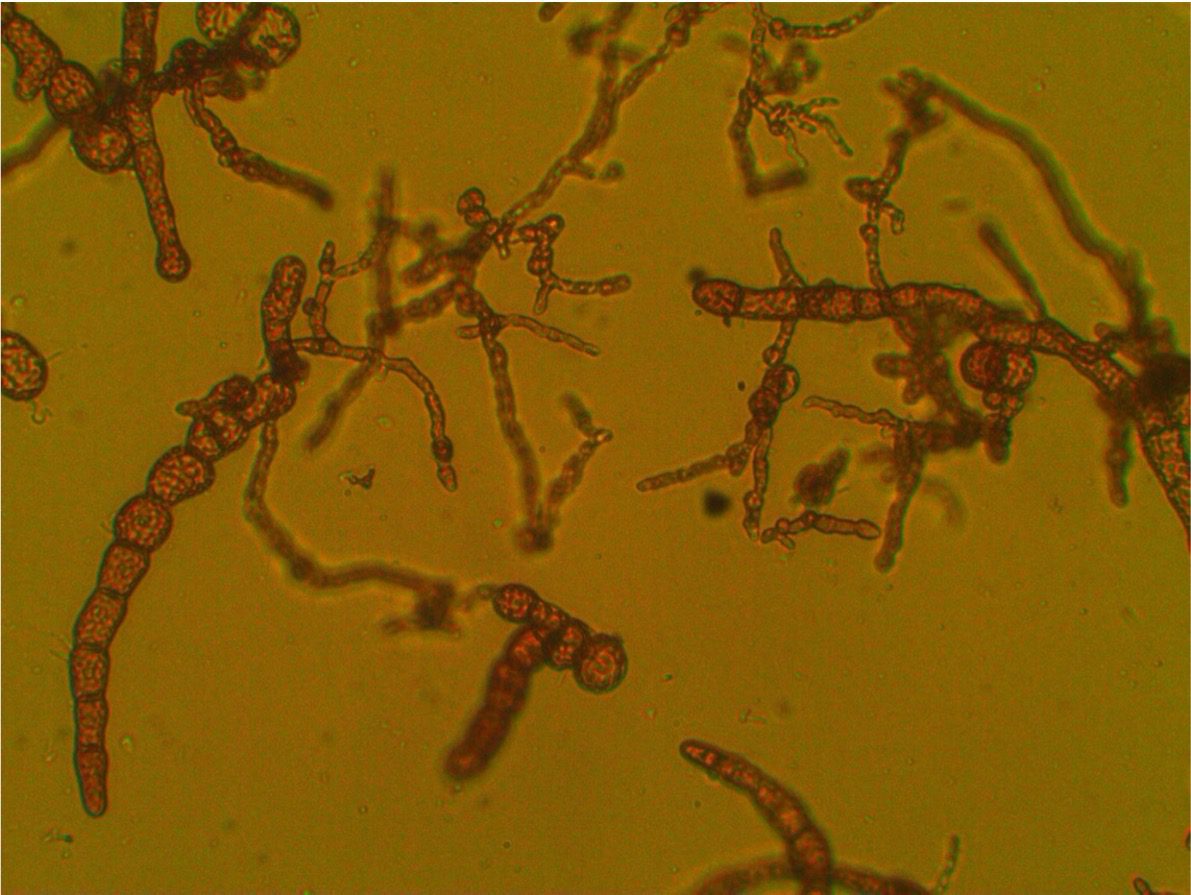
Woods Hole Oceanographic Institution (WHOI), the University of Connecticut, and Bigelow Laboratory for Ocean Sciences have executed a license agreement for a kelp germplasm, or collection of microscopic cells called gametophytes, containing more than 1,200 samples all developed and isolated by WHOI and UConn-led teams. Bigelow Laboratory’s National Center for Marine Algae and Microbiota plans to maintain, market, and distribute the germplasm collection for broad use.
Read MoreCreating synergy through art and science
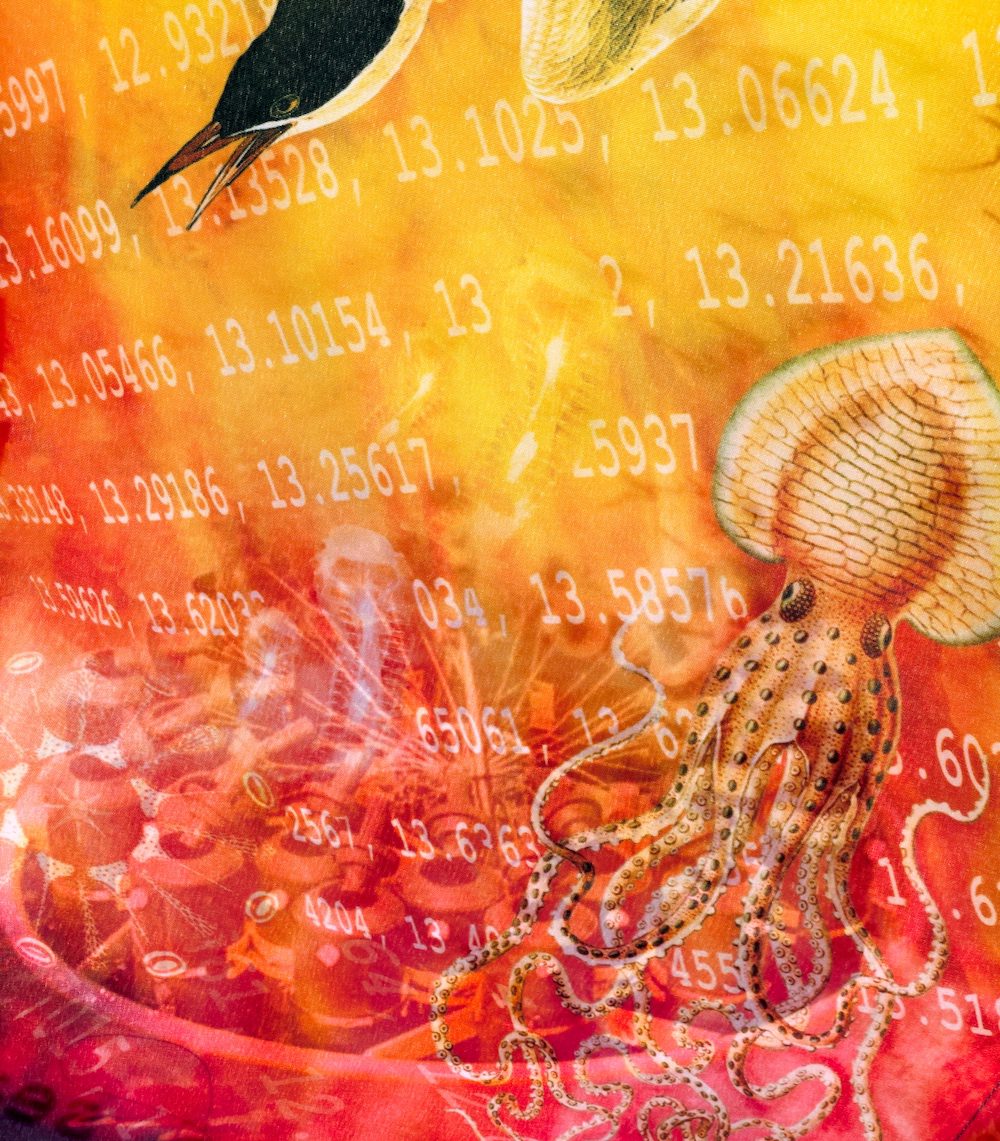
A collaboration between the Art League of Rhode Island and WHOI scientists transforms abstract concepts into engaging perspectives on our ocean world.
Read MoreWHOI campaign sheds light on new strategies and solutions for the coral reef crisis
In advance of World Ocean Day on June 8, Woods Hole Oceanographic Institution (WHOI) is launching its Give Reefs a Chance campaign, aimed at raising awareness of what WHOI scientists and engineers are doing to tackle the corals crisis, the importance of coral reefs, and what we can all do to give reefs a chance to survive.
Read MorePartly cloudy with a chance of sharks
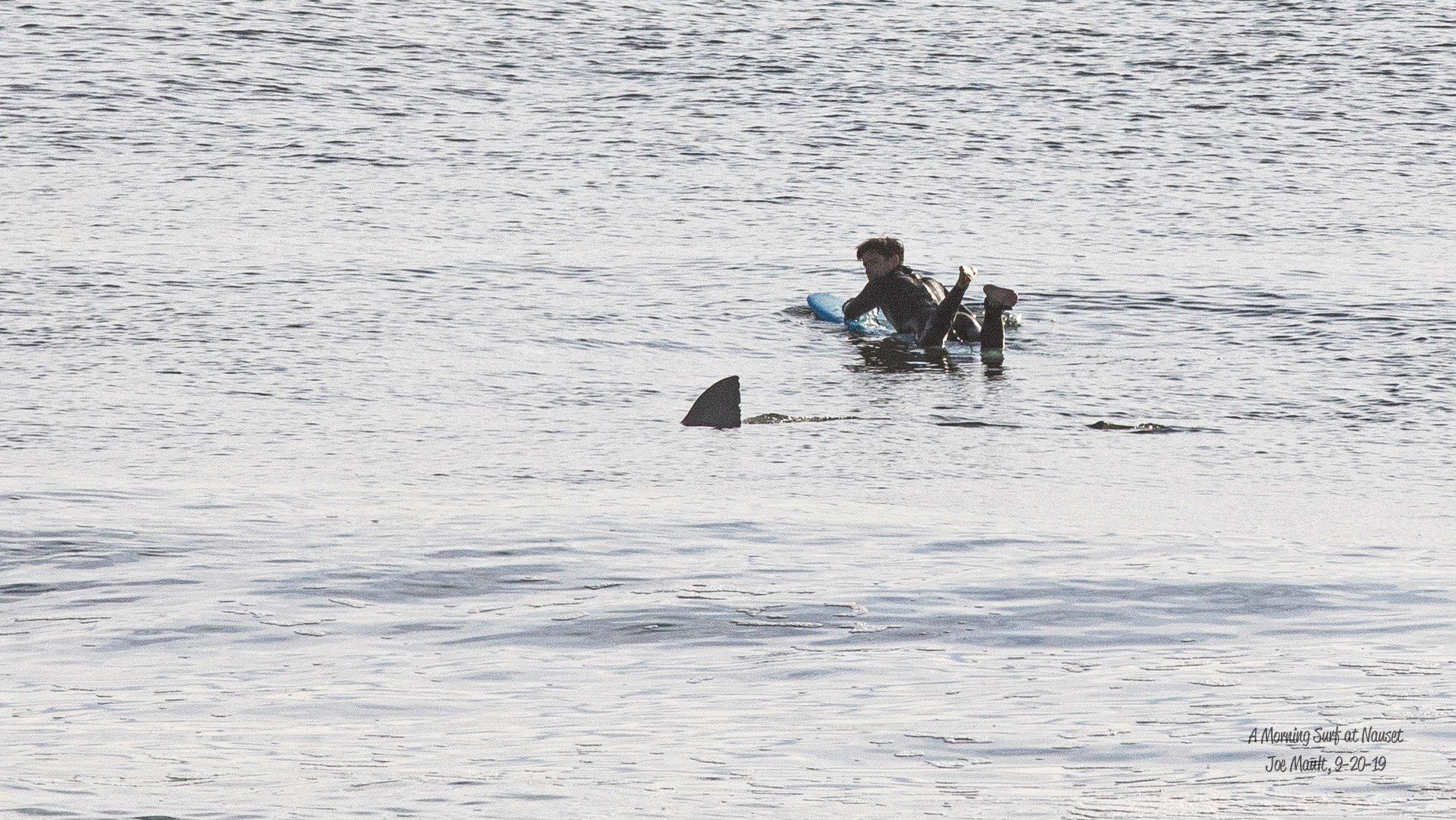
Researchers develop ‘heat map’ shark forecast system to improve beachgoer safety
Read MoreCan environmental DNA help us find lost US service members?
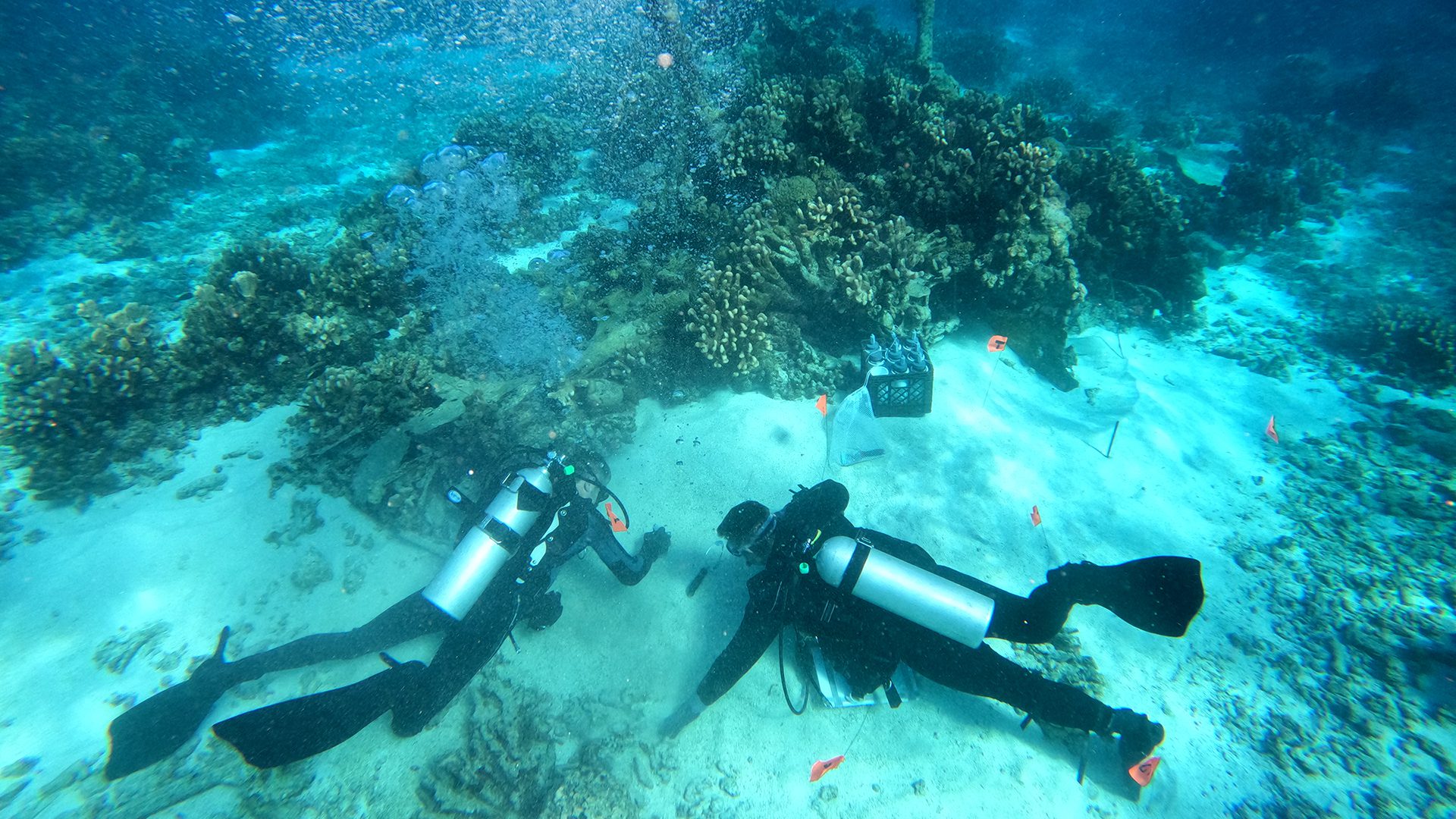
Ocean scientists explore how eDNA may be able to help find and identify lost military personnel in the ocean
Read MoreThe hypoxic reef
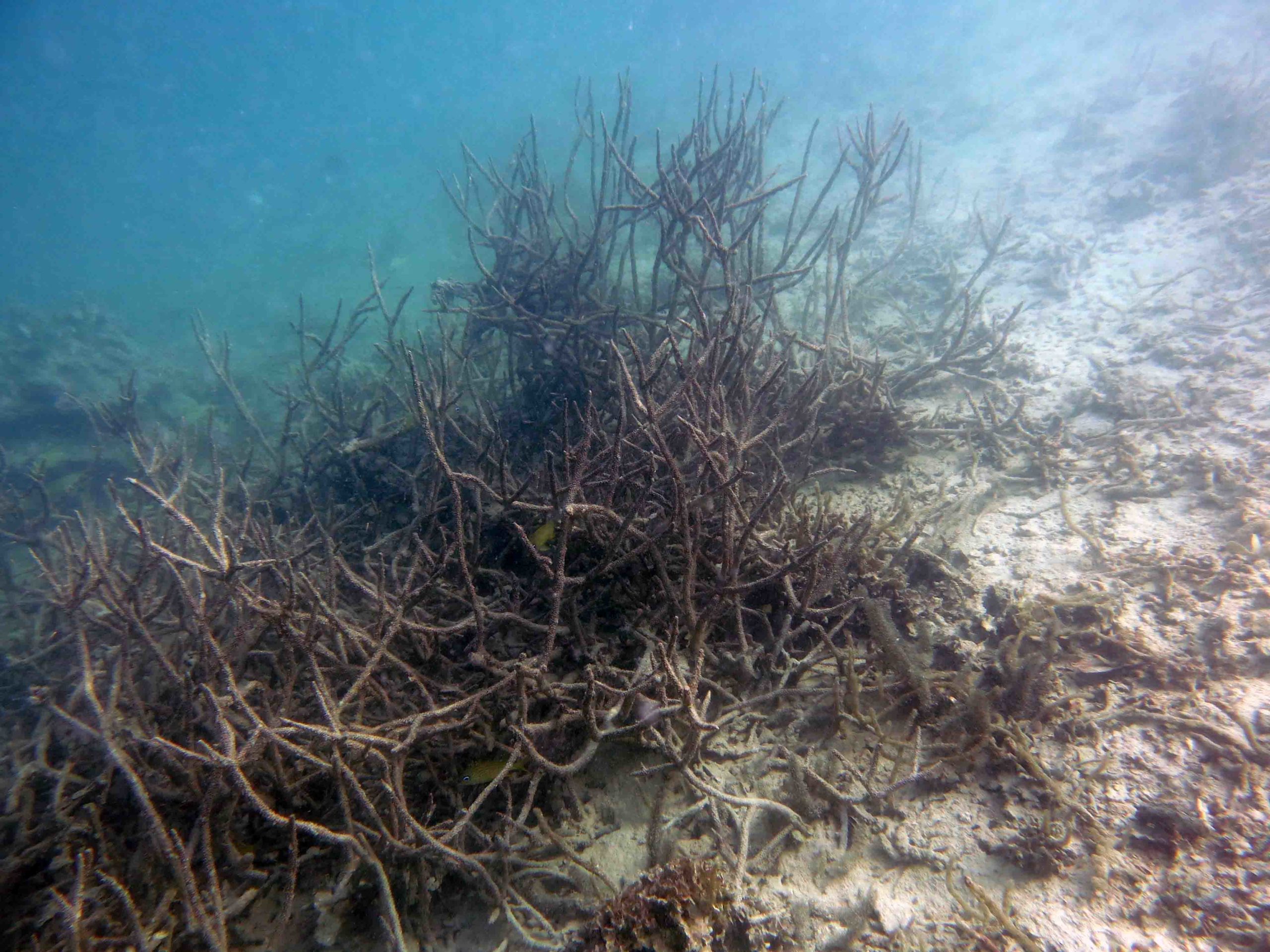
Scientists say a lack of oxygen might be stressing tropical reefs even more than warming temperatures, acidification, and pollution. But the combination of these factors spells disaster for coral.
Read MoreWHOI & Pangaea Logistics Solutions to advance ocean science data acquisition through Science RoCS program
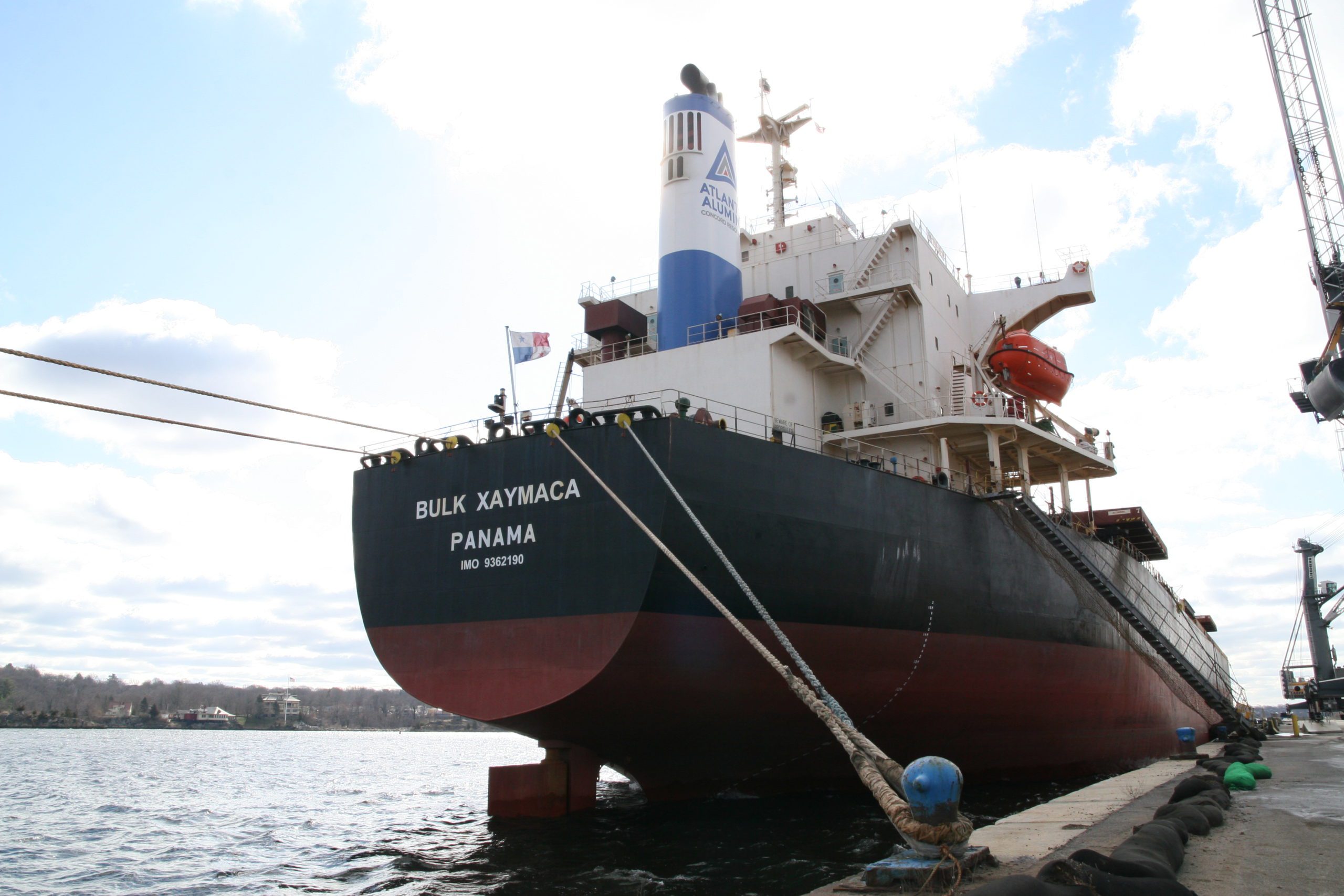
WHOI and Pangaea Logistics Solutions (Pangaea), a U.S. based, international maritime and logistics transportation company, today announced the launch of a new science program aboard Pangaea’s fleet of ships. Science RoCS (Science Research on Commercial Ships) is an innovative program pairing scientists with commercial vessels to regularly monitor the vast and open ocean, particularly along repeat routes in hard-to-reach areas where critical gaps in monitoring exist.
Read MoreWoods Hole Oceanographic Institution and collaborators launch world’s largest kelp map
To further investigate and track kelp growth and survival over time, Woods Hole Oceanographic Institution, The Nature Conservancy, University of California Los Angeles, and the University of California Santa Barbara have launched the world’s largest map of kelp forest canopies extending from Baja California, Mexico to the Oregon-Washington border.
Read MoreWHOI-led team awarded $7.6M to support Gulf of Mexico Loop Current research
A Woods Hole Oceanographic Institution-led research team has been awarded $7.6 million from the Gulf Research Program (GRP) of the National Academies of Sciences, Engineering, and Medicine (NASEM).
Read More