
Feature
A Long Trail of Clues Leads to a Surprise About Oil Spills
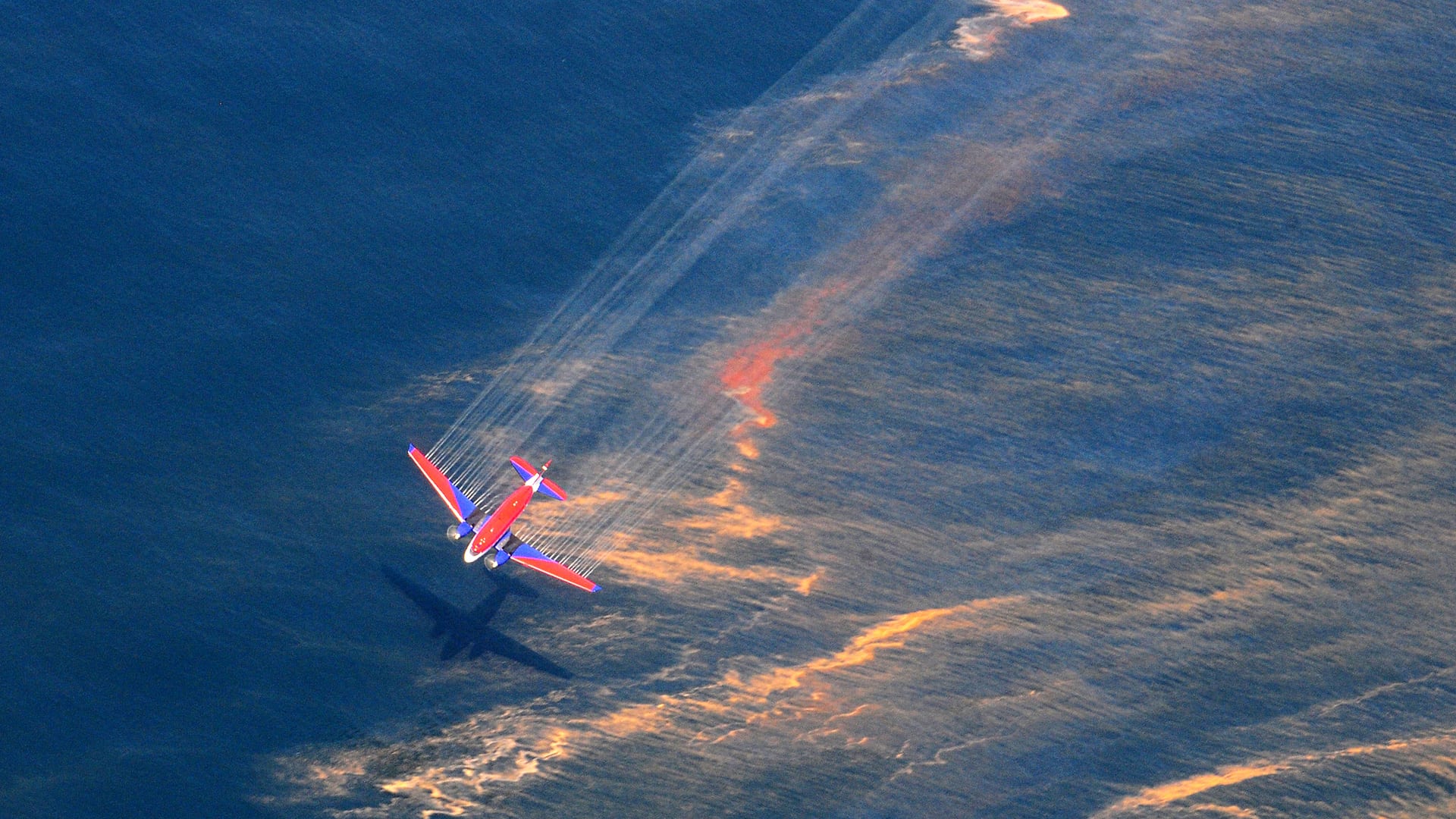
Scientists followed evidence from the 2010 Deepwater Horizon oil spill to discover an unexpected phenomenon.
Read MoreReassessing Guidelines for Oil Spill Cleanups
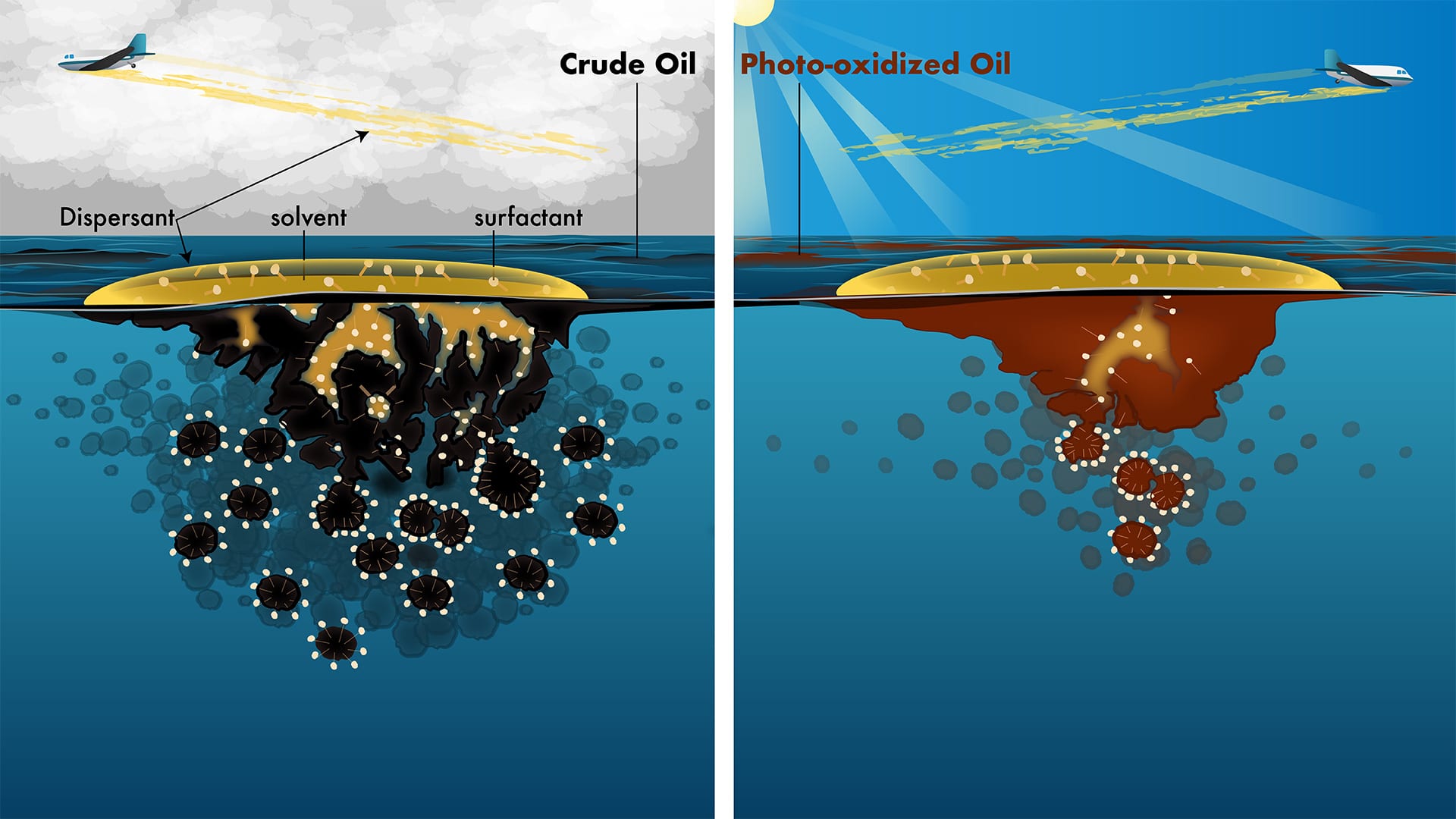
A new discovery could change the way officials approach oil spill cleanups.
Read MoreMission to the Ocean Twilight Zone
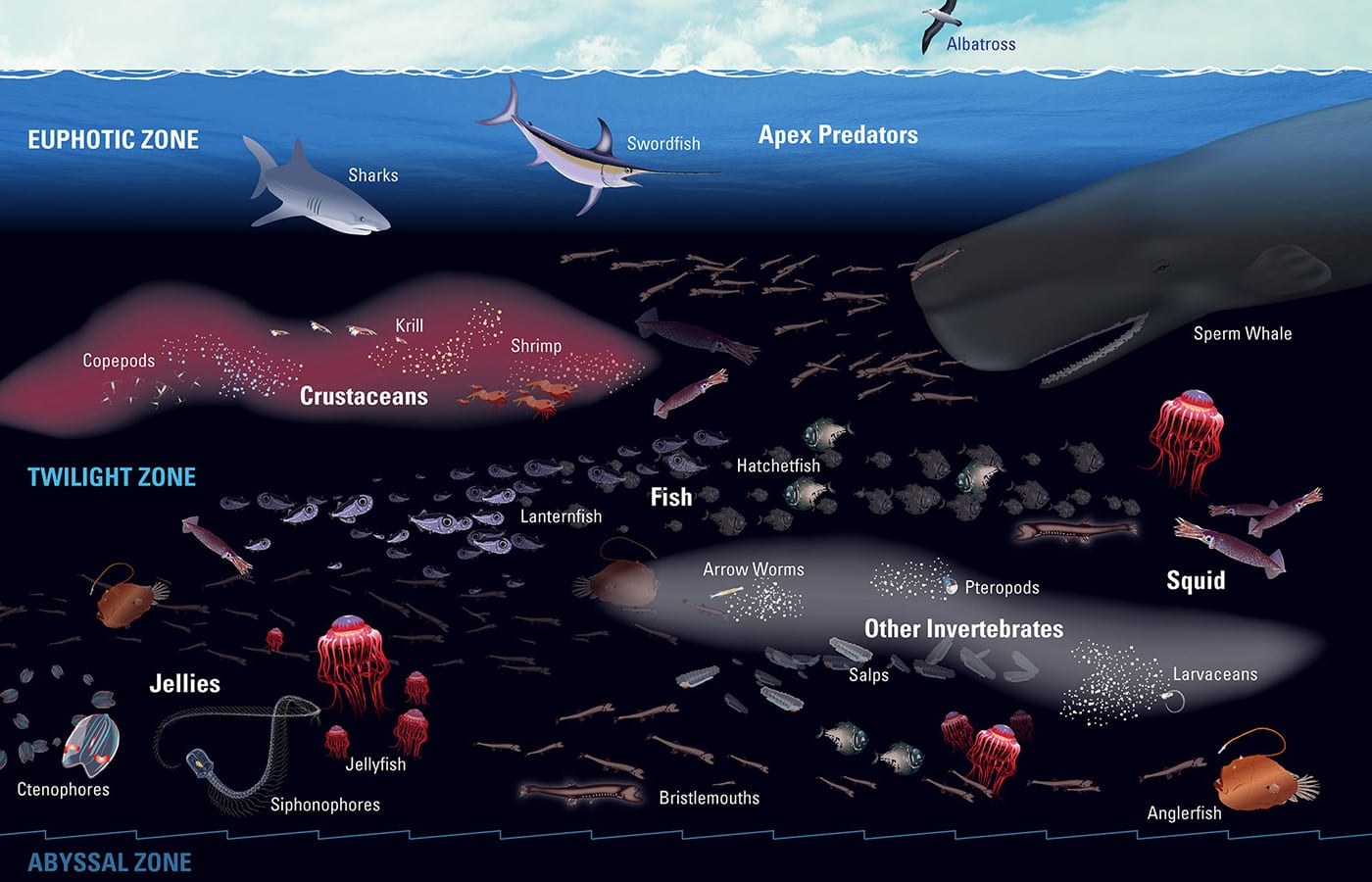
The twilight zone is a part of the ocean 660 to 3,300 feet below the surface, where little sunlight can reach. It is deep and dark and cold, and the pressures there are enormous. Despite these challenging conditions, the twilight zone teems with life that helps support the ocean’s food web and is intertwined with Earth’s climate. Some countries are gearing up to exploit twilight zone fisheries, with unknown impacts for marine ecosystems and global climate. Scientists and engineers at Woods Hole Oceanographic Institution are poised to explore and investigate this hidden frontier.
Read MoreHow Is the Seafloor Made?
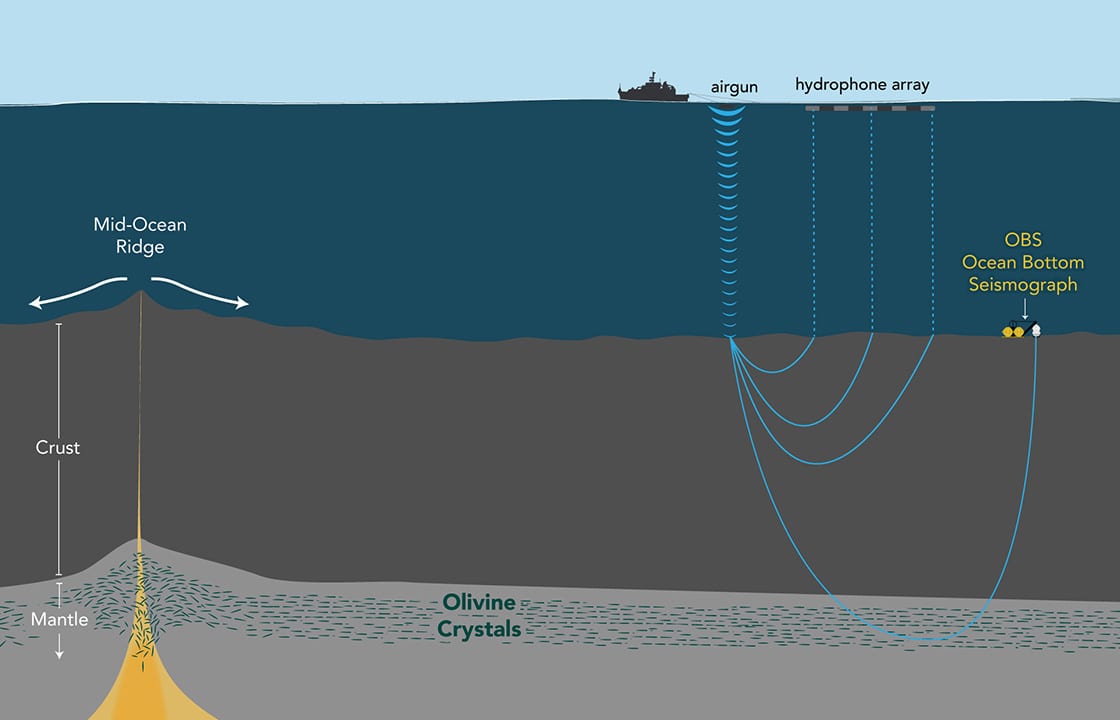
An ultrasound for the Earth? Using sound waves, a graduate student peers into the crystalline texture of the tectonic plates that cover our planet’s surface.
Read MoreUnearthing Long-Gone Hurricanes
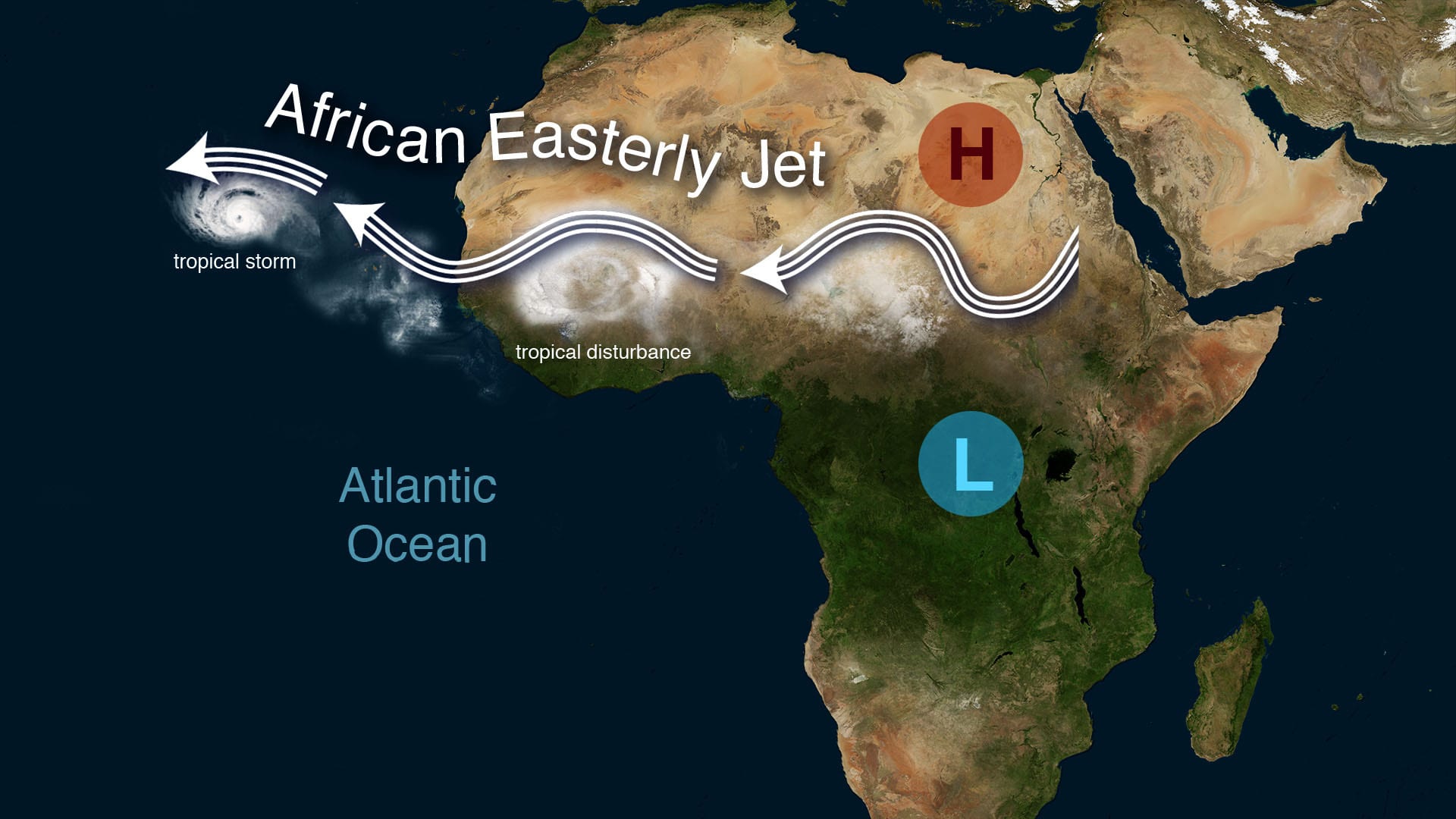
A graduate student at Woods Hole Oceanographic Institution tracks a trail of clues left behind on the seafloor by hurricanes as they stream across the ocean.
Read MoreLong Island Blue Hole Core
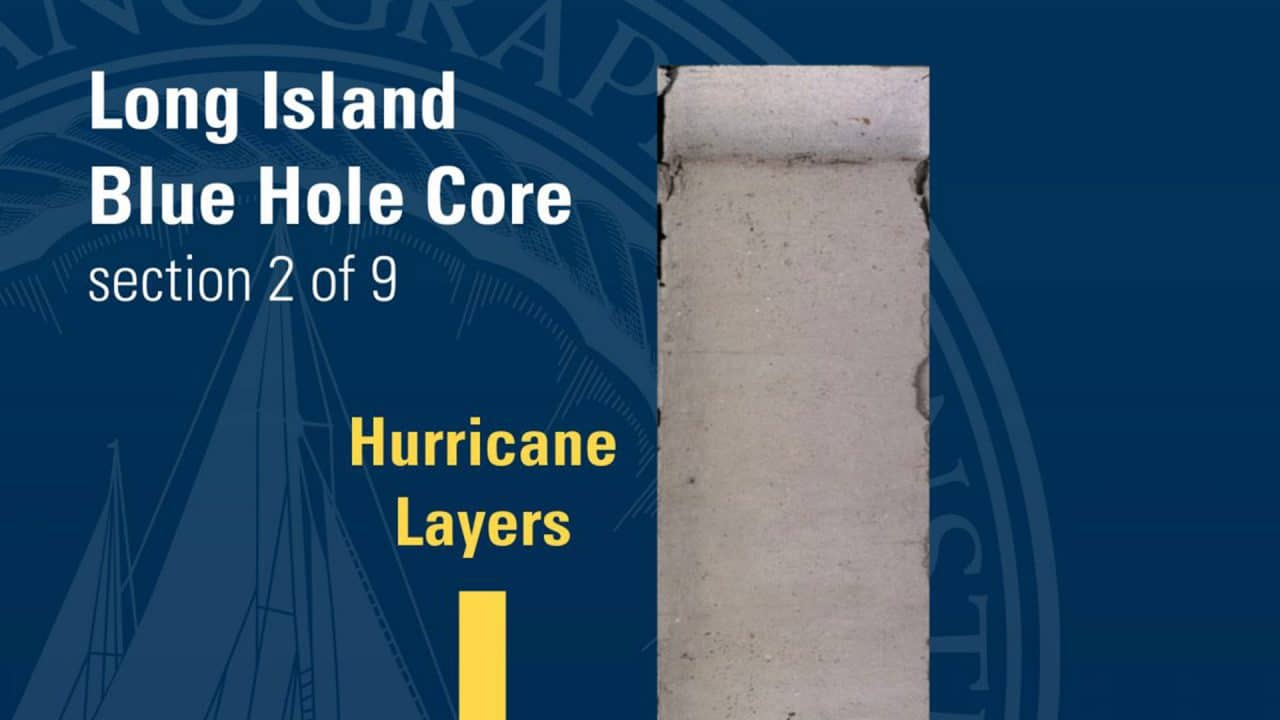
Long Island Blue Hole Core
Read MoreTracking Unexploded Munitions
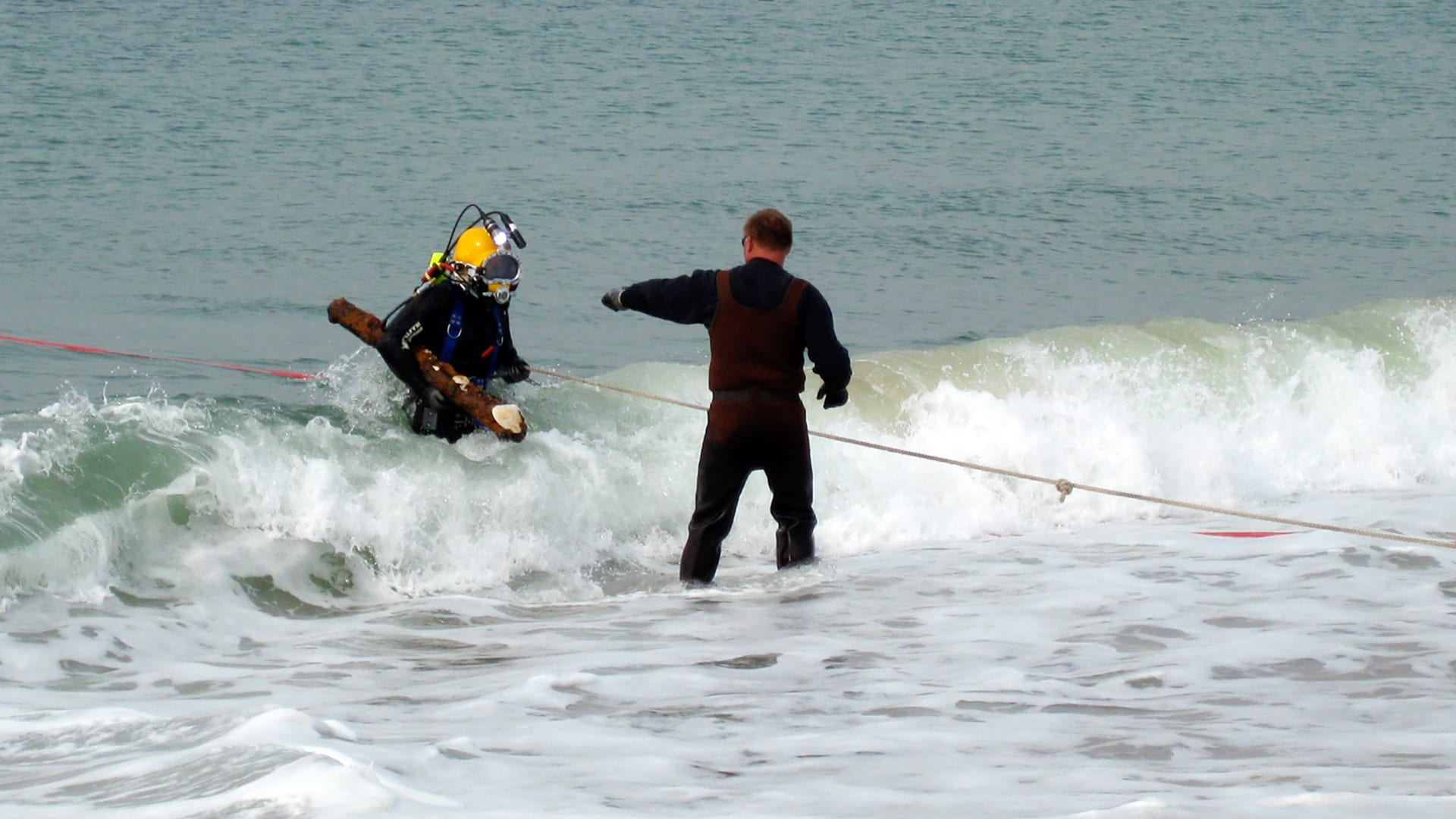
U.S. coastlines still have a lot of unexploded ordnance, or UXOs, left offshore by military exercises in the 1940s and 1950s. WHOI scientist Peter Traykovski is investigating where UXOs are and how they are moved and buried along the coast.
Read MoreUp in the Sky!
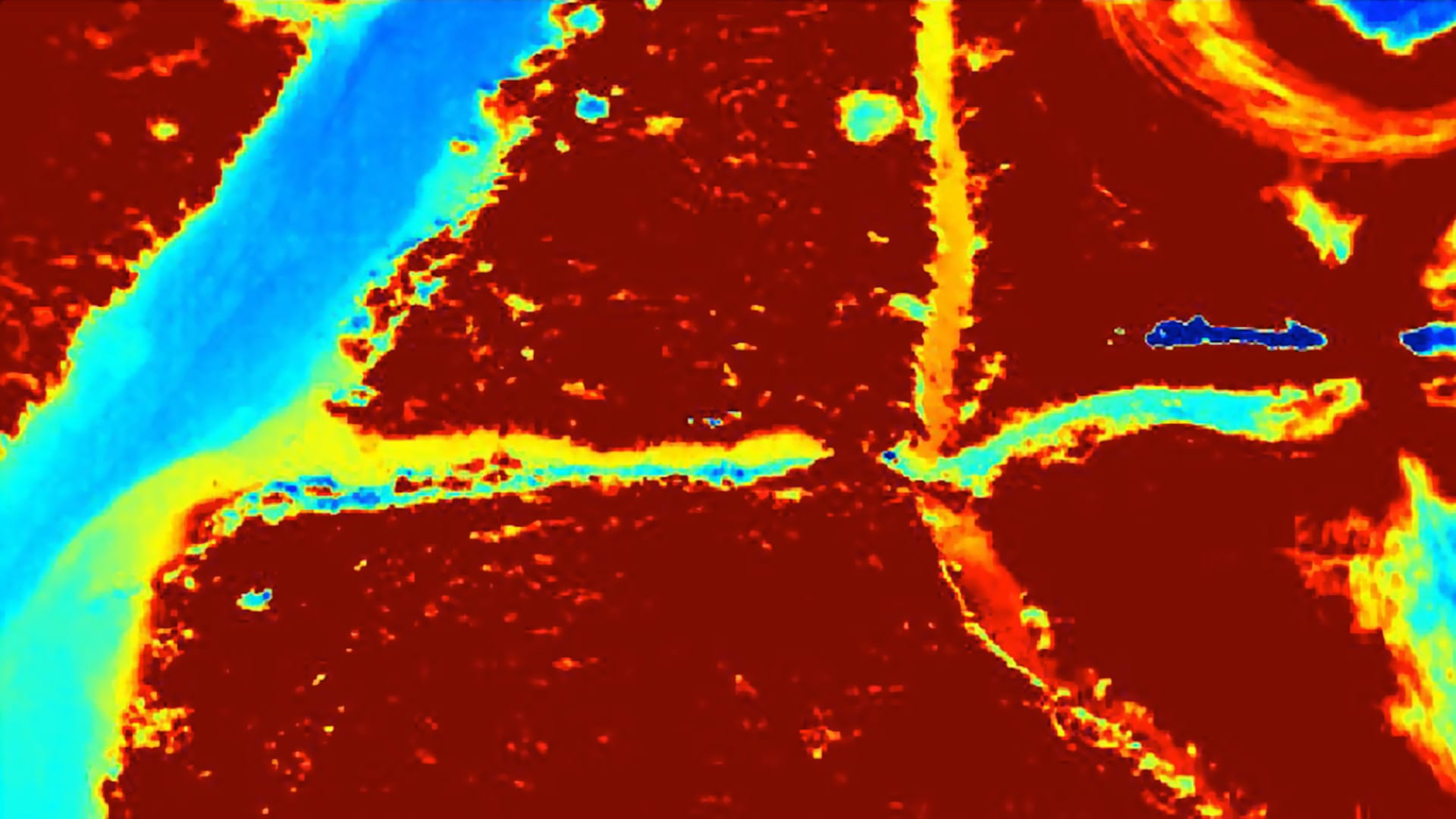
Nope, it’s not a bird or a plane. It’s a drone on a scientific mission to restore a river long impaired by dams and to help bring back populations of…
Read MoreRe-envisioning Underwater Imaging
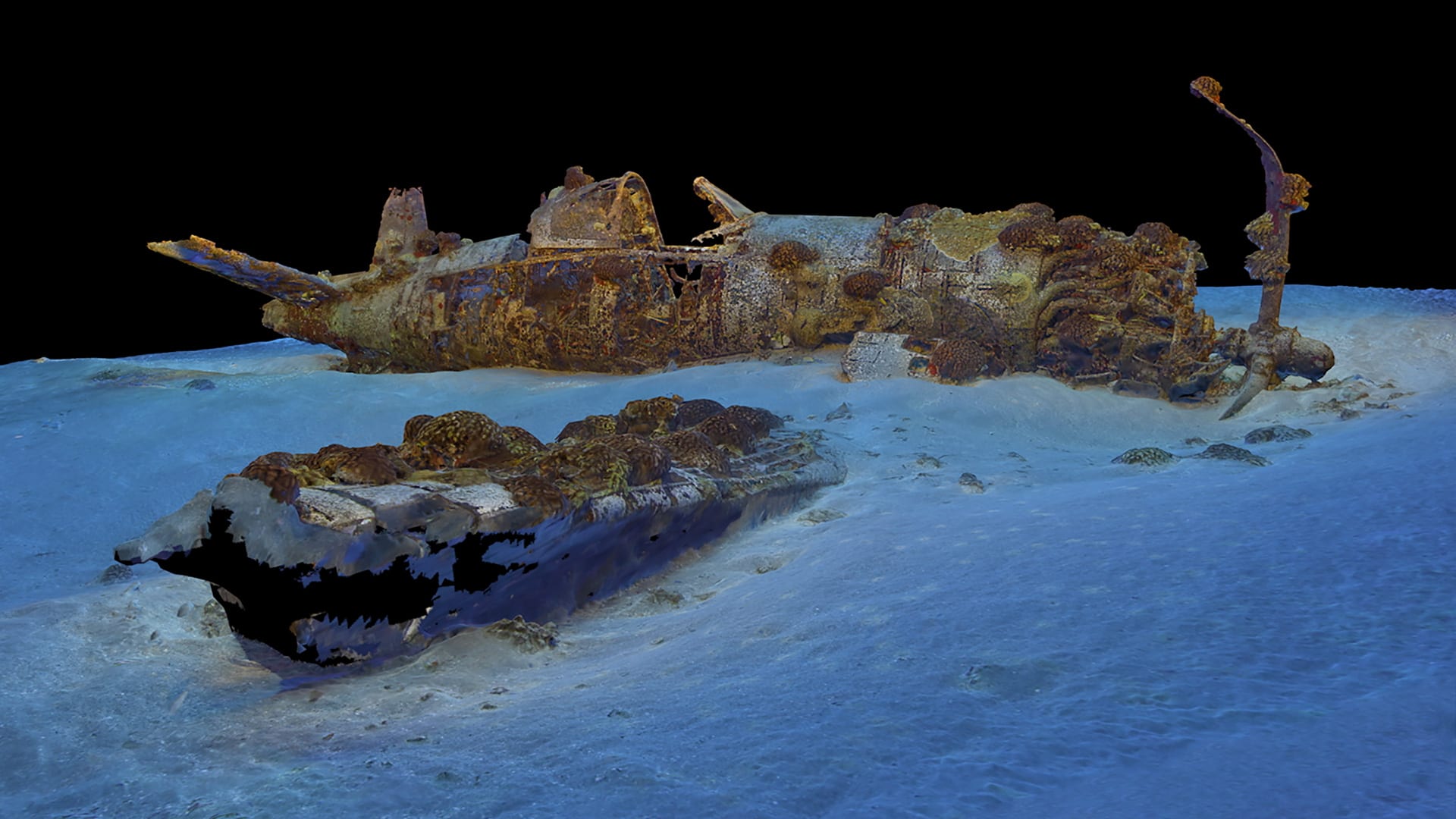
A revolutionary new underwater imaging system developed at Woods Hole Oceanographic Institution can generate ultrahigh-definition television video, 2-D mosaic images, and 3-D optical models—images that scientists can spin to view from…
Read MoreA Double Whammy for Corals
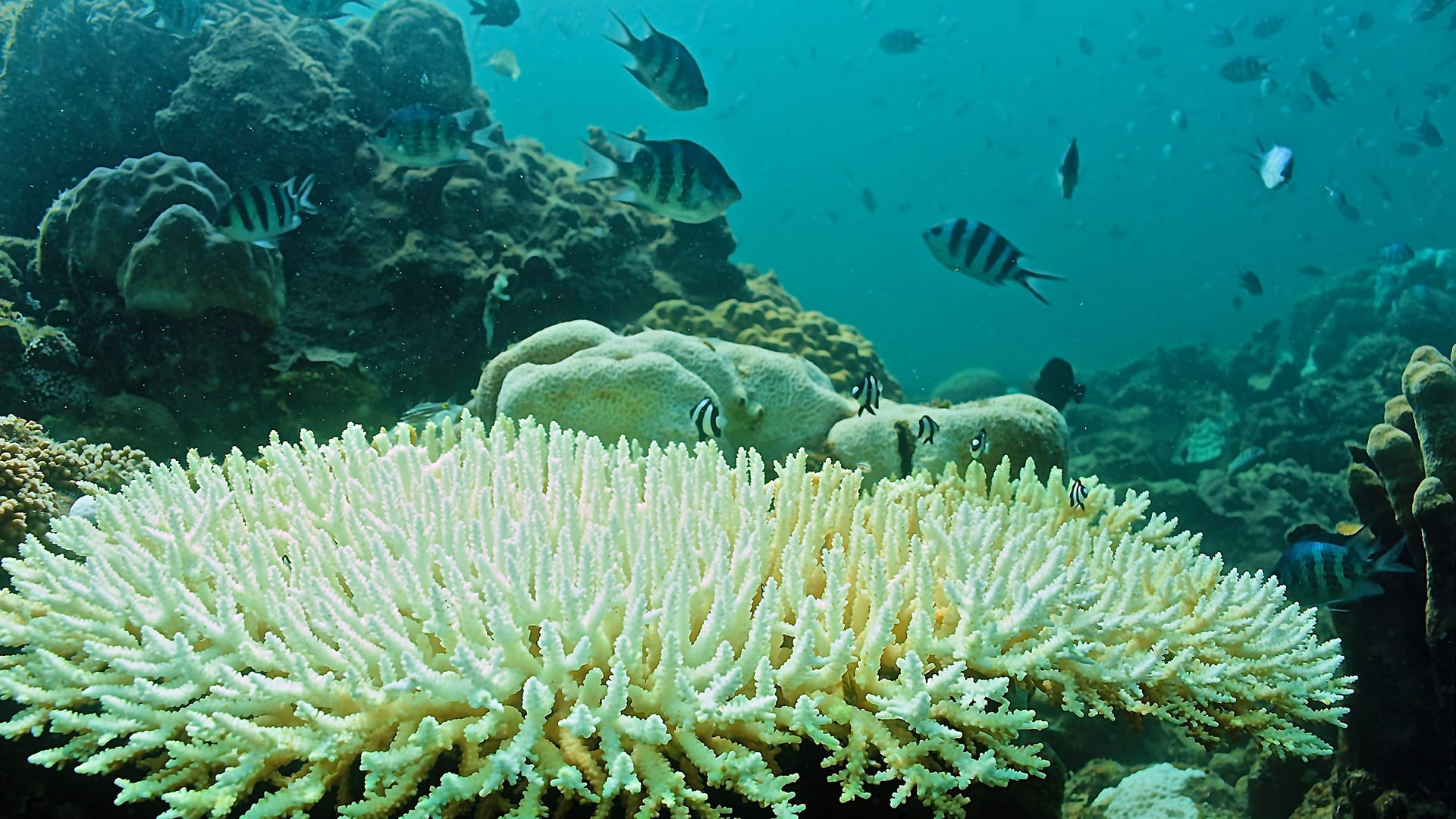
Scientists know that gradually rising ocean temperatures can push corals past a threshold and cause them to bleach. But combine this chronic stress with an acute short-term weather shift, and…
Read MoreTaking Earth’s Inner Temperature
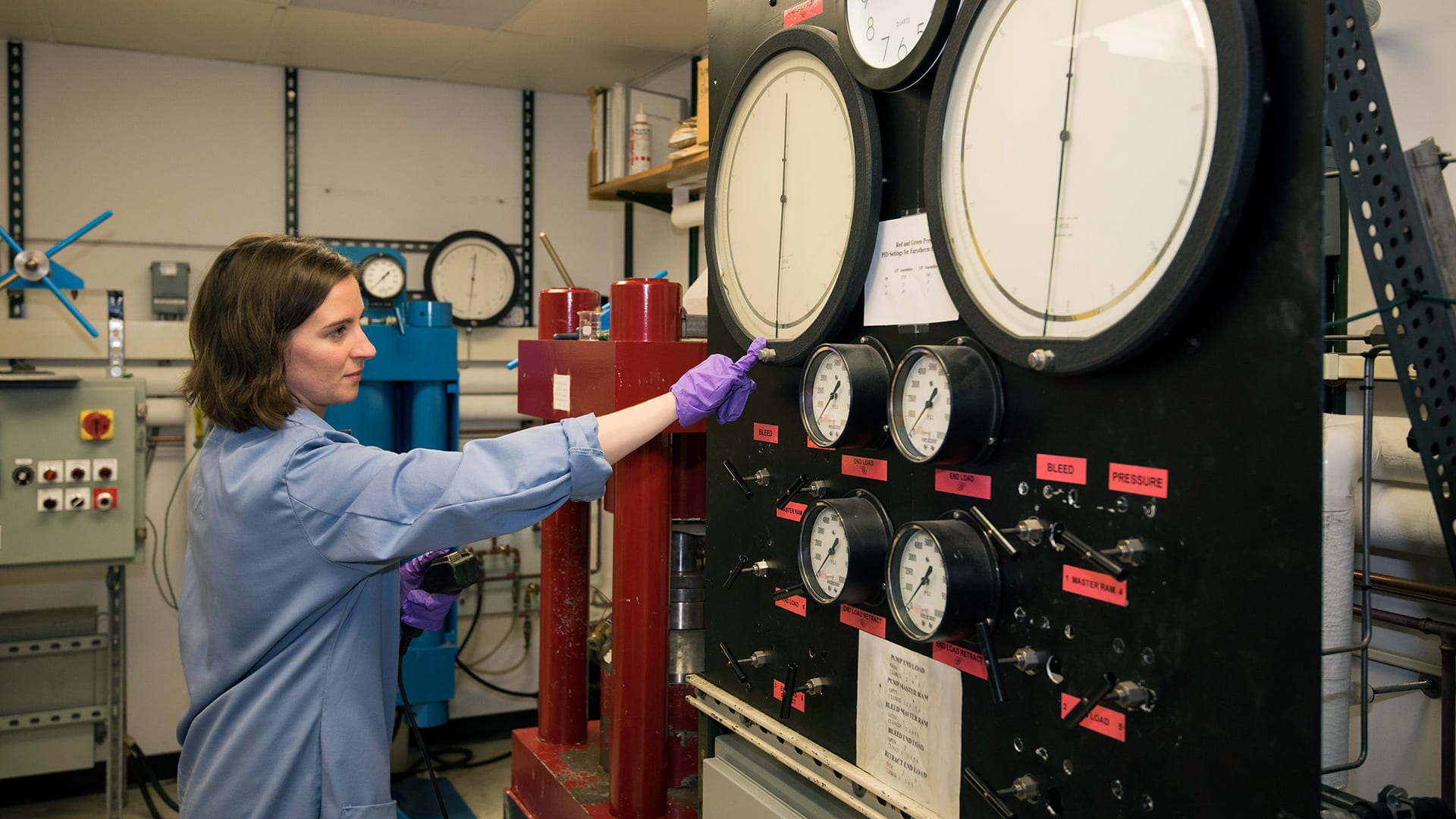
Woods Hole Oceanographic Institution wasn’t an obvious fit for Emily Sarafian. “I always felt a little out of place here, because I don’t study the ocean, really,” said Sarafian, a…
Read MoreCan Clams and Oysters Help Clean Up Waterways?
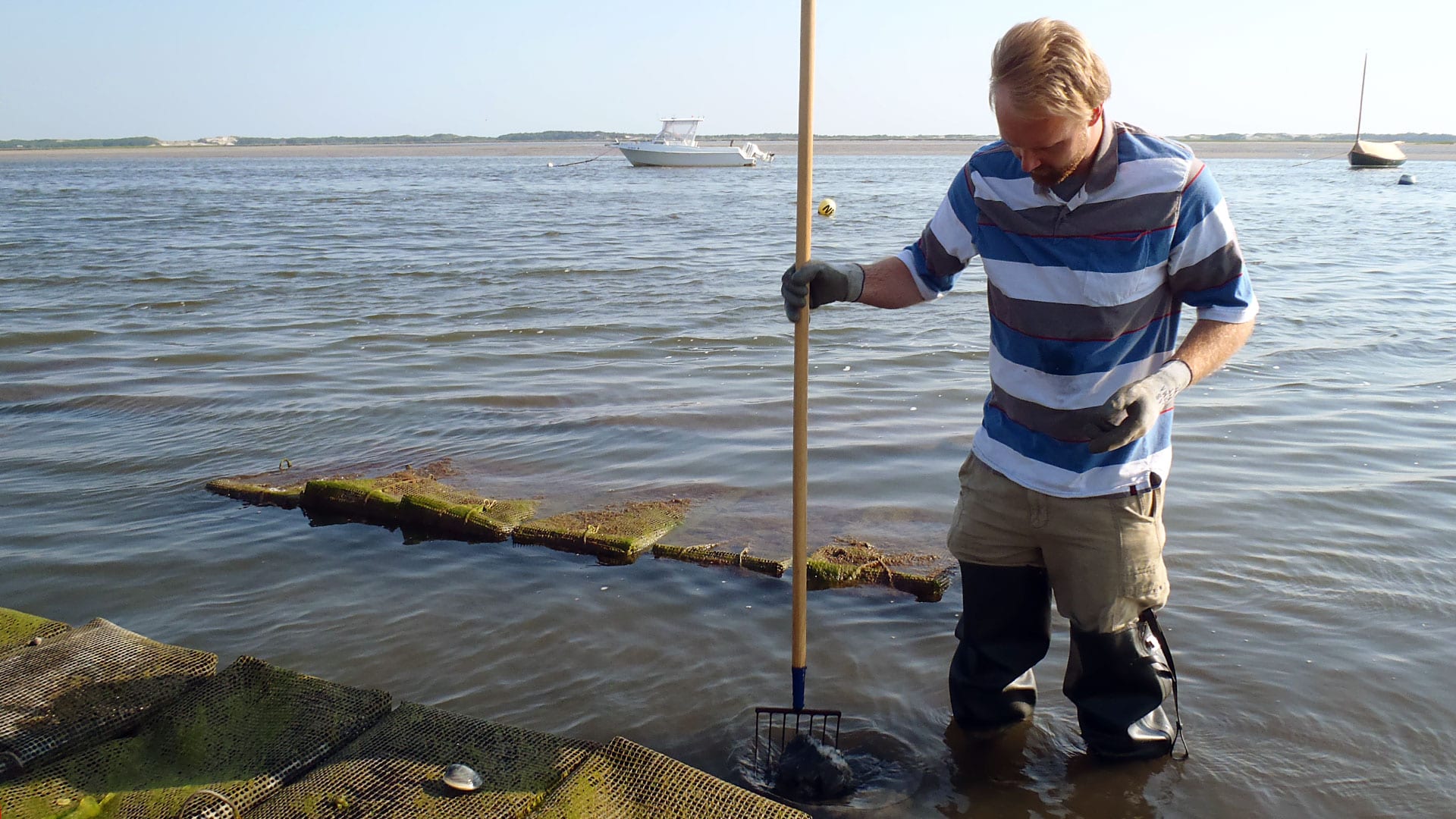
Towns in Cape Cod are looking to shellfish not only as culinary treats, but as a way to help clean up waters suffering from excess nitrogen. Nitrogen is an essential…
Read MoreWill Oxygen in the Ocean Continue to Decline?
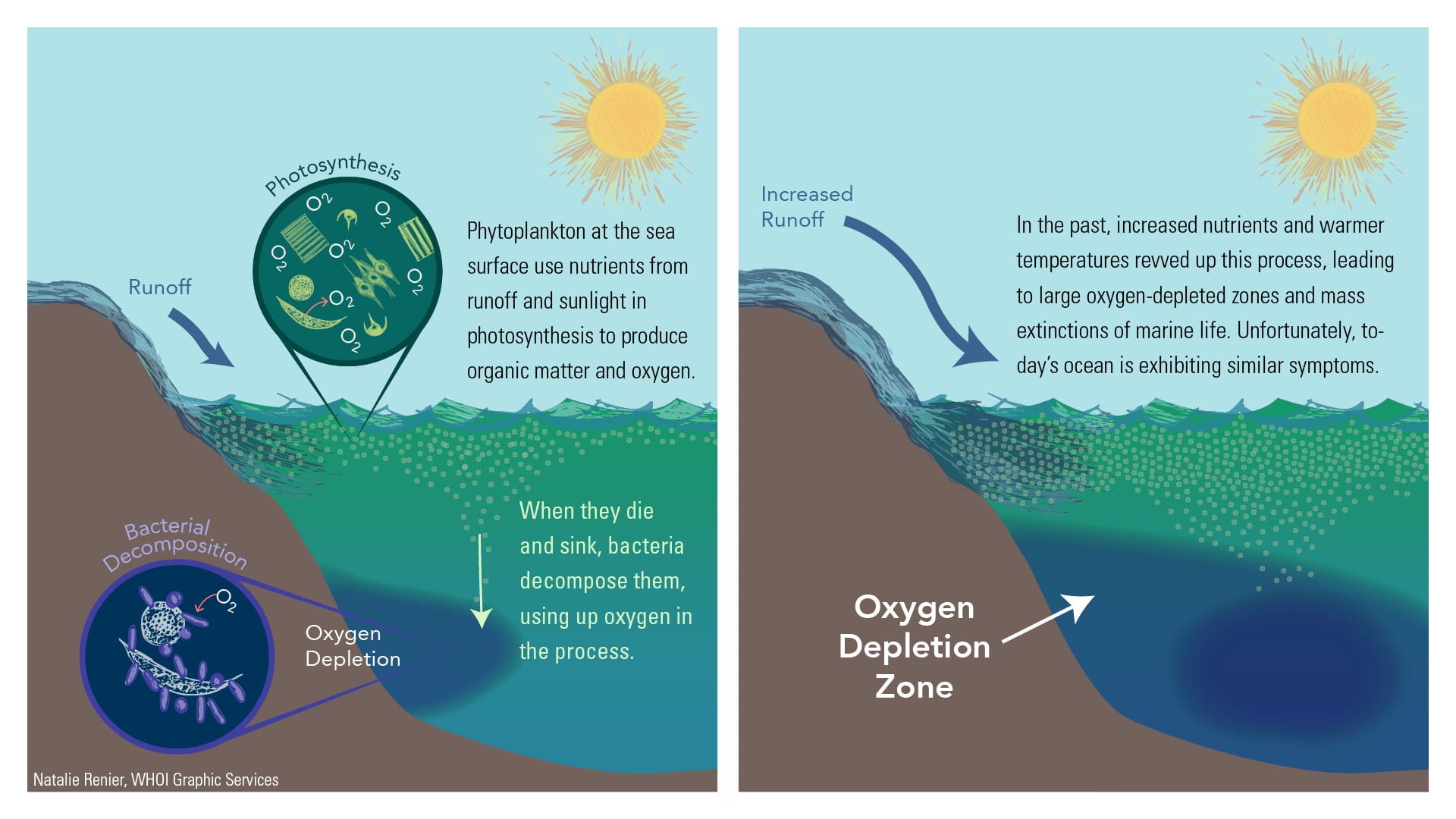
The living, breathing ocean may be slowly starting to suffocate. The ocean has lost more than two percent of its oxygen over the past-half century, and oxygen-depleted “dead zones” continue…
Read MoreScientists Reveal Secrets of Whales
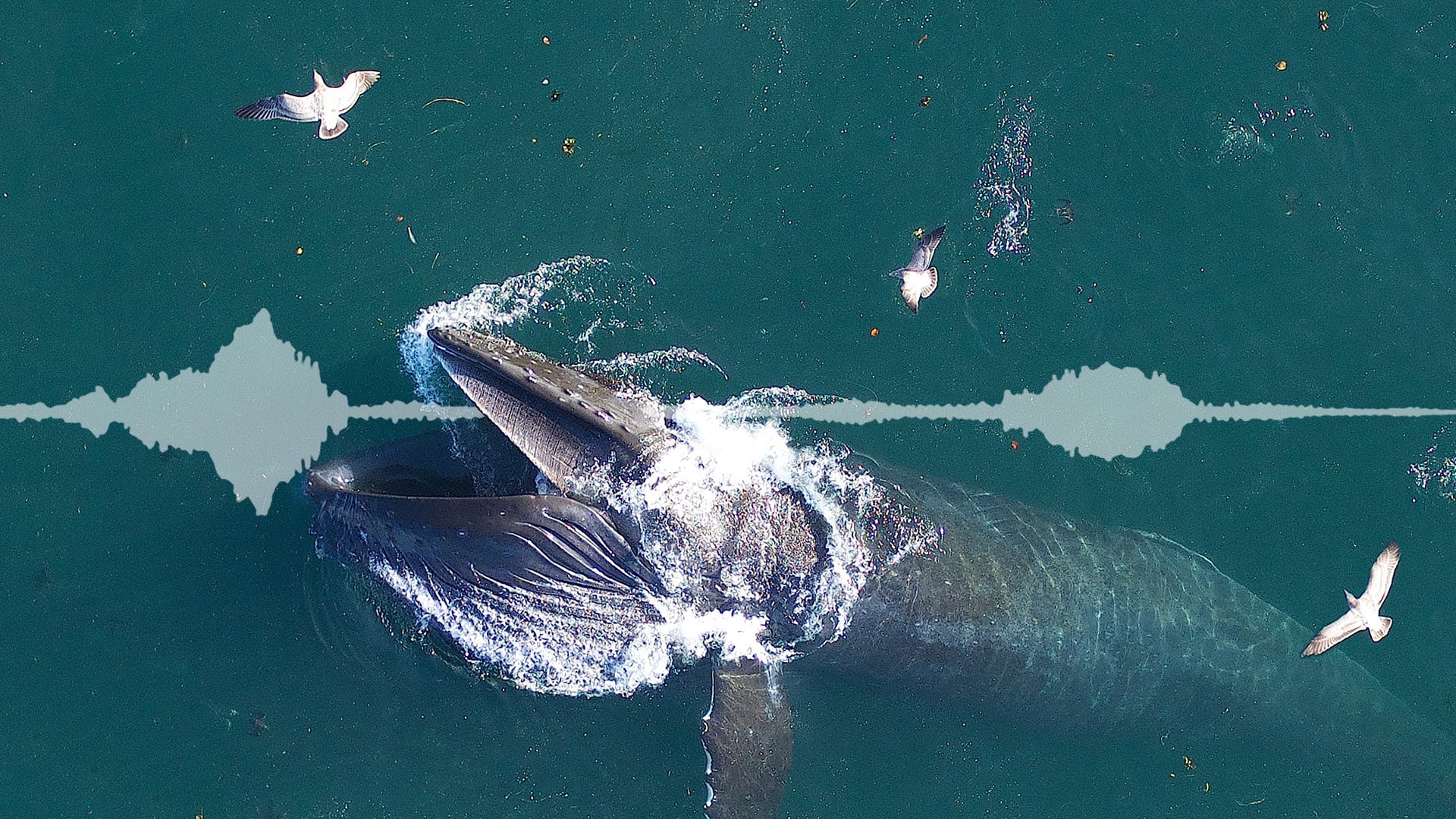
Researchers have known for decades that whales create elaborate songs. But a new study has revealed a component of whale songs that has long been overlooked—sort of a booming baseline…
Read MoreLong-term Study Focuses on New England Ocean
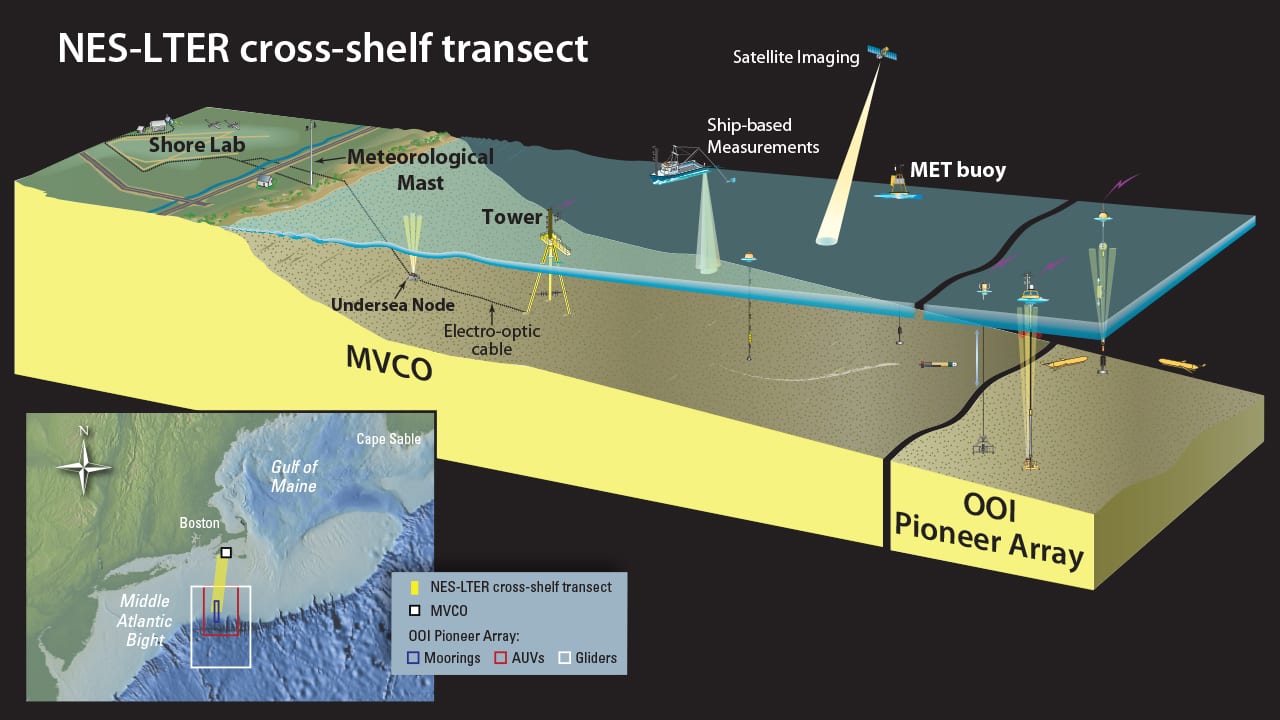
The National Science Foundation has created a new Long Term Ecological Research site off the New England coast to increase understanding of an area of the ocean known for its abundant marine life and productive commercial fisheries.
Read MoreTiny Jellyfish with a Big Sting
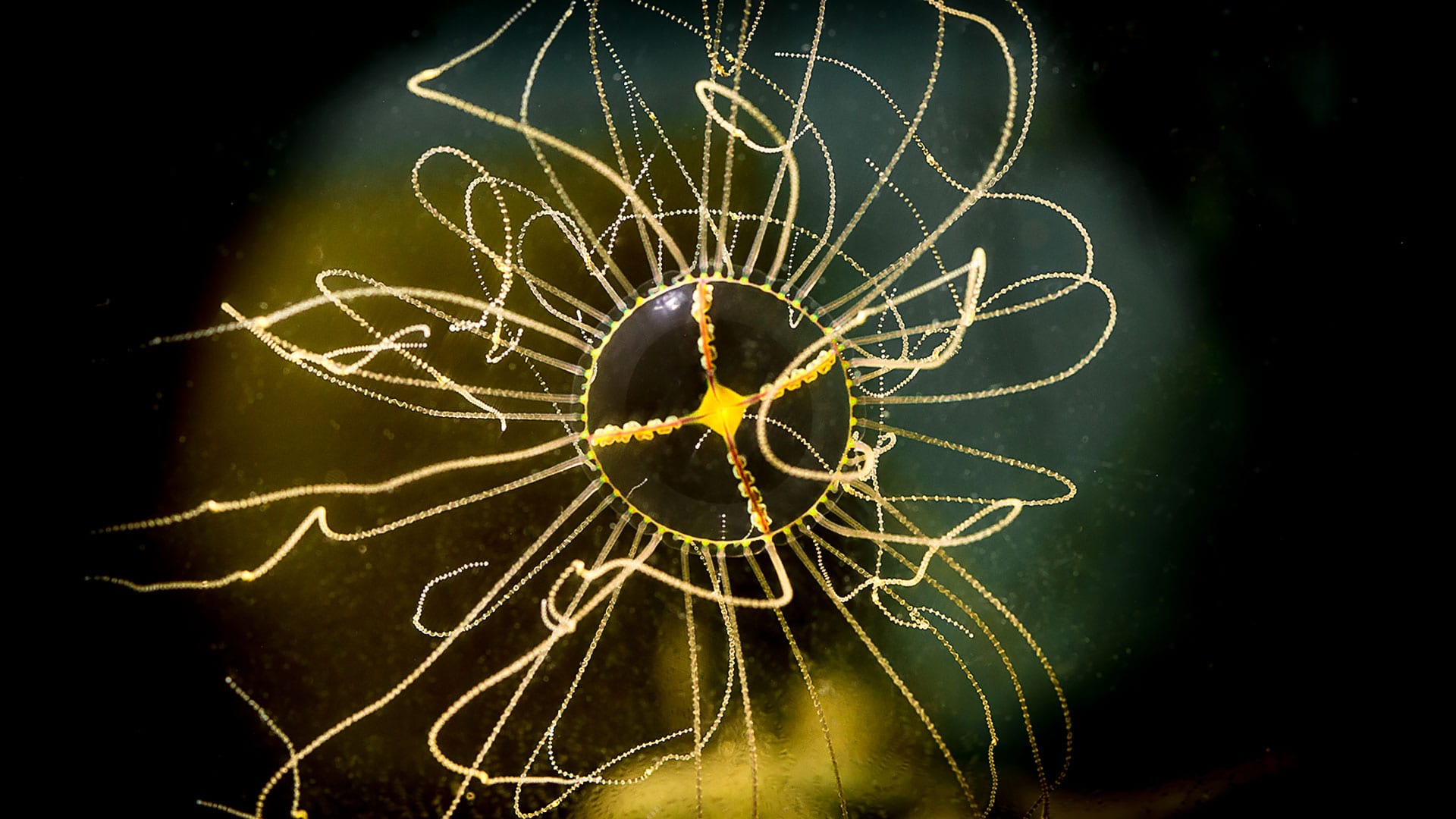
Clinging jellyfish in waters near Vladivostok, Russia, are known for their painful, toxic stings. In the U.S., where clinging jellies had been relatively harmless, a new, venomous variety has recently appeared on Cape Cod, Mass., and in nearby regions. WHOI biologist Annette Govindarajan is using genetic techniques to trace their geographic origins.
Read MoreOcean Observatories Initiative
Sailors and scientists have gone to sea for centuries to unravel the inner workings of the watery region that covers two-thirds of our planet. But they have always had to…
Read MoreAqua Incognita
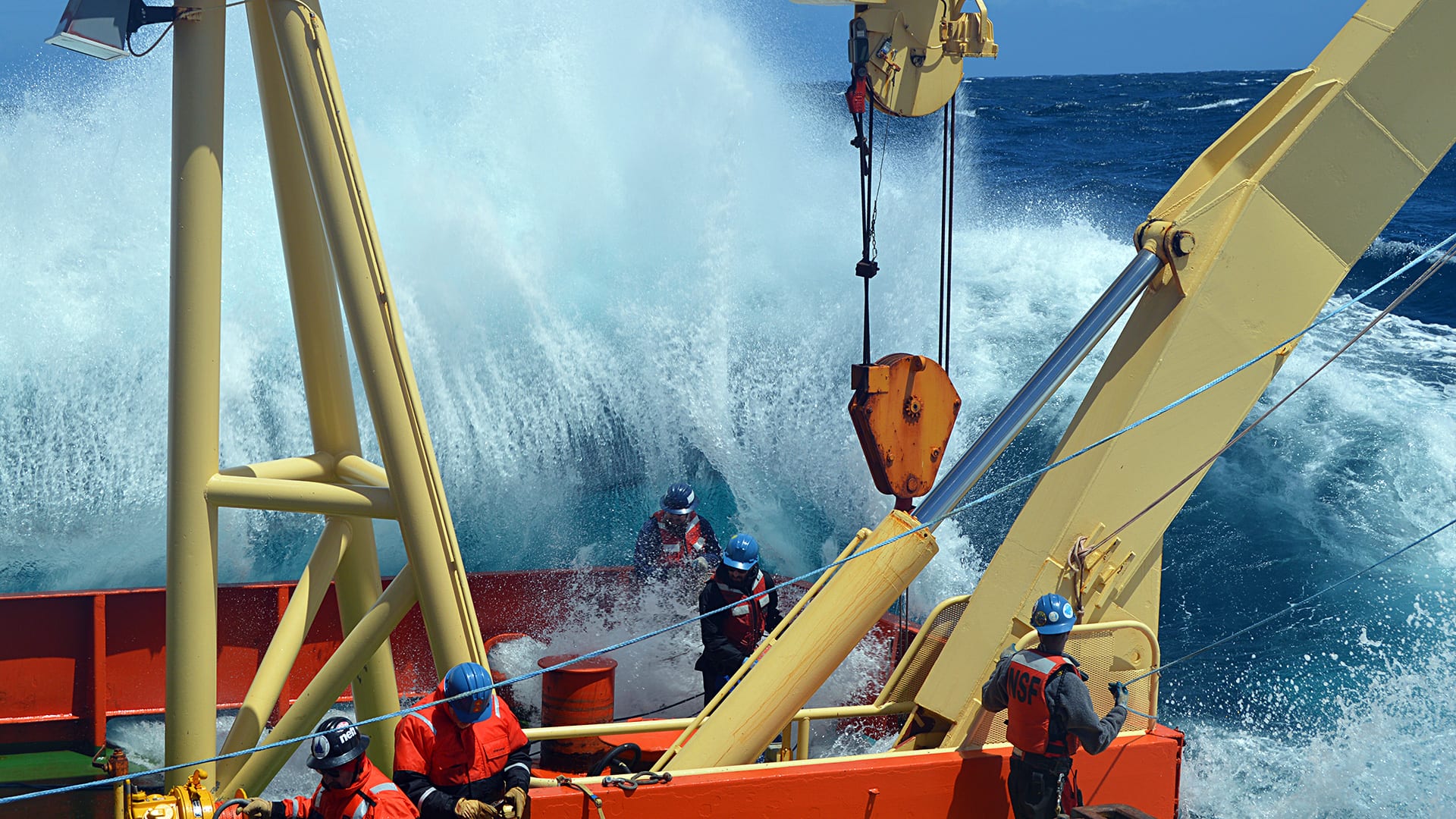
There is a jar of money in the conference room of the Mooring Operations & Engineering (MOE) team at Woods Hole Oceanographic Institution. It is a United Nations kaleidoscope of…
Read MorePinocchio’s Nose
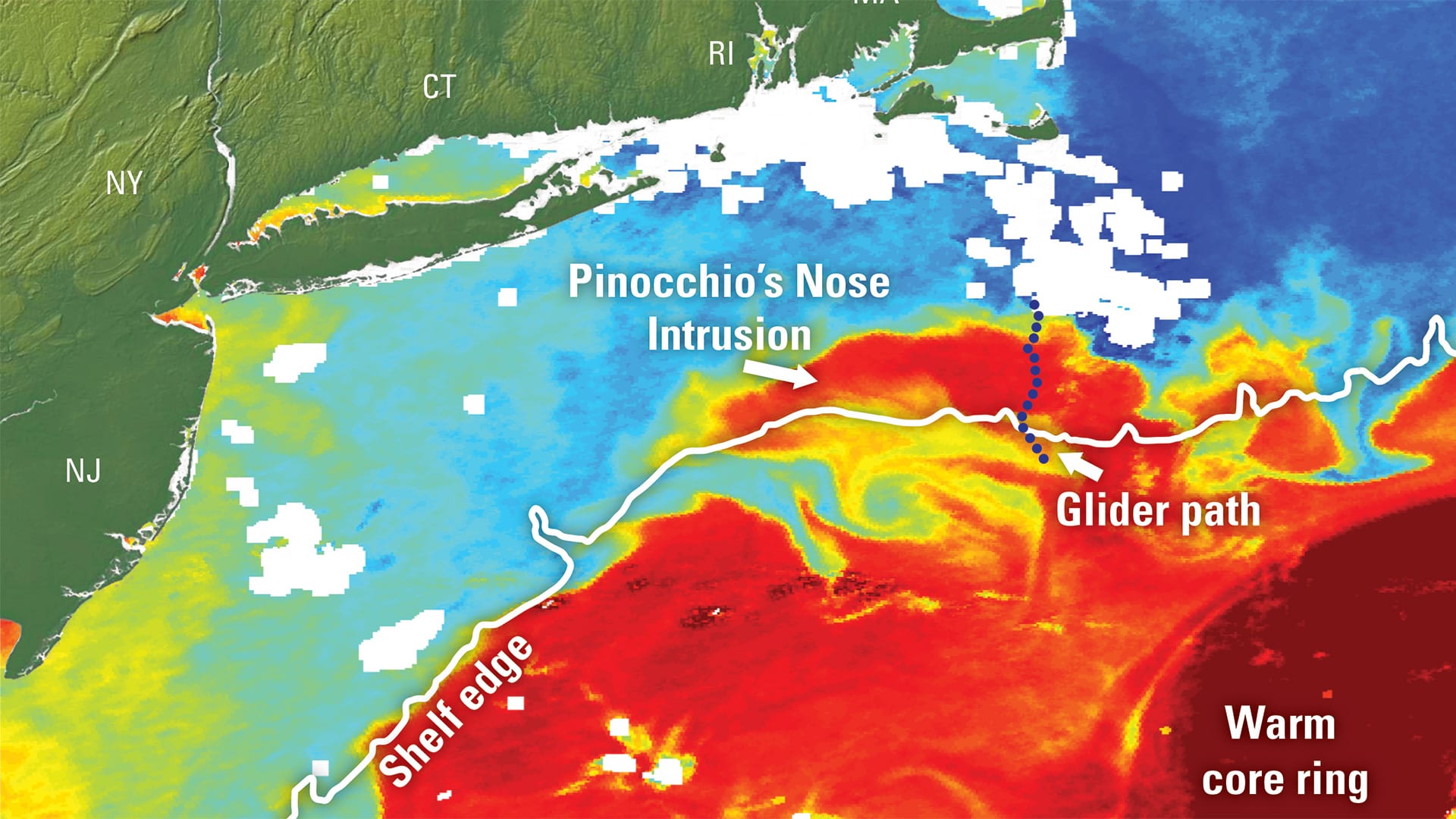
It took only a month for the new Ocean Observatories Initiative (OOI) to reveal insights about shifting ocean circulation patterns that could have major impacts on marine life and fisheries…
Read MoreThinking Global
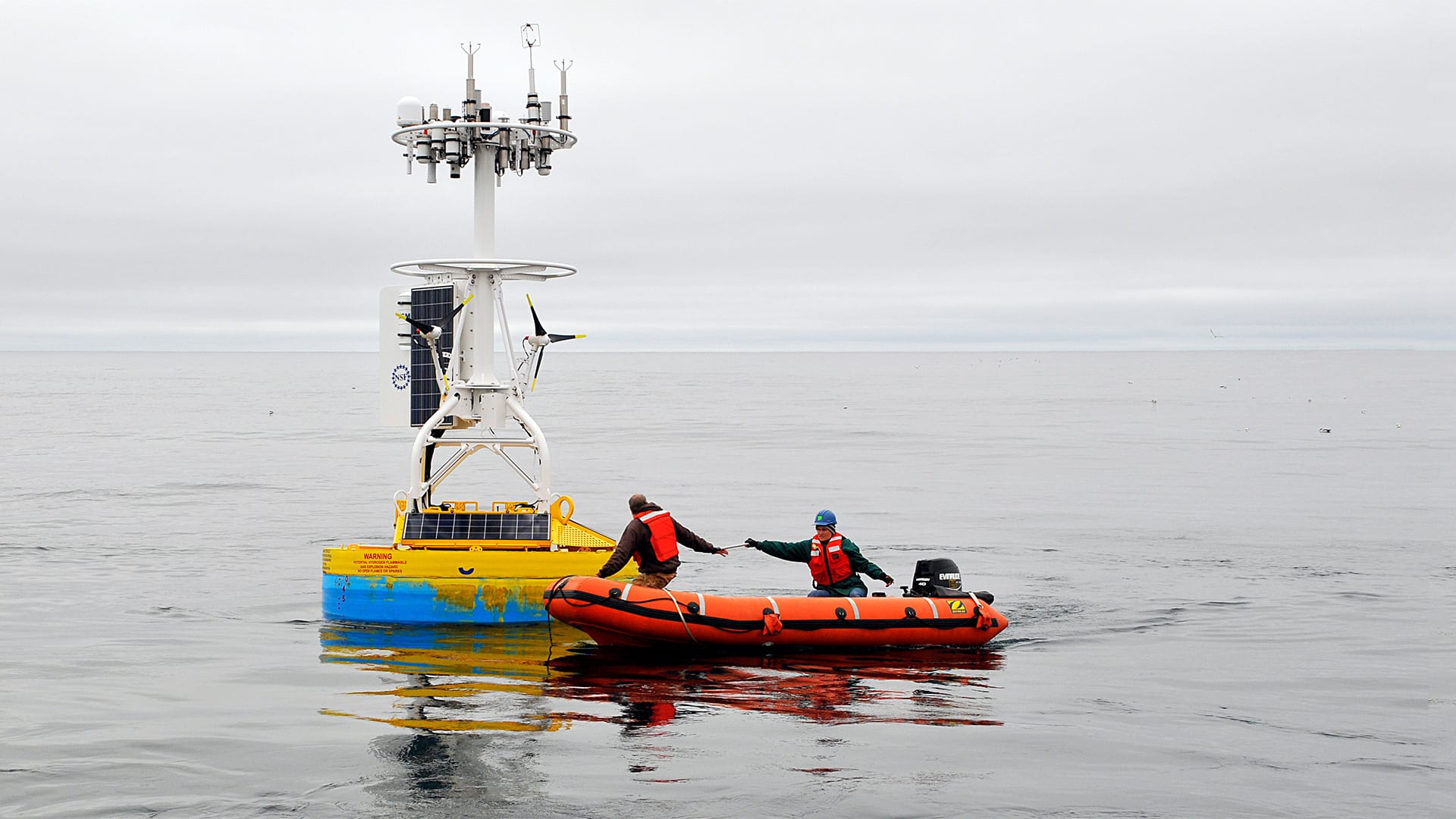
The Global Array component of the Ocean Observatories Initiative initially included four remote, high-latitude locations, selected for scientifically strategic reasons: Irminger Sea (60°N, 39°W) WHOI physical oceanographer Bob Pickart has…
Read MoreDiving for Data
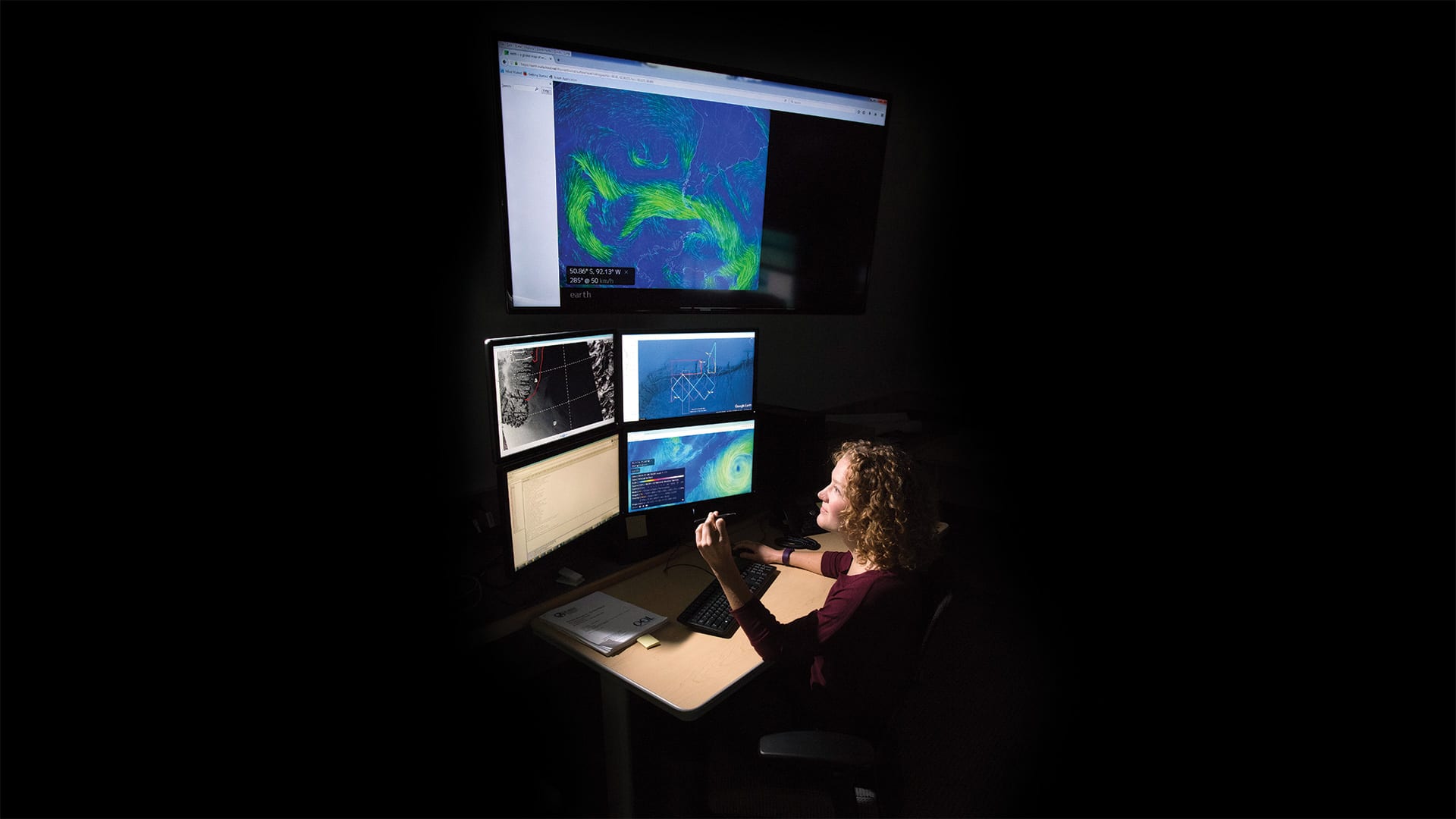
It’s the middle of the night on Cape Cod, Mass. Thousands of miles away in the South Atlantic off the coast of Argentina, a bright yellow torpedo-shaped drone floats up…
Read MoreThe Young Woman and the Sea
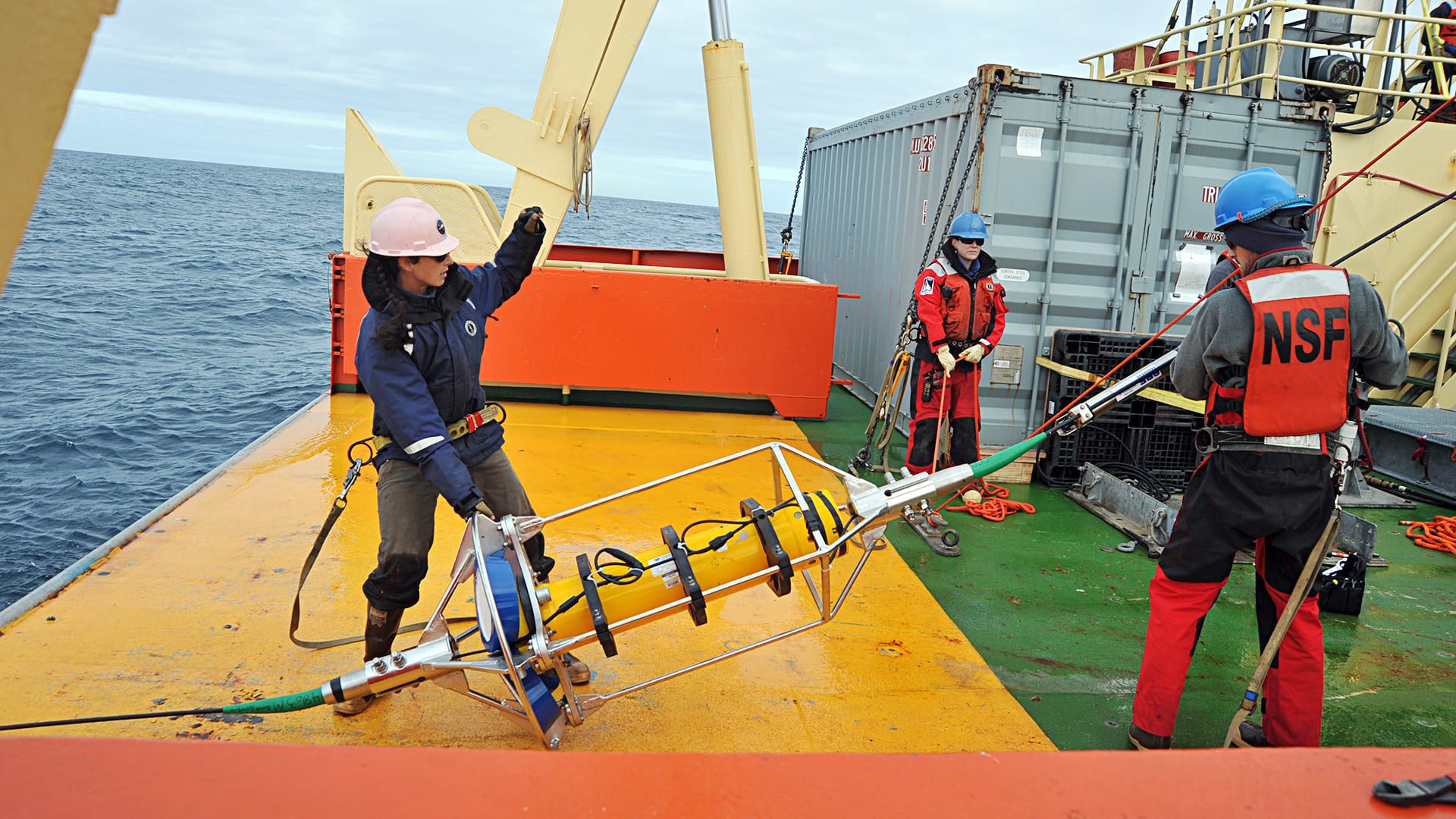
Meghan Donohue always wanted a career in oceanography. She earned an undergraduate degree in physical oceanography from the University of San Diego. Then she participated in the Sea Education Association’s…
Read MoreA Pioneering Vision
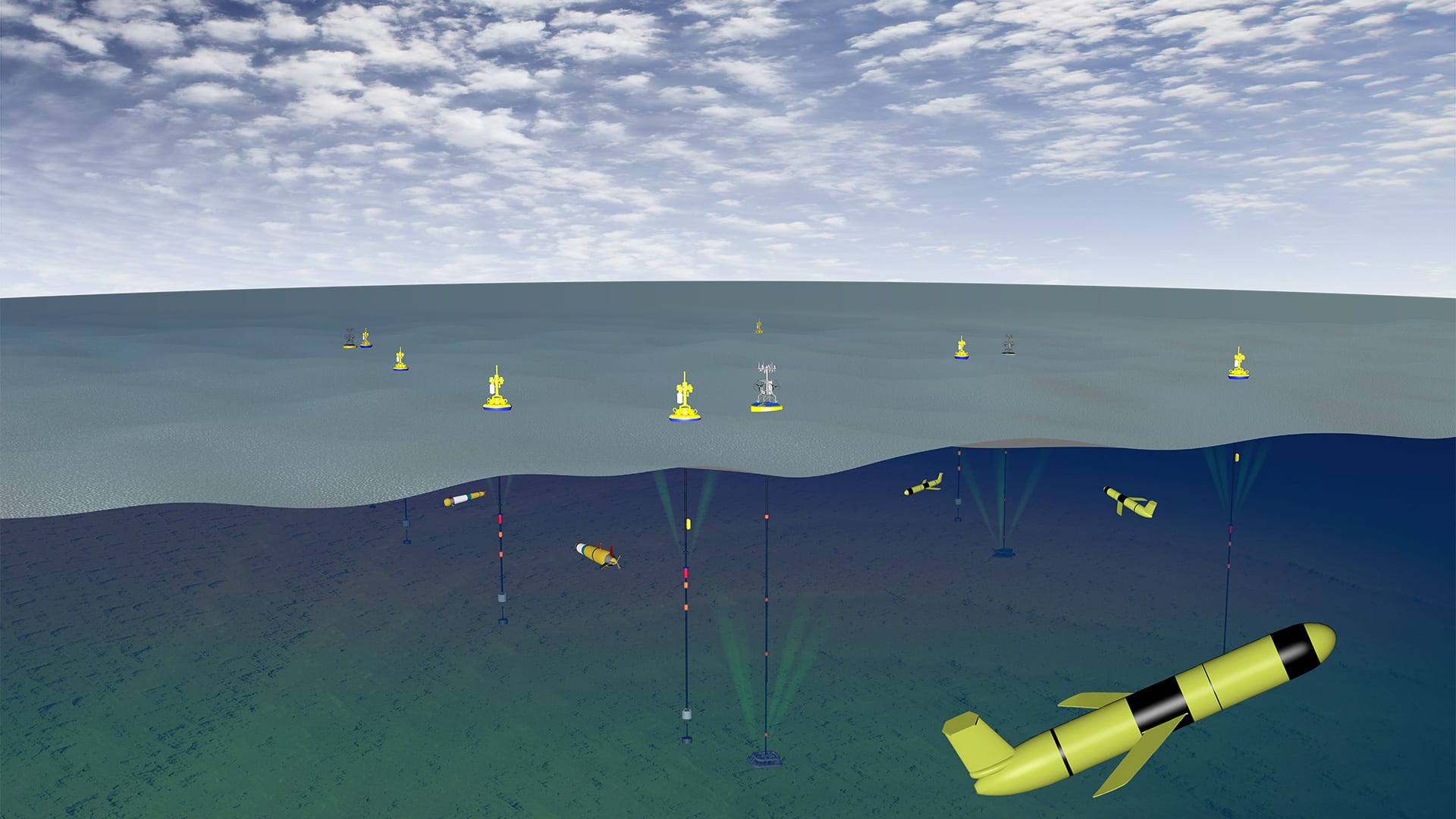
In 2005, scientists at Woods Hole Oceanographic Institution devised a revolutionary plan: They would deploy about 150 scientific instruments in coastal waters south of Martha’s Vineyard to try to understand…
Read MoreDid Dispersants Help During Deepwater Horizon?

In the heat of the 2010 Deepwater Horizon disaster, U.S. government and industry responders had to make a crucial decision. They were facing an enormous oil spill, gushing uncontrollably from…
Read More