
News Releases
First Global Statistical Analysis of Harmful Algal Blooms
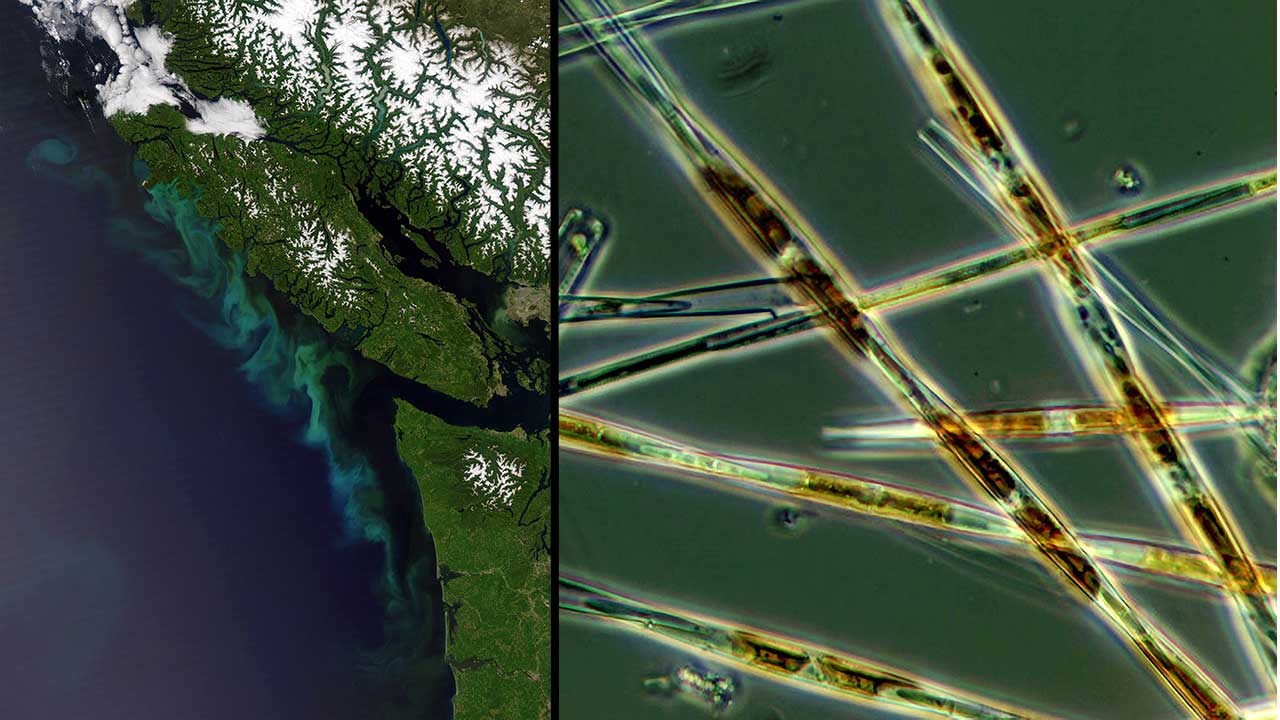
International study finds no worldwide trend in blooms, but significant increases in some regions and of certain species, pointing to the need for better monitoring and data collection—especially in light…
Read MorePapers Explore Massive Plankton Blooms with Very Different Ecosystem Impacts
Two papers explore the distribution and abundance of plankton and what conditions lead to big plankton blooms with vastly different potential impacts on the ecosystem.
Read MoreWoods Hole Oceanographic Institution Wants Everyone to “Keep it Weird”
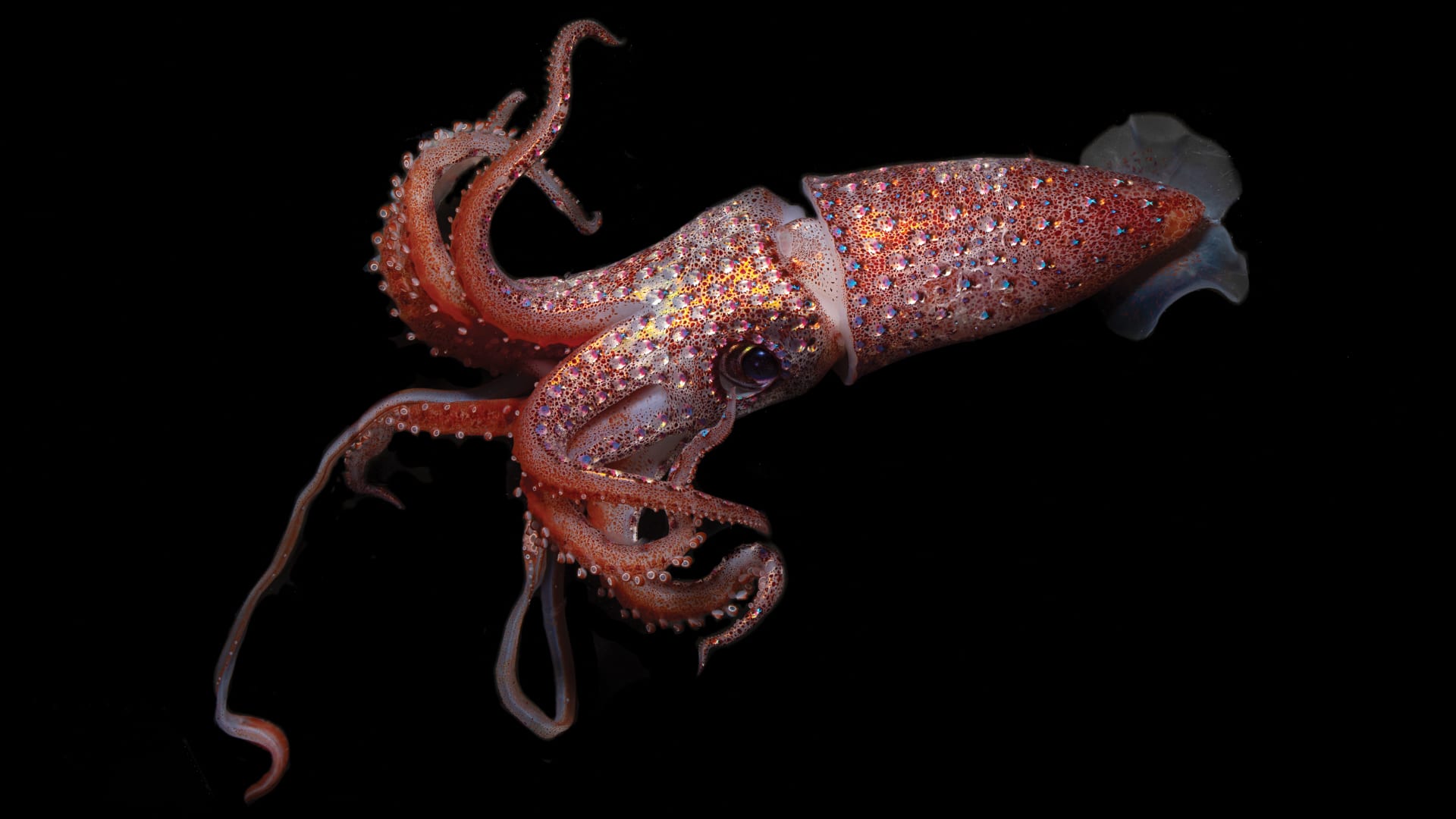
Campaign raises awareness of the ocean twilight zone by celebrating the “weird” in all of us Woods Hole, Mass. (May 27, 2021) — Woods Hole Oceanographic Institution (WHOI) wants to…
Read MoreRemote Learning Takes on New Meaning with the Launch of Dive and Discover ™ Expedition 17

Dive and Discover Expedition 17 will look more closely at the middle of the ocean, also known as the mesopelagic or the ocean’s twilight zone.
Read MorePlate Tectonics Fuels a Vast Underground Ecosystem
The subsurface is among Earth’s largest biomes, but the extent to which microbial communities vary across tectonic plate boundaries or interact with subduction-scale geological processes remains unknown. In a recently published study, scientists compare bacterial community composition with deep-subsurface geochemistry from 21 hot springs across the Costa Rican convergent margin.
Read MoreNorthern Star Coral Study Could Help Protect Tropical Corals
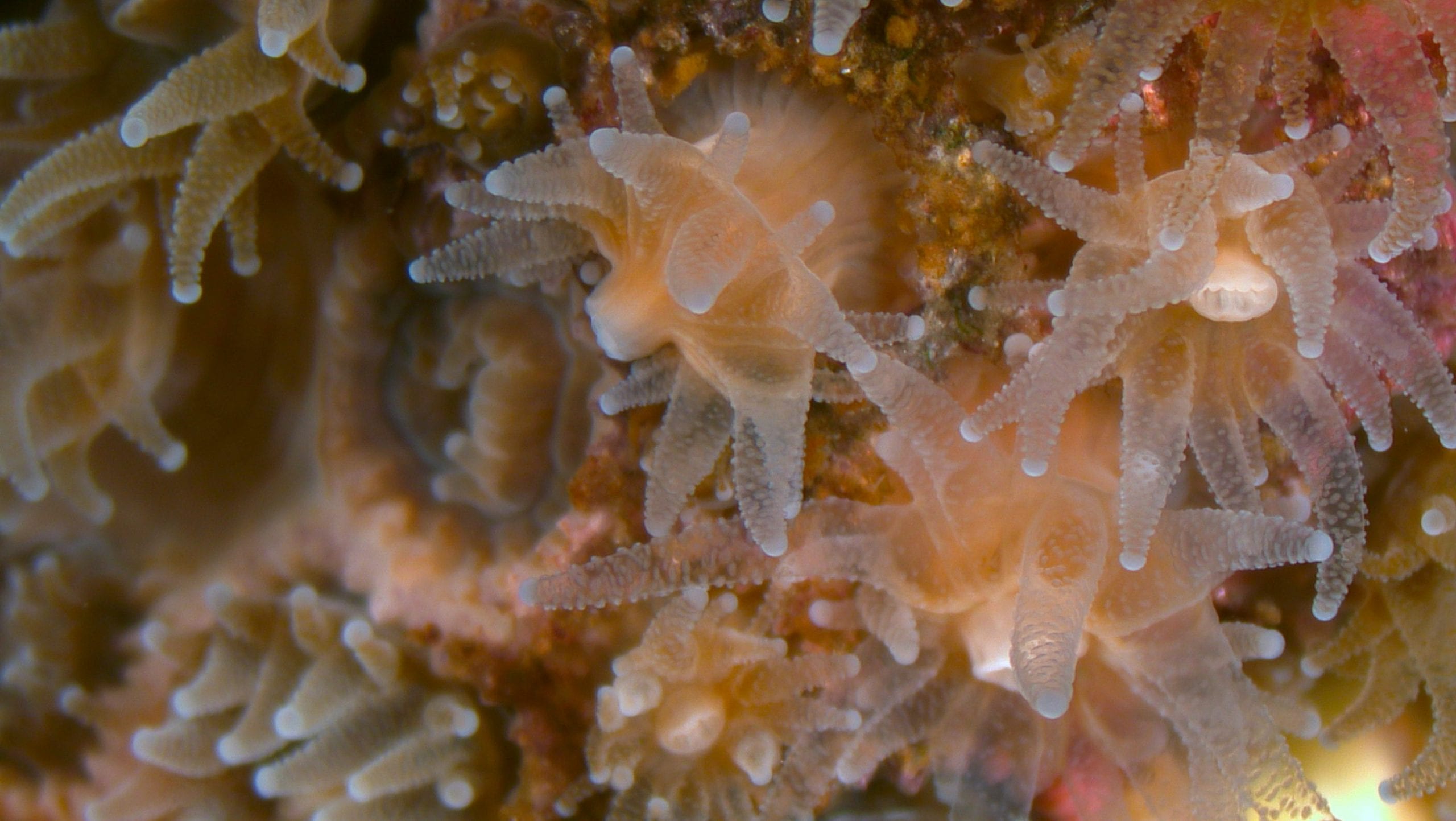
Worldwide, coral reefs are in crisis. Researchers at WHOI and Roger Williams University are finding that studying the recovery of this local New England species from a laboratory induced stressor could help better understand how to protect endangered tropical corals around the world.
Read MoreWHOI and NOAA Fisheries Release New North Atlantic Right Whale Health Assessment Review
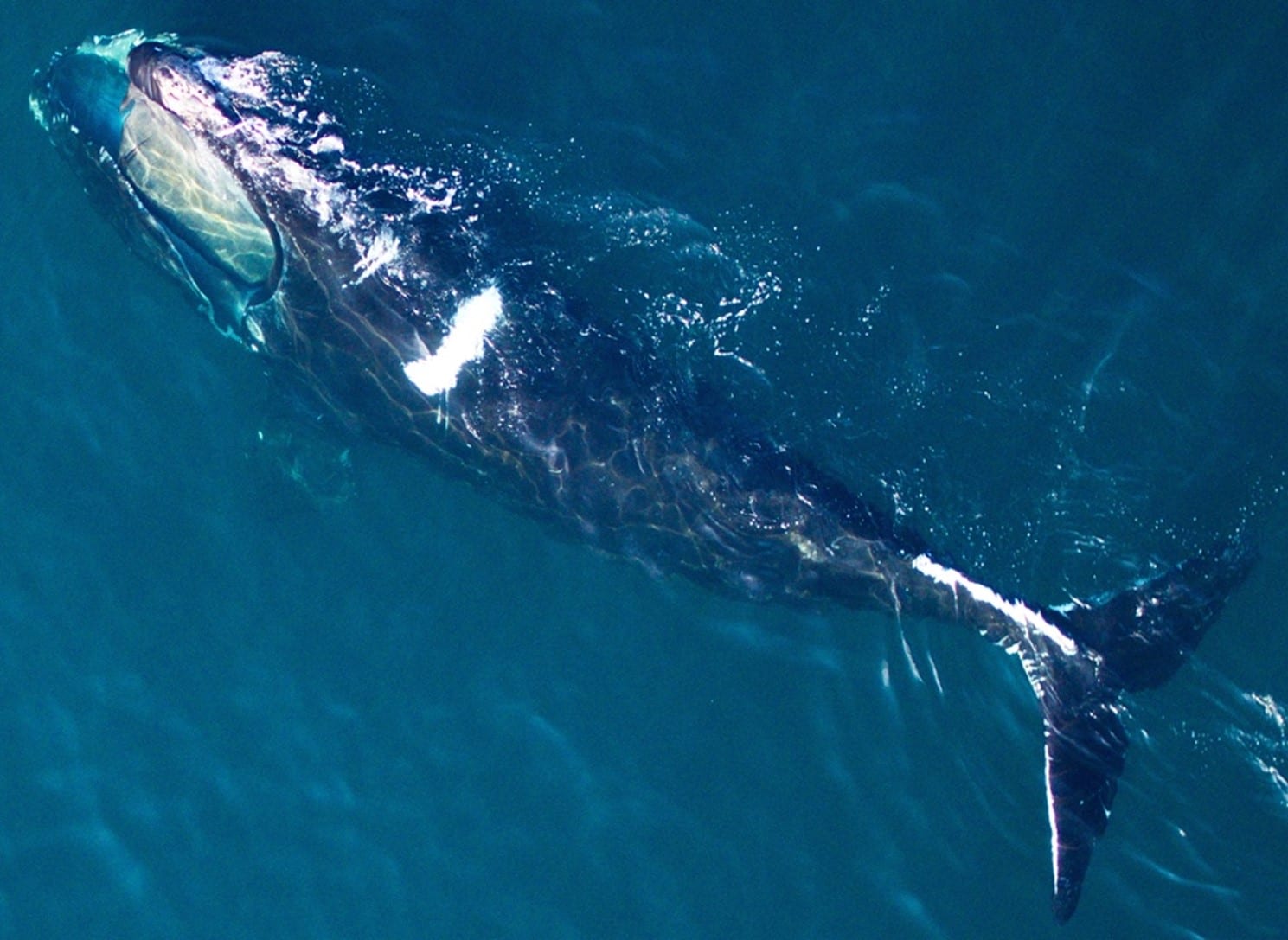
North Atlantic right whales are critically endangered and declining. Climate change, vessel strikes, entanglements and noise engender poor health and reproductive failure, and are major threats to individuals and the species. Trauma reduction measures and applying new tools to assess and enhance their health, are critically important.
Read MoreStudy Sheds Light on Critically Endangered Beluga Whale Population
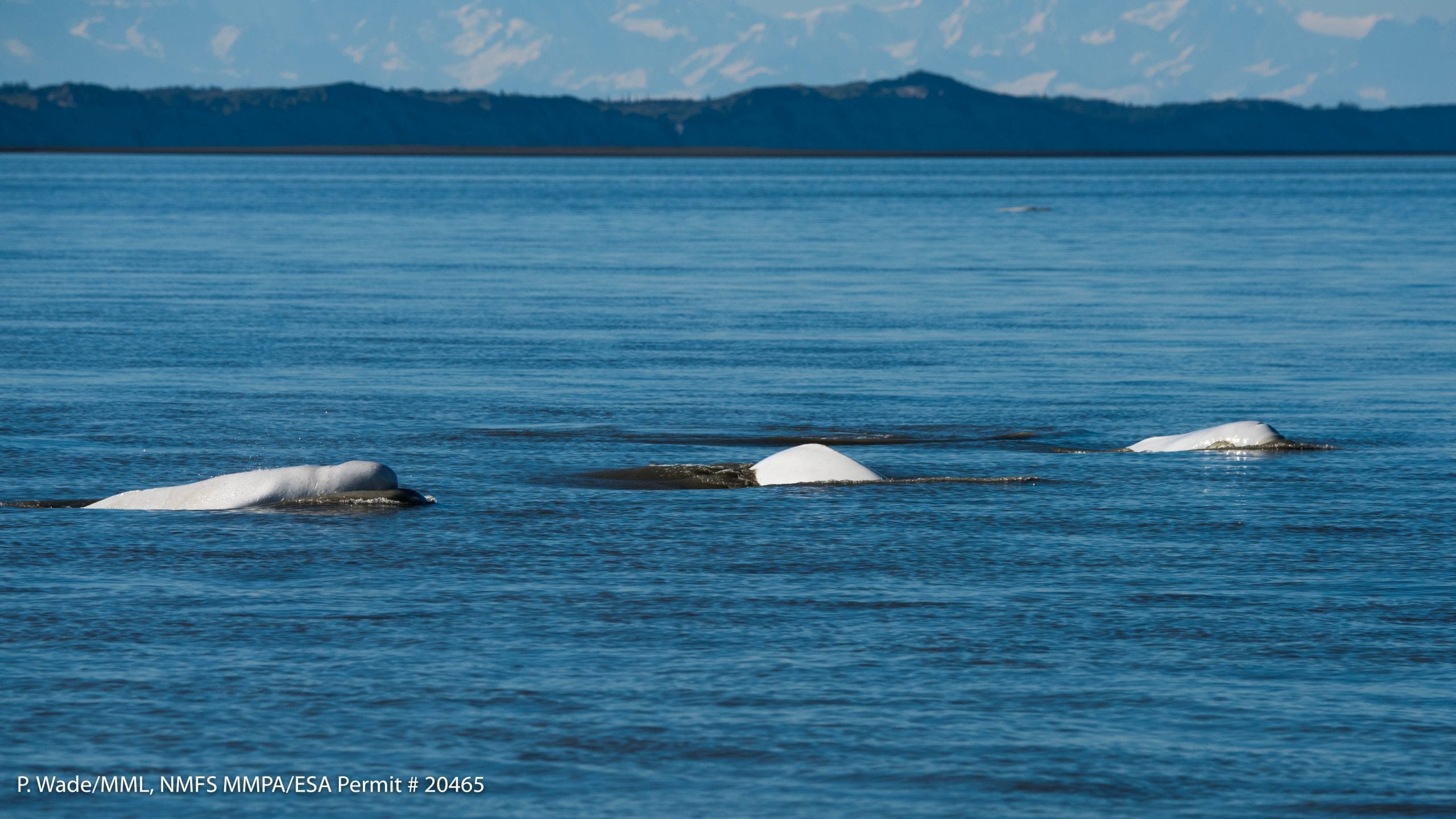
A team of scientists from Woods Hole Oceanographic Institution (WHOI) and NOAA Fisheries are collaborating to help stem the decline of a critically endangered population of beluga whales in the Cook Inlet, Alaska.
Read MoreEpic Arctic Mission Ends
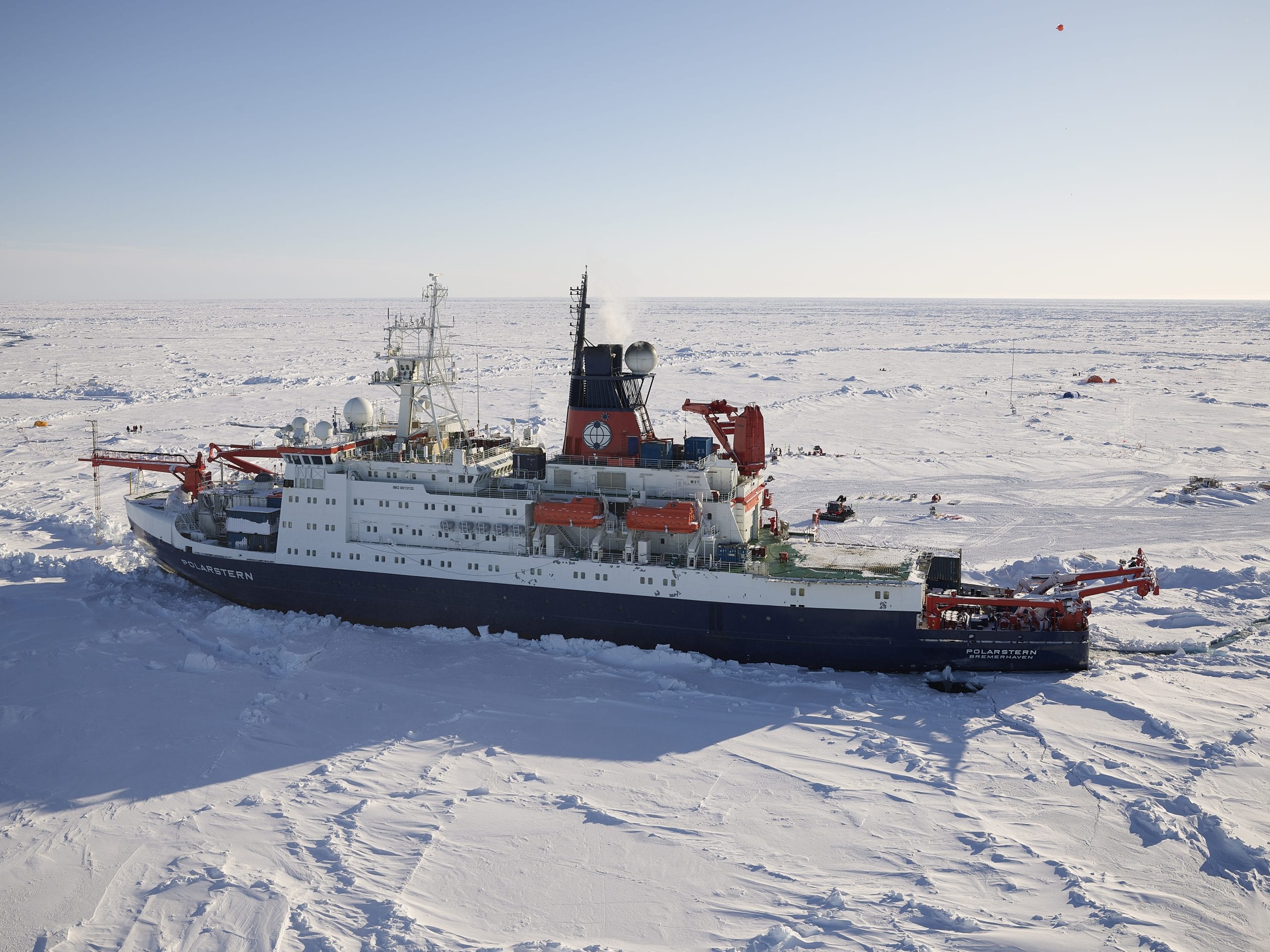
An epic mission ended as the German icebreaker Polarstern returned home Oct. 12, 2020, after being frozen near the top of the world for nearly a year to study all aspects of the Arctic system.
Read MoreOcean acidification causing coral ‘osteoporosis’ on iconic reefs
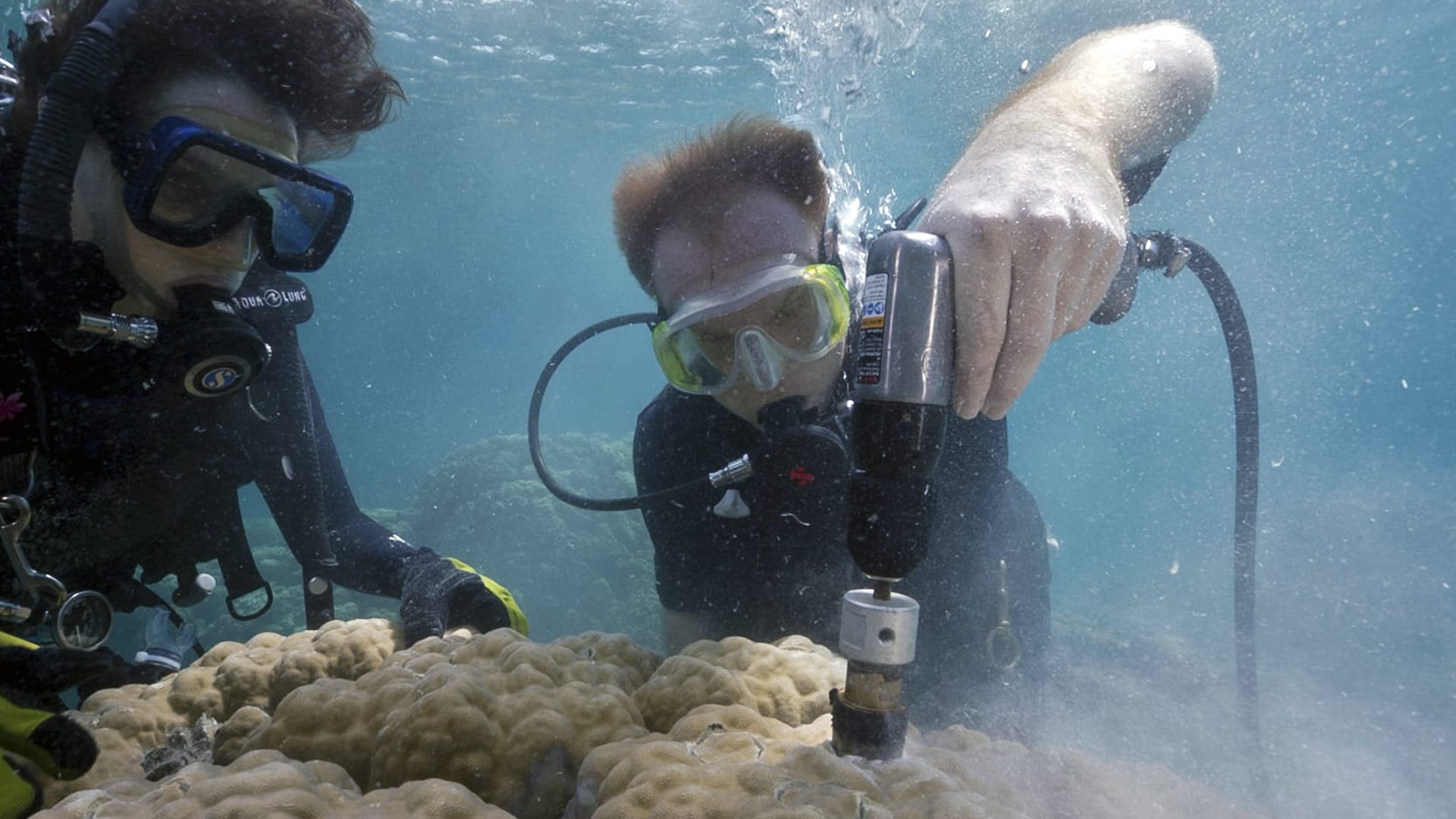
Scientists have long suspected that ocean acidification is affecting corals’ ability to build their skeletons, but it has been challenging to isolate its effect from that of simultaneous warming ocean…
Read MoreWHOI receives $2.7M from Simons Foundation to study nutrients, microbes that fuel ocean food web
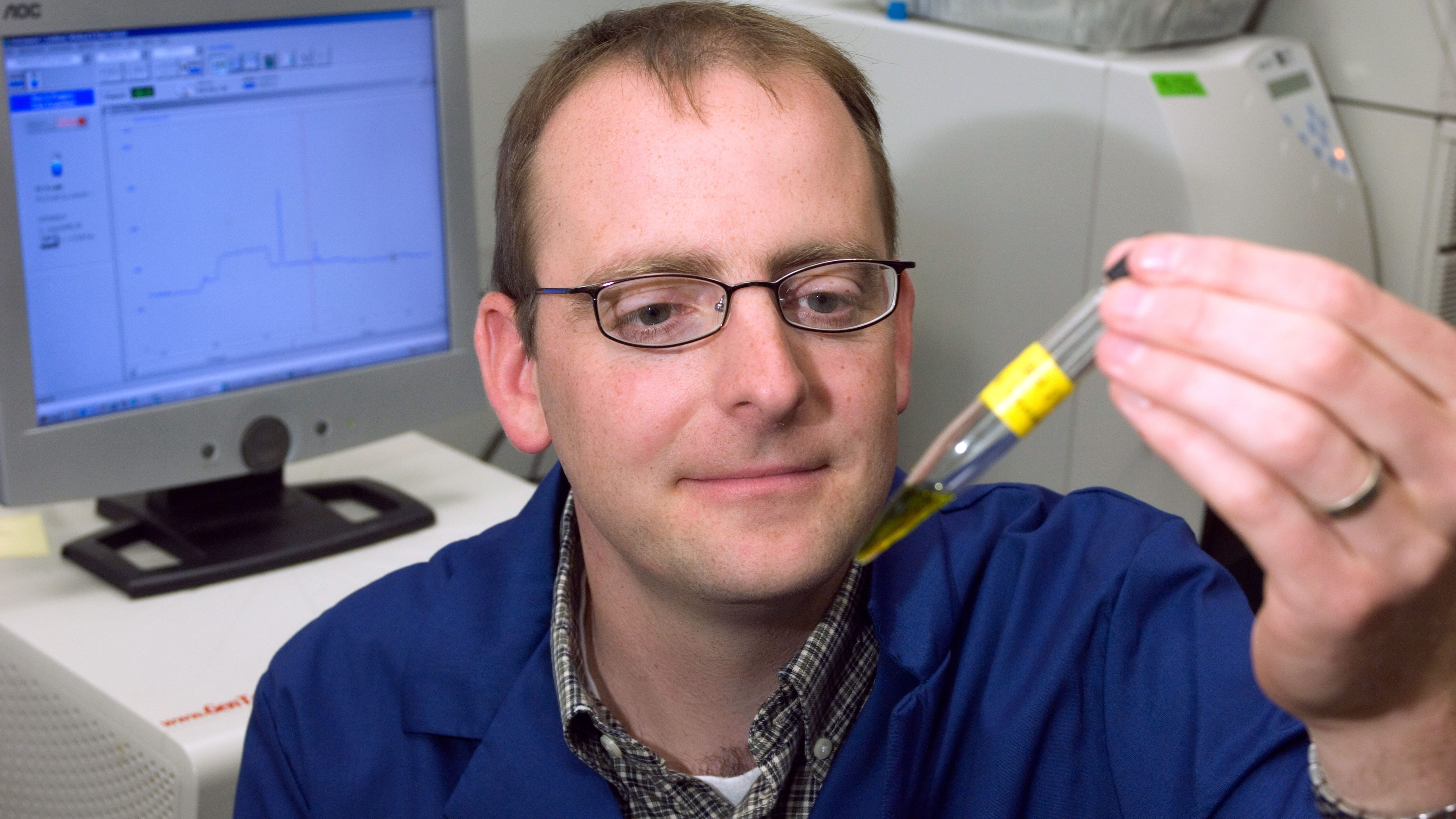
The Simons Foundation has awarded Woods Hole Oceanographic Institution (WHOI) scientists Dan Repeta and Benjamin Van Mooy two grants totaling $2.7 million to study key processes that help fuel the…
Read MoreWHOI Scientists Make Woods Hole Film Festival Appearance
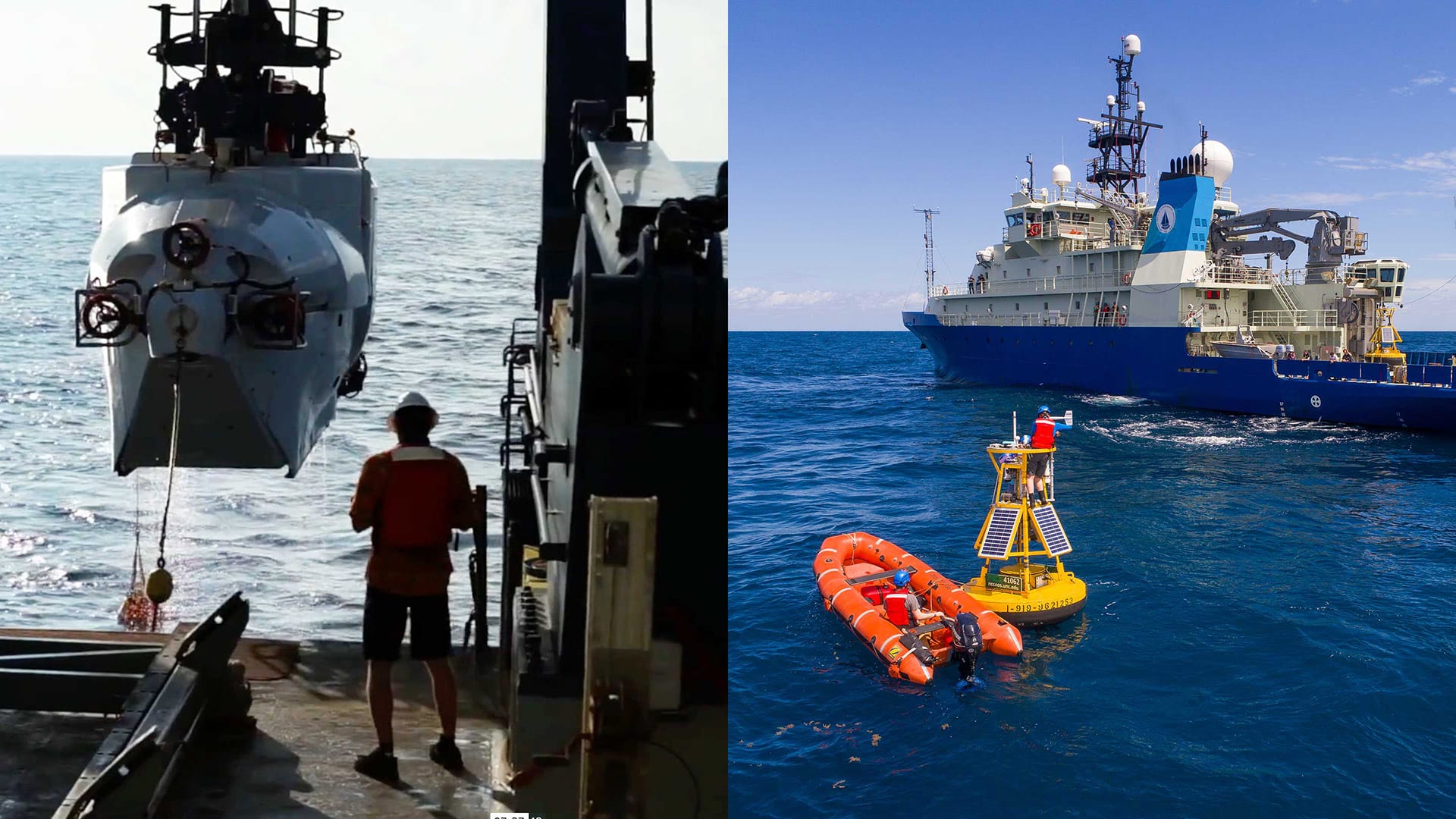
Woods Hole Oceanographic Institution (WHOI) scientists appear in two shorts and a feature film at this year’s Woods Hole Film Festival (WHFF). In addition, scientists will also participate in Q&A…
Read MoreFishing less could be a win for both lobstermen and endangered whales
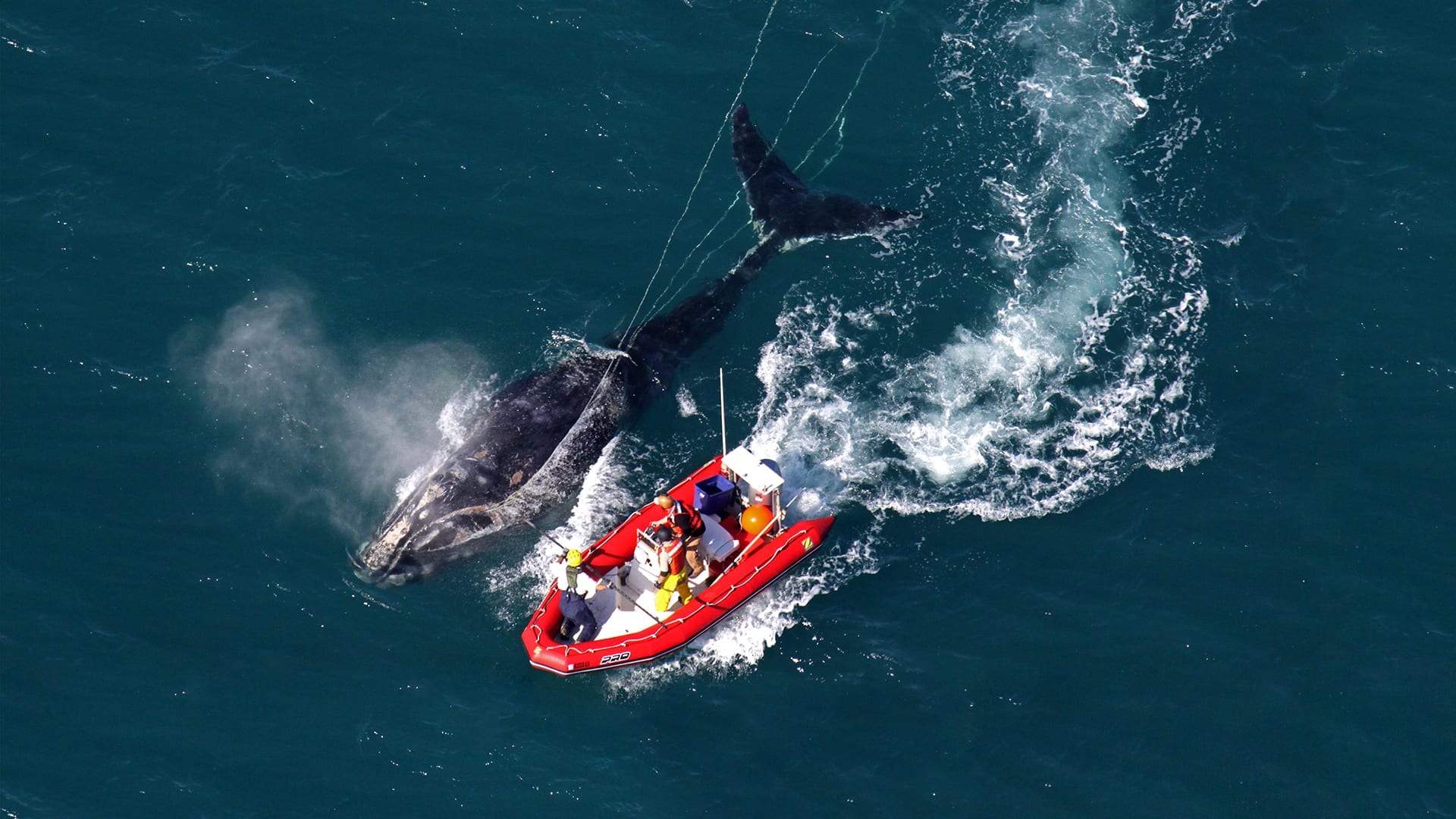
A new study found that New England’s historic lobster fishery may turn a higher profit by operating with less gear in the water and a shorter season, which could also benefit endangered North Atlantic right whales.
Read MoreNorth Atlantic right whales are in much poorer condition than their Southern counterparts
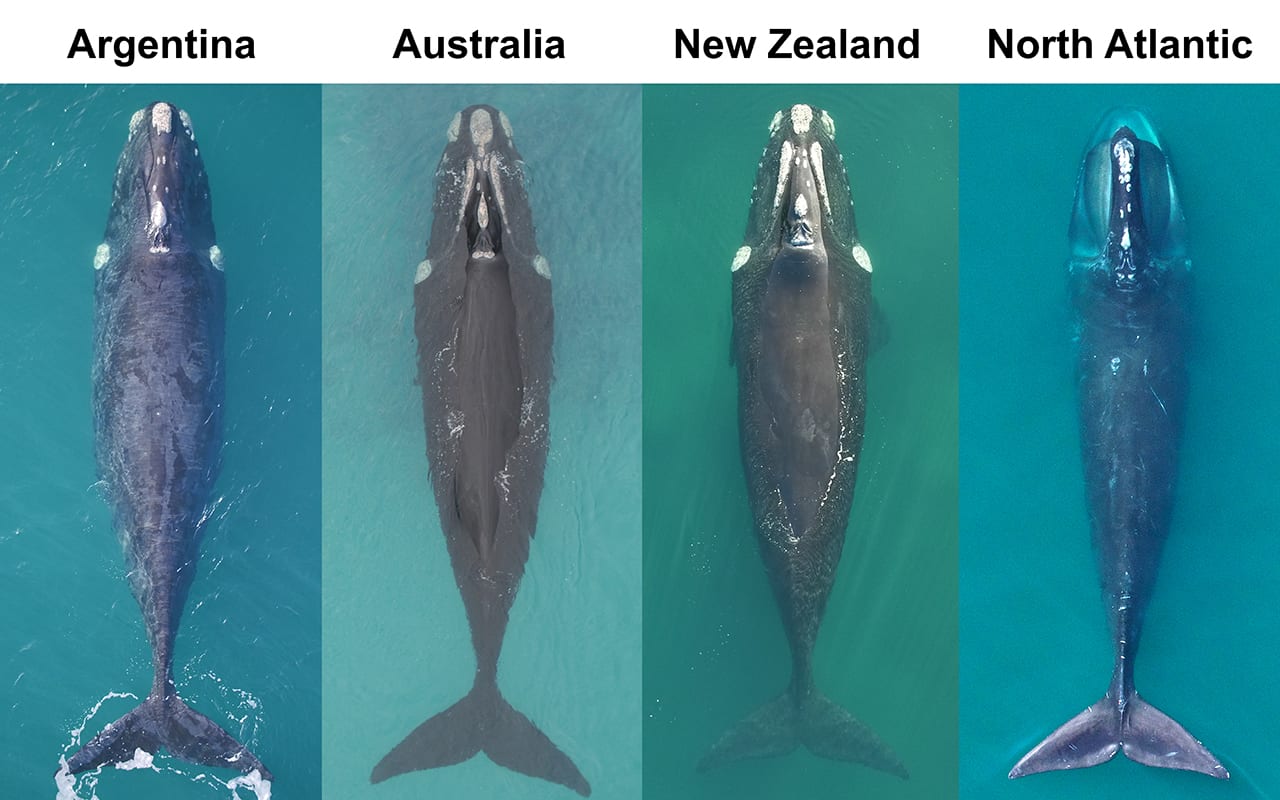
New research by an international team of scientists reveals that endangered North Atlantic right whales are in much poorer body condition than their counterparts in the southern hemisphere.
Read MoreWhat did scientists learn from Deepwater Horizon?
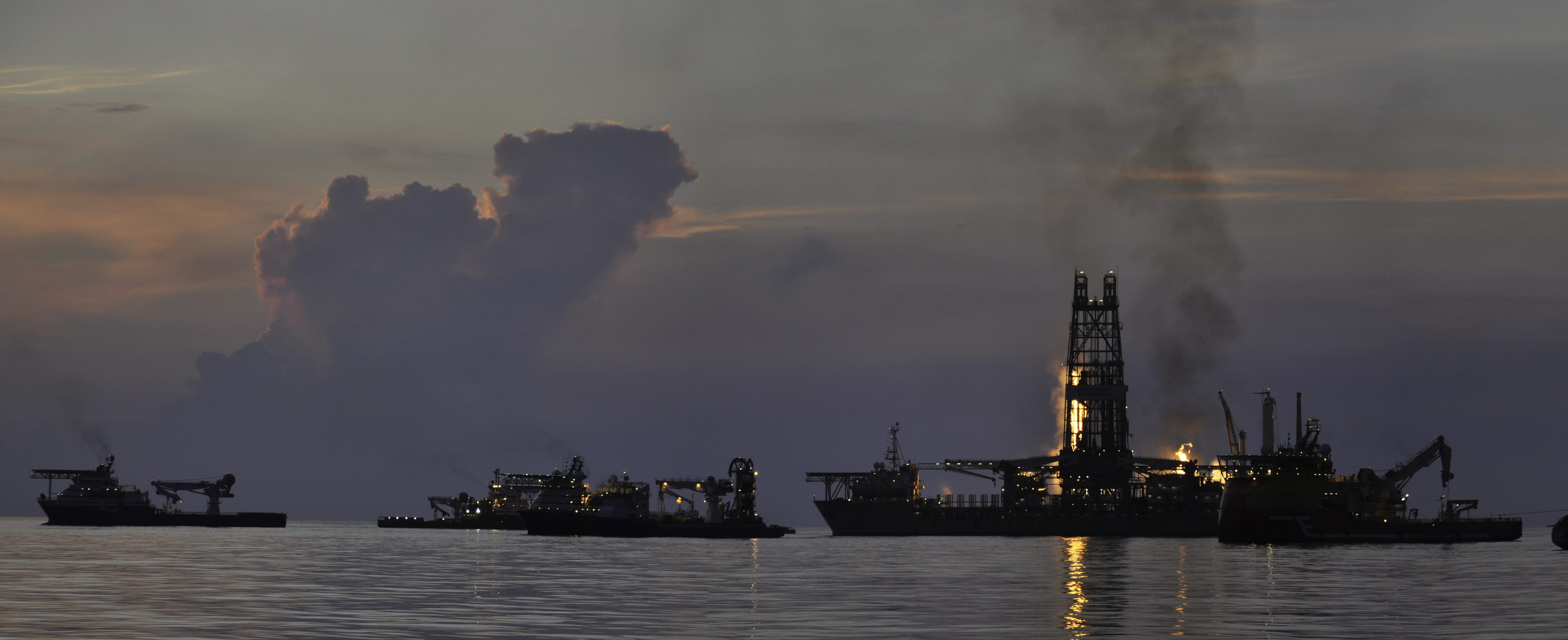
Ten years after the Deepwater Horizon explosion caused the largest accidental marine oil spill in history, WHOI marine geochemists Elizabeth Kujawinski and Christopher Reddy review what they— and their science colleagues from around the world—have learned.
Read MoreMicrobes far beneath the seafloor rely on recycling to survive
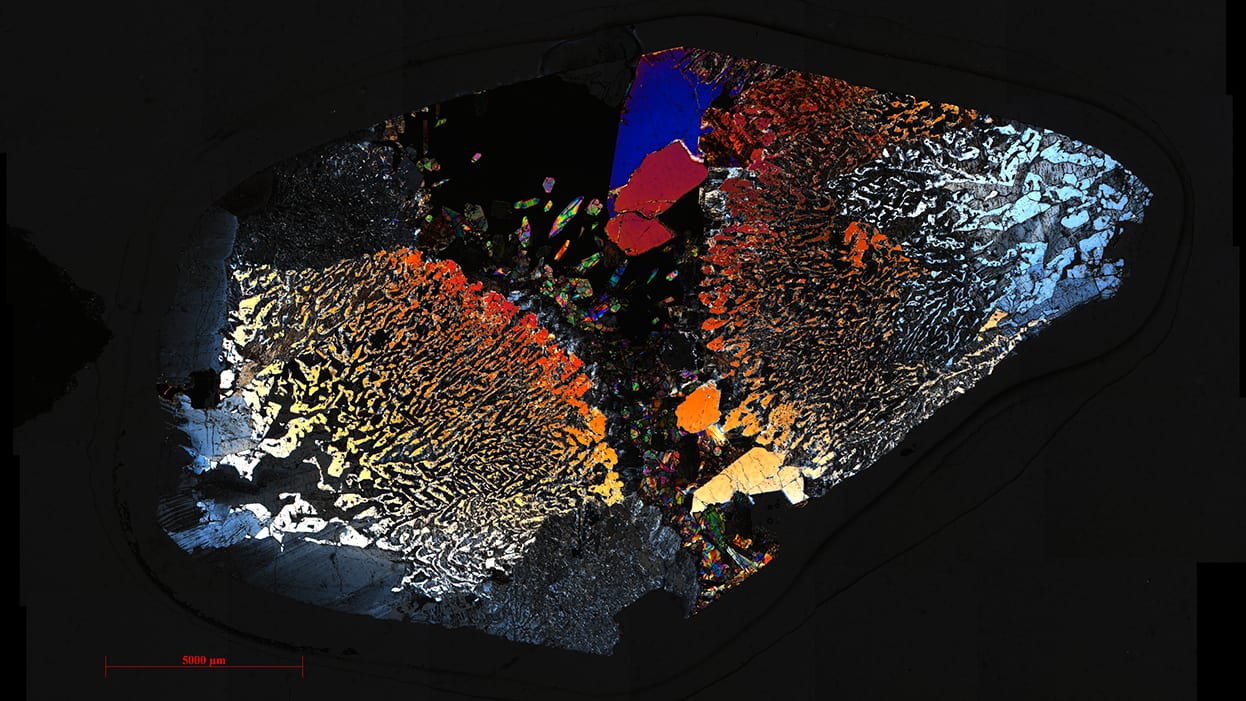
Scientists from Woods Hole Oceanographic Institution and colleagues reveal how microorganisms could survive in rocks nestled thousands of feet beneath the ocean floor in the lower oceanic crust.
Read MoreWarming oceans are getting louder
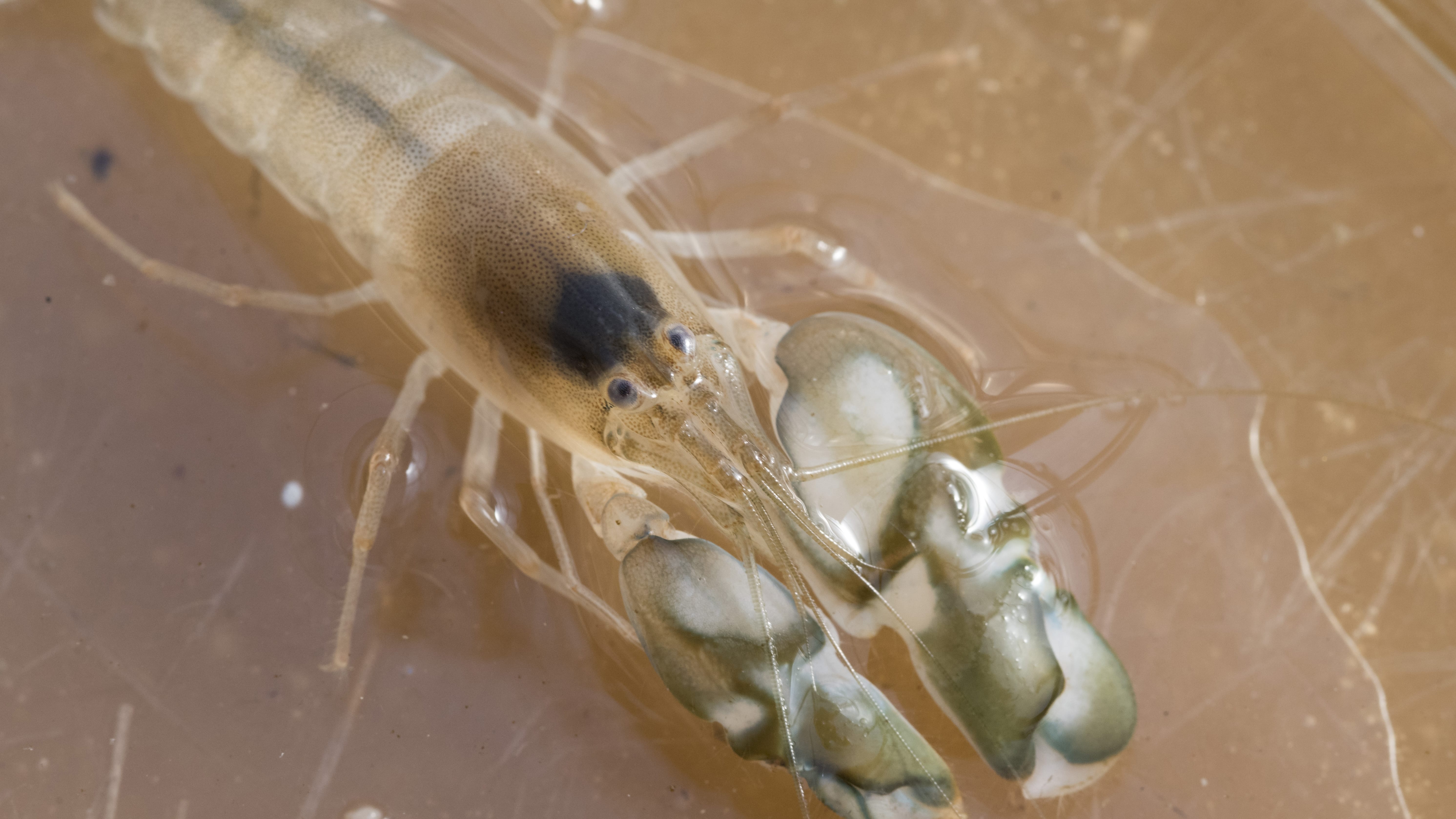
One of the ocean’s loudest creatures will get even louder and more troublesome to humans and sea life as the ocean warms.
Read MoreHow microbes reflect the health of coral reefs
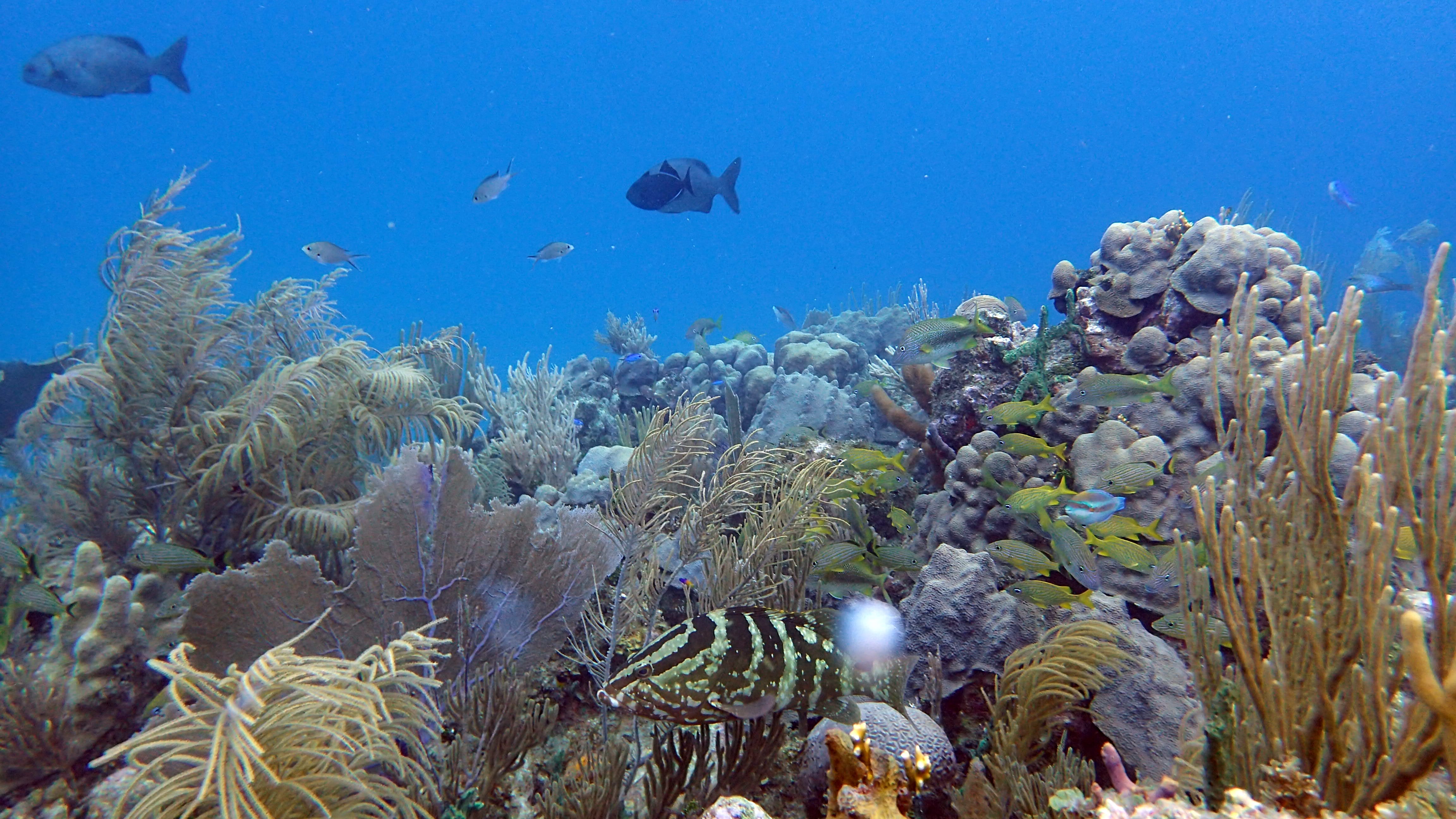
A collaborative study compared seawater from 25 reefs in Cuba and the U.S. Florida Keys varying in human impact and protection, and found that those with higher microbial diversity and lower concentrations of nutrients and organic carbon—primarily caused by human activities—were markedly healthier.
Read MoreUnderwater pile driving noise causes alarm responses in squid
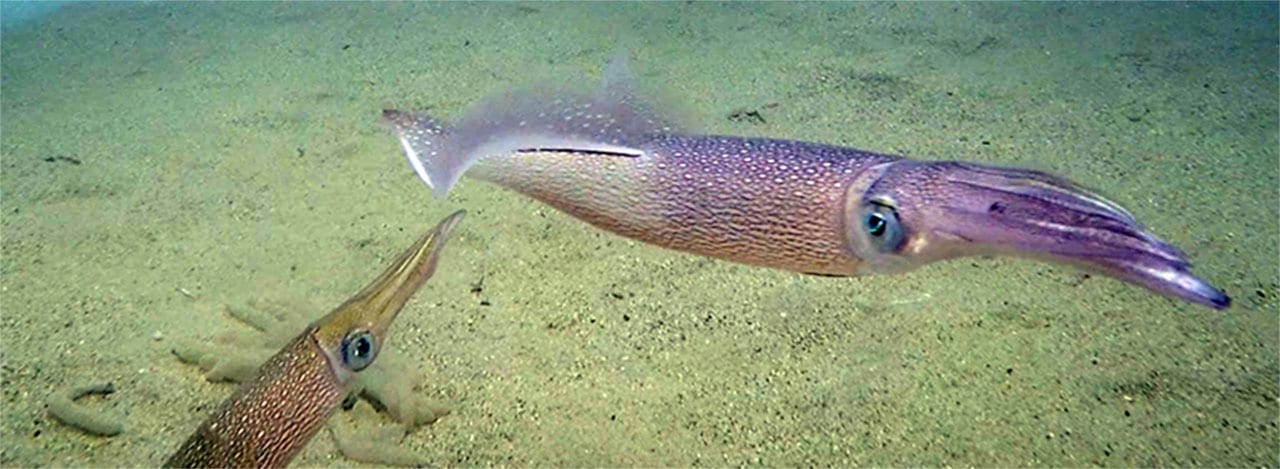
Exposure to underwater pile driving noise, which can be associated with the construction of docks, piers, and offshore wind farms, causes squid to exhibit strong alarm behaviors.
Read MoreWHOI-engineered DISCO allows scientists to measure highly reactive superoxide on coral reefs
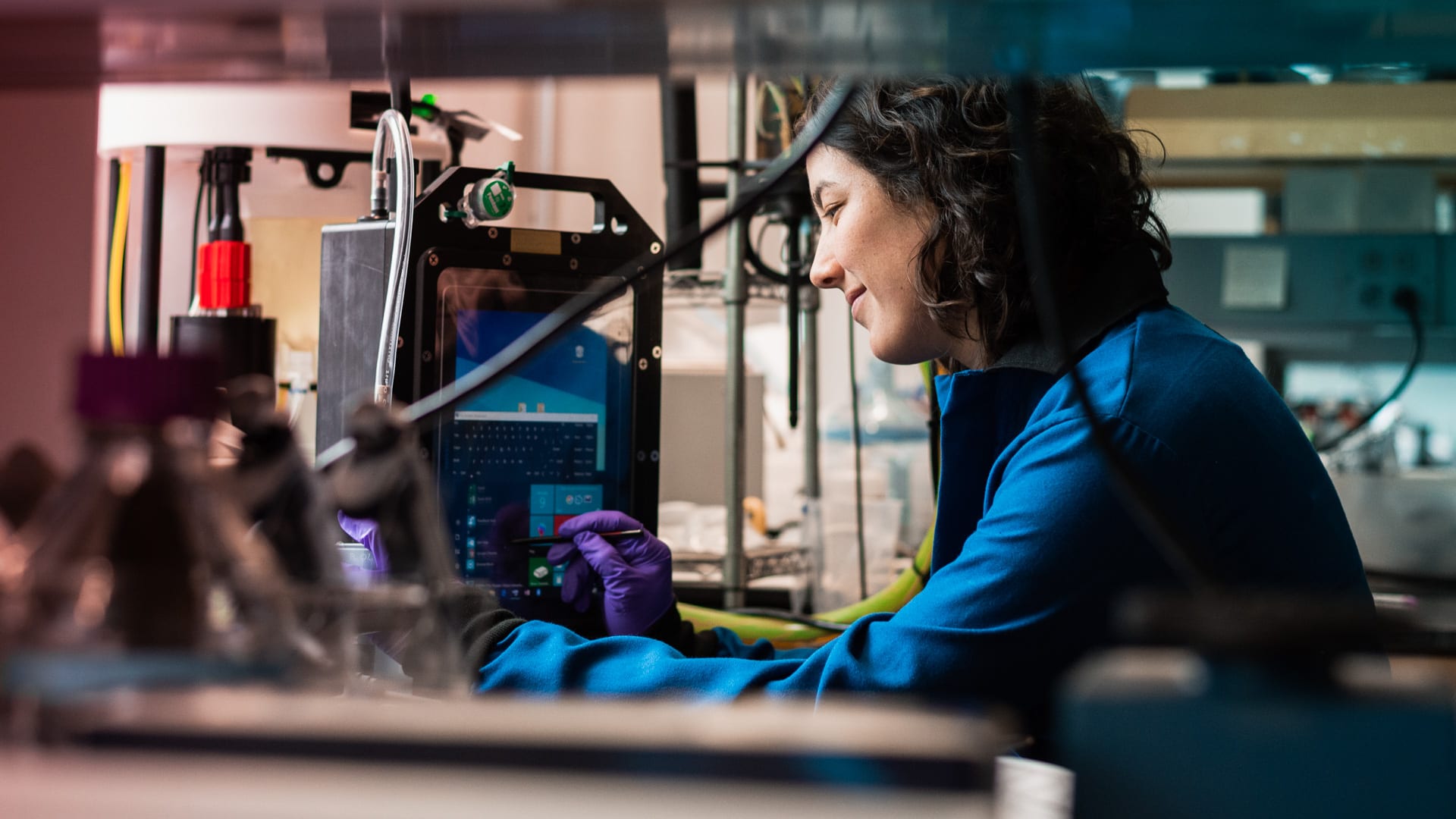
WHOI researchers successfully conceived and tested a portable device, DISCO, that performed the first in situ measurements of a highly reactive type of oxygen, known as superoxide, which may play an integral role in the health of coral reefs.
Read MoreWhales may owe their efficient digestion to millions of tiny microbes
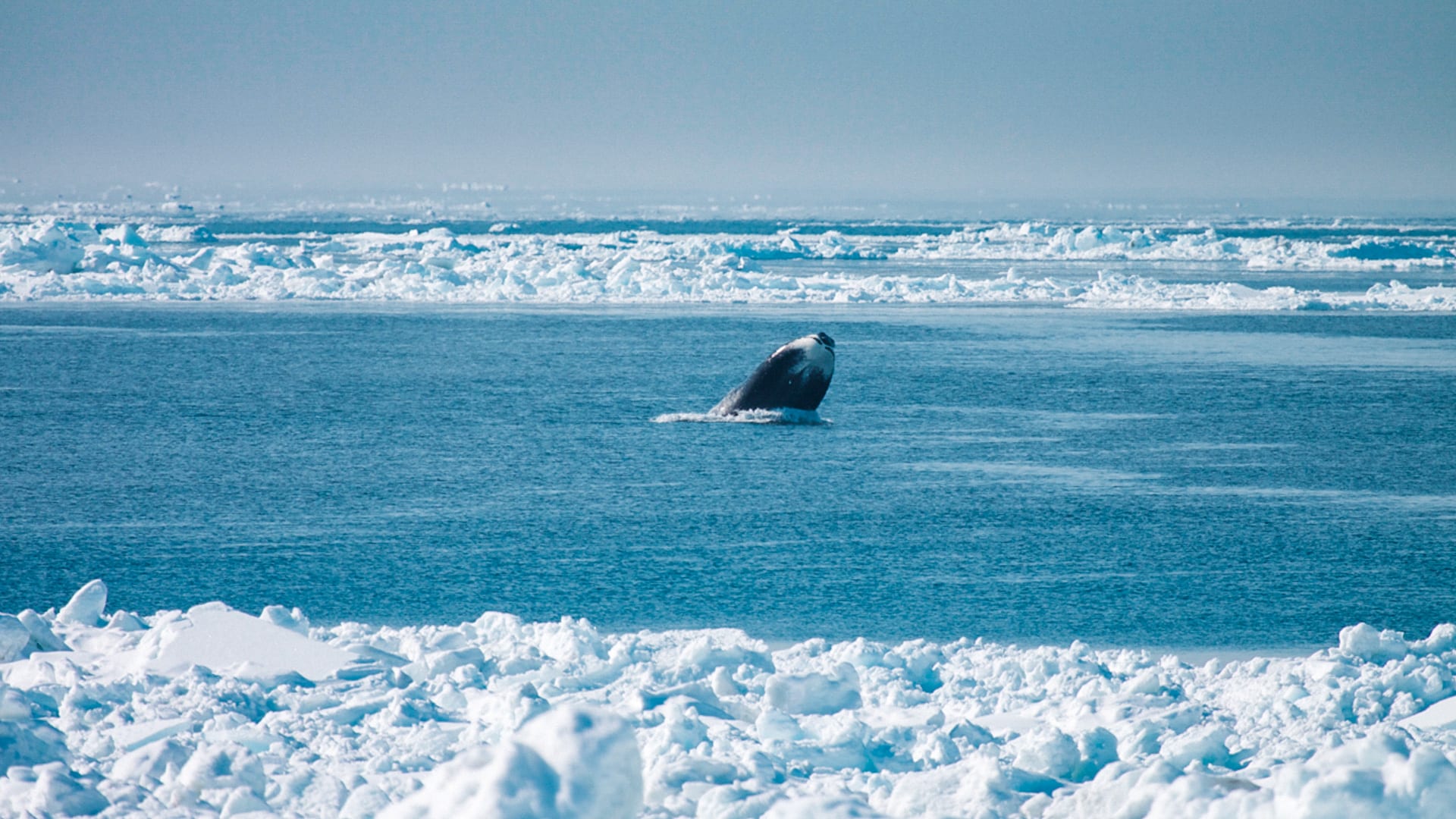
A study by researchers at Woods Hole Oceanographic Institution (WHOI) shows that the microbial communities inside whales may play an important role in the digestion of one of the ocean’s most abundant carbon-rich lipids, known as a wax ester.
Read MoreClownfish can’t adapt to rapid environmental changes
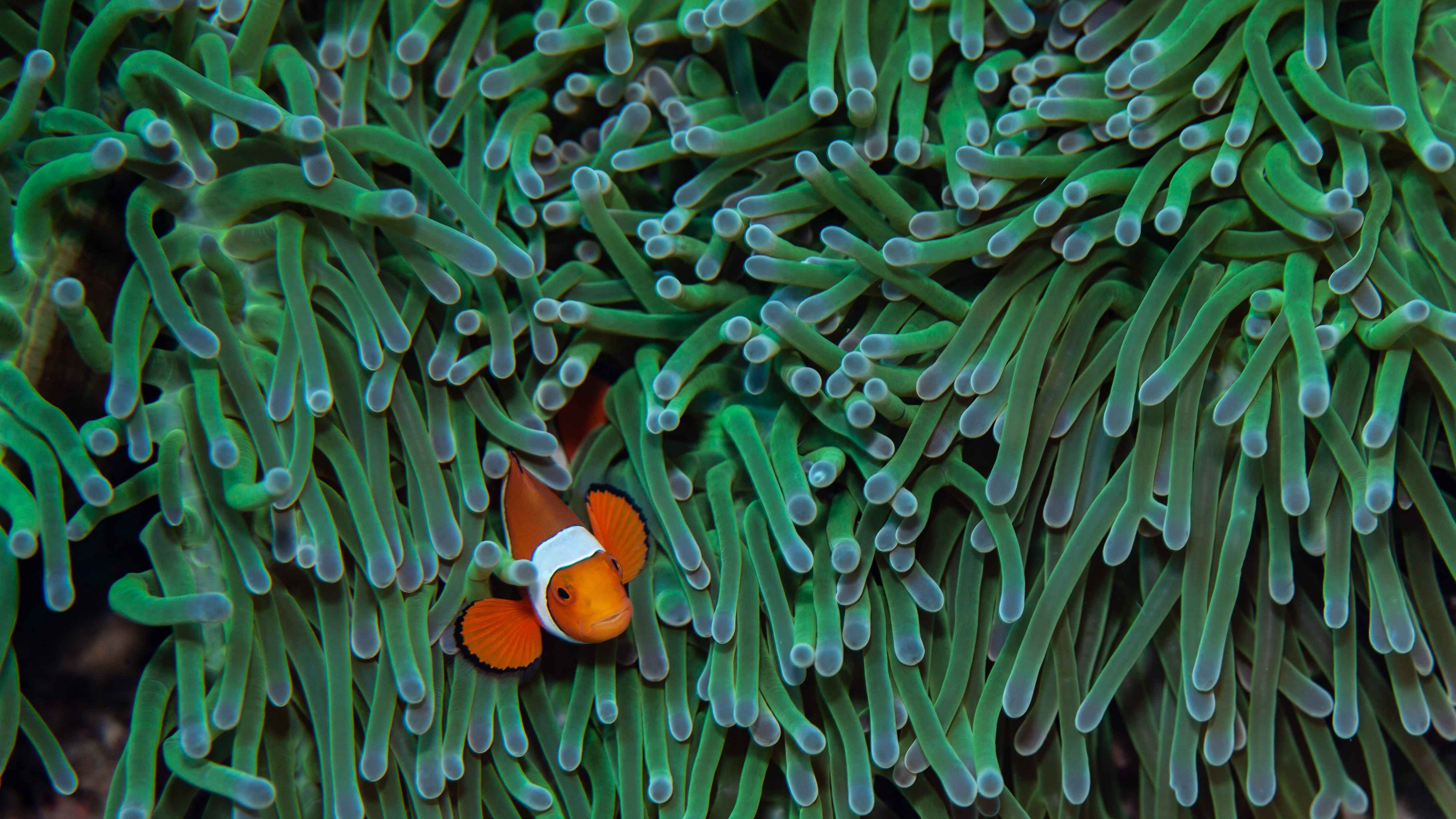
The beloved anemone fish popularized by the movies “Finding Nemo” and “Finding Dory” don’t have the genetic capacity to adapt to rapid changes in their environment, according to a new study in the journal Ecology Letters.
Read MoreSeaWorld & Busch Gardens conservation fund commits $900,000 to protect critically endangered North Atlantic right whales
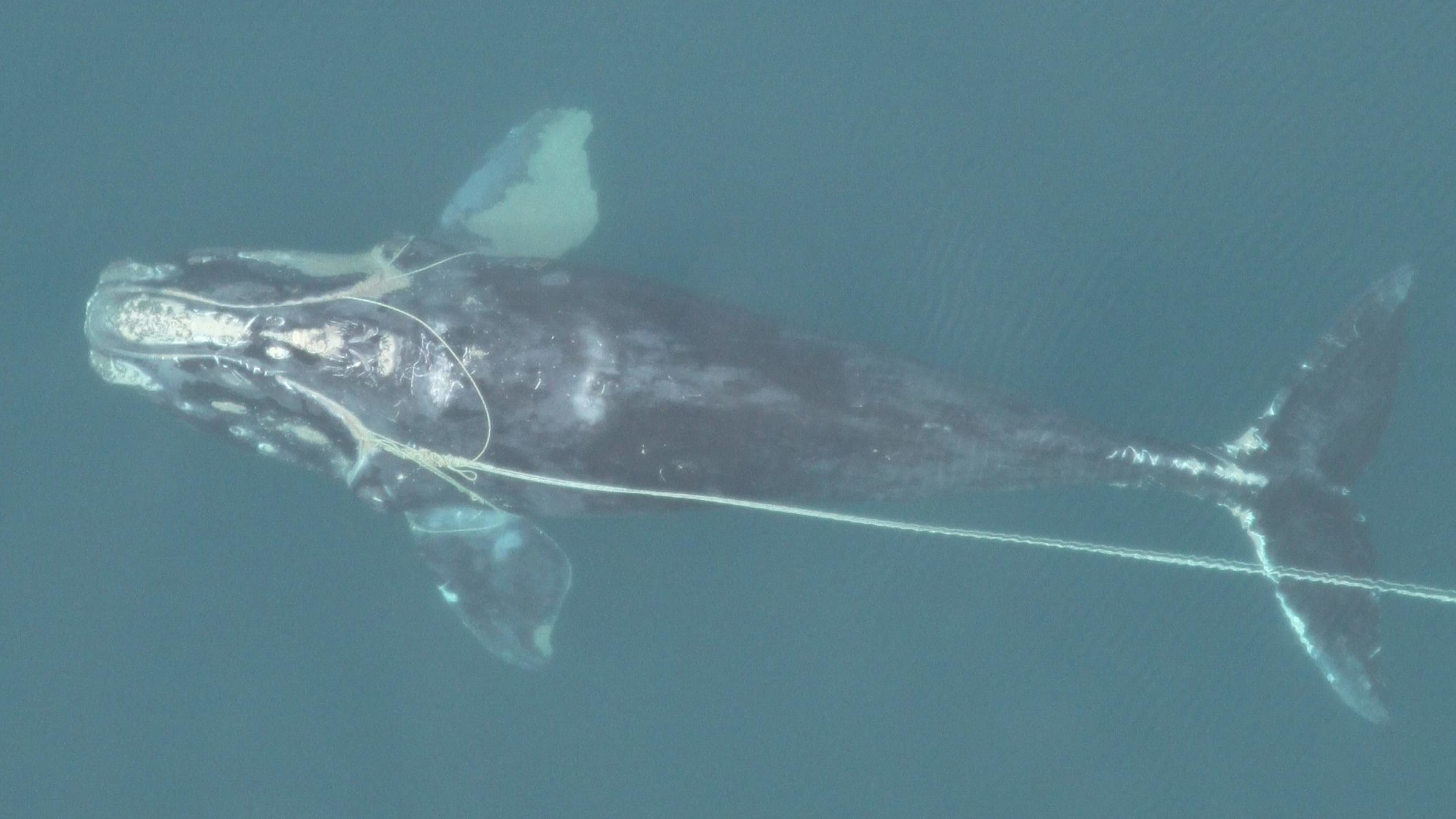
The funding provided by the SeaWorld Conservation Fund will be primarily used to test alternative non-lethal fishing gear. Whales and sea turtles commonly entangle in ropes that connect crab or lobster traps on the sea floor to buoys on the sea surface.
Read MoreUnless warming is slowed, emperor penguins will be marching towards extinction
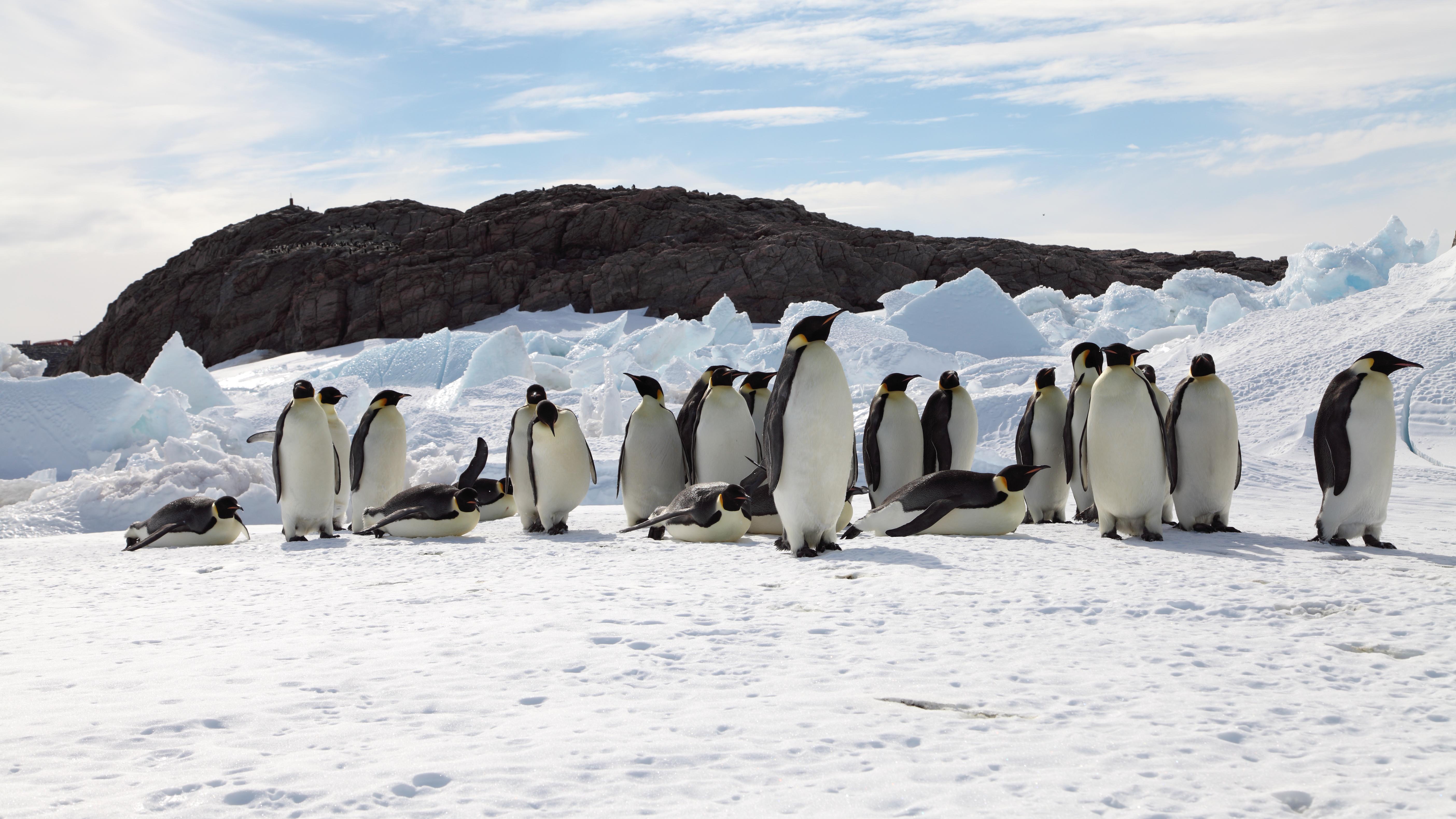
Emperor penguins are some of the most striking and charismatic animals on Earth, but a new study from the Woods Hole Oceanographic Institution has found that a warming climate may render them extinct by the end of this century. The study, which was part of an international collaboration between scientists, published Nov. 7, 2019, in the journal Global Change Biology.
Read More