
News Releases
Scientists Pinpoint How Ocean Acidification Weakens Coral Skeletons
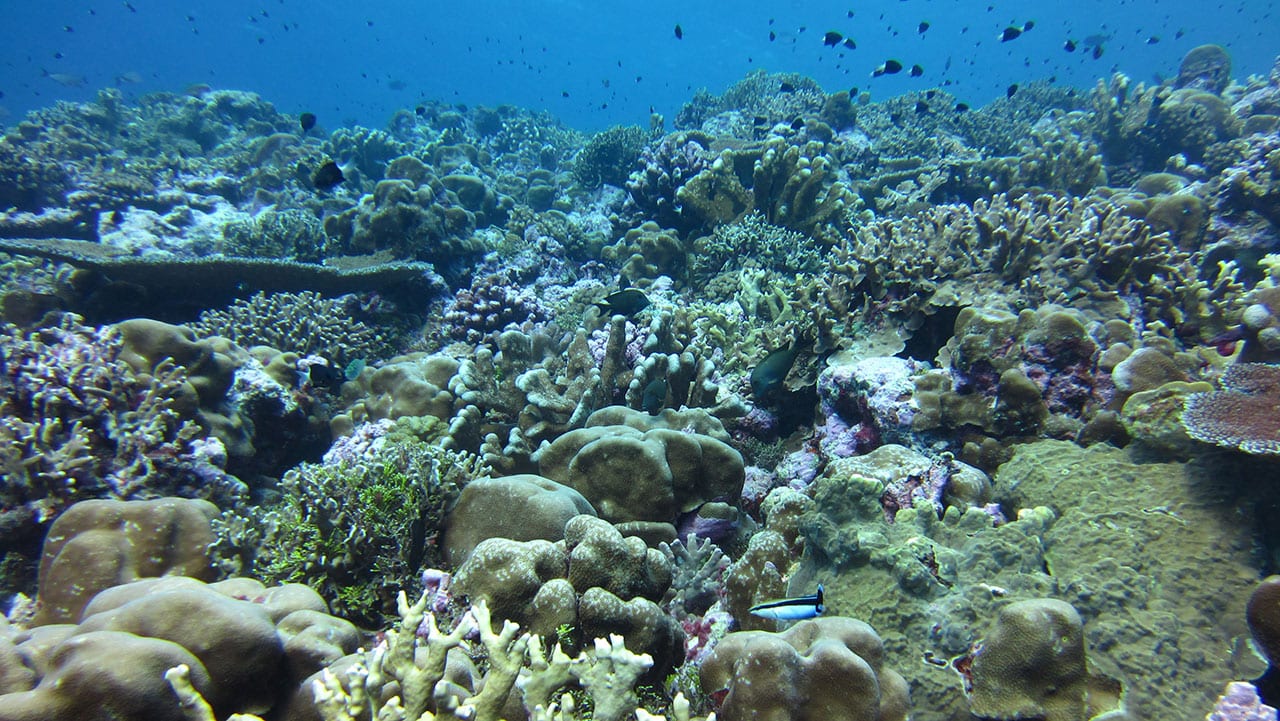
The rising acidity of the oceans threatens coral reefs by making it harder for corals to build their skeletons. A new study identifies the details of how ocean acidification affects coral skeletons, allowing scientists to predict more precisely where corals will be more vulnerable.
Read MoreFeeling the Heat in the NW Atlantic
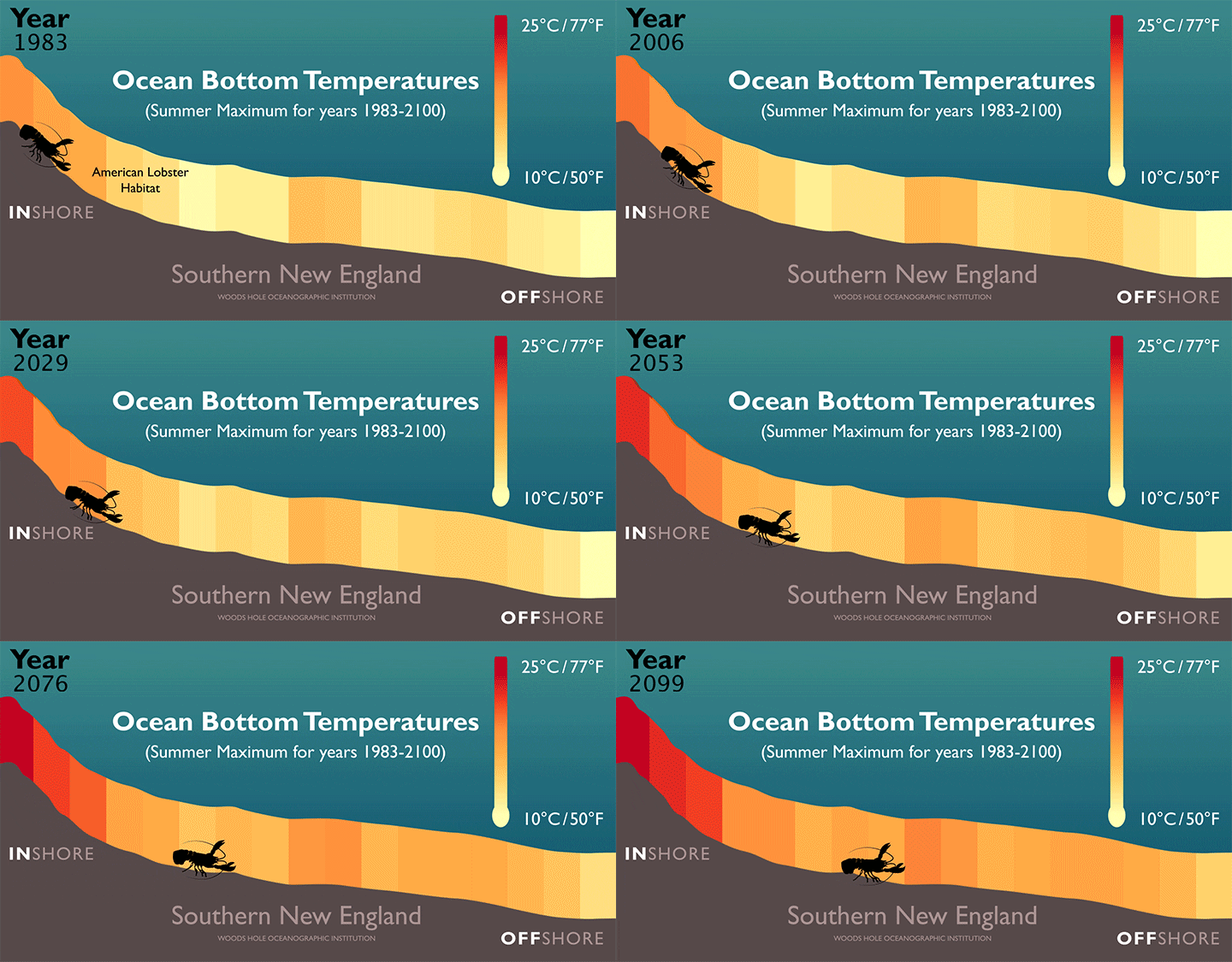
Rising temperatures along the bottom of the Atlantic Ocean will force American lobsters (H. americanus) farther offshore and into more northern waters, according to a new study led by researchers at the Woods Hole Oceanographic Institution (WHOI).
Read MoreHeidi Sosik Selected as a Fellow of The Oceanography Society
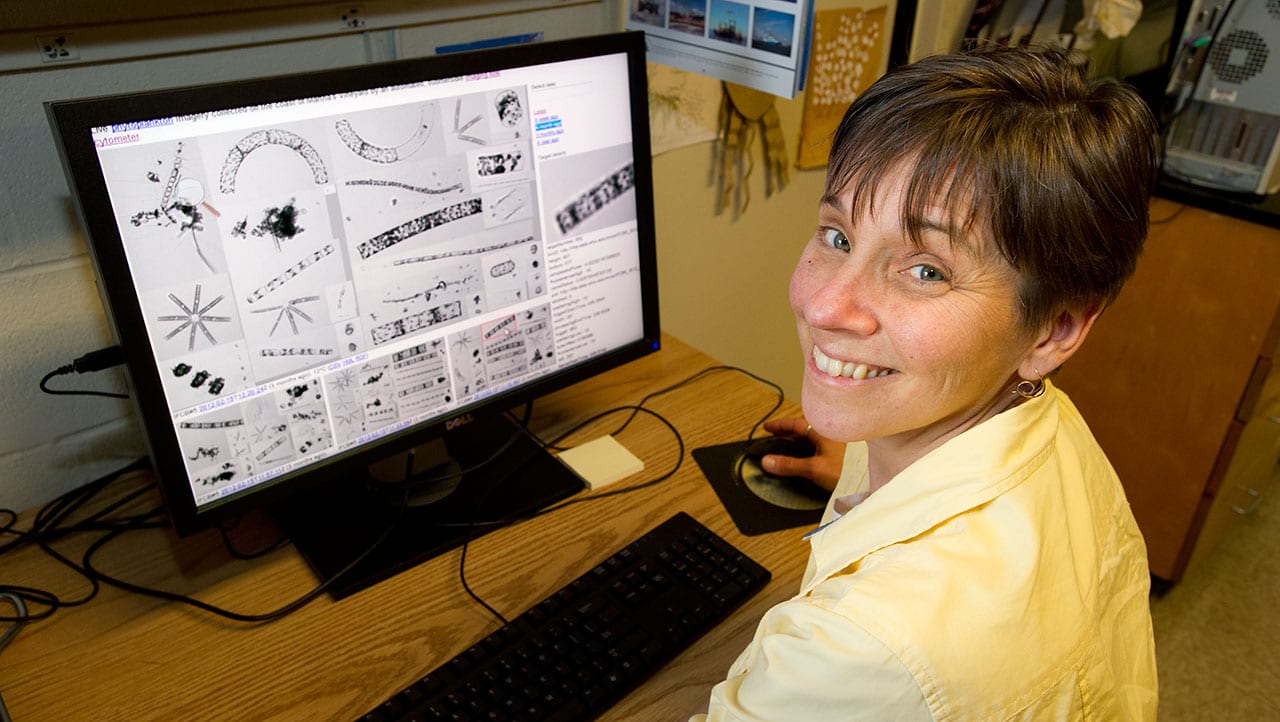
Heidi Sosik, a senior scientist in the Biology Department at Woods Hole Oceanographic Institution (WHOI) has been named a 2018 Fellow of The Oceanography Society (TOS). Sosik’s accomplishments will be formally recognized on Feb. 13, 2018, during a ceremony at the 2018 Ocean Sciences Meeting in Portland, Oregon.
Read MoreStudy Identifies Whale Blow Microbiome
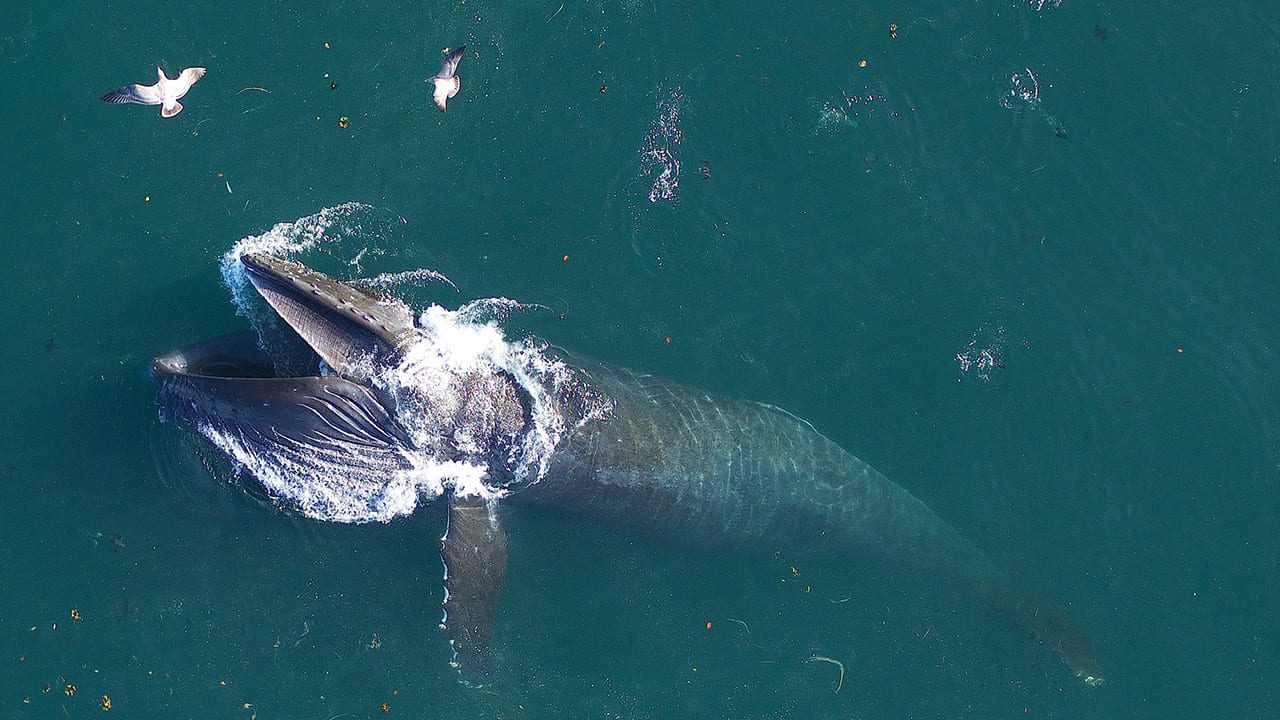
A new study by the Woods Hole Oceanographic Institution (WHOI) and colleagues identified for the first time an extensive conserved group of bacteria within healthy humpback whales’ blow’the moist breath that whales spray out of their blowholes when they exhale.
Read MoreSix Right Whales Die In Canadian Waters In Less Than Three Weeks
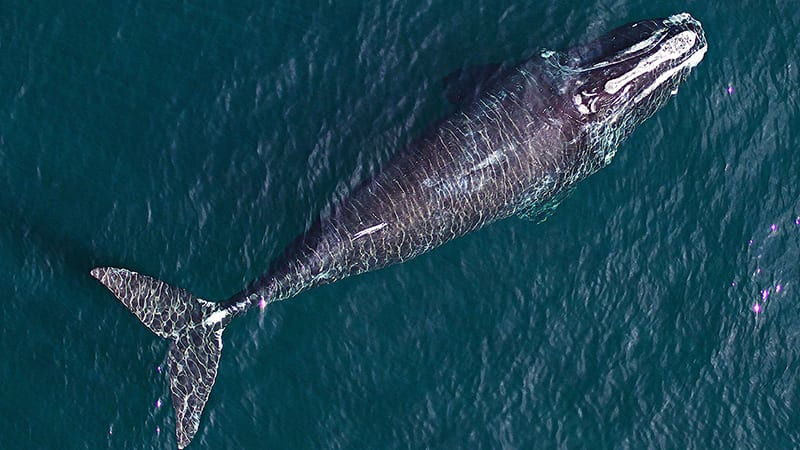
Over the past three weeks, six critically endangered North Atlantic right whales have died in Canadian waters. With only about 500 of these massive plankton feeders still alive, these deaths…
Read MoreFinding New Homes Won’t Help Emperor Penguins Cope with Climate Change
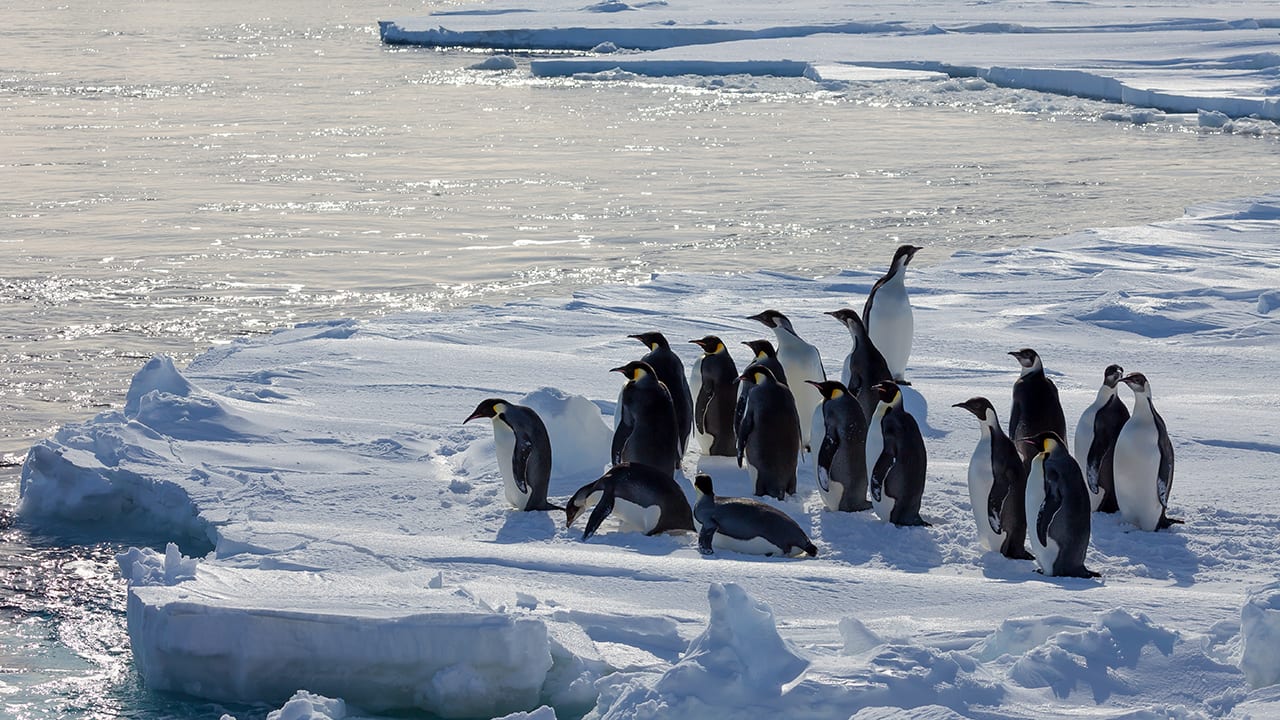
Unlike other species that migrate successfully to escape the wrath of climate change, a new study shows that dispersal may help sustain global Emperor penguin populations for a limited time, but, as sea ice conditions continue to deteriorate, the 54 colonies that exist today will face devastating declines by the end of this century.
Read MoreMore Frequent Extreme Ocean Warming Could Further Endanger Albatross
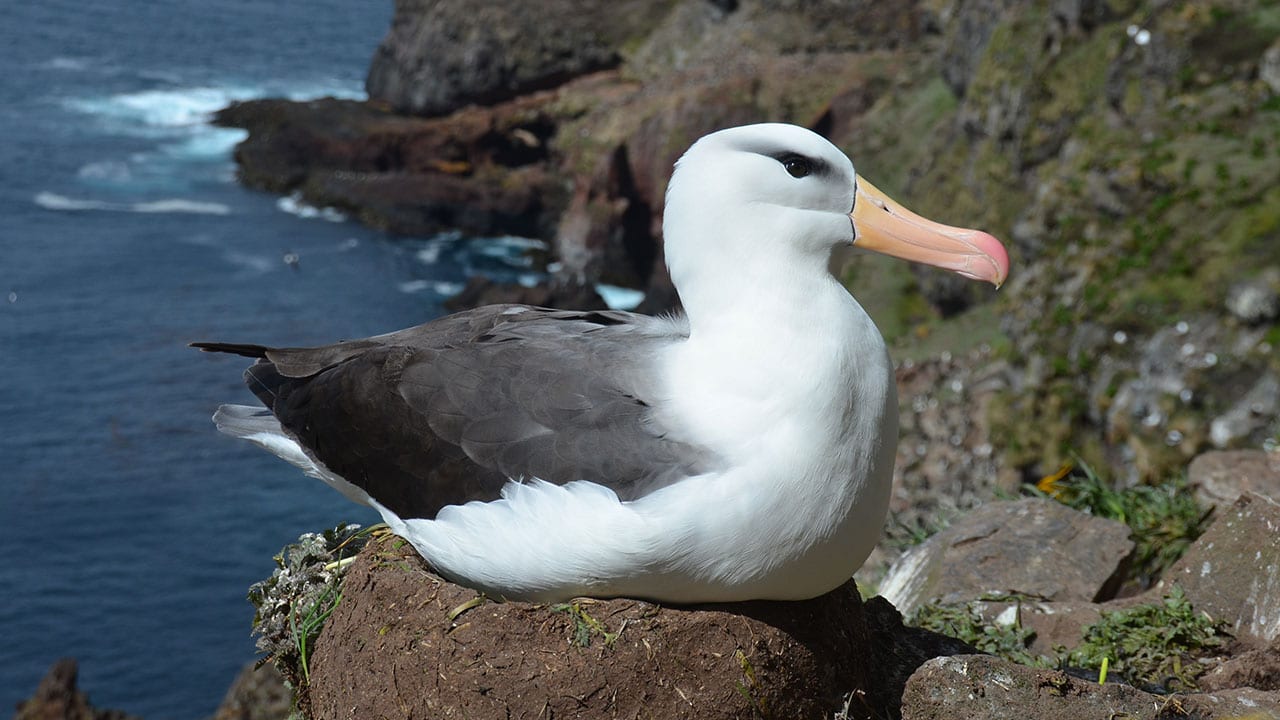
As scientists grapple with the behavioral, ecological and evolutionary impacts of extreme climatic events, the journal Philosophical Transactions of the Royal Society B created a special June issue to explore what is known on the topic and pioneer new approaches to this challenging and rapidly expanding field of study. The issue, which was published online May 8, 2017, was co-edited by Wood Hole Oceanographic institution (WHOI) biologist Stephanie Jenouvrier.
Read MoreTracing the Puzzling Origins of Clinging Jellyfish
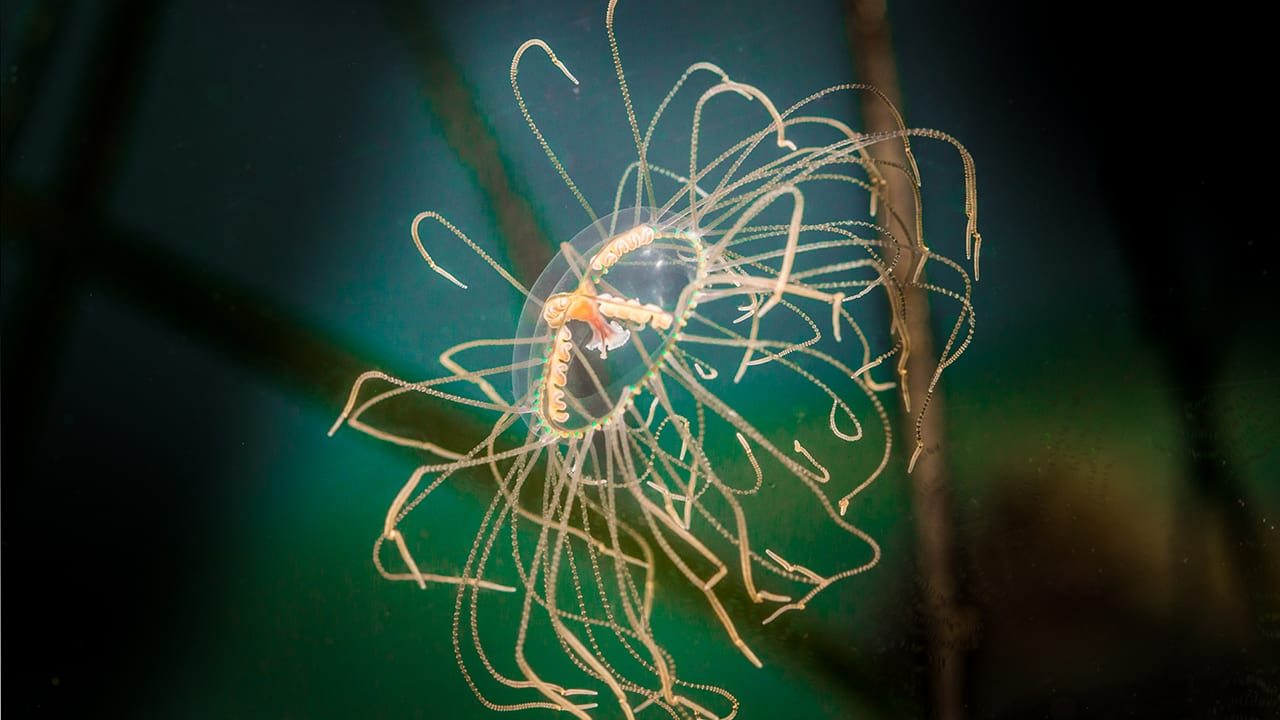
For such small and delicate creatures, they can pack mighty painful stings. Known as clinging jellyfish because they attach themselves to seagrasses and seaweeds, Gonionemus is found along coastlines in the Pacific and Atlantic oceans, and in particular in waters near Vladivostok, Russia. Exactly how these jellyfish, long assumed to be native to the North Pacific, became so widely distributed throughout the world has perplexed researchers for decades
Read MoreCorals Die as Global Warming Collides with Local Weather in the South China Sea
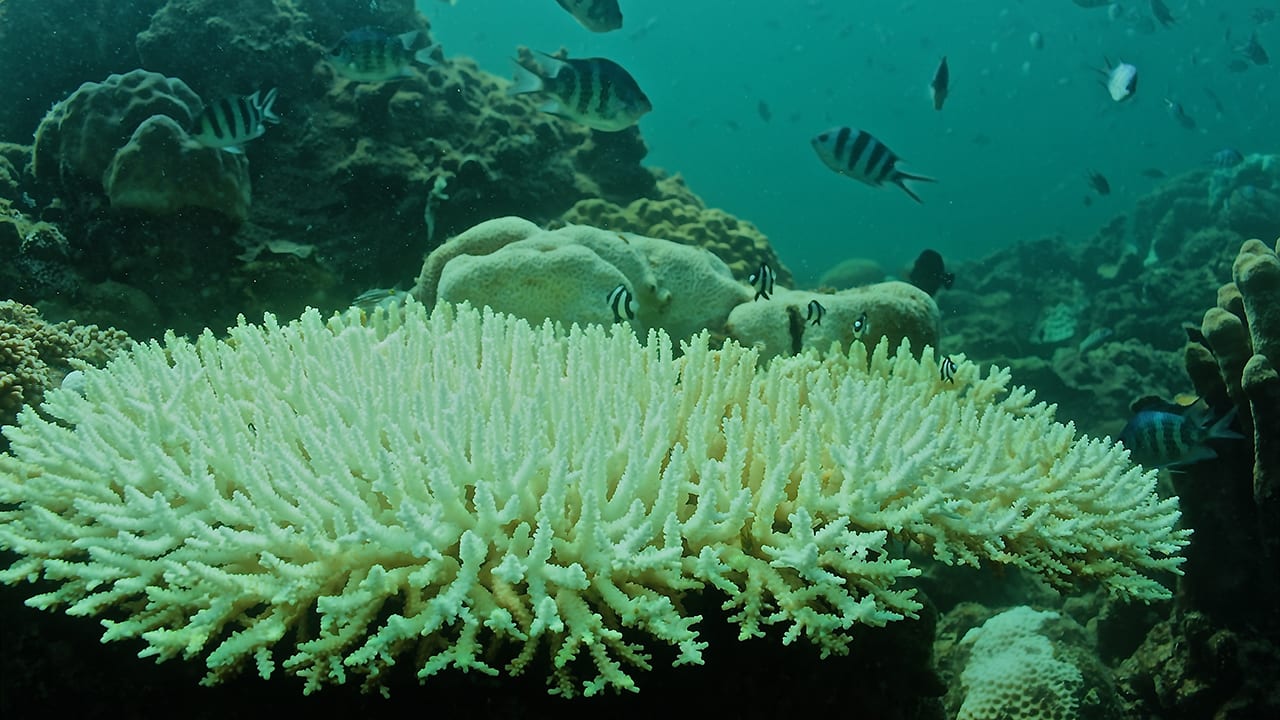
New research highlights the devastation caused when global-scale ocean warming interacts with short-lived weather anomalies, and adds urgency to the question of how reefs will fare through the end of this century.
Read MoreA New Long-Term Ecological Research Site Announced for the Northeast U.S. Shelf
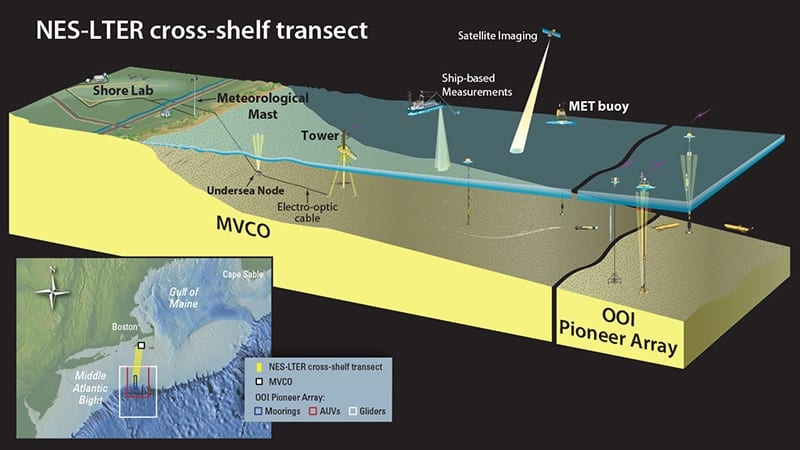
To better understand and manage the intricate ecosystem off the Northeast U.S. coast, the National Science Foundation has announced the selection of this critical ocean region for a new Long Term Ecological Research (LTER) site led by WHOI.
Read MorePanel to Discuss Deep-Sea Mining at AAAS Meeting
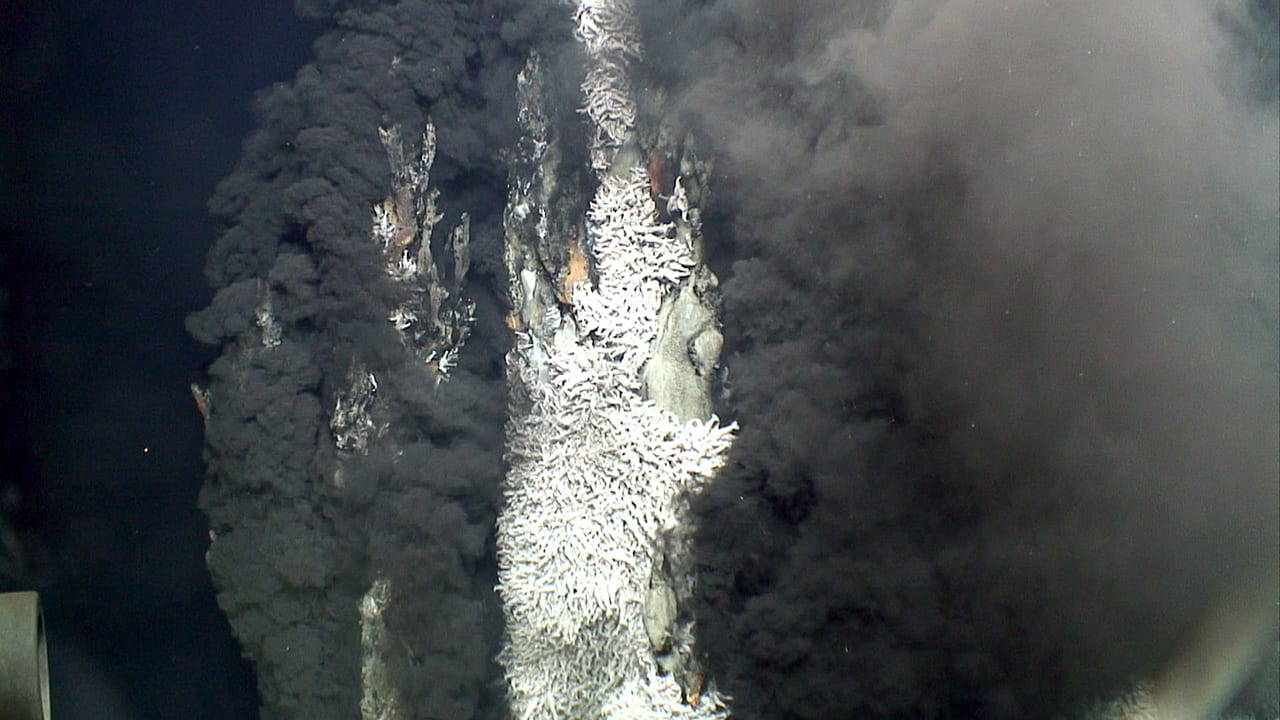
Home to an immense diversity of marine life, the deep ocean also contains valuable minerals with metals such as nickel, copper, cobalt, manganese, zinc, and gold, and rare-earth elements used in electronic technology like smart phones and medical imaging machines. As demand for these resources increases and supplies on land decrease, commercial mining operators are looking to the deep ocean as the next frontier for mining.
Read MoreNew Studies Take a Second Look at Coral Bleaching Culprit
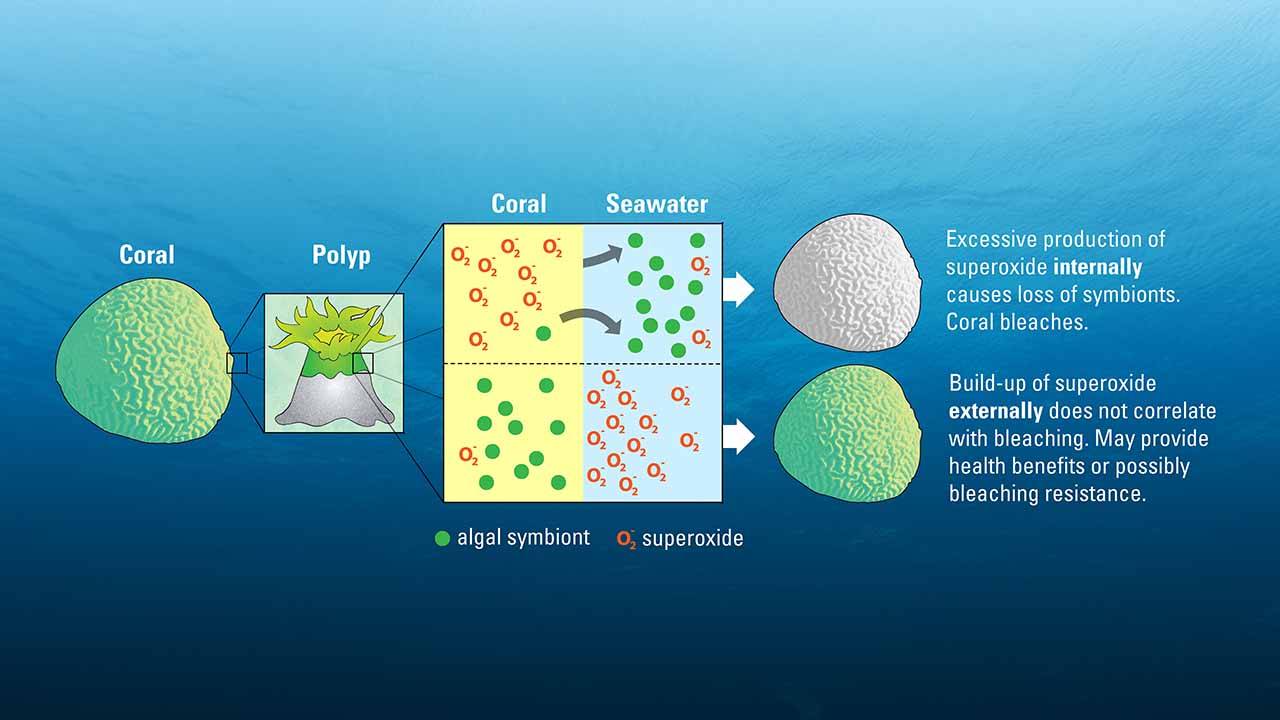
A new study from WHOI indicates that superoxide’a natural toxin believed to be the main culprit behind coral bleaching’may actually play a beneficial role in coral health and resilience.
Read MoreWHOI Scientist Receives Camille and Henry Dreyfus Foundation Award
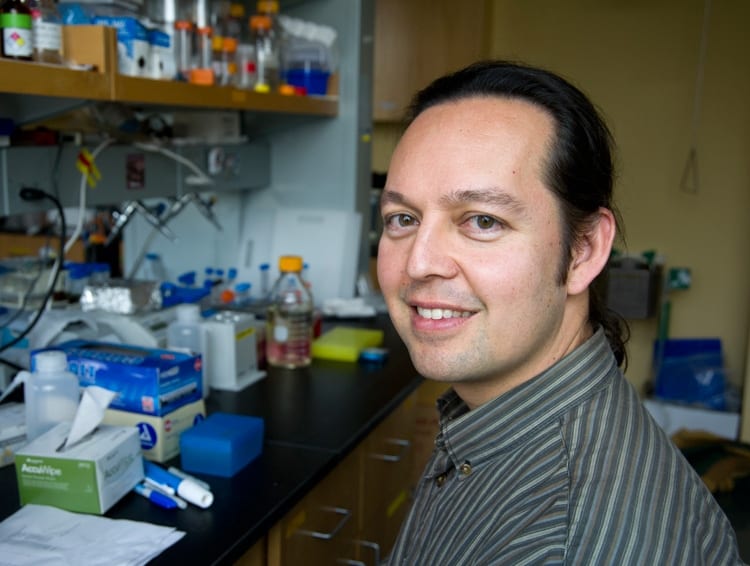
The Camille and Henry Dreyfus Foundation selected Mak Saito, a biogeochemist at Woods Hole Oceanographic Institution (WHOI), as one of eight awardees of a 2016 Postdoctoral Program in Environmental Chemistry grant.
Read MoreNew 13-year Study Tracks Impact of Changing Climate on a Key Marine Food Source
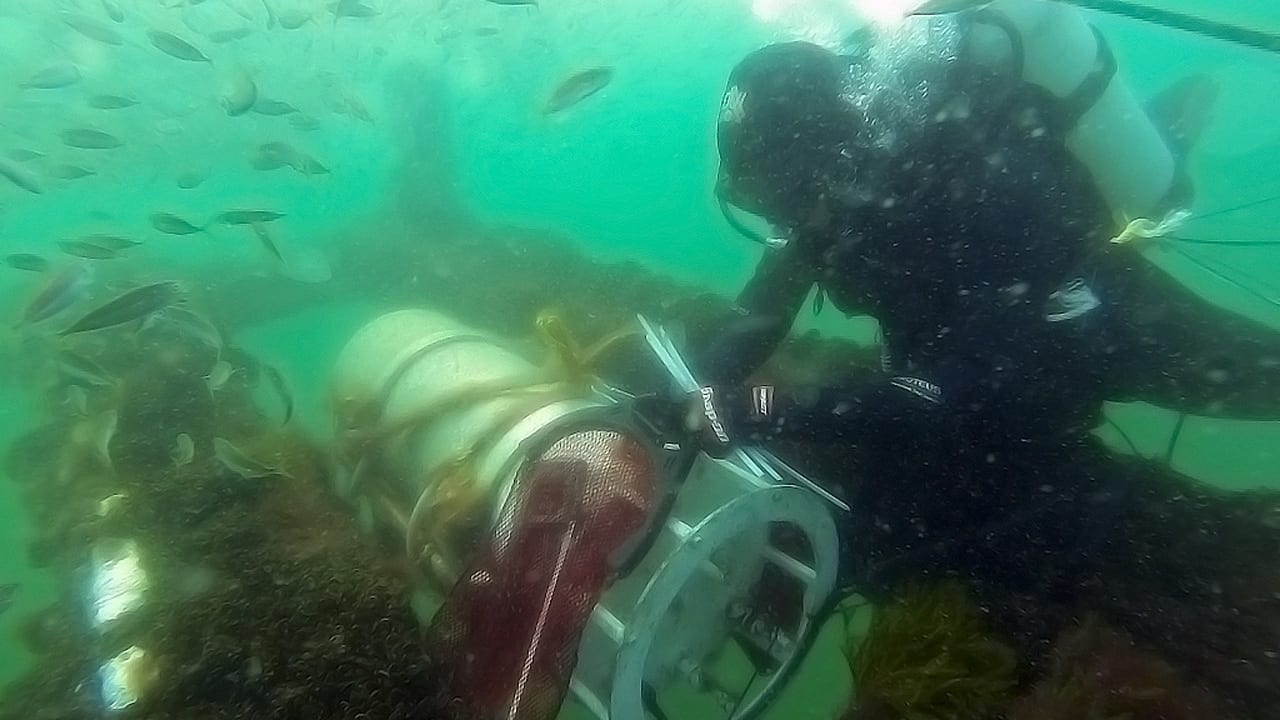
A new multiyear study from scientists at the Woods Hole Oceanographic Institution (WHOI) has shown for the first time how changes in ocean temperature affect a key species of phytoplankton. The study, published in the October 21 issue of the journal Science, tracked levels of Synechococcus – a tiny bacterium common in marine ecosystems – near the coast of Massachusetts over a 13-year period. As ocean temperatures increased during that time, annual blooms of Synechococcus occurred up to four weeks earlier than usual because cells divided faster in warmer conditions, the study found.
Read MoreStudy Reveals Corals’ Influence on Reef Microbes
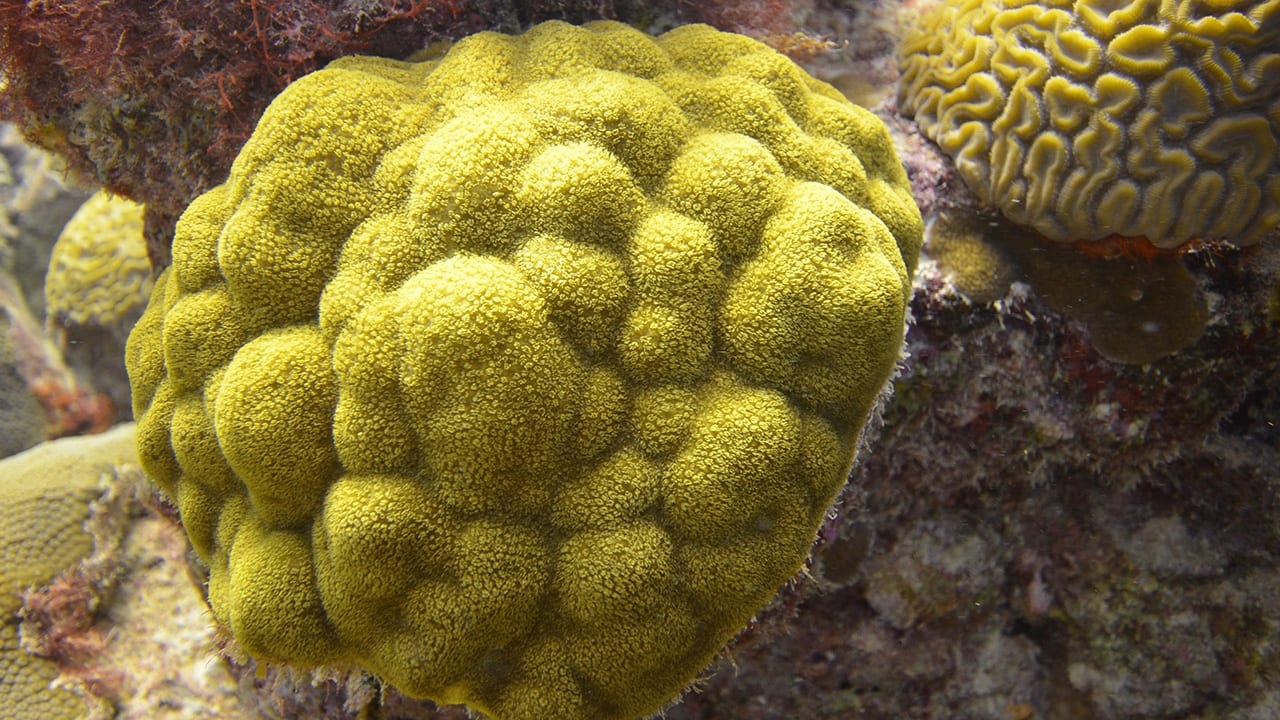
As they grow, corals are bathed in a sea of marine microbes, such as bacteria, algae, and viruses. While these extremely abundant and tiny microorganisms influence coral communities in a variety of ways, a new study by researchers at the Woods Hole Oceanographic Institution (WHOI), the Bermuda Institute of Ocean Sciences (BIOS) and University of California, Santa Barbara (UCSB) reveals that corals also have an impact on the microbes in waters surrounding them
Read MoreScientists Now Listening for Whales in New York Waters With Real-time Acoustic Buoy
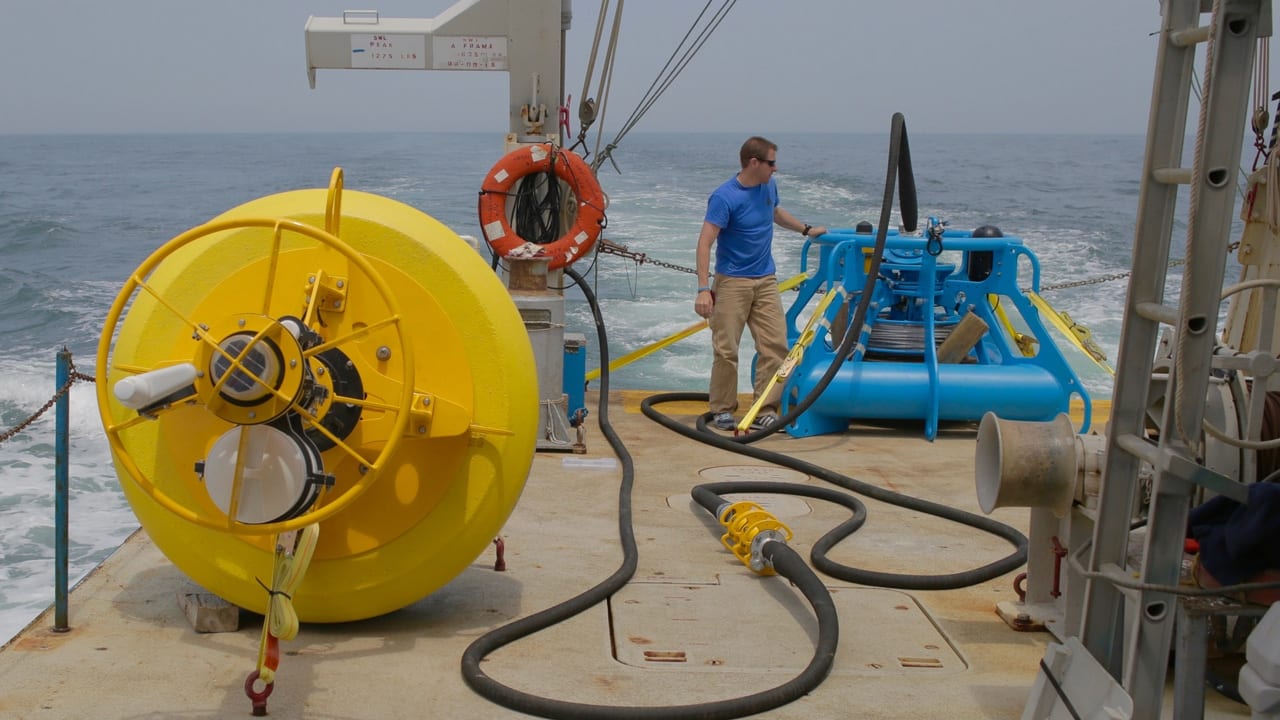
Scientists working for WCS’s (Wildlife Conservation Society) New York Aquarium and the Woods Hole Oceanographic Institution (WHOI) now have an “ear” for the New York region’s biggest “voices and singers”‘ the whales of New York Bight.
Read MoreSwansea University Professor Receives Prestigious Fulbright Award to Study at WHOI
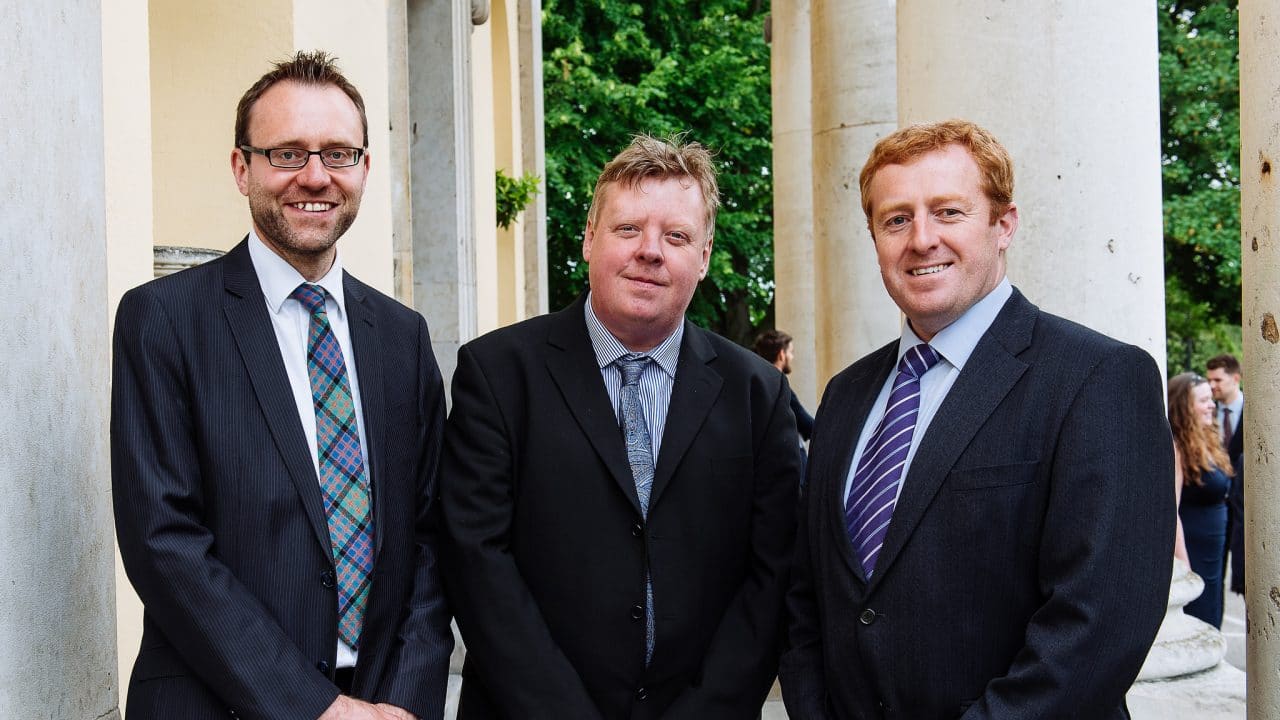
David Lamb, a professor of biochemistry and molecular biology at Swansea University in Wales, will conduct research at Woods Hole Oceanographic Institution (WHOI) as part of an All Disciplines Scholar Fulbright AwardâÃÂÃÂone of the most prestigious and selective scholarship programs operating worldwide.
Read MoreSharkCam Tracks Great Whites into the Deep
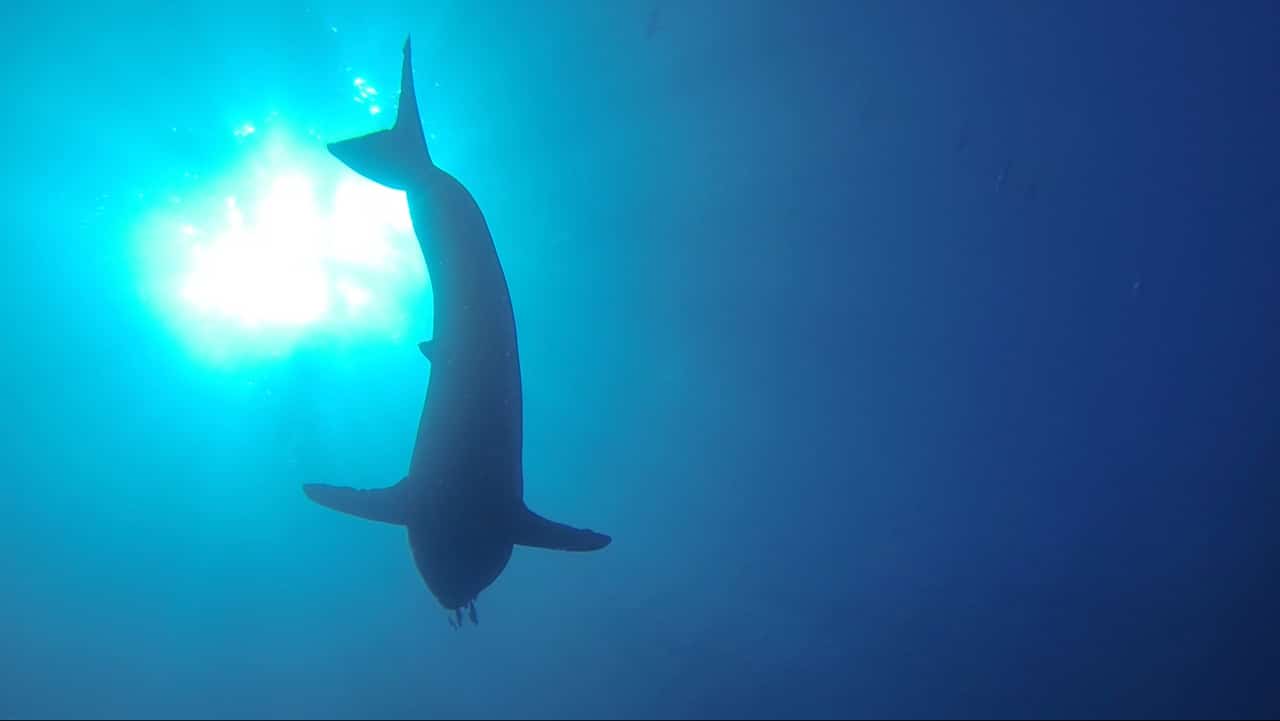
On the first trip to study great white sharks in the wild off Guadalupe Island in 2013, the REMUS SharkCam team returned with an autonomous underwater vehicle (AUV) tattooed with bite marks and some of the most dramatic footage ever seen on Discovery Channel’s Shark Week: large great white sharks attacking the underwater robot, revealing previously unknown details about strategies sharks use to hunt and interact with their prey.
Read MoreSwarming Red Crabs Documented on Video
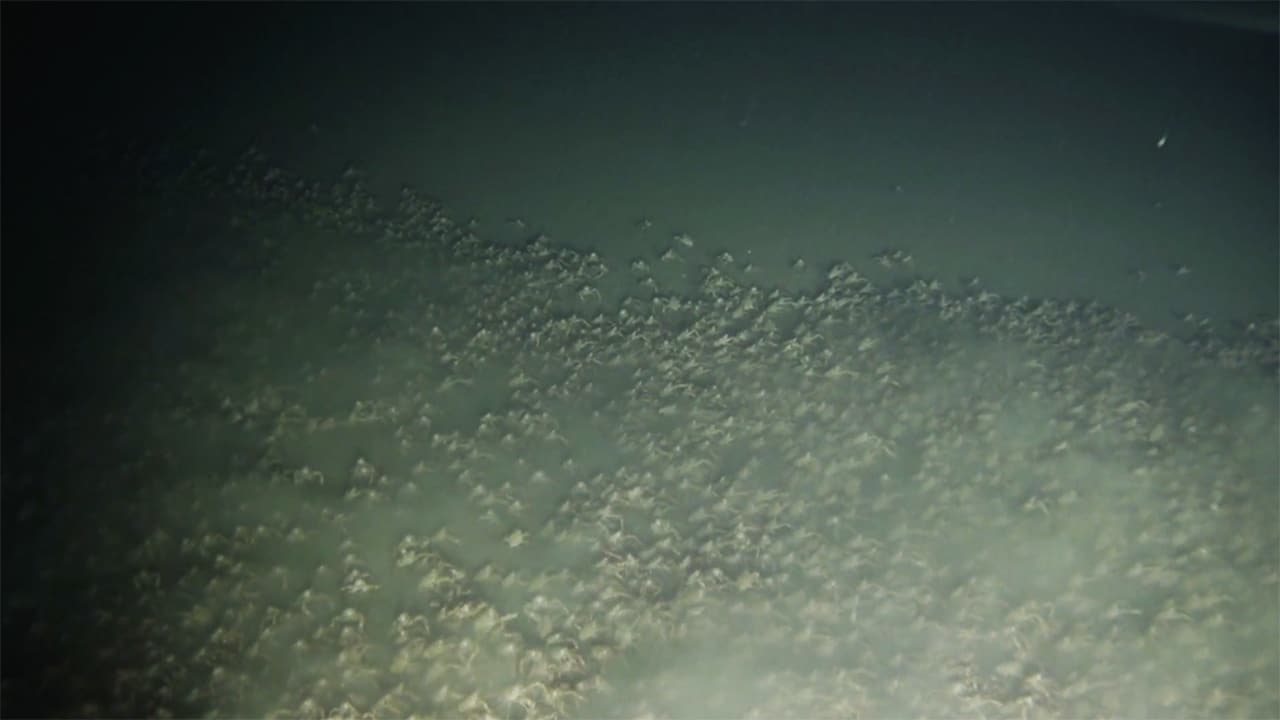
A research team studying biodiversity at the Hannibal Bank Seamount off the coast of Panama has captured unique video of thousands of red crabs swarming in low-oxygen waters just above the seafloor.
Read MoreStudy Reveals Climate Change Impacts on Buzzards Bay
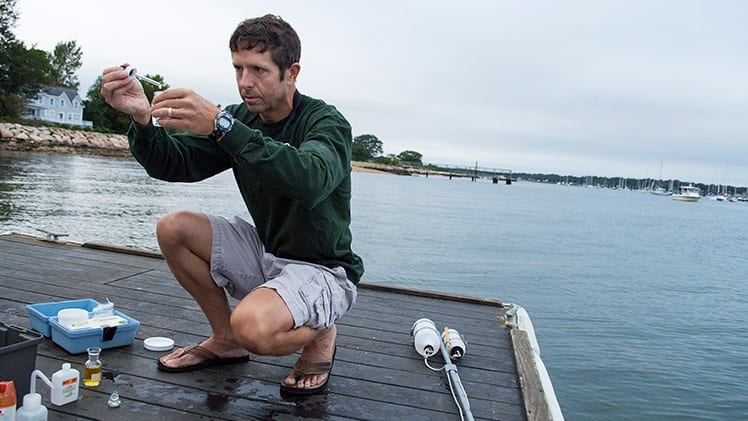
Utilizing 22 years of data collected by a network of citizen scientists, researchers from the Woods Hole Oceanographic Institution (WHOI) and their colleagues at the Buzzards Bay National Estuary Program, the Buzzards Bay Coalition, and the Marine Biological Laboratory found that average summertime temperatures in embayments throughout Buzzards Bay warmed by almost 2 degrees Celsius—roughly 4 degrees Fahrenheit.
Read MoreRobotic Vehicles Offer a New Tool in Study of Shark Behavior
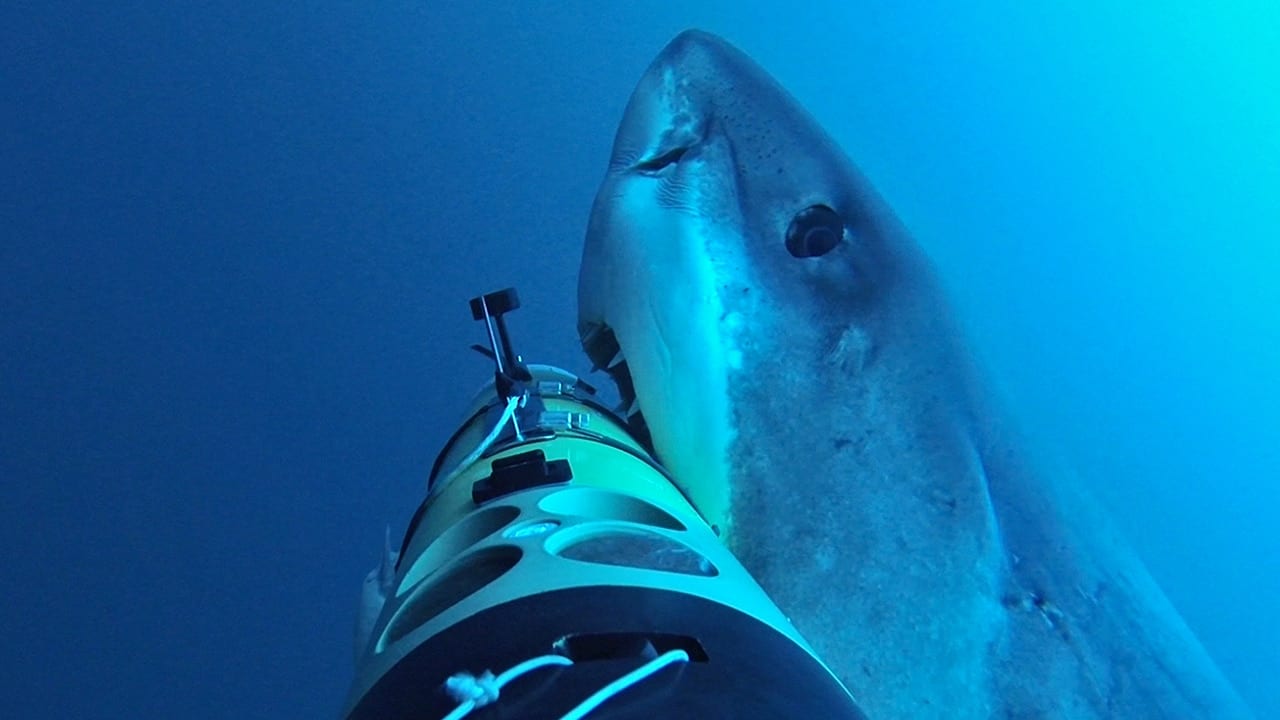
The dramatic video footage of a great white shark attacking the “REMUS SharkCam” autonomous underwater vehicle (AUV) brought some of the highest ratings to Discover Channel’s Shark Week 2014 and went viral on the Internet.
But while the footage was unprecedented, the scientific understanding enabled by the REMUS SharkCam is just as groundbreaking. The AUV was used during a science expedition in 2013 to better understand white shark behavior and represents the first successful efforts to autonomously track and image any animal in the marine environment. The research provides critical data to efforts to conserve these animals.
“We wanted to test the REMUS SharkCam technology to prove that is was a viable tool for observing marine animals – sharks in this case – and to collect substantial data about the animals’s behavior and habitat,” said WHOI engineer Amy Kukulya, one of REMUS SharkCam’s principal investigators.
The research results were recently published in the Journal of Fish Biology. The paper’s lead author is Greg Skomal, a biologist with the Massachusetts Division of Marine Fisheries. In addition to Kukulya, co-authors include biologist E. M. Hoyos-Padilla of Pelagios-Kakunjá, a Mexican marine conservation organization, and WHOI engineer and REMUS SharkCam software developer Roger Stokey.
Read MoreAmy Apprill Featured in Science’s Video Series
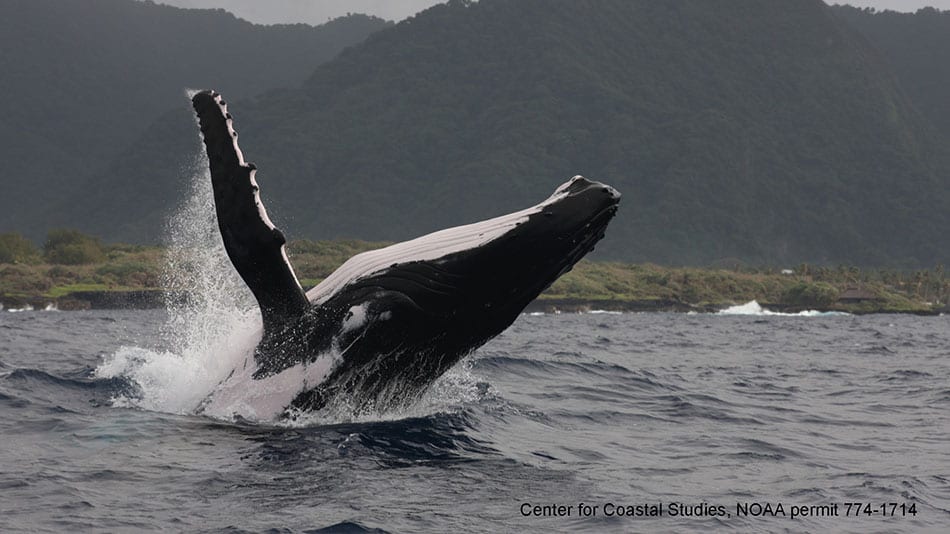
Amy Apprill, a microbiologist at the Woods Hole Oceanographic Institution (WHOI), is one of the extraordinary women scientists featured in Science Magazine’s online video series, “XX Files: Extraordinary Science, Extraordinary Women.” The eight-part series, which highlights diverse projects led by a group of impressive female scientists, began in early October. The video featuring Apprill’s work, “The Humpback Microbiome,” debuts on December 15 and is the last in the special series.
Read MoreDrag from Fishing Gear Entanglements Quantified
In a paper published online Dec. 9, 2015, in Marine Mammal Science, a research team led by the Woods Hole Oceanographic Institution (WHOI), has for the first time quantified the amount of drag on entangled whales that is created by towing fishing gear, such as rope, buoys, and lobster and crab traps. The study provides important data for teams evaluating the risks and benefits of whale disentanglements.
Read MoreNew Study Provides First Field Observations of Rare Omura’s Whales
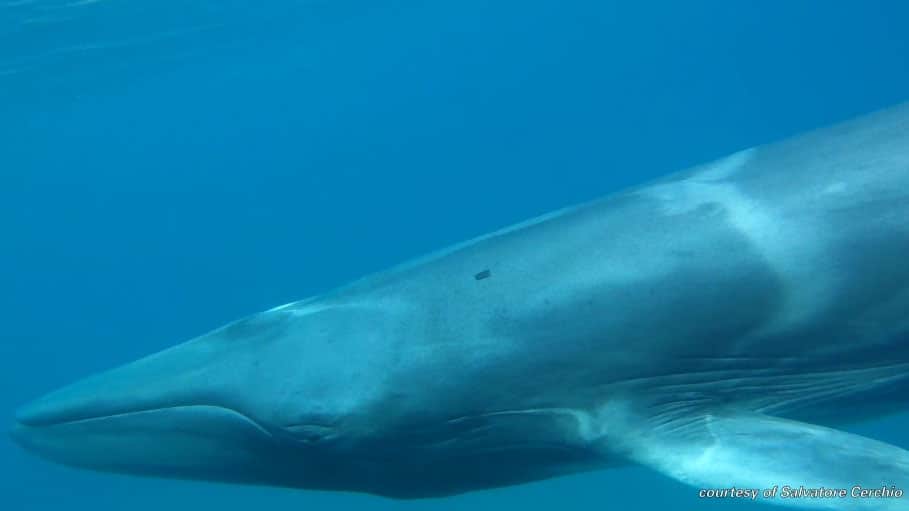
In a paper published October 14, 2015, in the Royal Society Open Science journal, the researchers describe the whales’ foraging and vocal behaviors, and habitat preferences in the shallow waters of coastal Madagascar.
Read More