
News Releases
WHOI and CMA CGM Group deploy acoustic monitoring buoy near Norfolk, Virginia
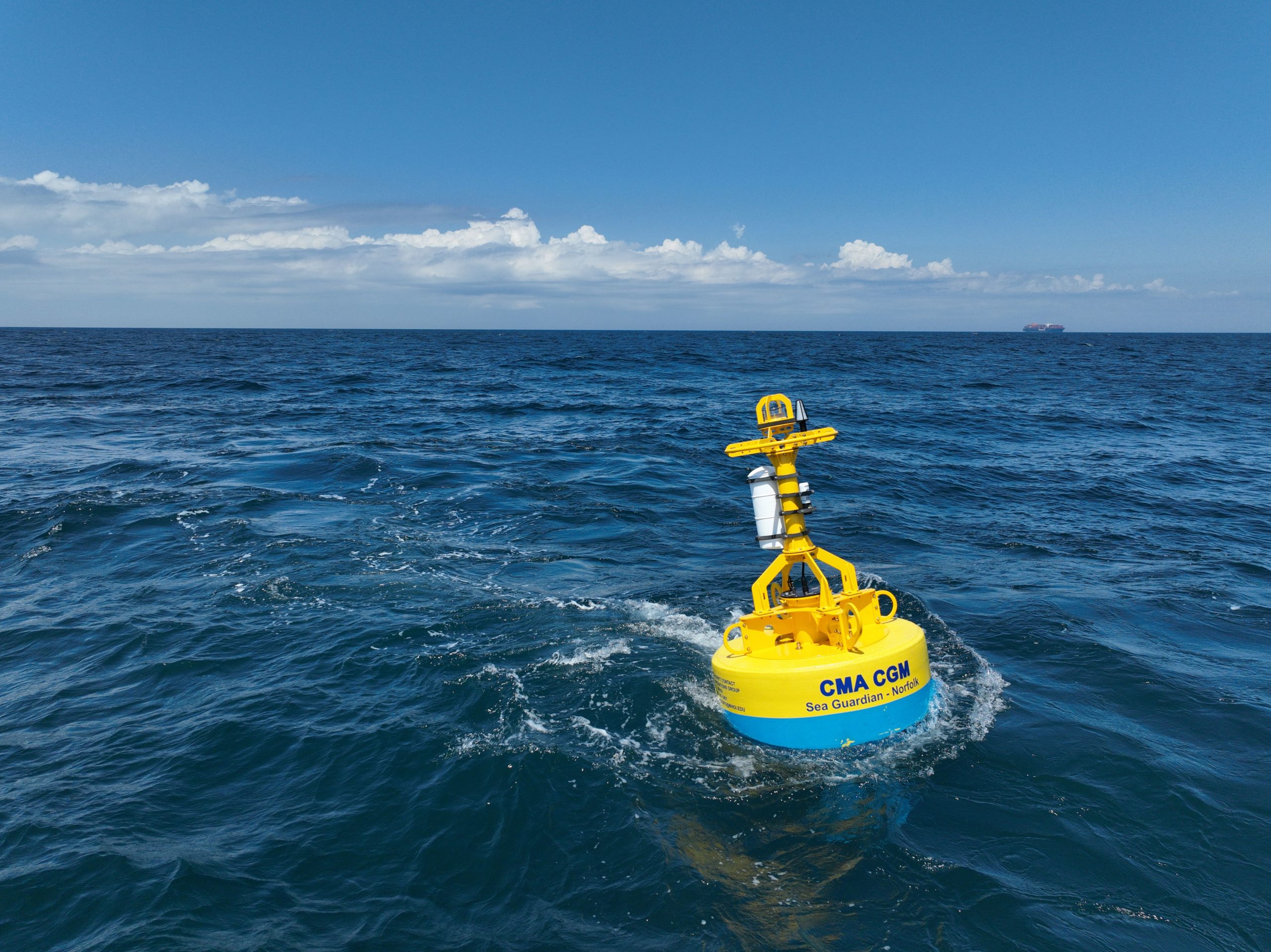
Woods Hole Oceanographic Institution (WHOI) and The CMA CGM Group, a global player in sea, land, air, and logistics solutions, have deployed an acoustic monitoring buoy 33 miles off the coast of Norfolk, Virginia. A second buoy is slated for deployment off the coast of Savannah, Georgia in the coming weeks.
Read MoreWHOI campaign sheds light on new strategies and solutions for the coral reef crisis
In advance of World Ocean Day on June 8, Woods Hole Oceanographic Institution (WHOI) is launching its Give Reefs a Chance campaign, aimed at raising awareness of what WHOI scientists and engineers are doing to tackle the corals crisis, the importance of coral reefs, and what we can all do to give reefs a chance to survive.
Read MoreWHOI scientists receive 2022 Simons Early Career Investigator Awards
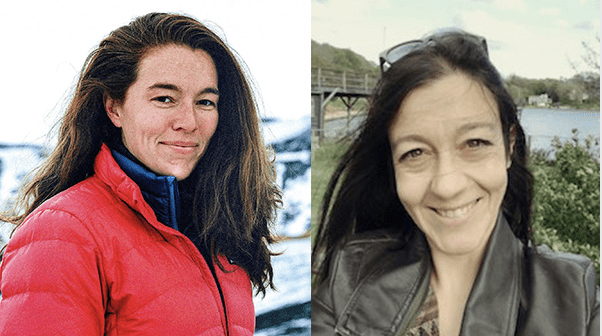
Two Woods Hole Oceanographic Institution scientists have received prestigious Simons Early Career Investigator in Marine Microbial Ecology and Evolution Awards. Maria Pachiadaki and Harriet Alexander are both assistant scientists at WHOI, focusing on different aspects of microbial ecology.
Read MoreSmaller female North Atlantic right whales, fewer calves
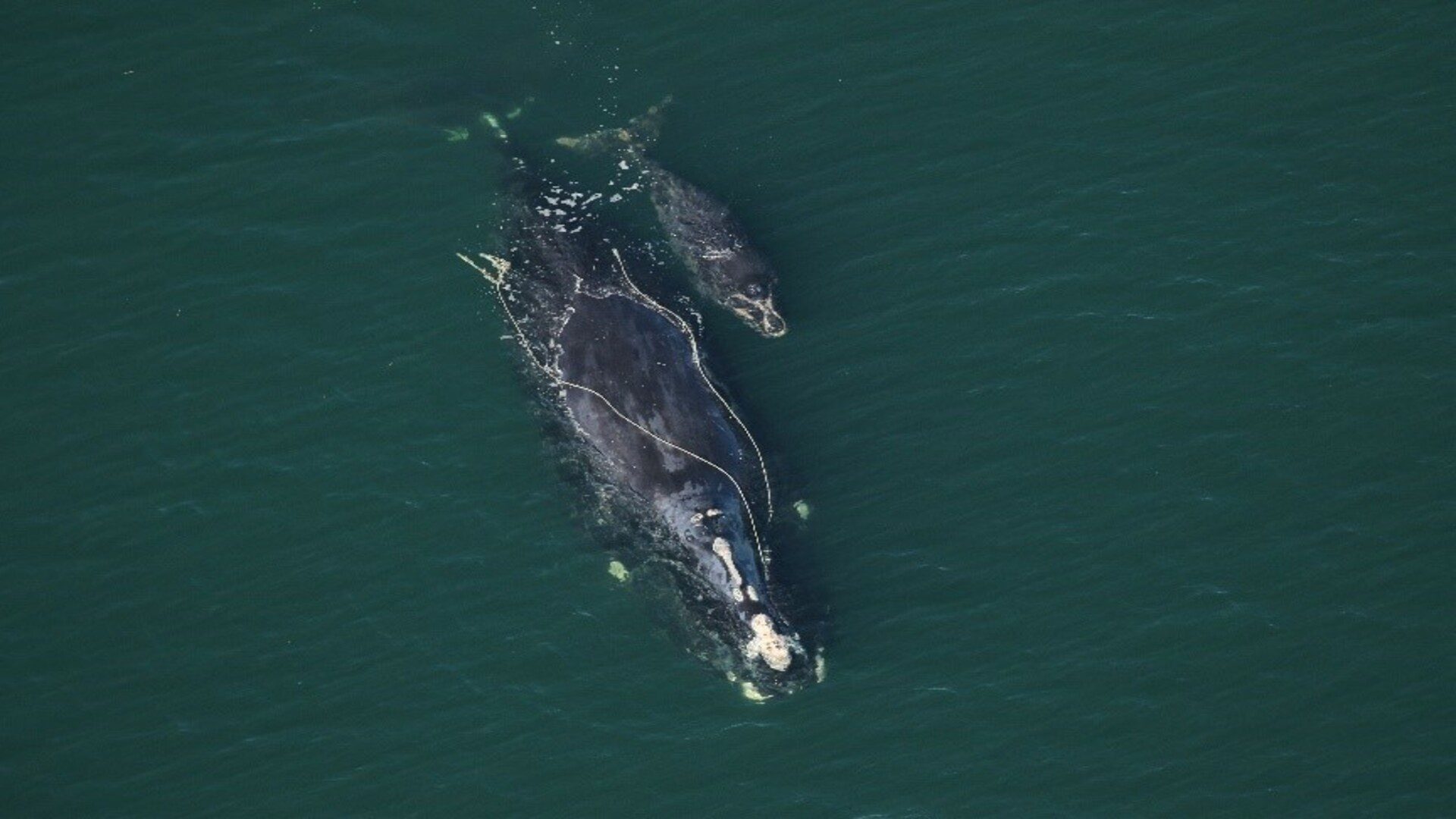
The declining body size of North Atlantic right whales may have critical consequences for the future of the species. New research, co-authored by Woods Hole Oceanographic Institution’s senior scientist Michael Moore, shows that smaller females produce fewer calves.
Read MoreFluid Flow Stimulates Chemosynthesis in a Greek Salad of Hydrothermal Microbes
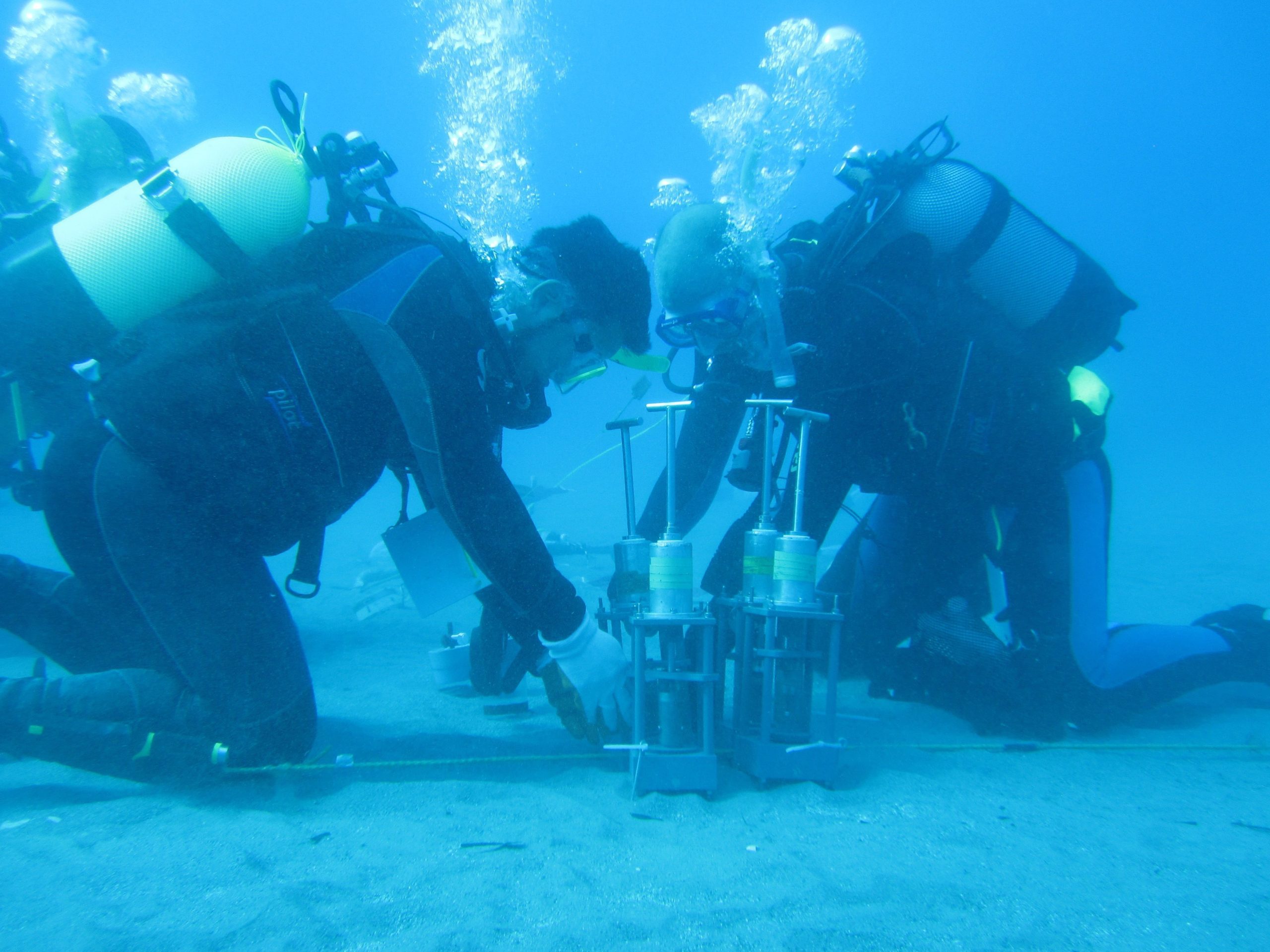
A new study uses an innovative approach to examine the bay’s shallow-water hydrothermal system and the production of microbes there in situ and near natural conditions as a model to assess the importance of hydrothermal fluid circulation on chemosynthesis.
Read MoreDeepest sediment core collected in the Atlantic Ocean
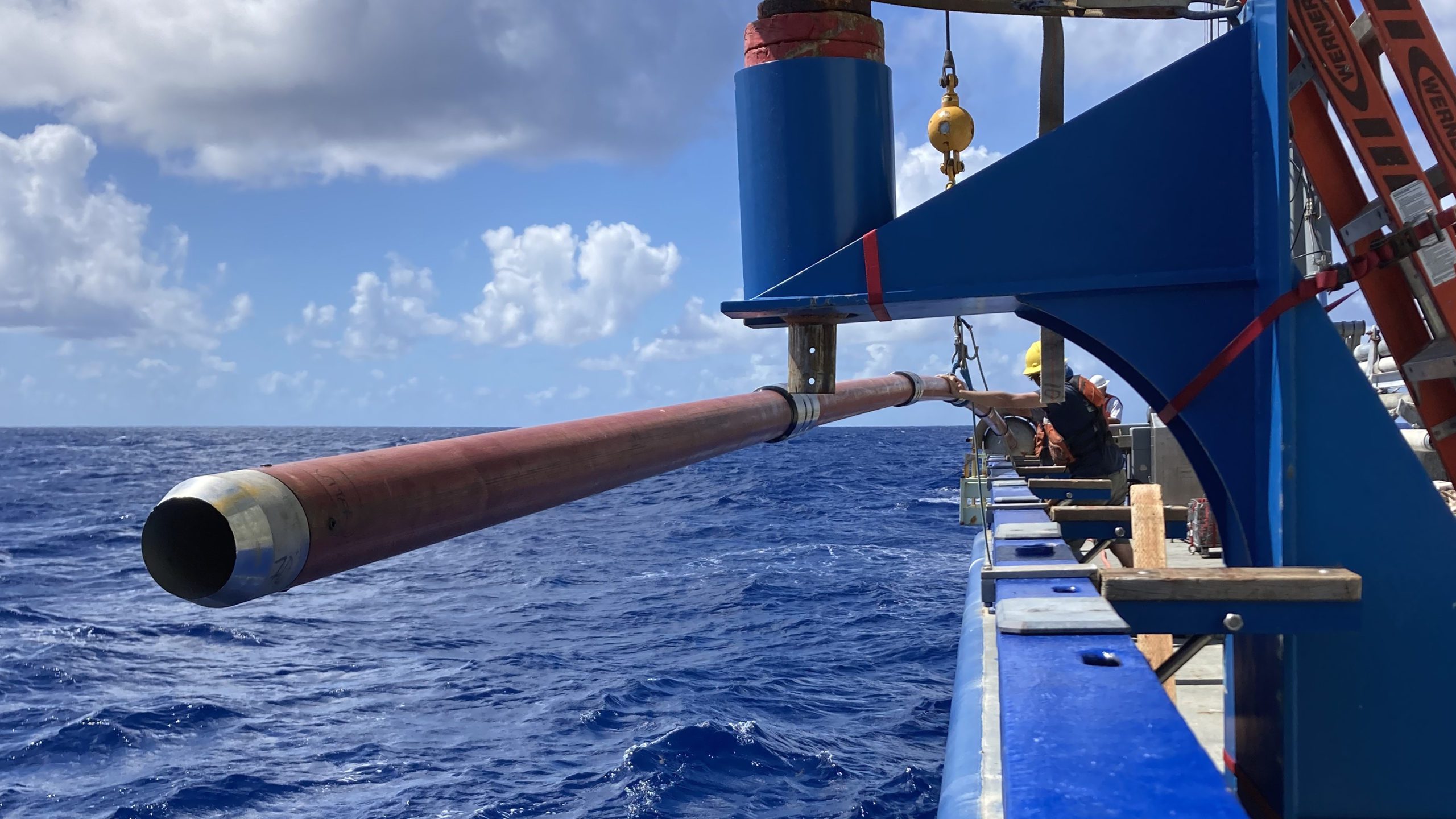
A team of scientists, engineers, and ship’s crew on the research vessel Neil Armstrong operated by the Woods Hole Oceanographic Institution (WHOI) recently collected a 38-foot-long cylindrical sediment sample from the deepest part of the Puerto Rico Trench, nearly 5 miles below the surface.
Read MoreWHOI collaborates with CMA CGM to increase protections for marine mammals

A collaboration between Woods Hole Oceanographic Institution (WHOI) and the CMA CGM Group, a world leader in shipping and logistics, aims to increase whale detection efforts along the U.S East Coast, particularly for North Atlantic right whales, and reduce the potential for ship strikes along critical shipping routes.
Read MoreWHOI scientist elected as Fellow of the American Academy of Microbiology
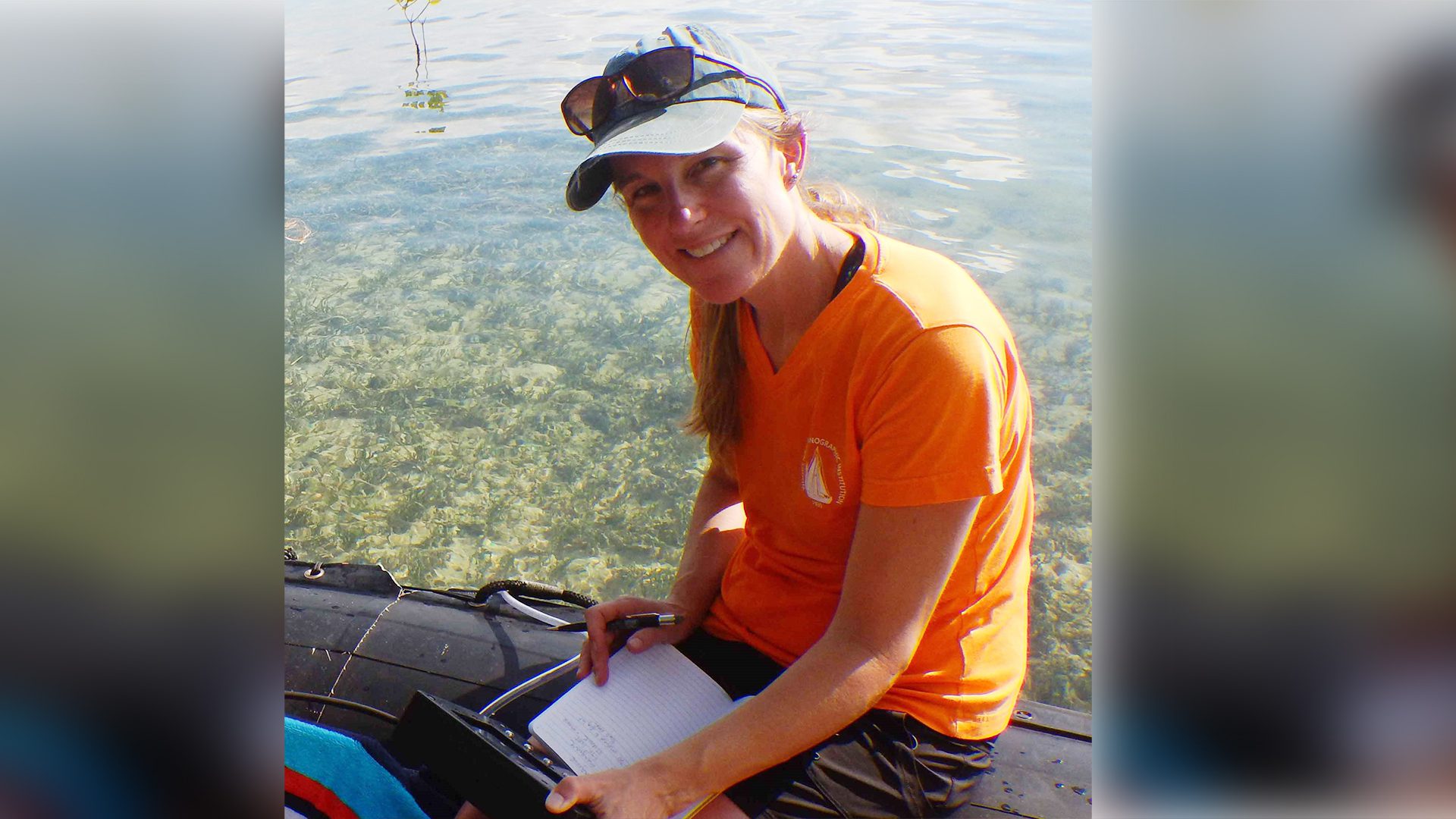
Woods Hole Oceanographic Institution scientist elected as Fellow of the American Academy of Microbiology Colleen Hansel, associate scientist at WHOI, has been elected as a Fellow of the American Academy…
Read MoreEvidence Bolsters Classification of a Major Spawning Ground for Atlantic Bluefin Tuna Off the Northeast U.S.
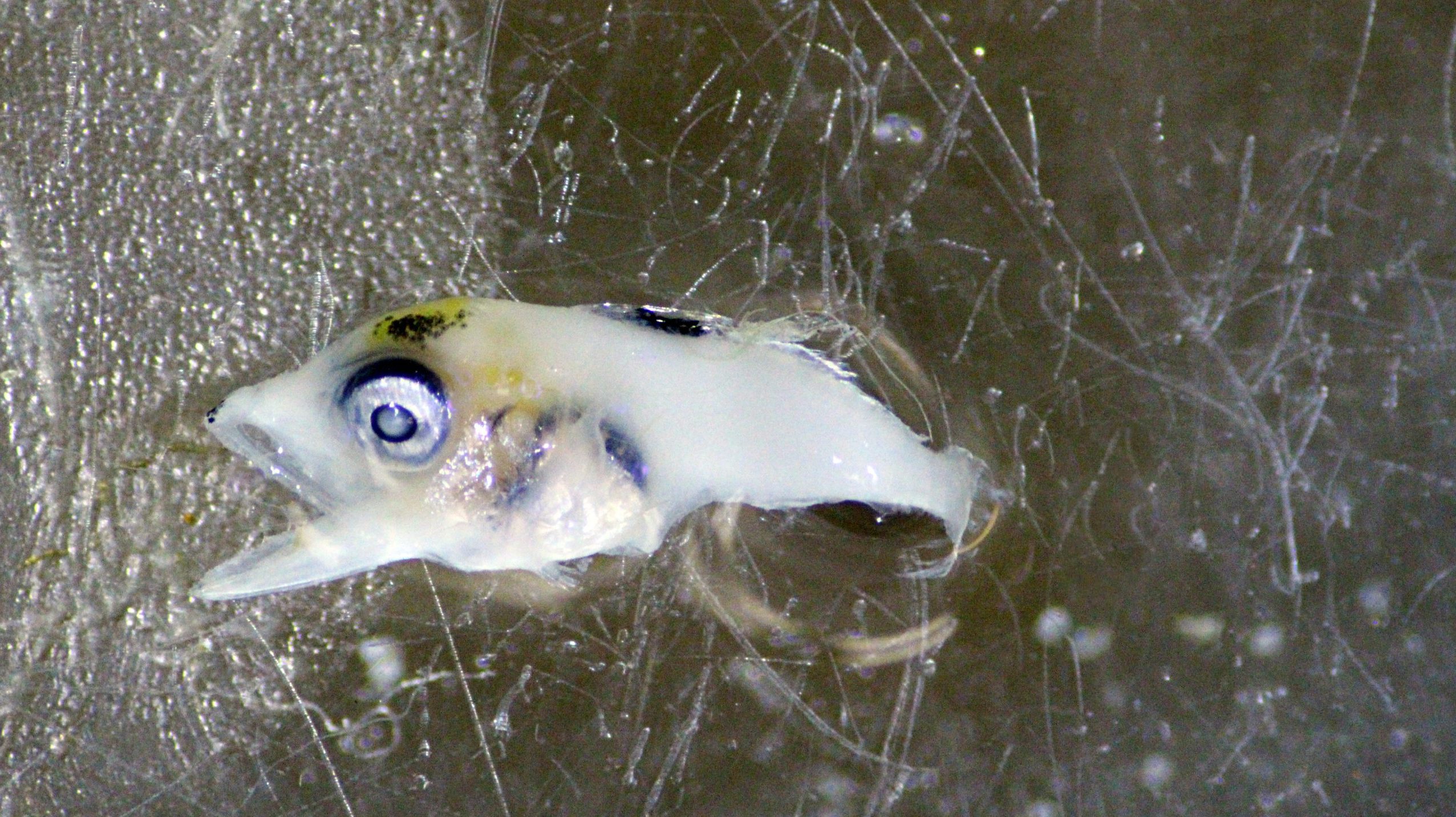
The Slope Sea off the Northeast United States is a major spawning ground for Atlantic bluefin tuna (Thunnus thynnus), a new WHOI-led paper affirms. This finding likely has important implications for population dynamics and the survival of this fish.
Read MoreWoods Hole Oceanographic Institution-led study explores effects of noise on marine life
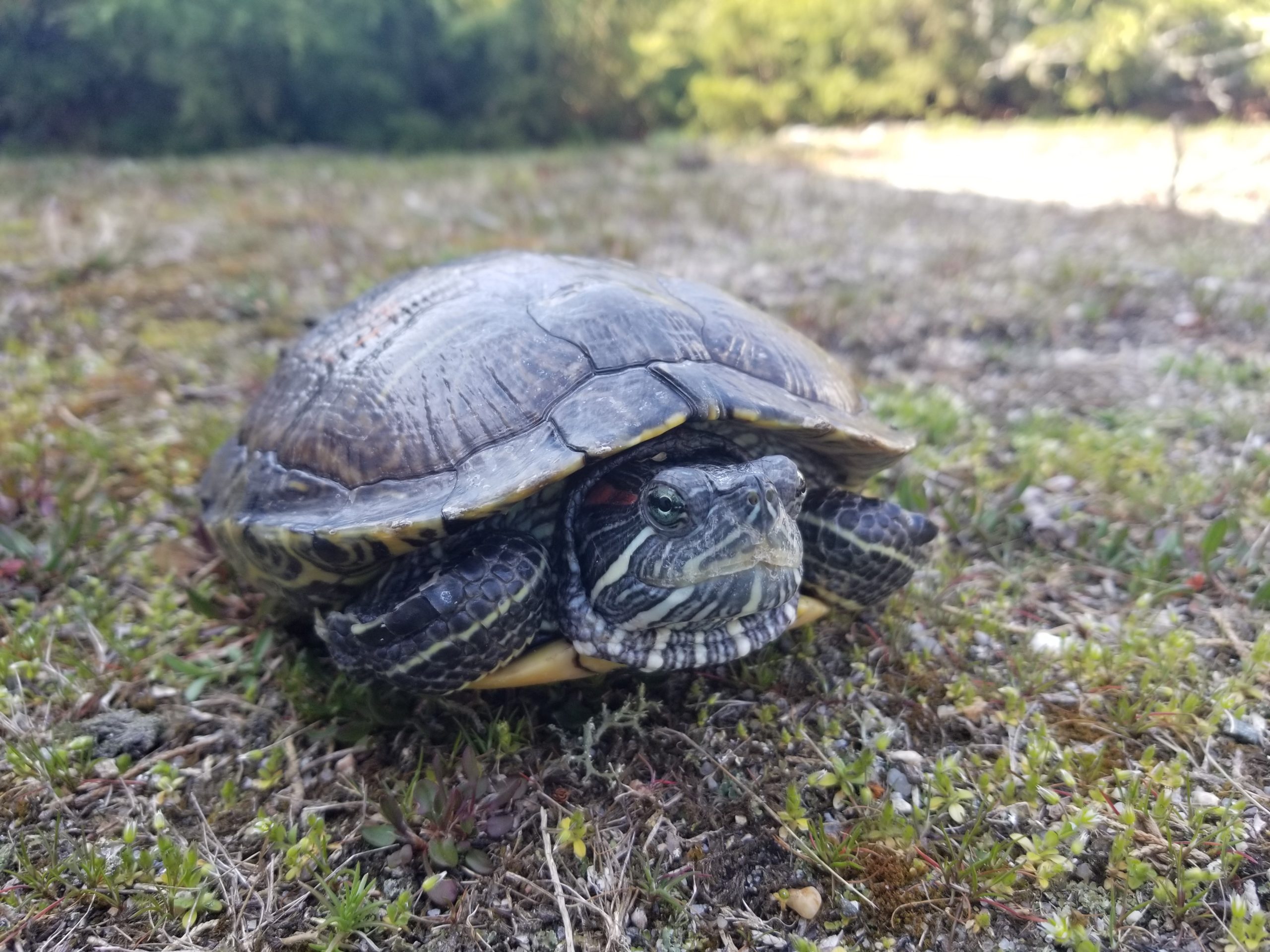
New research shows turtles can experience temporary hearing loss from an excess of underwater noise. This high volume of sound, referred to as underwater noise pollution, can be caused by passing ships and offshore construction. These preliminary findings were part of a Woods Hole Oceanographic Institution-led study that is being presented at the 2022 Ocean Sciences Meeting..
Read MoreResearch suggests giant kelp has different factors that bear on its growth dynamics
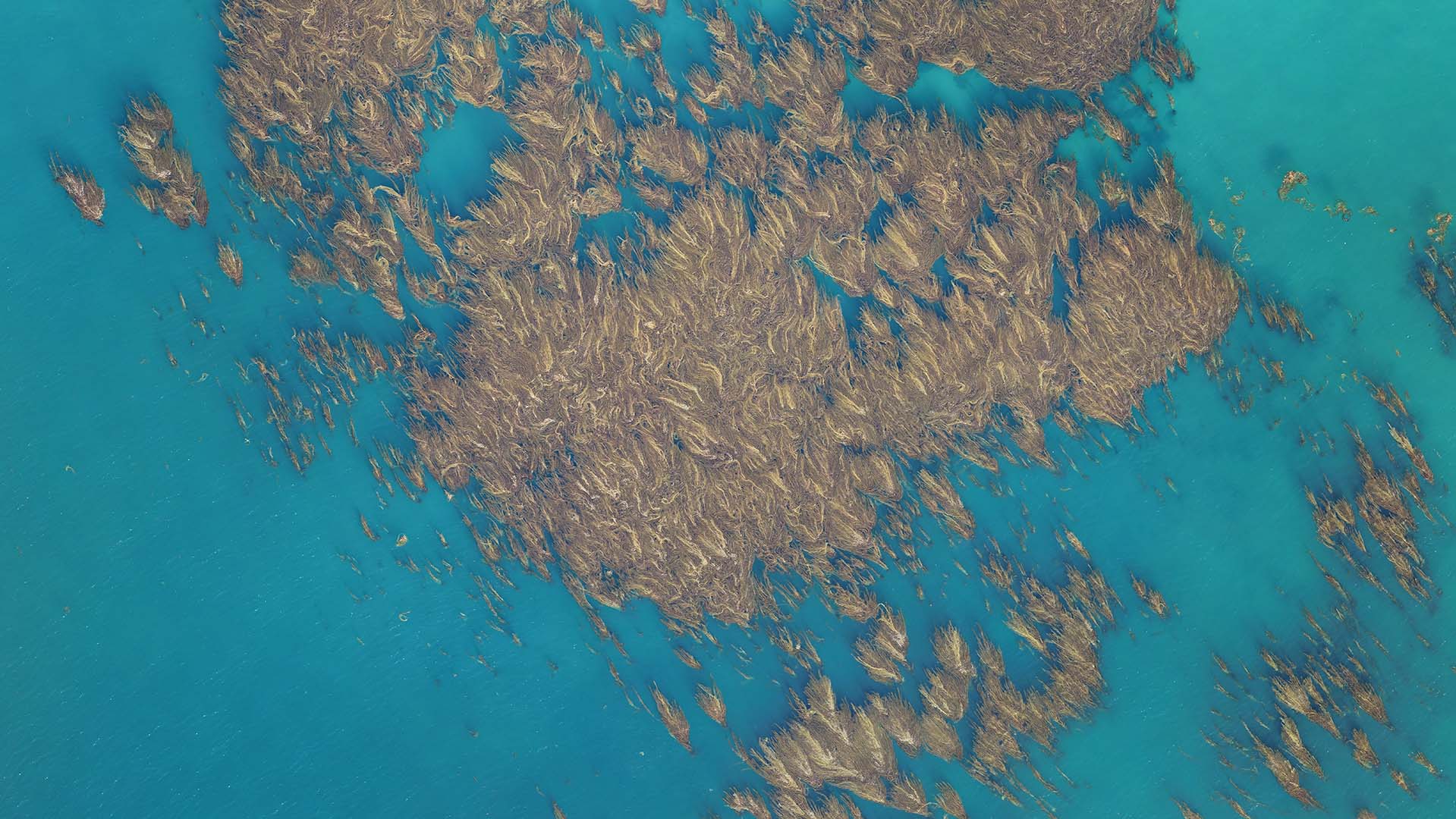
The macroalga giant kelp, which is an iconic and important ecosystem-structuring species found off the coast of California and many other coastlines, can grow 100-feet long within 1-2 years. Now, researchers using novel remote sensing observations have found that different factors may bear on the spatial growth dynamics of the Macrocystis pyrifera kelp, which is the largest species of algae in the world.
Read MoreDevelopment of a curious robot to study coral reef ecosystems awarded $1.5 million by the National Science Foundation
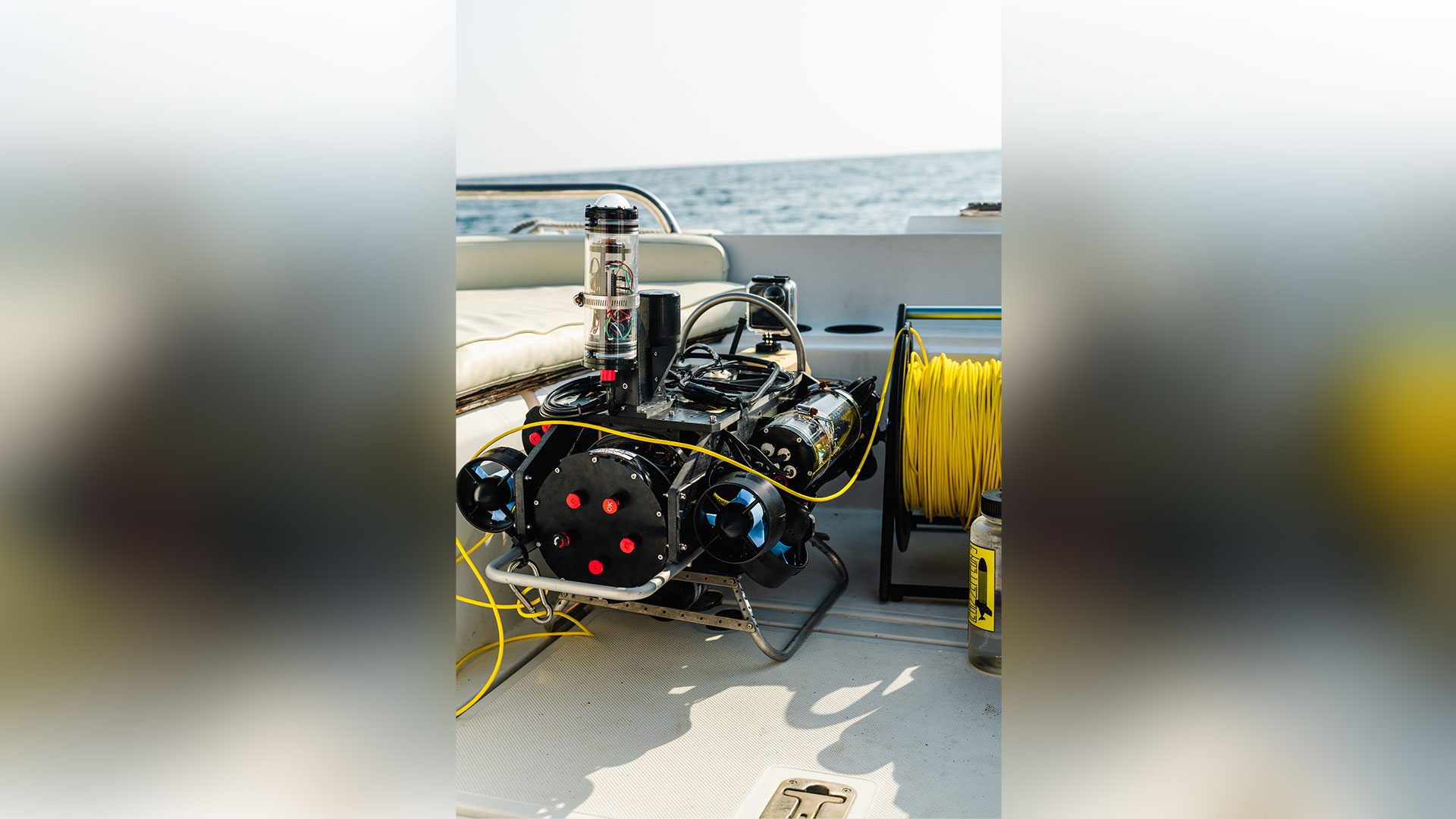
A prototype of an autonomous underwater vehicle capable of navigating complex underwater environments and of collecting data adaptively over long periods of time. Daniel Hentz / ©Woods Hole Oceanographic Institution…
Read MoreNew book by WHOI marine scientist offers a grim look at an endangered whale species
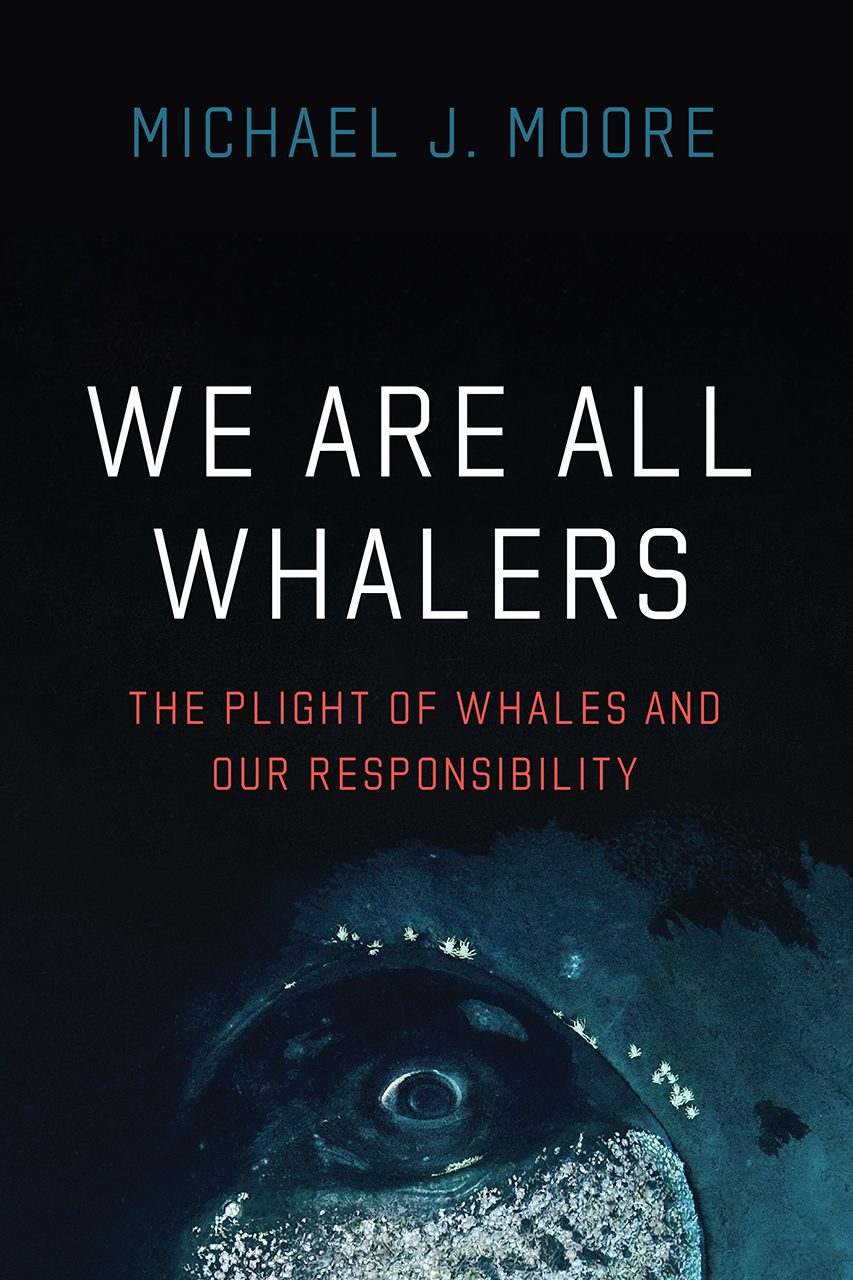
A new book by Michael Moore, veterinarian, and marine scientist at Woods Hole Oceanographic Institution (WHOI), examines the plight and future of the North Atlantic right whale, one of the most critically endangered species on the planet, and draws on Moore’s 40 years of fieldwork to offer possible solutions.
Read MoreEnvironmental DNA is a reliable way to learn about migration from the twilight zone
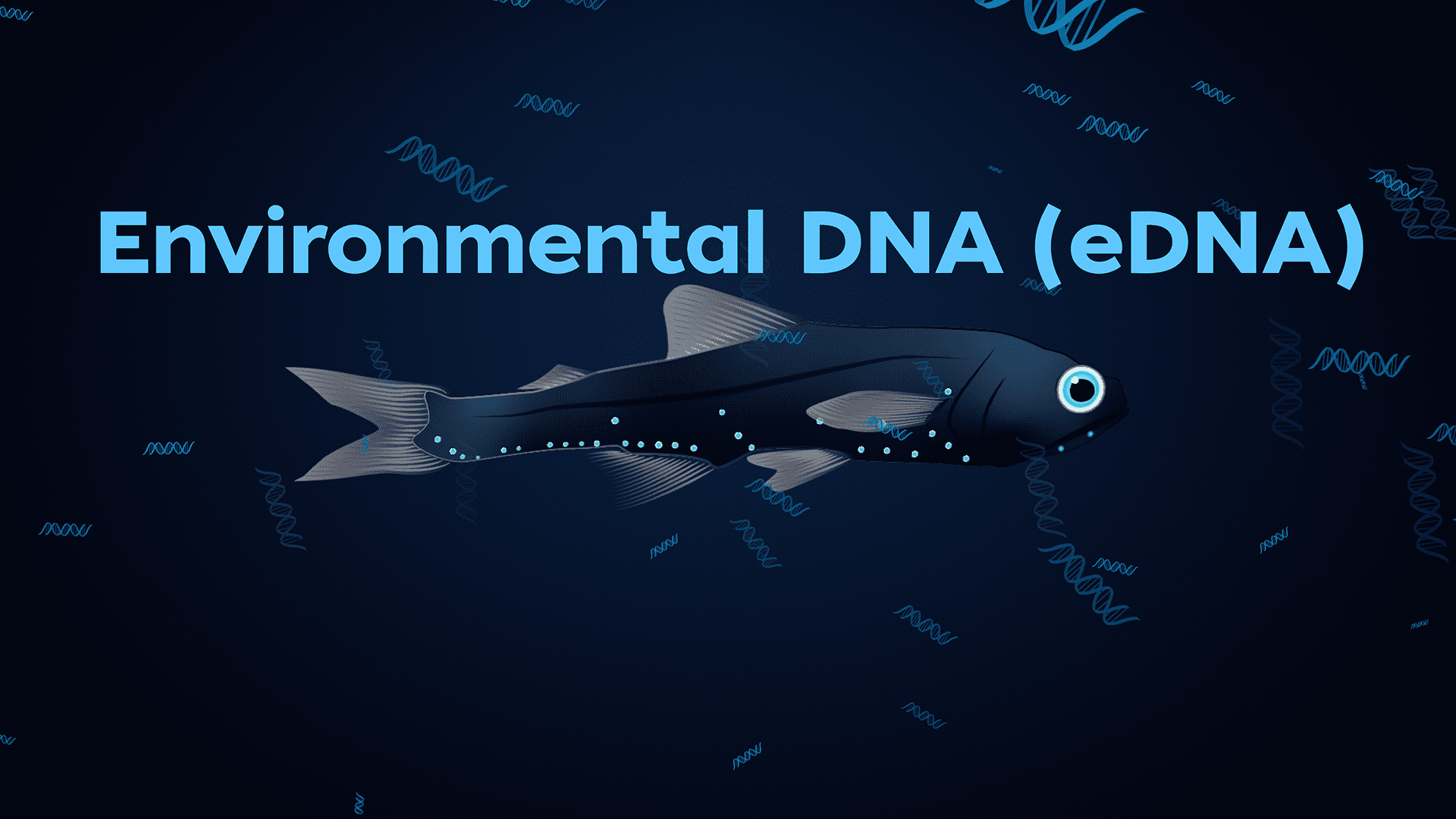
Woods Hole, MA — The mid-ocean “twilight zone” holds the key to several tantalizing questions about the marine food web and carbon-sequestering capacity of the ocean. But studying this vast…
Read MoreWHOI multidisciplinary team selected for prestigious National Science Foundation Program
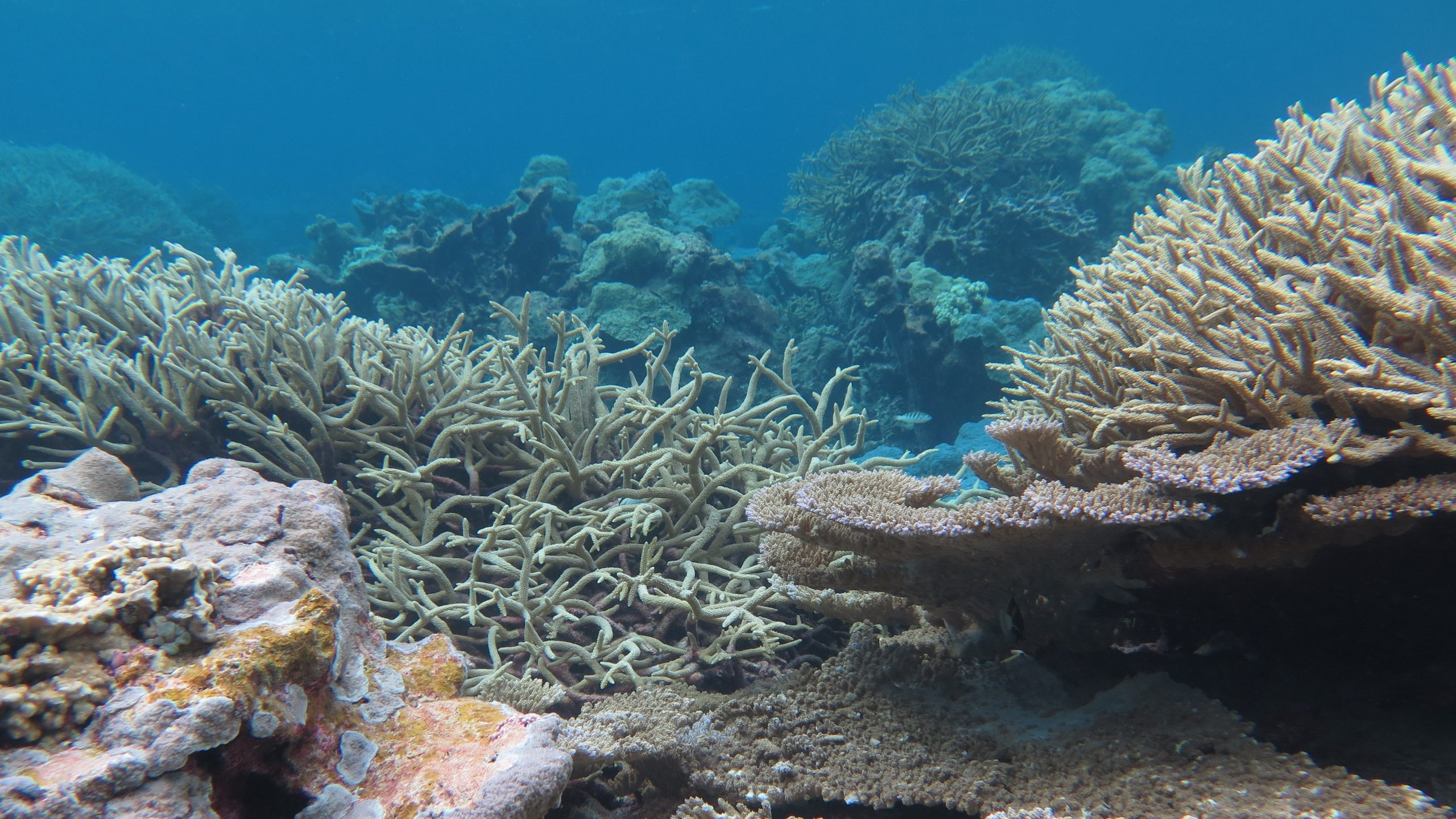
Woods Hole Oceanographic Institution (WHOI) has been selected by the U.S National Science Foundation (NSF) for phase one of a two-part Convergence Accelerator Program, a $21 million investment to advance use-inspired solutions addressing national-scale societal challenges. WHOI is one of sixteen teams across the US chosen to participate in Track E: The Networked Blue Economy, which aims to create a smart, integrated, connected, and open ecosystem for ocean innovation, exploration, and sustainable utilization.
Read MoreWHOI collaborates to bring video installation to United Nation Headquarters
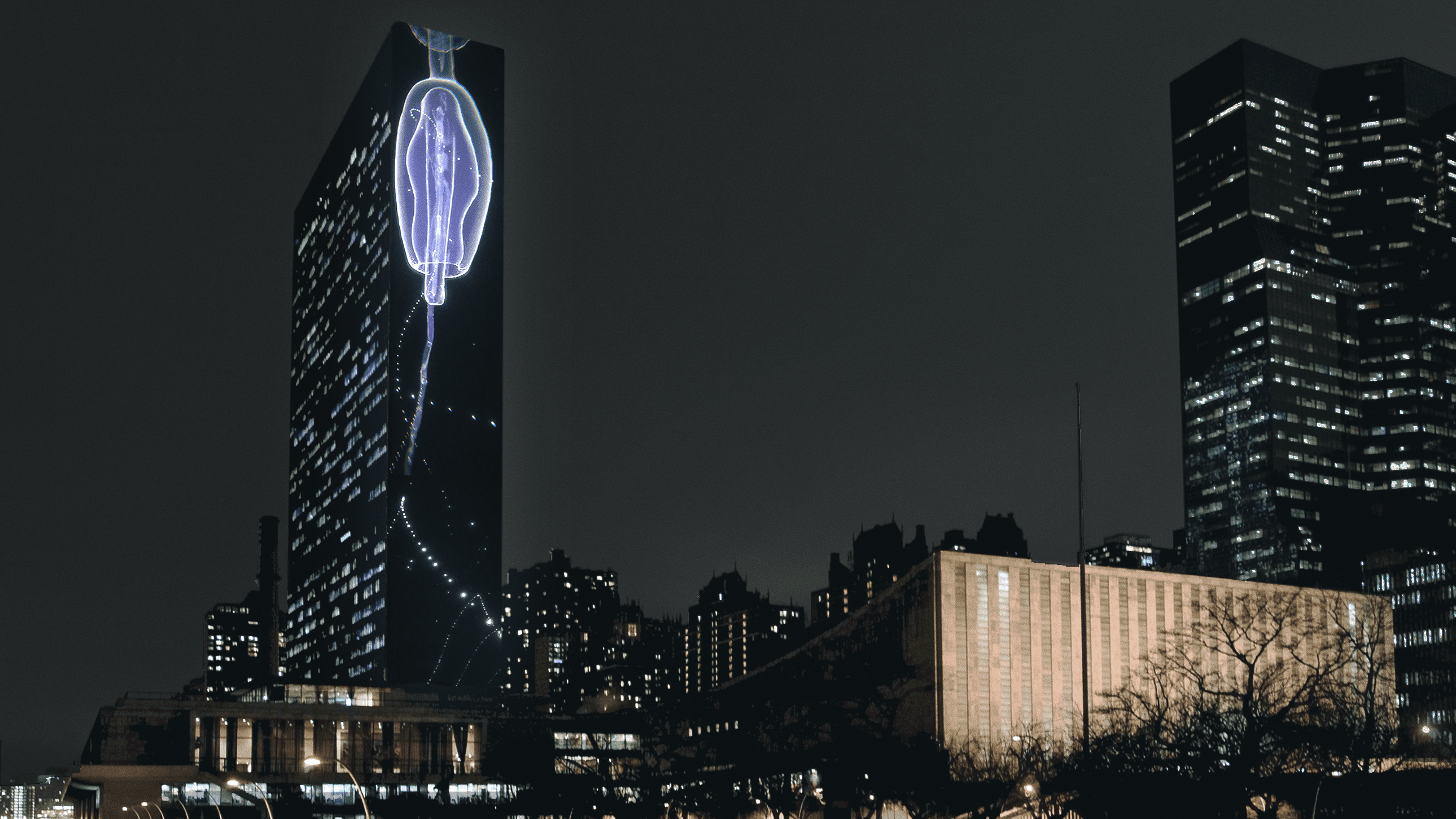
Vertical Migration by artist group SUPERFLEX will be projected onto the facade of the United Nations’ 505-foot tower in New York, on 21-24 September 2021, coinciding with the 76th General Assembly and Climate Week NYC. The projection seeks to draw global attention to the critical role of the ocean in global climate, a primary focus of Woods Hole Oceanographic Institution’s Ocean Twilight Zone Project.
Read MoreFlipping the “genetic paradox of invasions”
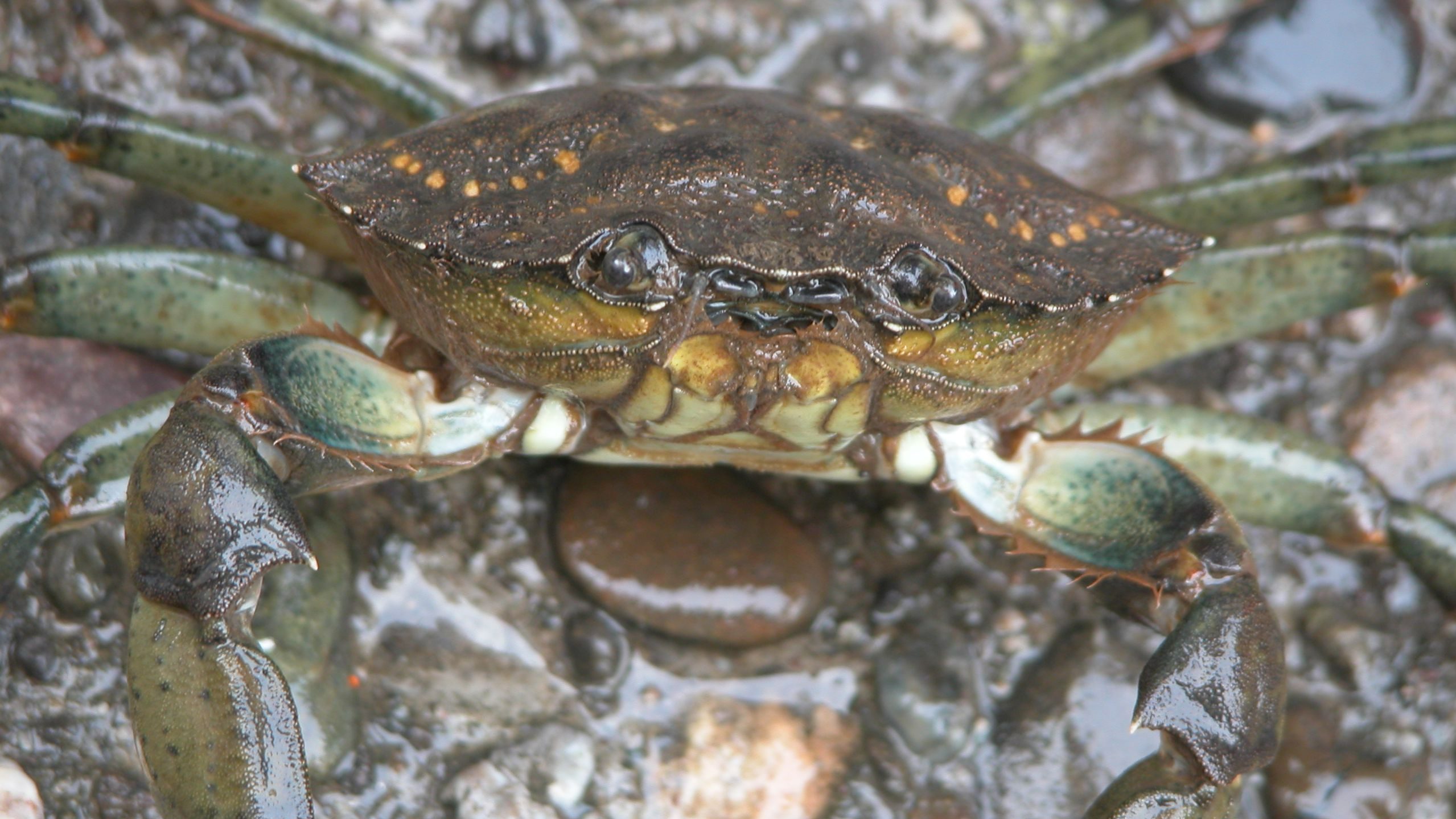
A new study led by Carolyn Tepolt, an associate scientist of biology at Woods Hole Oceanographic Institution, is investigating the adaptive mechanisms of the green crab along the west coast of North America, where it has shown extensive dispersal in the last decade despite minimal genetic diversity.
Read MoreSome coral reefs are keeping pace with ocean warming
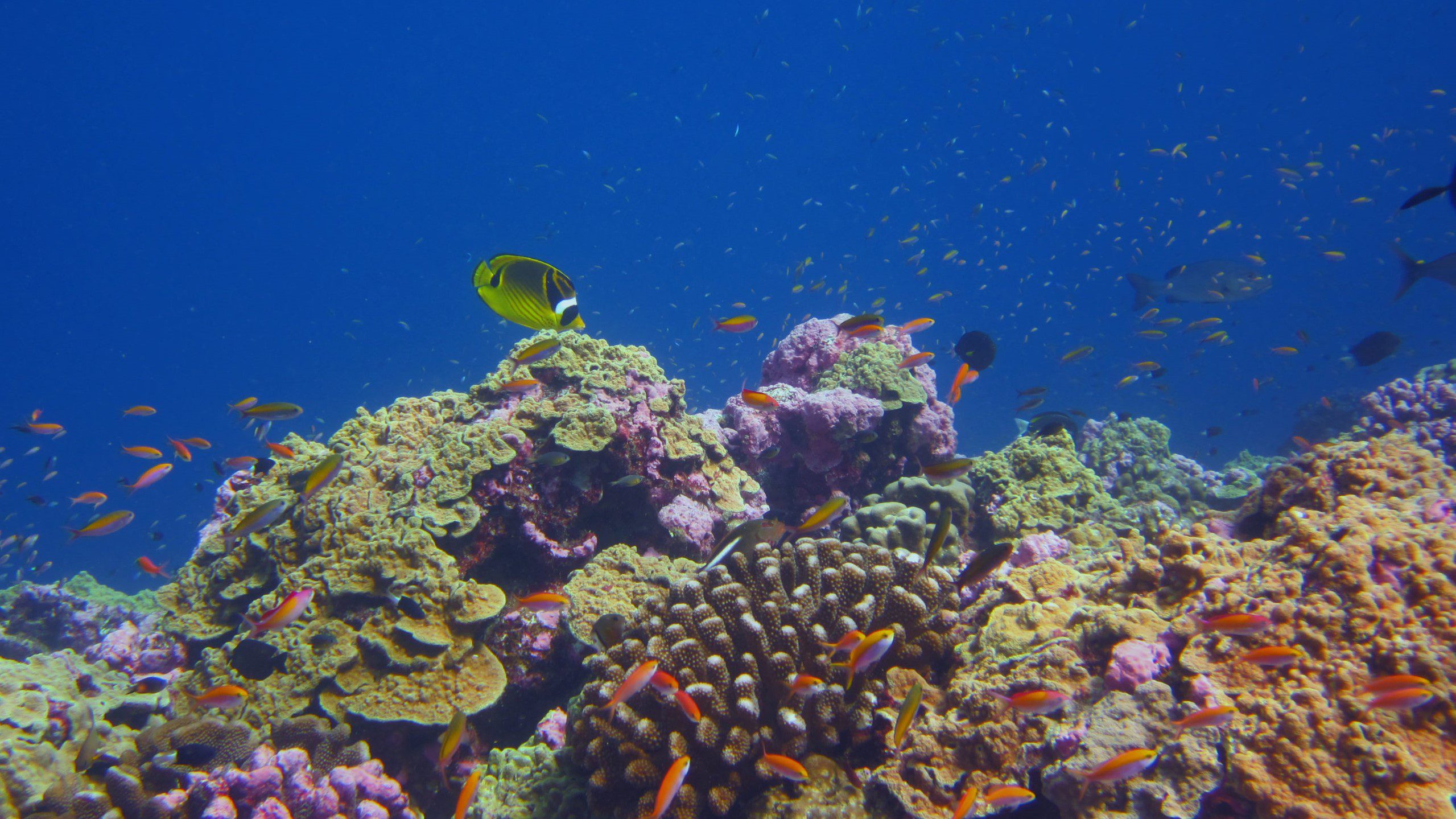
Some coral communities are becoming more heat tolerant as ocean temperatures rise, offering hope for corals in a changing climate. After a series of marine heatwaves hit the Phoenix Islands Protected Area (PIPA) in the central Pacific Ocean, a new study finds the impact of heat stress on the coral communities lessened over time.
Read MoreSurviving extreme heat
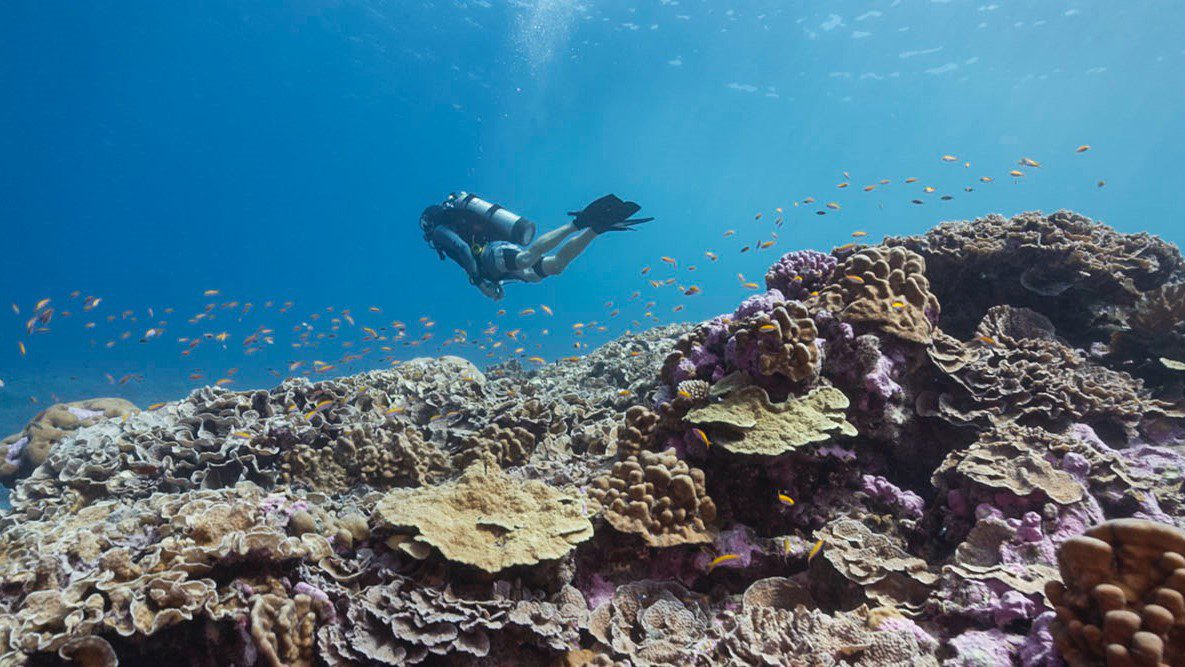
A team led by Anne Cohen, a scientist at Woods Hole Oceanographic Institution, received $1.75M in funding from the National Science Foundation (NSF) to study how coral reefs survive extreme heat events caused by climate change. The multidisciplinary project taps into expertise across four WHOI departments to uncover the oceanographic and biological processes that enable corals to survive marine heatwaves.
Read MoreEmperor penguins, recommended as threatened species under Endangered Species Act
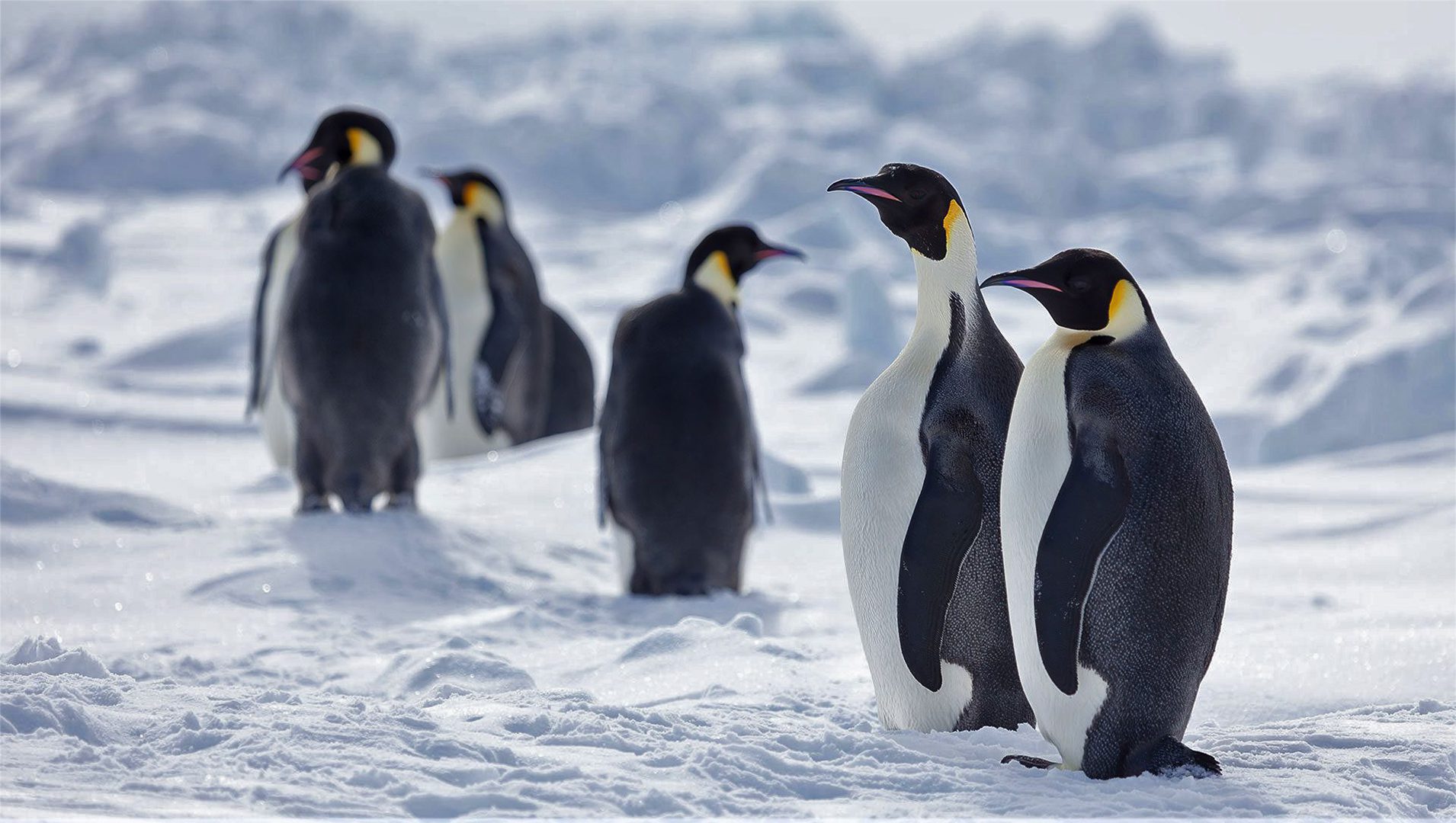
Today, the U.S. Fish and Wildlife Service (USFWS) announced a proposal to list the emperor penguin as a threatened species under the Endangered Species Act.
Read MoreNew Study Finds Emperor Penguins Increasingly Threatened by Climate Change
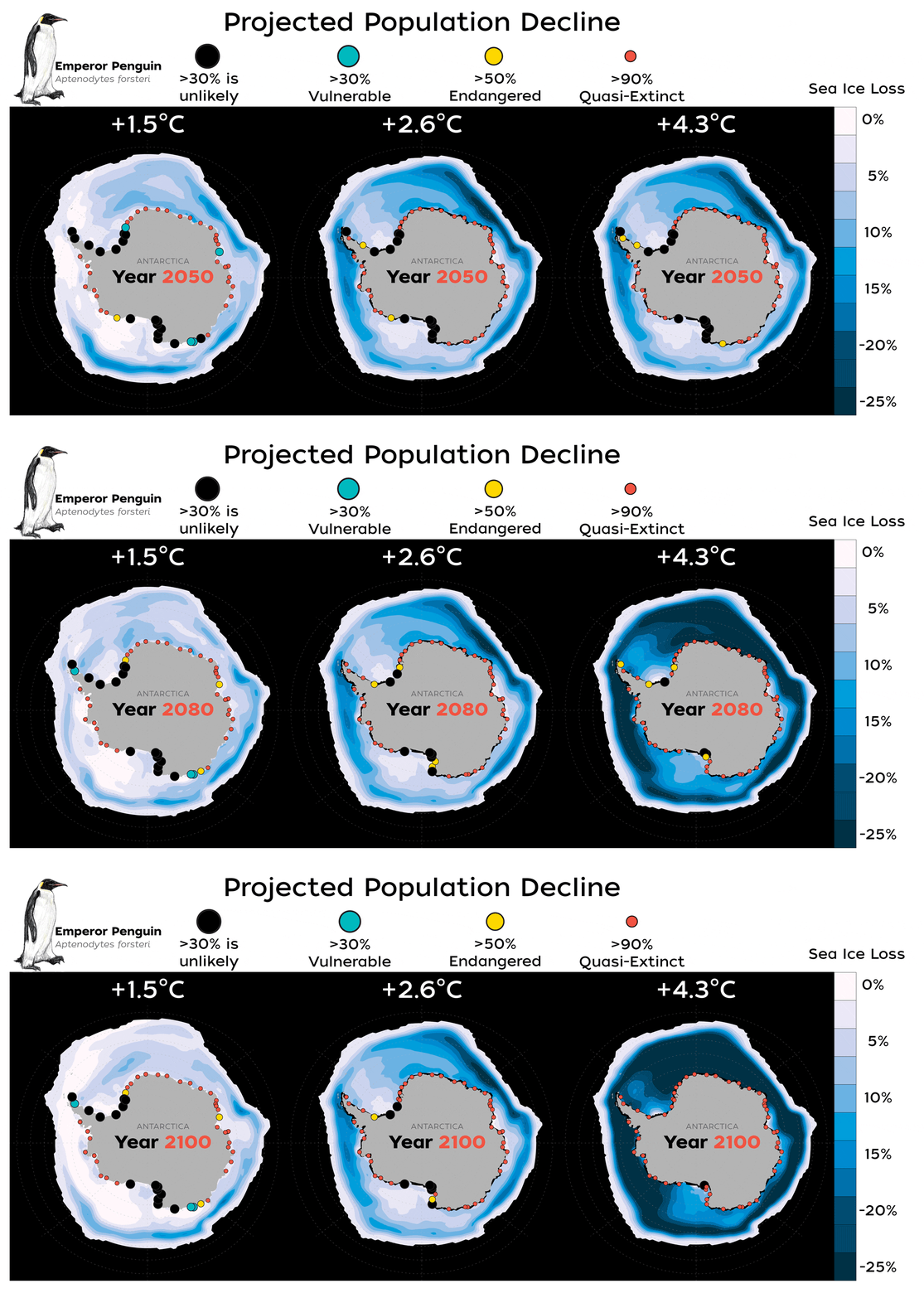
A new study published today in Global Change Biology provides valuable new data that highlights how species extinction risk is accelerating due to rapid climate change and an increase in extreme climate events, such as glacial calving and sea ice loss.
Read MoreWhat happens to marine life when oxygen is scarce?
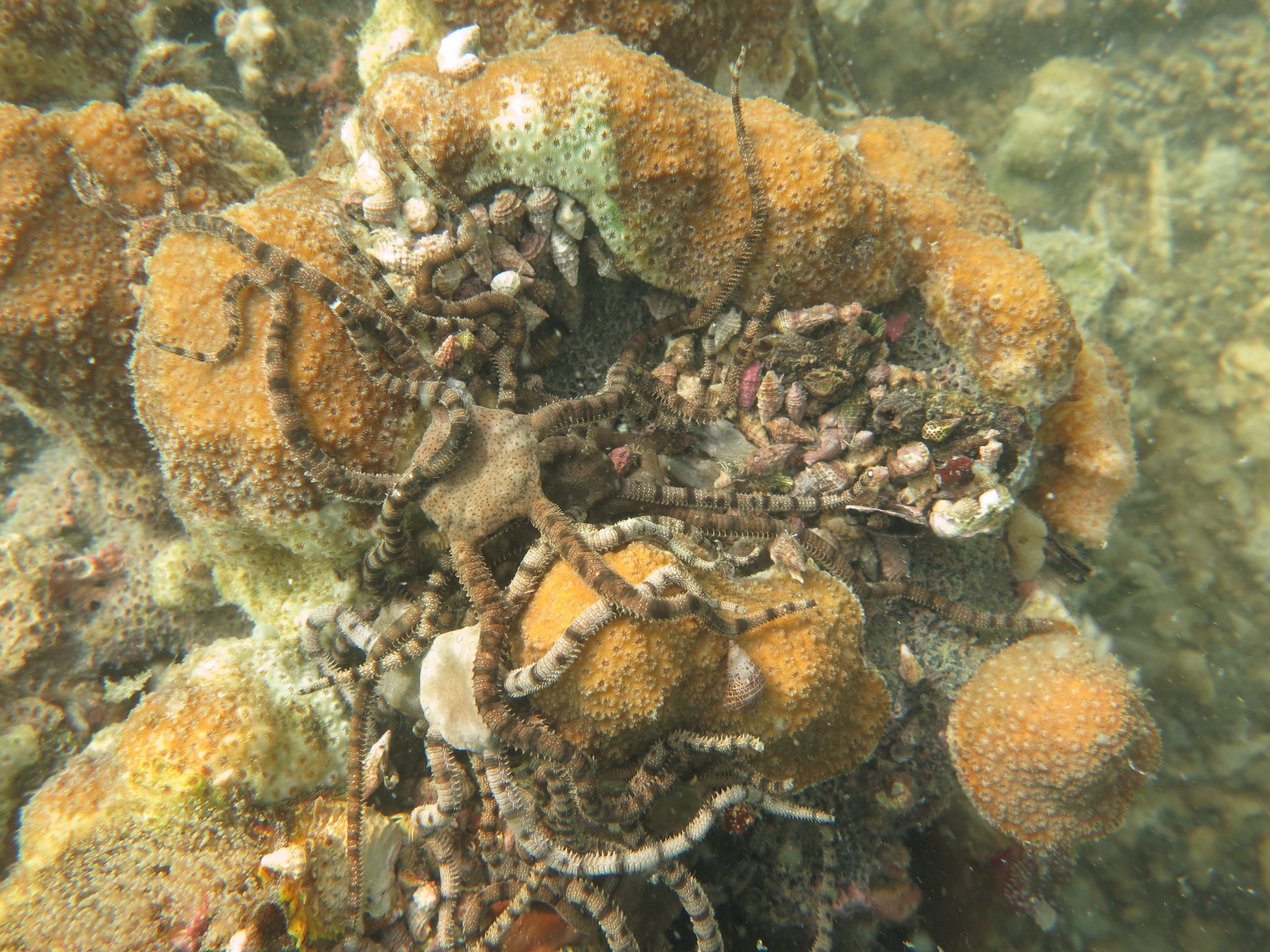
A new study co-led by WHOI postdoctoral scholar Maggie Johnson looks closely at the changes occurring in both coral reef and microbial communities near Bocas del Toro during sudden hypoxic events, which occur when there is little to no oxygen in a given area of water.
Read MoreShark Week 2021: Sharks and the Ocean’s Twilight Zone
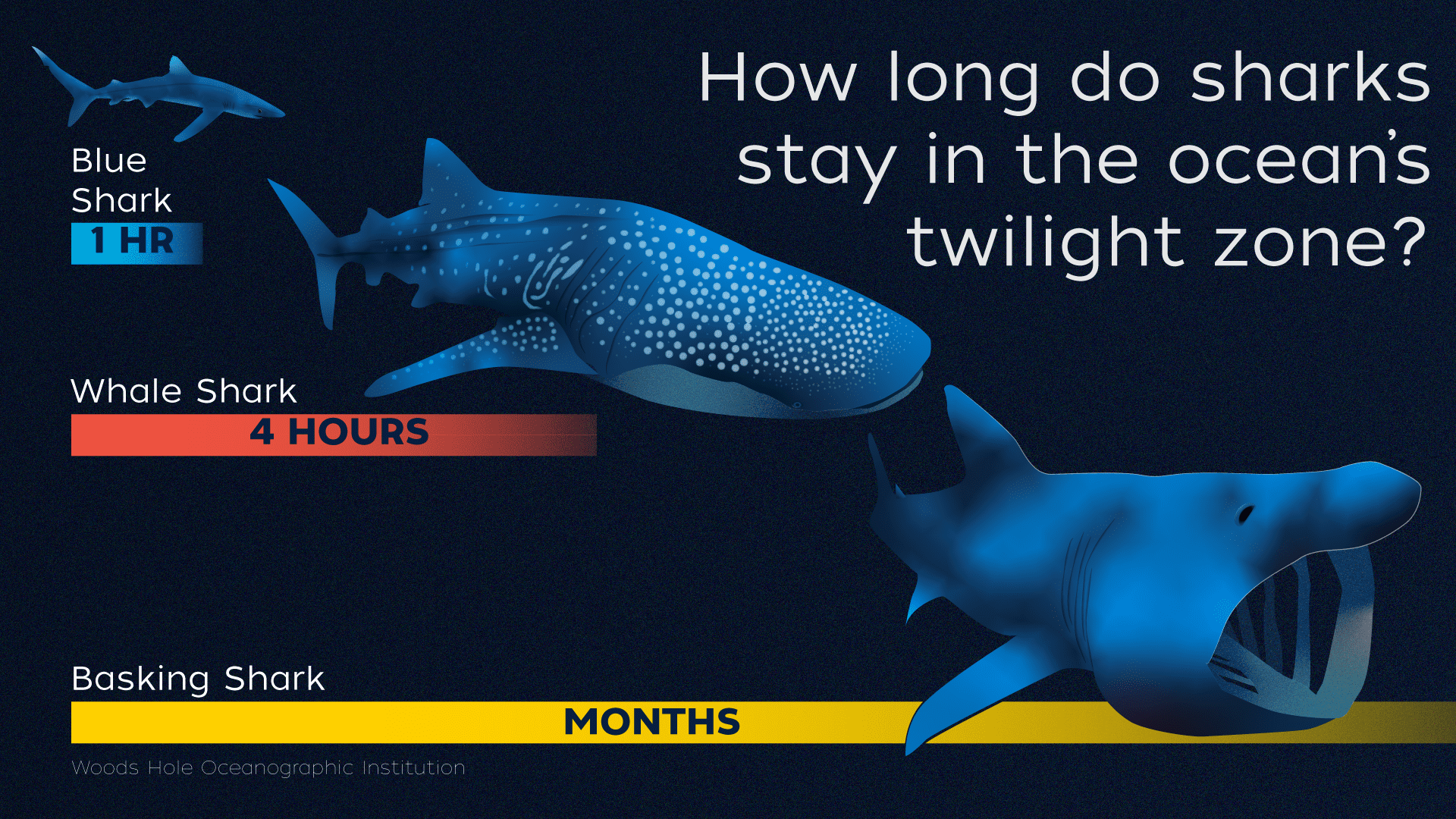
How large marine predators use the twilight zone to thrive, and survive Woods Hole, MA (July 11, 2021) — Sharks are some of the largest fish in the ocean, known…
Read MoreStudy Shows that Lobsters Can Detect Sound
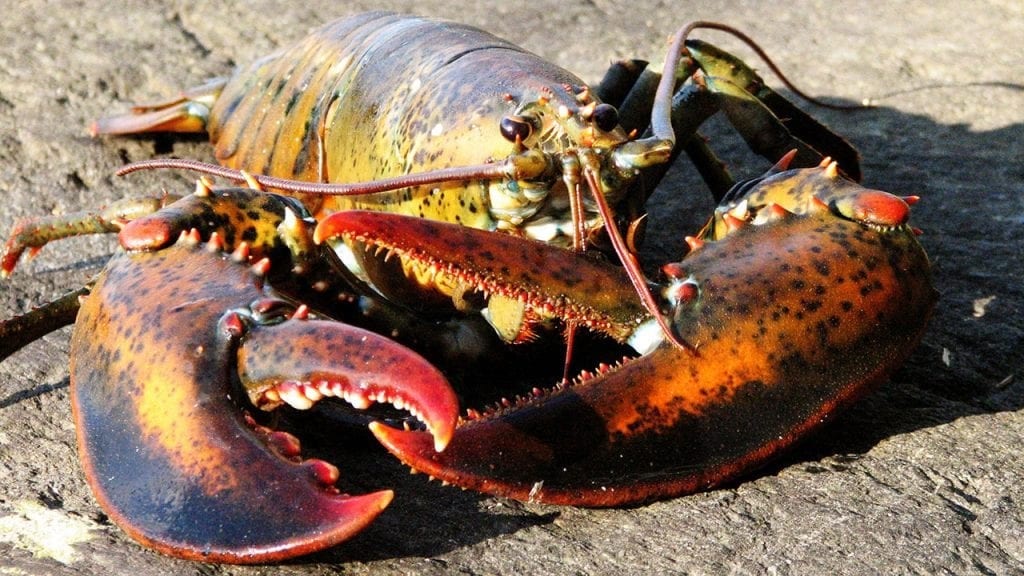
A new study demonstrates that lobsters can detect low-frequency sound and suggests that anthropogenic noise could affect lobsters. The study comes out at a time when the construction of more offshore wind farms, with their associated underwater pile driving noise, is being considered in New England.
Read More