
News Releases
Researchers use drones to weigh whales

Researchers devised a way to accurately estimate the weight of free-living whales using only aerial images taken by drones.
Read MoreNew study measures how much of corals’ nutrition comes from hunting
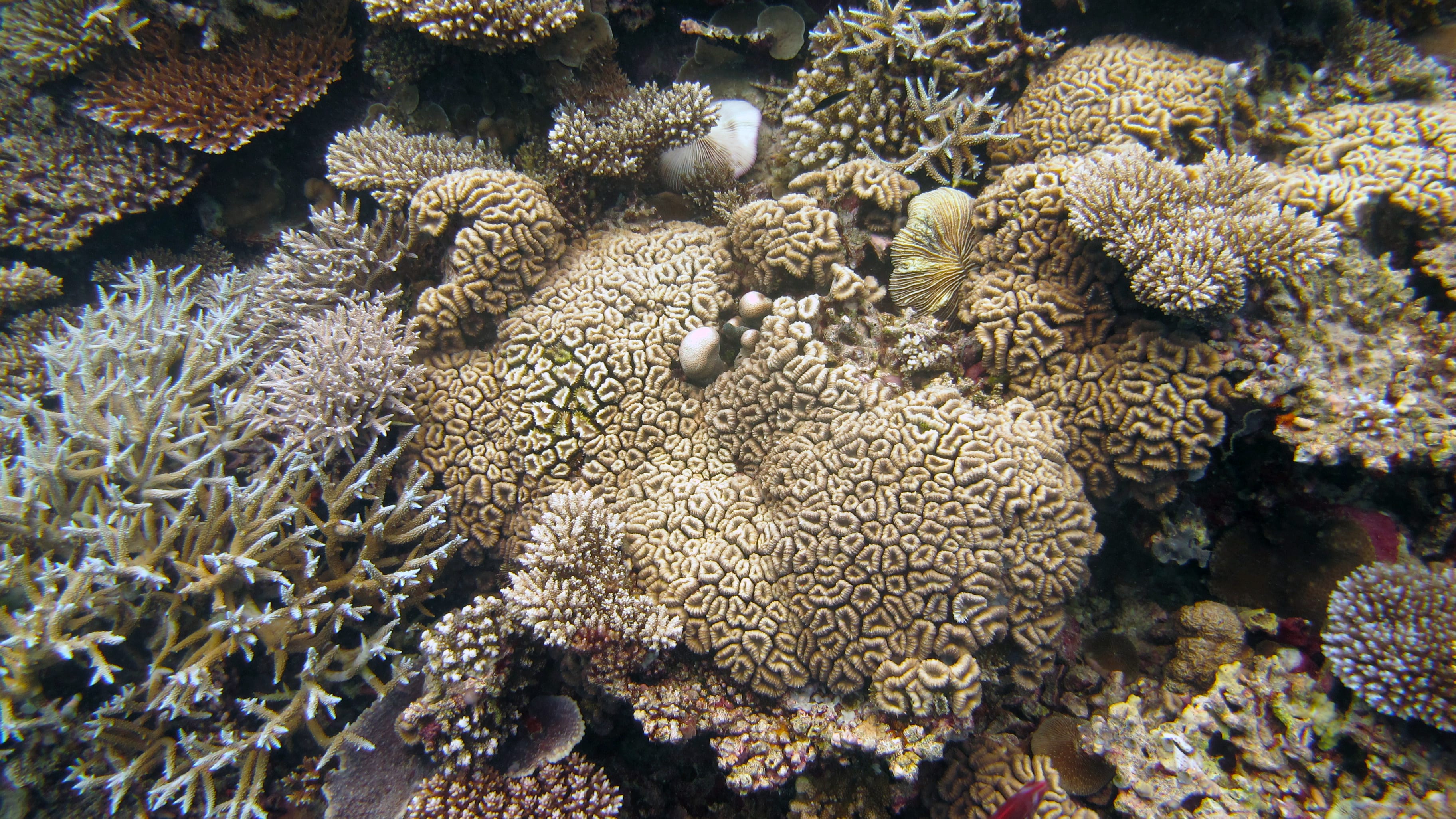
A new study reveals that more of corals’ nutrients come from hunting than previously expected, information that may help predict the fate of coral reefs as global ocean temperatures rise.
Read MoreBlue sharks use eddies for fast track to food
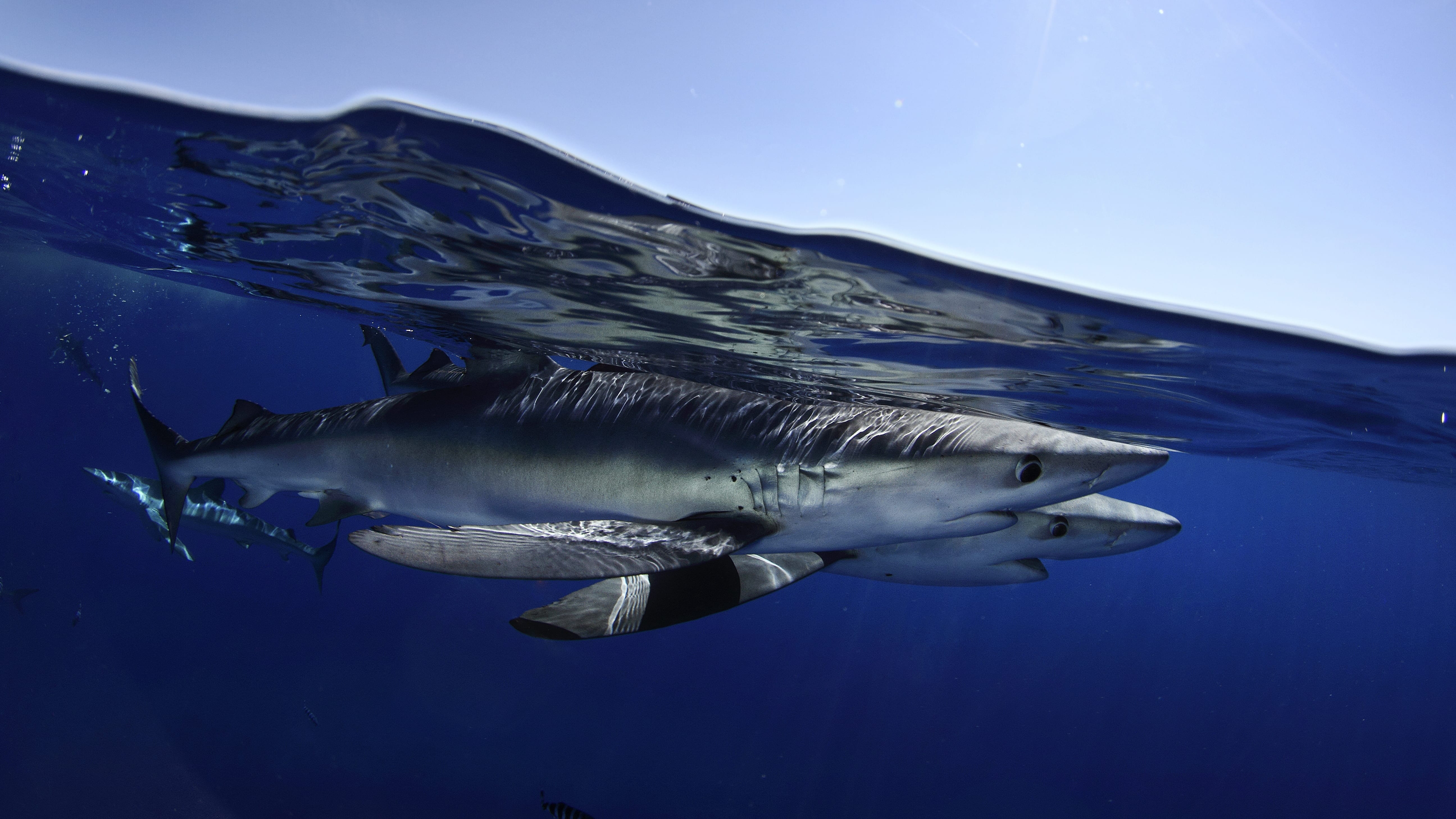
Blue sharks use large, swirling ocean currents, known as eddies, to fast-track their way down to feed in the ocean twilight zone—a layer of the ocean between 200 and 1000 meters deep containing the largest fish biomass on Earth, according to new research by the Woods Hole Oceanographic Institution (WHOI) and the Applied Physics Lab at the University of Washington (UW).
Read MoreSharkCam reveals secret lives of basking sharks in UK
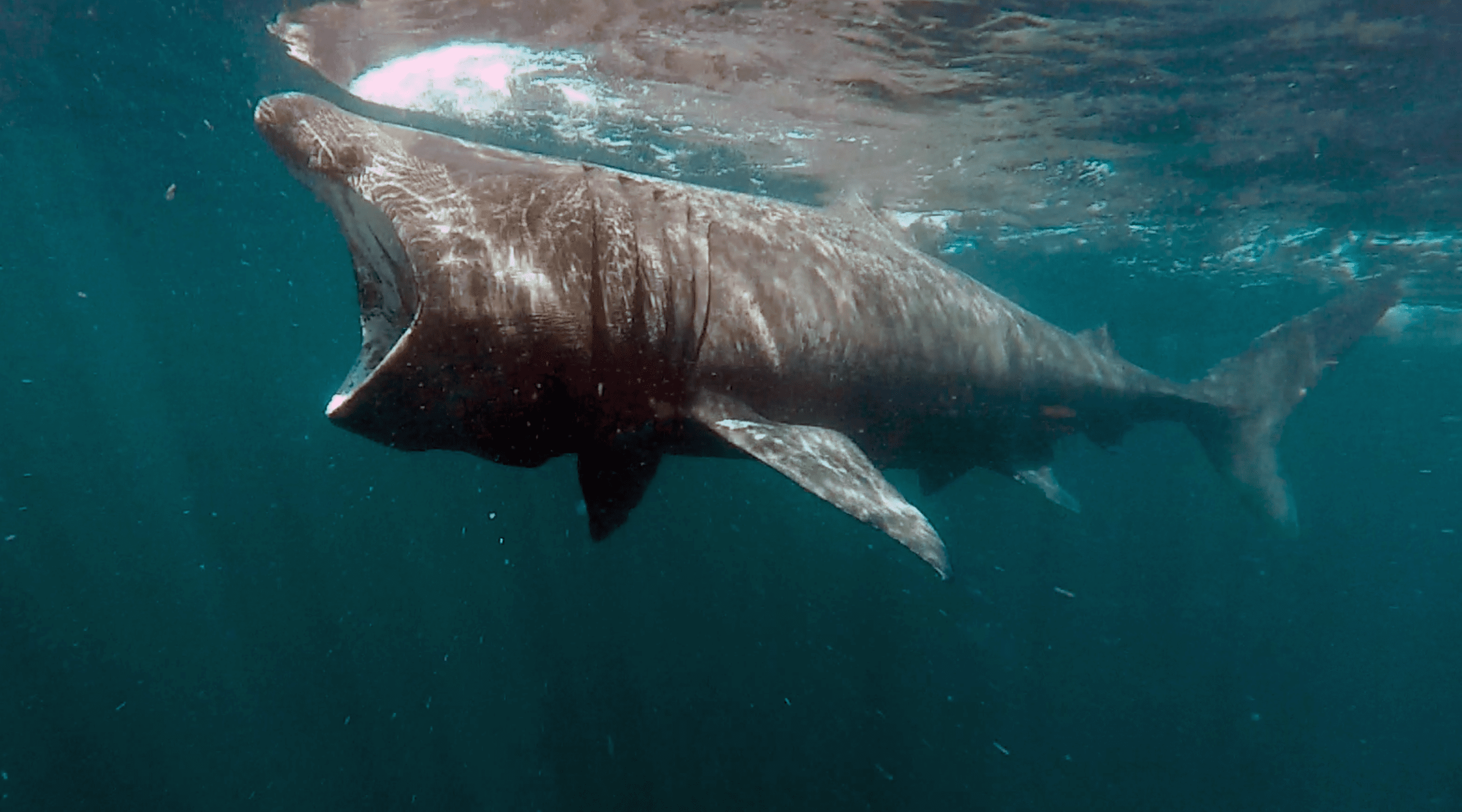
An autonomous underwater vehicle (AUV) known as the REMUS SharkCam has been used in the UK for the first time to observe the behaviour of basking sharks in the Inner Hebrides, off the west coast of Scotland.
Read MoreSurprising Enzymes Found in Giant Ocean Viruses
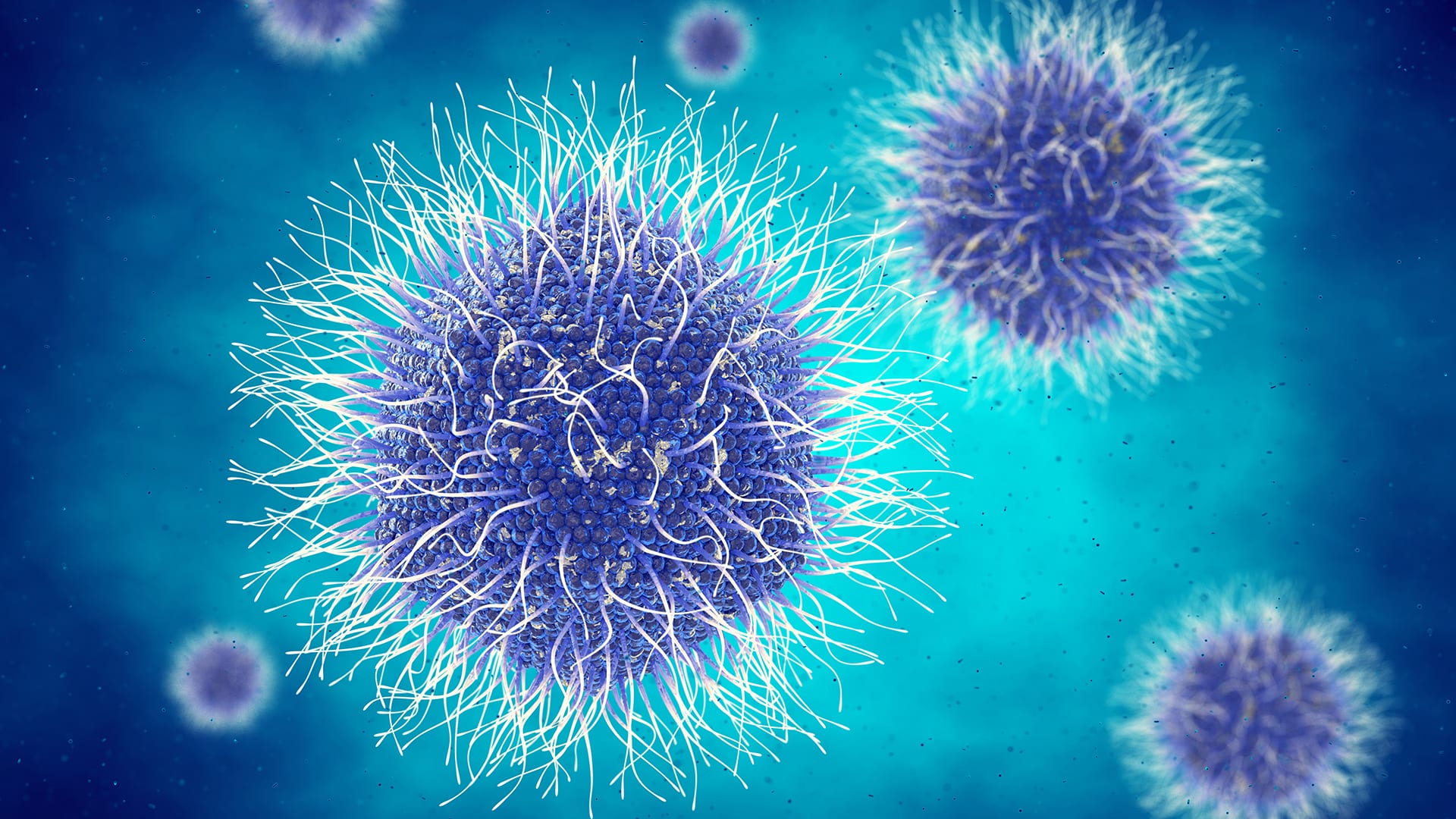
Findings could represent new drug targets for human pathogens A new study led by researchers at Woods Hole Oceanographic Institution (WHOI) and Swansea University Medical School furthers our knowledge of…
Read MoreNew Sub-species of Pilot Whale Identified in Pacific Ocean
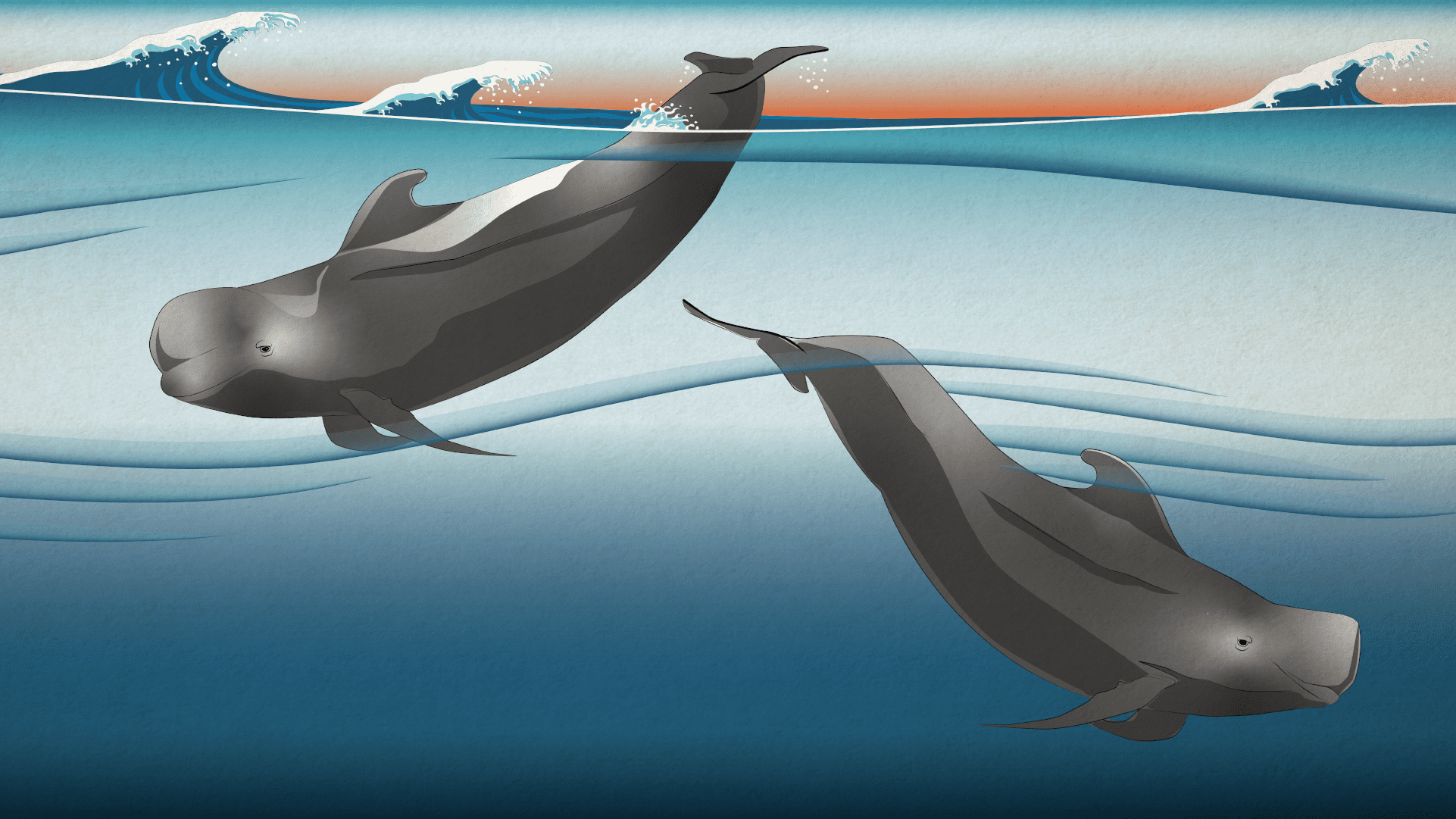
Short-finned pilot whales have long been recognized as a single species, but a recent study found that two unique subspecies actually exist.
Read MoreNew Study Finds Distinct Microbes Living Next to Corals
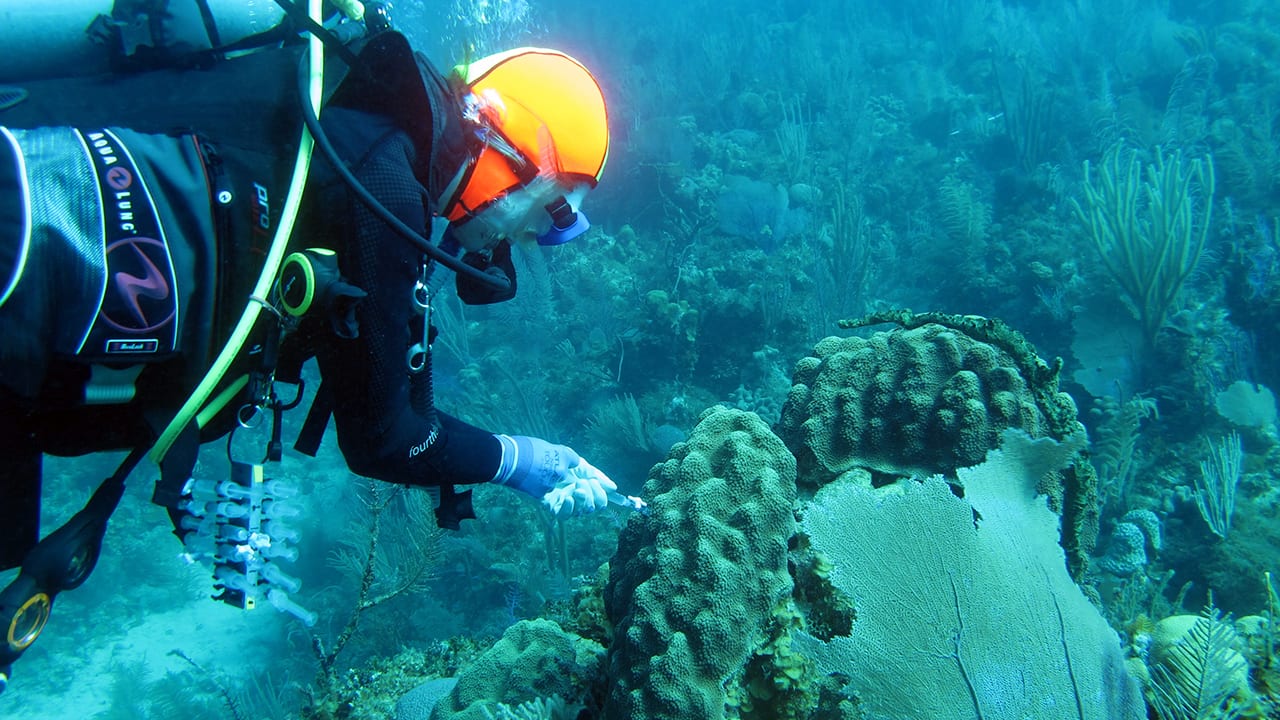
WHOI scientists distinct discover microbes living just a few centimeters from the surface of corals near the southern coast of Cuba. The discovery may yield clues about the ecological functions of microbes, and how they find and infect coral colonies.
Read MoreNOAA Names Woods Hole Oceanographic Institution to Host Cooperative Institute
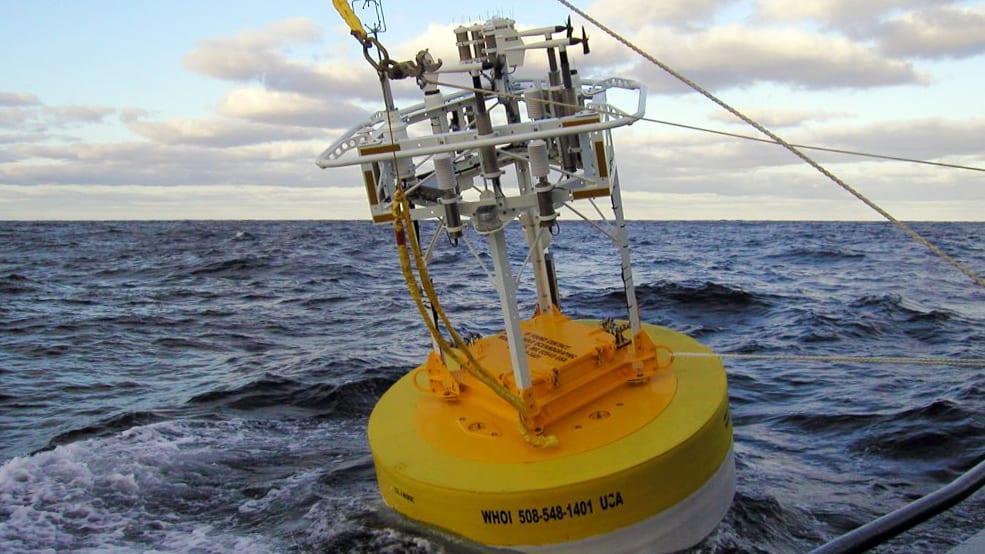
The National Oceanic and Atmospheric Administration (NOAA) selected Woods Hole Oceanographic Institution (WHOI) to host NOAA’s Cooperative Institute for the North Atlantic Region (CINAR). Cooperative Institutes are NOAA-supported, non-federal organizations…
Read MoreMicrobes May Act as Gatekeepers of Earth’s Deep Carbon

Two years ago an international team of scientists visited Costa Rica’s subduction zone, where the ocean floor sinks beneath the continent and volcanoes tower above the surface. They wanted to…
Read MoreNew Deep-Sea Coral Species Discovered in Atlantic Marine Monument
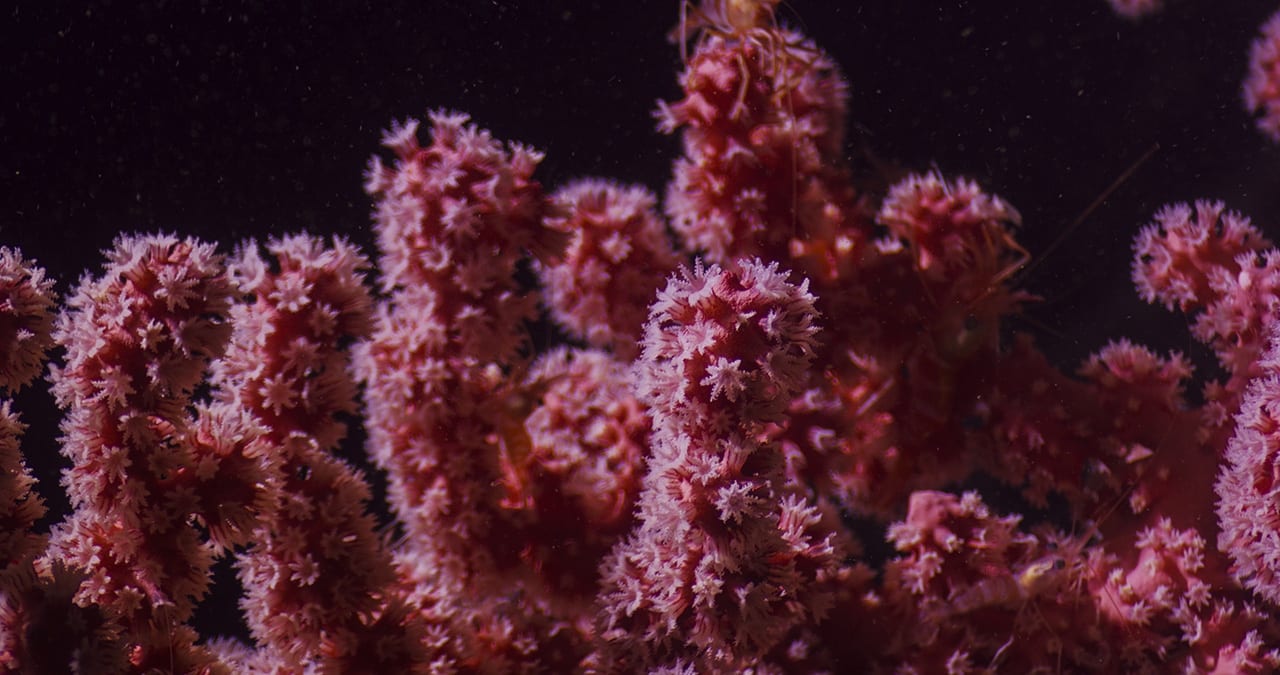
New ‘bubblegum’ corals found in Northeast Canyons and Seamounts National Monument during human-occupied submersible dives.
Read MoreNew Report Explores Threats, Solutions Impacting Right Whales
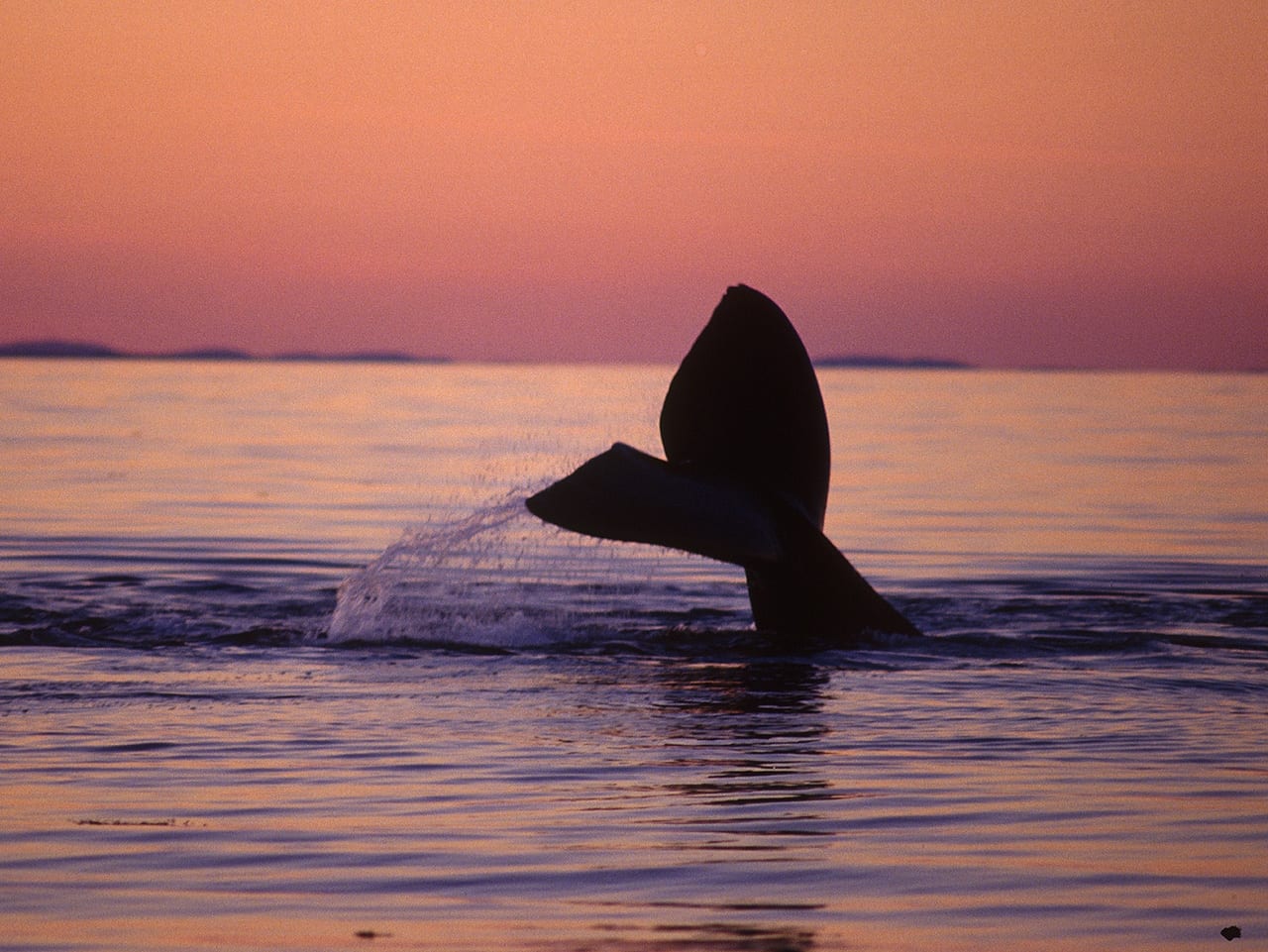
The North Atlantic right whale is a critically endangered whale species that is protected under the U.S. Endangered Species Act, the Marine Mammal Protection Act, and Canadaâs Species at Risk Act. These animals, of which there are only 411 remaining, are often found within 50 miles of the East Coast of North America, making them vulnerable to human activities.
Read MoreWHOI to be Featured in Upcoming BBC Program ‘Blue Planet Live’
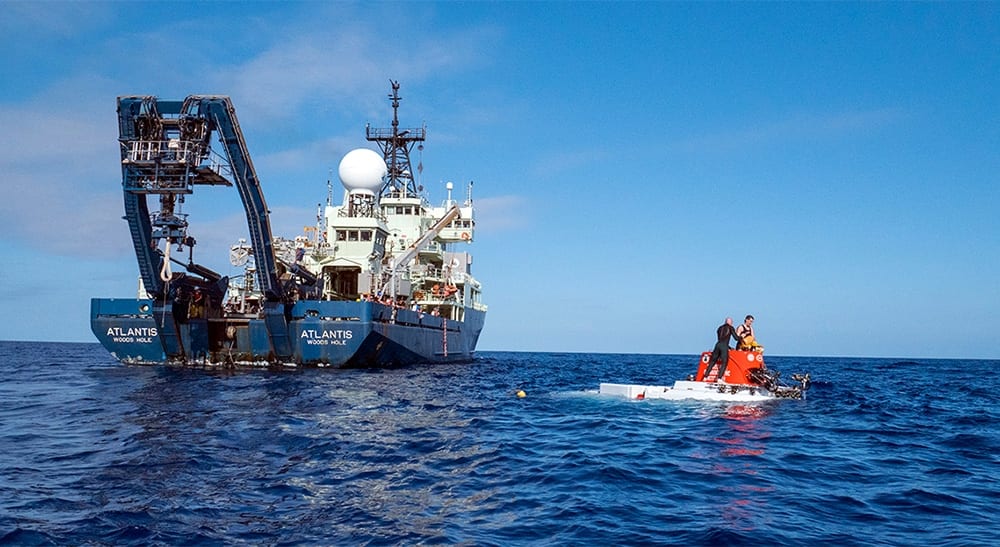
Scientists, engineers, vehicle operators, and ship crew from the Woods Hole Oceanographic Institution (WHOI) will be a featured part of the upcoming BBC program, Blue Planet Live, which will air over four nights beginning March 24. The series will include two live broadcasts from the research vessel Atlantis showing launch and recovery of the human-occupied submersible Alvin.
Read MoreEmperor Penguins’ First Journey to Sea
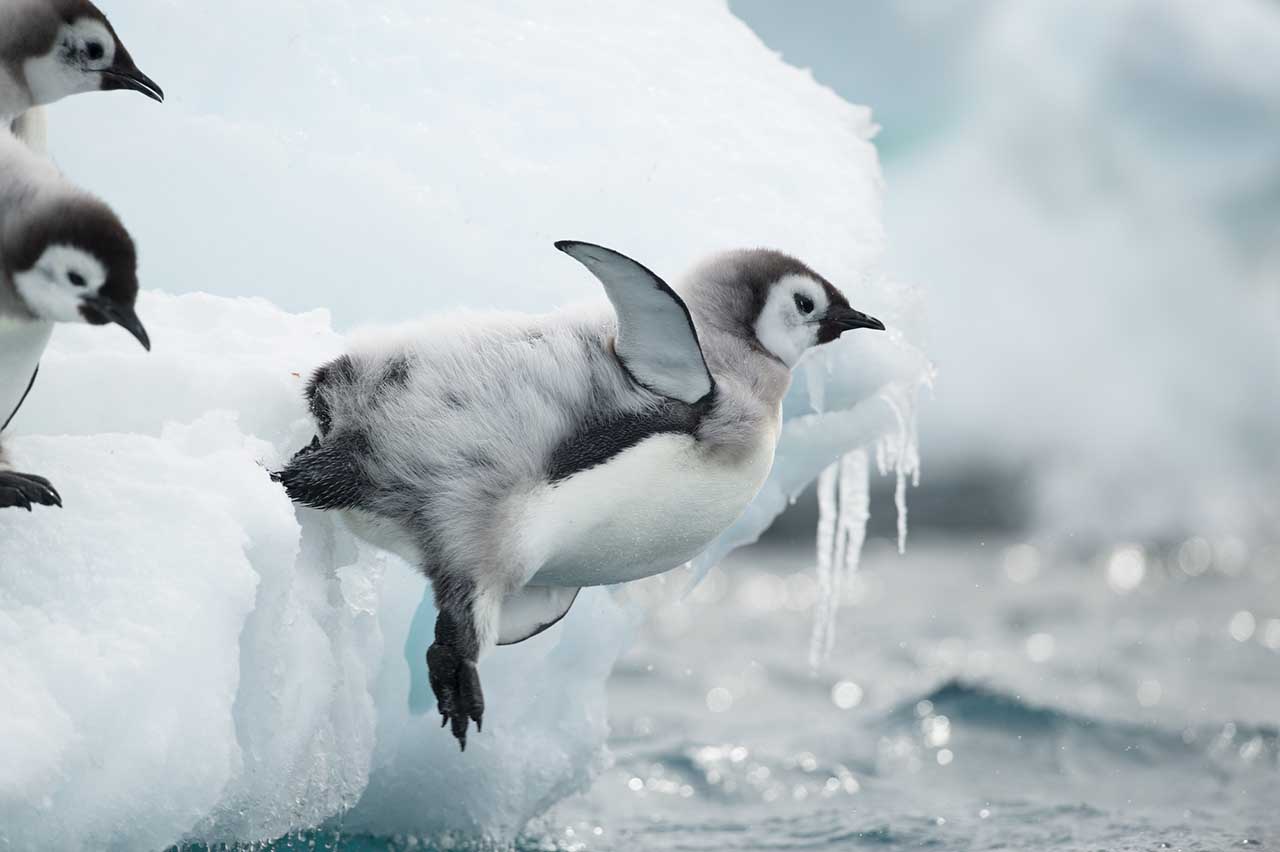
The paper, published Jan. 17, 2019, in the journal Marine Ecology Progress Series, also highlights the unique connection between juvenile diving behaviors and a layer of the ocean, known as the thermocline, where warmer surface waters meet cooler deep waters below and where their prey likely gather in groups.
Read MoreGroups of Pilot Whales Have Their Own Dialects
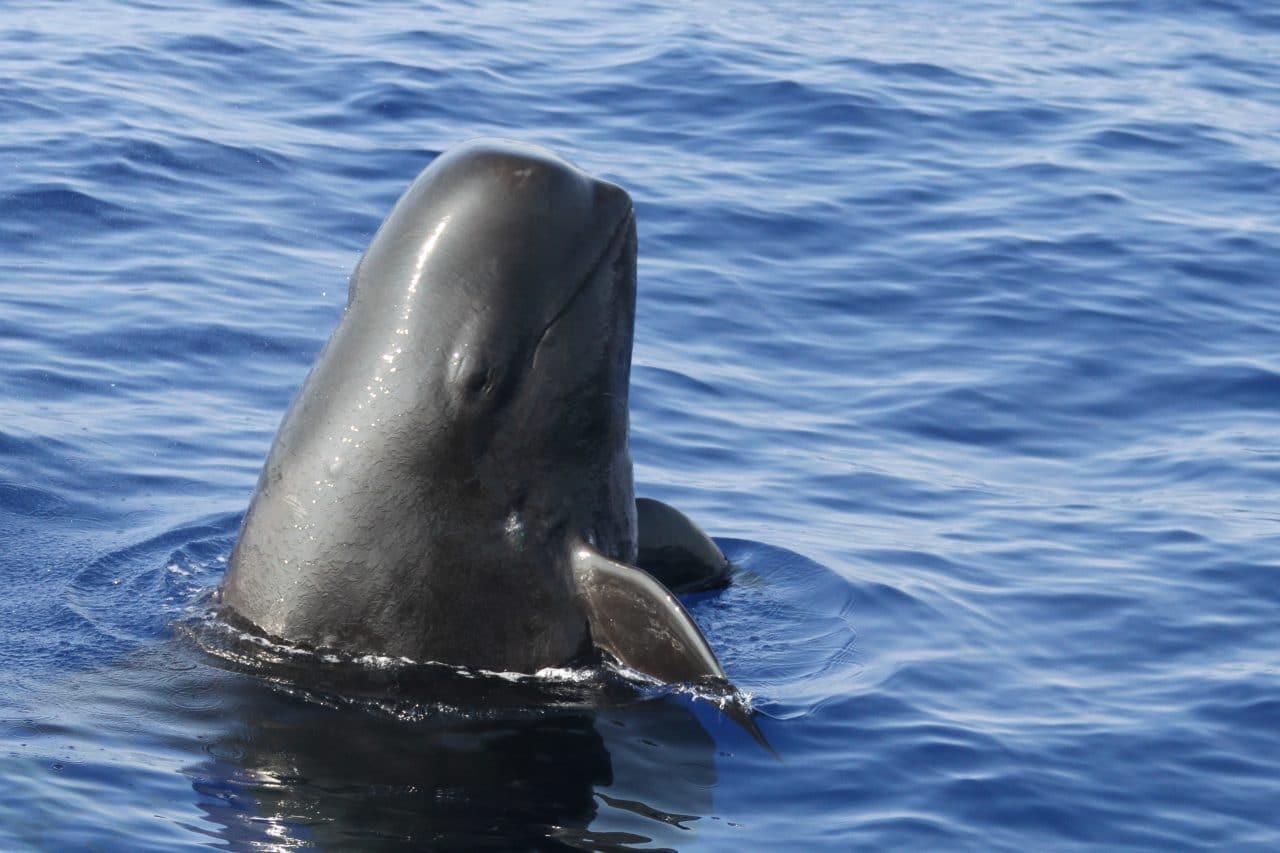
In humans, different social groups, cities, or regions often have distinct accents and dialects. Those vocal traits are not unique to us, however. A new study from the Woods Hole Oceanographic Institution (WHOI) has found that short-finned pilot whales living off the coast of Hawai’i have their own sorts of vocal dialects, a discovery that may help researchers understand the whales’ complex social structure.
Read MoreCoral Larvae Use Sound to Find a Home on the Reef
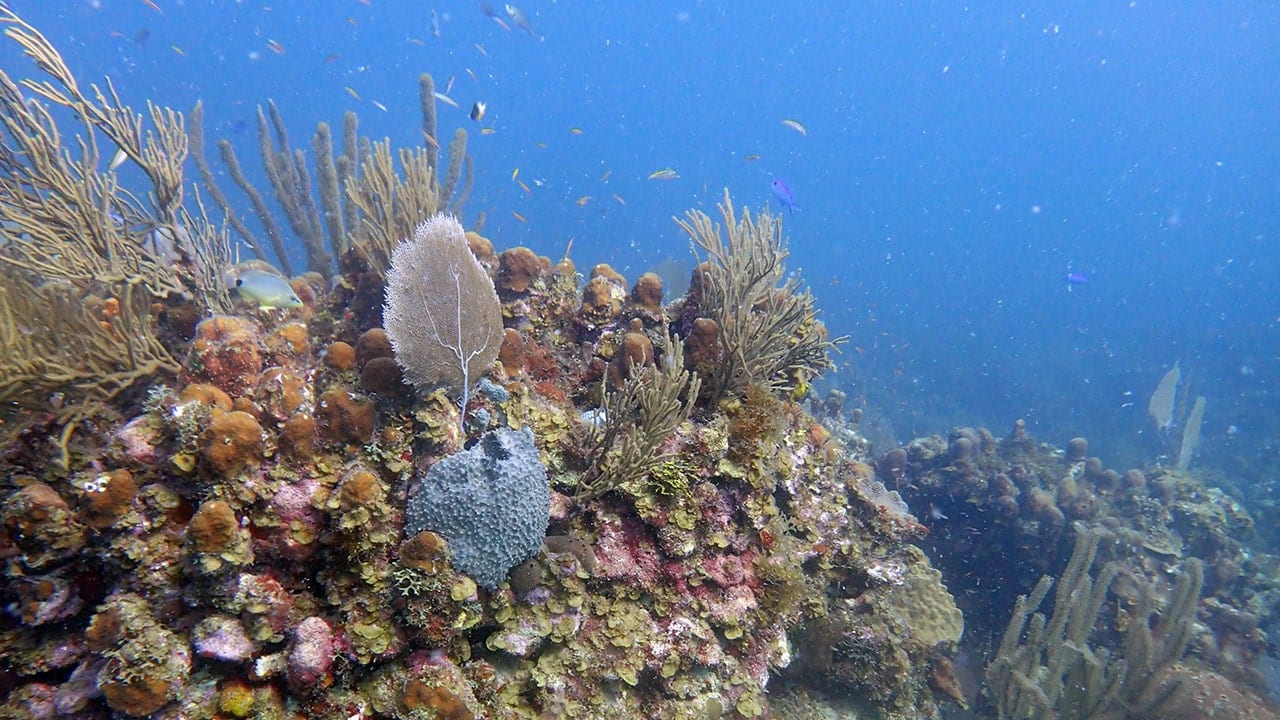
Choosing a place to call home is one of the most consequential choices a coral can make. In the animal’s larval stage, it floats freely in the ocean, but once it settles down, it anchors itself permanently to the rocky substrate of a reef, and remains stuck there for the rest of its life. Exactly how these larvae choose a specific place to live, however, is largely unclear.
Read MoreFlounder Now Tumor-free in Boston Harbor
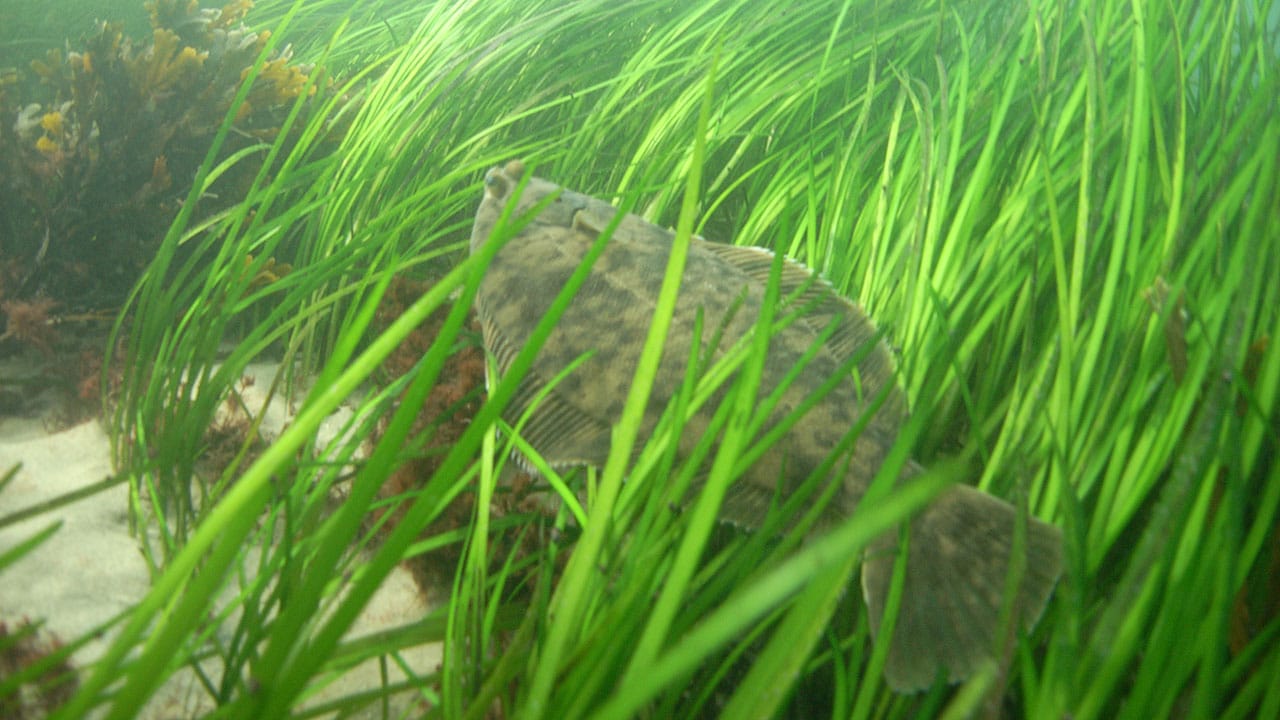
In the late 1980s, more than three-quarters of the winter flounder caught in Boston Harbor – one of the most polluted harbors in America – showed signs of liver disease, many of them with cancerous tumors. But now, a scientist at Woods Hole Oceanographic Institution (WHOI) has documented a dramatic rebound in flounder health spurred by decades of remediation efforts, including a $3.8 billion project to construct a sewage treatment plant and a 9.5-mile discharge tunnel with a 6,600-foot-long outfall diffuser. The findings appear in the Nov. 20, 2018 issue of the journal Diseases of Aquatic Organisms.
Read MoreStudy Tracks Severe Bleaching Events on a Pacific Coral Reef Over Past Century
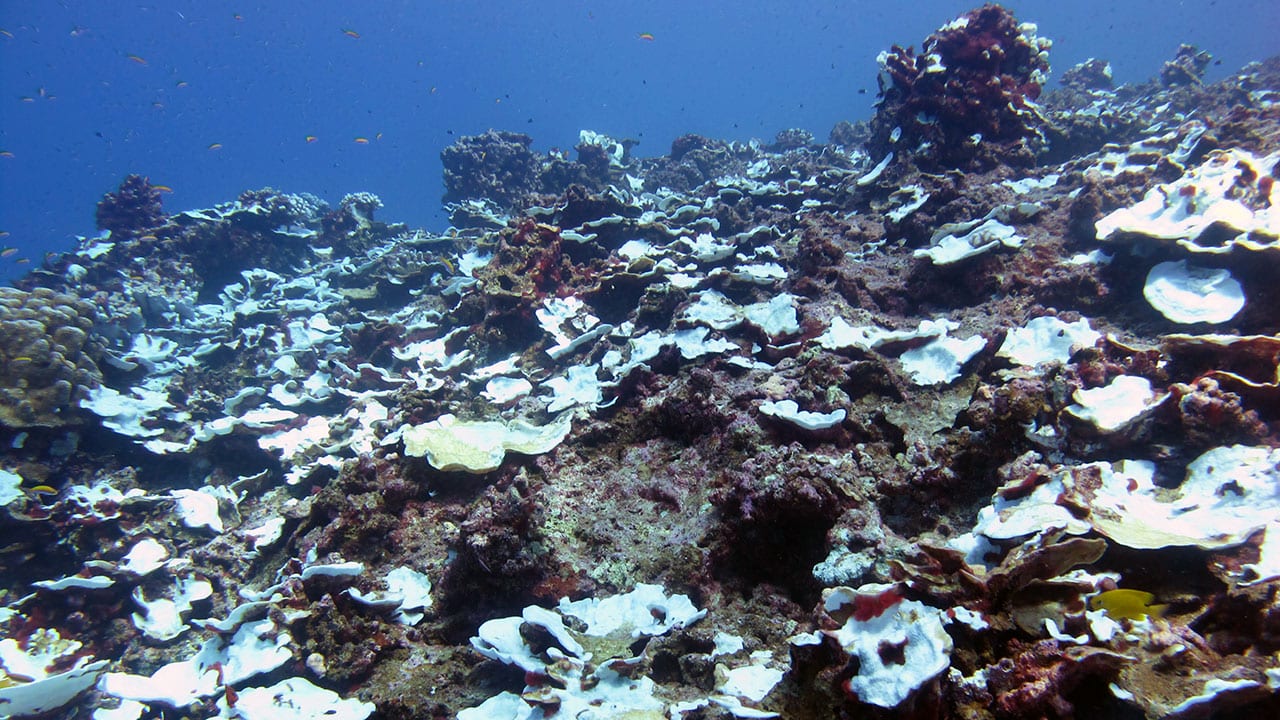
As climate change causes ocean temperatures to rise, coral reefs worldwide are experiencing mass bleaching events and die-offs. For many, this is their first encounter with extreme heat. However for some reefs in the central Pacific, heatwaves caused by El Nino are a way of life. Exactly how these reefs deal with repeated episodes of extreme heat has been unclear. A new study from the Woods Hole Oceanographic Institution (WHOI), has uncovered the history of bleaching on a reef in the epicenter of El Nino, revealing how some corals have been able to return after facing extreme conditions. The study was published October 26, 2018, in the journal Communications Biology.
Read MoreHearing Tests on Wild Whales
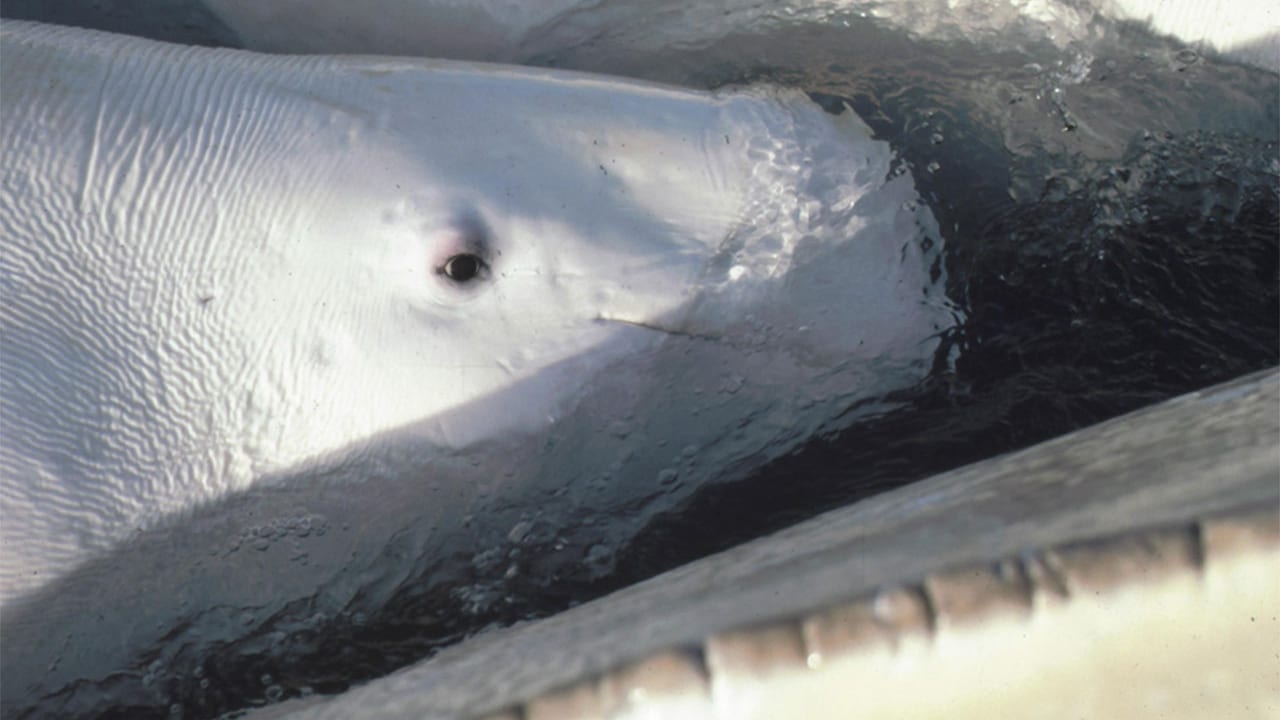
Scientists published the first hearing tests on a wild population of healthy marine mammals. The tests on beluga whales in Bristol Bay, AK, revealed that the whales have sensitive auditory systems and showed less age-related hearing loss than is expected.
Read MoreAre Emperor Penguins Eating Enough?
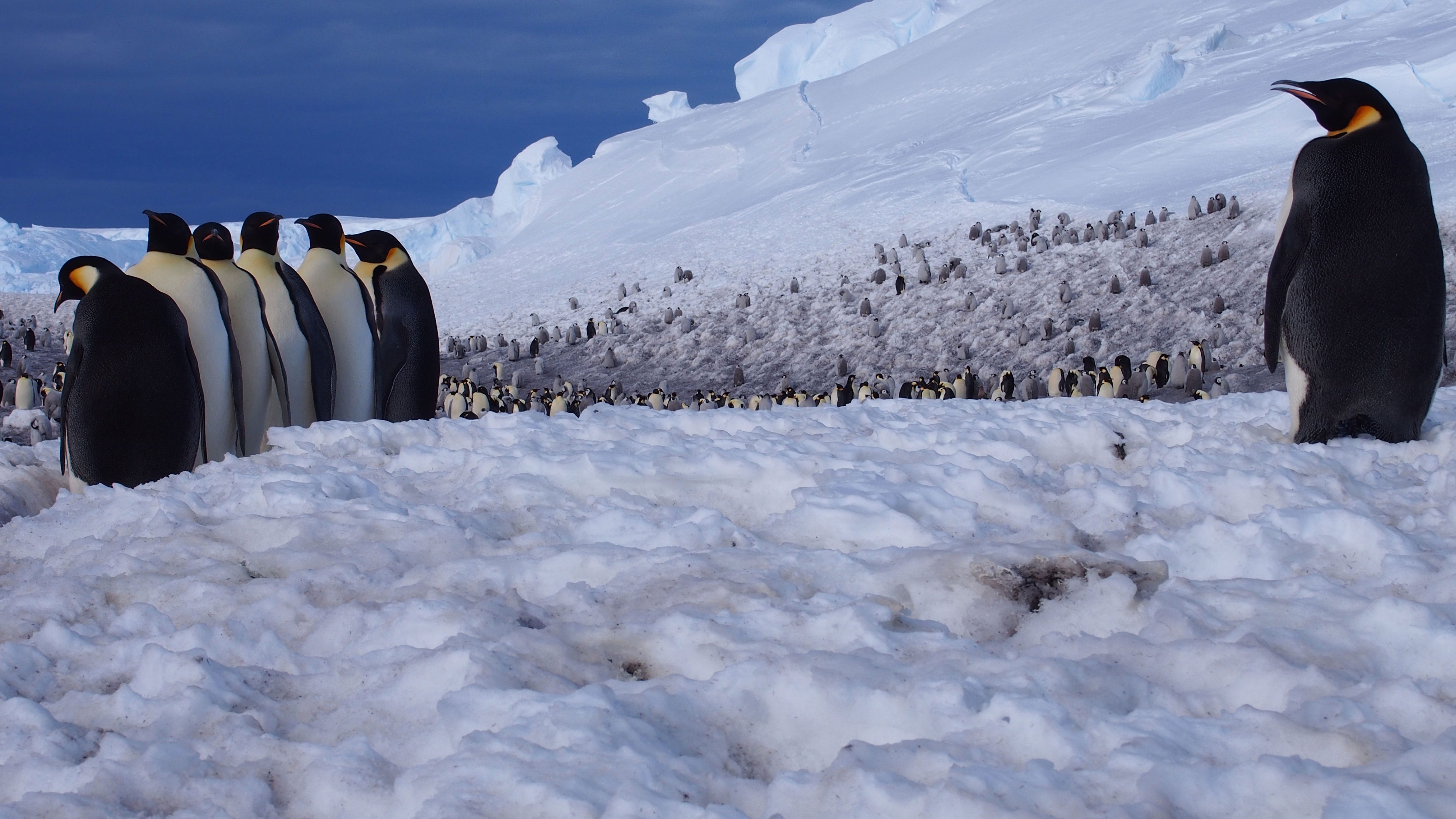
For Emperor penguins waddling around a warming Antarctic, diminishing sea ice means less fish to eat. How the diets of these tuxedoed birds will hold up in the face of…
Read MoreSunlight Reduces Effectiveness of Dispersants Used in Oil Spills
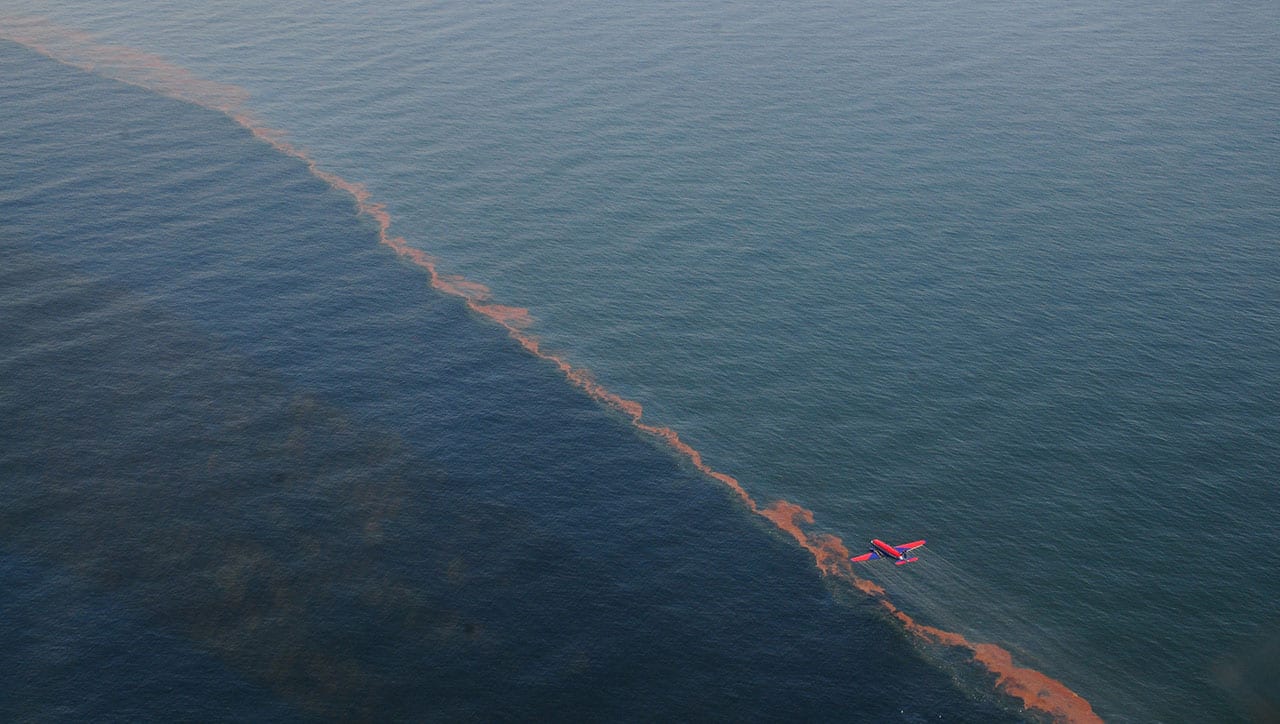
A research team led by Woods Hole Oceanographic Institution (WHOI) found that sunlight chemically alters crude oil floating on the sea surface within hours or days. In a follow-up study the team reported that sunlight changes oil into different compounds that dispersants cannot easily break up. The results of these two studies could affect how responders decide when, where, and how to use dispersants.
Read MoreWHOI Among First Funding Recipients of The Audacious Project
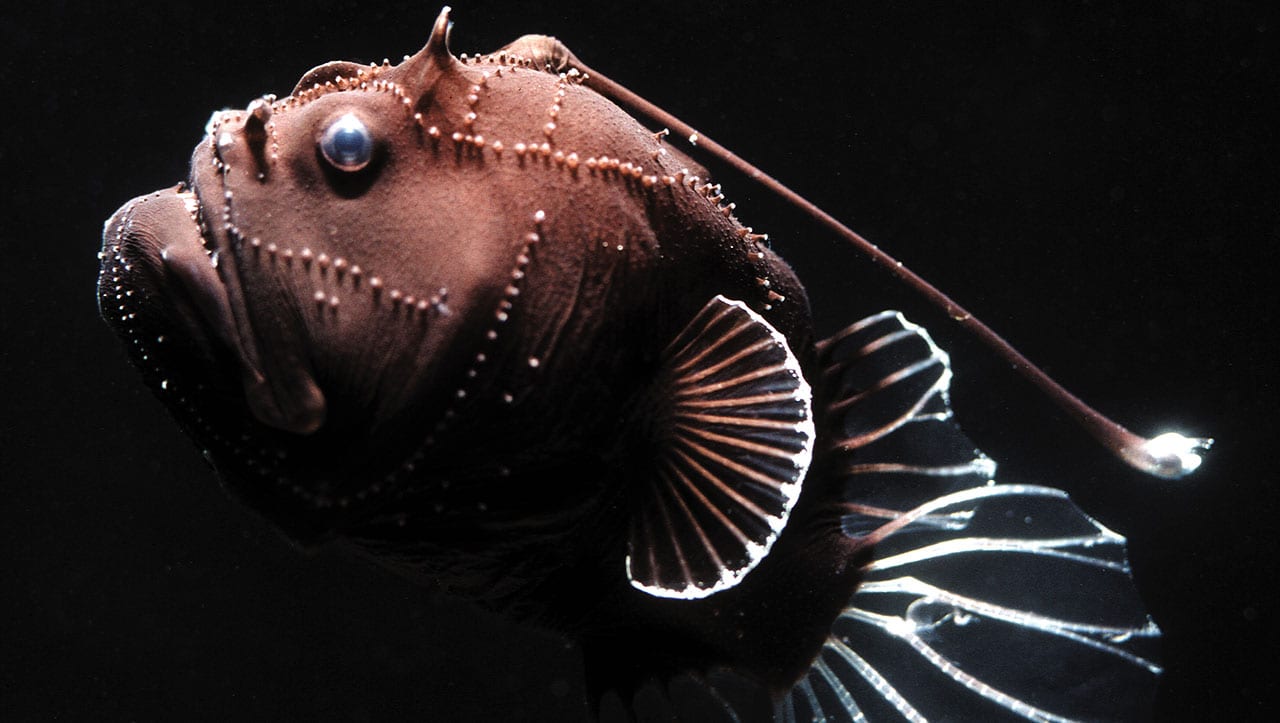
What if we explored the ocean’s vast twilight zone, teeming with undiscovered life? Today, the Woods Hole Oceanographic Institution (WHOI) was awarded $35 million – the largest philanthropic gift in the Institution’s history – to do just that. The award comes from The Audacious Project, a bold new philanthropic collaboration housed at TED to fund critical ideas that have potential to create massive, global change.
Read MorePenguins Go Through the Flow
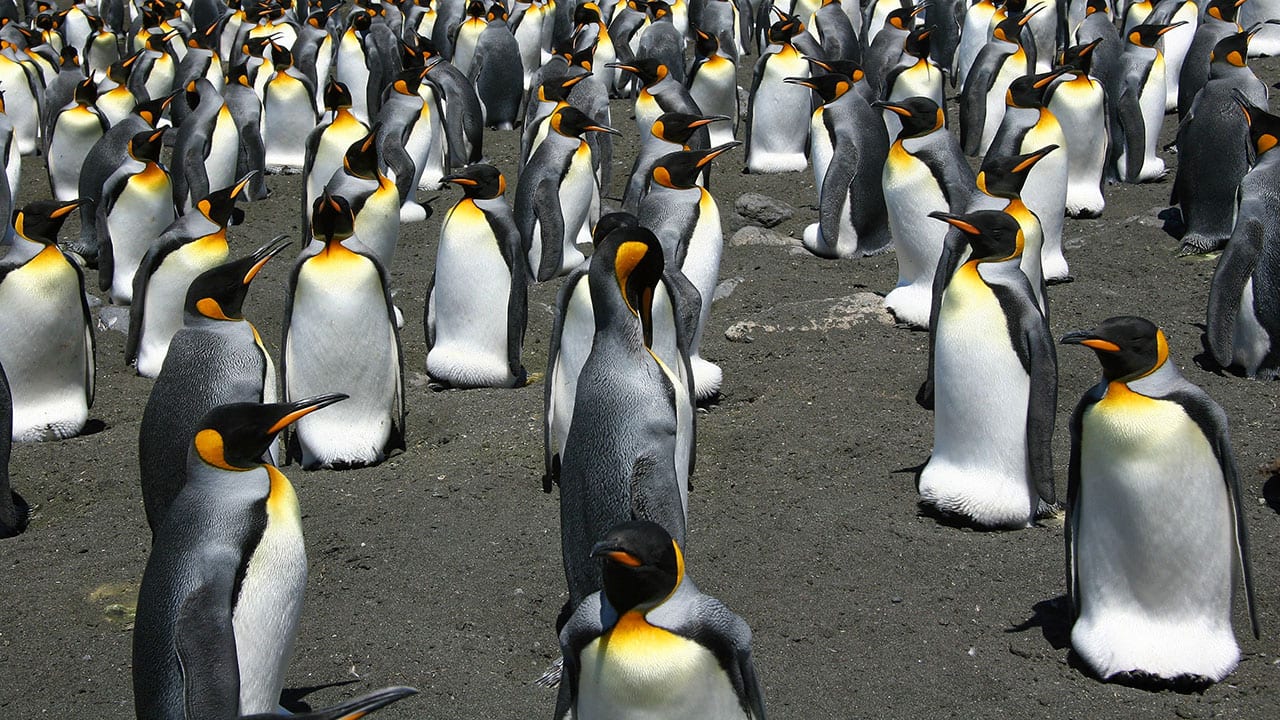
Colonies of breeding king penguins behave much like particles in liquids do, according to new study by the Woods Hole Oceanographic Institution (WHOI) and international colleagues. This “liquid ” organization and structure enables breeding colonies to protect themselves against predators while also keeping members together.
Read MoreRare Find from the Deep Sea
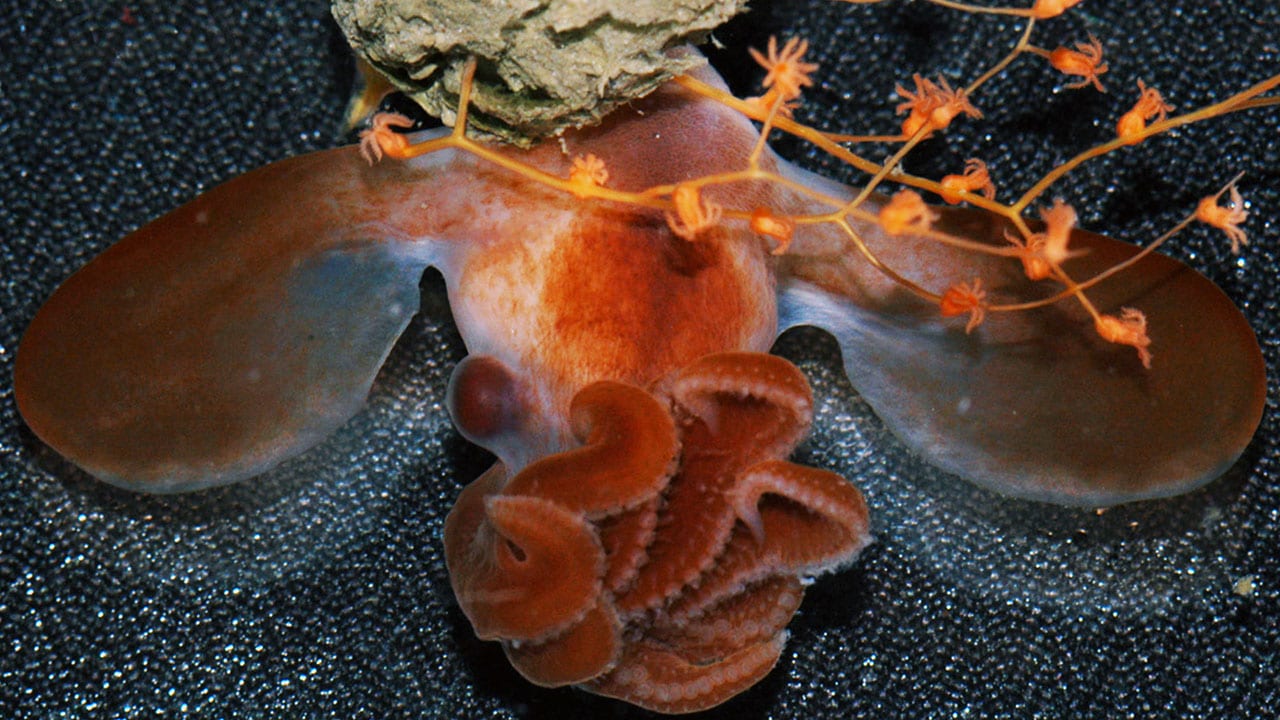
For the first time ever, a team of international researchers were given the rare opportunity to observe and film a dumbo octopus – measuring just a few centimeters – hatching from its egg during an expedition to explore a chain of underwater mountains off the U.S. East Coast in 2005. Their findings were published Feb. 19, 2018, in the journal Current Biology.
Read MoreMonitoring Bacteria on Whale Skin
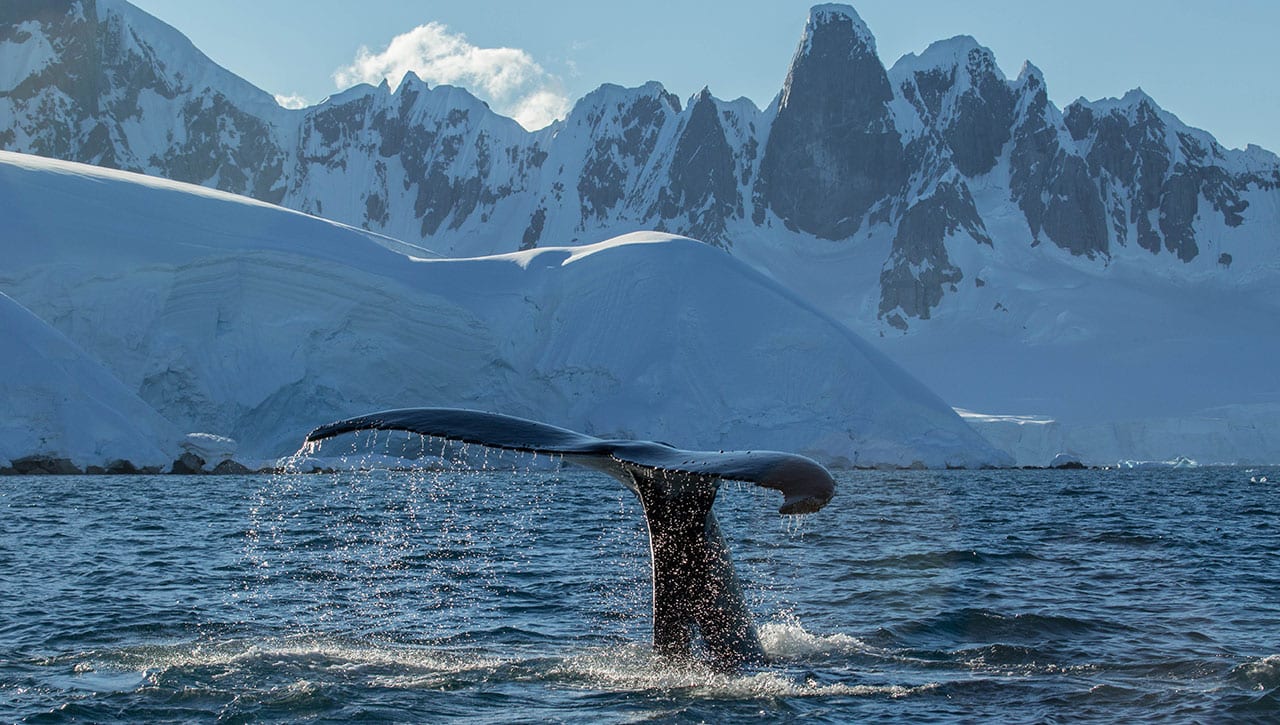
Just like with humans, the skin on marine mammals serves as an important line of defense against pathogens in their environment. A new study sheds light on the skin microbiome – a group of microorganisms that live on skin – in healthy humpback whales, which could aid in future efforts to monitor their health.
Read More